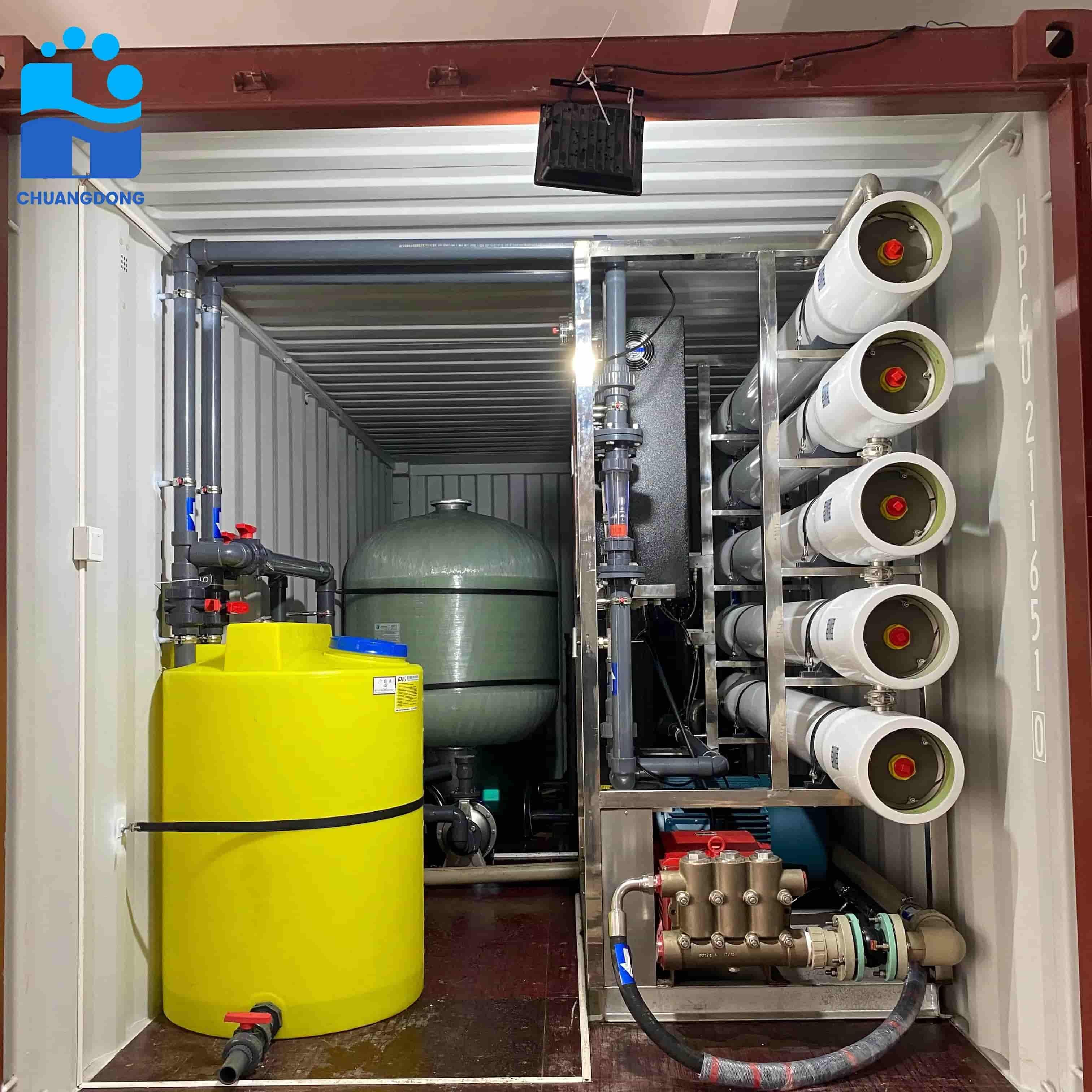
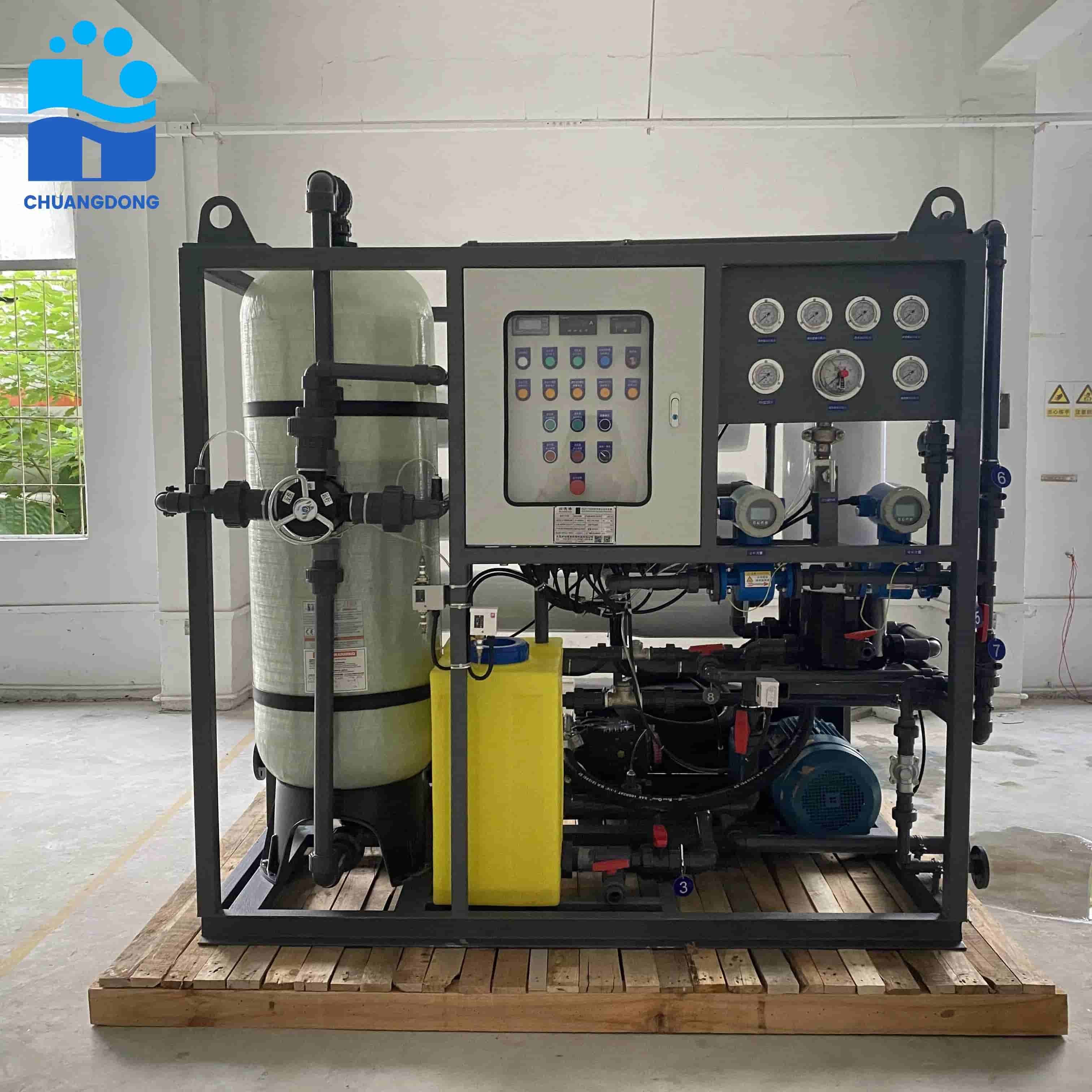
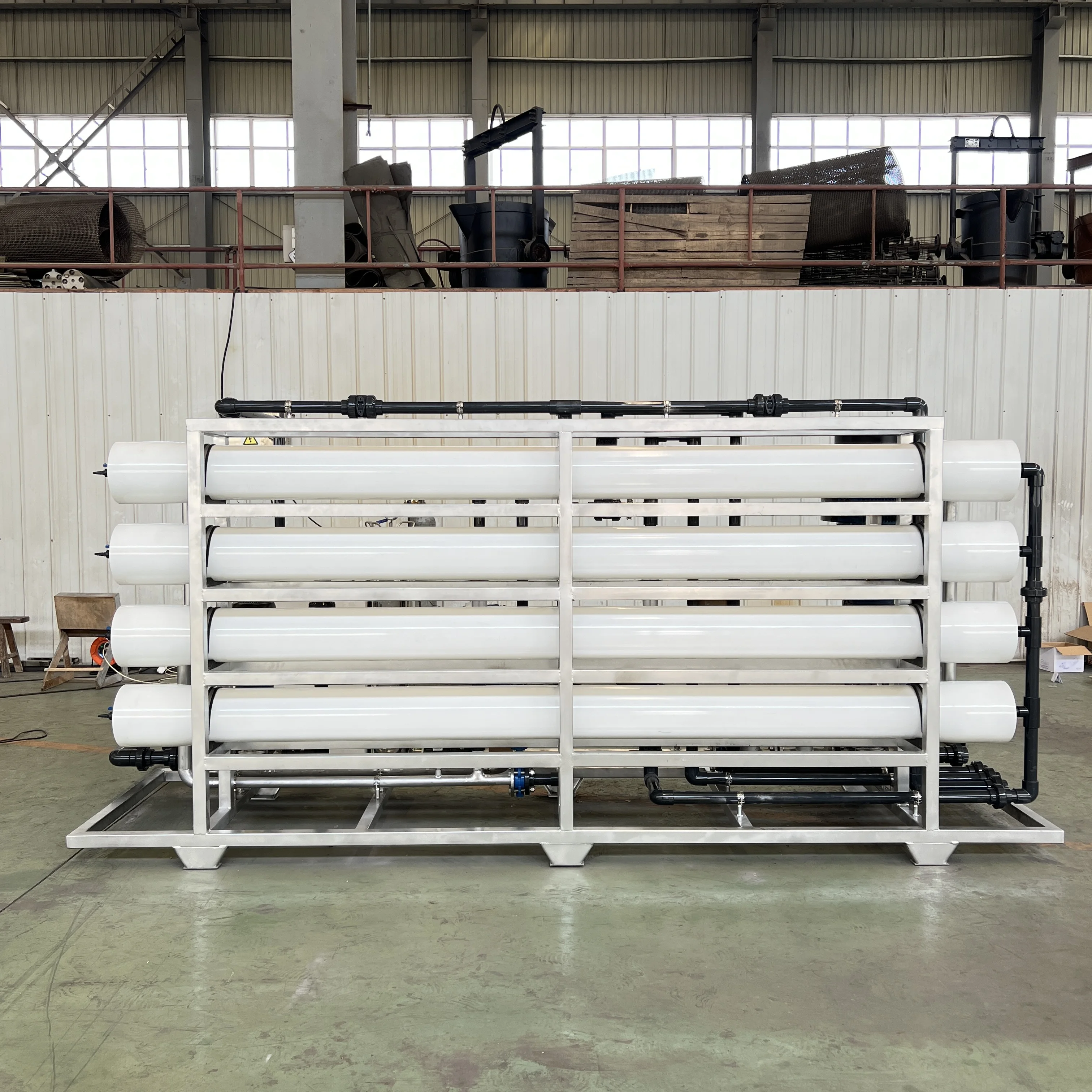
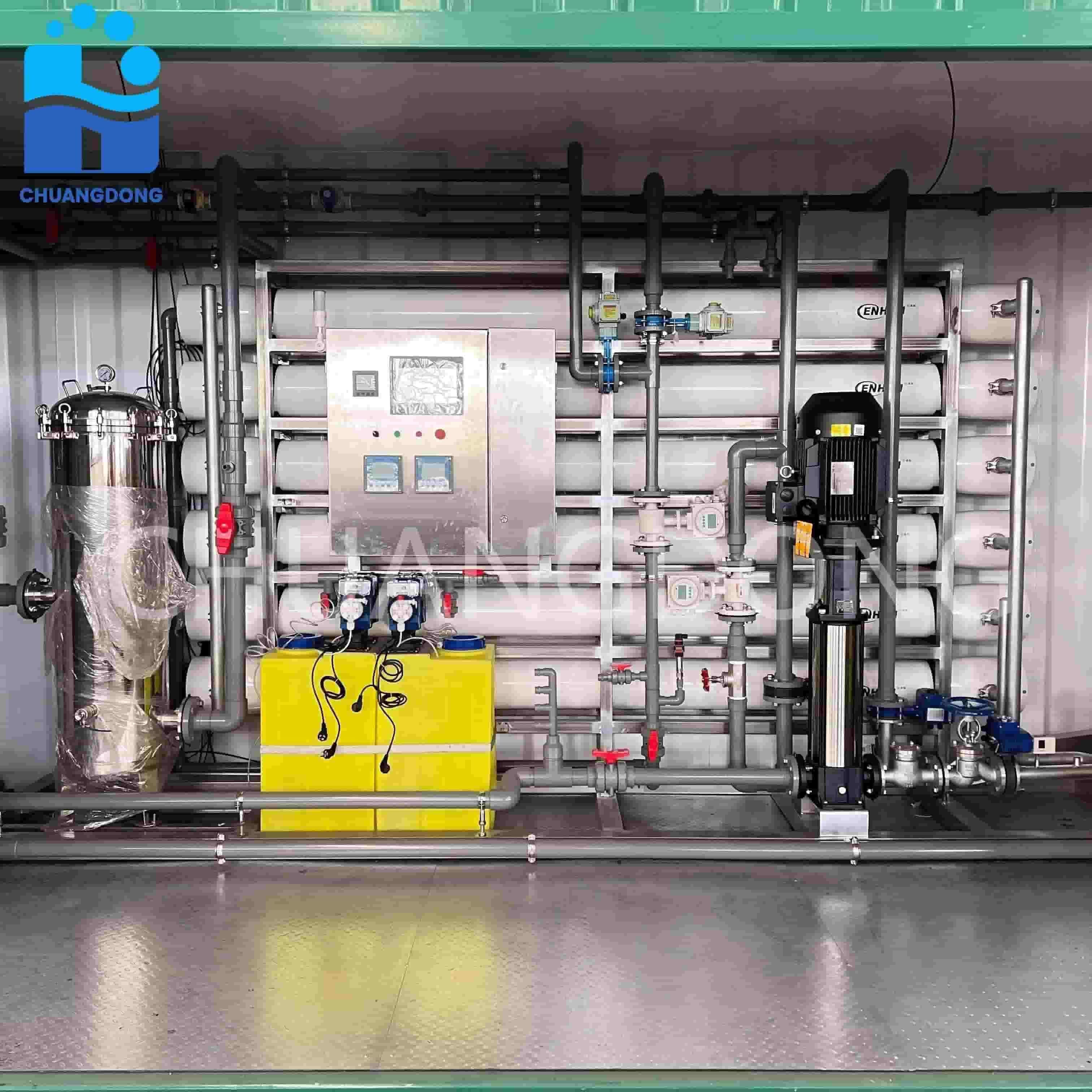
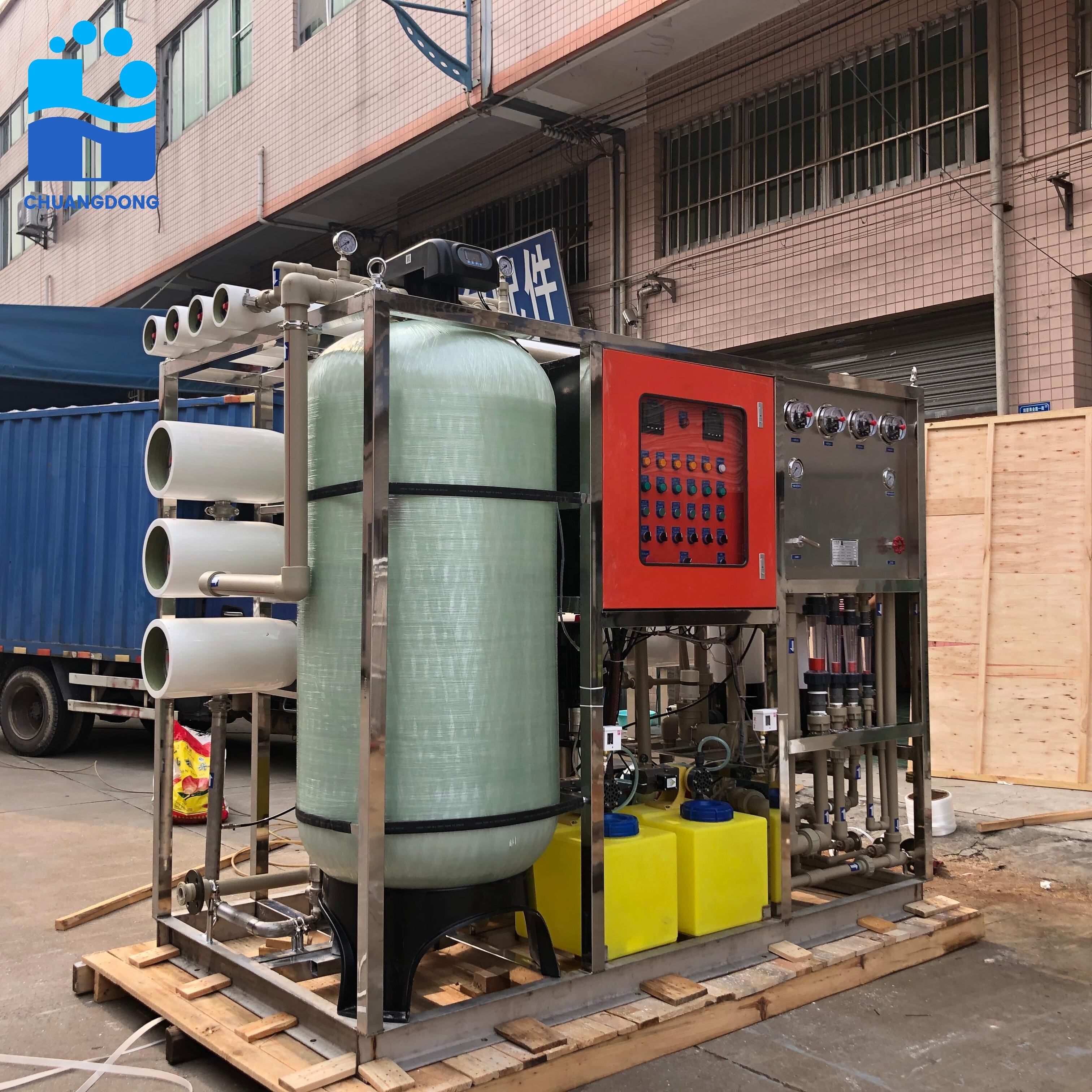
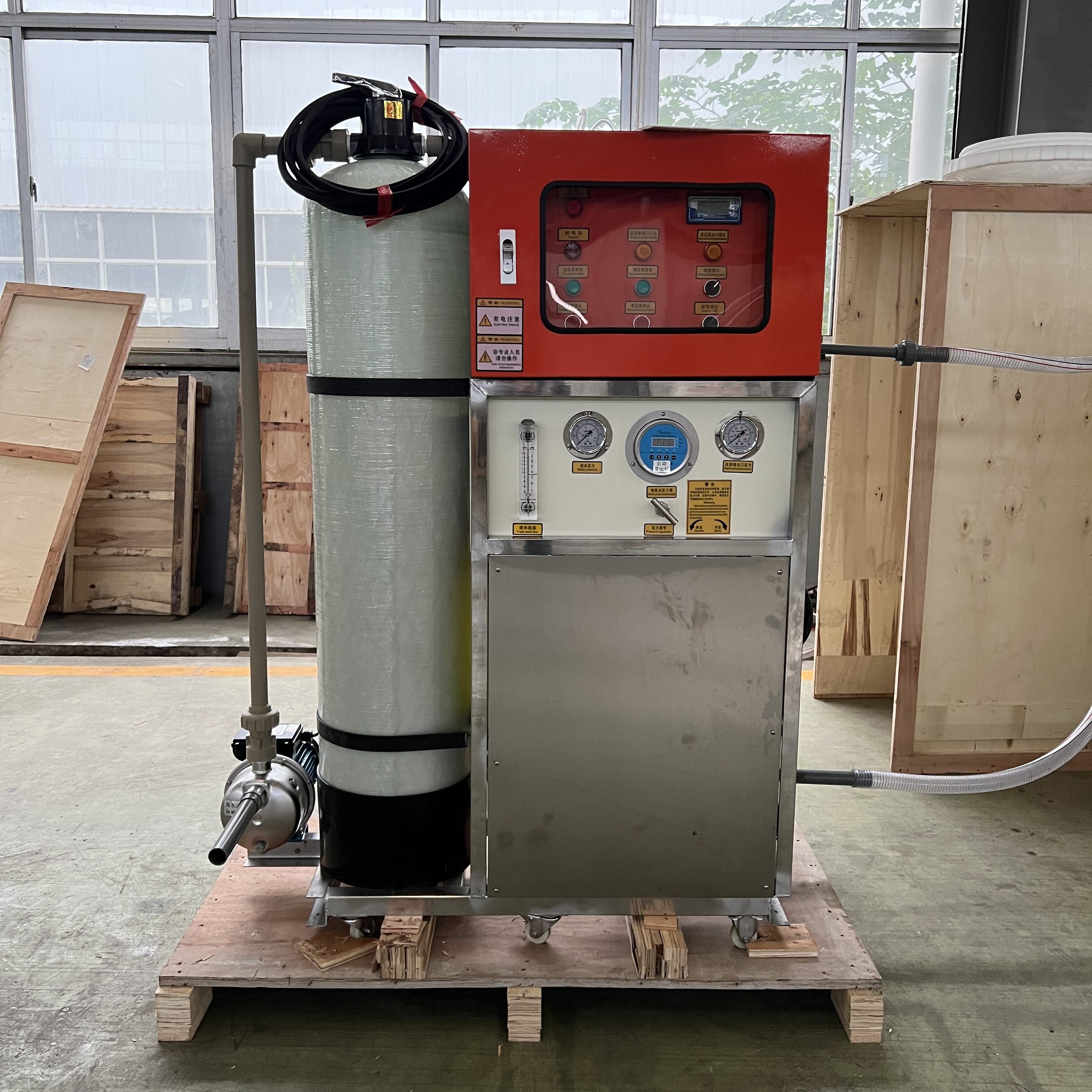
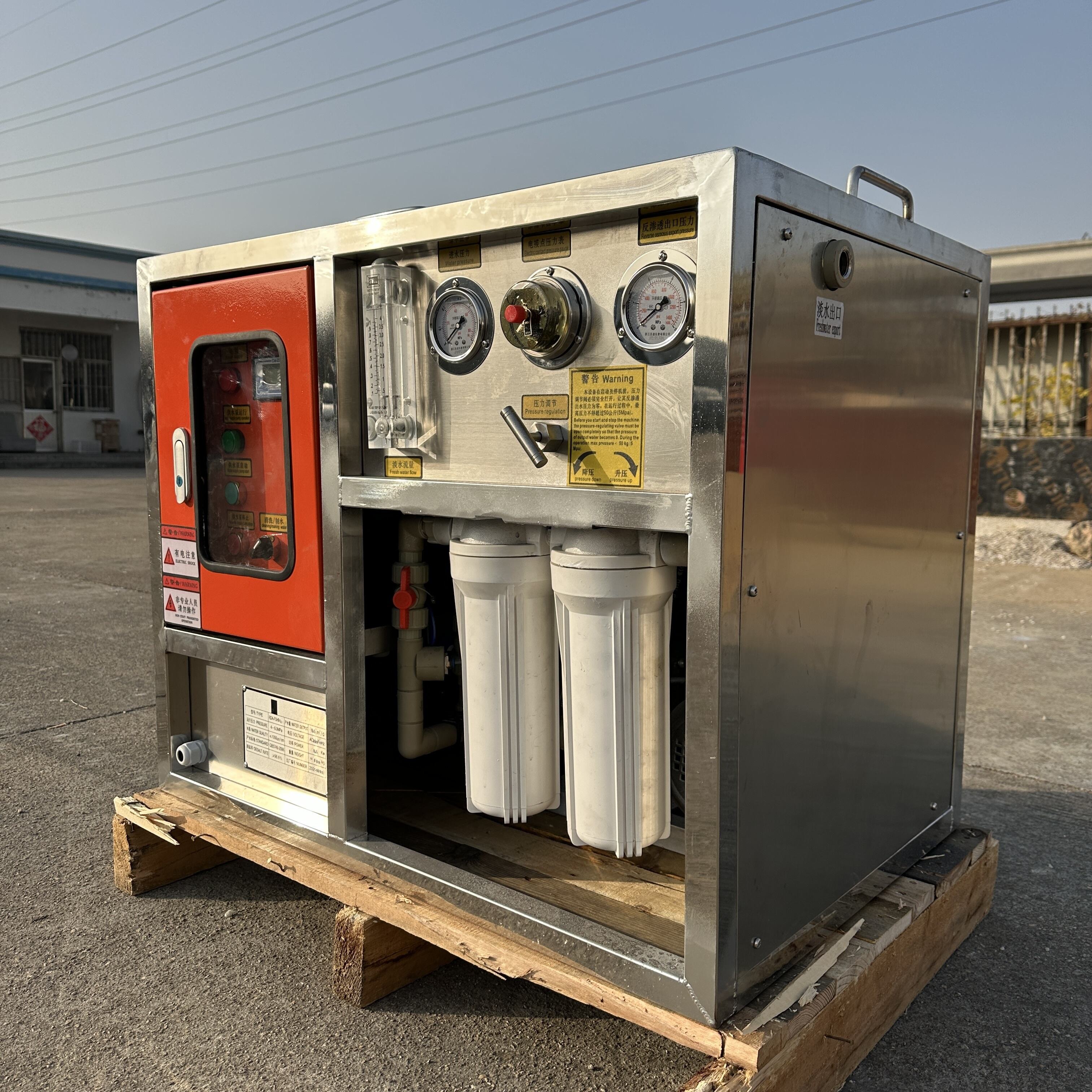
seawater ro system
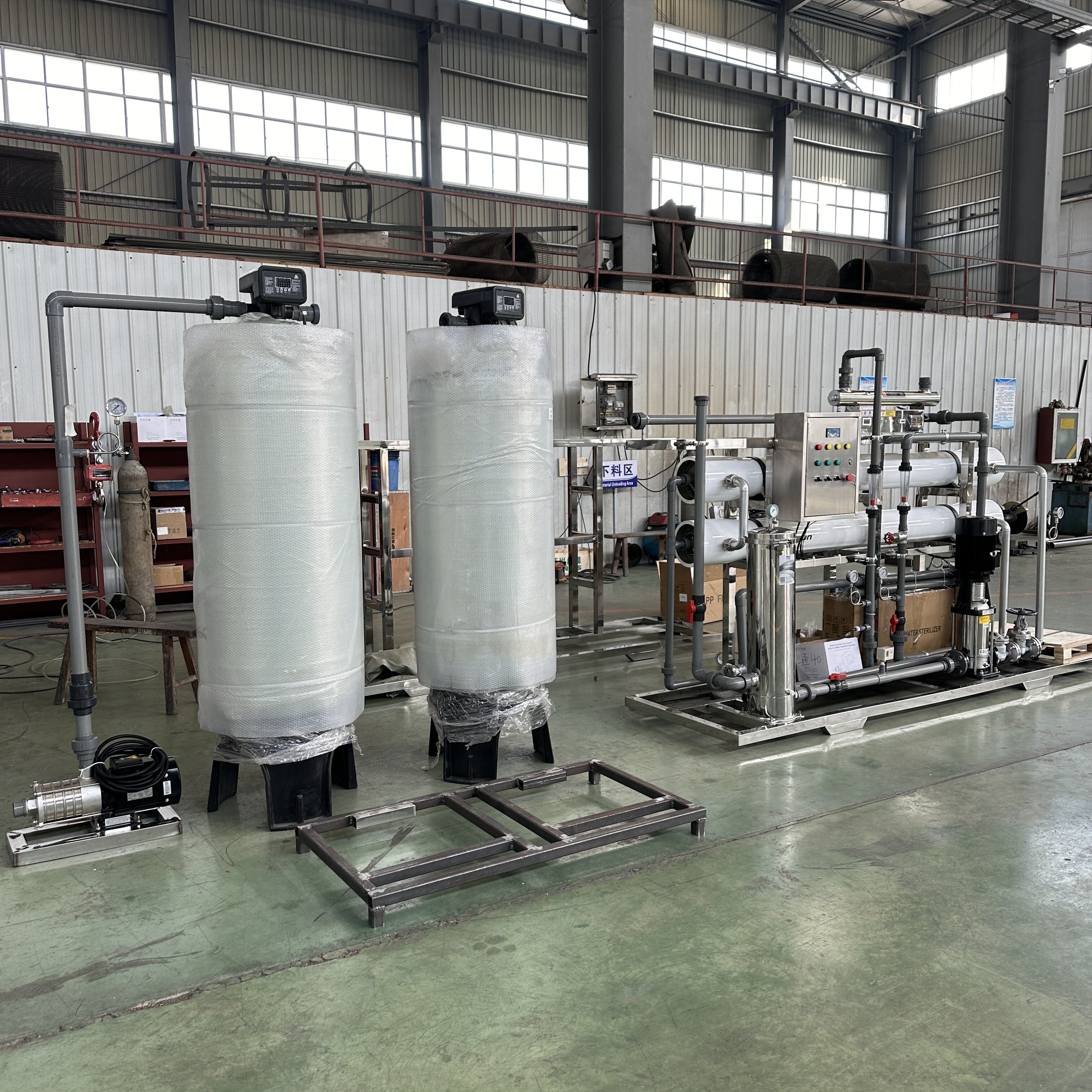
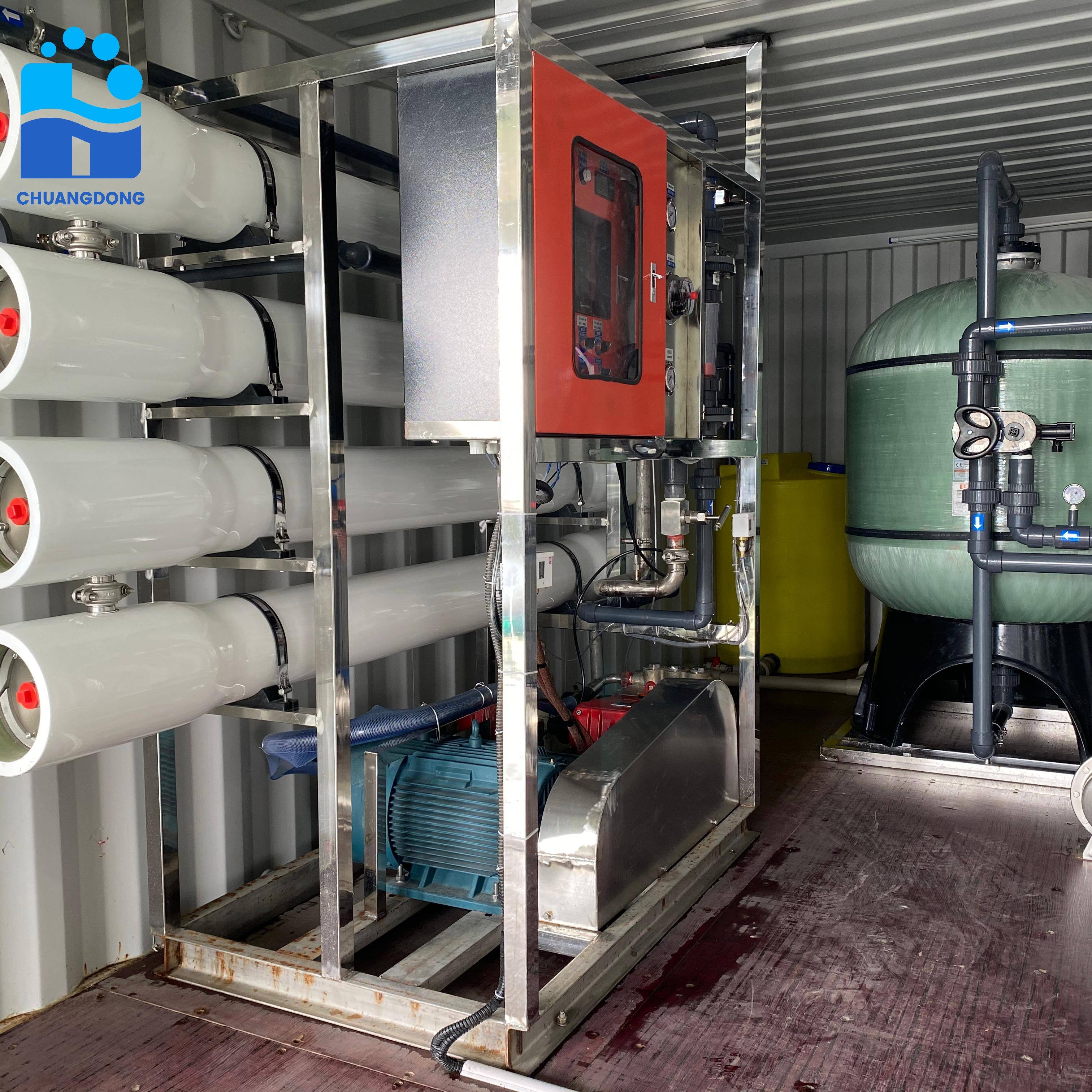
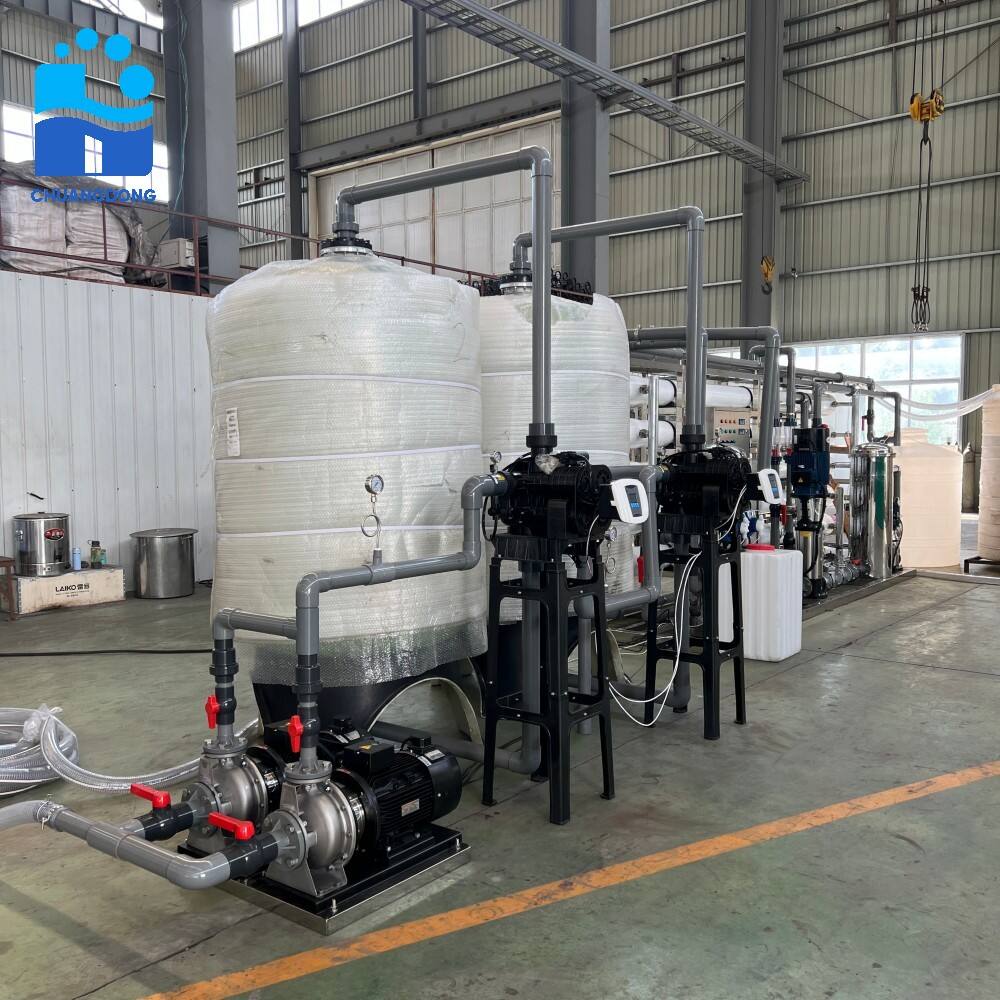
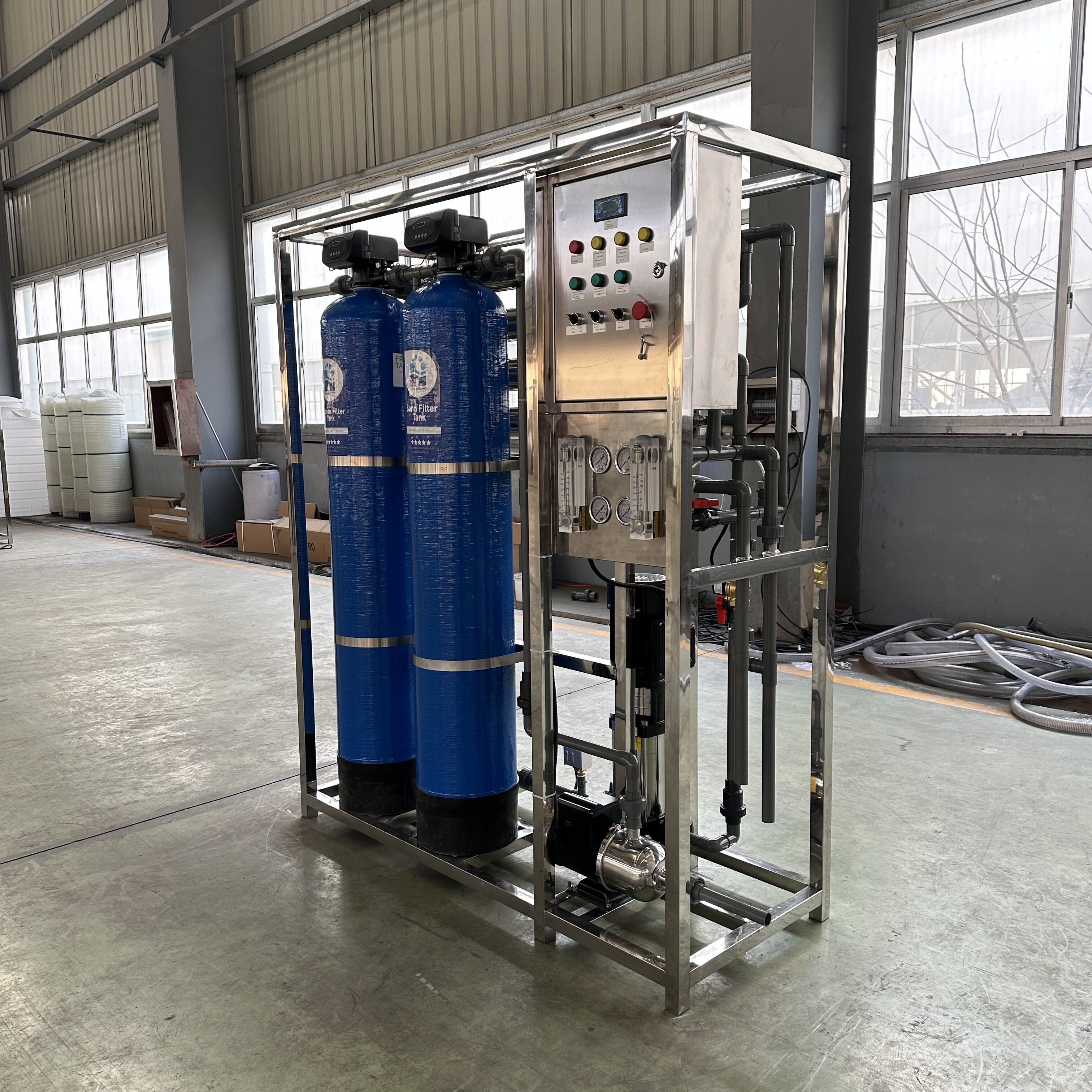
A seawater ro system is an advanced water purification technology that transforms saltwater from oceans and seas into clean, drinkable water through reverse osmosis filtration. This sophisticated system forces seawater through semi-permeable membranes under high pressure, effectively removing dissolved salts, minerals, bacteria, and other contaminants to produce fresh water suitable for drinking, industrial processes, and agricultural use. The seawater ro system operates by applying pressure that exceeds the natural osmotic pressure of seawater, typically ranging from 800 to 1200 psi, pushing water molecules through microscopic membrane pores while blocking salt ions and impurities. The technology features multi-stage pre-treatment processes including sediment filtration, cartridge filters, and chemical dosing to protect the delicate reverse osmosis membranes from fouling and scaling. Modern seawater ro system designs incorporate energy recovery devices that capture and reuse pressure from the concentrated brine discharge, significantly reducing operational costs. These systems find extensive applications in coastal communities lacking freshwater resources, maritime vessels requiring onboard water production, island resorts, offshore oil platforms, and emergency disaster relief operations. Industrial facilities also utilize seawater ro system technology for boiler feed water, cooling tower makeup water, and manufacturing processes requiring high-purity water. The system's modular design allows for scalable installations ranging from small units producing hundreds of gallons daily to large desalination plants generating millions of gallons per day, making it adaptable to diverse water production needs across residential, commercial, and industrial sectors.
 EN
EN