seawater ro plant
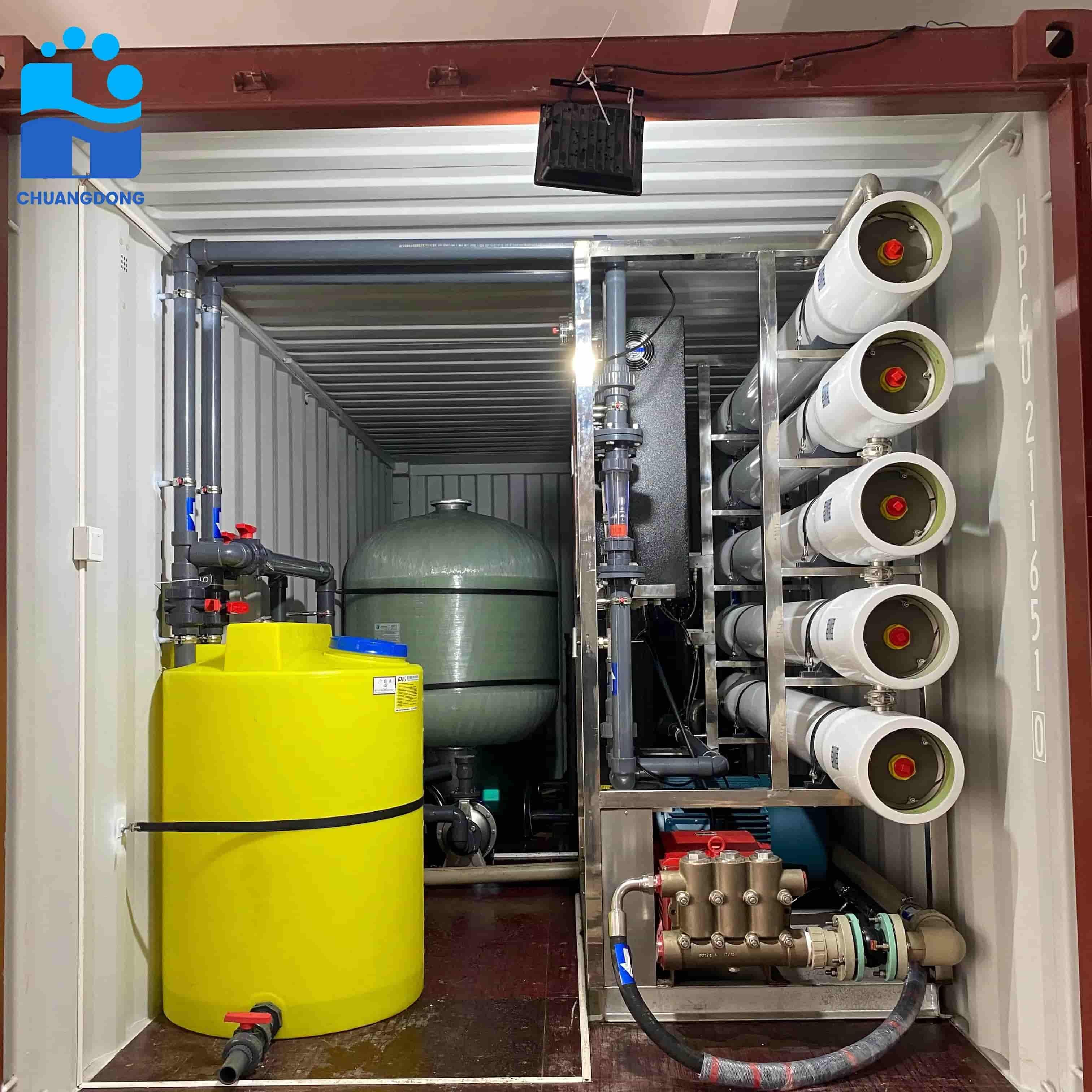
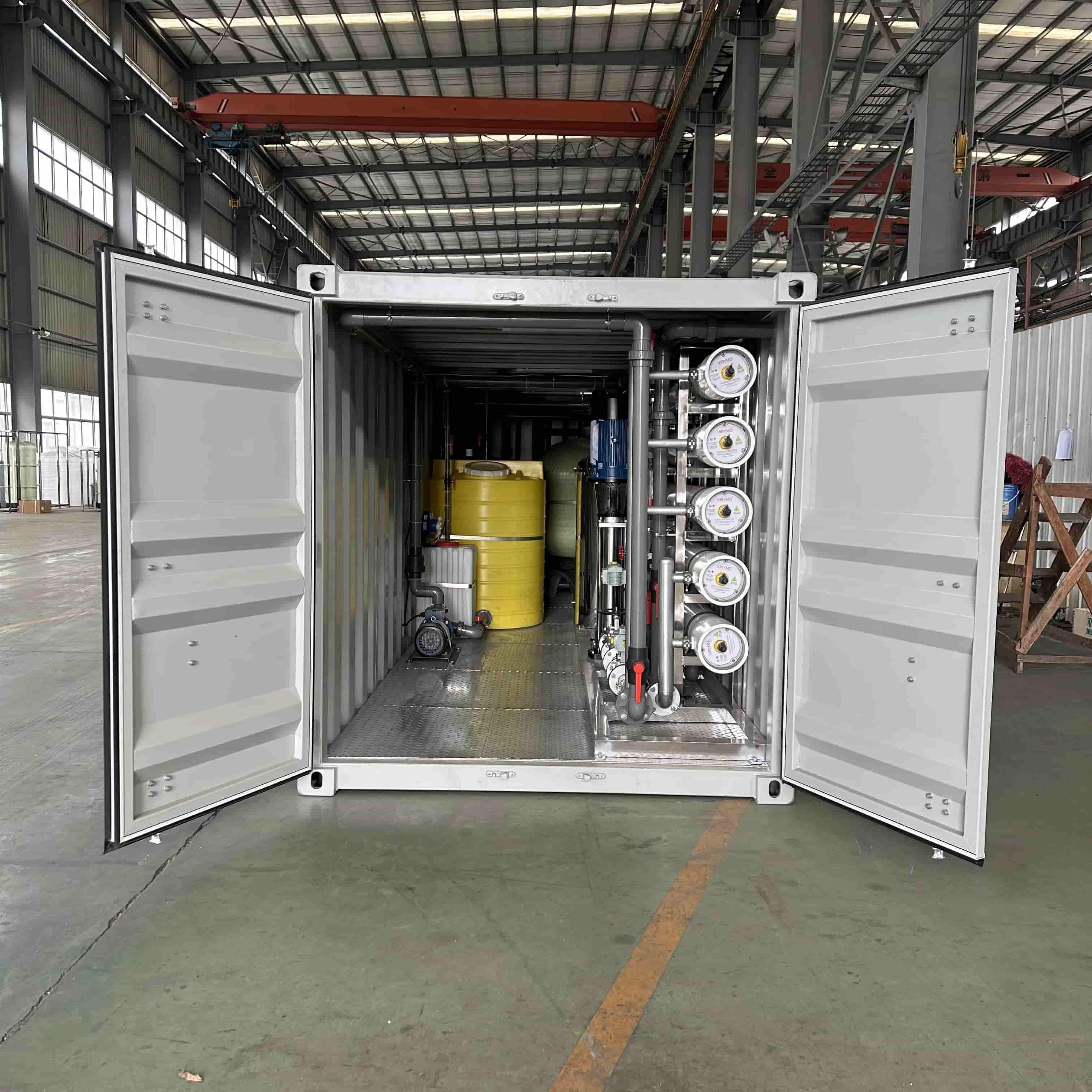
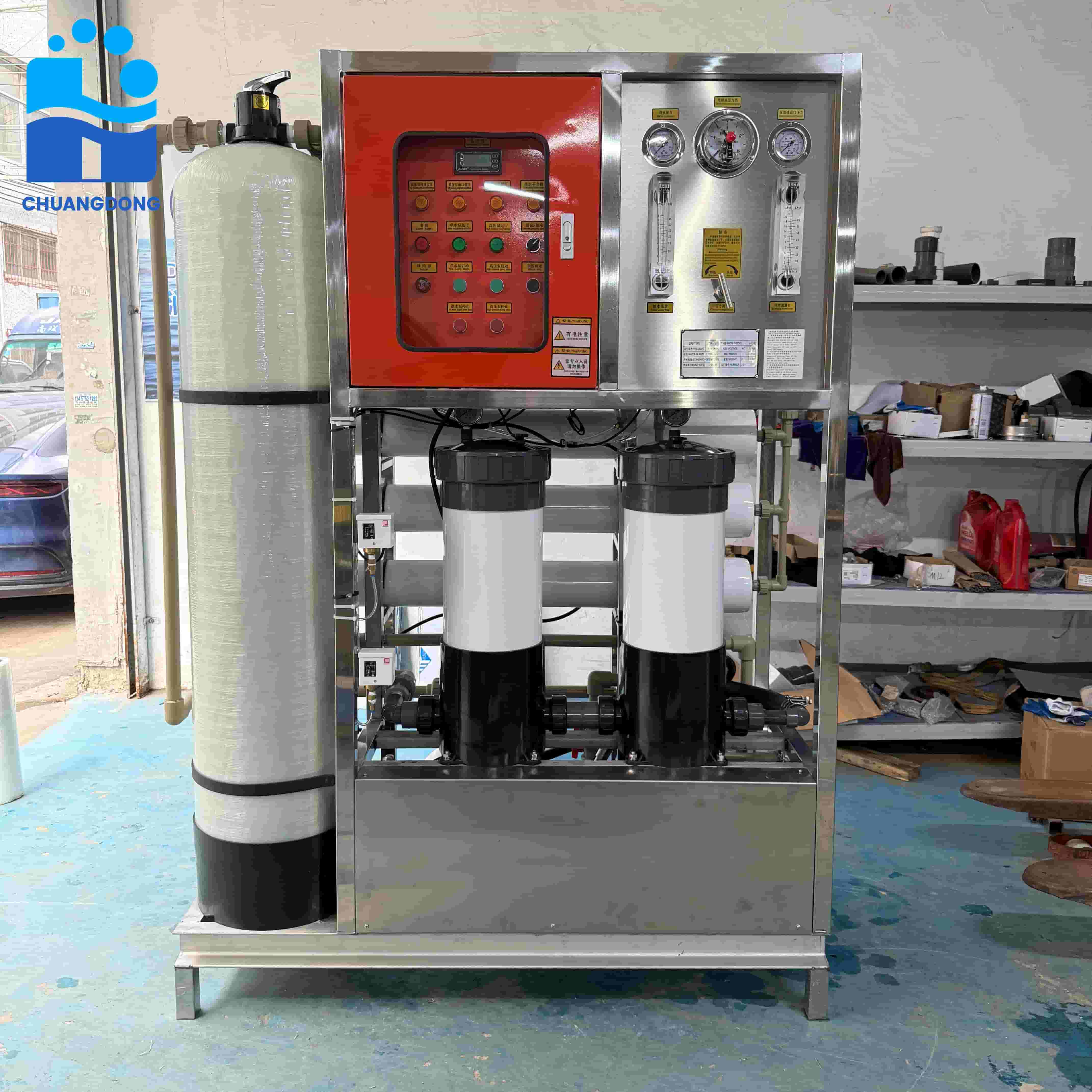
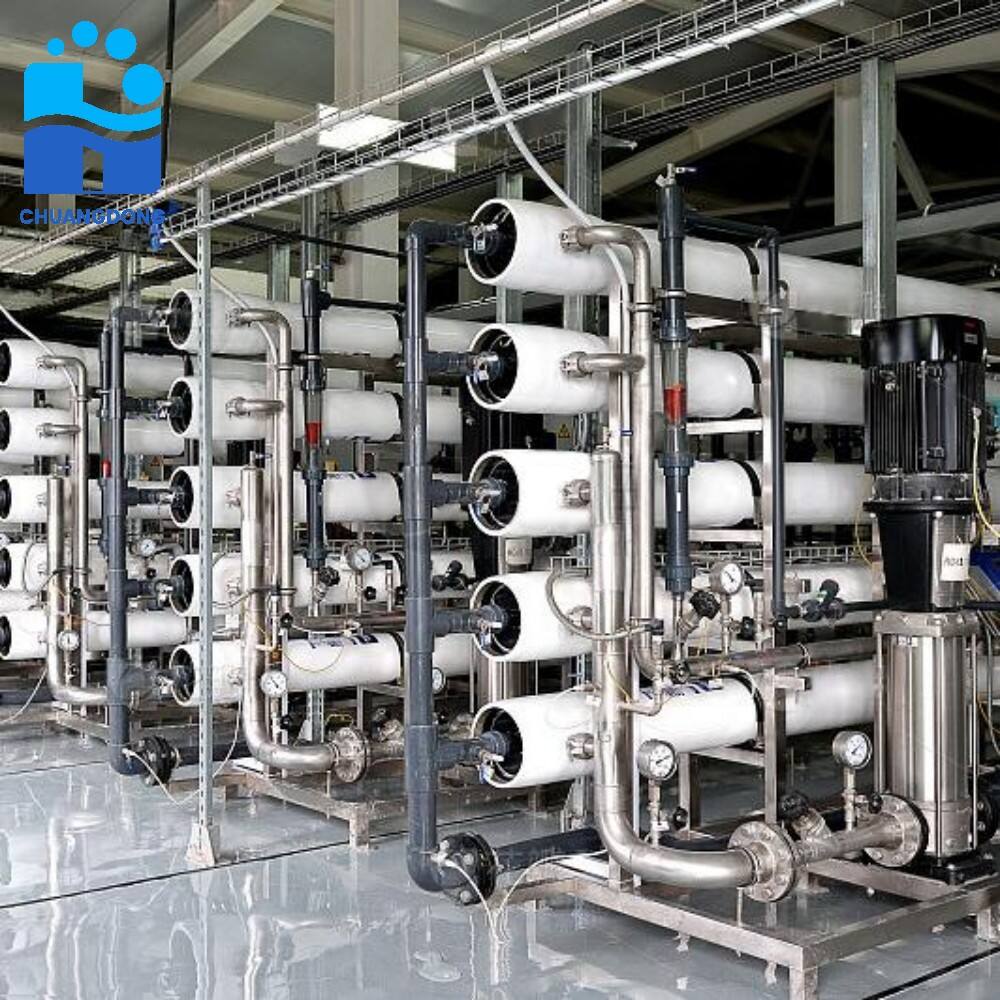
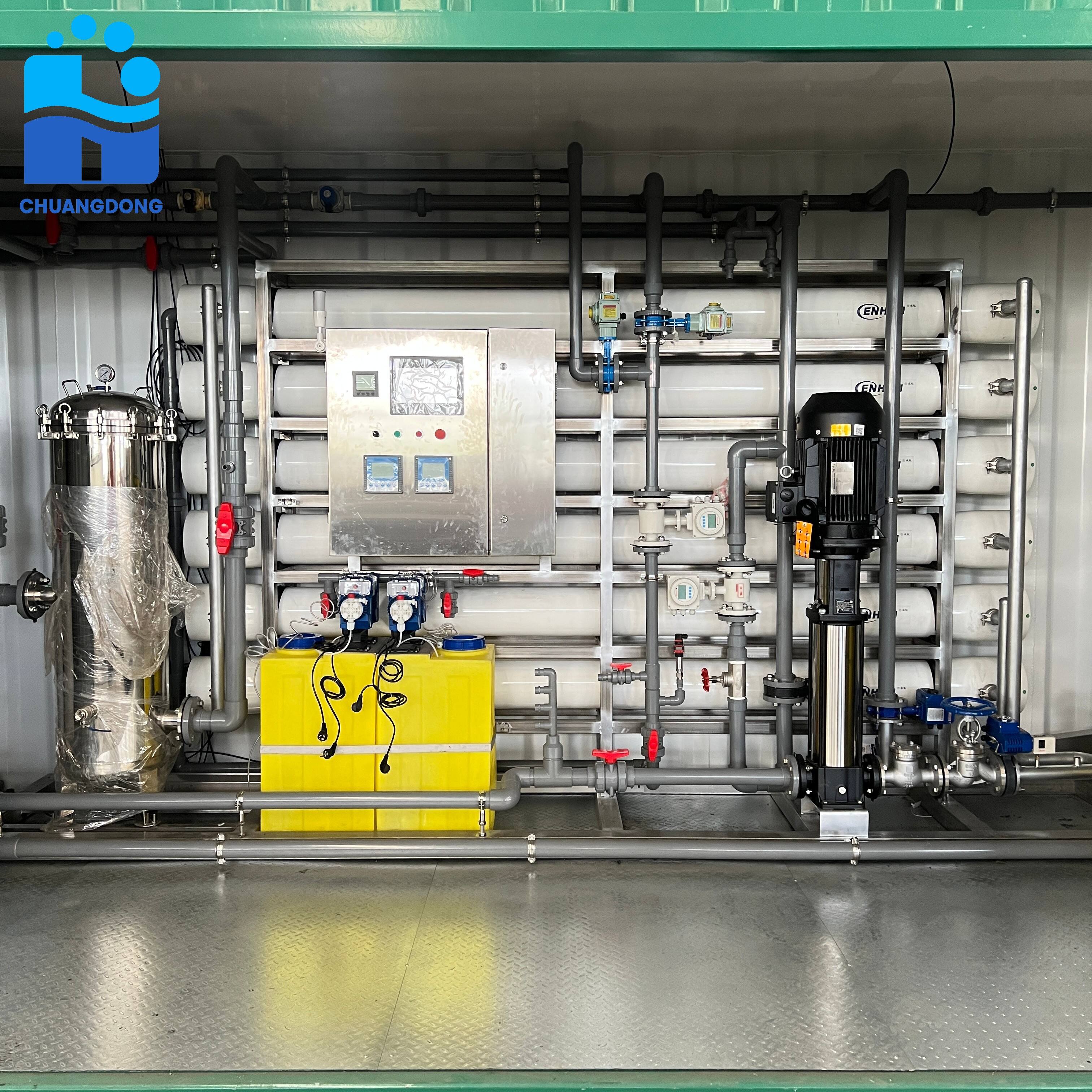
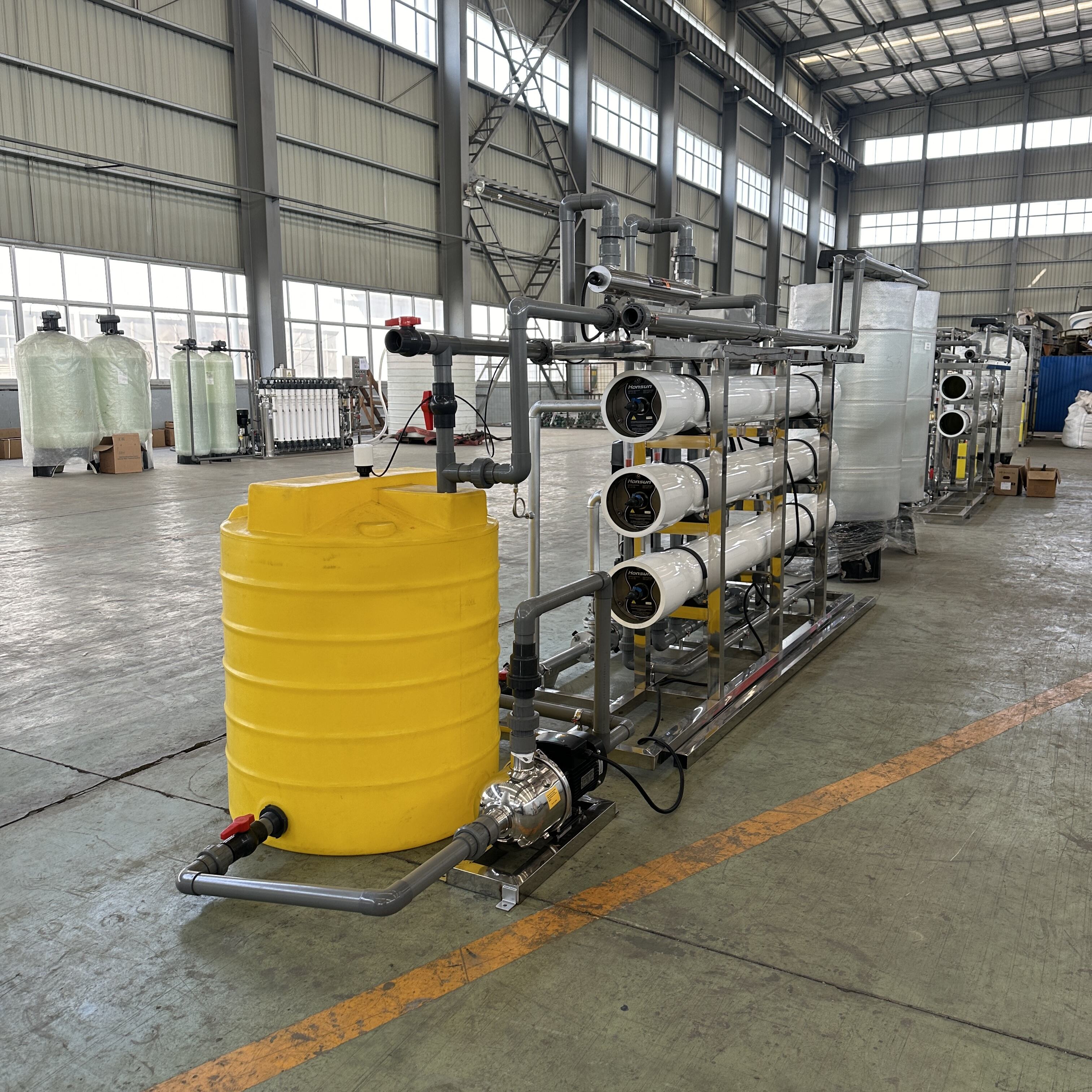
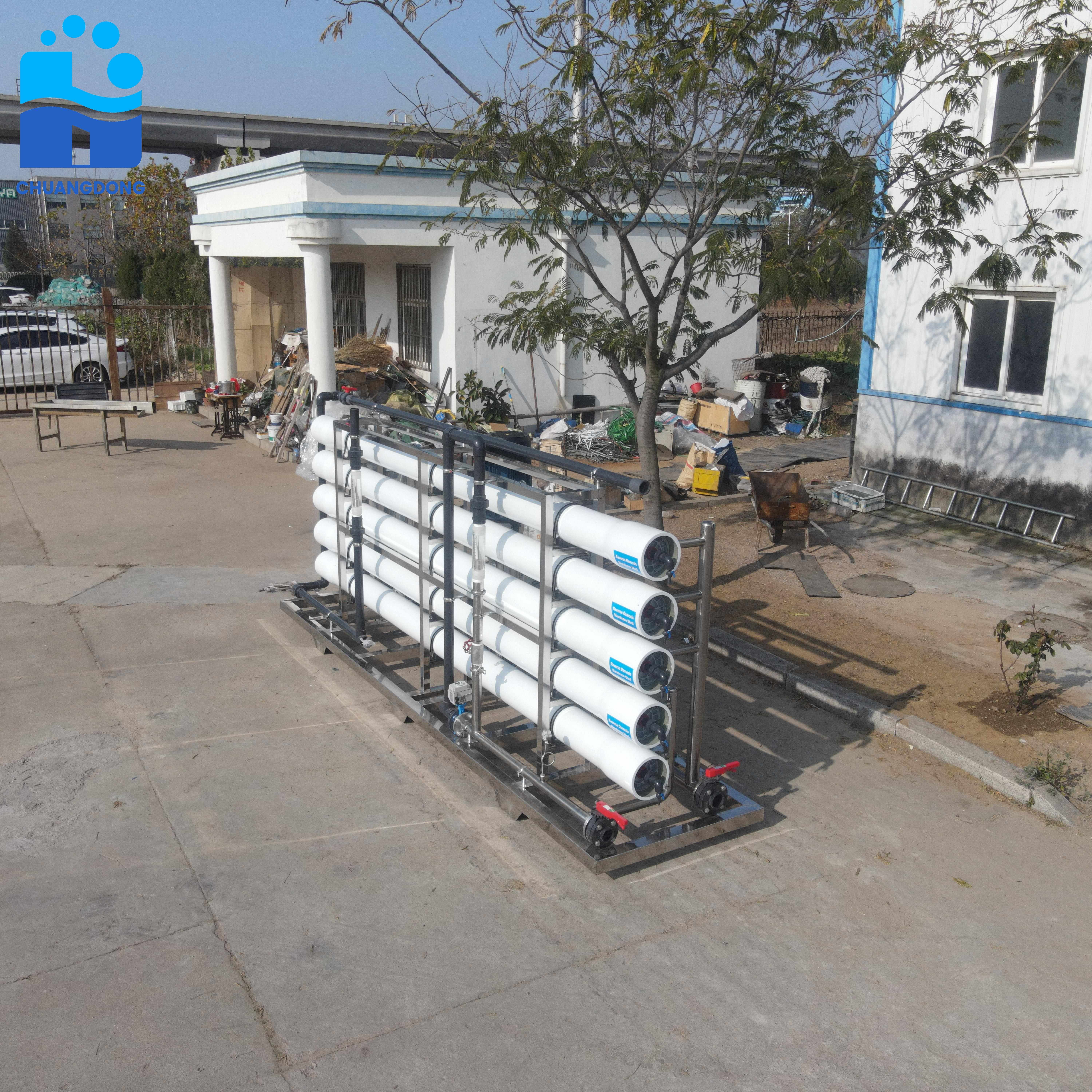
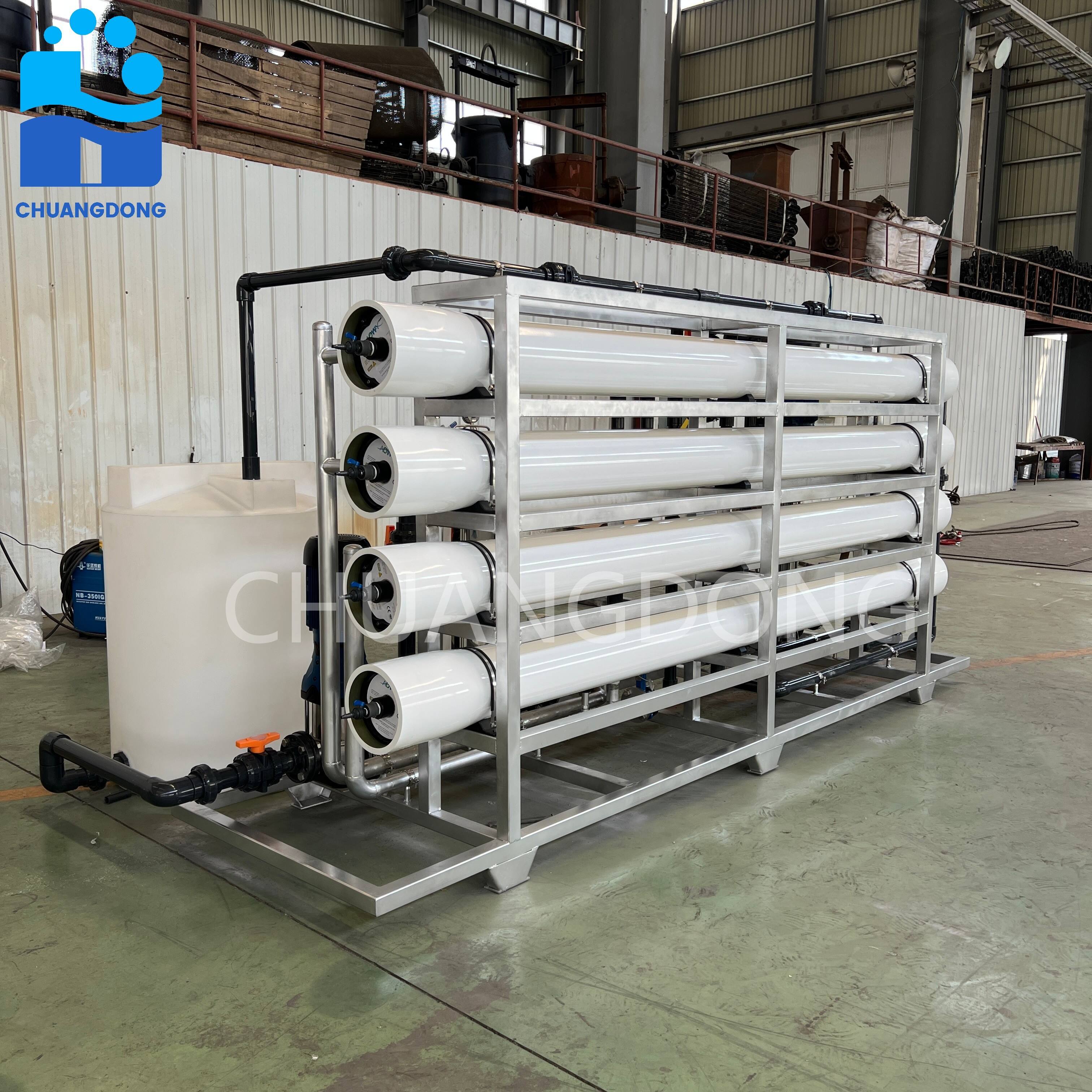
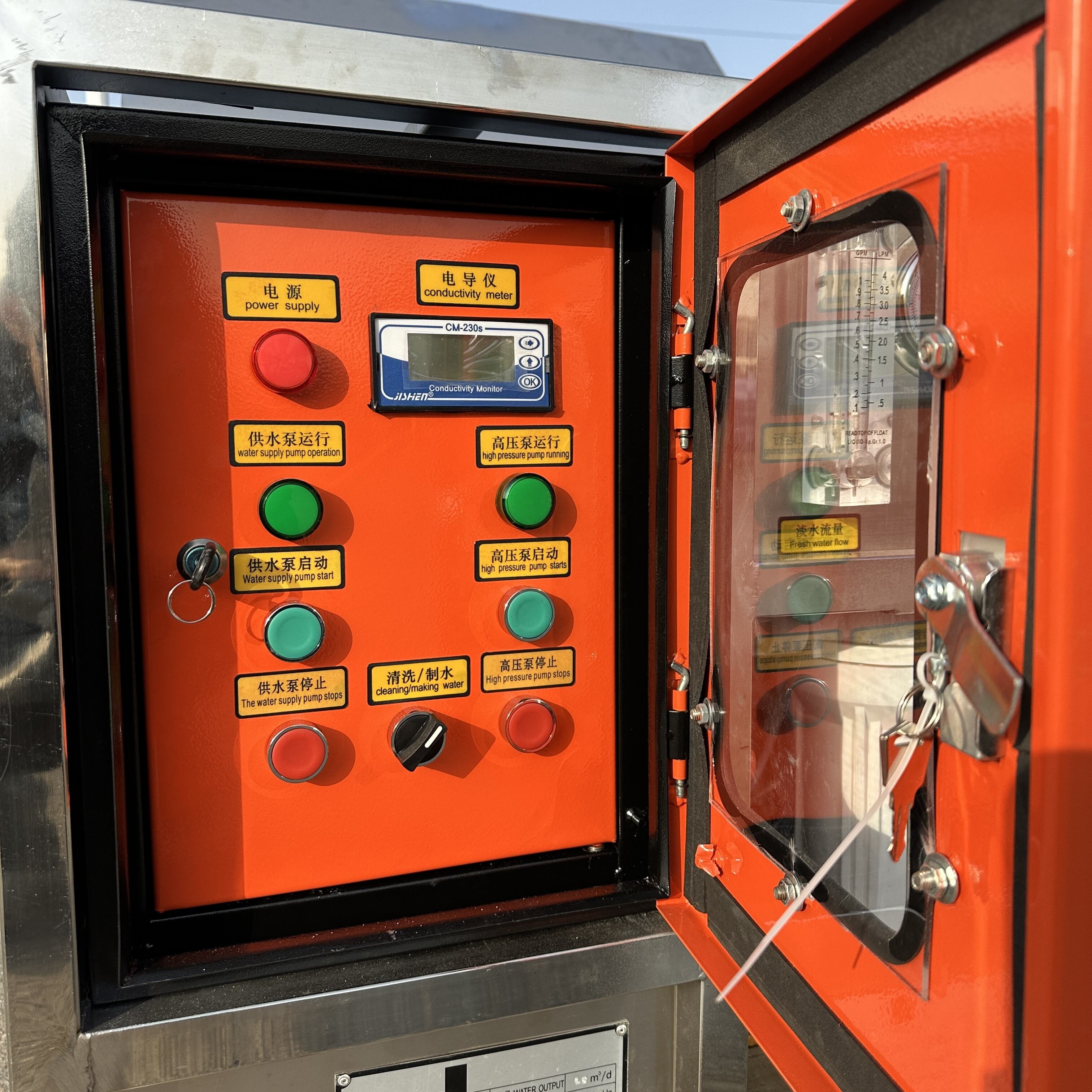
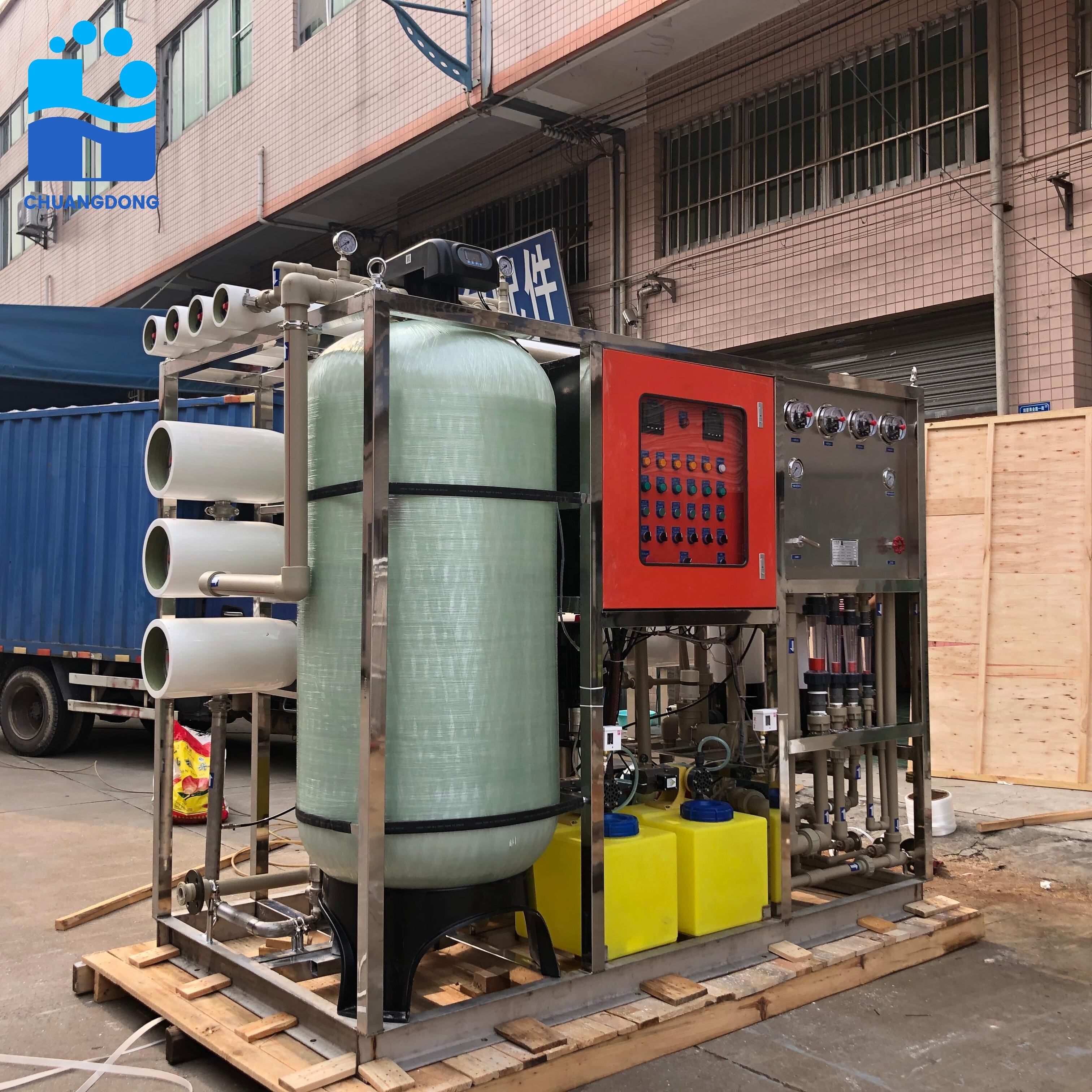
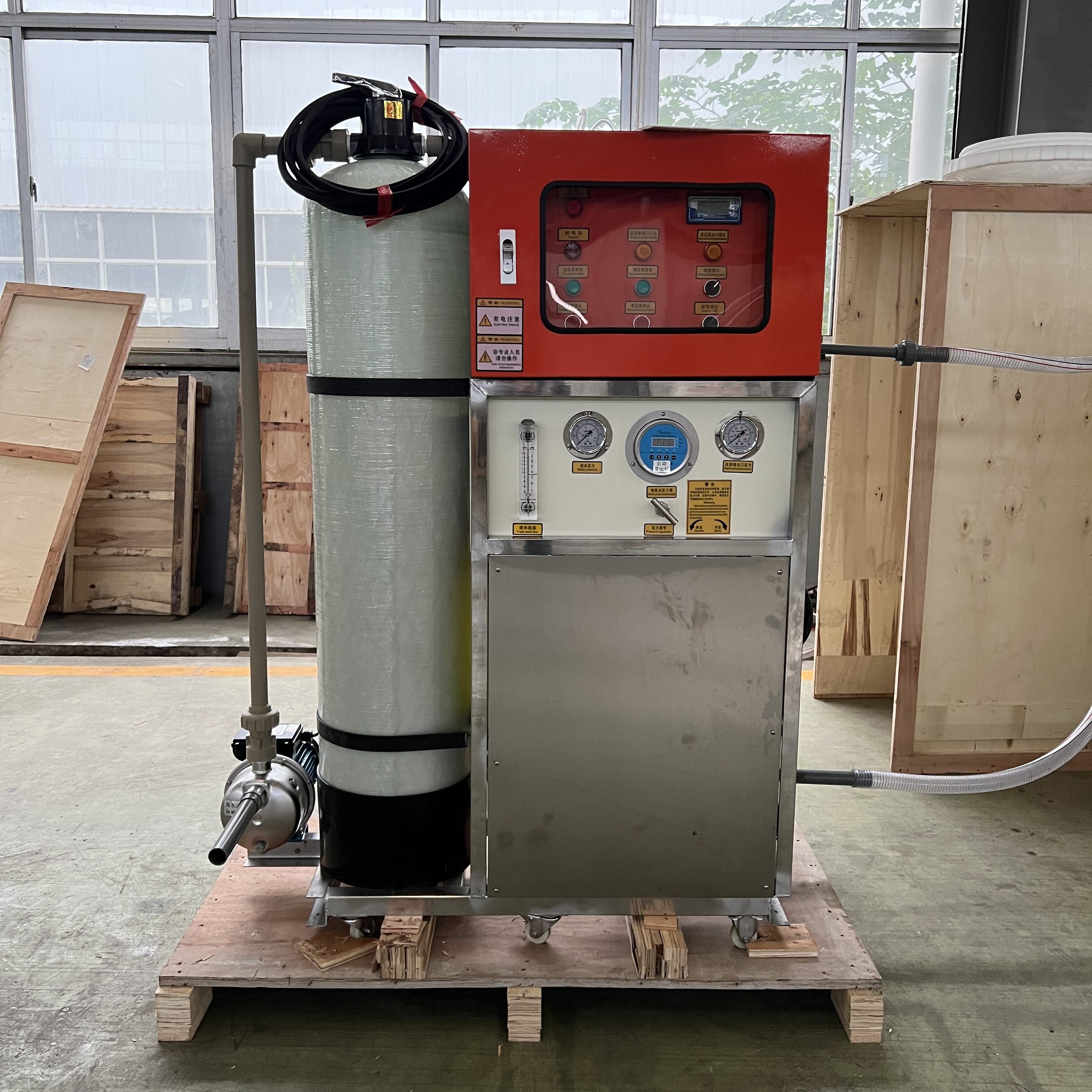
A seawater ro plant is an advanced desalination system designed to convert seawater into fresh, potable water through reverse osmosis technology. This sophisticated filtration process removes salt, minerals, and contaminants from ocean water, making it safe for drinking, industrial use, and agricultural applications. The seawater ro plant operates by forcing seawater through semi-permeable membranes under high pressure, effectively separating pure water molecules from dissolved salts and impurities. Modern systems incorporate pre-treatment stages to remove suspended solids, bacteria, and organic matter before the main reverse osmosis process begins. The technology serves coastal communities, islands, offshore platforms, and regions facing freshwater scarcity by providing a reliable and sustainable water source. Each seawater ro plant can be customized to meet specific capacity requirements, ranging from small-scale units producing hundreds of gallons daily to large industrial facilities generating millions of gallons per day. The system includes essential components such as high-pressure pumps, membrane modules, energy recovery devices, and post-treatment equipment to ensure optimal water quality. By transforming abundant seawater resources into usable freshwater, this technology addresses global water shortage challenges while reducing dependency on traditional freshwater sources. The seawater ro plant represents a proven solution for water security, combining efficiency, reliability, and environmental responsibility in one comprehensive system.
 EN
EN