Advanced Desalination Systems: Reliable Water Purification Technology for Municipal and Industrial Applications

Get a Free Quote

Our representative will contact you soon.
Email
Name
Company Name
Message
0/1000

desalination system

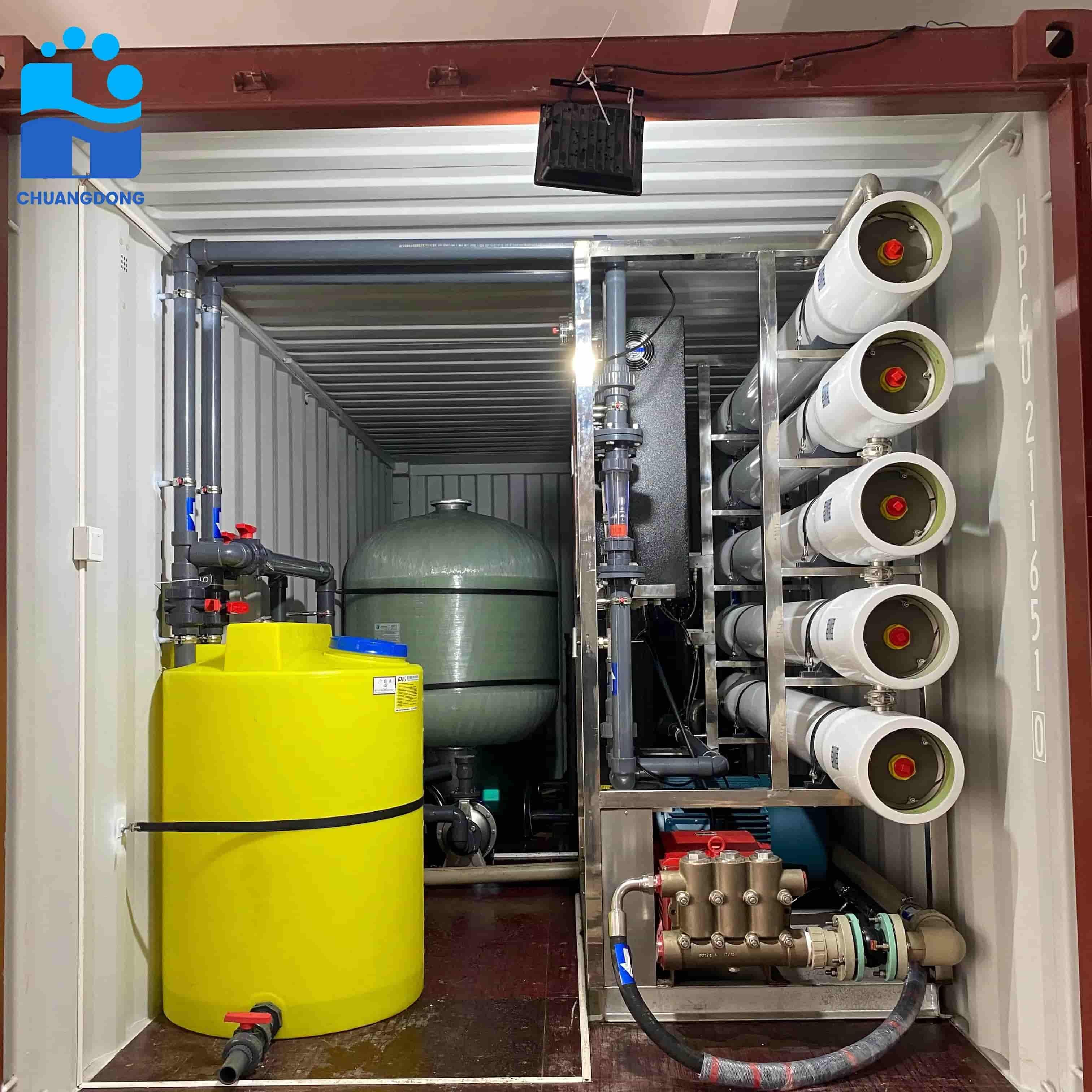
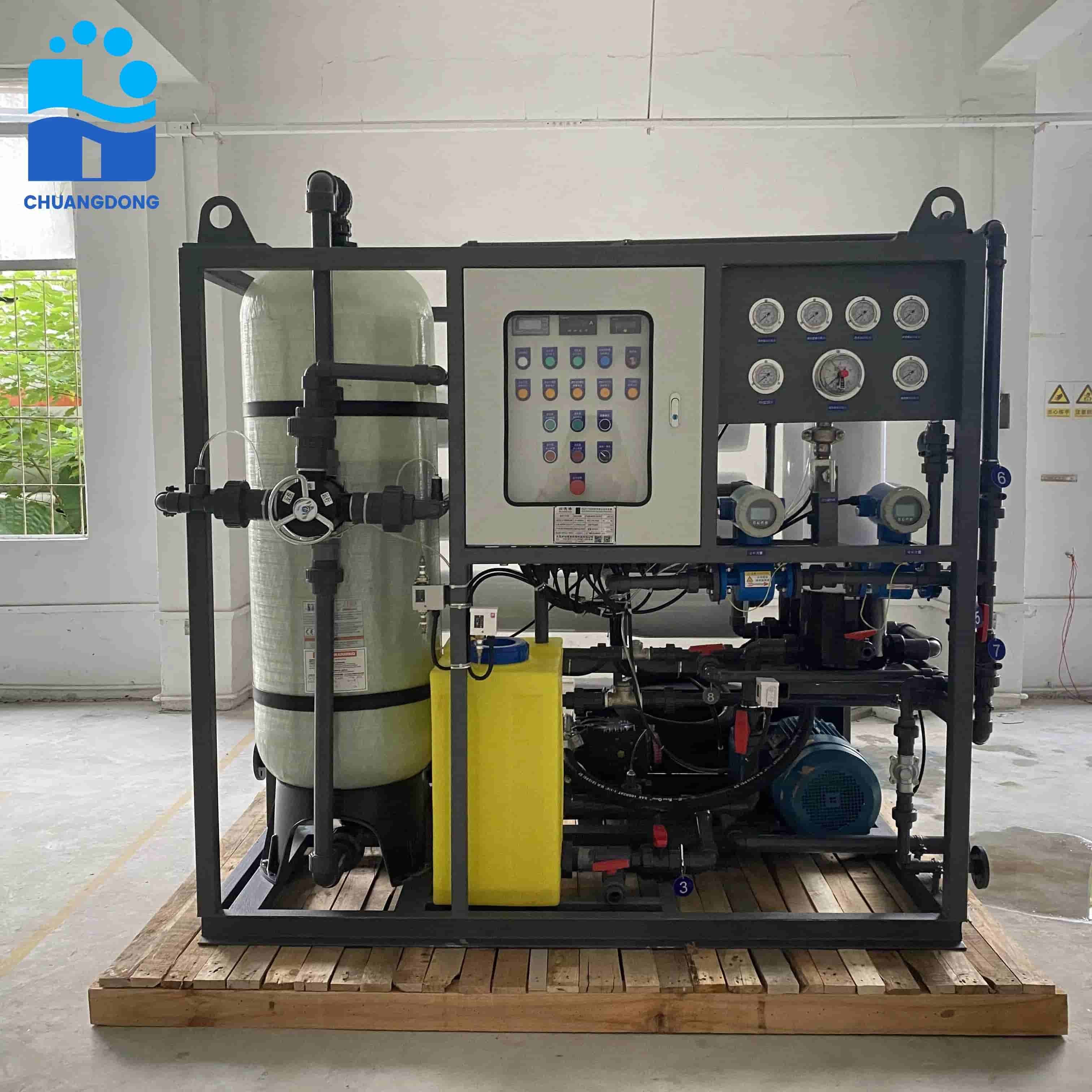
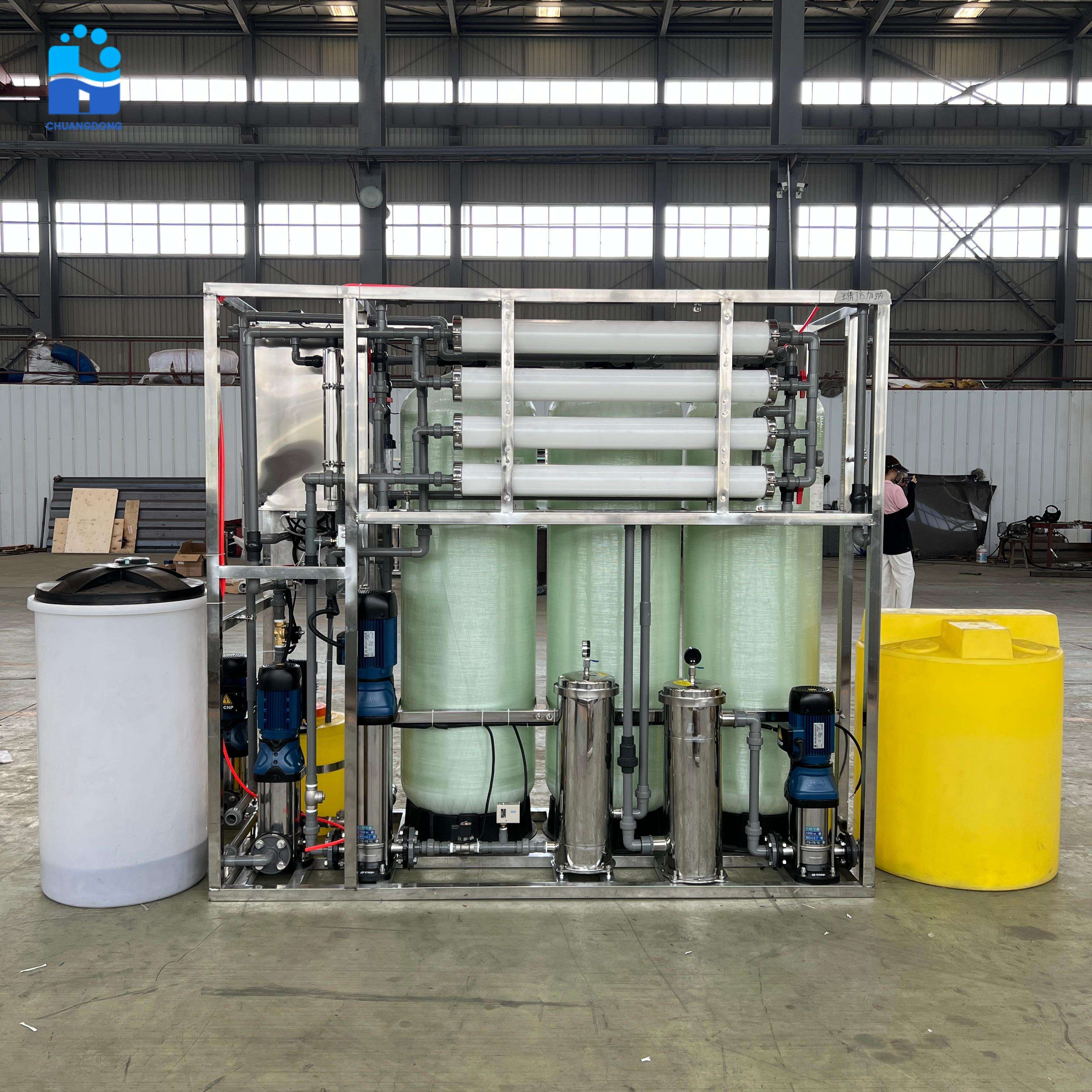
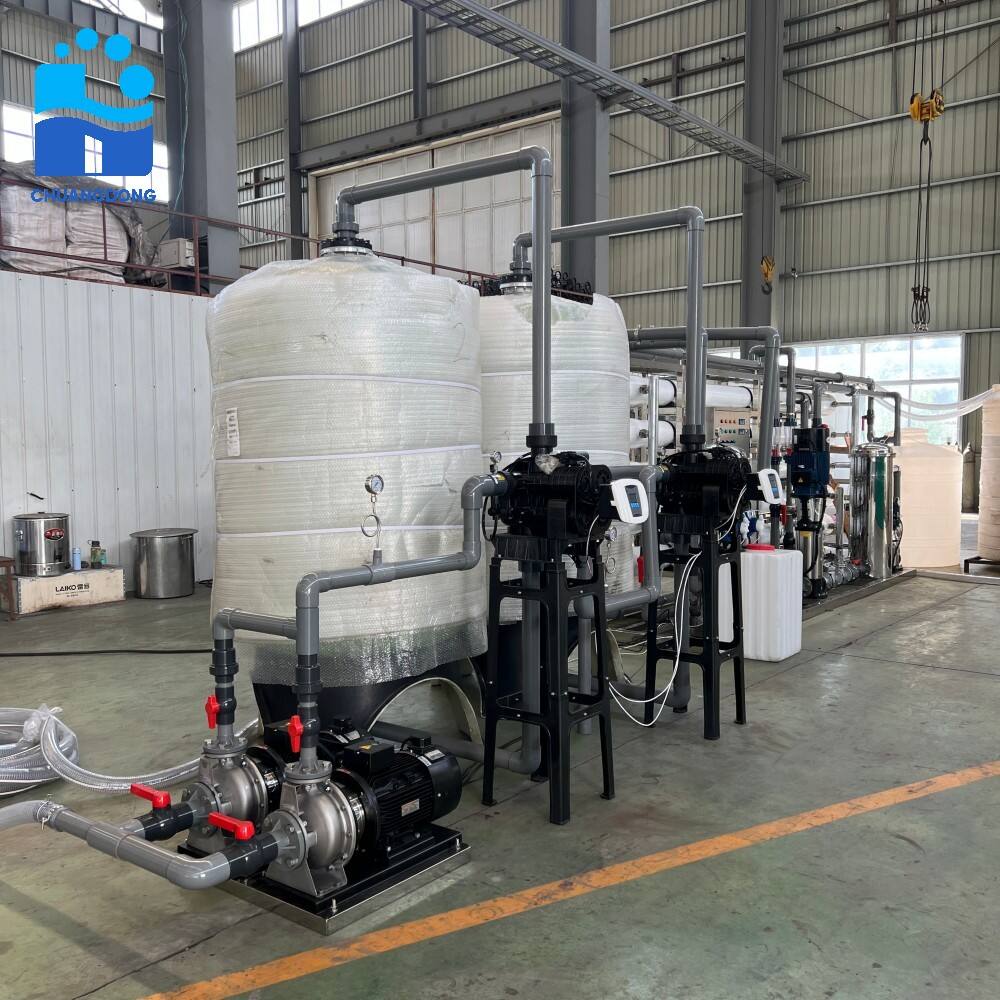
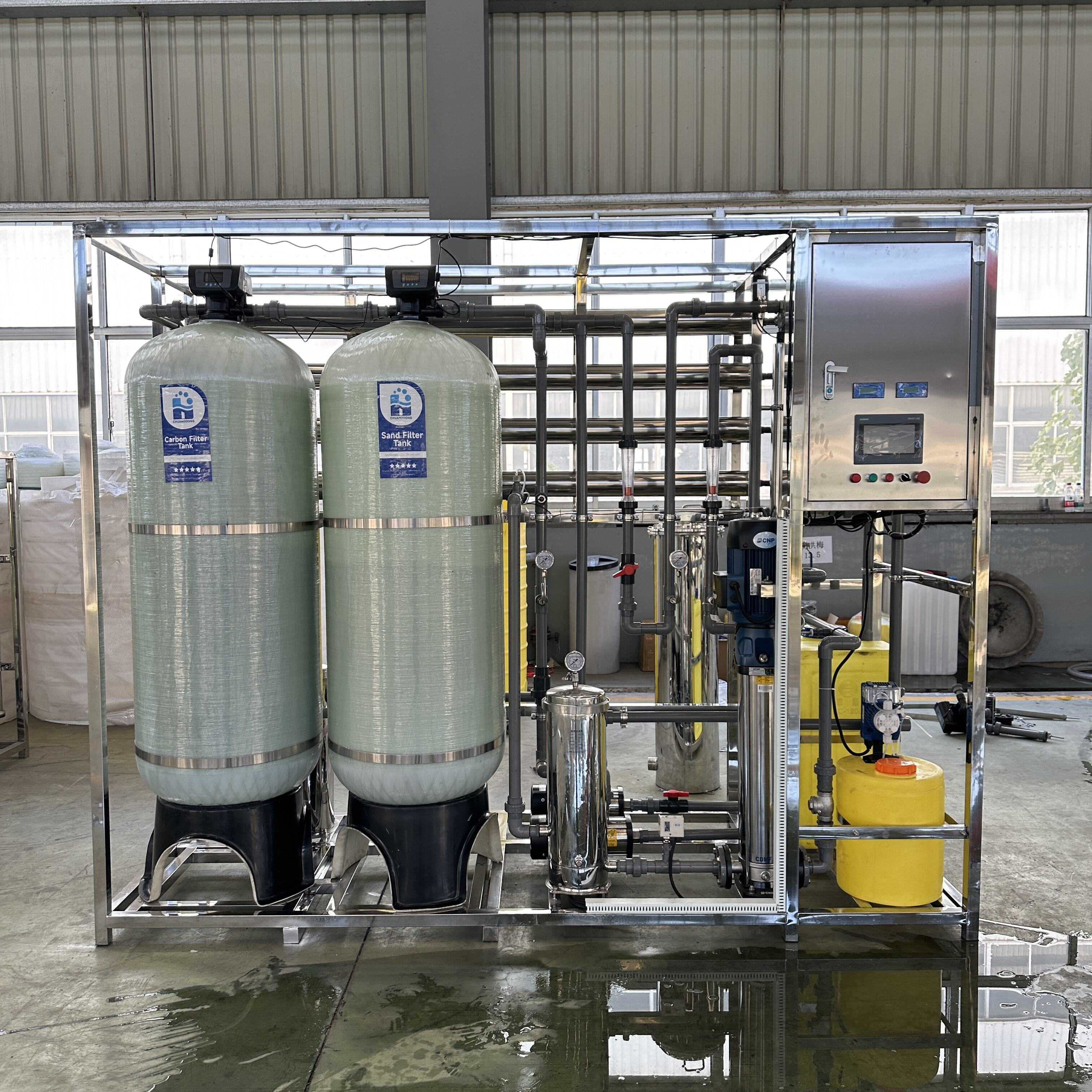
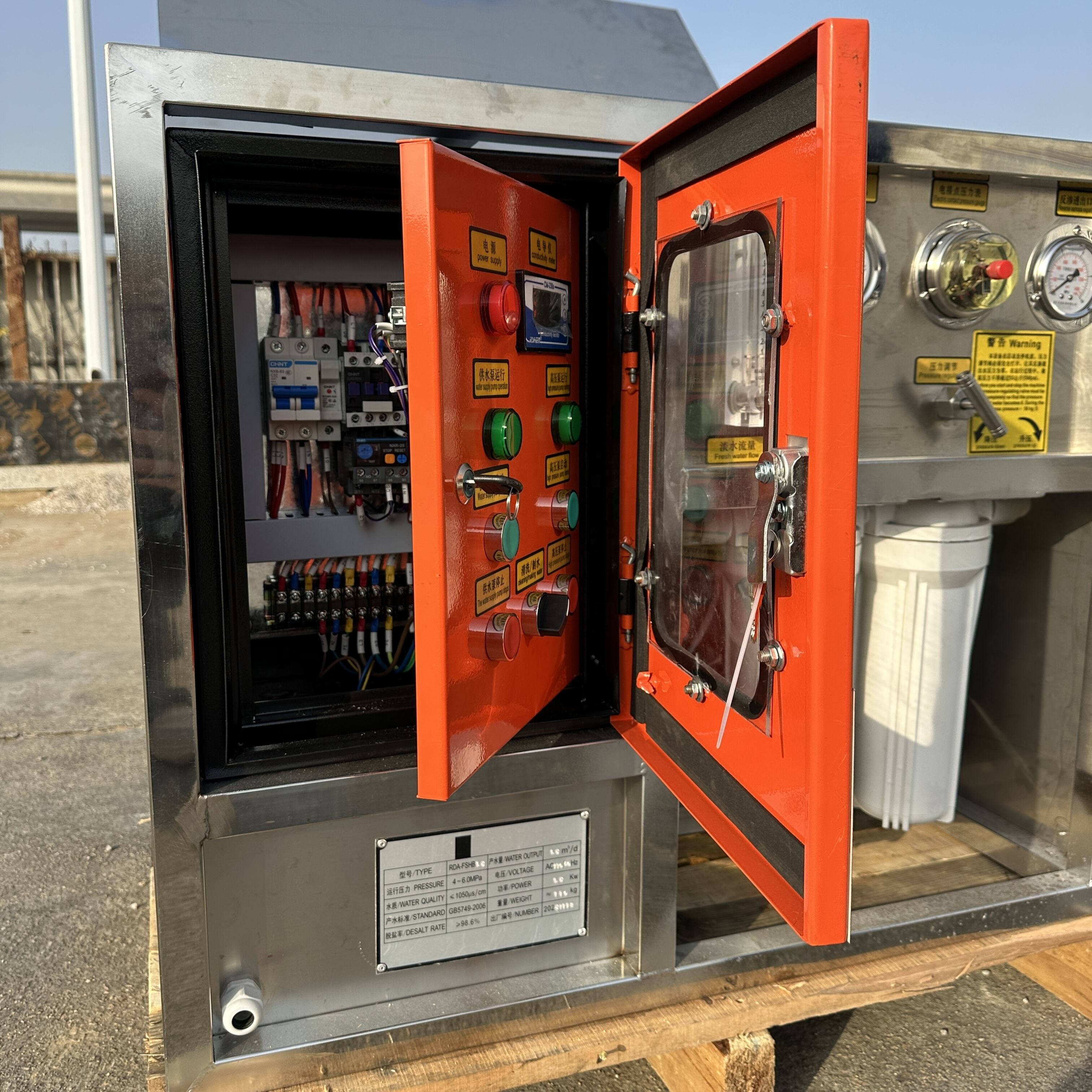
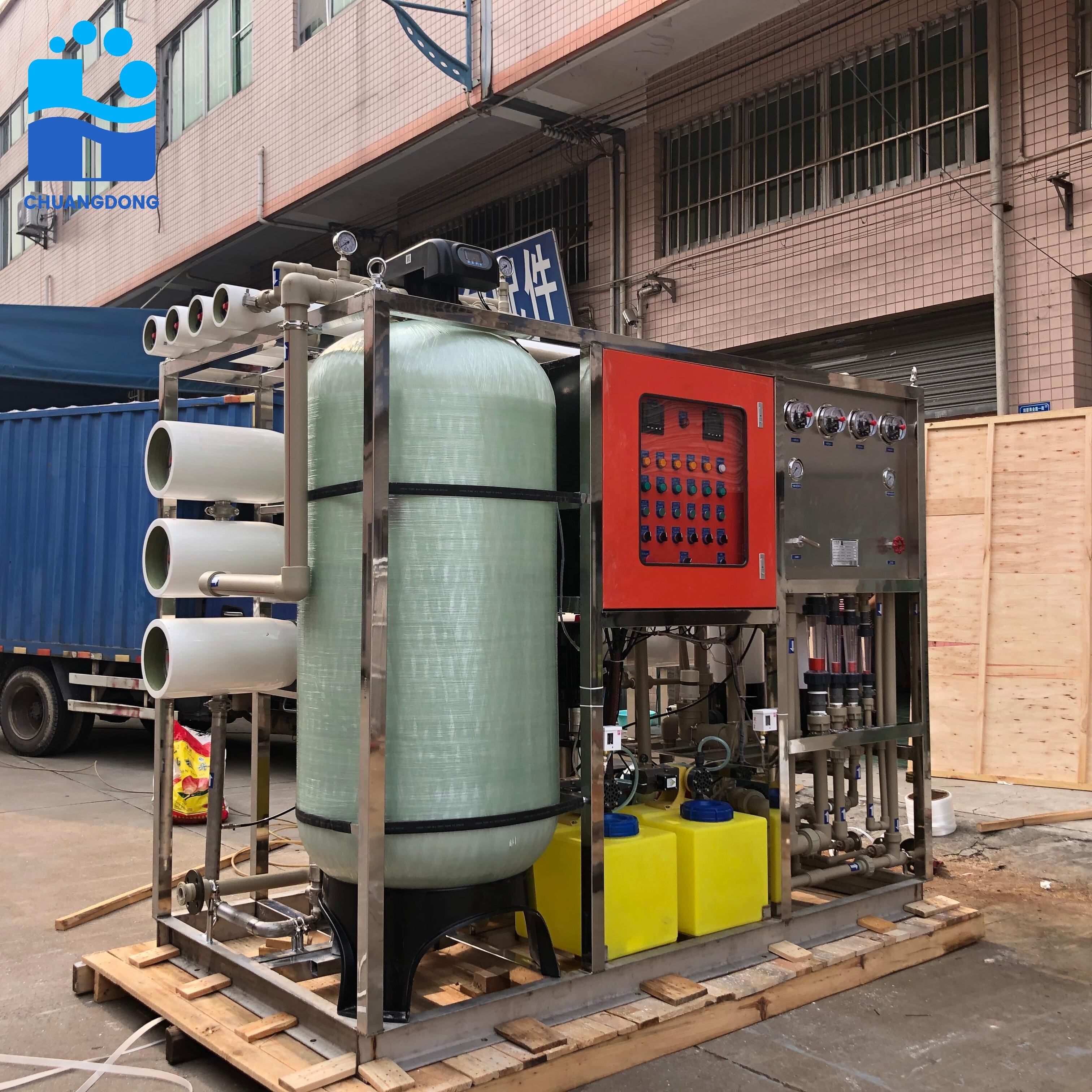
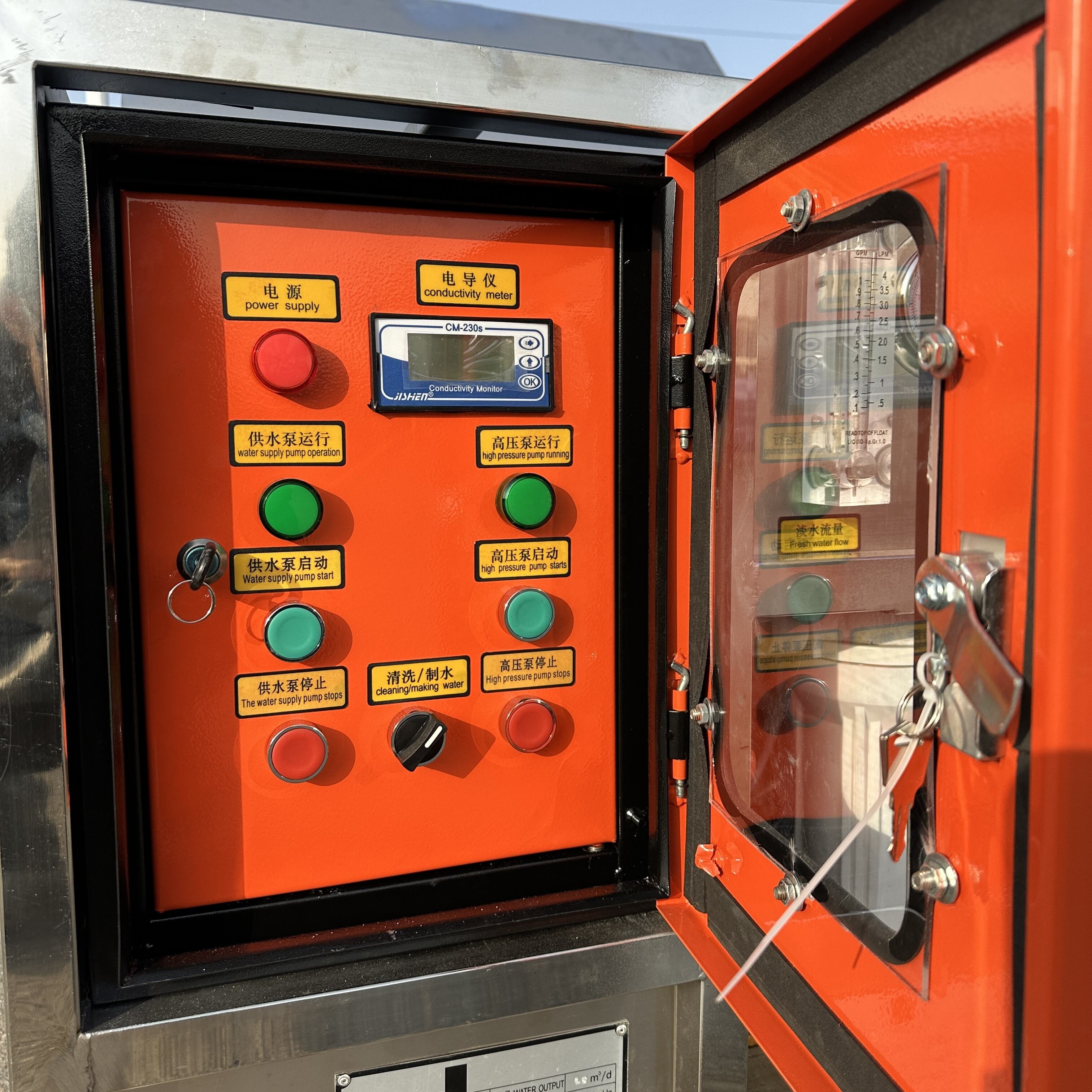
A desalination system represents an advanced water treatment technology designed to remove salt and other minerals from seawater or brackish water, transforming it into clean, potable water suitable for human consumption and industrial applications. These sophisticated systems employ various technological approaches to separate dissolved salts from water molecules, delivering reliable freshwater production in regions where traditional water sources are scarce or unavailable. Modern desalination systems utilize cutting-edge membrane technology, thermal processes, or hybrid approaches to achieve efficient salt removal while maintaining optimal energy consumption levels. The core function of these systems involves forcing seawater through specialized filtration processes that eliminate sodium chloride and other dissolved minerals, producing high-quality freshwater that meets strict potability standards. Advanced desalination systems incorporate intelligent monitoring capabilities, automated control mechanisms, and energy recovery devices to optimize performance while reducing operational costs. These systems feature robust construction materials resistant to corrosion from saltwater exposure, ensuring long-term durability and consistent performance in challenging marine environments. The technological features include high-pressure pumps, precision filtration membranes, energy recovery turbines, and sophisticated control panels that enable remote monitoring and system optimization. Applications span across municipal water supply networks, industrial manufacturing processes, resort facilities, offshore platforms, emergency response operations, and agricultural irrigation projects. Marine vessels, coastal communities, and island nations rely heavily on desalination systems to meet their freshwater demands. Industrial applications include power generation plants, chemical processing facilities, food production operations, and pharmaceutical manufacturing where ultra-pure water is essential. Emergency response teams deploy portable desalination systems during natural disasters or humanitarian crises to provide immediate access to safe drinking water for affected populations.

New Product Releases

Desalination systems offer numerous practical benefits that make them invaluable investments for organizations and communities seeking reliable water independence. These systems provide unlimited freshwater production capacity, eliminating dependence on unpredictable rainfall patterns or diminishing groundwater reserves that often plague traditional water sources. Users gain complete control over their water supply, ensuring consistent availability regardless of drought conditions, seasonal variations, or regional water shortages that affect conventional sources. The technology delivers exceptionally pure water that surpasses municipal tap water quality standards, removing not only salt but also bacteria, viruses, heavy metals, and chemical contaminants that may be present in natural water sources. This superior water quality proves especially beneficial for sensitive applications such as medical facilities, food processing operations, and high-tech manufacturing where water purity directly impacts product quality and safety standards. Modern desalination systems operate with remarkable energy efficiency, incorporating innovative recovery mechanisms that recapture and reuse energy from the filtration process, significantly reducing operational costs compared to older generation equipment. The modular design allows for scalable installations that can expand alongside growing water demands, providing flexibility for businesses and communities to increase capacity without complete system replacement. Automated operation features minimize labor requirements while ensuring consistent performance, as intelligent control systems monitor water quality parameters, adjust operating conditions, and alert operators to maintenance needs before problems develop. Environmental benefits include reduced pressure on natural freshwater sources, allowing ecosystems to recover while meeting human water needs through ocean resources that remain abundant. The systems produce minimal waste products, with concentrated brine being the primary byproduct that can be safely disposed of or repurposed for industrial applications. Long-term economic advantages become apparent through reduced water purchasing costs, eliminated transportation expenses for bottled water, and decreased vulnerability to water price fluctuations in municipal systems. Reliability proves exceptional with proper maintenance, as desalination systems typically operate continuously for decades, providing predictable water costs and eliminating supply uncertainties that can disrupt operations or community services.

Latest News

What Intake and Outfall Designs Minimize Environmental Impact of a Desalination Plant?

01

Mar

What Intake and Outfall Designs Minimize Environmental Impact of a Desalination Plant?

Environmental considerations have become paramount in the design and operation of modern desalination facilities worldwide. As water scarcity continues to challenge communities across the globe, the demand for sustainable desalination plant solutions...
View More
What Corrosion-Resistant Materials Are Used in Desalination Plant Construction?

06

Mar

What Corrosion-Resistant Materials Are Used in Desalination Plant Construction?

Desalination plants operate in some of the harshest environments imaginable, where saltwater constantly threatens the integrity of critical infrastructure. The selection of appropriate corrosion-resistant materials becomes paramount to ensuring long-...
View More
How Does a Water Purification System with Ion Exchange Soften Hard Water Effectively?

15

Mar

How Does a Water Purification System with Ion Exchange Soften Hard Water Effectively?

Hard water poses significant challenges for both residential and commercial applications, containing high concentrations of calcium and magnesium ions that cause scale buildup, reduce equipment efficiency, and affect water quality. A water purificati...
View More
Why Should Pharmaceutical QC Labs Use Ultrapure Water for HPLC and Mass Spectrometry?

18

Mar

Why Should Pharmaceutical QC Labs Use Ultrapure Water for HPLC and Mass Spectrometry?

Pharmaceutical quality control laboratories face increasingly stringent requirements for analytical accuracy and regulatory compliance. The foundation of reliable analytical results lies in the quality of water used throughout testing procedures. Ult...
View More

Get a Free Quote

Our representative will contact you soon.
Email
Name
Company Name
Message
0/1000

desalination system

Advanced Membrane Technology for Superior Water Purity

Advanced Membrane Technology for Superior Water Purity

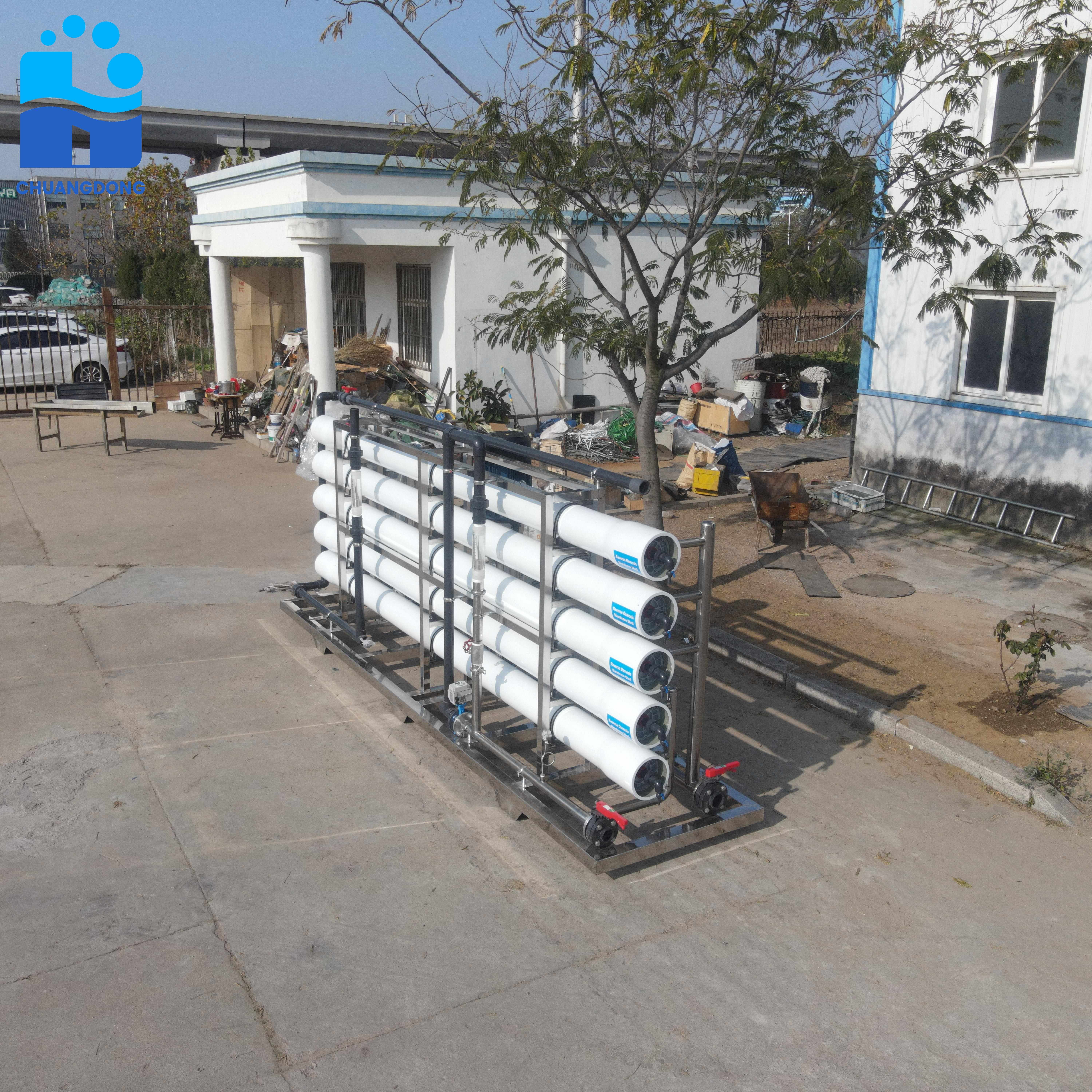
The revolutionary membrane technology integrated into modern desalination systems represents the pinnacle of water purification science, delivering unmatched filtration performance that transforms seawater into pristine drinking water. These advanced membranes utilize reverse osmosis principles, featuring microscopic pores that selectively allow water molecules to pass while blocking salt ions and contaminants at the molecular level. The multi-stage filtration process begins with pre-treatment systems that remove larger particles and sediments, followed by high-pressure membrane arrays that perform the primary desalination function. Each membrane element undergoes rigorous quality testing to ensure consistent salt rejection rates exceeding 99.5 percent, guaranteeing exceptional water quality that meets or exceeds international drinking water standards. The proprietary membrane materials resist fouling and scaling, maintaining optimal performance over extended operating periods while requiring minimal cleaning interventions. Advanced membrane configurations maximize water recovery rates while minimizing energy consumption, utilizing spiral-wound designs that optimize flow dynamics and salt rejection efficiency. The technology incorporates sophisticated monitoring systems that continuously track membrane performance, automatically adjusting operating parameters to maintain peak efficiency and extend membrane lifespan. Regular membrane replacement schedules ensure consistent water quality, with modular designs allowing individual membrane replacement without system shutdown. The superior filtration capabilities remove not only dissolved salts but also organic compounds, microorganisms, and trace contaminants that may be present in source water. This comprehensive purification approach delivers water that often surpasses bottled water quality standards, providing users with confidence in their water supply. The membrane technology proves particularly valuable for applications requiring ultra-pure water, such as pharmaceutical production, electronics manufacturing, and laboratory operations where water quality directly impacts final product integrity and research accuracy.
Energy-Efficient Operation with Smart Recovery Systems

Energy-Efficient Operation with Smart Recovery Systems

Revolutionary energy recovery technology transforms desalination systems into highly efficient water production facilities that minimize operational costs while maximizing environmental sustainability. These intelligent systems capture and reuse energy from the high-pressure filtration process through innovative turbine mechanisms that recover up to 98 percent of the energy contained in the concentrated brine stream. The recovered energy directly powers system pumps, dramatically reducing electrical consumption and operating expenses compared to conventional desalination methods. Smart control algorithms continuously optimize energy usage by monitoring system parameters and automatically adjusting pump speeds, pressure levels, and flow rates to maintain optimal efficiency while responding to varying water demand patterns. Variable frequency drives enable precise motor control, allowing pumps to operate at optimal speeds for current conditions rather than running at fixed rates, resulting in substantial energy savings during periods of reduced water demand. The energy management system includes predictive maintenance capabilities that monitor component performance and schedule maintenance activities to prevent efficiency losses before they occur. Advanced heat recovery systems in thermal desalination applications capture waste heat from the distillation process and redirect it to preheat incoming seawater, further reducing energy requirements. Real-time energy monitoring displays provide operators with detailed consumption data, enabling informed decisions about operating schedules and system optimization opportunities. The efficient operation translates directly into lower utility bills and reduced carbon footprint, making desalination systems increasingly attractive for environmentally conscious organizations. Integration with renewable energy sources such as solar panels or wind turbines becomes seamless through intelligent power management systems that can operate independently from grid electricity when conditions permit. This energy efficiency proves especially valuable for remote installations where electricity costs are high or grid power is unreliable, providing sustainable water production with minimal environmental impact.
Scalable Modular Design for Flexible Water Production

Scalable Modular Design for Flexible Water Production

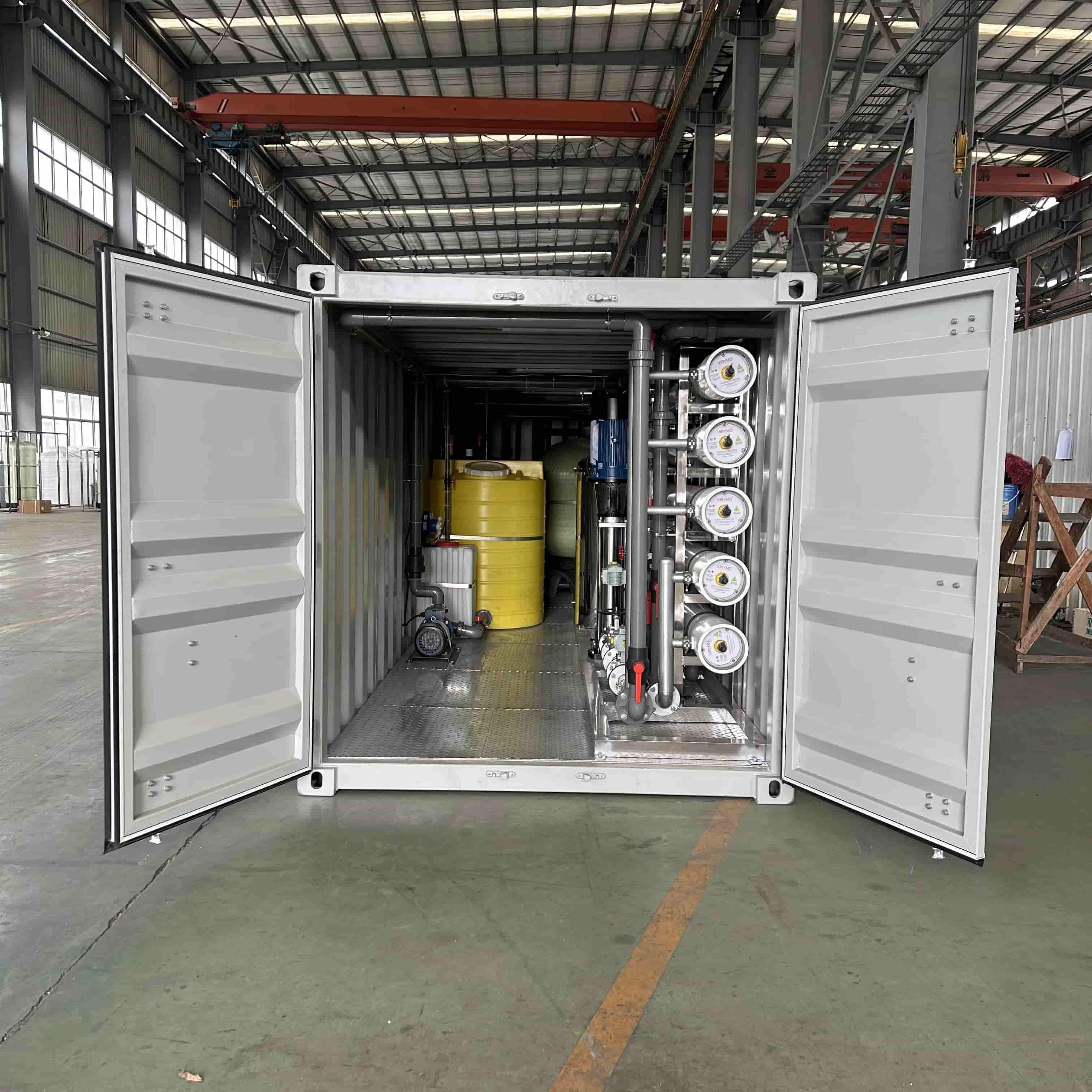
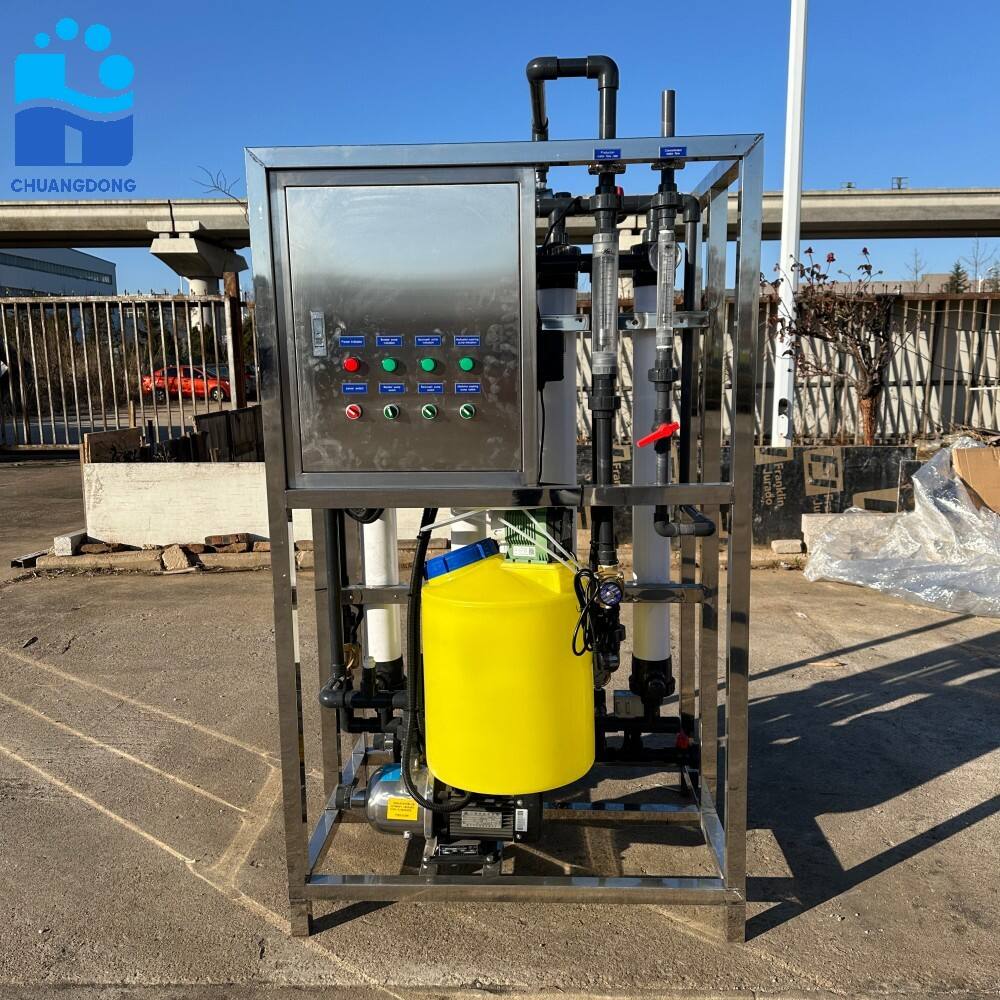
The innovative modular architecture of contemporary desalination systems provides unparalleled flexibility for organizations to scale their water production capacity precisely to match evolving demand patterns without over-investing in unnecessary infrastructure. These thoughtfully engineered systems utilize standardized components that can be combined in various configurations to achieve desired production volumes, from compact units producing hundreds of gallons daily to industrial installations generating millions of gallons per day. The modular approach enables phased implementation strategies where organizations can begin with smaller capacity installations and systematically expand by adding identical modules as water requirements increase, spreading capital investments over time while maintaining operational continuity. Each module functions independently while integrating seamlessly with existing units, ensuring that maintenance activities on one module do not disrupt water production from other operational units. This redundancy feature proves invaluable for critical applications where continuous water supply is essential, as multiple modules provide backup capacity if individual units require service or experience temporary issues. The standardized design simplifies maintenance procedures and reduces spare parts inventory requirements, as technicians become familiar with identical components across all modules. Installation flexibility allows modules to be arranged in various physical configurations to accommodate available space constraints, whether in compact urban environments or expansive industrial facilities. The modular concept extends to control systems, with each unit featuring independent monitoring and control capabilities while integrating into centralized management platforms that provide comprehensive oversight of entire installations. Expansion projects become straightforward engineering exercises rather than complex redesign efforts, as additional modules simply connect to existing infrastructure through standardized interfaces. This scalability proves particularly valuable for growing communities, expanding industrial operations, or seasonal facilities where water demands fluctuate significantly throughout the year. The modular design also facilitates transportation and installation in remote locations, as individual modules can be shipped separately and assembled on-site, reducing logistics complexity and installation costs for challenging deployment scenarios.

Get a Free Quote

Our representative will contact you soon.
Email
Name
Company Name
Message
0/1000