 EN
EN



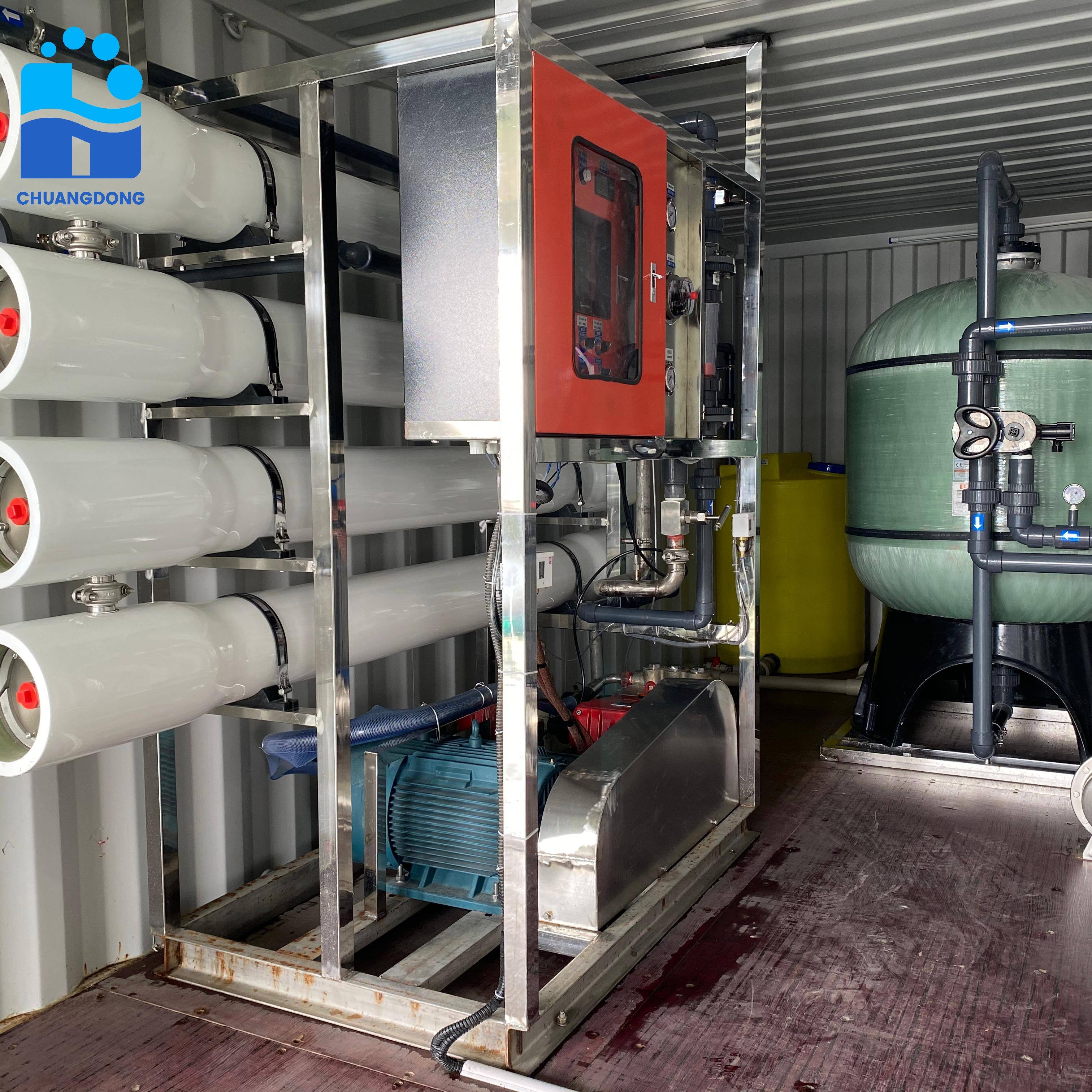
Ensuring compliance with stringent water quality standards represents one of the most critical operational imperatives for modern desalination facilities. Advanced monitoring systems have evolved beyond simple measurement devices into sophisticated platforms that continuously assess multiple parameters, detect contaminants in real-time, and provide actionable intelligence for plant operators. As regulatory frameworks become increasingly rigorous and public health concerns intensify, the question of what specific monitoring technologies and protocols can reliably safeguard water quality has never been more relevant for facility managers, municipal water authorities, and industrial operators relying on desalinated water supplies.
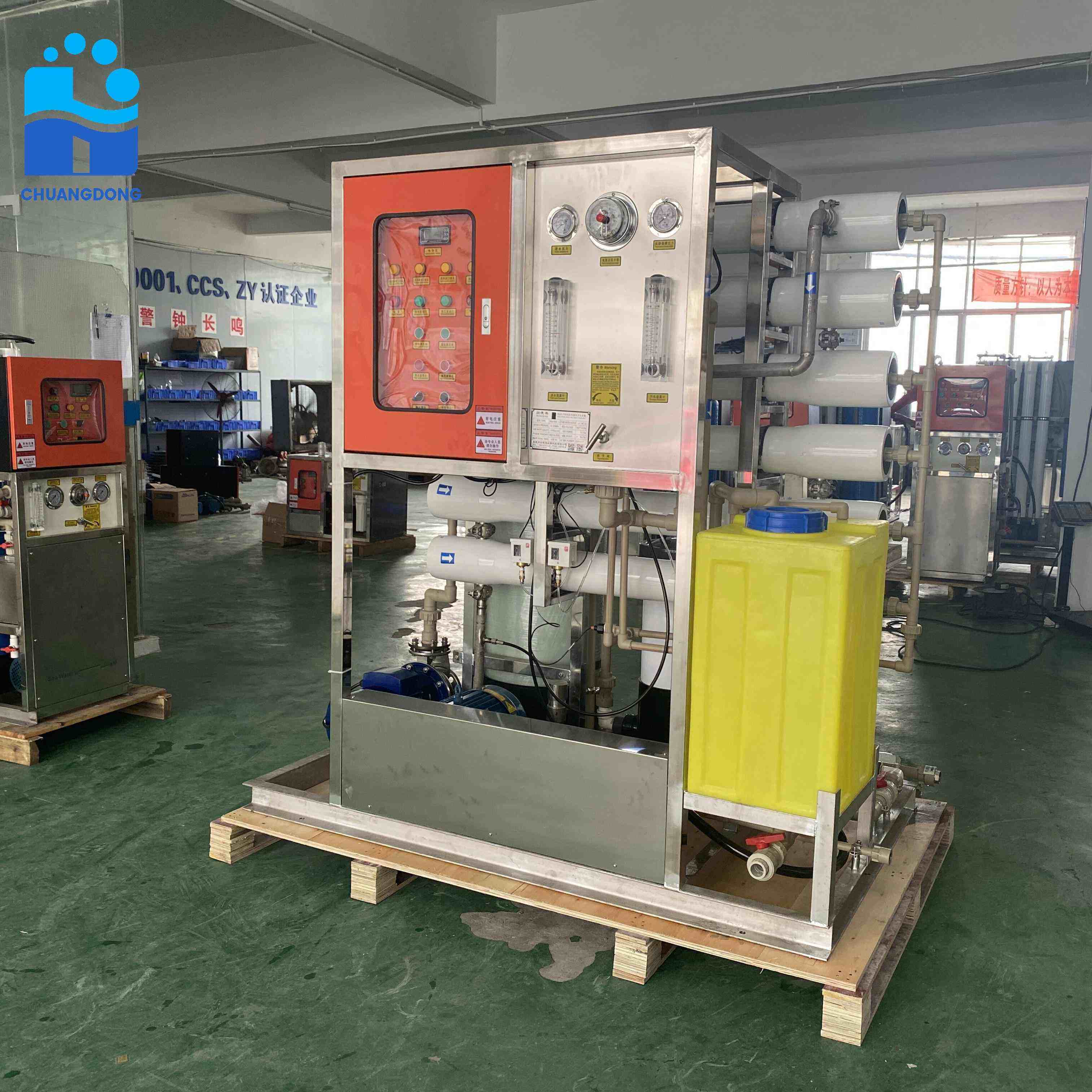
The complexity of desalination plant water quality monitoring extends far beyond traditional laboratory testing schedules. Contemporary facilities integrate multi-layered sensor networks, automated sampling systems, online analytical instruments, and predictive algorithms that work in concert to verify that every liter of product water meets or exceeds established safety thresholds. This comprehensive approach addresses not only the removal of salts and minerals but also the elimination of microbial contaminants, trace organic compounds, disinfection byproducts, and operational residues that could compromise public health or industrial process requirements. Understanding which monitoring technologies deliver the most reliable compliance assurance requires examining both the analytical capabilities of individual instruments and the integrated architecture that transforms raw data into operational decisions.
Core Parameters Requiring Continuous Real-Time Monitoring
Total Dissolved Solids and Conductivity Measurement
Total dissolved solids measurement stands as the foundational metric for desalination plant water quality monitoring systems. Advanced conductivity sensors deployed at multiple stages throughout the treatment train provide immediate feedback on membrane performance and salt rejection rates. These instruments typically operate with accuracy levels within one percent, enabling operators to detect even minor fluctuations that might indicate membrane integrity issues or upstream contamination events. Modern conductivity analyzers feature automatic temperature compensation, self-cleaning mechanisms, and digital communication protocols that integrate seamlessly with distributed control systems.
The strategic placement of conductivity monitors at permeate outlets, blending points, and distribution entry locations creates a comprehensive surveillance network that validates desalination effectiveness at every critical juncture. When conductivity readings exceed predetermined thresholds, automated diversion valves redirect non-compliant water back to the treatment process, preventing substandard product from entering distribution infrastructure. This real-time protective mechanism proves especially valuable during membrane failure scenarios or operational upsets when salt passage can increase rapidly without immediate intervention.
pH and Alkalinity Control Systems
Maintaining proper pH levels throughout desalination operations requires sophisticated monitoring and adjustment systems that respond to the inherently acidic nature of reverse osmosis permeate. Advanced pH analyzers equipped with antimony or glass electrodes continuously track hydrogen ion concentrations, while alkalinity sensors measure buffering capacity to ensure water stability and prevent corrosion in distribution systems. The integration of these monitoring points with automated chemical dosing systems enables precise adjustment of pH values to target ranges specified by water quality standards, typically between 6.5 and 8.5 for potable applications.
The importance of pH monitoring extends beyond simple compliance metrics to encompass downstream infrastructure protection and aesthetic water quality. Corrosion potential increases dramatically when pH falls outside optimal ranges, accelerating pipe degradation and potentially introducing heavy metals into distribution systems. Effective desalination plant water quality monitoring protocols therefore incorporate both online pH measurement and periodic Langelier Saturation Index calculations to predict scaling or corrosive tendencies under actual system conditions.
Turbidity and Particle Counting Technologies
Turbidity monitoring serves as a critical indicator of filtration performance and potential microbial breakthrough in desalination facilities. Laser-based nephelometers positioned after membrane systems and final polishing filters continuously measure light scatter caused by suspended particles, with sensitivity levels capable of detecting changes as small as 0.01 NTU. These instruments provide immediate warning of membrane integrity compromise, allowing operators to isolate affected units before significant water quality degradation occurs. Regulatory standards typically mandate turbidity levels below 0.1 NTU for finished water, with many advanced facilities maintaining values below 0.05 NTU to provide additional safety margins.
Complementing turbidity analysis, particle counters quantify the size distribution and concentration of discrete particles within specified ranges, offering granular insight into filtration effectiveness that turbidity measurements alone cannot provide. These instruments employ laser diffraction or light obscuration principles to categorize particles into distinct size bins, enabling operators to identify subtle changes in water quality that might precede visible turbidity increases. When integrated with desalination plant water quality monitoring dashboards, particle counting data helps optimize backwash cycles, detect media degradation, and verify that physical barriers function as designed.
Chemical Contaminant Detection and Analysis Systems
Residual Disinfectant Monitoring
Maintaining appropriate residual disinfectant concentrations represents a delicate balance between microbial protection and minimizing harmful byproduct formation. Advanced chlorine analyzers utilizing colorimetric, amperometric, or membrane-based sensing technologies provide continuous measurement of free and total chlorine residuals throughout distribution systems. These monitors must demonstrate exceptional accuracy in the low concentration ranges typical of drinking water applications, often measuring levels between 0.2 and 2.0 milligrams per liter with precision of plus or minus 0.02 milligrams per liter.
For facilities employing alternative disinfection strategies, specialized analyzers measure chloramine, chlorine dioxide, ozone, or ultraviolet transmittance depending on the selected treatment approach. The deployment of desalination plant water quality monitoring equipment capable of distinguishing between different oxidant species becomes essential when multiple disinfection barriers operate in series, ensuring that each treatment stage achieves its intended microbial reduction targets without creating excessive chemical residuals.
Trace Organic and Endocrine Disruptor Screening
Emerging contaminants including pharmaceuticals, personal care products, pesticides, and endocrine-disrupting compounds present unique monitoring challenges due to their extremely low concentrations and diverse chemical structures. While comprehensive analysis of these substances traditionally required laboratory-based mass spectrometry techniques, recent advances have introduced online monitoring systems capable of detecting specific compound classes or employing bioassay approaches that assess cumulative biological activity rather than individual chemical identification. These technologies provide early warning capabilities when source water contamination events introduce organic compounds that might pass through desalination membranes.
Fluorescence spectroscopy represents one promising approach for continuous organic matter monitoring, measuring characteristic emission patterns that correlate with different compound categories. While this technique cannot identify specific molecules, it provides valuable trending data that alerts operators to significant changes in organic loading requiring more detailed laboratory investigation. Incorporating such screening technologies into comprehensive desalination plant water quality monitoring frameworks enables proactive responses to contamination events before finished water quality degrades beyond acceptable thresholds.
Heavy Metal and Inorganic Ion Analysis
Though reverse osmosis membranes typically achieve excellent rejection of metallic ions, monitoring systems must verify that corrosion, chemical contamination, or membrane defects do not introduce problematic concentrations of lead, copper, arsenic, chromium, or other regulated metals into product water. Ion-selective electrodes provide continuous monitoring capabilities for specific ions including fluoride, nitrate, and certain metals, though their application remains limited by selectivity constraints and interference effects in complex water matrices. For comprehensive metallic contaminant surveillance, many facilities employ automated sampling systems that collect composite samples for subsequent laboratory analysis using inductively coupled plasma mass spectrometry or atomic absorption spectroscopy.
The integration of portable X-ray fluorescence analyzers and voltammetric sensors has expanded on-site testing capabilities, enabling more frequent verification of metal concentrations without reliance on external laboratory turnaround times. These supplementary technologies enhance the responsiveness of desalination plant water quality monitoring programs, particularly during upset conditions or when investigating customer complaints related to aesthetic quality issues such as staining or metallic taste. Regular calibration and quality control protocols ensure that field measurements maintain accuracy comparable to certified laboratory methods.
Microbiological Safety Verification Technologies
Indicator Organism Monitoring Approaches
Microbiological water quality assessment traditionally relies on culture-based detection of indicator organisms including total coliforms, fecal coliforms, and Escherichia coli. While these methods remain the regulatory gold standard in most jurisdictions, their inherent time delay between sample collection and result availability creates a significant gap in real-time desalination plant water quality monitoring capabilities. Advanced facilities therefore supplement traditional culture techniques with rapid detection technologies that can identify microbial contamination within hours rather than the 18 to 24 hours required for conventional methods.
Enzyme-substrate tests employing fluorogenic or chromogenic compounds provide one acceleration pathway, producing presumptive results within 8 to 12 hours through detection of specific metabolic enzymes characteristic of indicator organisms. These streamlined protocols reduce the decision-making delay when potential contamination occurs, though confirmed results still require traditional culture verification for regulatory compliance reporting. The strategic application of rapid methods for operational decision-making while maintaining parallel conventional analysis for compliance documentation represents best practice in contemporary desalination facility management.
Online Microbial Detection Systems
Truly continuous microbiological monitoring has emerged through technologies employing flow cytometry, adenosine triphosphate bioluminescence, and laser-induced fluorescence to detect microbial presence in near real-time. Flow cytometry systems analyze thousands of particles per second, differentiating between bacteria, algae, and inert particulates based on size, shape, and fluorescence characteristics after staining with nucleic acid dyes. These instruments provide total bacterial counts within minutes, enabling immediate detection of contamination events that might require days to identify through conventional plating methods.
ATP measurement offers another rapid assessment approach, quantifying the universal energy molecule present in all living cells to estimate total viable biomass in water samples. While ATP analysis cannot differentiate between bacterial species or identify specific pathogens, it provides valuable trending information about overall microbial water quality and treatment effectiveness. Integrating these rapid microbiological technologies into comprehensive desalination plant water quality monitoring systems creates multiple layers of protection, with online instruments providing early warning capabilities while traditional methods deliver the specificity and regulatory acceptance required for compliance demonstration.
Pathogen-Specific Detection Protocols
For facilities serving vulnerable populations or operating under stringent regulatory frameworks, pathogen-specific monitoring focuses on organisms of particular public health concern including Cryptosporidium, Giardia, Legionella, and enteric viruses. Molecular detection methods employing polymerase chain reaction amplification enable identification of these organisms at extremely low concentrations, providing sensitivity levels unattainable through conventional culture or microscopy approaches. While the complexity and cost of molecular methods currently limit their application to periodic verification rather than continuous monitoring, ongoing technological development continues to improve accessibility and reduce analysis time.
Risk-based monitoring strategies determine appropriate sampling frequencies and analytical methods based on source water characteristics, treatment train configuration, and identified vulnerability points within distribution systems. Facilities drawing from brackish groundwater sources face different pathogen risks compared to those processing coastal seawater subject to sewage contamination or agricultural runoff. Tailoring desalination plant water quality monitoring protocols to address site-specific microbial threats optimizes resource allocation while maintaining robust public health protection.
Integrated Control Systems and Data Management Platforms
SCADA Integration and Automated Response Protocols
The effectiveness of individual monitoring instruments multiplies exponentially when integrated within supervisory control and data acquisition systems that aggregate information, identify patterns, and trigger automated responses to out-of-specification conditions. Modern SCADA platforms specifically designed for water treatment applications incorporate sophisticated alarm management hierarchies that prioritize operator attention toward the most critical deviations while filtering nuisance alarms that could lead to alert fatigue. These systems maintain continuous communication with hundreds of distributed sensors, converting raw measurement signals into actionable intelligence displayed through intuitive graphical interfaces.
Automated control sequences programmed into SCADA logic respond to specific water quality excursions with predefined corrective actions, such as adjusting chemical feed rates when pH drifts outside target ranges or diverting product water to waste when conductivity indicates membrane failure. This automation capability dramatically reduces the response time between detection and correction, minimizing the volume of non-compliant water produced during upset conditions. The comprehensive data logging inherent to SCADA systems also provides invaluable records for regulatory reporting, process optimization, and forensic investigation when water quality incidents occur.
Predictive Analytics and Machine Learning Applications
Advanced desalination plant water quality monitoring increasingly incorporates predictive analytics that identify subtle patterns indicating impending equipment failures or process drift before water quality actually degrades. Machine learning algorithms trained on historical operational data can recognize precursor signatures that human operators might overlook, such as gradual changes in membrane differential pressure combined with slight increases in permeate conductivity that collectively suggest imminent module failure. These predictive capabilities enable proactive maintenance interventions that prevent compliance violations rather than merely responding to them after occurrence.
Artificial intelligence applications extend beyond failure prediction to encompass process optimization, identifying operational setpoints that minimize energy consumption while maintaining water quality targets or recommending membrane cleaning schedules based on performance trends rather than fixed time intervals. As these technologies mature, they transform desalination facilities from reactive operations responding to measurement deviations into proactive systems that continuously adapt to changing conditions while maintaining unwavering compliance with water quality standards.
Remote Monitoring and Cloud-Based Data Accessibility
Cloud connectivity has revolutionized how operators, managers, and regulatory agencies access water quality information, enabling remote monitoring from any internet-connected device regardless of physical location. Secure web portals provide real-time access to current measurements, historical trends, compliance reports, and alarm status without requiring direct connection to facility networks. This accessibility proves particularly valuable for multi-site operators managing distributed desalination assets, technical specialists providing remote troubleshooting support, and regulatory personnel conducting virtual inspections or responding to reported violations.
The centralization of water quality data in cloud platforms facilitates advanced comparative analysis across multiple facilities, identifying best practices, benchmarking performance, and standardizing monitoring protocols throughout water utility portfolios. Mobile applications extend this connectivity to field personnel conducting distribution system inspections or collecting verification samples, ensuring that all water quality information integrates into unified data management systems. These technological advances in desalination plant water quality monitoring infrastructure support more informed decision-making at every organizational level from operations staff to executive management.
Quality Assurance and Regulatory Compliance Documentation
Calibration and Maintenance Protocols
The accuracy and reliability of monitoring instruments depend absolutely on rigorous calibration schedules, preventive maintenance programs, and quality control verification procedures. Each analyzer type requires specific calibration frequencies ranging from daily checks for critical parameters like residual disinfectant to quarterly verification for more stable measurements such as pH or conductivity. Comprehensive maintenance protocols address not only electronic calibration but also physical cleaning of sensor surfaces, replacement of consumable components, and verification of sample delivery systems that can introduce measurement errors through fouling, air entrainment, or inadequate flow rates.
Documentation of all calibration activities, maintenance interventions, and quality control results forms an essential component of regulatory compliance demonstration. Regulatory agencies reviewing facility performance expect to see detailed records proving that monitoring equipment functioned properly during all periods when compliance samples were collected. The implementation of computerized maintenance management systems linked to SCADA platforms automates much of this documentation burden, generating calibration due notifications, recording technician activities, and archiving results in searchable databases that facilitate regulatory audits and internal quality reviews.
Independent Laboratory Verification Requirements
Despite advances in online monitoring capabilities, regulatory frameworks universally require periodic verification through independent laboratory analysis of compliance samples collected according to standardized protocols. These laboratory analyses serve multiple purposes including confirming the accuracy of online instruments, detecting contaminants not amenable to continuous monitoring, and providing legally defensible documentation of water quality compliance. Accredited laboratories employ quality-assured analytical methods with known accuracy and precision characteristics, traceable calibration standards, and rigorous quality control procedures that meet requirements established by environmental protection agencies or equivalent authorities.
The frequency of laboratory verification depends on system size, regulatory classification, and historical compliance record, with requirements ranging from weekly sampling for large community systems to monthly or quarterly schedules for smaller facilities with demonstrated performance reliability. Effective desalination plant water quality monitoring programs carefully coordinate online measurement, rapid field testing, and certified laboratory analysis to create complementary verification layers that provide both operational responsiveness and regulatory defensibility. Sample collection procedures, chain-of-custody protocols, and holding time requirements receive particular attention to ensure that laboratory results accurately reflect actual plant performance rather than introducing artifacts through improper handling or storage.
Compliance Reporting and Public Transparency
Regulatory agencies mandate specific reporting formats and submission frequencies for water quality monitoring data, typically requiring monthly or quarterly summaries of all compliance parameters along with immediate notification of any exceedances or treatment technique violations. Modern data management platforms automate much of this reporting process, extracting relevant measurements from operational databases, calculating statistical summaries, and generating formatted reports that meet regulatory specifications. This automation reduces administrative burden while improving accuracy and timeliness of compliance documentation.
Public transparency requirements increasingly demand that water quality information be readily accessible to consumers through annual water quality reports, utility websites, and public notification systems when violations occur. Forward-thinking water providers exceed minimum disclosure requirements by publishing real-time water quality dashboards that allow customers to view current monitoring data and historical trends for parameters of interest. This transparency builds public confidence in water safety, demonstrates utility commitment to quality, and helps customers make informed decisions about water use. Comprehensive desalination plant water quality monitoring programs thus serve dual purposes of regulatory compliance and public accountability, recognizing that both technical performance and stakeholder communication determine operational success.
FAQ
How frequently should desalination plant operators calibrate online water quality monitors to maintain measurement accuracy?
Calibration frequency depends on the specific parameter being measured, instrument technology, and water matrix characteristics. Critical safety parameters like residual disinfectant typically require daily verification, while more stable measurements such as pH or conductivity may need weekly to monthly calibration. Manufacturers provide recommended schedules based on instrument design, but operators should adjust frequencies based on observed drift patterns, regulatory requirements, and the criticality of each measurement to compliance demonstration. Implementing automated calibration reminders through maintenance management systems ensures consistent execution of these essential quality assurance activities.
Can online monitoring systems completely replace laboratory testing for regulatory compliance purposes?
Current regulatory frameworks require independent laboratory verification of water quality parameters regardless of online monitoring capabilities. While continuous instruments provide valuable operational information and early warning of potential problems, certified laboratory analysis using standardized methods remains the legal basis for compliance determination. Online monitoring and laboratory testing serve complementary rather than interchangeable roles, with continuous systems enabling immediate process adjustments while periodic laboratory samples provide the documented verification required for regulatory reporting and enforcement actions.
What backup monitoring procedures should facilities implement when primary analyzers fail or require maintenance?
Comprehensive contingency planning includes portable field instruments, grab sample protocols, and increased laboratory testing frequencies to maintain water quality verification during primary analyzer downtime. Critical parameters should have redundant monitoring capacity installed in parallel or available for rapid deployment when failures occur. Operators must receive training in manual sampling techniques and interpretation of field test results to ensure continuous quality oversight regardless of equipment status. Well-designed monitoring programs anticipate instrument failures and establish documented procedures that maintain compliance verification even when automated systems become temporarily unavailable.
How do seasonal variations in source water quality affect monitoring requirements for desalination facilities?
Seasonal changes in seawater temperature, salinity, algal populations, and pollutant concentrations can significantly impact desalination process performance and required monitoring intensity. Warmer temperatures may accelerate biofouling and increase disinfection demands, while storm events can introduce turbidity spikes and contamination from terrestrial runoff. Effective monitoring programs incorporate flexible sampling schedules that intensify during high-risk periods identified through historical data analysis and predictive modeling. Operators should review seasonal trends annually to optimize monitoring protocols and ensure adequate protection during periods of elevated vulnerability to water quality challenges.
Table of Contents
- Core Parameters Requiring Continuous Real-Time Monitoring
- Chemical Contaminant Detection and Analysis Systems
- Microbiological Safety Verification Technologies
- Integrated Control Systems and Data Management Platforms
- Quality Assurance and Regulatory Compliance Documentation
-
FAQ
- How frequently should desalination plant operators calibrate online water quality monitors to maintain measurement accuracy?
- Can online monitoring systems completely replace laboratory testing for regulatory compliance purposes?
- What backup monitoring procedures should facilities implement when primary analyzers fail or require maintenance?
- How do seasonal variations in source water quality affect monitoring requirements for desalination facilities?