Complete Guide to Reverse Osmosis Plant Costs: Investment, Benefits, and ROI Analysis

Get a Free Quote

Our representative will contact you soon.
Email
Name
Company Name
Message
0/1000

cost of reverse osmosis plant

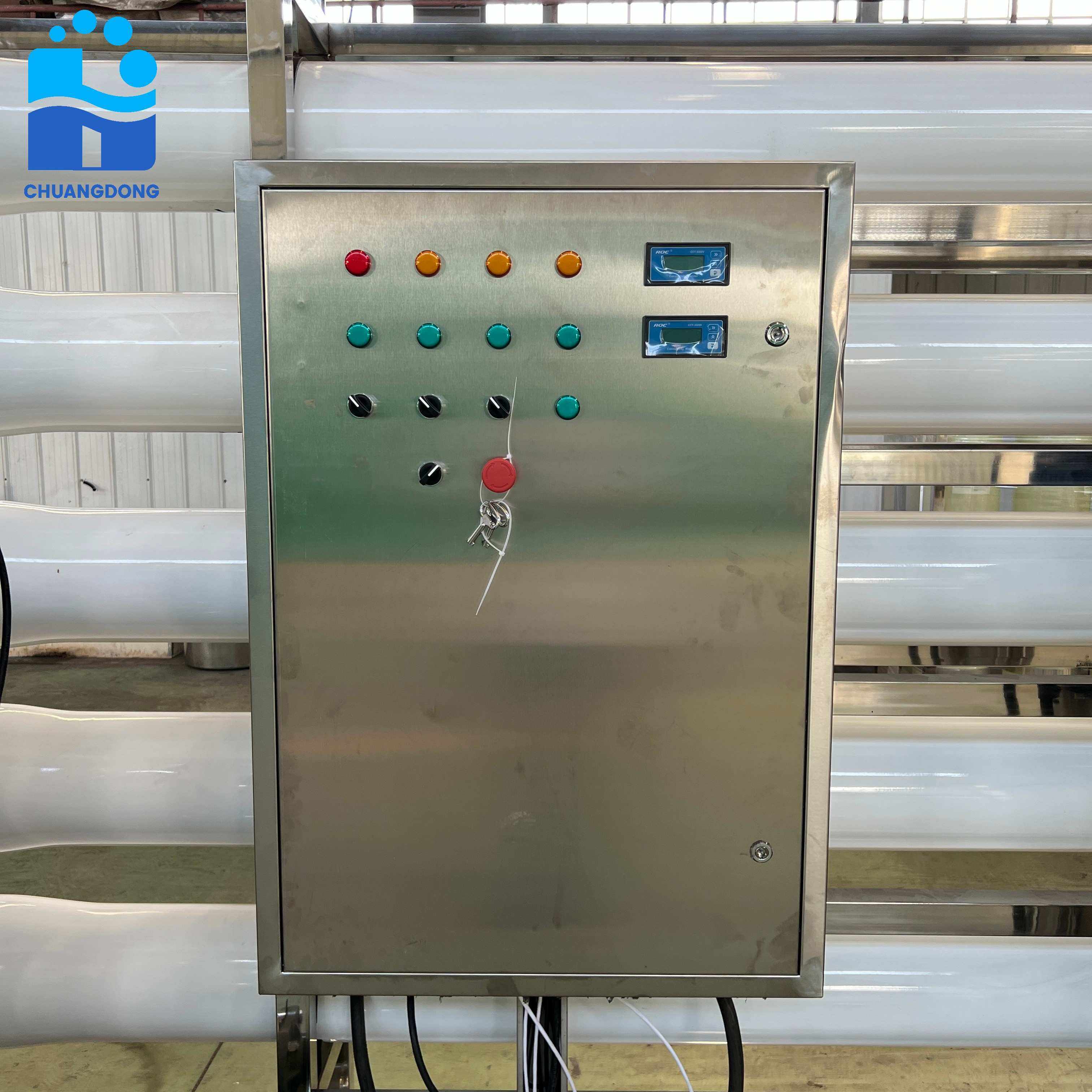
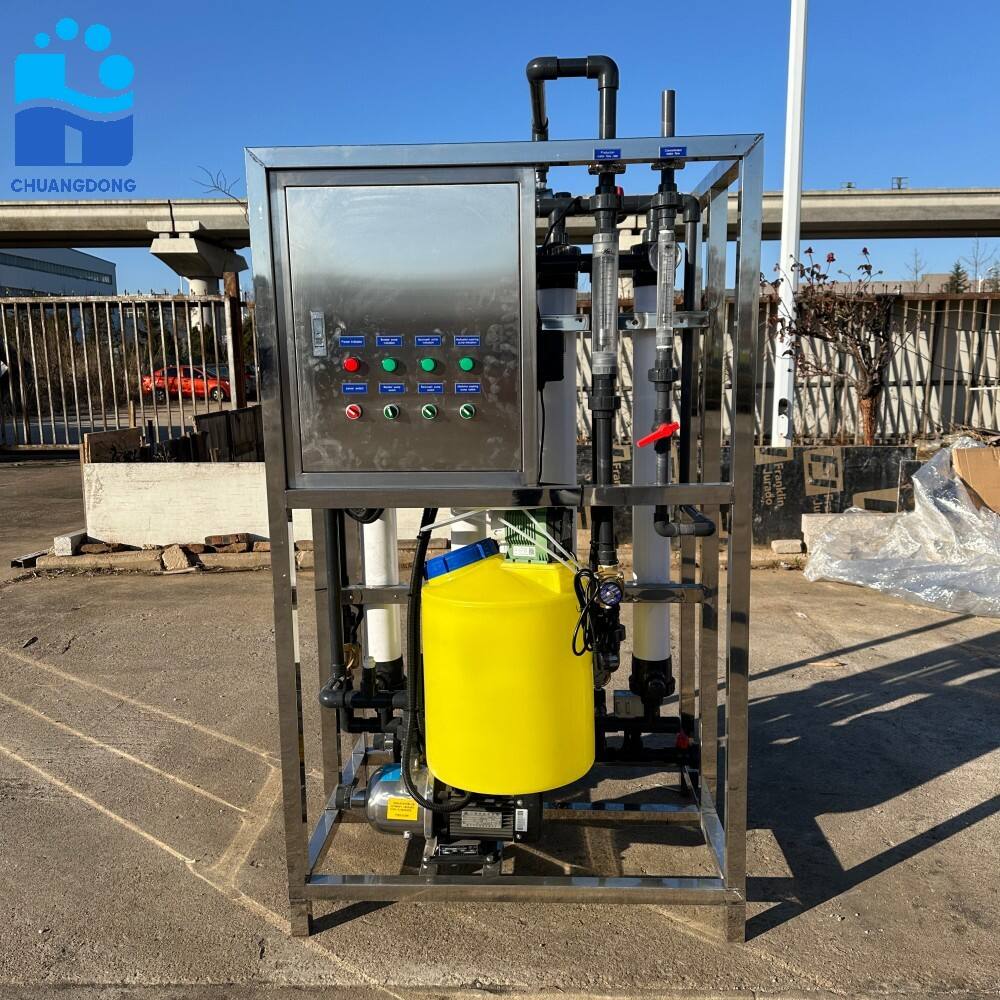
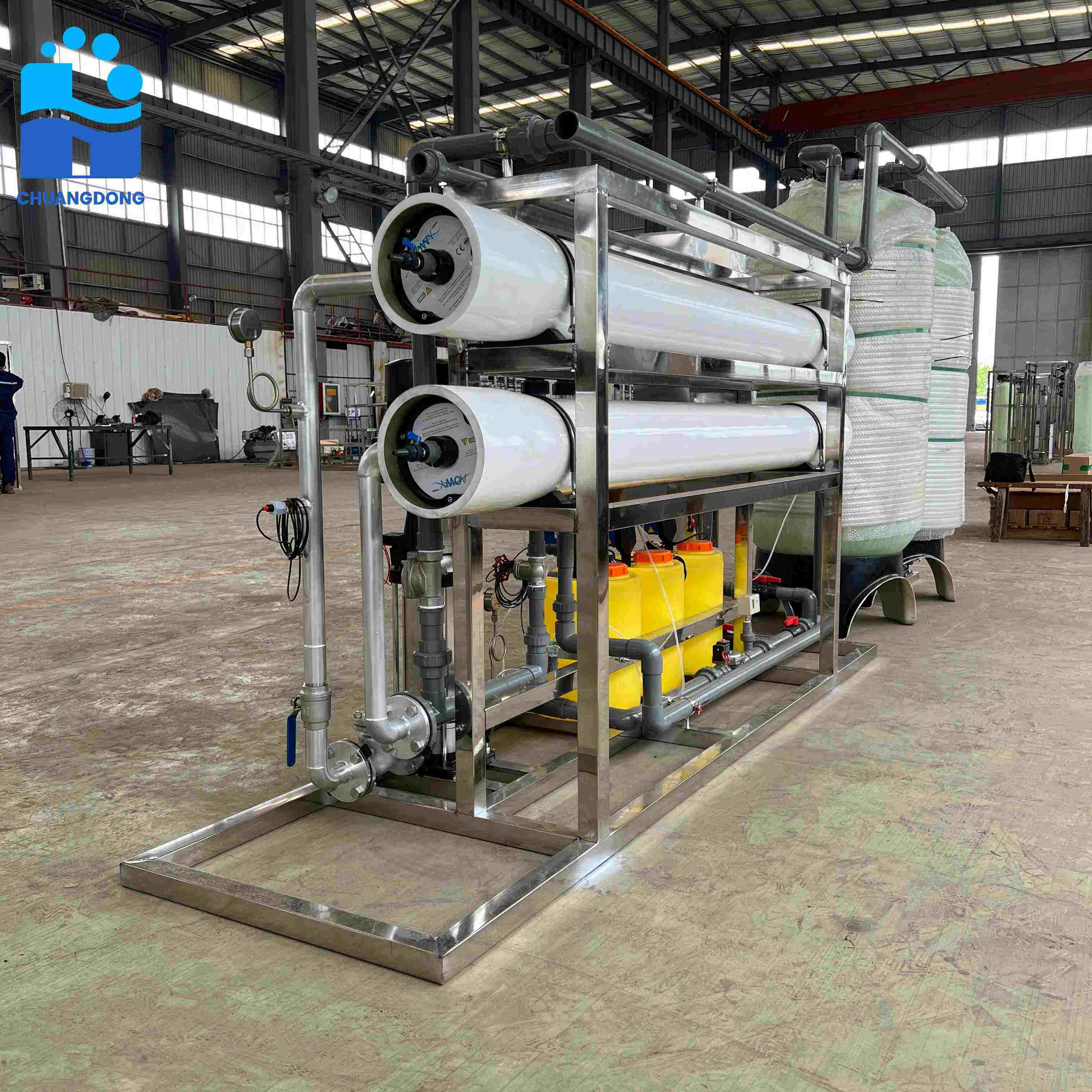
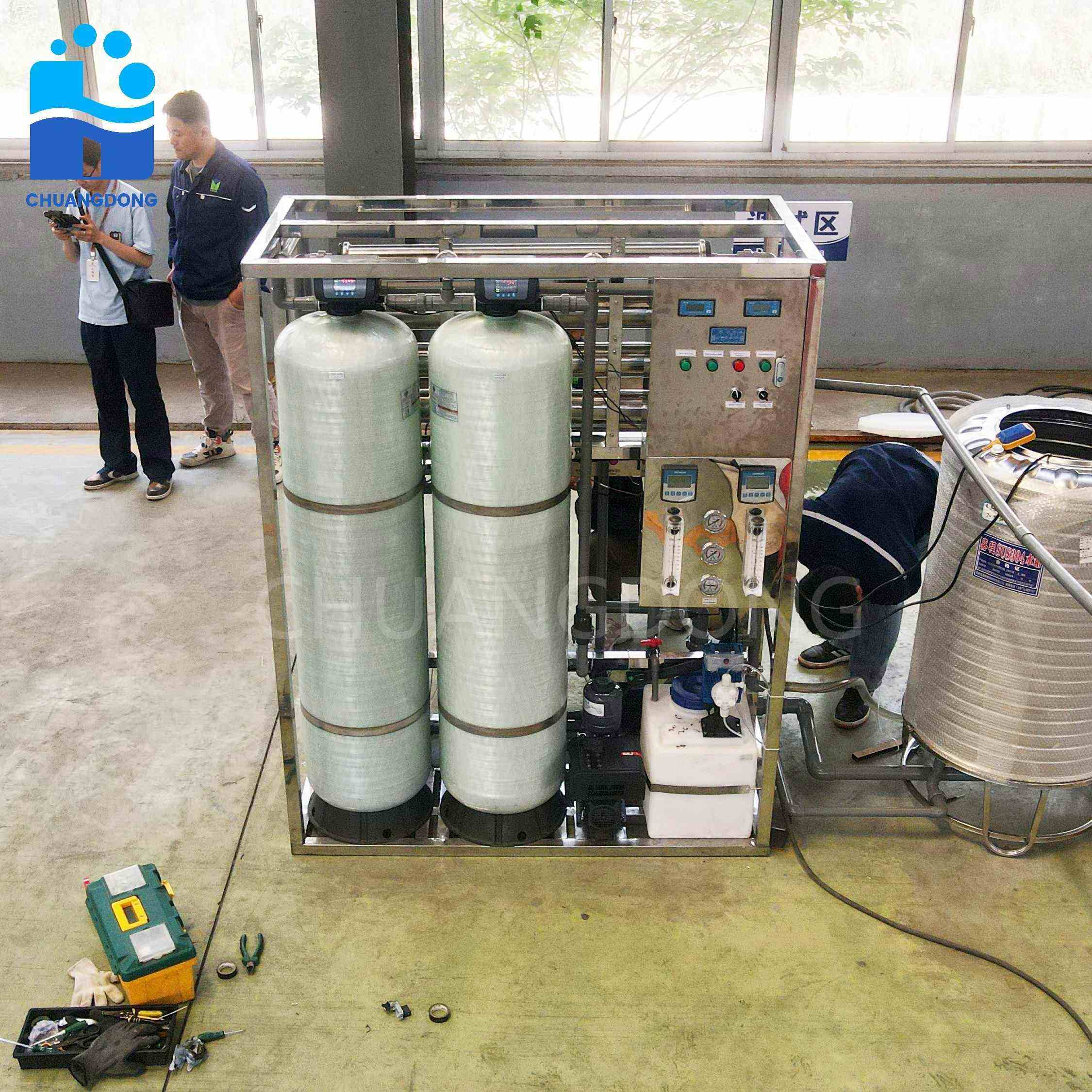
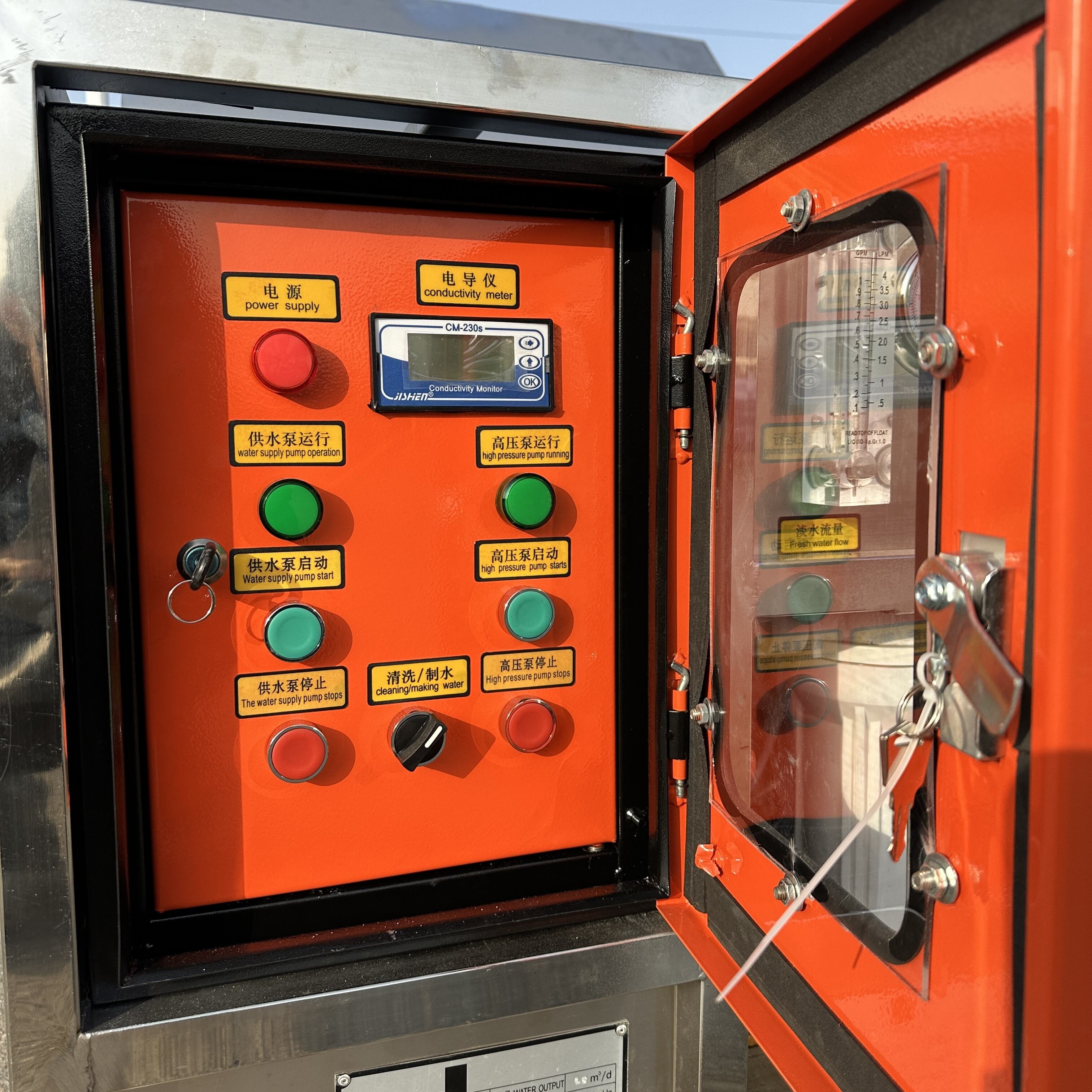
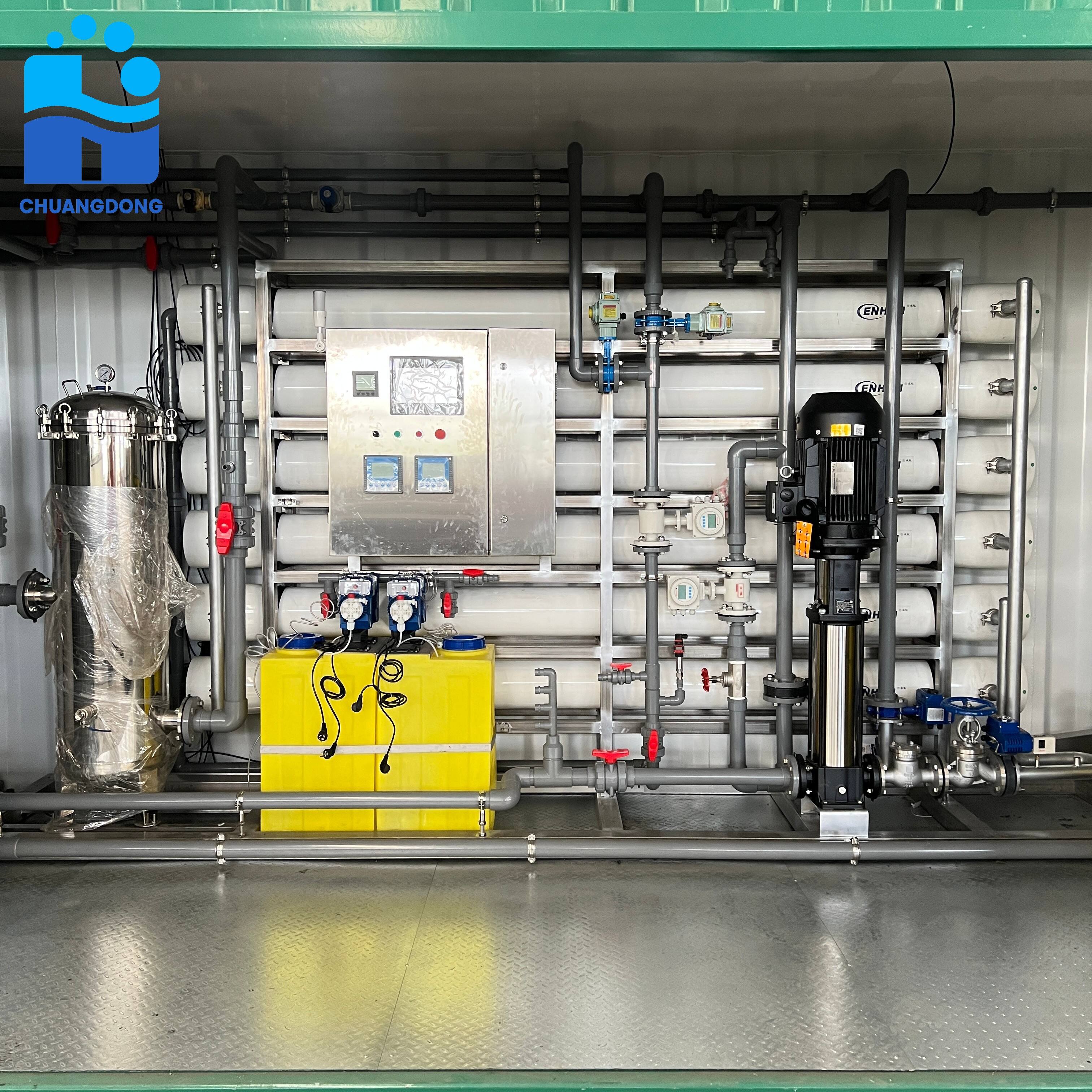
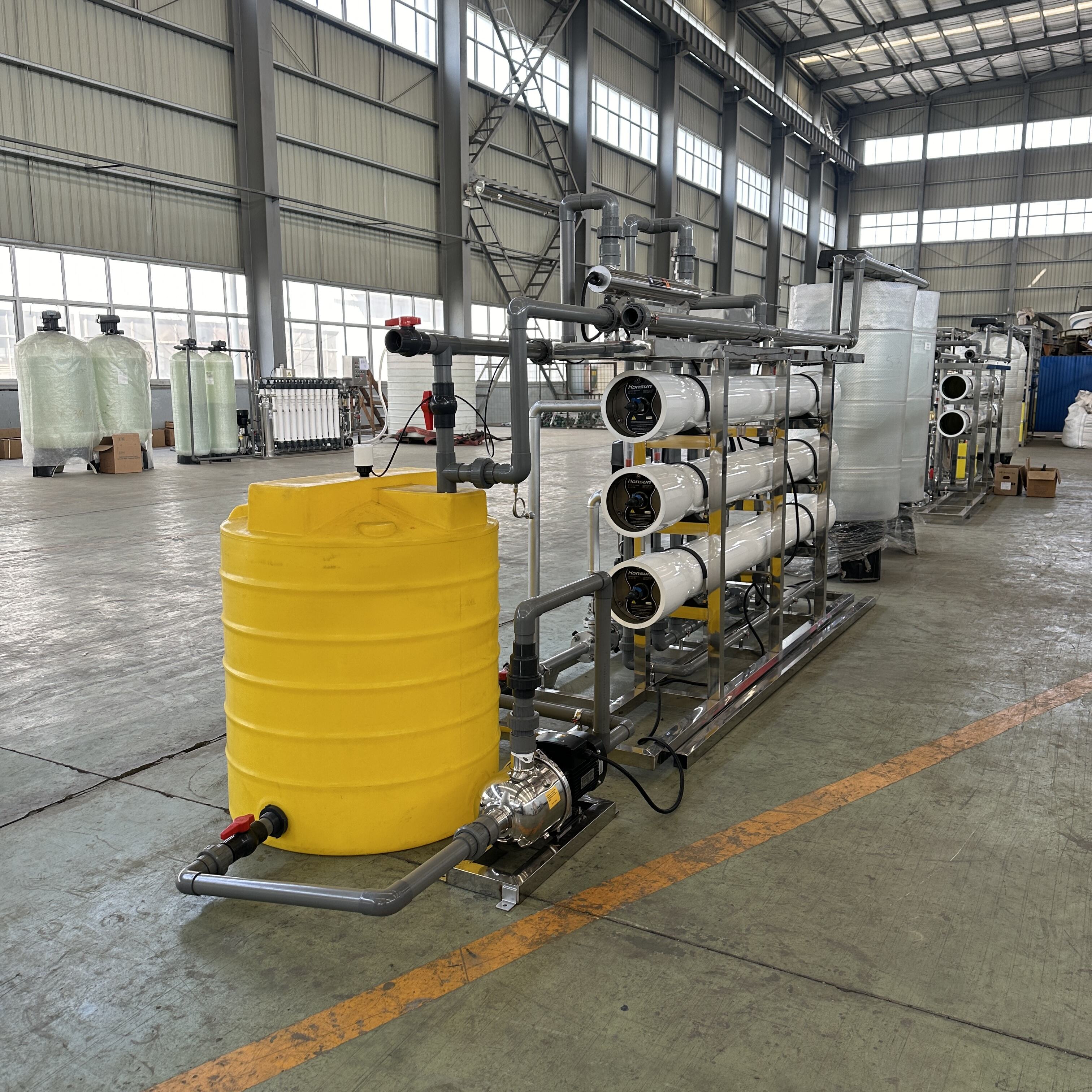
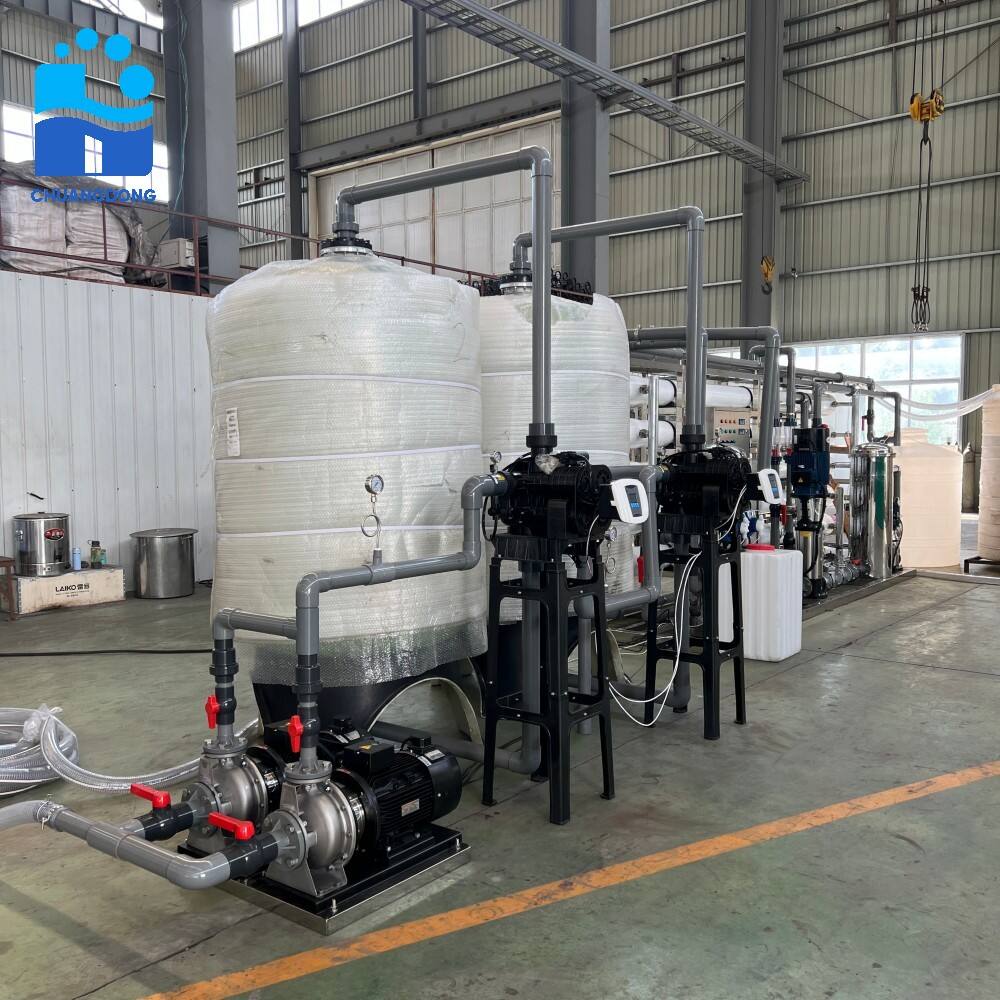
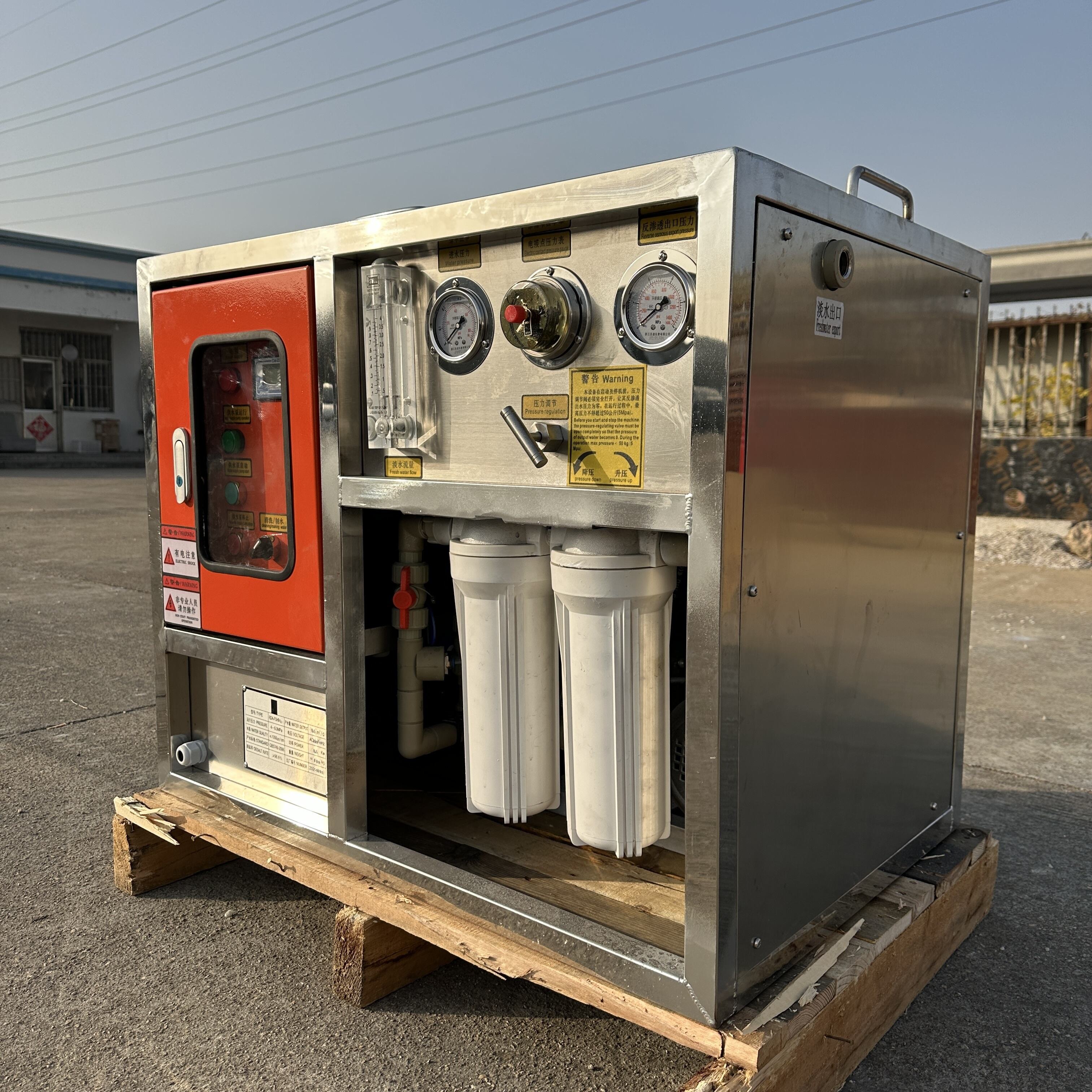
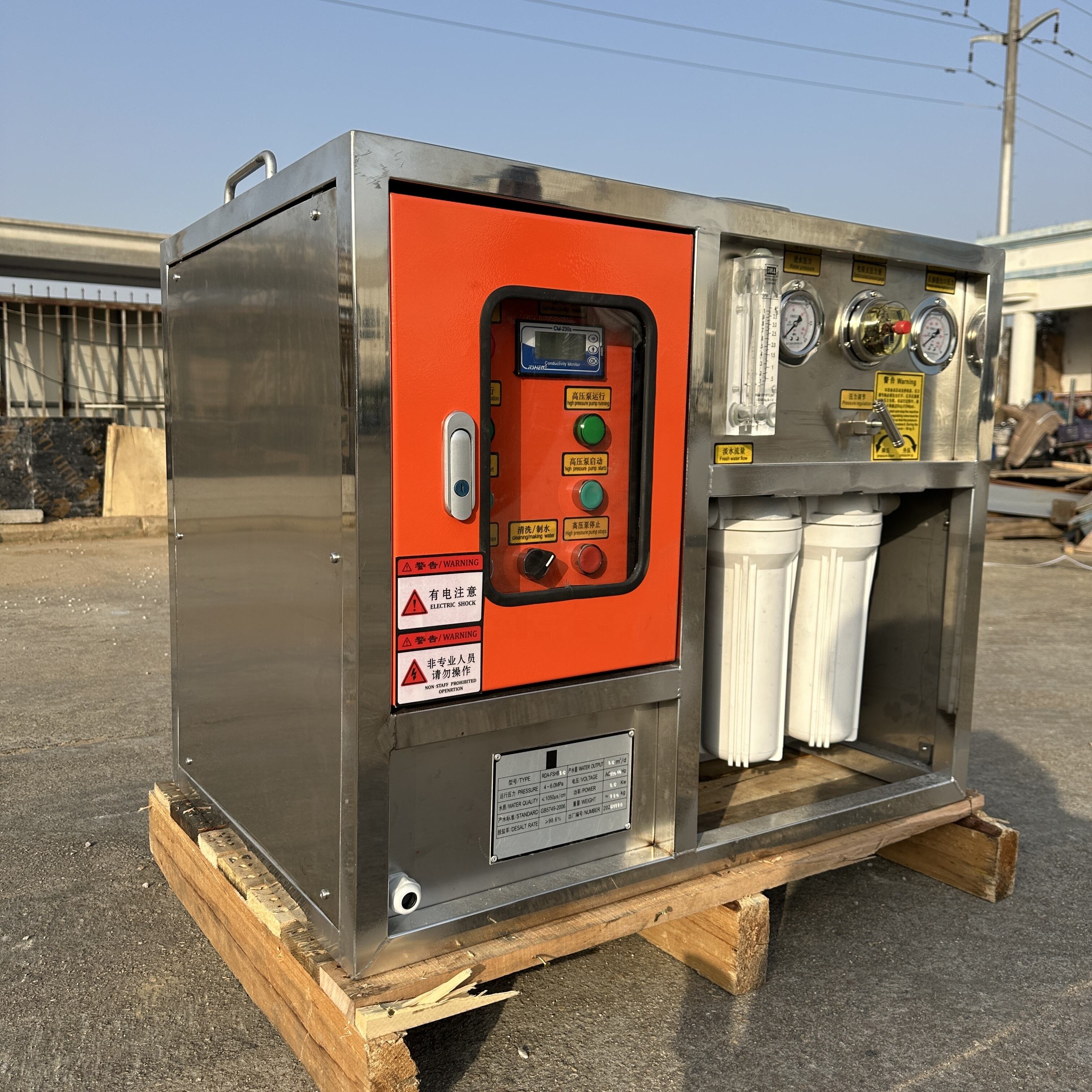
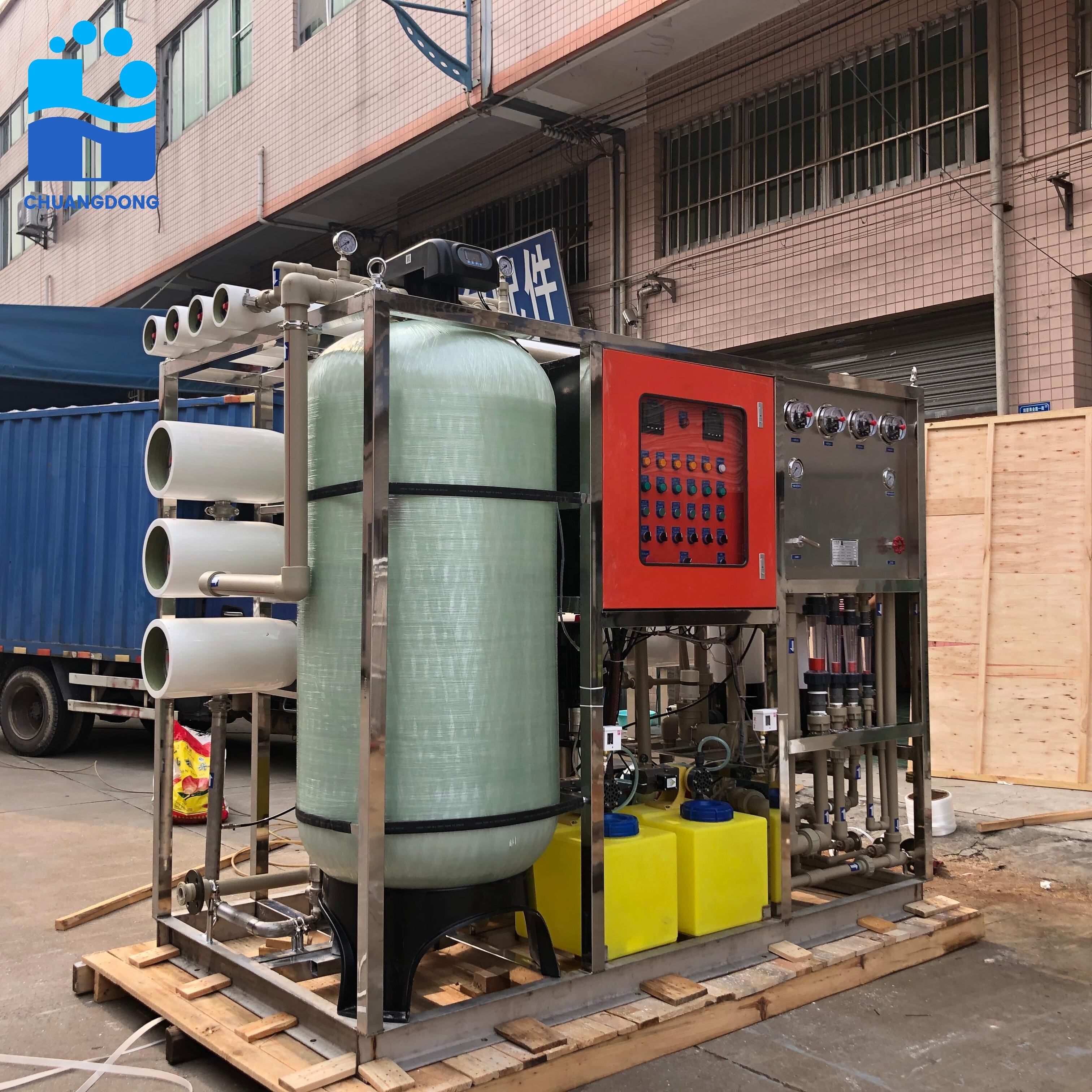
Understanding the cost of reverse osmosis plant systems is essential for businesses and municipalities seeking reliable water purification solutions. A reverse osmosis plant operates through advanced membrane technology that removes contaminants, dissolved solids, and impurities from water sources. The cost of reverse osmosis plant installations varies significantly based on capacity, technological specifications, and application requirements. These sophisticated water treatment facilities utilize semi-permeable membranes that allow water molecules to pass while blocking larger contaminant particles. The main functions of reverse osmosis plants include removing salts, bacteria, viruses, heavy metals, and organic compounds from various water sources including seawater, brackish water, and contaminated groundwater. Technological features encompass multi-stage filtration processes, high-pressure pumps, membrane housings, control systems, and monitoring equipment. Modern reverse osmosis plants incorporate energy recovery devices, automated cleaning systems, and remote monitoring capabilities to optimize performance and reduce operational expenses. Applications span across industrial manufacturing, municipal water supply, pharmaceutical production, food and beverage processing, power generation, and residential communities. The cost of reverse osmosis plant projects depends on factors such as daily production capacity, feed water quality, desired output specifications, site preparation requirements, and regulatory compliance needs. Small-scale residential systems may cost thousands of dollars, while large industrial or municipal installations can require millions in investment. Membrane replacement, energy consumption, chemical usage, and maintenance services contribute to ongoing operational costs. Advanced technological features like variable frequency drives, smart sensors, and predictive maintenance systems help optimize the cost of reverse osmosis plant operations over time. Geographic location, local labor costs, equipment transportation, and installation complexity also influence overall project expenses. Proper cost analysis should consider initial capital investment, operational expenditures, maintenance requirements, and expected system lifespan to determine total ownership costs effectively.

New Products

The cost of reverse osmosis plant systems delivers exceptional value through multiple practical benefits that justify the investment for organizations requiring high-quality water treatment solutions. These plants produce consistently pure water that meets strict quality standards across various industries and applications. Unlike traditional water treatment methods, reverse osmosis technology removes up to 99 percent of dissolved contaminants, ensuring reliable output quality regardless of source water variations. The cost of reverse osmosis plant operations remains predictable and manageable through automated systems that minimize manual intervention and reduce labor expenses. Energy efficiency improvements in modern plants significantly lower operational costs compared to older technologies. Advanced membrane materials and energy recovery systems reduce power consumption while maintaining high production rates. The modular design of reverse osmosis plants allows for flexible capacity expansion without complete system replacement, making the cost of reverse osmosis plant upgrades more economical. Minimal chemical usage requirements reduce both operational expenses and environmental impact compared to conventional treatment methods. Automated monitoring and control systems provide real-time performance data, enabling proactive maintenance that prevents costly equipment failures and production interruptions. The cost of reverse osmosis plant maintenance decreases through predictive analytics and remote diagnostics that identify potential issues before they become expensive problems. Membrane cleaning and replacement schedules are well-established, allowing accurate budget planning and inventory management. These plants operate continuously with minimal supervision, reducing staffing requirements and associated labor costs. Water recovery rates in modern systems exceed 85 percent, maximizing source water utilization and minimizing waste disposal costs. The compact footprint of reverse osmosis plants reduces land requirements and construction costs compared to alternative treatment technologies. Standardized components and proven technology reduce procurement costs and ensure reliable spare parts availability. The cost of reverse osmosis plant financing options include leasing arrangements and performance-based contracts that spread expenses over time. Quick installation timelines minimize project disruption and accelerate return on investment. Scalable capacity options allow organizations to match system size precisely to their needs, avoiding oversized equipment costs. Long-term operational savings from reduced chemical handling, simplified maintenance procedures, and consistent water quality output make reverse osmosis plants economically attractive for many applications.

Latest News

What Intake and Outfall Designs Minimize Environmental Impact of a Desalination Plant?

01

Mar

What Intake and Outfall Designs Minimize Environmental Impact of a Desalination Plant?

Environmental considerations have become paramount in the design and operation of modern desalination facilities worldwide. As water scarcity continues to challenge communities across the globe, the demand for sustainable desalination plant solutions...
View More
What Corrosion-Resistant Materials Are Used in Desalination Plant Construction?

06

Mar

What Corrosion-Resistant Materials Are Used in Desalination Plant Construction?

Desalination plants operate in some of the harshest environments imaginable, where saltwater constantly threatens the integrity of critical infrastructure. The selection of appropriate corrosion-resistant materials becomes paramount to ensuring long-...
View More
How Does a Water Purification System with Ion Exchange Soften Hard Water Effectively?

15

Mar

How Does a Water Purification System with Ion Exchange Soften Hard Water Effectively?

Hard water poses significant challenges for both residential and commercial applications, containing high concentrations of calcium and magnesium ions that cause scale buildup, reduce equipment efficiency, and affect water quality. A water purificati...
View More
How Does an RO Water Filter with a UV Sterilizer Provide Additional Protection Against Bacteria?

10

Mar

How Does an RO Water Filter with a UV Sterilizer Provide Additional Protection Against Bacteria?

Water contamination remains one of the most pressing concerns for homeowners and businesses seeking reliable water purification solutions. While traditional filtration methods offer basic protection, modern water treatment technology has evolved to p...
View More

Get a Free Quote

Our representative will contact you soon.
Email
Name
Company Name
Message
0/1000

cost of reverse osmosis plant

Predictable Long-Term Investment Returns

Predictable Long-Term Investment Returns

The cost of reverse osmosis plant systems provides exceptional long-term financial benefits through predictable operational expenses and measurable return on investment. Unlike traditional water treatment methods that involve variable chemical costs and unpredictable maintenance requirements, reverse osmosis technology offers transparent cost structures that enable accurate budget forecasting. The initial cost of reverse osmosis plant installation represents a strategic investment that typically pays for itself within three to seven years through reduced operational expenses and improved water quality consistency. Energy recovery systems in modern plants capture and reuse pressure energy from the concentrate stream, reducing overall power consumption by up to 40 percent compared to older technologies. This energy efficiency directly translates to lower utility bills and improved environmental sustainability. Membrane technology advancements have extended service life significantly, with high-quality membranes now lasting three to five years under proper maintenance conditions. The cost of reverse osmosis plant membrane replacement follows predictable schedules, allowing organizations to plan replacement budgets accurately and negotiate favorable pricing through planned procurement. Automated cleaning systems reduce chemical consumption and extend membrane life while minimizing labor requirements for routine maintenance tasks. Performance monitoring systems provide detailed operational data that helps optimize system efficiency and identify cost-saving opportunities. The standardized nature of reverse osmosis equipment ensures competitive pricing for replacement parts and consumables. Many manufacturers offer comprehensive service agreements that include preventive maintenance, emergency repairs, and performance guarantees, providing cost certainty over extended periods. Water quality consistency eliminates expensive batch rejections and product recalls common with less reliable treatment methods. The cost of reverse osmosis plant operations scales efficiently with production volume, making these systems economically viable for both small and large-scale applications. Financing options including equipment leasing, build-operate-transfer agreements, and performance-based contracts help organizations manage cash flow while accessing advanced water treatment technology.
Superior Operational Efficiency and Reliability

Superior Operational Efficiency and Reliability

The cost of reverse osmosis plant systems delivers outstanding operational efficiency that maximizes productivity while minimizing resource consumption and downtime expenses. Modern reverse osmosis plants operate continuously with automation systems that require minimal human intervention, reducing labor costs and eliminating errors associated with manual operations. The cost of reverse osmosis plant staffing requirements is significantly lower than conventional treatment facilities because sophisticated control systems manage all critical functions automatically. Real-time monitoring capabilities track key performance indicators including flow rates, pressure levels, conductivity measurements, and membrane condition to ensure optimal operation. Predictive maintenance algorithms analyze operational data to identify potential issues before they cause equipment failures or production interruptions. This proactive approach prevents costly emergency repairs and extends equipment lifespan significantly. The cost of reverse osmosis plant maintenance becomes more predictable through scheduled replacement intervals and standardized procedures that minimize downtime. High-quality components and proven design principles ensure reliable operation in demanding industrial environments. Redundant systems and backup equipment options provide continuous operation capability even during maintenance activities. Energy consumption optimization through variable frequency drives and intelligent control systems adapts power usage to actual demand, reducing utility costs substantially. The cost of reverse osmosis plant energy expenses decreases further through heat recovery systems and optimized operating pressure management. Membrane fouling resistance improvements reduce cleaning frequency and chemical consumption while maintaining consistent permeate quality. Automated backwashing and cleaning cycles extend operational periods between manual interventions. Remote monitoring capabilities allow expert technicians to diagnose issues and optimize performance without site visits, reducing service costs and response times. The cost of reverse osmosis plant operations benefits from standardized training programs that ensure qualified operators understand system requirements and best practices. Simplified maintenance procedures and comprehensive documentation reduce the learning curve for new personnel. Performance guarantees from reputable manufacturers provide assurance that systems will meet specified production rates and quality standards consistently.
Versatile Applications Across Multiple Industries

Versatile Applications Across Multiple Industries

The cost of reverse osmosis plant technology provides exceptional versatility that serves diverse industry requirements while maintaining economic viability across various applications and scales. Municipal water treatment facilities utilize reverse osmosis plants to provide safe drinking water from compromised sources, with the cost of reverse osmosis plant installations justified by improved public health outcomes and regulatory compliance. Industrial manufacturing processes requiring ultra-pure water for electronics, pharmaceuticals, and food production benefit from consistent water quality that eliminates product defects and ensures compliance with strict industry standards. The cost of reverse osmosis plant systems in industrial settings pays for itself through reduced product rejection rates and improved manufacturing efficiency. Desalination applications convert seawater into fresh water for coastal communities and island nations where traditional water sources are unavailable or insufficient. Large-scale desalination plants demonstrate favorable economics despite higher initial costs because they provide reliable water supply independence. The cost of reverse osmosis plant desalination projects becomes more attractive as conventional water sources become scarcer and more expensive to develop. Power generation facilities use reverse osmosis plants to produce high-purity boiler feedwater that prevents corrosion and scaling in expensive turbine equipment. The cost of reverse osmosis plant water treatment is minimal compared to potential equipment damage from poor water quality. Agricultural applications include greenhouse operations and livestock facilities that require consistent water quality for optimal crop yields and animal health. The cost of reverse osmosis plant systems in agriculture is offset by increased productivity and reduced crop losses from contaminated irrigation water. Commercial buildings including hotels, hospitals, and office complexes install reverse osmosis plants to provide high-quality water for guests and operations while reducing bottled water expenses. The cost of reverse osmosis plant installations in commercial settings typically recovers investment costs within two years through operational savings. Residential communities adopt reverse osmosis technology for neighborhood water treatment systems that provide superior quality compared to individual household filters. The cost of reverse osmosis plant community systems distributes expenses among multiple users while providing professional maintenance and reliable operation that individual systems cannot match.

Get a Free Quote

Our representative will contact you soon.
Email
Name
Company Name
Message
0/1000