High-Performance Seawater RO System: Advanced Desalination Technology for Clean Water Production

Get a Free Quote

Our representative will contact you soon.
Email
Name
Company Name
Message
0/1000

seawater ro system

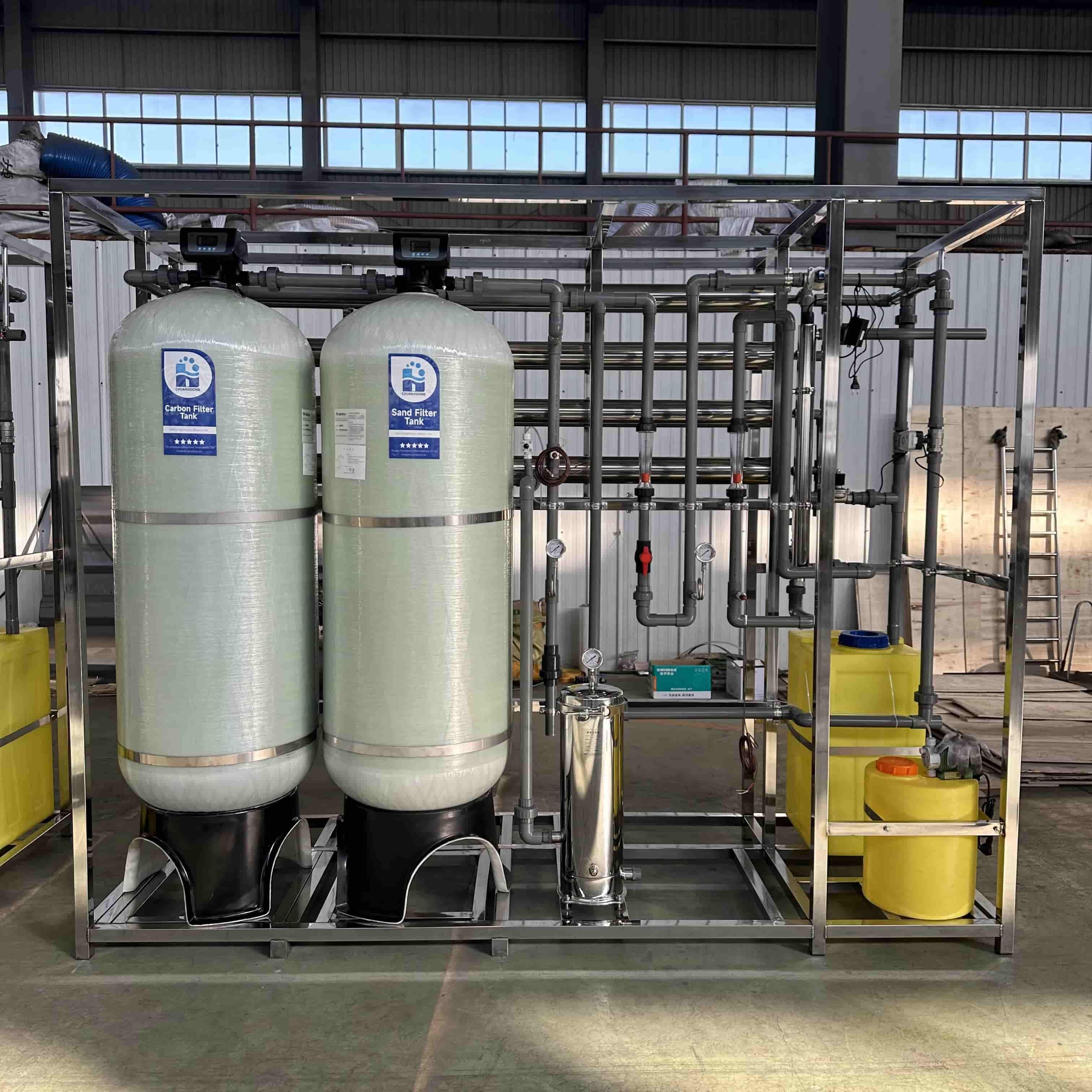
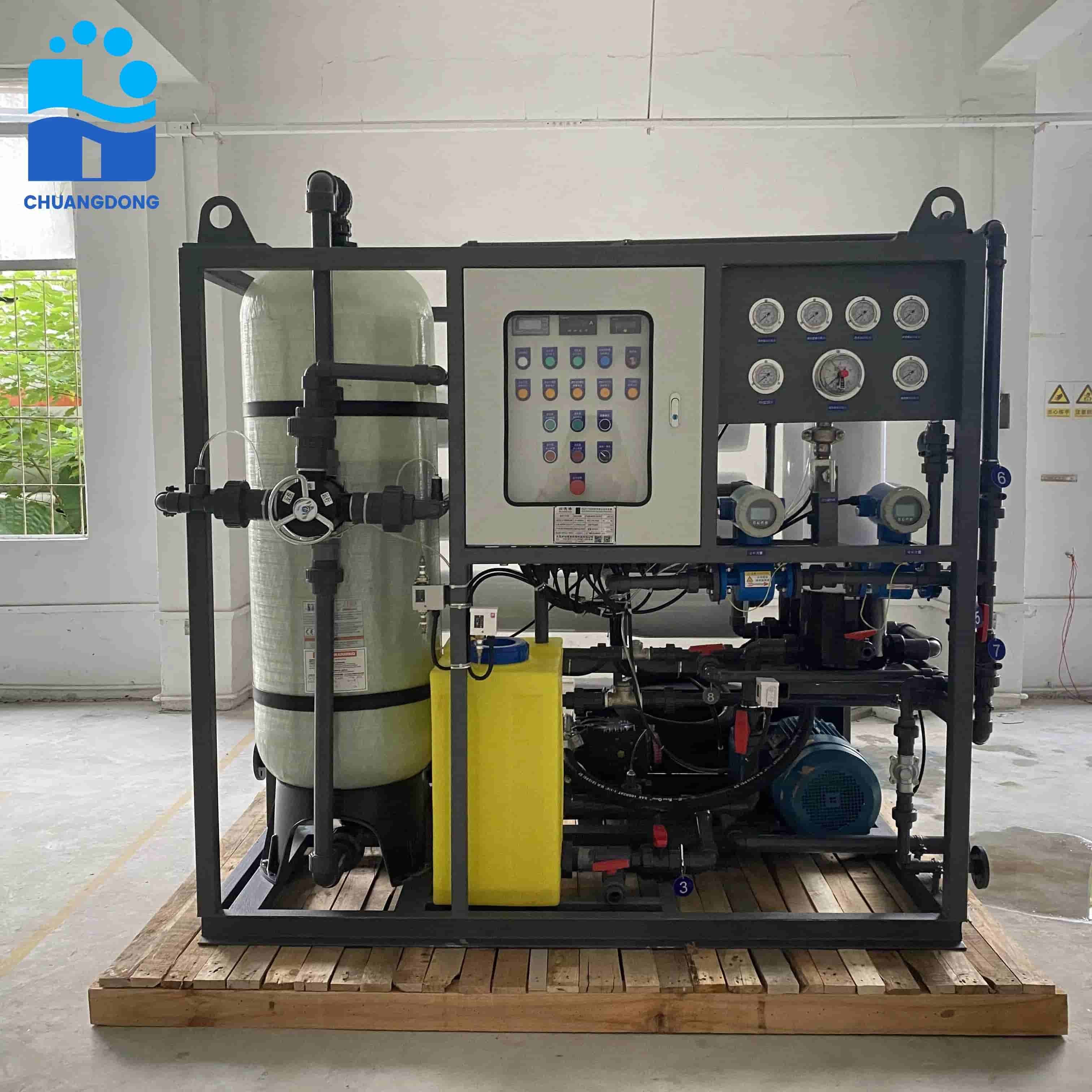
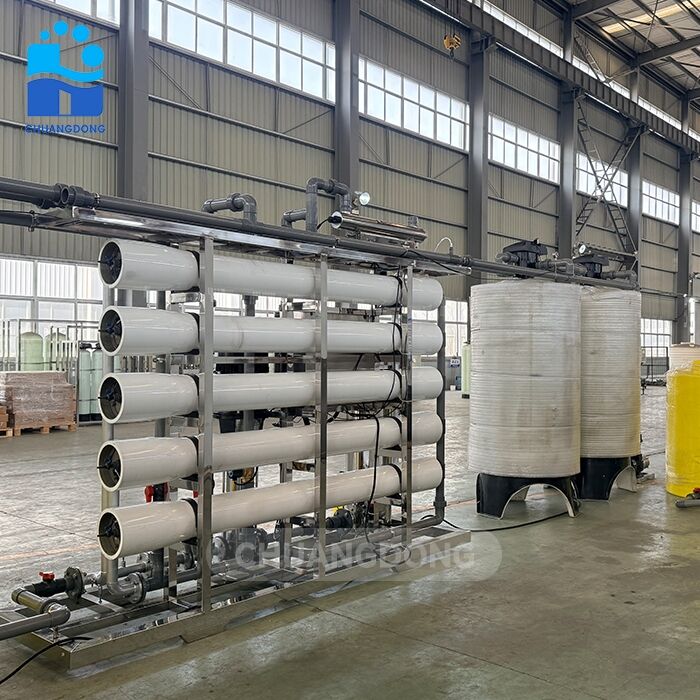
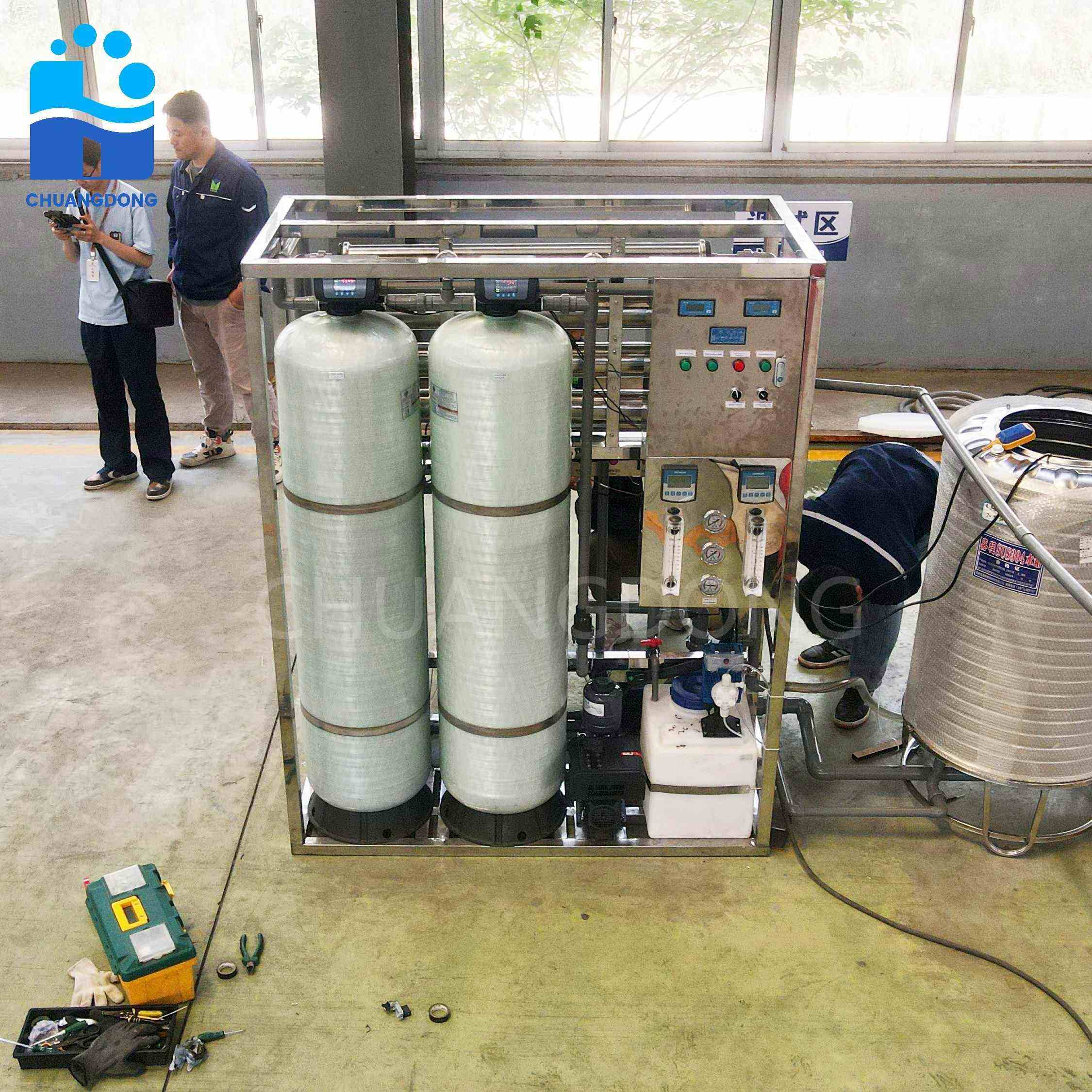
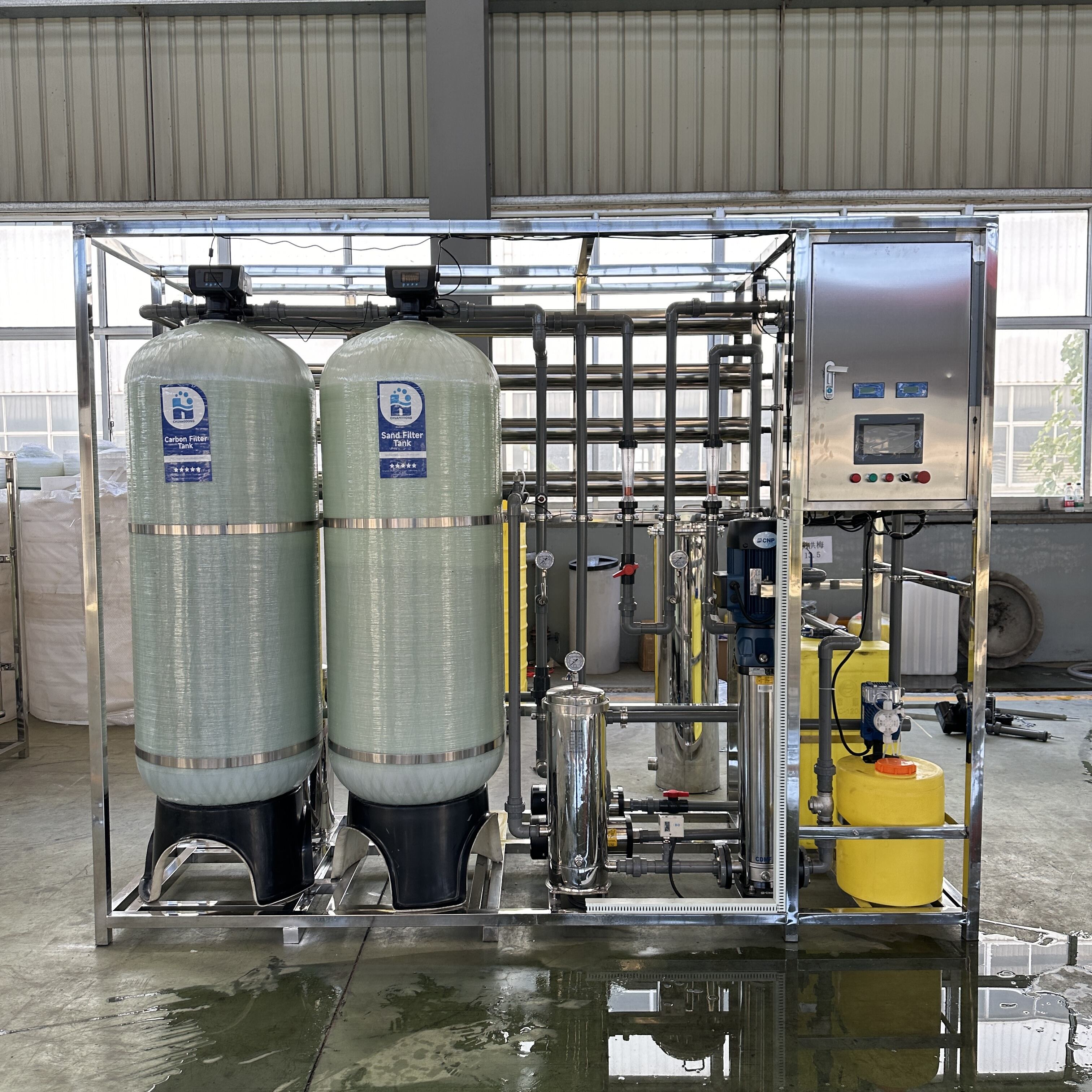
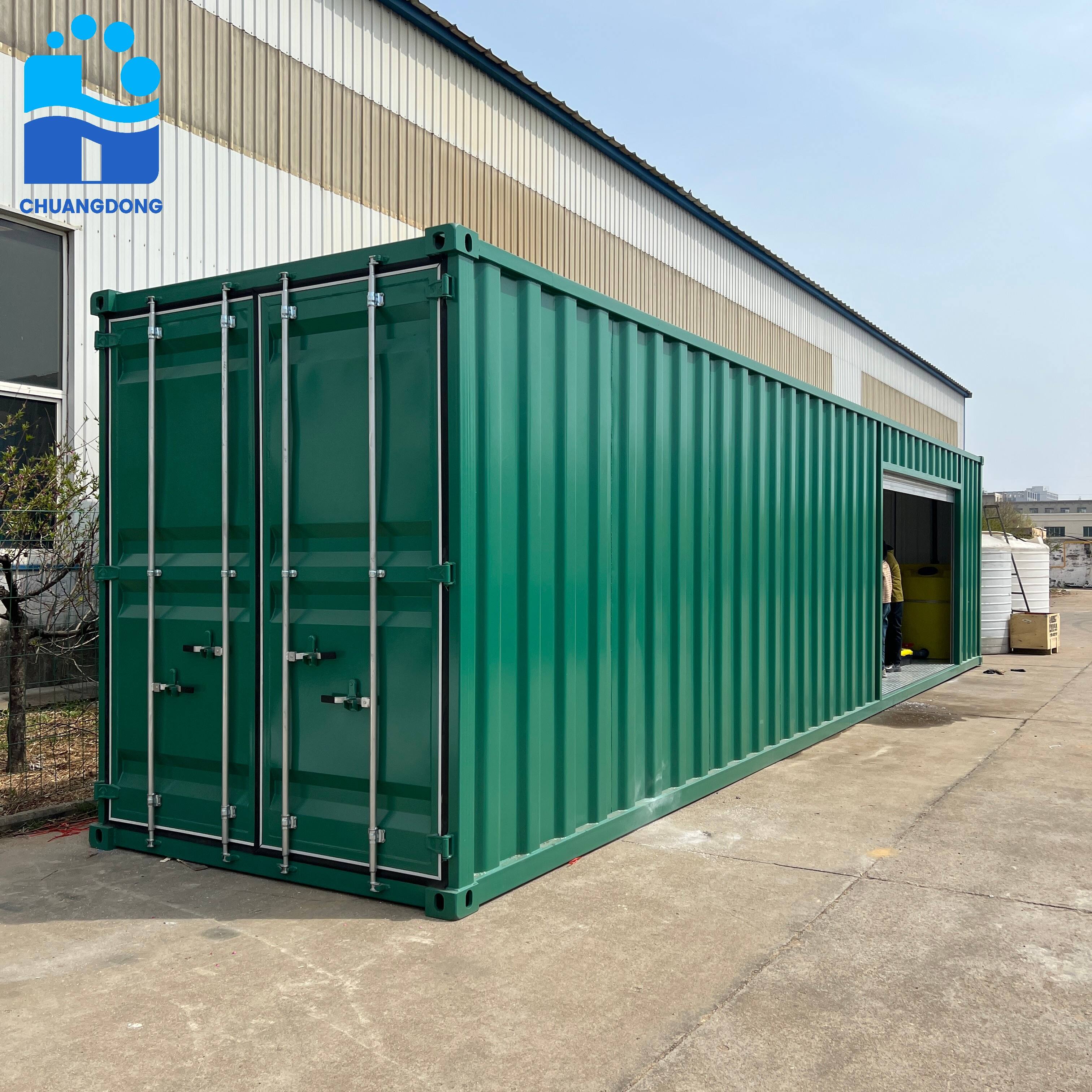
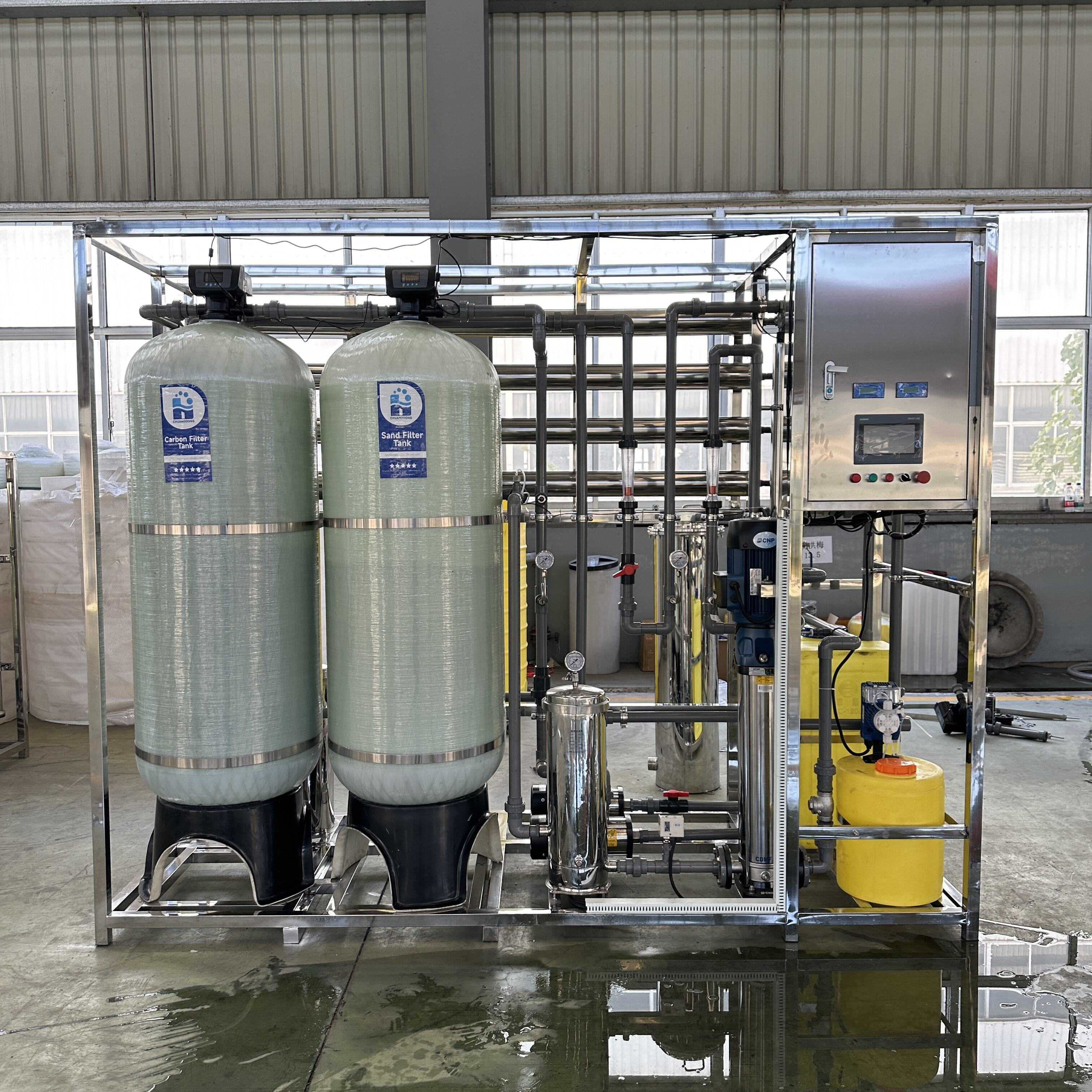
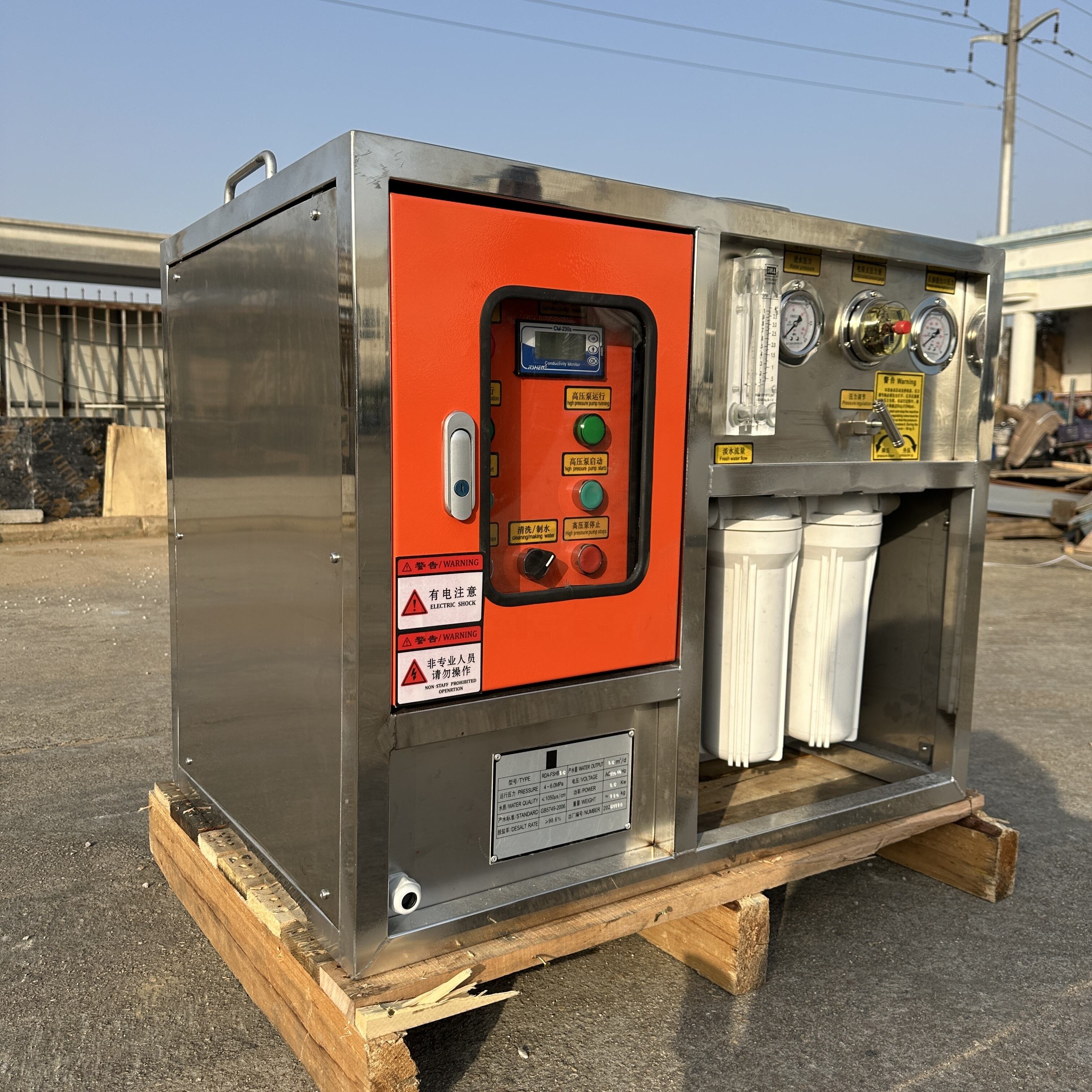
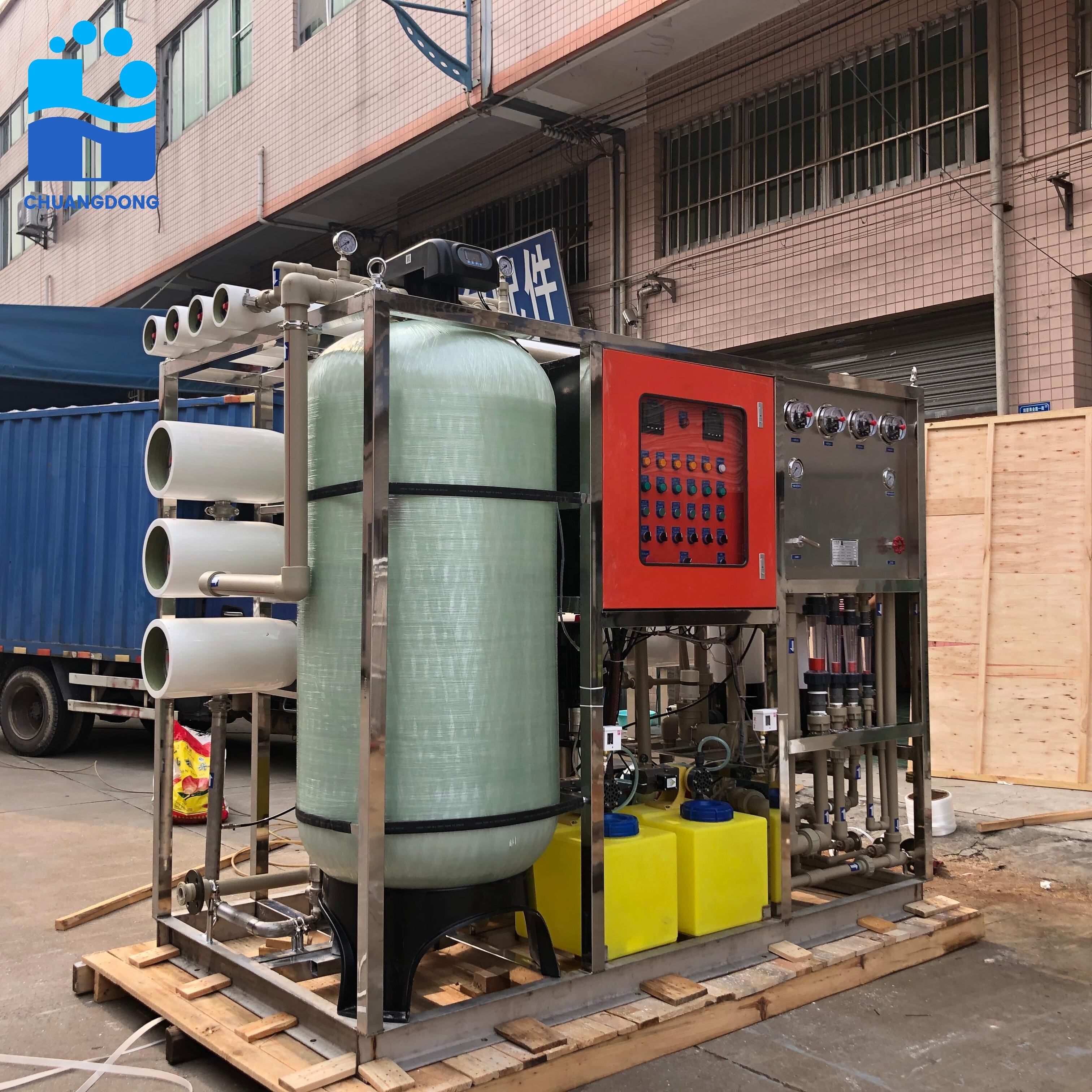
A seawater ro system represents cutting-edge water treatment technology designed to convert saltwater into fresh, potable water through reverse osmosis processes. This sophisticated filtration method forces seawater through specialized semipermeable membranes under high pressure, effectively removing salt, minerals, and contaminants to produce clean drinking water. The seawater ro system operates by applying pressure that exceeds the natural osmotic pressure of saltwater, compelling water molecules to pass through membrane barriers while blocking dissolved salts and impurities. Modern seawater ro systems incorporate multiple stages of filtration, including pre-treatment components that remove larger particles, chlorine, and sediments before the water reaches the primary reverse osmosis membranes. These systems typically feature energy recovery devices that capture and reuse hydraulic energy from the high-pressure brine stream, significantly improving overall efficiency. The technological framework includes pressure pumps, membrane housings, control systems, and monitoring equipment that ensures consistent water quality output. Applications for seawater ro systems span diverse sectors, from municipal water treatment facilities serving coastal communities to industrial operations requiring large volumes of fresh water. Marine vessels, offshore platforms, and remote installations rely heavily on these systems for crew water supplies. Hotels and resorts in coastal areas utilize seawater ro systems to reduce dependence on municipal water supplies while ensuring guest comfort. Agricultural operations in arid coastal regions implement these systems for crop irrigation, enabling farming in previously unsuitable locations. The technology proves invaluable for emergency response situations, providing rapid deployment capabilities for disaster relief efforts. Industrial manufacturers use seawater ro systems for process water requirements, particularly in chemical production, pharmaceuticals, and food processing where water purity standards are critical for product quality and regulatory compliance.

New Products

The seawater ro system delivers exceptional performance benefits that make it the preferred choice for converting saltwater into fresh water across numerous applications. One primary advantage lies in its remarkable efficiency in removing virtually all dissolved salts and contaminants from seawater, achieving rejection rates exceeding 99 percent for most ionic compounds. This level of purification ensures that the produced water meets or exceeds drinking water standards established by health organizations worldwide. The system operates with remarkable consistency, providing steady water production rates regardless of seasonal variations in source water quality or temperature fluctuations. Energy efficiency represents another compelling advantage, particularly with modern seawater ro systems incorporating advanced energy recovery technologies that reduce power consumption by up to 60 percent compared to older designs. This efficiency translates directly into lower operational costs, making the technology economically viable for long-term operation. The modular design of contemporary seawater ro systems allows for scalable installations that can be easily expanded or modified to meet changing water demand requirements. Maintenance requirements remain relatively straightforward, with standardized components and established service protocols that minimize downtime and reduce technical expertise requirements for routine operations. The automated control systems integrated into modern seawater ro systems provide continuous monitoring and adjustment capabilities, ensuring optimal performance while reducing the need for constant human supervision. Environmental benefits include the elimination of chemical additives typically required in alternative water treatment methods, producing clean water without introducing harmful substances into the process stream. The compact footprint of seawater ro systems makes them suitable for installation in space-constrained locations where traditional water treatment methods would be impractical. Rapid startup capabilities allow these systems to begin producing water within minutes of activation, making them ideal for emergency situations or temporary installations. The technology demonstrates exceptional reliability in harsh marine environments, withstanding corrosive saltwater conditions and extreme weather scenarios while maintaining consistent performance standards. Cost-effectiveness becomes evident over time through reduced transportation costs for water supplies, decreased dependence on external water sources, and the ability to produce water on-demand rather than relying on storage and distribution networks.

Tips And Tricks

What Intake and Outfall Designs Minimize Environmental Impact of a Desalination Plant?

01

Mar

What Intake and Outfall Designs Minimize Environmental Impact of a Desalination Plant?

Environmental considerations have become paramount in the design and operation of modern desalination facilities worldwide. As water scarcity continues to challenge communities across the globe, the demand for sustainable desalination plant solutions...
View More
What Corrosion-Resistant Materials Are Used in Desalination Plant Construction?

06

Mar

What Corrosion-Resistant Materials Are Used in Desalination Plant Construction?

Desalination plants operate in some of the harshest environments imaginable, where saltwater constantly threatens the integrity of critical infrastructure. The selection of appropriate corrosion-resistant materials becomes paramount to ensuring long-...
View More
How Does a Water Purification System with Ion Exchange Soften Hard Water Effectively?

15

Mar

How Does a Water Purification System with Ion Exchange Soften Hard Water Effectively?

Hard water poses significant challenges for both residential and commercial applications, containing high concentrations of calcium and magnesium ions that cause scale buildup, reduce equipment efficiency, and affect water quality. A water purificati...
View More
Why Should Pharmaceutical QC Labs Use Ultrapure Water for HPLC and Mass Spectrometry?

18

Mar

Why Should Pharmaceutical QC Labs Use Ultrapure Water for HPLC and Mass Spectrometry?

Pharmaceutical quality control laboratories face increasingly stringent requirements for analytical accuracy and regulatory compliance. The foundation of reliable analytical results lies in the quality of water used throughout testing procedures. Ult...
View More

Get a Free Quote

Our representative will contact you soon.
Email
Name
Company Name
Message
0/1000

seawater ro system

Advanced Membrane Technology for Superior Water Quality

Advanced Membrane Technology for Superior Water Quality

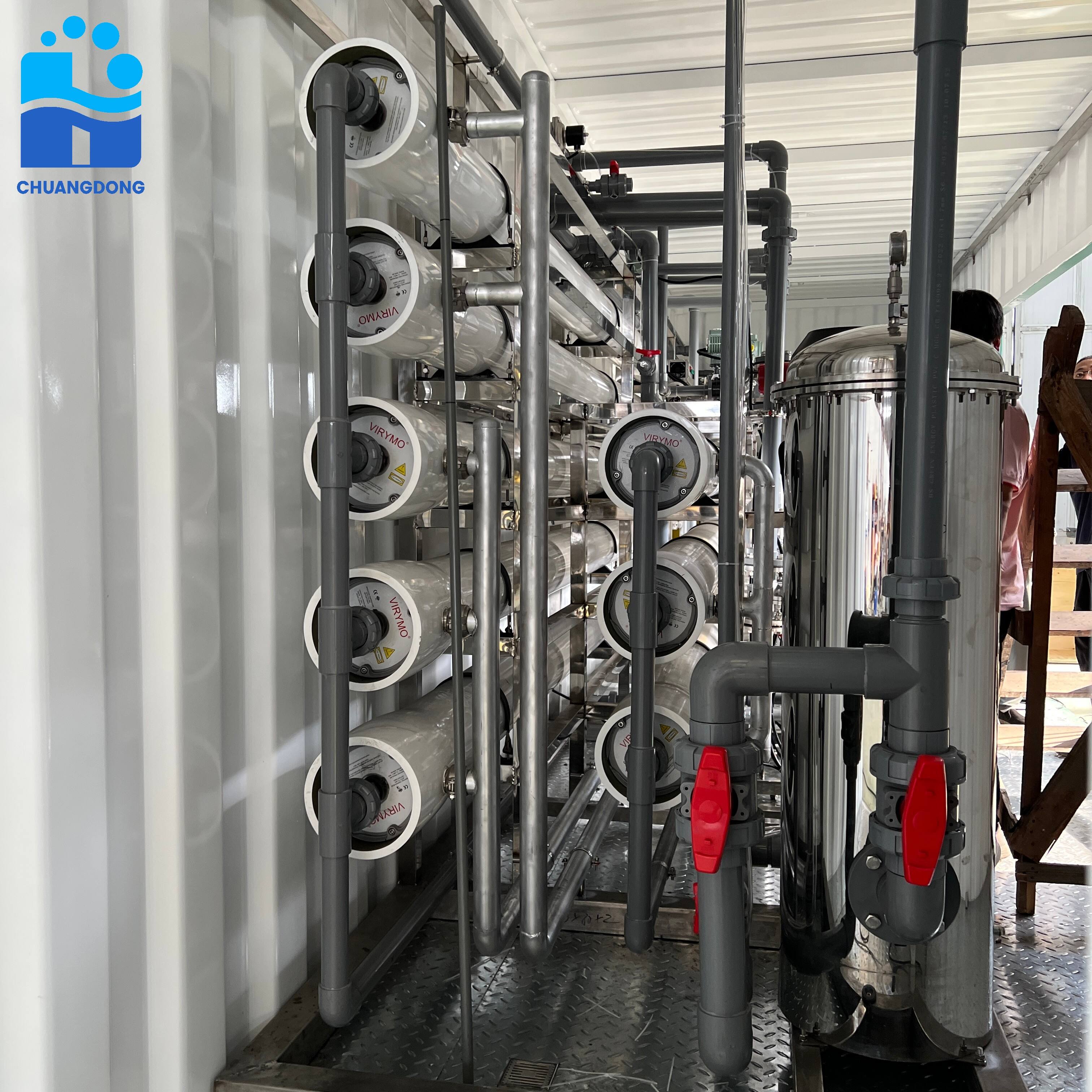
The cornerstone of any high-performance seawater ro system lies in its advanced membrane technology, which represents decades of scientific innovation and engineering refinement. These specialized semipermeable membranes utilize cutting-edge materials and manufacturing processes to achieve unprecedented levels of salt rejection while maintaining optimal water permeability. The membrane elements feature spiral-wound configurations that maximize surface area within compact housings, allowing for efficient processing of large water volumes while minimizing system footprint requirements. Modern seawater ro systems employ thin-film composite membranes constructed with polyamide active layers that demonstrate exceptional resistance to chemical degradation and biological fouling. These membranes operate effectively across wide temperature and pressure ranges, maintaining consistent performance even under challenging operating conditions. The multi-layer membrane structure incorporates specialized backing materials that provide mechanical support while facilitating uniform water flow distribution across the membrane surface. Advanced surface treatments applied to these membranes reduce the likelihood of scale formation and biological growth, extending operational life and reducing maintenance requirements. The membrane technology in seawater ro systems includes innovative spacer designs that promote turbulent flow patterns, preventing concentration polarization and enhancing overall system efficiency. Quality control measures during membrane manufacturing ensure consistent performance characteristics, with each membrane element undergoing rigorous testing to verify salt rejection rates and water permeability specifications. The integration of multiple membrane elements in series and parallel configurations allows seawater ro systems to achieve the high recovery rates necessary for economical operation while maintaining excellent water quality standards. Membrane manufacturers continue advancing material science, developing new polymer compositions that offer improved resistance to oxidation, higher flux rates, and enhanced durability in aggressive seawater environments. This ongoing innovation ensures that seawater ro systems remain at the forefront of water treatment technology, delivering reliable performance and exceptional value for customers across diverse applications.
Energy Recovery Systems for Maximum Efficiency

Energy Recovery Systems for Maximum Efficiency

Energy recovery technology represents one of the most significant technological advances in modern seawater ro system design, fundamentally transforming the economics of seawater desalination by dramatically reducing power consumption requirements. The high-pressure operation necessary for effective salt removal in seawater ro systems traditionally consumed substantial amounts of energy, making desalination expensive compared to conventional water sources. However, innovative energy recovery devices now capture and reuse hydraulic energy from the high-pressure brine stream that would otherwise be wasted, improving overall system efficiency by 35 to 60 percent. These sophisticated devices operate through various mechanisms, including pressure exchangers, turbochargers, and pelton wheels, each designed to transfer energy from the pressurized brine discharge back into the feed water stream. Pressure exchanger systems utilize rotating ceramic rotors with precision-machined channels that facilitate direct pressure transfer between high-pressure brine and incoming seawater, achieving energy transfer efficiencies exceeding 95 percent. The implementation of energy recovery in seawater ro systems requires careful hydraulic design to ensure proper flow balancing and pressure management throughout the system. Control systems monitor and adjust energy recovery operations in real-time, optimizing performance based on varying operating conditions such as feed water temperature, salinity levels, and production demands. The integration of variable frequency drives with energy recovery devices allows for precise control of system pressures and flows, further enhancing efficiency while extending equipment life. Maintenance requirements for energy recovery systems remain minimal due to the absence of dynamic seals and the use of corrosion-resistant materials designed for long-term operation in seawater environments. The economic benefits of energy recovery technology become particularly pronounced in large-scale seawater ro systems, where energy costs represent a significant portion of operating expenses. Environmental advantages include reduced carbon footprint through lower electricity consumption, supporting sustainability goals while maintaining high water production rates. Advanced monitoring systems track energy recovery performance, providing operators with detailed efficiency data that enables optimization of system operations and identification of potential maintenance needs before they impact performance.
Automated Control and Monitoring for Optimal Performance

Automated Control and Monitoring for Optimal Performance

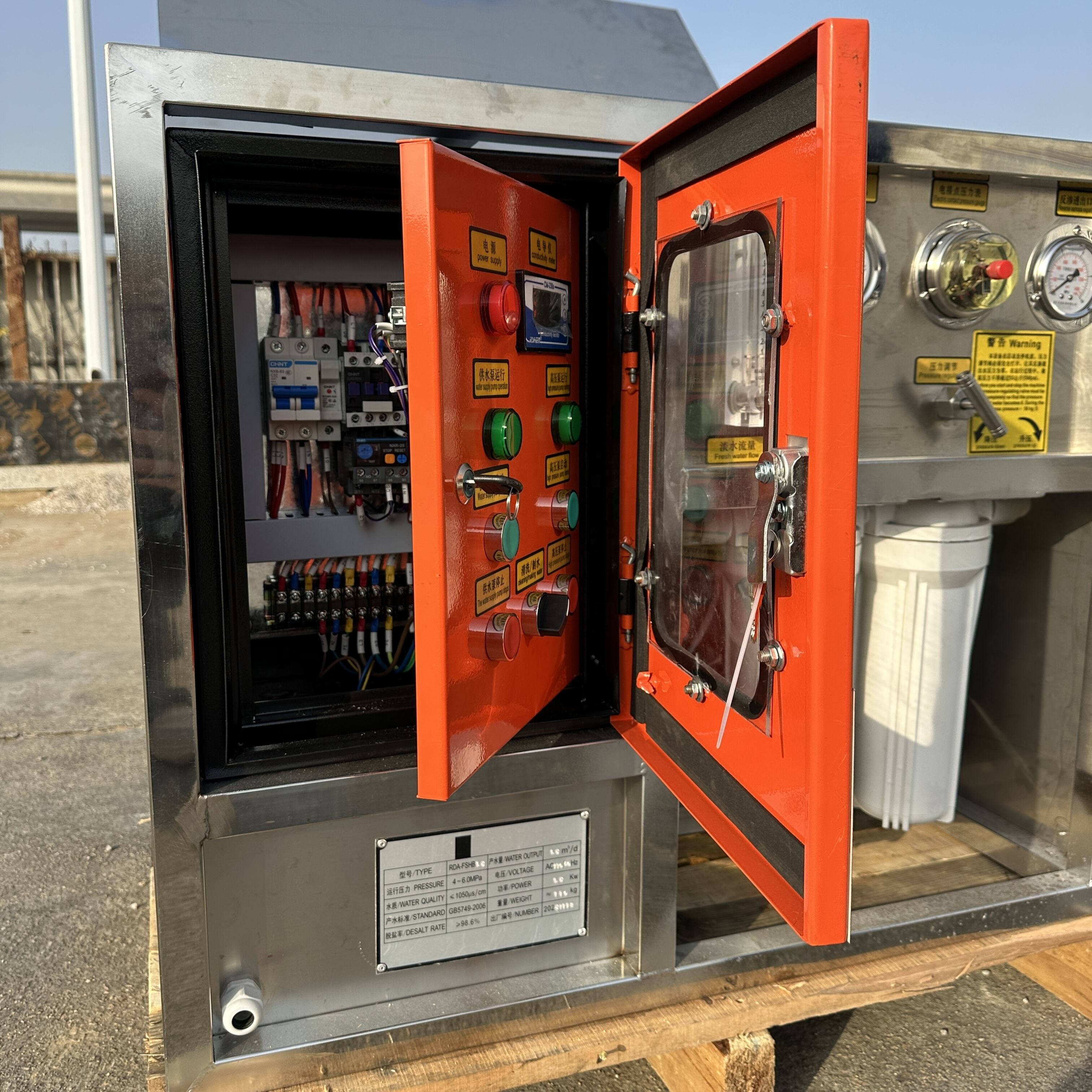
The sophisticated automated control and monitoring systems integrated into modern seawater ro systems represent a paradigm shift in water treatment technology, providing unprecedented levels of operational precision, reliability, and ease of use. These advanced control systems continuously monitor dozens of critical parameters throughout the seawater ro system, including feed water pressure, membrane differential pressures, flow rates, conductivity levels, temperature variations, and chemical dosing rates. The integration of programmable logic controllers with human-machine interfaces creates an intuitive operational environment that allows operators to monitor system performance, adjust operating parameters, and respond to alarm conditions through user-friendly graphical displays. Real-time data acquisition systems collect and store operational data, enabling trend analysis, performance optimization, and predictive maintenance scheduling that maximizes system uptime and extends equipment life. Advanced algorithms within the control system automatically adjust operating pressures, flow rates, and chemical feed rates to maintain optimal performance while compensating for variations in feed water quality and environmental conditions. The automated control system incorporates multiple safety features, including emergency shutdown procedures, pressure relief protocols, and equipment protection routines that prevent damage during abnormal operating conditions. Remote monitoring capabilities enable off-site supervision of seawater ro systems through secure internet connections, allowing technical support personnel to diagnose issues, adjust settings, and provide assistance without physical presence at the installation site. The control system maintains detailed operational logs and generates comprehensive reports that document system performance, water quality results, maintenance activities, and regulatory compliance data. Alarm management systems prioritize notifications based on severity levels, ensuring that operators receive appropriate warnings for conditions requiring immediate attention while filtering out minor fluctuations that do not impact system performance. The automated control technology in seawater ro systems includes adaptive learning capabilities that optimize operational parameters based on historical performance data and current operating conditions. Integration with external systems enables coordination with power management systems, water storage facilities, and distribution networks to ensure seamless operation within larger infrastructure frameworks. User access controls and security features protect system integrity while allowing appropriate personnel to access monitoring data and operational controls based on their authorization levels and responsibilities within the organization.

Get a Free Quote

Our representative will contact you soon.
Email
Name
Company Name
Message
0/1000