 EN
EN



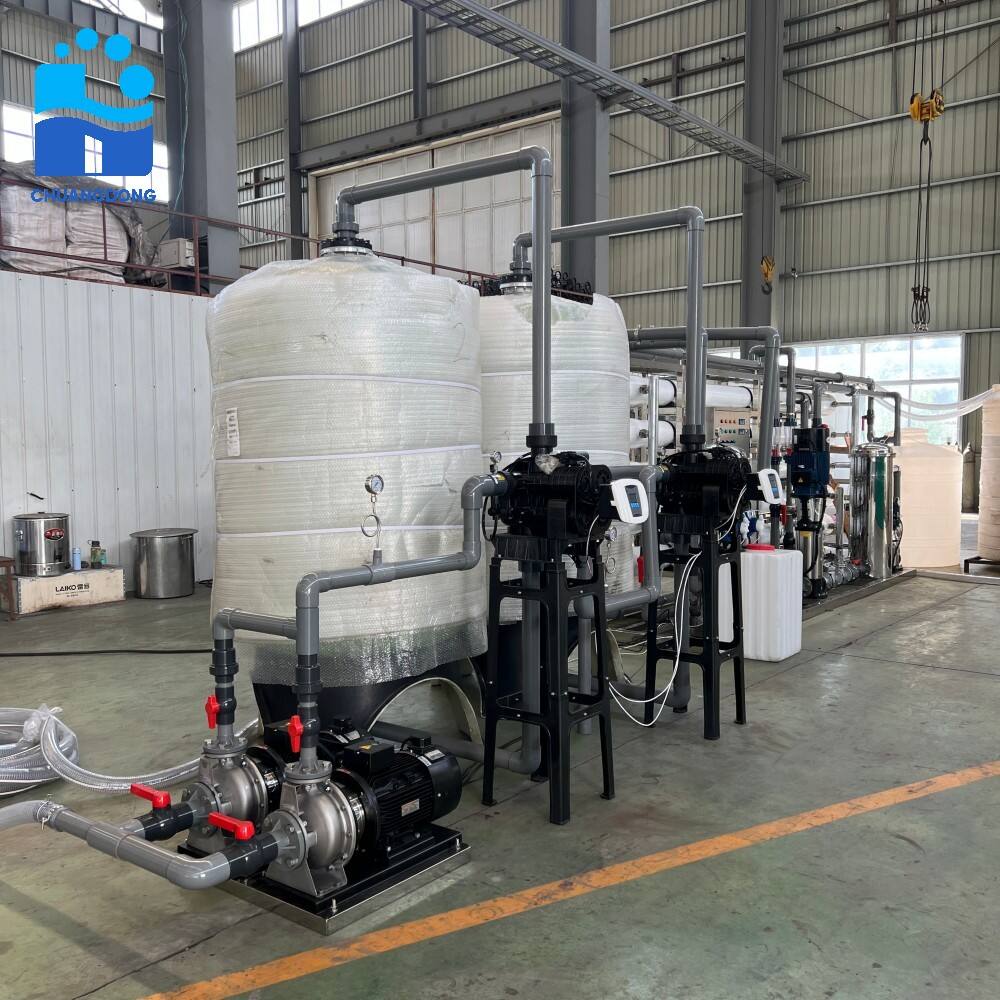
Water softening technology relies on ion exchange resin beads to remove hardness minerals from incoming water supplies, but these delicate resin materials face constant threat from suspended particles, turbidity, and debris present in untreated source water. Without adequate upstream protection, sediment accumulation causes irreversible damage to the resin bed structure, reduces regeneration efficiency, and dramatically shortens system operational lifespan. Understanding the protective mechanism of pre-filtration integration reveals why a water softener system with a pre-filter represents essential design architecture rather than optional enhancement for industrial and commercial applications.
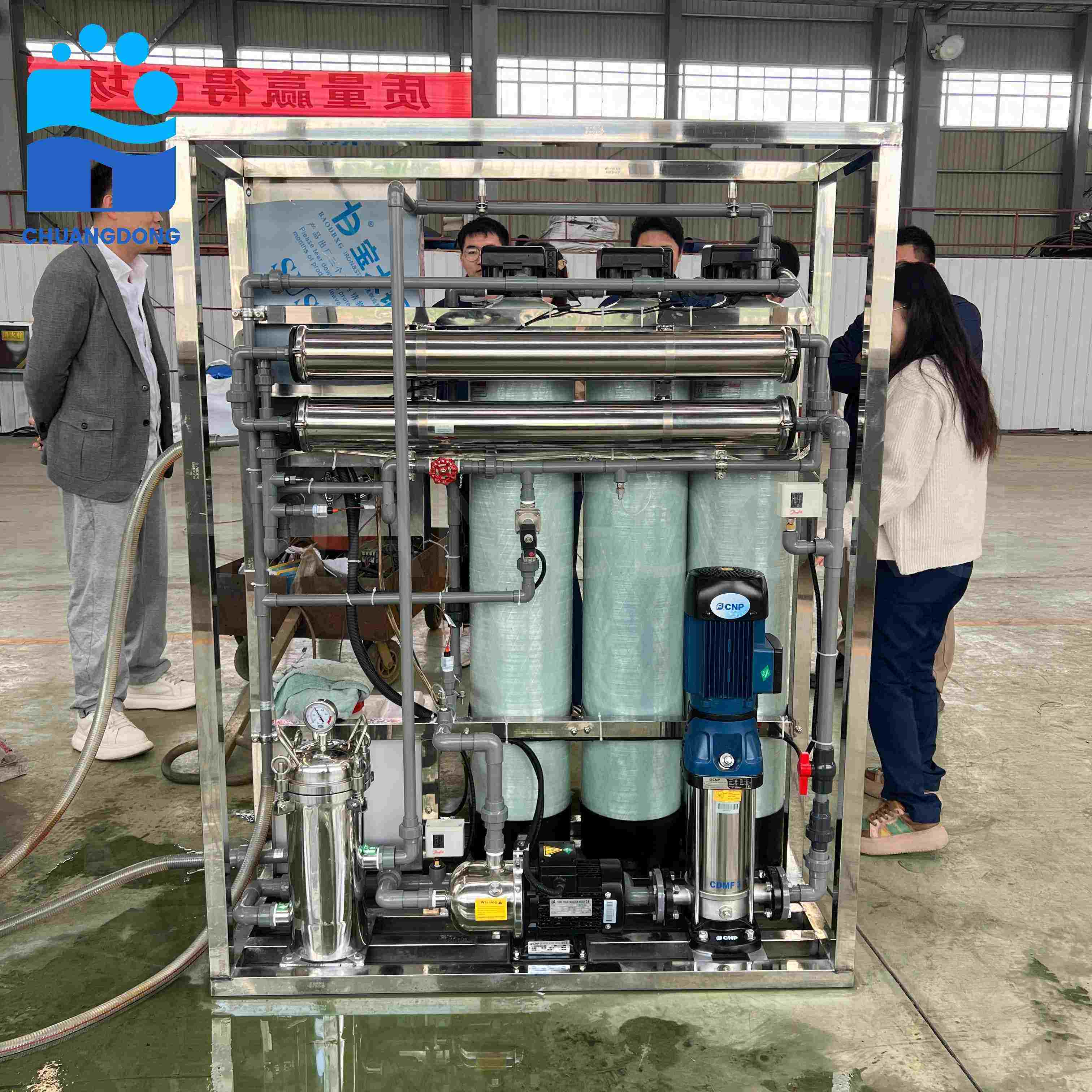
The fundamental protection mechanism involves strategic positioning of filtration media upstream from the softening vessel, creating a physical barrier that captures particulate matter before water contacts the resin bed. This configuration addresses the core vulnerability of ion exchange systems where particles ranging from coarse sand to fine silt can infiltrate resin interstices, blocking active exchange sites and creating flow channeling that bypasses treatment zones. The engineering logic behind pre-filter integration extends beyond simple particle removal to encompass hydraulic optimization, chemical compatibility preservation, and long-term operational cost management across diverse water quality scenarios.
The Vulnerability of Ion Exchange Resin to Particulate Contamination
Structural Characteristics That Make Resin Susceptible to Damage
Ion exchange resin beads used in softening applications typically measure between 0.3 and 1.2 millimeters in diameter, with spherical geometry designed to maximize surface area for calcium and magnesium ion capture. The porous internal structure contains functional groups anchored to a cross-linked polystyrene matrix, creating microscopic pathways where hardness ions diffuse during the exchange process. When sediment particles smaller than the resin bead diameter enter the softening vessel, they infiltrate these interstitial spaces and accumulate within the bed structure. Over time, this embedded contamination physically separates individual resin beads, disrupts uniform flow distribution, and creates dead zones where water bypasses treatment altogether.
The surface chemistry of standard cation exchange resin presents additional vulnerability factors that accelerate sediment-related degradation. Sulfonic acid functional groups maintain strong negative charges that attract positively charged ions, but this same electrostatic property causes resin surfaces to bind certain colloidal particles, clay minerals, and organic matter present in raw water. Once attached, these contaminants form adhesive layers that reduce ion exchange kinetics and increase pressure drop across the resin bed. The combination of physical entrapment and chemical adhesion explains why even moderate sediment levels cause measurable performance decline in unprotected softening systems within months of commissioning.
Mechanisms of Sediment-Induced Resin Degradation
Particulate matter entering the resin bed initiates multiple concurrent degradation pathways that compound over operational cycles. Abrasive particles such as silica sand create friction during backwash cycles, gradually wearing away the outer polymer matrix of resin beads and releasing fine resin fragments into the treated water stream. This mechanical attrition reduces the effective mass of resin available for ion exchange while simultaneously increasing the frequency of resin replacement requirements. The abraded resin surface also loses functional group density, diminishing the softening capacity per unit volume and forcing operators to increase regenerant chemical dosing to maintain acceptable performance levels.
Iron and manganese oxides present in sediment-laden water sources create particularly severe resin fouling conditions through oxidation and precipitation reactions. When ferrous iron oxidizes to ferric form within the resin bed, the resulting hydroxide precipitates coat resin surfaces with an insoluble barrier that blocks exchange sites and restricts water flow through the bed structure. Similarly, manganese dioxide deposits accumulate progressively with each service cycle, forming dark brown to black staining that proves extremely difficult to remove through standard regeneration procedures. These oxidized metal deposits often require aggressive chemical cleaning treatments that themselves stress the resin polymer matrix and accelerate long-term degradation beyond normal operational expectations.
Pre-Filtration Technology and Its Protective Function
Physical Barrier Mechanisms in Pre-Filter Design
The protective capability of a water softener system with a pre-filter originates from the filtration media's ability to trap particles through depth filtration, surface screening, and adsorption mechanisms before water reaches the softening vessel. Multi-media filters employing layers of anthracite, silica sand, and garnet create graduated pore size distribution that captures particles ranging from 10 to 50 microns in diameter, effectively removing the majority of suspended solids that would otherwise damage resin beds. The layered media configuration allows larger particles to lodge in the coarse upper anthracite layer while progressively finer materials trap smaller particles in deeper zones, maximizing dirt-holding capacity and extending service run times between backwash cycles.
Cartridge-style pre-filters using wound polypropylene, pleated membrane, or melt-blown synthetic media offer alternative protection strategies suited to specific water quality profiles and system scale requirements. These disposable or cleanable filter elements provide absolute retention ratings as fine as 5 microns, creating a physical barrier that prevents even colloidal particles from entering the downstream softening equipment. The pressure drop characteristics of cartridge pre-filters allow operators to monitor sediment loading in real time, with rising differential pressure indicating accumulated particulate burden and signaling appropriate maintenance intervals. This predictable performance degradation pattern enables proactive filter replacement before sediment breakthrough occurs, maintaining consistent protection for the resin investment throughout operational periods.
Chemical and Biological Protection Beyond Particle Removal
Advanced pre-filtration stages incorporated into a water softener system with a pre-filter extend protection beyond mechanical particle separation to address chemical oxidants and biological contamination that threaten resin integrity. Activated carbon pre-filters remove free chlorine, chloramines, and organic compounds that accelerate resin oxidative degradation, particularly in municipal water supplies where disinfectant residuals reach the softening equipment. The catalytic surface of granular activated carbon reduces chlorine to chloride ions through redox reactions, eliminating this oxidative stress from the water before it contacts the vulnerable polymer matrix of ion exchange resin beads.
Bacterial and algal growth within pre-filter media beds creates a biological protection layer that consumes dissolved organic carbon and nutrients before they reach the softening vessel, reducing the availability of food sources that would otherwise support microbial colonization within the resin bed itself. While biological activity within filters requires careful management through periodic sanitization, the controlled bacterial population in upstream filtration media proves beneficial by preventing more problematic biofilm formation on resin surfaces where it disrupts ion exchange kinetics and creates localized anaerobic zones that foster sulfate-reducing bacteria growth and hydrogen sulfide production.
Hydraulic and Operational Advantages of Integrated Pre-Filtration
Flow Distribution Optimization Through Sediment Removal
The presence of pre-filtration in a water softener system with a pre-filter fundamentally improves hydraulic performance by ensuring uniform flow distribution through the resin bed, eliminating the channeling and short-circuiting effects that occur when sediment accumulation creates preferential flow paths. Clean resin beds maintain consistent pressure drop characteristics and predictable residence time distribution, allowing water to contact the full exchange capacity rather than bypassing significant resin volumes through low-resistance channels formed around sediment deposits. This hydraulic optimization directly translates to improved hardness removal efficiency and more consistent treated water quality throughout service cycles.
Backwash effectiveness improves dramatically when resin beds remain free from embedded sediment, as the expansion characteristics and bed fluidization during regeneration cycles function according to design parameters rather than being compromised by particle interference. Clean resin beads expand uniformly during upflow backwash, allowing proper classification where lighter degraded beads and resin fines wash out while intact beads settle back into optimal stratification. Sediment-contaminated beds fail to achieve proper expansion ratios, trapping degraded resin fragments and allowing them to accumulate rather than being removed through the backwash drain, progressively degrading system performance over successive regeneration cycles.
Regeneration Efficiency and Chemical Consumption Optimization
Pre-filtration protection enables more efficient regeneration chemistry by ensuring that salt brine or alternative regenerants contact clean, accessible exchange sites rather than being partially consumed overcoming sediment barriers or reacting with iron and manganese deposits. A water softener system with pre-filter typically achieves 20 to 30 percent higher regeneration efficiency compared to unprotected systems operating on identical water sources, translating to reduced salt consumption per kilogram of hardness removed and lower operating costs over the system's service life.
The elimination of iron and manganese contamination through upstream filtration prevents the formation of insoluble metal-salt complexes during regeneration that would otherwise precipitate within the resin bed and require periodic intensive cleaning with reducing agents or mineral acids. These specialized cleaning chemicals represent significant operational expenses and expose resin to harsh chemical environments that accelerate polymer degradation, creating a negative cycle where contamination drives cleaning requirements that themselves shorten resin lifespan. By preventing the initial contamination through effective pre-filtration, systems avoid this destructive cycle entirely and maintain stable regeneration performance across years of operation rather than months.
Design Considerations for Effective Pre-Filter Integration
Sizing and Media Selection Based on Water Quality Analysis
Proper specification of pre-filtration capacity requires comprehensive source water analysis that quantifies total suspended solids concentration, particle size distribution, turbidity, iron and manganese content, and organic matter levels to match filter media selection and sizing to actual contamination loads. A water softener system with a pre-filter serving groundwater sources containing high iron concentrations demands different media selection than systems treating surface water with primarily inorganic turbidity, as oxidized iron requires catalytic media or chemical pretreatment while suspended sediment responds well to conventional multi-media filtration approaches.
Flow velocity through pre-filter media critically influences both particle capture efficiency and service run length between backwash cycles, with optimal loading rates typically ranging from 10 to 15 gallons per minute per square foot of filter bed cross-sectional area for multi-media configurations. Undersized pre-filters operating at excessive velocity sacrifice particle retention effectiveness as high approach velocities force smaller particles through the media bed, while oversized filters operating at very low velocity may fail to develop adequate depth penetration of captured solids, leading to premature surface clogging and shortened service runs. The engineering balance between capital cost and operational performance requires careful analysis of peak flow demands and anticipated sediment loading patterns across seasonal variations in source water quality.
Sequential Staging for Complex Contamination Profiles
Challenging water quality scenarios often necessitate multi-stage pre-filtration architecture where successive filter types address different contamination categories in optimal sequence before water enters the softening vessel. A common configuration for iron-bearing groundwater employs an oxidation and precipitation stage using aeration or chemical oxidants, followed by catalytic media filtration to capture oxidized iron particles, and finally polishing cartridge filtration to remove any residual fine particles before the water softener system with pre-filter completes hardness removal. This staged approach prevents individual filter types from being overwhelmed by contamination categories they handle poorly while optimizing each stage for its specific removal target.
The hydraulic integration of multiple pre-filter stages requires attention to pressure drop accumulation, flow balancing, and regeneration water routing to maintain system efficiency while maximizing protection for downstream softening equipment. Parallel pre-filter trains operating in alternating duty-standby configurations provide continuous protection during backwash cycles of individual filters, eliminating the operational interruptions that would otherwise occur if a single pre-filter required service during peak demand periods. This redundant architecture proves particularly valuable in industrial applications where continuous soft water supply supports critical manufacturing processes that cannot tolerate even brief hardness breakthrough events during pre-filter maintenance activities.
Long-Term Performance Benefits and Economic Justification
Resin Lifespan Extension and Replacement Cost Avoidance
The most significant economic benefit of incorporating pre-filtration into water softening systems manifests through extended resin service life, with properly protected resin beds commonly achieving 10 to 15 years of effective operation compared to 3 to 5 years typical for unprotected systems operating on sediment-laden water sources. This lifespan extension translates to substantial cost avoidance considering that high-quality food-grade or industrial softening resin represents a major capital expenditure, with replacement costs including not only resin material but also labor for vessel draining, media removal, disposal, and installation of fresh resin with proper bed preparation and classification.
The avoided disruption costs associated with premature resin replacement often exceed the direct material and labor expenses, particularly in industrial facilities where softening system outages interrupt production schedules, require temporary water supply arrangements, and necessitate equipment shutdowns that cascade through interconnected processes. A water softener system with pre-filter operating reliably for a decade without major maintenance interventions provides predictable water quality that enables confident process planning and eliminates the emergency response costs associated with unexpected system failures caused by sediment-damaged resin beds that suddenly lose effectiveness and produce hard water breakthrough into critical applications.
Operational Stability and Maintenance Predictability
Pre-filtration integration fundamentally changes the maintenance profile of water softening installations from reactive troubleshooting of sediment-related problems to scheduled preventive servicing with predictable intervals and costs. Operators managing a water softener system with pre-filter can establish routine filter backwash schedules, cartridge replacement programs, and media replenishment plans based on actual service data rather than responding to erratic performance degradation driven by variable sediment loading. This operational predictability enables accurate budgeting for consumables and labor while reducing the technical skill level required for routine maintenance tasks compared to the specialized expertise needed to diagnose and remediate sediment fouling in unprotected resin beds.
The improved consistency of treated water quality achieved through sediment protection translates to reduced downstream equipment maintenance across all processes using the softened water, from boilers and cooling towers to reverse osmosis membranes and industrial manufacturing equipment. Hard water breakthrough events caused by resin bed channeling create sporadic scale formation that proves more damaging than steady-state scaling conditions, as intermittent deposition creates irregular surface buildup that disrupts heat transfer, promotes under-deposit corrosion, and forms adherent scale layers resistant to conventional cleaning methods. By maintaining consistent softening performance through effective pre-filtration protection, systems deliver reliable water quality that minimizes these secondary maintenance burdens throughout interconnected facility water systems.
FAQ
What particle size range should pre-filters remove to adequately protect softening resin?
Effective resin protection requires pre-filtration capable of removing particles down to 10 to 25 microns in diameter, as this size range encompasses the majority of suspended sediment that causes resin bed fouling while remaining practical for conventional multi-media or cartridge filter technologies. Finer filtration to 5 microns provides enhanced protection for premium resin investments or critical applications where maximum lifespan justifies additional filtration capital and operating costs. The specific retention rating should be selected based on source water turbidity analysis and particle size distribution data rather than arbitrary selection of the finest available filtration.
How does pre-filter maintenance frequency compare to the protection benefit provided?
Pre-filter maintenance requirements typically involve weekly to monthly backwash cycles for multi-media filters or monthly to quarterly cartridge replacements depending on sediment loading, representing relatively minor operational attention compared to the multi-year resin lifespan extension achieved. The labor and material costs of routine pre-filter servicing amount to a small fraction of a single resin replacement expense, making the economic trade-off highly favorable even when pre-filters require frequent attention due to challenging water quality conditions. Automated backwash controls can reduce operator involvement to simple monitoring and periodic media replenishment rather than hands-on intervention for each cleaning cycle.
Can pre-filtration eliminate the need for resin cleaning and regeneration optimization?
While pre-filtration dramatically reduces sediment contamination, it does not eliminate all resin maintenance requirements, as ion exchange systems still experience gradual performance decline from organic fouling, oxidative degradation, and mechanical attrition that occur independent of sediment exposure. A water softener system with pre-filter still benefits from periodic resin cleaning using approved sanitizers or specialty chemicals to address accumulated organic matter and maintain optimal exchange kinetics. However, the frequency and intensity of these cleaning interventions decrease substantially compared to unprotected systems, and the underlying resin structure remains intact rather than being progressively damaged by embedded sediment that complicates cleaning and accelerates degradation.
What indicators signal that pre-filter protection is insufficient for current water conditions?
Several operational symptoms reveal inadequate pre-filtration including rising pressure drop across the softening vessel between regenerations, increasing hardness leakage in treated water despite proper regenerant dosing, visible sediment in backwash water from the softener rather than just the pre-filter, and shortened intervals between required resin cleaning procedures. Laboratory analysis of resin samples showing embedded particles, iron staining, or physical degradation of bead surfaces confirms that sediment is bypassing or overwhelming the existing pre-filtration capacity. These indicators should trigger immediate source water testing to quantify current contamination levels and guide appropriate pre-filter upgrades or additional treatment stages to restore adequate protection before permanent resin damage accumulates.
Table of Contents
- The Vulnerability of Ion Exchange Resin to Particulate Contamination
- Pre-Filtration Technology and Its Protective Function
- Hydraulic and Operational Advantages of Integrated Pre-Filtration
- Design Considerations for Effective Pre-Filter Integration
- Long-Term Performance Benefits and Economic Justification
-
FAQ
- What particle size range should pre-filters remove to adequately protect softening resin?
- How does pre-filter maintenance frequency compare to the protection benefit provided?
- Can pre-filtration eliminate the need for resin cleaning and regeneration optimization?
- What indicators signal that pre-filter protection is insufficient for current water conditions?