seawater desalination system
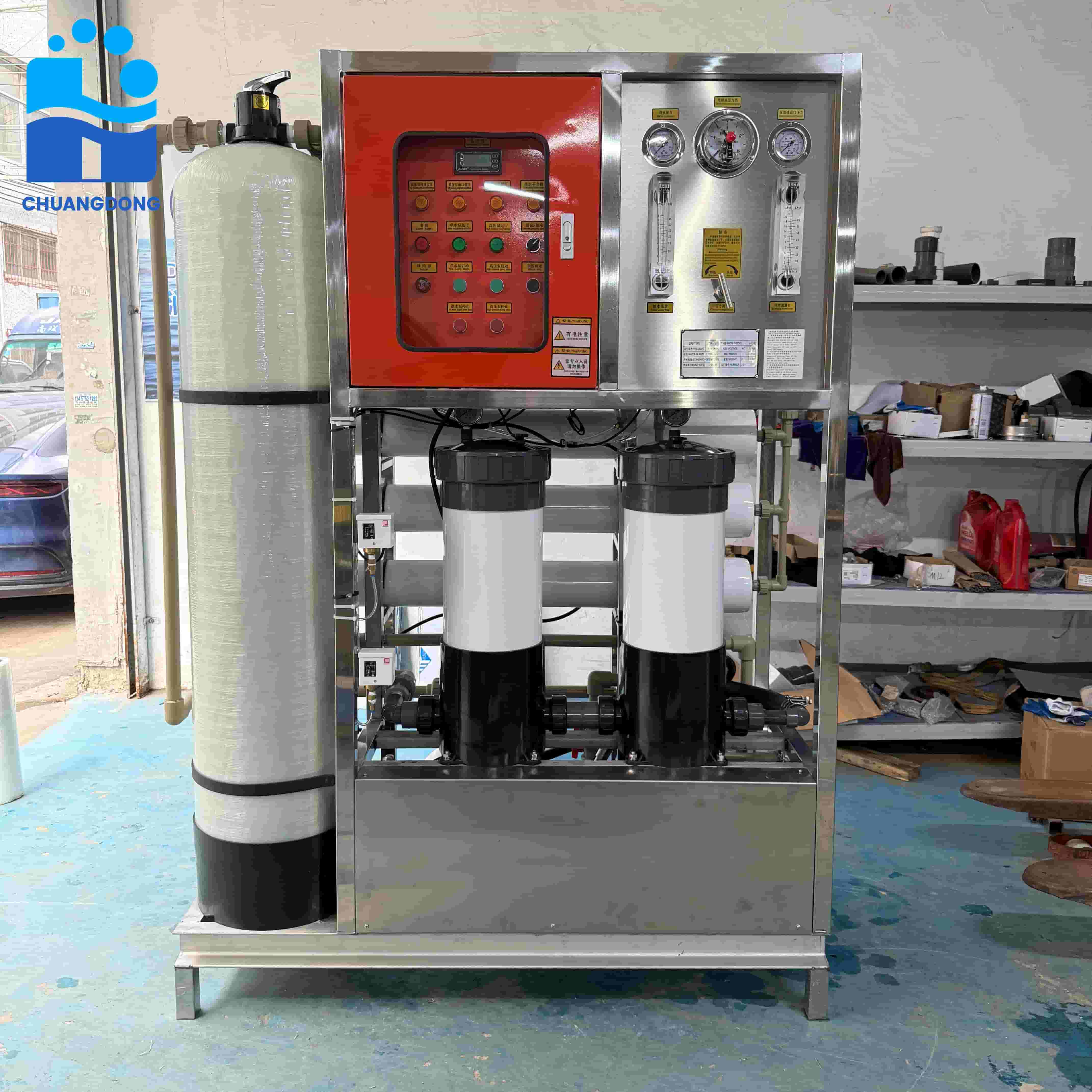
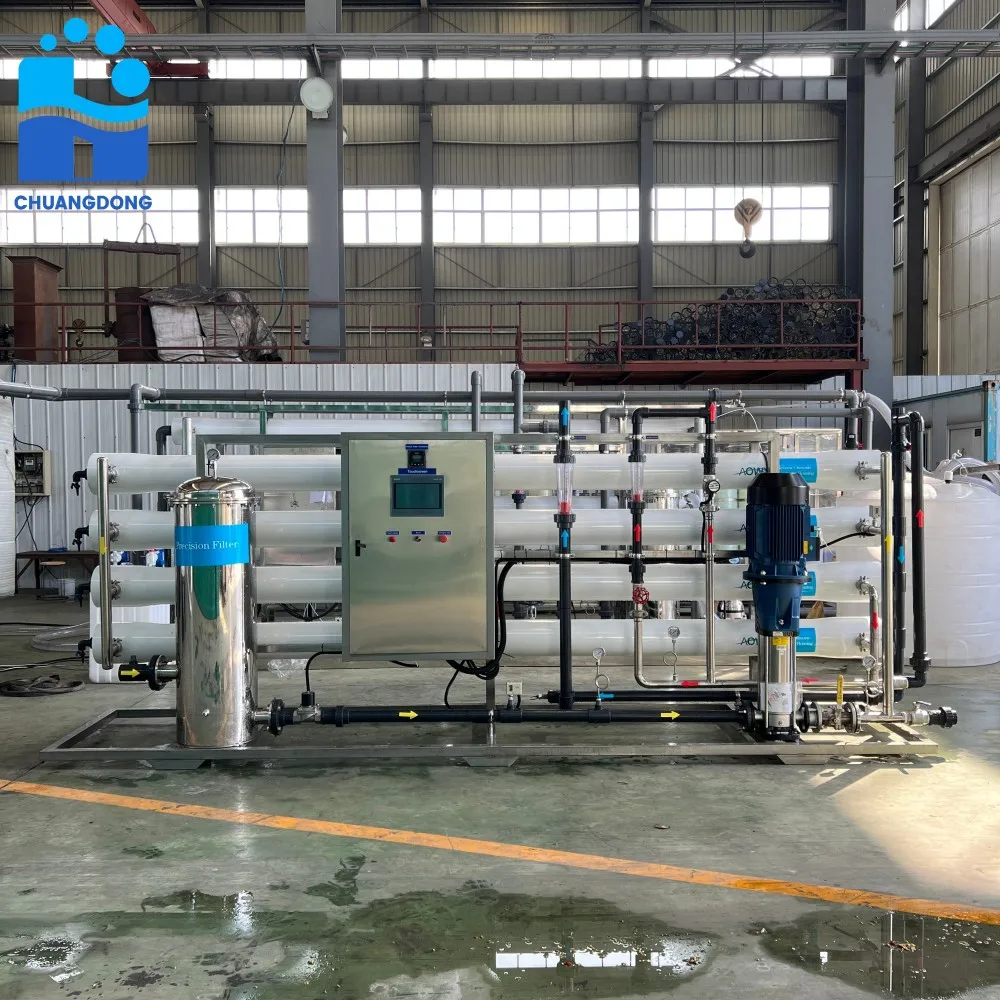
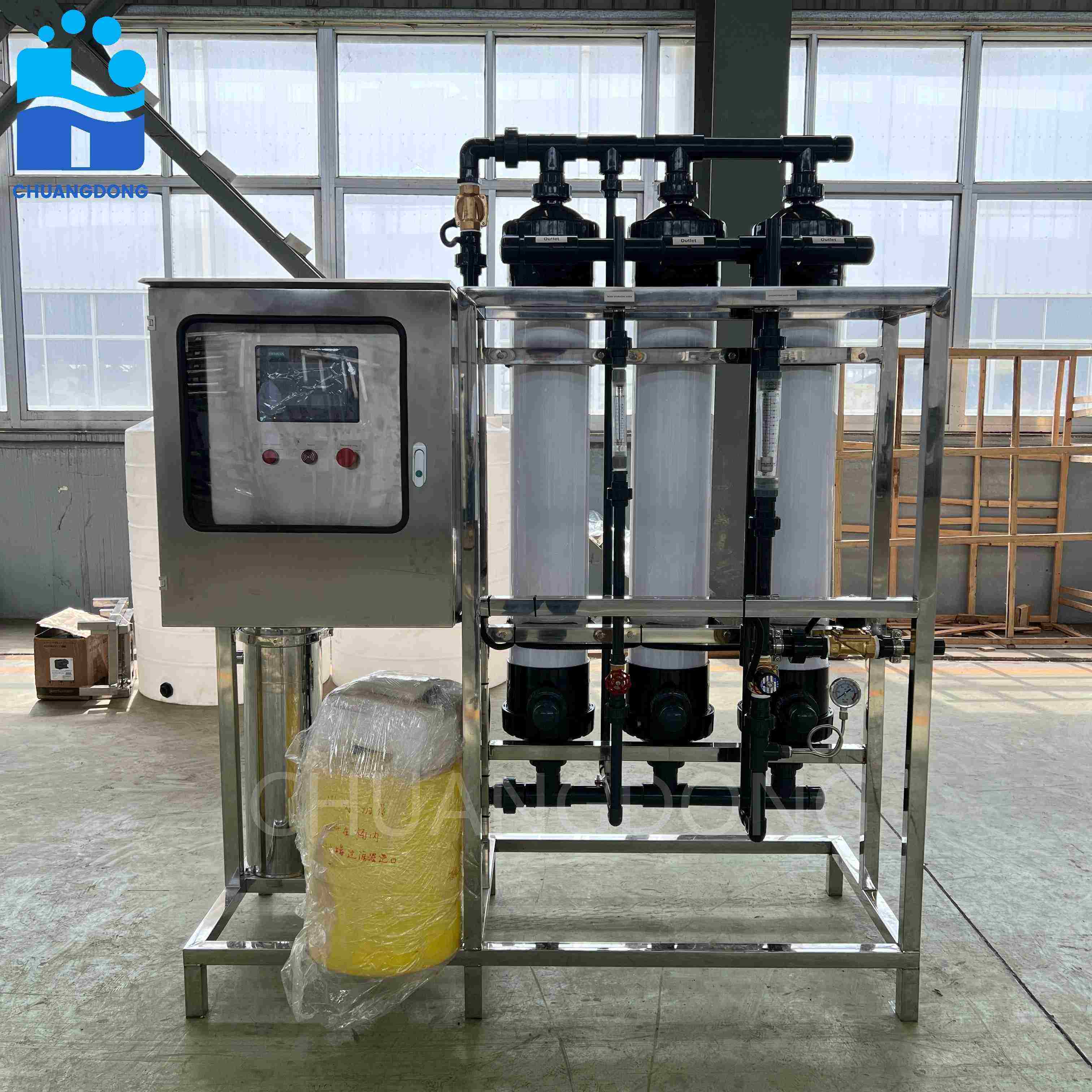
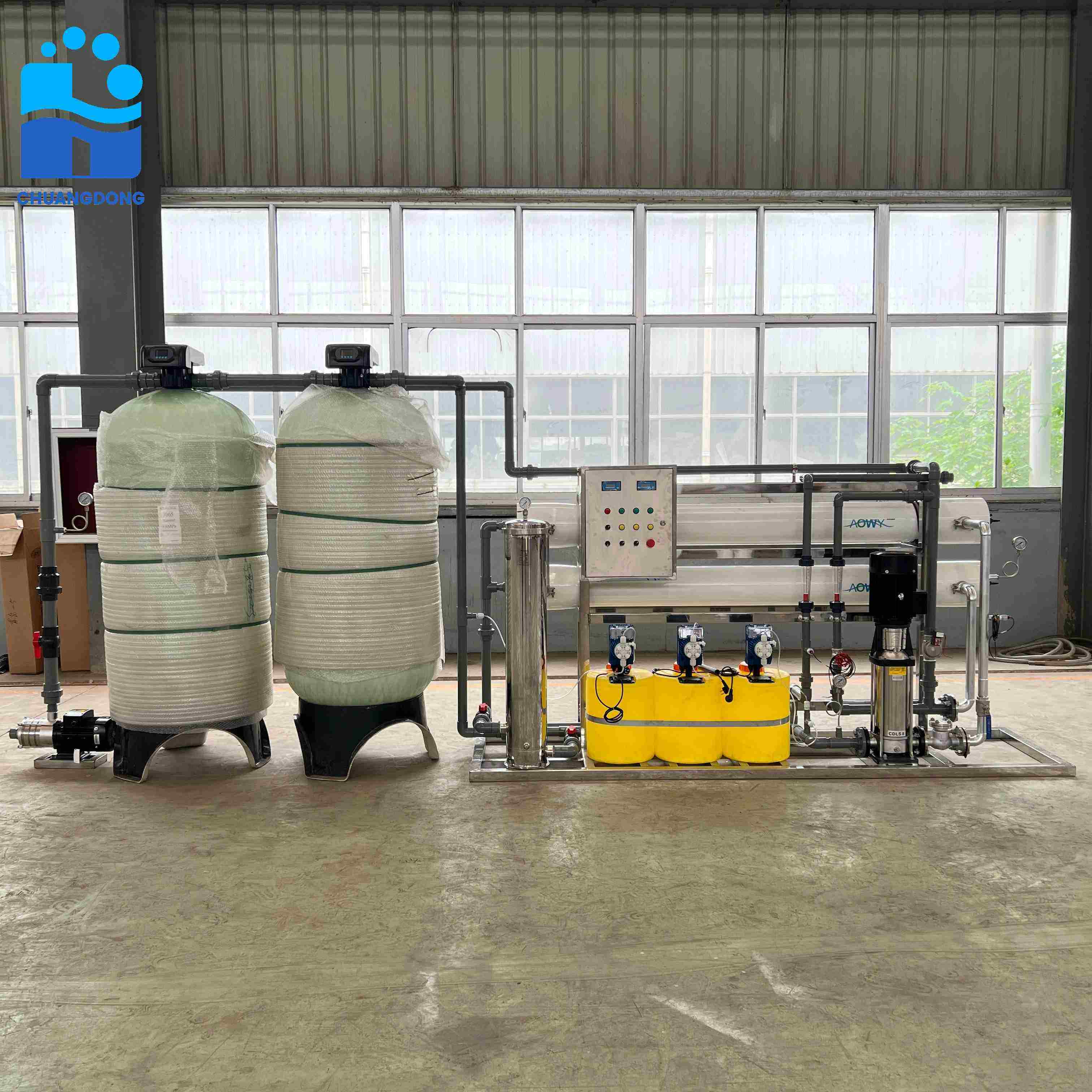
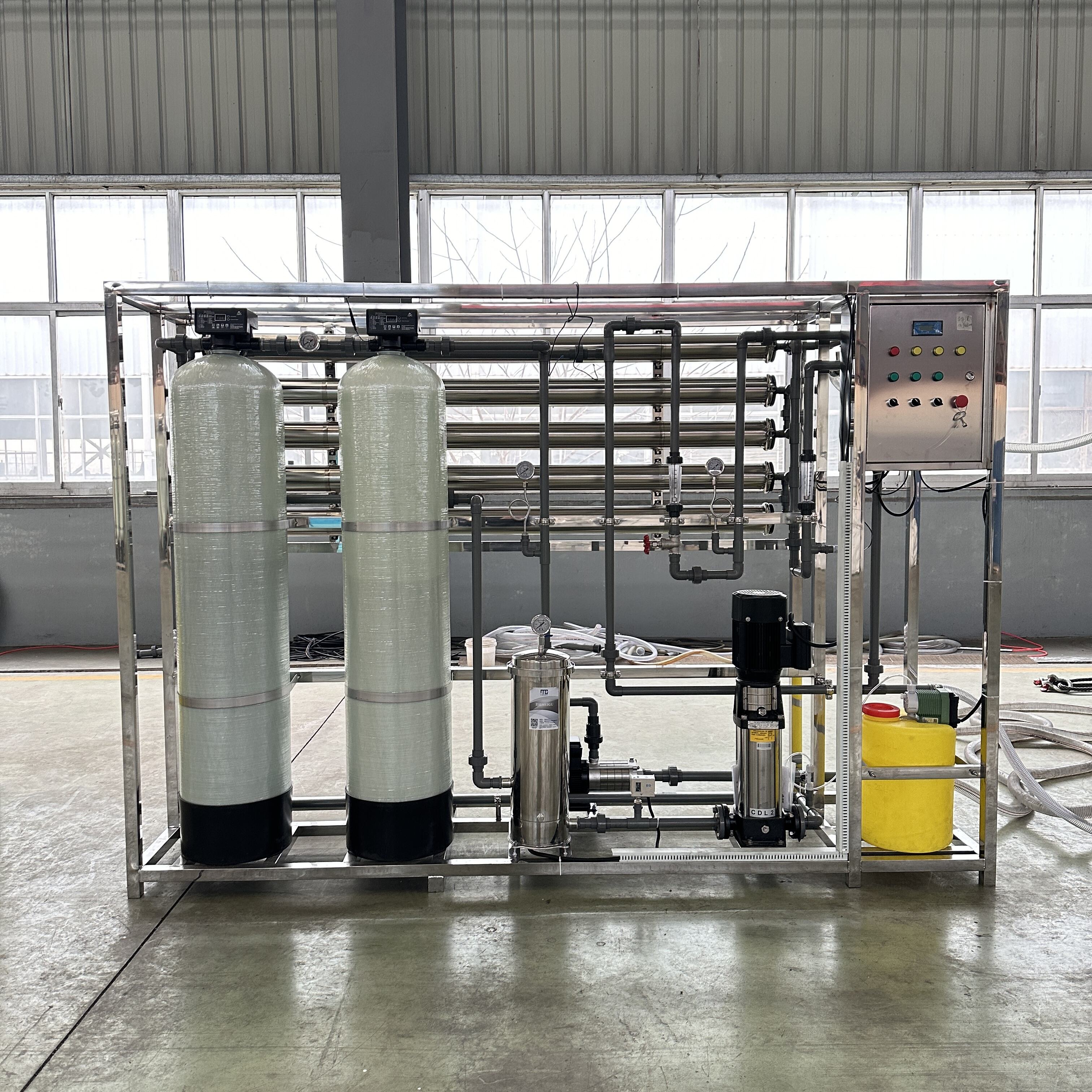
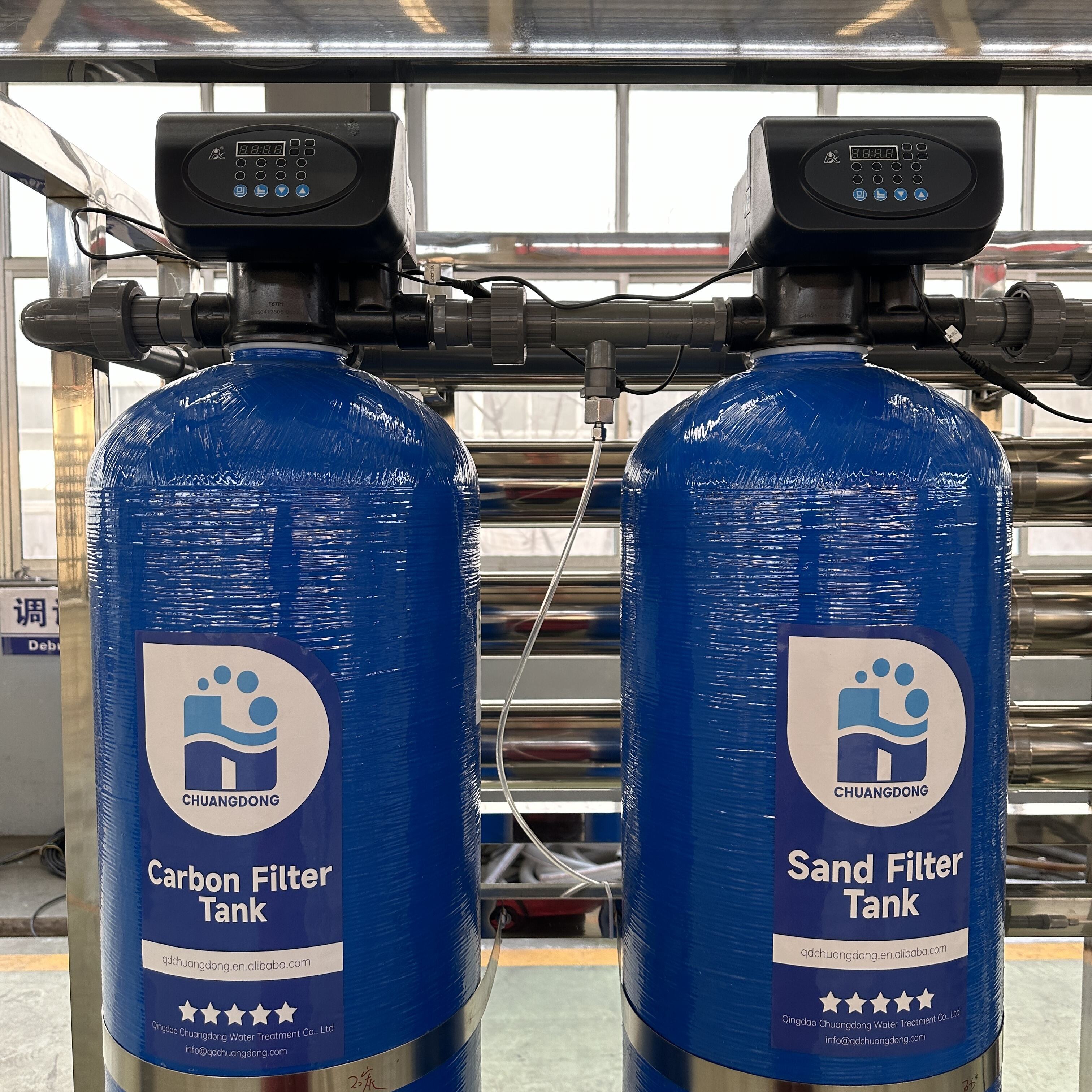
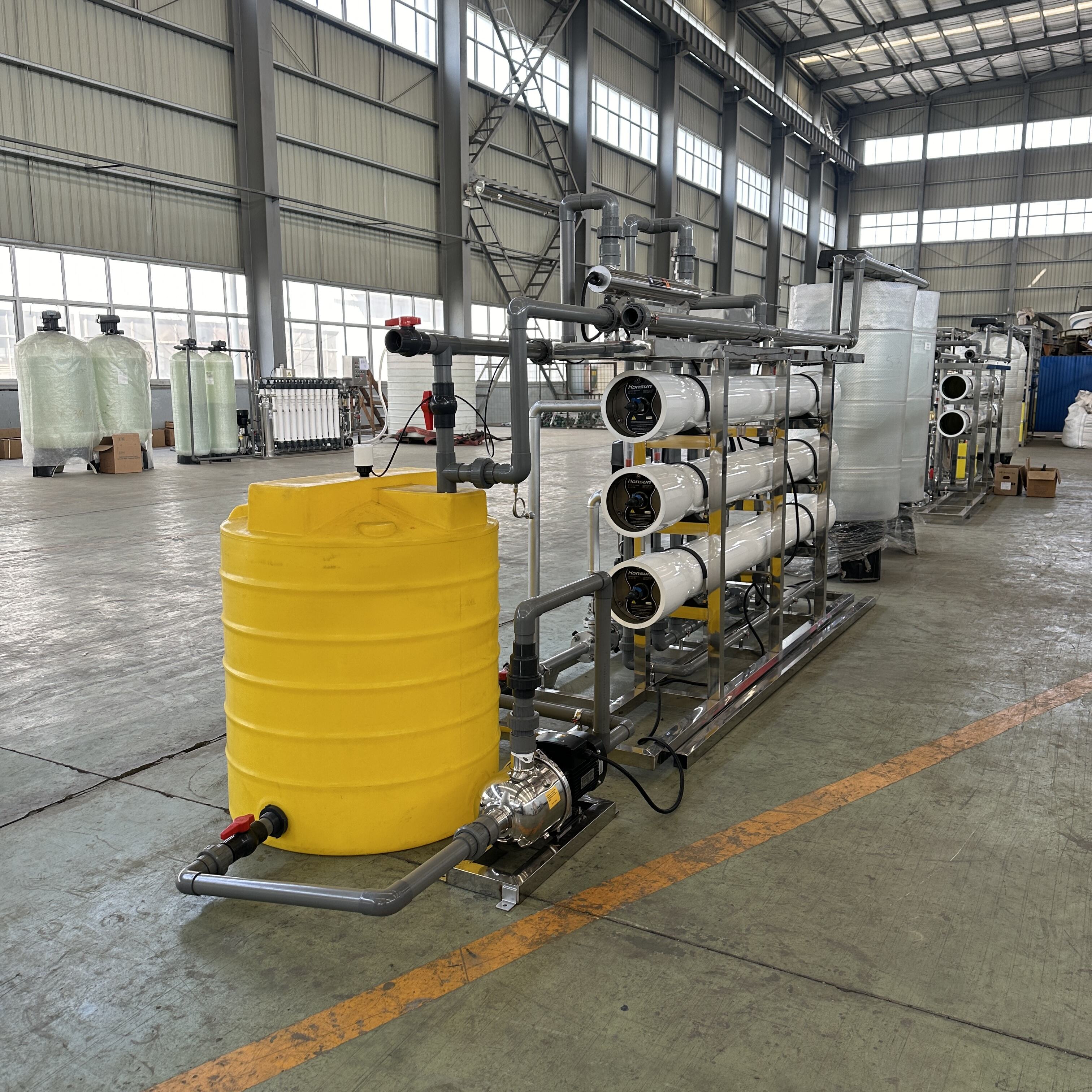
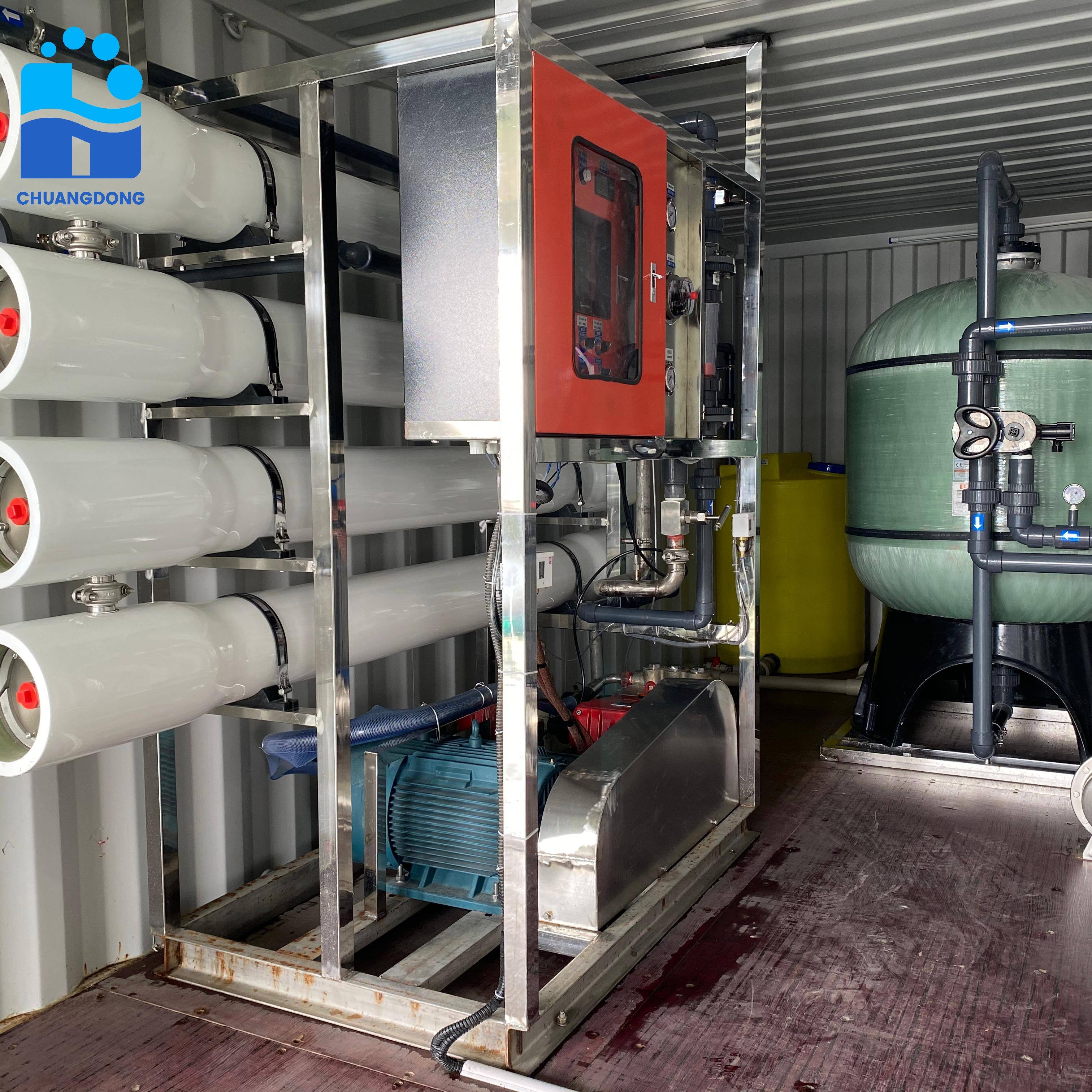
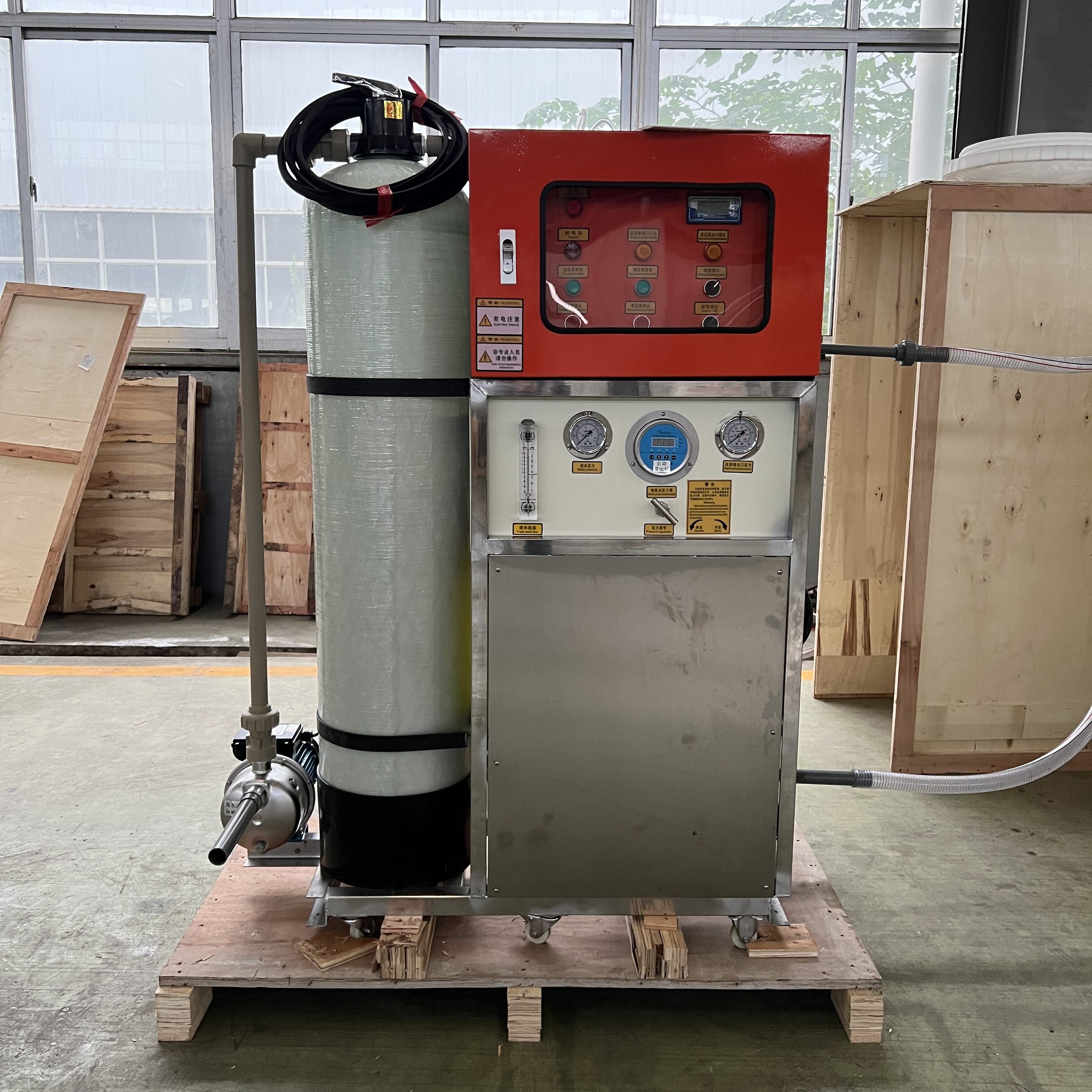
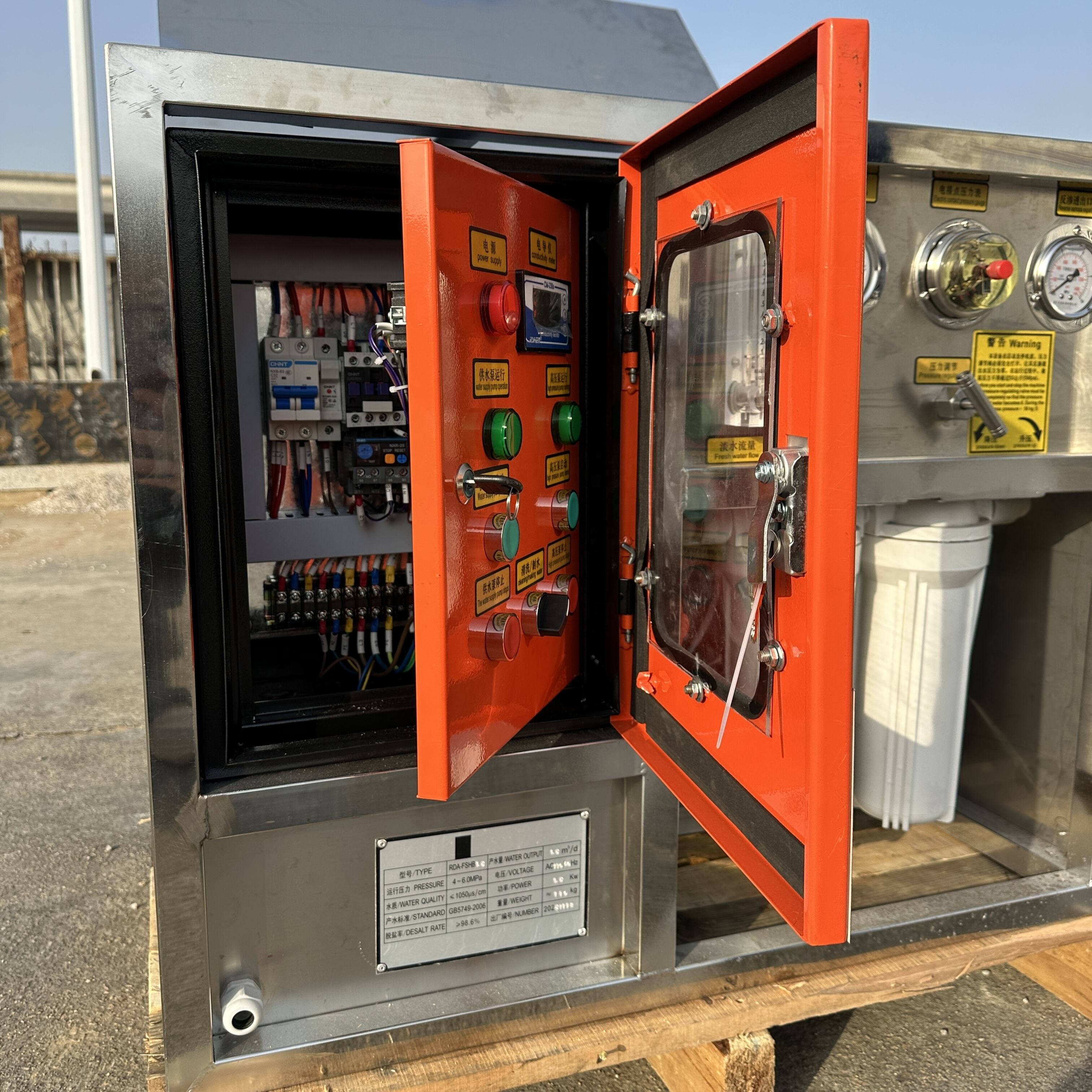
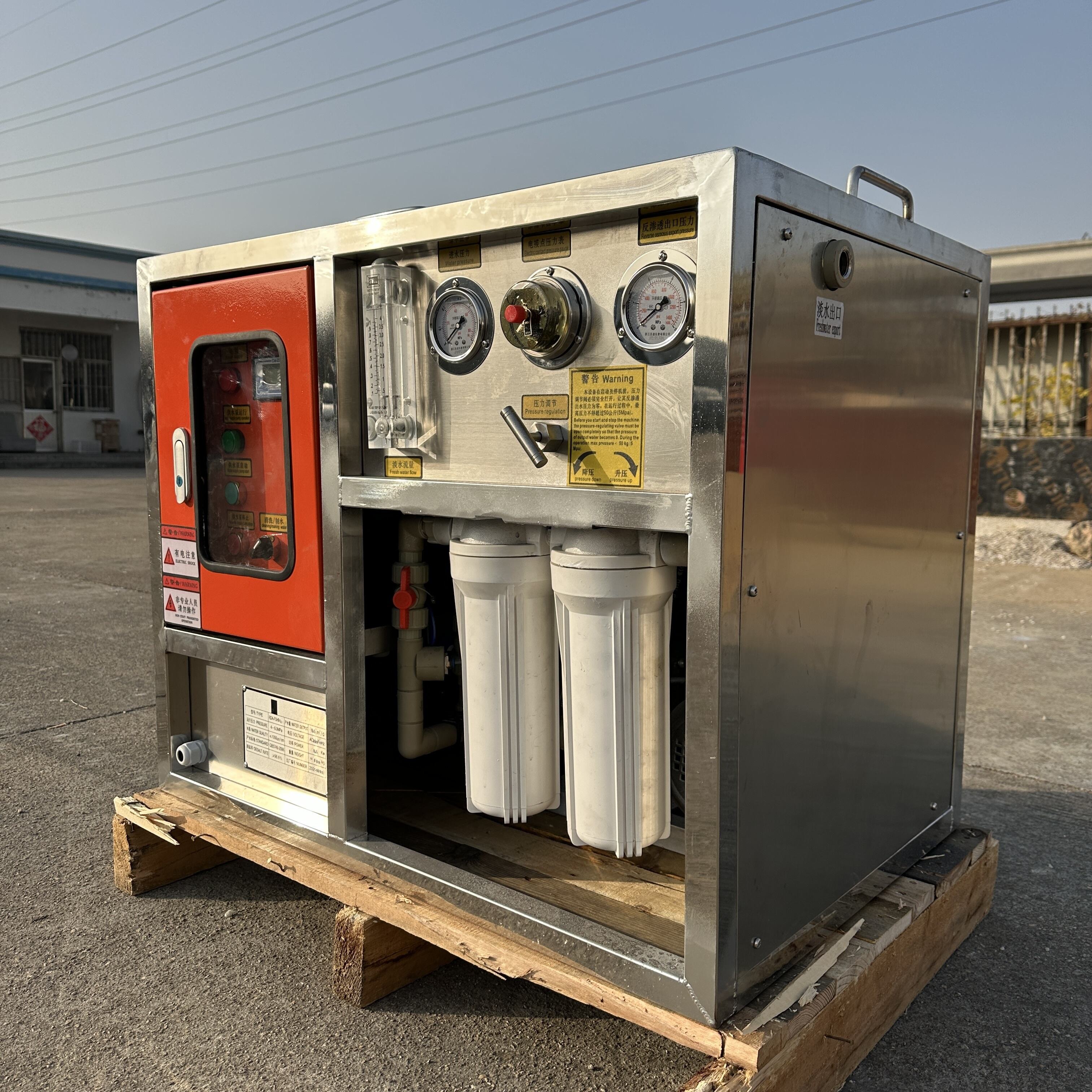
A seawater desalination system is an advanced water treatment solution designed to convert saltwater from oceans and seas into fresh, potable water suitable for drinking, industrial processes, and agricultural use. This technology addresses the growing global water scarcity challenge by providing a reliable source of clean water in coastal regions and areas with limited freshwater resources. The seawater desalination system operates through sophisticated filtration and separation processes that remove dissolved salts, minerals, and impurities from seawater, producing high-quality freshwater that meets international drinking water standards. Modern seawater desalination systems utilize various technological approaches, with reverse osmosis being the most widely adopted method due to its energy efficiency and effectiveness. The system comprises multiple components including pre-treatment units that remove suspended solids and organic matter, high-pressure pumps that drive water through semi-permeable membranes, and post-treatment stages that adjust pH levels and add essential minerals. These integrated seawater desalination systems can be scaled from small community installations producing thousands of gallons daily to large industrial plants generating millions of gallons per day. The technology serves diverse applications including municipal water supply, resort and hospitality facilities, offshore platforms, maritime vessels, and industrial manufacturing plants requiring consistent freshwater access. With continuous technological advancements, the seawater desalination system has become increasingly cost-effective and environmentally sustainable, featuring energy recovery devices and reduced chemical consumption while maintaining exceptional water quality output.
 EN
EN