Advanced Water Desalination Systems - Complete Saltwater Purification Solutions

Get a Free Quote

Our representative will contact you soon.
Email
Name
Company Name
Message
0/1000

water desalination system

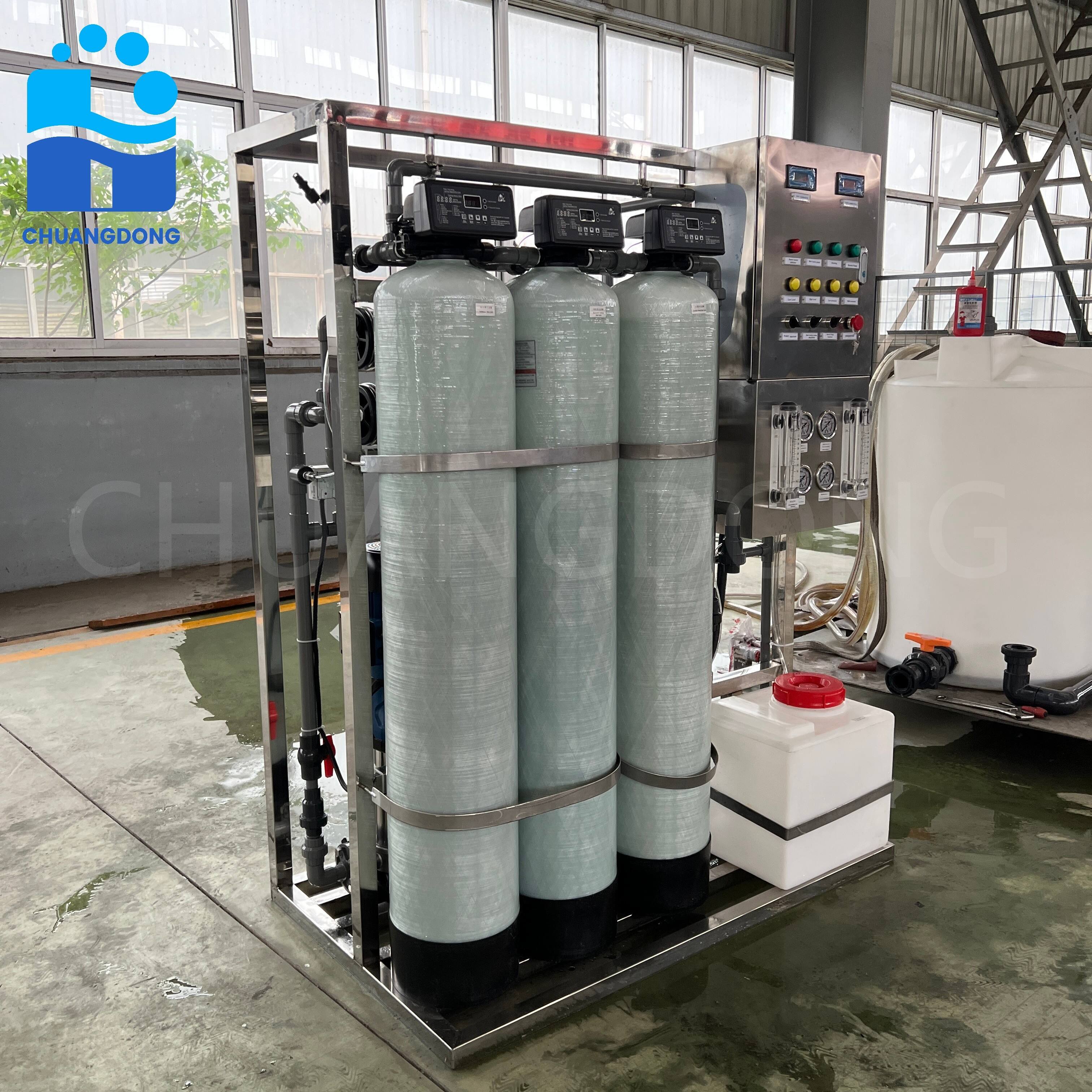
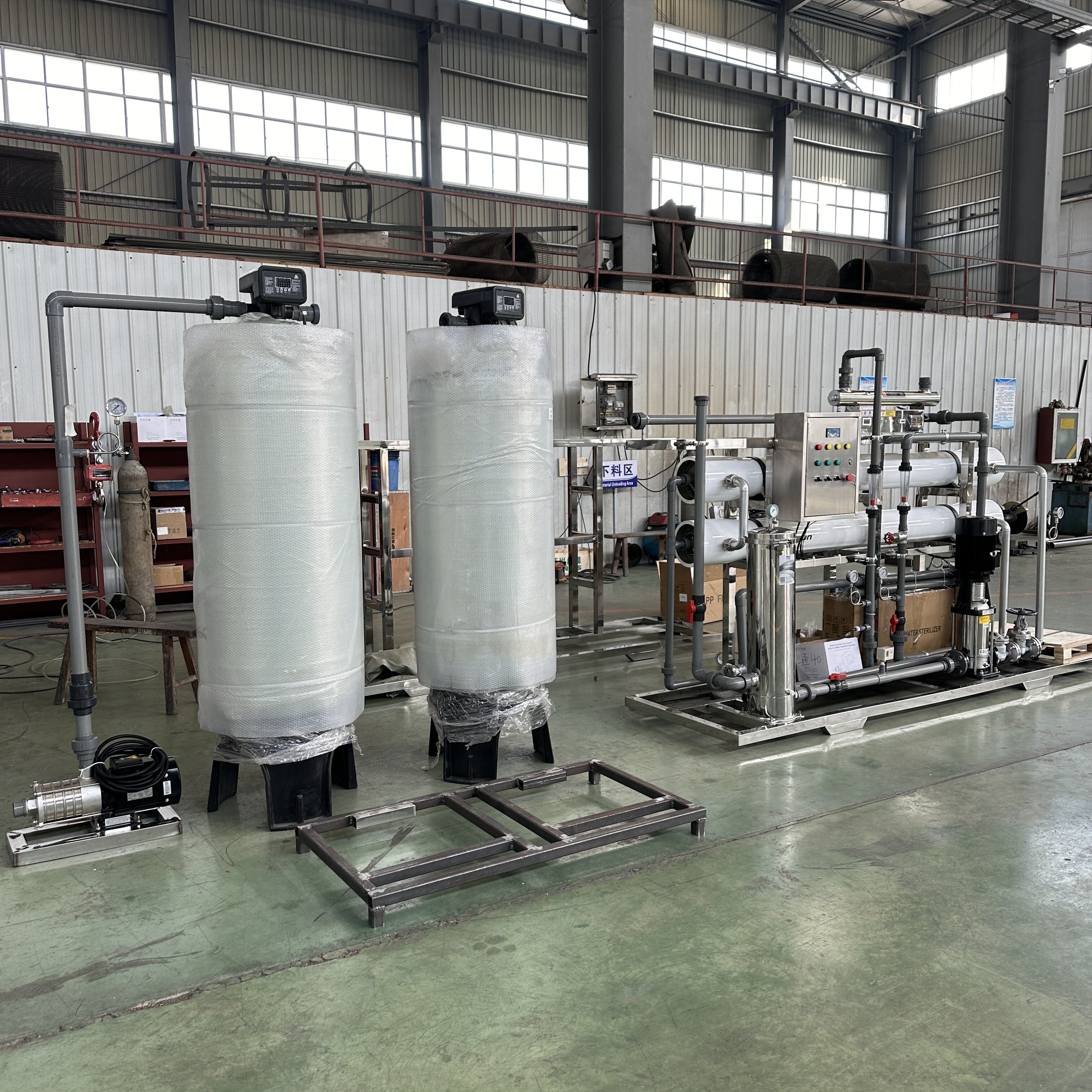
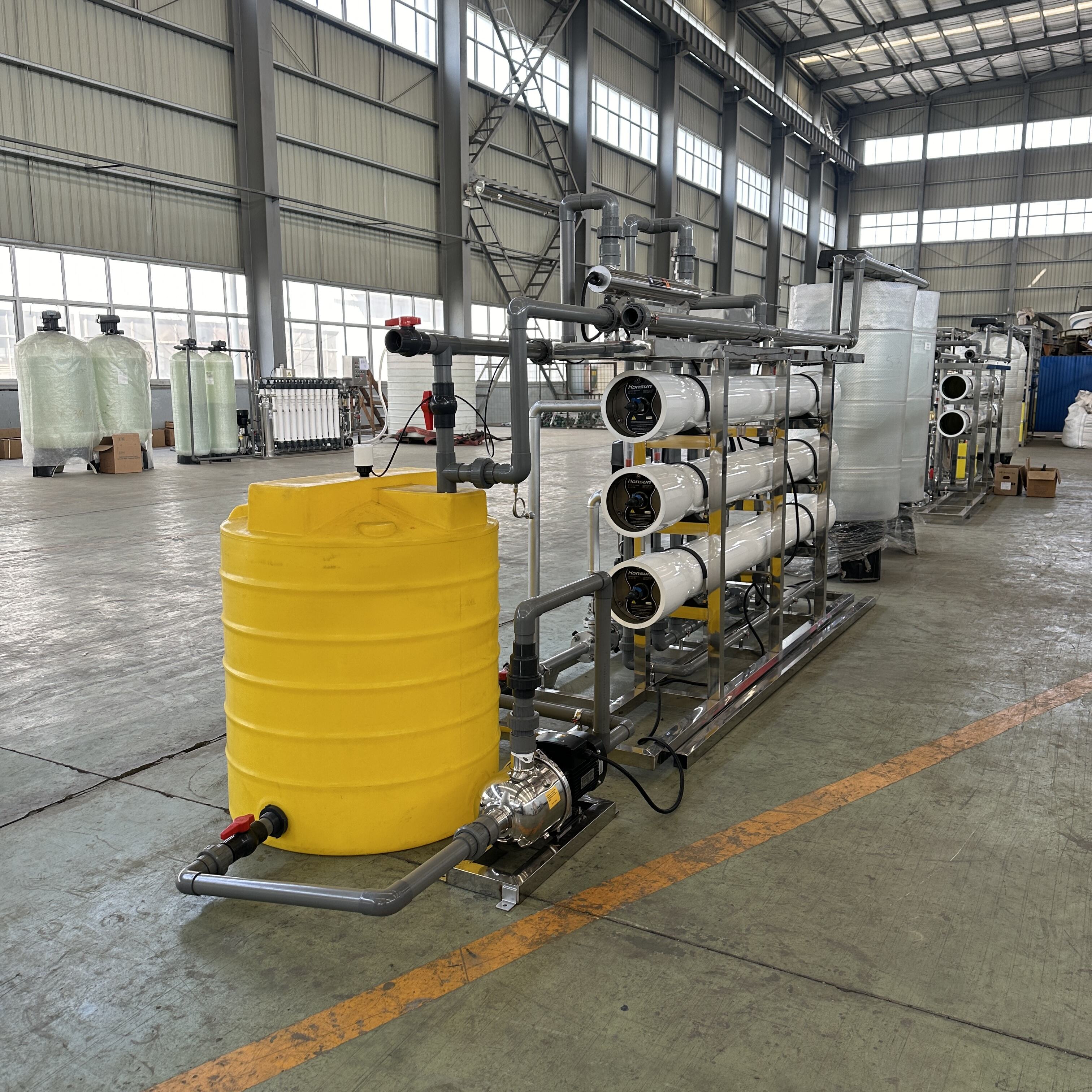
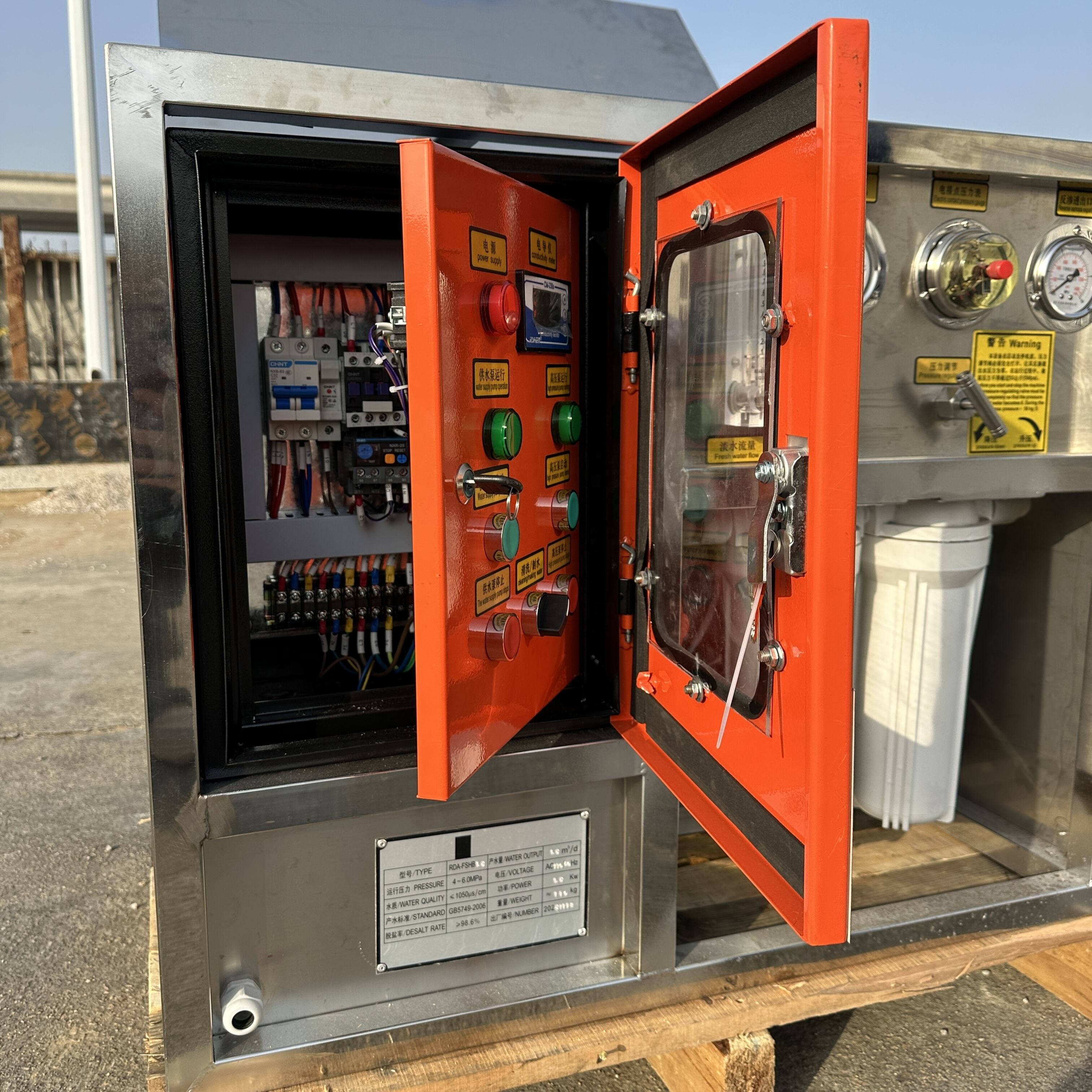
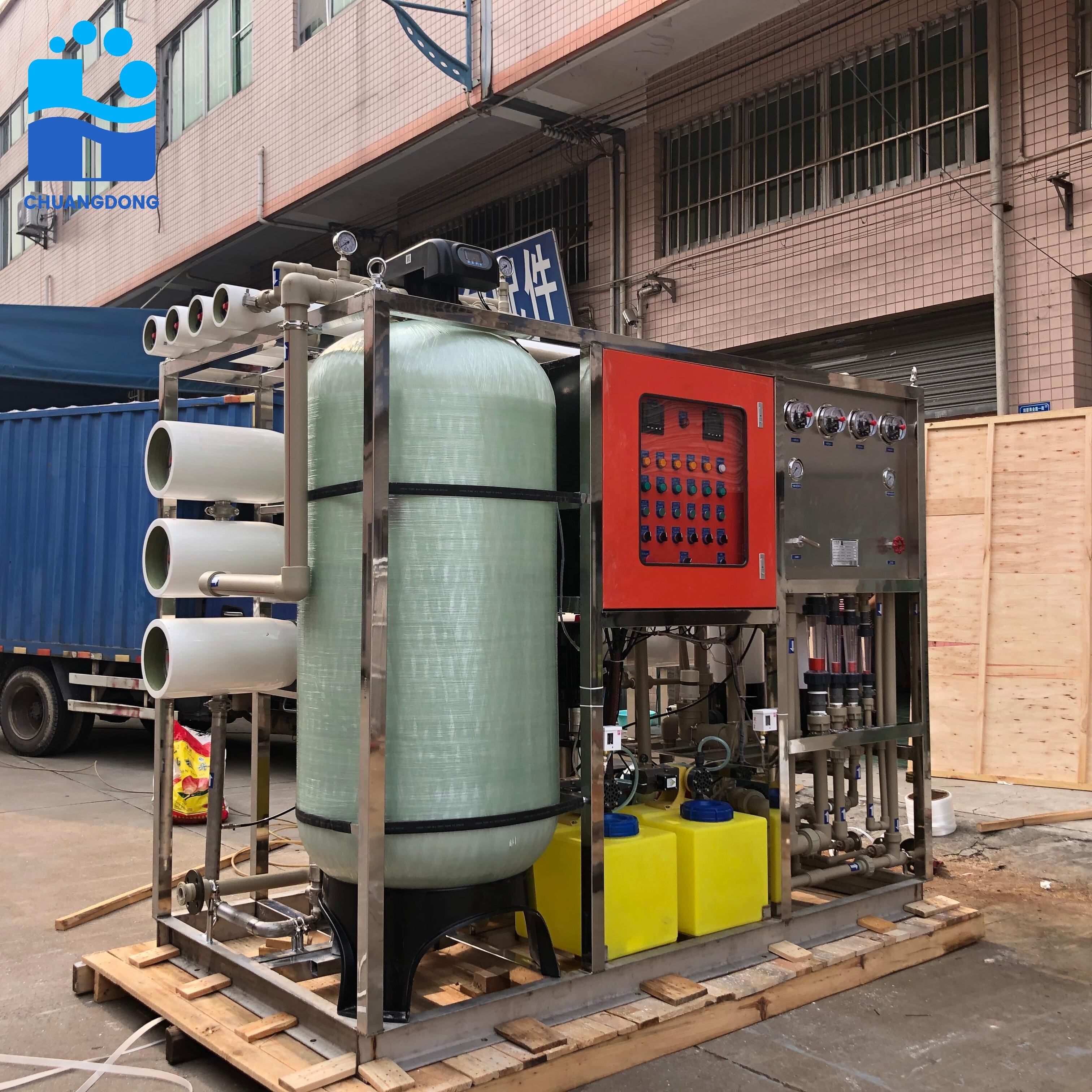
A water desalination system represents a sophisticated technological solution designed to remove salt and other impurities from seawater or brackish water, transforming it into fresh, potable water suitable for human consumption and industrial applications. This advanced water treatment technology addresses the growing global water scarcity crisis by providing a reliable source of clean water regardless of geographical location or natural freshwater availability. The primary function of a water desalination system involves the separation of dissolved salts and minerals from source water through various scientific processes, ensuring the output meets stringent quality standards for drinking water. Modern water desalination systems incorporate cutting-edge technologies such as reverse osmosis, thermal distillation, and electrodialysis to achieve optimal purification results. The reverse osmosis method utilizes semi-permeable membranes and high pressure to force water molecules through while blocking salt particles and contaminants. Thermal distillation processes heat the source water to create steam, leaving salt residues behind, then condense the vapor back into pure water. These systems feature automated monitoring capabilities that continuously track water quality parameters, flow rates, and system performance to maintain consistent output standards. Energy efficiency has become a crucial technological feature in contemporary water desalination systems, with manufacturers implementing innovative energy recovery devices and optimized operational protocols to reduce power consumption. The modular design approach allows these systems to be scaled according to specific capacity requirements, from small residential units producing hundreds of gallons daily to massive industrial installations generating millions of gallons. Applications span across residential communities, commercial establishments, maritime vessels, remote industrial facilities, and emergency disaster relief operations where traditional water sources are unavailable or compromised.

New Product Releases

Water desalination systems offer numerous practical benefits that make them invaluable investments for communities and organizations facing water supply challenges. These advanced systems provide complete independence from traditional freshwater sources, eliminating concerns about seasonal droughts, contaminated groundwater, or unreliable municipal water supplies. Users gain immediate access to unlimited quantities of pure, safe drinking water directly from seawater or brackish sources, ensuring consistent availability regardless of environmental conditions or geographic limitations. The water desalination system produces exceptionally high-quality output that often exceeds bottled water standards, removing not only salt but also bacteria, viruses, heavy metals, and chemical contaminants that may be present in source water. This comprehensive purification process eliminates health risks associated with consuming contaminated water, protecting families and employees from waterborne illnesses and long-term exposure to harmful substances. Cost savings become apparent over time as these systems reduce dependence on expensive bottled water purchases or costly water transportation services, particularly in remote locations where water delivery is challenging and expensive. The automated operation of modern water desalination systems requires minimal human intervention, featuring smart controls that adjust processing parameters automatically based on source water conditions and demand requirements. Maintenance requirements are straightforward and predictable, with most systems requiring only periodic filter replacements and routine cleaning procedures that can be performed by local personnel with basic training. Environmental benefits include reducing plastic waste from bottled water consumption and minimizing the carbon footprint associated with water transportation over long distances. These systems contribute to community resilience by providing emergency water supplies during natural disasters or infrastructure failures when conventional water sources become unavailable. The scalable nature of water desalination systems allows for future expansion as water demands grow, making them excellent long-term investments that adapt to changing needs without requiring complete system replacement.

Practical Tips

What Intake and Outfall Designs Minimize Environmental Impact of a Desalination Plant?

01

Mar

What Intake and Outfall Designs Minimize Environmental Impact of a Desalination Plant?

Environmental considerations have become paramount in the design and operation of modern desalination facilities worldwide. As water scarcity continues to challenge communities across the globe, the demand for sustainable desalination plant solutions...
View More
What Corrosion-Resistant Materials Are Used in Desalination Plant Construction?

06

Mar

What Corrosion-Resistant Materials Are Used in Desalination Plant Construction?

Desalination plants operate in some of the harshest environments imaginable, where saltwater constantly threatens the integrity of critical infrastructure. The selection of appropriate corrosion-resistant materials becomes paramount to ensuring long-...
View More
How Does a Water Purification System with Ion Exchange Soften Hard Water Effectively?

15

Mar

How Does a Water Purification System with Ion Exchange Soften Hard Water Effectively?

Hard water poses significant challenges for both residential and commercial applications, containing high concentrations of calcium and magnesium ions that cause scale buildup, reduce equipment efficiency, and affect water quality. A water purificati...
View More
Why Should Pharmaceutical QC Labs Use Ultrapure Water for HPLC and Mass Spectrometry?

18

Mar

Why Should Pharmaceutical QC Labs Use Ultrapure Water for HPLC and Mass Spectrometry?

Pharmaceutical quality control laboratories face increasingly stringent requirements for analytical accuracy and regulatory compliance. The foundation of reliable analytical results lies in the quality of water used throughout testing procedures. Ult...
View More

Get a Free Quote

Our representative will contact you soon.
Email
Name
Company Name
Message
0/1000

water desalination system

Advanced Multi-Stage Filtration Technology

Advanced Multi-Stage Filtration Technology

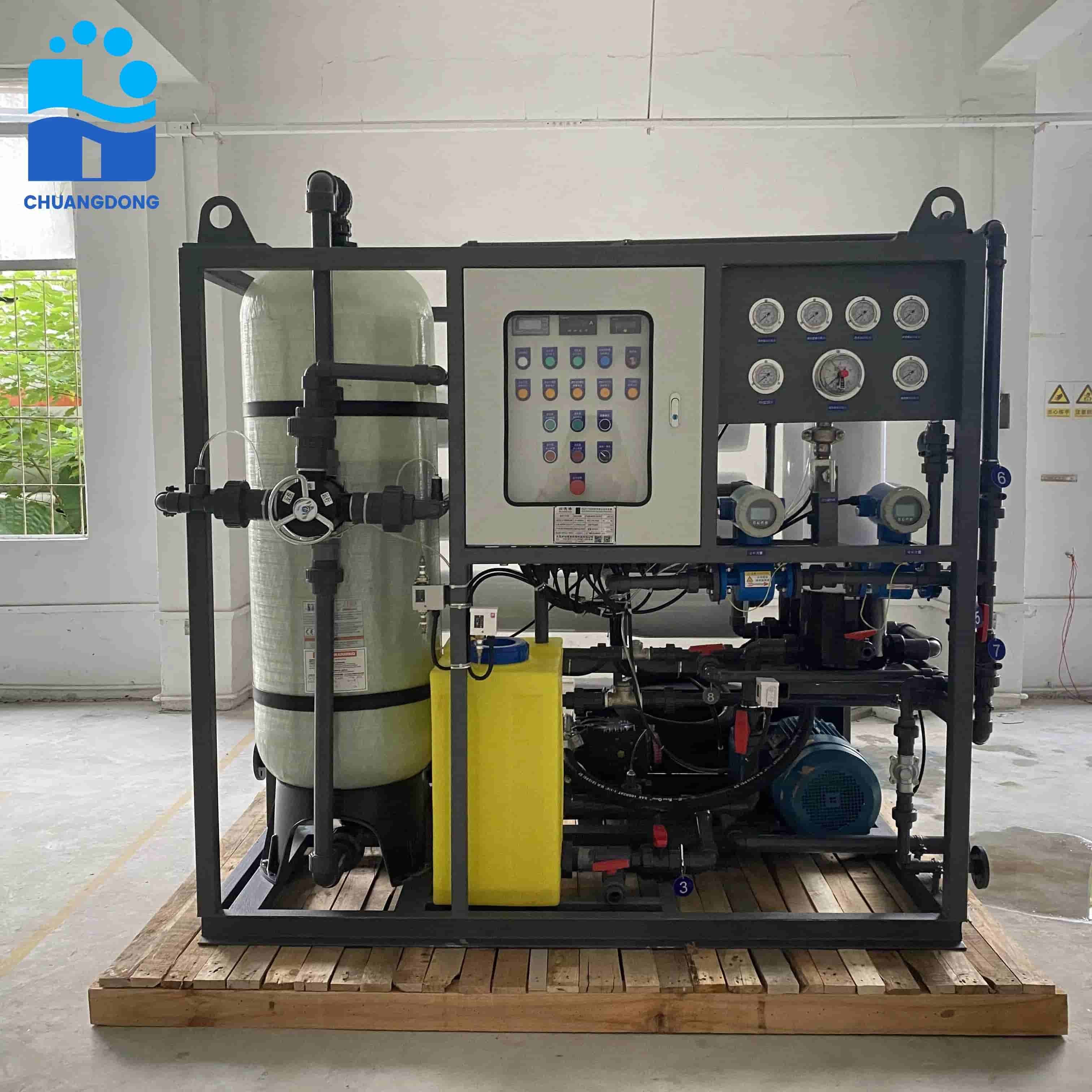
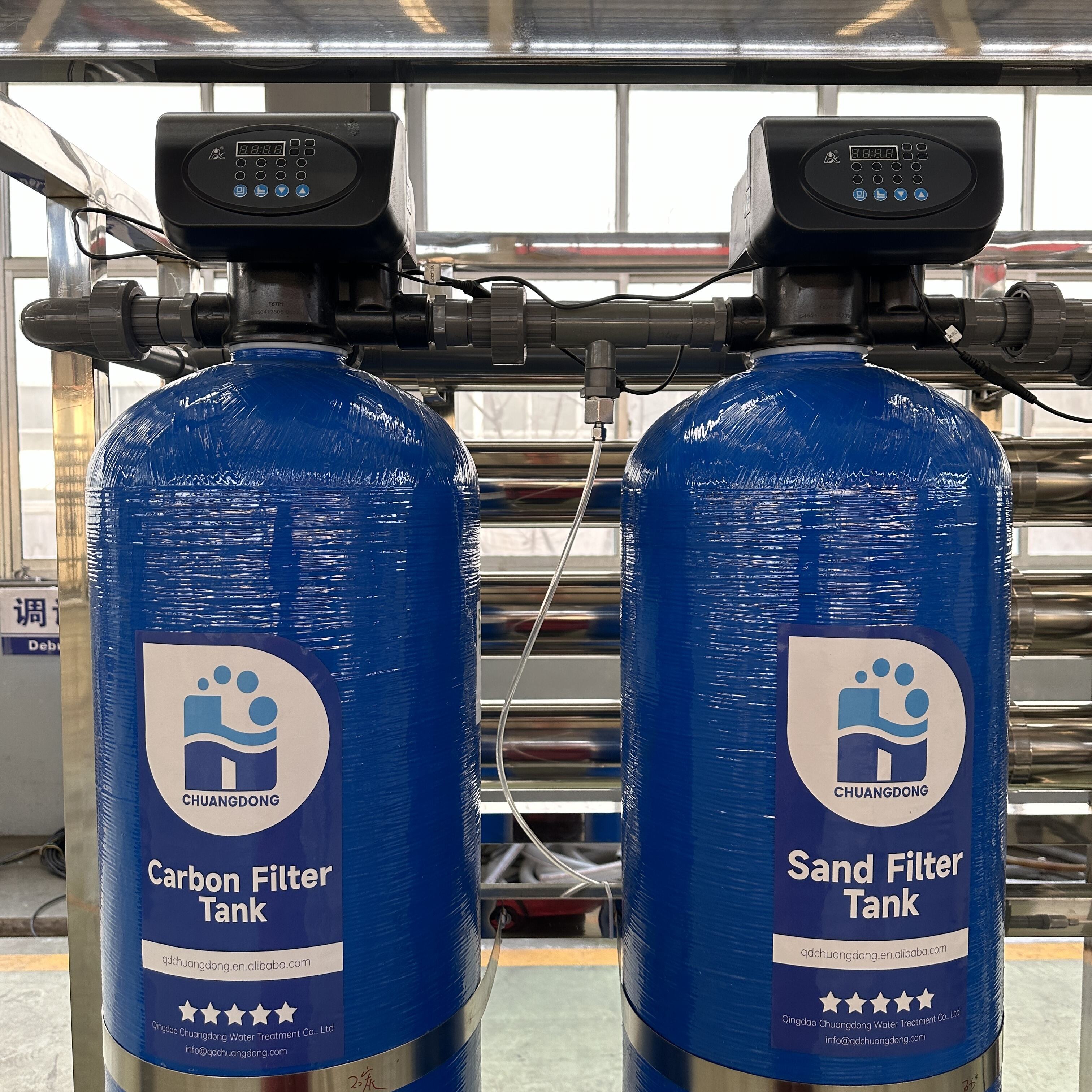
The water desalination system employs sophisticated multi-stage filtration technology that represents the pinnacle of water purification engineering, delivering unparalleled water quality through a meticulously designed sequence of treatment processes. This comprehensive filtration approach begins with pre-treatment stages that remove large particles, sediments, and organic matter that could potentially damage downstream components or reduce system efficiency. The primary reverse osmosis stage utilizes state-of-the-art semi-permeable membranes manufactured with precision-engineered materials that allow water molecules to pass through while effectively blocking salt ions, bacteria, viruses, and dissolved contaminants down to molecular levels. These high-performance membranes operate under carefully controlled pressure conditions, ensuring optimal separation efficiency while maximizing membrane lifespan through intelligent pressure management systems. Secondary filtration stages incorporate activated carbon filters that remove residual chlorine, organic compounds, and taste-affecting substances that may have passed through earlier treatment phases. Advanced post-treatment processes include ultraviolet sterilization that eliminates any remaining microorganisms, ensuring the final water output is completely safe for consumption and meets the highest international water quality standards. The multi-stage design provides redundant protection against contamination, meaning that even if one filtration stage experiences reduced efficiency, subsequent stages continue to provide effective purification. This robust approach guarantees consistent water quality output regardless of variations in source water conditions, seasonal changes, or temporary system component performance fluctuations. Regular automated backwashing and cleaning cycles maintain optimal filtration performance throughout the system's operational life, preventing the buildup of contaminants that could compromise water quality or reduce system efficiency. The intelligent control system continuously monitors each filtration stage, automatically adjusting operating parameters to maintain peak performance and alerting operators to any maintenance requirements before they impact water production.
Energy-Efficient Operation with Smart Controls

Energy-Efficient Operation with Smart Controls

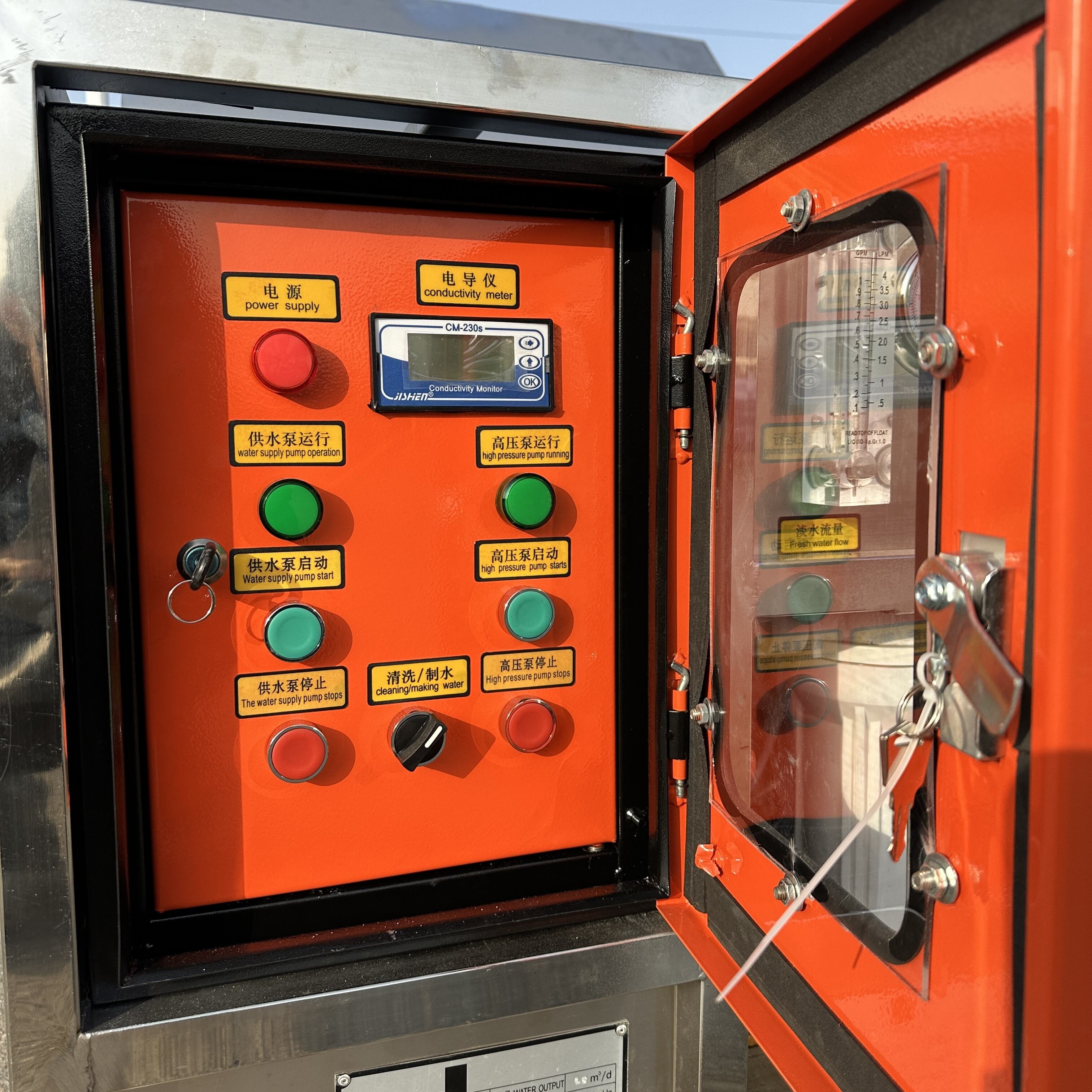
Modern water desalination systems feature revolutionary energy-efficient operation capabilities combined with intelligent control systems that significantly reduce operational costs while maintaining superior performance standards. The energy recovery technology incorporated into these systems captures and reuses pressure energy from the brine discharge stream, redirecting this recovered energy back into the high-pressure feed system, resulting in energy savings of up to forty percent compared to conventional desalination technologies. Variable frequency drives automatically adjust motor speeds based on real-time demand fluctuations, ensuring the system operates at optimal efficiency levels regardless of water production requirements, which further reduces energy consumption during periods of lower demand. The smart control system utilizes advanced algorithms and machine learning capabilities to optimize operational parameters continuously, analyzing historical performance data and current operating conditions to predict and implement the most efficient operational settings. These intelligent controls monitor multiple system variables simultaneously, including feed water temperature, salinity levels, pressure differentials, flow rates, and membrane performance indicators, making real-time adjustments that maximize water production while minimizing energy consumption. Automated scheduling features allow the system to operate during off-peak electricity hours when utility rates are lower, providing additional cost savings for users in areas with time-of-use electricity pricing structures. The control system includes comprehensive diagnostic capabilities that perform continuous health checks on all major components, identifying potential issues before they result in system failures or reduced efficiency, thereby preventing costly emergency repairs and minimizing downtime. Remote monitoring capabilities enable operators to track system performance and make adjustments from any location with internet connectivity, reducing the need for on-site supervision and allowing for prompt response to any operational issues. Energy consumption data is collected and presented through user-friendly dashboards that help operators identify optimization opportunities and track energy savings over time, supporting ongoing efforts to improve system efficiency and reduce operational costs.
Modular Design for Scalable Water Production

Modular Design for Scalable Water Production

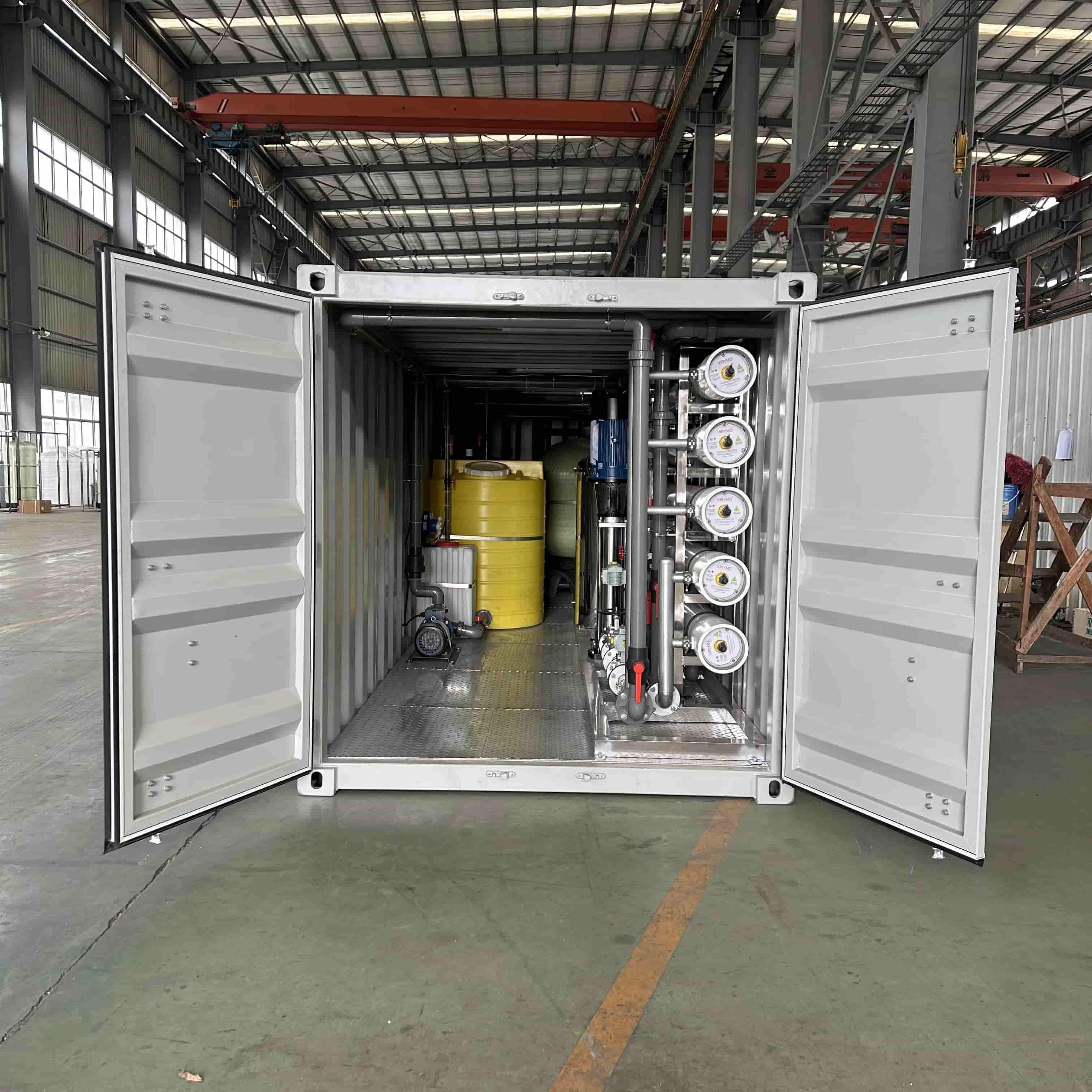
The innovative modular design architecture of contemporary water desalination systems provides unmatched flexibility and scalability, allowing users to configure systems that precisely match their current water production requirements while maintaining the ability to expand capacity as future needs evolve. This modular approach utilizes standardized components that can be combined in various configurations, enabling the construction of systems ranging from compact residential units producing several hundred gallons per day to large-scale industrial installations capable of generating millions of gallons daily. Each module functions as an independent production unit with its own controls, monitoring systems, and maintenance protocols, ensuring that system maintenance or component replacement in one module does not interrupt water production from other modules, thereby providing continuous water supply even during service activities. The plug-and-play nature of these modular components simplifies installation procedures and reduces setup time significantly compared to traditional custom-built systems, allowing for faster deployment and earlier commissioning of water production capabilities. Capacity expansion is accomplished by adding additional modules to existing installations without requiring modifications to the original system components, protecting initial investments while providing cost-effective growth options that spread capital expenditures over time as demand increases. This scalable design proves particularly valuable for growing communities, expanding industrial operations, or seasonal facilities that experience varying water demand patterns throughout the year. The standardization of modular components ensures consistent performance characteristics across all system modules, simplifying operator training requirements and maintenance procedures while ensuring reliable spare parts availability throughout the system's operational lifetime. Quality control is enhanced through the modular approach, as each production module undergoes comprehensive factory testing before shipment, ensuring optimal performance from the moment of installation and reducing the risk of system commissioning issues. The modular design also facilitates transportation to remote locations where access may be challenging, as smaller module components are easier to transport than large integrated systems, making water desalination technology accessible in previously unreachable areas where traditional water infrastructure development would be impractical or prohibitively expensive.

Get a Free Quote

Our representative will contact you soon.
Email
Name
Company Name
Message
0/1000