 EN
EN



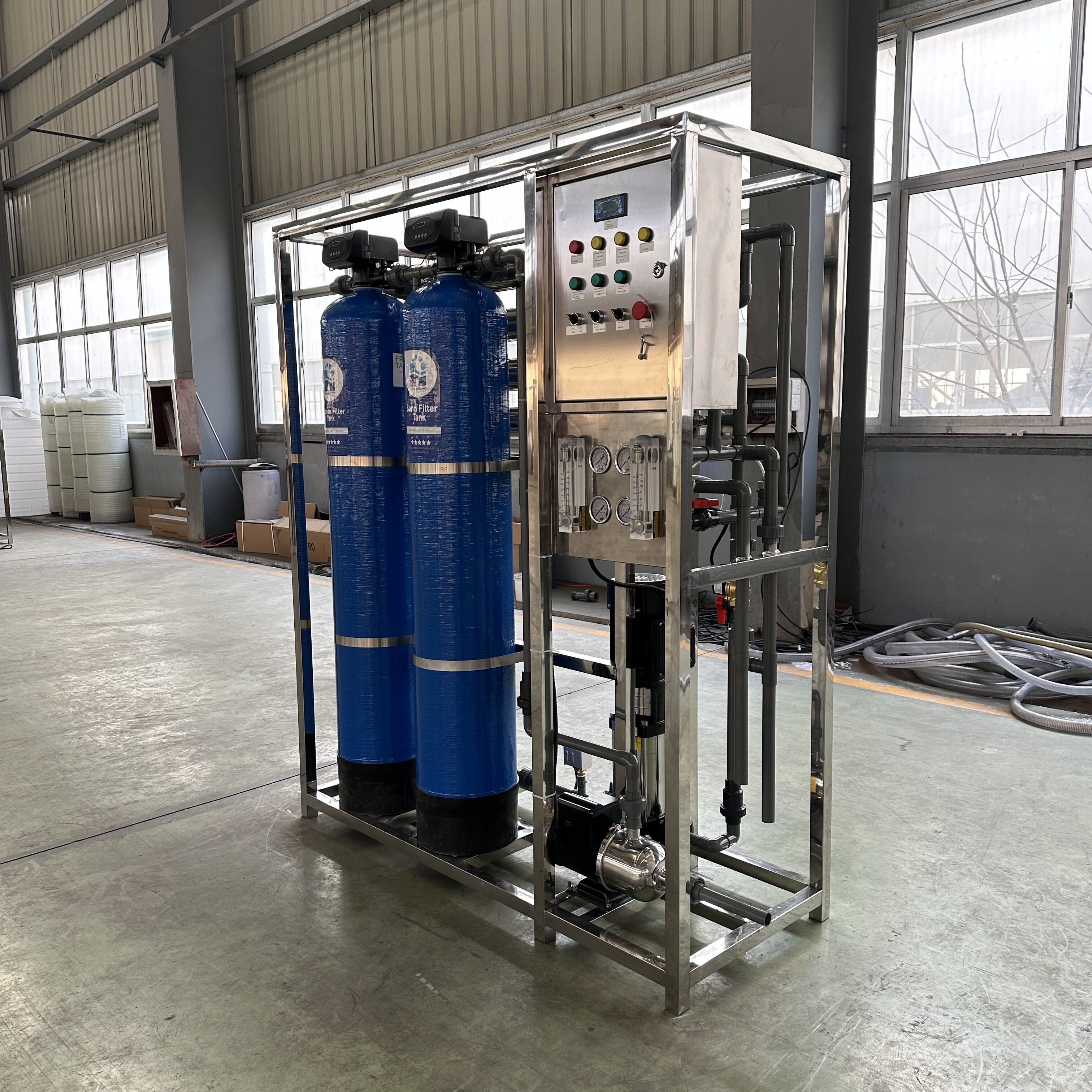
The question of whether a desalination plant can reliably produce water safe for both drinking and irrigation is one that water engineers, agricultural planners, and municipal authorities are asking with increasing urgency. As freshwater scarcity intensifies across arid regions, coastal communities, and water-stressed agricultural zones, the desalination plant has emerged as a critical infrastructure solution capable of converting seawater or brackish water into usable, high-quality water. But the dual-use question — drinking and irrigation simultaneously — demands a more precise answer than a simple yes or no.
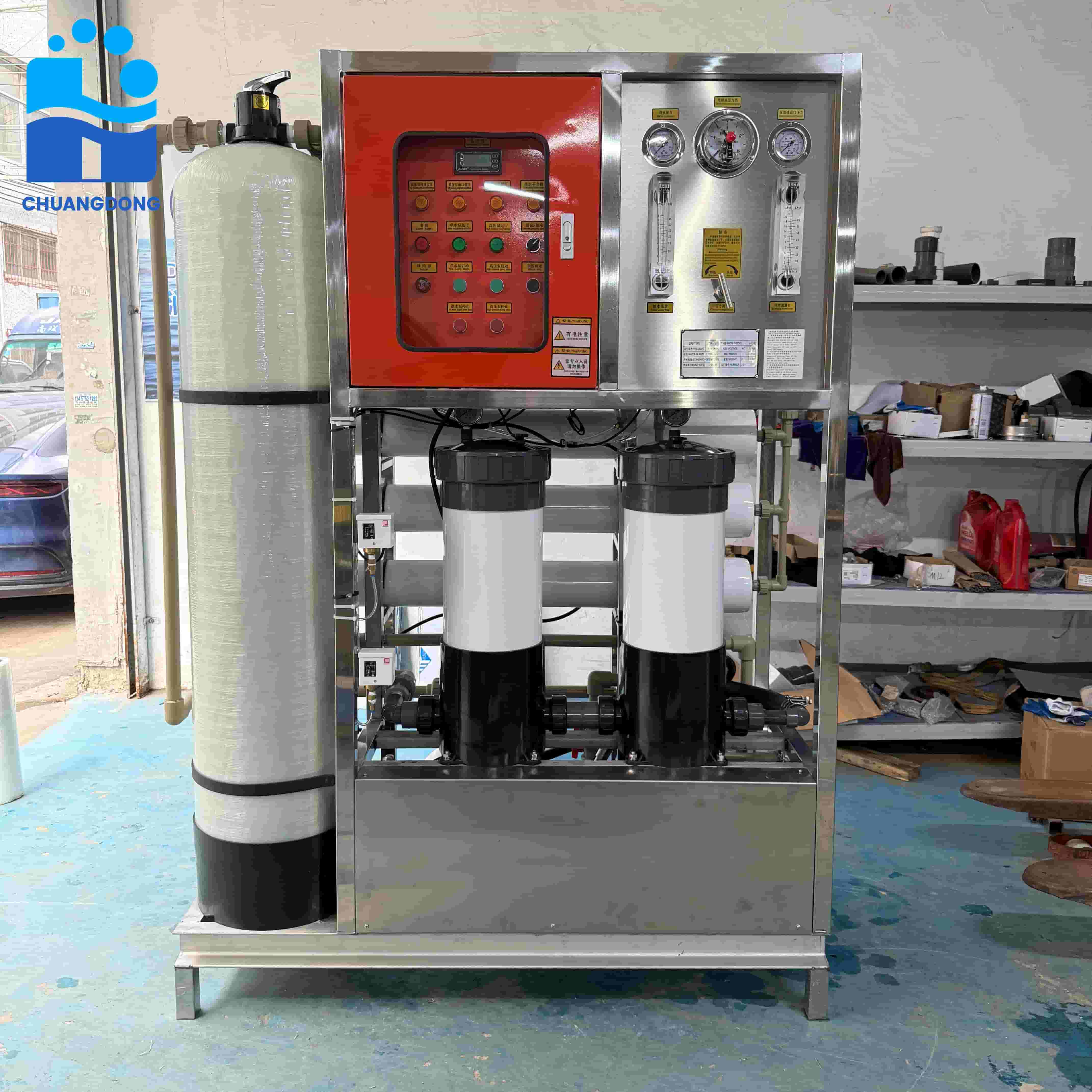
A modern desalination plant, particularly one using reverse osmosis (RO) technology, is engineered to remove dissolved salts, heavy metals, biological contaminants, and other impurities from source water. The output quality is not fixed — it is configurable. Depending on the post-treatment steps applied, the same desalination plant can produce water that meets drinking water standards set by the World Health Organization, or water calibrated for specific crop and soil requirements. Understanding how this works, and what conditions must be met, is essential for anyone evaluating a desalination plant for dual-purpose water supply.
How a Desalination Plant Processes Water for Human Consumption
The Core Purification Mechanism
At the heart of any seawater desalination plant is the reverse osmosis membrane system. Pressurized feedwater is forced through semi-permeable membranes that reject dissolved salts, bacteria, viruses, and trace chemical compounds. The result is permeate water with extremely low total dissolved solids (TDS), typically ranging from 10 to 200 mg/L depending on system configuration and source water salinity. This level of purity is well within the range required for safe human consumption.
Before the RO membranes, the desalination plant applies pre-treatment stages including coagulation, sedimentation, multimedia filtration, and cartridge filtration. These steps protect the membranes from fouling and ensure that biological and particulate loads are reduced before high-pressure processing begins. The combination of pre-treatment and membrane filtration gives the desalination plant its ability to handle even highly contaminated or saline source water.
Post-treatment is where the desalination plant output is refined for drinking water compliance. This typically includes remineralization — adding back calcium, magnesium, and bicarbonates that were removed during desalination — pH adjustment, and disinfection using chlorination or UV treatment. Without these steps, the ultra-pure permeate from a desalination plant would be too aggressive for human consumption and could leach minerals from pipes and the human body over time.
Meeting Drinking Water Safety Standards
A properly configured desalination plant can consistently produce water that meets or exceeds WHO drinking water guidelines and national regulatory standards. Key parameters monitored include TDS, pH, turbidity, residual chlorine, nitrate levels, and the absence of pathogenic microorganisms. Industrial-grade desalination plant systems include real-time monitoring instrumentation and automated dosing controls to maintain these parameters within safe limits continuously.
The safety of drinking water from a desalination plant is not theoretical — it is demonstrated daily in large-scale municipal systems across the Middle East, Mediterranean, and parts of Asia and Africa. The engineering principles that make large municipal systems safe apply equally to smaller industrial desalination plant units, provided the system is correctly sized, operated, and maintained. Drinking water safety from a desalination plant is therefore a matter of proper engineering and operational discipline, not an inherent limitation of the technology.
Can the Same Desalination Plant Output Be Used for Irrigation?
What Irrigation Water Quality Actually Requires
Irrigation water quality is evaluated differently from drinking water. The primary concerns for agricultural use are salinity (measured as electrical conductivity, or EC), sodium adsorption ratio (SAR), specific ion toxicity (particularly chloride, sodium, and boron), and pH. Crops vary significantly in their tolerance to these parameters, and soil type further influences how irrigation water interacts with the root zone and soil structure over time.
Interestingly, the ultra-low TDS water produced by a desalination plant can sometimes be too pure for direct irrigation use. Water with very low EC can disrupt osmotic balance in plant cells and may leach essential nutrients from the soil. This means that for irrigation applications, the desalination plant output often needs to be blended with a small proportion of source water or remineralized to bring EC up to agronomically appropriate levels, typically between 0.5 and 1.5 dS/m for most crops.
Boron is a specific concern in seawater desalination plant systems. Seawater contains elevated boron concentrations, and standard RO membranes have lower rejection rates for boron compared to other ions. At elevated concentrations, boron is toxic to sensitive crops such as citrus, stone fruits, and certain vegetables. A desalination plant intended for irrigation supply in sensitive agricultural contexts may require a second-pass RO stage or specialized boron-selective membranes to bring boron levels within safe agronomic limits.
Configuring a Desalination Plant for Dual-Use Output
A desalination plant can be configured to produce two distinct water streams from the same system. One stream undergoes full post-treatment including remineralization and disinfection for drinking water use. A second stream, drawn from the same RO permeate, is blended and adjusted for irrigation use with appropriate EC and ion balance. This dual-output configuration is technically feasible and is increasingly being implemented in integrated water management projects that serve both domestic and agricultural demand from a single desalination plant installation.
The key engineering consideration is that the desalination plant must be sized to handle the combined demand of both uses, and the post-treatment trains must be designed independently for each output stream. Mixing the two streams without proper quality control would compromise both drinking water safety and irrigation suitability. A well-designed desalination plant with separate post-treatment pathways eliminates this risk and allows operators to manage each output stream according to its specific quality requirements.
Conditions That Determine Whether Dual-Use Output Is Achievable
Source Water Characteristics
The source water feeding the desalination plant has a direct impact on the feasibility and cost of producing dual-use output. Seawater with high salinity (typically 35,000–45,000 mg/L TDS) requires higher operating pressures and more energy per cubic meter of permeate produced. Brackish water sources with lower TDS (1,000–10,000 mg/L) allow the desalination plant to operate at lower pressures, reducing energy consumption and operational cost significantly. For projects where both drinking and irrigation water are needed in large volumes, brackish water desalination plant systems often offer a more economical pathway.
Seasonal variation in source water quality — including changes in salinity, temperature, turbidity, and biological activity — must be accounted for in the desalination plant design. A robust pre-treatment system and adaptive operational protocols ensure that the desalination plant continues to produce safe output across varying source water conditions. Failure to account for seasonal variability is one of the most common causes of output quality inconsistency in field-deployed desalination plant systems.
System Scale and Operational Capacity
The scale of the desalination plant must match the combined water demand of both drinking and irrigation applications. Undersizing the system leads to supply shortfalls during peak demand periods, while oversizing increases capital expenditure and may result in inefficient operation at partial load. Proper demand analysis — accounting for daily drinking water consumption per capita, seasonal irrigation schedules, and crop water requirements — is essential before specifying a desalination plant for dual-use service.
Industrial desalination plant systems are available in modular configurations that allow capacity to be scaled incrementally as demand grows. This modularity is particularly valuable for agricultural projects where irrigation demand may expand as more land is brought under cultivation. Starting with a core desalination plant capacity and adding modules over time reduces initial investment risk while preserving the ability to meet future demand without replacing the entire system.
Regulatory and Water Quality Compliance
Operating a desalination plant for drinking water supply requires compliance with national and regional drinking water regulations, which typically mandate regular water quality testing, certified treatment processes, and documented operational records. Irrigation water from a desalination plant may also be subject to agricultural water quality guidelines, particularly in regions where food safety regulations govern the use of treated water on edible crops. Understanding the regulatory framework applicable to both uses is a prerequisite for project planning.
In many jurisdictions, the desalination plant operator must obtain separate permits or approvals for drinking water production and agricultural water supply. Engaging with regulatory authorities early in the project development process helps identify compliance requirements and avoids costly redesigns after installation. A desalination plant designed with compliance in mind from the outset is far easier to certify and operate within regulatory boundaries than one retrofitted to meet standards after the fact.
Practical Implications for Project Planning and Investment
Evaluating Total Cost of Ownership
The total cost of ownership for a desalination plant serving dual-use applications includes capital expenditure for equipment and installation, energy costs (which represent the largest ongoing operational expense), membrane replacement cycles, chemical consumption for pre- and post-treatment, and labor for operation and maintenance. Energy efficiency is a critical design parameter — modern high-pressure pump systems with energy recovery devices can significantly reduce the energy cost per cubic meter of water produced by the desalination plant.
For agricultural applications, the economic viability of a desalination plant depends on the value of the crops being irrigated relative to the cost of water production. High-value crops such as vegetables, fruits, and greenhouse produce can justify the cost of desalinated irrigation water in water-scarce regions where no alternative freshwater source is available. Lower-value field crops may require a more cost-optimized desalination plant design or blending with lower-cost water sources to achieve an acceptable water cost per hectare.
Long-Term Sustainability and Brine Management
Every desalination plant produces a concentrated brine reject stream in addition to the treated permeate. Responsible brine management is essential for the long-term environmental sustainability of any desalination plant installation. Coastal desalination plant systems typically discharge brine back to the sea through diffuser systems designed to minimize localized salinity impacts. Inland desalination plant installations face greater challenges and may require evaporation ponds, deep well injection, or zero-liquid-discharge (ZLD) systems to manage brine responsibly.
Brine management costs and environmental compliance requirements should be factored into the project feasibility assessment from the beginning. A desalination plant with a well-designed brine management strategy is more likely to receive regulatory approval, maintain community acceptance, and operate without interruption over its full service life. Ignoring brine management in the planning phase is a common and costly mistake that can jeopardize the entire desalination plant project.
FAQ
Can a single desalination plant really produce water safe for both drinking and irrigation at the same time?
Yes, a desalination plant can produce water suitable for both uses, but the two output streams typically require separate post-treatment pathways. Drinking water needs remineralization, pH adjustment, and disinfection. Irrigation water needs EC and ion balance adjustment. A properly designed desalination plant with dual post-treatment trains can deliver both outputs simultaneously from the same RO permeate source.
Is desalinated water from a desalination plant safe for all types of crops?
Most crops can be irrigated with properly treated desalinated water, but sensitive crops such as citrus and stone fruits require careful management of boron and sodium levels. The desalination plant output should be tested against the specific tolerance thresholds of the crops being grown, and post-treatment should be adjusted accordingly. Blending desalinated water with other water sources can also help achieve the right agronomic water quality profile.
How much energy does a desalination plant consume when producing water for dual use?
Energy consumption in a desalination plant depends primarily on source water salinity and system design. Seawater desalination plant systems typically consume 3–6 kWh per cubic meter of permeate produced. Brackish water desalination plant systems are significantly more energy-efficient, often consuming 1–2 kWh per cubic meter. Energy recovery devices and high-efficiency pumps can reduce consumption further, making the desalination plant more economical for large-volume dual-use applications.
What maintenance does a desalination plant require to keep output safe over time?
A desalination plant requires regular membrane cleaning and periodic membrane replacement, pre-filter cartridge changes, chemical dosing system calibration, pump and valve inspections, and continuous water quality monitoring. Preventive maintenance schedules should be established based on the manufacturer's recommendations and local source water conditions. A well-maintained desalination plant can operate reliably for 15–20 years with consistent output quality for both drinking and irrigation applications.
Table of Contents
- How a Desalination Plant Processes Water for Human Consumption
- Can the Same Desalination Plant Output Be Used for Irrigation?
- Conditions That Determine Whether Dual-Use Output Is Achievable
- Practical Implications for Project Planning and Investment
-
FAQ
- Can a single desalination plant really produce water safe for both drinking and irrigation at the same time?
- Is desalinated water from a desalination plant safe for all types of crops?
- How much energy does a desalination plant consume when producing water for dual use?
- What maintenance does a desalination plant require to keep output safe over time?