 EN
EN


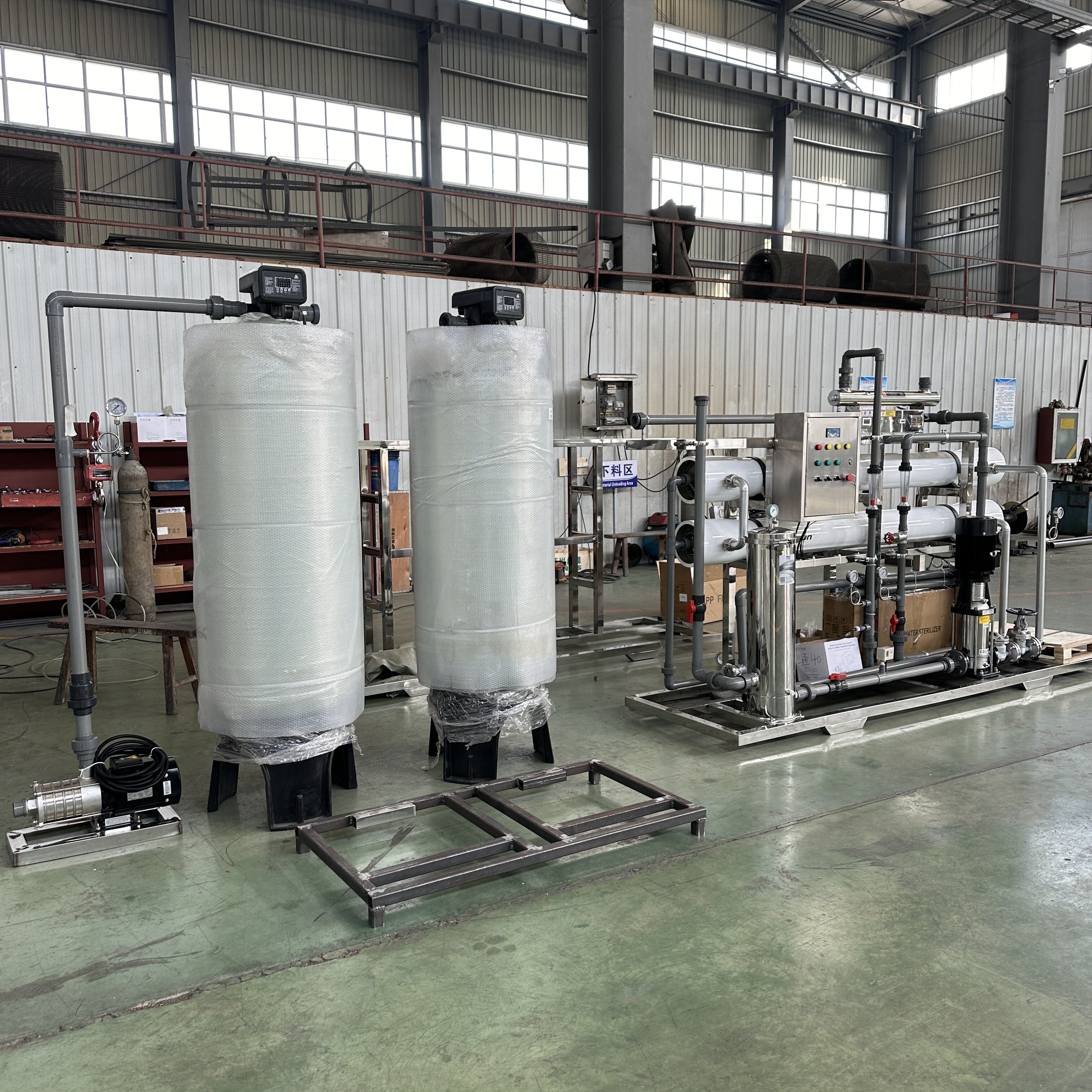
Validating ultrapure water quality in real-time requires continuous monitoring of critical parameters that directly indicate contamination levels and system performance. Resistivity and total organic carbon (TOC) measurements serve as the two most essential indicators for confirming that water meets stringent purity standards demanded by semiconductor manufacturing, pharmaceutical production, and laboratory applications. Understanding how to implement online monitoring for these parameters enables facilities to detect deviations immediately, prevent contaminated water from reaching critical processes, and maintain compliance with industry specifications such as ASTM D5127 and USP standards.
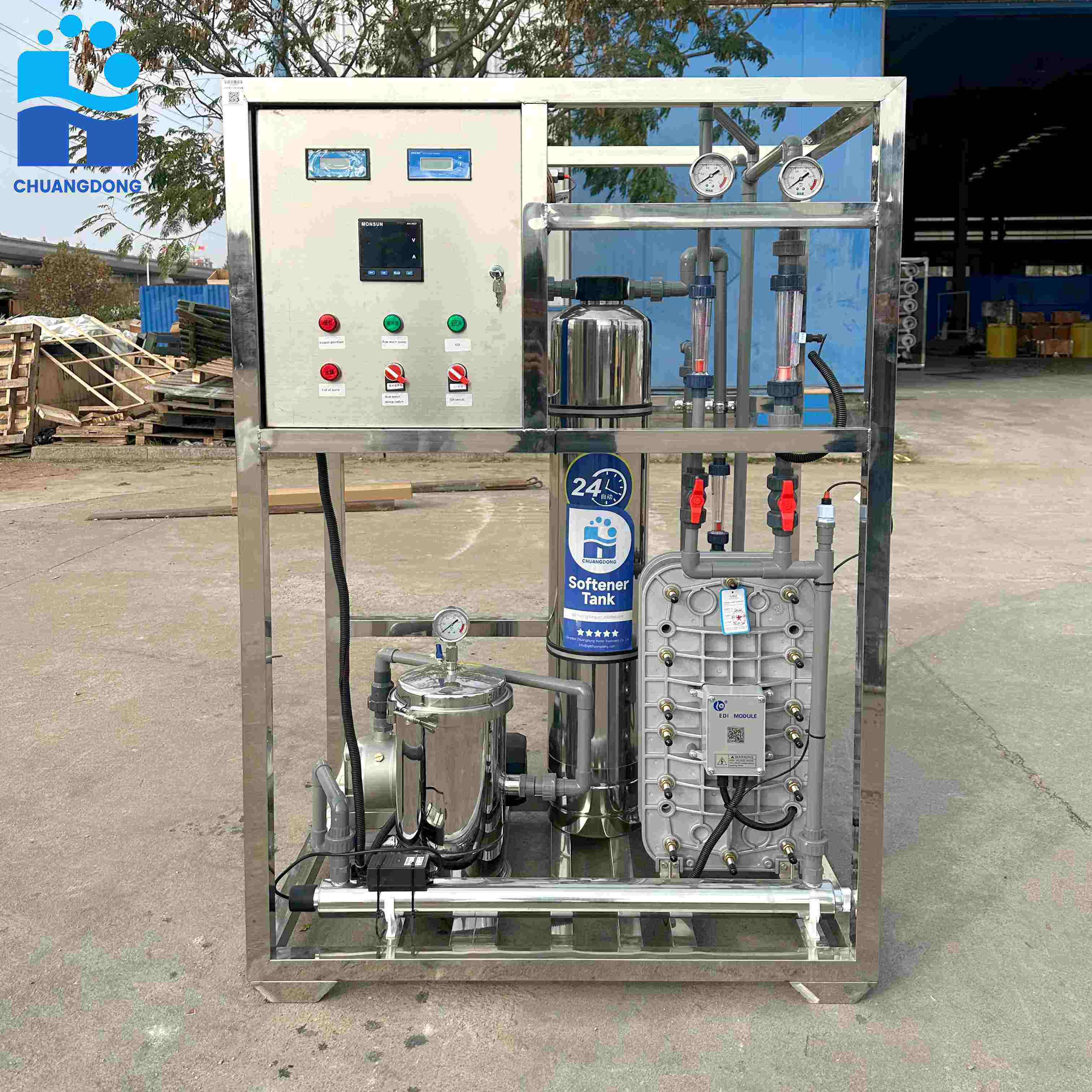
Online monitoring systems integrate resistivity cells and TOC analyzers directly into the water purification loop, providing continuous feedback on water purity without manual sampling or laboratory delays. This approach transforms quality assurance from a periodic verification process into a dynamic control mechanism that protects downstream equipment and processes. Modern ultrapure water systems incorporate these sensors at strategic points throughout the treatment train, from post-reverse osmosis stages through final polishing loops, ensuring that every phase of purification achieves its targeted performance level and that the delivered water consistently meets the required specifications.
Understanding Resistivity Monitoring as a Primary Ultrapure Water Quality Indicator
The Fundamental Relationship Between Resistivity and Ionic Contamination
Resistivity measurement quantifies water's ability to resist electrical current flow, with ultrapure water quality directly correlating to higher resistivity values due to the absence of dissolved ionic species. Pure water itself possesses minimal conductivity, with theoretical resistivity reaching 18.2 megohm-cm at 25°C when completely free of ionic contaminants. Any presence of dissolved salts, acids, bases, or charged particles reduces this resistivity by providing charge carriers that facilitate current flow. This inverse relationship makes resistivity an exceptionally sensitive indicator for detecting ionic contamination at parts-per-billion levels, far exceeding the detection capabilities of traditional conductivity measurements in high-purity applications.
The sensitivity of resistivity monitoring increases exponentially as water approaches theoretical purity, allowing detection of contamination events that would otherwise remain invisible until process failures occur. For semiconductor manufacturing requiring 18 megohm-cm or higher resistivity, even a single part per billion of sodium contamination can cause measurable resistivity drops. This extreme sensitivity enables operators to identify membrane fouling, resin exhaustion, or system breaches within minutes rather than hours or days. Modern resistivity cells employ toroidal or contacting electrode designs that eliminate polarization effects and provide stable readings across the entire measurement range, from treated feedwater at 0.1 megohm-cm through final ultrapure water exceeding 18 megohm-cm.
Strategic Placement of Resistivity Sensors Throughout Purification Systems
Effective monitoring of ultrapure water quality requires positioning resistivity sensors at multiple points where contamination risks are highest or where treatment stages must demonstrate adequate performance. The first critical measurement point occurs immediately after reverse osmosis membranes, where resistivity typically reaches 0.5 to 2.0 megohm-cm, confirming proper membrane function and rejection rates exceeding 98 percent. A second sensor positioned after electrodeionization or mixed-bed deionization stages verifies that ionic removal has achieved primary ultrapure specifications, typically showing resistivity above 16 megohm-cm. The final and most critical sensor sits at the point-of-use distribution loop outlet, where water must consistently maintain 18.2 megohm-cm to validate that no recontamination has occurred during storage or distribution.
This multi-point monitoring strategy creates a quality assurance cascade that isolates problems to specific treatment stages, dramatically reducing troubleshooting time when deviations occur. When the post-RO sensor shows normal readings but the post-EDI sensor indicates declining resistivity, operators immediately know to investigate the ultrapure water quality system's ion exchange components rather than the membrane pretreatment system. Similarly, normal readings at all upstream points but declining values at point-of-use indicate distribution system contamination from storage tank materials, piping leachables, or atmospheric ingress. This diagnostic capability transforms resistivity monitoring from a simple pass-fail indicator into a predictive maintenance tool that extends equipment life and prevents quality excursions.
Temperature Compensation and Real-Time Data Interpretation
Resistivity measurements exhibit strong temperature dependence, with water conductivity changing approximately two percent per degree Celsius, making temperature compensation essential for accurate ultrapure water quality assessment. All professional-grade resistivity monitors incorporate automatic temperature compensation algorithms that normalize readings to a standard reference temperature of 25°C, eliminating false alarms caused by seasonal or operational temperature fluctuations. Without this compensation, a resistivity reading of 15 megohm-cm at 18°C would appear as 10 megohm-cm at 30°C despite identical ionic contamination levels, potentially triggering unnecessary system shutdowns or component replacements.
Modern monitoring systems display both temperature-compensated resistivity and raw readings alongside real-time trending capabilities that reveal gradual degradation patterns invisible in single-point measurements. Trending analysis allows operators to distinguish between normal diurnal variations caused by water temperature changes and genuine contamination events that require intervention. A gradual decline in resistivity over days or weeks indicates progressive resin exhaustion or membrane fouling requiring maintenance scheduling, while sudden drops signal acute problems such as seal failures, valve malfunctions, or sanitization chemical carryover demanding immediate investigation. This interpretive capability elevates ultrapure water quality monitoring from reactive alarm response to proactive system optimization.
Implementing TOC Analysis for Organic Contamination Detection
Why TOC Monitoring Complements Resistivity Measurements
Total organic carbon analysis detects contamination categories that resistivity measurements cannot identify, making TOC monitoring indispensable for comprehensive ultrapure water quality validation. While resistivity exclusively measures ionic contamination, TOC quantifies dissolved organic compounds including oils, solvents, surfactants, humic acids, and microbial metabolites that may carry no electrical charge yet severely compromise water purity. Pharmaceutical applications require TOC levels below 500 parts per billion to meet USP standards, while semiconductor manufacturing demands sub-10 ppb TOC to prevent photoresist defects and particle generation. These organic contaminants originate from source water, system component leaching, bacterial growth, or atmospheric absorption, requiring continuous monitoring to maintain process integrity.
The complementary nature of resistivity and TOC monitoring creates a comprehensive ultrapure water quality assurance framework that addresses both inorganic and organic contamination vectors. A system showing excellent resistivity above 18 megohm-cm but elevated TOC indicates organic leaching from new piping materials, gasket compounds, or storage tank liners, identifying problems that ionic measurements would miss entirely. Conversely, declining resistivity with stable TOC points definitively to ionic contamination from resin exhaustion or membrane damage rather than organic sources. This dual-parameter approach eliminates diagnostic ambiguity and ensures that ultrapure water quality validation covers the complete contamination spectrum relevant to sensitive processes.
Online TOC Analyzer Technologies and Measurement Principles
Online TOC analyzers employ either UV oxidation or heated persulfate oxidation to convert organic compounds into carbon dioxide, which is then measured through conductivity detection or non-dispersive infrared sensing. UV oxidation systems expose water samples to intense 185-nanometer ultraviolet light that breaks carbon-hydrogen bonds and generates hydroxyl radicals, oxidizing organic molecules to CO2 within a flowing sample stream. The resulting carbon dioxide increases water conductivity in a measurable, quantifiable manner proportional to the original organic carbon concentration. This continuous-flow design enables real-time monitoring with response times under five minutes, providing immediate feedback on ultrapure water quality changes.
Heated persulfate systems inject sodium persulfate reagent into sample water and heat the mixture to 95-100°C in a reaction chamber, chemically oxidizing organic compounds through a different but equally effective mechanism. This approach offers advantages for waters containing refractory organic compounds resistant to UV oxidation, though it requires reagent supply management and generates slightly higher operating costs. Both technologies achieve detection limits below 1 part per billion total organic carbon, sufficient for the most demanding ultrapure water quality applications. Modern analyzers incorporate automatic calibration verification, zero offset correction, and self-diagnostic capabilities that minimize maintenance requirements while ensuring measurement accuracy over extended operating periods.
Strategic Integration of TOC Monitoring in Purification Systems
TOC analyzers require careful placement at points where organic contamination risks are highest and where early detection provides maximum protective value for downstream processes. The primary TOC monitoring point typically sits at the final point-of-use location immediately before water enters critical manufacturing equipment, serving as the last line of defense against organic contamination. This placement validates that the entire purification and distribution system maintains ultrapure water quality specifications throughout the complete water pathway. A secondary monitoring point after the primary purification stages but before storage and distribution helps distinguish between contamination originating in the treatment system versus the distribution network, accelerating problem isolation.
Unlike resistivity sensors that can be installed at numerous points economically, TOC analyzers represent significant capital investments requiring strategic deployment decisions. Most facilities implement one analyzer at the critical point-of-use location with provisions for sequential sampling from multiple points through automated valve switching systems. This multiplexed approach provides comprehensive monitoring coverage while controlling capital expenditure, though it sacrifices true continuous monitoring at all sample points. For the highest-risk applications such as injectable pharmaceutical manufacturing or advanced semiconductor fabrication, dedicated analyzers at both post-treatment and point-of-use locations provide redundant validation of ultrapure water quality with no monitoring gaps.
Establishing Alarm Thresholds and Response Protocols
Defining Specification Limits Based on Application Requirements
Effective ultrapure water quality monitoring requires establishing alarm thresholds that reflect actual process requirements rather than arbitrary target values, ensuring that alerts indicate genuine risks to product quality or equipment integrity. Semiconductor manufacturing typically demands resistivity above 18.0 megohm-cm with TOC below 10 parts per billion, making these values appropriate alarm setpoints for that industry. Pharmaceutical applications may accept 1.0 megohm-cm minimum resistivity for general purified water but require 18.2 megohm-cm for water-for-injection applications, with corresponding TOC limits ranging from 500 ppb down to 50 ppb depending on specific product requirements and regulatory guidance.
Setting alarm thresholds slightly above actual specification limits creates an early warning buffer that allows corrective action before water falls out of specification, preventing process disruptions and product losses. A system requiring 18.0 megohm-cm minimum resistivity might set warning alarms at 18.1 megohm-cm and critical alarms at 18.0 megohm-cm, providing operators with notification of declining trends before specification violations occur. Similarly, TOC monitoring systems can implement two-tier alarming with advisory notifications at 75 percent of specification limits and critical alarms at actual limits. This graduated response approach balances sensitivity to ultrapure water quality changes against nuisance alarm frequency, maintaining operator attention to genuine problems while avoiding alarm fatigue from excessive notifications.
Automated Response Integration and System Interlocks
Advanced monitoring systems integrate alarm outputs with automated control systems that can initiate protective responses without operator intervention, preventing contaminated water from reaching sensitive processes. A typical interlock configuration diverts ultrapure water flow to drain when resistivity drops below specification or TOC exceeds limits, simultaneously triggering recirculation pumps that maintain system circulation while preventing contaminated water delivery. This automated response protects downstream equipment and processes within seconds of alarm conditions, far faster than manual operator responses can achieve. The system continues recirculating water through the purification loop until both resistivity and TOC return to acceptable ranges, at which point automated valves restore normal distribution flow.
Integration with facility monitoring systems enables remote alarming through text messages, email notifications, or supervisory control interfaces that alert maintenance personnel to ultrapure water quality deviations regardless of their location. This connectivity proves especially valuable during off-shift hours when facilities operate with minimal staffing, ensuring that critical water system problems receive immediate attention even when operators are not physically present at the purification equipment. Data logging capabilities archive all monitoring parameters with timestamp resolution sufficient for regulatory compliance documentation and long-term trend analysis. Pharmaceutical facilities particularly benefit from this comprehensive data capture, which provides the documentation trail required for FDA validation and inspection readiness while supporting continuous improvement initiatives focused on system reliability optimization.
Developing Standard Operating Procedures for Alarm Response
Effective alarm response requires documented procedures that guide operators through systematic diagnostic steps, ensuring consistent investigation approaches regardless of which individual responds to the alarm. Standard operating procedures for resistivity alarms should specify checking source water quality first, then examining pretreatment system performance, followed by inspection of primary purification components and finally distribution system integrity. This sequential troubleshooting approach moves from most likely to least likely contamination sources based on historical failure mode data, minimizing diagnostic time while ensuring that critical issues are not overlooked in favor of less probable causes.
TOC alarm response procedures similarly benefit from structured diagnostic protocols that distinguish between system-generated contamination and external contamination sources. Procedures should specify sampling protocols that collect water from multiple points to isolate contamination locations, inspection checklists for recently installed components that may leach organic compounds, and verification steps that confirm analyzer operation before assuming genuine contamination events. Documentation requirements within these procedures ensure that every alarm incident generates a record suitable for trend analysis and root cause investigation, transforming alarm events from operational interruptions into learning opportunities that drive continuous improvement of ultrapure water quality management practices.
Calibration, Maintenance, and Validation Requirements
Resistivity Sensor Calibration and Verification Protocols
Resistivity sensors require periodic verification rather than traditional calibration, since the sensor itself measures a fundamental physical property without requiring adjustment to match external standards. Verification involves comparing sensor readings against known conductivity standards at multiple points across the measurement range, confirming that the sensor and its associated electronics accurately report resistivity values. Most facilities perform verification quarterly using certified conductivity standard solutions traceable to national or international measurement standards, documenting any deviations exceeding manufacturer specifications. Sensors consistently showing errors beyond acceptable tolerances require replacement rather than adjustment, since electrode fouling or cell constant changes indicate physical degradation that recalibration cannot correct.
Routine maintenance for resistivity monitoring systems focuses on electrode cleaning and junction maintenance to ensure stable, accurate readings over extended service intervals. Contacting electrode cells require periodic inspection for scale formation or biofilm growth that insulates electrodes from the water sample, reducing measurement accuracy. Toroidal sensors prove less susceptible to fouling but still benefit from periodic inspection and cleaning using manufacturer-recommended procedures. Temperature compensation sensors integral to resistivity monitors require verification simultaneously with resistivity verification, ensuring that reported temperature-compensated values accurately reflect actual ultrapure water quality rather than introducing systematic errors through faulty temperature measurement.
TOC Analyzer Calibration and Performance Verification
TOC analyzers require more intensive calibration and maintenance protocols than resistivity monitors due to their greater complexity and reagent or lamp consumption during operation. Calibration involves analyzing certified organic carbon standards at multiple concentration levels spanning the analyzer's operational range, adjusting instrument response factors to ensure accurate reporting across all measurement values. Pharmaceutical applications typically require weekly calibration verification with full calibration performed monthly or whenever verification results fall outside acceptance criteria. Semiconductor applications may demand even more frequent verification to ensure sub-10 ppb measurement accuracy, with some facilities performing daily verification checks using freshly prepared standards.
UV lamp replacement represents the primary consumable maintenance requirement for UV-oxidation TOC analyzers, with lamp intensity degradation over time reducing oxidation efficiency and causing negative measurement drift. Most manufacturers specify lamp replacement at 6 to 12-month intervals depending on operating hours and sample matrix characteristics, though monitoring lamp intensity through built-in photodetectors enables condition-based replacement that optimizes lamp life while preventing measurement degradation. Heated persulfate systems require regular reagent replenishment and periodic cleaning of reaction chambers to remove accumulated salts or oxidation byproducts. Both analyzer types benefit from routine blank checks using ultrapure reference water to verify baseline readings and detect any system contamination or carryover from previous samples that might compromise measurement accuracy.
Documentation and Regulatory Compliance Considerations
Comprehensive documentation of all calibration, maintenance, and verification activities forms an essential component of ultrapure water quality monitoring programs, particularly for regulated industries such as pharmaceutical manufacturing. Documentation should include dates of all activities, identification of personnel performing work, specific standards or reference materials used, results obtained, any corrective actions taken, and authorization signatures confirming review and approval. This documentation trail demonstrates ongoing system suitability and measurement reliability to regulatory inspectors while providing the historical record necessary for investigating any quality incidents or product deviations potentially linked to water system performance.
Electronic data capture systems integrated with modern monitoring equipment automate much of this documentation burden while eliminating transcription errors and ensuring data integrity through audit trails and access controls. These systems timestamp all calibration events, automatically calculate verification results against acceptance criteria, and flag any out-of-specification conditions requiring investigation. The resulting electronic records meet FDA 21 CFR Part 11 requirements for electronic signatures and records when properly configured and validated, streamlining compliance while actually improving data reliability compared to paper-based documentation systems. Regular review of trending data from these systems supports proactive identification of degrading performance before specification violations occur, embodying the continuous improvement mindset increasingly expected in modern pharmaceutical quality management.
Optimizing System Performance Through Data Analysis
Trending Analysis for Predictive Maintenance
Long-term trending of resistivity and TOC data reveals gradual performance degradation patterns that enable predictive maintenance scheduling, preventing unexpected system failures and optimizing component replacement timing. A resistivity sensor showing consistent readings of 18.25 megohm-cm that gradually declines to 18.15 over several weeks indicates developing problems with ion exchange resins or membranes requiring attention before specification violations occur. Similarly, TOC measurements creeping upward from 3 ppb baseline to 7 ppb over months suggest accumulating organic contamination sources such as biofilm growth in distribution systems or aging gasket materials beginning to leach extractables. These trends remain invisible in single-point measurements but become obvious when plotted over time, transforming ultrapure water quality monitoring from reactive problem response to proactive system optimization.
Statistical process control techniques applied to monitoring data quantify normal variation ranges and identify statistically significant deviations that warrant investigation even when readings remain within specification limits. Control charts plotting daily average resistivity or TOC values with calculated upper and lower control limits based on historical data variability help distinguish between random noise inherent in measurement systems and genuine process shifts requiring response. Points falling outside control limits or exhibiting non-random patterns such as consistent upward trends trigger investigations that often reveal developing problems weeks before alarm conditions occur. This statistical approach maximizes the information value extracted from continuous monitoring data while minimizing false alarms and unnecessary investigations.
Correlating Water Quality Data with Production Outcomes
Sophisticated quality management programs correlate ultrapure water quality monitoring data with downstream production metrics to quantify the actual impact of water quality variations on product quality and process yields. Semiconductor facilities may analyze relationships between subtle resistivity variations still well within specification and finished wafer defect densities, potentially discovering that maintaining resistivity above 18.15 megohm-cm rather than just above the 18.0 specification minimum reduces defects by measurable percentages. Pharmaceutical operations similarly correlate TOC levels with bioburden counts in final products, potentially identifying organic compound thresholds that promote microbial growth even when direct contamination has not occurred. These correlations transform water quality specifications from arbitrary targets into data-driven requirements optimized for actual process needs.
This analytical approach often reveals that certain process steps exhibit greater sensitivity to specific water quality parameters than others, enabling targeted monitoring enhancements that focus resources where they deliver greatest value. A semiconductor lithography process might prove highly sensitive to TOC variations while tolerating modest resistivity fluctuations, justifying investment in more frequent TOC monitoring or tighter alarm thresholds for that application while accepting standard monitoring for other uses. Conversely, pharmaceutical formulation processes might exhibit greater sensitivity to ionic contamination affecting product stability or efficacy, warranting enhanced resistivity monitoring with faster response times. This differentiated approach optimizes monitoring system design and operating practices to match actual process requirements rather than applying uniform specifications regardless of application.
Integrating Monitoring Data with Overall Equipment Effectiveness Programs
Ultrapure water quality monitoring data contributes valuable insights to overall equipment effectiveness initiatives by quantifying water system availability, performance quality, and operational efficiency. Availability metrics track the percentage of time that water systems deliver on-specification ultrapure water quality versus periods of recirculation or system downtime, identifying reliability improvement opportunities. Performance quality metrics compare actual resistivity and TOC values against target specifications, revealing whether systems consistently operate at optimal levels or frequently approach specification limits, indicating marginal performance requiring optimization. Efficiency metrics evaluate monitoring system operating costs including consumables, labor, and utilities relative to water volume produced, identifying cost reduction opportunities that maintain quality while improving economic performance.
Integration with broader manufacturing execution systems enables real-time visibility of water system status for production planning and scheduling, preventing production starts when water quality is marginal and optimizing batch scheduling to align with periods of optimal water system performance. This integration transforms ultrapure water systems from isolated utility operations into integrated manufacturing resources managed with the same rigor and data-driven approaches applied to primary production equipment. The resulting improvements in system reliability, quality consistency, and operational efficiency justify the investments required for comprehensive monitoring infrastructure while delivering measurable returns through reduced downtime, fewer quality incidents, and optimized maintenance resource deployment.
FAQ
What resistivity level definitively confirms ultrapure water quality for semiconductor applications?
Semiconductor manufacturing requires resistivity of 18.2 megohm-cm or higher at 25°C to confirm ultrapure water quality, representing water containing less than 0.056 microsiemens per centimeter conductivity. This specification ensures ionic contamination remains below levels that could cause defects in photolithography, etching, or cleaning processes. While 18.0 megohm-cm serves as a common minimum specification, the theoretical maximum of 18.2 provides additional margin against transient variations and confirms optimal purification system performance for the most demanding semiconductor fabrication nodes.
How frequently should TOC analyzers be calibrated to ensure measurement accuracy?
TOC analyzer calibration frequency depends on application criticality and regulatory requirements, with pharmaceutical applications typically requiring weekly verification and monthly full calibration, while semiconductor applications may verify daily. Verification involves analyzing a single certified standard to confirm continued accuracy, while full calibration analyzes multiple concentration levels to establish complete response curves. More frequent verification proves appropriate when analyzer readings approach specification limits or when process sensitivity to organic contamination is particularly high. Always follow manufacturer recommendations and regulatory guidance applicable to your specific industry.
Can a single monitoring point adequately validate ultrapure water quality throughout an entire distribution system?
A single monitoring point at the furthest or most critical point-of-use location can validate ultrapure water quality for basic applications, but comprehensive validation requires multiple monitoring points throughout the distribution system. Multi-point monitoring isolates problems to specific system segments, distinguishes between treatment system issues and distribution contamination, and provides redundant verification that no section of the water pathway compromises quality. Facilities with large distribution networks, multiple buildings, or long piping runs particularly benefit from distributed monitoring that confirms quality maintenance throughout the entire water pathway.
What immediate actions should operators take when resistivity drops below specification during production?
When resistivity drops below specification, operators should immediately divert ultrapure water flow to drain or recirculation to prevent contaminated water from reaching processes, then verify alarm validity by checking sensor condition and confirming readings with secondary measurements. Next, assess source water quality and upstream treatment system performance to identify the contamination source, inspecting pretreatment equipment, checking for recent maintenance activities that might have introduced contamination, and reviewing any recent operational changes. Document all observations and implement corrective actions based on root cause findings, resuming normal operations only after resistivity returns to specification and remains stable for a period confirming that the problem has been resolved rather than temporarily masked.
Table of Contents
- Understanding Resistivity Monitoring as a Primary Ultrapure Water Quality Indicator
- Implementing TOC Analysis for Organic Contamination Detection
- Establishing Alarm Thresholds and Response Protocols
- Calibration, Maintenance, and Validation Requirements
- Optimizing System Performance Through Data Analysis
-
FAQ
- What resistivity level definitively confirms ultrapure water quality for semiconductor applications?
- How frequently should TOC analyzers be calibrated to ensure measurement accuracy?
- Can a single monitoring point adequately validate ultrapure water quality throughout an entire distribution system?
- What immediate actions should operators take when resistivity drops below specification during production?