Industrial Desalination Plants: Advanced Water Treatment Solutions for Large-Scale Applications

Get a Free Quote

Our representative will contact you soon.
Email
Name
Company Name
Message
0/1000

industrial desalination plants

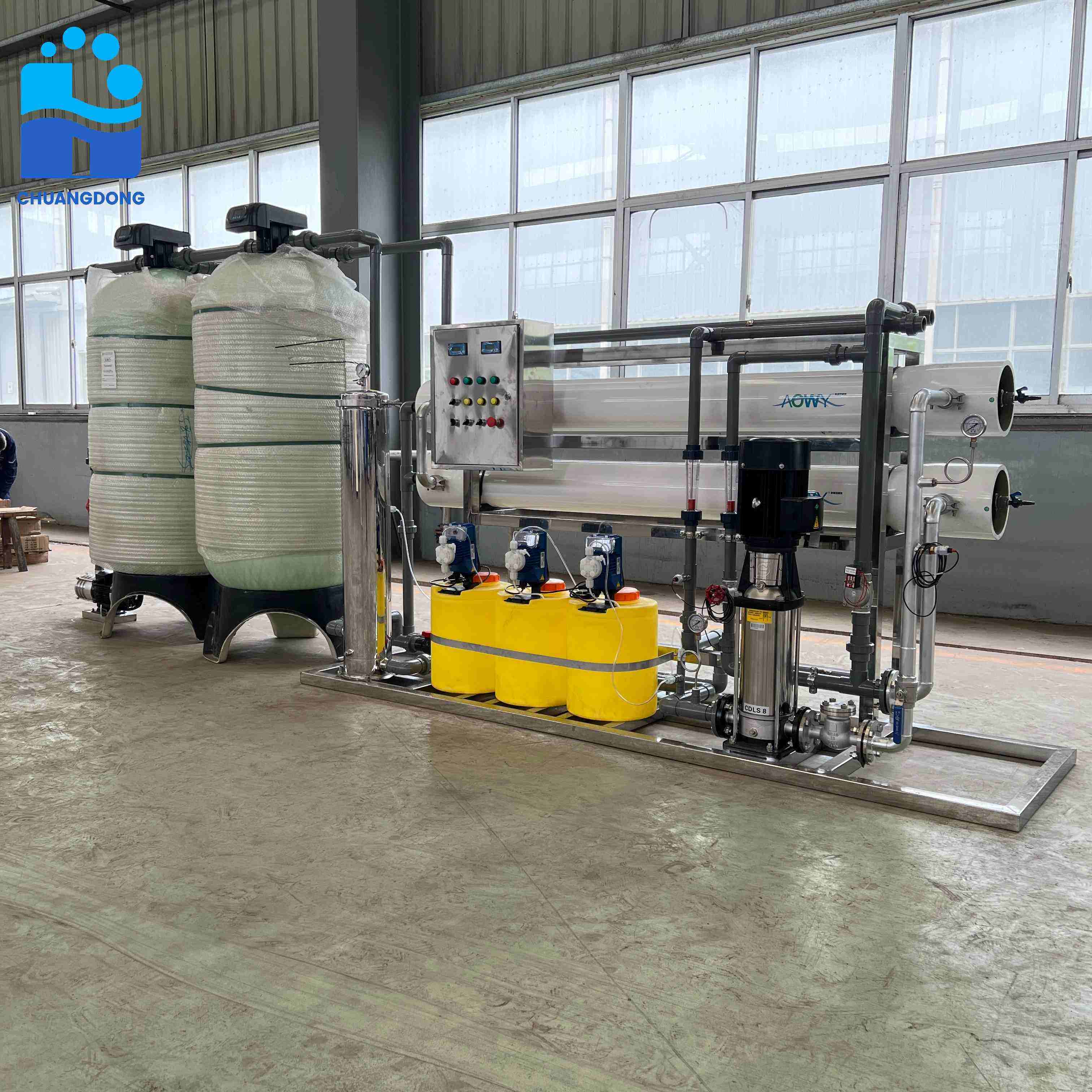
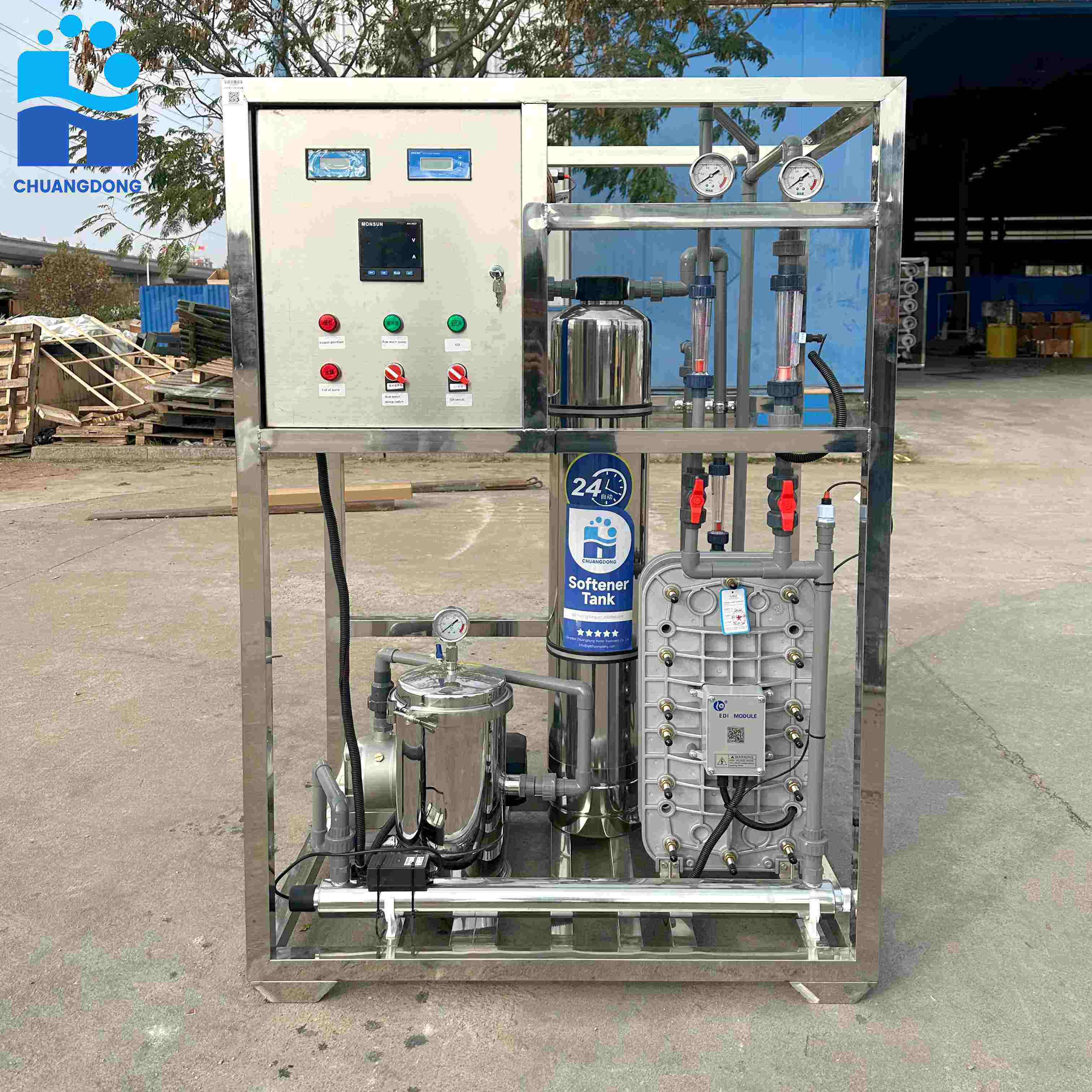
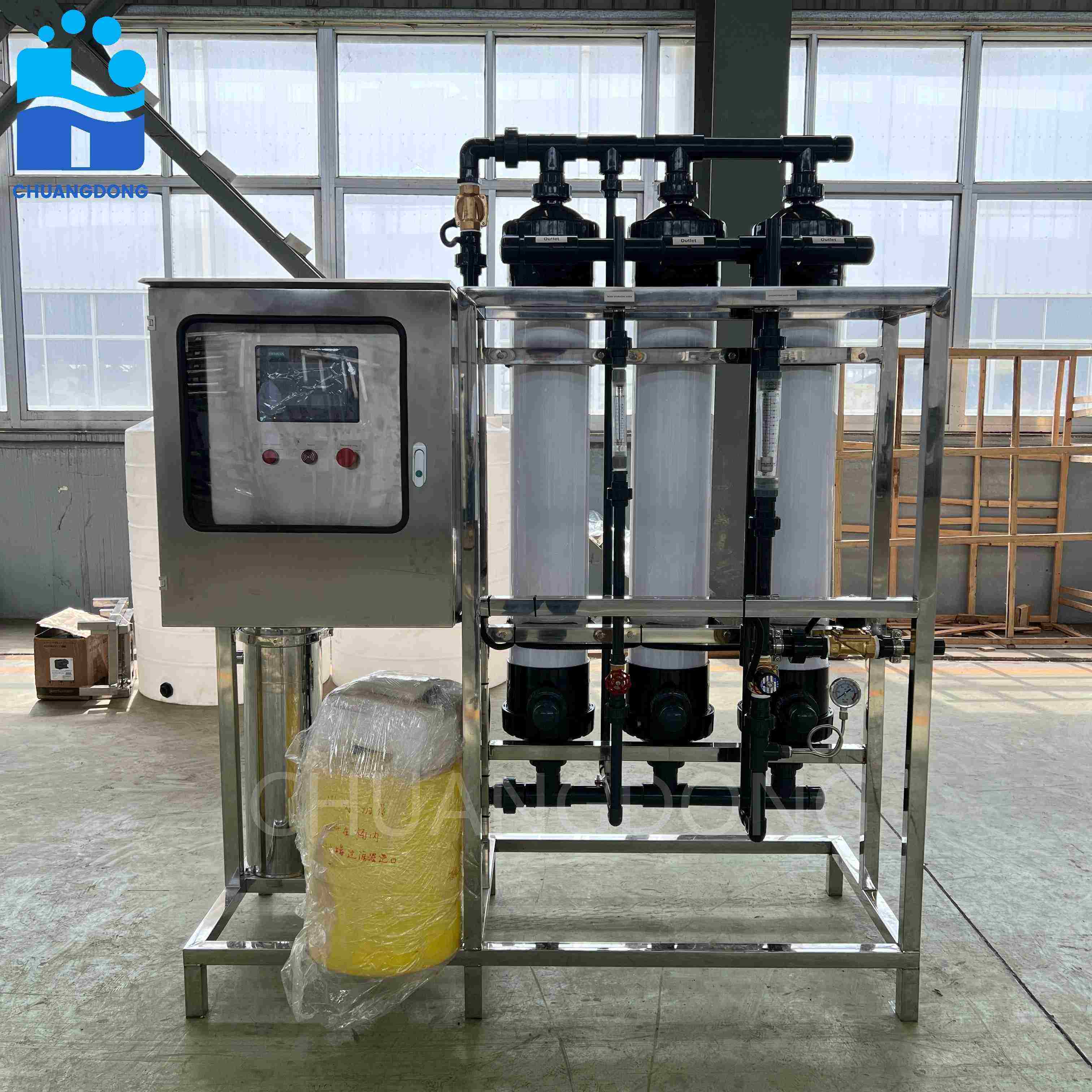
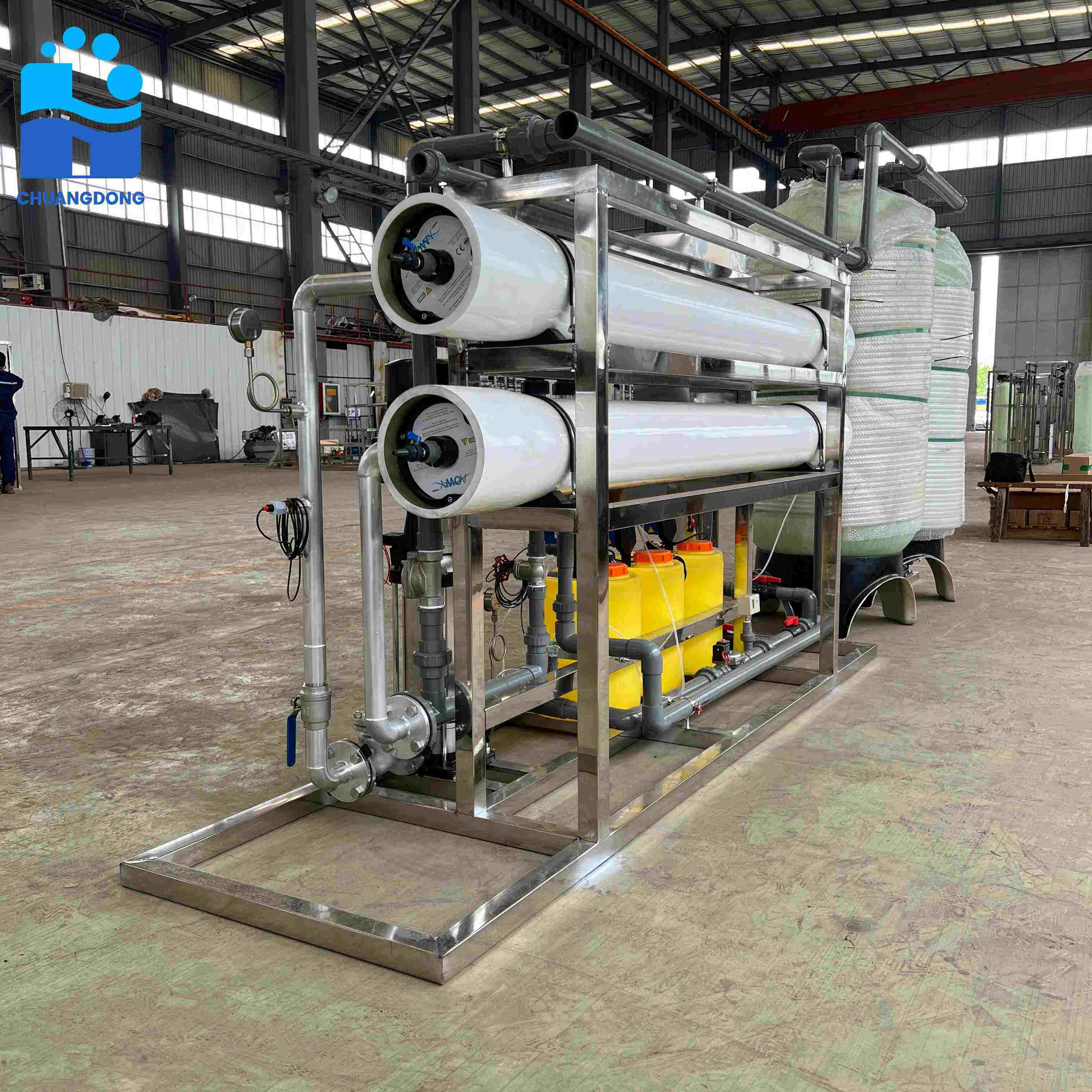
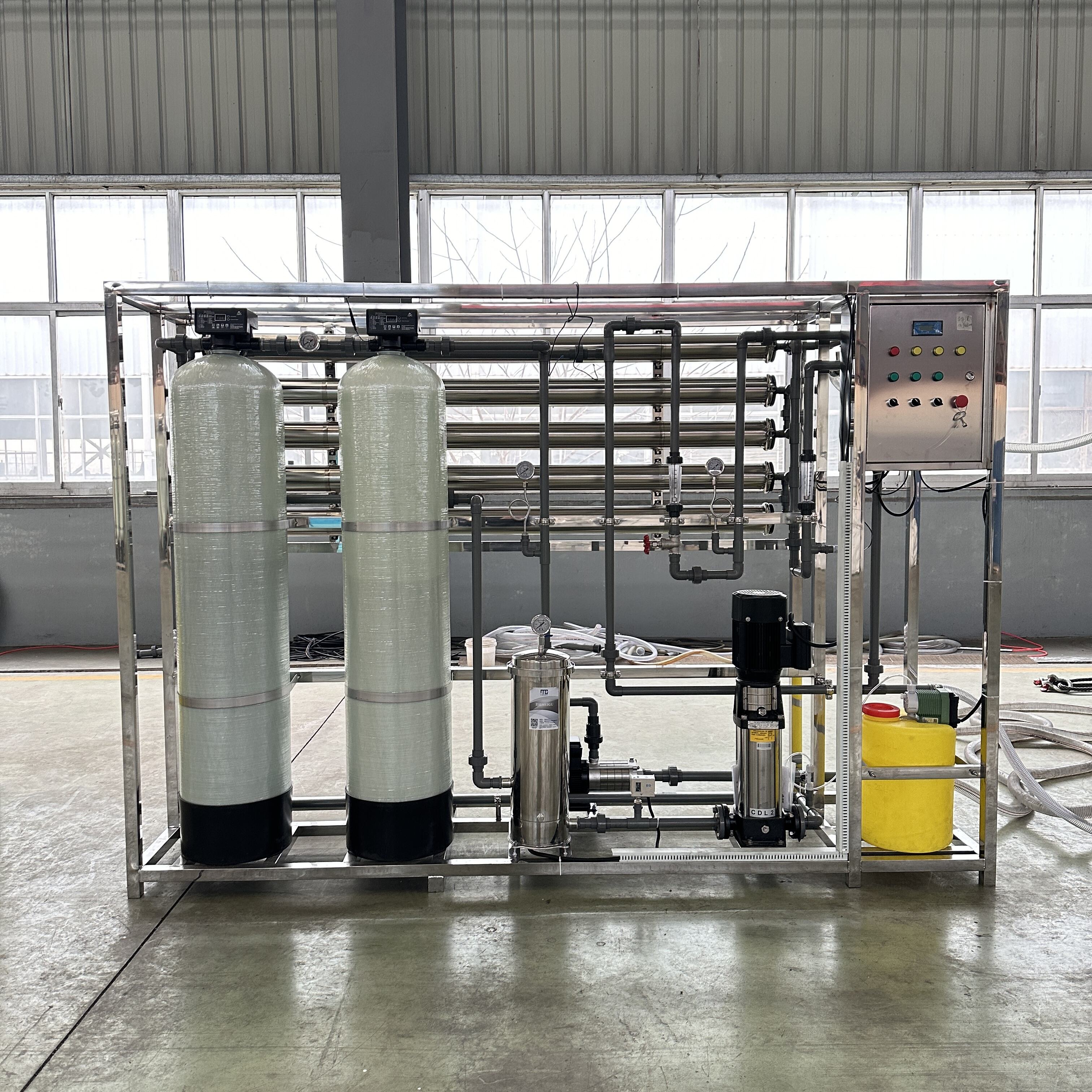
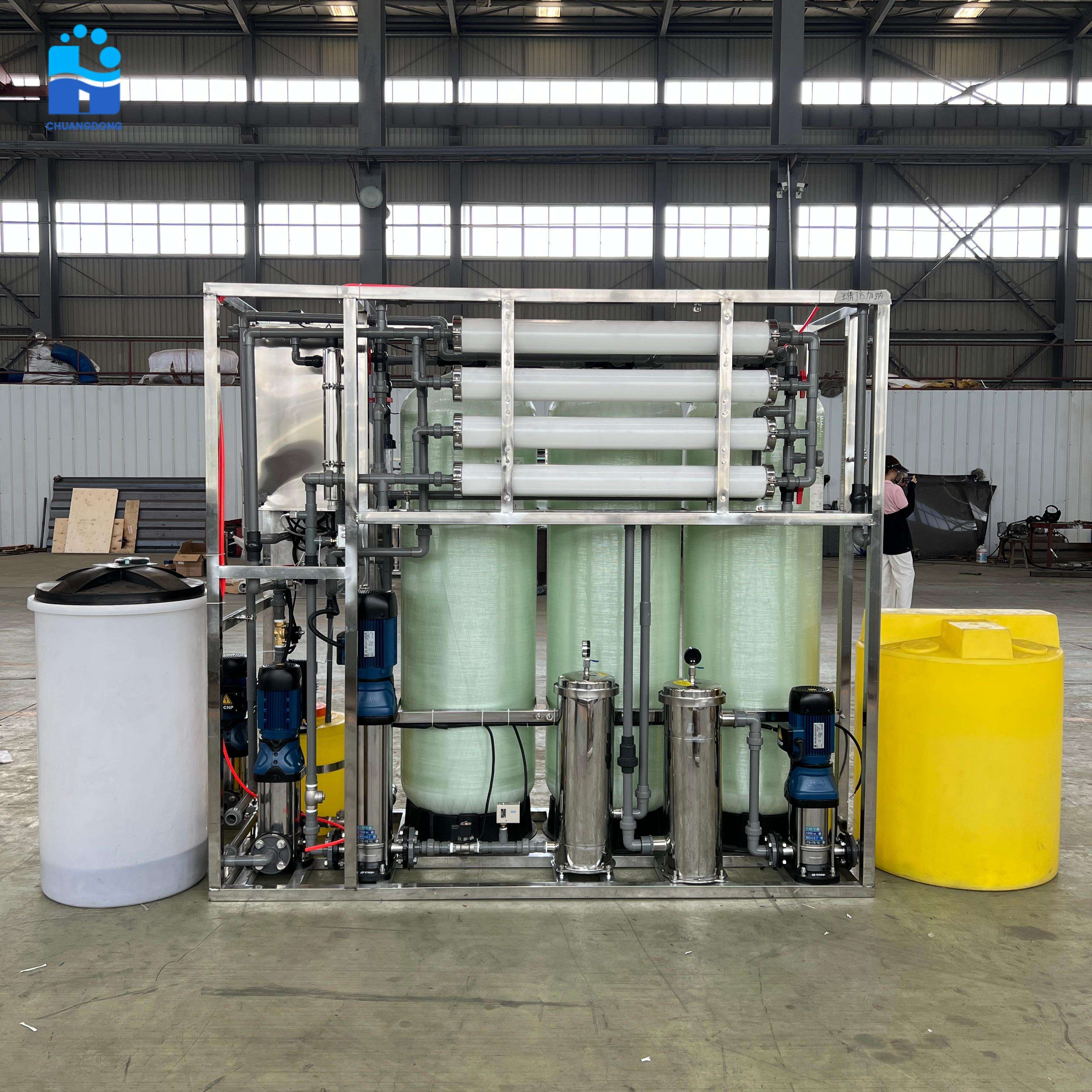
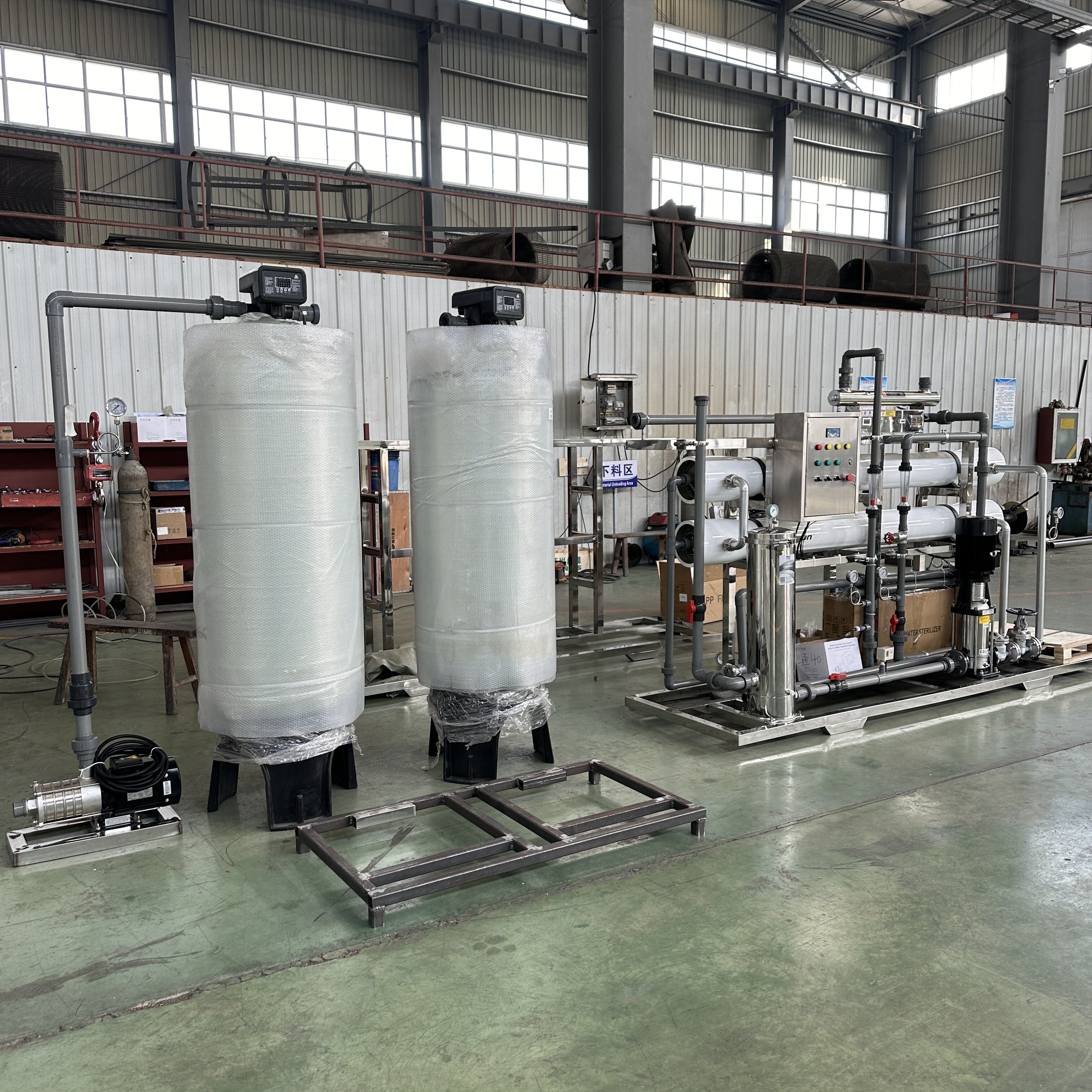
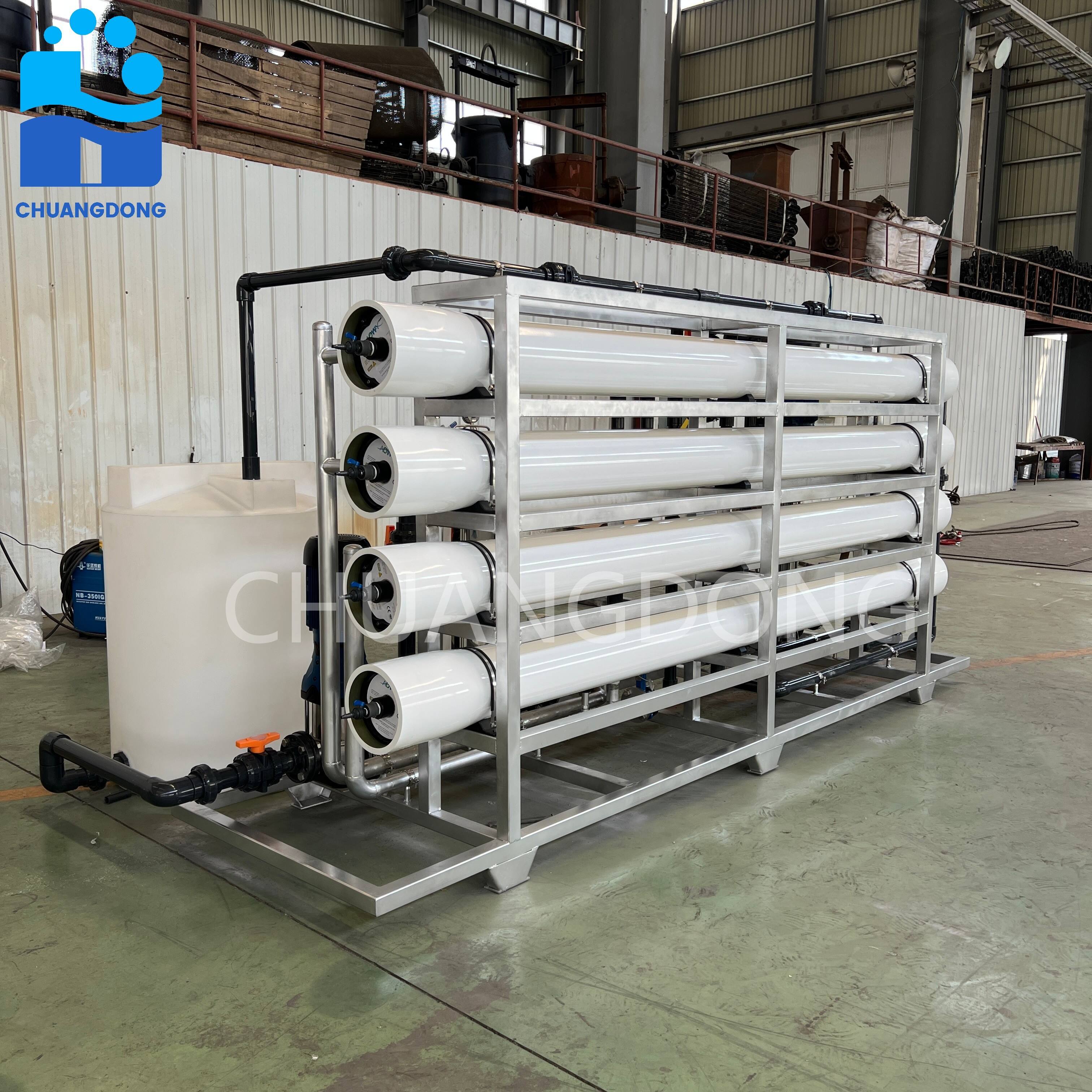
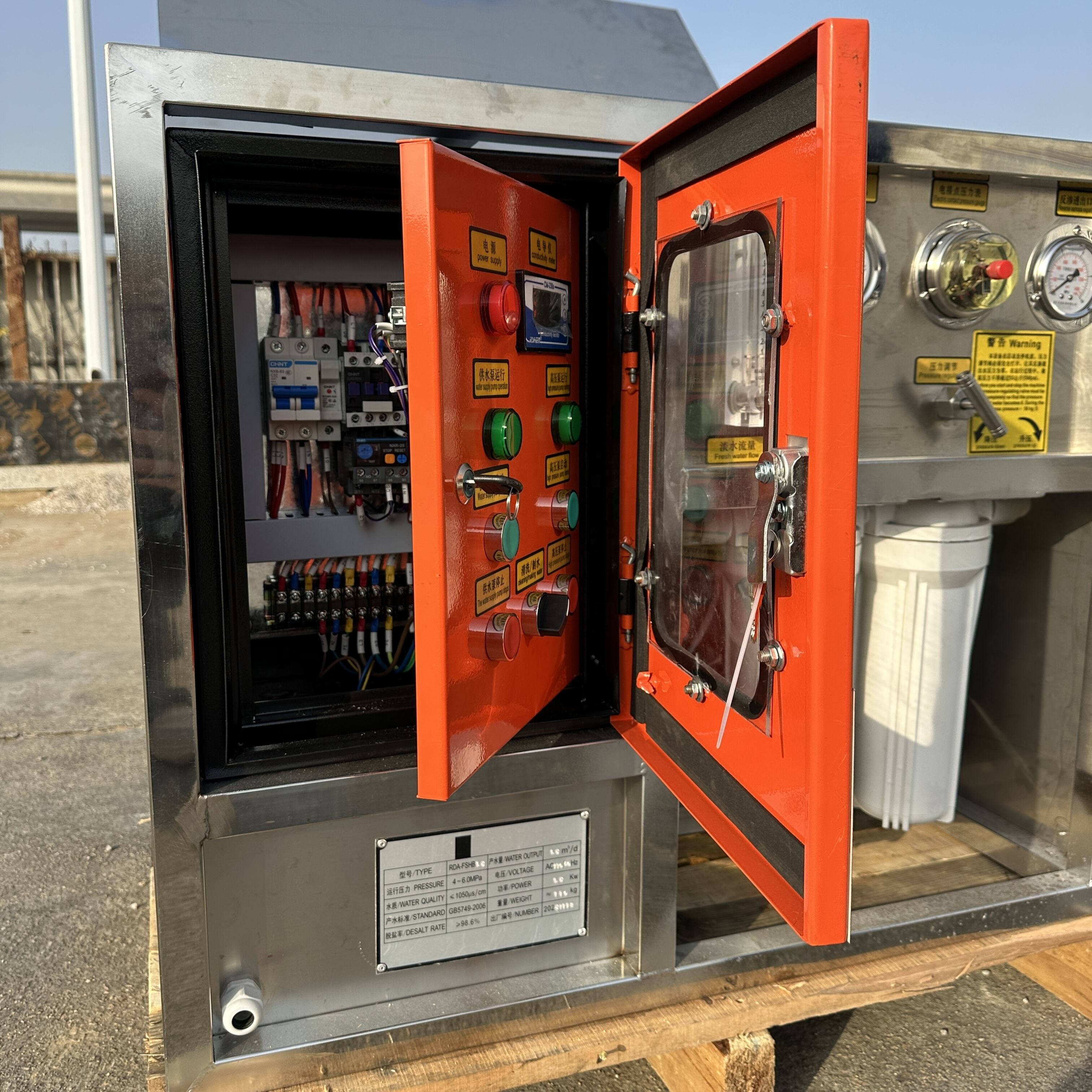
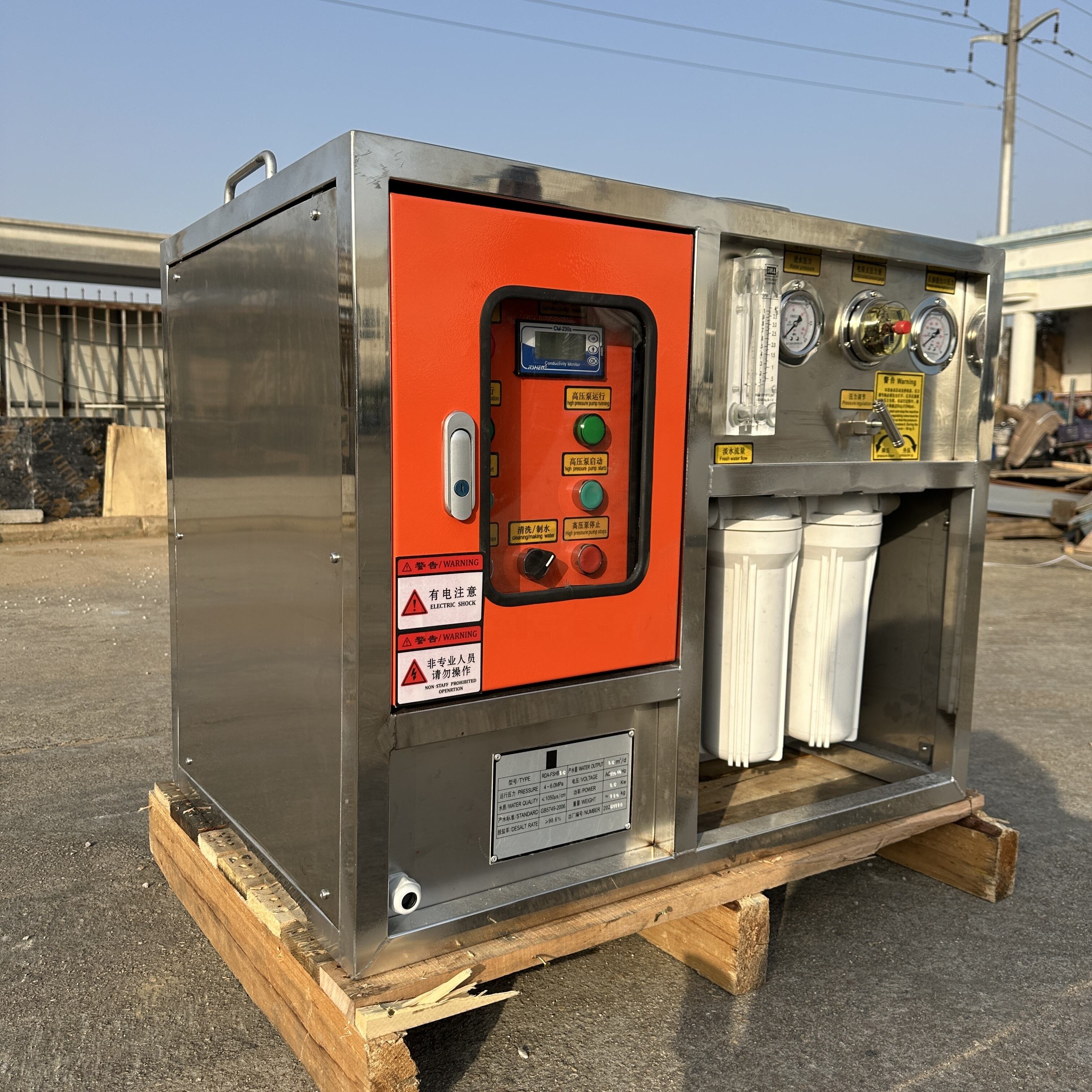
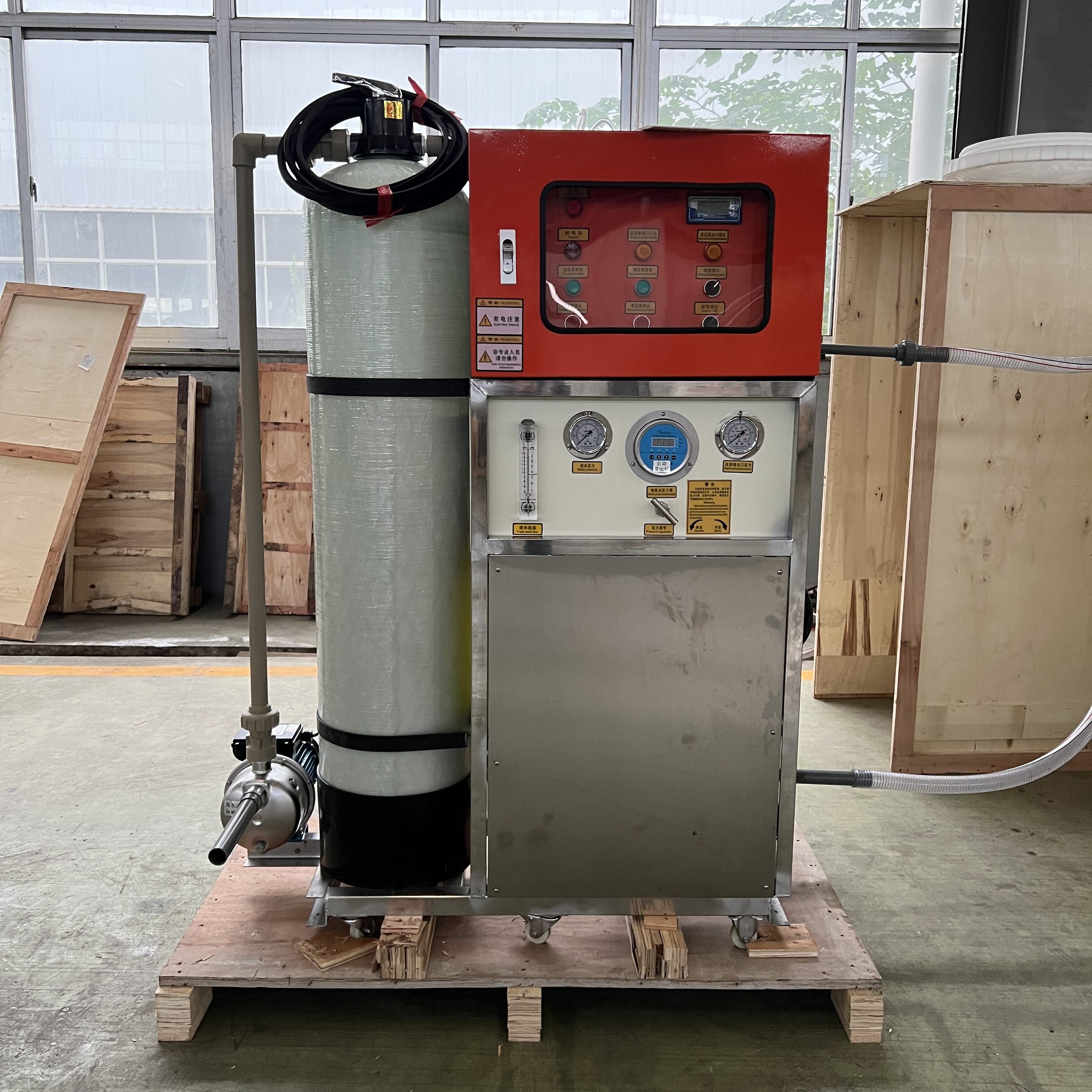
Industrial desalination plants represent cutting-edge water treatment facilities designed to convert seawater and brackish water into fresh, potable water for large-scale commercial and municipal applications. These sophisticated systems utilize advanced membrane technologies, thermal processes, and chemical treatments to remove salt and other contaminants from source water. The main functions of industrial desalination plants include raw water intake, pre-treatment filtration, salt removal through reverse osmosis or thermal distillation, post-treatment conditioning, and final water distribution. Modern industrial desalination plants incorporate multiple technological features that ensure consistent water quality and operational efficiency. The pre-treatment stage employs multimedia filtration, activated carbon adsorption, and chemical dosing to prepare feedwater for the primary desalination process. Reverse osmosis systems utilize high-pressure pumps to force water through semi-permeable membranes that reject salt molecules while allowing pure water to pass through. Thermal desalination methods include multi-stage flash distillation and multi-effect distillation, which use heat energy to evaporate water and separate it from dissolved salts. Energy recovery devices capture and reuse hydraulic energy from high-pressure brine streams, significantly reducing overall power consumption. Automated control systems monitor water quality parameters, flow rates, and system performance in real-time, ensuring optimal operation and maintenance scheduling. Industrial desalination plants serve diverse applications across multiple sectors, including municipal water supply augmentation, industrial process water production, power plant cooling water treatment, oil and gas facility operations, mining operations, and resort development in water-scarce regions. These facilities can process millions of gallons daily, making them essential infrastructure for communities and industries facing water scarcity challenges.

New Products

Industrial desalination plants offer numerous compelling advantages that make them indispensable solutions for organizations facing water supply challenges. These facilities provide reliable water independence by eliminating dependence on traditional freshwater sources such as rivers, lakes, and groundwater reserves. Companies and municipalities can secure consistent water supplies regardless of seasonal variations, droughts, or competing water demands from other users. The water quality produced by industrial desalination plants meets or exceeds stringent drinking water standards, delivering pure, clean water free from harmful contaminants, bacteria, and chemical pollutants commonly found in natural water sources. This superior water quality reduces health risks and eliminates the need for additional treatment processes downstream. Industrial desalination plants demonstrate remarkable scalability, allowing operators to adjust production capacity based on changing demand patterns. Facilities can expand their output during peak usage periods and reduce production during low-demand phases, optimizing energy consumption and operational costs. The modular design of modern industrial desalination plants enables phased construction and capacity upgrades without disrupting existing operations. Environmental sustainability represents another significant advantage, as these plants incorporate energy-efficient technologies that minimize carbon footprint while producing essential water resources. Advanced energy recovery systems capture waste energy and reduce overall power requirements by up to forty percent compared to older technologies. Industrial desalination plants support economic development by attracting businesses and industries to regions previously limited by water scarcity. Manufacturing companies, data centers, hospitality facilities, and agricultural operations can establish operations in coastal areas with confidence in reliable water supplies. The predictable operating costs of industrial desalination plants help organizations budget effectively and avoid unexpected expenses associated with water shortages or quality issues. These facilities operate continuously with minimal human intervention, thanks to sophisticated automation systems that monitor performance and adjust parameters automatically. Maintenance requirements are straightforward and scheduled, preventing costly emergency repairs and production interruptions. Industrial desalination plants contribute to community resilience by providing backup water supplies during emergencies and natural disasters when conventional sources may become compromised or contaminated.

Tips And Tricks

What Intake and Outfall Designs Minimize Environmental Impact of a Desalination Plant?

01

Mar

What Intake and Outfall Designs Minimize Environmental Impact of a Desalination Plant?

Environmental considerations have become paramount in the design and operation of modern desalination facilities worldwide. As water scarcity continues to challenge communities across the globe, the demand for sustainable desalination plant solutions...
View More
What Corrosion-Resistant Materials Are Used in Desalination Plant Construction?

06

Mar

What Corrosion-Resistant Materials Are Used in Desalination Plant Construction?

Desalination plants operate in some of the harshest environments imaginable, where saltwater constantly threatens the integrity of critical infrastructure. The selection of appropriate corrosion-resistant materials becomes paramount to ensuring long-...
View More
How Does a Water Purification System with Ion Exchange Soften Hard Water Effectively?

15

Mar

How Does a Water Purification System with Ion Exchange Soften Hard Water Effectively?

Hard water poses significant challenges for both residential and commercial applications, containing high concentrations of calcium and magnesium ions that cause scale buildup, reduce equipment efficiency, and affect water quality. A water purificati...
View More
How Does an RO Water Filter with a UV Sterilizer Provide Additional Protection Against Bacteria?

10

Mar

How Does an RO Water Filter with a UV Sterilizer Provide Additional Protection Against Bacteria?

Water contamination remains one of the most pressing concerns for homeowners and businesses seeking reliable water purification solutions. While traditional filtration methods offer basic protection, modern water treatment technology has evolved to p...
View More

Get a Free Quote

Our representative will contact you soon.
Email
Name
Company Name
Message
0/1000

industrial desalination plants

Advanced Membrane Technology with Energy Recovery Systems

Advanced Membrane Technology with Energy Recovery Systems

Industrial desalination plants utilize state-of-the-art reverse osmosis membrane technology combined with sophisticated energy recovery systems that deliver exceptional performance and cost-effectiveness. The heart of these systems consists of high-rejection polyamide membranes arranged in pressure vessel configurations that maximize water production while minimizing energy consumption. These membranes feature advanced surface chemistry that resists fouling and biological growth, extending operational lifespan and reducing maintenance requirements. The spiral-wound membrane elements provide large surface areas within compact housings, enabling high water flux rates and efficient salt rejection exceeding ninety-nine percent. Energy recovery devices integrated into industrial desalination plants capture hydraulic energy from high-pressure brine discharge streams and transfer this energy to incoming feedwater, dramatically reducing the overall power requirements. Pressure exchangers and centrifugal energy recovery turbines can recover up to ninety-five percent of the energy contained in brine streams, making modern industrial desalination plants remarkably energy-efficient compared to older technologies. Variable frequency drives on high-pressure pumps allow precise control of operating pressures and flow rates, optimizing performance based on feedwater quality and production demands. Advanced monitoring systems continuously track membrane performance parameters including salt passage, differential pressure, and normalized flux, enabling predictive maintenance strategies that prevent unexpected failures. The modular design of membrane systems allows for easy replacement and upgrading without shutting down entire facilities, ensuring continuous water production. Anti-scalant injection systems and cleaning protocols maintain membrane performance over extended periods, while automated backwash cycles remove accumulated particles and biofilms. These technological advances make industrial desalination plants highly reliable and cost-effective solutions for large-scale water production, delivering consistent quality while minimizing operational expenses and environmental impact through reduced energy consumption and chemical usage.
Comprehensive Water Quality Management and Treatment Capabilities

Comprehensive Water Quality Management and Treatment Capabilities

Industrial desalination plants excel in delivering superior water quality through comprehensive treatment processes that address multiple contaminant categories simultaneously. The multi-barrier approach employed by these facilities begins with robust pre-treatment systems that remove suspended solids, organic compounds, and biological contaminants before water enters the primary desalination process. Multimedia filtration removes particles and turbidity, while activated carbon adsorption eliminates chlorine, organic chemicals, and taste-and-odor compounds that could damage downstream membranes. Chemical conditioning systems adjust pH levels and add scale inhibitors to prevent mineral precipitation and membrane fouling. The primary desalination stage removes dissolved salts, heavy metals, and trace contaminants to produce water with total dissolved solids levels below industry standards. Post-treatment processes include pH adjustment, mineralization, and disinfection to ensure final water quality meets specific application requirements. Industrial desalination plants can be configured to produce various water grades, from potable water meeting drinking water standards to ultra-pure water suitable for pharmaceutical manufacturing and semiconductor production. Real-time monitoring systems track key quality parameters including conductivity, pH, turbidity, and microbial content, providing continuous verification of treatment effectiveness. Laboratory testing protocols verify compliance with regulatory standards and customer specifications, while automated sampling systems collect representative samples for analysis. The flexible design of industrial desalination plants allows operators to adjust treatment processes based on feedwater quality variations and seasonal changes in source water characteristics. Backup treatment systems ensure continuous operation even during equipment maintenance or unexpected component failures. Quality assurance protocols include regular calibration of monitoring equipment, preventive maintenance schedules, and comprehensive operator training programs. These comprehensive water quality management capabilities enable industrial desalination plants to consistently deliver safe, reliable water supplies that meet or exceed the most stringent quality requirements while maintaining operational efficiency and cost-effectiveness for diverse industrial and municipal applications.
Scalable Infrastructure with Smart Automation and Remote Monitoring

Scalable Infrastructure with Smart Automation and Remote Monitoring

Industrial desalination plants feature highly scalable infrastructure designs that accommodate growing water demands while incorporating intelligent automation systems for optimal performance and minimal operational complexity. The modular construction approach allows facilities to begin with smaller capacity installations and expand systematically as water requirements increase, avoiding overinvestment in initial infrastructure while ensuring future growth capabilities. Standardized equipment packages and pre-engineered modules streamline installation processes and reduce construction timelines, enabling faster project deployment and earlier water production startup. Smart automation systems integrate programmable logic controllers, human-machine interfaces, and supervisory control and data acquisition networks to manage all aspects of plant operation without constant human oversight. These systems continuously optimize operating parameters including pressure, flow rates, chemical dosing, and cleaning cycles based on real-time performance data and predictive algorithms. Remote monitoring capabilities allow operators to supervise multiple industrial desalination plants from centralized control rooms, reducing staffing requirements and enabling rapid response to operational changes or maintenance needs. Mobile applications provide plant managers with instant access to performance data, alarm notifications, and trending information, ensuring informed decision-making regardless of location. Predictive maintenance algorithms analyze equipment performance patterns and recommend service interventions before failures occur, minimizing unplanned downtime and extending equipment lifespan. Energy management systems monitor power consumption patterns and automatically adjust operations during peak demand periods to reduce electricity costs. Cloud-based data storage and analytics platforms provide comprehensive reporting capabilities and long-term performance trending for optimization and regulatory compliance. Cybersecurity protocols protect industrial desalination plants from potential threats while ensuring secure data transmission and system integrity. Integration capabilities enable seamless connection with existing facility management systems, utility networks, and customer distribution infrastructure. These advanced automation and monitoring features make industrial desalination plants highly efficient, reliable, and cost-effective solutions that require minimal operator intervention while delivering consistent water production and quality performance over extended operational periods.

Get a Free Quote

Our representative will contact you soon.
Email
Name
Company Name
Message
0/1000