 EN
EN



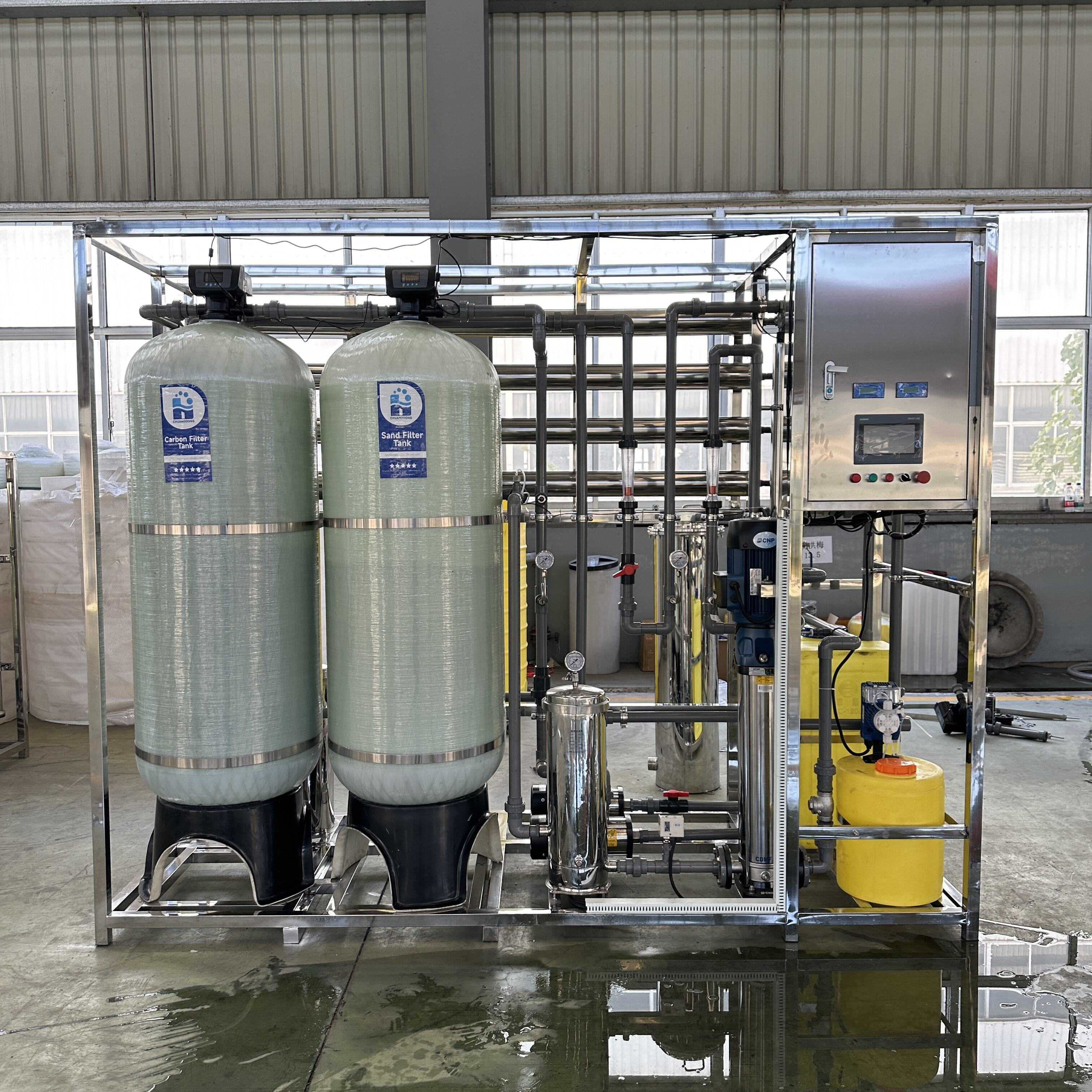
Pharmaceutical quality control laboratories face increasingly stringent requirements for analytical accuracy and regulatory compliance. The foundation of reliable analytical results lies in the quality of water used throughout testing procedures. Ultrapure water serves as the cornerstone for critical analytical techniques, ensuring that trace contaminants do not interfere with sensitive measurements. Modern pharmaceutical facilities recognize that investing in high-grade water purification systems directly impacts their ability to meet FDA, EMA, and other regulatory standards while maintaining operational efficiency.
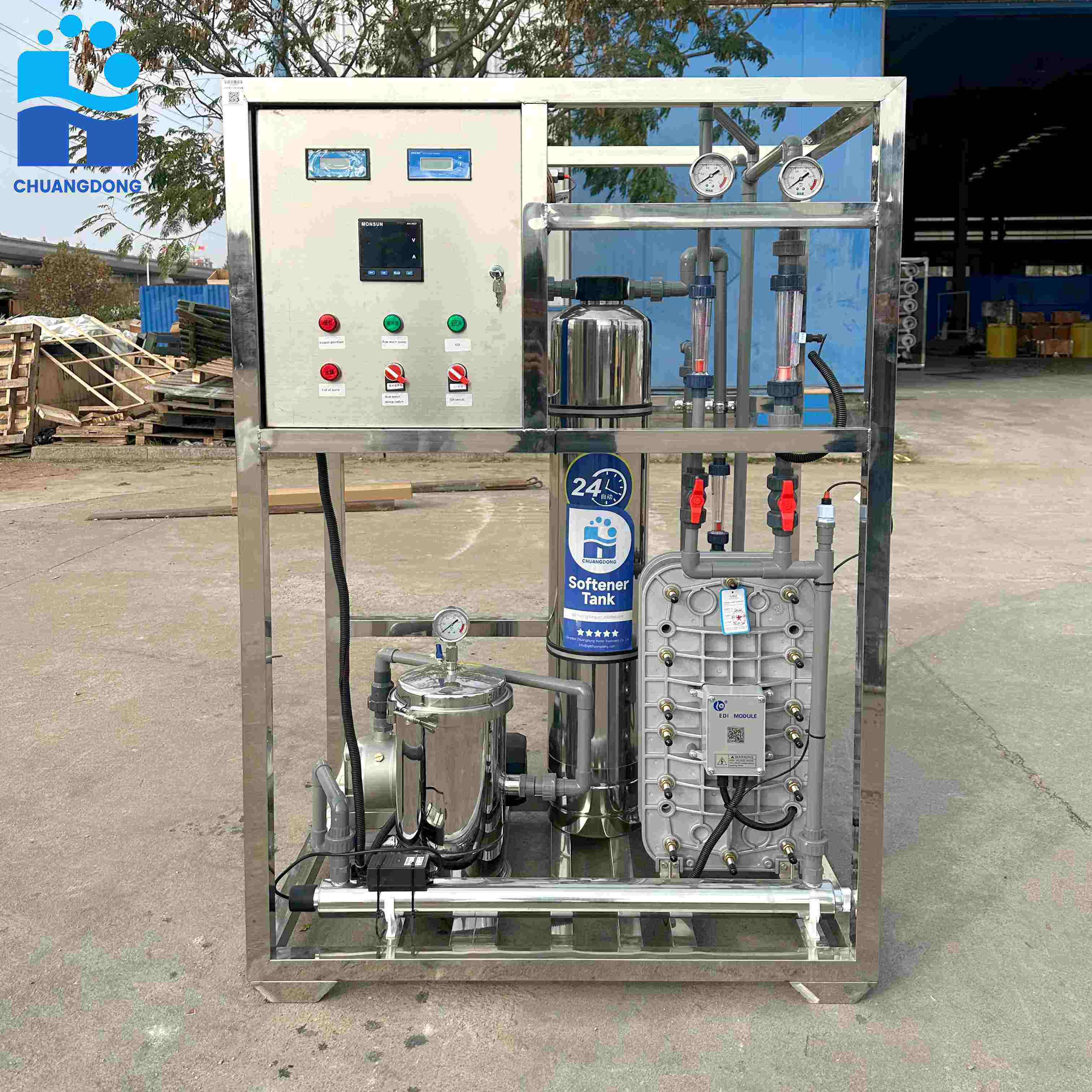
Critical Role of Water Quality in Pharmaceutical Analysis
Impact on Analytical Precision
The precision of pharmaceutical analytical methods depends heavily on the purity of water used as a mobile phase, sample diluent, and cleaning agent. Ultrapure water eliminates ionic contamination that can cause baseline drift, peak tailing, and inconsistent retention times in chromatographic separations. Even trace levels of organic compounds or metal ions can significantly alter analytical results, leading to false positives or negatives in critical quality assessments. Pharmaceutical laboratories must maintain water quality specifications that exceed those required for general laboratory use to ensure reliable quantitative analysis.
Contaminated water sources introduce variability that compounds over multiple analytical runs, creating systematic errors that compromise method validation and regulatory compliance. The removal of dissolved gases, organic molecules, and particulate matter through advanced purification ensures that water contributes no interfering signals to analytical instruments. This level of purity becomes particularly crucial when analyzing low-concentration pharmaceutical compounds or detecting trace impurities that could affect drug safety and efficacy.
Regulatory Compliance Requirements
Regulatory agencies worldwide have established strict guidelines for water quality in pharmaceutical manufacturing and testing environments. The United States Pharmacopeia outlines specific requirements for purified water and water for injection, with corresponding analytical methods to verify compliance. European Pharmacopoeia and other international standards maintain similar specifications, emphasizing the global recognition of water quality importance in pharmaceutical operations. Quality control laboratories must demonstrate consistent adherence to these standards through regular monitoring and documentation.
Validation protocols for analytical methods require demonstration that water quality does not introduce bias or variability into test results. Ultrapure water systems provide the consistent baseline necessary for method validation studies, ensuring that analytical procedures meet acceptance criteria for accuracy, precision, and robustness. Regulatory inspectors frequently examine water quality documentation as part of comprehensive facility audits, making reliable water purification systems essential for maintaining regulatory standing.
HPLC Applications and Water Quality Requirements
Mobile Phase Preparation Standards
High-performance liquid chromatography relies on precisely prepared mobile phases to achieve optimal separation and detection of pharmaceutical compounds. Ultrapure water forms the aqueous component of most HPLC mobile phases, requiring minimal ionic content to prevent unwanted interactions with stationary phases and analytes. The presence of trace metals can catalyze degradation reactions or form complexes with pharmaceutical compounds, altering their chromatographic behavior and compromising analytical accuracy. Buffer preparation using contaminated water can lead to pH instability and inconsistent separation performance.
Gradient HPLC methods place additional demands on water quality, as any contaminants present become concentrated during the analytical run. Baseline instability caused by impure water can mask critical peaks or create false signals that interfere with compound identification and quantification. Modern HPLC systems incorporate online degassing and filtration, but these measures cannot compensate for poor initial water quality. Starting with ultrapure water ensures optimal chromatographic performance and extends column lifetime by minimizing contamination buildup.
Sample Preparation Considerations
Pharmaceutical sample preparation frequently involves dilution, extraction, and reconstitution procedures that require high-quality water to maintain sample integrity. Protein precipitation methods used for biological samples rely on precise water addition to achieve optimal recovery and matrix effects control. The ionic strength of water used in sample preparation can significantly affect protein binding and drug release, particularly for complex pharmaceutical formulations. Ultrapure water eliminates variables associated with water composition, allowing for more predictable and reproducible sample preparation procedures.
Cleaning and conditioning of sample preparation equipment requires water that leaves no residue or contaminants that could carry over to subsequent samples. Cross-contamination between samples represents a significant risk in pharmaceutical quality control, potentially leading to false results that compromise product safety assessments. The use of ultrapure water for all sample preparation steps minimizes this risk while ensuring that analytical results reflect true sample composition rather than artifacts introduced during processing.
Mass Spectrometry Water Quality Demands
Ionization Efficiency Optimization
Mass spectrometry detection in pharmaceutical analysis depends on efficient ionization of target compounds, a process highly sensitive to the presence of interfering substances in the sample matrix. Ultrapure water ensures minimal background interference during electrospray ionization, allowing for enhanced sensitivity and detection of trace pharmaceutical compounds and impurities. Contaminating ions can suppress analyte signals or create adduct peaks that complicate spectral interpretation, particularly in complex pharmaceutical matrices. The elimination of organic contaminants through advanced water purification prevents competing ionization reactions that reduce analytical sensitivity.
LC-MS and LC-MS/MS methods commonly employed in pharmaceutical analysis require consistent performance across multiple analytical runs to support quantitative applications. Water-related baseline noise and ghost peaks can significantly impact method detection limits and quantification accuracy, particularly for trace-level impurity analysis. Ultrapure water systems provide the consistent, low-background environment necessary for reliable mass spectrometric detection, enabling pharmaceutical laboratories to achieve the sensitivity required for regulatory compliance and product safety assessment.
System Maintenance and Longevity
Mass spectrometer maintenance costs and downtime directly correlate with the quality of water used throughout the analytical system. Mineral deposits and organic buildup in ion sources, transfer lines, and mass analyzers require frequent cleaning and component replacement when contaminated water sources are used. Ultrapure water significantly extends maintenance intervals and reduces the frequency of expensive repairs, improving overall laboratory productivity and reducing operational costs. The elimination of particulate matter and dissolved solids prevents clogging of narrow-bore tubing and micro-channels critical to mass spectrometer operation.
Preventive maintenance protocols for mass spectrometry systems emphasize the importance of high-quality water for both analytical applications and routine cleaning procedures. Contaminated water used for system conditioning and equilibration can introduce contaminants that persist through multiple analytical runs, creating systematic bias in results. Regular use of ultrapure water for all mass spectrometer operations ensures optimal performance and extends instrument lifetime while maintaining the analytical quality required for pharmaceutical applications.
Economic Benefits and Operational Efficiency
Cost-Effectiveness Analysis
Investment in ultrapure water systems generates significant long-term cost savings through reduced instrument maintenance, extended analytical column lifetime, and decreased method development time. Pharmaceutical laboratories frequently underestimate the hidden costs associated with poor water quality, including lost productivity due to troubleshooting water-related analytical problems and the expense of repeating failed analytical runs. The consistent performance enabled by ultrapure water reduces method validation timelines and minimizes the need for extensive robustness testing to account for water quality variability.
Regulatory compliance costs decrease substantially when laboratories implement reliable water purification systems that consistently meet pharmacopeial standards. The documentation and monitoring requirements for ultrapure water systems are well-established and straightforward compared to the complex troubleshooting required when water quality issues compromise analytical results. Reduced risk of regulatory observations and corrective action requirements represents substantial cost avoidance for pharmaceutical organizations operating under strict regulatory oversight.
Laboratory Productivity Enhancement
Reliable access to ultrapure water eliminates many common sources of analytical variability that slow laboratory throughput and complicate method development efforts. Analytical chemists spend significantly less time troubleshooting water-related issues when high-quality purification systems provide consistent water specifications. The predictable performance characteristics of ultrapure water enable more efficient method optimization and validation, allowing laboratories to bring new analytical procedures online more rapidly. Reduced analytical uncertainty associated with water quality enables laboratories to use narrower acceptance criteria, improving the discriminating power of quality control testing.
Automated ultrapure water systems integrate seamlessly with modern laboratory information management systems, providing real-time monitoring and documentation of water quality parameters. This integration reduces manual documentation requirements while ensuring complete traceability of water quality throughout analytical operations. The reliability of automated systems minimizes the risk of water quality excursions that could compromise entire analytical batches, protecting laboratory productivity and reducing waste of valuable pharmaceutical samples.
Implementation and System Selection
Technology Evaluation Criteria
Selecting appropriate ultrapure water technology for pharmaceutical applications requires careful evaluation of purification methods, monitoring capabilities, and integration requirements. Electrodeionization systems provide continuous polishing of water quality while minimizing chemical consumption and waste generation compared to traditional ion exchange methods. Reverse osmosis pretreatment effectively removes larger contaminants and reduces the load on downstream purification stages, extending system lifetime and maintaining consistent performance. UV sterilization and ozonation technologies address microbial contamination concerns while avoiding chemical additives that could interfere with analytical procedures.
System capacity planning must account for peak demand periods and future laboratory expansion while maintaining optimal water quality under all operating conditions. Redundant purification stages and backup systems ensure continuous availability of ultrapure water even during maintenance periods or equipment failures. Integration with laboratory automation systems enables coordinated operation and monitoring, reducing manual oversight requirements while maintaining comprehensive documentation of water quality performance.
Installation and Validation Considerations
Proper installation of ultrapure water systems requires coordination with laboratory design to minimize distribution distances and dead legs that could compromise water quality at point of use. Validation protocols must demonstrate consistent water quality under all anticipated operating conditions, including peak demand periods and extended standby conditions. Installation qualification, operational qualification, and performance qualification phases ensure that systems meet both manufacturer specifications and laboratory-specific requirements for pharmaceutical applications.
Ongoing validation requirements include periodic system sanitization, component replacement, and performance verification to maintain regulatory compliance throughout system lifetime. Documentation systems must capture all aspects of water quality monitoring, maintenance activities, and deviation investigations to support regulatory inspections and audit requirements. Training programs for laboratory personnel ensure proper operation and maintenance of ultrapure water systems while maintaining awareness of water quality impact on analytical results.
FAQ
What resistivity level is required for ultrapure water in pharmaceutical HPLC applications
Pharmaceutical HPLC applications typically require ultrapure water with resistivity greater than 18.2 megohm-cm at 25°C, corresponding to minimal ionic contamination levels. This specification ensures that water contributes no significant conductivity or ionic interference to mobile phase preparations and sample matrices. Most pharmaceutical laboratories target resistivity levels above 18.0 megohm-cm with total organic carbon levels below 10 parts per billion to meet the stringent requirements of modern analytical methods. Regular monitoring of these parameters ensures consistent water quality and reliable analytical performance.
How often should ultrapure water systems be sanitized in pharmaceutical laboratories
Pharmaceutical laboratories should sanitize ultrapure water systems at least weekly, with more frequent sanitization required for systems with high usage or extended distribution loops. The specific sanitization frequency depends on system design, usage patterns, and microbial monitoring results, but most facilities establish routine schedules based on risk assessment and validation studies. Chemical sanitization using ozone or UV treatment provides effective microbial control while avoiding chemical residues that could interfere with analytical procedures. Documentation of all sanitization activities is essential for regulatory compliance and trending of system performance over time.
What are the main differences between purified water and ultrapure water for analytical applications
Ultrapure water provides significantly higher purity levels than purified water, with resistivity above 18.0 megohm-cm compared to 1.0-10.0 megohm-cm for purified water specifications. Total organic carbon levels in ultrapure water are typically below 10 parts per billion, while purified water may contain up to 500 parts per billion of organic contaminants. These differences become critical in sensitive analytical applications where trace contaminants can interfere with detection or compromise method performance. Pharmaceutical quality control laboratories require ultrapure water specifications to ensure reliable results and regulatory compliance.
Can tap water be used for any pharmaceutical analytical applications with proper treatment
Tap water cannot be used directly for pharmaceutical analytical applications due to high levels of dissolved minerals, organic compounds, and microbial contamination that interfere with analytical procedures. However, tap water serves as an acceptable feed water source for ultrapure water systems equipped with appropriate pretreatment and purification stages. Multi-stage purification including reverse osmosis, electrodeionization, and UV treatment can transform tap water into pharmaceutical-grade ultrapure water suitable for analytical applications. The key is implementing proper purification technology and monitoring to ensure consistent output quality regardless of input water variability.
Table of Contents
- Critical Role of Water Quality in Pharmaceutical Analysis
- HPLC Applications and Water Quality Requirements
- Mass Spectrometry Water Quality Demands
- Economic Benefits and Operational Efficiency
- Implementation and System Selection
-
FAQ
- What resistivity level is required for ultrapure water in pharmaceutical HPLC applications
- How often should ultrapure water systems be sanitized in pharmaceutical laboratories
- What are the main differences between purified water and ultrapure water for analytical applications
- Can tap water be used for any pharmaceutical analytical applications with proper treatment