 EN
EN



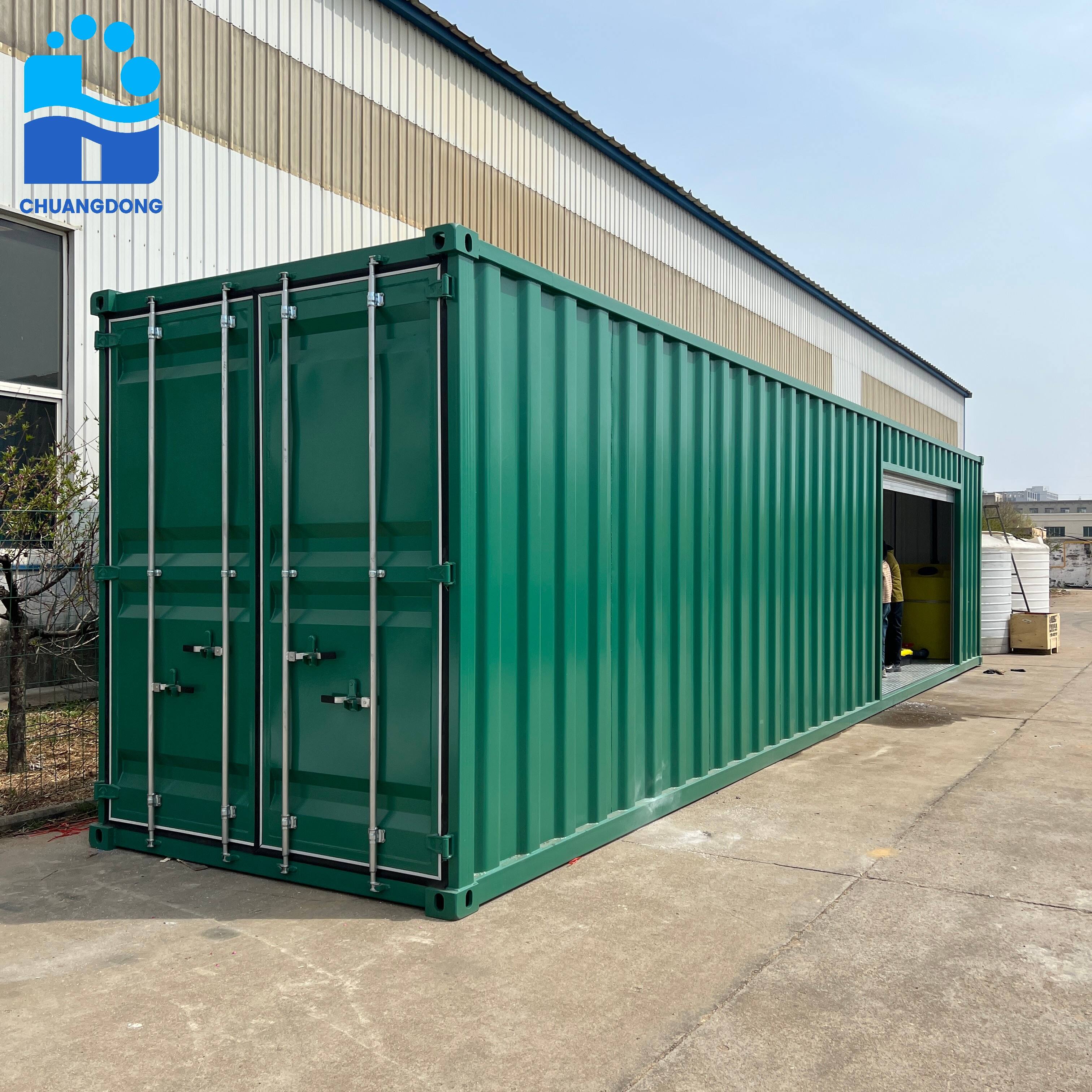
Hard water poses significant challenges for both residential and commercial applications, containing high concentrations of calcium and magnesium ions that cause scale buildup, reduce equipment efficiency, and affect water quality. A water purification system with ion exchange technology offers an effective solution by replacing these problematic minerals with more suitable ions, delivering consistently soft water for various applications. This advanced treatment method combines sophisticated resin technology with proven purification processes to address the fundamental issues associated with hard water while maintaining optimal water quality standards.
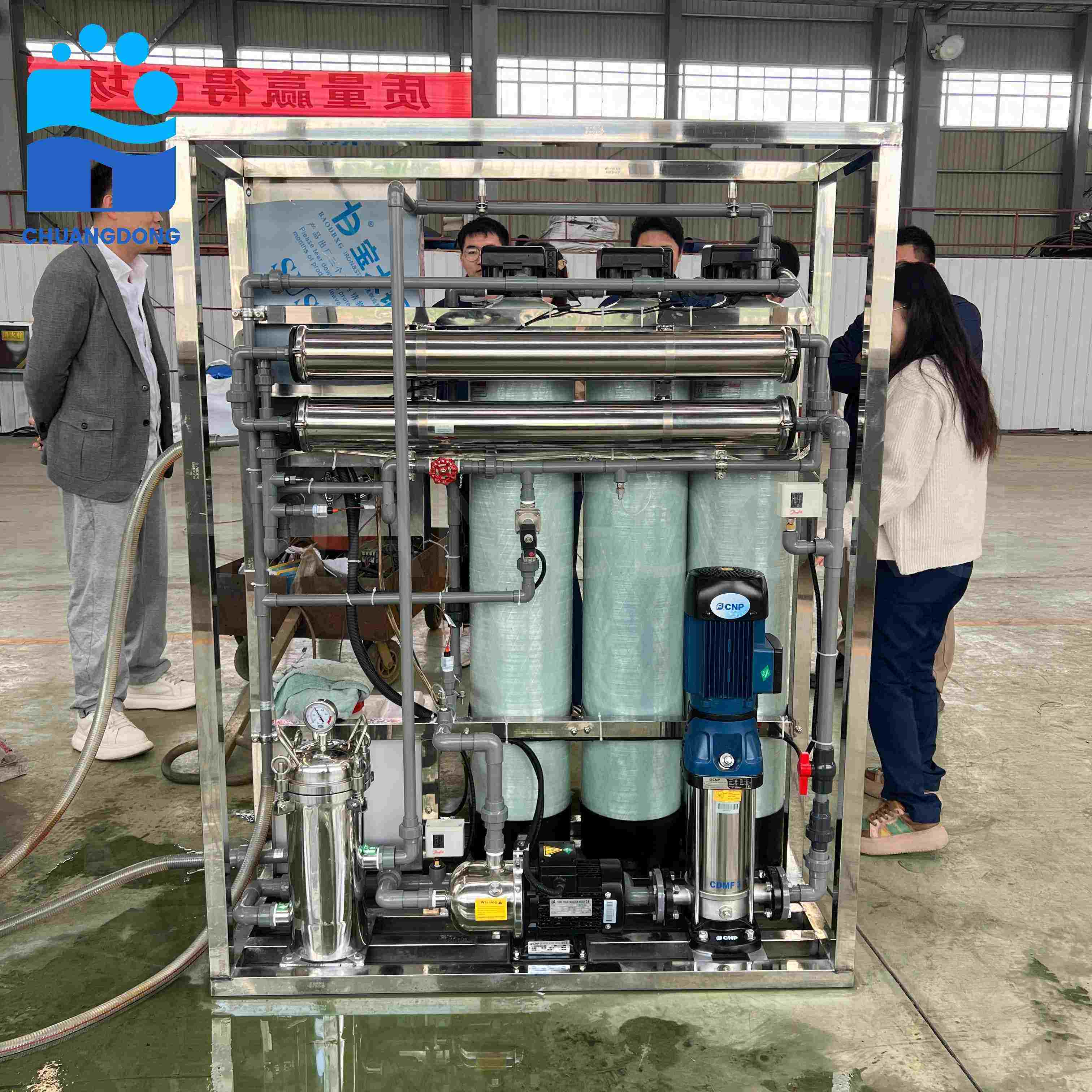
The integration of ion exchange technology within comprehensive water treatment systems represents a sophisticated approach to water conditioning that addresses multiple quality parameters simultaneously. These systems utilize specially formulated resins that selectively remove unwanted minerals while preserving beneficial water characteristics. Modern commercial applications particularly benefit from this technology as it provides consistent water quality essential for equipment protection, product quality, and operational efficiency.
Understanding Ion Exchange Technology in Water Treatment
Fundamental Principles of Ion Exchange Process
Ion exchange operates on the principle of replacing undesirable ions in water with more acceptable alternatives through specialized resin beads. When hard water passes through a water purification system with ion exchange components, calcium and magnesium ions are captured by negatively charged resin sites and replaced with sodium or potassium ions. This selective exchange process effectively reduces water hardness while maintaining the water's ionic balance and conductivity characteristics.
The resin materials used in these systems are typically synthetic polymers with specific functional groups designed to attract and hold particular ion types. Cation exchange resins target positively charged ions like calcium and magnesium, while anion exchange resins address negatively charged contaminants. The efficiency of this process depends on factors including contact time, flow rate, resin capacity, and water chemistry conditions.
Advanced water purification system with ion exchange configurations often incorporate multiple resin types in sequence to address comprehensive water quality requirements. This multi-stage approach ensures optimal removal of various contaminants while maintaining system efficiency and extending operational life. The regeneration cycle, typically using salt brine solutions, restores the resin's exchange capacity and enables continuous operation.
Types of Ion Exchange Resins and Their Applications
Strong acid cation resins represent the most common type used in water softening applications, offering excellent capacity for calcium and magnesium removal across a wide pH range. These resins maintain their effectiveness even in acidic conditions and provide consistent performance in commercial water treatment scenarios. Their robust chemical structure ensures long service life and reliable operation under demanding conditions.
Weak acid cation resins offer advantages in specific applications where high alkalinity water requires treatment, as they can be regenerated using weaker acids and provide excellent hardness removal in alkaline conditions. Food-grade resins meet strict regulatory requirements for potable water applications, ensuring that treated water meets all safety and quality standards for human consumption.
Specialized mixed-bed resins combine cation and anion exchange capabilities in a single vessel, providing ultra-pure water production for critical applications. A water purification system with ion exchange utilizing mixed-bed technology can achieve exceptionally low conductivity levels required for pharmaceutical, electronics, and laboratory applications. The selection of appropriate resin types depends on specific water quality objectives and operating conditions.
Water Softening Mechanisms and Effectiveness
Chemical Reactions in Ion Exchange Softening
The chemical mechanism underlying ion exchange softening involves reversible reactions between dissolved minerals and resin functional groups. When calcium sulfate or magnesium chloride contacts sodium-form cation resin, the divalent hardness ions displace monovalent sodium ions due to their higher charge density and stronger affinity for the resin sites. This preferential exchange continues until equilibrium is established based on the relative concentrations and selectivity coefficients.
The stoichiometry of these reactions determines the theoretical capacity of the water purification system with ion exchange components. Each calcium ion requires two sodium ions for complete exchange, while magnesium follows similar patterns. Understanding these relationships enables precise system sizing and regeneration scheduling to maintain optimal performance levels throughout the operating cycle.
Kinetic factors influence the rate at which these exchanges occur, with temperature, pH, and flow velocity affecting reaction speed. Higher temperatures generally accelerate exchange rates, while extreme pH conditions may impact resin stability and exchange efficiency. Proper system design accounts for these variables to ensure consistent softening performance under varying operating conditions.
Measuring Softening Efficiency and Performance
Hardness reduction is typically measured in grains per gallon or parts per million of calcium carbonate equivalent, providing standardized metrics for evaluating system performance. A properly functioning water purification system with ion exchange should consistently reduce hardness levels below predetermined targets while maintaining stable operating parameters throughout the service cycle.
Breakthrough curves demonstrate how hardness levels change as the resin approaches exhaustion, with early breakthrough indicating the need for regeneration. Monitoring these patterns enables predictive maintenance scheduling and optimization of regeneration frequency to balance water quality with operational costs. Advanced systems incorporate automated monitoring to track performance continuously and trigger regeneration cycles as needed.
Capacity utilization rates indicate how effectively the available resin is being used for hardness removal, with well-designed systems achieving 70-90% of theoretical capacity under normal operating conditions. Factors affecting capacity utilization include flow rate, contact time, competing ions, and regeneration effectiveness. Regular performance monitoring ensures optimal system efficiency and identifies opportunities for improvement.
System Components and Configuration
Essential Hardware Components
The pressure vessel forms the foundation of any water purification system with ion exchange, providing structural containment for the resin bed while withstanding operating pressures and chemical exposures. These vessels are typically constructed from corrosion-resistant materials such as fiberglass-reinforced plastic or stainless steel, with internal configurations optimized for uniform flow distribution and maximum resin utilization.
Distribution systems ensure even water flow through the resin bed, preventing channeling and maximizing contact efficiency. Hub-and-lateral collectors, perforated plates, or specialized nozzle systems distribute influent water uniformly while collecting treated effluent without disturbing the resin bed. Proper distribution design is critical for achieving consistent water quality and preventing premature breakthrough.
Control valves manage the various operational phases including service, backwash, regeneration, and rinse cycles. Modern multiport valves integrate these functions into compact, automated units that can be programmed for optimized cycle timing and chemical usage. Advanced control systems monitor water quality parameters and adjust operational parameters automatically to maintain consistent performance.
Regeneration and Support Systems
Brine systems provide the concentrated salt solutions necessary for resin regeneration, with storage tanks, pumps, and metering equipment sized according to system capacity and regeneration frequency. The concentration and volume of regenerant solution directly impact regeneration efficiency and operating costs, requiring careful optimization based on water chemistry and quality objectives.
Backwash systems remove accumulated particulates and redistribute resin particles through upflow water movement, preventing bed compaction and maintaining optimal hydraulic characteristics. Proper backwash design considers resin density, particle size distribution, and expansion requirements to ensure effective cleaning without resin loss. A well-designed water purification system with ion exchange incorporates adequate backwash capabilities to maintain long-term performance.
Waste handling systems manage the disposal or treatment of spent regenerant solutions and backwash water, addressing environmental regulations and cost considerations. Some applications benefit from regenerant recovery systems that concentrate waste streams and enable salt reuse, reducing both environmental impact and operating costs while maintaining treatment effectiveness.
Commercial Applications and Benefits
Industrial Process Water Treatment
Manufacturing processes often require soft water to prevent scale formation in heat exchangers, boilers, and cooling systems, where even small amounts of hardness can cause significant operational problems. A water purification system with ion exchange provides reliable hardness removal that protects equipment, reduces maintenance costs, and maintains process efficiency. Industries such as food processing, pharmaceuticals, and electronics manufacturing depend on consistent water quality for product quality and regulatory compliance.
Textile operations utilize soft water to improve dyeing uniformity, reduce chemical consumption, and enhance fabric quality by eliminating mineral interference with processing chemicals. The consistent water quality provided by ion exchange systems enables precise color matching and reduces the need for chelating agents or other chemical additives that increase processing costs and complexity.
Power generation facilities rely on ultra-pure water for steam production, with even trace hardness levels causing costly tube failures and efficiency losses. High-capacity water purification system with ion exchange installations serve as critical components in comprehensive water treatment trains that produce the ultra-low conductivity water required for high-pressure boiler applications.
Commercial Building and Hospitality Applications
Hotels and restaurants benefit from soft water systems that improve guest satisfaction by providing better-performing soaps and shampoos while reducing spotting on glassware and fixtures. The elimination of scale buildup in dishwashers, laundry equipment, and plumbing systems reduces maintenance requirements and extends equipment life, providing significant cost savings over time.
Healthcare facilities require reliable water quality for patient care, equipment sterilization, and laboratory operations, with water purification system with ion exchange technology providing consistent results that meet strict regulatory requirements. The automated operation and monitoring capabilities of modern systems ensure continuous compliance while minimizing staff workload and operational complexity.
Office buildings and commercial facilities utilize centralized softening systems to protect HVAC equipment, reduce energy consumption, and maintain tenant satisfaction. The reliability and efficiency of ion exchange systems make them ideal for applications requiring continuous operation with minimal maintenance intervention, providing building managers with cost-effective water quality solutions.
Maintenance and Operational Considerations
Routine Maintenance Requirements
Regular salt level monitoring ensures adequate regenerant supply for consistent system performance, with automated monitoring systems alerting operators when replenishment is needed. The quality of salt used for regeneration impacts system efficiency, with high-purity salts providing better results and reducing the risk of resin fouling or contamination that could affect water quality.
Resin bed inspection and cleaning procedures help maintain optimal exchange capacity and prevent channeling or fouling that reduces treatment effectiveness. Visual inspection during regeneration cycles can identify issues such as resin degradation, foreign matter accumulation, or bacterial growth that require corrective action. A properly maintained water purification system with ion exchange will provide years of reliable service with appropriate care and attention.
Control system calibration and valve maintenance ensure accurate cycle timing and proper chemical dosing, preventing over-regeneration or incomplete resin restoration. Regular testing of treated water quality confirms system performance and identifies any drift from established parameters that might indicate maintenance needs or operational adjustments.
Performance Optimization Strategies
Flow rate optimization balances treatment effectiveness with hydraulic considerations, ensuring adequate contact time while maintaining reasonable pressure drops. Operating at excessive flow rates can cause breakthrough and reduce capacity utilization, while overly conservative rates may result in unnecessarily large equipment and higher capital costs.
Regeneration frequency adjustment based on actual capacity utilization helps minimize chemical costs while maintaining consistent water quality. Monitoring breakthrough patterns and capacity consumption enables data-driven decisions about optimal regeneration timing that balance performance requirements with operational efficiency.
Temperature control considerations account for the impact of water temperature on exchange kinetics and resin stability, with some applications benefiting from temperature adjustment to optimize performance. A water purification system with ion exchange operating under stable temperature conditions generally provides more predictable and consistent results than systems subject to wide temperature variations.
FAQ
How long does an ion exchange resin last in a water softening system
Ion exchange resins typically last 10-15 years in residential applications and 5-10 years in commercial settings, depending on water quality, chemical exposure, and maintenance practices. High chlorine levels, extreme pH conditions, and organic fouling can reduce resin life, while proper pretreatment and regular maintenance extend operational life. A water purification system with ion exchange requires periodic resin replacement to maintain optimal performance and water quality standards.
What is the difference between water softening and water purification with ion exchange
Water softening specifically targets hardness minerals like calcium and magnesium, while comprehensive water purification with ion exchange can remove a broader range of dissolved contaminants including nitrates, sulfates, and other ionic species. Softening typically uses single-bed cation exchange, whereas purification may employ multiple resin types in sequence or mixed-bed configurations. The choice depends on specific water quality objectives and the contaminants present in the source water.
Can ion exchange systems handle varying water hardness levels effectively
Modern water purification system with ion exchange designs incorporate variable regeneration scheduling and capacity monitoring to adapt to changing water conditions automatically. Systems can handle seasonal hardness variations, temporary increases from source changes, or gradual shifts in water chemistry through intelligent control algorithms and monitoring systems. Proper system sizing with adequate safety factors ensures consistent performance even under peak hardness conditions.
What are the environmental considerations for ion exchange water treatment
Ion exchange systems produce concentrated brine waste during regeneration that requires proper disposal or treatment to meet environmental regulations. Some installations incorporate waste minimization through regenerant recovery, optimized regeneration cycles, or alternative disposal methods. The environmental impact is generally favorable compared to alternative treatment methods, especially when considering reduced chemical usage in downstream processes and extended equipment life from scale prevention.
Table of Contents
- Understanding Ion Exchange Technology in Water Treatment
- Water Softening Mechanisms and Effectiveness
- System Components and Configuration
- Commercial Applications and Benefits
- Maintenance and Operational Considerations
-
FAQ
- How long does an ion exchange resin last in a water softening system
- What is the difference between water softening and water purification with ion exchange
- Can ion exchange systems handle varying water hardness levels effectively
- What are the environmental considerations for ion exchange water treatment