 EN
EN


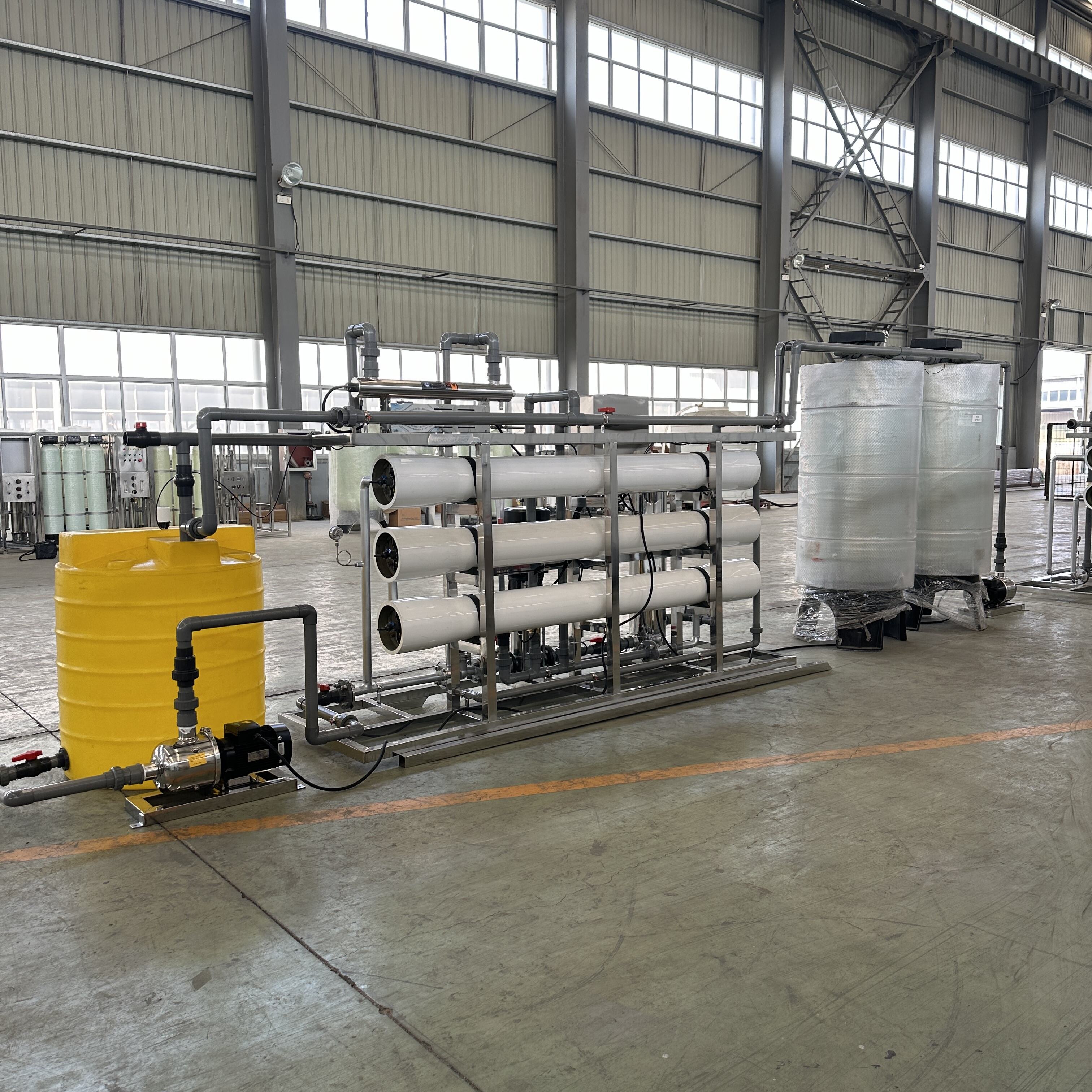
Water contamination remains one of the most pressing concerns for homeowners and businesses seeking reliable water purification solutions. While traditional filtration methods offer basic protection, modern water treatment technology has evolved to provide comprehensive defense against multiple contaminants. An RO water filter with UV sterilizer represents the pinnacle of water purification technology, combining mechanical filtration with ultraviolet disinfection to deliver unparalleled protection against bacteria, viruses, and other harmful microorganisms that threaten water safety.
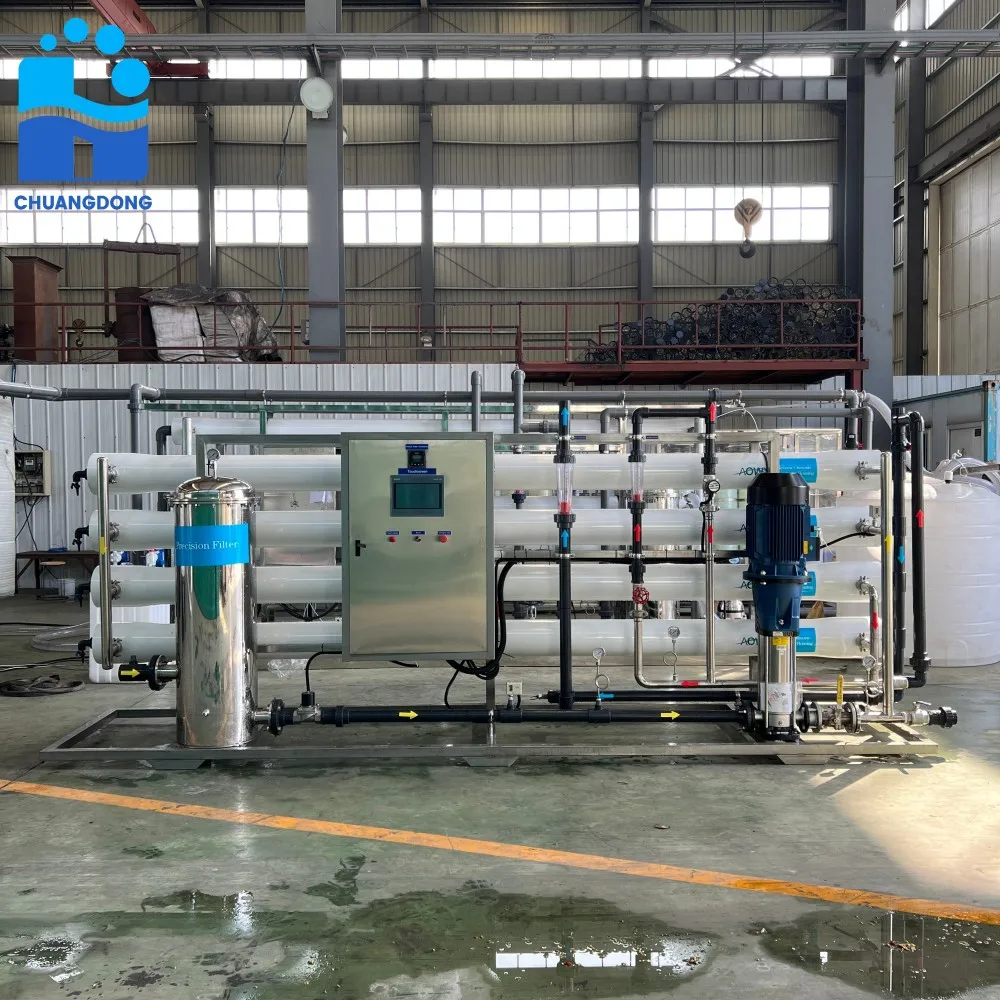
The integration of reverse osmosis and ultraviolet sterilization creates a multi-barrier approach that addresses both physical and biological contaminants in water supplies. This dual-action system ensures that even the most resilient pathogens cannot survive the comprehensive treatment process. Understanding how these technologies work together provides insight into why this combination has become the gold standard for residential, commercial, and industrial water treatment applications worldwide.
Understanding Reverse Osmosis Technology in Water Filtration
Membrane Filtration Principles
Reverse osmosis operates on the principle of forcing water molecules through a semi-permeable membrane under pressure, effectively separating contaminants from clean water. The RO membrane contains microscopic pores typically measuring 0.0001 microns, which are significantly smaller than bacteria, viruses, and most dissolved contaminants. This physical barrier removes up to 99.9% of dissolved solids, heavy metals, chemicals, and larger microorganisms from water supplies.
The effectiveness of an RO water filter with UV sterilizer begins with this membrane technology, which serves as the primary line of defense against contaminants. The high-pressure system pushes water molecules through the membrane while leaving contaminants behind, creating purified water that meets or exceeds drinking water standards. This process removes chlorine, fluoride, lead, mercury, and hundreds of other potential contaminants that may be present in municipal or well water sources.
Multi-Stage Filtration Process
Modern reverse osmosis systems incorporate multiple filtration stages to maximize contaminant removal efficiency. Pre-filtration stages typically include sediment filters and carbon filters that remove larger particles, chlorine, and organic compounds that could damage the RO membrane. These preliminary stages extend membrane life while ensuring optimal performance of the entire system.
The multi-stage approach ensures that water reaching the RO membrane is already partially purified, allowing the membrane to focus on removing dissolved contaminants and remaining microorganisms. Post-filtration stages may include additional carbon filtration or remineralization to improve taste and restore beneficial minerals. This comprehensive approach makes the RO water filter with UV sterilizer particularly effective at producing high-quality water for various applications.
Ultraviolet Sterilization Technology and Bacterial Elimination
UV Light Disinfection Mechanisms
Ultraviolet sterilization utilizes specific wavelengths of UV-C light, typically around 254 nanometers, to disrupt the DNA and RNA of microorganisms. This germicidal radiation penetrates bacterial cell walls and viral capsids, causing irreversible damage to genetic material that prevents reproduction and effectively kills pathogens. The process occurs instantly as water flows through the UV chamber, providing continuous disinfection without chemical additives.
The UV component of an RO water filter with UV sterilizer targets pathogens that might survive the reverse osmosis process or enter the system downstream of the RO membrane. While RO membranes remove most bacteria and viruses, some smaller viruses or bacteria that breach compromised membrane areas can be neutralized by UV treatment. This redundant protection ensures comprehensive pathogen elimination throughout the water treatment process.
Pathogen Inactivation Effectiveness
UV sterilization demonstrates remarkable effectiveness against a broad spectrum of microorganisms, including bacteria, viruses, parasites, and fungi. Studies show that properly maintained UV systems can achieve 99.99% inactivation rates for common waterborne pathogens such as E. coli, Salmonella, Giardia, and Cryptosporidium. The technology proves particularly valuable against chlorine-resistant organisms that traditional chemical disinfection methods cannot effectively eliminate.
The instantaneous nature of UV disinfection means that pathogens cannot develop resistance to this treatment method, unlike chemical disinfectants where resistance can evolve over time. An RO water filter with UV sterilizer provides consistent, reliable pathogen control that maintains effectiveness throughout the system's operational life. This reliability makes UV sterilization ideal for applications requiring guaranteed microbiological safety.
Synergistic Protection Benefits of Combined Technologies
Enhanced Contaminant Removal Spectrum
The combination of reverse osmosis and UV sterilization creates a comprehensive treatment system that addresses both chemical and biological contaminants simultaneously. While RO excels at removing dissolved solids, heavy metals, and larger microorganisms, UV sterilization provides additional assurance against viral contamination and bacterial breakthrough. This synergistic approach ensures that water quality meets the highest safety standards for sensitive applications.
The dual-barrier approach of an RO water filter with UV sterilizer eliminates potential gaps in protection that single-technology systems might experience. Chemical contaminants that survive UV treatment are removed by the RO membrane, while biological contaminants that might penetrate the RO system are neutralized by UV disinfection. This redundant protection provides peace of mind for users requiring the highest water quality standards.
System Reliability and Failsafe Protection
Combining two independent treatment technologies provides inherent system reliability through redundant protection mechanisms. If one component experiences reduced efficiency or temporary failure, the other technology continues providing water treatment, maintaining system functionality and user safety. This reliability proves crucial for applications where water quality cannot be compromised.
The failsafe design of an RO water filter with UV sterilizer includes monitoring systems that alert users to maintenance requirements or component failures. UV intensity monitors ensure adequate germicidal effectiveness, while RO system pressure gauges and flow meters indicate membrane condition. These monitoring features help maintain optimal system performance and prevent potential water quality issues before they occur.
Installation and Maintenance Considerations
System Configuration Options
Modern RO water filter with UV sterilizer systems offer various configuration options to meet different installation requirements and water quality objectives. Point-of-use systems provide treated water at specific locations such as kitchen sinks, while whole-house systems treat all incoming water. The choice depends on water usage patterns, contamination levels, and budget considerations.
Installation flexibility allows these systems to be integrated into existing plumbing with minimal modifications. Compact designs fit under sinks or in utility areas, while larger commercial systems can be installed in mechanical rooms or dedicated treatment facilities. Professional installation ensures optimal system performance and compliance with local plumbing codes and regulations.
Maintenance Requirements and Schedules
Regular maintenance ensures continued effectiveness of an RO water filter with UV sterilizer system. RO membranes typically require replacement every 2-3 years, depending on water quality and usage patterns. Pre-filters and post-filters need more frequent replacement, usually every 6-12 months. UV lamps should be replaced annually to maintain germicidal effectiveness, even if they continue producing visible light.
Maintenance schedules can be customized based on local water conditions and system usage. Areas with high sediment loads may require more frequent pre-filter changes, while regions with hard water might need more frequent membrane replacement. Professional maintenance services can establish optimal schedules and provide system monitoring to ensure peak performance of the RO water filter with UV sterilizer.
Applications and Industry Use Cases
Residential Water Treatment Solutions
Homeowners increasingly choose RO water filter with UV sterilizer systems for comprehensive household water treatment. These systems provide safe drinking water, improve cooking and beverage quality, and protect appliances from scale buildup and corrosion. The technology proves particularly valuable in areas with questionable municipal water quality or private well supplies that may contain bacterial contamination.
Residential applications benefit from the convenience and reliability of automated treatment systems that require minimal user intervention. Modern systems include storage tanks, pressure pumps, and monitoring systems that provide treated water on demand. The investment in an RO water filter with UV sterilizer often proves cost-effective compared to ongoing bottled water purchases while providing superior quality and convenience.
Commercial and Industrial Applications
Commercial establishments such as restaurants, healthcare facilities, and food processing operations rely on RO water filter with UV sterilizer systems to meet strict water quality requirements. These applications often involve high water volumes and demanding quality standards that require robust, reliable treatment systems. The technology ensures compliance with health department regulations and industry standards.
Industrial processes requiring high-purity water, such as pharmaceutical manufacturing, electronics production, and laboratory operations, depend on the consistent quality provided by combined RO and UV treatment. These applications cannot tolerate contamination risks, making the redundant protection of an RO water filter with UV sterilizer essential for operational reliability and product quality assurance.
Performance Monitoring and Quality Assurance
Water Quality Testing Protocols
Regular water quality testing ensures that an RO water filter with UV sterilizer continues meeting performance specifications. Testing protocols should include microbiological analysis, total dissolved solids measurement, and specific contaminant detection based on source water characteristics. Professional testing services can provide comprehensive analysis and recommend system adjustments if needed.
Modern systems often include built-in monitoring capabilities such as TDS meters, flow sensors, and UV intensity monitors that provide real-time performance feedback. These monitoring features help users identify maintenance needs and ensure consistent water quality. Documentation of test results and maintenance activities creates a performance history that aids in system optimization and troubleshooting.
System Performance Optimization
Optimizing performance of an RO water filter with UV sterilizer involves balancing water recovery rates, treatment effectiveness, and operational costs. Proper system sizing ensures adequate flow rates while maintaining treatment contact time. Pressure optimization maximizes membrane efficiency while minimizing energy consumption and component wear.
Performance optimization also considers local water conditions and seasonal variations that may affect system operation. Summer months may require increased UV lamp intensity due to higher water temperatures, while winter conditions might affect membrane performance. Regular system evaluation and adjustment ensure continued optimal performance of the RO water filter with UV sterilizer throughout varying operating conditions.
Cost-Benefit Analysis and Return on Investment
Initial Investment Considerations
The initial cost of an RO water filter with UV sterilizer represents a significant investment that varies based on system capacity, features, and installation requirements. While higher than single-technology systems, the comprehensive protection and long-term reliability justify the additional expense for most applications. Financing options and lease programs can help spread costs over time while providing immediate water quality benefits.
Cost comparisons should consider the total cost of ownership, including installation, maintenance, consumables, and energy consumption. High-quality systems often provide better long-term value through extended component life and reduced maintenance requirements. The investment in an RO water filter with UV sterilizer typically pays for itself through reduced bottled water costs, improved appliance longevity, and health benefits.
Long-term Economic Benefits
Long-term economic benefits of an RO water filter with UV sterilizer extend beyond direct water cost savings to include reduced healthcare expenses, improved appliance efficiency, and increased property values. Clean water reduces exposure to contaminants that can cause health issues, while soft, scale-free water extends appliance life and reduces maintenance costs.
Commercial applications often see additional benefits through improved product quality, reduced liability risks, and enhanced reputation for quality and safety. The reliability and effectiveness of an RO water filter with UV sterilizer system provide quantifiable returns that continue throughout the system's operational life, making it a sound investment for both residential and commercial users.
FAQ
How often should UV lamps be replaced in an RO water filter with UV sterilizer system
UV lamps in an RO water filter with UV sterilizer system should typically be replaced annually, regardless of whether they still produce visible light. UV-C output diminishes over time, reducing germicidal effectiveness even when lamps appear to function normally. Some high-usage commercial systems may require more frequent replacement, while residential systems with lower flow rates might achieve adequate performance with extended replacement intervals. Regular UV intensity monitoring helps determine optimal replacement schedules for specific installations.
Can an RO water filter with UV sterilizer remove all types of bacteria and viruses
An RO water filter with UV sterilizer provides extremely high removal rates for bacteria and viruses, typically achieving 99.99% or higher inactivation rates. The RO membrane physically removes most microorganisms, while UV sterilization neutralizes any remaining pathogens. However, no water treatment system can guarantee 100% removal of all possible contaminants. Proper system maintenance, regular testing, and professional monitoring ensure maximum effectiveness against the broadest spectrum of potential biological contaminants.
What maintenance is required for optimal performance of an RO water filter with UV sterilizer
Maintaining an RO water filter with UV sterilizer requires regular replacement of consumable components including pre-filters, RO membranes, post-filters, and UV lamps. Pre-filters typically need replacement every 6-12 months, RO membranes every 2-3 years, and UV lamps annually. Additional maintenance includes UV chamber cleaning, pressure vessel sanitization, and system performance testing. Professional maintenance services can establish customized schedules based on local water conditions and usage patterns to ensure optimal system performance.
How does water quality affect the performance of an RO water filter with UV sterilizer
Source water quality significantly impacts the performance and maintenance requirements of an RO water filter with UV sterilizer system. High levels of sediment, hardness, chlorine, or organic matter can reduce membrane life and system efficiency. Poor water clarity may affect UV transmission and disinfection effectiveness. Pre-treatment systems such as water softeners or additional filtration may be necessary for challenging water conditions. Professional water analysis helps determine appropriate system configuration and maintenance schedules for specific water quality conditions.
Table of Contents
- Understanding Reverse Osmosis Technology in Water Filtration
- Ultraviolet Sterilization Technology and Bacterial Elimination
- Synergistic Protection Benefits of Combined Technologies
- Installation and Maintenance Considerations
- Applications and Industry Use Cases
- Performance Monitoring and Quality Assurance
- Cost-Benefit Analysis and Return on Investment
-
FAQ
- How often should UV lamps be replaced in an RO water filter with UV sterilizer system
- Can an RO water filter with UV sterilizer remove all types of bacteria and viruses
- What maintenance is required for optimal performance of an RO water filter with UV sterilizer
- How does water quality affect the performance of an RO water filter with UV sterilizer