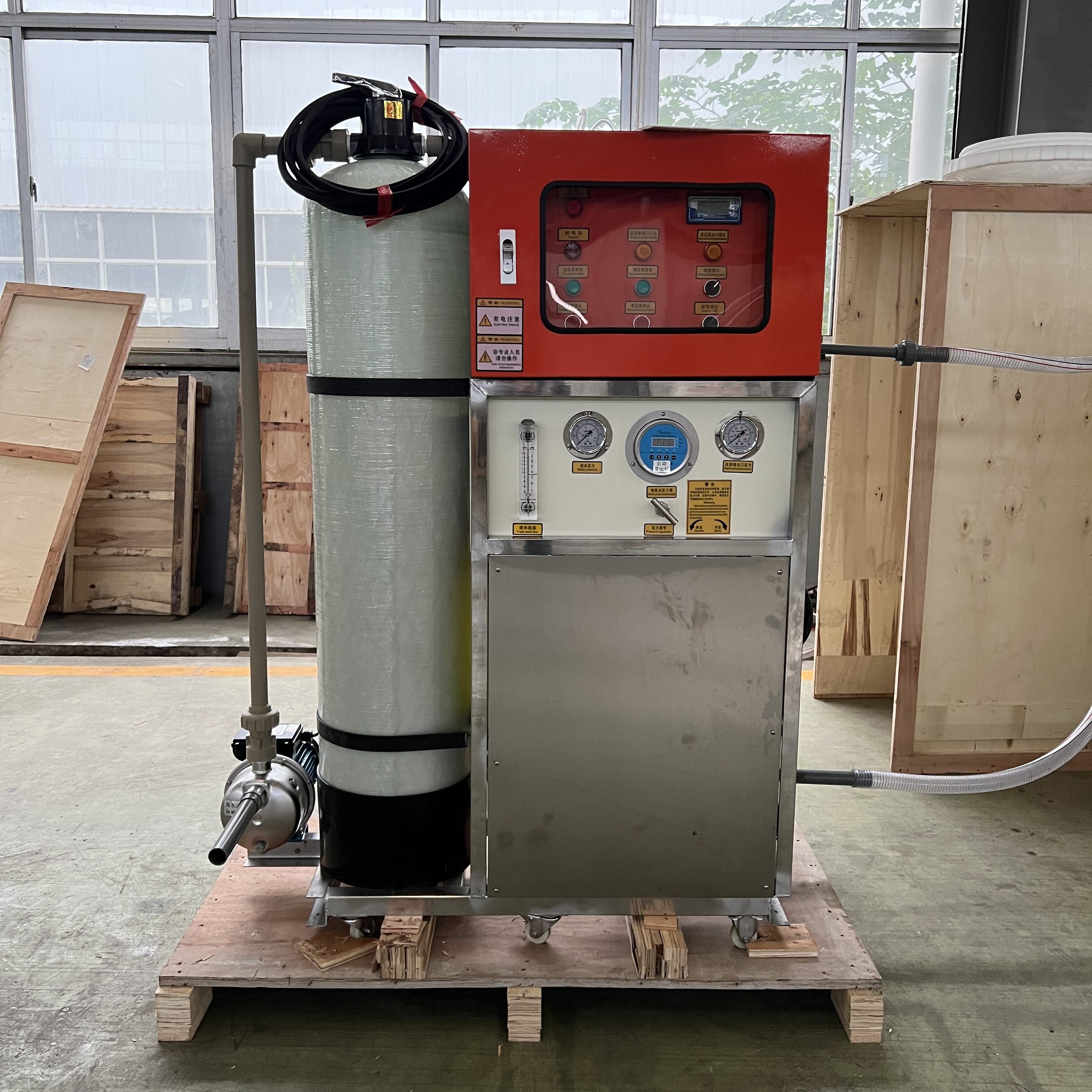
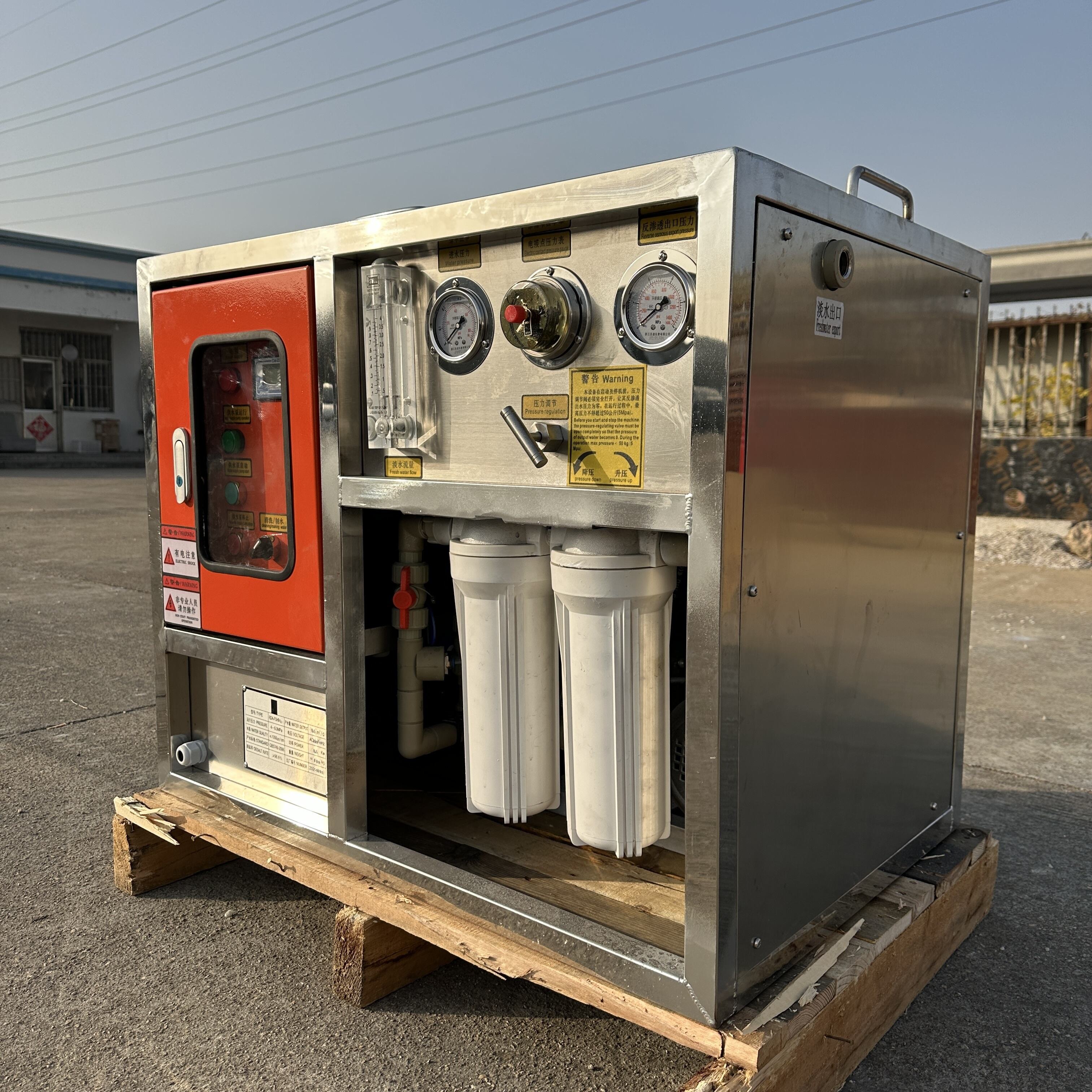
Premium Water Desalination Equipment - Advanced Reverse Osmosis Systems for Reliable Freshwater Production

Get a Free Quote

Our representative will contact you soon.
Email
Name
Company Name
Message
0/1000

water desalination equipment

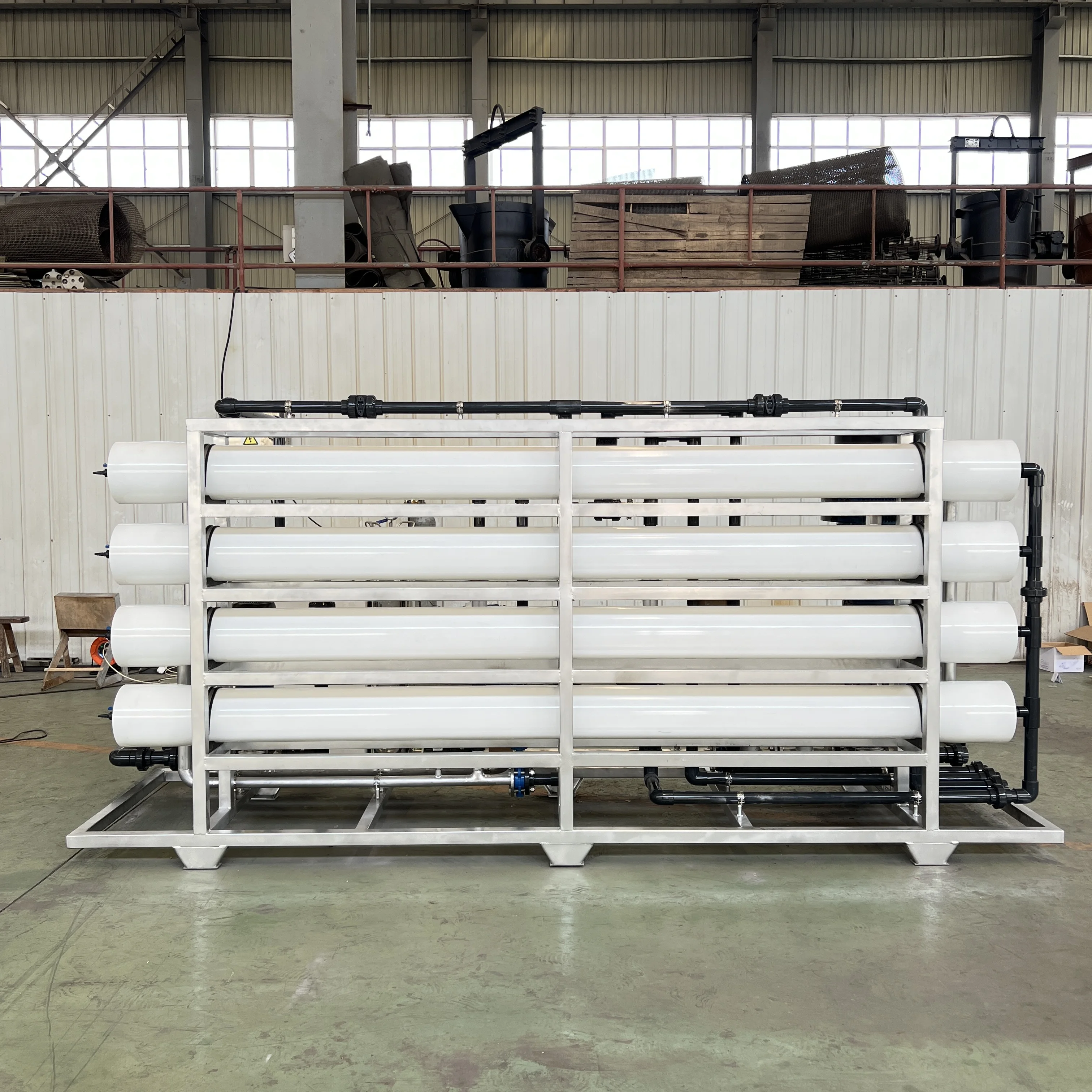
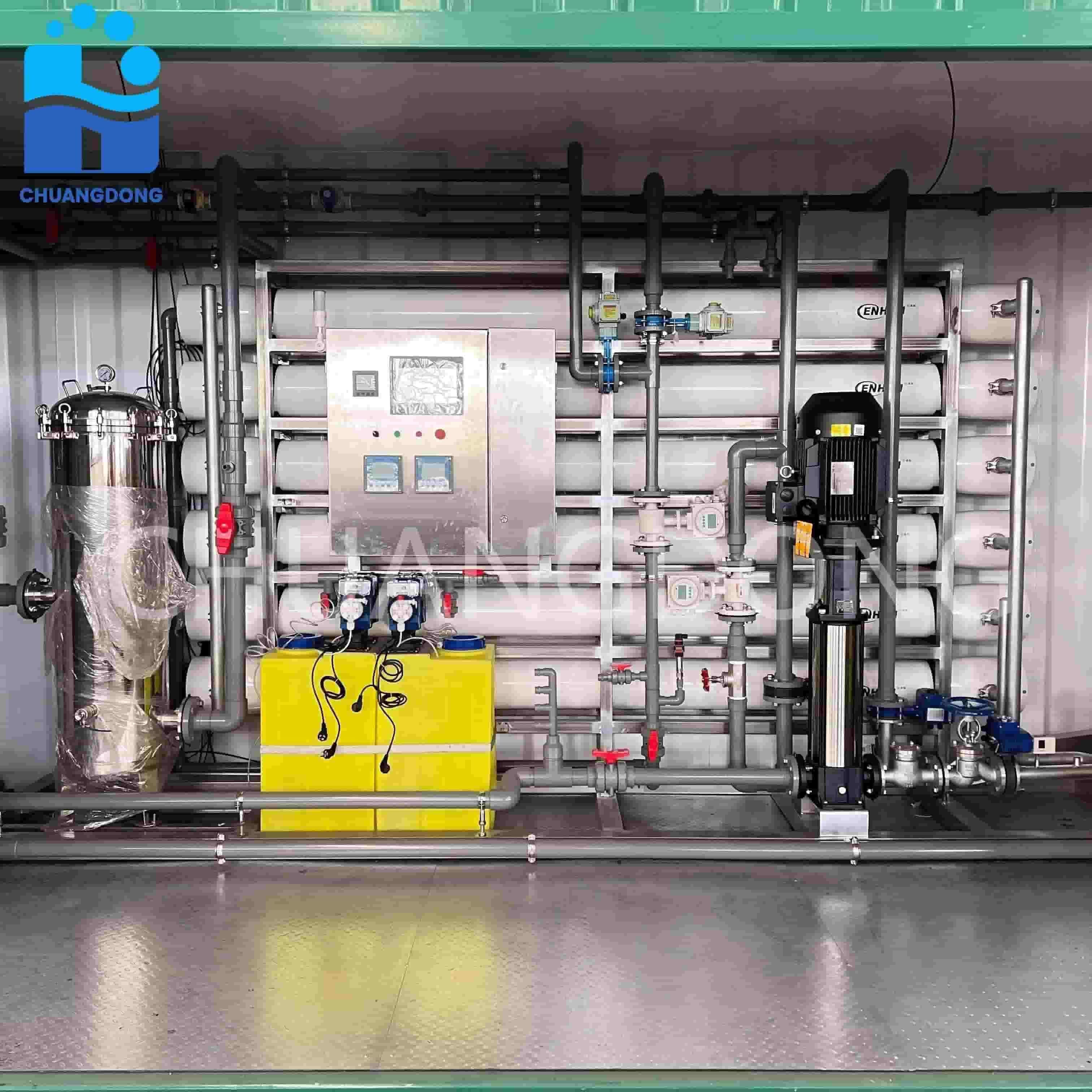
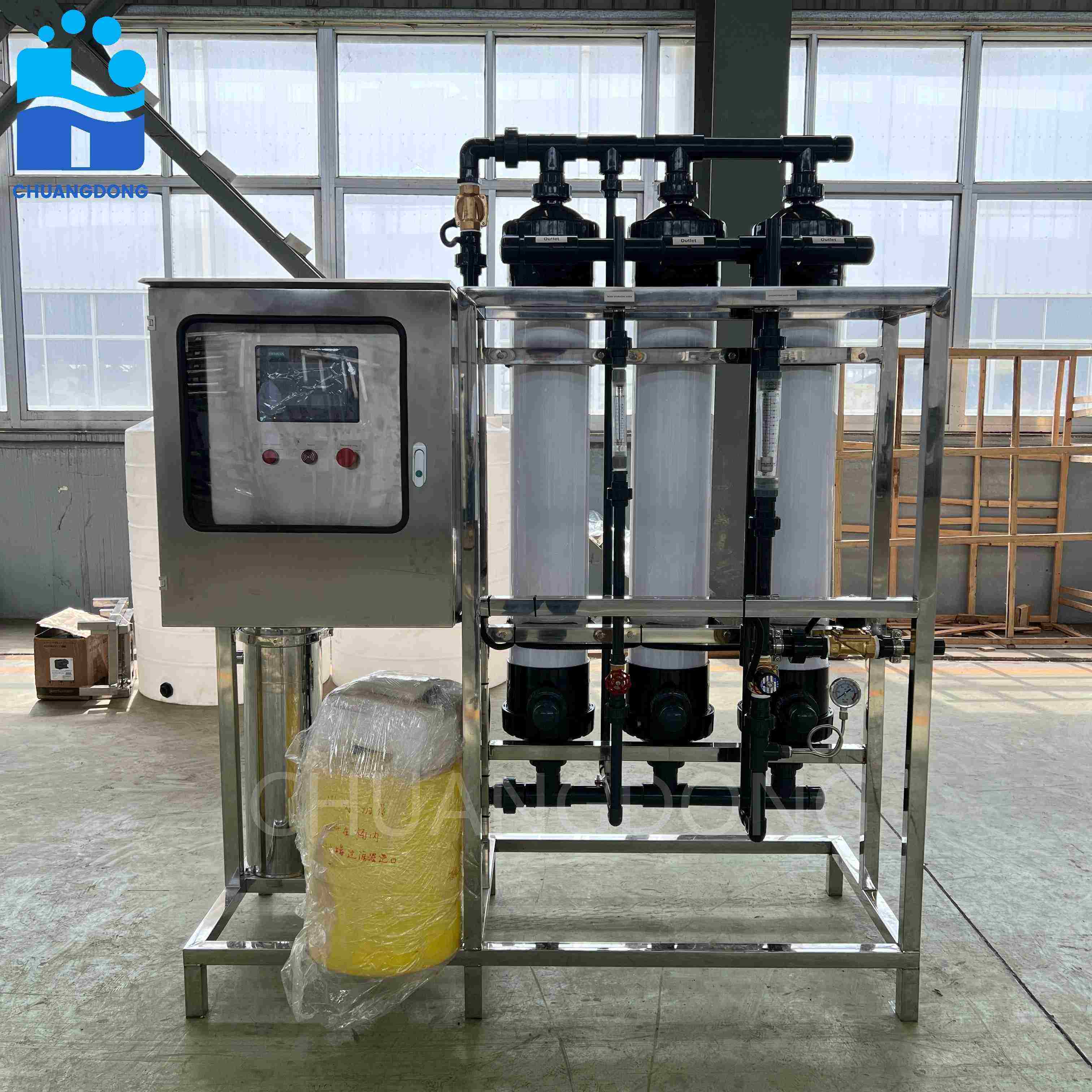
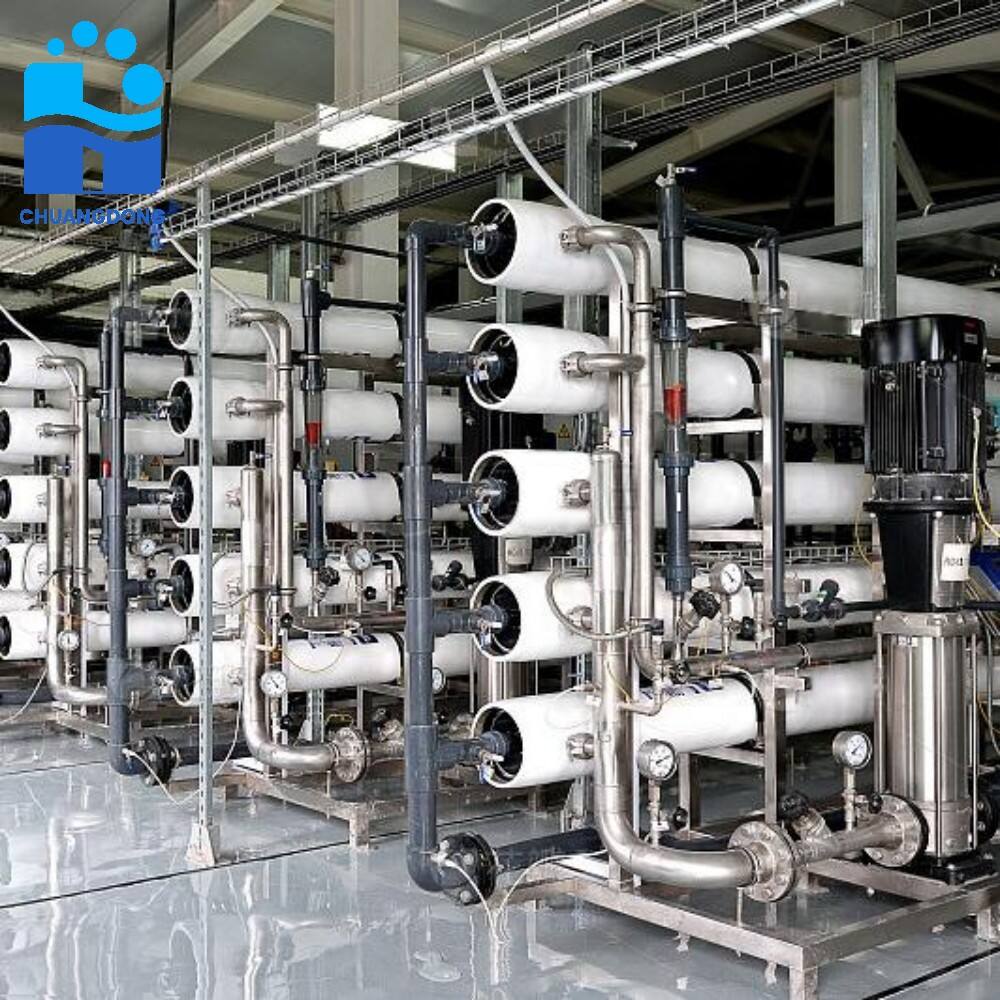
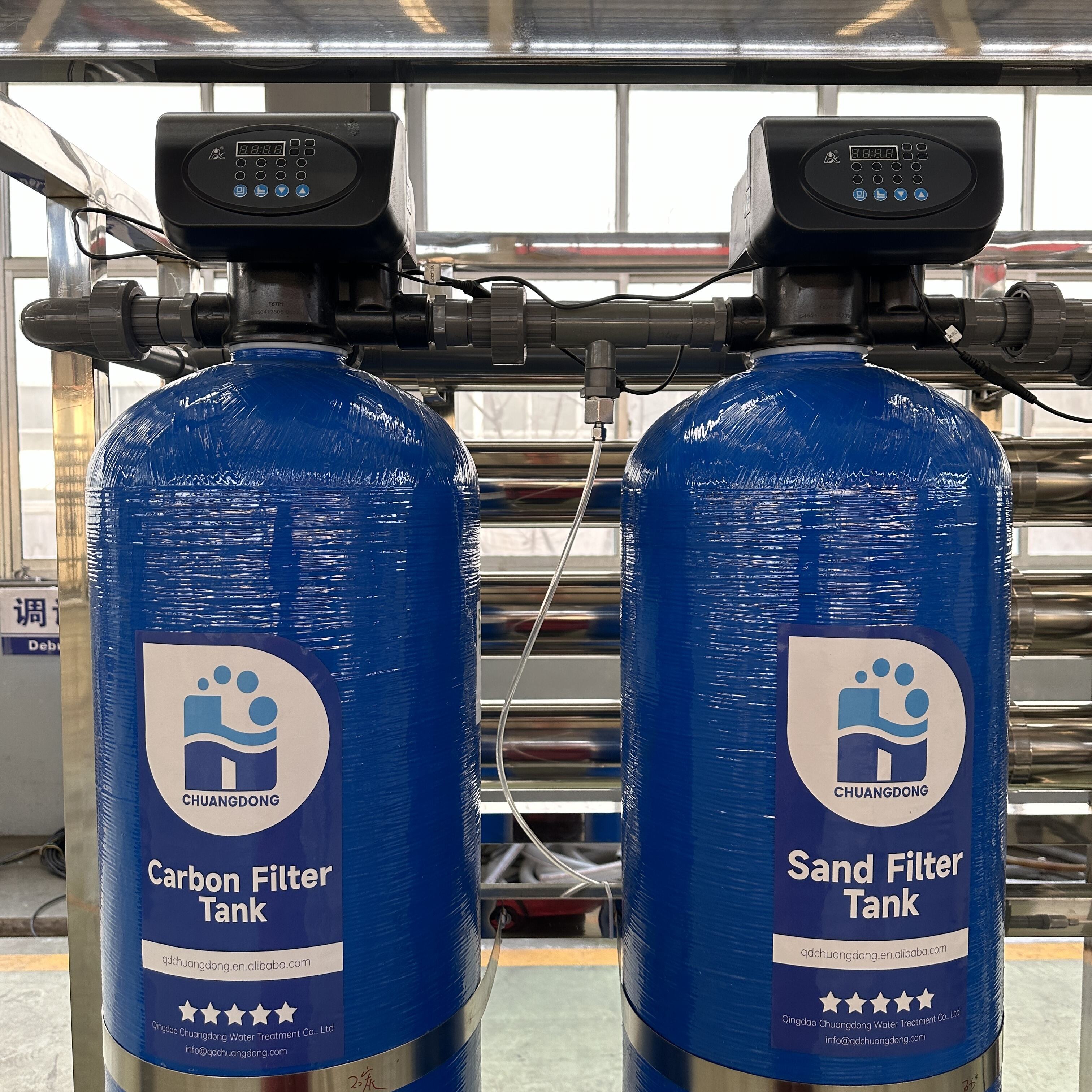
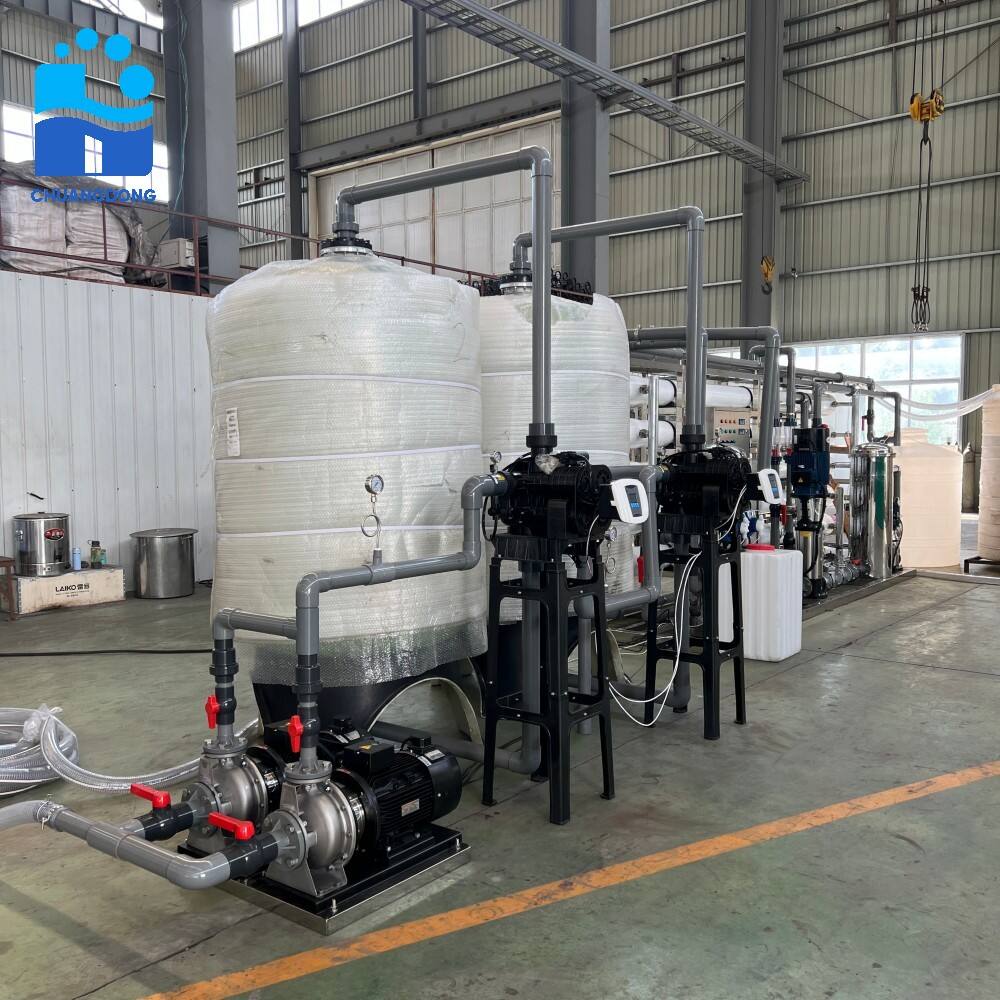
Water desalination equipment represents a critical solution for converting seawater and brackish water into clean, potable water suitable for human consumption and industrial applications. This advanced technology addresses the growing global water scarcity crisis by transforming abundant saltwater resources into fresh water through sophisticated purification processes. Modern water desalination equipment employs multiple technological approaches, with reverse osmosis and thermal distillation being the most prevalent methods utilized across residential, commercial, and industrial sectors. The main functions of water desalination equipment include salt removal, contaminant filtration, mineral extraction, and water purification to meet stringent quality standards. These systems incorporate high-pressure pumps, specialized membranes, pre-treatment filters, and post-treatment components to ensure optimal performance and reliability. Technological features encompass automated control systems, energy recovery devices, corrosion-resistant materials, and modular designs that enable scalable installations. The equipment utilizes advanced membrane technology that effectively separates salt molecules from water through selective permeability barriers, achieving desalination rates exceeding 99 percent efficiency. Applications span across municipal water treatment facilities, offshore platforms, cruise ships, remote communities, emergency response situations, and industrial manufacturing processes requiring high-purity water. Modern water desalination equipment integrates smart monitoring capabilities, allowing operators to track performance metrics, optimize energy consumption, and schedule preventive maintenance activities. The technology has evolved significantly to incorporate sustainable practices, including renewable energy integration and brine management solutions that minimize environmental impact while maximizing operational efficiency and cost-effectiveness for diverse user requirements.

New Products

Water desalination equipment offers numerous practical benefits that directly address modern water supply challenges and deliver measurable value to customers across various sectors. The primary advantage lies in providing reliable access to clean drinking water regardless of geographical location or local water source availability. This equipment transforms previously unusable saltwater into high-quality freshwater, effectively expanding available water resources by tapping into virtually unlimited ocean supplies. Cost-effectiveness emerges as a significant benefit through reduced dependency on expensive water transportation, bottled water purchases, and alternative supply methods that often prove unreliable or unsustainable long-term. Modern systems deliver consistent water quality that meets or exceeds municipal standards, ensuring safe consumption while eliminating concerns about contamination, seasonal variations, or supply disruptions that plague traditional water sources. The technology provides operational flexibility through modular designs that accommodate growing demands and changing requirements without requiring complete system replacement. Energy efficiency improvements in contemporary water desalination equipment result in lower operating costs and reduced environmental footprint compared to older technologies. Installation versatility allows deployment in diverse environments, from remote locations lacking infrastructure to urban areas requiring supplemental water supplies. The equipment requires minimal maintenance when properly operated, reducing ongoing service costs and system downtime that could interrupt water availability. Quality control features ensure consistent output standards while automated monitoring systems alert operators to potential issues before they impact performance. Scalability advantages enable customers to start with smaller systems and expand capacity as needs grow, protecting initial investments while accommodating future requirements. Independence from weather-dependent sources like rainfall or seasonal water levels provides security and predictability in water supply planning. The technology supports sustainable development goals by reducing pressure on freshwater aquifers and surface water sources while providing communities with self-sufficient water production capabilities that enhance resilience and long-term water security planning.

Practical Tips

What Intake and Outfall Designs Minimize Environmental Impact of a Desalination Plant?

01

Mar

What Intake and Outfall Designs Minimize Environmental Impact of a Desalination Plant?

Environmental considerations have become paramount in the design and operation of modern desalination facilities worldwide. As water scarcity continues to challenge communities across the globe, the demand for sustainable desalination plant solutions...
View More
How Does a Water Purification System with Ion Exchange Soften Hard Water Effectively?

15

Mar

How Does a Water Purification System with Ion Exchange Soften Hard Water Effectively?

Hard water poses significant challenges for both residential and commercial applications, containing high concentrations of calcium and magnesium ions that cause scale buildup, reduce equipment efficiency, and affect water quality. A water purificati...
View More
How Does an RO Water Filter with a UV Sterilizer Provide Additional Protection Against Bacteria?

10

Mar

How Does an RO Water Filter with a UV Sterilizer Provide Additional Protection Against Bacteria?

Water contamination remains one of the most pressing concerns for homeowners and businesses seeking reliable water purification solutions. While traditional filtration methods offer basic protection, modern water treatment technology has evolved to p...
View More
Why Should Pharmaceutical QC Labs Use Ultrapure Water for HPLC and Mass Spectrometry?

18

Mar

Why Should Pharmaceutical QC Labs Use Ultrapure Water for HPLC and Mass Spectrometry?

Pharmaceutical quality control laboratories face increasingly stringent requirements for analytical accuracy and regulatory compliance. The foundation of reliable analytical results lies in the quality of water used throughout testing procedures. Ult...
View More

Get a Free Quote

Our representative will contact you soon.
Email
Name
Company Name
Message
0/1000

water desalination equipment

Advanced Reverse Osmosis Technology with Energy Recovery Systems

Advanced Reverse Osmosis Technology with Energy Recovery Systems

The cornerstone of modern water desalination equipment lies in its sophisticated reverse osmosis technology coupled with innovative energy recovery systems that maximize efficiency while minimizing operational costs. This advanced filtration process utilizes semi-permeable membranes engineered at the molecular level to selectively remove salt ions, bacteria, viruses, and other contaminants from seawater or brackish water sources. The membranes operate under precisely controlled high-pressure conditions, typically ranging from 800 to 1000 PSI for seawater applications, forcing water molecules through microscopic pores while rejecting larger salt molecules and impurities. Energy recovery devices integrated within the system capture and reuse hydraulic energy from the high-pressure brine stream, reducing overall power consumption by up to 60 percent compared to conventional systems without energy recovery. This technology breakthrough significantly lowers operating expenses and makes desalination economically viable for smaller communities and commercial applications previously considered cost-prohibitive. The membrane modules feature robust construction using advanced materials resistant to fouling, chlorine damage, and biological growth, ensuring extended service life and consistent performance. Smart pressure monitoring and flow control systems automatically adjust operating parameters to optimize membrane efficiency and prevent damage from pressure spikes or flow irregularities. Regular cleaning protocols and membrane integrity testing maintain peak performance while extending replacement intervals, reducing maintenance costs and system downtime. The energy recovery systems incorporate pressure exchangers or turbines that capture kinetic energy from the reject brine stream and transfer it to incoming feed water, creating a highly efficient closed-loop process. This innovative approach to water desalination equipment design delivers superior performance metrics including higher recovery rates, lower specific energy consumption, and reduced environmental impact through decreased carbon footprint and minimized waste generation.
Intelligent Automation and Remote Monitoring Capabilities

Intelligent Automation and Remote Monitoring Capabilities

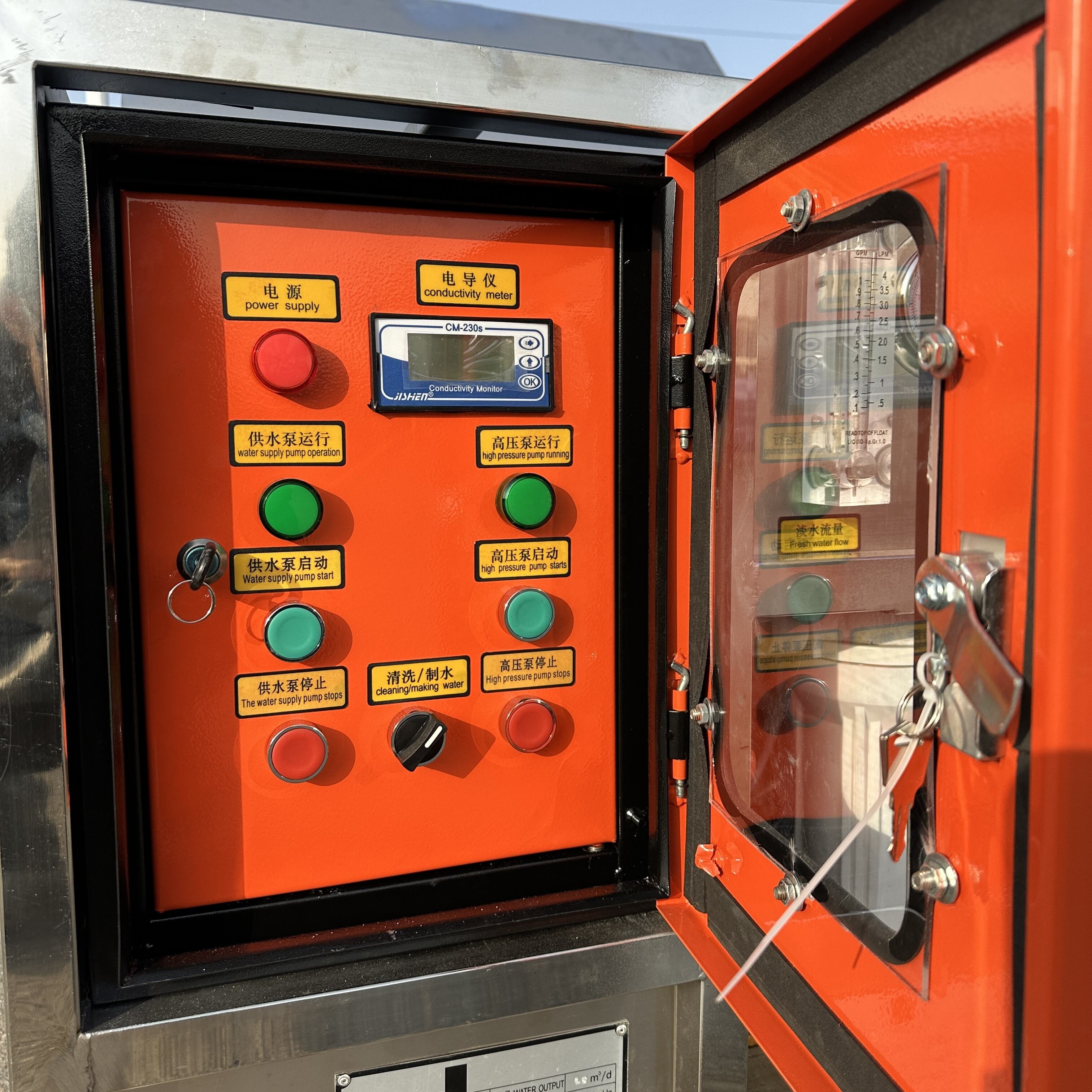
Contemporary water desalination equipment incorporates cutting-edge automation and remote monitoring technologies that revolutionize system management and operational efficiency. These intelligent systems feature comprehensive sensor networks that continuously monitor critical parameters including feed water quality, membrane performance, pressure differentials, flow rates, and product water quality in real-time. Advanced control algorithms automatically adjust operational settings to maintain optimal performance while protecting equipment from damage due to fluctuating feed conditions or unexpected system anomalies. The automation capabilities extend beyond basic operation to include predictive maintenance scheduling, automatic cleaning cycles, and fault detection that identifies potential issues before they impact system performance or water quality. Remote monitoring functionality enables operators to access system data, receive alerts, and make operational adjustments from any location using secure internet connections and mobile applications. This capability proves invaluable for installations in remote locations where on-site personnel may not be available around the clock. The intelligent systems maintain detailed operational logs and generate comprehensive reports that help operators optimize performance, track consumption patterns, and plan maintenance activities effectively. Energy management features automatically adjust power consumption based on demand patterns and utility rate structures, minimizing operational costs while maintaining consistent water production. The automation systems integrate seamlessly with existing facility management systems and can coordinate with renewable energy sources like solar panels or wind generators to optimize energy utilization. Advanced data analytics capabilities identify operational trends and efficiency opportunities that might not be apparent through manual monitoring. The remote access features include multiple security layers and encryption protocols to ensure data integrity and prevent unauthorized system access. These intelligent automation and monitoring capabilities transform water desalination equipment from simple mechanical systems into sophisticated, self-managing platforms that deliver reliable performance with minimal human intervention while maximizing efficiency and minimizing operational costs through optimized control strategies.
Modular Design and Scalable Installation Options

Modular Design and Scalable Installation Options

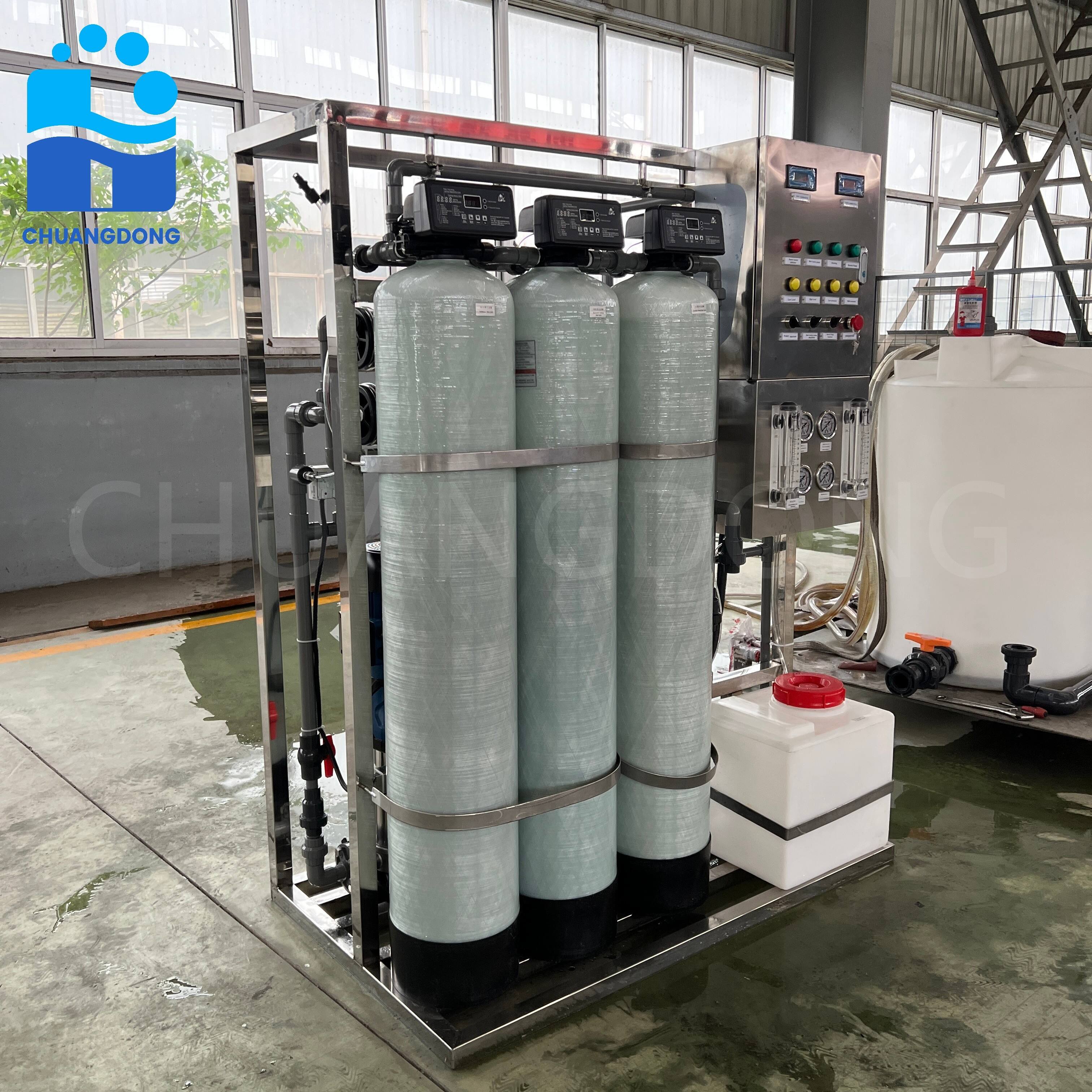
The modular design philosophy incorporated in modern water desalination equipment provides unparalleled flexibility and scalability that adapts to diverse customer requirements and evolving water demand patterns. This innovative approach utilizes standardized components and interfaces that enable customers to configure systems precisely matching their current needs while preserving expansion capabilities for future growth. Modular construction facilitates rapid deployment and installation, reducing project timelines and minimizing disruption to existing operations. Each module functions as an independent unit capable of operating alone or in conjunction with additional modules, providing redundancy that ensures continuous water production even during maintenance or unexpected component failures. The standardized design enables cost-effective manufacturing and simplified inventory management while ensuring consistent quality across all system components. Installation flexibility accommodates various site constraints including limited space, difficult terrain, or existing infrastructure limitations that might challenge conventional system designs. The modular approach simplifies transportation to remote locations where access roads or lifting equipment may be limited, as individual modules can be shipped separately and assembled on-site. Expansion capabilities allow customers to increase production capacity by adding modules without disrupting existing operations or requiring extensive system modifications. This scalability proves particularly valuable for growing communities, expanding industrial operations, or seasonal applications where water demand fluctuates significantly. Maintenance benefits include the ability to service individual modules while others continue operating, minimizing downtime and ensuring consistent water supply. The modular design also enables phased investment strategies where customers can implement initial systems within budget constraints and expand capacity as financing becomes available or demand increases. Quality assurance improves through factory testing of complete modules before shipment, ensuring optimal performance upon installation. The standardized interfaces and components simplify operator training and reduce spare parts inventory requirements while enabling efficient troubleshooting and repair procedures. This modular approach to water desalination equipment design delivers maximum value through enhanced flexibility, reduced risk, and optimized total cost of ownership across the system lifecycle.

Get a Free Quote

Our representative will contact you soon.
Email
Name
Company Name
Message
0/1000