desalination system for sea water
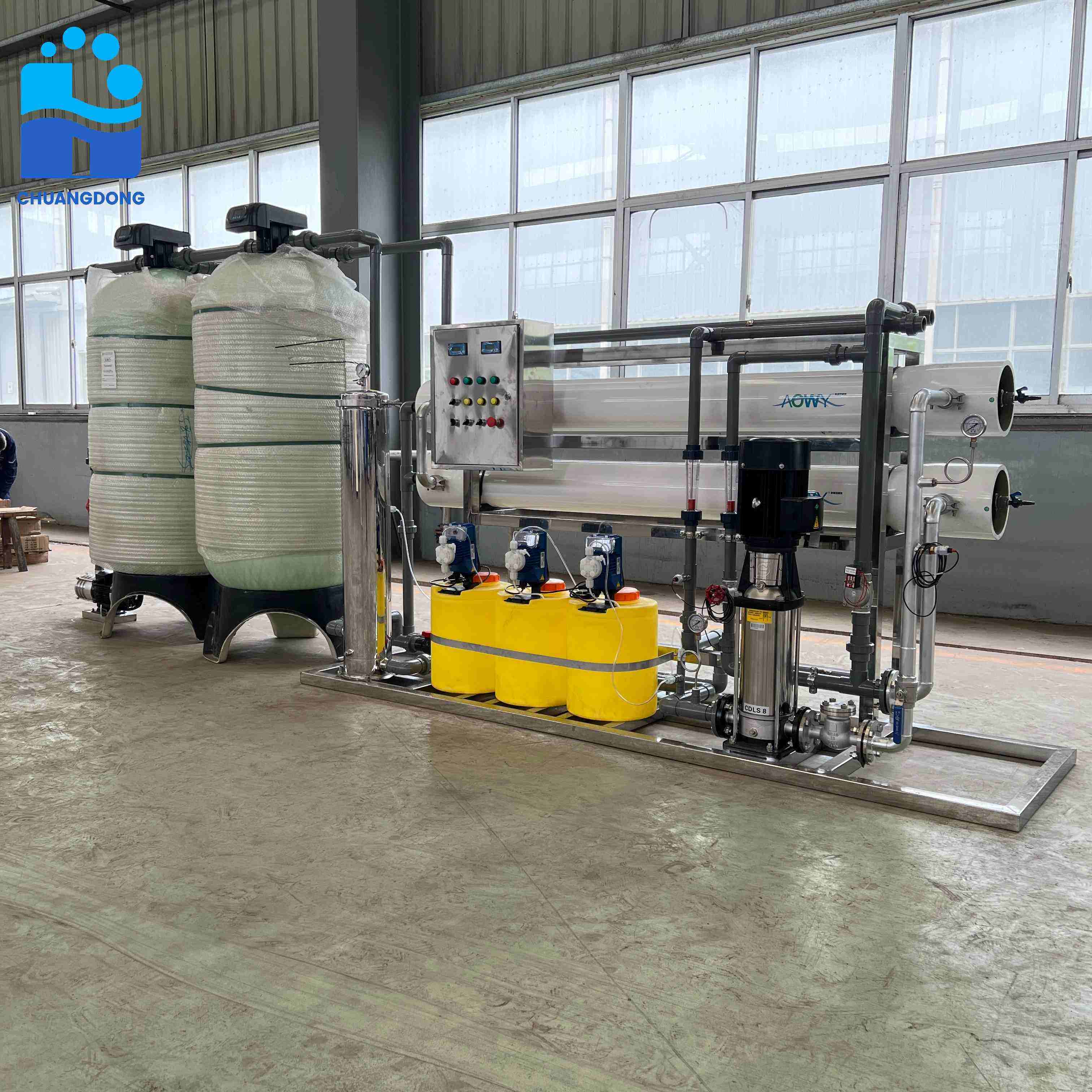
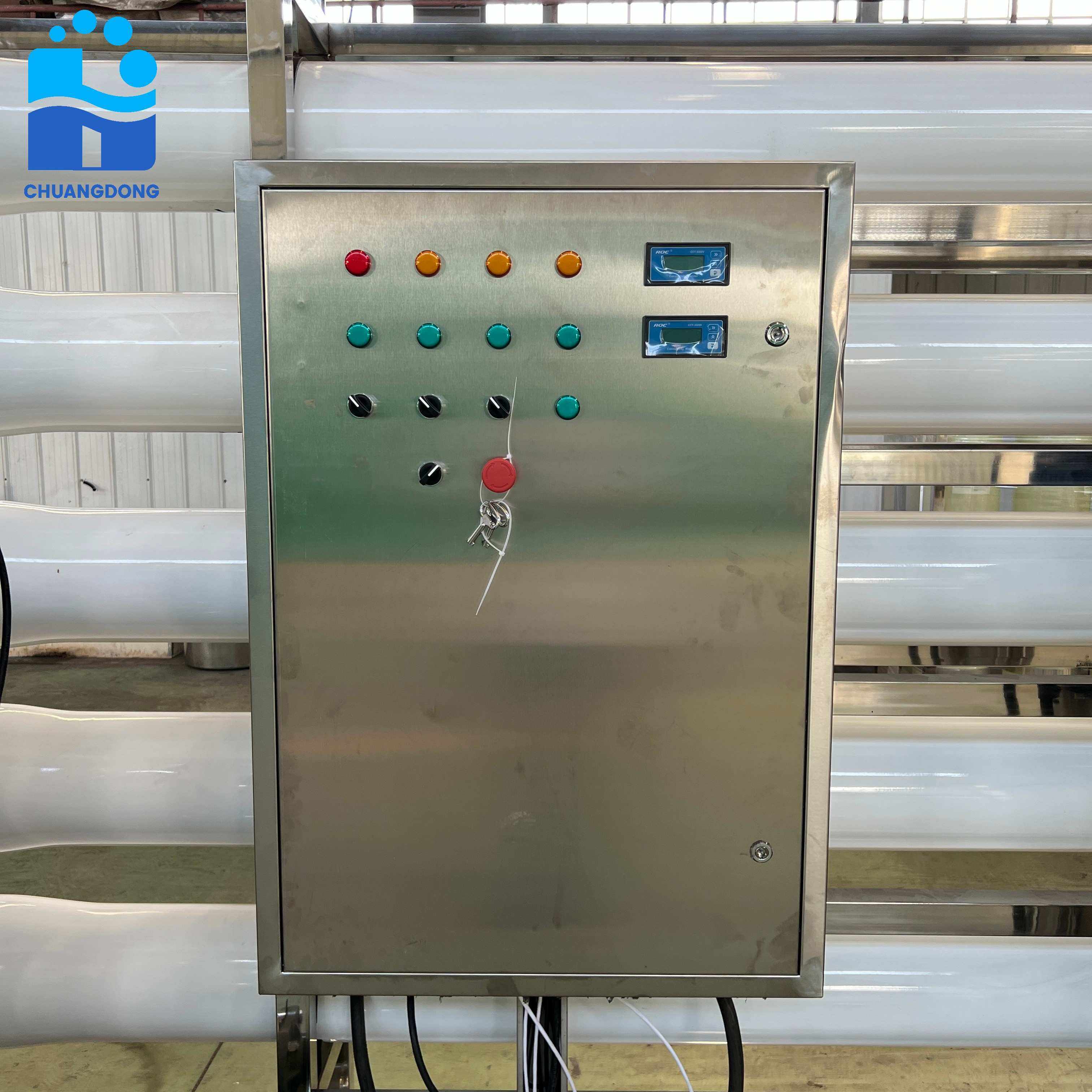
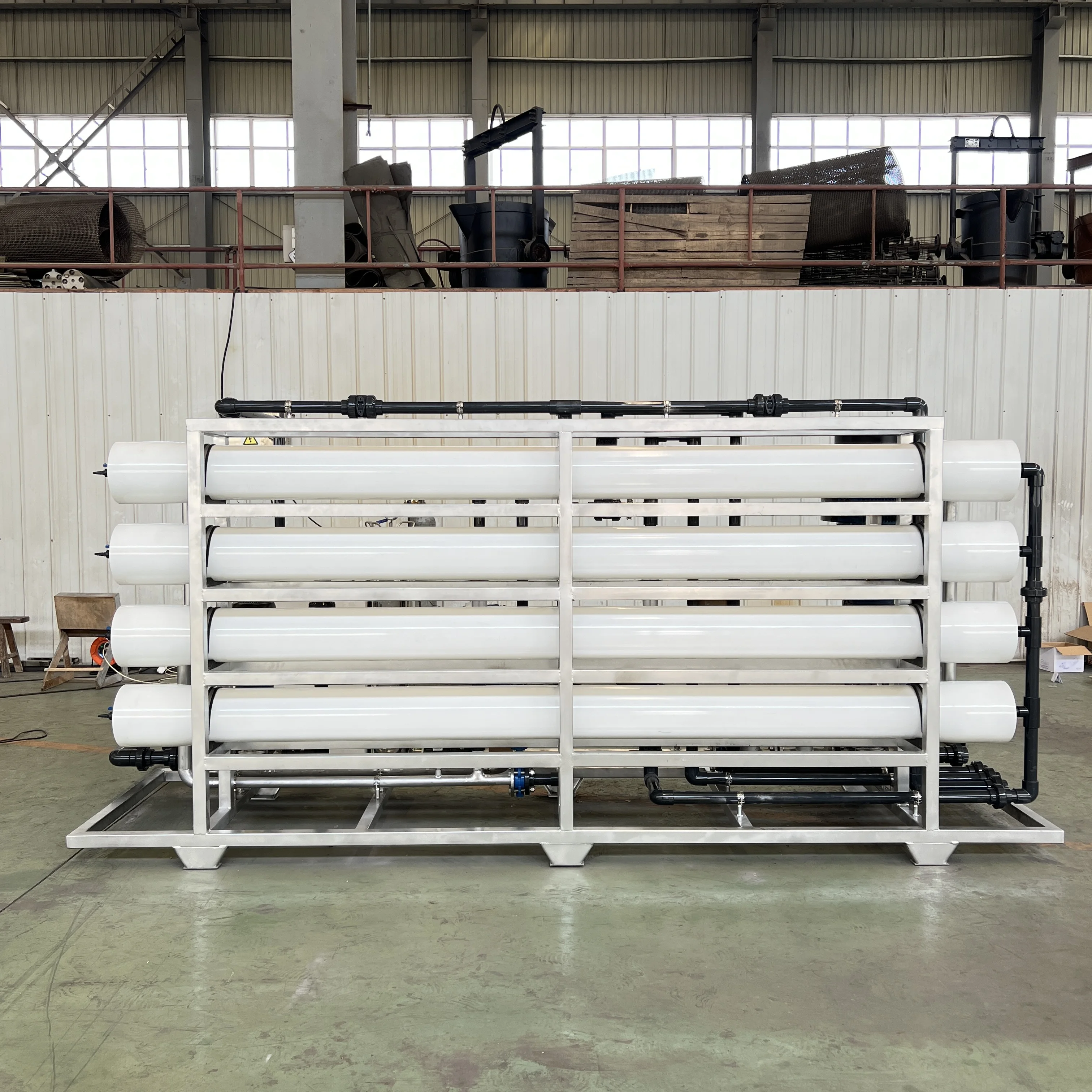
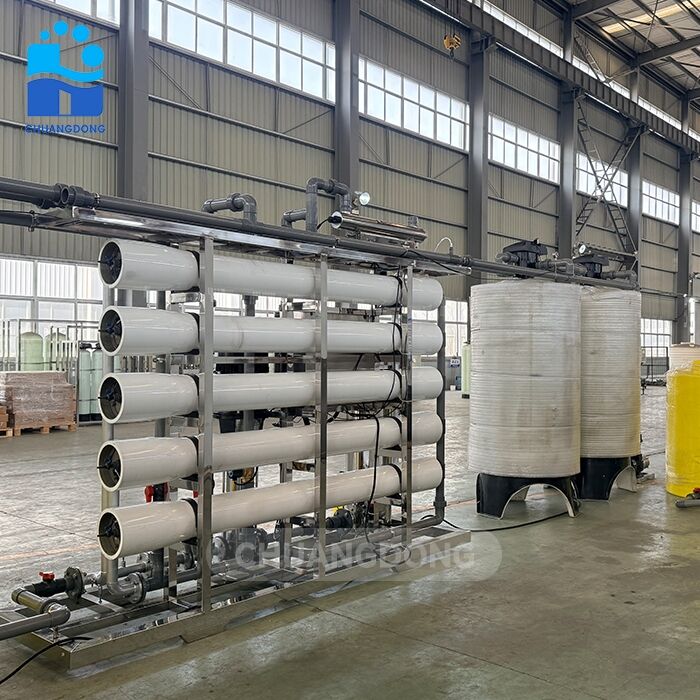
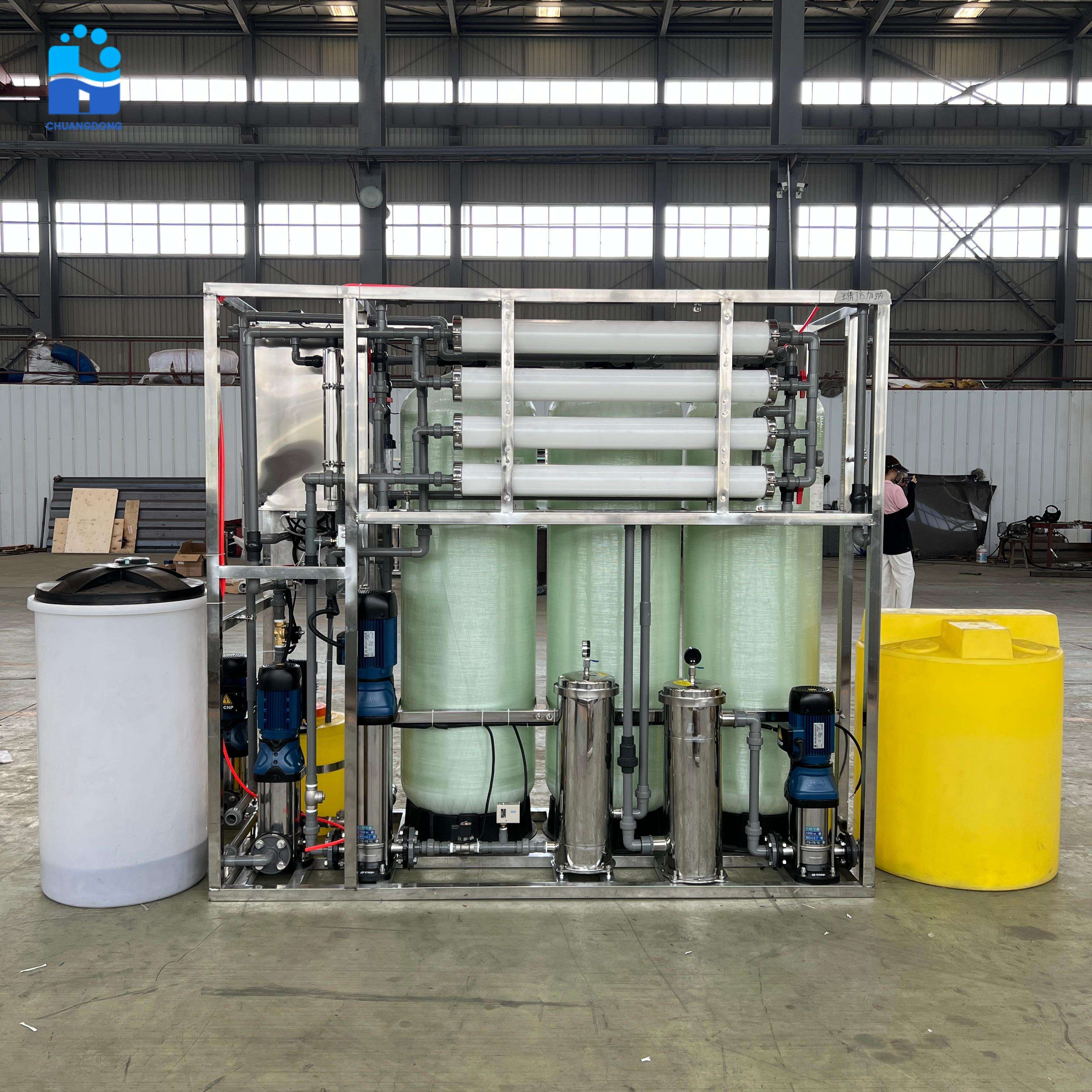
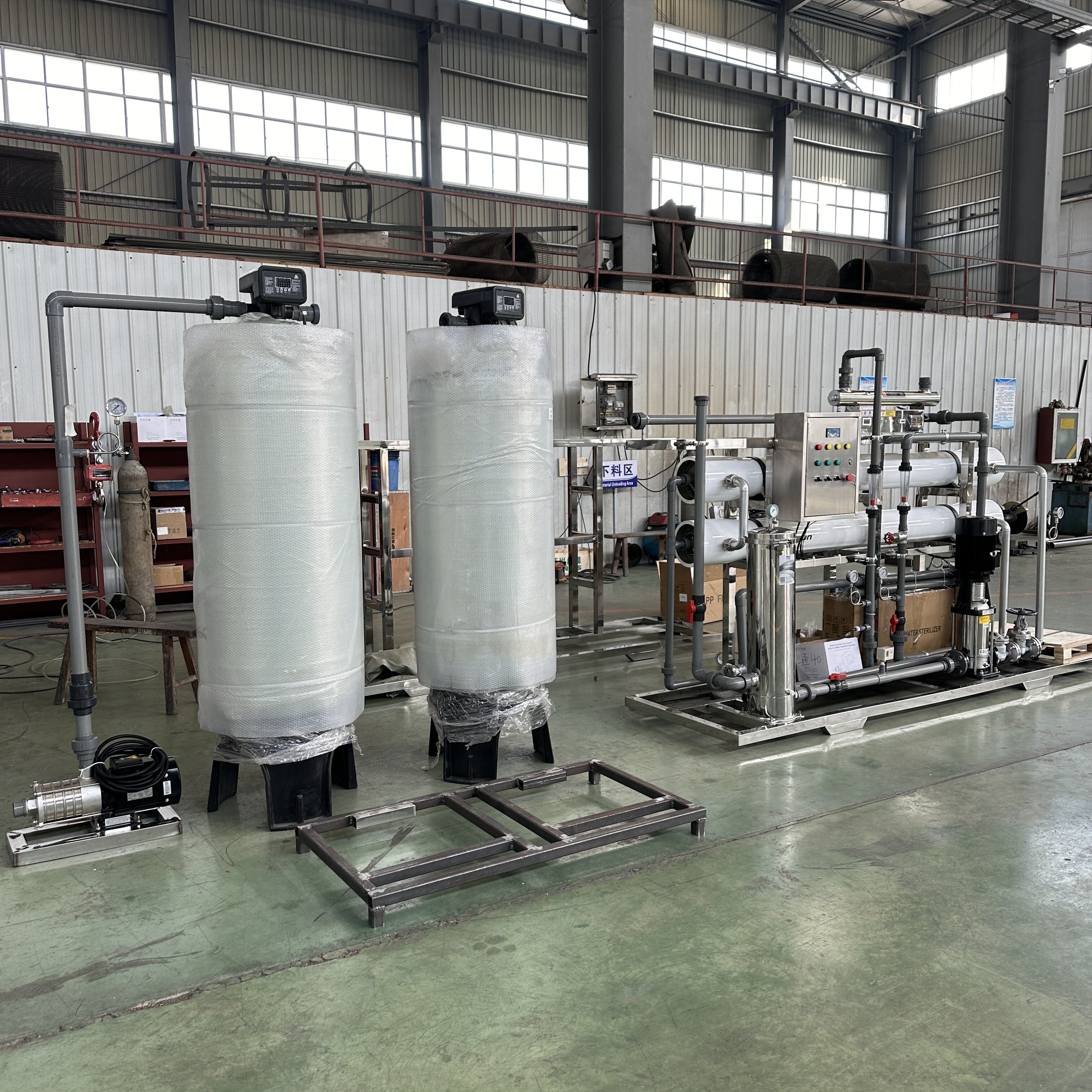
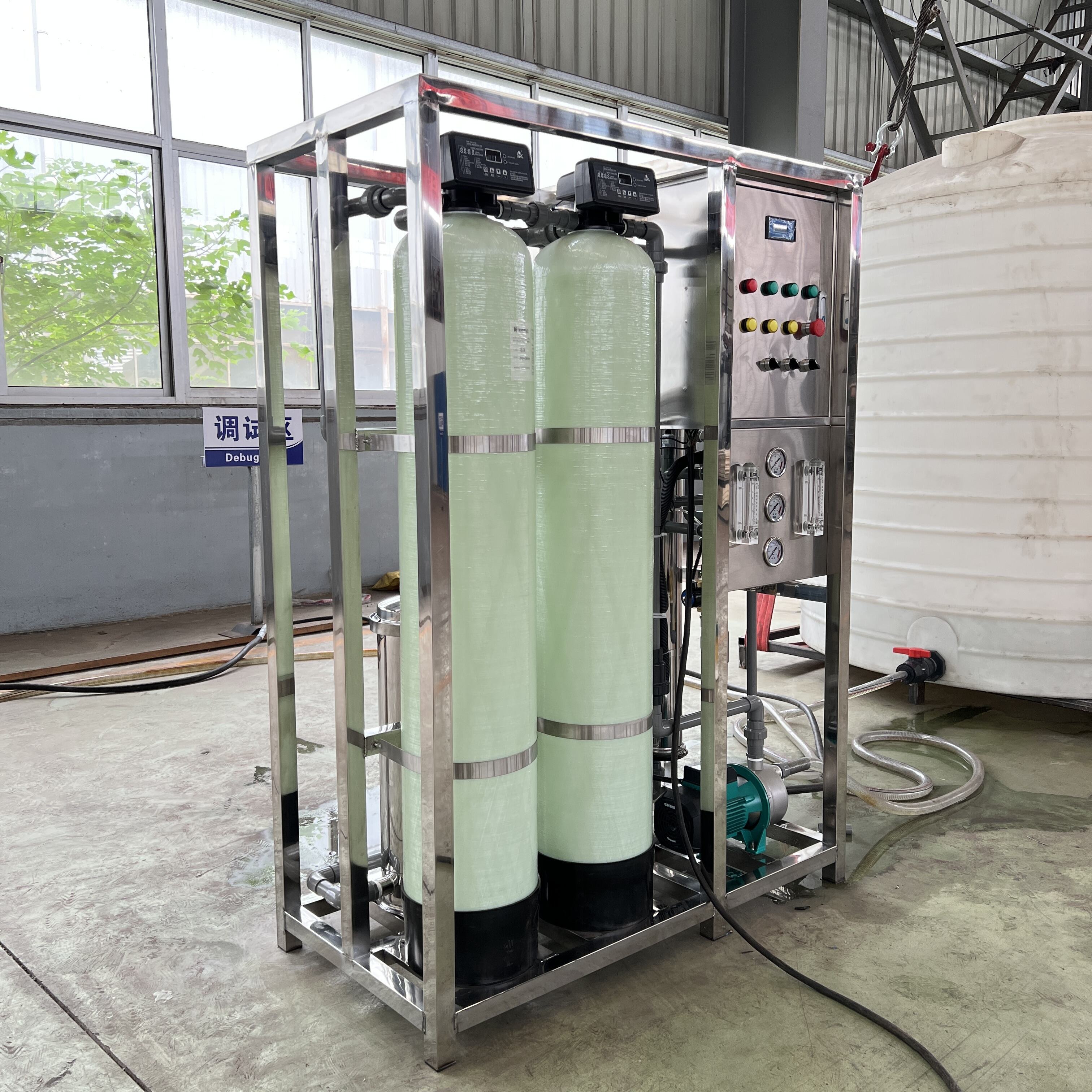
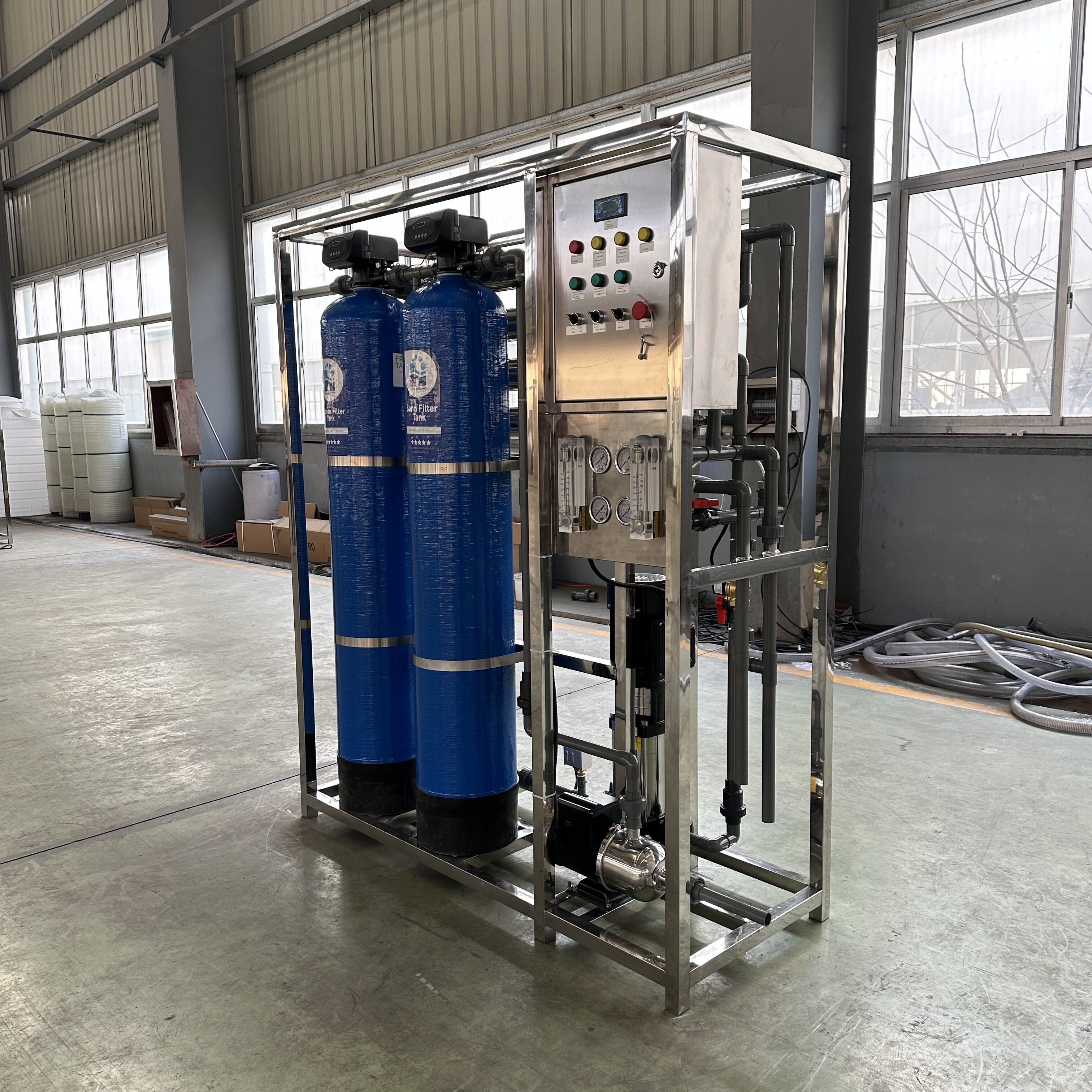
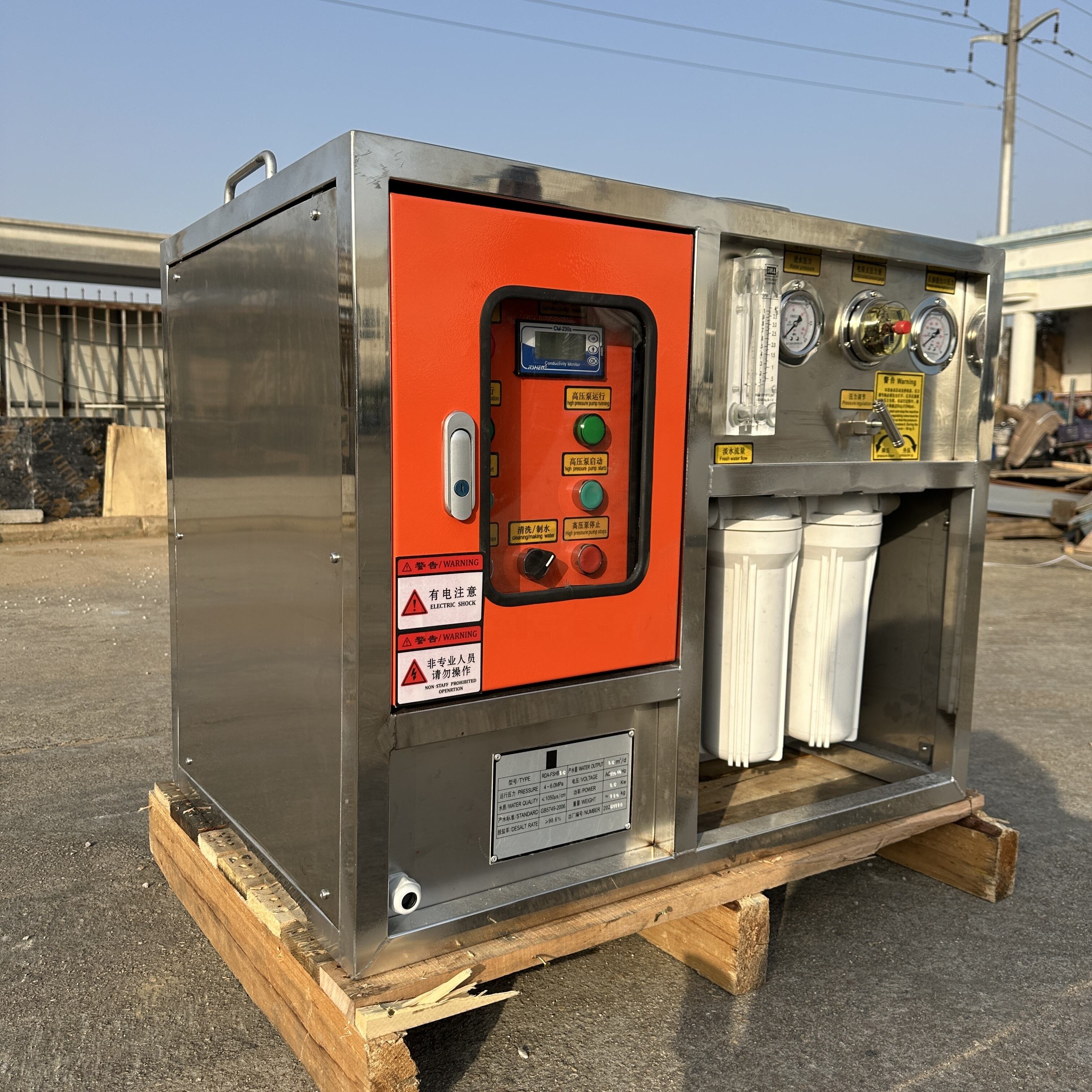
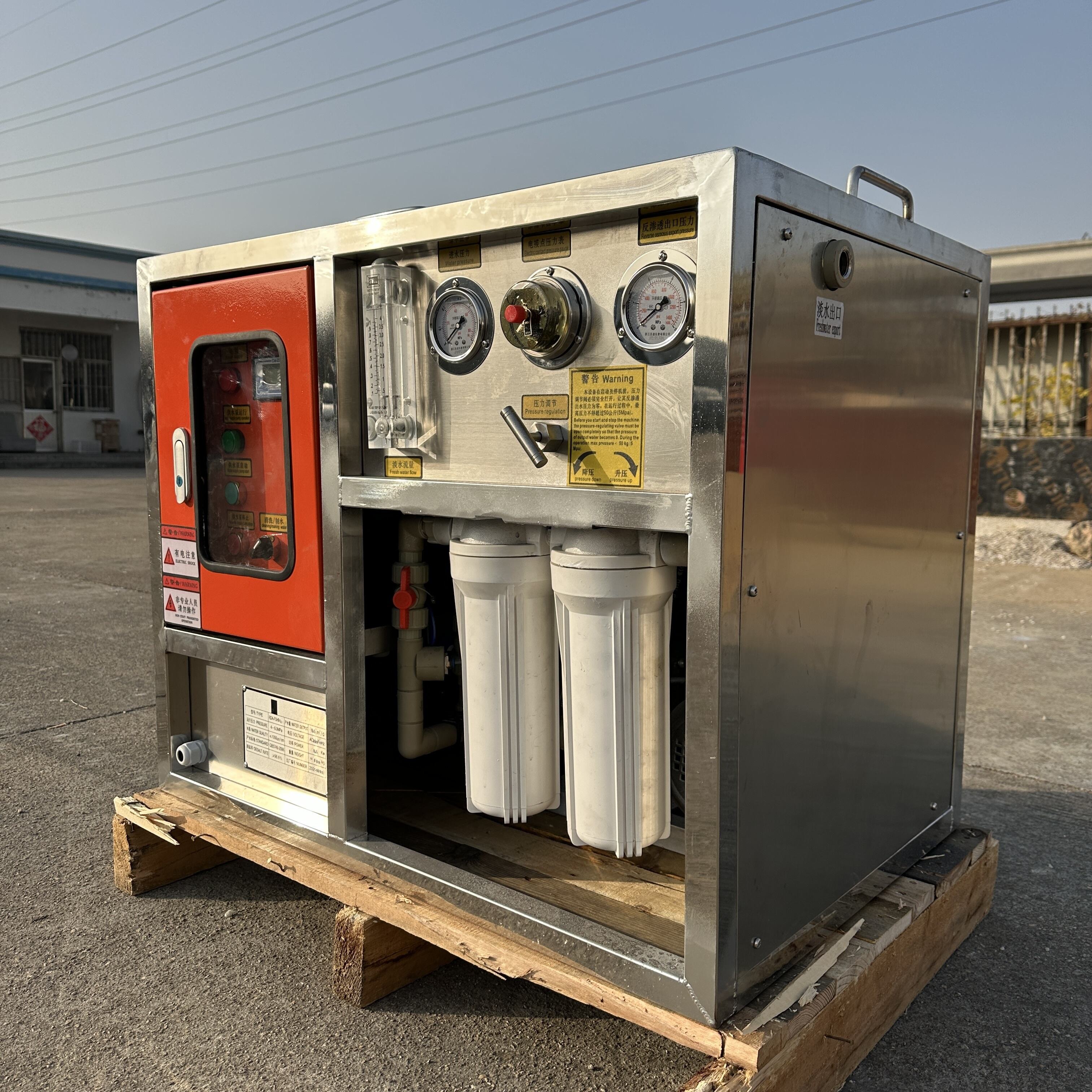
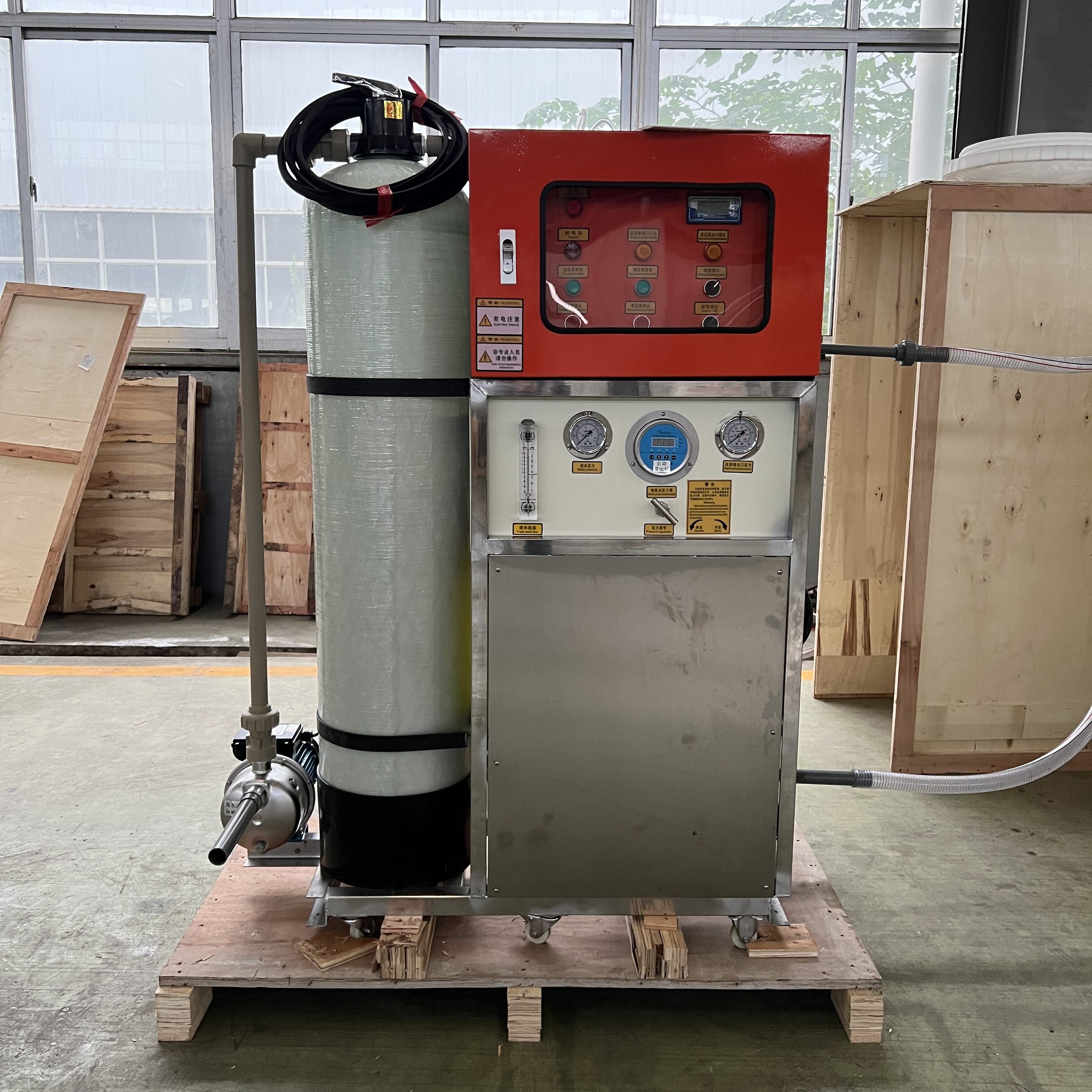
A desalination system for sea water is an advanced technological solution designed to remove salt and other minerals from ocean water, transforming it into fresh, potable water suitable for drinking, irrigation, and industrial use. This essential infrastructure addresses global water scarcity by converting the world's most abundant resource into a usable supply. The desalination system for sea water employs sophisticated processes that separate dissolved salts through various methods, primarily reverse osmosis and thermal distillation. Modern systems feature automated controls, energy recovery devices, and multi-stage filtration that ensure consistent water quality while minimizing operational costs. These systems range from large-scale municipal plants producing millions of gallons daily to compact units serving remote communities, islands, and offshore facilities. The technology incorporates pre-treatment stages to remove suspended solids, chemical dosing systems to prevent scaling and corrosion, and post-treatment processes to adjust mineral content and pH levels. A desalination system for sea water typically includes high-pressure pumps, semi-permeable membranes, pressure vessels, and sophisticated monitoring equipment that continuously tracks water quality parameters. Applications span coastal municipalities facing freshwater shortages, industrial facilities requiring process water, maritime vessels, military installations, and resort developments in water-stressed regions. The system's modular design allows scalability to meet growing demand, while technological advances continue improving efficiency and reducing environmental impact through better brine management and lower energy consumption.
 EN
EN