 EN
EN



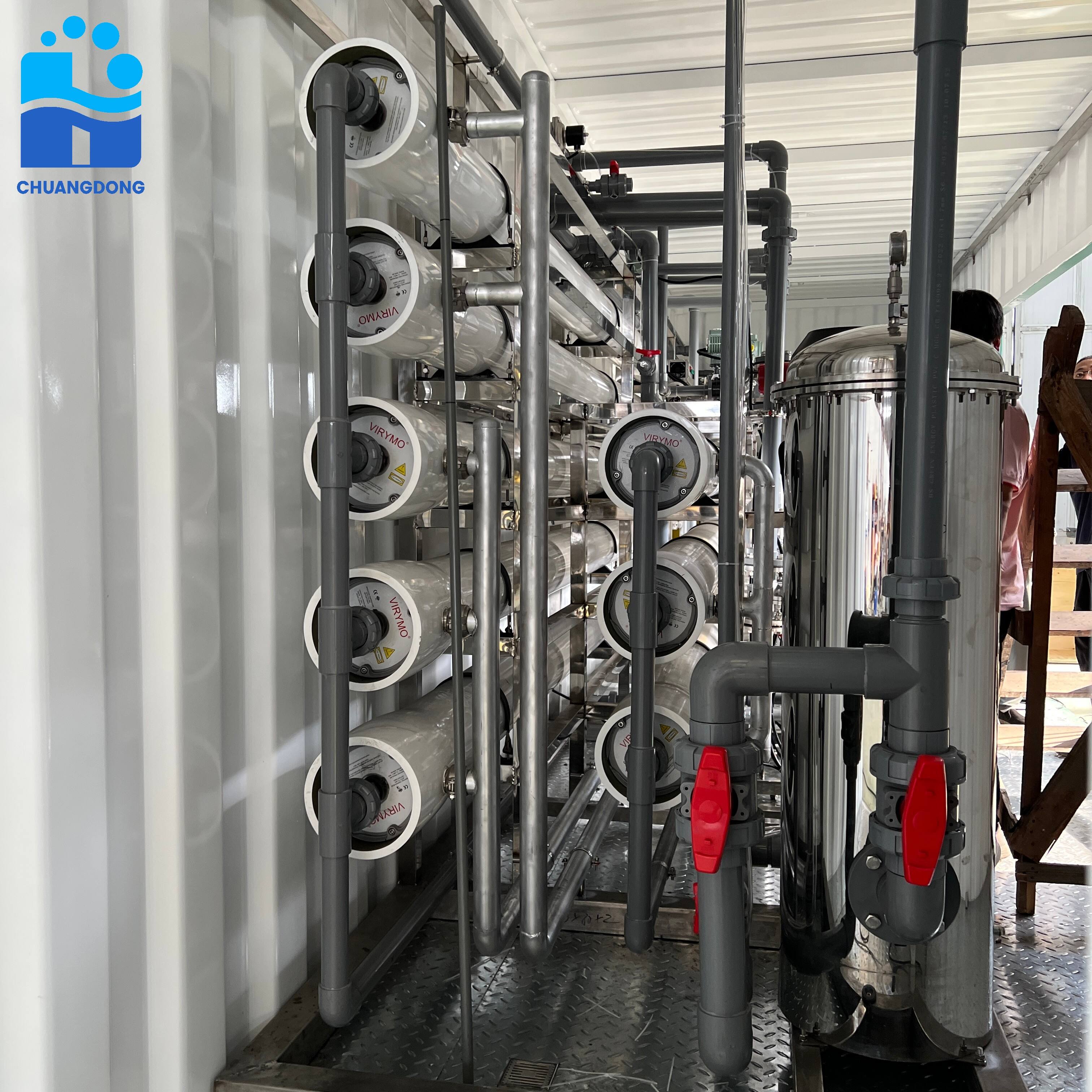
Desalination plants operate in some of the harshest environments imaginable, where saltwater constantly threatens the integrity of critical infrastructure. The selection of appropriate corrosion-resistant materials becomes paramount to ensuring long-term operational efficiency and minimizing maintenance costs. These specialized materials must withstand the aggressive nature of seawater while maintaining structural integrity under extreme conditions. Engineers and plant designers rely on decades of research and field experience to identify the most suitable corrosion-resistant materials for each application within these complex facilities.
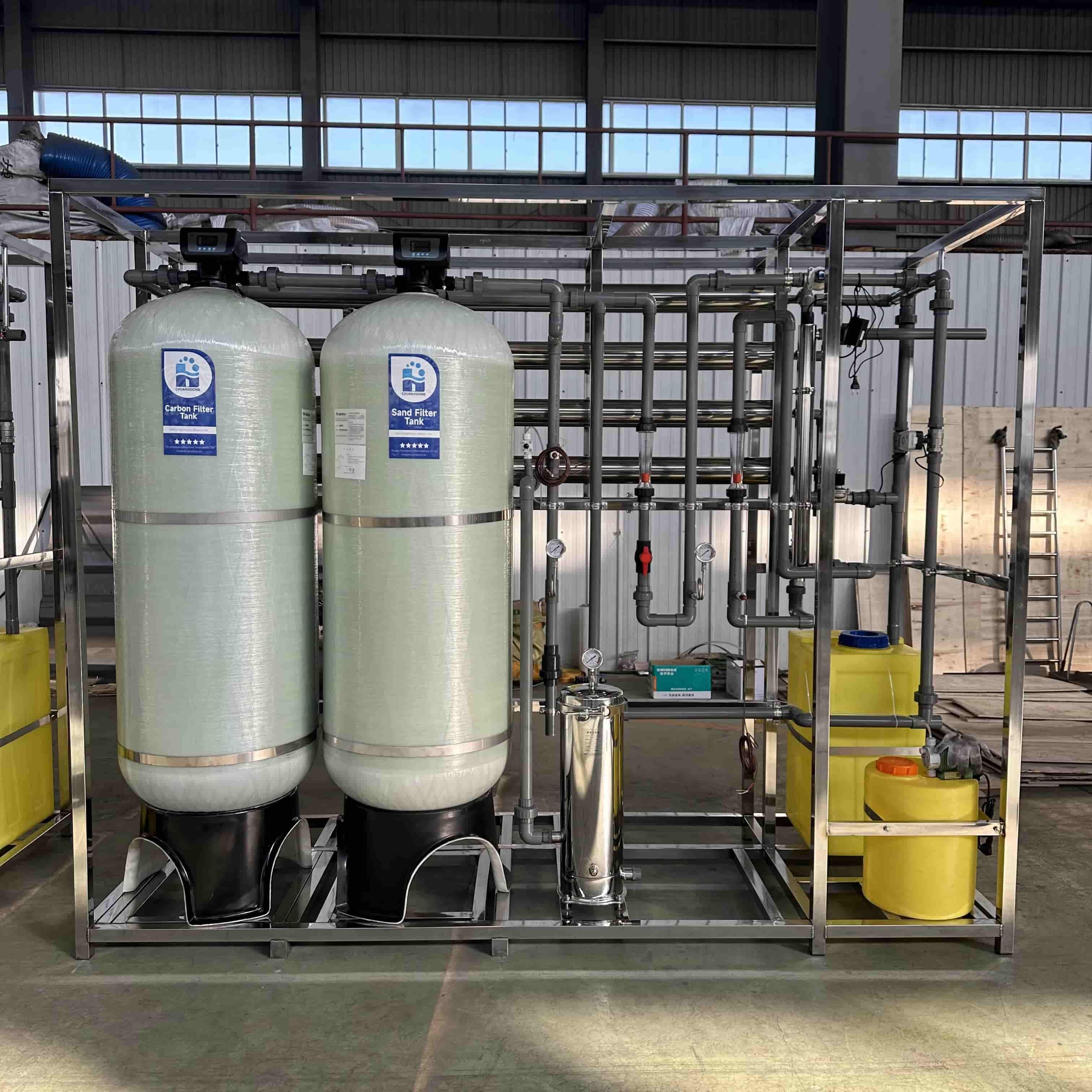
The challenge of material selection in desalination extends beyond simple corrosion resistance. These facilities must balance performance requirements with economic considerations, environmental factors, and maintenance accessibility. Modern desalination plants incorporate multiple types of corrosion-resistant materials throughout their systems, from intake structures to final product distribution networks. Understanding the properties and applications of these materials enables facility operators to make informed decisions that impact both immediate construction costs and long-term operational success.
Stainless Steel Alloys in Marine Environments
Duplex and Super Duplex Stainless Steels
Duplex stainless steels represent a significant advancement in corrosion-resistant materials for desalination applications. These alloys combine the beneficial properties of austenitic and ferritic stainless steels, creating a microstructure that offers superior resistance to chloride-induced corrosion. The most commonly specified grades include 2205 and 2507 super duplex, which contain higher levels of chromium, molybdenum, and nitrogen to enhance their performance in seawater environments. These corrosion-resistant materials demonstrate exceptional resistance to pitting, crevice corrosion, and stress corrosion cracking that frequently plague conventional stainless steels in marine applications.
The mechanical properties of duplex stainless steels make them particularly attractive for structural applications within desalination plants. Their high yield strength allows for thinner wall sections compared to austenitic grades, resulting in material cost savings despite their higher unit price. Manufacturing techniques have evolved to accommodate the unique welding requirements of these corrosion-resistant materials, with specialized filler metals and heat treatment procedures ensuring optimal performance in critical joints and connections.
Austenitic Stainless Steel Applications
Austenitic stainless steels, particularly grades 316L and 317L, continue to find widespread application in desalination plants where their proven track record and availability make them attractive options. These corrosion-resistant materials offer good general corrosion resistance and excellent fabricability, making them suitable for piping systems, tanks, and non-critical structural components. The addition of molybdenum in these grades significantly improves their resistance to chloride environments, though they remain susceptible to localized corrosion under certain conditions.
Temperature considerations play a crucial role in the performance of austenitic corrosion-resistant materials in desalination applications. These alloys perform well in ambient temperature seawater but may experience accelerated corrosion rates in heated sections of the plant, such as thermal desalination systems. Proper material selection requires careful analysis of operating temperatures, chloride concentrations, and potential for crevice formation in specific applications throughout the facility.
Nickel-Based Superalloys and High-Performance Alloys
Hastelloy and Inconel Applications
Nickel-based superalloys represent the premium tier of corrosion-resistant materials for the most demanding desalination applications. Hastelloy C-276 and Inconel 625 demonstrate exceptional resistance to both general and localized corrosion in highly aggressive environments. These materials find application in critical components such as high-pressure pump internals, heat exchanger tubing, and specialized valves where failure could result in significant operational disruptions. The superior performance of these corrosion-resistant materials comes at a substantial cost premium, requiring careful economic analysis to justify their specification.
The fabrication of nickel-based corrosion-resistant materials requires specialized welding procedures and quality control measures to maintain their corrosion resistance properties. Heat treatment considerations become critical, as improper thermal exposure can precipitate harmful phases that compromise the alloy's performance. Despite these challenges, the long-term reliability of nickel-based alloys in severe service conditions often justifies their initial cost through reduced maintenance requirements and extended service life.
Specialty Nickel Alloys for Extreme Conditions
Emerging nickel-based corrosion-resistant materials continue to push the boundaries of performance in desalination applications. Alloys such as Inconel 686 and Hastelloy C-2000 incorporate advanced metallurgical techniques to achieve even greater resistance to localized corrosion phenomena. These materials prove particularly valuable in zero liquid discharge systems and concentrated brine handling applications where conventional corrosion-resistant materials may fail prematurely.
The development of powder metallurgy techniques has enabled the production of complex geometries in nickel-based corrosion-resistant materials that were previously impossible to manufacture through conventional methods. Additive manufacturing technologies show promise for creating customized components with optimized internal geometries while maintaining the superior corrosion resistance characteristics of these advanced alloys.
Titanium and Titanium Alloys
Commercial Pure Titanium Performance
Titanium stands out among corrosion-resistant materials for its exceptional performance in seawater environments combined with favorable strength-to-weight ratios. Commercial pure titanium grades 1 and 2 demonstrate virtually complete immunity to seawater corrosion under normal operating conditions, making them ideal for heat exchanger tubing, condenser applications, and seawater intake systems. The passive oxide film that forms naturally on titanium surfaces provides self-healing protection against mechanical damage and maintains its integrity even in highly chlorinated environments.
The biocompatibility of titanium adds value in potable water systems where these corrosion-resistant materials contact treated water destined for human consumption. Unlike many metallic alternatives, titanium does not leach harmful ions into water systems, maintaining water quality while providing long-term structural integrity. This characteristic becomes particularly important in membrane-based desalination systems where water purity standards require stringent material specifications.
Titanium Alloy Engineering Applications
Titanium alloys such as Grade 12 offer enhanced mechanical properties while maintaining the excellent corrosion resistance of pure titanium. These corrosion-resistant materials incorporate small additions of molybdenum and nickel to improve strength and fatigue resistance without compromising their seawater performance. Applications include high-stress structural components, rotating equipment parts, and specialized fittings where both corrosion resistance and mechanical properties are critical requirements.
The welding and fabrication of titanium corrosion-resistant materials require specialized techniques and atmospheric protection to prevent contamination during processing. Proper storage, handling, and machining procedures are essential to maintain the material properties that make titanium alloys so effective in marine environments. Despite these processing challenges, the long-term benefits of titanium-based corrosion-resistant materials often justify the additional complexity in critical applications.
Copper-Based Alloys and Marine Bronzes
Copper-Nickel Alloy Systems
Copper-nickel alloys represent time-tested corrosion-resistant materials with over a century of successful marine service. The 90/10 and 70/30 copper-nickel compositions demonstrate excellent resistance to seawater corrosion while offering natural biofouling resistance through the controlled release of copper ions. These materials find extensive application in seawater piping systems, heat exchanger tubing, and condenser applications where their thermal conductivity provides operational advantages over other corrosion-resistant materials.
The biofouling resistance of copper-nickel corrosion-resistant materials reduces maintenance requirements in seawater systems by preventing the accumulation of marine organisms that can impede flow and create localized corrosion conditions. This characteristic becomes particularly valuable in warm seawater applications where biological activity is enhanced. The natural antimicrobial properties of copper-based alloys also contribute to maintaining water quality in distribution systems.
Aluminum Bronze Performance Characteristics
Aluminum bronzes offer exceptional strength and corrosion resistance among copper-based corrosion-resistant materials, making them suitable for high-stress marine applications. These alloys demonstrate superior resistance to erosion-corrosion phenomena that can affect other materials in high-velocity seawater systems. The formation of a protective aluminum oxide film on the surface provides additional protection beyond the inherent corrosion resistance of the copper matrix.
Specialized aluminum bronze formulations incorporate additions of iron, nickel, and manganese to optimize their performance as corrosion-resistant materials for specific desalination applications. These enhanced compositions demonstrate improved resistance to dezincification and stress corrosion cracking while maintaining the favorable casting and machining characteristics that make aluminum bronzes attractive for complex component geometries.
Fiber-Reinforced Polymer Composites
Glass Fiber Reinforced Plastic Systems
Glass fiber reinforced plastic (GRP) represents a growing category of corrosion-resistant materials that offer unique advantages in desalination plant construction. These composite materials combine excellent chemical resistance with light weight and design flexibility, making them attractive for large diameter piping systems, storage tanks, and architectural applications. The resin matrix systems used in GRP can be formulated to provide specific resistance to chlorides, acids, and other chemicals encountered in desalination processes.
Manufacturing techniques for GRP corrosion-resistant materials allow for the creation of complex shapes and integrated structural features that would be difficult or expensive to achieve with metallic alternatives. Filament winding, resin transfer molding, and pultrusion processes enable the production of components with optimized fiber orientations to match specific loading conditions while maintaining uniform corrosion resistance throughout the structure.
Carbon Fiber and Advanced Composites
Carbon fiber reinforced composites represent the high-performance end of non-metallic corrosion-resistant materials for specialized desalination applications. These materials offer exceptional strength-to-weight ratios and virtually unlimited design flexibility while maintaining complete immunity to electrochemical corrosion processes. Applications include rotating equipment components, structural supports in aggressive environments, and specialized process equipment where weight reduction provides operational benefits.
The electrical conductivity of carbon fiber reinforced corrosion-resistant materials requires careful consideration in system design to prevent galvanic corrosion when these composites are coupled with metallic components. Proper isolation techniques and material selection can mitigate these concerns while preserving the performance advantages of advanced composite materials in desalination applications.
Coating Systems and Surface Protection
Thermal Spray Coatings
Thermal spray coating technologies provide cost-effective methods for applying corrosion-resistant materials to substrate components that would otherwise be susceptible to marine corrosion. High-velocity oxygen fuel (HVOF) spraying of materials such as Inconel 625 and Hastelloy C-276 creates dense, adherent coatings that approach the performance of solid corrosion-resistant materials at a fraction of the cost. These coating systems find application on large structural components, valve internals, and pump housings where solid exotic alloys would be prohibitively expensive.
Quality control procedures for thermal spray corrosion-resistant materials require careful attention to surface preparation, coating thickness uniformity, and post-coating treatments to ensure optimal performance. Porosity levels, bond strength, and coating composition must be monitored throughout the application process to maintain the integrity of these protective systems in demanding marine environments.
Polymer and Elastomer Linings
Polymer lining systems provide complete chemical isolation between corrosive media and substrate materials, effectively creating corrosion-resistant materials through barrier protection rather than inherent chemical resistance. High-performance fluoropolymers such as PTFE and PVDF offer exceptional chemical resistance combined with smooth surfaces that minimize pressure losses and reduce fouling tendencies. These lining systems prove particularly effective in concentrated brine handling applications where even exotic metallic corrosion-resistant materials may experience attack.
Installation techniques for polymer-lined corrosion-resistant materials require specialized skills and equipment to ensure proper adhesion and avoid defects that could compromise the protective barrier. Temperature cycling, mechanical stress, and chemical compatibility must all be considered during system design to ensure long-term performance of these protective systems in desalination applications.
FAQ
What factors determine the selection of corrosion-resistant materials for desalination plants
Material selection for desalination applications depends on multiple factors including chloride concentration, operating temperature, flow velocity, mechanical stress levels, and economic considerations. The specific process conditions in each section of the plant require different performance characteristics from corrosion-resistant materials. Engineers must balance initial material costs against expected service life, maintenance requirements, and the consequences of premature failure when selecting appropriate materials for each application.
How do environmental regulations affect the choice of corrosion-resistant materials
Environmental regulations increasingly influence material selection in desalination plants, particularly regarding copper-based alloys that may release ions into the marine environment. Some jurisdictions restrict the use of copper-nickel corrosion-resistant materials in sensitive marine ecosystems, requiring alternative materials such as titanium or specialized stainless steels. Additionally, regulations governing potable water quality may limit the types of corrosion-resistant materials that can contact treated water destined for human consumption.
What maintenance considerations apply to different corrosion-resistant materials
Each category of corrosion-resistant materials requires specific maintenance approaches to ensure optimal performance. Stainless steel systems benefit from regular passivation treatments and avoidance of chloride contamination during maintenance activities. Titanium components require protection from hydrogen embrittlement during welding repairs, while nickel-based alloys need specialized heat treatment procedures to maintain their corrosion resistance properties after modification or repair operations.
How do cost-benefit analyses compare different corrosion-resistant materials
Life-cycle cost analysis provides the most accurate method for comparing corrosion-resistant materials in desalination applications. While exotic alloys such as titanium and nickel-based superalloys have high initial costs, their extended service life and reduced maintenance requirements often result in lower total ownership costs compared to less expensive materials that require frequent replacement or extensive maintenance. Proper economic analysis must consider material costs, fabrication complexity, maintenance schedules, and the cost of unplanned outages when comparing different corrosion-resistant materials options.
Table of Contents
- Stainless Steel Alloys in Marine Environments
- Nickel-Based Superalloys and High-Performance Alloys
- Titanium and Titanium Alloys
- Copper-Based Alloys and Marine Bronzes
- Fiber-Reinforced Polymer Composites
- Coating Systems and Surface Protection
-
FAQ
- What factors determine the selection of corrosion-resistant materials for desalination plants
- How do environmental regulations affect the choice of corrosion-resistant materials
- What maintenance considerations apply to different corrosion-resistant materials
- How do cost-benefit analyses compare different corrosion-resistant materials