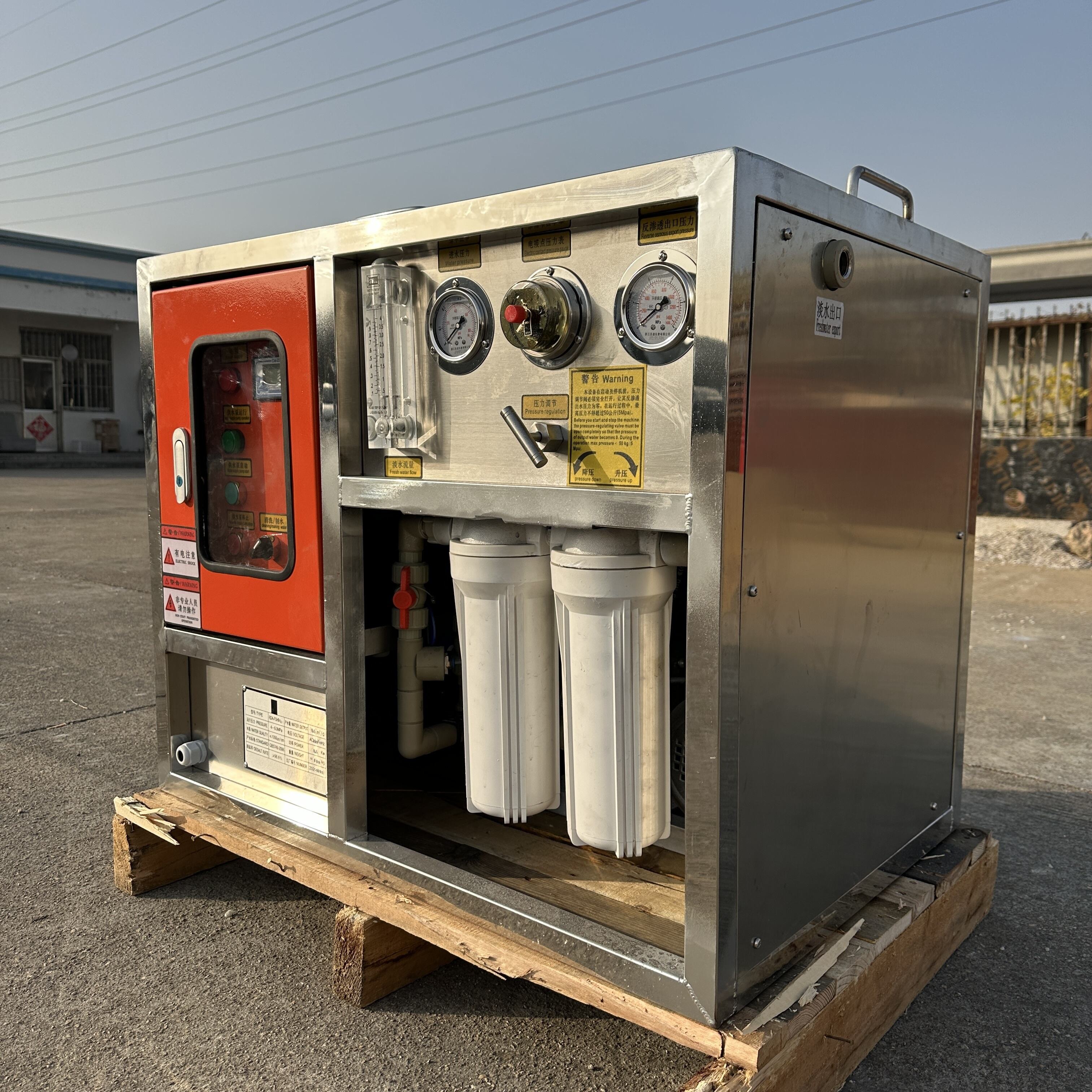
Advanced Reverse Osmosis Desalination Systems - Efficient Water Purification Technology

Get a Free Quote

Our representative will contact you soon.
Email
Name
Company Name
Message
0/1000

reverse osmosis desalination system

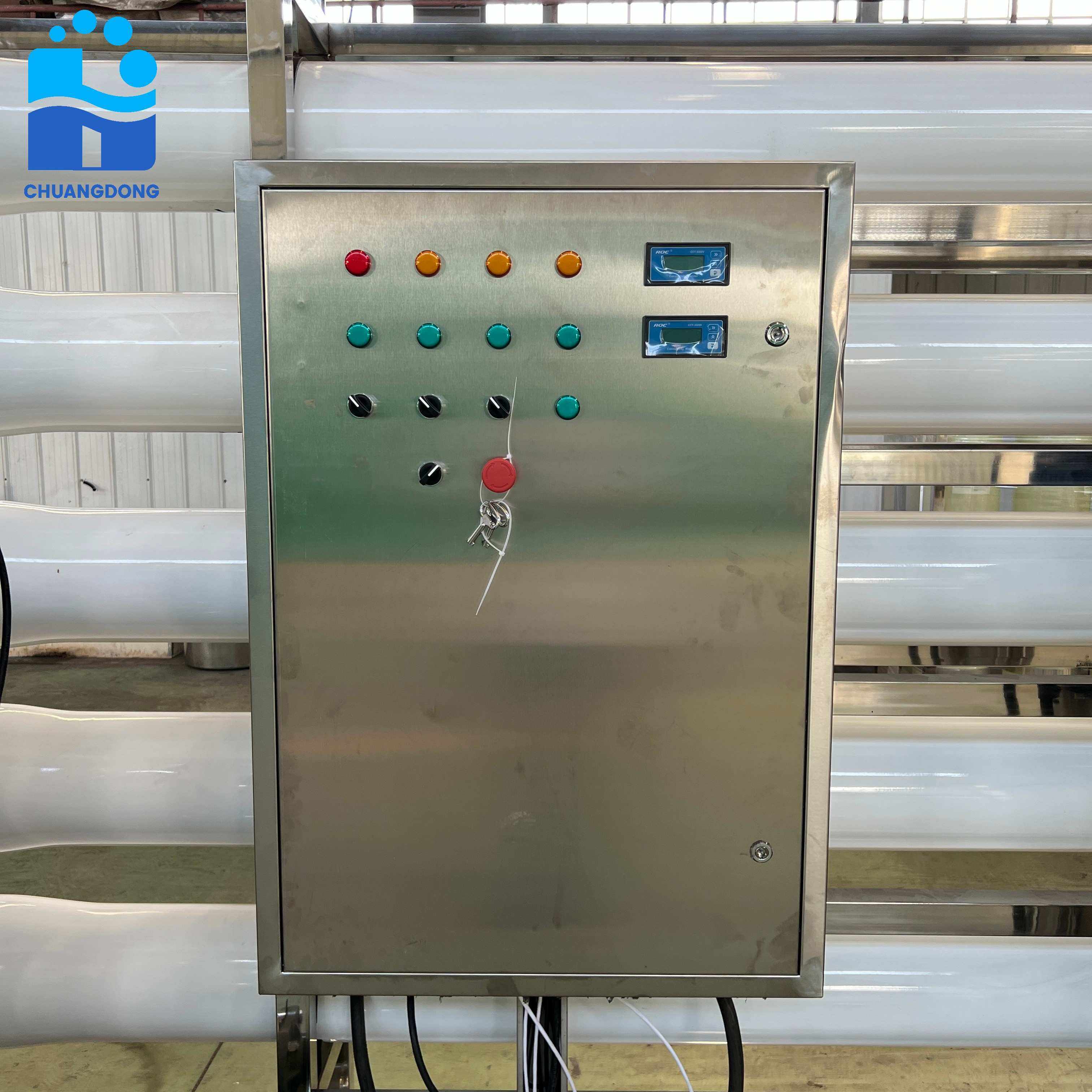
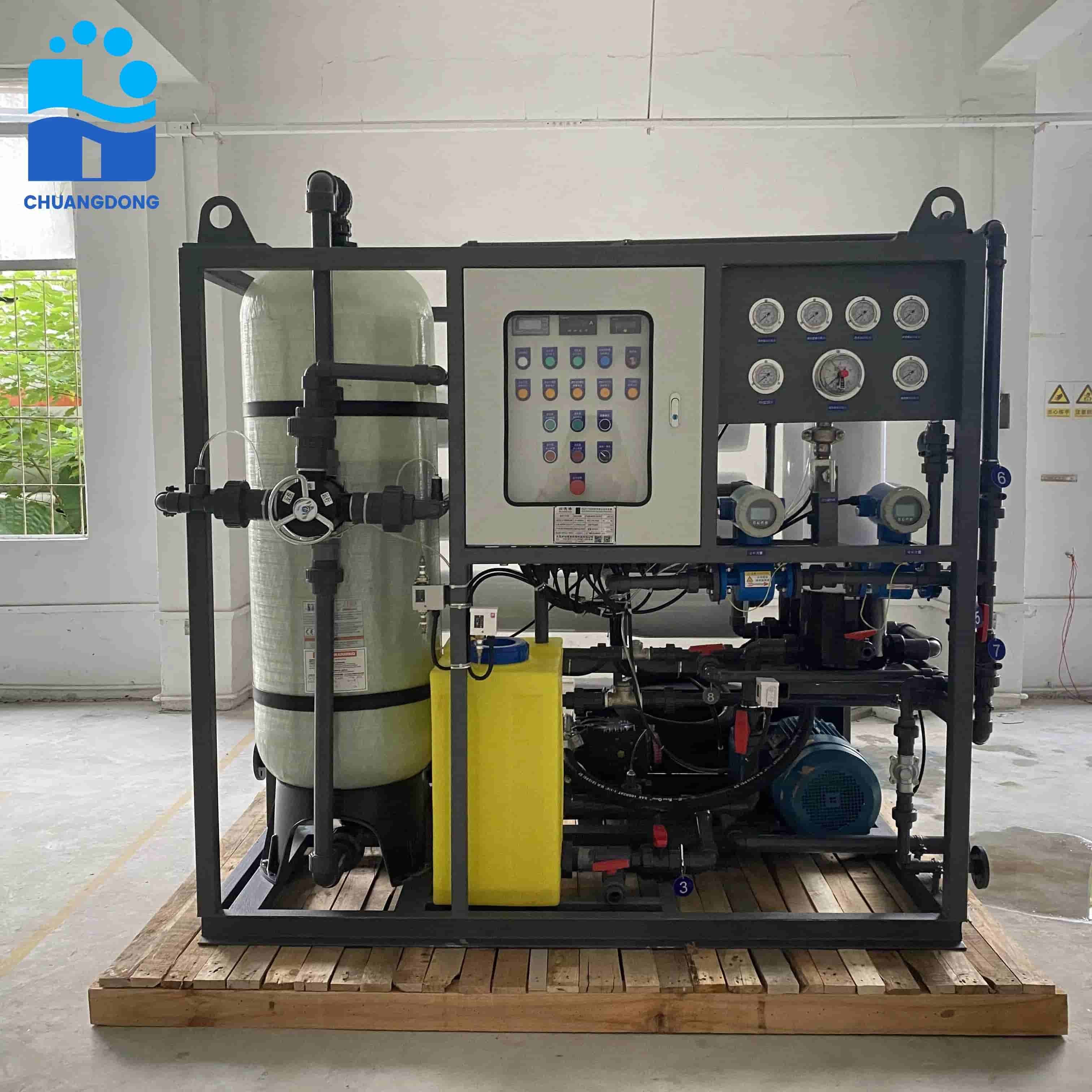
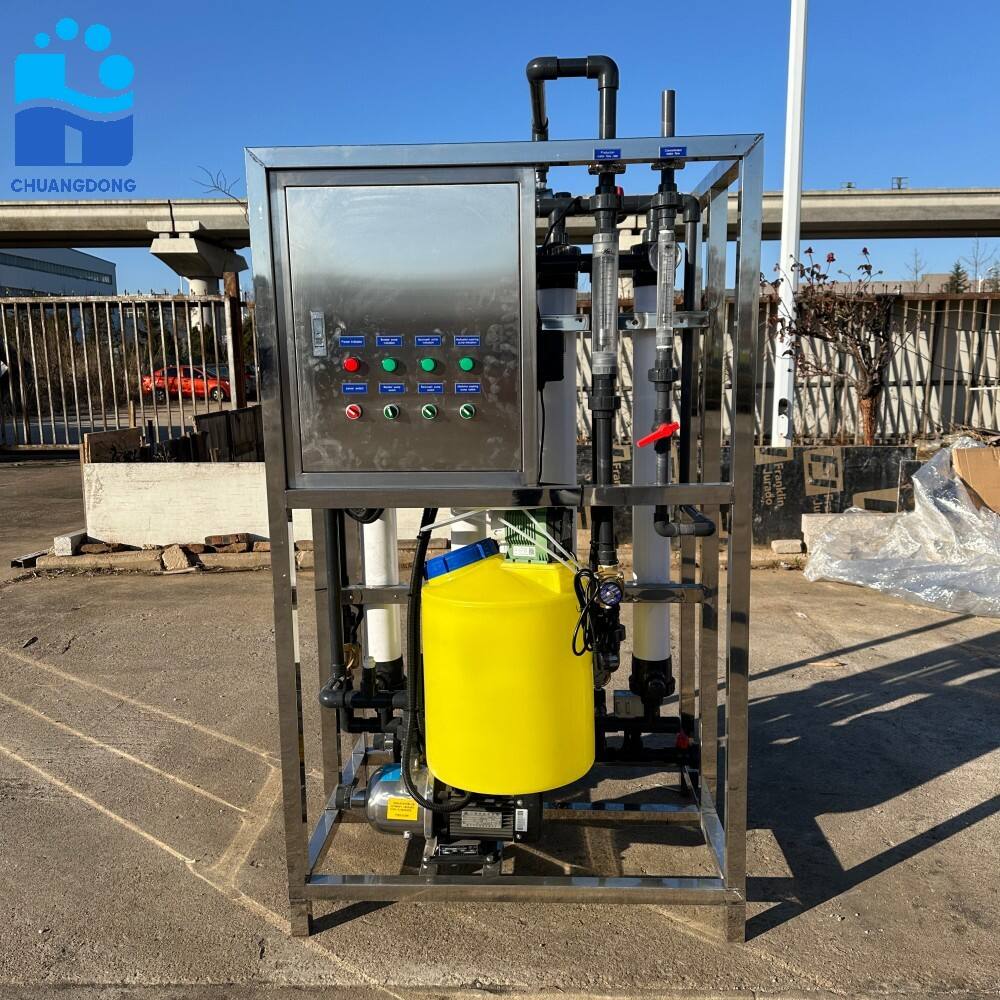
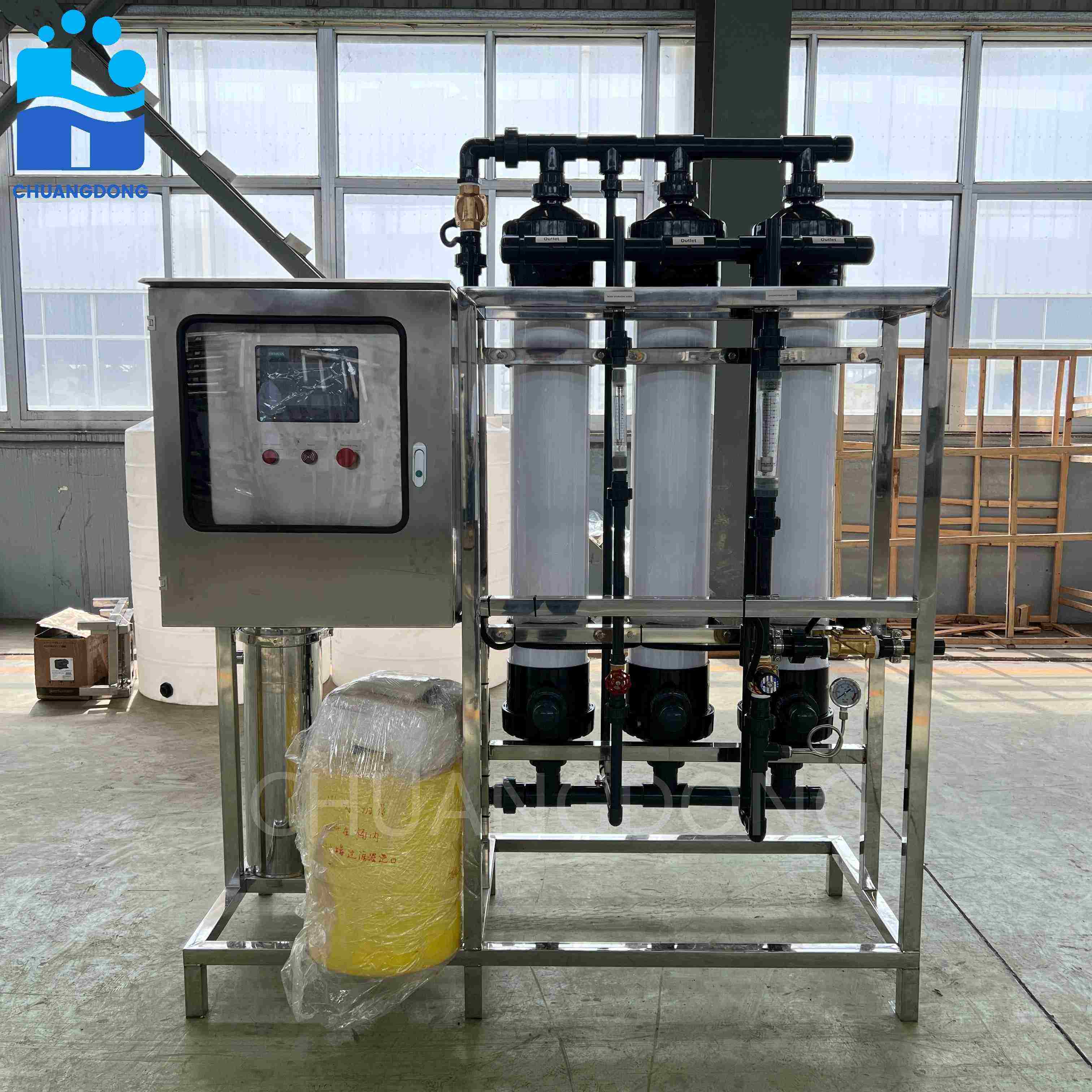
A reverse osmosis desalination system represents cutting-edge water treatment technology that transforms seawater into safe, potable water through advanced membrane filtration processes. This sophisticated system operates by applying pressure to force saltwater through specialized semi-permeable membranes that effectively remove dissolved salts, minerals, and contaminants. The reverse osmosis desalination system functions as a comprehensive water purification solution, capable of producing high-quality freshwater from various saline sources including ocean water, brackish groundwater, and industrial wastewater. The core mechanism involves forcing water molecules through microscopic membrane pores while blocking larger salt molecules and impurities, resulting in clean, drinkable water output. Modern reverse osmosis desalination systems incorporate multiple stages of filtration, including pre-treatment phases that remove suspended solids and chlorine, followed by high-pressure membrane modules that perform the primary desalination process. These systems feature automated monitoring and control capabilities, ensuring consistent water quality and optimal operational efficiency. Energy recovery devices within the reverse osmosis desalination system capture and reuse pressure from the concentrate stream, significantly reducing overall energy consumption. The technology accommodates various scales of operation, from small residential units producing hundreds of gallons daily to large municipal facilities generating millions of gallons for entire communities. Applications span residential households, commercial buildings, industrial facilities, marine vessels, and emergency response situations where reliable freshwater access proves critical. The reverse osmosis desalination system delivers exceptional performance in removing up to 99 percent of dissolved salts and contaminants, producing water that meets or exceeds international drinking water standards while maintaining operational reliability across diverse environmental conditions.

New Product Recommendations

The reverse osmosis desalination system offers numerous compelling benefits that make it an ideal choice for addressing water scarcity challenges across various sectors. First and foremost, this technology produces exceptionally pure water by removing virtually all dissolved salts, bacteria, viruses, and chemical contaminants from source water. Users can expect consistent water quality that meets stringent health and safety standards, providing peace of mind for drinking water applications. The reverse osmosis desalination system operates with remarkable efficiency, converting saline water into freshwater with minimal waste compared to alternative treatment methods. Energy consumption has decreased significantly with modern designs, making these systems increasingly cost-effective for long-term operation. Installation flexibility represents another major advantage, as reverse osmosis desalination systems can be configured for diverse settings, from compact residential units to expansive industrial installations. The modular design allows for easy expansion or modification based on changing water demand requirements. Maintenance requirements remain relatively straightforward, with predictable service intervals and readily available replacement components. Users benefit from automated monitoring systems that track performance parameters and alert operators to maintenance needs before issues affect water production. The reverse osmosis desalination system demonstrates exceptional reliability, operating continuously for years with proper maintenance and producing consistent output volumes. Environmental benefits include reduced reliance on traditional freshwater sources and the ability to treat various types of contaminated water for reuse. Cost savings accumulate over time through reduced dependency on bottled water purchases or water delivery services. The technology adapts well to remote locations where traditional water infrastructure may be unavailable or unreliable. Modern reverse osmosis desalination systems incorporate smart controls that optimize performance while minimizing energy usage, resulting in lower operational costs. The compact footprint of these systems makes them suitable for space-constrained installations while still delivering substantial water production capacity. Users also appreciate the immediate availability of clean water without lengthy treatment processes or chemical additions required by some alternative purification methods.

Practical Tips

What Intake and Outfall Designs Minimize Environmental Impact of a Desalination Plant?

01

Mar

What Intake and Outfall Designs Minimize Environmental Impact of a Desalination Plant?

Environmental considerations have become paramount in the design and operation of modern desalination facilities worldwide. As water scarcity continues to challenge communities across the globe, the demand for sustainable desalination plant solutions...
View More
How Does a Water Purification System with Ion Exchange Soften Hard Water Effectively?

15

Mar

How Does a Water Purification System with Ion Exchange Soften Hard Water Effectively?

Hard water poses significant challenges for both residential and commercial applications, containing high concentrations of calcium and magnesium ions that cause scale buildup, reduce equipment efficiency, and affect water quality. A water purificati...
View More
How Does an RO Water Filter with a UV Sterilizer Provide Additional Protection Against Bacteria?

10

Mar

How Does an RO Water Filter with a UV Sterilizer Provide Additional Protection Against Bacteria?

Water contamination remains one of the most pressing concerns for homeowners and businesses seeking reliable water purification solutions. While traditional filtration methods offer basic protection, modern water treatment technology has evolved to p...
View More
Why Should Pharmaceutical QC Labs Use Ultrapure Water for HPLC and Mass Spectrometry?

18

Mar

Why Should Pharmaceutical QC Labs Use Ultrapure Water for HPLC and Mass Spectrometry?

Pharmaceutical quality control laboratories face increasingly stringent requirements for analytical accuracy and regulatory compliance. The foundation of reliable analytical results lies in the quality of water used throughout testing procedures. Ult...
View More

Get a Free Quote

Our representative will contact you soon.
Email
Name
Company Name
Message
0/1000

reverse osmosis desalination system

Advanced Multi-Stage Filtration Technology

Advanced Multi-Stage Filtration Technology

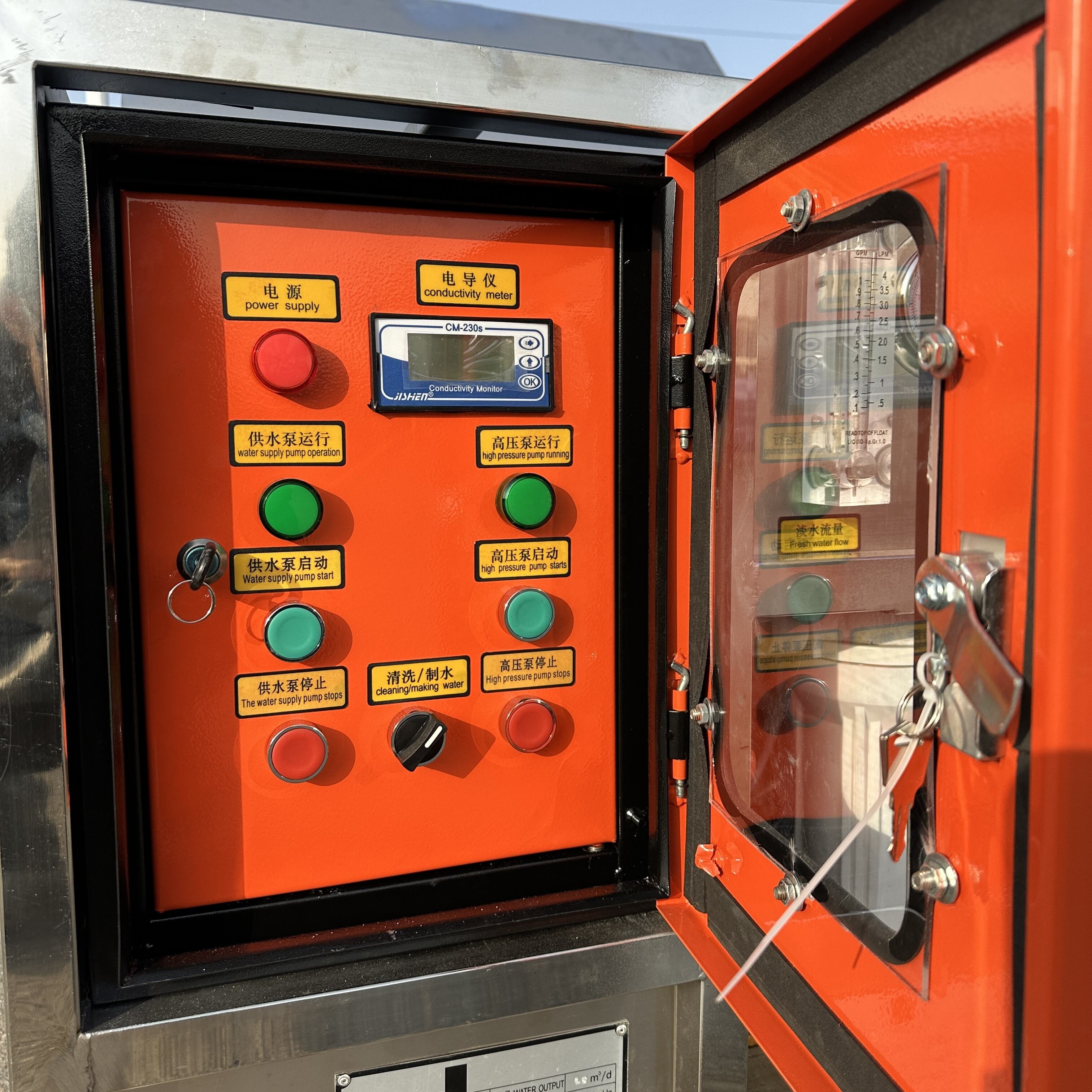
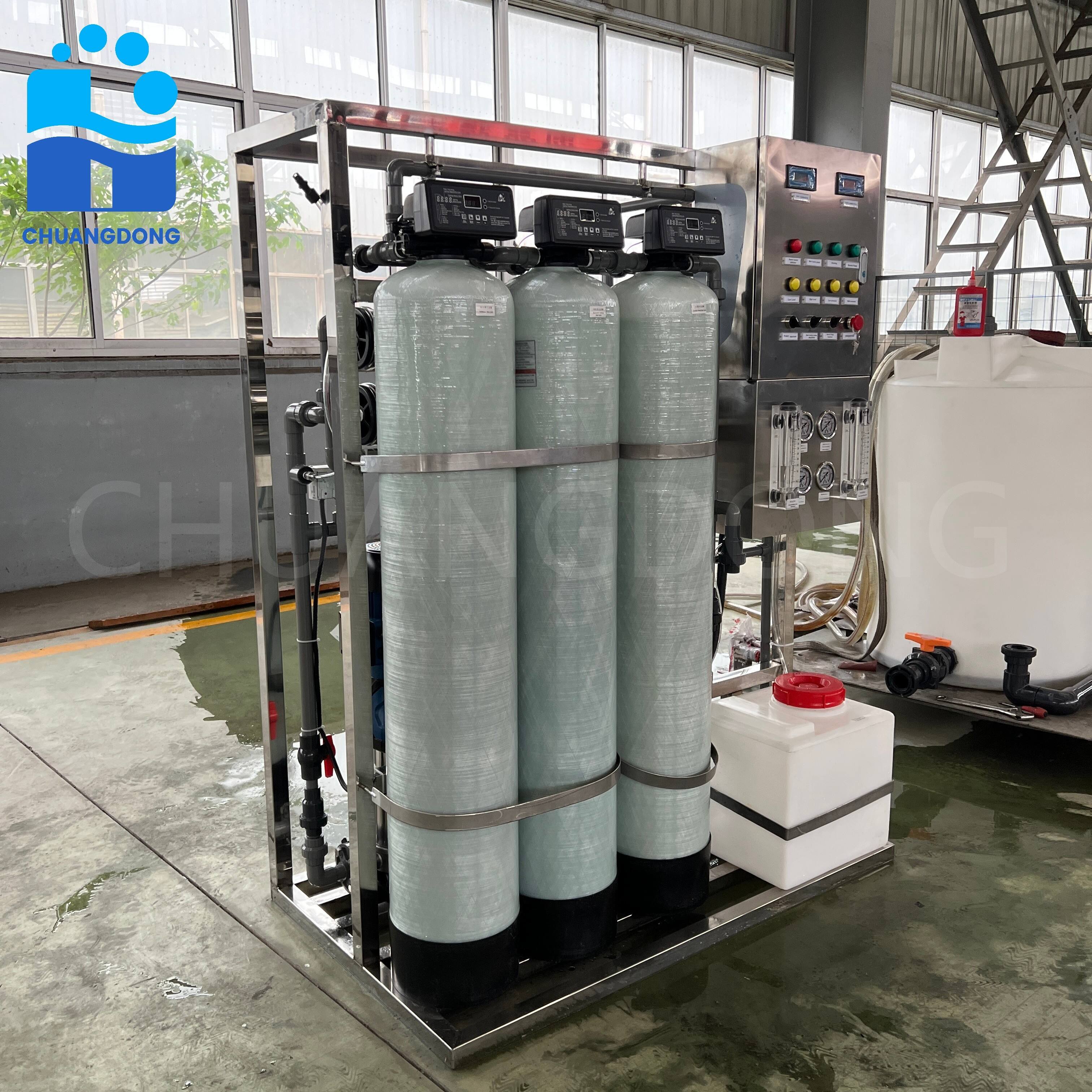
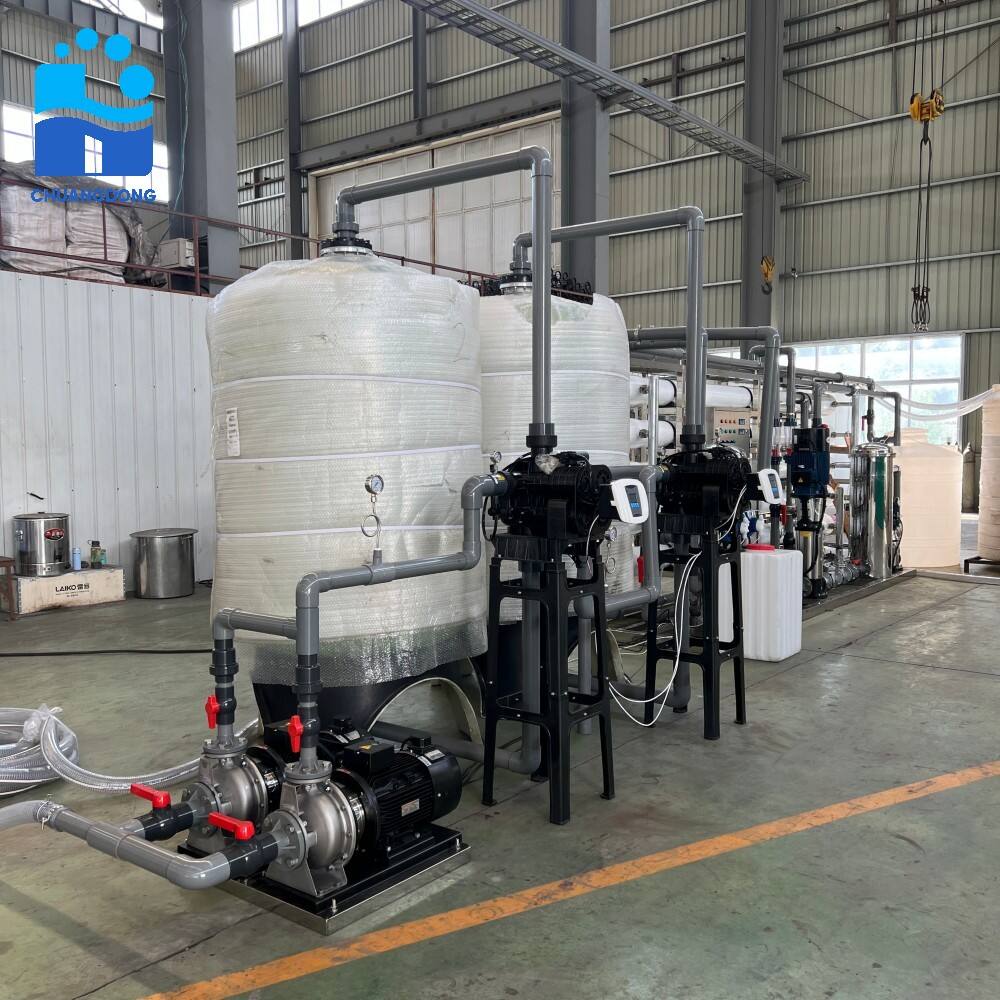
The reverse osmosis desalination system employs sophisticated multi-stage filtration technology that sets it apart from conventional water treatment methods. This advanced approach begins with comprehensive pre-treatment stages designed to protect the sensitive reverse osmosis membranes while optimizing overall system performance. The initial filtration phases remove suspended particles, sediments, and organic compounds that could potentially damage downstream components. Specialized carbon filters eliminate chlorine and other chemicals that might degrade membrane materials over extended operation periods. The heart of the reverse osmosis desalination system lies in its high-performance membrane modules, engineered with cutting-edge materials that provide exceptional salt rejection rates while maintaining robust durability under challenging operating conditions. These membranes feature precise pore structures that allow water molecules to pass through while blocking dissolved salts, heavy metals, and microorganisms. The multi-stage configuration enables the system to achieve superior purification efficiency, with each membrane array contributing to the overall treatment process. Post-treatment components further enhance water quality by adjusting pH levels and adding essential minerals for taste improvement and health benefits. Advanced monitoring sensors throughout the reverse osmosis desalination system continuously track key performance indicators including pressure differentials, flow rates, and water quality parameters. This real-time monitoring capability enables predictive maintenance scheduling and ensures consistent output quality. The filtration technology incorporates energy recovery systems that capture hydraulic energy from the high-pressure concentrate stream, redirecting this energy back into the process to reduce overall power consumption. Automated cleaning cycles maintain membrane performance over extended periods, maximizing system lifespan while minimizing maintenance requirements. The modular design of the filtration stages allows for customization based on specific source water characteristics and output requirements, ensuring optimal performance across diverse applications.
Energy-Efficient Operations with Smart Controls

Energy-Efficient Operations with Smart Controls

Modern reverse osmosis desalination systems feature state-of-the-art energy management technology that dramatically reduces operational costs while maintaining peak performance levels. The integration of variable frequency drives allows pumps to operate at optimal speeds based on real-time demand, eliminating energy waste associated with constant-speed operation. Smart control systems continuously monitor system parameters and automatically adjust operating conditions to maintain efficiency while meeting water production targets. Energy recovery devices represent a breakthrough innovation in reverse osmosis desalination system design, capturing up to 95 percent of the hydraulic energy from the high-pressure concentrate stream and redirecting it back into the process. This energy recycling capability significantly reduces the external power requirements, making large-scale desalination economically viable for municipalities and industrial facilities. The intelligent control algorithms analyze historical performance data and environmental conditions to predict optimal operating parameters, automatically fine-tuning the system for maximum efficiency. Remote monitoring capabilities enable operators to track system performance from anywhere, receiving real-time alerts about operational status and maintenance needs. The reverse osmosis desalination system incorporates advanced scheduling features that can coordinate operation with renewable energy sources, running during peak solar or wind generation periods to further reduce energy costs. Predictive maintenance algorithms analyze sensor data to identify potential issues before they impact system performance, preventing unexpected downtime and reducing repair costs. The energy management system provides detailed reporting on power consumption, water production, and efficiency metrics, enabling users to track performance improvements and identify additional optimization opportunities. Automated startup and shutdown sequences ensure the reverse osmosis desalination system operates safely and efficiently during transitional periods, protecting equipment while minimizing energy consumption during low-demand periods.
Versatile Applications and Scalable Design

Versatile Applications and Scalable Design

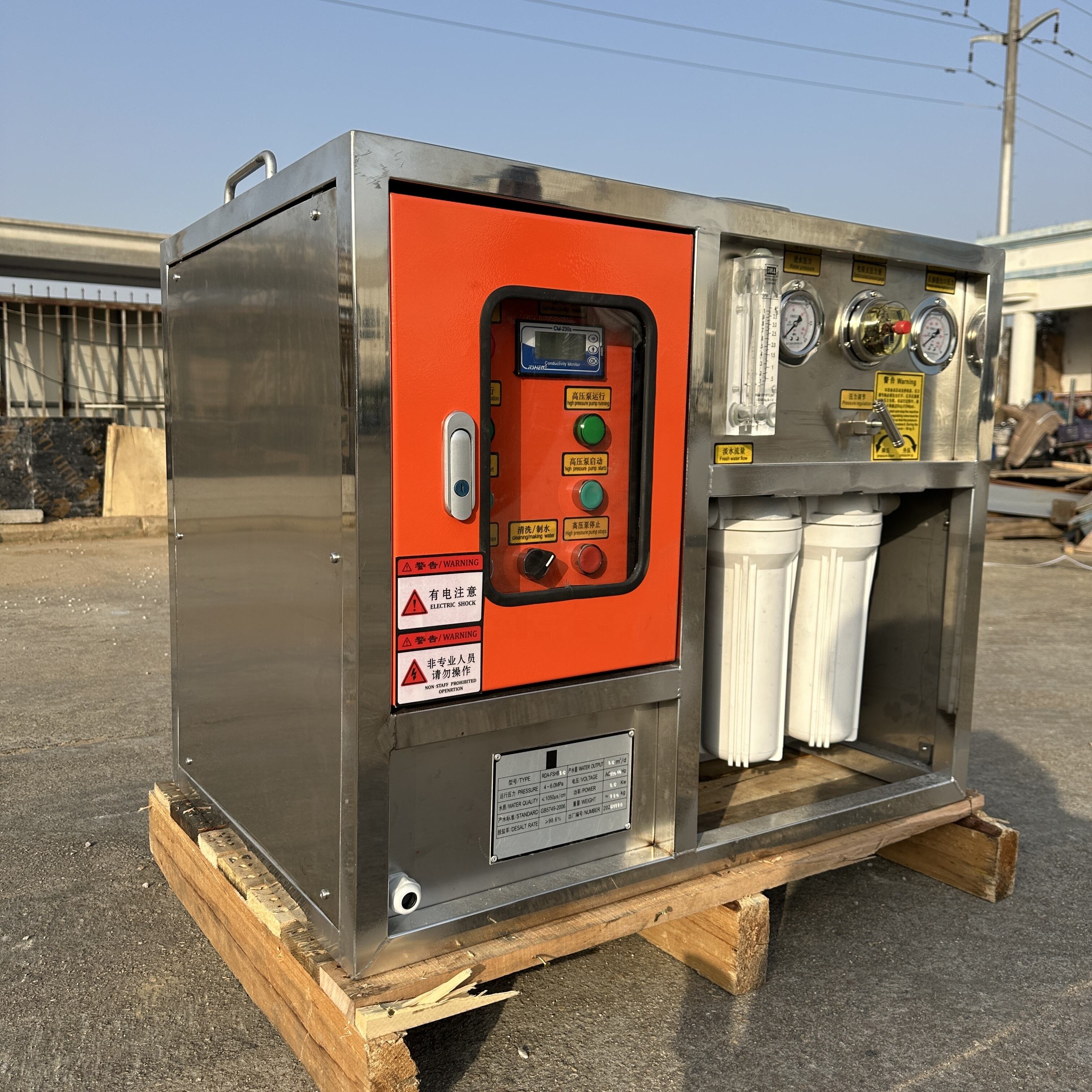
The reverse osmosis desalination system demonstrates exceptional versatility through its ability to address diverse water treatment challenges across multiple industries and applications. Residential installations benefit from compact, quiet operation that fits seamlessly into homes while providing unlimited access to high-quality drinking water. Commercial applications include restaurants, hotels, and office buildings where consistent water quality directly impacts customer satisfaction and operational efficiency. Industrial facilities utilize reverse osmosis desalination systems for process water production, boiler feedwater treatment, and wastewater recycling applications that require precise water quality specifications. Maritime applications showcase the technology's reliability in challenging environments, providing fresh water for vessels ranging from small yachts to large commercial ships. Emergency response scenarios benefit from portable reverse osmosis desalination systems that can rapidly establish safe drinking water supplies in disaster-affected areas or remote locations. The scalable design architecture allows systems to be configured for virtually any capacity requirement, from small point-of-use units producing a few gallons per hour to massive municipal facilities generating millions of gallons daily. Modular construction enables easy expansion as demand grows, with additional membrane modules and supporting equipment integrated seamlessly into existing installations. The reverse osmosis desalination system adapts to various source water qualities, effectively treating everything from highly saline ocean water to mildly brackish groundwater with appropriate pre-treatment modifications. Geographic flexibility means these systems operate successfully in diverse climates and environmental conditions, from arctic installations to tropical coastal regions. Remote monitoring capabilities make the reverse osmosis desalination system suitable for unmanned operations in isolated locations where regular maintenance visits may be challenging. The technology supports both continuous operation and intermittent use patterns, making it ideal for seasonal applications or facilities with variable demand patterns. Customization options include specialized materials for corrosive environments, enhanced automation for reduced operator requirements, and integration capabilities with existing facility infrastructure.

Get a Free Quote

Our representative will contact you soon.
Email
Name
Company Name
Message
0/1000