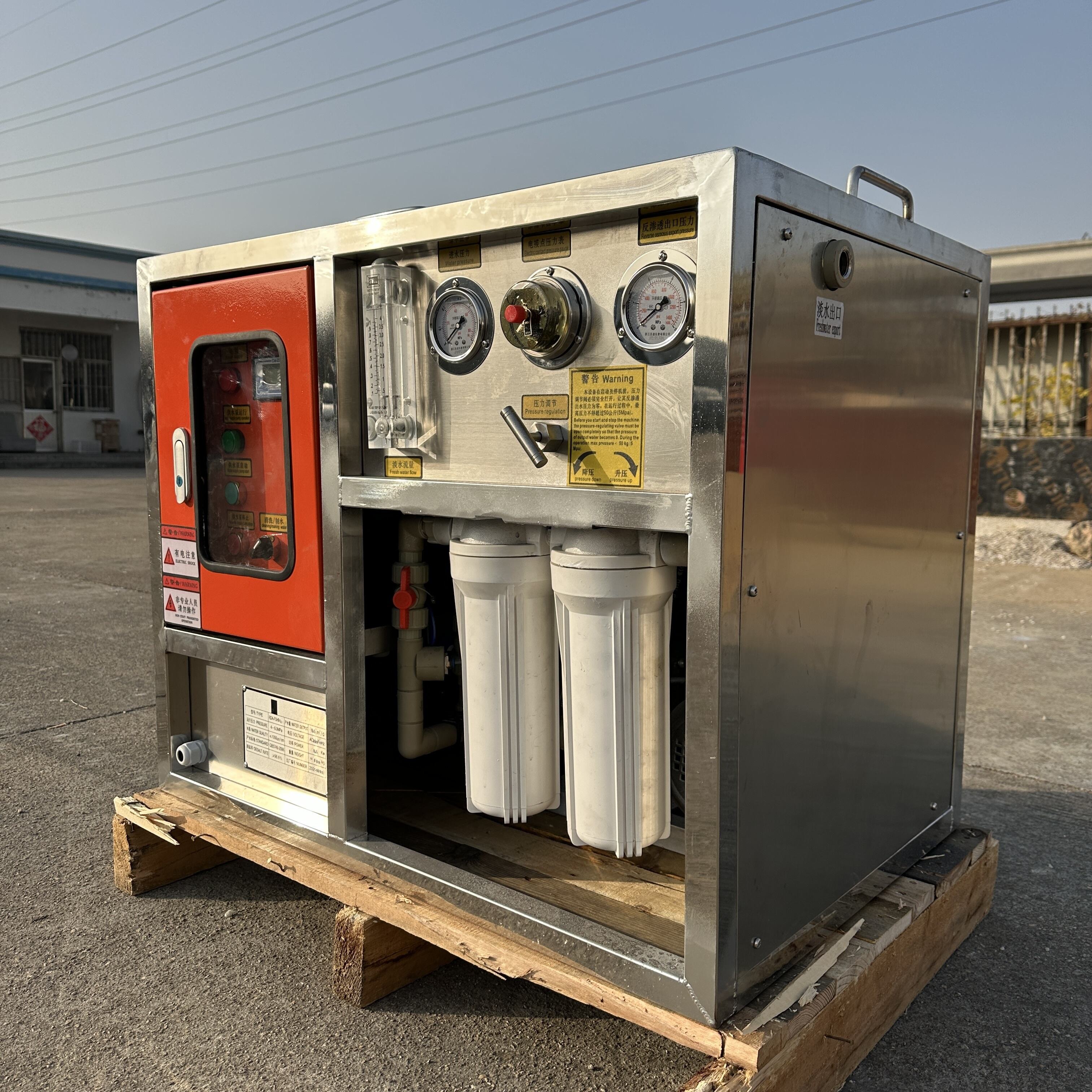
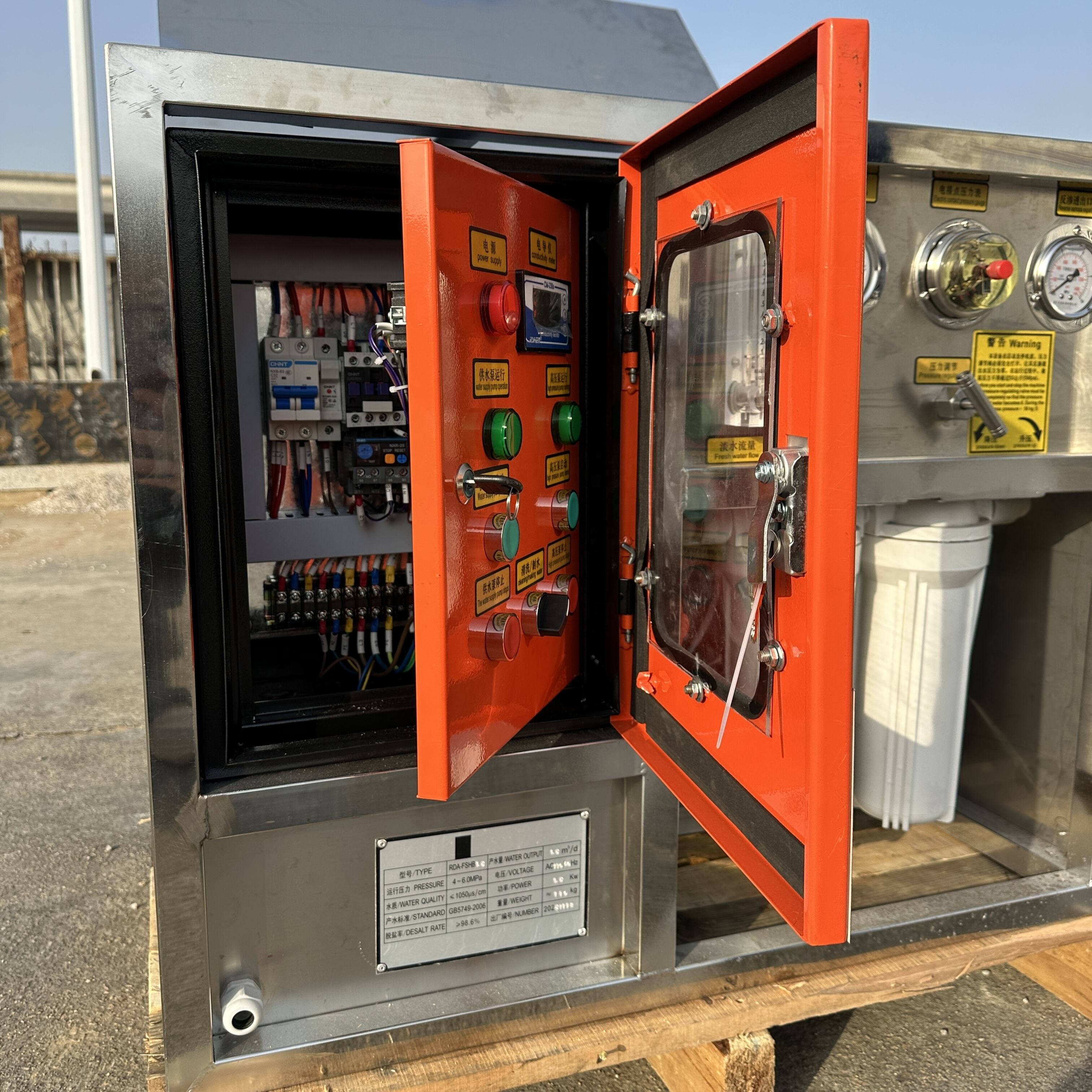
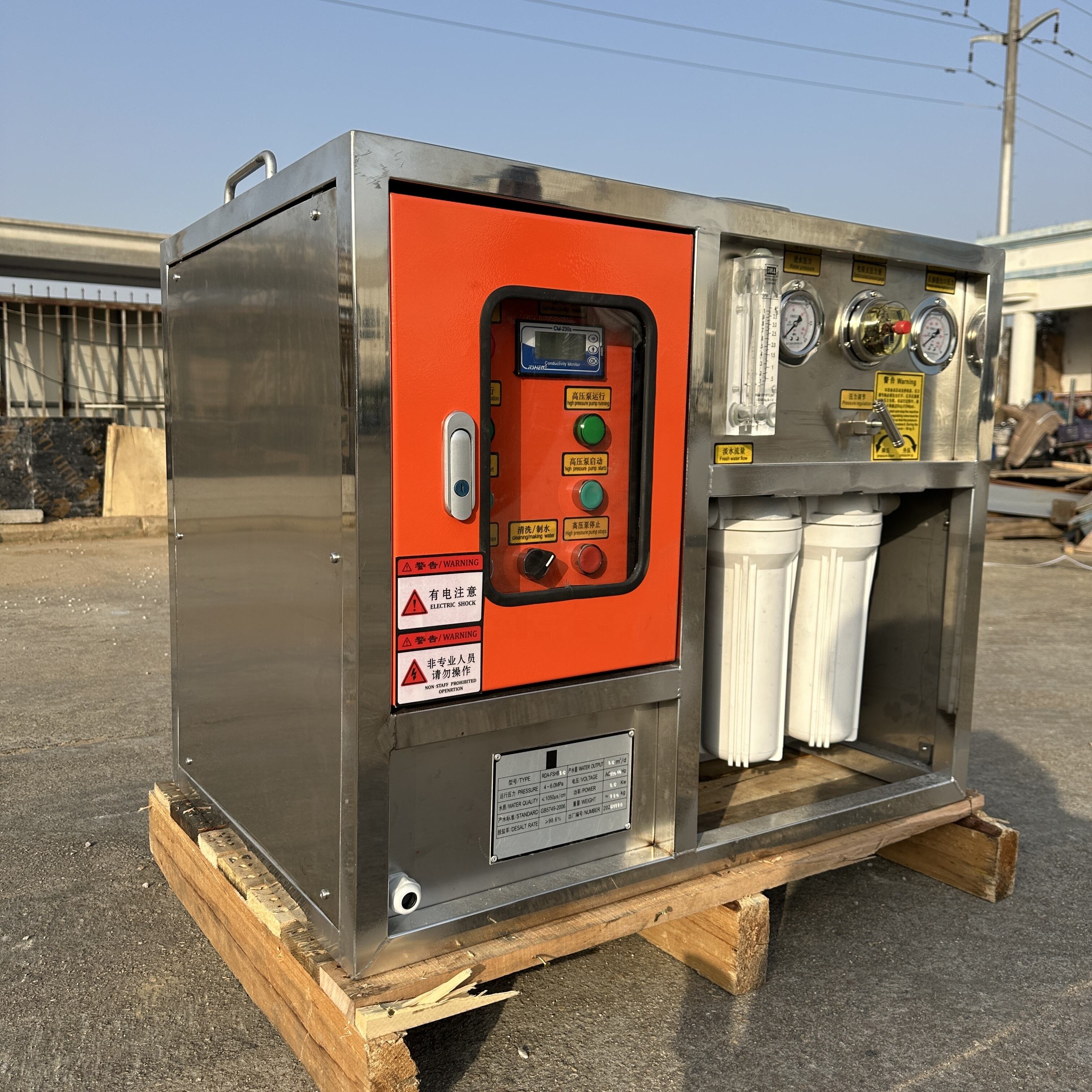
Advanced Seawater Desalination Equipment - Efficient Water Purification Solutions

Get a Free Quote

Our representative will contact you soon.
Email
Name
Company Name
Message
0/1000

seawater desalination equipment

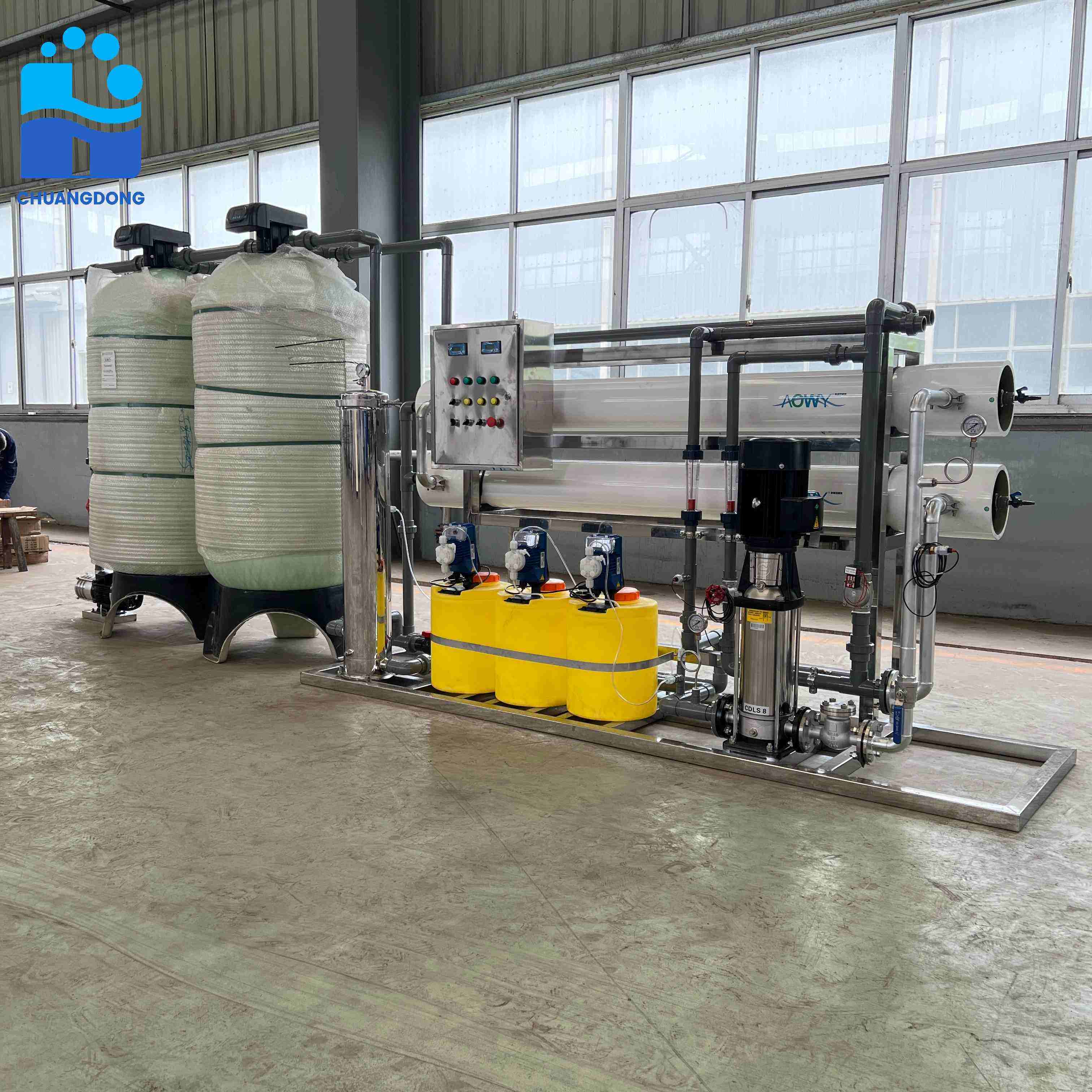
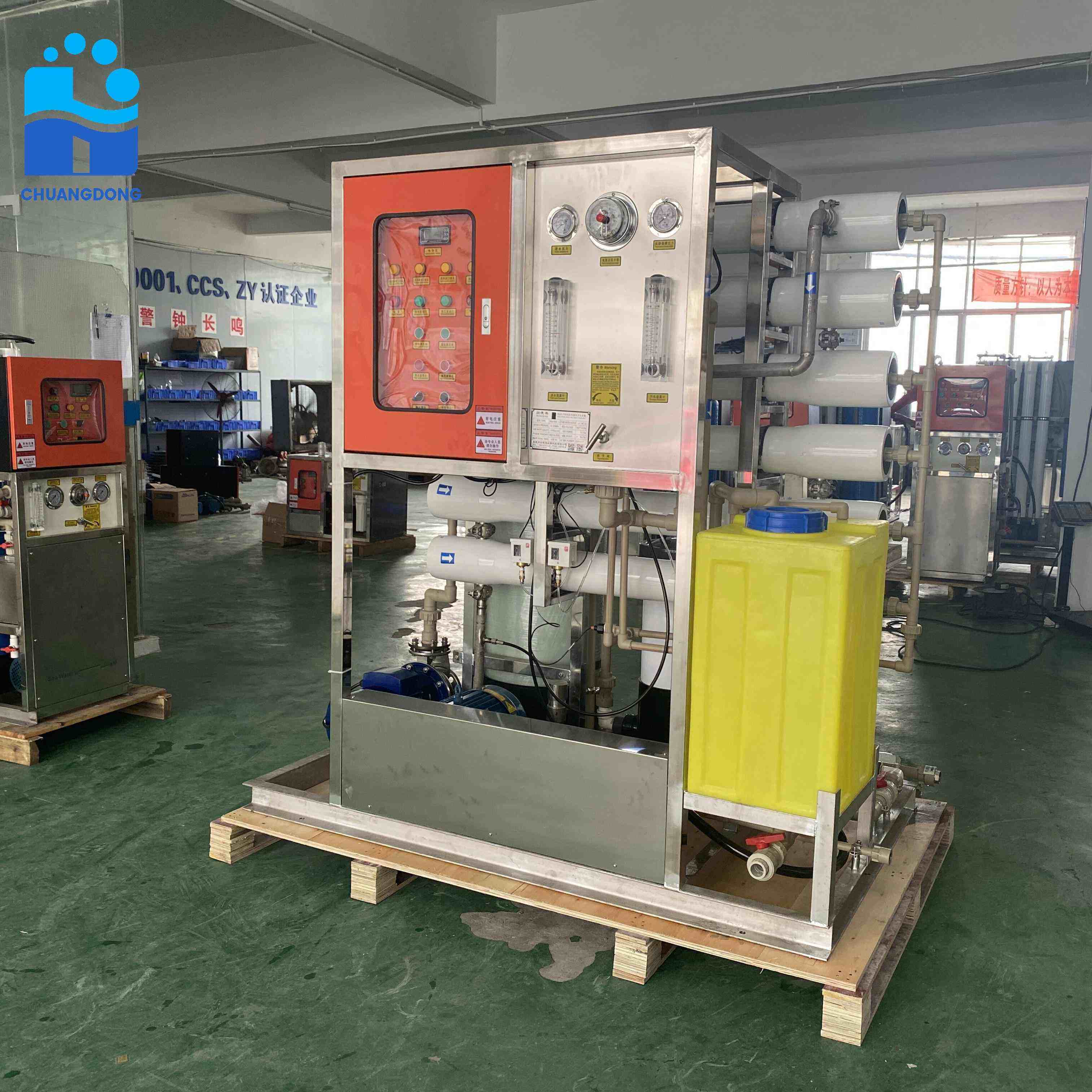
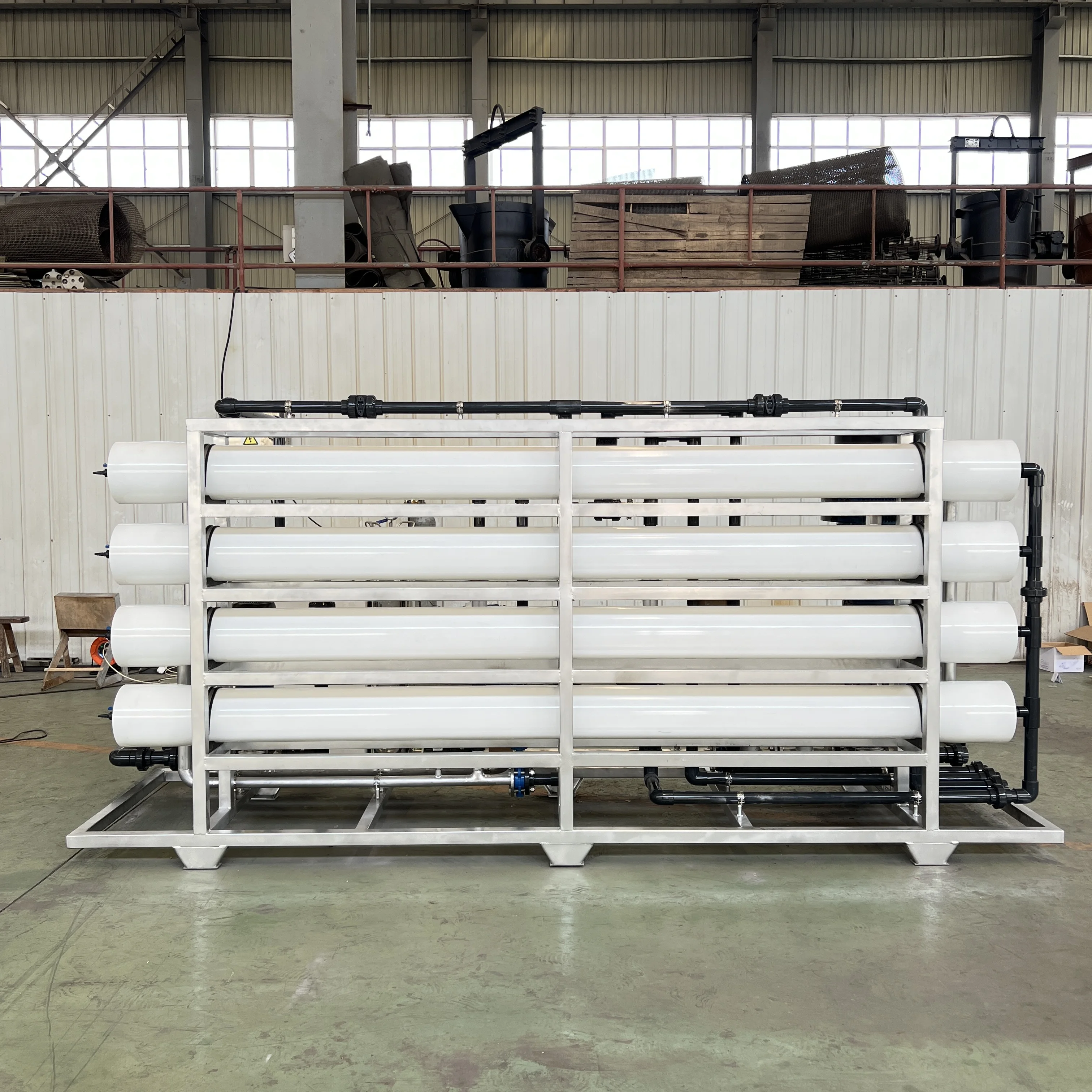
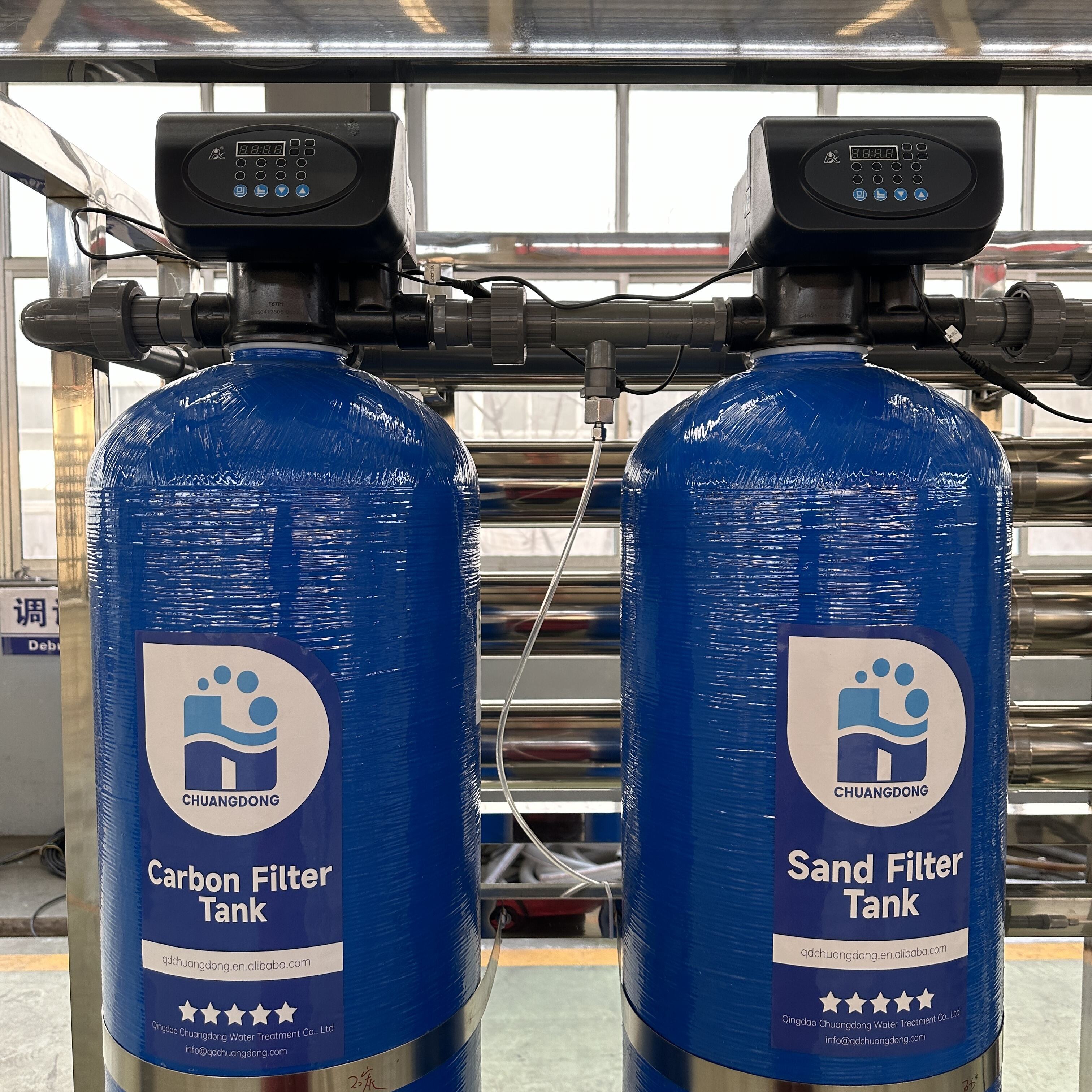
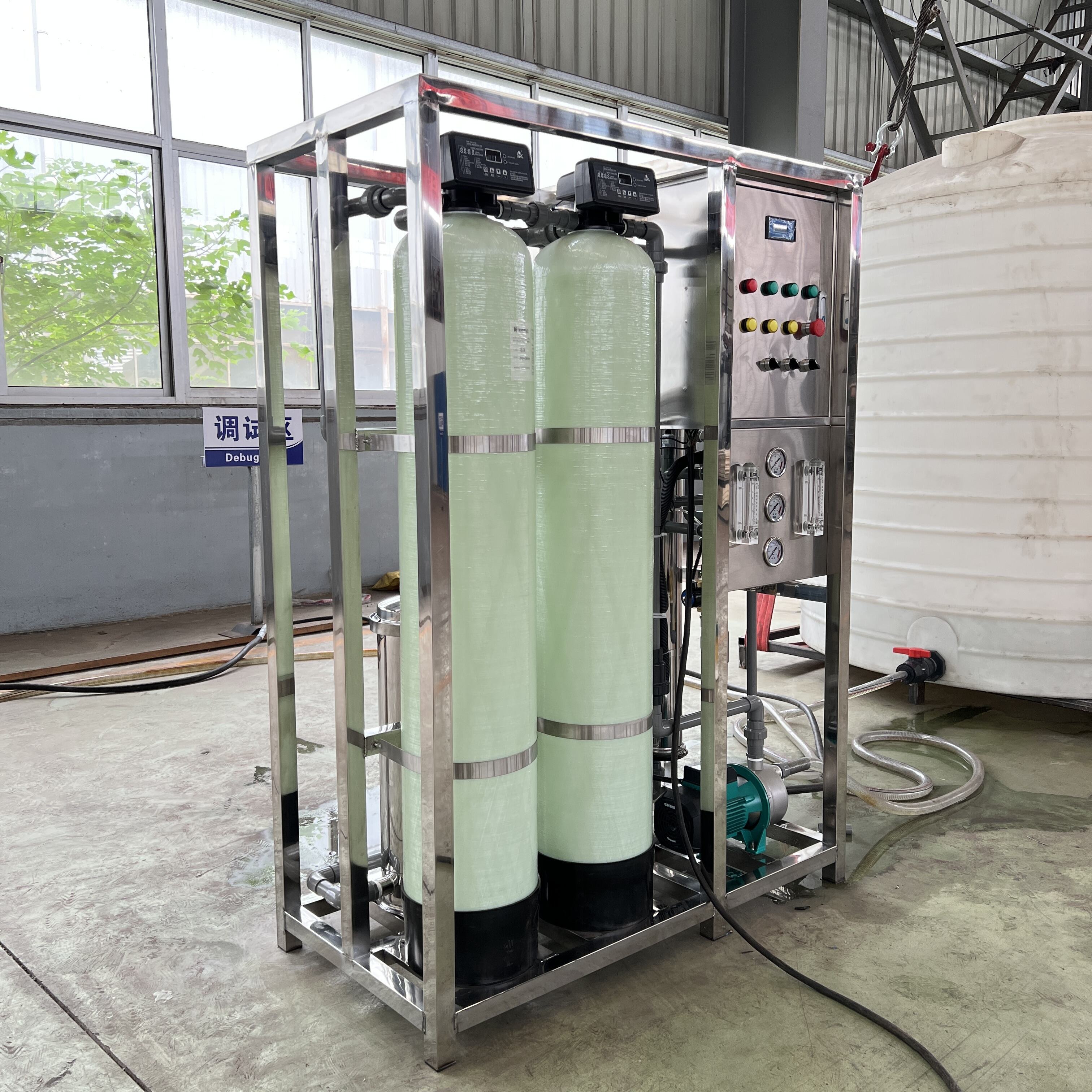
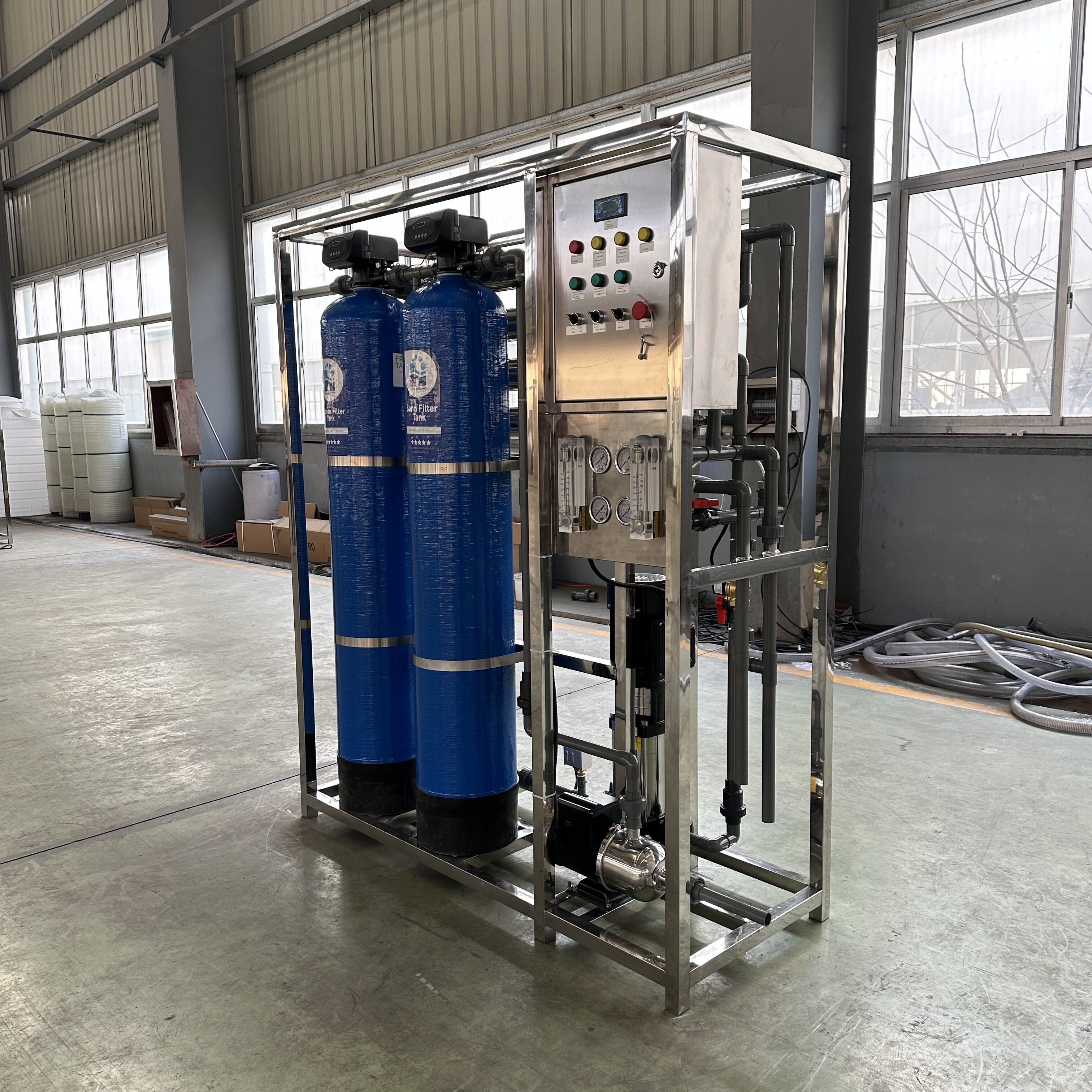
Seawater desalination equipment represents a revolutionary solution for converting oceanic saltwater into fresh, potable water suitable for various applications. This sophisticated technology addresses the growing global water scarcity crisis by utilizing advanced engineering processes to remove salt and other impurities from seawater. The primary function of seawater desalination equipment centers on the separation of dissolved salts, minerals, and contaminants from raw seawater through multiple purification stages. Modern desalination systems employ cutting-edge membrane technologies, primarily reverse osmosis (RO), which forces seawater through semi-permeable membranes under high pressure. The technological features of contemporary seawater desalination equipment include energy recovery systems that significantly reduce operational costs, automated monitoring controls that ensure consistent water quality, and modular designs that allow for scalable installations. These systems typically incorporate pre-treatment units to remove larger particles and biological contaminants, high-pressure pumps that drive the osmosis process, and post-treatment components that adjust pH levels and add essential minerals. The applications for seawater desalination equipment span diverse sectors including municipal water supply systems, industrial manufacturing processes, agricultural irrigation projects, and emergency disaster relief operations. Coastal communities worldwide rely on these systems to secure reliable freshwater sources, while remote islands and arid regions utilize portable desalination units to meet basic water needs. Industrial facilities employ specialized seawater desalination equipment for manufacturing processes that require ultra-pure water, such as pharmaceutical production and electronics manufacturing. The technology proves invaluable in supporting sustainable development initiatives, enabling economic growth in water-scarce regions, and providing strategic water security for nations with limited freshwater resources. Advanced seawater desalination equipment now features smart automation systems that optimize performance, reduce maintenance requirements, and minimize environmental impact through efficient brine management and energy consumption controls.

New Product Recommendations

Seawater desalination equipment offers numerous practical benefits that directly address critical water supply challenges facing communities and industries worldwide. The most significant advantage lies in the unlimited source material availability, as oceans provide an inexhaustible supply of raw water that never depletes, unlike groundwater aquifers or surface water bodies that fluctuate with seasonal variations and climate patterns. This reliability ensures consistent water production regardless of drought conditions, rainfall patterns, or competing water demands from neighboring regions. Cost-effectiveness represents another major benefit, as modern seawater desalination equipment delivers decreasing operational expenses through technological improvements, energy recovery systems, and economies of scale. The equipment generates immediate returns on investment by eliminating dependency on expensive water imports, reducing transportation costs, and providing price stability against fluctuating municipal water rates. Environmental sustainability advantages include reduced pressure on freshwater ecosystems, decreased groundwater extraction that prevents land subsidence, and minimal chemical usage compared to alternative water treatment methods. The technology operates with remarkable efficiency, producing high-quality water that consistently meets or exceeds international drinking water standards while removing 99.5% of dissolved salts and contaminants. Flexibility in installation and operation allows seawater desalination equipment to serve diverse applications, from small residential units producing hundreds of gallons daily to large industrial systems generating millions of gallons for entire cities. The equipment provides energy independence through integration with renewable power sources like solar panels and wind turbines, reducing reliance on grid electricity and lowering carbon footprints. Maintenance requirements remain minimal due to automated self-cleaning systems, corrosion-resistant materials, and predictive monitoring technologies that prevent equipment failures before they occur. Quality control advantages include real-time water testing, automated adjustments for optimal performance, and consistent output regardless of source water variations. The technology delivers strategic advantages by enabling economic development in previously uninhabitable coastal areas, supporting population growth, attracting businesses to water-scarce regions, and providing disaster resilience during emergencies when traditional water supplies become contaminated or unavailable.

Tips And Tricks

What Intake and Outfall Designs Minimize Environmental Impact of a Desalination Plant?

01

Mar

What Intake and Outfall Designs Minimize Environmental Impact of a Desalination Plant?

Environmental considerations have become paramount in the design and operation of modern desalination facilities worldwide. As water scarcity continues to challenge communities across the globe, the demand for sustainable desalination plant solutions...
View More
What Corrosion-Resistant Materials Are Used in Desalination Plant Construction?

06

Mar

What Corrosion-Resistant Materials Are Used in Desalination Plant Construction?

Desalination plants operate in some of the harshest environments imaginable, where saltwater constantly threatens the integrity of critical infrastructure. The selection of appropriate corrosion-resistant materials becomes paramount to ensuring long-...
View More
How Does an RO Water Filter with a UV Sterilizer Provide Additional Protection Against Bacteria?

10

Mar

How Does an RO Water Filter with a UV Sterilizer Provide Additional Protection Against Bacteria?

Water contamination remains one of the most pressing concerns for homeowners and businesses seeking reliable water purification solutions. While traditional filtration methods offer basic protection, modern water treatment technology has evolved to p...
View More
Why Should Pharmaceutical QC Labs Use Ultrapure Water for HPLC and Mass Spectrometry?

18

Mar

Why Should Pharmaceutical QC Labs Use Ultrapure Water for HPLC and Mass Spectrometry?

Pharmaceutical quality control laboratories face increasingly stringent requirements for analytical accuracy and regulatory compliance. The foundation of reliable analytical results lies in the quality of water used throughout testing procedures. Ult...
View More

Get a Free Quote

Our representative will contact you soon.
Email
Name
Company Name
Message
0/1000

seawater desalination equipment

Revolutionary Energy Recovery Technology Maximizes Efficiency

Revolutionary Energy Recovery Technology Maximizes Efficiency

Modern seawater desalination equipment incorporates groundbreaking energy recovery technology that transforms operational economics and environmental sustainability. This innovative feature captures and reuses the high-pressure energy from the brine discharge stream, which traditionally represented wasted energy in older desalination systems. The energy recovery devices, typically pressure exchangers or turbochargers, can recover up to 95% of the pressure energy from the concentrated brine solution, dramatically reducing the overall power consumption of the desalination process. This technology directly translates to substantial cost savings for operators, reducing electricity bills by 35-60% compared to conventional systems without energy recovery capabilities. The environmental benefits prove equally impressive, as reduced energy consumption correlates with lower greenhouse gas emissions and decreased carbon footprint. For large-scale installations, this efficiency improvement can prevent thousands of tons of CO2 emissions annually while maintaining the same water production capacity. The recovered energy powers the high-pressure pumps that drive the reverse osmosis process, creating a self-sustaining cycle that maximizes resource utilization. Advanced control systems optimize the energy recovery process in real-time, automatically adjusting pressure levels and flow rates to maintain peak efficiency under varying operating conditions. This intelligent automation ensures consistent performance while minimizing operator intervention and reducing the risk of human error. The technology proves particularly valuable for remote installations where electricity costs are high or power availability is limited, making seawater desalination economically viable in previously challenging locations. Additionally, the reduced energy requirements enable easier integration with renewable power sources like solar panels or wind turbines, supporting off-grid installations and sustainable development goals. The reliability of energy recovery systems has improved significantly, with modern units operating maintenance-free for years while delivering consistent performance. This advancement makes seawater desalination equipment more accessible to smaller communities and developing regions that previously could not afford the operational costs associated with traditional desalination technologies.
Smart Automation Systems Ensure Consistent Quality and Performance

Smart Automation Systems Ensure Consistent Quality and Performance

Seawater desalination equipment now features sophisticated smart automation systems that revolutionize operational management and water quality assurance through advanced monitoring, control, and predictive maintenance capabilities. These intelligent systems continuously monitor hundreds of operational parameters including inlet pressure, membrane performance, water quality metrics, flow rates, and energy consumption patterns to optimize system performance automatically. The automation technology employs artificial intelligence algorithms that learn from operational patterns and environmental conditions to predict optimal operating parameters, reducing manual intervention while maximizing efficiency and extending equipment lifespan. Real-time quality monitoring ensures that produced water consistently meets stringent drinking water standards by automatically adjusting chemical dosing, pressure levels, and flow rates when sensors detect variations in source water quality or system performance. The smart systems provide operators with comprehensive dashboards accessible through mobile devices or computers, enabling remote monitoring and control from any location with internet connectivity. Predictive maintenance algorithms analyze equipment performance data to identify potential issues before they cause system failures, scheduling maintenance activities during optimal times to minimize production interruptions and reduce repair costs. The automation systems maintain detailed operational logs that support regulatory compliance, quality assurance documentation, and performance optimization analysis. Emergency response protocols automatically activate protective measures when abnormal conditions are detected, including system shutdown procedures, alarm notifications, and backup system activation to prevent equipment damage and ensure operator safety. Integration capabilities allow the smart systems to communicate with external infrastructure including power management systems, water distribution networks, and environmental monitoring stations for coordinated operation. The technology supports remote diagnostics, enabling technical support teams to troubleshoot issues and provide assistance without physical site visits, reducing service costs and minimizing downtime. Advanced security features protect the automation systems from cyber threats through encrypted communications, access controls, and secure data storage protocols. The user-friendly interfaces require minimal training, allowing operators with basic technical skills to manage complex desalination operations effectively while accessing expert-level optimization recommendations from the intelligent systems.
Modular Design Provides Scalable Solutions for Any Application

Modular Design Provides Scalable Solutions for Any Application

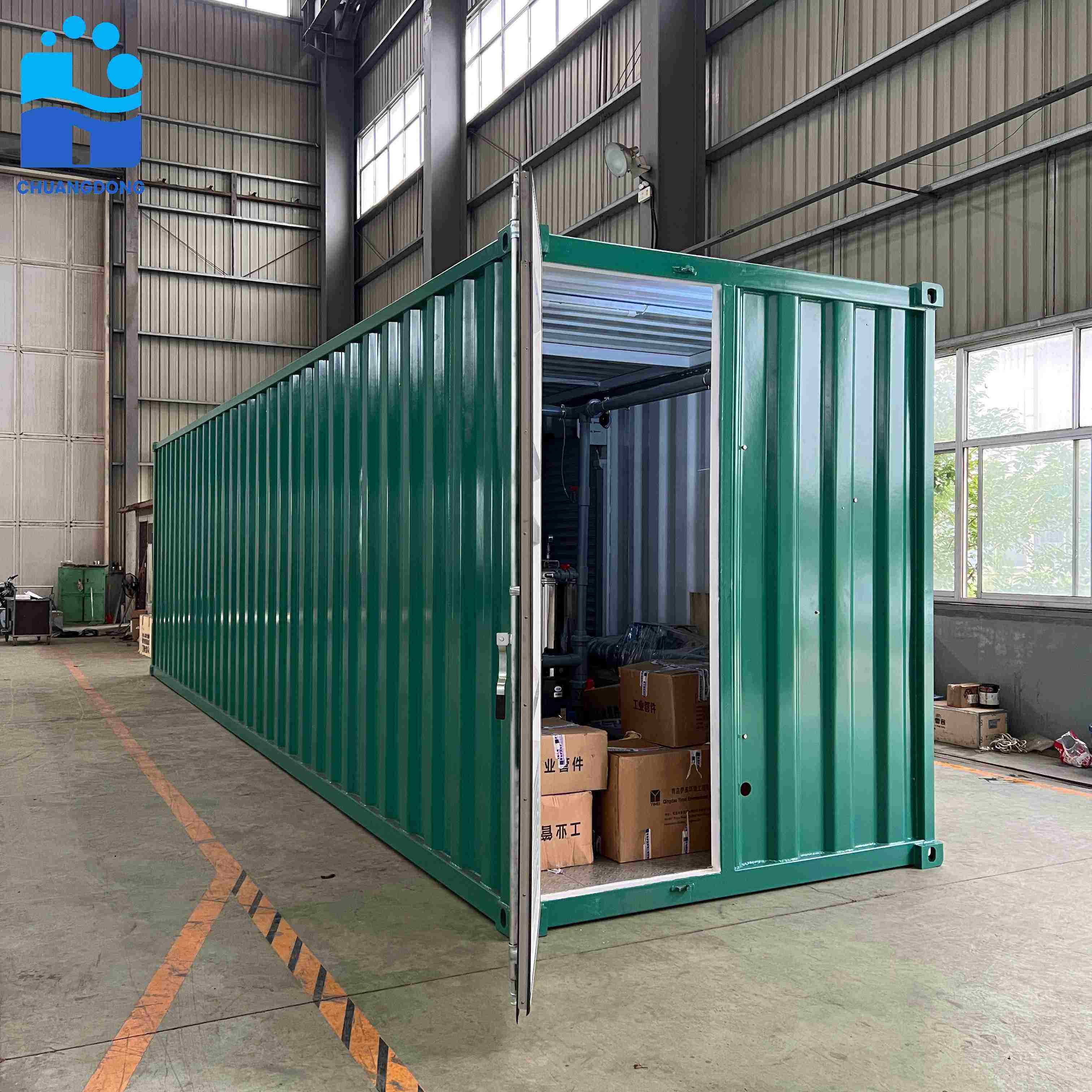
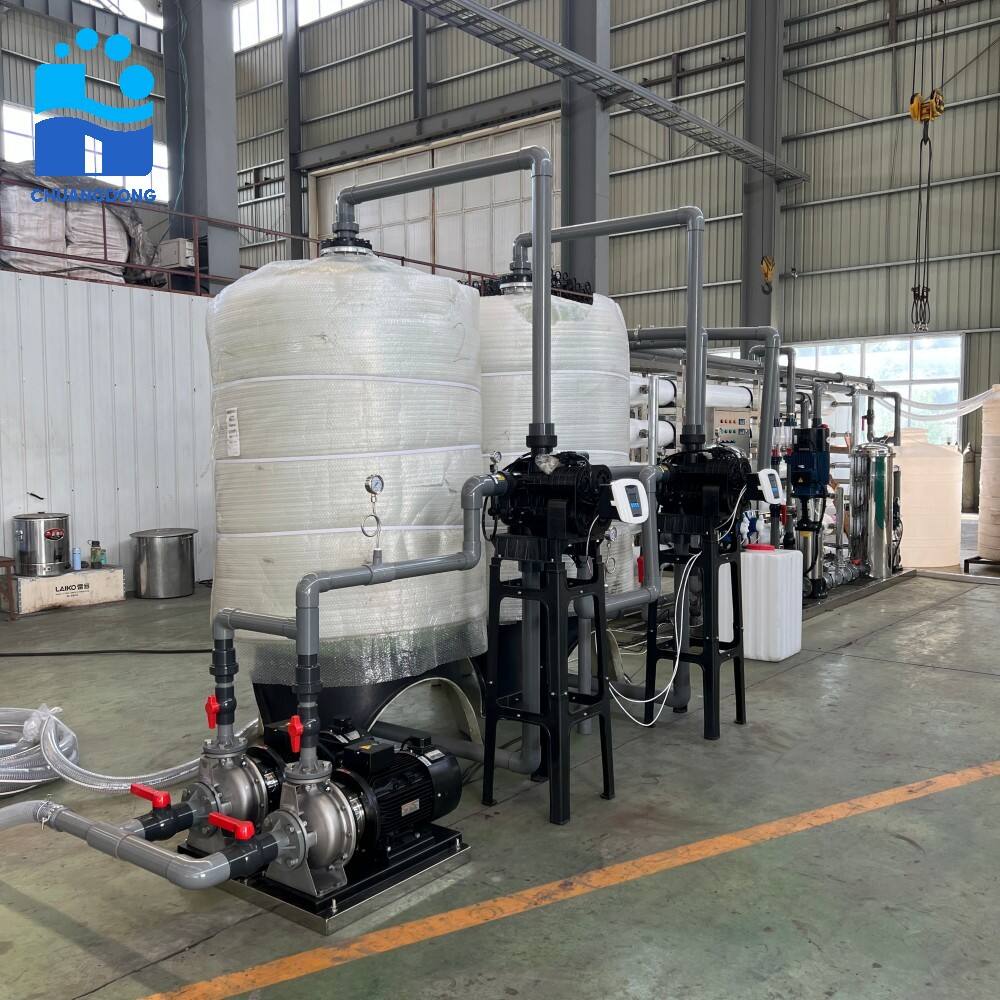
The modular design architecture of contemporary seawater desalination equipment delivers unprecedented flexibility and scalability, allowing customers to implement perfectly sized solutions that can expand or adapt to changing water demands over time. This innovative approach divides the desalination system into standardized, interconnected modules that can operate independently or in combination, enabling configurations from small residential units producing 1,000 gallons per day to massive industrial installations generating millions of gallons daily. The modular concept provides significant economic advantages by allowing phased implementation strategies where customers can start with smaller capacities and add modules as demand grows, spreading capital investments over time while avoiding over-sizing initial installations. Each module contains all necessary components for water production including pre-treatment systems, high-pressure pumps, membrane arrays, and post-treatment equipment, ensuring redundancy and operational reliability even if individual modules require maintenance or experience temporary shutdowns. The standardized interfaces between modules simplify installation, maintenance, and expansion procedures, reducing labor costs and minimizing system downtime during modifications or upgrades. Transportation benefits include reduced shipping costs and simplified logistics, as modular components fit standard shipping containers and can be delivered to remote locations where large, integrated systems would be impossible to transport or install. The plug-and-play connectivity allows rapid deployment in emergency situations, disaster relief operations, or temporary installations where quick access to clean water is critical. Quality control advantages emerge from factory-assembled modules that undergo comprehensive testing before shipment, ensuring consistent performance and reliability compared to field-assembled systems. Maintenance efficiency improves dramatically as technicians can service individual modules while others continue operating, eliminating the need for complete system shutdowns and maintaining continuous water production. The modular approach enables customization for specific applications, allowing different membrane types, pressure ratings, or treatment capabilities within the same installation to address varying source water conditions or product water requirements. Future technology upgrades become cost-effective through selective module replacement rather than complete system overhauls, protecting long-term investments while enabling access to technological improvements. Environmental benefits include reduced manufacturing waste through standardized production processes, smaller installation footprints, and improved recyclability of individual components at end-of-life. The flexibility extends to power integration options, allowing modules to operate on different power sources including grid electricity, generators, solar panels, or wind turbines depending on local conditions and sustainability goals.

Get a Free Quote

Our representative will contact you soon.
Email
Name
Company Name
Message
0/1000