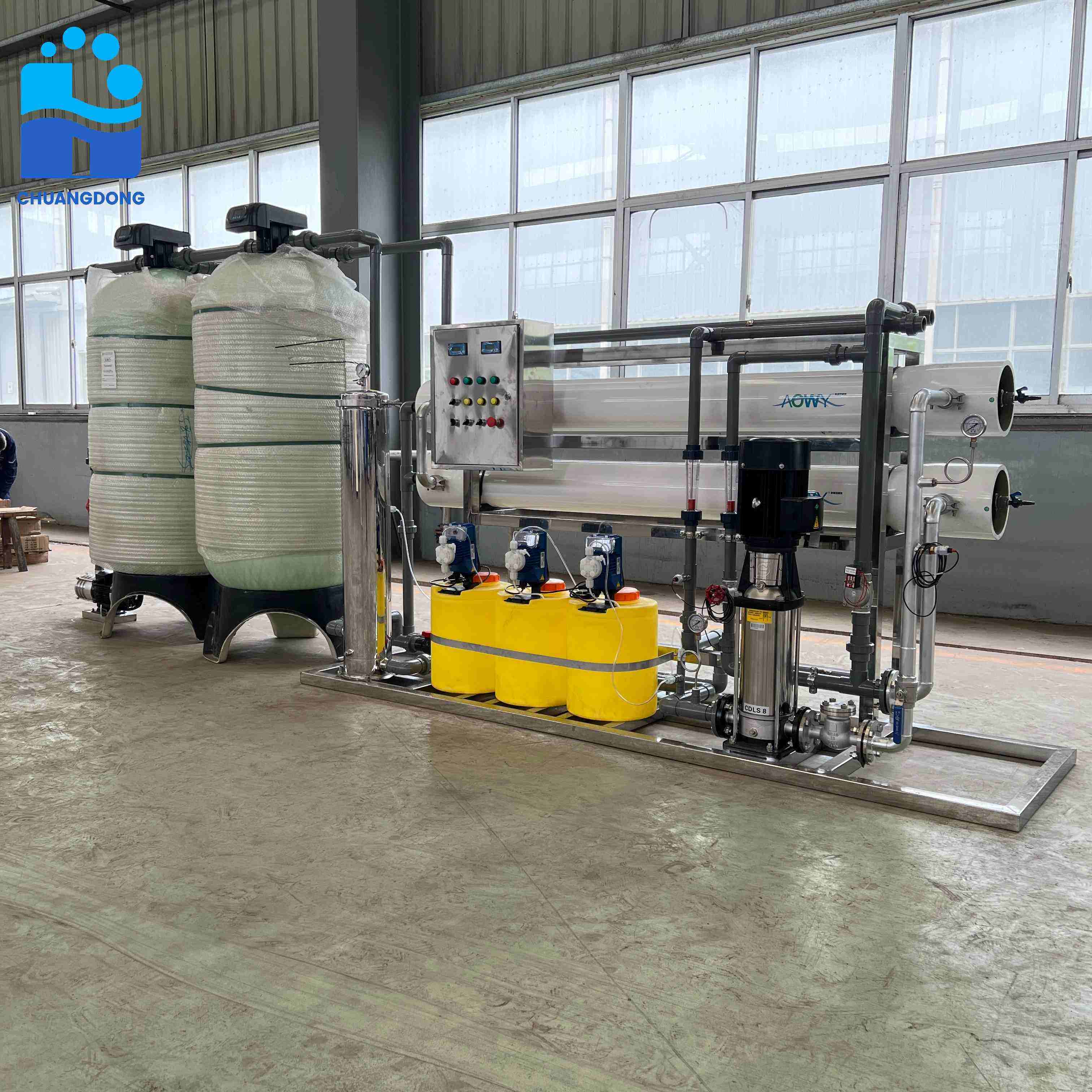
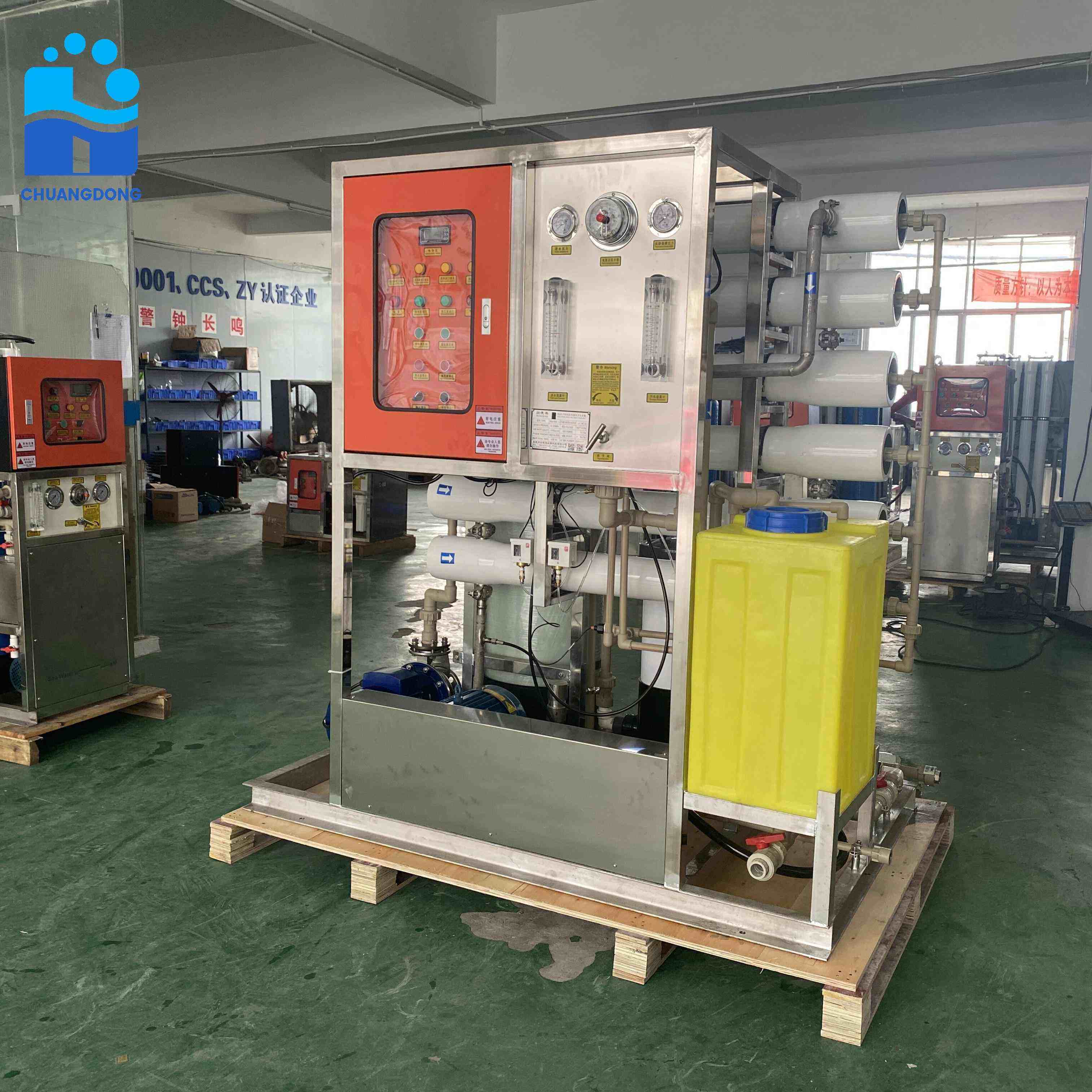
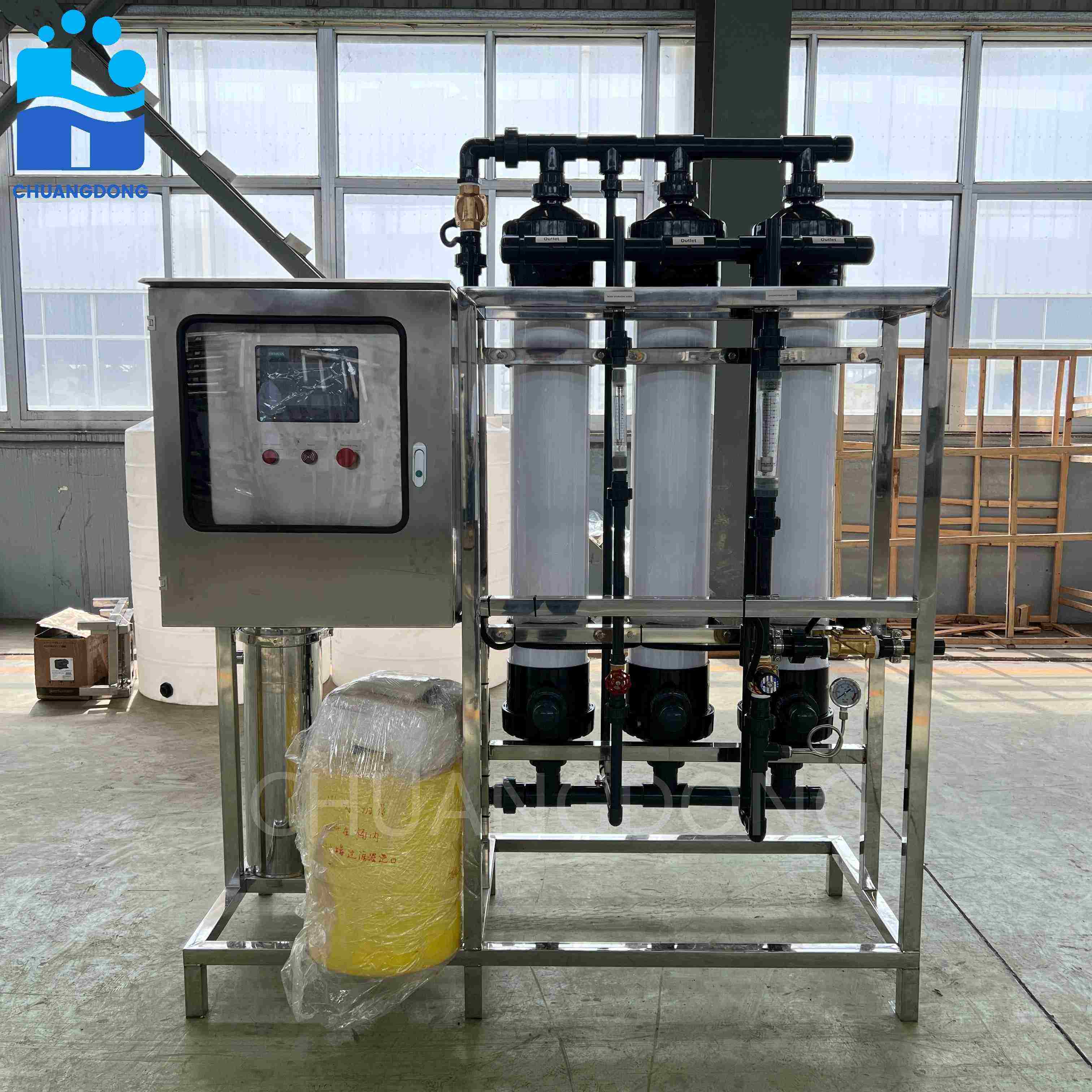
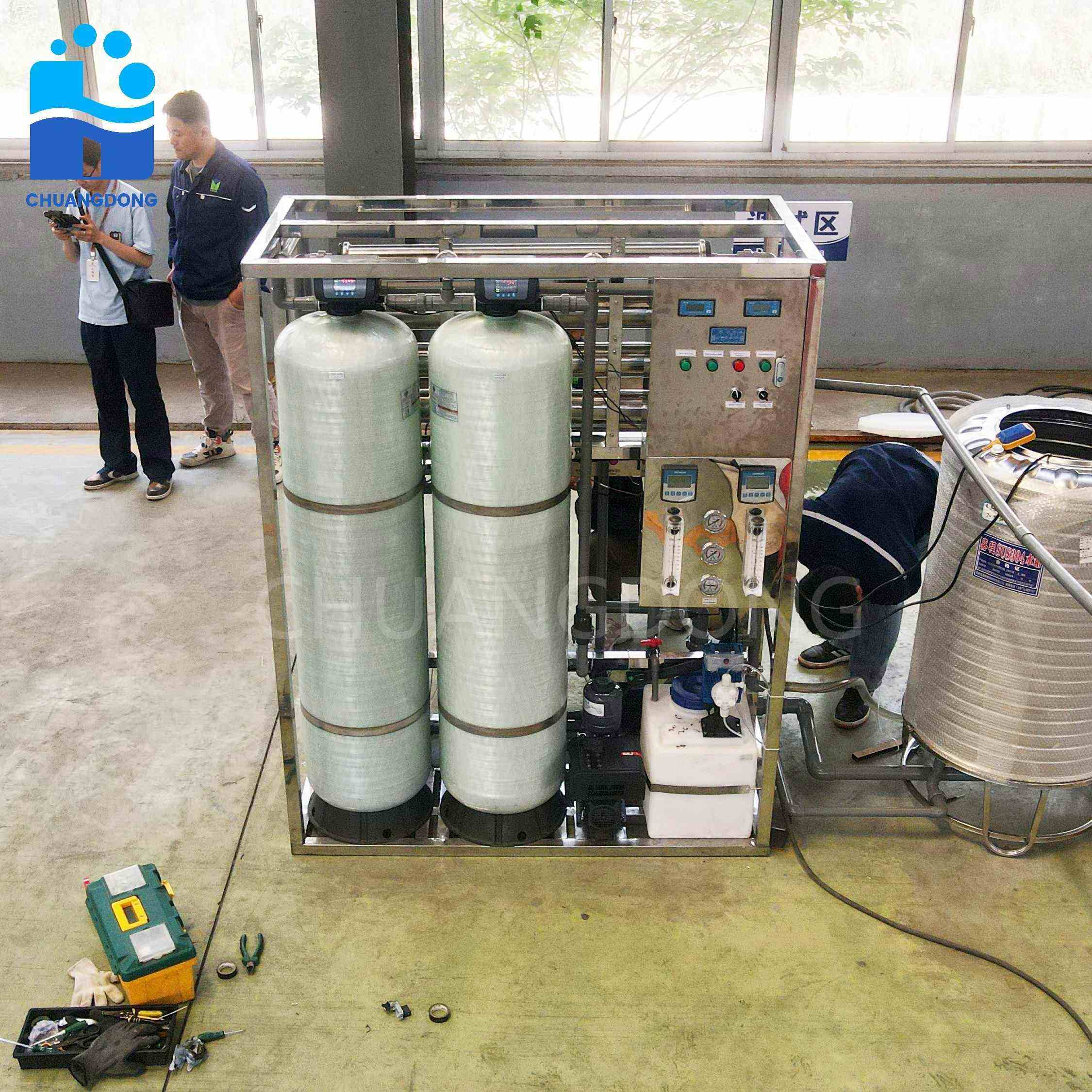
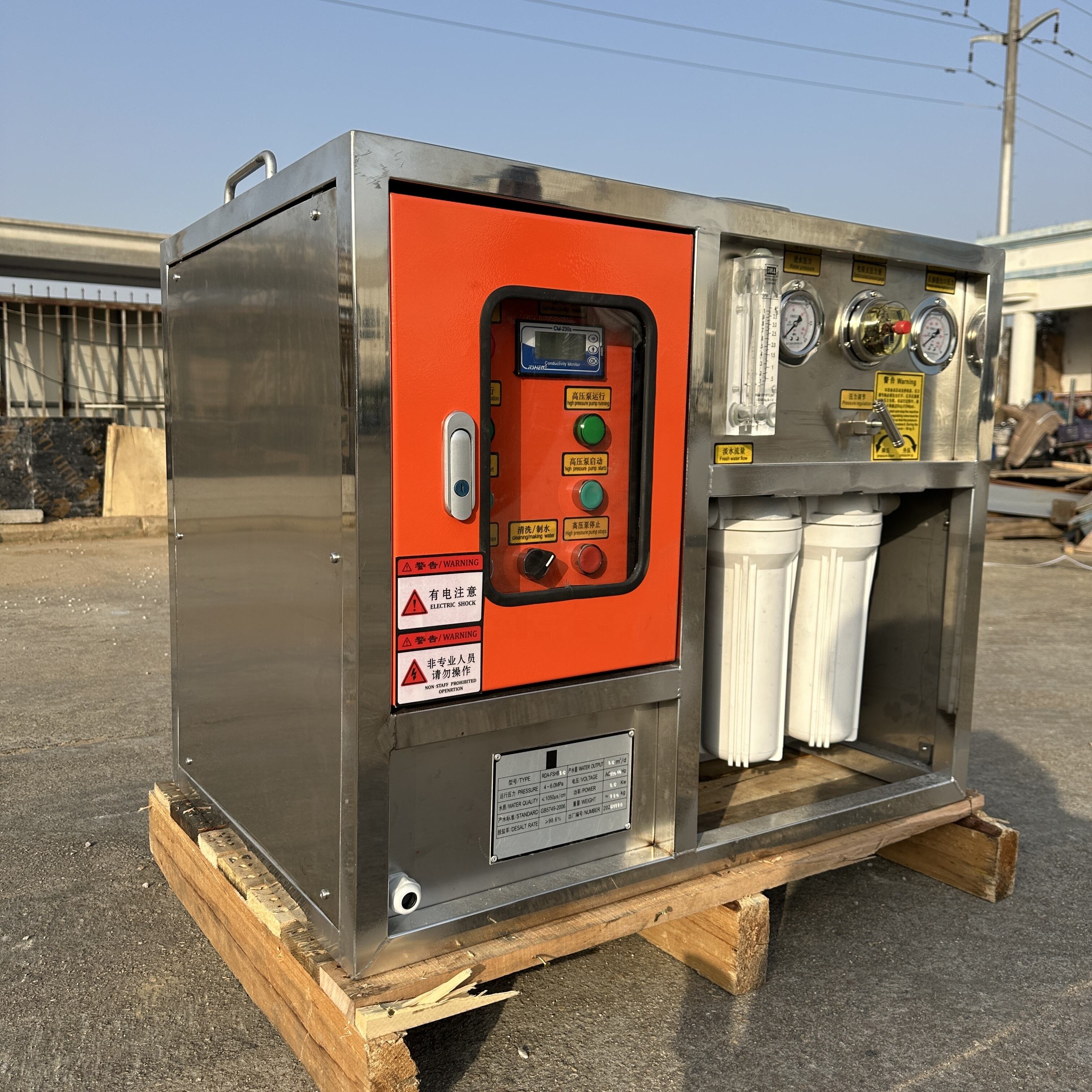
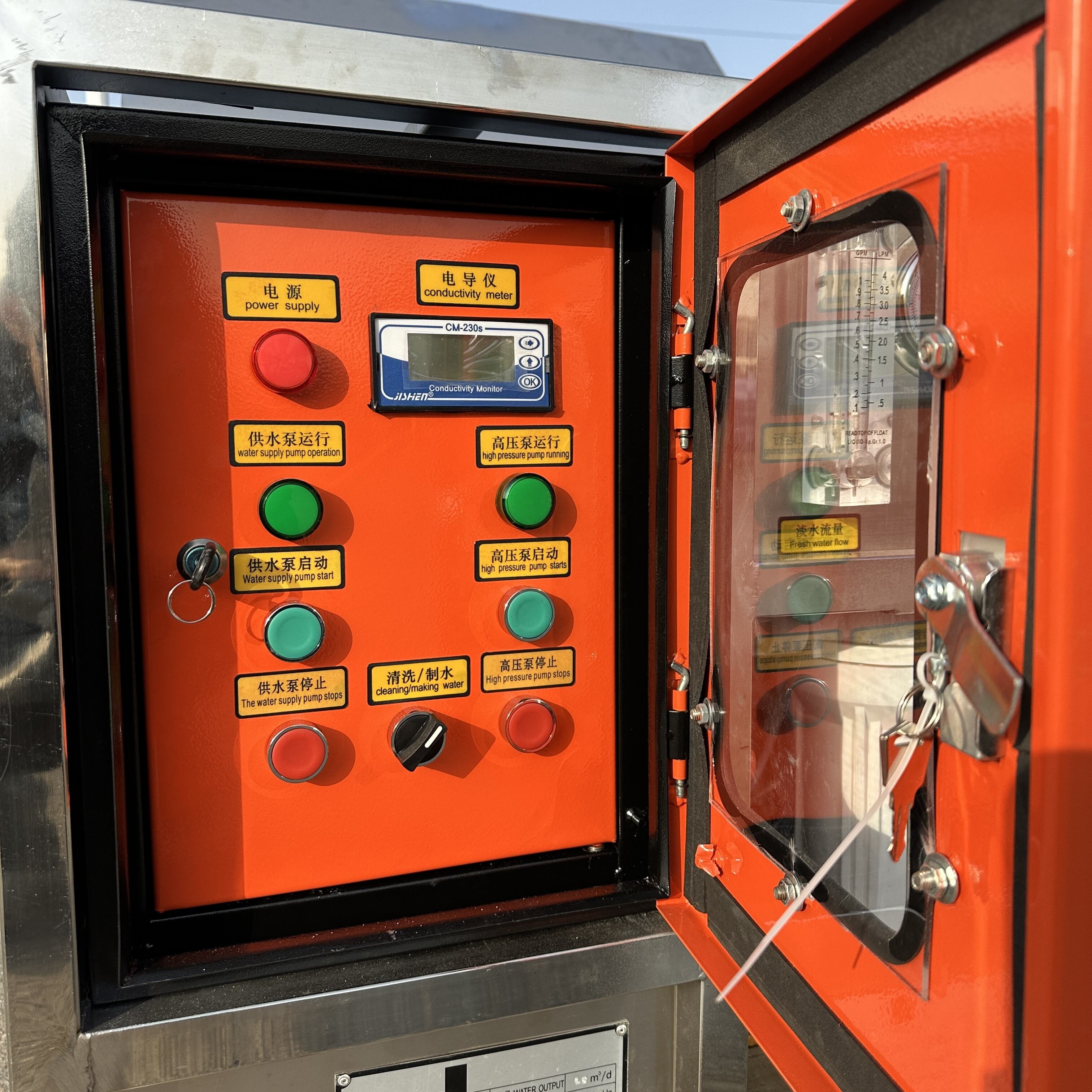
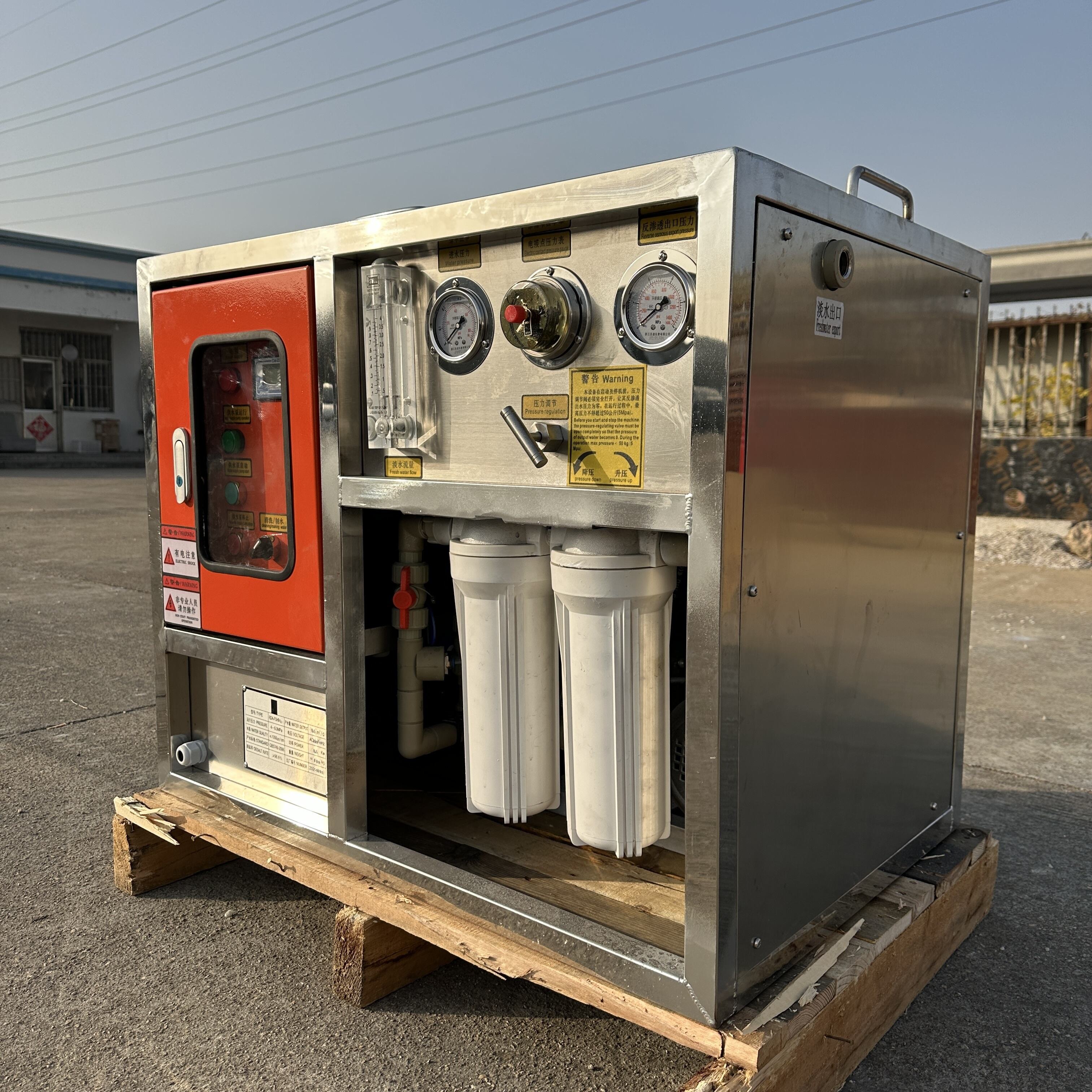
desalination equipment
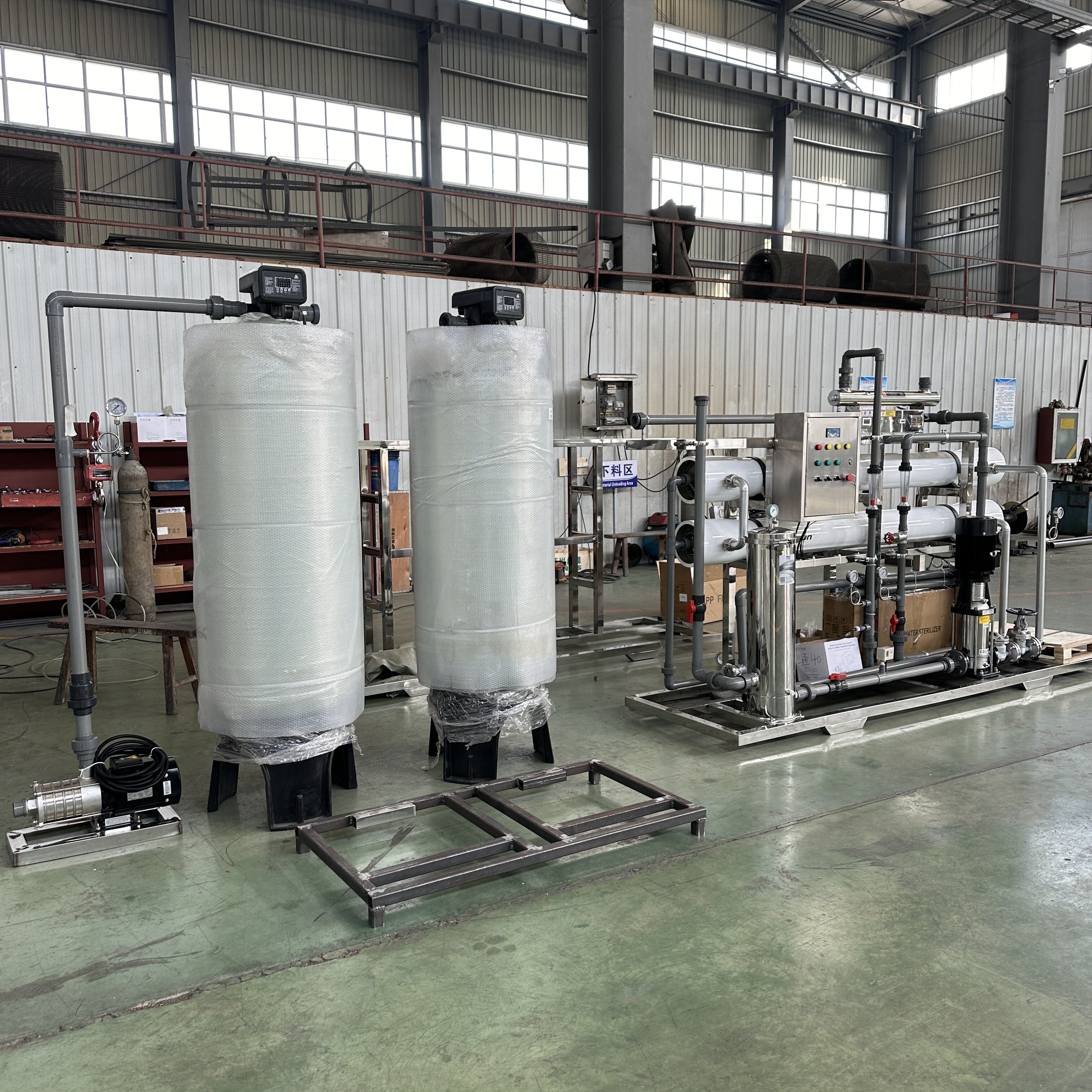
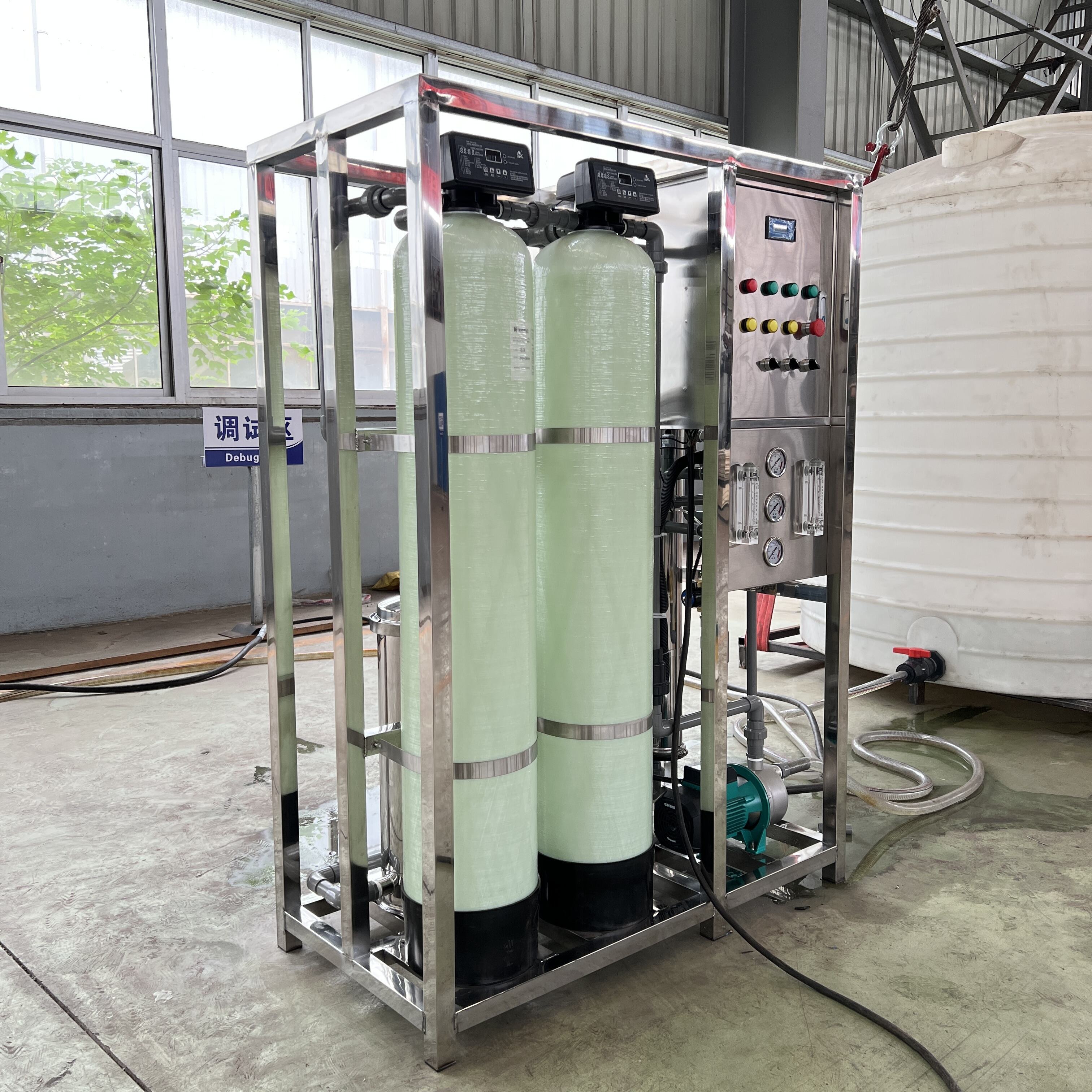
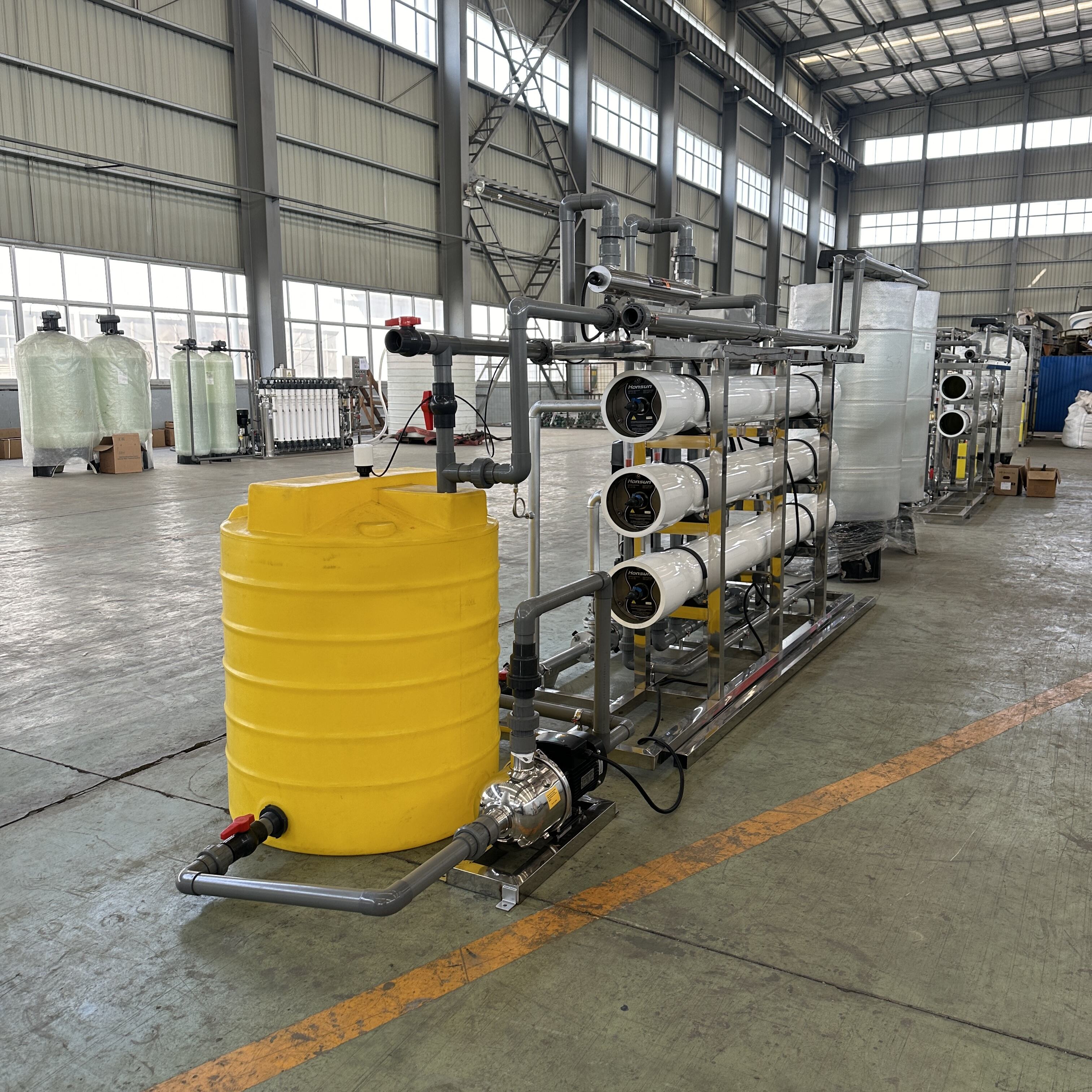
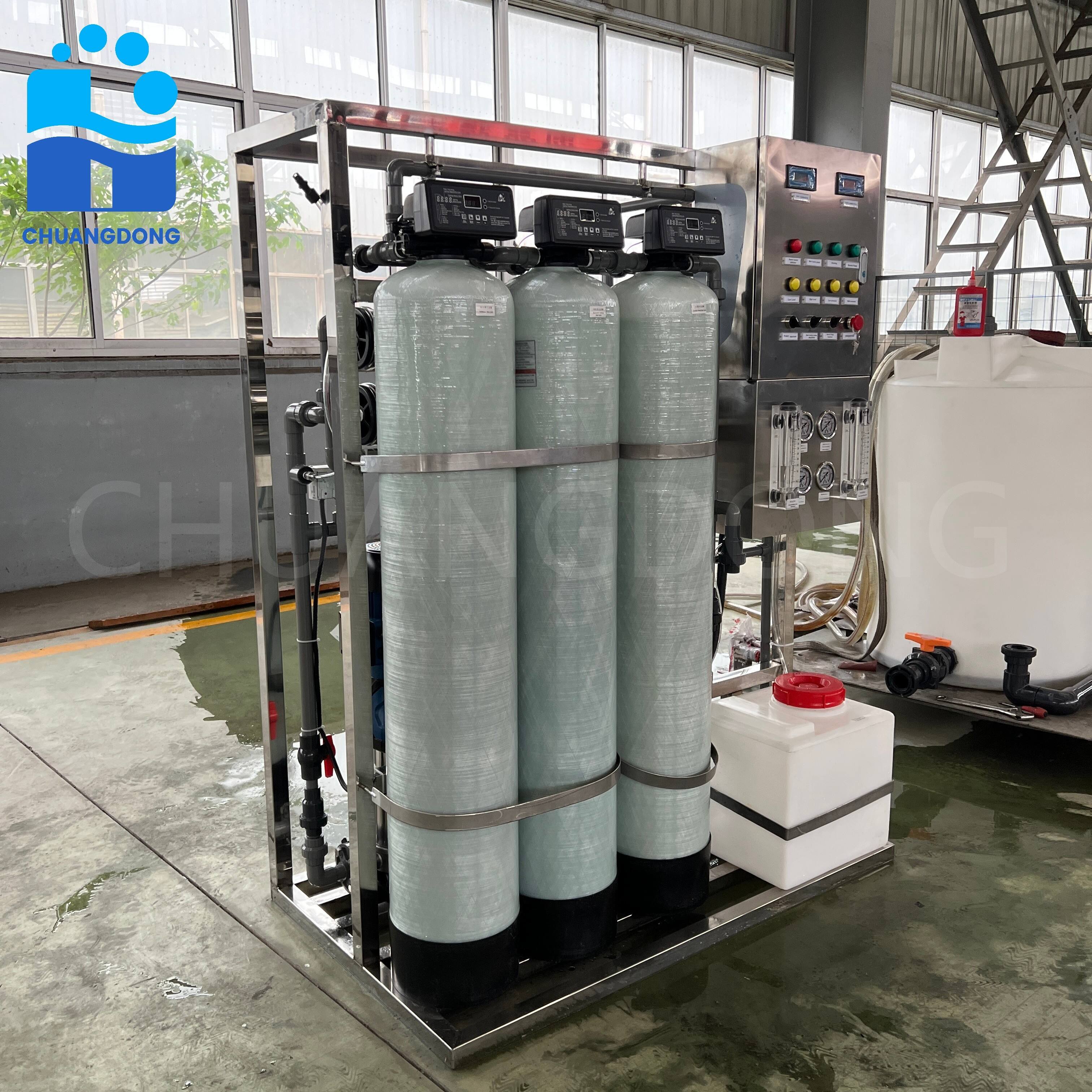
Desalination equipment transforms seawater or brackish water into clean, potable water by removing dissolved salts and minerals through advanced purification processes. This technology addresses critical water scarcity challenges facing coastal communities, industrial facilities, and regions with limited freshwater resources. Modern desalination equipment utilizes two primary methods: reverse osmosis, which forces water through semi-permeable membranes to separate salts, and thermal distillation, which evaporates and condenses water to remove impurities. These systems range from large-scale municipal plants producing millions of gallons daily to compact units serving remote locations, vessels, and emergency response operations. The desalination equipment integrates pre-treatment stages that filter suspended solids, post-treatment processes that adjust mineral content and pH levels, and energy recovery devices that reduce operational costs. Advanced monitoring systems ensure consistent water quality while automated controls optimize performance across varying feed water conditions. Applications span municipal water supply, industrial manufacturing, agricultural irrigation, marine vessels, offshore platforms, and disaster relief scenarios. As freshwater sources become increasingly stressed by population growth and climate change, desalination equipment provides a reliable, sustainable solution for communities and industries requiring dependable access to high-quality water. The technology continues evolving with innovations in membrane materials, energy efficiency, and environmental impact reduction, making it an essential infrastructure component for water-secure futures.
 EN
EN