 EN
EN



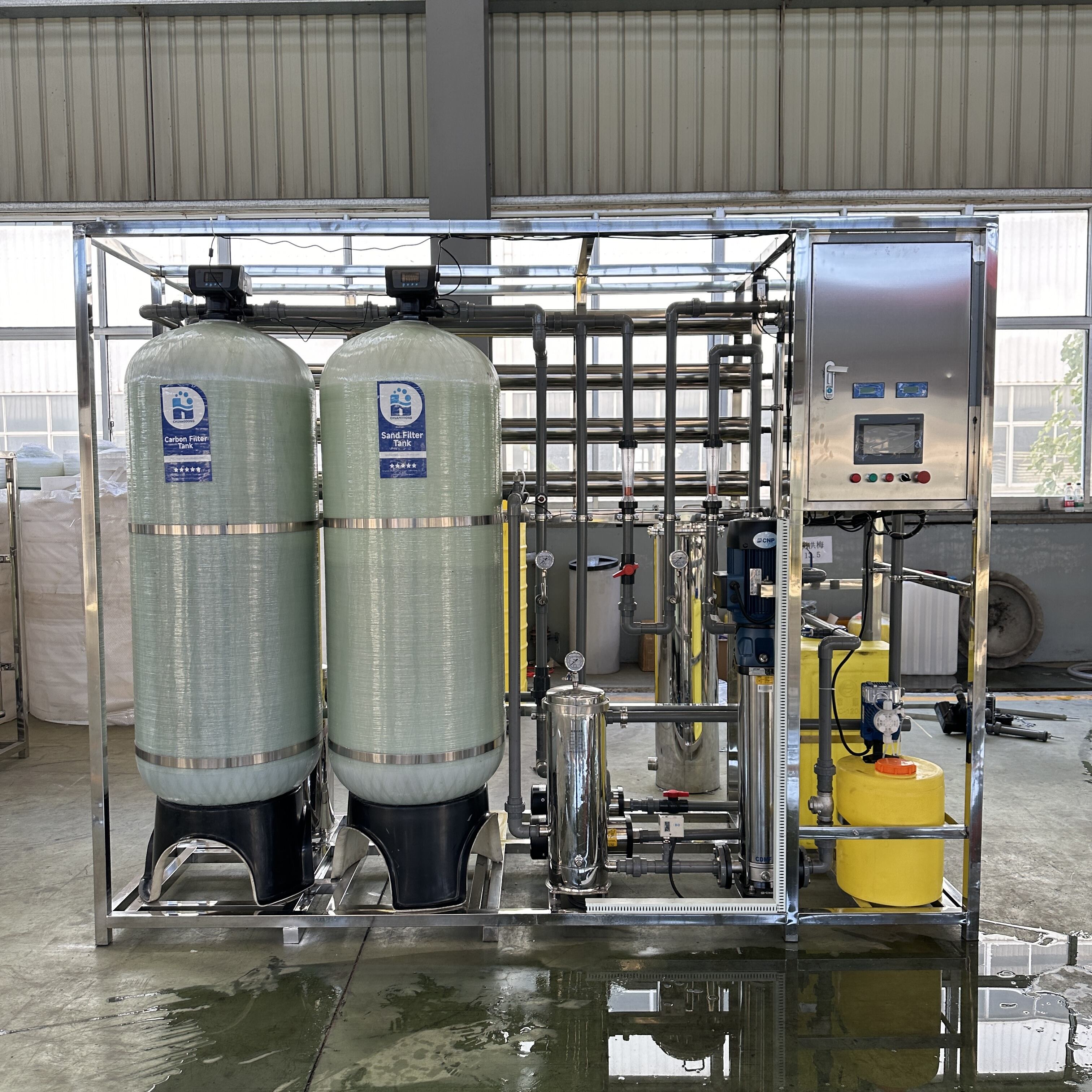
Environmental considerations have become paramount in the design and operation of modern desalination facilities worldwide. As water scarcity continues to challenge communities across the globe, the demand for sustainable desalination plant solutions has intensified dramatically. The intake and outfall systems represent critical components that can significantly influence the ecological footprint of any desalination facility. Understanding how these systems interact with marine ecosystems is essential for engineers, environmental consultants, and facility operators who seek to minimize adverse environmental impacts while maintaining operational efficiency.
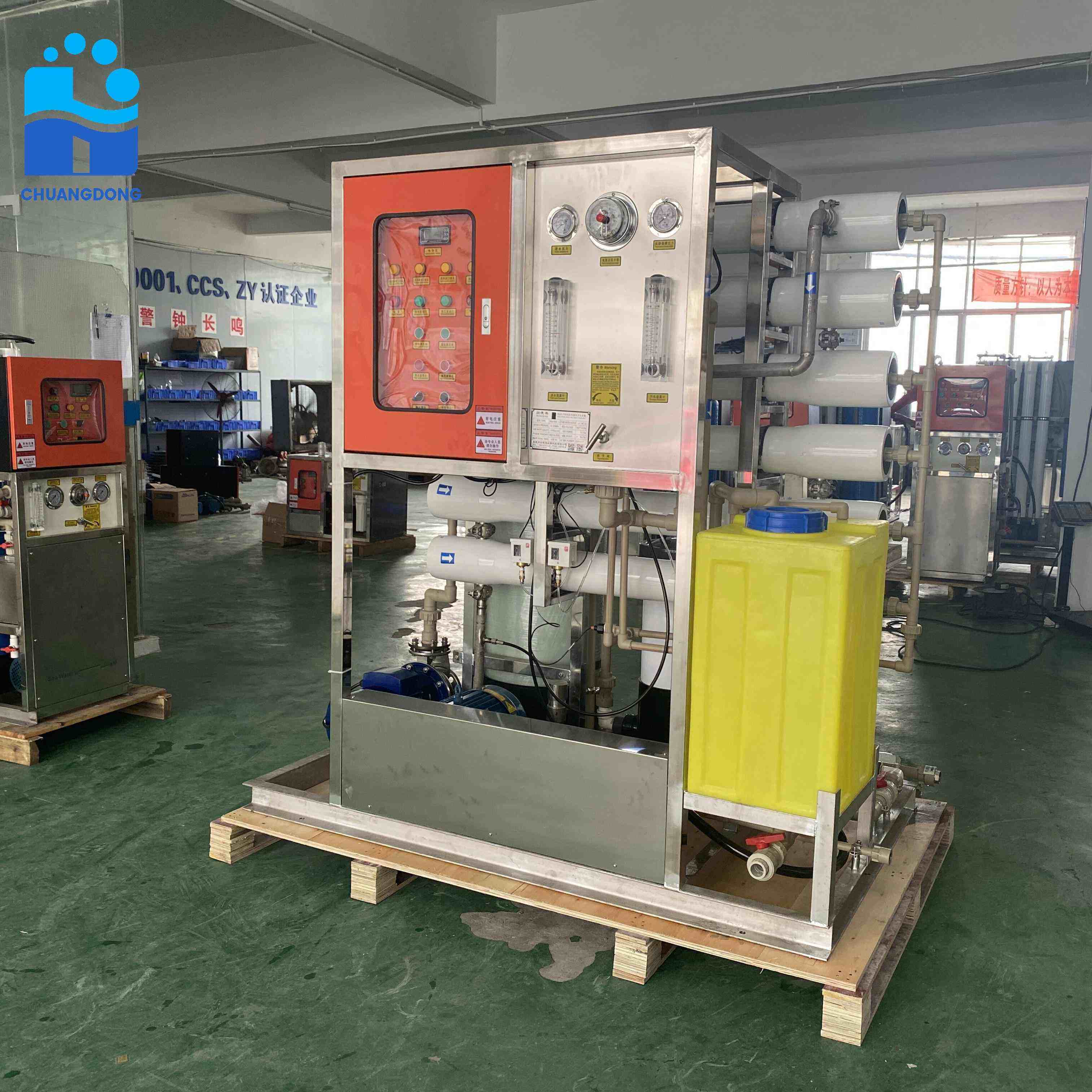
The strategic placement and engineering of intake structures directly affects marine life populations, water quality parameters, and long-term ecosystem stability. Similarly, outfall designs influence brine disposal patterns, thermal discharge characteristics, and overall water circulation dynamics in coastal environments. Modern desalination plant projects require comprehensive environmental impact assessments that evaluate both short-term construction effects and long-term operational consequences on surrounding marine habitats.
Advanced Intake Design Strategies for Marine Protection
Subsurface Intake Technologies
Subsurface intake systems represent one of the most environmentally conscious approaches for seawater collection in desalination plant operations. These systems utilize natural filtration processes through sand and sediment layers, effectively reducing the entrainment and impingement of marine organisms that commonly occur with traditional open intake designs. The technology involves horizontal or vertical wells positioned beneath the seafloor, creating a natural barrier that prevents direct marine life contact with intake mechanisms.
Beach wells and infiltration galleries serve as primary components in subsurface intake configurations for desalination plant facilities. These systems demonstrate remarkable effectiveness in protecting juvenile fish, larvae, and other sensitive marine species while simultaneously providing pre-filtered feedwater that reduces downstream treatment requirements. The natural filtration process removes suspended solids, algae, and organic matter, resulting in improved overall system efficiency and reduced chemical consumption throughout the treatment process.
Implementation of subsurface intake technology requires careful geological assessment and hydrogeological modeling to ensure adequate water production capacity. Site-specific factors including permeability coefficients, aquifer characteristics, and seasonal water table variations must be thoroughly evaluated during the desalination plant design phase. While initial capital costs may exceed traditional intake methods, operational benefits including reduced marine environmental impact and lower pretreatment requirements often justify the investment over the facility lifecycle.
Velocity Cap and Screen Systems
Velocity cap installations provide effective marine life protection through controlled flow patterns and reduced intake velocities at desalination plant intake points. These engineered structures create upward flow conditions that allow fish and other mobile marine organisms to escape before being drawn into the intake system. The design principle relies on maintaining intake velocities below the swimming capabilities of target species, typically ranging from 0.15 to 0.5 feet per second depending on local marine life characteristics.
Advanced screen technologies complement velocity cap systems by providing additional barriers against marine organism entrainment. Fine mesh screens, rotating drum screens, and traveling water screens can be integrated into desalination plant intake designs to capture and return marine life safely to the source water body. Modern screen systems incorporate automated cleaning mechanisms, debris removal systems, and monitoring equipment that ensures consistent performance while minimizing maintenance requirements.
Proper sizing and positioning of velocity cap systems requires detailed hydrodynamic modeling to predict flow patterns, velocity distributions, and potential environmental effects. Computational fluid dynamics simulations help engineers optimize intake geometry and screen configurations for specific site conditions. Regular monitoring of marine life interactions with intake structures provides valuable data for ongoing system optimization and regulatory compliance documentation.
Sustainable Outfall Design Approaches
Multiport Diffuser Systems
Multiport diffuser technology represents the gold standard for brine disposal from desalination plant operations, providing rapid dilution and mixing that minimizes localized environmental impacts. These systems consist of extended pipelines with multiple discharge ports positioned strategically to maximize initial mixing with ambient seawater. The diffuser design creates turbulent mixing conditions that rapidly reduce brine concentrations to near-ambient levels within short distances from the discharge points.
Engineering calculations for multiport diffusers consider factors including brine flow rates, density differences, ambient current patterns, and receiving water characteristics. Proper diffuser spacing and port sizing ensure optimal mixing performance while preventing jet interference between adjacent discharge points. The desalination plant outfall system must account for seasonal variations in water temperature, salinity, and current patterns that affect mixing efficiency and environmental impact potential.
Advanced materials and construction techniques enhance the longevity and performance of multiport diffuser systems in challenging marine environments. Corrosion-resistant alloys, specialized coatings, and flexible joint designs accommodate thermal expansion, seismic activity, and hydrodynamic forces. Regular inspection and maintenance protocols ensure continued optimal performance throughout the operational life of the desalination plant facility.
Near-Field and Far-Field Mixing Optimization
Near-field mixing characteristics determine the immediate environmental effects of brine discharge from desalination plant outfall systems. This zone, typically extending 100 to 200 meters from discharge points, experiences the highest concentration gradients and most significant density stratification effects. Engineering design must optimize initial mixing rates to minimize the size and intensity of the near-field mixing zone while ensuring adequate dilution performance.
Far-field dispersion patterns influence the broader ecosystem impacts of desalination plant operations over extended temporal and spatial scales. Current modeling, seasonal circulation patterns, and long-term oceanographic data inform the prediction of brine transport and dilution characteristics beyond the immediate discharge vicinity. Understanding far-field behavior enables engineers to position outfall systems for optimal environmental performance while meeting regulatory discharge requirements.
Monitoring programs track both near-field and far-field mixing performance through comprehensive water quality measurements, marine biological assessments, and physical oceanographic studies. Real-time monitoring systems provide continuous data on salinity distributions, temperature profiles, and dissolved oxygen levels that validate design predictions and support adaptive management strategies for desalination plant operations.
Environmental Monitoring and Adaptive Management
Marine Ecosystem Assessment Programs
Comprehensive marine ecosystem monitoring forms the foundation of responsible desalination plant environmental management, providing essential data on species abundance, community structure, and habitat quality changes over time. Pre-construction baseline studies establish reference conditions against which operational impacts can be measured and evaluated. These programs typically encompass multiple trophic levels including phytoplankton, zooplankton, benthic invertebrates, fish communities, and marine vegetation assemblages.
Standardized sampling protocols ensure consistency and comparability of monitoring data across different seasons and operational phases of the desalination plant lifecycle. Statistical analysis techniques identify significant trends, seasonal variations, and potential impacts attributable to facility operations versus natural environmental fluctuations. Long-term datasets enable detection of subtle ecosystem changes that might not be apparent through short-term studies alone.
Integration of traditional monitoring approaches with emerging technologies enhances the effectiveness and efficiency of environmental assessment programs. Acoustic monitoring systems, underwater video surveillance, and remote sensing technologies provide continuous data collection capabilities that supplement traditional field sampling methods. These technological advances enable more comprehensive understanding of marine ecosystem responses to desalination plant operations while reducing monitoring costs and logistical challenges.
Adaptive Management Strategies
Adaptive management principles enable desalination plant operators to respond effectively to changing environmental conditions, regulatory requirements, and operational demands through systematic learning and adjustment processes. This approach recognizes that initial design assumptions may require modification based on actual operational experience and monitoring results. Flexible operational protocols accommodate seasonal variations, extreme weather events, and evolving environmental conditions that affect intake and outfall performance.
Performance triggers and response protocols provide structured frameworks for implementing operational adjustments when monitoring data indicates potential environmental concerns. These triggers might include exceedances of water quality thresholds, significant changes in marine organism abundance, or detection of unexpected ecological responses. Predefined response actions enable rapid implementation of mitigation measures while maintaining desalination plant operational continuity.
Stakeholder engagement processes facilitate communication between desalination plant operators, regulatory agencies, environmental groups, and local communities throughout the facility lifecycle. Regular reporting, public meetings, and collaborative monitoring programs build trust and support for adaptive management initiatives. Transparent communication of monitoring results, operational modifications, and environmental protection measures demonstrates commitment to responsible facility operation and environmental stewardship.
Technological Innovations and Future Developments
Energy Recovery and Environmental Integration
Energy recovery systems integrated with intake and outfall designs offer significant opportunities to improve overall desalination plant efficiency while reducing environmental impacts. Pressure exchangers, energy recovery turbines, and heat recovery systems can be incorporated into intake and discharge infrastructure to capture and utilize energy that would otherwise be lost to the environment. These technologies reduce overall facility energy consumption while potentially providing beneficial environmental effects through controlled thermal management.
Co-location strategies that integrate desalination plant facilities with other coastal infrastructure projects maximize land use efficiency while potentially creating synergistic environmental benefits. Combined intake and outfall systems serving multiple facilities can reduce overall marine construction impacts while improving economies of scale for environmental monitoring and mitigation programs. Careful planning and coordination among multiple stakeholders enables optimized infrastructure development that benefits all participating facilities.
Renewable energy integration with intake and outfall systems represents an emerging area of innovation for sustainable desalination plant development. Solar-powered intake pumps, wave energy converters integrated with outfall structures, and wind-powered monitoring systems reduce facility carbon footprints while demonstrating commitment to environmental sustainability. These technologies align with growing regulatory emphasis on renewable energy utilization and carbon emission reduction in industrial facilities.
Smart Monitoring and Control Systems
Advanced sensor technologies and data analytics platforms enable real-time optimization of desalination plant intake and outfall operations based on continuously updated environmental conditions. Smart monitoring systems integrate water quality sensors, biological monitoring equipment, and oceanographic instruments to provide comprehensive situational awareness for facility operators. Machine learning algorithms analyze monitoring data to predict optimal operational parameters and identify potential environmental concerns before they become significant issues.
Automated control systems respond dynamically to changing environmental conditions by adjusting intake and discharge flow rates, modifying mixing patterns, and implementing protective measures for marine life. These systems can react to real-time conditions much faster than manual operational adjustments, potentially reducing environmental impacts during critical periods such as fish spawning seasons or extreme weather events. Integration with broader facility control systems enables coordinated responses that optimize both environmental performance and operational efficiency.
Digital twin technology creates virtual replicas of desalination plant intake and outfall systems that enable predictive modeling, scenario analysis, and operational optimization without risking actual environmental impacts. These digital models incorporate real-time monitoring data, historical performance records, and environmental databases to simulate system responses under various conditions. Operators can test potential modifications, evaluate environmental scenarios, and optimize performance strategies using digital twin platforms before implementing changes in actual facility operations.
Regulatory Compliance and Best Practice Standards
International Guidelines and Standards
International organizations have developed comprehensive guidelines for environmentally responsible desalination plant design and operation that address intake and outfall system requirements. The International Desalination Association, World Health Organization, and various regional bodies provide technical standards that establish minimum performance criteria for marine environmental protection. These guidelines incorporate lessons learned from decades of global desalination plant experience and represent current best practices for sustainable facility development.
Regional regulatory frameworks vary significantly in their specific requirements for desalination plant environmental protection, reflecting local ecosystem characteristics, regulatory priorities, and stakeholder concerns. Mediterranean countries emphasize marine habitat preservation in oligotrophic environments, while tropical regions focus on coral reef and seagrass protection. Understanding region-specific requirements enables project developers to design intake and outfall systems that meet or exceed applicable standards while optimizing operational performance.
Emerging regulatory trends emphasize ecosystem-based management approaches that consider cumulative impacts from multiple coastal development projects rather than evaluating individual desalination plant facilities in isolation. This holistic approach requires more sophisticated environmental modeling and impact assessment methodologies that account for interactive effects between different infrastructure projects. Proactive engagement with regulatory agencies during early project planning phases helps ensure that intake and outfall designs align with evolving regulatory expectations and requirements.
Environmental Impact Assessment Methodologies
Contemporary environmental impact assessment methodologies for desalination plant projects incorporate advanced modeling techniques, comprehensive baseline studies, and long-term monitoring programs that provide robust scientific foundations for environmental protection decisions. These assessments evaluate potential impacts on physical oceanography, water quality, marine biology, and ecosystem services throughout the project lifecycle. Standardized assessment protocols ensure consistency and comparability across different projects while accommodating site-specific environmental characteristics.
Quantitative impact prediction models utilize sophisticated hydrodynamic, water quality, and biological modeling tools to forecast potential environmental effects of proposed intake and outfall designs. These models incorporate site-specific oceanographic data, seasonal variations, extreme event scenarios, and climate change projections to provide comprehensive impact assessments. Uncertainty analysis and sensitivity testing help identify critical assumptions and data gaps that require additional study or conservative design approaches.
Mitigation hierarchies prioritize impact avoidance, minimization, and offset measures to achieve net positive environmental outcomes from desalination plant development projects. Avoidance measures include careful site selection and timing restrictions that protect sensitive habitats and species. Minimization strategies focus on optimized intake and outfall designs that reduce impact intensity and spatial extent. Offset programs may include habitat restoration, marine protected area establishment, or research funding that provides environmental benefits to compensate for unavoidable impacts.
FAQ
How do subsurface intake systems reduce environmental impacts compared to traditional open water intakes
Subsurface intake systems significantly reduce environmental impacts by eliminating direct contact between marine organisms and intake mechanisms. These systems use natural sand and sediment filtration to collect seawater through beach wells or infiltration galleries positioned beneath the seafloor. This approach prevents entrainment and impingement of fish, larvae, and other marine life that commonly occurs with open water intakes. Additionally, subsurface systems provide natural pre-filtration that improves water quality and reduces chemical treatment requirements in the desalination plant, resulting in lower overall environmental impact and improved operational efficiency.
What are the key design considerations for multiport diffuser outfall systems
Multiport diffuser systems require careful consideration of brine flow rates, density differences between discharge and ambient seawater, local current patterns, and receiving water characteristics. Engineers must optimize port spacing and sizing to maximize initial mixing while preventing jet interference between adjacent discharge points. The design must account for seasonal variations in temperature, salinity, and oceanographic conditions that affect mixing performance. Material selection focuses on corrosion-resistant components that withstand harsh marine environments. Proper diffuser positioning based on bathymetric surveys and current modeling ensures optimal dilution performance while minimizing environmental impact zones around the desalination plant outfall.
How often should environmental monitoring be conducted at desalination plant facilities
Environmental monitoring frequency depends on facility size, ecosystem sensitivity, and regulatory requirements, but typically includes continuous real-time monitoring of key parameters such as salinity, temperature, and dissolved oxygen levels near intake and outfall structures. Biological monitoring programs usually conduct quarterly or semi-annual sampling for marine organisms, benthic communities, and water quality parameters. More intensive monitoring may be required during initial operational phases, seasonal spawning periods, or following extreme weather events. Many facilities implement adaptive monitoring schedules that adjust frequency based on operational conditions and environmental risk factors. Long-term monitoring programs spanning multiple years provide essential data for detecting trends and evaluating the effectiveness of environmental protection measures.
What role does computational modeling play in optimizing intake and outfall designs
Computational modeling plays a crucial role in predicting and optimizing the environmental performance of desalination plant intake and outfall systems. Hydrodynamic models simulate water flow patterns, mixing processes, and transport mechanisms that determine environmental impact zones. Water quality models predict salinity distributions, temperature profiles, and chemical constituent concentrations throughout the receiving water body. Biological models assess potential impacts on marine organisms and ecosystem processes. These modeling tools enable engineers to test multiple design alternatives, optimize system configurations, and predict long-term environmental effects before construction begins. Model results inform regulatory permit applications and provide quantitative foundations for environmental impact assessments and mitigation planning.
Table of Contents
- Advanced Intake Design Strategies for Marine Protection
- Sustainable Outfall Design Approaches
- Environmental Monitoring and Adaptive Management
- Technological Innovations and Future Developments
- Regulatory Compliance and Best Practice Standards
-
FAQ
- How do subsurface intake systems reduce environmental impacts compared to traditional open water intakes
- What are the key design considerations for multiport diffuser outfall systems
- How often should environmental monitoring be conducted at desalination plant facilities
- What role does computational modeling play in optimizing intake and outfall designs