Advanced Reverse Osmosis Desalination of Seawater: Comprehensive Solutions for Sustainable Water Treatment

Get a Free Quote

Our representative will contact you soon.
Email
Name
Company Name
Message
0/1000

reverse osmosis desalination of seawater

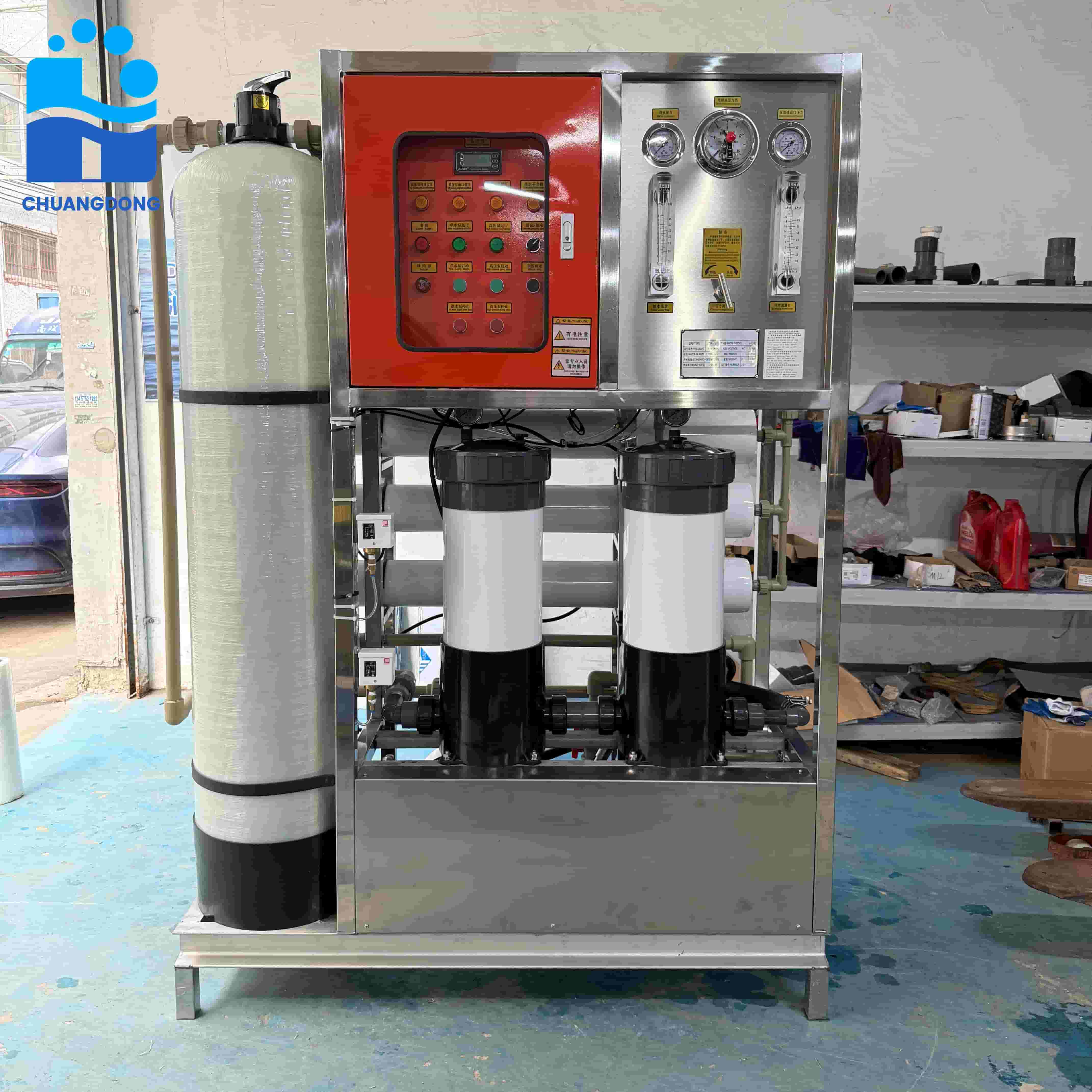
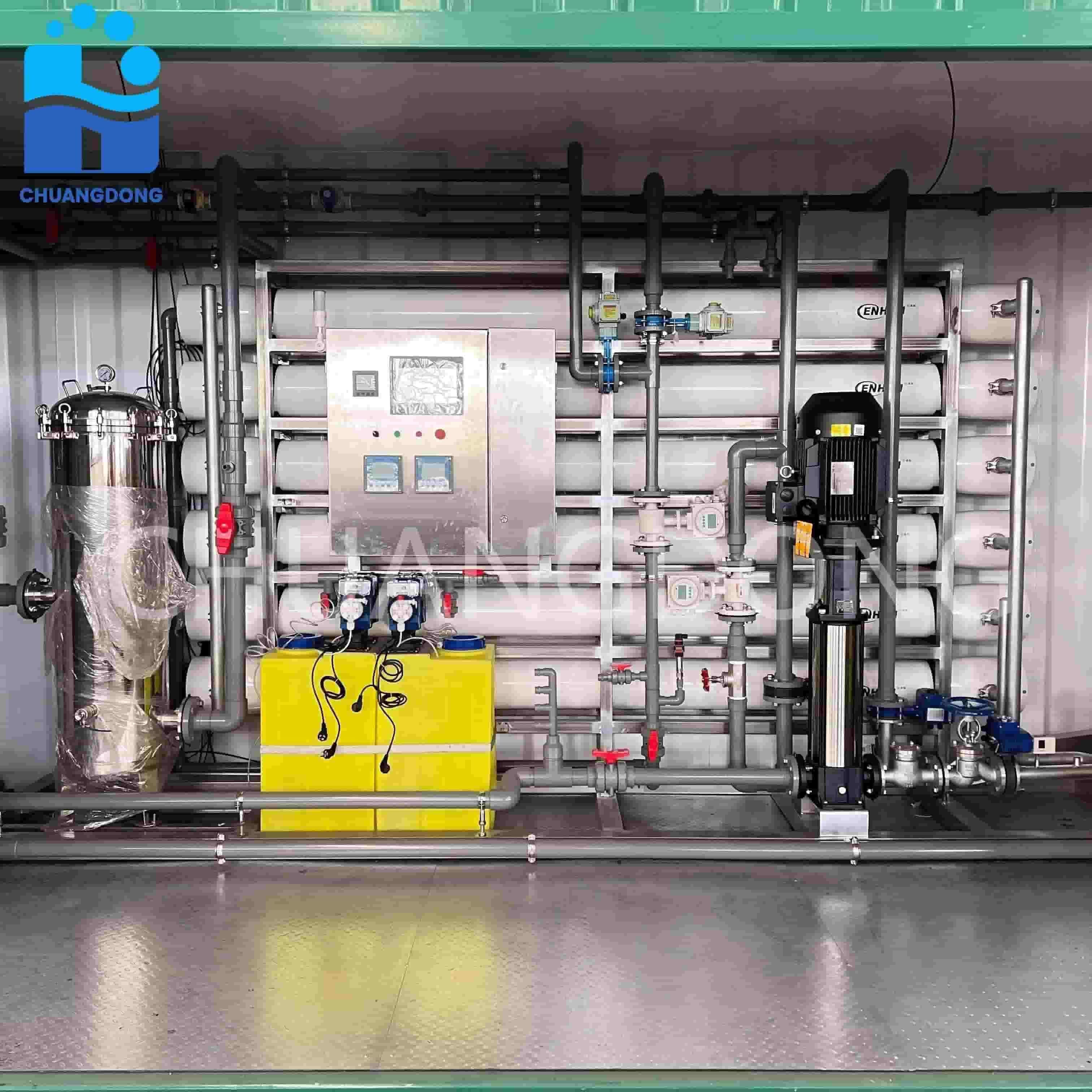
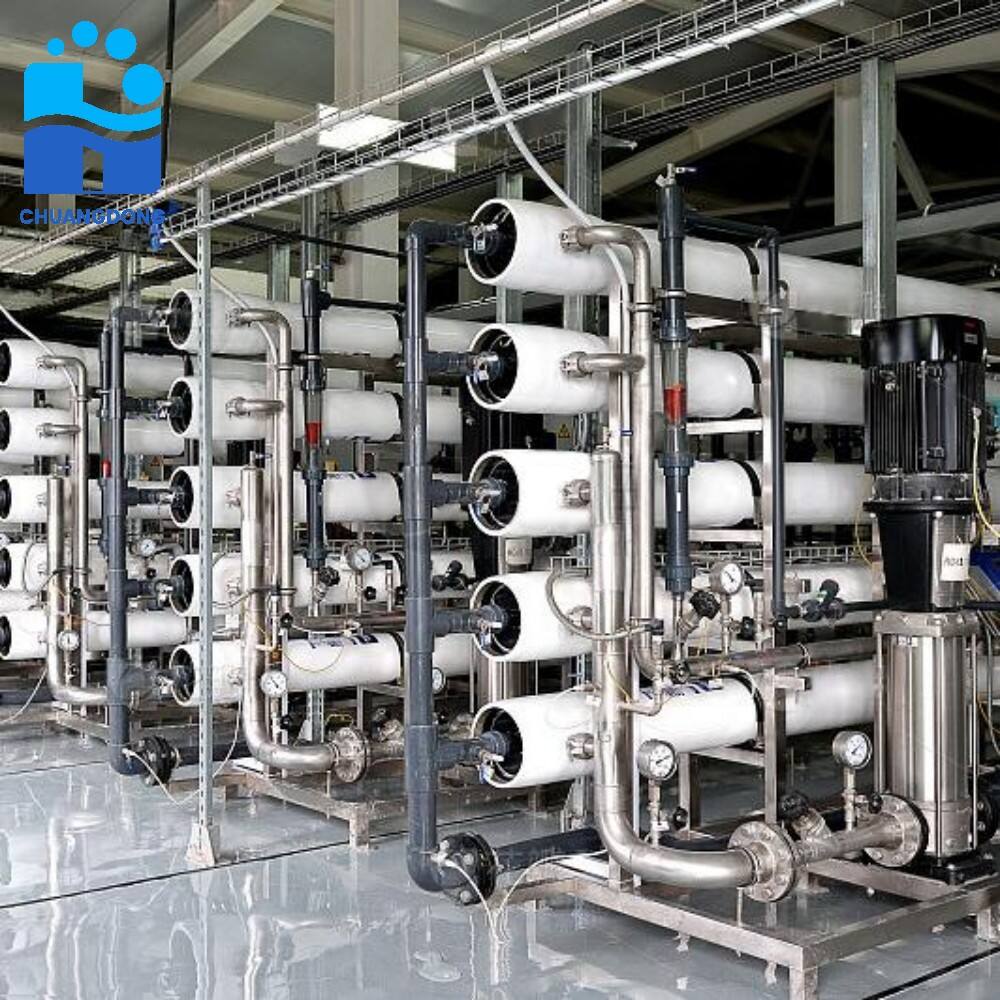
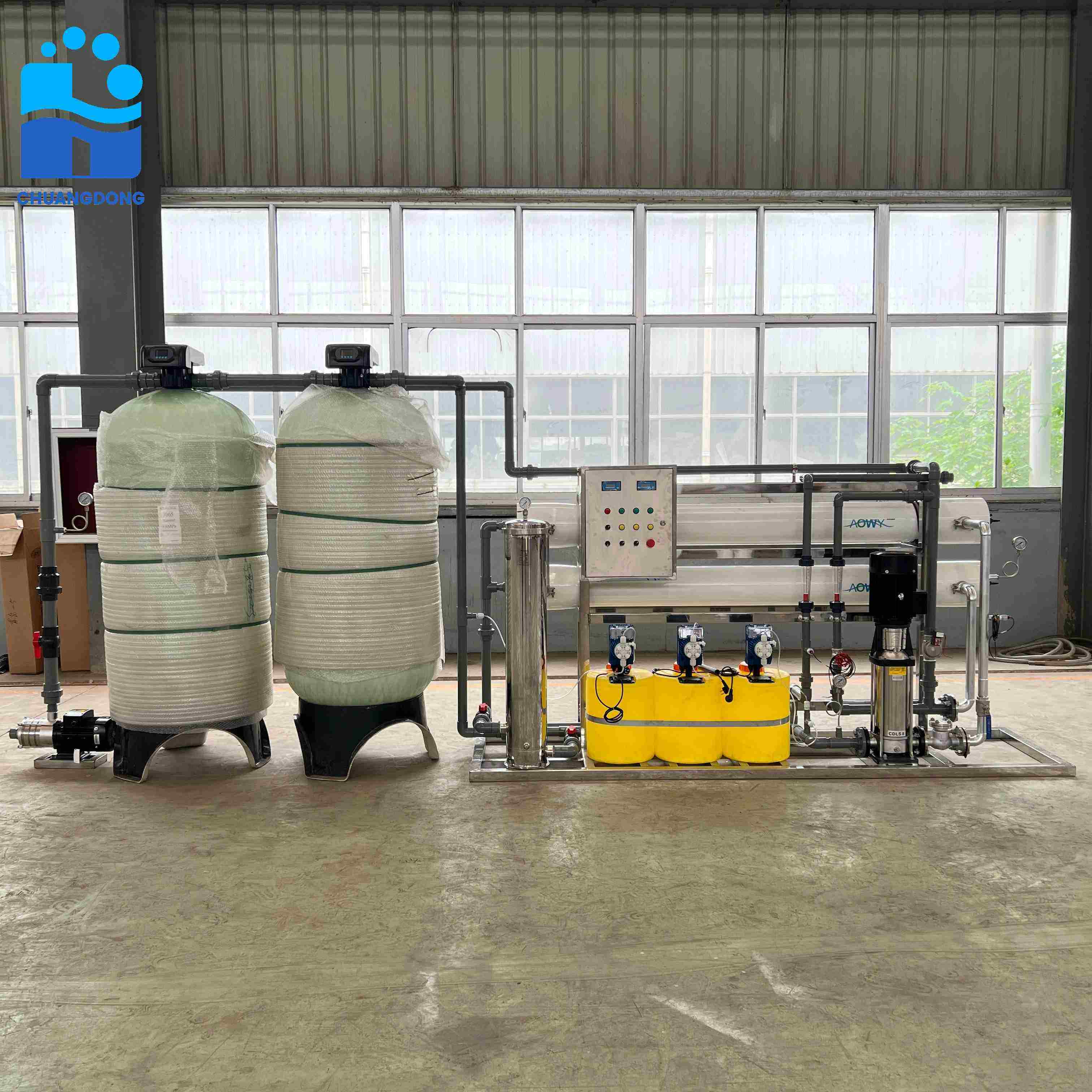
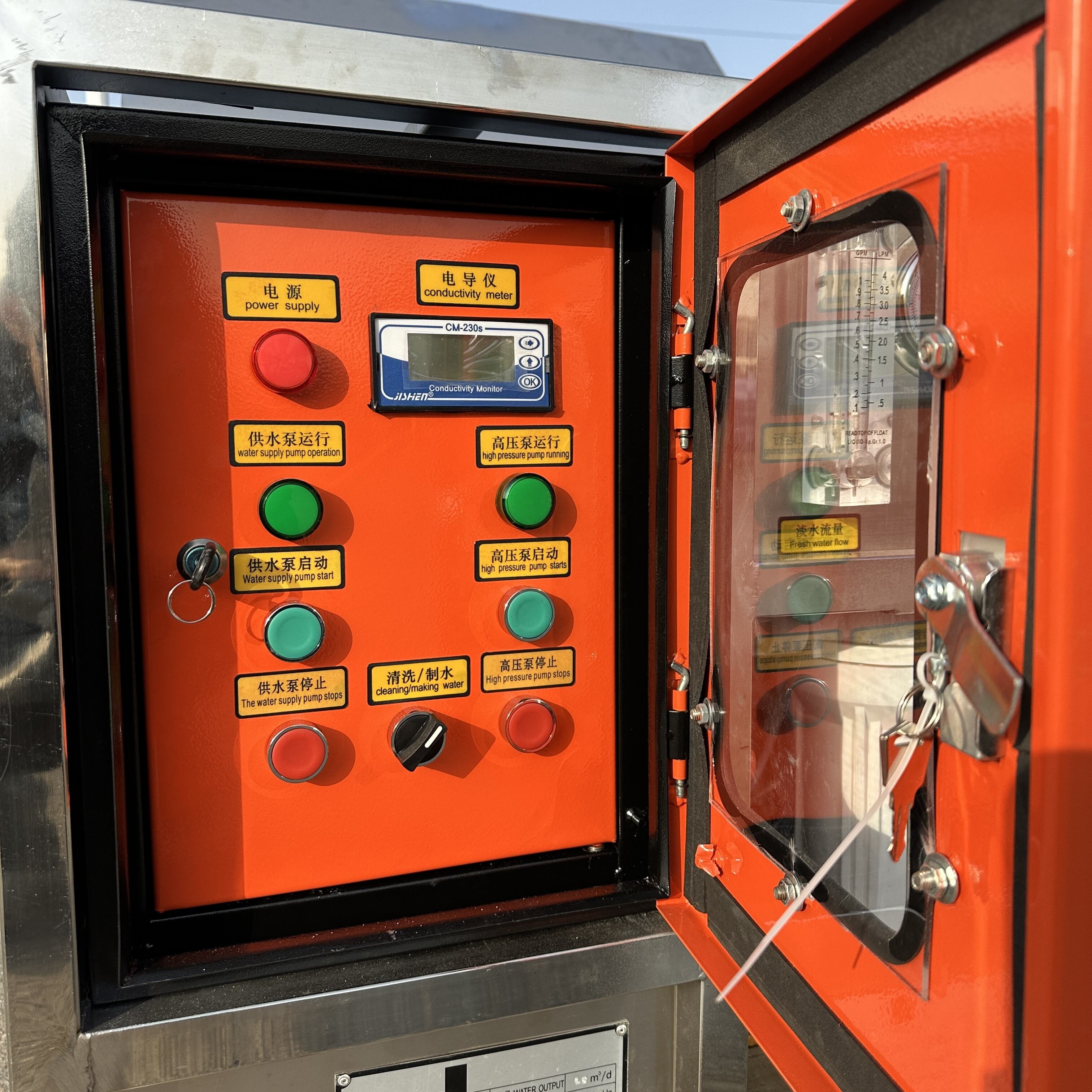
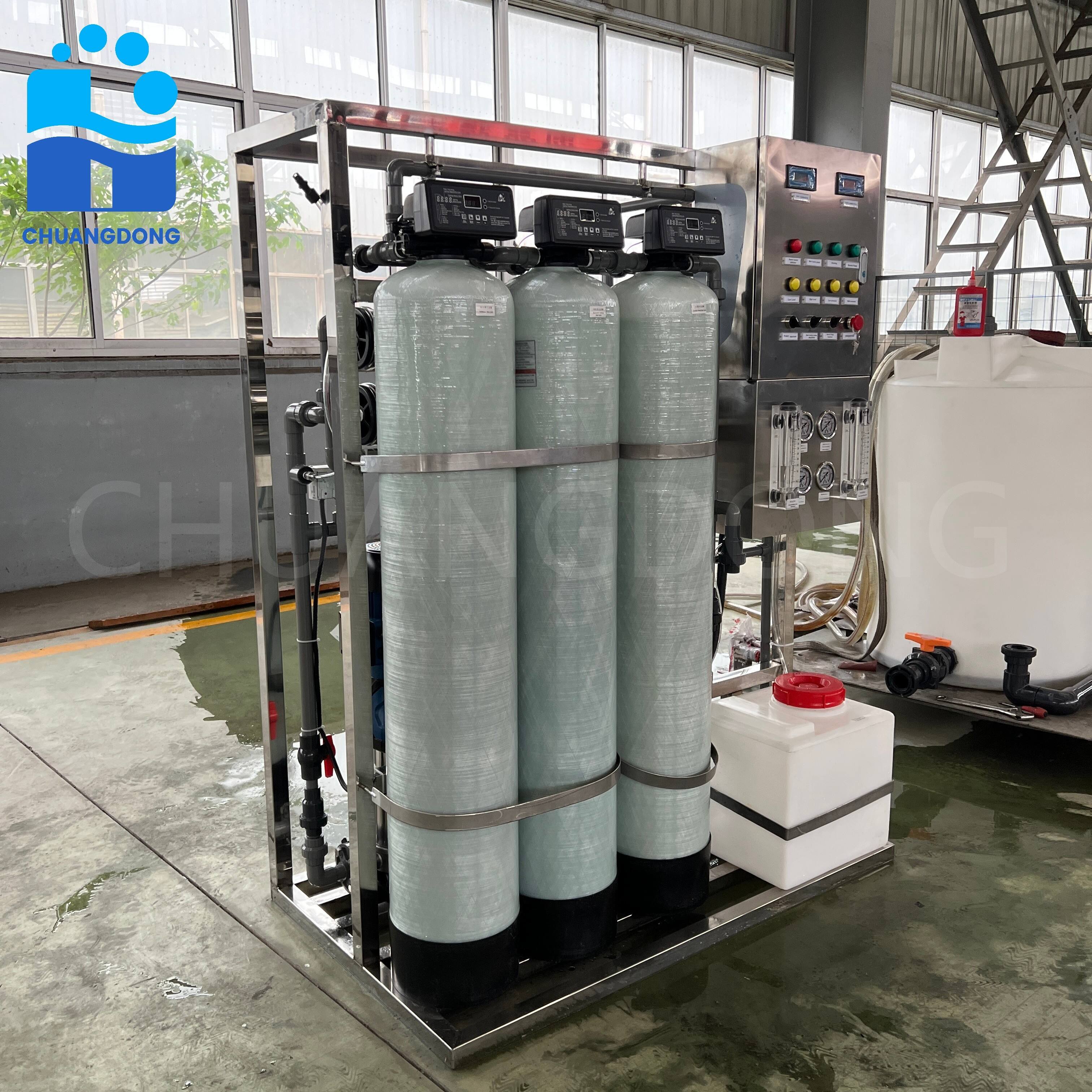
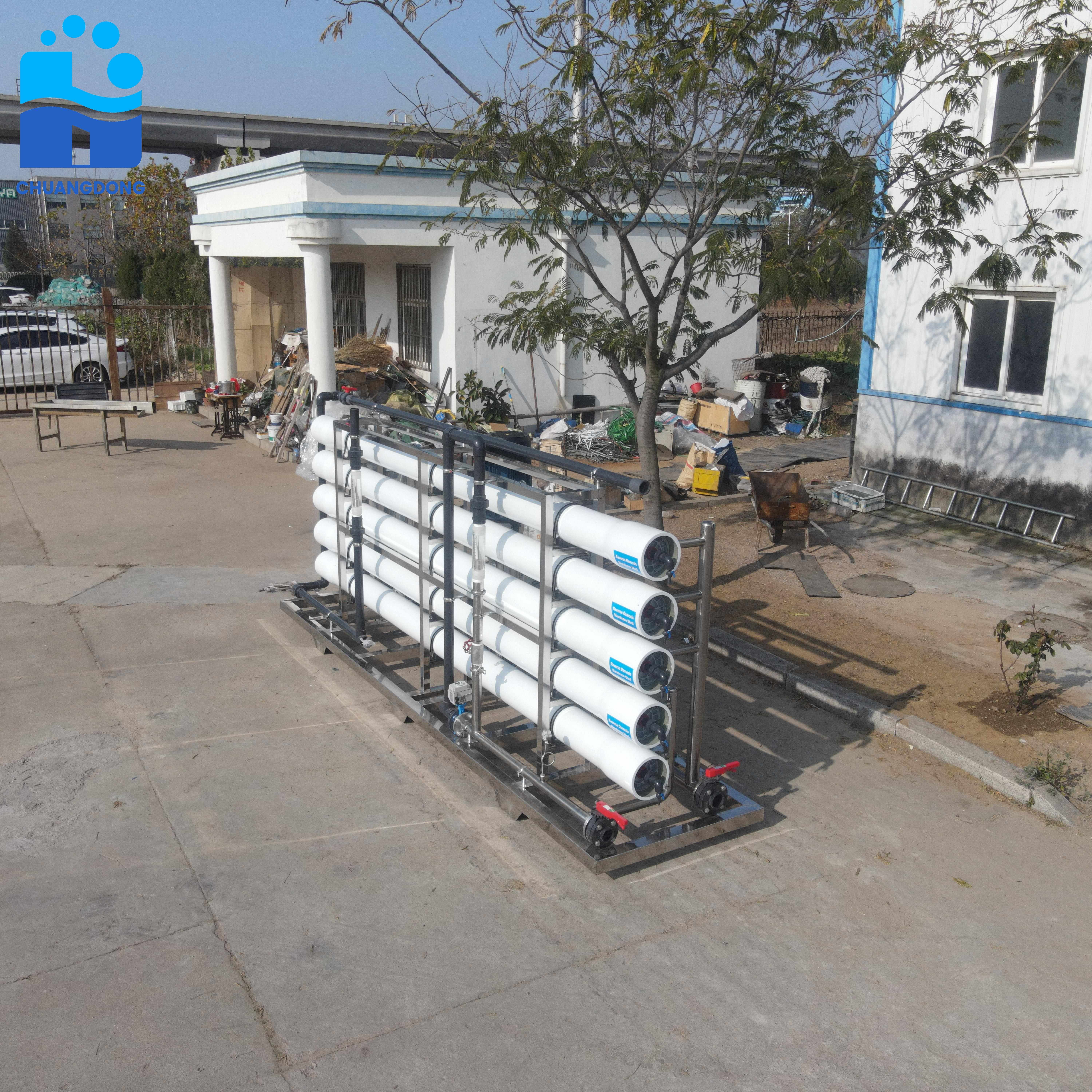
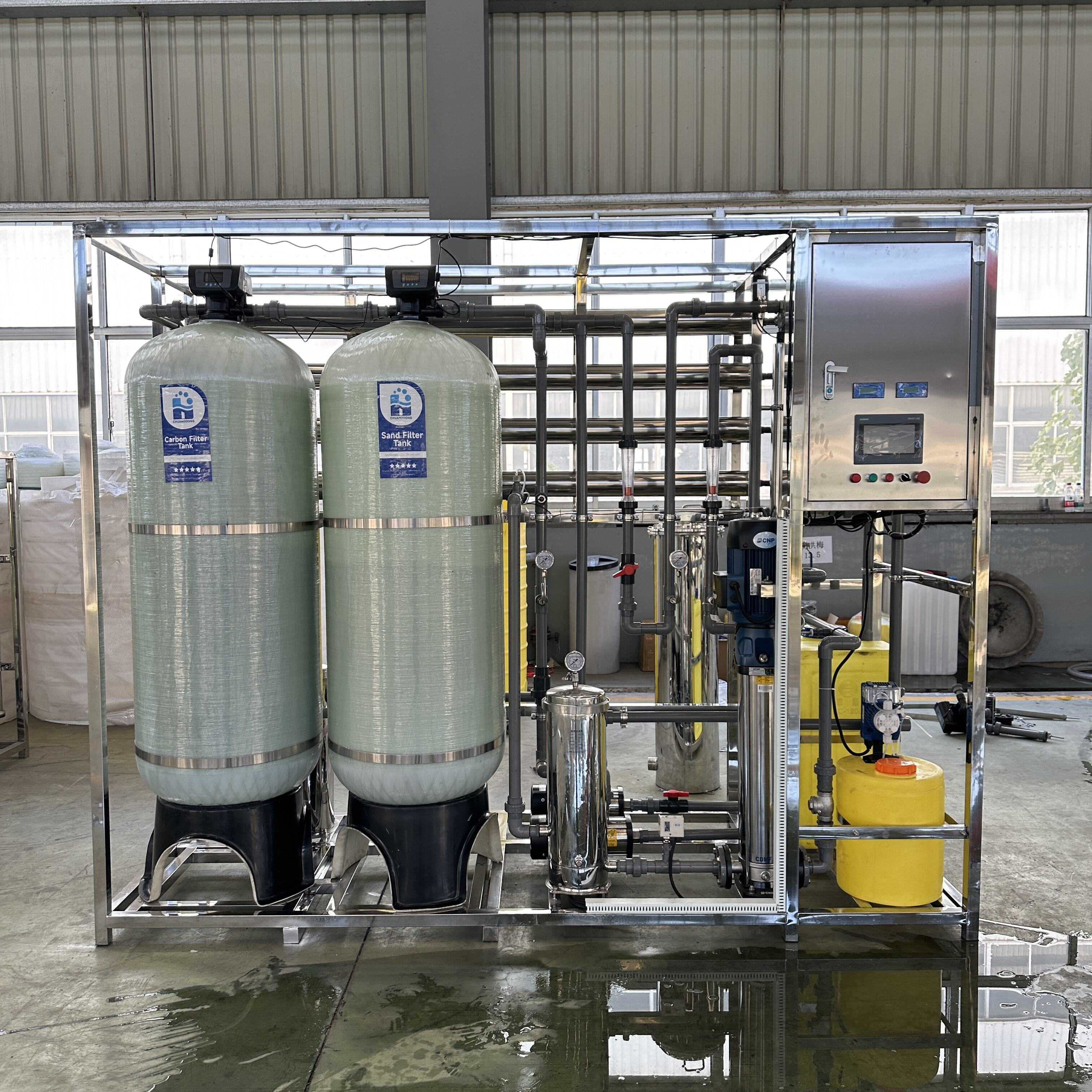
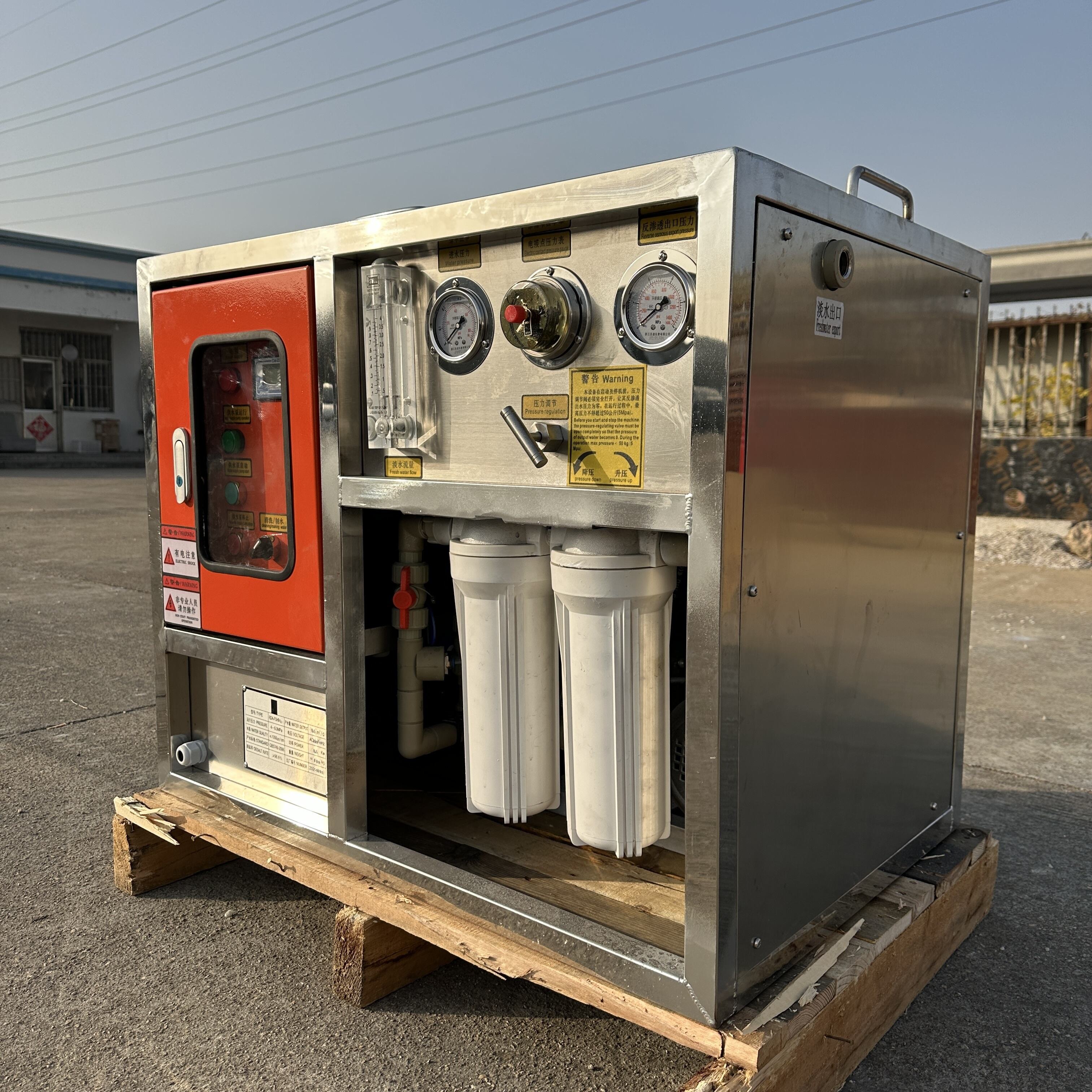
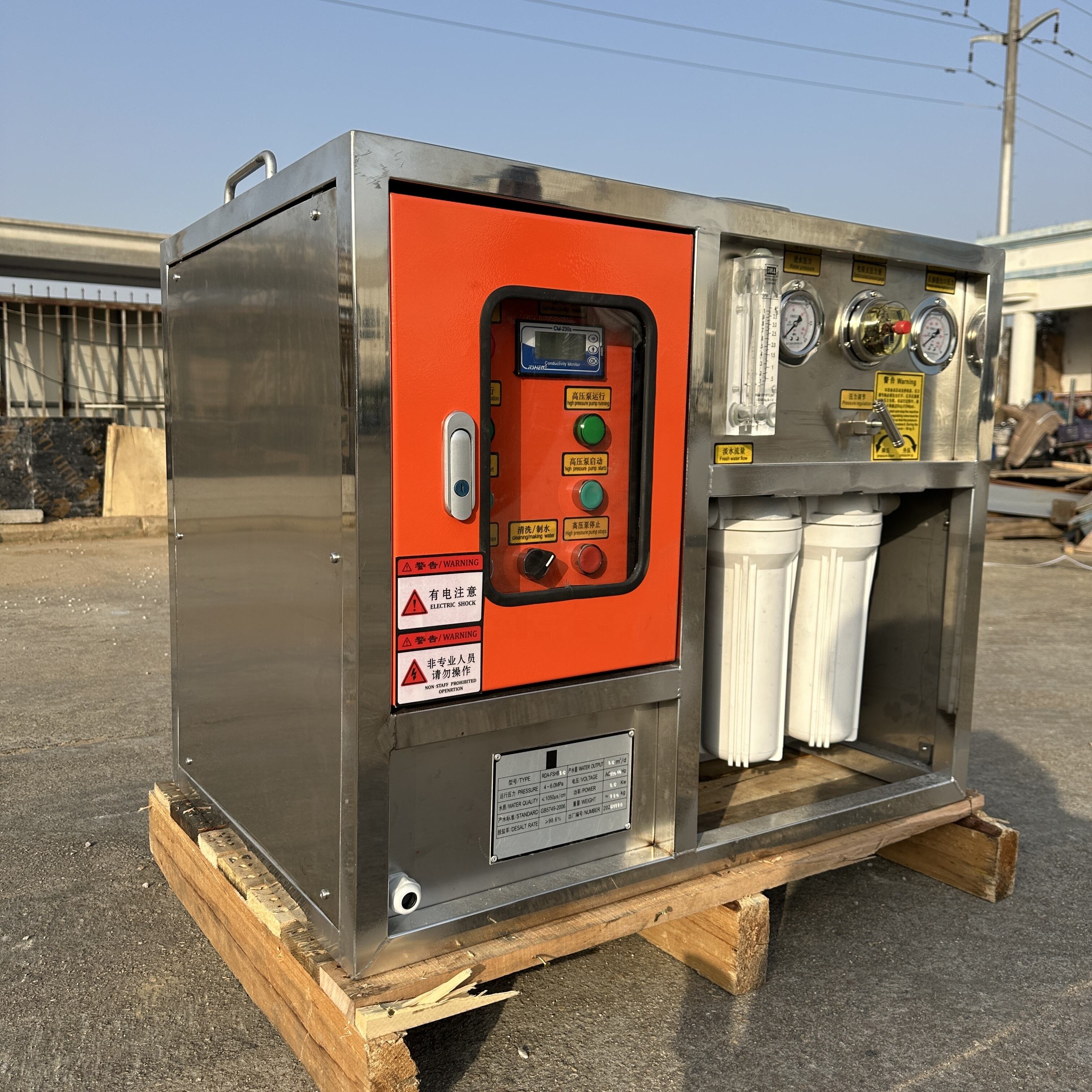
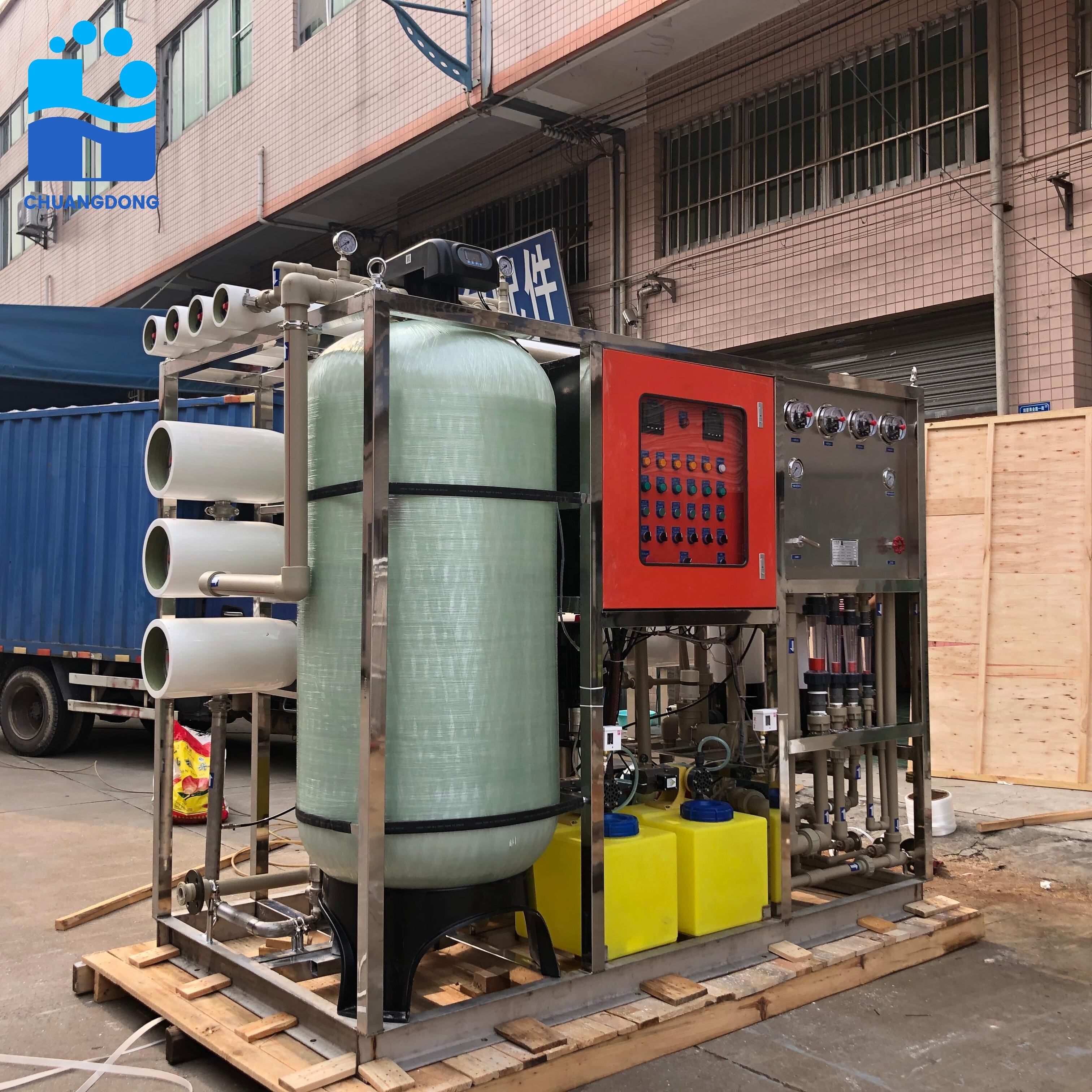
Reverse osmosis desalination of seawater represents a cutting-edge water treatment technology that transforms saltwater into clean, drinkable water through an advanced filtration process. This innovative system operates by forcing seawater through specialized semi-permeable membranes under high pressure, effectively separating salt molecules and other contaminants from pure water molecules. The main function of reverse osmosis desalination of seawater centers on producing high-quality freshwater from abundant ocean resources, addressing global water scarcity challenges with remarkable efficiency. The technological features of this system include multiple pre-treatment stages, high-pressure pumps, reverse osmosis membranes, and post-treatment components that work together seamlessly. Pre-treatment processes remove larger particles, sediments, and organic matter, while the core reverse osmosis stage eliminates dissolved salts, bacteria, viruses, and microscopic pollutants. The system operates continuously, producing consistent water quality that meets or exceeds international drinking water standards. Modern reverse osmosis desalination of seawater plants incorporate energy recovery devices that capture and reuse hydraulic energy, significantly improving overall system efficiency. These facilities can process millions of gallons daily, making them suitable for municipal water supplies, industrial applications, and emergency water provision. The applications span across coastal cities, island nations, oil rigs, marine vessels, and drought-affected regions where traditional freshwater sources are limited or unavailable. Hotels, resorts, and residential communities in water-scarce areas increasingly rely on reverse osmosis desalination of seawater systems to ensure reliable water supply. The technology proves particularly valuable in regions experiencing rapid population growth or climate-related water stress, providing a sustainable solution that reduces dependence on depleting groundwater reserves and inconsistent rainfall patterns.

New Product Releases

The advantages of reverse osmosis desalination of seawater extend far beyond simple water production, offering transformative benefits that address critical water security needs while providing economic and environmental value. First, this technology delivers exceptional water quality that consistently surpasses municipal tap water standards, removing up to 99.7% of dissolved salts, contaminants, and harmful microorganisms. Users enjoy crystal-clear water with improved taste, odor, and safety profiles, making it ideal for drinking, cooking, and industrial processes requiring ultra-pure water. The reliability of reverse osmosis desalination of seawater systems ensures continuous water availability regardless of seasonal variations, droughts, or natural disasters that typically disrupt conventional water sources. This dependability proves crucial for businesses, hospitals, schools, and residential communities that cannot afford water supply interruptions. Cost-effectiveness represents another significant advantage, as modern systems demonstrate lower operational expenses compared to water trucking, bottled water purchases, or alternative desalination methods. Energy efficiency improvements have reduced operational costs by up to 60% compared to older technologies, while automated controls minimize labor requirements and maintenance expenses. The scalability of reverse osmosis desalination of seawater allows systems to expand alongside growing water demands, making them perfect for developing communities or expanding industrial facilities. Environmental benefits include reduced pressure on freshwater aquifers, decreased reliance on environmentally sensitive water sources, and minimal chemical usage compared to traditional water treatment methods. The technology produces zero liquid discharge when properly managed, with concentrated brine finding applications in salt production or industrial processes. Installation flexibility enables deployment in various locations, from remote coastal areas to urban centers, with modular designs accommodating space constraints and specific capacity requirements. Maintenance simplicity ensures long-term operational success, with standardized components, predictable replacement schedules, and comprehensive support networks. The technology demonstrates exceptional durability, with properly maintained systems operating efficiently for decades while maintaining consistent performance standards that protect public health and support economic development initiatives.

Practical Tips

What Intake and Outfall Designs Minimize Environmental Impact of a Desalination Plant?

01

Mar

What Intake and Outfall Designs Minimize Environmental Impact of a Desalination Plant?

Environmental considerations have become paramount in the design and operation of modern desalination facilities worldwide. As water scarcity continues to challenge communities across the globe, the demand for sustainable desalination plant solutions...
View More
What Corrosion-Resistant Materials Are Used in Desalination Plant Construction?

06

Mar

What Corrosion-Resistant Materials Are Used in Desalination Plant Construction?

Desalination plants operate in some of the harshest environments imaginable, where saltwater constantly threatens the integrity of critical infrastructure. The selection of appropriate corrosion-resistant materials becomes paramount to ensuring long-...
View More
How Does an RO Water Filter with a UV Sterilizer Provide Additional Protection Against Bacteria?

10

Mar

How Does an RO Water Filter with a UV Sterilizer Provide Additional Protection Against Bacteria?

Water contamination remains one of the most pressing concerns for homeowners and businesses seeking reliable water purification solutions. While traditional filtration methods offer basic protection, modern water treatment technology has evolved to p...
View More
Why Should Pharmaceutical QC Labs Use Ultrapure Water for HPLC and Mass Spectrometry?

18

Mar

Why Should Pharmaceutical QC Labs Use Ultrapure Water for HPLC and Mass Spectrometry?

Pharmaceutical quality control laboratories face increasingly stringent requirements for analytical accuracy and regulatory compliance. The foundation of reliable analytical results lies in the quality of water used throughout testing procedures. Ult...
View More

Get a Free Quote

Our representative will contact you soon.
Email
Name
Company Name
Message
0/1000

reverse osmosis desalination of seawater

Superior Water Purification Technology

Superior Water Purification Technology

The superior water purification technology inherent in reverse osmosis desalination of seawater systems represents a quantum leap in water treatment capabilities, delivering unmatched purity levels that traditional filtration methods simply cannot achieve. This advanced technology operates through a multi-barrier approach that systematically eliminates contaminants at the molecular level, ensuring every drop of produced water meets the highest quality standards. The heart of the system lies in its specialized semi-permeable membranes, engineered with microscopic pores that allow only pure water molecules to pass through while blocking salt ions, bacteria, viruses, heavy metals, and organic pollutants. These membranes undergo rigorous testing and quality control processes, guaranteeing consistent performance and longevity under demanding operational conditions. The purification process begins with comprehensive pre-treatment stages that remove suspended solids, chlorine, and organic matter that could potentially damage or foul the delicate reverse osmosis membranes. Advanced filtration media, including multimedia filters, activated carbon units, and precision cartridge filters, work synergistically to prepare seawater for the critical reverse osmosis stage. The actual reverse osmosis desalination of seawater process occurs when high-pressure pumps force pre-treated seawater through membrane arrays, creating two distinct streams: ultra-pure permeate water and concentrated brine. The technology continuously monitors water quality parameters, including total dissolved solids, conductivity, pH levels, and microbial content, ensuring immediate detection of any quality variations. Post-treatment processes further enhance water characteristics through pH adjustment, remineralization, and disinfection, creating water that not only meets safety requirements but also provides optimal taste and mineral content for human consumption. Quality assurance protocols include regular membrane integrity testing, performance monitoring, and preventive maintenance schedules that maintain peak efficiency throughout the system's operational lifetime, providing users with absolute confidence in their water supply reliability and safety.
Energy-Efficient and Sustainable Operation

Energy-Efficient and Sustainable Operation

The energy-efficient and sustainable operation of modern reverse osmosis desalination of seawater systems addresses environmental concerns while delivering exceptional economic value through innovative engineering and smart design principles. Contemporary systems incorporate state-of-the-art energy recovery devices that capture hydraulic energy from the high-pressure brine discharge stream, converting this otherwise wasted energy back into useful work for the system. These energy recovery turbines and pressure exchangers can reclaim up to 60% of the input energy, dramatically reducing overall power consumption and operational costs compared to conventional desalination technologies. The sustainable design philosophy extends throughout every component, from variable frequency drive motors that optimize pump performance based on real-time demand to intelligent control systems that automatically adjust operational parameters for maximum efficiency. Advanced process optimization algorithms continuously monitor and fine-tune system performance, ensuring optimal energy utilization while maintaining consistent water quality output. The environmental sustainability of reverse osmosis desalination of seawater systems manifests through minimal chemical usage, reduced carbon footprint, and responsible brine management practices that protect marine ecosystems. Modern facilities incorporate renewable energy sources, including solar panels and wind turbines, to further reduce reliance on fossil fuels and minimize environmental impact. The technology supports circular economy principles through component recycling programs, membrane refurbishment services, and by-product utilization strategies that maximize resource efficiency. Sustainable operation protocols include comprehensive monitoring of environmental parameters, regular ecological impact assessments, and implementation of best practices that ensure long-term compatibility with local ecosystems. The systems demonstrate remarkable longevity, with proper maintenance extending operational life beyond 20 years while maintaining peak performance standards. This durability reduces replacement frequency, minimizes waste generation, and provides excellent return on investment for operators committed to sustainable water management practices that benefit both communities and the environment.
Versatile Applications and Scalable Solutions

Versatile Applications and Scalable Solutions

The versatile applications and scalable solutions offered by reverse osmosis desalination of seawater technology make it the preferred choice for diverse water treatment needs across multiple industries and geographical locations. This adaptability stems from modular design principles that allow systems to be configured for specific capacity requirements, space constraints, and operational preferences while maintaining consistent performance standards. Municipal water utilities deploy large-scale reverse osmosis desalination of seawater plants capable of producing millions of gallons daily, serving entire cities and metropolitan areas with reliable freshwater supplies that reduce dependence on traditional water sources. Industrial applications span across power generation, food and beverage production, pharmaceutical manufacturing, and electronics fabrication, where ultra-pure water is essential for process integrity and product quality. The technology seamlessly adapts to marine environments, with specialized systems designed for offshore platforms, cruise ships, naval vessels, and remote island communities that lack access to conventional freshwater sources. Scalability represents a fundamental advantage, enabling systems to start with modest capacity requirements and expand systematically as demand grows, protecting initial investment while ensuring future water security. Containerized and skid-mounted configurations provide deployment flexibility for temporary applications, emergency response situations, and locations where permanent infrastructure installation is impractical or cost-prohibitive. The technology accommodates varying feed water conditions, from open ocean intake to brackish groundwater sources, through customizable pre-treatment and membrane configurations that optimize performance for specific water chemistry profiles. Remote monitoring capabilities enable centralized management of multiple installations, reducing operational complexity and maintenance costs while ensuring consistent performance across geographically dispersed facilities. Hybrid configurations combining reverse osmosis desalination of seawater with other treatment technologies create comprehensive solutions for complex water quality challenges, demonstrating the technology's versatility in addressing unique customer requirements. The systems integrate seamlessly with existing water distribution infrastructure, supporting gradual transition from conventional sources while maintaining supply continuity and system reliability that communities and businesses depend upon for their daily operations and long-term development plans.

Get a Free Quote

Our representative will contact you soon.
Email
Name
Company Name
Message
0/1000