Advanced Desalination Equipment Solutions - Efficient Water Purification Technology

Get a Free Quote

Our representative will contact you soon.
Email
Name
Company Name
Message
0/1000

desalination equipment

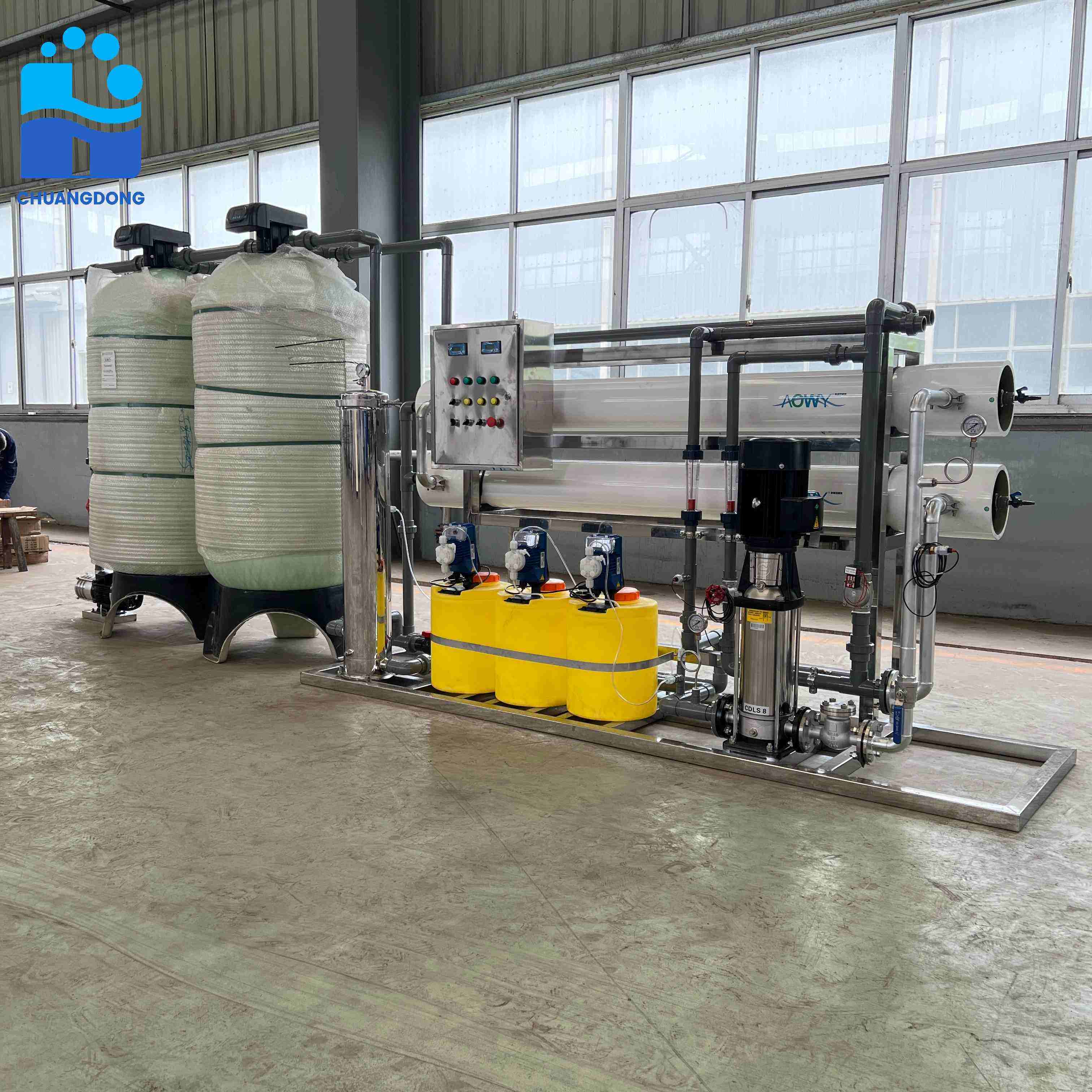
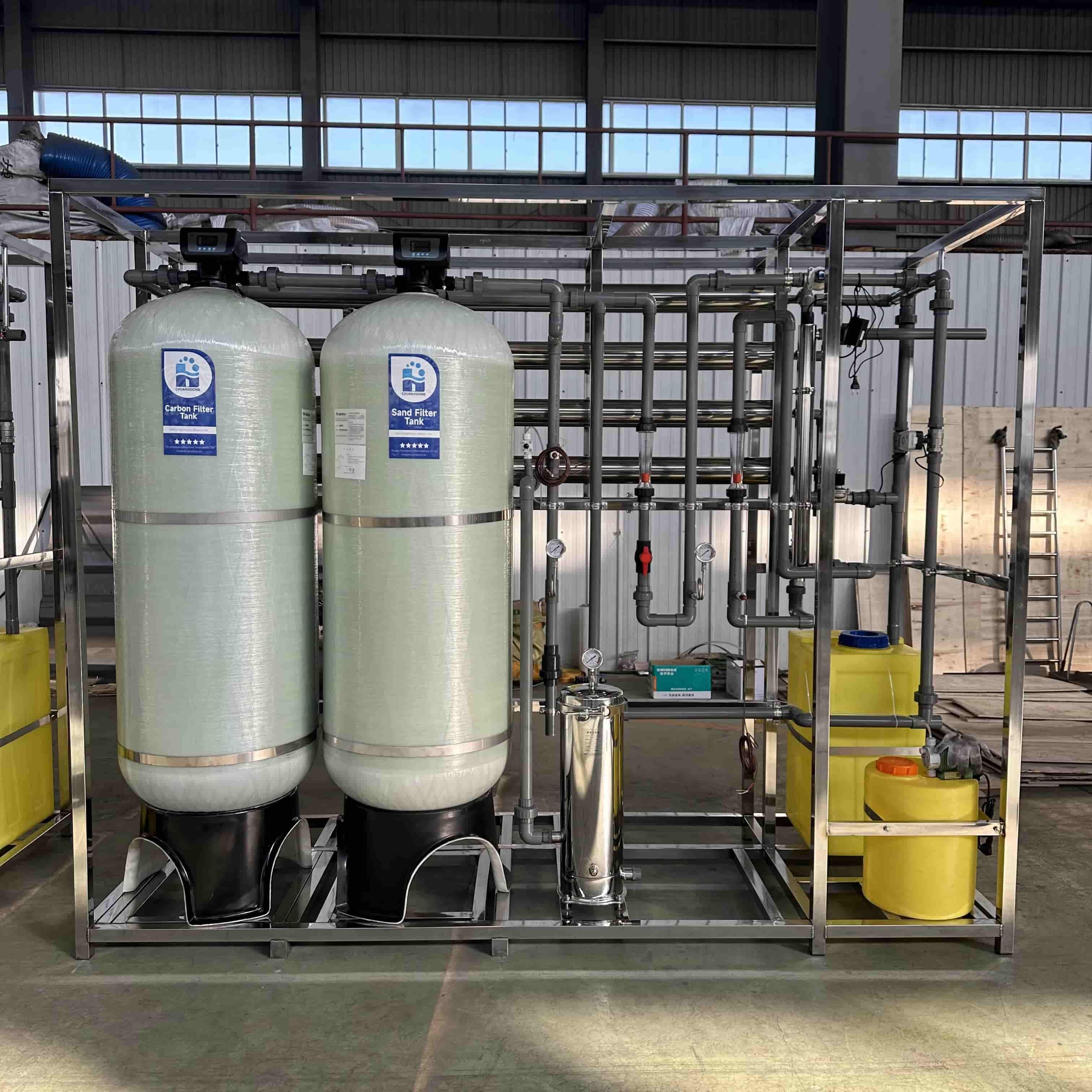
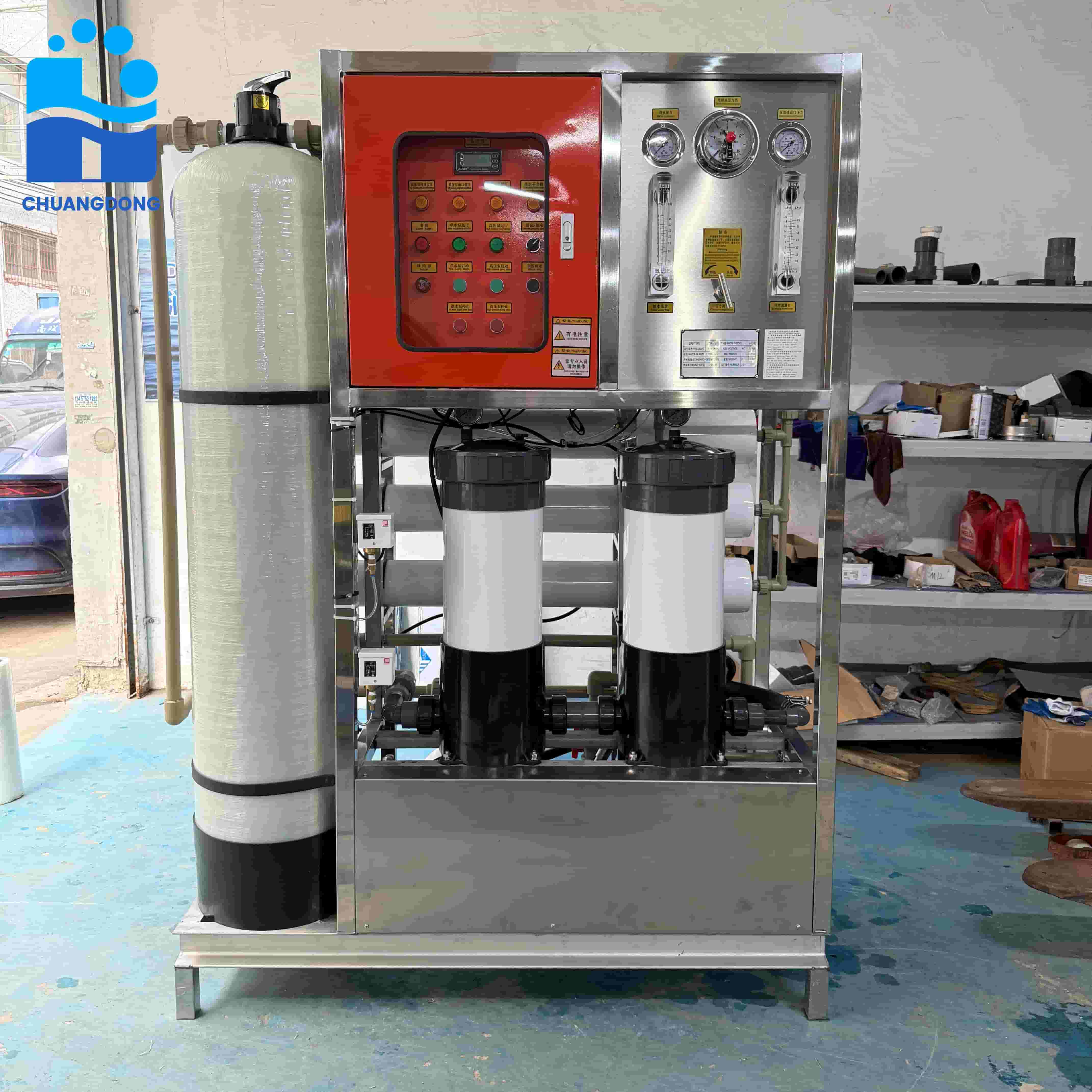
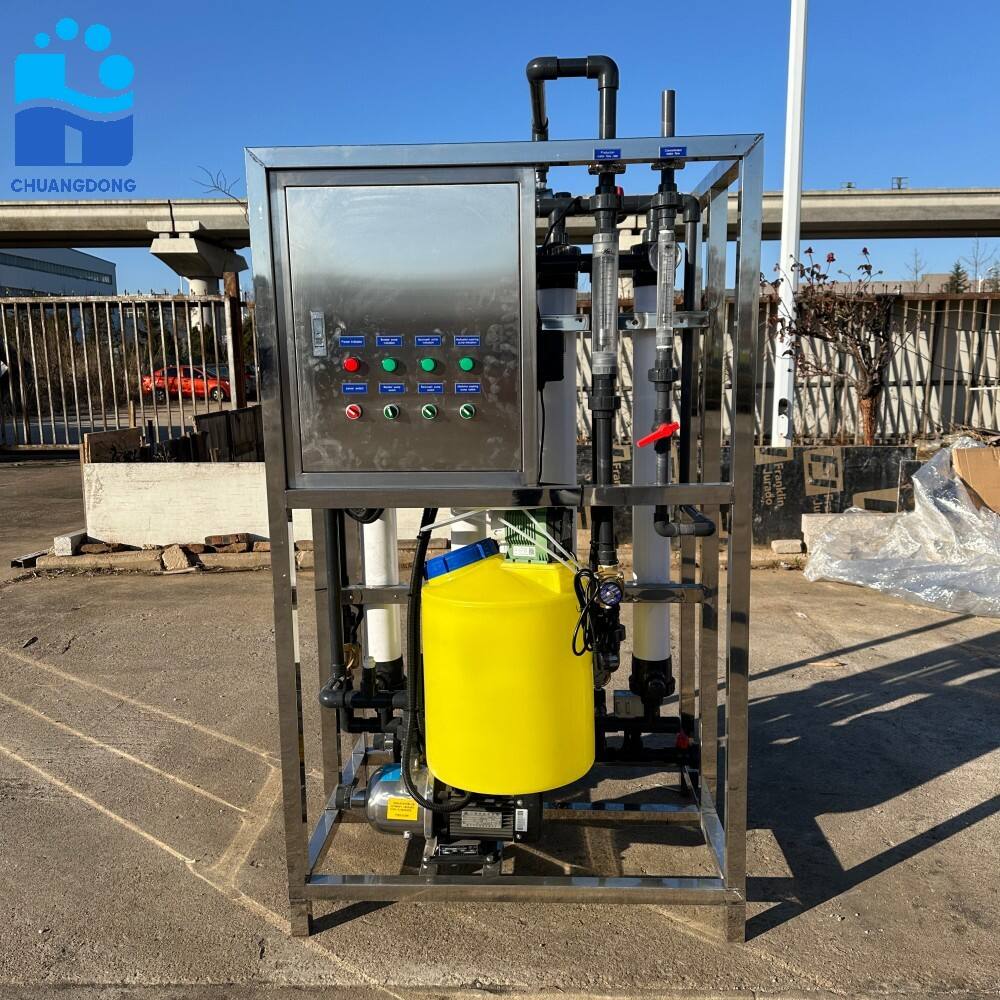
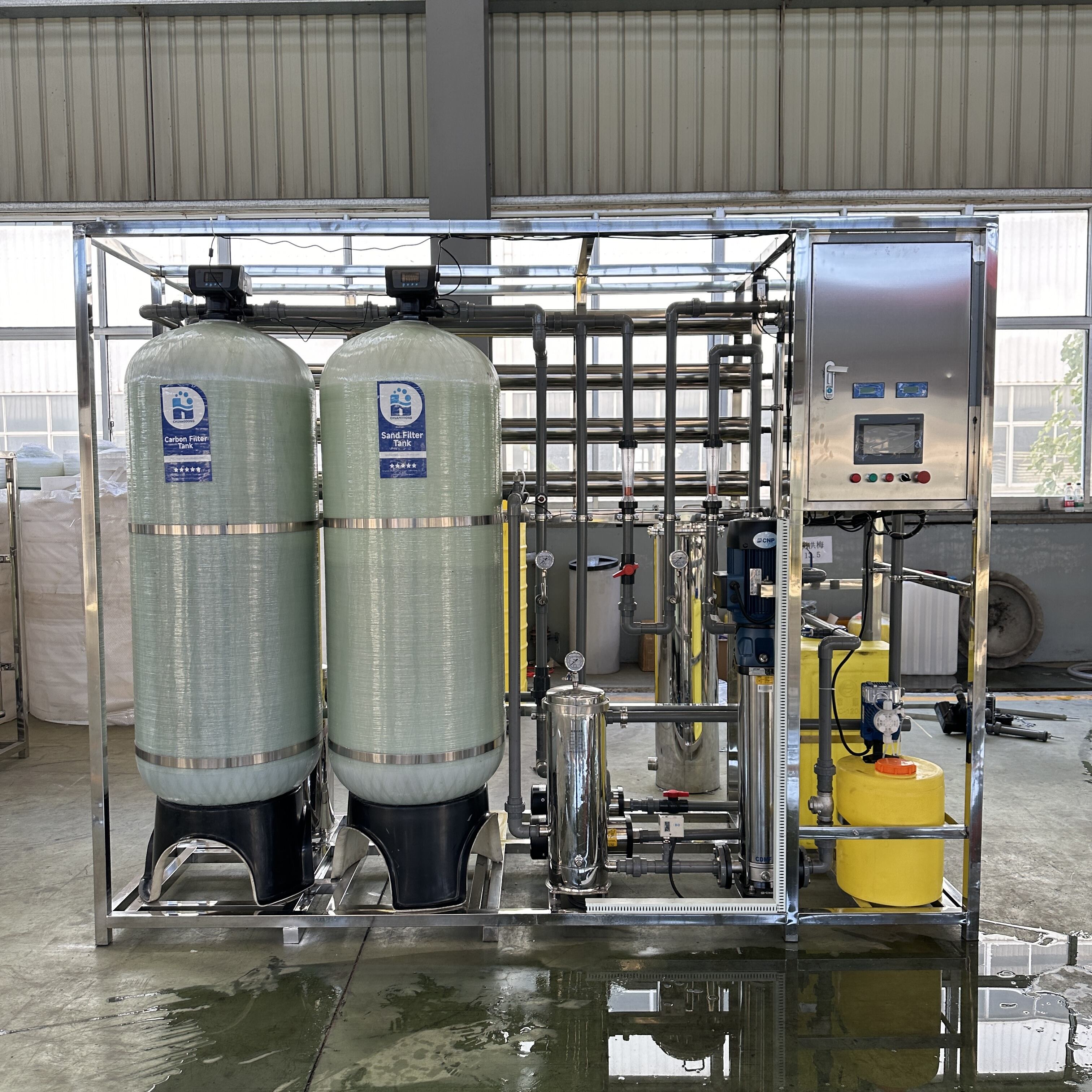
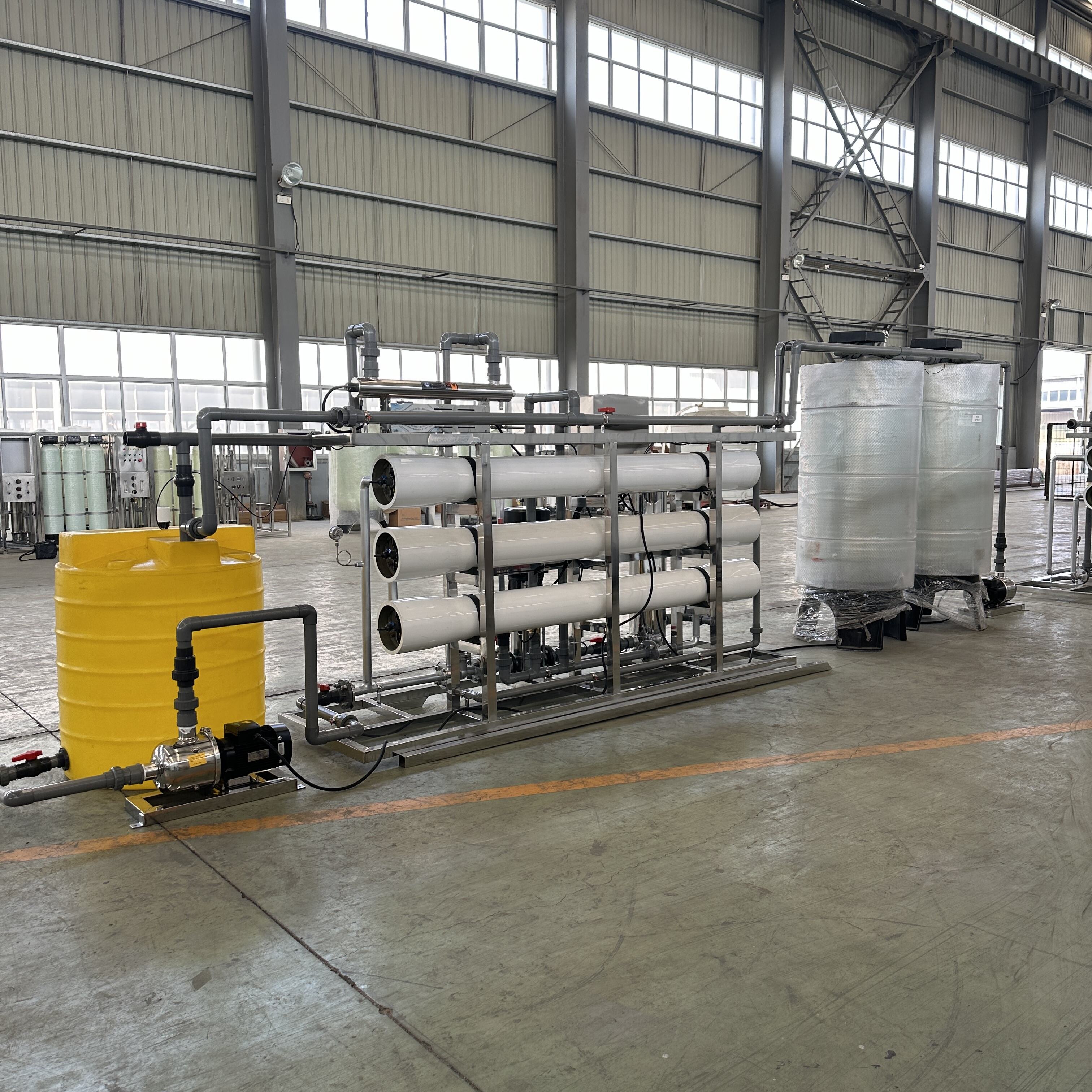
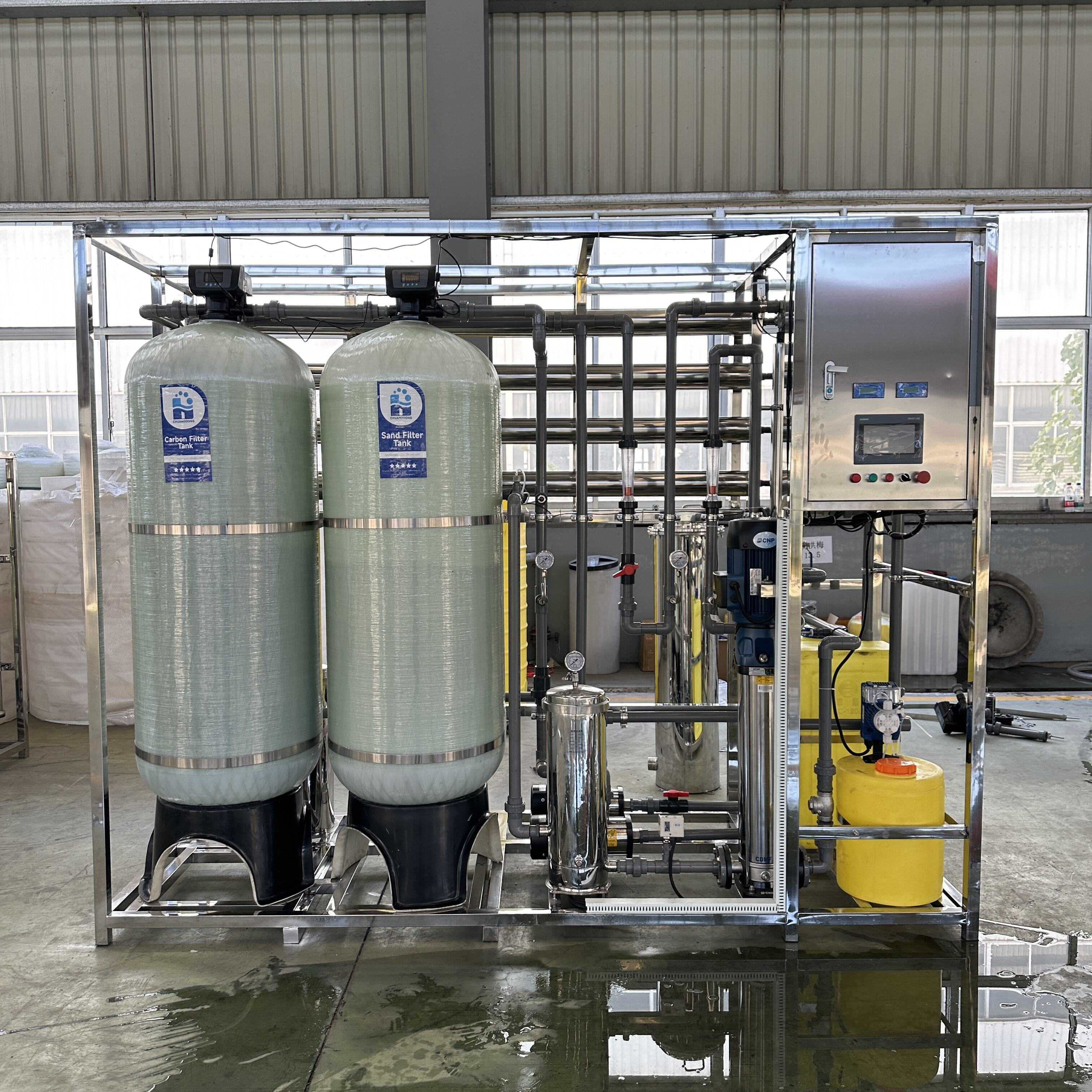
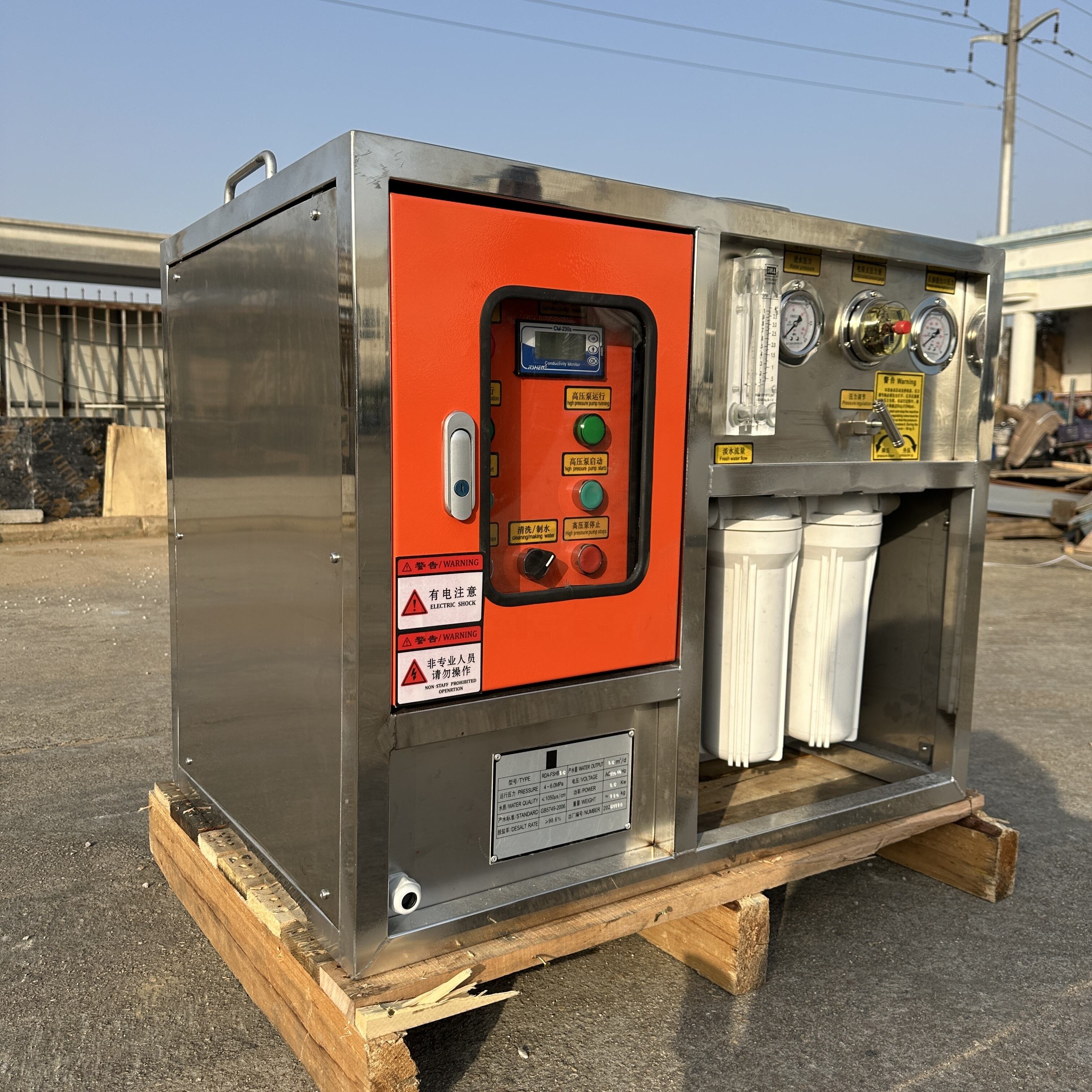
Desalination equipment represents a revolutionary solution for converting saltwater and brackish water into fresh, potable water suitable for various applications. These sophisticated systems utilize advanced membrane technology, thermal processes, or electrodialysis methods to remove dissolved salts, minerals, and other contaminants from seawater or saline groundwater. Modern desalination equipment incorporates reverse osmosis technology as the primary filtration method, pushing water through semi-permeable membranes under high pressure to separate pure water molecules from salt particles and impurities. The core functionality of desalination equipment centers around multi-stage filtration processes that ensure consistent water quality output. Pre-treatment systems remove large particles, sediments, and chlorine compounds that could damage sensitive membrane components. High-pressure pumps then force the pre-treated water through specialized reverse osmosis membranes, where molecular-level separation occurs. Post-treatment stages include remineralization processes that restore essential minerals for taste and health benefits. Contemporary desalination equipment features automated control systems that monitor water quality parameters, pressure levels, and membrane performance in real-time. These intelligent monitoring capabilities enable predictive maintenance scheduling and optimize energy consumption patterns. The technological architecture includes energy recovery devices that capture and reuse pressure energy from the concentrate stream, significantly reducing operational costs. Applications for desalination equipment span across residential, commercial, and industrial sectors. Coastal communities rely on large-scale desalination plants to supplement municipal water supplies during drought conditions or population growth periods. Hotels, resorts, and residential complexes in arid regions utilize compact desalination systems for independent water security. Industrial facilities integrate desalination equipment into their manufacturing processes, particularly in pharmaceutical, food processing, and electronics industries where ultra-pure water quality standards are mandatory. Marine vessels and offshore platforms depend on shipboard desalination equipment for crew safety and operational requirements.

New Products

The primary advantage of desalination equipment lies in its ability to provide unlimited access to fresh water resources regardless of geographical location or climate conditions. This independence from traditional freshwater sources offers communities and businesses unprecedented water security, eliminating concerns about drought periods, seasonal variations, or regional water scarcity issues. Organizations can establish operations in previously unsuitable locations, expanding development opportunities in coastal areas and arid regions where conventional water supplies are inadequate or unreliable. Desalination equipment delivers exceptional water quality that often exceeds municipal standards for purity and taste. The multi-stage filtration process removes not only salt content but also bacteria, viruses, heavy metals, and chemical contaminants commonly found in groundwater or surface water sources. This comprehensive purification capability ensures consistent water quality output that meets stringent health and safety requirements for drinking water, food production, and pharmaceutical manufacturing applications. The technology provides immediate scalability to match changing demand patterns without requiring extensive infrastructure modifications. Modern desalination systems can adjust production capacity through modular design principles, allowing users to expand or reduce output based on seasonal requirements, population growth, or operational changes. This flexibility translates into cost-effective water management strategies that adapt to evolving circumstances. Energy efficiency improvements in contemporary desalination equipment have dramatically reduced operational expenses compared to earlier generation systems. Advanced energy recovery mechanisms capture and reuse up to 95 percent of the pressure energy from concentrate streams, while variable frequency drives optimize pump operations based on demand fluctuations. These innovations result in lower electricity consumption per gallon of produced water, making desalination economically competitive with traditional water sourcing methods. Automated operation features minimize labor requirements and reduce human error potential in system management. Intelligent control systems continuously monitor performance parameters, adjust operating conditions automatically, and provide early warning alerts for maintenance needs. This autonomous functionality enables reliable operation with minimal supervision, reducing staffing costs and ensuring consistent water production even during overnight or weekend periods. Environmental benefits include reduced dependency on groundwater extraction and surface water diversion projects that can damage local ecosystems. Desalination equipment utilizes abundant seawater resources without depleting finite freshwater reserves or disrupting natural water cycles that support wildlife habitats and agricultural irrigation systems.

Practical Tips

What Intake and Outfall Designs Minimize Environmental Impact of a Desalination Plant?

01

Mar

What Intake and Outfall Designs Minimize Environmental Impact of a Desalination Plant?

Environmental considerations have become paramount in the design and operation of modern desalination facilities worldwide. As water scarcity continues to challenge communities across the globe, the demand for sustainable desalination plant solutions...
View More
How Does a Water Purification System with Ion Exchange Soften Hard Water Effectively?

15

Mar

How Does a Water Purification System with Ion Exchange Soften Hard Water Effectively?

Hard water poses significant challenges for both residential and commercial applications, containing high concentrations of calcium and magnesium ions that cause scale buildup, reduce equipment efficiency, and affect water quality. A water purificati...
View More
How Does an RO Water Filter with a UV Sterilizer Provide Additional Protection Against Bacteria?

10

Mar

How Does an RO Water Filter with a UV Sterilizer Provide Additional Protection Against Bacteria?

Water contamination remains one of the most pressing concerns for homeowners and businesses seeking reliable water purification solutions. While traditional filtration methods offer basic protection, modern water treatment technology has evolved to p...
View More
Why Should Pharmaceutical QC Labs Use Ultrapure Water for HPLC and Mass Spectrometry?

18

Mar

Why Should Pharmaceutical QC Labs Use Ultrapure Water for HPLC and Mass Spectrometry?

Pharmaceutical quality control laboratories face increasingly stringent requirements for analytical accuracy and regulatory compliance. The foundation of reliable analytical results lies in the quality of water used throughout testing procedures. Ult...
View More

Get a Free Quote

Our representative will contact you soon.
Email
Name
Company Name
Message
0/1000

desalination equipment

Advanced Energy Recovery Technology

Advanced Energy Recovery Technology

The cornerstone of modern desalination equipment efficiency lies in sophisticated energy recovery systems that revolutionize operational economics and environmental sustainability. These innovative mechanisms capture kinetic energy from the high-pressure concentrate stream that would otherwise be wasted during the reverse osmosis process. Energy recovery devices utilize pressure exchanger technology, where concentrate water transfers its pressure energy directly to incoming feedwater through carefully engineered chambers and rotors. This energy transfer process recovers up to 95 percent of the pressure energy that was initially applied by high-pressure pumps, dramatically reducing the net energy consumption required for desalination operations. The implementation of energy recovery technology transforms desalination from an energy-intensive process into an economically viable water production method. Traditional desalination systems without energy recovery required approximately 6-8 kilowatt-hours of electricity per cubic meter of produced water. Contemporary desalination equipment with advanced energy recovery reduces this consumption to 2.5-3.5 kilowatt-hours per cubic meter, representing a 50-60 percent improvement in energy efficiency. This substantial reduction in electricity usage translates directly into lower operational costs, making desalinated water competitive with conventional water sources in many markets. The environmental impact reduction achieved through energy recovery systems extends beyond immediate cost savings. Lower energy consumption means reduced carbon dioxide emissions from power generation, contributing to sustainability goals and environmental responsibility initiatives. For large-scale desalination installations producing millions of gallons daily, the cumulative environmental benefit becomes substantial over the system's operational lifetime. Energy recovery technology also enhances system reliability and longevity by reducing stress on primary pumping equipment. When energy recovery devices handle the majority of pressure requirements, high-pressure pumps operate at lower differential pressures, resulting in reduced wear rates, extended maintenance intervals, and improved overall system reliability. This operational advantage minimizes downtime and maintenance costs while ensuring consistent water production capacity throughout the equipment's service life.
Intelligent Automated Control Systems

Intelligent Automated Control Systems

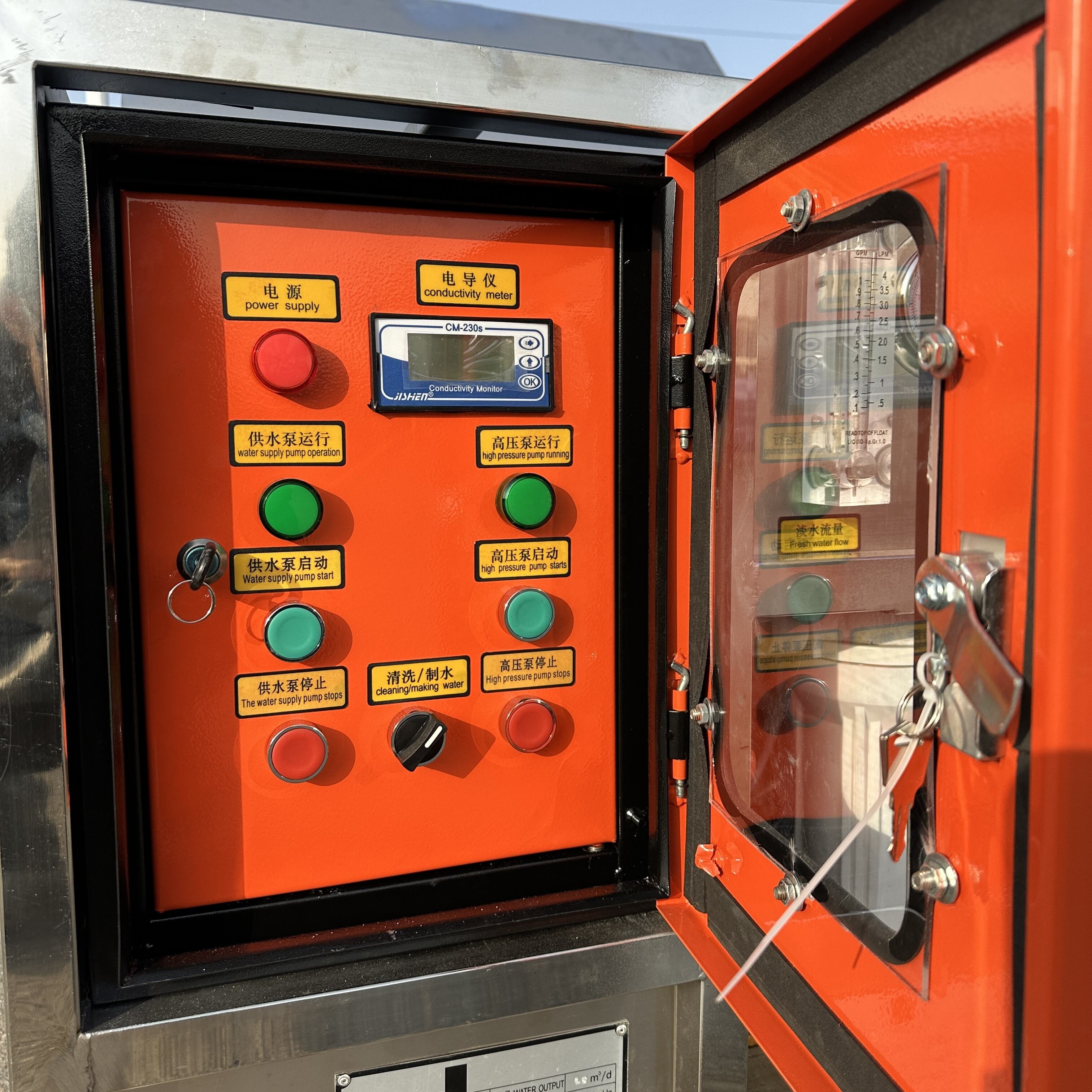
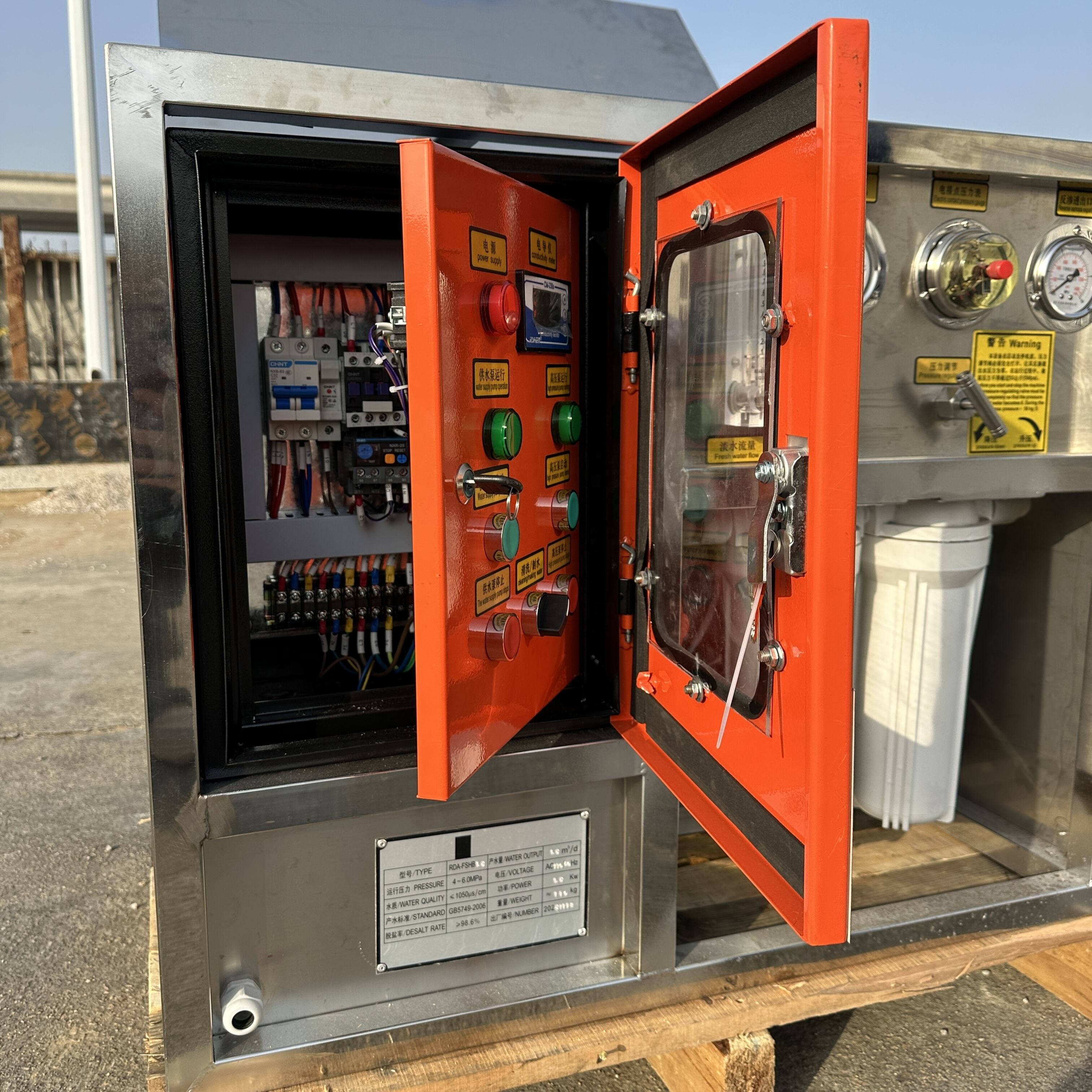
Modern desalination equipment incorporates cutting-edge automated control technology that transforms complex water treatment processes into user-friendly, self-managing systems requiring minimal human intervention. These intelligent control platforms utilize advanced sensors, programmable logic controllers, and machine learning algorithms to optimize performance parameters continuously while maintaining consistent water quality output. The automated systems monitor hundreds of operational variables simultaneously, including feed water quality, membrane differential pressure, conductivity levels, flow rates, temperature variations, and chemical dosing requirements. Real-time data processing enables immediate adjustments to operating conditions, ensuring optimal performance under varying environmental and demand conditions. The sophisticated control architecture includes predictive maintenance capabilities that analyze performance trends and equipment condition indicators to forecast maintenance requirements before system failures occur. This proactive approach minimizes unexpected downtime, reduces emergency repair costs, and extends equipment lifespan through timely preventive maintenance scheduling. Operators receive detailed diagnostic information and maintenance recommendations through intuitive human-machine interfaces that simplify complex technical data into actionable insights. Remote monitoring capabilities allow technical support teams to access system performance data from any location, enabling rapid troubleshooting and optimization adjustments without requiring on-site visits. This connectivity reduces response times for technical issues and provides access to expert support regardless of geographical constraints. The automated control systems also incorporate comprehensive data logging and reporting functions that track production volumes, energy consumption, water quality parameters, and maintenance activities over extended periods. This historical data enables performance analysis, regulatory compliance documentation, and operational optimization through trend analysis and benchmarking studies. Safety features embedded within the control systems include automatic shutdown protocols that protect equipment and personnel when abnormal conditions are detected. These fail-safe mechanisms monitor critical parameters such as high pressure conditions, membrane integrity, and chemical feed system status to prevent damage and ensure safe operation. User-configurable alarm systems provide immediate notification of operational anomalies through multiple communication channels, including email alerts, text messages, and audible warnings.
Modular Scalable Design Architecture

Modular Scalable Design Architecture

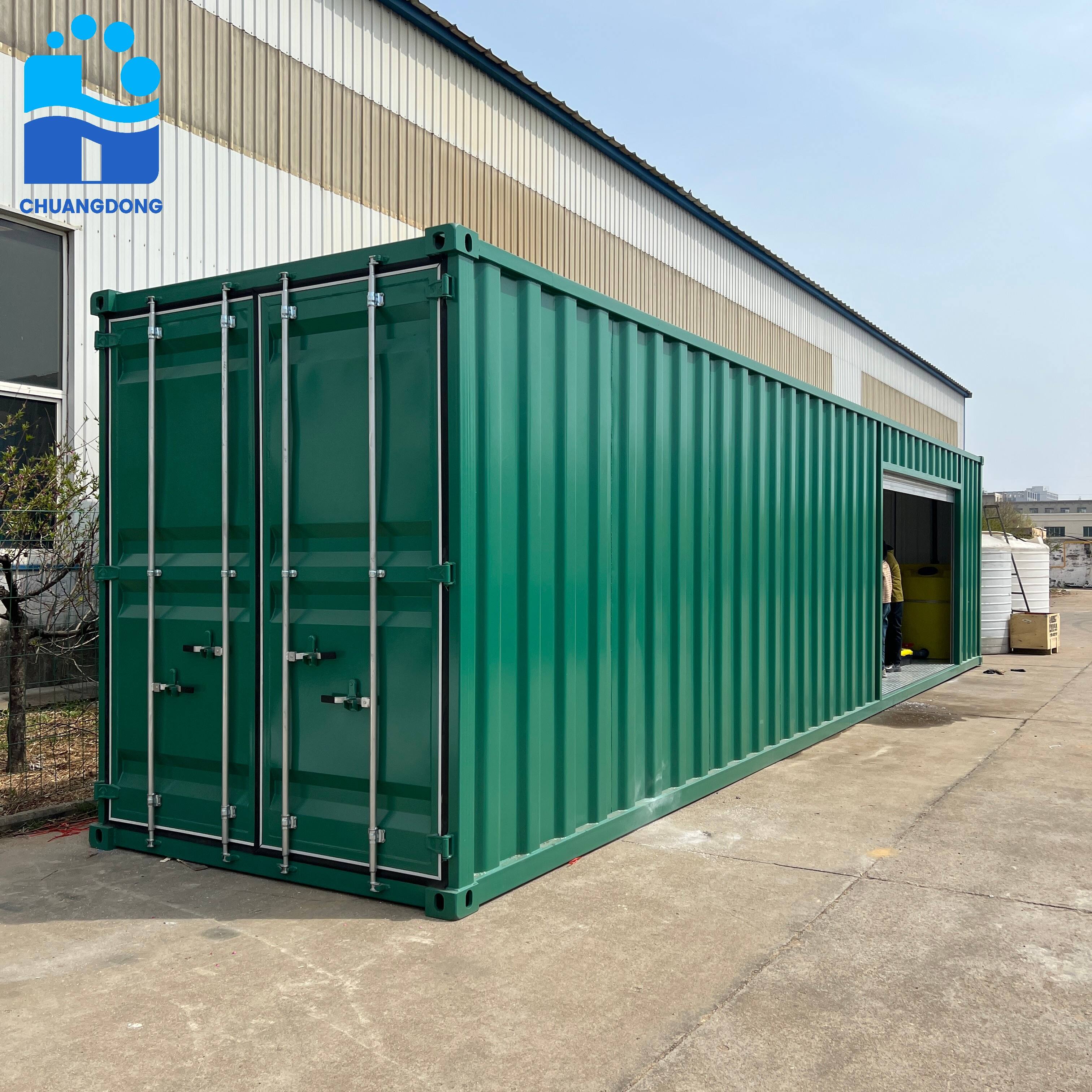
The modular design philosophy underlying contemporary desalination equipment provides unparalleled flexibility for capacity expansion, system customization, and maintenance efficiency that traditional fixed-capacity systems cannot match. This architectural approach divides the complete desalination process into standardized modules that can be combined, removed, or reconfigured based on specific operational requirements and changing demand patterns. Each module functions as an independent processing unit with its own pre-treatment, membrane assembly, and post-treatment components, enabling parallel operation that enhances system reliability and production capacity. The modular framework allows organizations to implement phased capacity expansion strategies that align capital investment with actual demand growth rather than requiring large upfront investments in oversized systems. Initial installations can begin with minimal module configurations to meet immediate water requirements, then expand incrementally as demand increases or operational experience demonstrates optimization opportunities. This staged implementation approach reduces financial risk while providing operational flexibility that adapts to evolving circumstances and business requirements. Maintenance advantages of modular desalination equipment include the ability to service individual modules without shutting down the entire system, ensuring continuous water production during routine maintenance activities. When one module requires membrane replacement or component servicing, remaining modules continue operating at reduced capacity, maintaining essential water supply continuity. This maintenance flexibility is particularly valuable for critical applications where water production interruptions could result in operational disruptions or safety concerns. The standardized module design simplifies spare parts inventory management and technician training requirements by reducing the variety of components and procedures involved in system maintenance. Technical personnel can develop expertise on standardized module configurations rather than learning multiple system architectures, improving maintenance efficiency and reducing training costs. Quality control benefits emerge from the modular approach through factory-assembled and tested module components that arrive at installation sites ready for commissioning. This controlled manufacturing environment ensures consistent quality standards and reduces field installation complexity compared to site-built systems that depend on local construction quality and environmental conditions. Transportation and installation advantages include the ability to ship compact modules to remote locations where large integrated systems would be impractical or impossible to deliver. The modular components can navigate restricted access routes and be assembled on-site using standard construction equipment, enabling desalination solutions in challenging geographical locations where water security is most critical.

Get a Free Quote

Our representative will contact you soon.
Email
Name
Company Name
Message
0/1000