Advanced Water Desalination Systems - Reliable Fresh Water Solutions for Industrial and Municipal Applications

Get a Free Quote

Our representative will contact you soon.
Email
Name
Company Name
Message
0/1000

water desalination systems

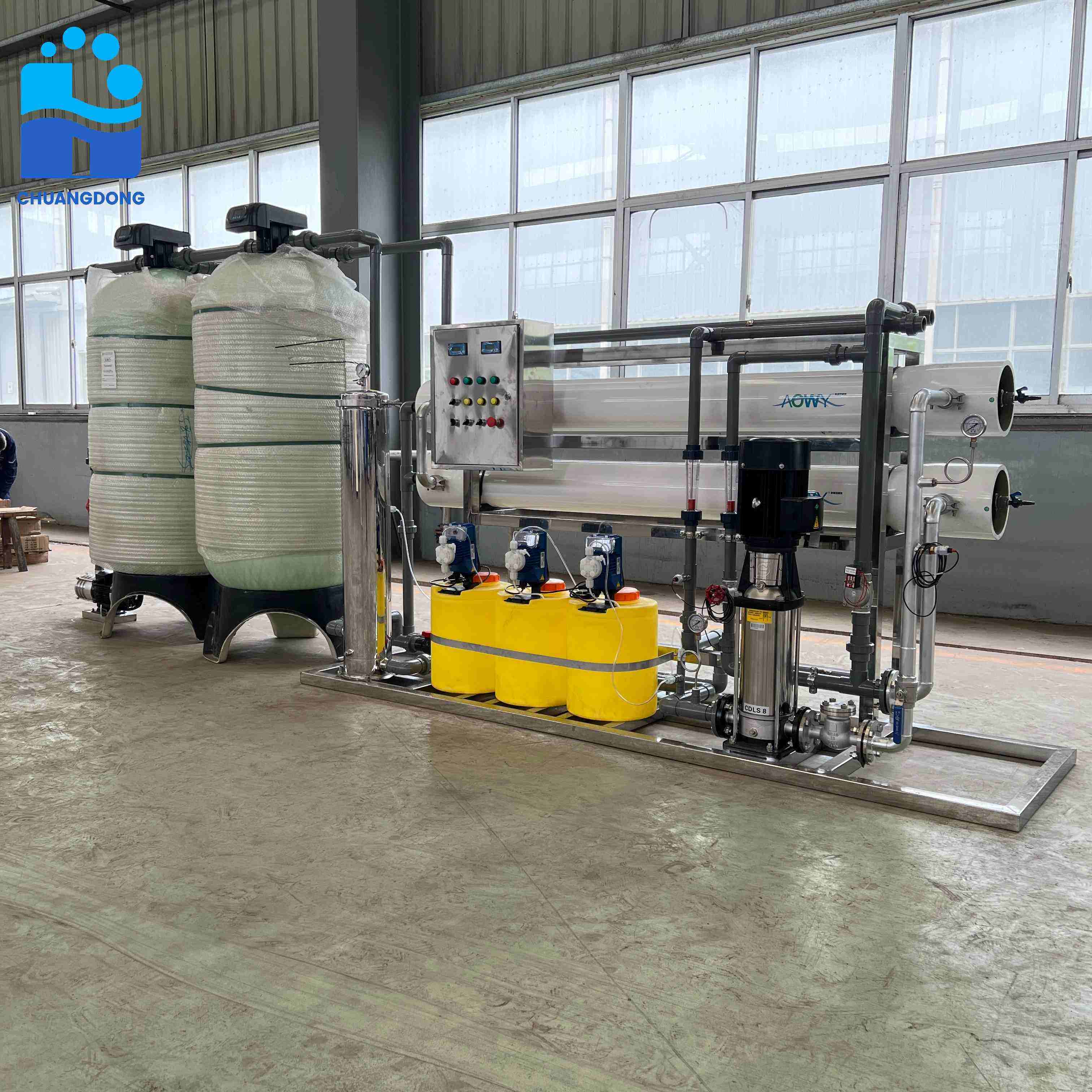
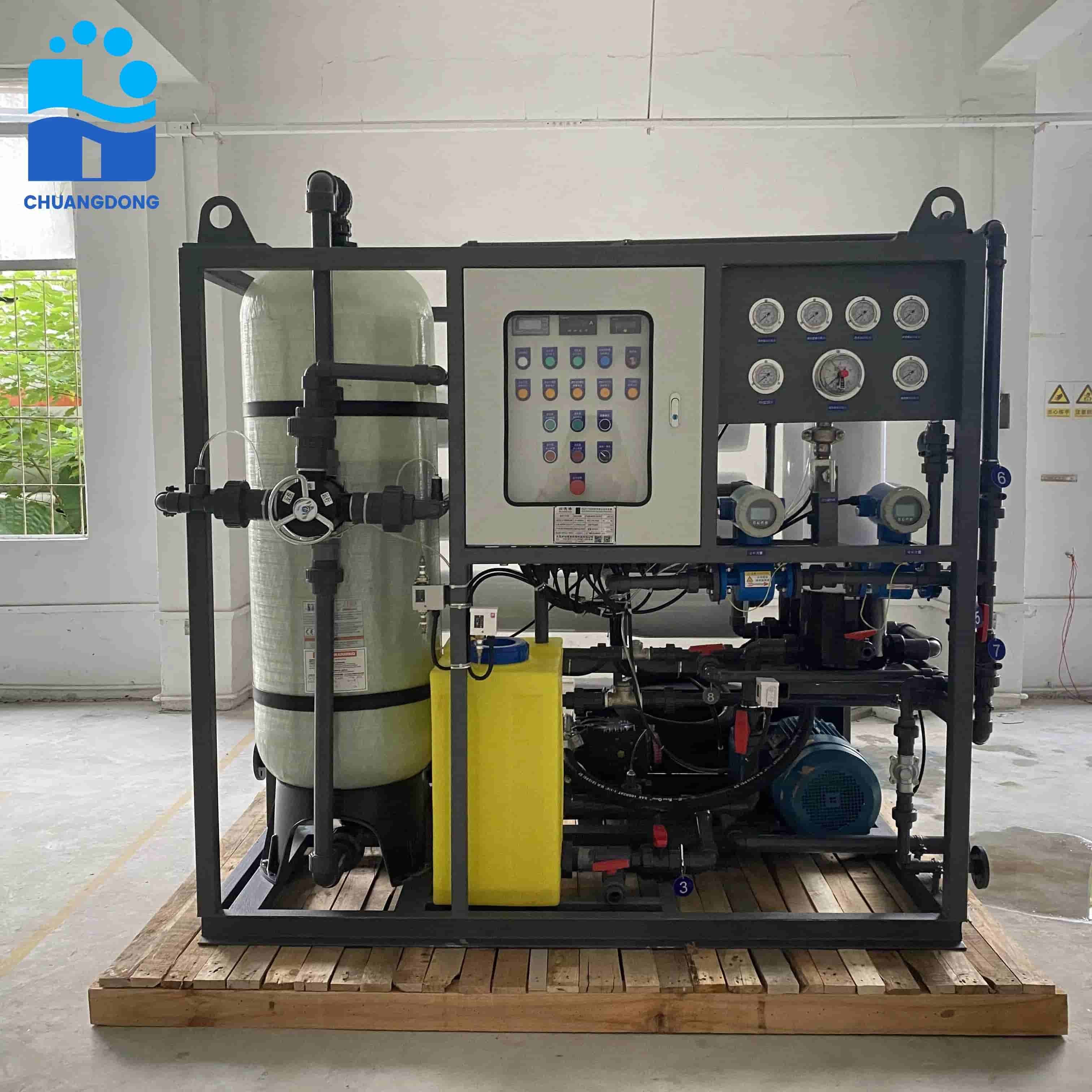
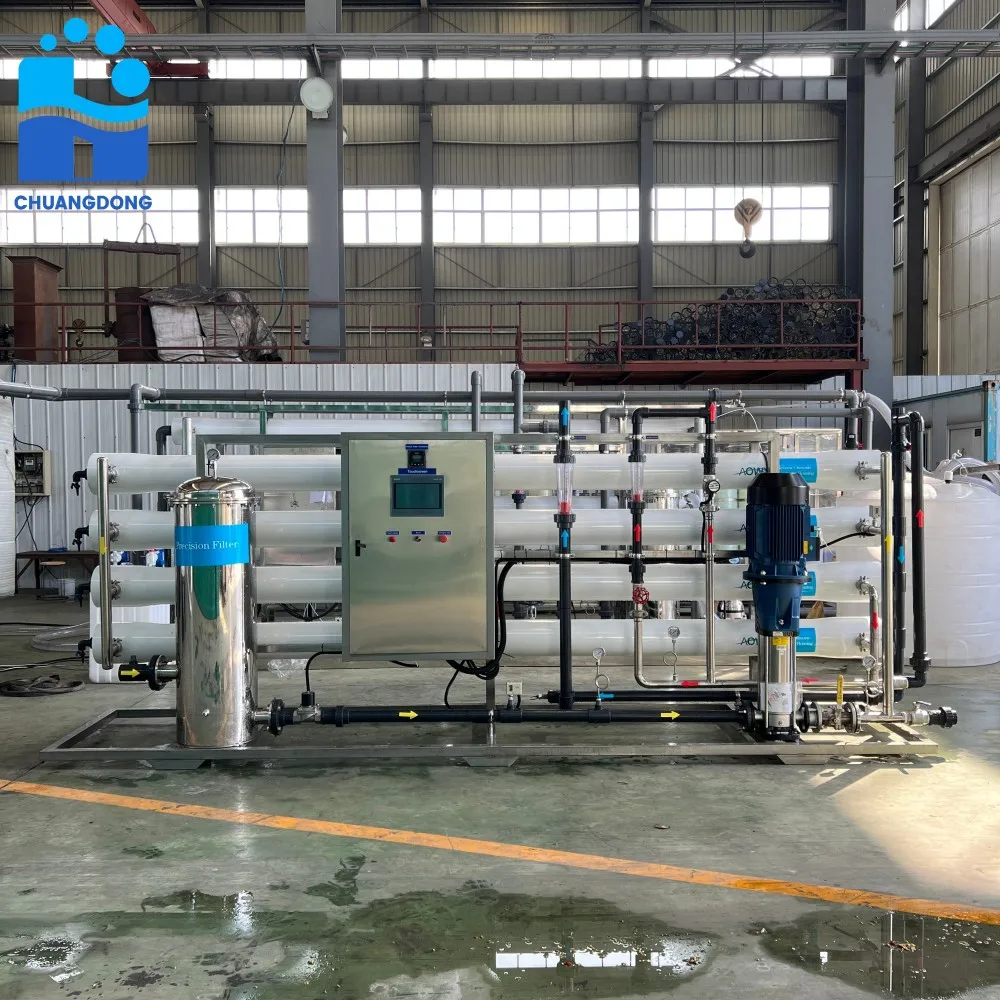
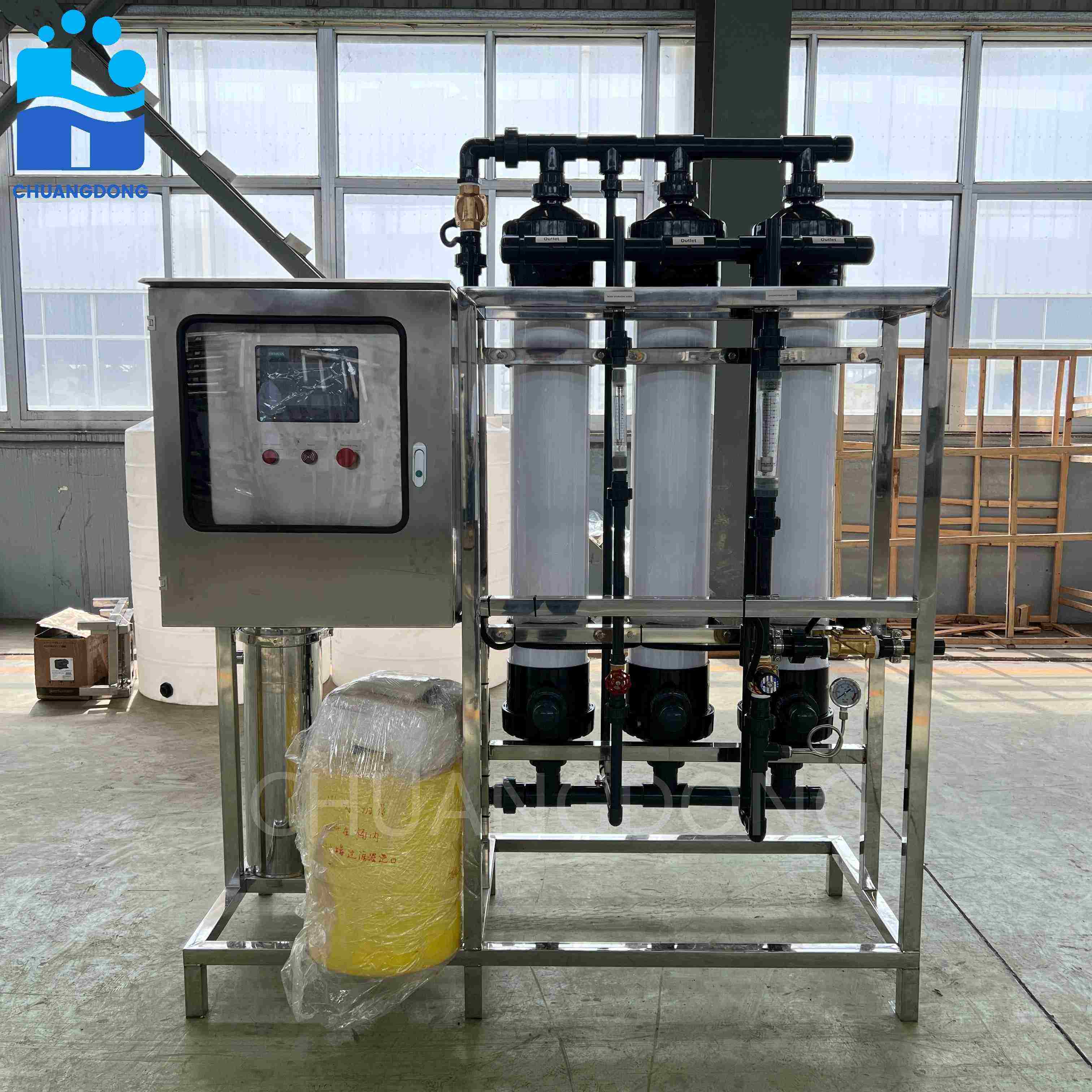
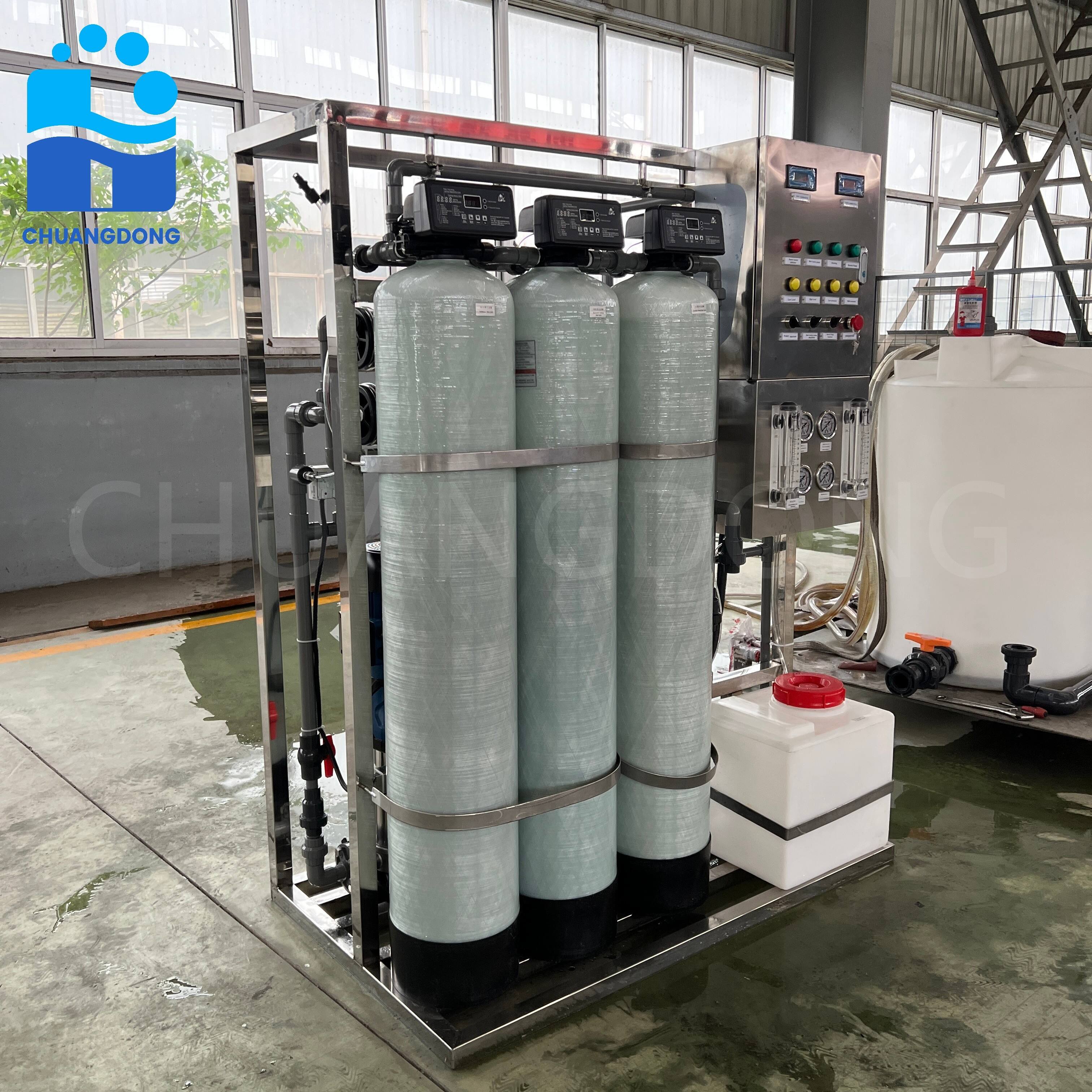
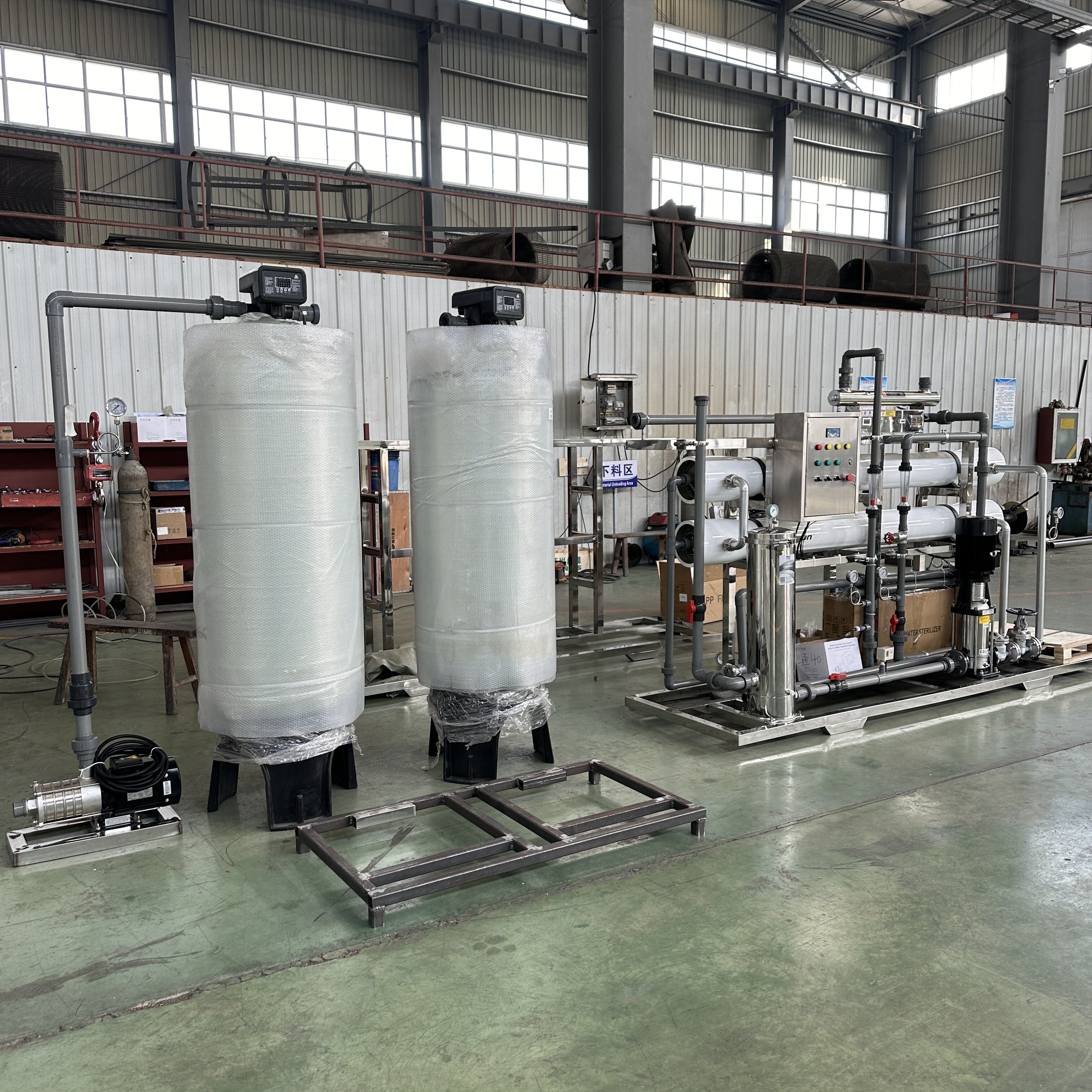
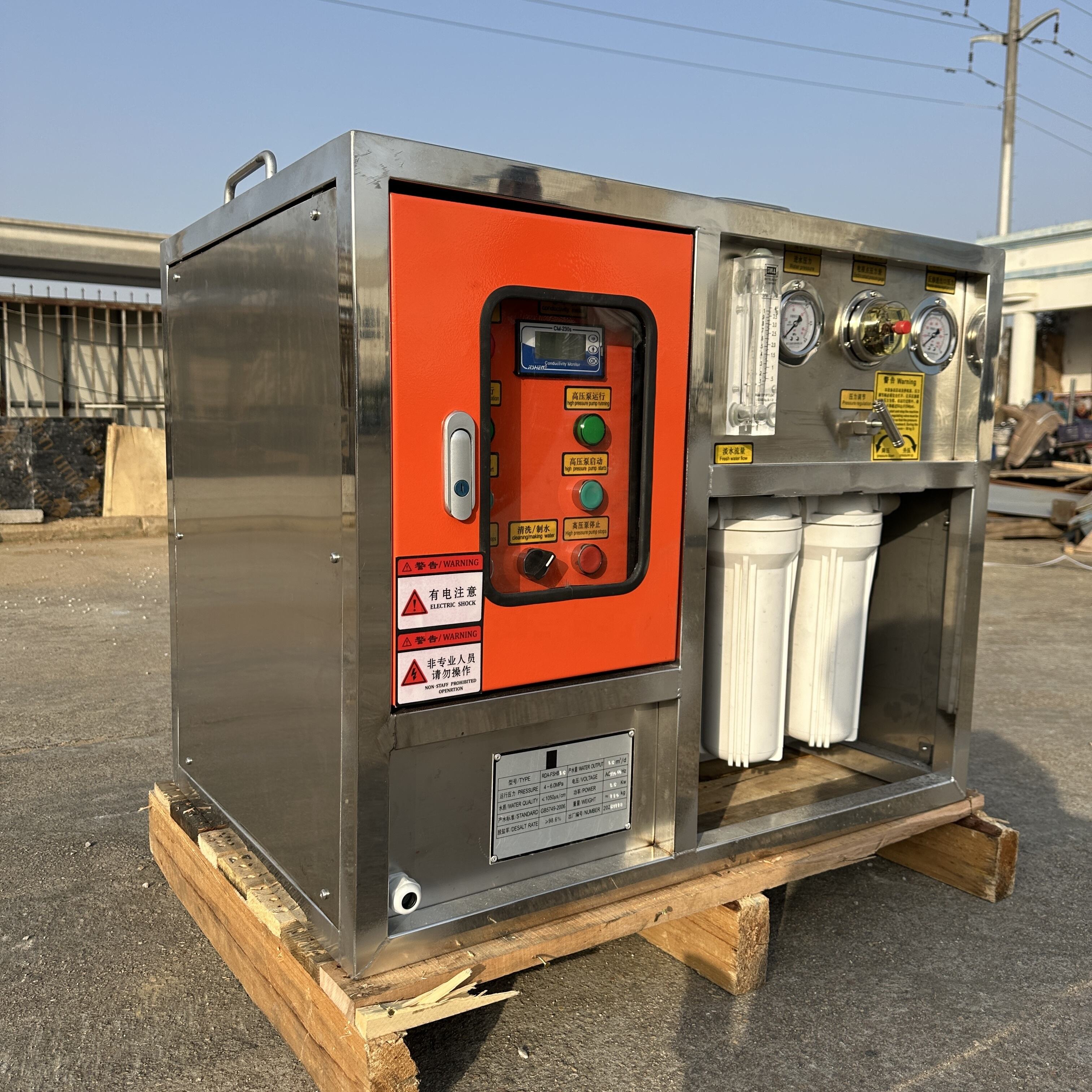
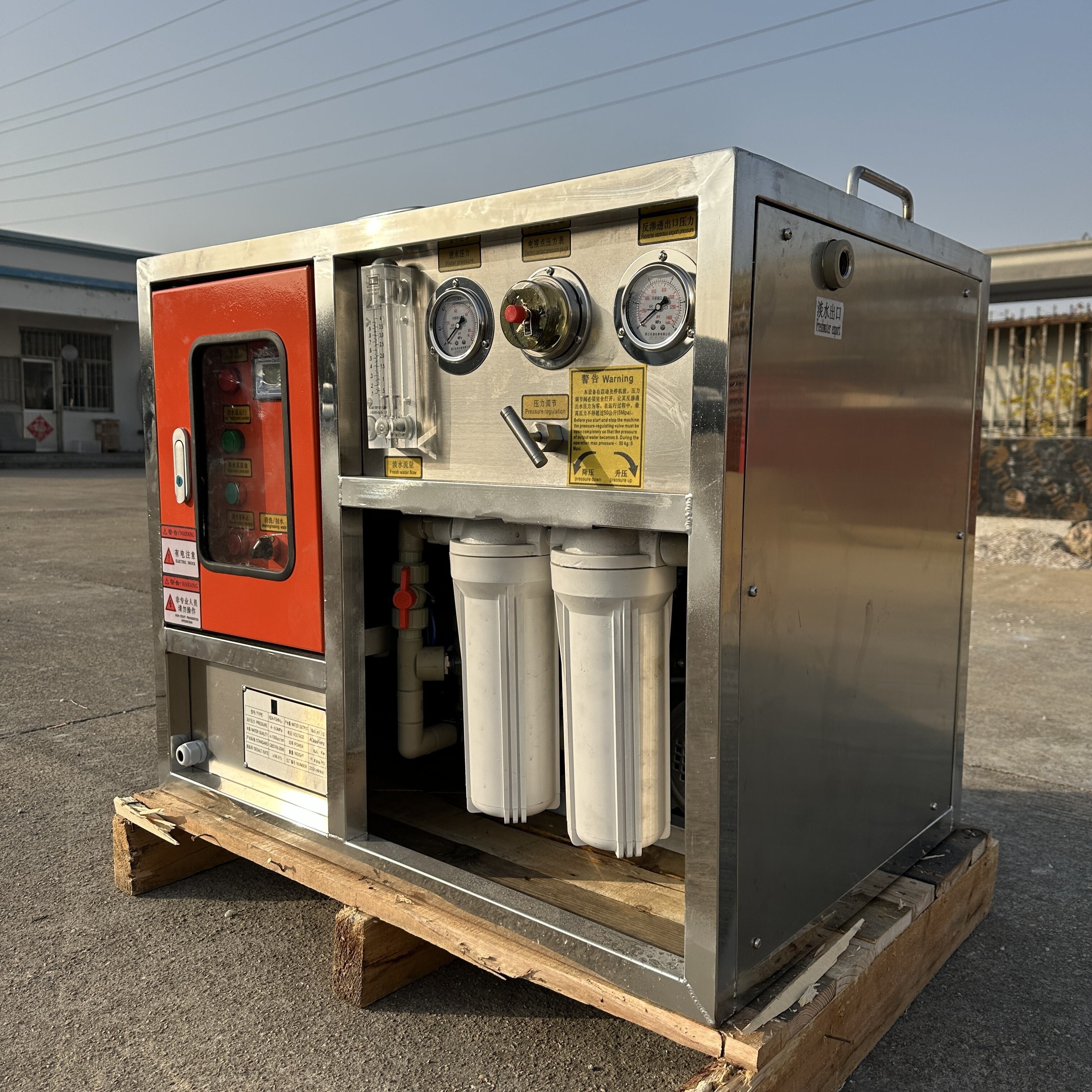
Water desalination systems represent cutting-edge technology designed to transform seawater and brackish water into clean, potable water suitable for human consumption and various industrial applications. These sophisticated systems address the growing global water scarcity crisis by providing reliable access to fresh water resources regardless of geographical limitations or natural freshwater availability. Modern water desalination systems employ advanced filtration and purification technologies to remove salt, minerals, and contaminants from saline water sources, delivering high-quality water that meets stringent health and safety standards. The primary function of water desalination systems centers on the systematic removal of dissolved salts and impurities through various technological processes, including reverse osmosis, thermal distillation, and electrodialysis. These systems incorporate multi-stage filtration mechanisms that progressively eliminate different types of contaminants, ensuring comprehensive water treatment. The technological features of contemporary water desalination systems include energy-efficient pumps, high-performance membrane modules, automated control systems, and sophisticated monitoring equipment that continuously tracks water quality parameters. Advanced water desalination systems also integrate smart technology components such as remote monitoring capabilities, predictive maintenance alerts, and automated adjustment mechanisms that optimize performance while minimizing operational costs. The applications for water desalination systems span numerous sectors, including municipal water supply, industrial manufacturing, agriculture, hospitality, healthcare facilities, and marine vessels. These versatile systems serve coastal communities, island nations, arid regions, and industrial complexes where traditional freshwater sources are insufficient or unavailable. Water desalination systems also provide emergency water solutions during natural disasters, droughts, or infrastructure failures, ensuring continuous water security for affected populations and critical operations.

New Products

Water desalination systems offer numerous practical benefits that directly address real-world water challenges faced by communities and businesses worldwide. These systems provide reliable water independence by eliminating dependence on traditional freshwater sources such as rivers, lakes, and groundwater reserves. Users gain consistent access to high-quality water regardless of seasonal variations, drought conditions, or natural disasters that may compromise conventional water supplies. This independence proves particularly valuable for coastal communities, remote locations, and regions experiencing water stress due to population growth or climate change. The economic advantages of water desalination systems become apparent through reduced long-term water costs and improved operational efficiency. Organizations investing in these systems often experience significant savings compared to purchasing bottled water or transporting water from distant sources. The systems eliminate ongoing expenses associated with water procurement while providing predictable operational costs that facilitate better budget planning and resource allocation. Modern water desalination systems deliver exceptional water quality that often surpasses municipal water standards, providing users with pure, safe drinking water free from harmful contaminants, bacteria, and chemical pollutants. This superior water quality benefits human health, enhances food safety in commercial kitchens, and protects sensitive equipment in industrial applications. The environmental benefits of water desalination systems include reduced plastic waste from bottled water consumption and decreased carbon footprint associated with water transportation. These systems support sustainable practices by utilizing renewable energy sources and implementing efficient water recovery processes that minimize waste. Water desalination systems also offer scalability advantages, allowing users to adjust capacity based on changing demands without major infrastructure modifications. The flexibility enables organizations to start with smaller systems and expand as needs grow, making the technology accessible to various budget ranges and operational requirements. Additionally, these systems provide operational convenience through automated functions, minimal maintenance requirements, and user-friendly interfaces that reduce the need for specialized technical expertise while ensuring consistent performance and water quality.

Tips And Tricks

What Intake and Outfall Designs Minimize Environmental Impact of a Desalination Plant?

01

Mar

What Intake and Outfall Designs Minimize Environmental Impact of a Desalination Plant?

Environmental considerations have become paramount in the design and operation of modern desalination facilities worldwide. As water scarcity continues to challenge communities across the globe, the demand for sustainable desalination plant solutions...
View More
What Corrosion-Resistant Materials Are Used in Desalination Plant Construction?

06

Mar

What Corrosion-Resistant Materials Are Used in Desalination Plant Construction?

Desalination plants operate in some of the harshest environments imaginable, where saltwater constantly threatens the integrity of critical infrastructure. The selection of appropriate corrosion-resistant materials becomes paramount to ensuring long-...
View More
How Does a Water Purification System with Ion Exchange Soften Hard Water Effectively?

15

Mar

How Does a Water Purification System with Ion Exchange Soften Hard Water Effectively?

Hard water poses significant challenges for both residential and commercial applications, containing high concentrations of calcium and magnesium ions that cause scale buildup, reduce equipment efficiency, and affect water quality. A water purificati...
View More
Why Should Pharmaceutical QC Labs Use Ultrapure Water for HPLC and Mass Spectrometry?

18

Mar

Why Should Pharmaceutical QC Labs Use Ultrapure Water for HPLC and Mass Spectrometry?

Pharmaceutical quality control laboratories face increasingly stringent requirements for analytical accuracy and regulatory compliance. The foundation of reliable analytical results lies in the quality of water used throughout testing procedures. Ult...
View More

Get a Free Quote

Our representative will contact you soon.
Email
Name
Company Name
Message
0/1000

water desalination systems

Advanced Reverse Osmosis Technology for Superior Purification

Advanced Reverse Osmosis Technology for Superior Purification

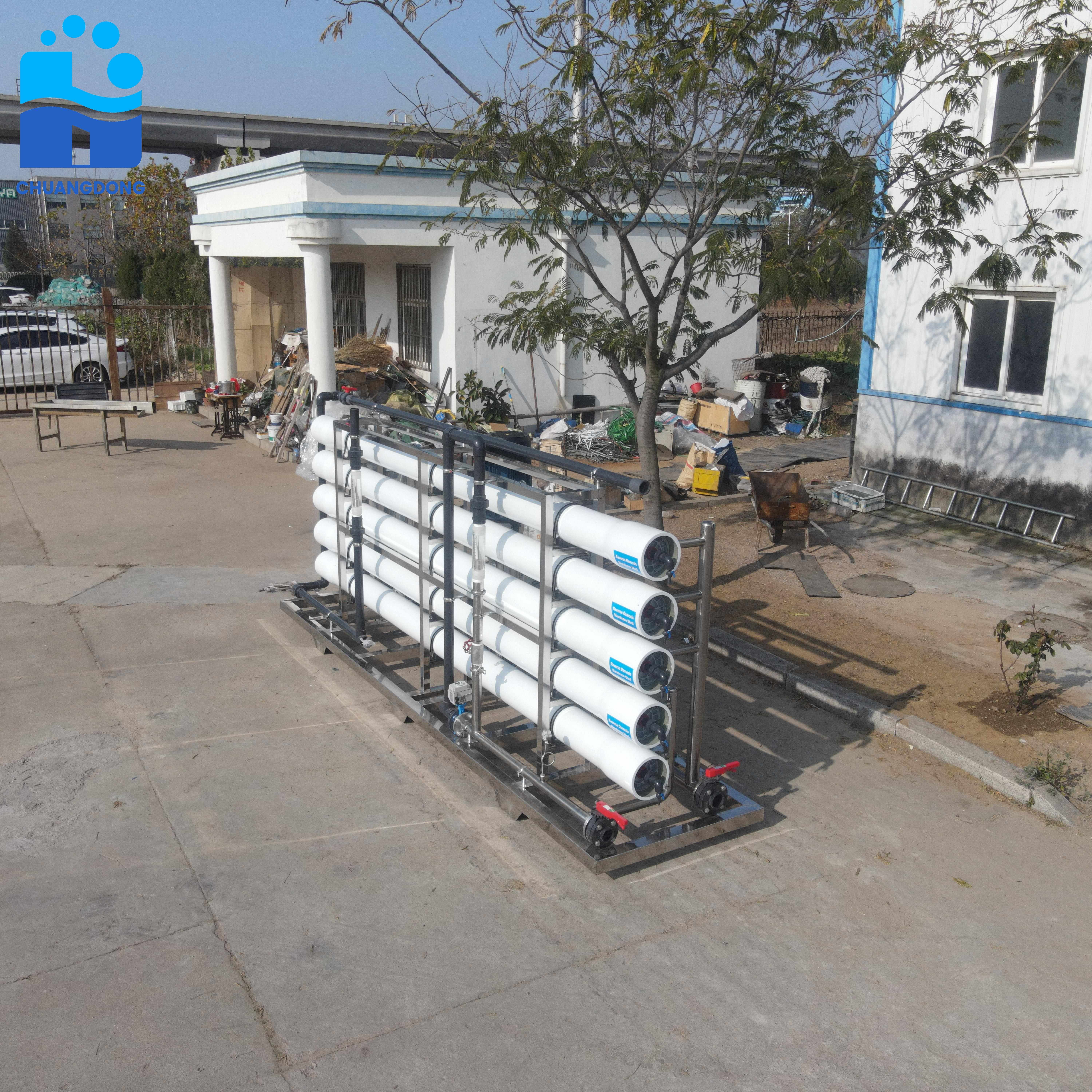
Water desalination systems utilize state-of-the-art reverse osmosis technology that represents the gold standard in water purification, delivering unparalleled water quality through sophisticated membrane filtration processes. This advanced technology employs semi-permeable membranes with microscopic pores that effectively block salt molecules, bacteria, viruses, and other contaminants while allowing pure water molecules to pass through. The reverse osmosis process in modern water desalination systems operates under controlled pressure conditions that force water through multiple membrane stages, achieving salt rejection rates exceeding 99.5 percent. This exceptional purification capability ensures that the treated water meets or exceeds international drinking water standards, providing users with consistently safe and pure water for all applications. The membrane technology incorporated in these water desalination systems features enhanced durability and fouling resistance, extending operational lifespan while maintaining peak performance. Advanced membrane materials resist bacterial growth, chemical degradation, and physical damage, reducing replacement frequency and maintenance costs. The multi-stage configuration of reverse osmosis systems allows for progressive purification, with each stage removing specific types of contaminants to achieve comprehensive water treatment. Pre-treatment stages remove larger particles and chlorine, while subsequent stages target dissolved salts and smaller contaminants. The technology also incorporates sophisticated monitoring systems that continuously track membrane performance, water quality parameters, and system efficiency. Real-time data collection enables predictive maintenance scheduling, optimal performance tuning, and immediate detection of any quality issues. This advanced monitoring capability ensures consistent water quality while minimizing unexpected downtime and maintenance expenses. The reverse osmosis technology in modern water desalination systems also features energy recovery mechanisms that capture and reuse hydraulic energy from the high-pressure stream, significantly reducing overall energy consumption and operational costs while maintaining exceptional purification performance.
Energy-Efficient Design with Smart Automation Controls

Energy-Efficient Design with Smart Automation Controls

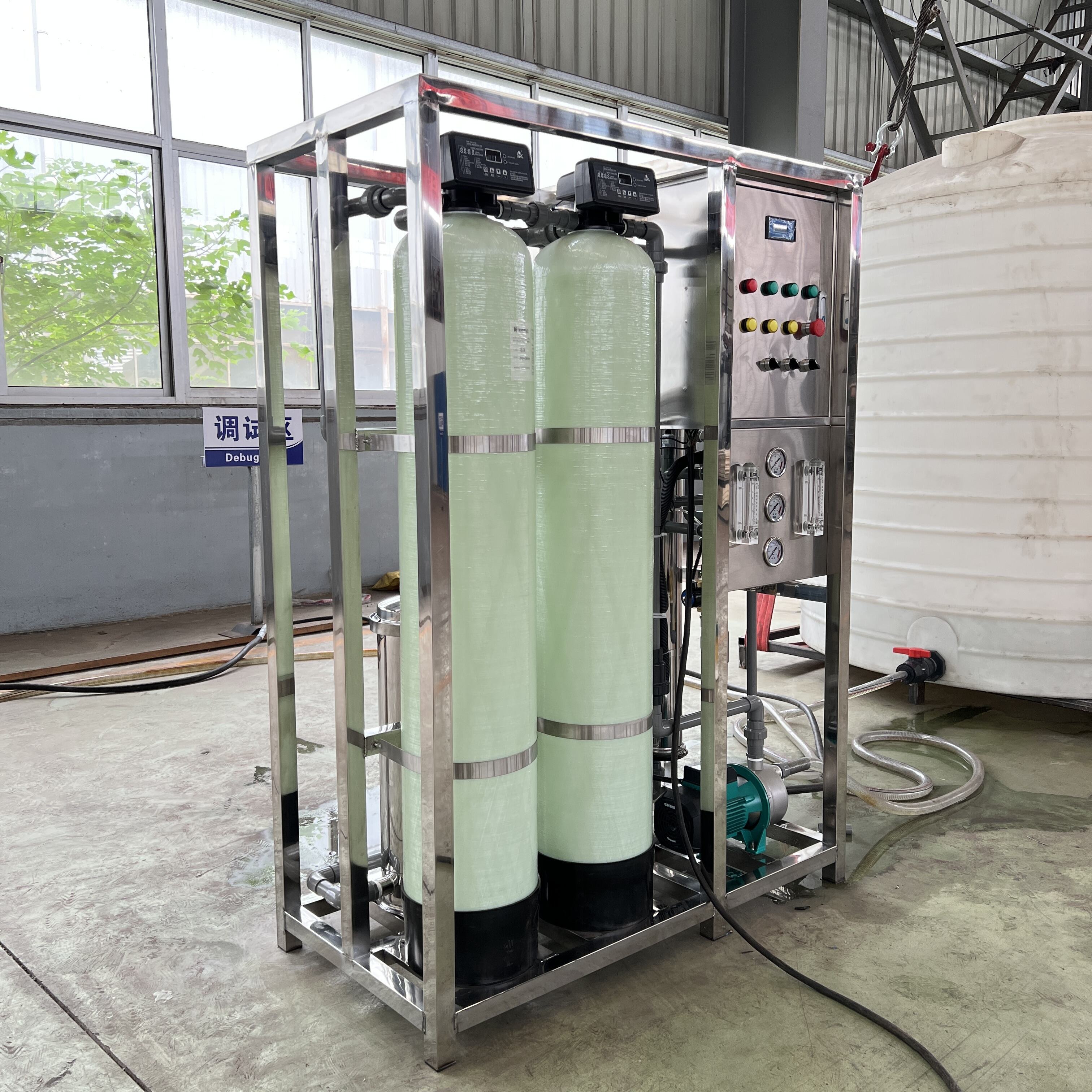
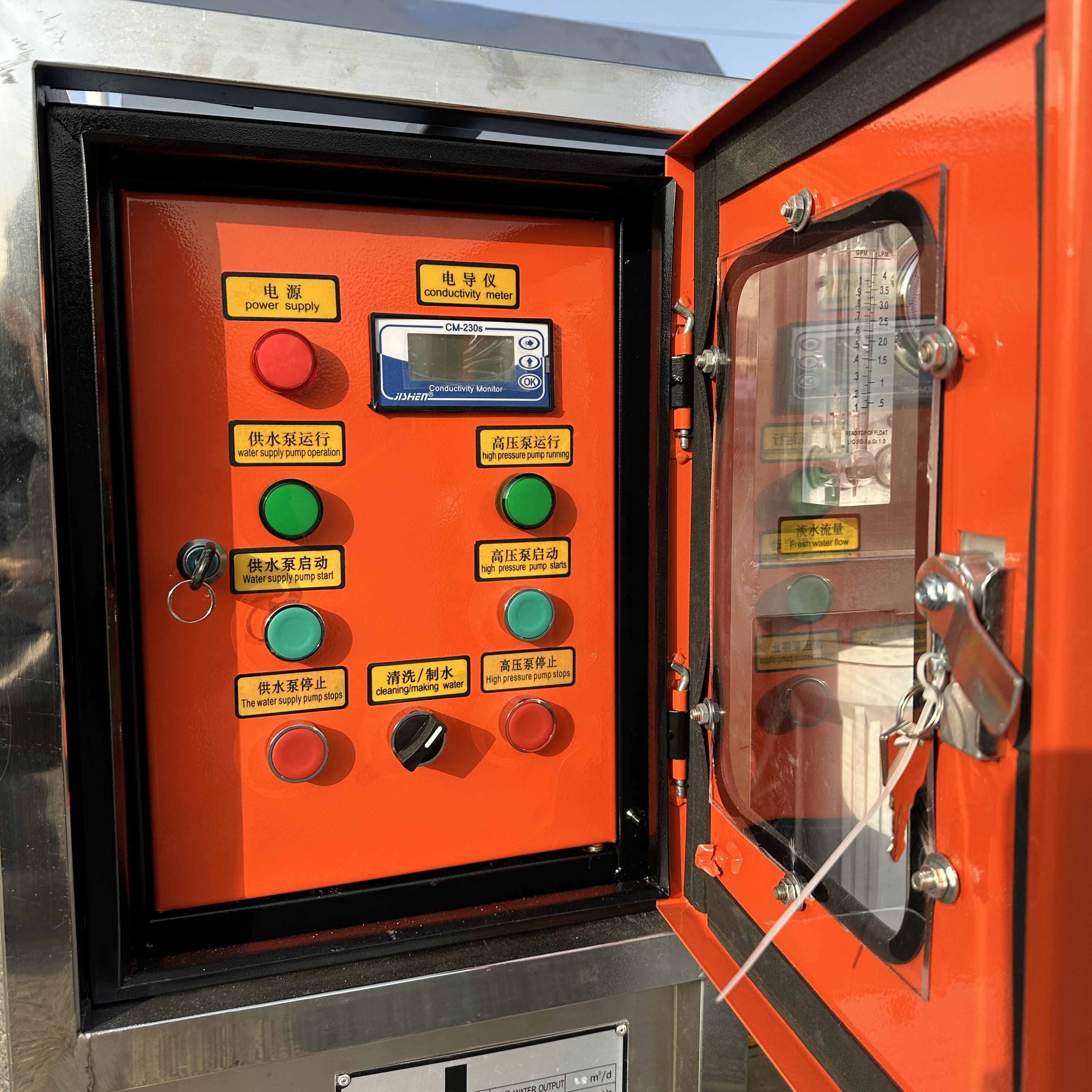
Contemporary water desalination systems incorporate revolutionary energy-efficient design elements combined with intelligent automation controls that optimize performance while minimizing operational costs and environmental impact. These systems feature variable frequency drives, high-efficiency pumps, and energy recovery devices that substantially reduce power consumption compared to traditional desalination technologies. The energy-efficient design includes optimized hydraulic configurations that minimize pressure losses and maximize energy transfer efficiency throughout the treatment process. Advanced control algorithms continuously adjust system parameters based on real-time conditions, ensuring optimal energy utilization while maintaining consistent water quality and production rates. The smart automation controls integrated into modern water desalination systems provide comprehensive system management through user-friendly interfaces and remote monitoring capabilities. These intelligent systems automatically adjust operating parameters based on feed water quality, production demands, and system performance metrics, eliminating the need for constant manual oversight. Automated functions include system startup and shutdown sequences, membrane cleaning cycles, and maintenance scheduling that optimize system longevity and performance. The control systems feature predictive analytics that analyze operational data to forecast maintenance needs, prevent equipment failures, and optimize replacement schedules. This proactive approach reduces unexpected downtime, extends equipment lifespan, and minimizes maintenance costs while ensuring reliable water production. Remote monitoring capabilities allow operators to oversee multiple water desalination systems from centralized locations, reducing staffing requirements and enabling rapid response to any operational issues. The automation systems also include safety features such as automatic shutdown protocols, pressure monitoring, and leak detection that protect equipment and personnel while preventing water waste. Energy management functions within the control systems track power consumption patterns, identify optimization opportunities, and provide detailed reporting on energy efficiency metrics. These features enable users to monitor operational costs, verify performance improvements, and demonstrate compliance with environmental regulations and sustainability goals.
Modular Scalability for Flexible Capacity Management

Modular Scalability for Flexible Capacity Management

Water desalination systems feature innovative modular design architecture that provides exceptional scalability and flexibility, allowing users to precisely match system capacity with current needs while maintaining the ability to expand as requirements grow. This modular approach enables cost-effective implementation strategies that accommodate various budget constraints and operational timelines without compromising system performance or water quality. The modular configuration allows users to start with smaller capacity units and systematically add modules as demand increases, spreading investment costs over time while ensuring immediate access to clean water. Each module within the water desalination systems operates independently while integrating seamlessly with existing units, providing redundancy that enhances system reliability and minimizes the risk of complete system failure. This redundant design ensures continuous water production even during maintenance periods or unexpected equipment issues, as remaining modules continue operating at reduced capacity. The modular structure also facilitates targeted maintenance and component replacement without shutting down the entire system, minimizing operational disruptions and maintenance costs. Installation flexibility represents another significant advantage of modular water desalination systems, as individual modules can be positioned to accommodate space constraints, infrastructure limitations, and operational workflows. This adaptability proves particularly valuable for retrofit installations, temporary deployments, and locations with challenging site conditions. The standardized module design simplifies installation procedures, reduces construction time, and minimizes site preparation requirements compared to custom-built systems. Modular water desalination systems also offer superior maintenance advantages through standardized components and simplified service procedures that reduce technician training requirements and spare parts inventory. The uniform design across modules enables efficient maintenance scheduling, streamlined troubleshooting processes, and cost-effective parts management. Additionally, the modular approach supports future technology upgrades, allowing users to replace individual modules with newer technology without replacing the entire system. This upgrade flexibility protects long-term investments while ensuring access to the latest advancements in desalination technology, energy efficiency improvements, and enhanced automation capabilities that continue evolving in the water treatment industry.

Get a Free Quote

Our representative will contact you soon.
Email
Name
Company Name
Message
0/1000