Large Scale Desalination Plants: Advanced Water Treatment Solutions for Reliable Supply and Superior Quality

Get a Free Quote

Our representative will contact you soon.
Email
Name
Company Name
Message
0/1000

large scale desalination plants

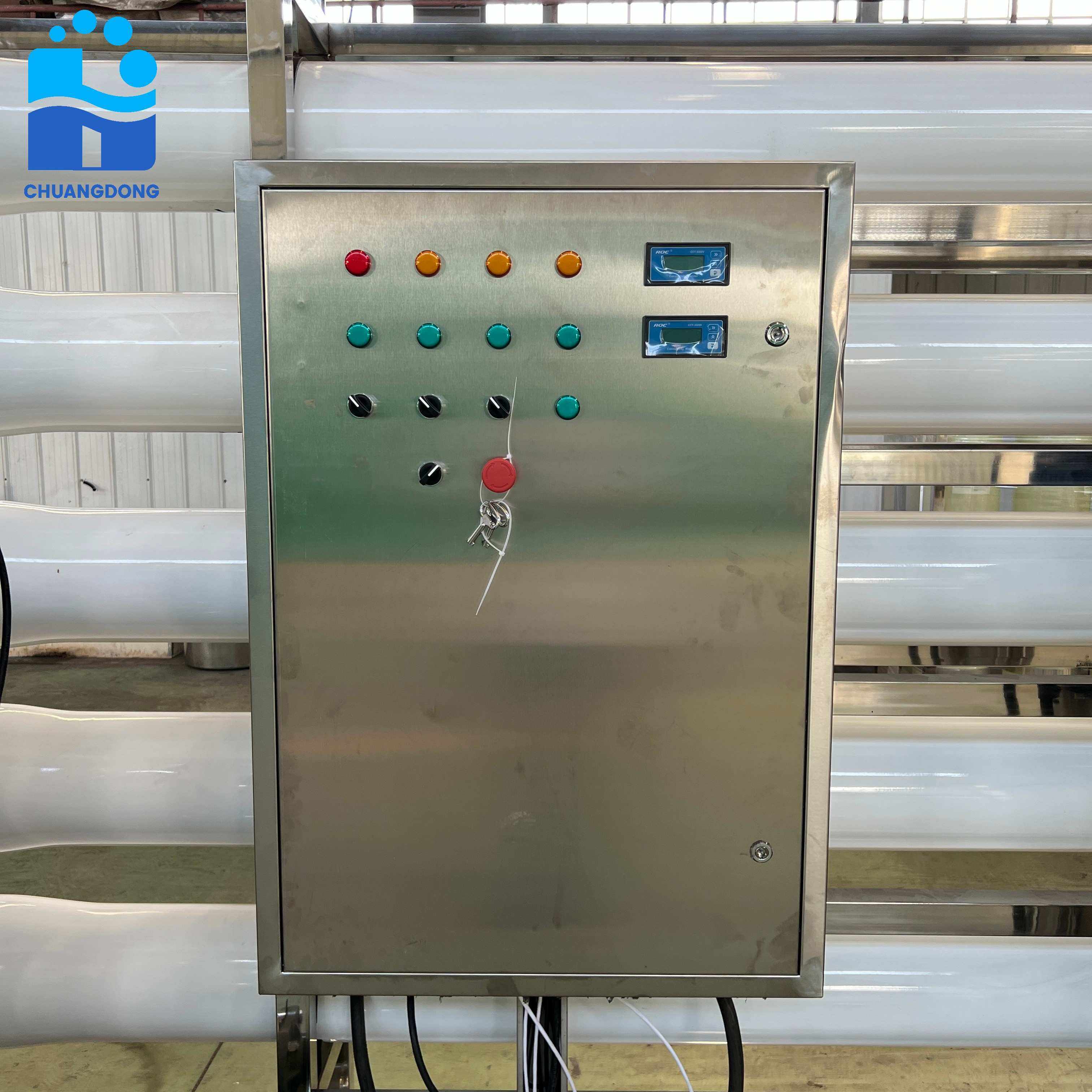
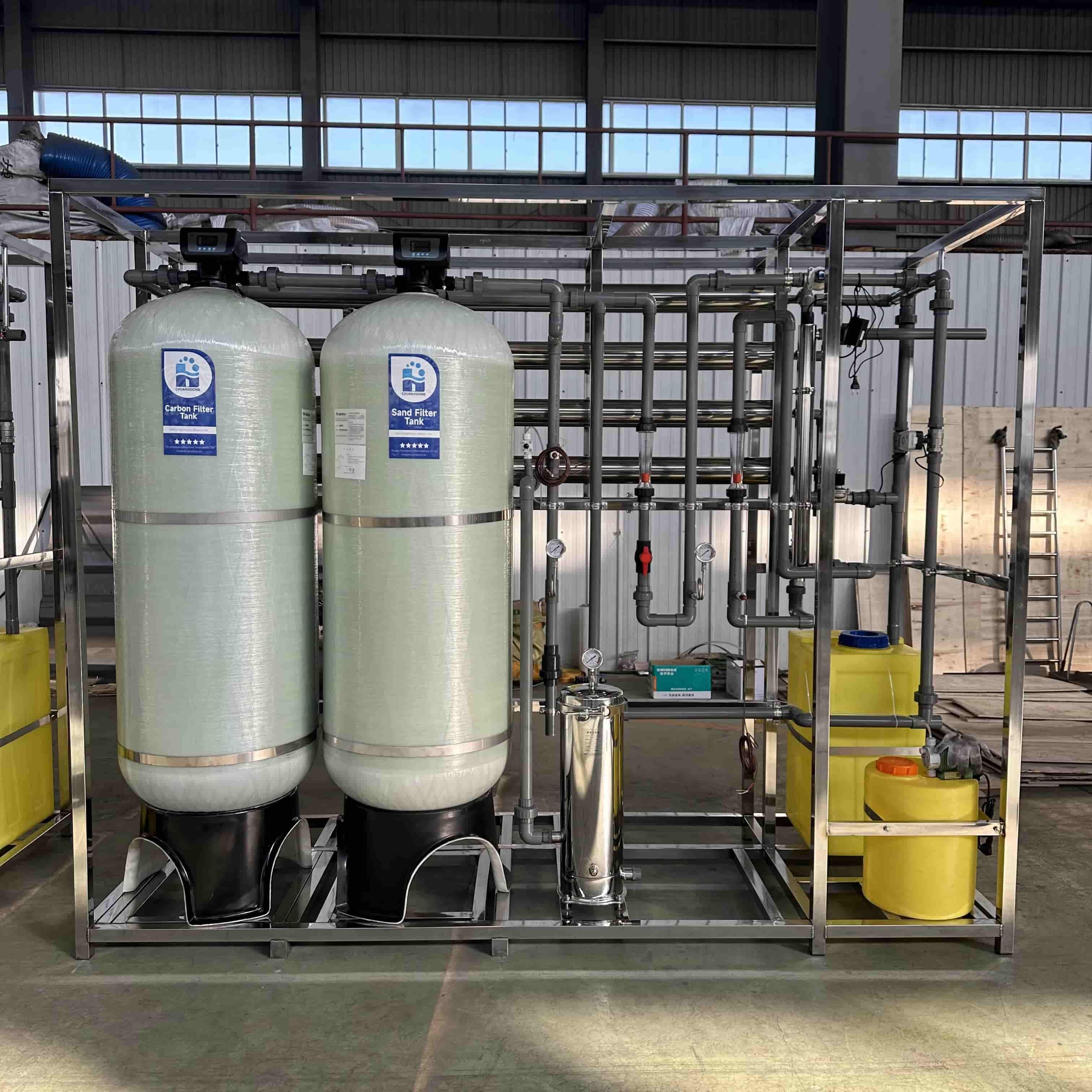
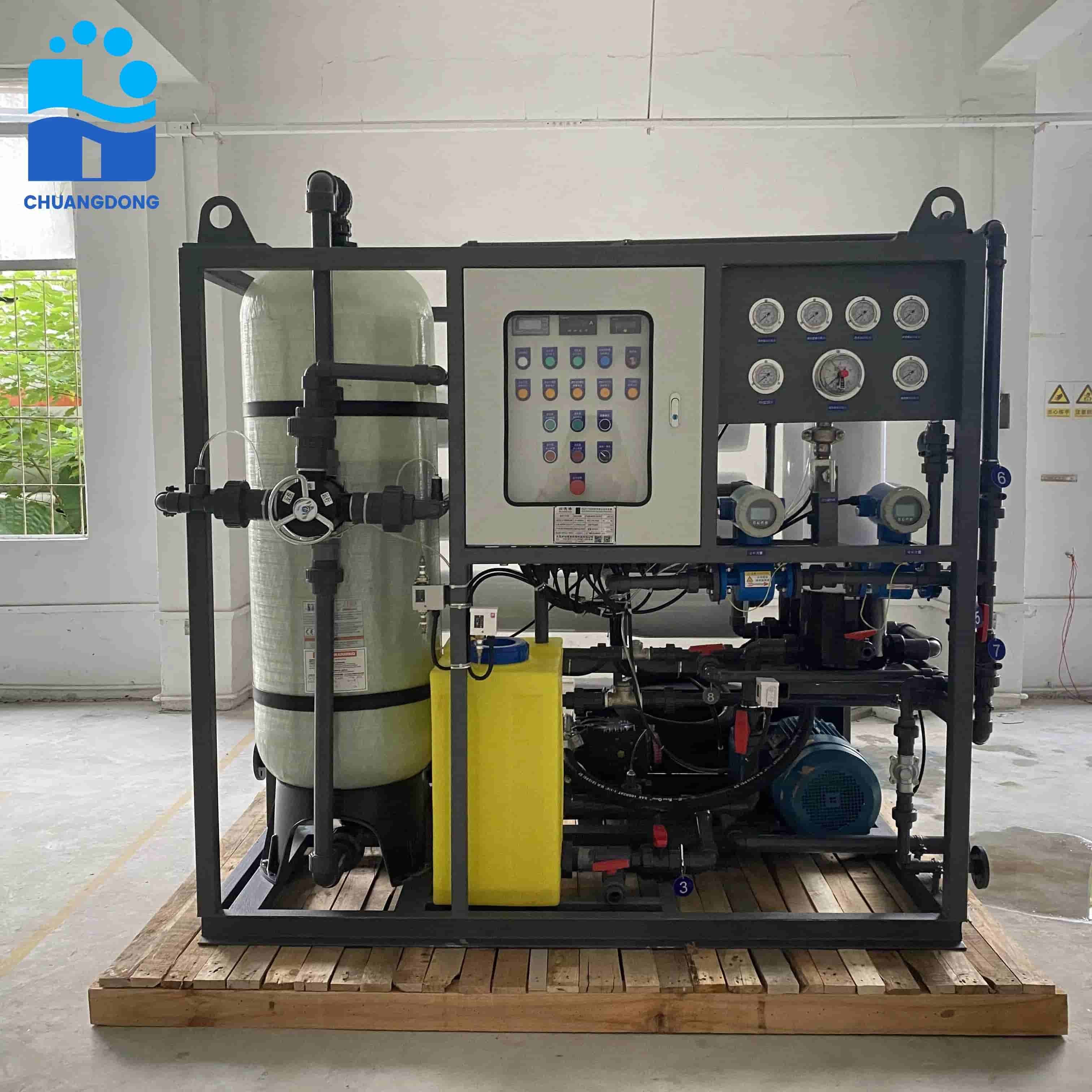
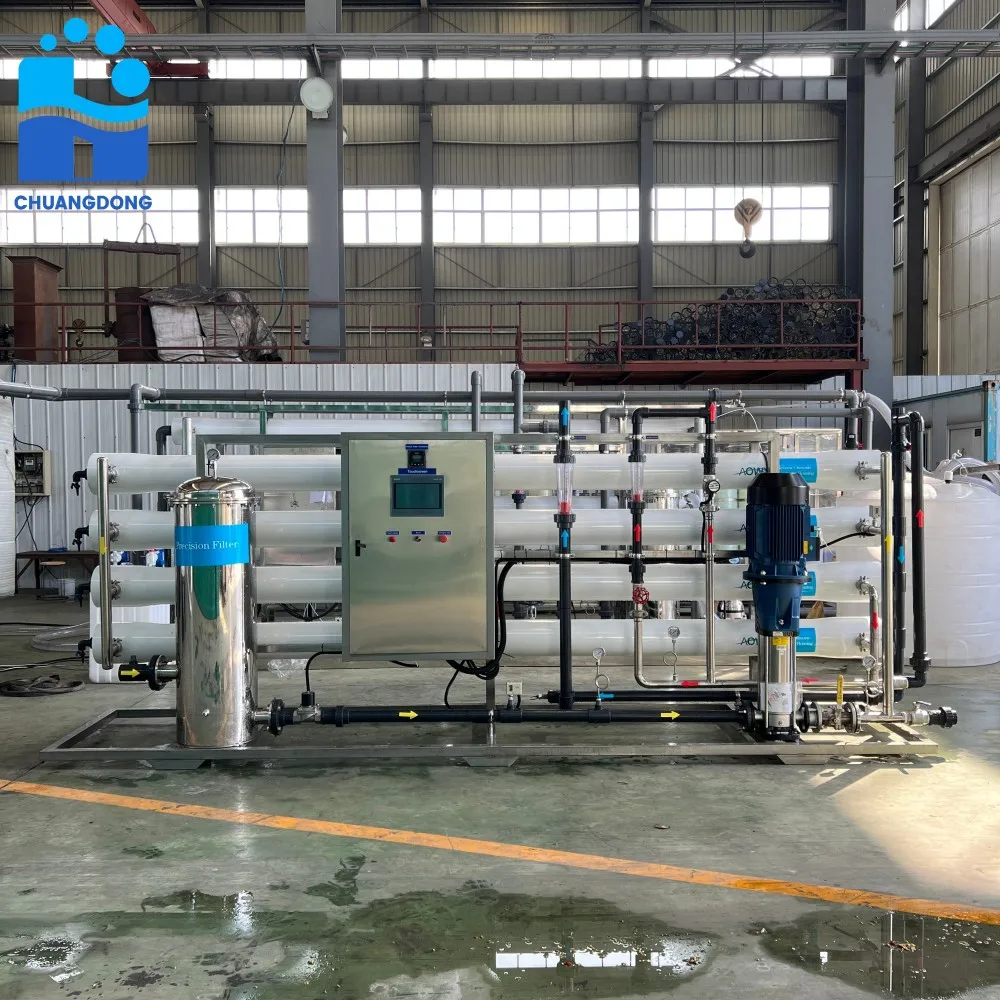
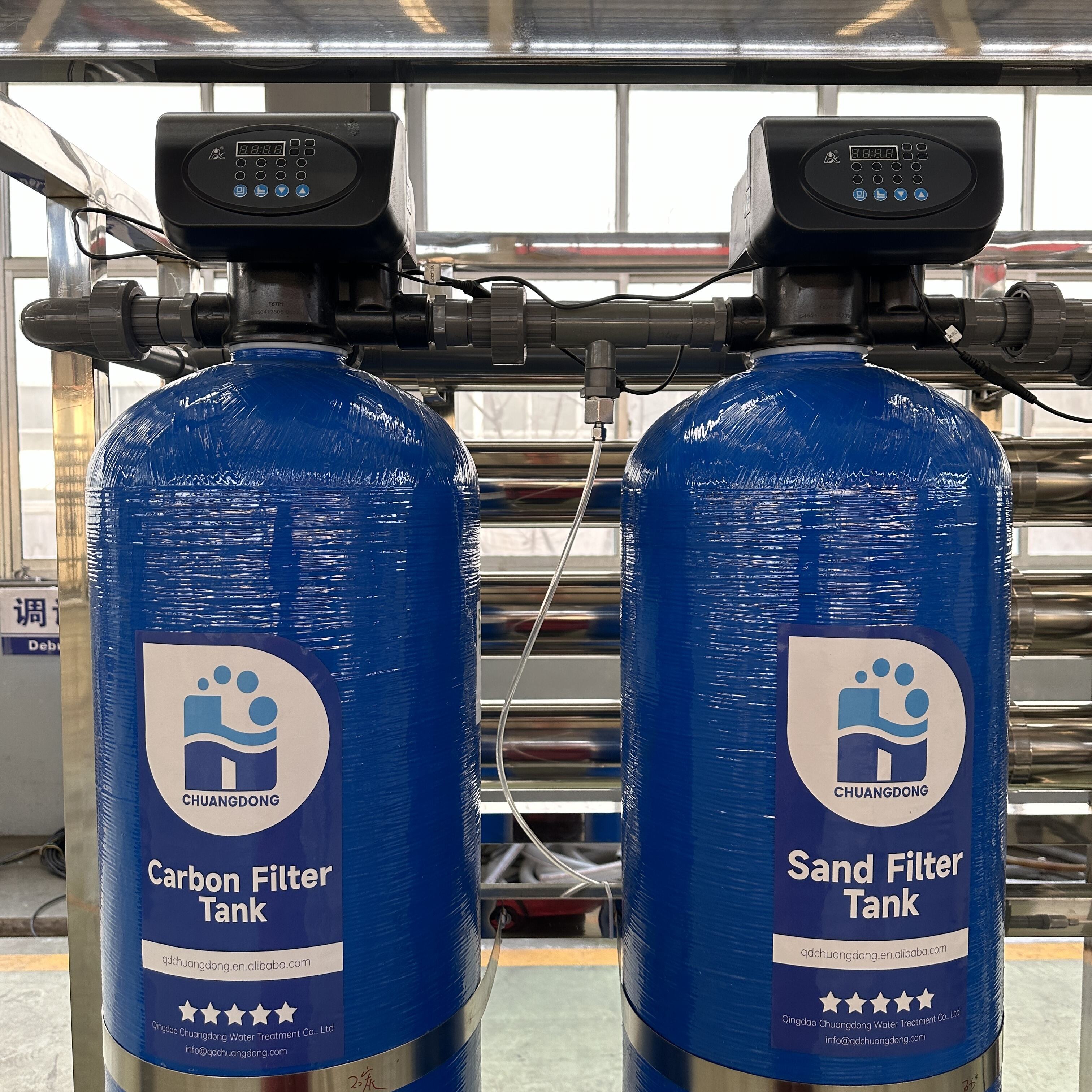
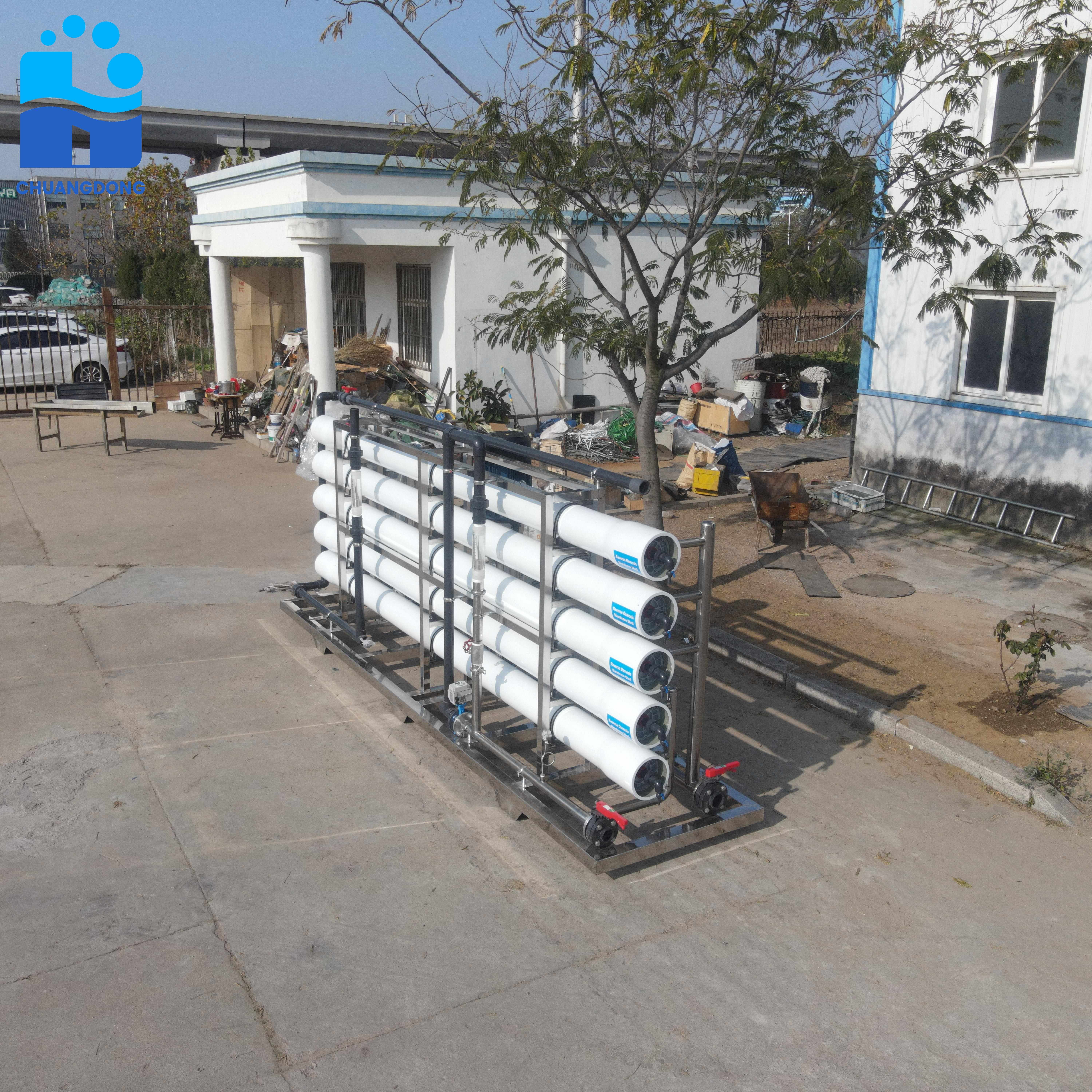
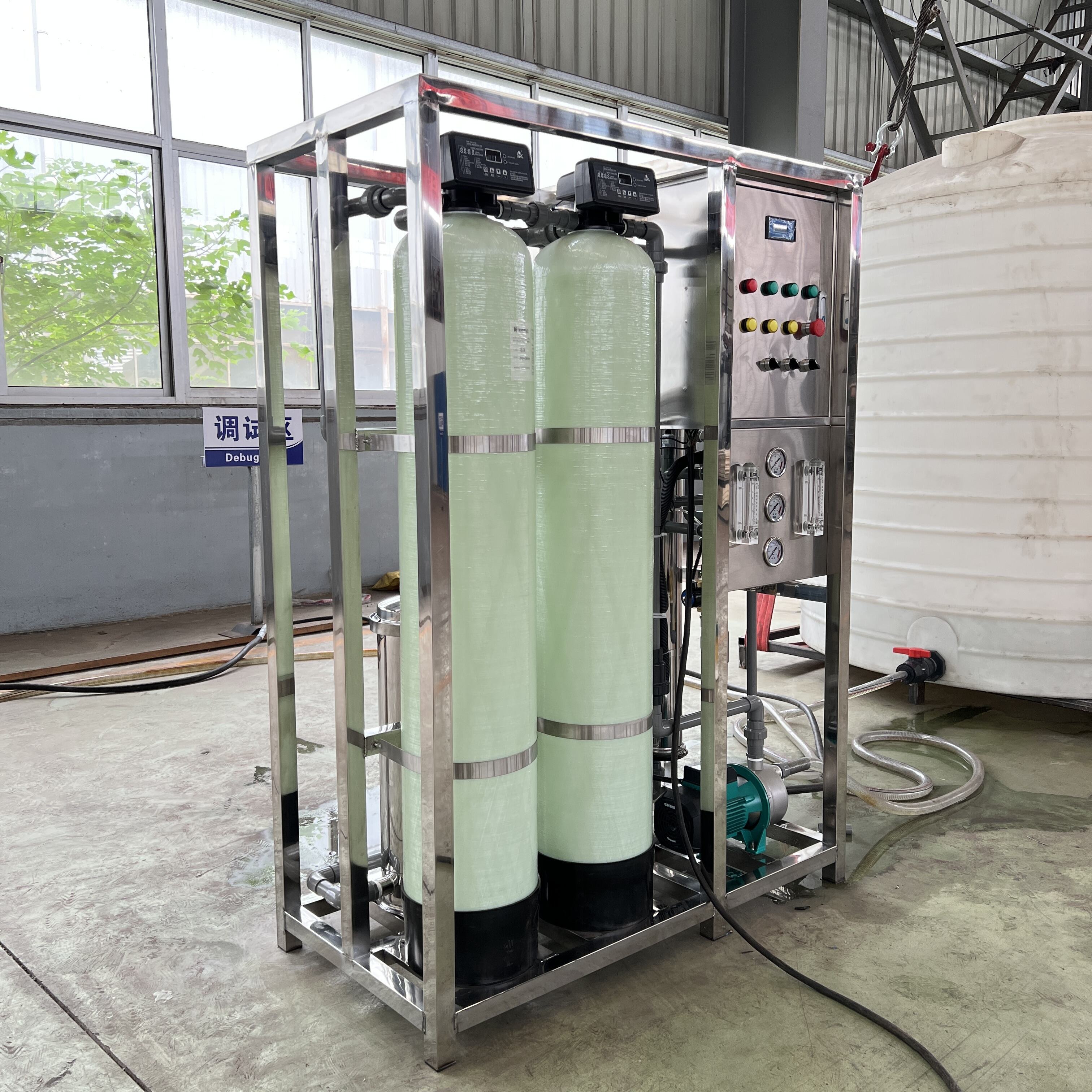
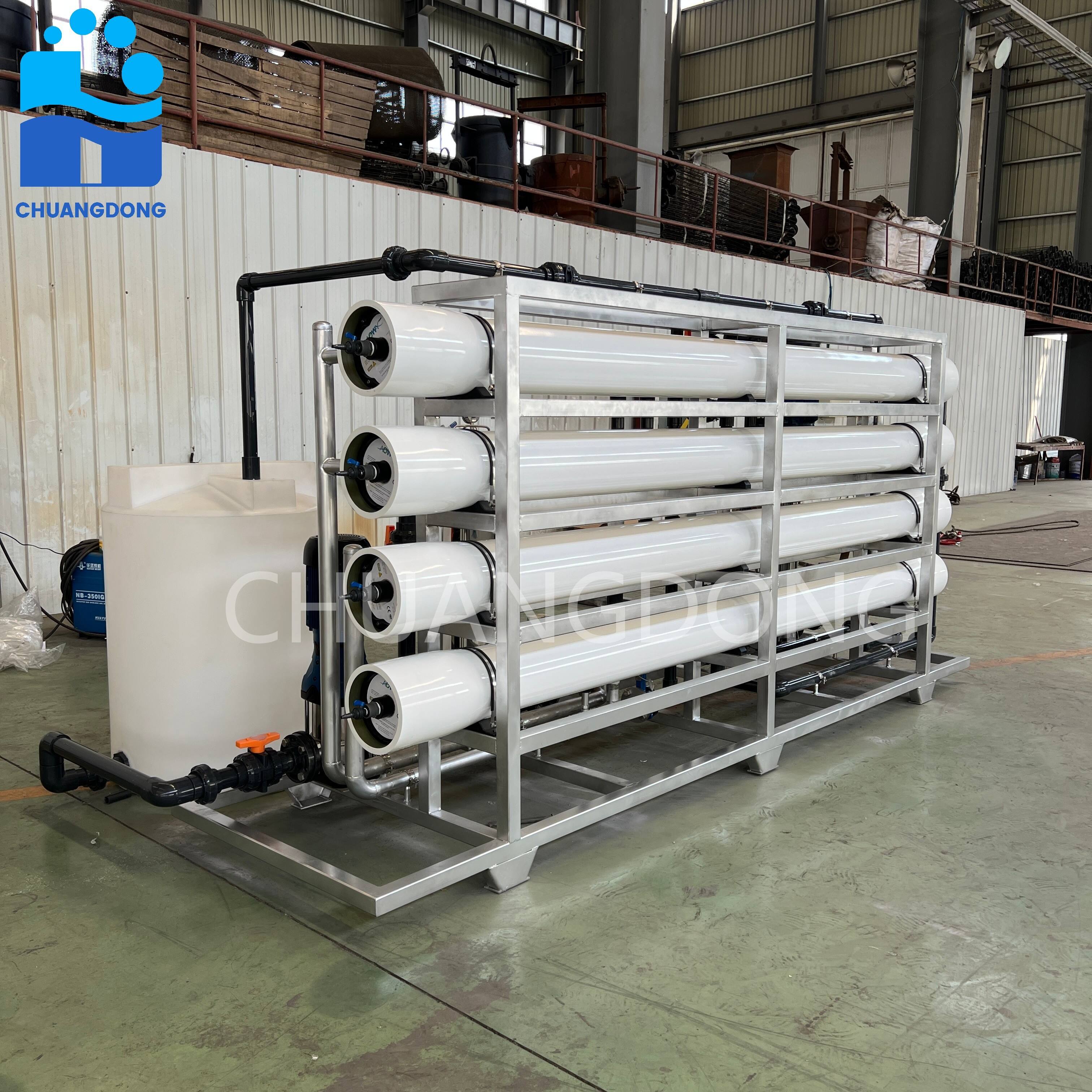
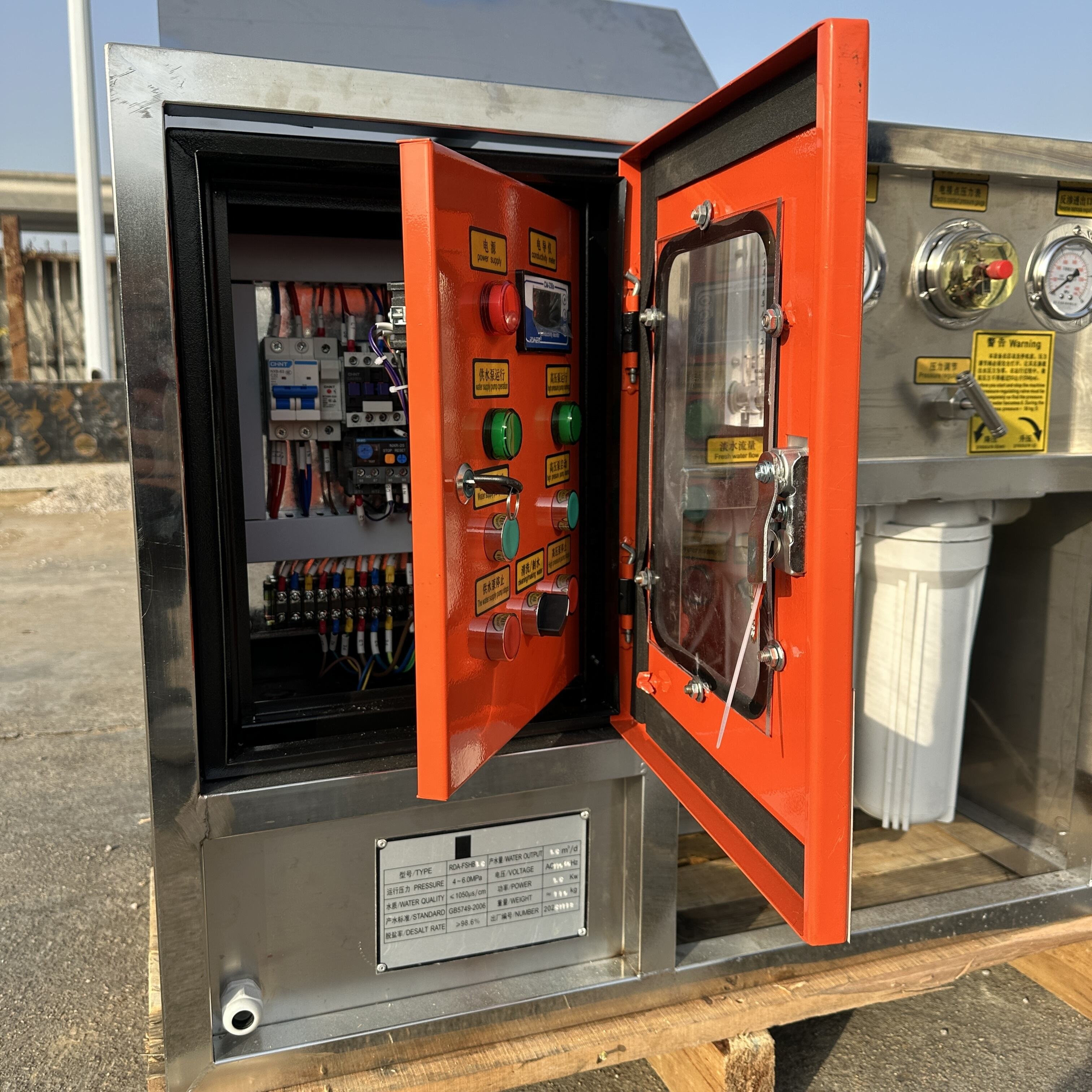
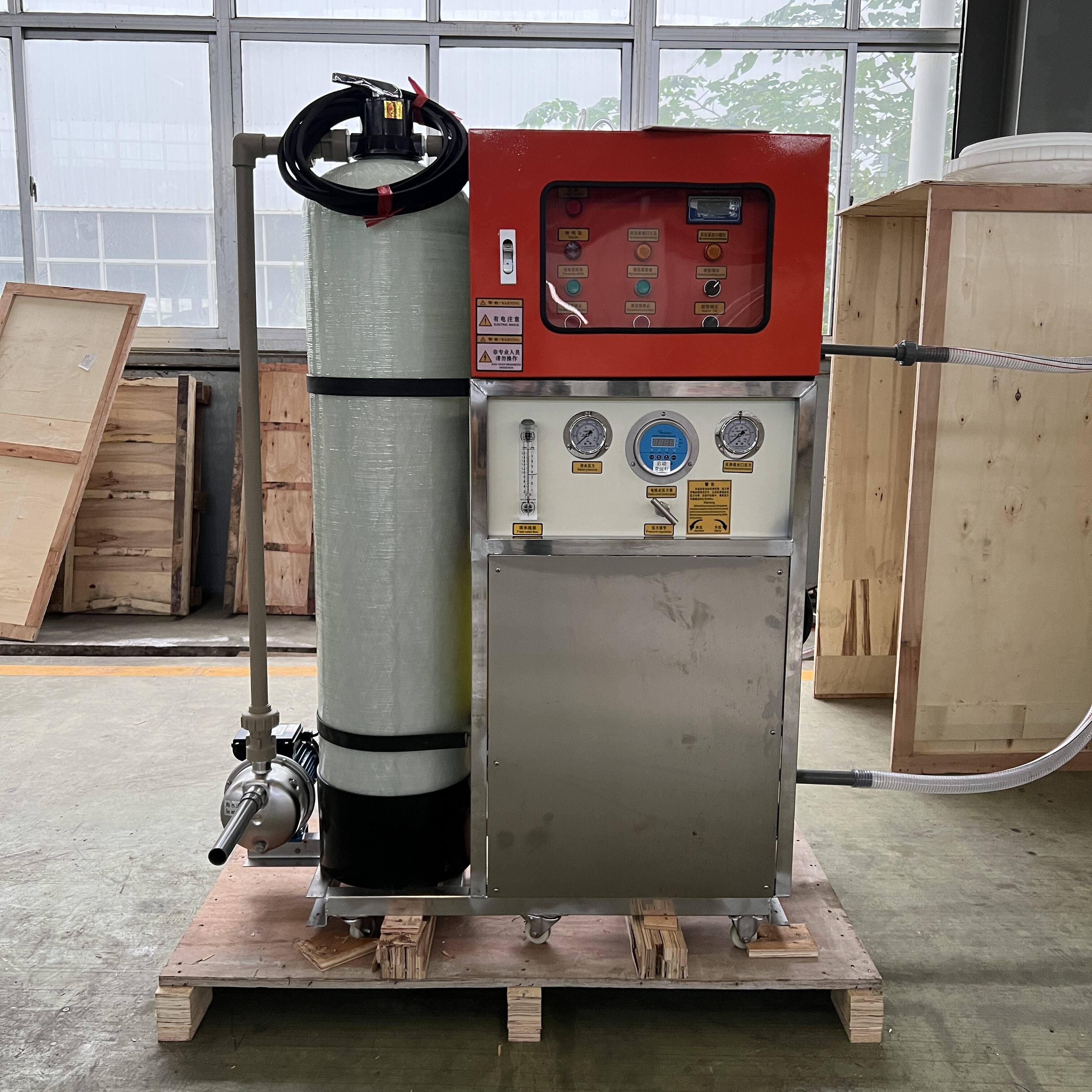
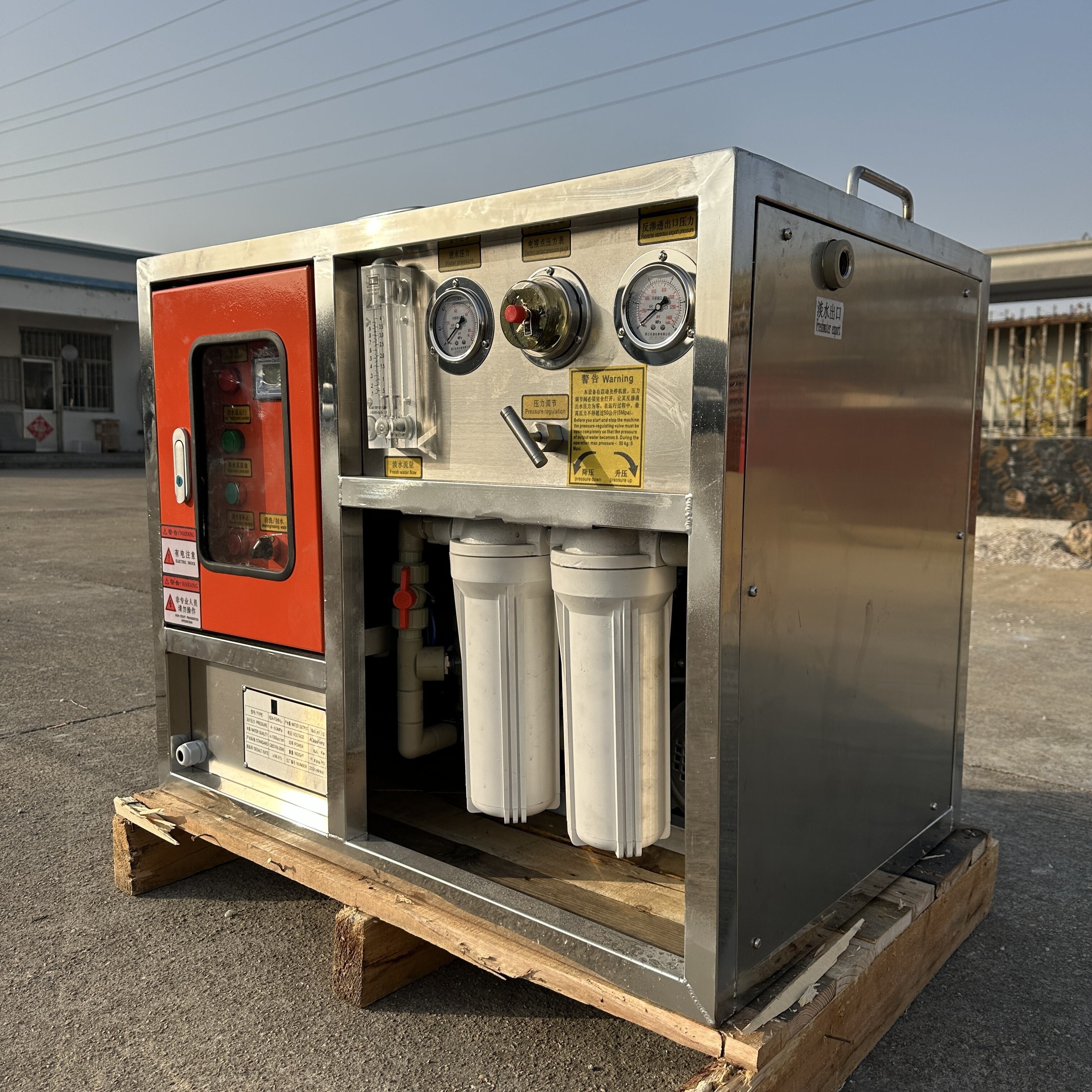
Large scale desalination plants represent cutting-edge water treatment facilities designed to convert seawater and brackish water into clean, potable water for human consumption and industrial use. These sophisticated installations utilize advanced membrane technology, thermal processes, and energy recovery systems to remove salt and other contaminants from water sources. Modern large scale desalination plants incorporate reverse osmosis technology as their primary filtration method, pushing seawater through semi-permeable membranes under high pressure to separate salt molecules from water molecules. The main functions of these facilities include intake systems that draw raw seawater, pre-treatment processes that remove larger particles and organic matter, desalination chambers where salt removal occurs, post-treatment systems that add essential minerals back to the water, and distribution networks that deliver finished water to end users. Technological features of large scale desalination plants include automated control systems that monitor water quality parameters in real-time, energy recovery devices that capture and reuse hydraulic energy from high-pressure brine streams, anti-fouling membrane technologies that prevent bacterial growth and scaling, and modular design components that allow for capacity expansion. These plants typically process millions of gallons of water daily, serving entire metropolitan areas, industrial complexes, and agricultural regions. Applications span municipal water supply systems in coastal cities, industrial cooling and process water for manufacturing facilities, irrigation water for agricultural operations in arid regions, emergency water supply during drought conditions, and strategic water reserves for national security purposes. The integration of renewable energy sources like solar and wind power makes these large scale desalination plants more environmentally sustainable and cost-effective for long-term operation.

Popular Products

Large scale desalination plants deliver reliable water supply solutions that eliminate dependence on unpredictable rainfall and diminishing freshwater reserves. These facilities produce consistent water output regardless of seasonal variations, drought conditions, or climate change impacts that affect traditional water sources. Users benefit from guaranteed water security that supports population growth, economic development, and industrial expansion without worrying about water scarcity. The water quality produced by large scale desalination plants meets or exceeds international drinking water standards, providing safer alternatives to contaminated groundwater or surface water sources. Advanced filtration and purification processes remove harmful bacteria, viruses, heavy metals, and chemical pollutants that may exist in conventional water supplies. This superior water quality reduces health risks, eliminates the need for additional home filtration systems, and provides peace of mind for families and businesses. Large scale desalination plants offer economic advantages through job creation in construction, operation, and maintenance phases while supporting local economic growth in coastal communities. These facilities attract new businesses and industries that require substantial water supplies, creating additional employment opportunities and tax revenue for municipalities. The stable water supply enables agricultural development in previously unsuitable areas, opening new revenue streams for farming communities and food production sectors. Environmental benefits include reduced pressure on existing freshwater ecosystems, allowing rivers, lakes, and aquifers to recover from over-extraction. Large scale desalination plants help preserve natural habitats and maintain ecological balance by providing alternative water sources that reduce environmental stress on freshwater systems. Modern plants incorporate energy-efficient technologies that minimize carbon footprints while maximizing water production efficiency. Operational flexibility allows these facilities to adjust production capacity based on seasonal demands, emergency situations, or changing population needs. This adaptability ensures cost-effective operation while maintaining optimal service levels for customers throughout varying conditions and requirements.

Latest News

What Intake and Outfall Designs Minimize Environmental Impact of a Desalination Plant?

01

Mar

What Intake and Outfall Designs Minimize Environmental Impact of a Desalination Plant?

Environmental considerations have become paramount in the design and operation of modern desalination facilities worldwide. As water scarcity continues to challenge communities across the globe, the demand for sustainable desalination plant solutions...
View More
What Corrosion-Resistant Materials Are Used in Desalination Plant Construction?

06

Mar

What Corrosion-Resistant Materials Are Used in Desalination Plant Construction?

Desalination plants operate in some of the harshest environments imaginable, where saltwater constantly threatens the integrity of critical infrastructure. The selection of appropriate corrosion-resistant materials becomes paramount to ensuring long-...
View More
How Does a Water Purification System with Ion Exchange Soften Hard Water Effectively?

15

Mar

How Does a Water Purification System with Ion Exchange Soften Hard Water Effectively?

Hard water poses significant challenges for both residential and commercial applications, containing high concentrations of calcium and magnesium ions that cause scale buildup, reduce equipment efficiency, and affect water quality. A water purificati...
View More
How Does an RO Water Filter with a UV Sterilizer Provide Additional Protection Against Bacteria?

10

Mar

How Does an RO Water Filter with a UV Sterilizer Provide Additional Protection Against Bacteria?

Water contamination remains one of the most pressing concerns for homeowners and businesses seeking reliable water purification solutions. While traditional filtration methods offer basic protection, modern water treatment technology has evolved to p...
View More

Get a Free Quote

Our representative will contact you soon.
Email
Name
Company Name
Message
0/1000

large scale desalination plants

Advanced Energy Recovery Technology Maximizes Efficiency and Reduces Operating Costs

Advanced Energy Recovery Technology Maximizes Efficiency and Reduces Operating Costs

Large scale desalination plants incorporate state-of-the-art energy recovery devices that capture and reuse up to 98 percent of the hydraulic energy from high-pressure brine discharge streams. This revolutionary technology significantly reduces the overall energy consumption required for water production, making these facilities more economically viable and environmentally friendly than ever before. The energy recovery systems work by transferring pressure from the concentrated brine waste stream back into the incoming seawater feed, effectively recycling the energy that would otherwise be lost in the desalination process. This innovation translates directly into lower electricity bills for plant operators and reduced water costs for end consumers. The sophisticated pressure exchangers and energy recovery turbines used in modern large scale desalination plants can recover energy equivalent to millions of kilowatt-hours annually, representing substantial cost savings and reduced environmental impact. These systems also enhance the reliability and longevity of plant equipment by reducing stress on high-pressure pumps and other mechanical components. The energy efficiency improvements achieved through these technologies make large scale desalination plants competitive with traditional water sources in terms of production costs, while providing superior water quality and supply security. Additionally, the reduced energy requirements make these facilities ideal candidates for integration with renewable energy sources such as solar panels and wind turbines, further decreasing operational costs and carbon emissions. Plant operators benefit from lower maintenance requirements and extended equipment lifespans due to the reduced workload on primary pumping systems. The financial advantages compound over time, with energy savings often paying for the initial investment in advanced recovery technology within just a few years of operation, making this feature essential for successful large scale desalination plant projects.
Modular Design Architecture Enables Scalable Capacity and Future Expansion

Modular Design Architecture Enables Scalable Capacity and Future Expansion

The modular design philosophy employed in modern large scale desalination plants provides unmatched flexibility for capacity adjustment and future expansion capabilities that adapt to changing water demands over time. This innovative approach allows plant developers to construct facilities in phases, starting with initial capacity requirements and adding additional modules as population growth, industrial development, or agricultural needs increase in the service area. Each module functions as an independent production unit with its own intake, treatment systems, and output capabilities, ensuring continued water supply even during maintenance operations on individual sections. The modular architecture of large scale desalination plants reduces initial capital investment requirements by allowing phased construction that spreads costs over multiple years while generating revenue from earlier phases to fund subsequent expansions. This financial flexibility makes these projects accessible to communities and organizations that might not have the resources for complete facility construction upfront. The standardized module design also reduces construction time, minimizes installation complexity, and allows for factory pre-fabrication of major components, resulting in improved quality control and faster deployment schedules. Maintenance operations benefit significantly from modular design since individual units can be taken offline for service without disrupting overall plant production, ensuring continuous water supply for customers. The scalability extends beyond simple capacity increases, allowing for technology upgrades and efficiency improvements as new innovations become available in the desalination industry. Plant operators can retrofit individual modules with advanced membranes, improved energy recovery systems, or enhanced automation technologies without overhauling the entire facility. This evolutionary approach protects long-term investments while ensuring that large scale desalination plants remain at the forefront of technological advancement throughout their operational lifespans, typically spanning several decades of service to communities and industrial customers.
Comprehensive Water Quality Monitoring Ensures Consistent Premium Output Standards

Comprehensive Water Quality Monitoring Ensures Consistent Premium Output Standards

Large scale desalination plants feature sophisticated real-time water quality monitoring systems that continuously track dozens of parameters to ensure consistent delivery of premium-quality water that exceeds regulatory standards and customer expectations. These advanced monitoring networks utilize cutting-edge sensors, automated sampling systems, and laboratory-grade analytical equipment to measure pH levels, total dissolved solids, chlorine content, bacterial counts, heavy metal concentrations, and numerous other quality indicators throughout the treatment process. The comprehensive monitoring approach provides multiple layers of quality assurance, with automated alerts that immediately notify operators of any deviations from optimal parameters, enabling rapid corrective actions before water quality issues can impact customers. The data collection systems in modern large scale desalination plants create detailed quality records that demonstrate compliance with local, national, and international water quality standards, providing transparency and accountability that builds trust with regulatory agencies and the communities served. Real-time quality monitoring also enables predictive maintenance by identifying membrane fouling, equipment degradation, or process inefficiencies before they result in water quality problems or system failures. This proactive approach reduces maintenance costs, minimizes downtime, and ensures reliable water supply for critical applications such as hospitals, schools, and emergency services. The quality assurance systems extend beyond basic safety parameters to optimize taste, odor, and mineral content for enhanced customer satisfaction and health benefits. Advanced monitoring technologies can detect trace contaminants at concentrations far below regulatory limits, providing an additional safety margin that protects public health and demonstrates the superior performance of large scale desalination plants compared to conventional water treatment methods. The comprehensive quality data also supports continuous process optimization, allowing plant operators to fine-tune treatment parameters for maximum efficiency while maintaining the highest output standards. This commitment to quality excellence makes large scale desalination plants the preferred choice for communities, industries, and organizations that demand reliable access to the purest water available through modern technology and rigorous monitoring protocols.

Get a Free Quote

Our representative will contact you soon.
Email
Name
Company Name
Message
0/1000