Advanced Desalination Facilities: Cutting-Edge Water Treatment Solutions for Sustainable Fresh Water Production

Get a Free Quote

Our representative will contact you soon.
Email
Name
Company Name
Message
0/1000

desalination facilities

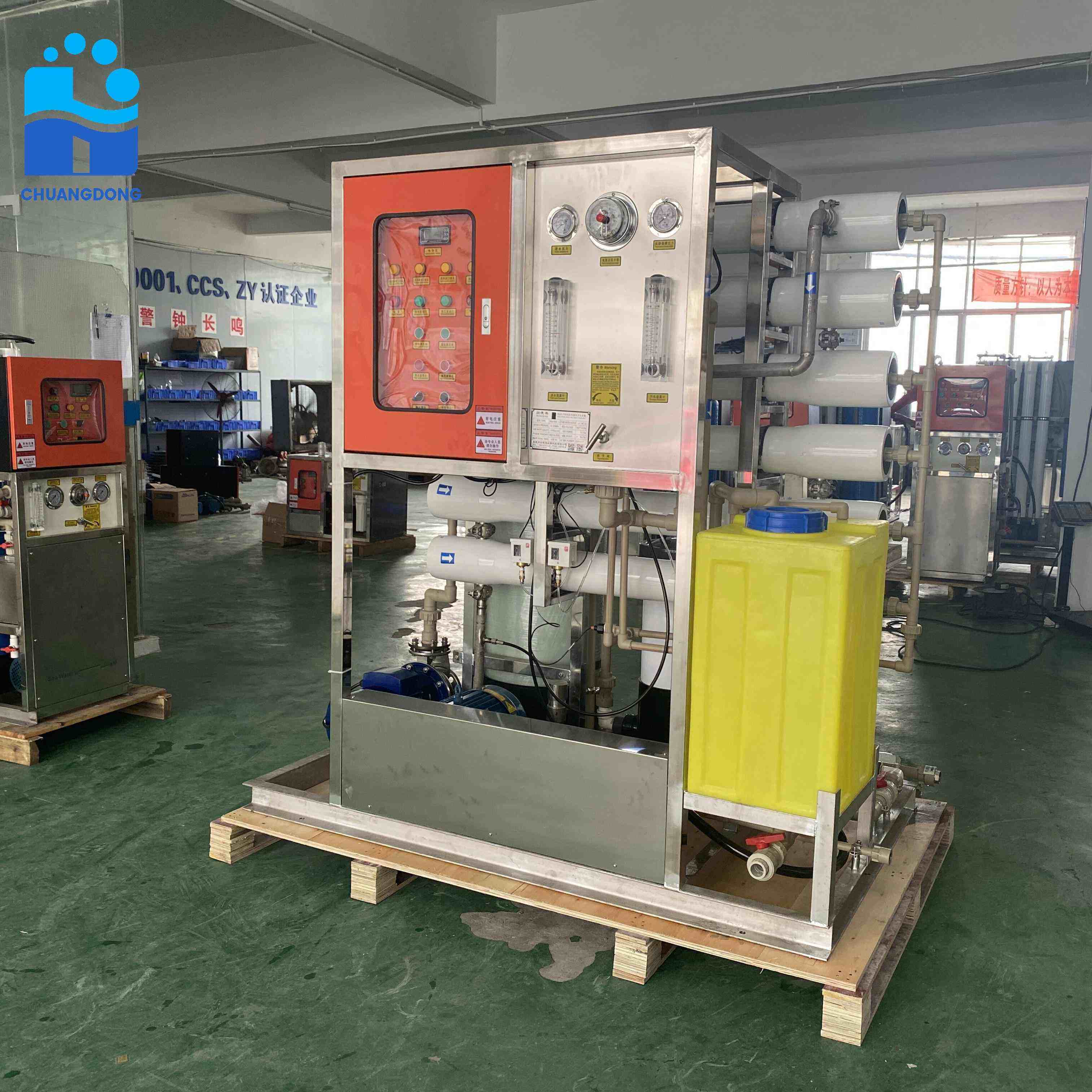
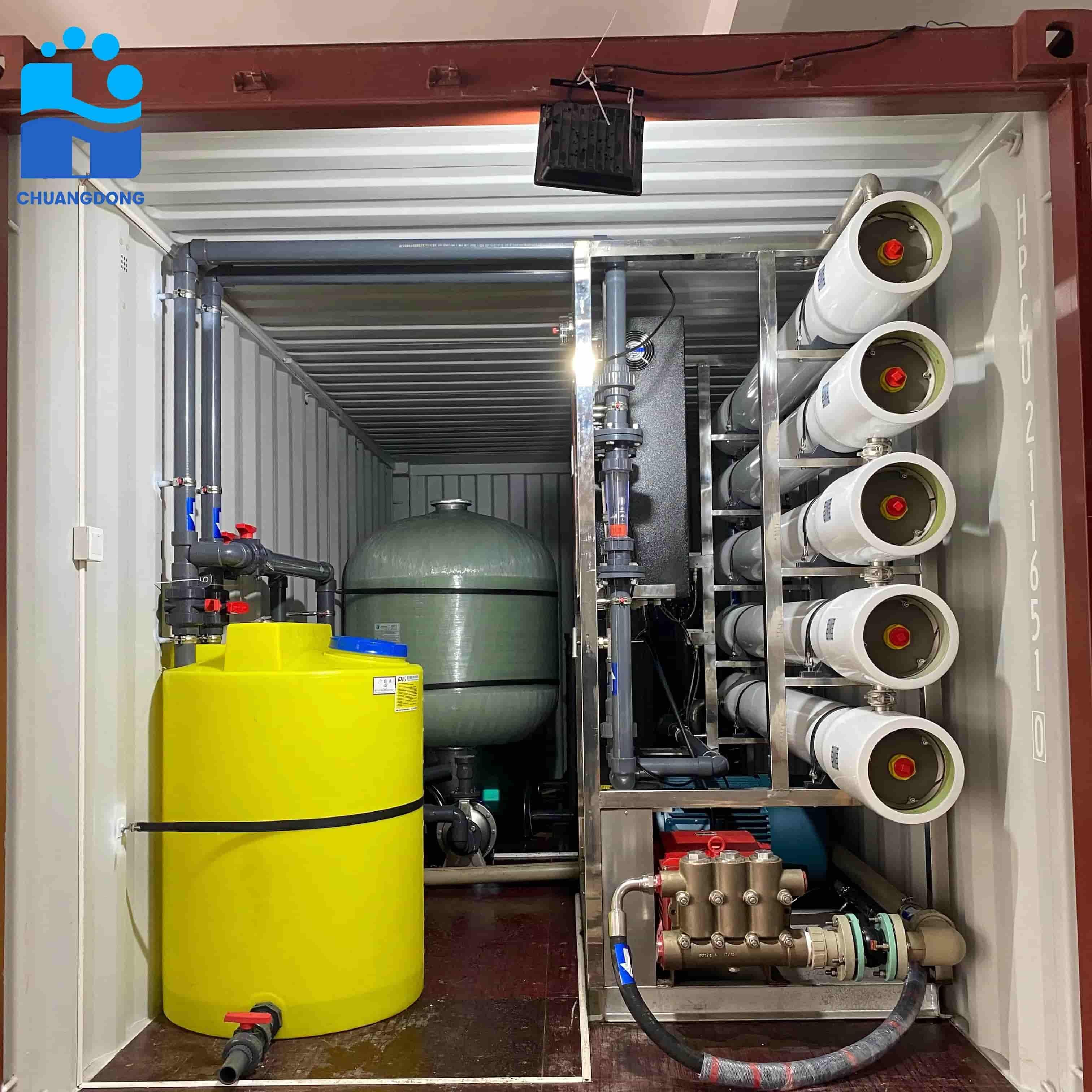
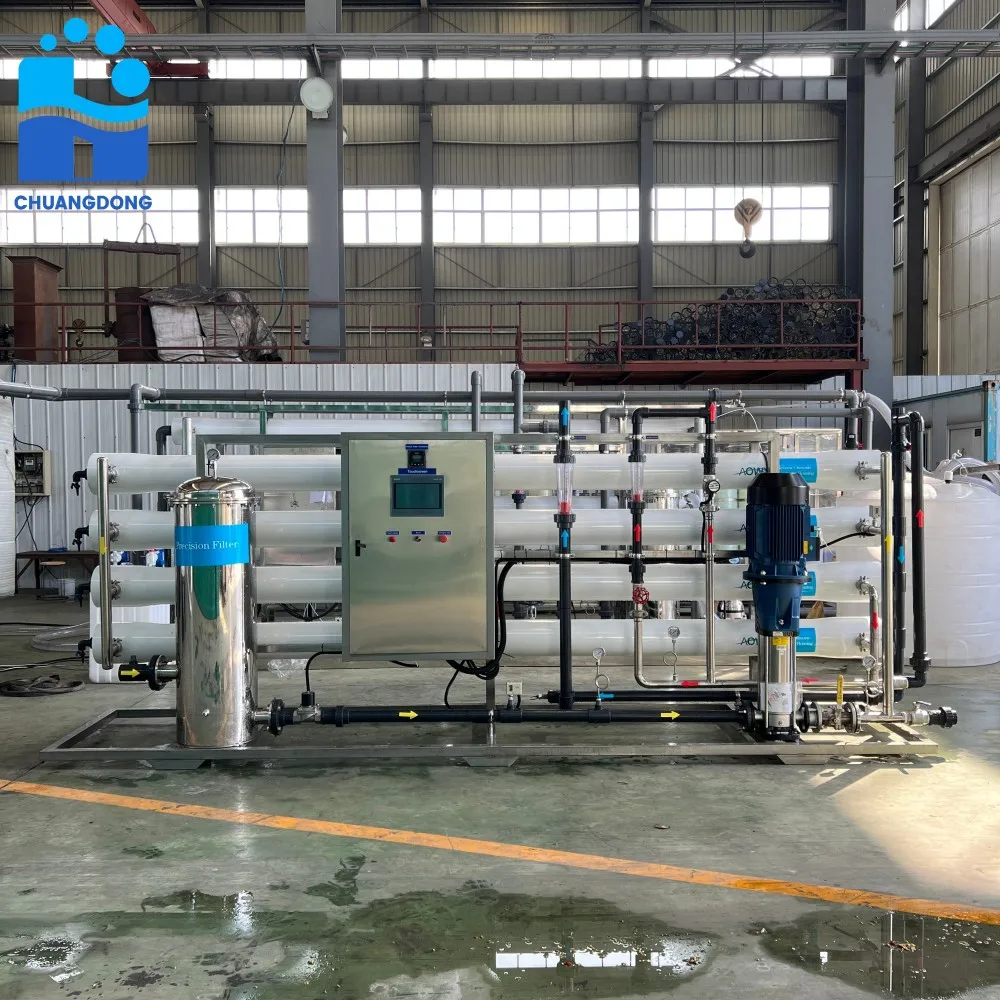
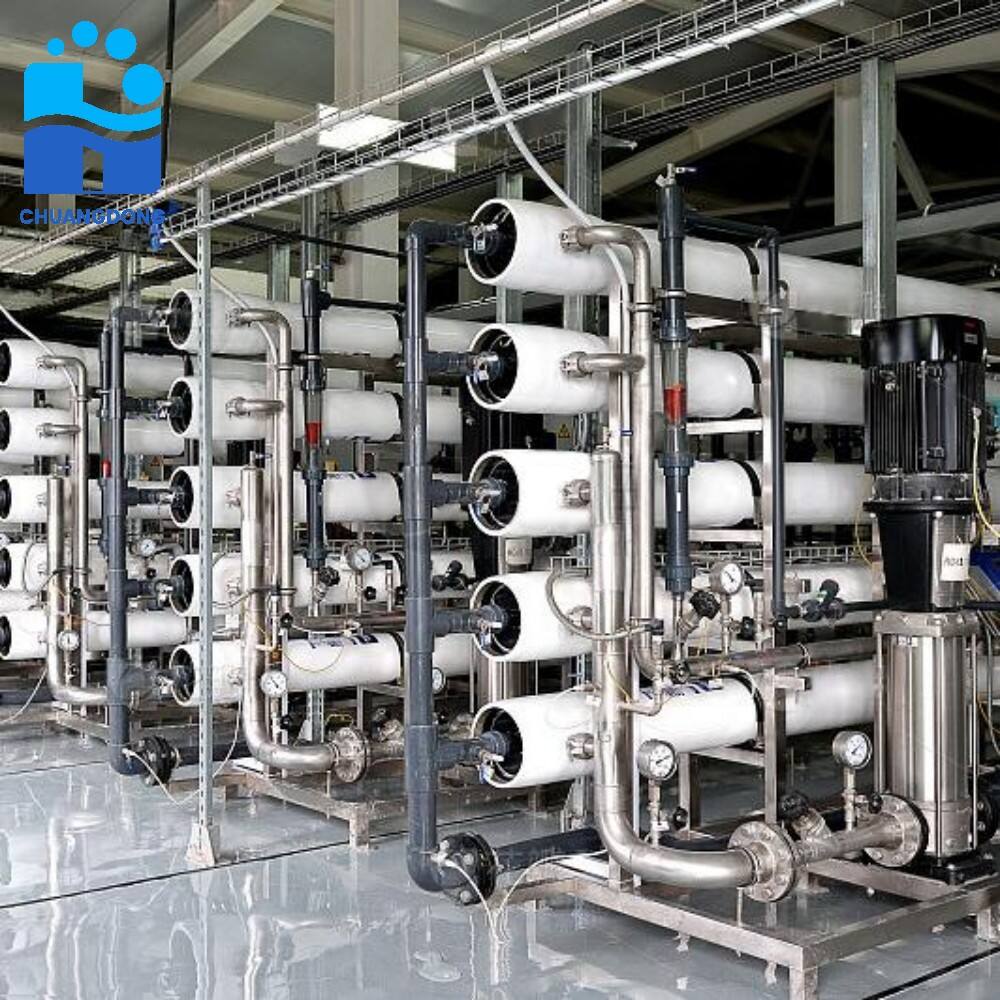
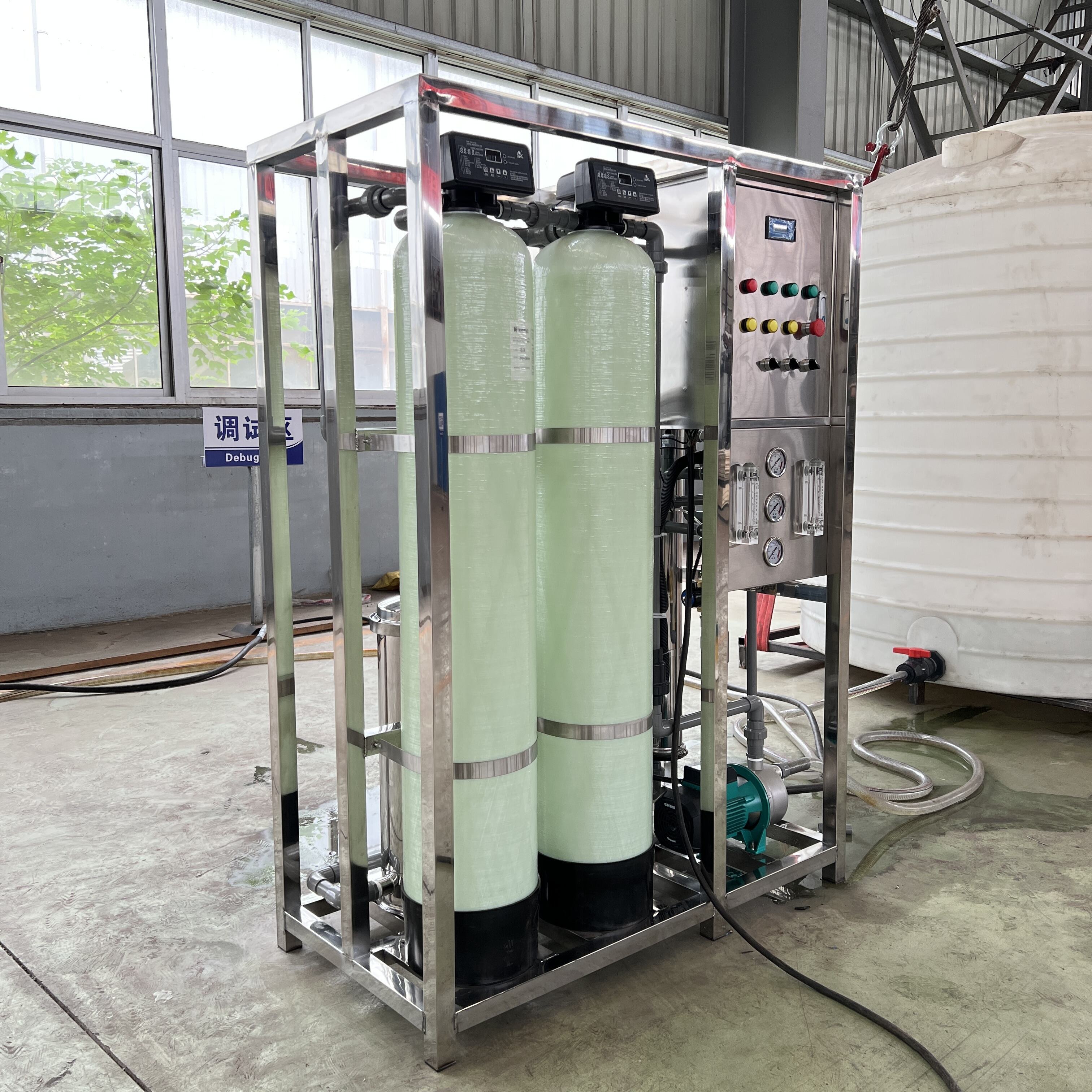
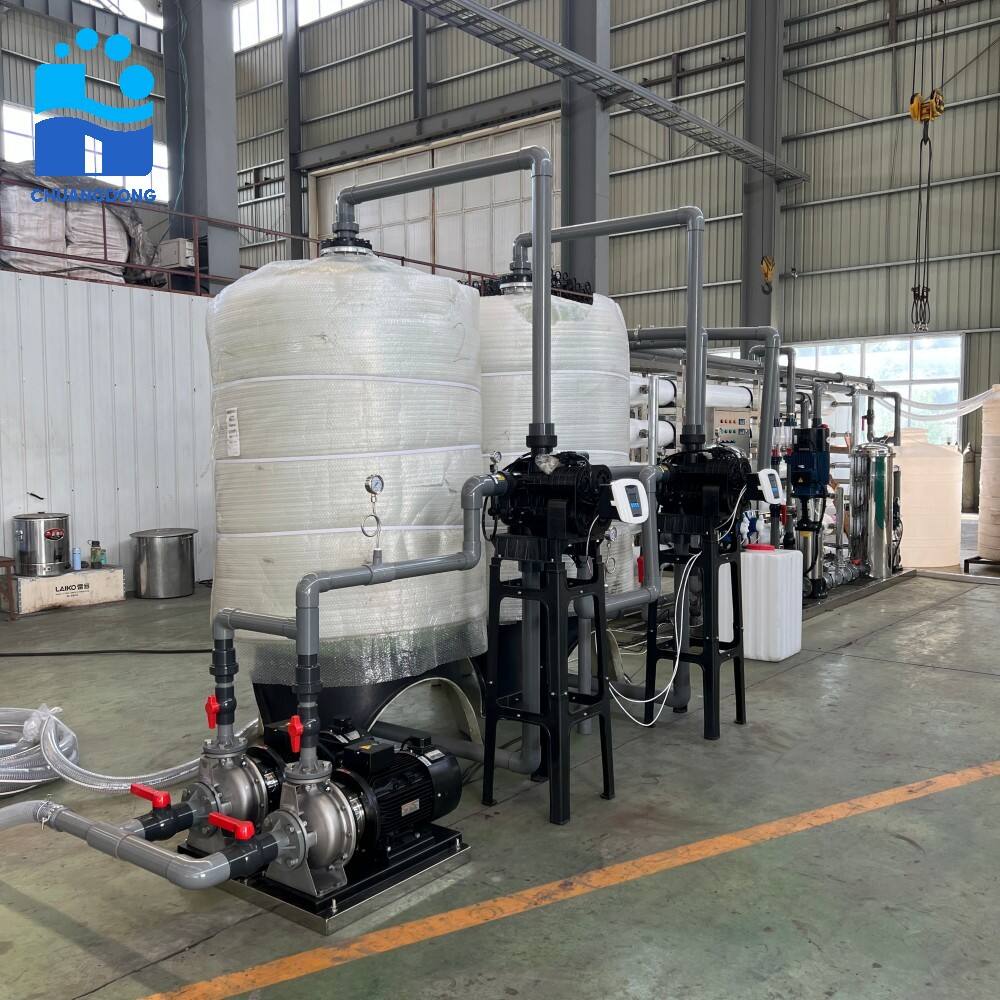
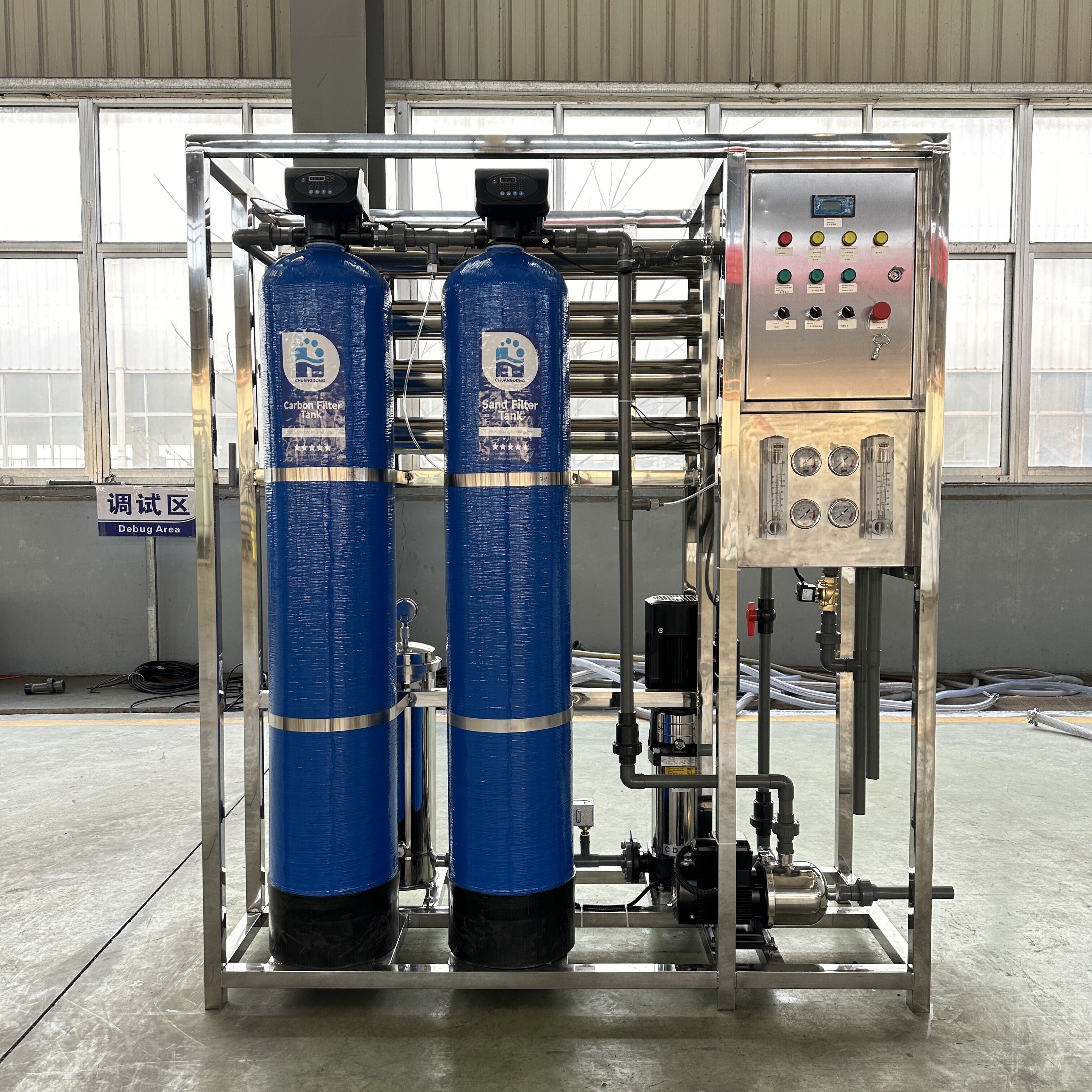
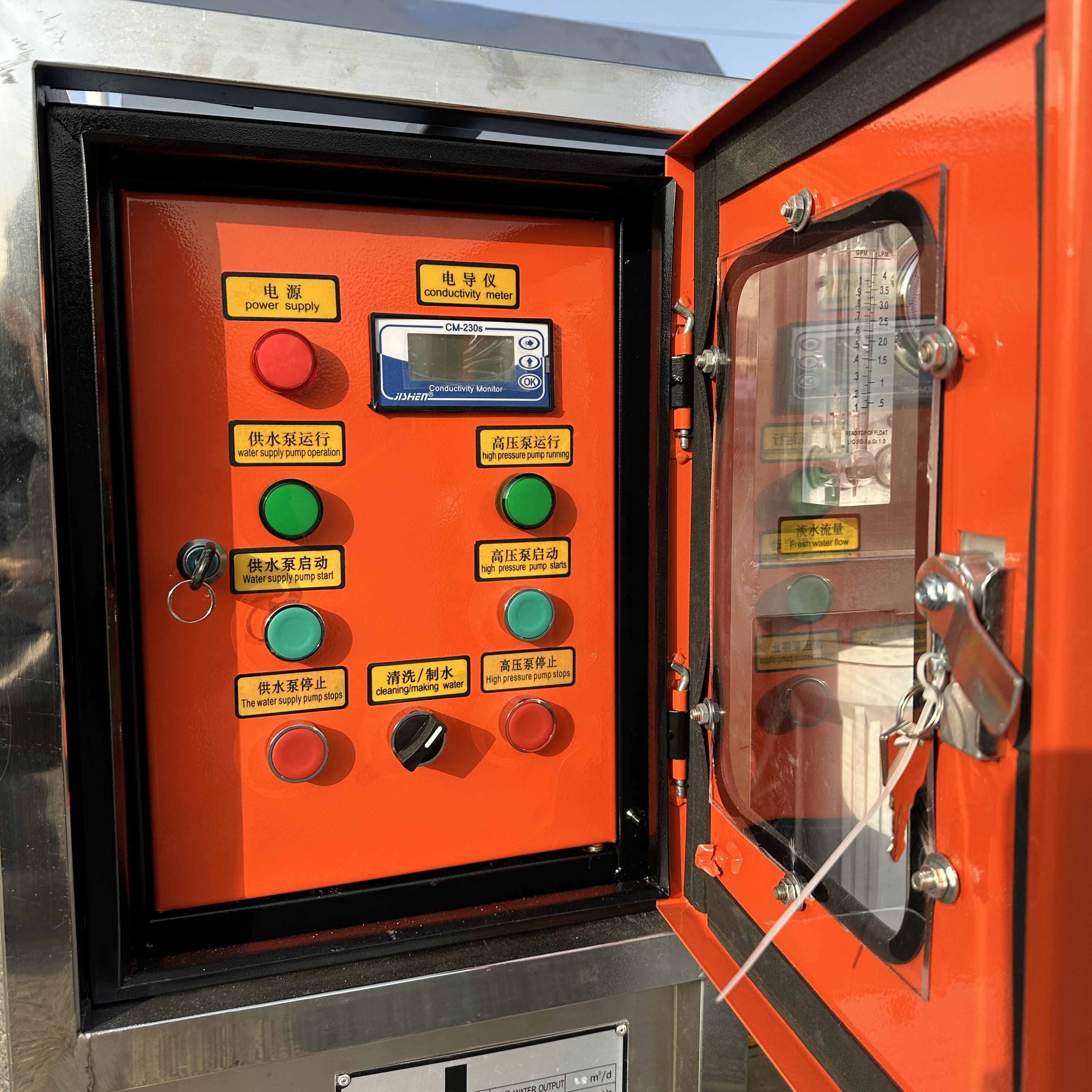
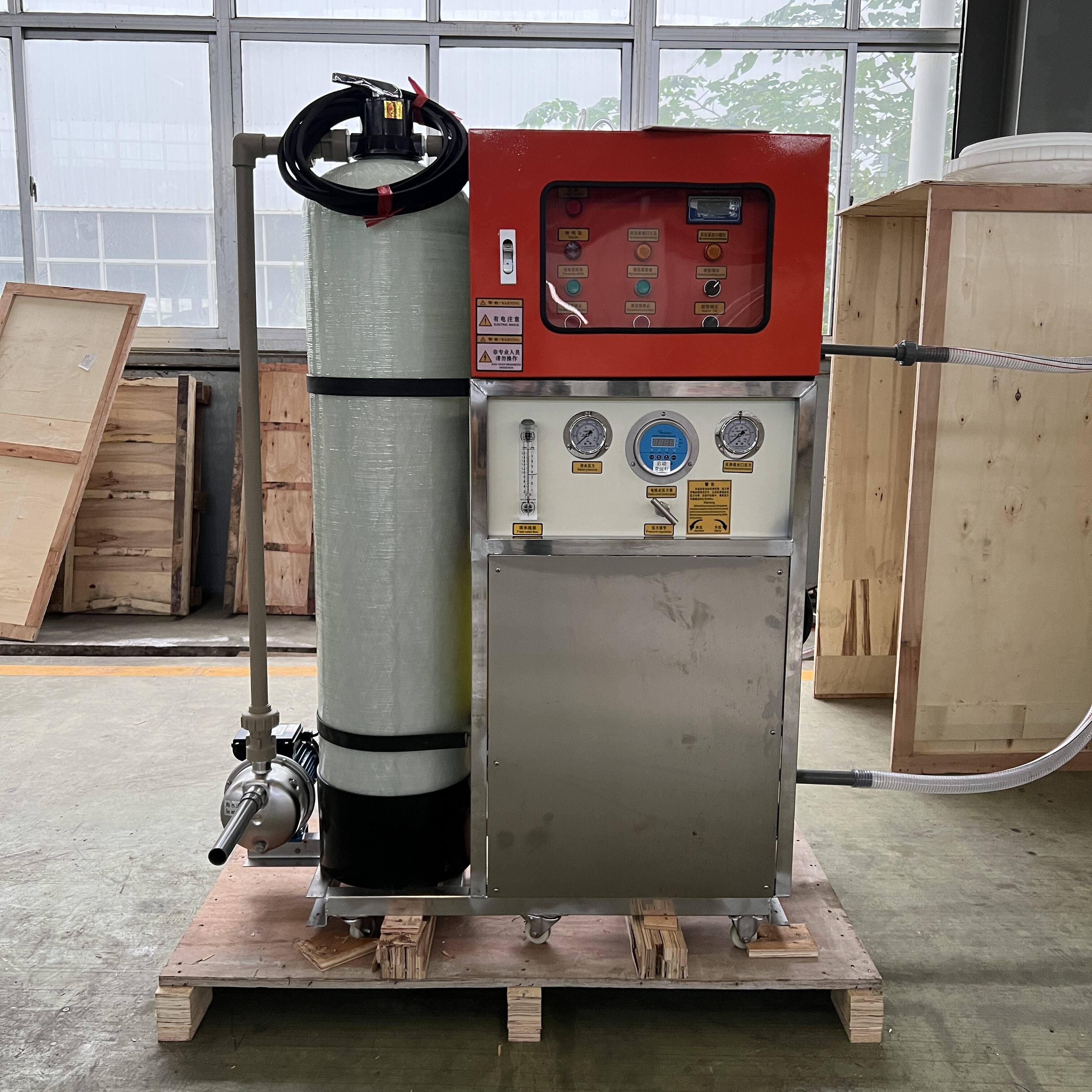
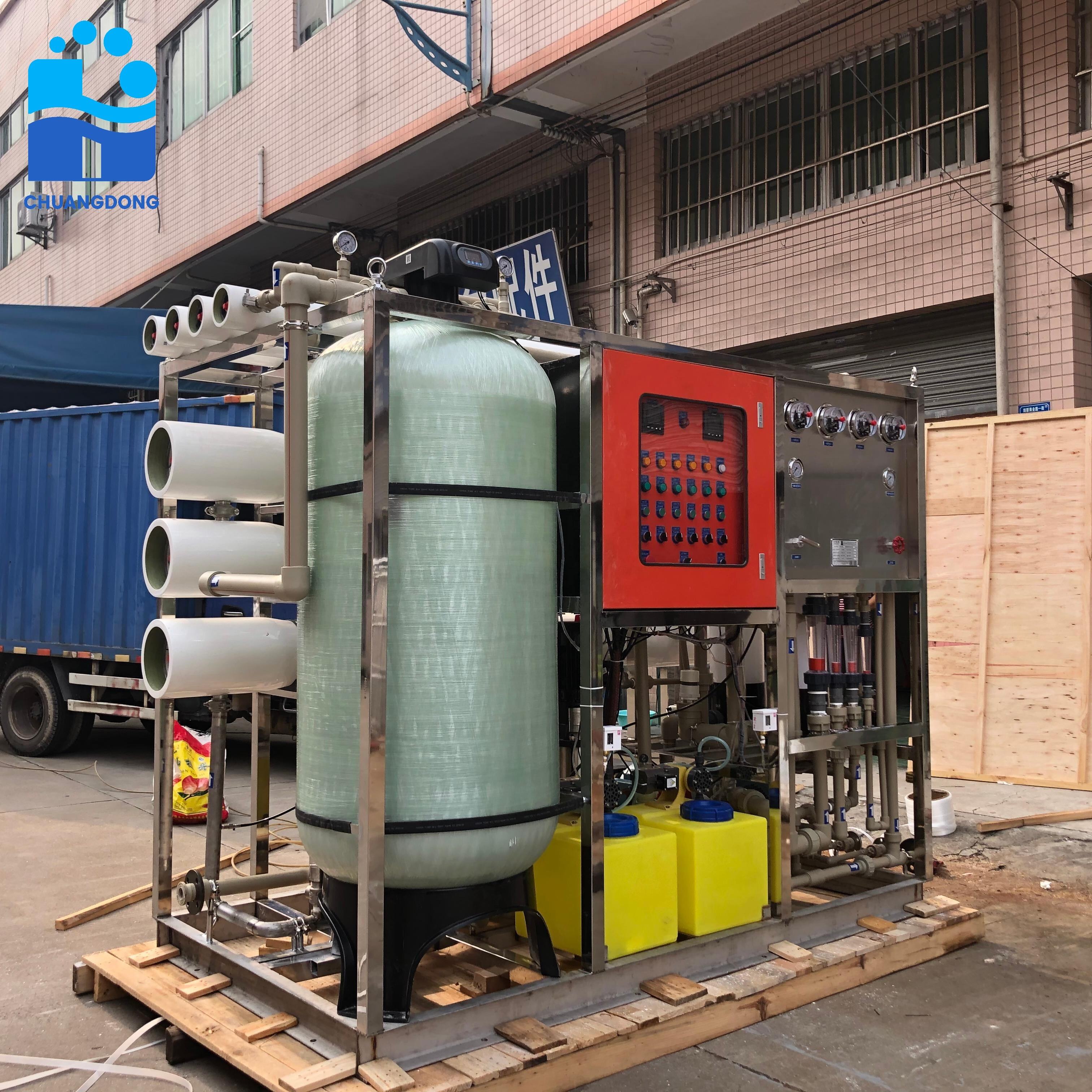
Desalination facilities represent cutting-edge water treatment infrastructure designed to convert seawater and brackish water into fresh, potable water suitable for human consumption and industrial applications. These sophisticated installations employ advanced membrane technologies, thermal processes, and energy recovery systems to remove salt and other dissolved minerals from source water. Modern desalination facilities utilize reverse osmosis (RO) technology as their primary treatment method, forcing water through semi-permeable membranes under high pressure to separate pure water from salt and contaminants. The main functions of these facilities include water intake from marine or underground sources, pre-treatment to remove sediments and organic matter, primary desalination through membrane filtration, post-treatment for pH adjustment and remineralization, and final distribution preparation. Technological features encompass high-efficiency pumps, pressure vessels, energy recovery devices, automated control systems, and comprehensive monitoring equipment that ensures optimal performance and water quality. These desalination facilities incorporate smart sensors that continuously monitor salinity levels, flow rates, pressure differentials, and energy consumption, enabling real-time optimization of operations. The applications span municipal water supply for coastal cities, industrial process water for manufacturing, irrigation water for agriculture in arid regions, and emergency water supply during droughts or natural disasters. Advanced desalination facilities also feature modular designs that allow for scalable expansion based on growing demand, making them adaptable to various community sizes and industrial requirements. Environmental considerations are integrated through brine management systems, energy-efficient components, and renewable energy integration options, ensuring sustainable operation while minimizing ecological impact on surrounding marine ecosystems and coastal environments.

New Product Releases

Desalination facilities offer numerous compelling advantages that make them essential infrastructure investments for communities and industries facing water scarcity challenges. These systems provide a reliable, drought-independent water source that eliminates dependence on variable rainfall patterns and depleting groundwater reserves, ensuring consistent water availability regardless of seasonal variations or climate change impacts. The technology delivers exceptionally high water quality that often exceeds municipal drinking water standards, removing not only salt but also bacteria, viruses, and chemical contaminants that may be present in traditional water sources. This superior quality makes the treated water suitable for the most demanding applications, from pharmaceutical manufacturing to food processing industries. Desalination facilities demonstrate remarkable operational flexibility, allowing operators to adjust production capacity based on real-time demand fluctuations, seasonal requirements, or emergency situations. The scalable nature of modern systems means communities can start with smaller installations and expand capacity incrementally as populations grow or water needs increase, optimizing capital investment timing and reducing financial risk. Energy efficiency improvements in contemporary desalination facilities have significantly reduced operational costs, with advanced energy recovery systems capturing and reusing up to 98% of the pressure energy from the brine stream, substantially lowering power consumption compared to earlier technologies. These facilities require minimal land area relative to their water production capacity, making them viable options for densely populated coastal regions where space is at a premium. The automated operation capabilities reduce labor requirements and human error risks while providing 24/7 monitoring and control, ensuring consistent performance and rapid response to any operational anomalies. Long-term economic benefits include reduced water import costs, decreased vulnerability to water supply disruptions, and the creation of local employment opportunities in high-tech water treatment operations. Environmental stewardship is enhanced through precise brine management, advanced pre-treatment systems that minimize chemical usage, and integration capabilities with renewable energy sources like solar and wind power, supporting sustainability goals while maintaining operational excellence.

Tips And Tricks

What Intake and Outfall Designs Minimize Environmental Impact of a Desalination Plant?

01

Mar

What Intake and Outfall Designs Minimize Environmental Impact of a Desalination Plant?

Environmental considerations have become paramount in the design and operation of modern desalination facilities worldwide. As water scarcity continues to challenge communities across the globe, the demand for sustainable desalination plant solutions...
View More
How Does a Water Purification System with Ion Exchange Soften Hard Water Effectively?

15

Mar

How Does a Water Purification System with Ion Exchange Soften Hard Water Effectively?

Hard water poses significant challenges for both residential and commercial applications, containing high concentrations of calcium and magnesium ions that cause scale buildup, reduce equipment efficiency, and affect water quality. A water purificati...
View More
How Does an RO Water Filter with a UV Sterilizer Provide Additional Protection Against Bacteria?

10

Mar

How Does an RO Water Filter with a UV Sterilizer Provide Additional Protection Against Bacteria?

Water contamination remains one of the most pressing concerns for homeowners and businesses seeking reliable water purification solutions. While traditional filtration methods offer basic protection, modern water treatment technology has evolved to p...
View More
Why Should Pharmaceutical QC Labs Use Ultrapure Water for HPLC and Mass Spectrometry?

18

Mar

Why Should Pharmaceutical QC Labs Use Ultrapure Water for HPLC and Mass Spectrometry?

Pharmaceutical quality control laboratories face increasingly stringent requirements for analytical accuracy and regulatory compliance. The foundation of reliable analytical results lies in the quality of water used throughout testing procedures. Ult...
View More

Get a Free Quote

Our representative will contact you soon.
Email
Name
Company Name
Message
0/1000

desalination facilities

Advanced Energy Recovery Technology Maximizes Operational Efficiency

Advanced Energy Recovery Technology Maximizes Operational Efficiency

Modern desalination facilities incorporate state-of-the-art energy recovery devices that revolutionize operational efficiency and dramatically reduce power consumption costs. These sophisticated systems capture the high-pressure energy contained in the concentrated brine stream that would otherwise be wasted during the reverse osmosis process. Energy recovery devices, including pressure exchangers and turbochargers, can recover up to 98% of the pressure energy from the reject brine, transferring this energy directly to the incoming feed water stream. This innovative technology reduces the overall energy requirements of desalination facilities by approximately 60% compared to systems without energy recovery, translating to substantial cost savings and improved environmental sustainability. The pressure exchanger technology works through a rotating ceramic rotor with longitudinal channels that alternately fill with high-pressure brine and low-pressure seawater, effectively transferring pressure energy through direct contact between the fluids. This process eliminates the need for additional high-pressure pumping while maintaining system efficiency and reliability. Advanced control systems continuously optimize energy recovery performance by monitoring pressure differentials, flow rates, and system temperatures, automatically adjusting operational parameters to maintain peak efficiency under varying conditions. The economic impact of this technology is substantial, with energy costs typically representing 50-70% of total operational expenses in desalination facilities. By implementing advanced energy recovery systems, operators can achieve energy consumption levels as low as 2.5-3.0 kWh per cubic meter of produced water, making desalination increasingly competitive with traditional water sources. Furthermore, these systems contribute to reduced carbon footprint and support renewable energy integration, as lower overall power requirements make it more feasible to operate desalination facilities using solar panels, wind turbines, or other clean energy sources, aligning with global sustainability initiatives and environmental regulations.
Intelligent Automation and Remote Monitoring Ensure Optimal Performance

Intelligent Automation and Remote Monitoring Ensure Optimal Performance

Contemporary desalination facilities feature sophisticated automation and remote monitoring systems that deliver unprecedented operational control, reliability, and performance optimization. These intelligent systems employ advanced sensors, programmable logic controllers, and machine learning algorithms to continuously monitor hundreds of operational parameters including feed water quality, membrane performance, chemical dosing rates, energy consumption, and product water quality. The automation capabilities extend beyond simple monitoring to include predictive maintenance algorithms that analyze equipment performance trends and identify potential issues before they result in system failures or performance degradation. This proactive approach significantly reduces unplanned downtime, extends equipment lifespan, and optimizes maintenance scheduling to minimize operational disruptions. Remote monitoring capabilities allow operators to oversee multiple desalination facilities from centralized control centers, enabling 24/7 supervision and rapid response to operational anomalies regardless of geographic location. The system automatically generates detailed performance reports, trend analyses, and efficiency metrics that support data-driven decision making and continuous improvement initiatives. Advanced human-machine interfaces provide intuitive graphical displays of system status, alarm management, and operational controls that simplify complex processes for operators while maintaining comprehensive oversight of all critical functions. Integration with mobile applications enables facility managers to monitor key performance indicators, receive real-time alerts, and execute emergency procedures from anywhere with internet connectivity, ensuring rapid response capabilities during off-hours or emergency situations. The intelligent automation also optimizes chemical usage by precisely controlling antiscalant, biocide, and cleaning chemical dosing based on real-time water quality measurements, reducing operational costs while maintaining optimal membrane performance. Quality assurance is enhanced through continuous monitoring of product water parameters with automatic system shutdown capabilities if water quality falls below predetermined standards, ensuring consumer safety and regulatory compliance at all times.
Modular Design Architecture Provides Unmatched Scalability and Flexibility

Modular Design Architecture Provides Unmatched Scalability and Flexibility

The modular design architecture of modern desalination facilities represents a paradigm shift in water treatment infrastructure, offering unparalleled scalability, operational flexibility, and economic optimization for diverse applications and growth scenarios. This innovative approach divides the complete desalination system into standardized, independent modules that can operate individually or in parallel configurations, allowing facility operators to precisely match production capacity with current demand while maintaining the ability to expand seamlessly as requirements grow. Each module functions as a complete treatment train with its own pre-treatment, membrane systems, and post-treatment components, ensuring operational redundancy and eliminating single points of failure that could compromise entire facility operations. The modular approach enables phased construction and commissioning, allowing organizations to implement desalination capabilities incrementally based on available capital, projected demand growth, and risk management strategies. This flexibility is particularly valuable for rapidly growing communities, industrial complexes, or regions with uncertain long-term water requirements, as it minimizes initial capital investment while preserving future expansion options. Maintenance operations benefit significantly from modular design, as individual modules can be taken offline for servicing, membrane replacement, or upgrades without disrupting overall facility production, ensuring continuous water supply even during planned maintenance activities. The standardized nature of modular components reduces spare parts inventory requirements, simplifies operator training, and streamlines maintenance procedures across multiple modules, resulting in operational cost savings and improved maintenance efficiency. Manufacturing advantages include factory pre-assembly and testing of complete modules, which ensures higher quality control, reduces on-site construction time, and minimizes weather-related delays during installation. Transportation and installation are simplified as modules can be designed to fit standard shipping containers, enabling deployment to remote locations or sites with limited access. This modular architecture also facilitates technology upgrades, as individual modules can be retrofitted with advanced membranes, energy recovery devices, or control systems without requiring complete facility reconstruction, ensuring long-term adaptability to evolving technological improvements and regulatory requirements.

Get a Free Quote

Our representative will contact you soon.
Email
Name
Company Name
Message
0/1000