marine water desalination systems
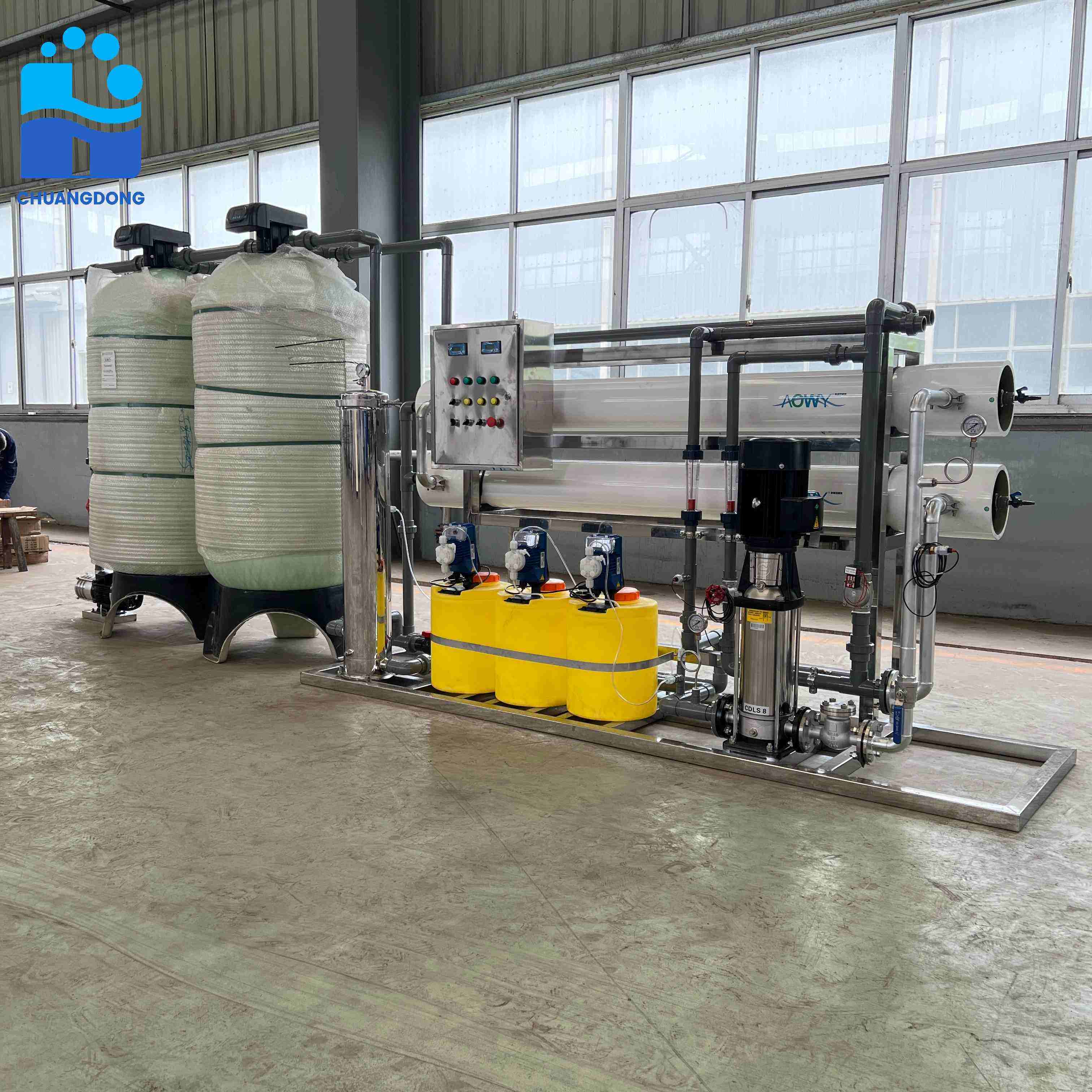
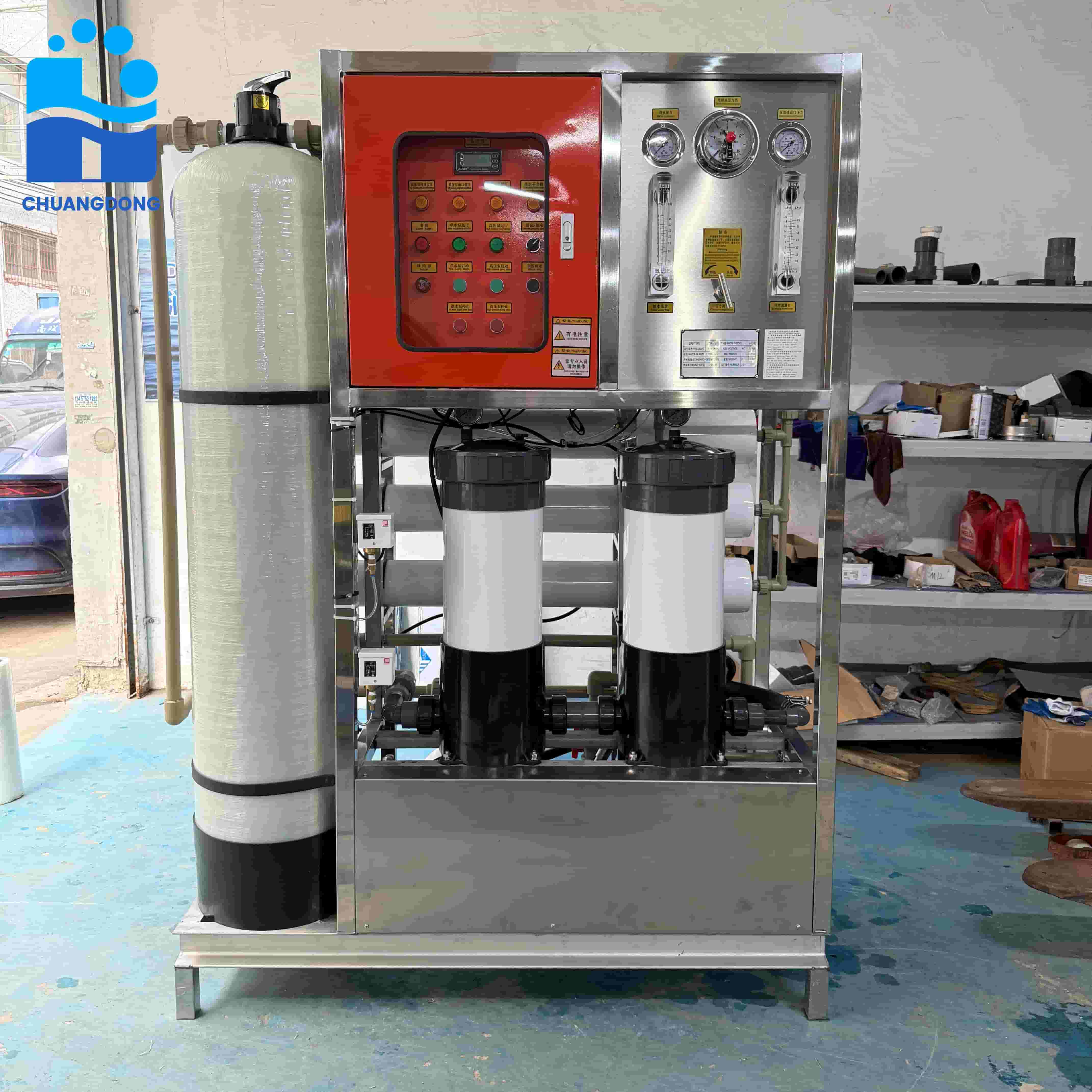
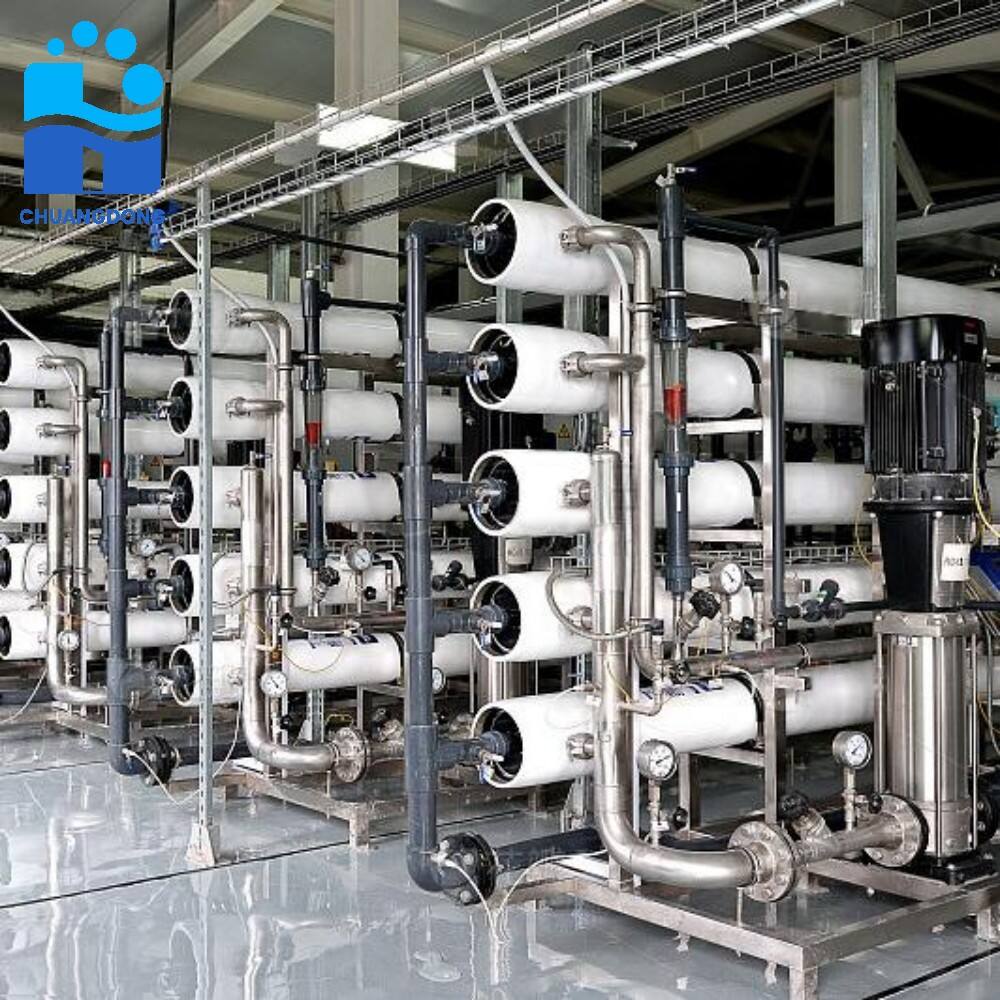
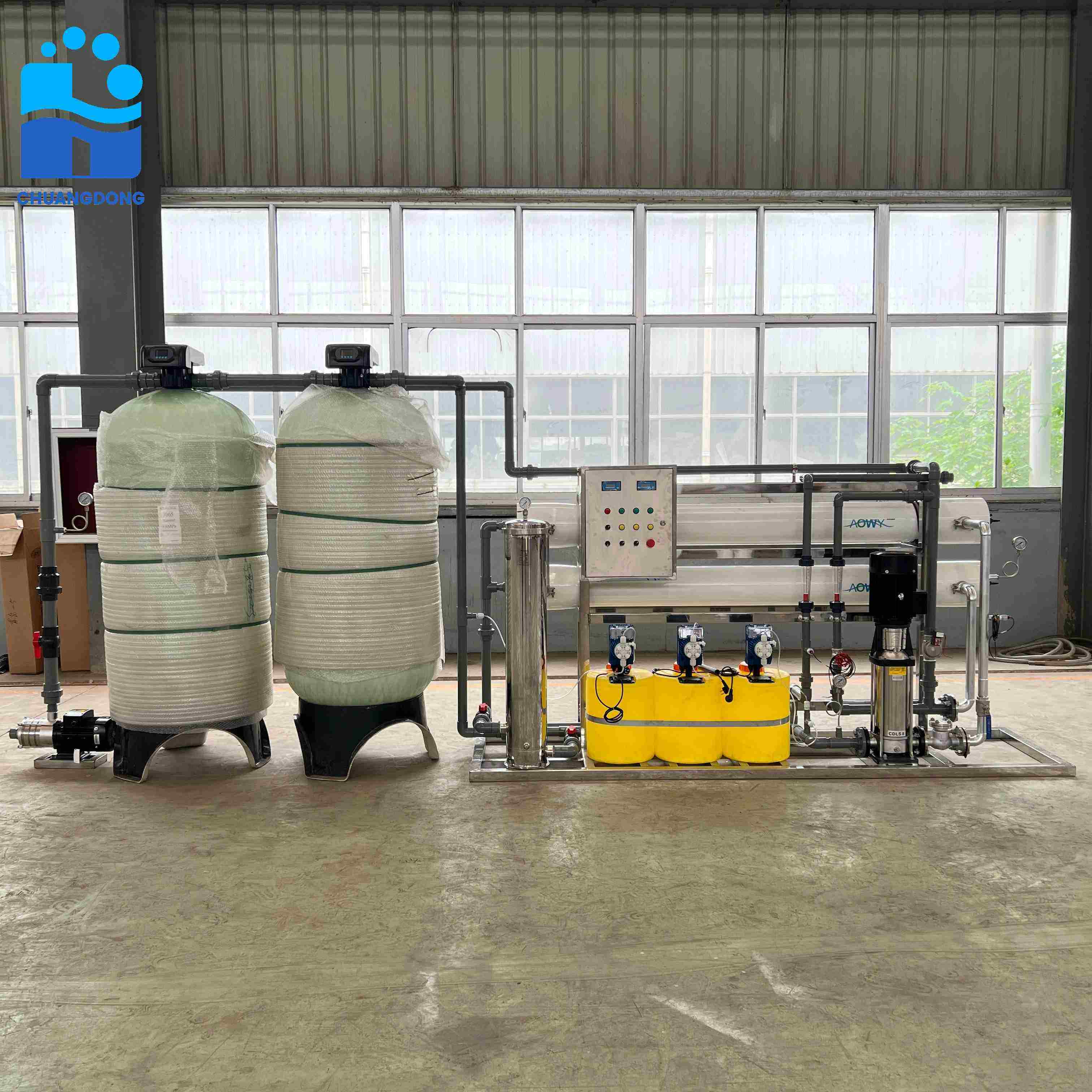
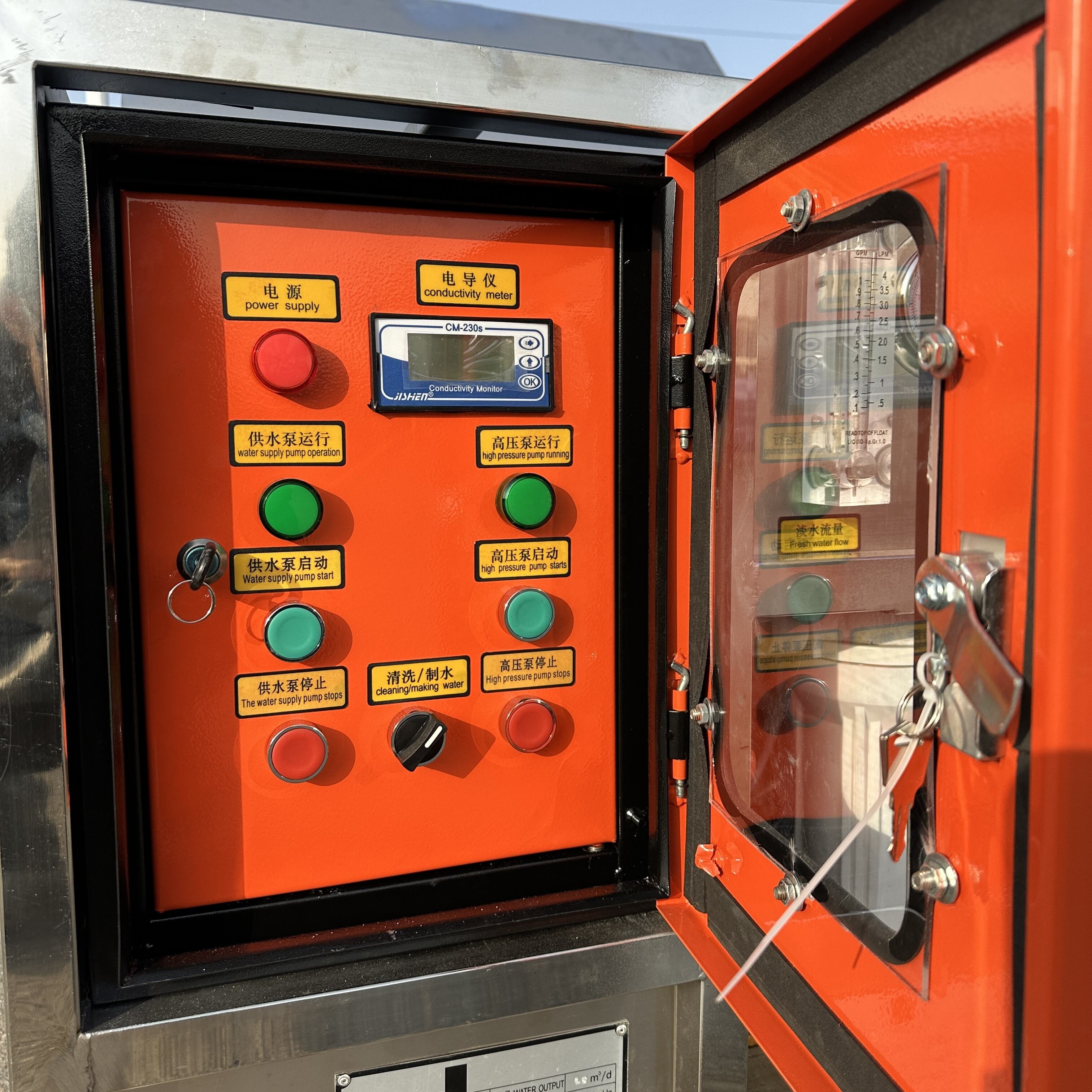
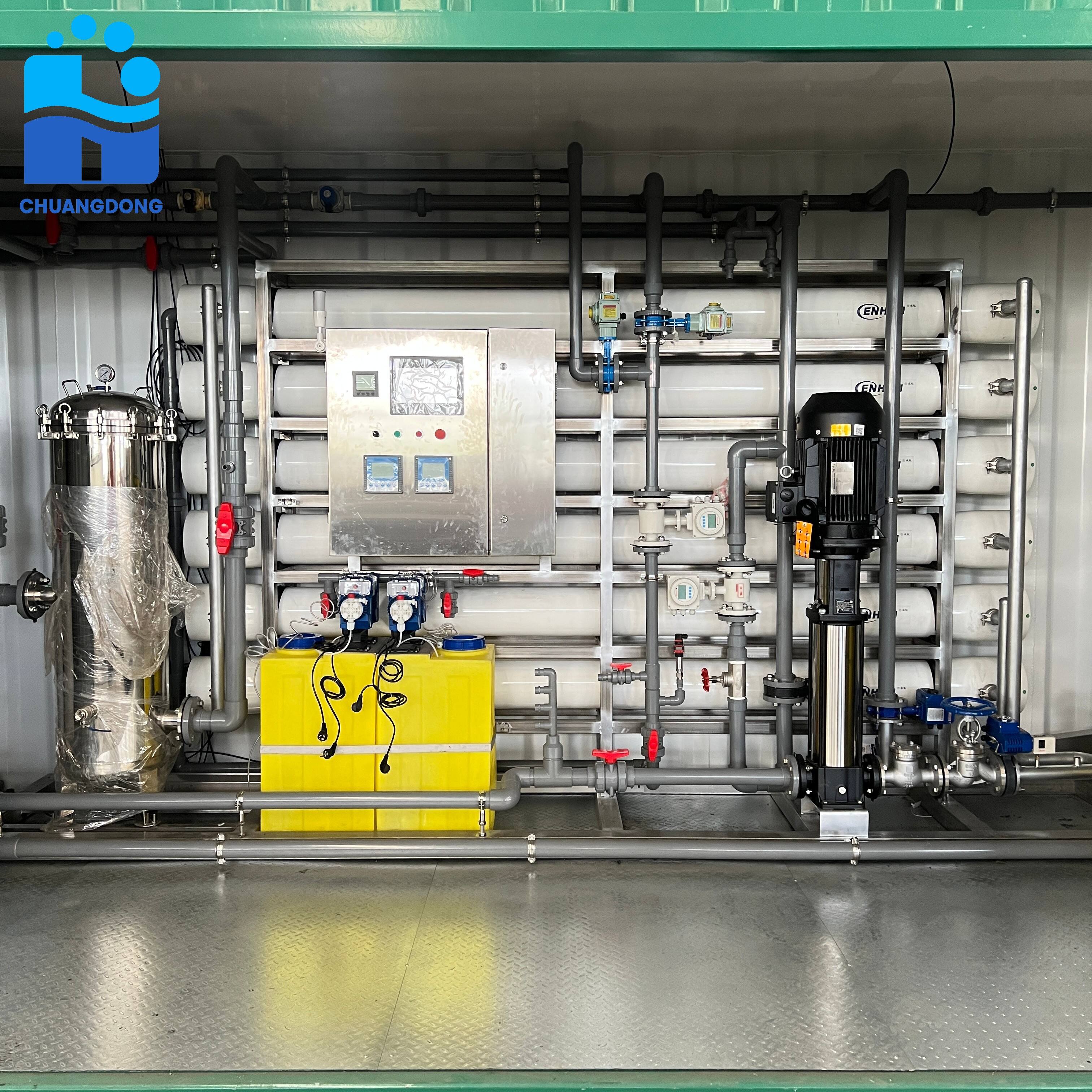
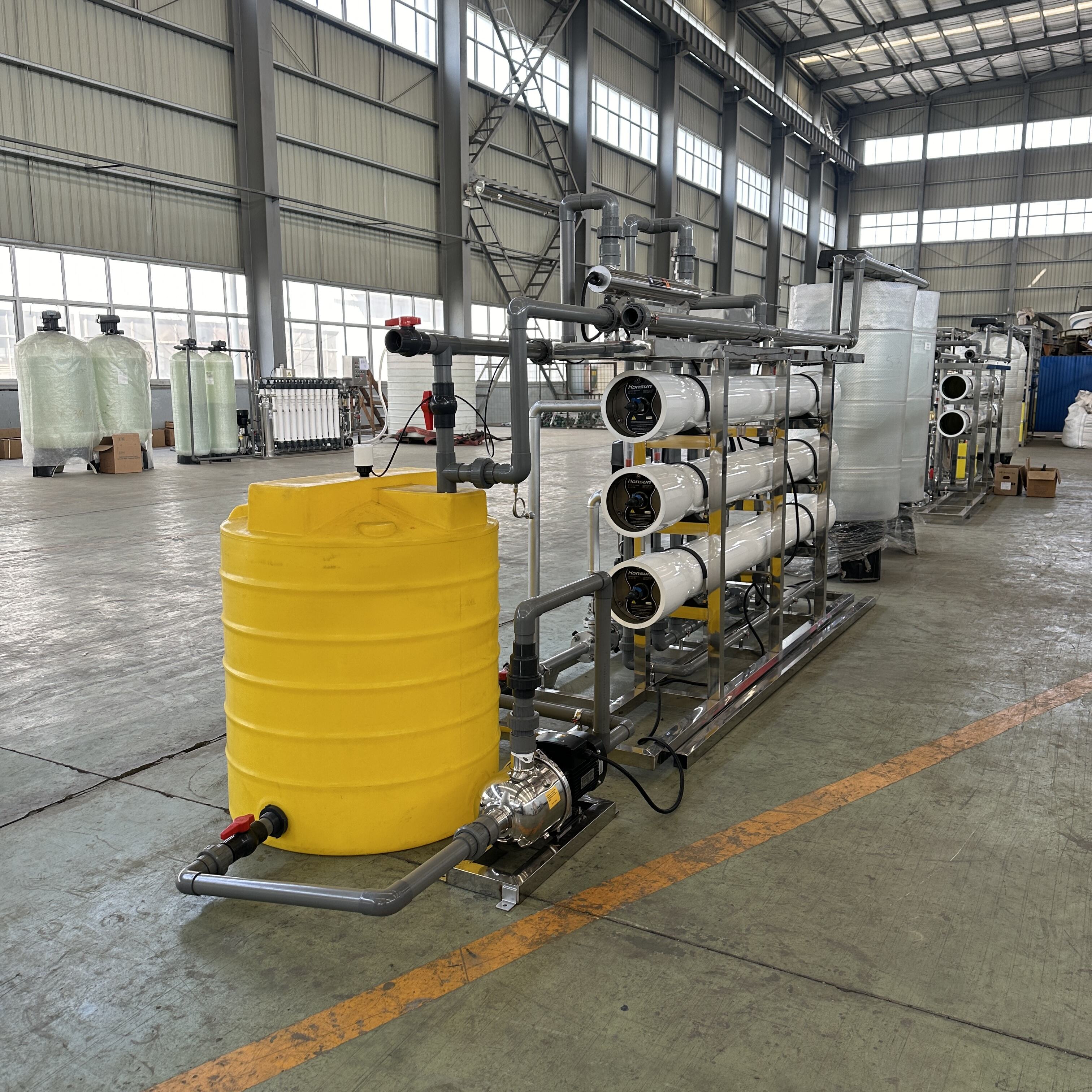
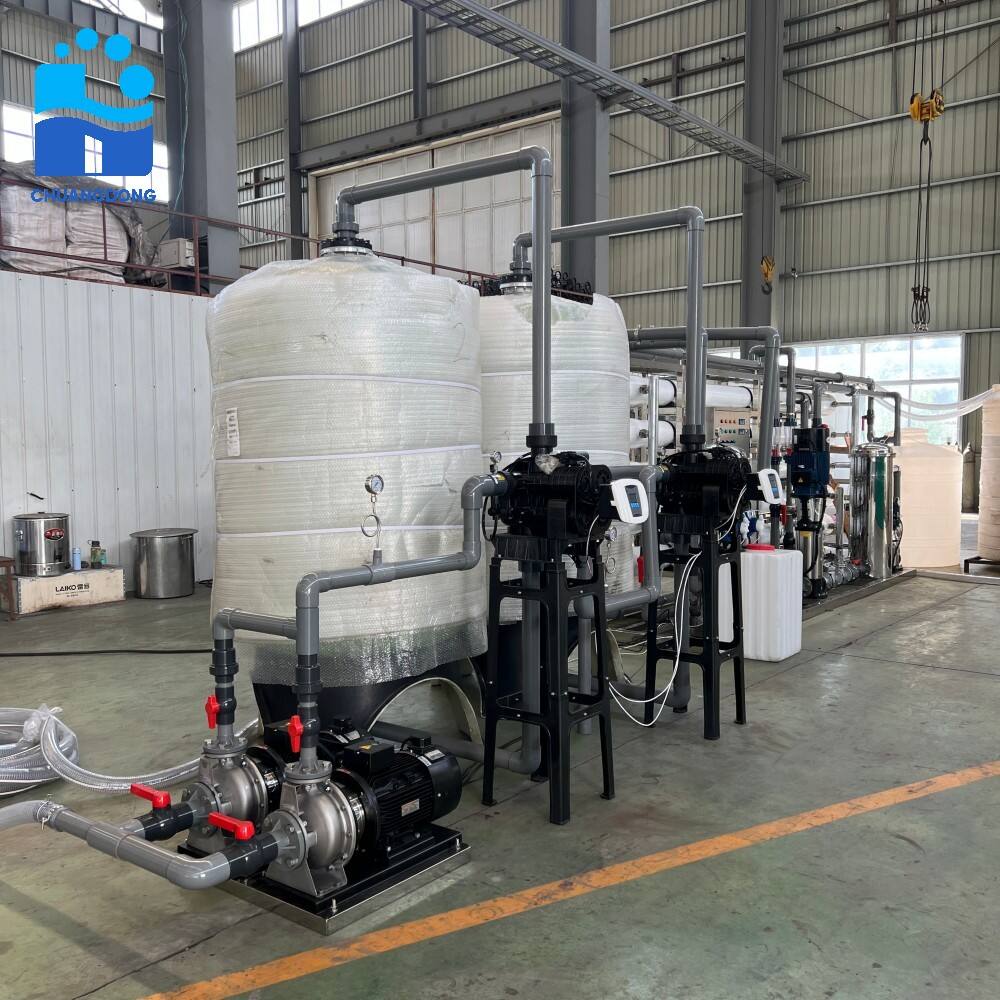
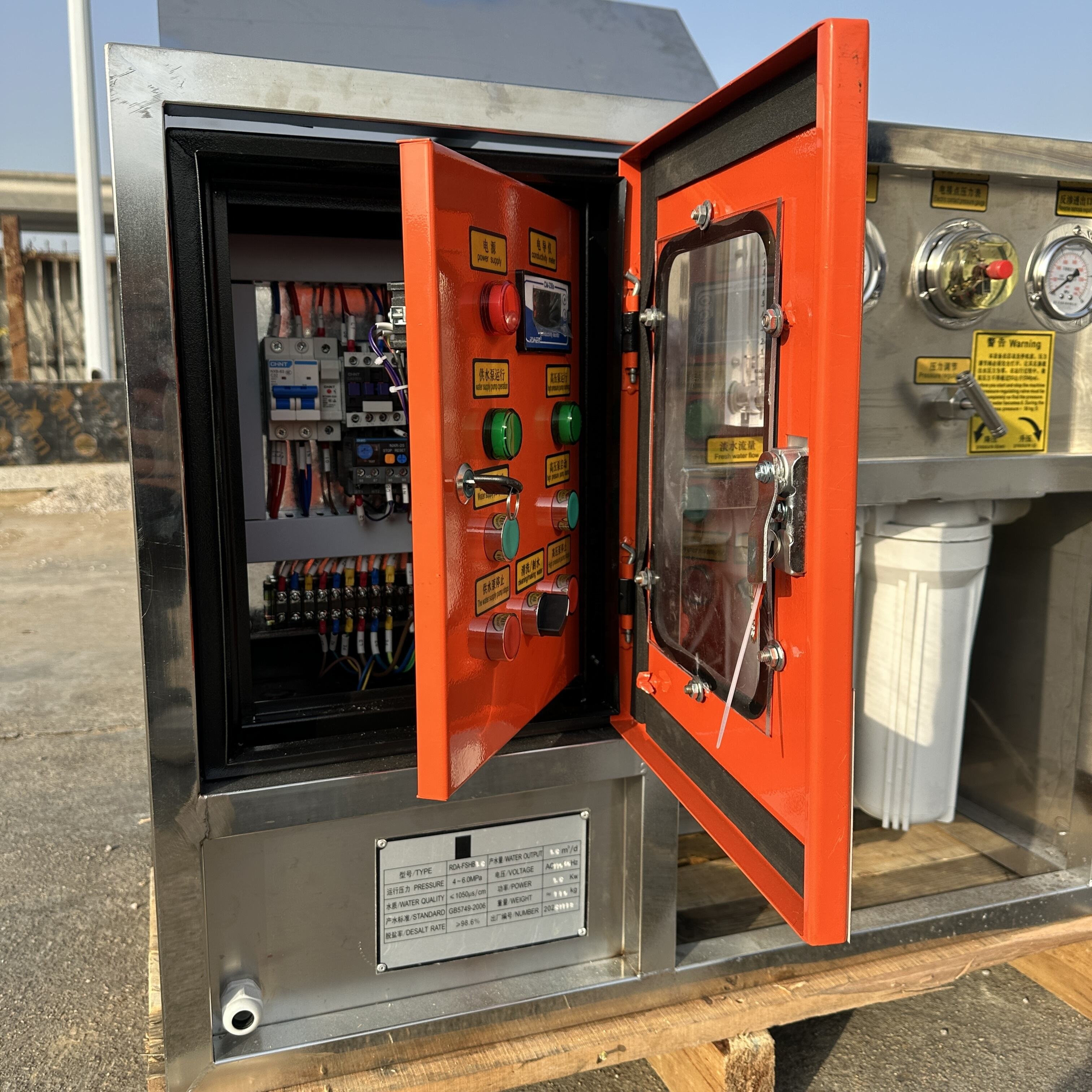
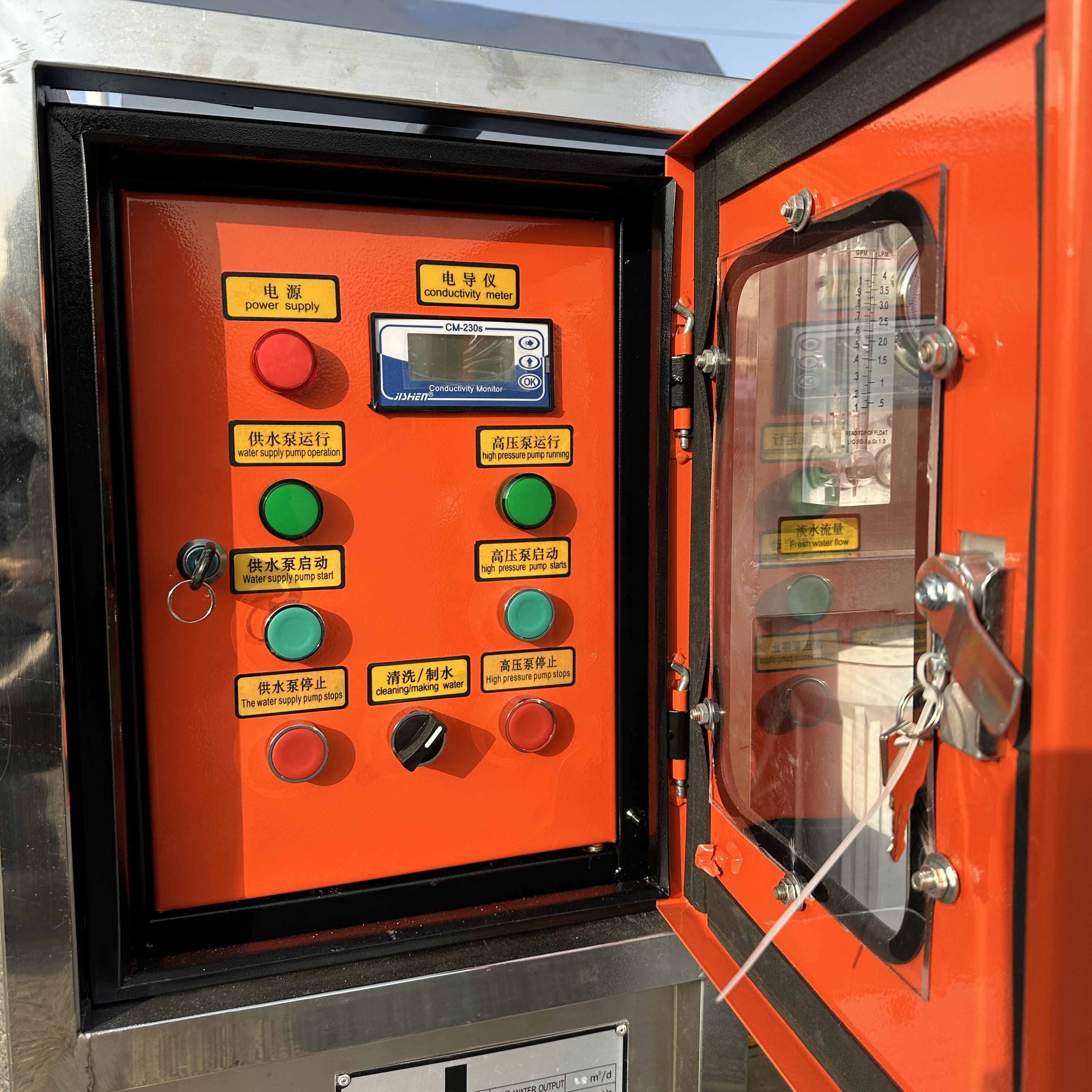
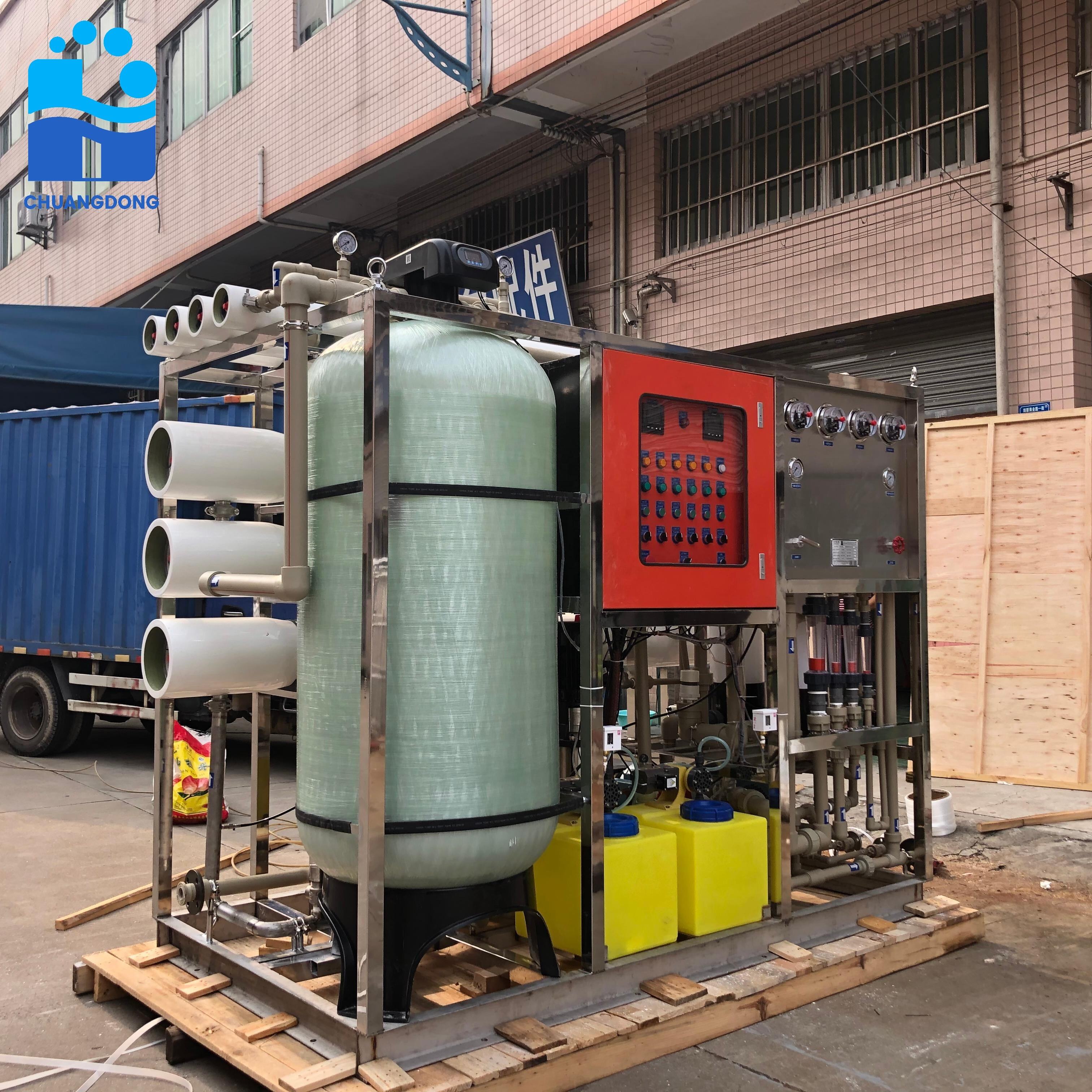
Marine water desalination systems are advanced technological solutions designed to convert seawater into fresh, potable water for use aboard ships, offshore platforms, and coastal facilities. These sophisticated systems address the critical challenge of water scarcity at sea by removing salt, minerals, and other impurities from ocean water through proven filtration and separation processes. The primary function of marine water desalination systems is to provide a reliable, self-sufficient source of clean drinking water for crew members, passengers, and operational needs without dependence on shore-based supplies. Modern marine water desalination systems typically employ reverse osmosis technology, which forces seawater through semi-permeable membranes that block salt molecules while allowing fresh water to pass through. Some systems also utilize thermal distillation methods that heat seawater to produce vapor, which is then condensed into purified water. Key technological features include automated monitoring controls, energy recovery devices that reduce power consumption, corrosion-resistant materials suitable for harsh marine environments, and compact designs that maximize space efficiency on vessels. These systems find extensive applications across various maritime sectors, including commercial shipping fleets, naval vessels, luxury cruise ships, fishing boats, oil rigs, and desalination plants in island communities. Marine water desalination systems have become essential equipment for long-duration voyages, emergency situations, and operations in remote oceanic regions where access to fresh water is limited or nonexistent.
 EN
EN