Advanced Seawater Treatment Systems - Reliable Desalination Solutions for Clean Water

Get a Free Quote

Our representative will contact you soon.
Email
Name
Company Name
Message
0/1000

seawater treatment system

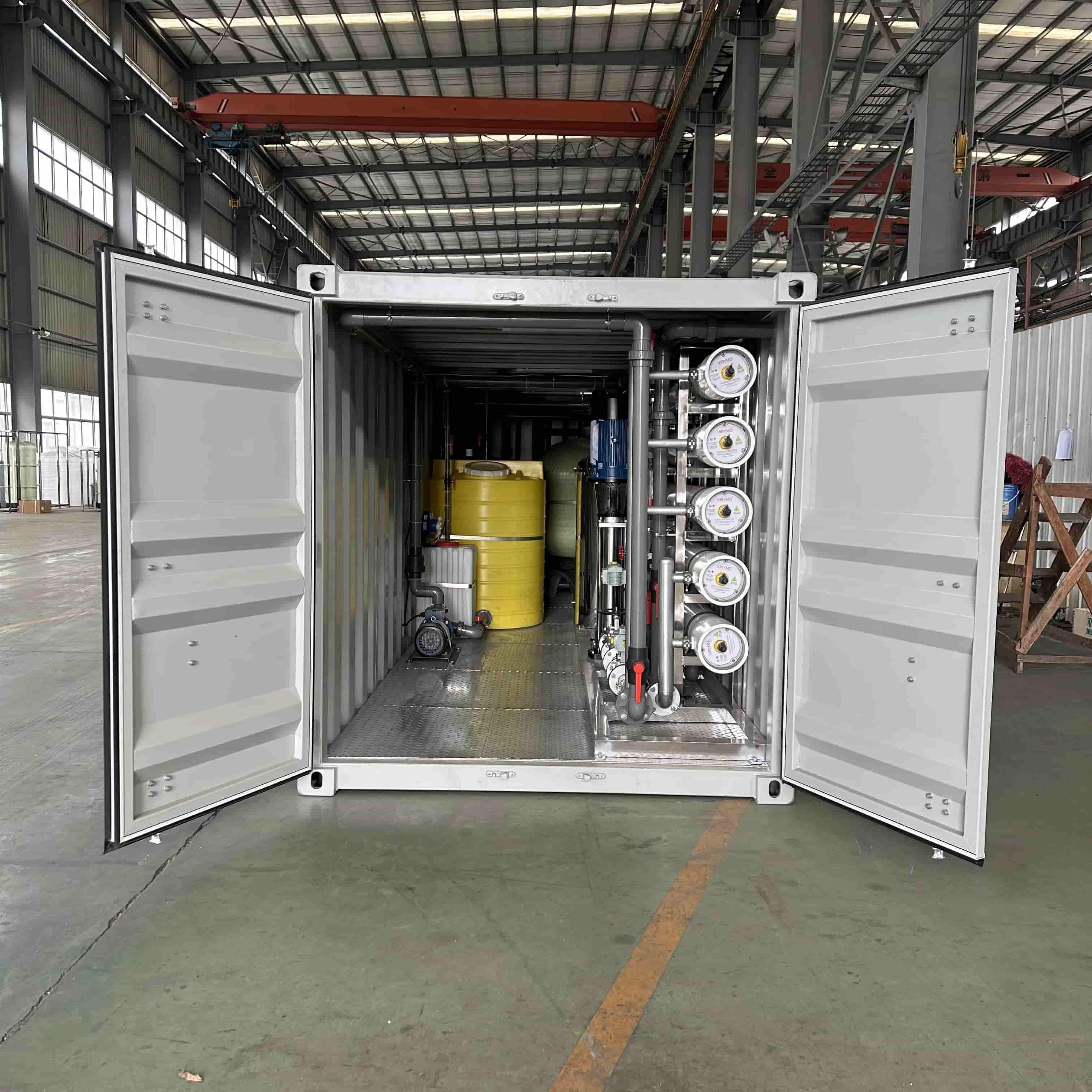
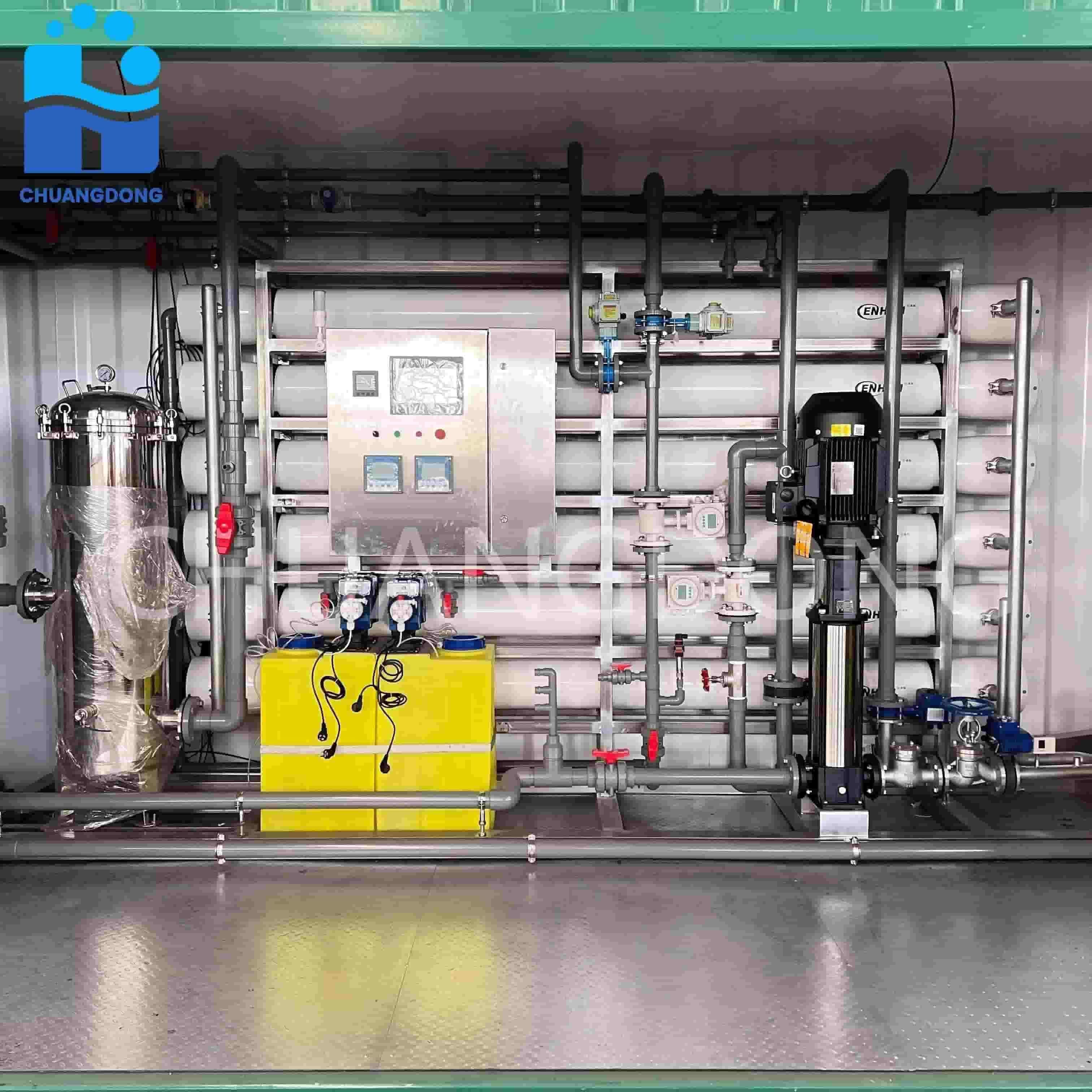
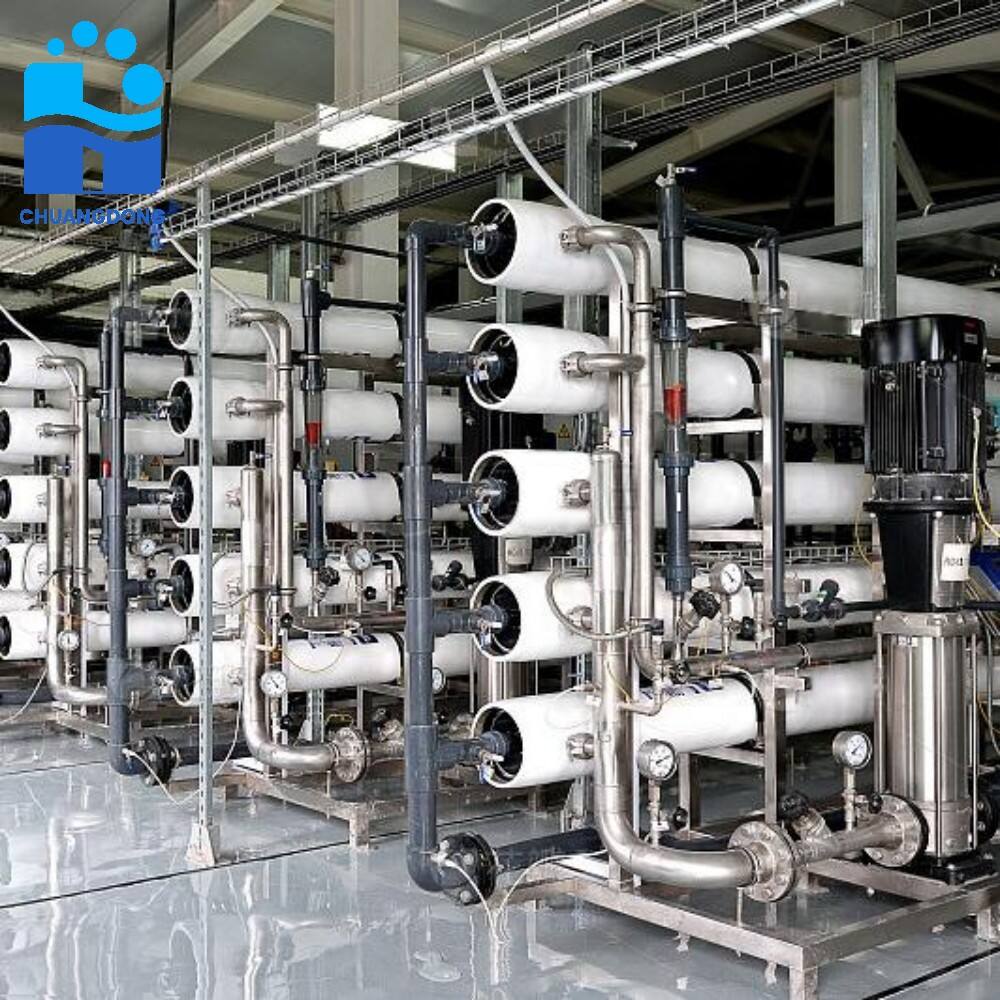
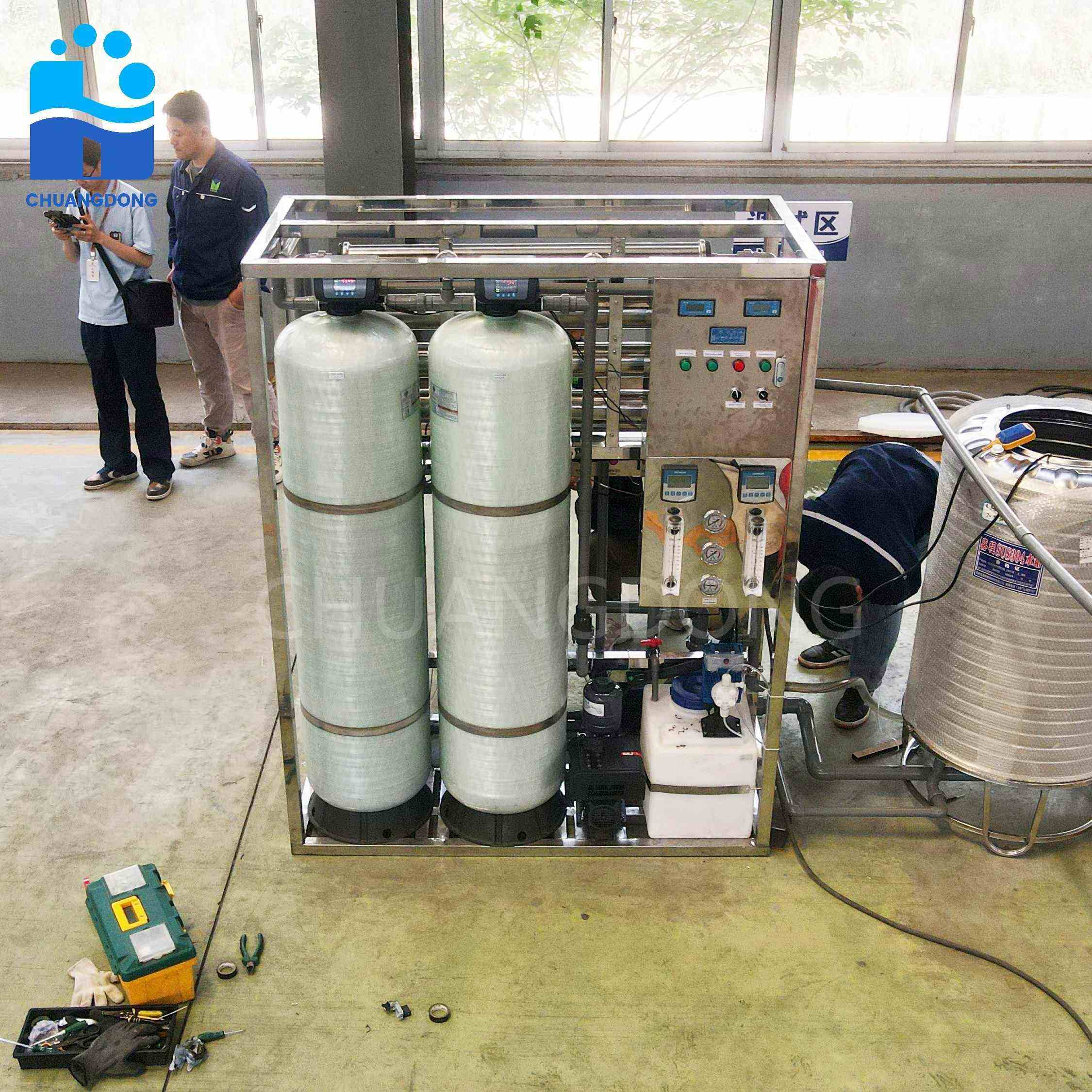
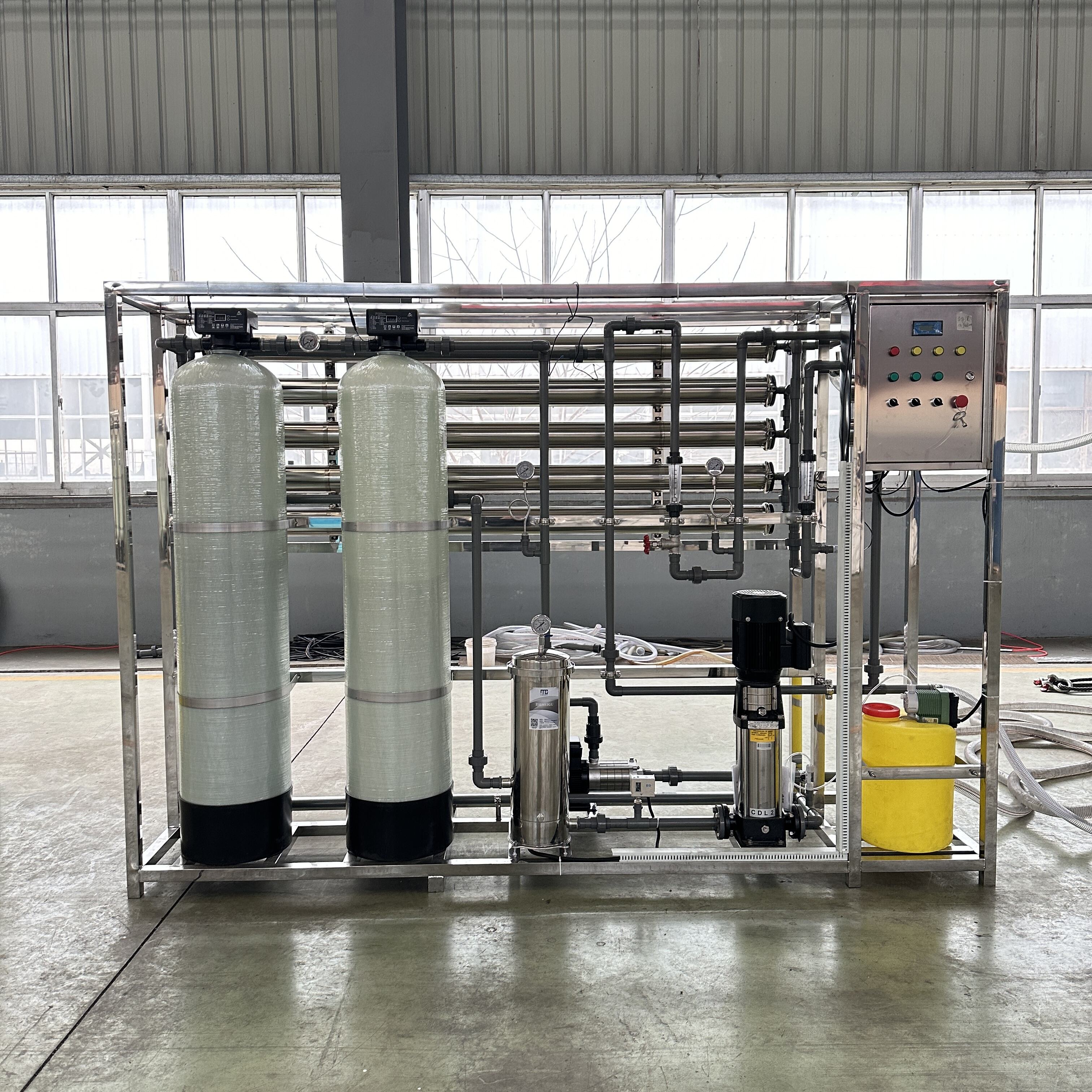
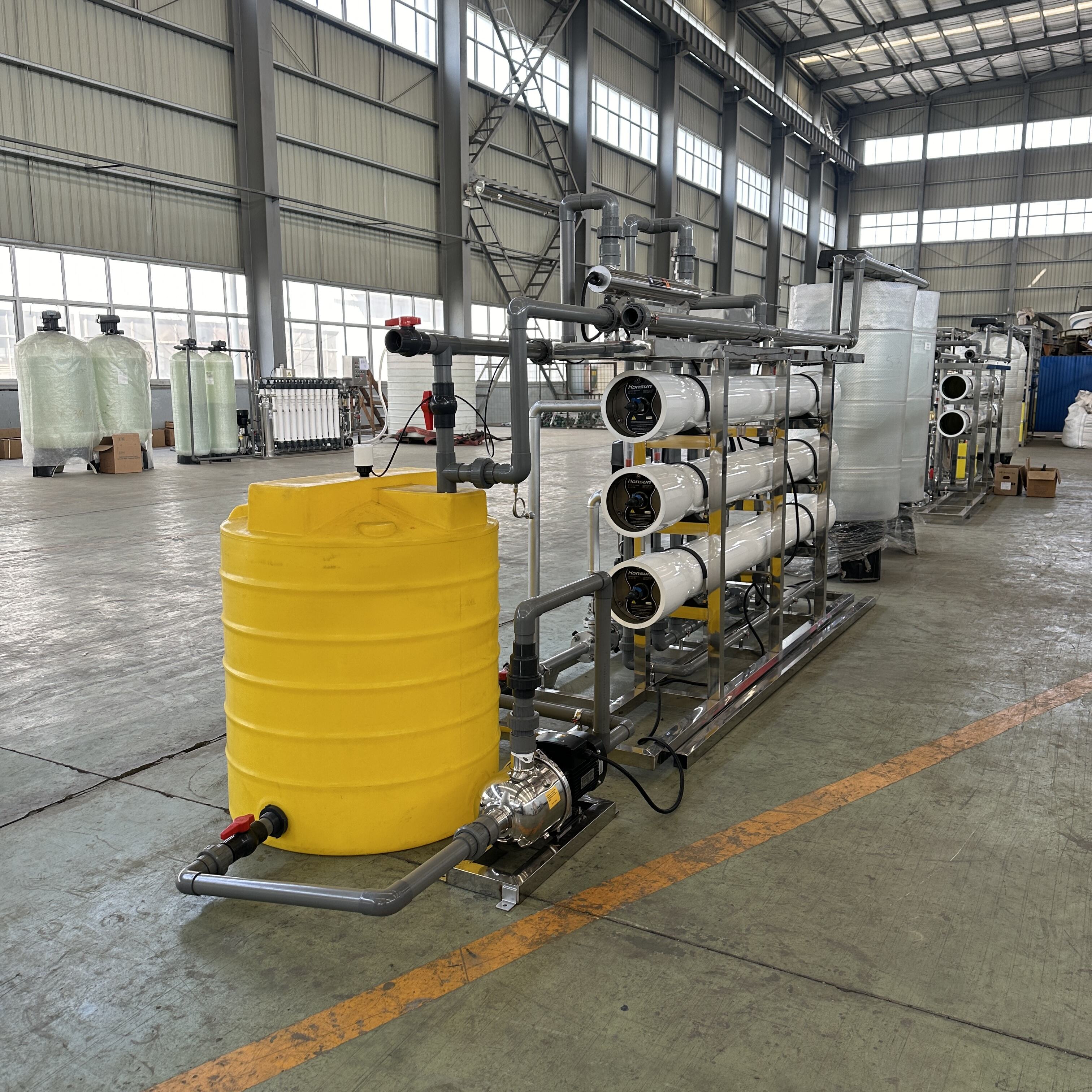
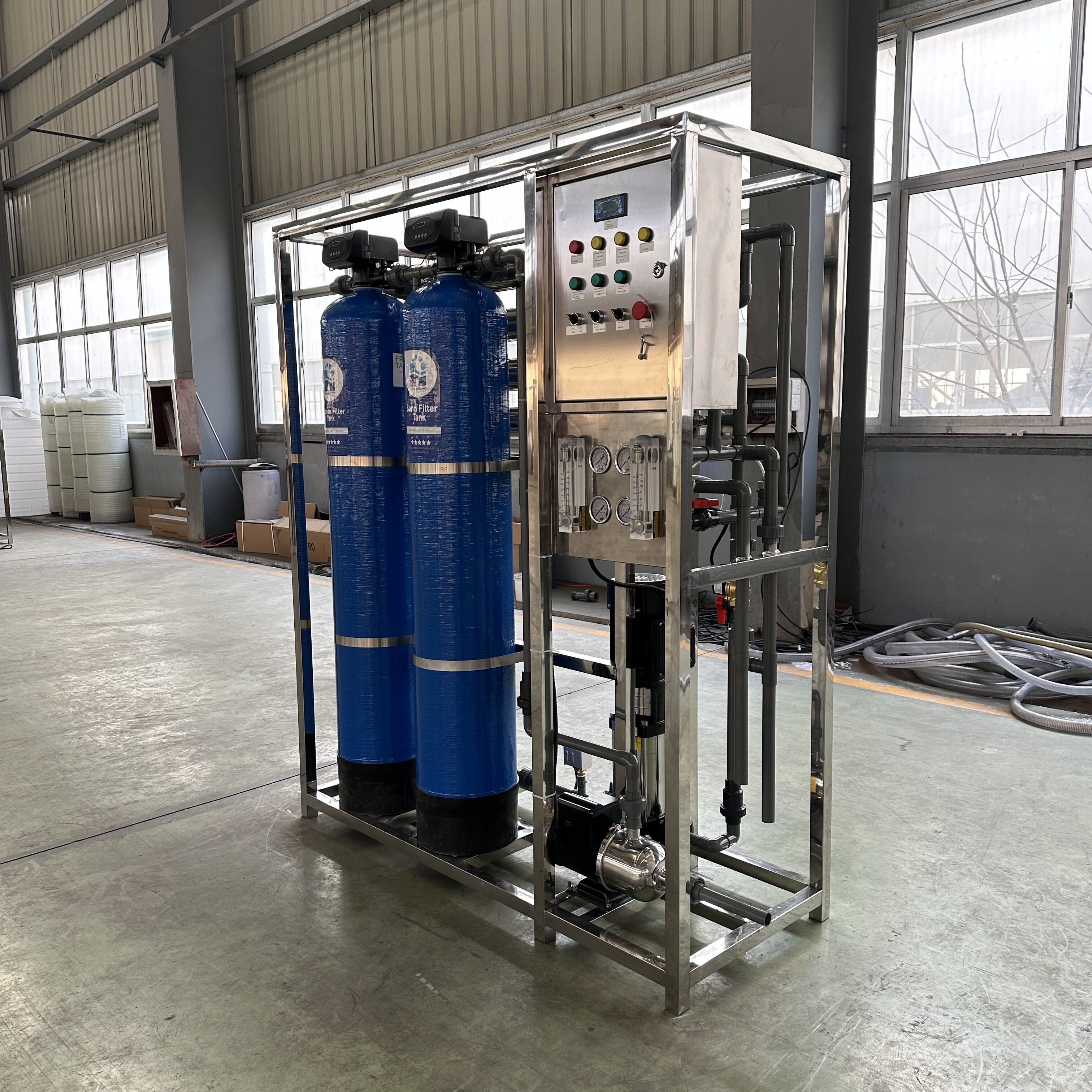
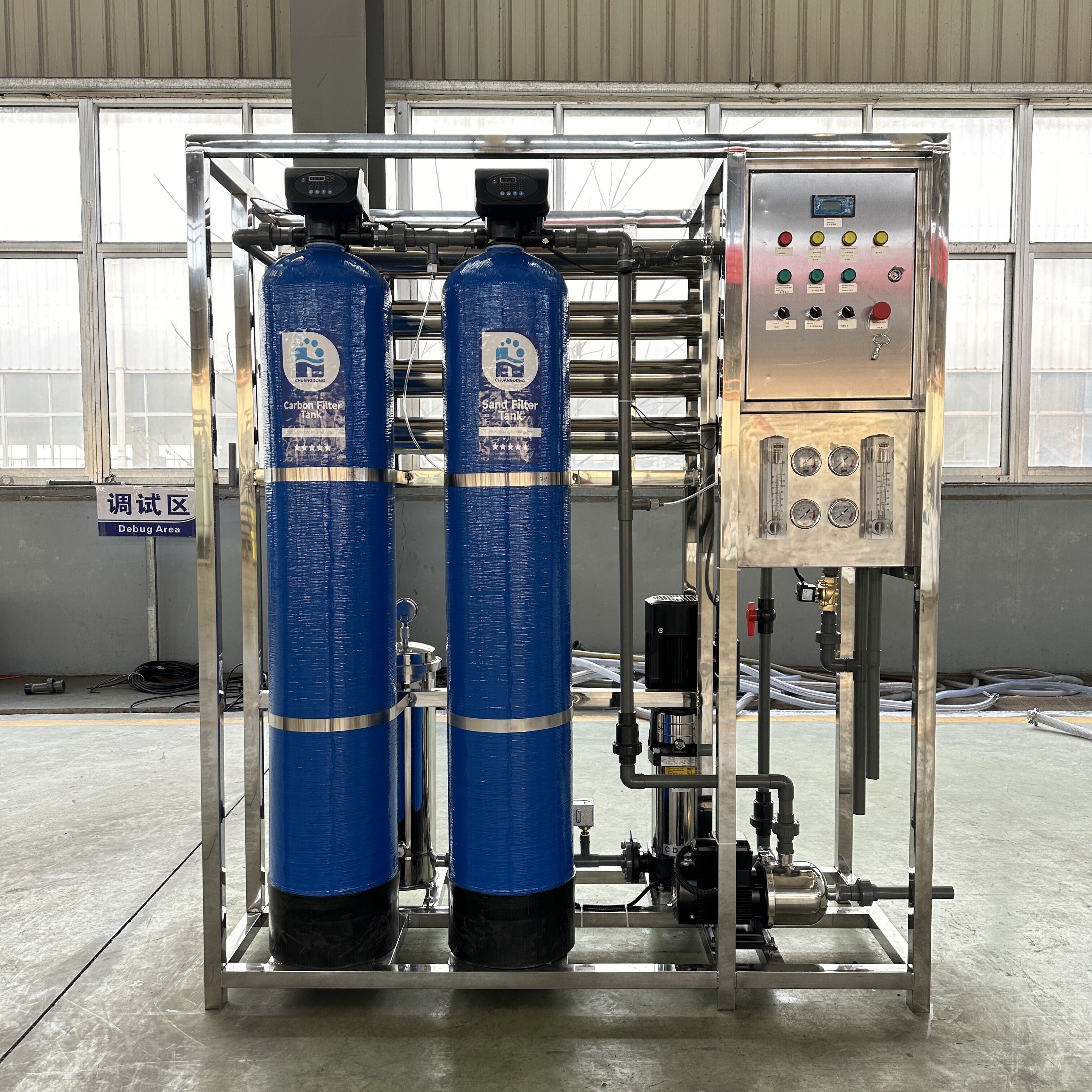
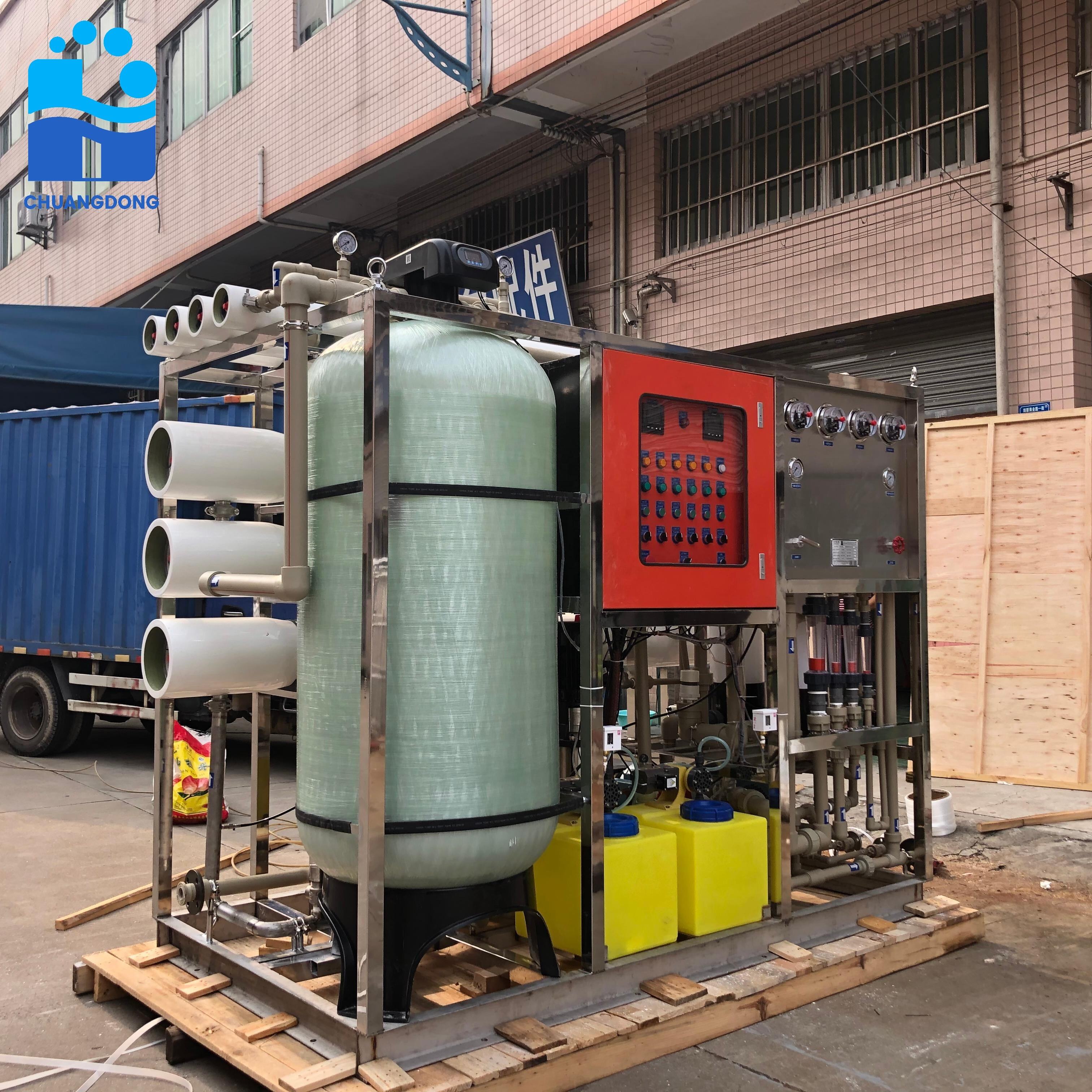
A seawater treatment system represents a comprehensive technological solution designed to transform ocean water into clean, potable water suitable for various applications. This advanced engineering marvel combines multiple purification stages to remove salt, minerals, bacteria, and other contaminants from seawater, making it safe for human consumption and industrial use. The system employs sophisticated filtration technologies, including reverse osmosis membranes, pre-filtration units, and post-treatment processes to achieve optimal water quality standards. Modern seawater treatment systems incorporate energy recovery devices that significantly reduce operational costs while maintaining high efficiency rates. These systems feature automated monitoring capabilities that continuously track water quality parameters, ensuring consistent output and reliable performance. The technological framework includes high-pressure pumps, membrane modules, chemical dosing systems, and control panels that work together to deliver superior water treatment results. Primary functions encompass desalination, disinfection, pH adjustment, and mineral balance restoration to produce water that meets international drinking water standards. The systems are engineered with corrosion-resistant materials specifically designed to withstand the harsh marine environment and high salinity conditions. Applications span across municipal water supply, industrial processes, offshore platforms, cruise ships, and remote coastal communities where freshwater access remains limited. The modular design allows for scalable installations ranging from small residential units to large-scale municipal facilities capable of processing millions of gallons daily. Advanced seawater treatment systems integrate smart technology features including remote monitoring, predictive maintenance alerts, and automated system optimization to maximize efficiency and minimize downtime.

Popular Products

Seawater treatment systems deliver exceptional value through multiple practical benefits that directly impact operational efficiency and cost savings. These systems provide unlimited access to freshwater resources by utilizing the ocean's abundant supply, eliminating dependency on traditional water sources that may be scarce or unreliable. The technology offers remarkable flexibility in installation locations, enabling water production in remote areas where conventional water infrastructure proves impractical or economically unfeasible. Energy efficiency stands as a cornerstone advantage, with modern systems incorporating energy recovery mechanisms that reduce power consumption by up to 60 percent compared to older technologies. This translates into substantial operational cost reductions over the system's lifespan. The automated operation capabilities minimize labor requirements while maximizing productivity through continuous monitoring and self-regulating processes. Users benefit from consistent water quality that meets or exceeds international standards, ensuring safe consumption and reliable industrial applications. The modular construction allows for easy expansion or downsizing based on changing demand patterns, providing investment protection and operational adaptability. Maintenance requirements remain minimal due to advanced design features and high-quality components that resist corrosion and wear. The systems demonstrate exceptional durability in marine environments, maintaining performance standards even under challenging conditions including temperature fluctuations and varying salinity levels. Environmental benefits include reduced strain on freshwater aquifers and minimal waste generation through efficient recovery processes. The technology supports sustainable development goals by providing clean water access to underserved populations while reducing environmental impact. Installation timelines are typically shorter than traditional water infrastructure projects, enabling faster project completion and quicker return on investment. Long-term reliability ensures decades of dependable service with proper maintenance protocols. Cost predictability becomes possible through stable operational parameters and well-established maintenance schedules, facilitating accurate budget planning and financial forecasting for organizations of all sizes.

Practical Tips

What Intake and Outfall Designs Minimize Environmental Impact of a Desalination Plant?

01

Mar

What Intake and Outfall Designs Minimize Environmental Impact of a Desalination Plant?

Environmental considerations have become paramount in the design and operation of modern desalination facilities worldwide. As water scarcity continues to challenge communities across the globe, the demand for sustainable desalination plant solutions...
View More
What Corrosion-Resistant Materials Are Used in Desalination Plant Construction?

06

Mar

What Corrosion-Resistant Materials Are Used in Desalination Plant Construction?

Desalination plants operate in some of the harshest environments imaginable, where saltwater constantly threatens the integrity of critical infrastructure. The selection of appropriate corrosion-resistant materials becomes paramount to ensuring long-...
View More
How Does a Water Purification System with Ion Exchange Soften Hard Water Effectively?

15

Mar

How Does a Water Purification System with Ion Exchange Soften Hard Water Effectively?

Hard water poses significant challenges for both residential and commercial applications, containing high concentrations of calcium and magnesium ions that cause scale buildup, reduce equipment efficiency, and affect water quality. A water purificati...
View More
How Does an RO Water Filter with a UV Sterilizer Provide Additional Protection Against Bacteria?

10

Mar

How Does an RO Water Filter with a UV Sterilizer Provide Additional Protection Against Bacteria?

Water contamination remains one of the most pressing concerns for homeowners and businesses seeking reliable water purification solutions. While traditional filtration methods offer basic protection, modern water treatment technology has evolved to p...
View More

Get a Free Quote

Our representative will contact you soon.
Email
Name
Company Name
Message
0/1000

seawater treatment system

Advanced Reverse Osmosis Technology

Advanced Reverse Osmosis Technology

The seawater treatment system utilizes cutting-edge reverse osmosis technology that represents the pinnacle of water purification innovation. This sophisticated process employs semi-permeable membranes engineered at the molecular level to separate salt and contaminants from water molecules with extraordinary precision. The membrane technology operates under high pressure conditions, forcing seawater through microscopic pores that allow only pure water molecules to pass while blocking salt, bacteria, viruses, and other impurities. This advanced filtration method achieves salt rejection rates exceeding 99.7 percent, producing water quality that surpasses bottled water standards. The multi-stage membrane configuration ensures maximum efficiency while extending membrane lifespan through optimized pressure distribution and flow patterns. Energy recovery systems capture and reuse pressure energy from the brine stream, reducing overall power consumption by up to 60 percent compared to conventional systems. The membrane modules feature anti-fouling properties that resist bacterial growth and scaling, maintaining consistent performance over extended operational periods. Advanced pretreatment processes protect the delicate membranes from damage caused by chlorine, sediment, and biological contamination. The system incorporates sophisticated monitoring equipment that continuously tracks membrane performance, alerting operators to maintenance needs before efficiency declines. This proactive approach ensures optimal water production rates while minimizing unexpected downtime. The modular membrane design allows for individual module replacement without shutting down the entire system, maintaining continuous water supply during maintenance operations. Quality control measures include real-time conductivity monitoring, pH measurement, and flow rate tracking to guarantee consistent output quality. The technology adapts automatically to varying seawater conditions, adjusting operational parameters to maintain peak performance regardless of seasonal changes in water temperature or salinity levels.
Energy-Efficient Operation with Smart Controls

Energy-Efficient Operation with Smart Controls

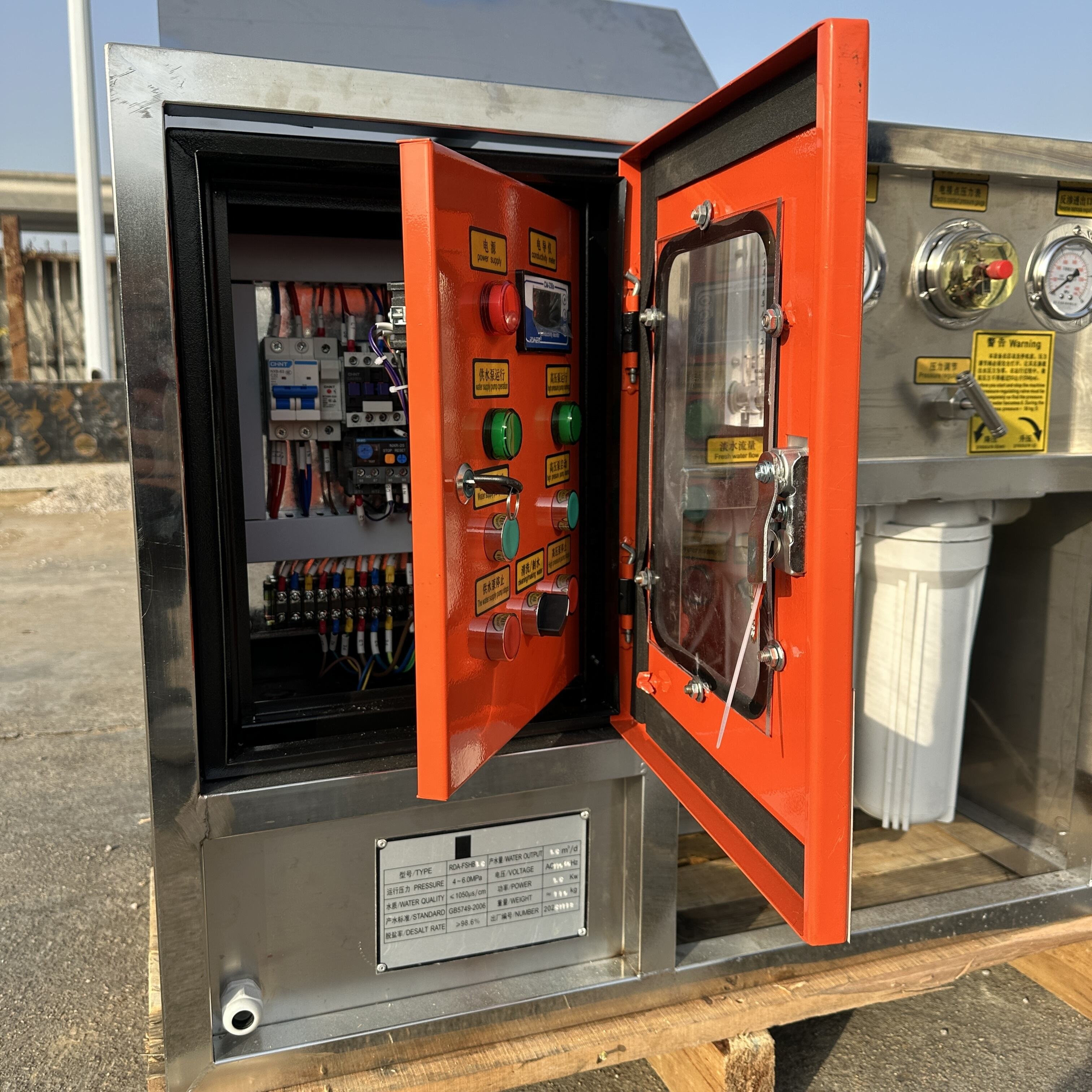
The seawater treatment system incorporates revolutionary energy management technology that dramatically reduces operational costs while maintaining superior performance standards. Smart control systems utilize advanced algorithms to optimize energy consumption based on real-time demand patterns and operational conditions. The integrated energy recovery devices capture hydraulic energy from the high-pressure brine stream and transfer it back to incoming seawater, achieving energy savings of 50-60 percent compared to systems without recovery technology. Variable frequency drives automatically adjust pump speeds based on system requirements, eliminating energy waste during low-demand periods. The intelligent control panel features touchscreen interfaces that provide operators with comprehensive system monitoring and control capabilities. Predictive analytics continuously analyze system performance data to identify optimization opportunities and prevent potential issues before they impact operations. Remote monitoring capabilities enable off-site supervision and troubleshooting, reducing the need for on-site personnel and minimizing response times for maintenance activities. The system automatically adjusts chemical dosing rates based on water quality parameters, ensuring optimal treatment while minimizing chemical consumption and associated costs. Smart scheduling features allow operators to program system operation during off-peak electricity hours, taking advantage of lower utility rates to reduce operational expenses. The energy management system provides detailed consumption reports and efficiency metrics, enabling data-driven decisions for further optimization. Advanced sensors continuously monitor key performance indicators including pressure differentials, flow rates, and water quality parameters, triggering automatic adjustments to maintain optimal efficiency. The control system integrates seamlessly with existing facility management systems, providing centralized monitoring and control capabilities. Emergency shutdown procedures activate automatically in case of system anomalies, protecting equipment from damage and ensuring operator safety. The user-friendly interface requires minimal training, enabling quick adoption by operational staff and reducing the learning curve associated with system management.
Scalable and Robust Design for Long-Term Reliability

Scalable and Robust Design for Long-Term Reliability

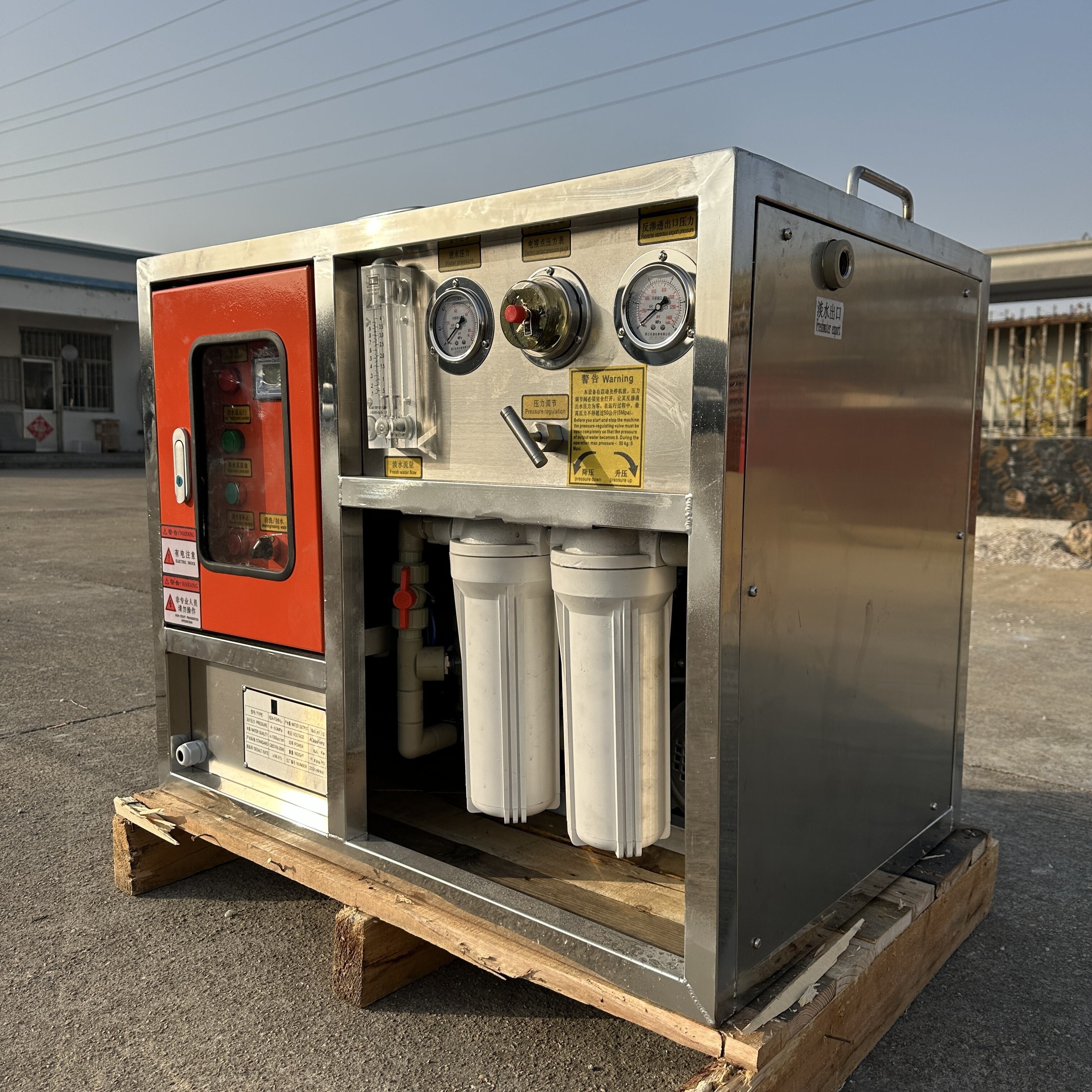
The seawater treatment system features exceptional scalability and durability engineered to meet diverse operational requirements while ensuring decades of reliable service. The modular design philosophy enables seamless capacity expansion or reduction based on changing water demand patterns without requiring complete system replacement. Individual treatment modules can be added or removed as needed, providing unmatched flexibility for growing communities, expanding industrial operations, or seasonal demand variations. The robust construction utilizes marine-grade materials specifically selected for their corrosion resistance and longevity in harsh saltwater environments. Stainless steel components, specialized coatings, and high-grade polymers ensure structural integrity even under extreme conditions including temperature fluctuations, high humidity, and corrosive atmospheres. The system architecture incorporates redundancy features that maintain water production even if individual components require maintenance or replacement. Multiple pump configurations and backup systems prevent service interruptions while routine maintenance activities are performed. Quality assurance protocols include rigorous testing of all components before installation and comprehensive system commissioning to verify performance standards. The design accommodates future technology upgrades, protecting capital investments while enabling adoption of emerging innovations as they become available. Maintenance procedures are streamlined through accessible component layouts and standardized connection points that minimize service time and reduce labor costs. Comprehensive documentation and training programs ensure proper operation and maintenance practices that maximize system lifespan. The control system maintains detailed operational logs and performance histories that support predictive maintenance strategies and warranty compliance. Environmental considerations include noise reduction features, minimal chemical usage, and energy-efficient operation that supports sustainability goals. The compact footprint optimizes space utilization while providing adequate access for maintenance activities. Factory testing and quality control procedures guarantee that each system meets specified performance criteria before delivery, ensuring reliable operation from initial startup through years of continuous service.

Get a Free Quote

Our representative will contact you soon.
Email
Name
Company Name
Message
0/1000