 EN
EN



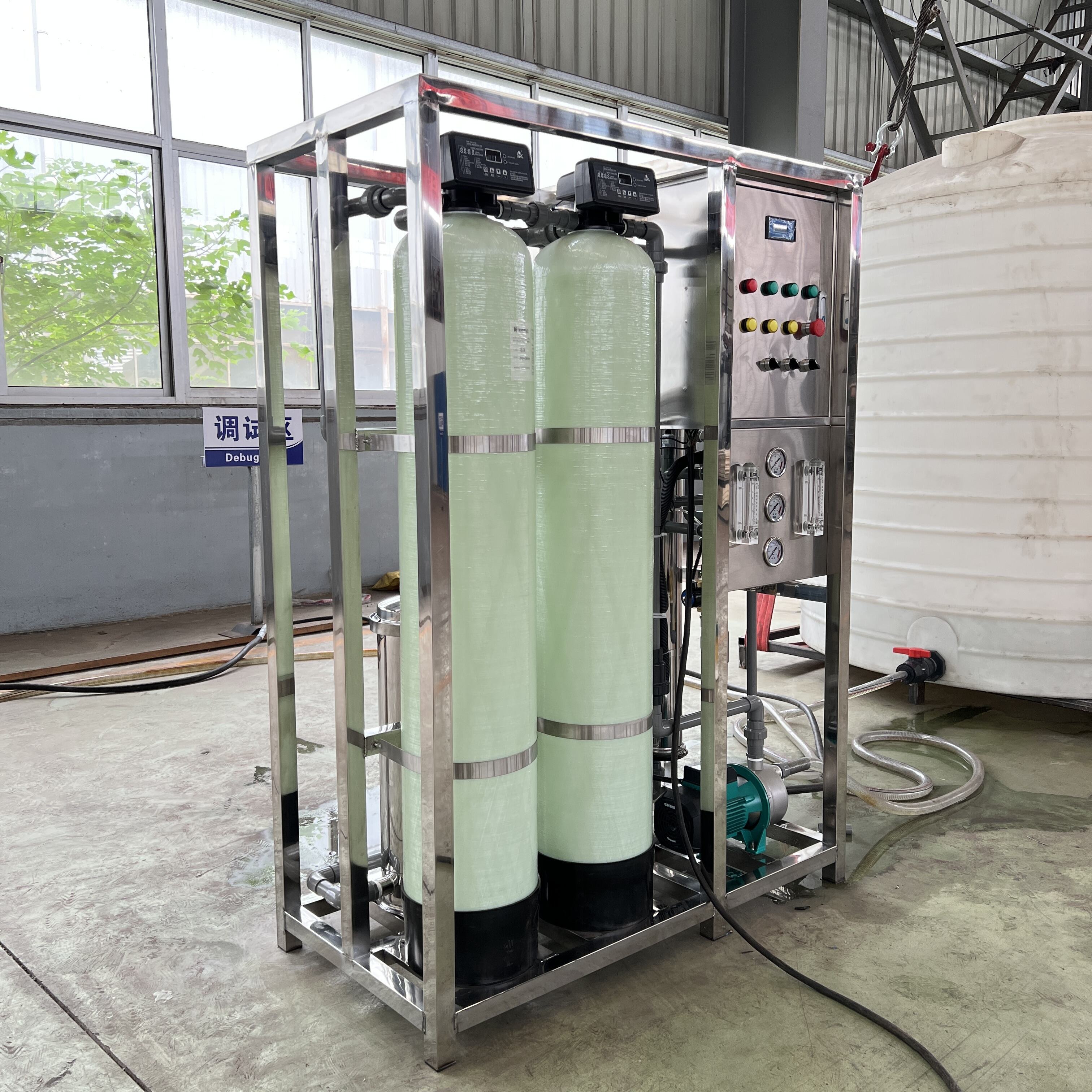
Reverse osmosis systems require adequate feed water pressure to operate efficiently and deliver the purified water output your facility depends on. When municipal supply pressure falls below the manufacturer's recommended threshold—typically 40 to 60 psi—the membrane filtration process slows dramatically, recovery rates plummet, and your system struggles to meet production demands. This is where a booster pump reverse osmosis integration becomes essential, transforming an underperforming installation into a reliable water treatment solution that consistently delivers design capacity regardless of incoming pressure fluctuations.
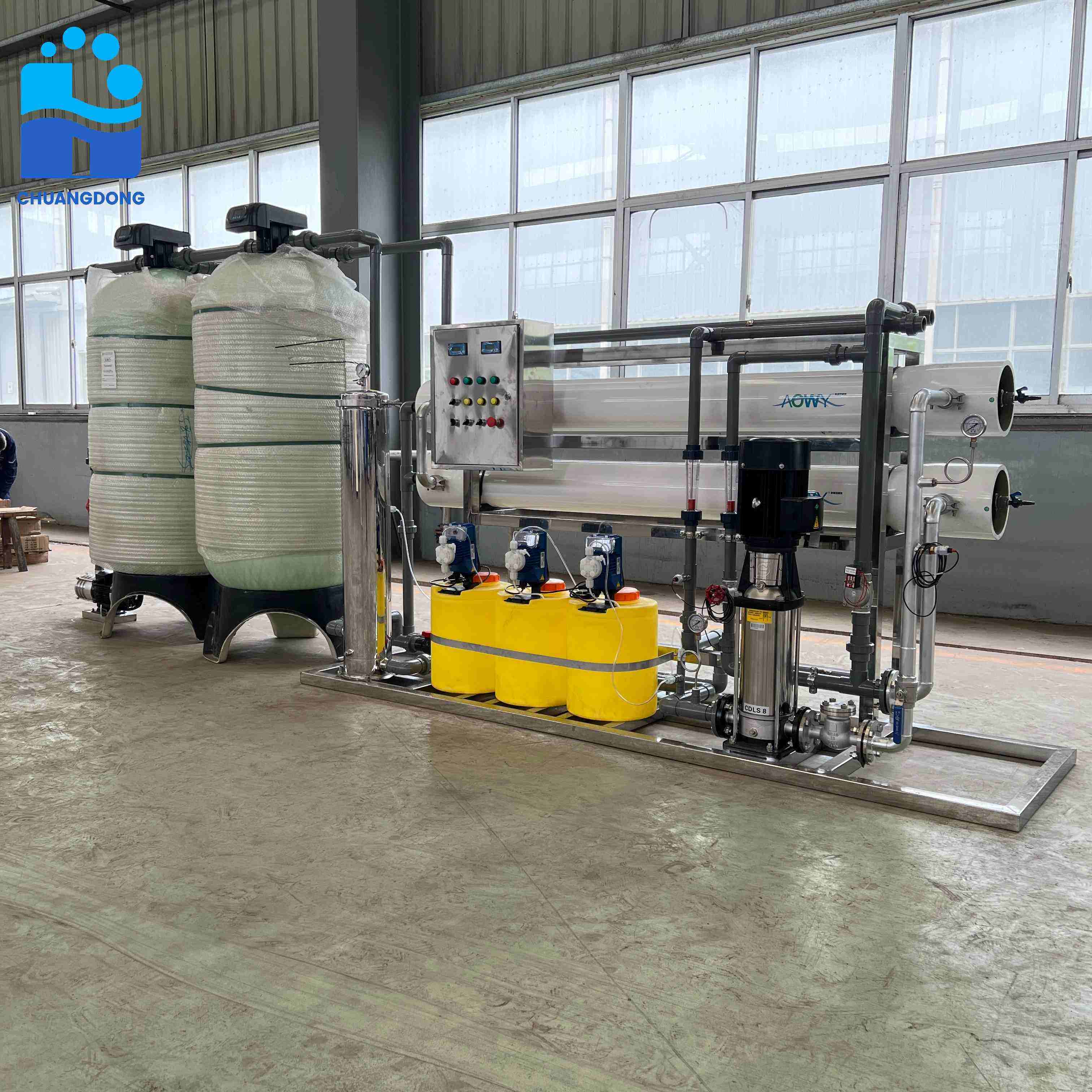
Understanding how a booster pump reverse osmosis configuration addresses low pressure challenges requires examining the fundamental relationship between hydraulic pressure and membrane permeation. The semipermeable membranes at the heart of your system function by forcing water molecules through microscopic pores while rejecting dissolved solids, contaminants, and larger molecules. This separation process demands sufficient pressure differential to overcome osmotic pressure—the natural tendency of water to flow toward higher solute concentrations. Without adequate feed pressure, the system cannot generate sufficient transmembrane pressure to maintain productive flux rates, resulting in reduced output, longer production cycles, and accelerated membrane fouling as rejected contaminants concentrate on membrane surfaces.
The Pressure-Performance Relationship in Reverse Osmosis Systems
Minimum Operating Pressure Requirements for Effective Membrane Function
Industrial reverse osmosis membranes are engineered to operate within specific pressure ranges that balance permeate production with membrane longevity. Most commercial thin-film composite membranes require feed pressures between 150 and 300 psi to achieve design flux rates, though this varies with feedwater salinity and membrane configuration. When inlet pressure drops below these thresholds, the driving force for water permeation diminishes proportionally. A booster pump reverse osmosis system restores this critical pressure differential, ensuring membranes receive the hydraulic energy needed to sustain target production rates even when municipal supply delivers only 25 to 35 psi.
The consequences of insufficient pressure extend beyond simple capacity reduction. Low pressure operation forces systems to run longer cycles to produce the same volume of permeate, increasing energy consumption per gallon produced and extending exposure time for membrane surfaces to feedwater contaminants. This prolonged contact accelerates fouling mechanisms, particularly biological growth and scaling, which compound performance degradation over time. Implementing a booster pump reverse osmosis solution breaks this deterioration cycle by maintaining consistent operating conditions that support both immediate productivity and long-term membrane health.
Recovery Rate Optimization Through Pressure Stabilization
Recovery rate—the percentage of feedwater converted to usable permeate—directly correlates with applied pressure in reverse osmosis applications. Systems designed for 75 percent recovery at 200 psi may achieve only 40 to 50 percent recovery when operating at 100 psi, wasting significant volumes of reject water and increasing disposal costs. A properly sized booster pump reverse osmosis installation elevates feed pressure to design specifications, restoring target recovery rates and minimizing water waste. This optimization proves particularly valuable in water-scarce regions or facilities facing high wastewater discharge fees, where every gallon of additional recovery translates to measurable cost savings.
Beyond environmental and economic benefits, improved recovery rates reduce concentrate stream volume and increase system efficiency. Lower concentrate volumes mean smaller reject handling infrastructure requirements and reduced chemical usage for antiscalant treatment, since the concentrate stream remains less saturated with scaling ions. The pressure stabilization provided by a booster pump reverse osmosis configuration creates a virtuous cycle of efficiency improvements that extend throughout the water treatment process, from raw water intake through final discharge management.
Mechanical Principles Behind Booster Pump Performance Enhancement
Pressure Amplification and Flow Rate Management
The fundamental function of a booster pump reverse osmosis system involves mechanical energy conversion—transforming electrical power into hydraulic pressure through centrifugal or positive displacement mechanisms. Centrifugal booster pumps, the most common type in industrial applications, accelerate feedwater through rotating impellers that convert velocity into pressure energy. These pumps can elevate inlet pressure by 80 to 150 psi or more, depending on pump selection and motor horsepower. For a booster pump reverse osmosis application receiving 30 psi municipal supply, a properly specified pump delivers the additional 150 to 180 psi needed to achieve total system pressure of 180 to 210 psi at membrane inlet.
Flow rate management represents another critical dimension of booster pump reverse osmosis performance. Pumps must deliver sufficient volumetric flow to meet both permeate production demands and concentrate stream requirements while maintaining target crossflow velocity across membrane surfaces. This crossflow velocity—typically 8 to 15 feet per second—creates turbulence that scours membrane surfaces, reducing fouling layer formation and maintaining permeate flux. Undersized pumps may provide adequate pressure but insufficient flow for proper crossflow, while oversized units waste energy and may require throttling to prevent membrane damage from excessive pressure.
Variable Frequency Drive Integration for Dynamic Pressure Control
Modern booster pump reverse osmosis installations increasingly incorporate variable frequency drives that modulate pump speed in response to real-time pressure feedback. These intelligent control systems adjust motor frequency to maintain constant system pressure despite fluctuations in feedwater supply or permeate demand. When municipal pressure rises during low-demand periods, the VFD reduces pump speed proportionally, maintaining target membrane inlet pressure while reducing energy consumption. Conversely, during peak demand periods when supply pressure drops, the drive increases pump speed to compensate, ensuring consistent system performance throughout daily operational cycles.
This dynamic pressure management delivers multiple efficiency benefits beyond energy savings. Consistent pressure operation extends membrane life by eliminating pressure cycling that can fatigue membrane materials and delaminate composite layers. Stable pressure also improves permeate quality consistency, as flux rate variations often correlate with salt passage fluctuations that affect product water purity. The precision control enabled by VFD-equipped booster pump reverse osmosis systems transforms basic pressure boosting into comprehensive process optimization that enhances every aspect of system performance.
Energy Efficiency Considerations in Pressure-Boosted Systems
Net Energy Analysis of Booster Pump Operation
While adding a booster pump reverse osmosis component increases direct electrical consumption, comprehensive energy analysis often reveals net efficiency improvements. Systems operating below design pressure typically compensate through extended run times, essentially spreading the same production volume over longer periods at reduced instantaneous output. This extended operation accumulates additional energy consumption from auxiliary components—feed pumps, control systems, heating or cooling equipment—that run continuously during system operation. A booster pump reverse osmosis upgrade that restores design capacity allows shorter production cycles that minimize total energy consumption across all system components.
Energy recovery devices, when integrated with booster pump reverse osmosis configurations, further enhance overall efficiency. These devices capture hydraulic energy from the high-pressure concentrate stream—which exits membrane vessels at pressures only slightly below feed pressure—and transfer that energy to incoming feedwater. This recovered energy reduces the pressure differential the booster pump must generate, sometimes by 30 to 40 percent, yielding substantial energy savings in systems processing brackish or seawater feedstocks with high concentrate stream pressures.
Pump Selection Criteria for Optimal Energy Performance
Selecting the appropriate booster pump reverse osmosis equipment requires careful matching of pump characteristics to system requirements. Pump efficiency curves show that each pump model achieves peak efficiency within a specific operating window defined by pressure and flow parameters. Operating outside this window—either too far right or left on the performance curve—reduces efficiency and increases energy consumption per unit of water produced. Proper pump sizing accounts for actual system resistance, expected flow rates, and pressure requirements at design conditions, ensuring the selected booster pump reverse osmosis unit operates near its best efficiency point during normal production.
Motor efficiency represents an equally important consideration, particularly for larger installations where pump motors consume significant facility power. Premium efficiency motors, though initially more expensive, deliver energy savings that typically recover the cost differential within 18 to 36 months of operation. For continuous-duty booster pump reverse osmosis applications, the cumulative energy savings over a motor's 15 to 20 year service life can exceed the initial equipment cost multiple times, making efficiency a critical selection criterion rather than an optional upgrade.
System Integration and Operational Optimization Strategies
Pre-Treatment Coordination and Fouling Prevention
The effectiveness of a booster pump reverse osmosis system depends significantly on upstream pre-treatment quality. While pressure boosting restores hydraulic performance, it cannot compensate for inadequate feedwater preparation. Membranes receiving poorly treated feedwater foul rapidly regardless of operating pressure, requiring frequent cleaning cycles that offset any efficiency gains from pressure optimization. Comprehensive system design coordinates booster pump reverse osmosis implementation with appropriate pre-treatment—multimedia filtration, cartridge filtration, antiscalant dosing, and pH adjustment—to ensure membranes receive feedwater meeting manufacturer specifications.
Pressure monitoring at multiple system points provides critical feedback for optimizing booster pump reverse osmosis operation. Pressure transmitters located at pump discharge, membrane vessel inlet, and concentrate discharge allow operators to track pressure drops across pre-filters and membrane elements. Gradual pressure drop increases signal developing fouling conditions that require intervention before productivity declines significantly. This data-driven approach to maintenance scheduling maximizes the productivity benefits that booster pump reverse osmosis upgrades deliver, preventing fouling from undermining the pressure stability the pump provides.
Automated Control Systems for Continuous Performance Optimization
Advanced booster pump reverse osmosis installations employ programmable logic controllers that integrate pressure management with comprehensive process control. These systems continuously adjust pump output based on multiple variables—feedwater pressure, permeate flow demand, concentrate recycling requirements, and membrane differential pressure—to maintain optimal operating conditions across varying load scenarios. When permeate demand decreases, the controller reduces booster pump reverse osmosis output proportionally, preventing excessive pressure that wastes energy and stresses membranes. During demand surges, the system increases pump speed to maintain target production without compromising permeate quality.
Predictive maintenance capabilities represent another advanced feature of integrated booster pump reverse osmosis control systems. By analyzing trends in pressure, flow, power consumption, and vibration data, these systems identify developing mechanical issues before they cause equipment failure. Early detection of bearing wear, seal degradation, or impeller damage allows scheduled maintenance during planned downtime rather than emergency repairs that interrupt production. This proactive maintenance approach maximizes both equipment longevity and system availability, ensuring the booster pump reverse osmosis investment delivers consistent returns throughout its operational life.
Economic Justification and Performance Validation
Quantifying Productivity Improvements and Cost Savings
Calculating the return on investment for a booster pump reverse osmosis upgrade requires comparing current system performance against projected post-installation metrics. Key performance indicators include permeate production rate, specific energy consumption per volume produced, membrane cleaning frequency, and reject water disposal costs. A system currently producing 50 gallons per minute at 70 percent recovery might achieve 75 gallons per minute at 80 percent recovery after booster pump reverse osmosis implementation, representing a 50 percent capacity increase and 14 percent recovery improvement. These productivity gains translate directly to reduced unit production costs and enhanced facility water security.
Long-term cost analysis must account for membrane replacement economics. Membranes operating consistently at design pressure typically deliver 5 to 7 years of service life, compared to 3 to 4 years for membranes cycling between low and high pressure or operating continuously below specification. The extended membrane life enabled by booster pump reverse osmosis pressure stabilization reduces capital expenditure on replacement elements and minimizes production downtime for membrane change-outs. When annualized over equipment life expectancy, these savings often exceed the initial booster pump reverse osmosis installation cost.
Performance Monitoring Protocols for Validation and Optimization
Establishing baseline performance metrics before booster pump reverse osmosis installation creates the foundation for meaningful post-installation comparison. Critical baseline data includes normalized permeate flow, salt rejection percentage, specific flux, and differential pressure at standardized temperature and feedwater conditions. After installation, tracking these same parameters at regular intervals—daily for the first month, then weekly or monthly—documents actual performance improvements and validates design assumptions. Discrepancies between projected and actual results may indicate sizing issues, integration problems, or operational factors requiring adjustment.
Continuous improvement initiatives leverage this performance data to refine booster pump reverse osmosis operation over time. Small adjustments to pump speed, pre-treatment chemical dosing, or cleaning protocols often yield incremental efficiency gains that compound over months of operation. Facilities that implement structured performance review cycles typically achieve 10 to 15 percent better results than initial post-installation performance, demonstrating that booster pump reverse osmosis optimization is an ongoing process rather than a one-time equipment upgrade.
FAQ
What pressure increase should I expect from adding a booster pump to my reverse osmosis system?
Most industrial booster pumps designed for reverse osmosis applications provide pressure increases ranging from 80 to 200 psi, depending on pump model, motor horsepower, and inlet pressure conditions. For a typical municipal supply delivering 30 to 40 psi, a properly sized booster pump reverse osmosis unit will elevate total system pressure to 180 to 220 psi at membrane inlet, sufficient for most brackish water applications. Seawater reverse osmosis systems require specialized high-pressure pumps capable of delivering 800 to 1200 psi. The specific pressure increase your application requires depends on membrane type, feedwater salinity, target recovery rate, and desired permeate production capacity.
How does a booster pump affect membrane lifespan and cleaning frequency?
Operating membranes at consistent design pressure through booster pump reverse osmosis implementation typically extends membrane service life by 40 to 60 percent compared to low-pressure operation. Stable pressure prevents the mechanical stress cycling that degrades membrane structures and maintains optimal crossflow velocity for fouling prevention. Most facilities report cleaning frequency reductions of 30 to 50 percent after booster pump installation, as consistent pressure operation minimizes the concentration polarization and boundary layer development that accelerate membrane fouling. However, these benefits depend on maintaining proper pre-treatment and avoiding operation above maximum rated pressure, which can cause irreversible membrane compaction.
Can I retrofit a booster pump to an existing reverse osmosis system designed for higher inlet pressure?
Yes, retrofitting a booster pump reverse osmosis solution to an existing system is generally straightforward and often the most cost-effective approach when municipal supply pressure has decreased or system capacity requirements have increased. The retrofit requires adequate space for pump installation, electrical infrastructure for pump power supply, and piping modifications to integrate the pump between feedwater supply and membrane feed. Most systems require minimal control system modifications, particularly when selecting pumps with integrated pressure switches or variable frequency drives. Professional evaluation of existing system hydraulics, electrical capacity, and structural support ensures the retrofit delivers expected performance improvements without creating new bottlenecks elsewhere in the treatment process.
What maintenance requirements does adding a booster pump introduce to system operations?
Booster pump reverse osmosis maintenance requirements depend on pump type and operating conditions but typically include quarterly inspections of mechanical seals and coupling alignment, semi-annual bearing lubrication or replacement, and annual motor insulation testing. Centrifugal pumps in clean water service generally require minimal maintenance—often just annual seal replacement and bearing service every 2 to 3 years. Variable frequency drives require periodic inspection of electrical connections and cooling fan operation. Implementing vibration monitoring and bearing temperature tracking enables condition-based maintenance that identifies developing issues before they cause failures. Most facilities find that booster pump reverse osmosis maintenance requirements add less than 4 hours monthly to overall system maintenance schedules, a modest investment compared to the productivity and efficiency benefits the equipment delivers.
Table of Contents
- The Pressure-Performance Relationship in Reverse Osmosis Systems
- Mechanical Principles Behind Booster Pump Performance Enhancement
- Energy Efficiency Considerations in Pressure-Boosted Systems
- System Integration and Operational Optimization Strategies
- Economic Justification and Performance Validation
-
FAQ
- What pressure increase should I expect from adding a booster pump to my reverse osmosis system?
- How does a booster pump affect membrane lifespan and cleaning frequency?
- Can I retrofit a booster pump to an existing reverse osmosis system designed for higher inlet pressure?
- What maintenance requirements does adding a booster pump introduce to system operations?