Advanced Desalination Plant Project Solutions - Energy-Efficient Water Treatment Systems

Get a Free Quote

Our representative will contact you soon.
Email
Name
Company Name
Message
0/1000

desalination plant project

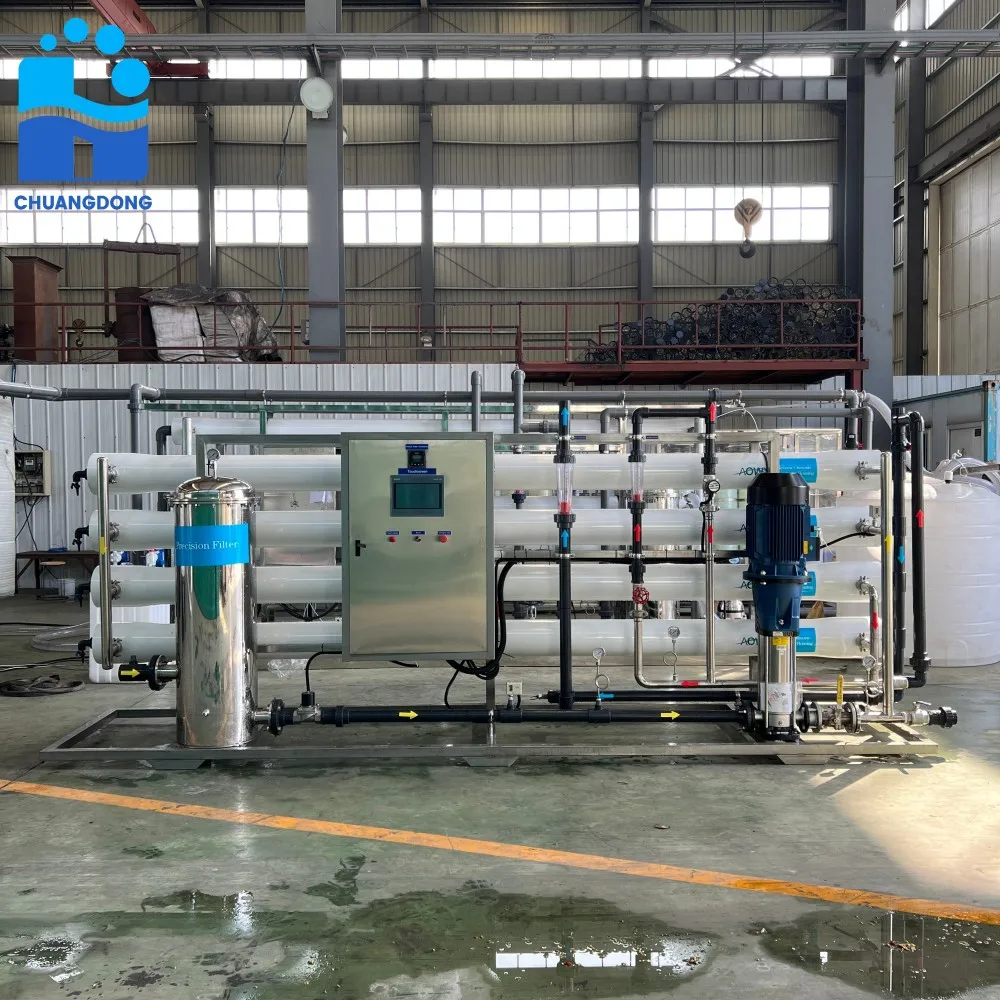
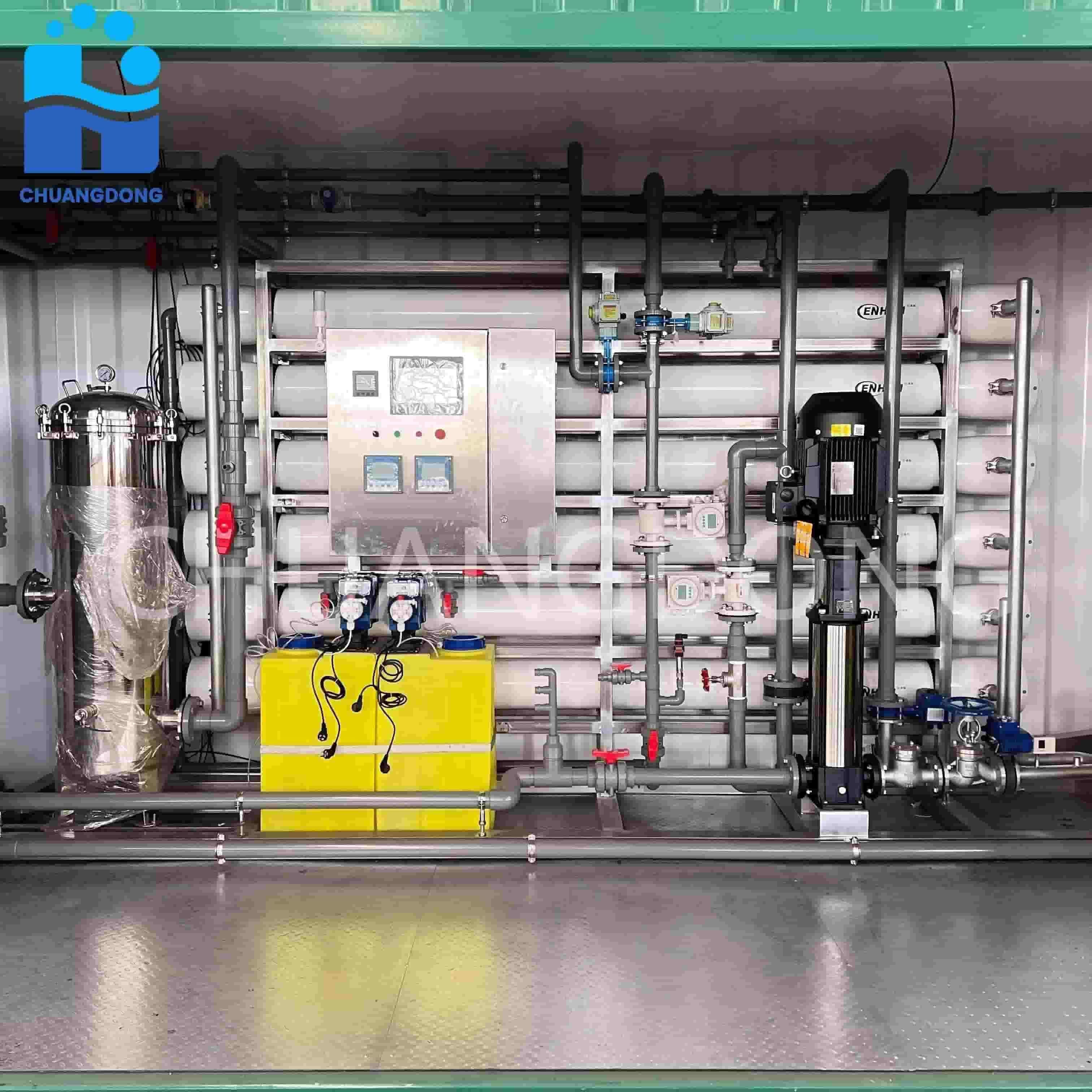
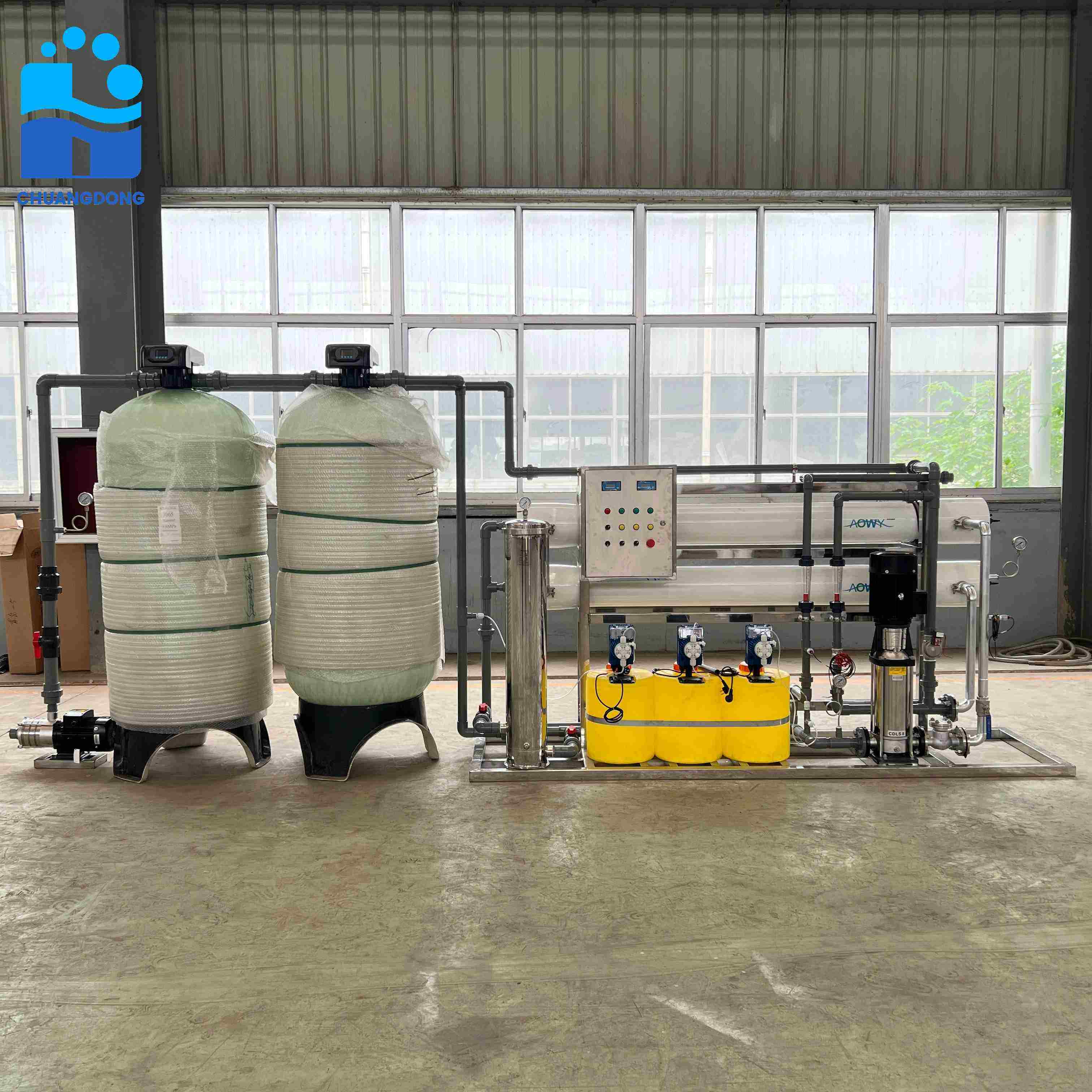
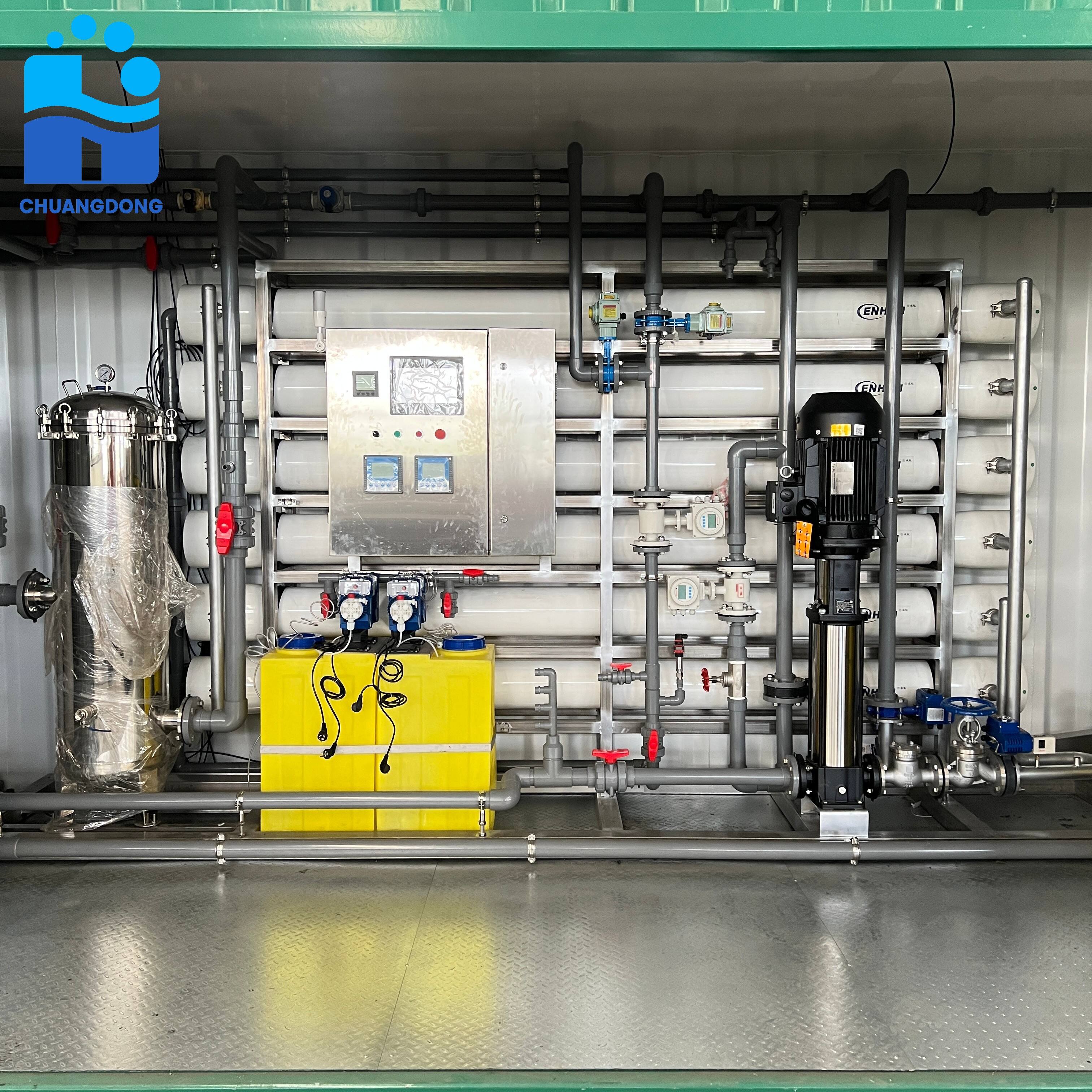
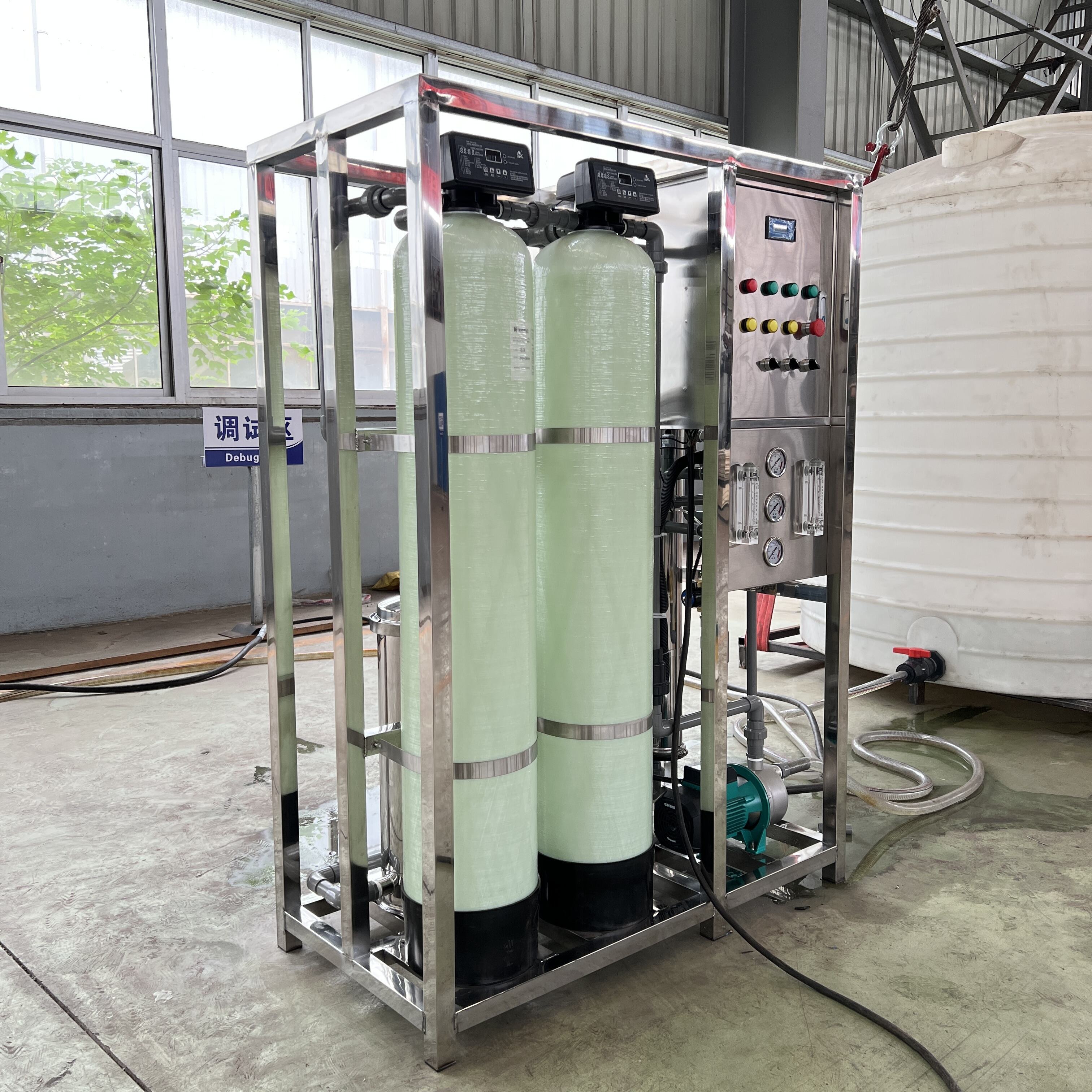
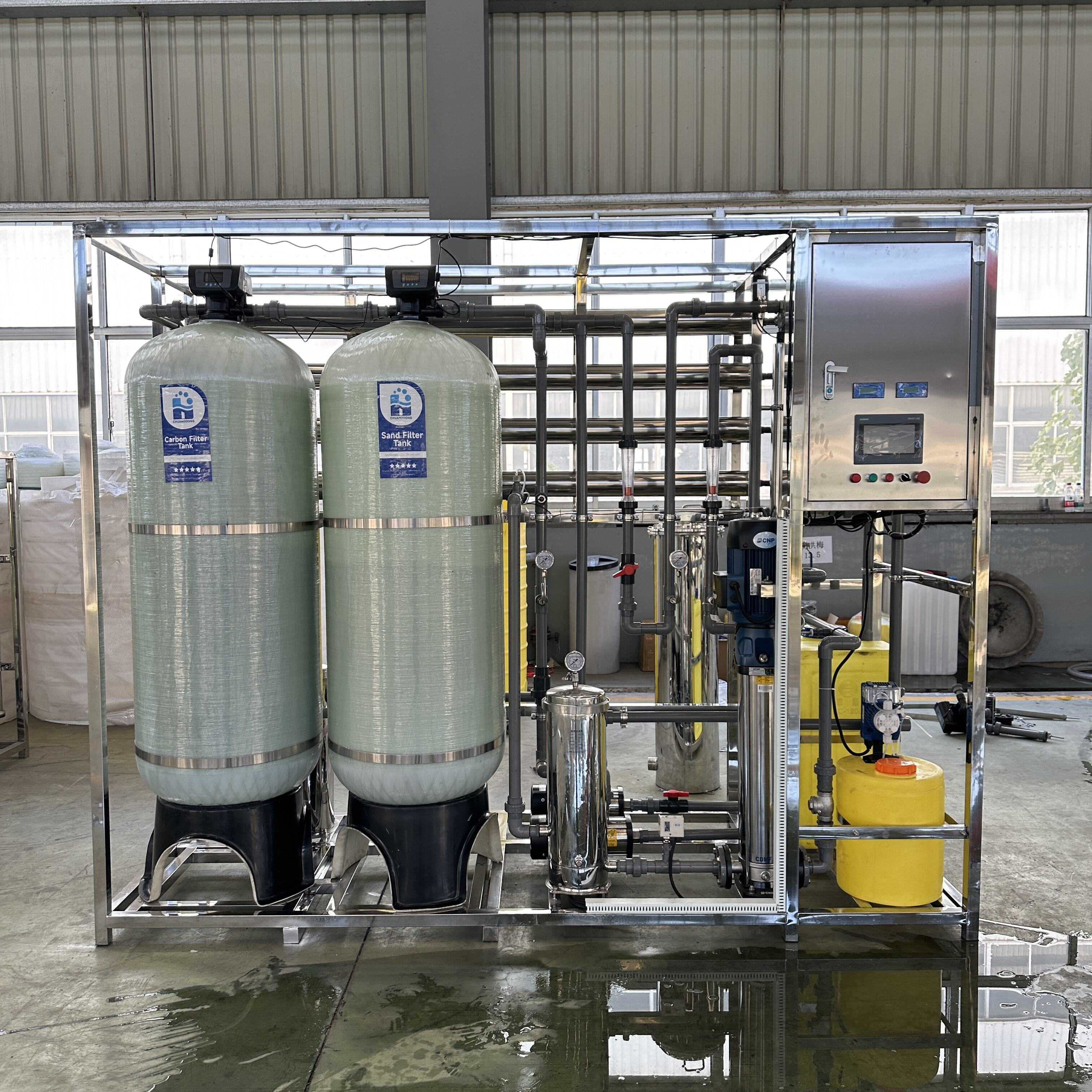
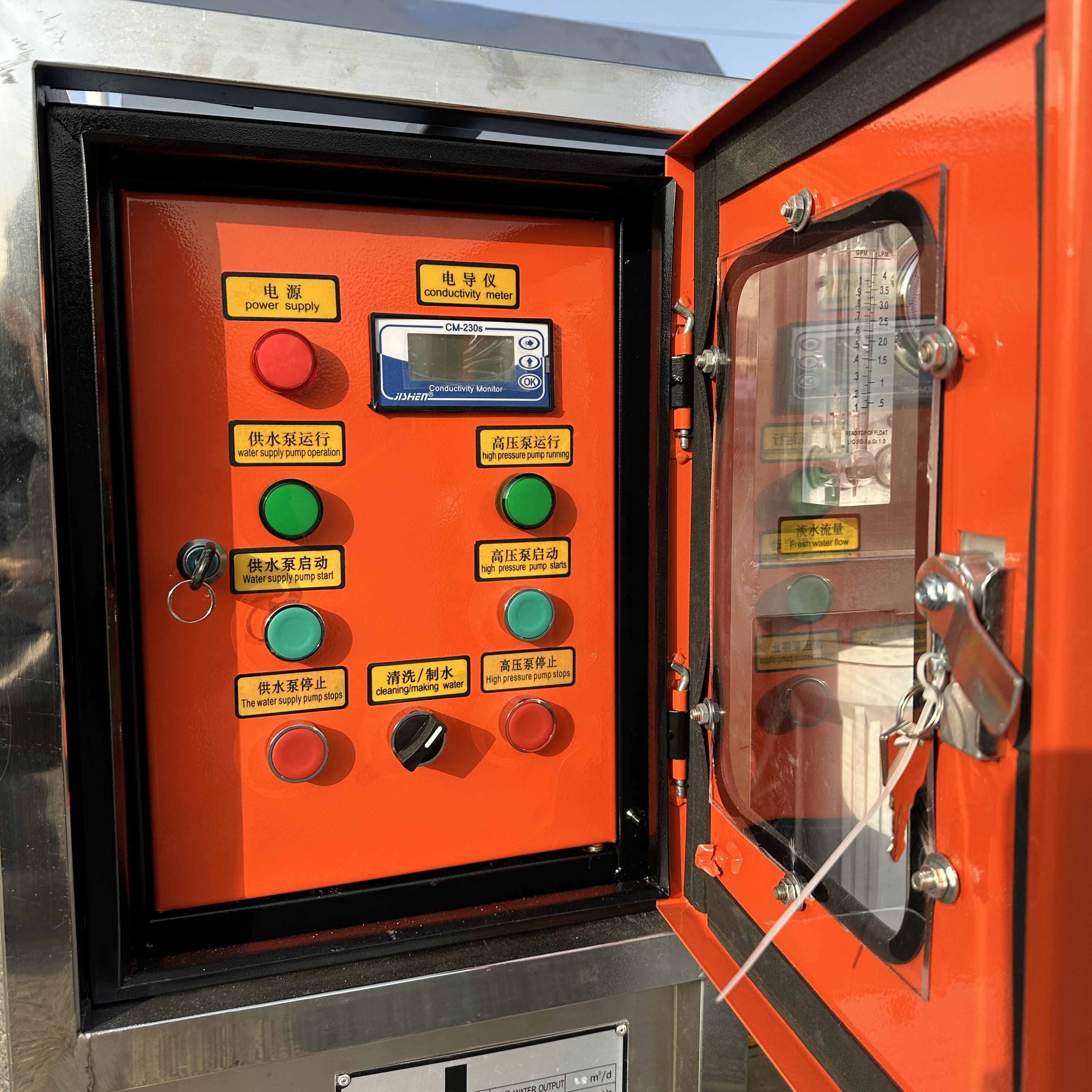
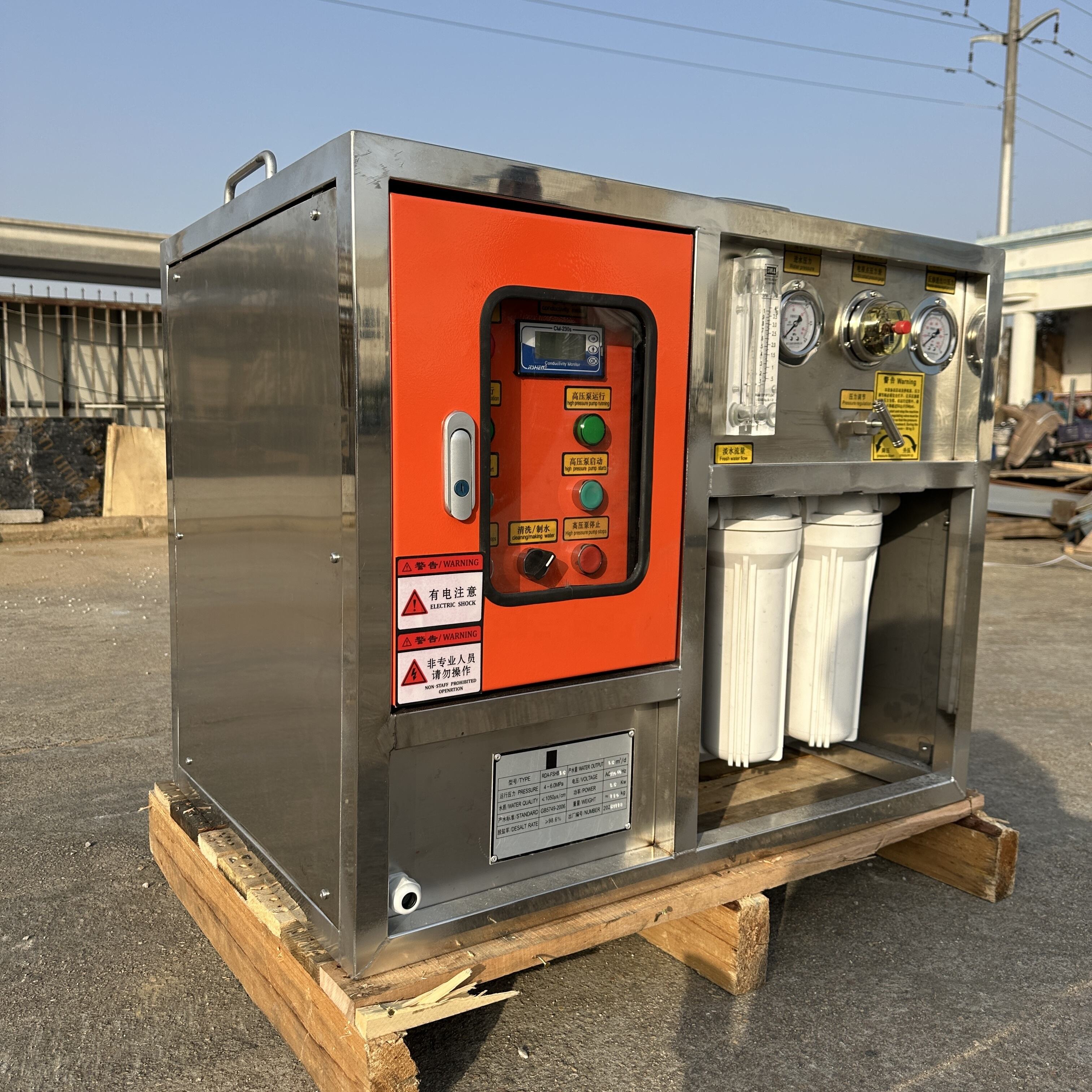
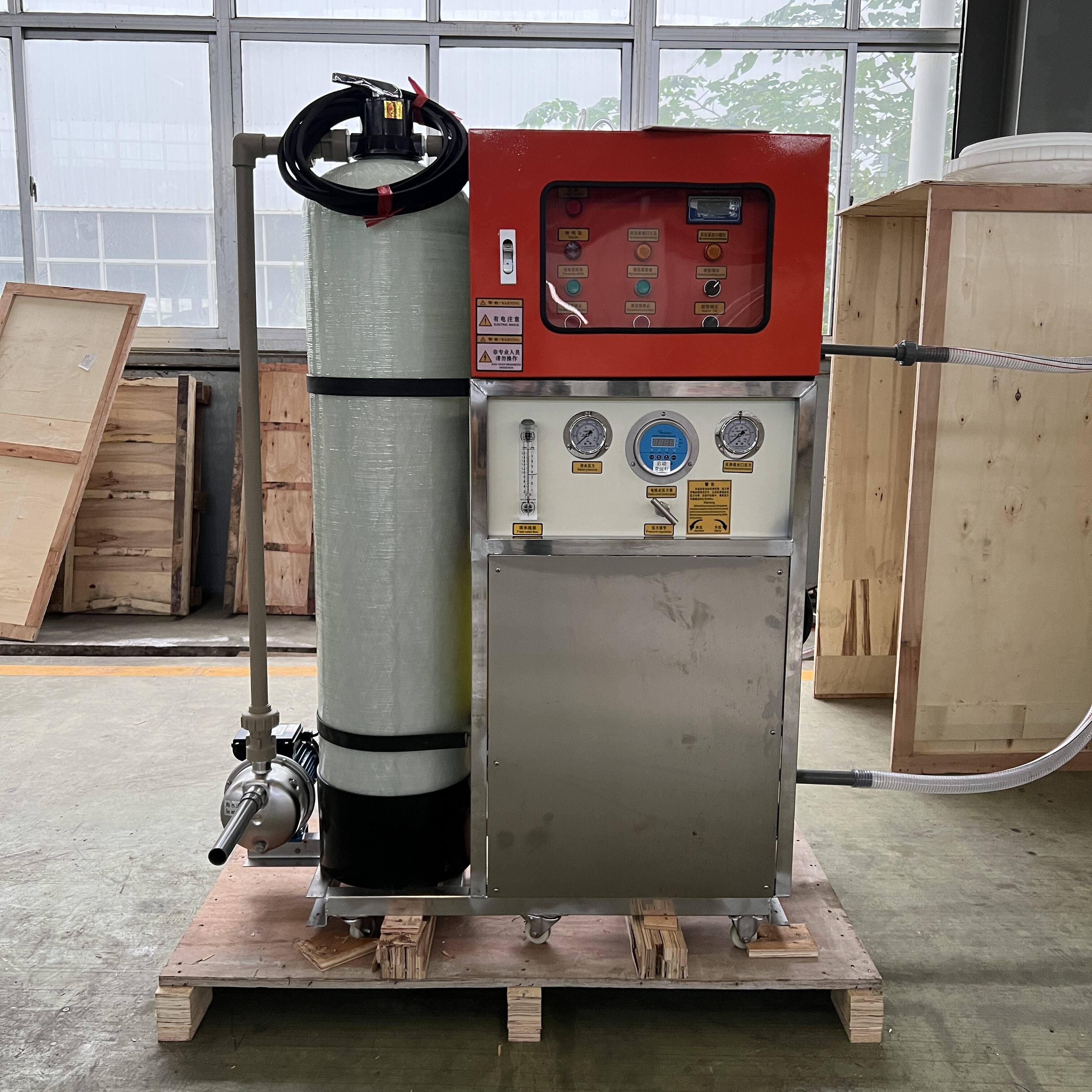
The desalination plant project represents a comprehensive water treatment solution designed to convert seawater and brackish water into fresh, potable water suitable for municipal, industrial, and commercial applications. This advanced water treatment facility employs cutting-edge reverse osmosis technology combined with multi-stage filtration systems to remove salt, minerals, and contaminants from source water. The desalination plant project incorporates automated control systems that monitor water quality parameters continuously, ensuring consistent output and optimal operational efficiency. The facility features modular design architecture that allows for scalable expansion based on growing water demands and regional requirements. Primary functions include seawater intake and pre-treatment, high-pressure membrane filtration, post-treatment stabilization, and distribution preparation. The technological framework integrates energy recovery devices that capture and reuse hydraulic energy from the high-pressure concentrate stream, significantly reducing overall power consumption. Advanced pre-treatment systems remove suspended solids, organic matter, and biological contaminants before the primary desalination process. The desalination plant project utilizes corrosion-resistant materials and specialized coatings to withstand harsh marine environments and ensure long-term durability. Real-time monitoring capabilities provide operators with comprehensive data analytics for predictive maintenance and performance optimization. Applications span across coastal municipalities facing water scarcity, industrial facilities requiring consistent water supply, agricultural operations in arid regions, and emergency water provision during natural disasters. The facility can process varying feed water qualities and adapt to seasonal changes in source water characteristics. Environmental considerations are integrated throughout the design, including brine management systems and marine discharge protocols that minimize ecological impact while maintaining regulatory compliance.

New Products

The desalination plant project delivers exceptional water security benefits by providing communities and industries with a reliable, drought-independent water source that operates continuously regardless of rainfall patterns or traditional freshwater availability. This technology eliminates dependency on depleting groundwater reserves and reduces pressure on existing freshwater ecosystems. Economic advantages include job creation during construction and ongoing operations, stimulating local economies while establishing sustainable water infrastructure. The desalination plant project generates high-quality water that meets or exceeds international drinking water standards, providing consumers with safe, clean water free from natural contaminants and pollutants commonly found in surface water sources. Operational flexibility allows facilities to adjust production capacity based on seasonal demand fluctuations and emergency situations, ensuring adequate supply during peak usage periods. Energy efficiency improvements through modern technology reduce operational costs significantly compared to older desalination systems, making the desalination plant project financially viable for long-term operation. Environmental benefits include reduced strain on natural water bodies and aquifers, allowing ecosystems to recover and maintain ecological balance. The technology supports sustainable development goals by providing access to clean water in water-stressed regions, improving public health outcomes and supporting economic growth. Maintenance requirements are minimized through automated systems and remote monitoring capabilities, reducing operational complexity and staffing needs. The desalination plant project offers scalability advantages, allowing incremental capacity increases without major infrastructure overhauls. Quality consistency ensures reliable water supply for critical applications including hospitals, schools, and essential services. Cost predictability through fixed operational parameters helps communities and businesses plan budgets effectively. The technology provides strategic advantages for coastal regions by utilizing abundant seawater resources while maintaining independence from climate variability. Industrial applications benefit from consistent water quality specifications that support manufacturing processes and cooling systems. Agricultural sectors gain access to irrigation water in arid regions, supporting food security and rural development initiatives.

Tips And Tricks

What Intake and Outfall Designs Minimize Environmental Impact of a Desalination Plant?

01

Mar

What Intake and Outfall Designs Minimize Environmental Impact of a Desalination Plant?

Environmental considerations have become paramount in the design and operation of modern desalination facilities worldwide. As water scarcity continues to challenge communities across the globe, the demand for sustainable desalination plant solutions...
View More
What Corrosion-Resistant Materials Are Used in Desalination Plant Construction?

06

Mar

What Corrosion-Resistant Materials Are Used in Desalination Plant Construction?

Desalination plants operate in some of the harshest environments imaginable, where saltwater constantly threatens the integrity of critical infrastructure. The selection of appropriate corrosion-resistant materials becomes paramount to ensuring long-...
View More
How Does a Water Purification System with Ion Exchange Soften Hard Water Effectively?

15

Mar

How Does a Water Purification System with Ion Exchange Soften Hard Water Effectively?

Hard water poses significant challenges for both residential and commercial applications, containing high concentrations of calcium and magnesium ions that cause scale buildup, reduce equipment efficiency, and affect water quality. A water purificati...
View More
Why Should Pharmaceutical QC Labs Use Ultrapure Water for HPLC and Mass Spectrometry?

18

Mar

Why Should Pharmaceutical QC Labs Use Ultrapure Water for HPLC and Mass Spectrometry?

Pharmaceutical quality control laboratories face increasingly stringent requirements for analytical accuracy and regulatory compliance. The foundation of reliable analytical results lies in the quality of water used throughout testing procedures. Ult...
View More

Get a Free Quote

Our representative will contact you soon.
Email
Name
Company Name
Message
0/1000

desalination plant project

Advanced Energy Recovery Technology

Advanced Energy Recovery Technology

The desalination plant project incorporates state-of-the-art energy recovery devices that revolutionize operational efficiency and significantly reduce power consumption compared to conventional desalination systems. These sophisticated devices capture hydraulic energy from the high-pressure brine discharge stream and transfer it to incoming seawater, reducing the energy required for pressurization by up to 60 percent. This technology represents a major breakthrough in sustainable desalination operations, directly addressing one of the primary concerns associated with large-scale water treatment facilities. The energy recovery system utilizes pressure exchangers and high-efficiency pumps that work in tandem to optimize energy utilization throughout the treatment process. By implementing this advanced technology, the desalination plant project achieves remarkable cost savings in electricity consumption, making the facility economically competitive with traditional water sources. The environmental impact is substantially reduced through lower carbon footprint and decreased demand on electrical grid systems. Plant operators benefit from predictable energy costs and improved profitability margins, while communities enjoy affordable water pricing structures. The technology includes intelligent control systems that automatically adjust energy recovery parameters based on feed water conditions and production requirements, ensuring optimal performance under varying operational scenarios. Maintenance intervals are extended through robust design and high-quality components, reducing operational disruptions and associated costs. The energy recovery system contributes to the overall reliability of the desalination plant project by providing consistent performance and minimizing dependency on external energy fluctuations. This technological advancement positions the facility as a sustainable solution for long-term water security while supporting environmental stewardship goals.
Intelligent Automation and Remote Monitoring

Intelligent Automation and Remote Monitoring

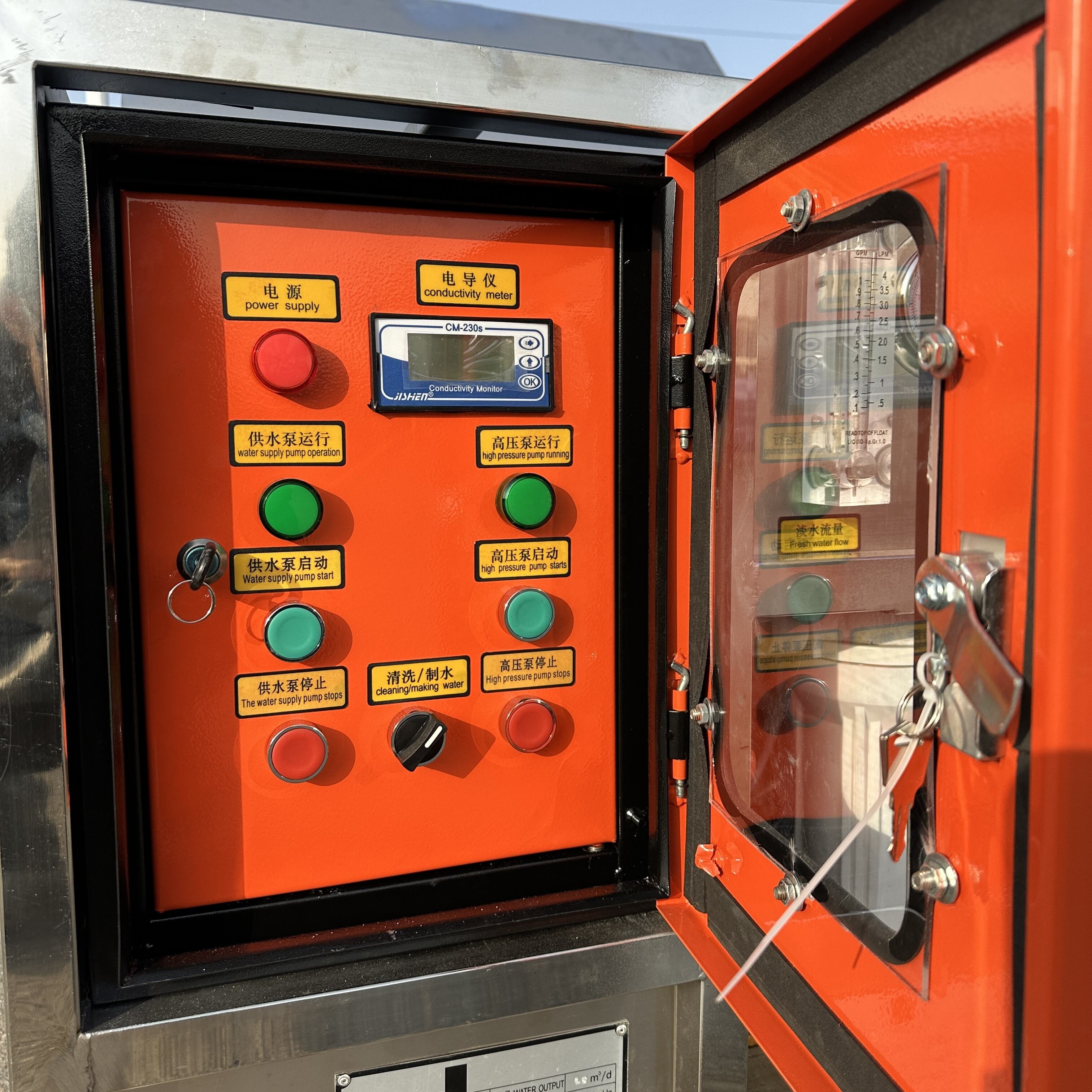
The desalination plant project features comprehensive automation systems that enable remote monitoring and control capabilities, transforming traditional water treatment operations into smart, efficient facilities that require minimal on-site personnel. This intelligent infrastructure incorporates advanced sensors, programmable logic controllers, and cloud-based analytics platforms that continuously monitor water quality parameters, system performance, and operational efficiency metrics. Operators can access real-time data and control critical processes from anywhere in the world, ensuring immediate response to any operational changes or maintenance requirements. The automation system includes predictive maintenance algorithms that analyze equipment performance trends and identify potential issues before they impact production capacity. This proactive approach prevents costly downtime and extends equipment lifespan while maintaining consistent water output quality. The desalination plant project benefits from integrated alarm systems that notify operators of any parameter deviations, enabling rapid corrective actions to maintain optimal performance standards. Remote diagnostic capabilities allow technical experts to troubleshoot systems without physically visiting the facility, reducing response times and operational costs. Data logging and reporting functions provide comprehensive documentation for regulatory compliance and performance analysis. The intelligent system optimizes chemical dosing, membrane cleaning cycles, and energy consumption based on real-time conditions and historical performance data. Machine learning algorithms continuously improve system efficiency by analyzing operational patterns and implementing automatic adjustments. Cybersecurity protocols protect the automated systems from unauthorized access while maintaining reliable communication channels. The automation technology reduces human error risks and ensures consistent operation quality regardless of operator experience levels. Integration with existing municipal or industrial control systems provides seamless operation within broader infrastructure networks.
Modular Design and Scalability Solutions

Modular Design and Scalability Solutions

The desalination plant project employs innovative modular design principles that provide unprecedented flexibility for capacity expansion and system customization to meet evolving water demand requirements. This architectural approach allows facilities to begin operations at smaller scales and systematically increase production capacity through the addition of standardized treatment modules without disrupting existing operations. Each module contains complete treatment trains including pre-treatment, reverse osmosis membranes, and post-treatment systems, enabling independent operation and maintenance scheduling. The modular configuration reduces initial capital investment requirements by allowing phased construction approaches that align with budget availability and demand growth patterns. Construction timelines are significantly shortened through factory pre-fabrication of modules, reducing on-site installation time and associated costs. Quality control is enhanced through standardized manufacturing processes and comprehensive testing before module deployment. The desalination plant project benefits from simplified maintenance procedures as individual modules can be isolated for service while other units continue operation, ensuring uninterrupted water supply. Spare module inventory provides immediate backup capacity during emergency situations or planned maintenance periods. Technology upgrades are easily implemented by replacing individual modules with enhanced systems, protecting long-term investment value. Transportation advantages include the ability to ship modules to remote locations and challenging installation sites where traditional construction methods would be impractical. Standardization reduces training requirements for operational personnel and simplifies procurement of replacement parts and consumables. The modular approach supports diverse application scenarios from small community systems to large industrial complexes, making the desalination plant project suitable for various market segments. Economic benefits include reduced engineering costs through proven designs and economies of scale in module manufacturing. Financing flexibility allows customers to match capital expenditure with revenue generation and population growth projections.

Get a Free Quote

Our representative will contact you soon.
Email
Name
Company Name
Message
0/1000