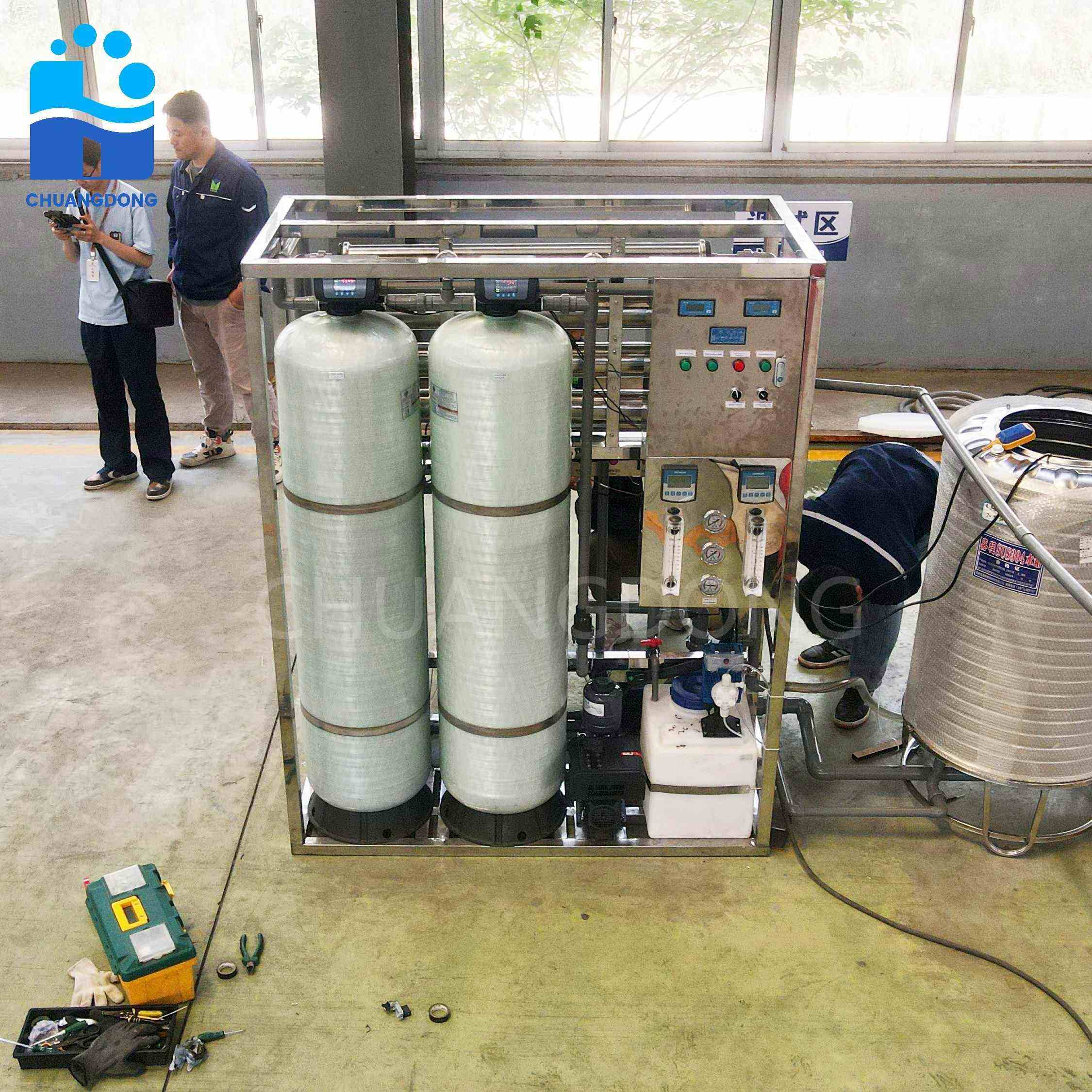
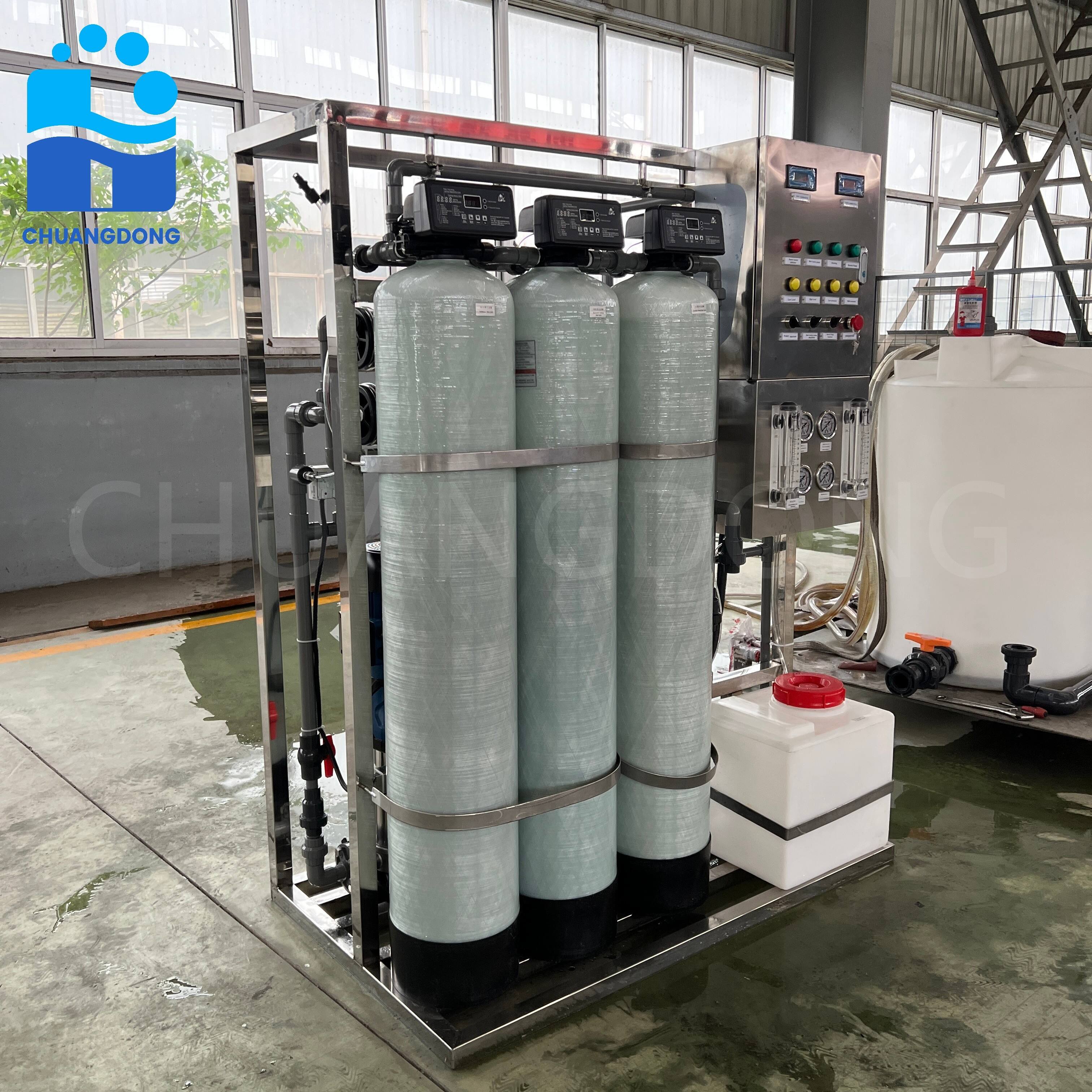
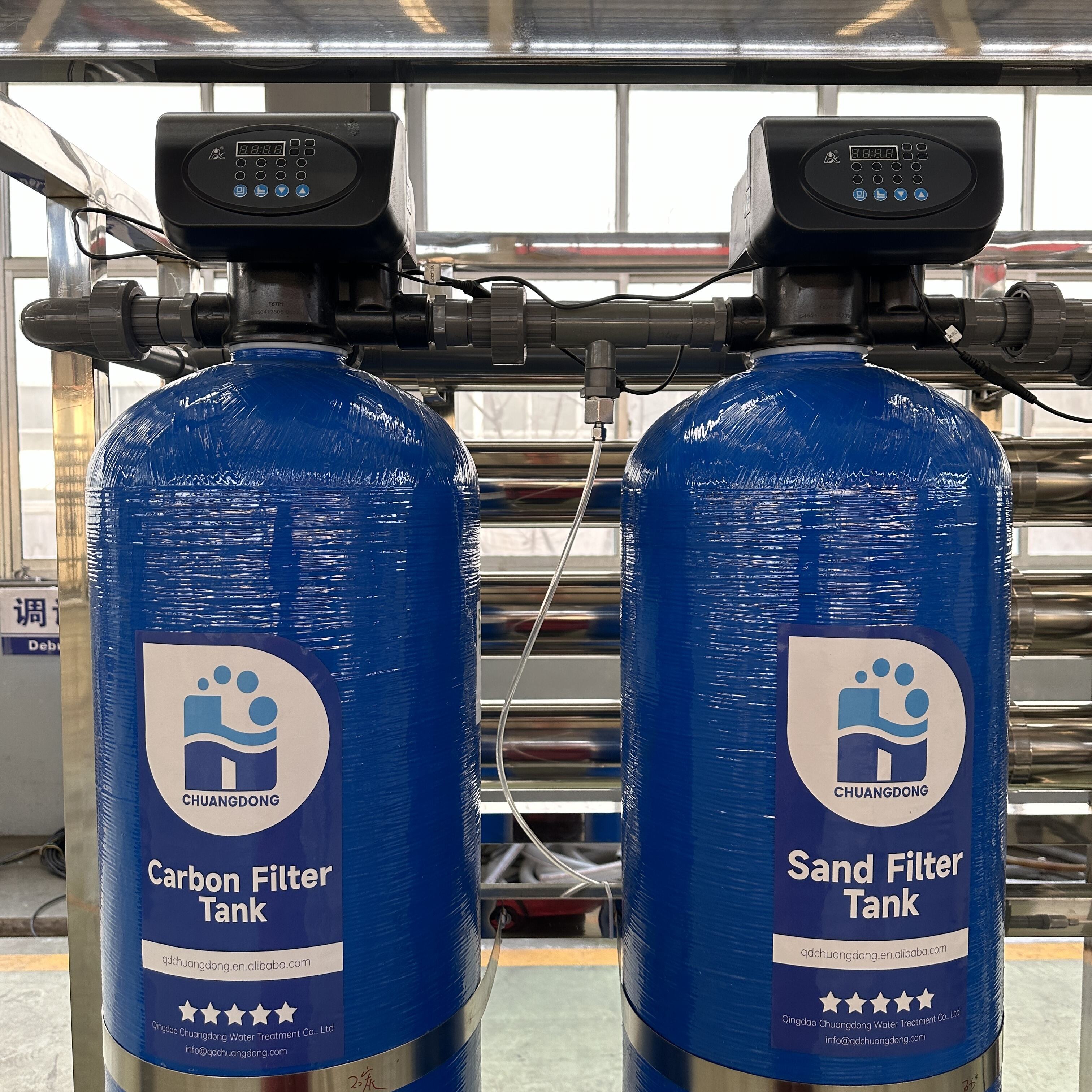
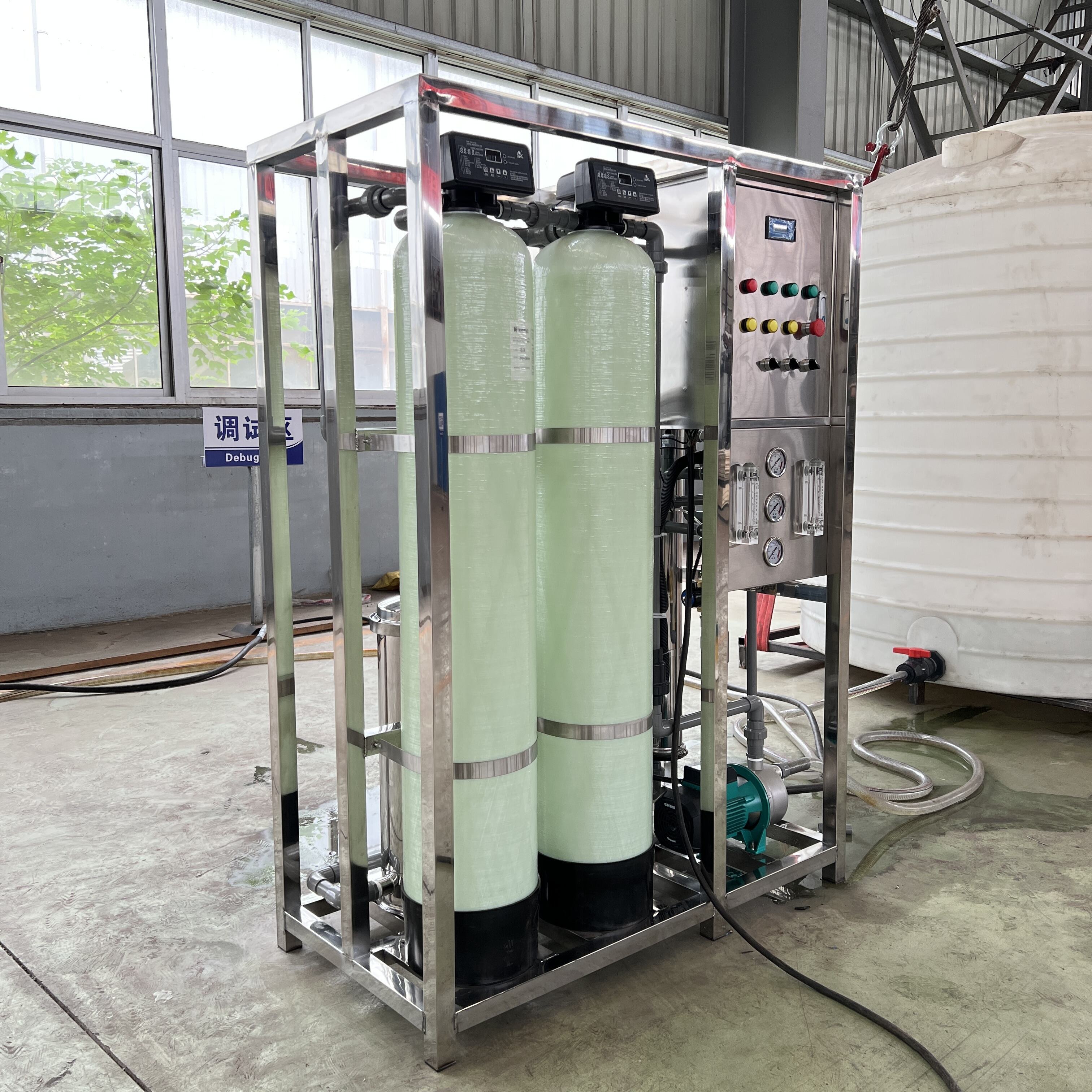
Advanced Ultrapure Water Equipment - Superior Purification Technology for Critical Industries

Get a Free Quote

Our representative will contact you soon.
Email
Name
Company Name
Message
0/1000

ultrapure water equipment

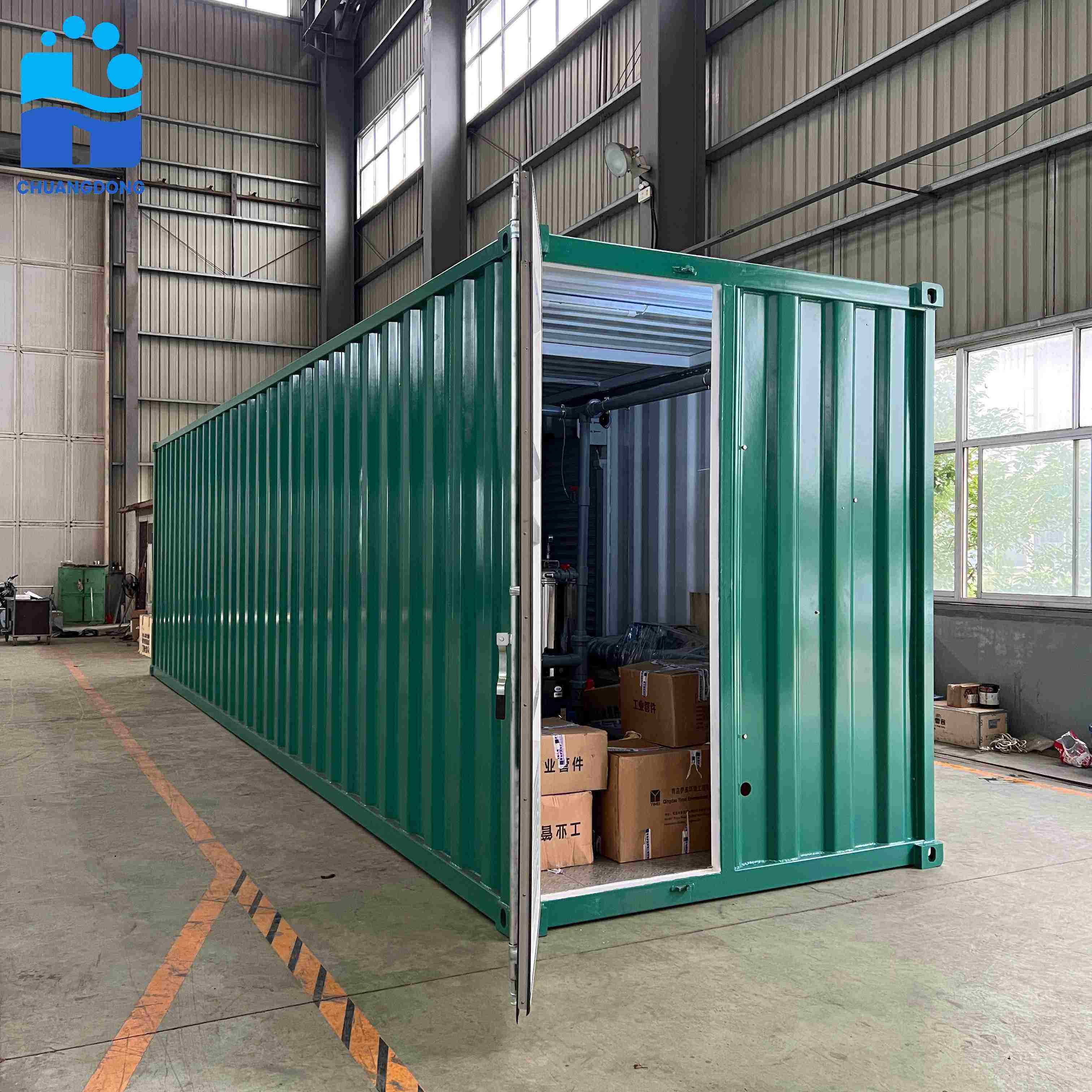
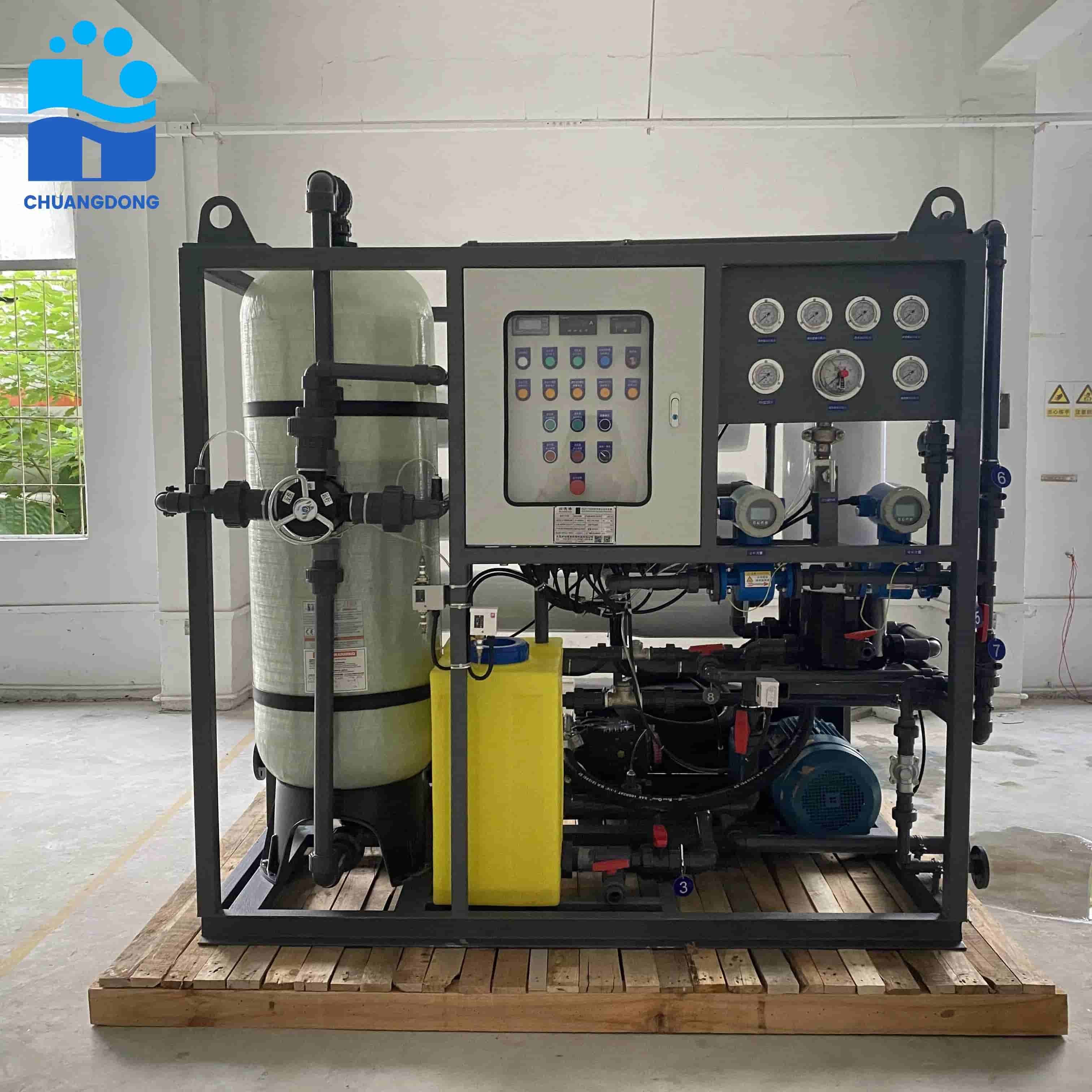
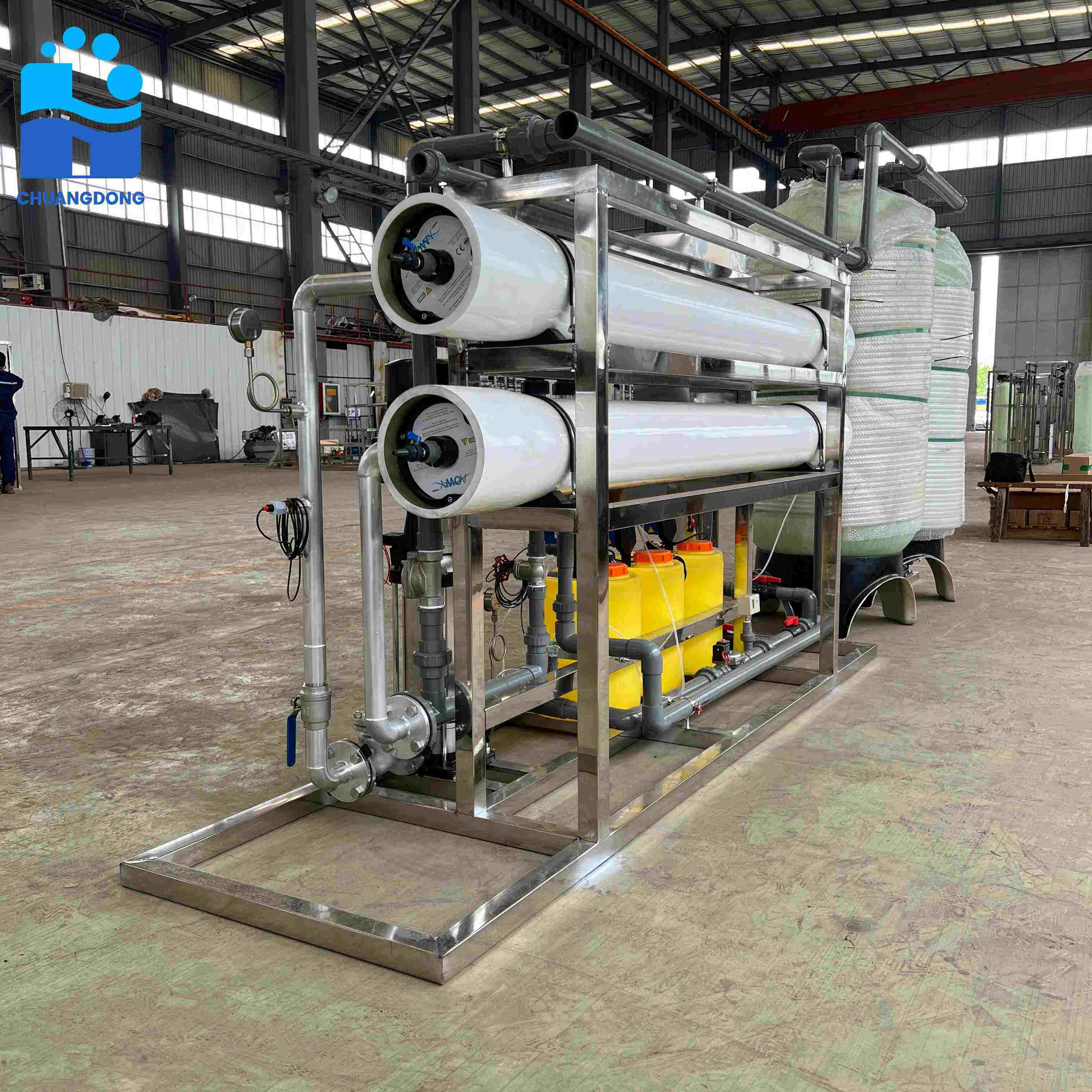
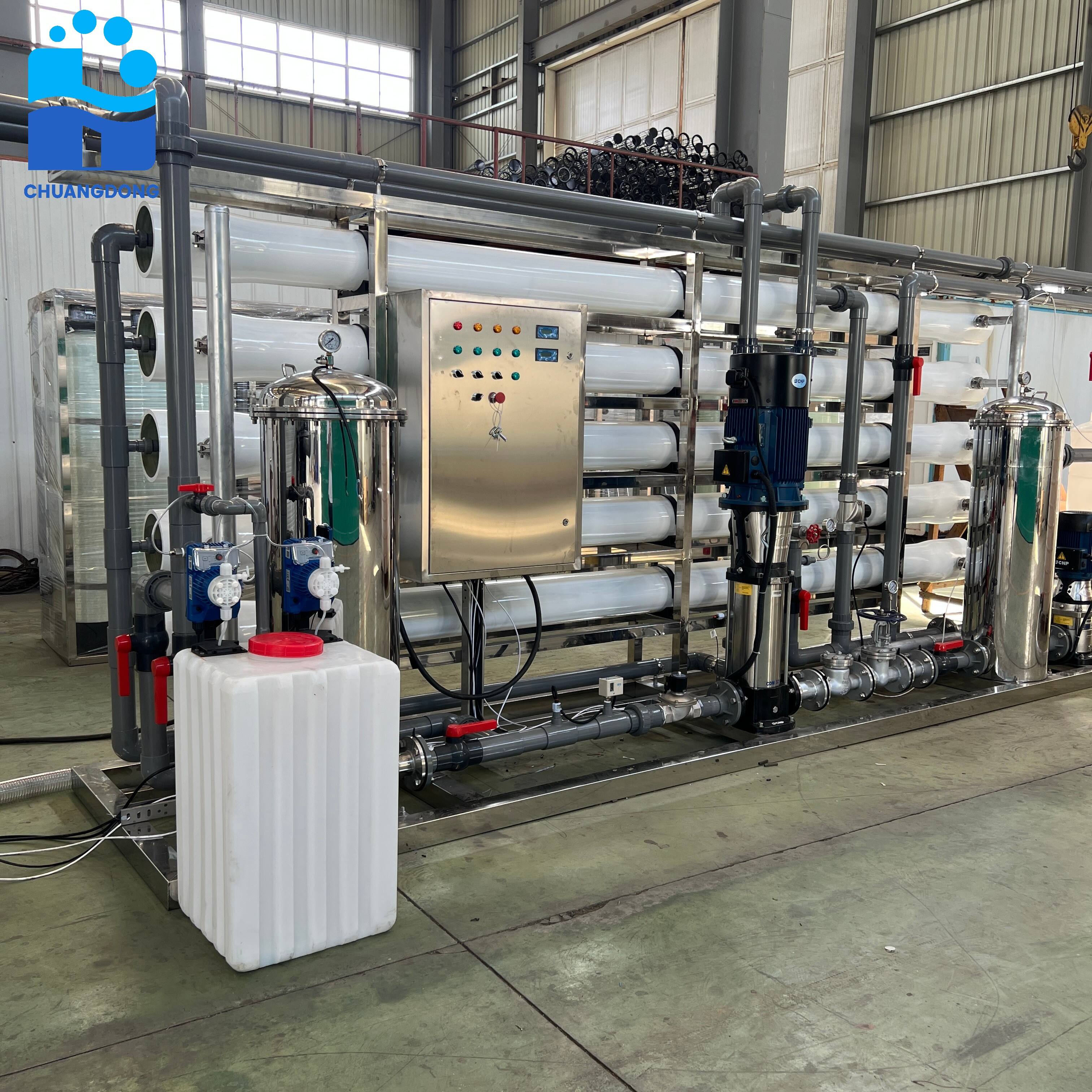
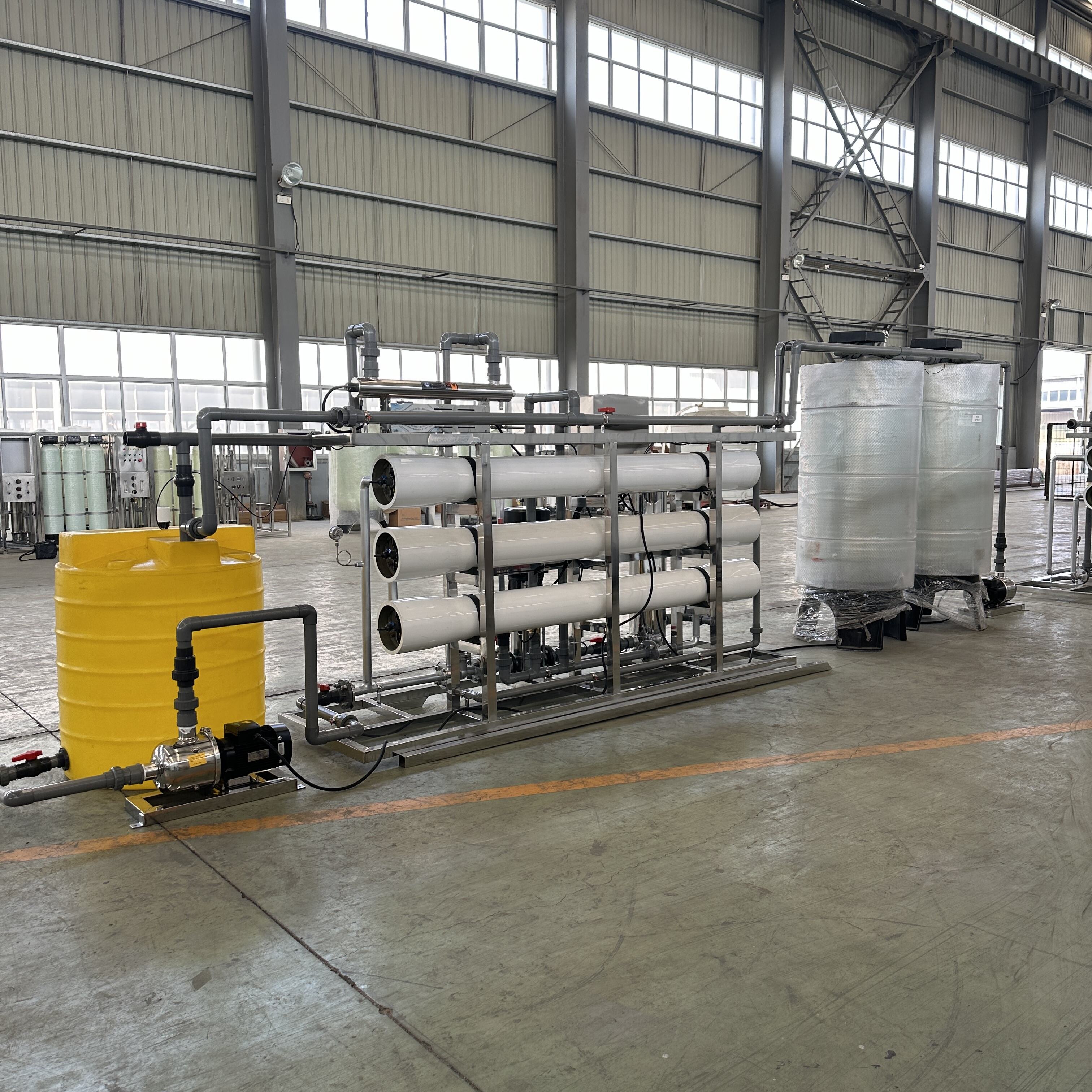
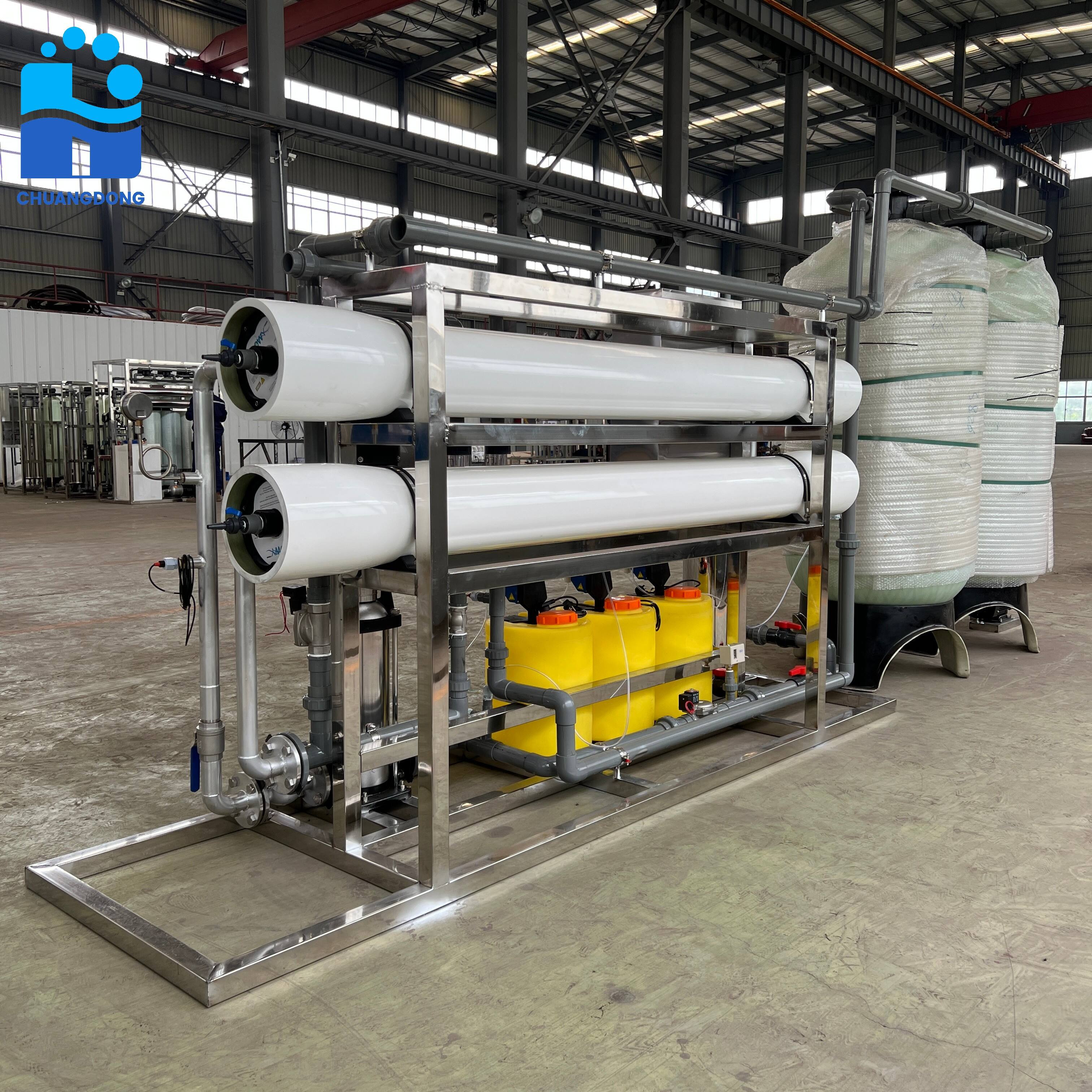
Ultrapure water equipment represents cutting-edge filtration technology designed to produce water with exceptional purity levels, typically achieving resistivity values exceeding 18.2 megohm-cm. These sophisticated systems combine multiple purification stages to eliminate virtually all contaminants, including dissolved solids, organic compounds, bacteria, and particulate matter. The core functionality revolves around removing impurities to parts-per-billion levels, making ultrapure water equipment essential for industries requiring the highest water quality standards. Modern ultrapure water equipment integrates advanced reverse osmosis membranes, electrodeionization modules, and ultraviolet sterilization components. These technological features work synergistically to ensure consistent water purity while maintaining operational efficiency. The equipment typically includes pre-treatment stages featuring sediment filtration and activated carbon adsorption, followed by primary reverse osmosis processing. Secondary purification involves mixed-bed ion exchange resins and continuous electrodeionization technology, which removes residual ionic contaminants without chemical regeneration requirements. The applications for ultrapure water equipment span numerous critical industries. Semiconductor manufacturing facilities rely on these systems to prevent contamination during chip production processes. Pharmaceutical companies utilize ultrapure water equipment for drug formulation and equipment cleaning protocols. Laboratory environments depend on consistent water purity for analytical testing and research applications. Power generation plants employ ultrapure water equipment to protect boiler systems from corrosion and scaling. The biotechnology sector requires ultrapure water equipment for cell culture media preparation and protein purification processes. Healthcare facilities use these systems for dialysis treatment and surgical instrument sterilization. The equipment's modular design allows customization based on specific flow rate requirements and purity specifications, ensuring optimal performance across diverse operational environments while maintaining cost-effectiveness and reliability.

New Product Releases

Ultrapure water equipment delivers significant operational benefits that directly impact productivity and cost-effectiveness across multiple industries. These systems reduce maintenance requirements compared to traditional water treatment methods by eliminating the need for frequent chemical regeneration cycles. The continuous electrodeionization technology maintains consistent performance without downtime for resin regeneration, ensuring uninterrupted production schedules. This reliability translates into improved operational efficiency and reduced labor costs associated with system maintenance. The equipment provides exceptional contamination control, protecting sensitive manufacturing processes from water-related defects. This protection reduces product rejection rates and minimizes costly rework procedures. Companies experience substantial savings through improved yield rates and enhanced product quality consistency. The automated monitoring systems integrated into ultrapure water equipment provide real-time performance data, enabling proactive maintenance scheduling and preventing unexpected system failures. Energy efficiency represents another significant advantage of modern ultrapure water equipment. Advanced pump designs and optimized membrane configurations reduce power consumption while maintaining high production rates. The systems achieve lower operating costs through reduced energy usage and extended component lifecycles. Water recovery rates often exceed 85 percent, minimizing waste and reducing source water requirements. This efficiency supports sustainability initiatives while controlling operational expenses. The compact footprint of ultrapure water equipment maximizes facility space utilization, allowing installation in constrained environments without compromising performance. Modular construction enables easy expansion as production requirements grow, protecting initial investment while accommodating future needs. The equipment integrates seamlessly with existing facility infrastructure, minimizing installation complexity and associated costs. Quality assurance capabilities built into ultrapure water equipment provide comprehensive documentation for regulatory compliance requirements. Automated data logging systems maintain detailed records of water quality parameters, supporting audit procedures and quality certification processes. The systems meet stringent pharmaceutical and semiconductor industry standards, ensuring products manufactured with this water quality achieve required specifications. Remote monitoring capabilities allow facility managers to oversee multiple systems from centralized control rooms, improving operational oversight while reducing staffing requirements. These advantages combine to deliver measurable return on investment through reduced operating costs, improved product quality, and enhanced operational reliability.

Tips And Tricks

What Intake and Outfall Designs Minimize Environmental Impact of a Desalination Plant?

01

Mar

What Intake and Outfall Designs Minimize Environmental Impact of a Desalination Plant?

Environmental considerations have become paramount in the design and operation of modern desalination facilities worldwide. As water scarcity continues to challenge communities across the globe, the demand for sustainable desalination plant solutions...
View More
What Corrosion-Resistant Materials Are Used in Desalination Plant Construction?

06

Mar

What Corrosion-Resistant Materials Are Used in Desalination Plant Construction?

Desalination plants operate in some of the harshest environments imaginable, where saltwater constantly threatens the integrity of critical infrastructure. The selection of appropriate corrosion-resistant materials becomes paramount to ensuring long-...
View More
How Does an RO Water Filter with a UV Sterilizer Provide Additional Protection Against Bacteria?

10

Mar

How Does an RO Water Filter with a UV Sterilizer Provide Additional Protection Against Bacteria?

Water contamination remains one of the most pressing concerns for homeowners and businesses seeking reliable water purification solutions. While traditional filtration methods offer basic protection, modern water treatment technology has evolved to p...
View More
Why Should Pharmaceutical QC Labs Use Ultrapure Water for HPLC and Mass Spectrometry?

18

Mar

Why Should Pharmaceutical QC Labs Use Ultrapure Water for HPLC and Mass Spectrometry?

Pharmaceutical quality control laboratories face increasingly stringent requirements for analytical accuracy and regulatory compliance. The foundation of reliable analytical results lies in the quality of water used throughout testing procedures. Ult...
View More

Get a Free Quote

Our representative will contact you soon.
Email
Name
Company Name
Message
0/1000

ultrapure water equipment

Advanced Multi-Stage Purification Technology

Advanced Multi-Stage Purification Technology

The sophisticated multi-stage purification process sets ultrapure water equipment apart from conventional filtration systems through its comprehensive contamination removal capabilities. This technology integrates sequential treatment stages that address specific contaminant categories, ensuring thorough purification at each processing level. The initial pre-treatment stage removes large particulates and chlorine compounds that could damage downstream components, extending system lifespan and maintaining optimal performance. Primary reverse osmosis membranes eliminate dissolved salts, organic molecules, and microorganisms, achieving rejection rates exceeding 99 percent for most contaminants. The electrodeionization stage represents the pinnacle of purification technology, combining ion exchange resins with electrical regeneration to remove residual ionic species without chemical additives. This continuous process maintains consistent water quality while eliminating the operational disruptions associated with traditional regeneration cycles. Ultraviolet sterilization components provide final biological contamination control, ensuring microorganism destruction without introducing chemical disinfectants that could compromise water purity. The synergistic effect of these combined technologies produces water quality that surpasses industry standards for critical applications. Real-time monitoring systems track performance parameters throughout each purification stage, providing immediate feedback on system efficiency and enabling predictive maintenance strategies. This comprehensive approach to water purification delivers reliability that manufacturing facilities depend on for consistent product quality. The technology's modular design allows optimization for specific contamination profiles, ensuring efficient operation across diverse applications while maintaining cost-effectiveness. Advanced control systems automatically adjust operating parameters based on source water conditions and production requirements, maximizing efficiency while minimizing operator intervention. This intelligent operation reduces training requirements and potential human error while maintaining optimal performance standards.
Superior Cost-Effectiveness and Operational Efficiency

Superior Cost-Effectiveness and Operational Efficiency

Ultrapure water equipment delivers exceptional cost-effectiveness through reduced operational expenses and enhanced productivity compared to alternative purification methods. The elimination of chemical regeneration requirements significantly reduces ongoing operational costs while minimizing environmental impact through reduced chemical usage and waste generation. Continuous electrodeionization technology maintains consistent performance without production interruptions for maintenance procedures, maximizing facility uptime and production capacity. Energy-efficient designs incorporate variable frequency drives and optimized pump configurations that automatically adjust power consumption based on demand, resulting in substantial utility cost savings. Water recovery rates exceeding 85 percent minimize source water consumption and reduce wastewater disposal costs, supporting both environmental sustainability and operational economy. The extended component lifecycles achieved through advanced materials and optimized operating conditions reduce replacement part expenses and maintenance labor requirements. Automated monitoring and control systems minimize operator intervention while providing comprehensive performance data for optimization purposes. These systems detect performance variations before they impact water quality, enabling proactive maintenance that prevents costly emergency repairs and production disruptions. The modular construction approach allows phased capacity expansion without replacing existing equipment, protecting initial investments while accommodating growth requirements. This scalability ensures optimal capital utilization throughout changing production demands. Comprehensive warranty programs and reliable technical support minimize ownership risks while ensuring long-term operational success. The equipment's ability to consistently meet stringent quality specifications reduces product rejection rates and associated costs, directly improving manufacturing profitability. Remote monitoring capabilities enable centralized management of multiple systems, optimizing maintenance resources and reducing staffing requirements. The combination of reduced operating costs, improved reliability, and enhanced productivity creates measurable return on investment that justifies the initial capital expenditure while providing ongoing operational benefits.
Comprehensive Quality Assurance and Regulatory Compliance

Comprehensive Quality Assurance and Regulatory Compliance

Ultrapure water equipment incorporates comprehensive quality assurance features that ensure consistent compliance with stringent regulatory requirements across pharmaceutical, semiconductor, and biotechnology industries. Advanced monitoring systems continuously track critical water quality parameters including resistivity, total organic carbon, bioburden levels, and particulate counts, providing real-time verification of specification compliance. Automated data logging capabilities maintain detailed records of all quality parameters with timestamp accuracy, supporting audit requirements and regulatory documentation needs. The systems meet FDA, USP, and semiconductor industry standards for water quality, ensuring products manufactured with this water achieve required certifications. Built-in alert systems immediately notify operators of any parameter deviations, enabling rapid response to prevent non-conforming product production. Validation protocols integrated into the equipment design facilitate qualification procedures required for regulated industries, reducing commissioning time and associated costs. The systems provide comprehensive documentation packages including material certifications, performance test results, and validation support materials necessary for regulatory submissions. Multiple sampling points throughout the purification process enable thorough quality verification and troubleshooting capabilities when required. Redundant monitoring systems ensure continuous quality oversight even during maintenance procedures on primary instruments. The equipment design incorporates sanitary construction principles with smooth surfaces, proper drainage, and minimal dead space to prevent biofilm formation and facilitate cleaning procedures. Regular automated sanitization cycles maintain microbiological control without operator intervention, ensuring consistent compliance with bioburden specifications. Traceability features track water quality from production through distribution, enabling comprehensive quality investigation capabilities when required. The systems integrate seamlessly with laboratory information management systems, streamlining quality data management and reporting procedures. This comprehensive approach to quality assurance provides confidence in regulatory compliance while minimizing the administrative burden associated with documentation requirements, ensuring operational efficiency without compromising quality standards or regulatory obligations.

Get a Free Quote

Our representative will contact you soon.
Email
Name
Company Name
Message
0/1000