ultrapure water purification
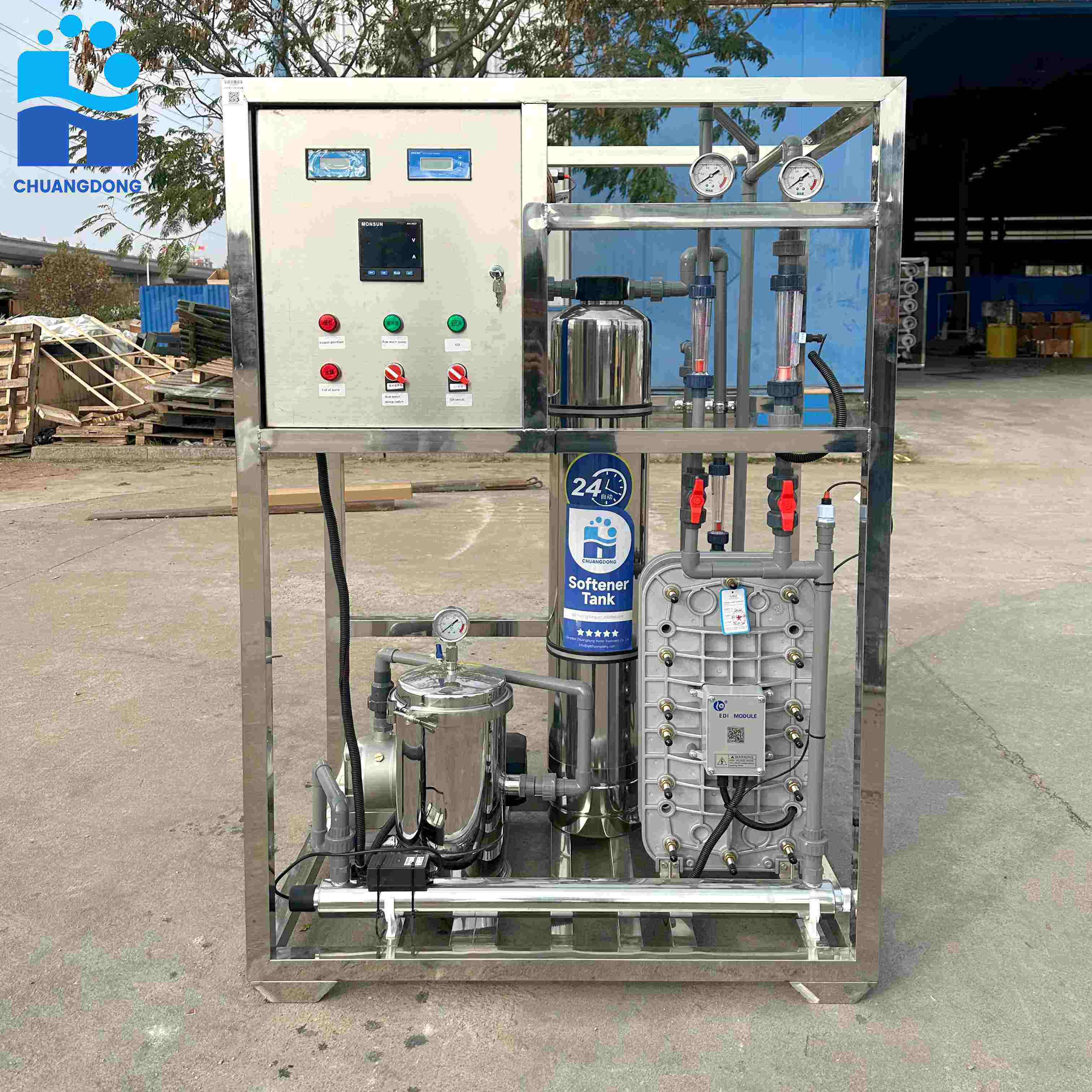
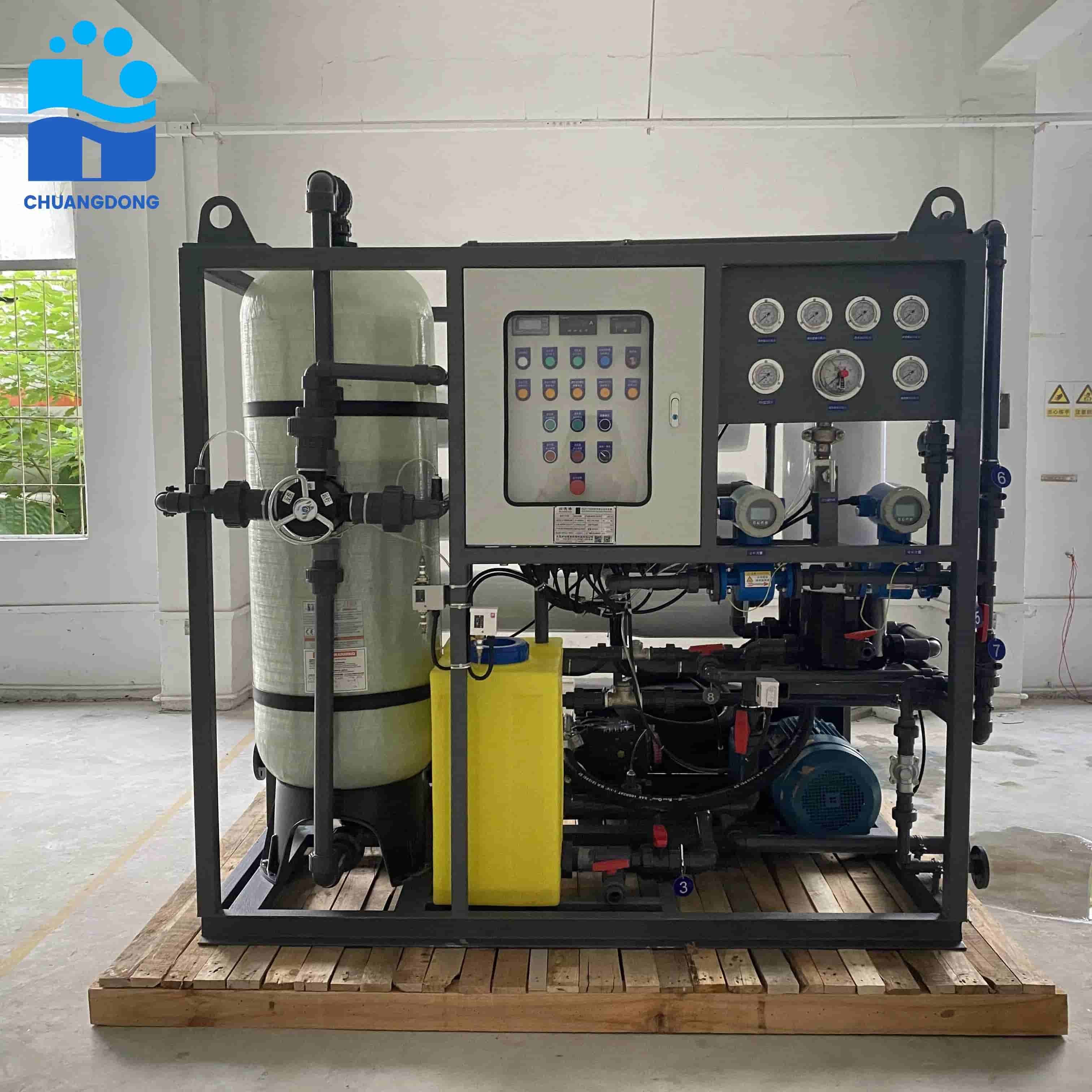
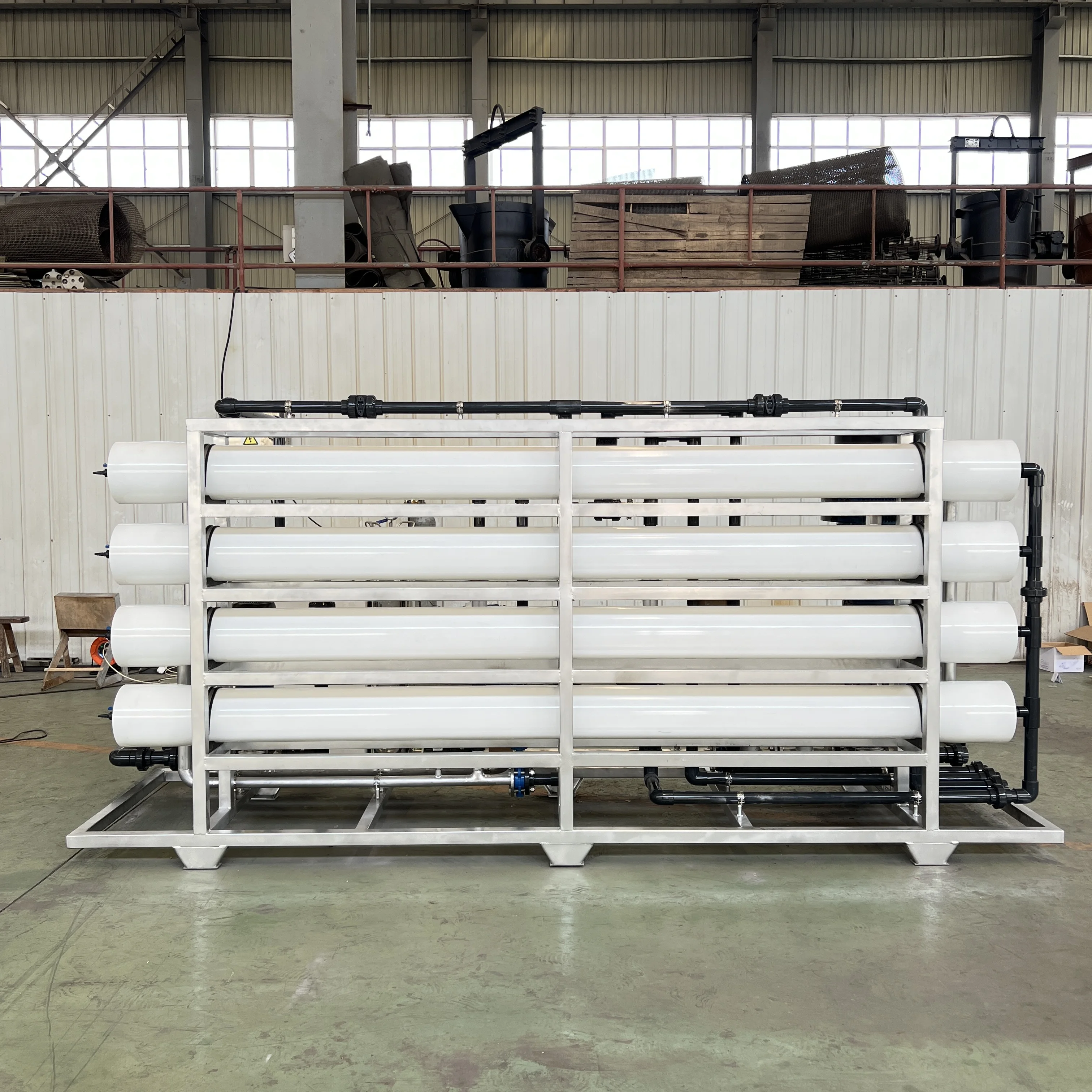
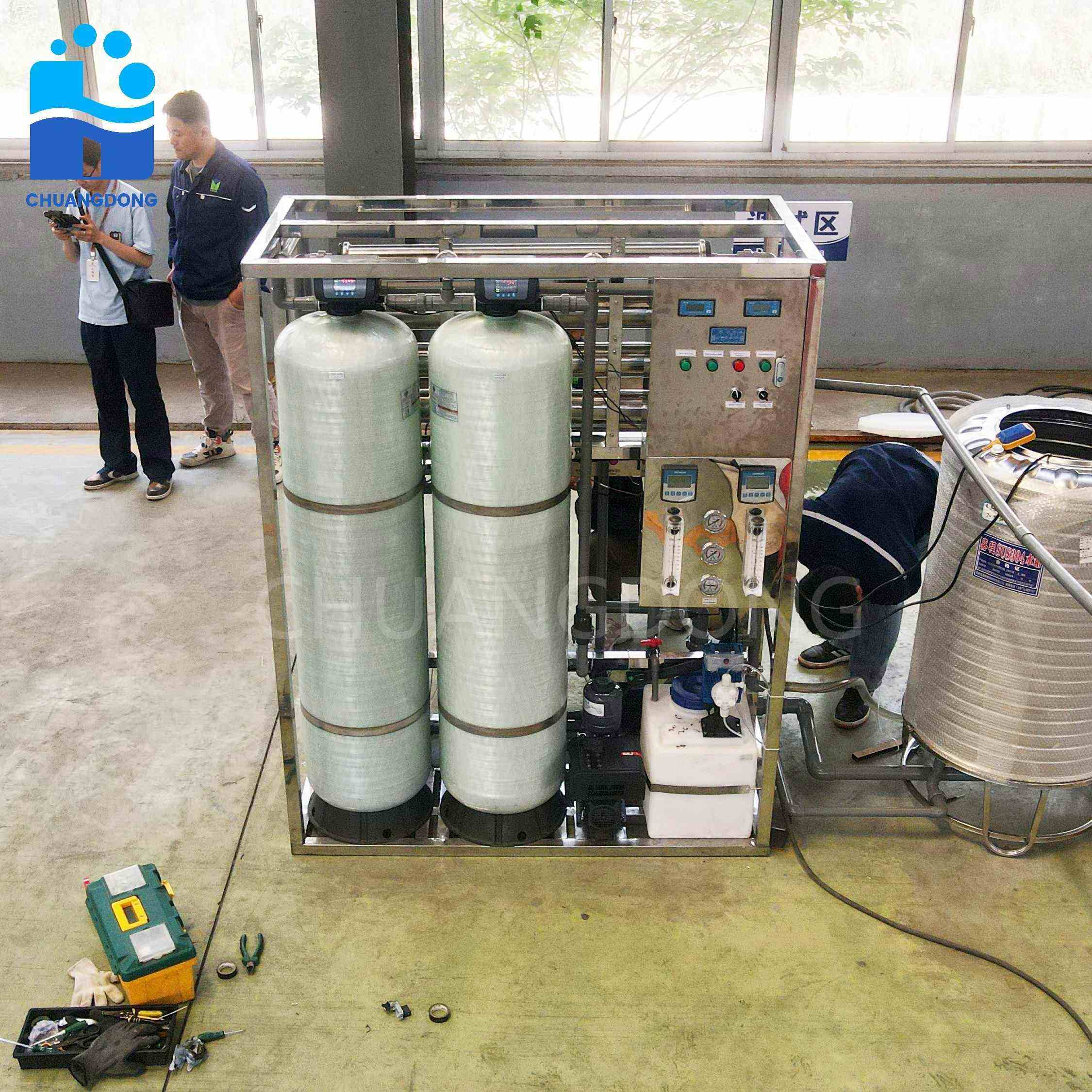
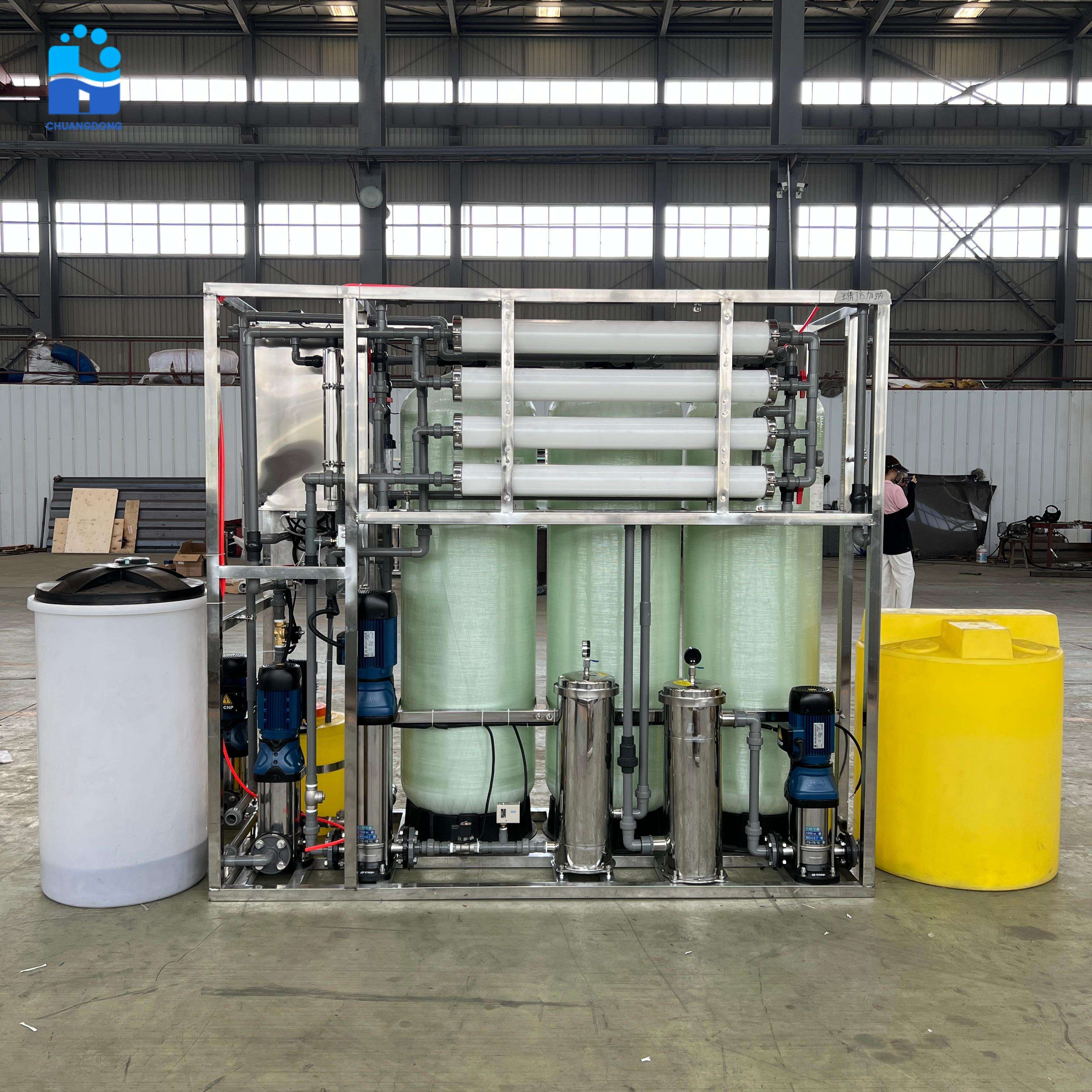
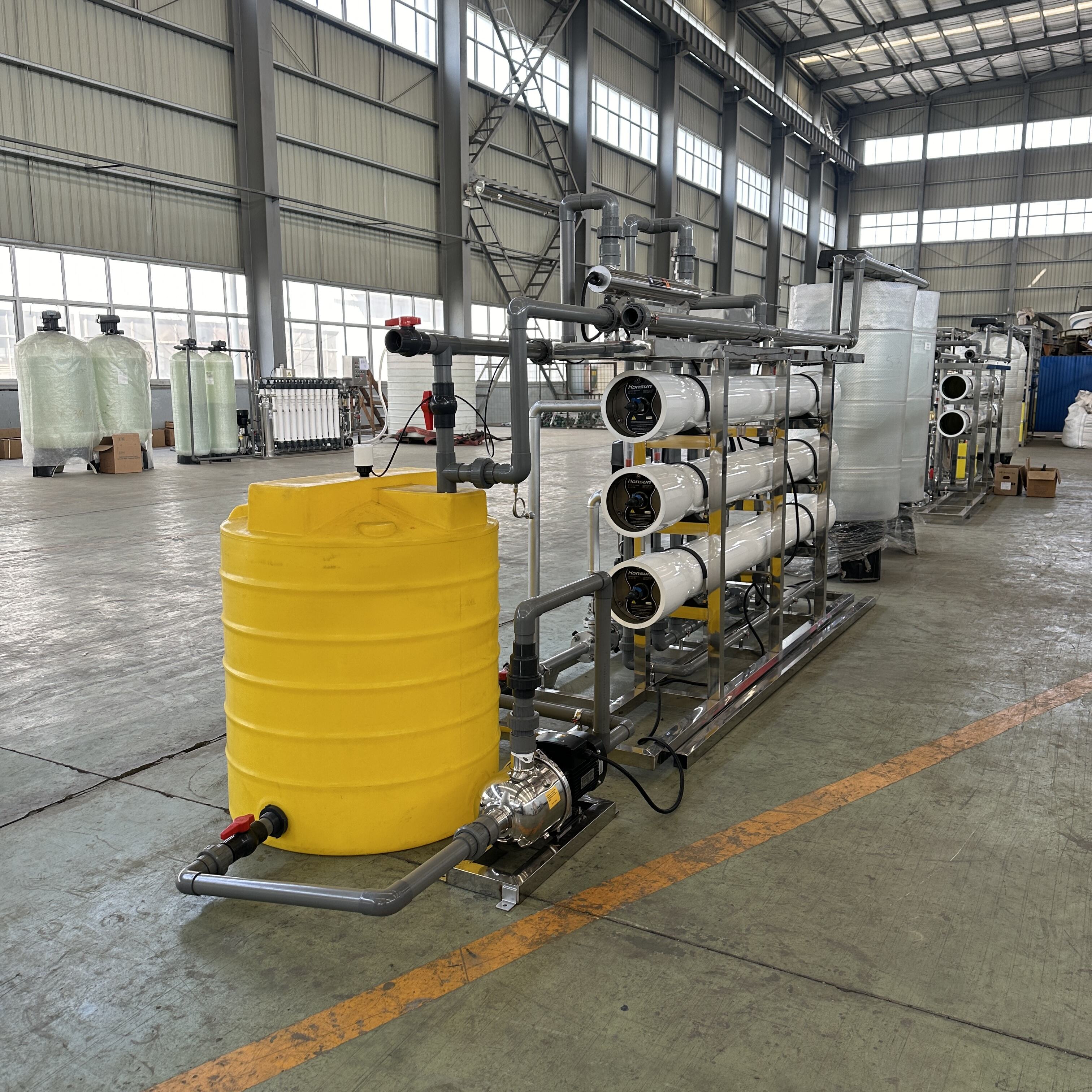
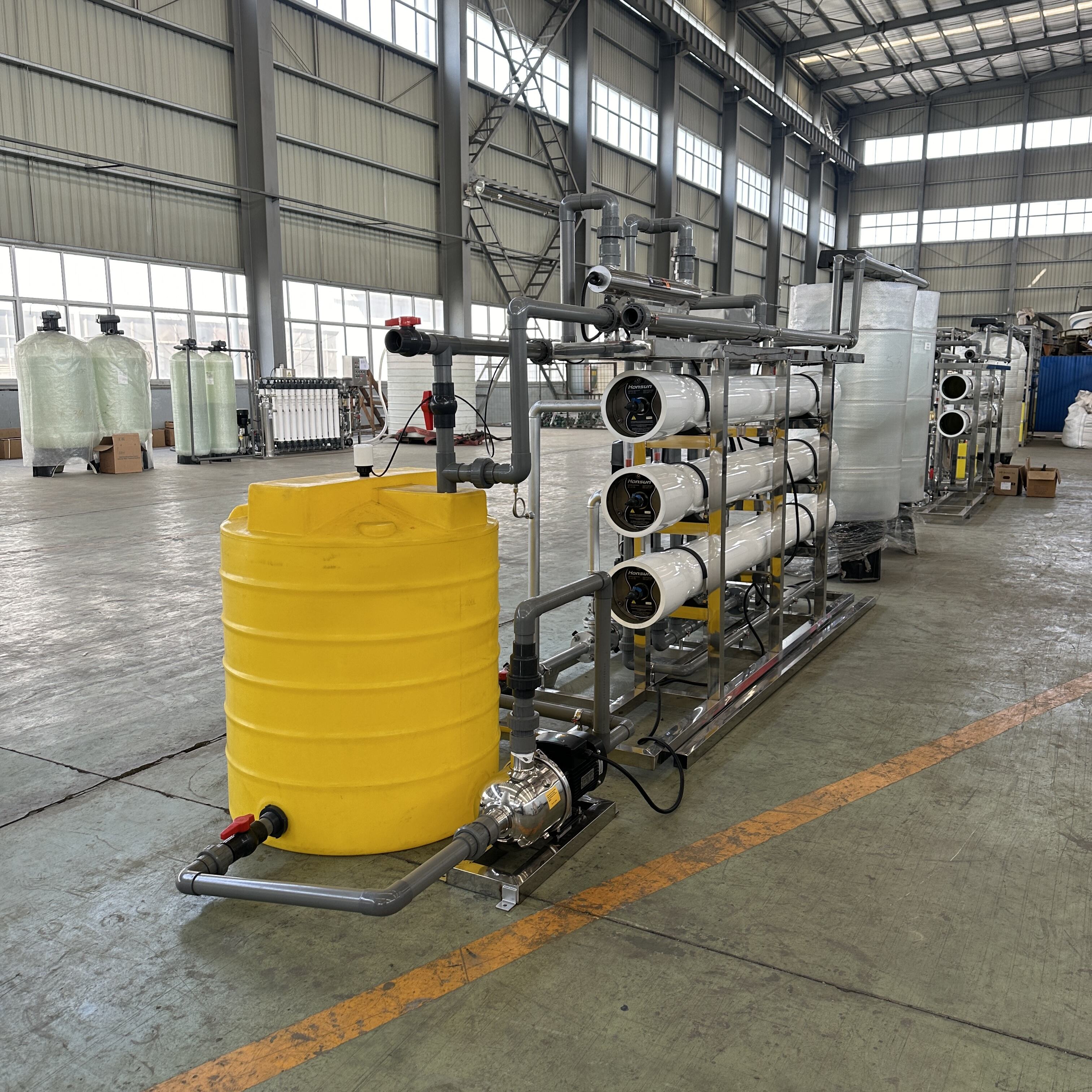
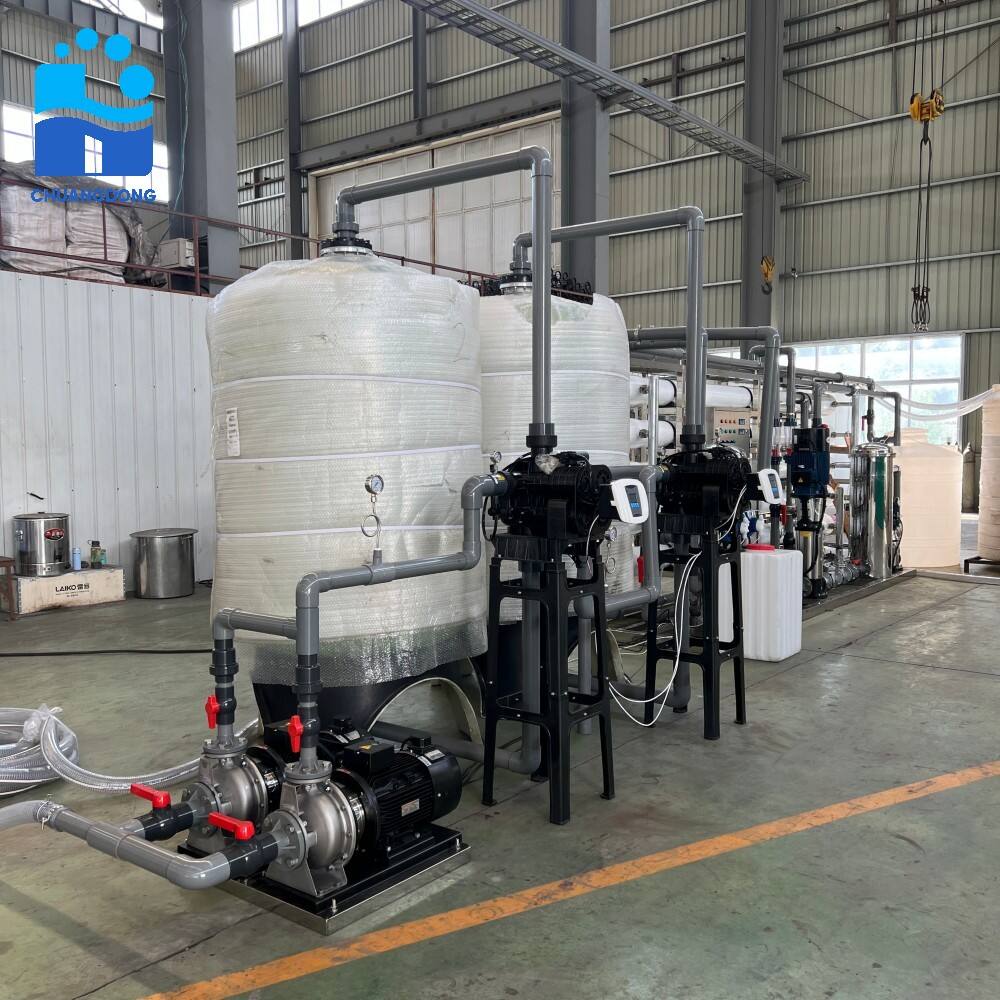
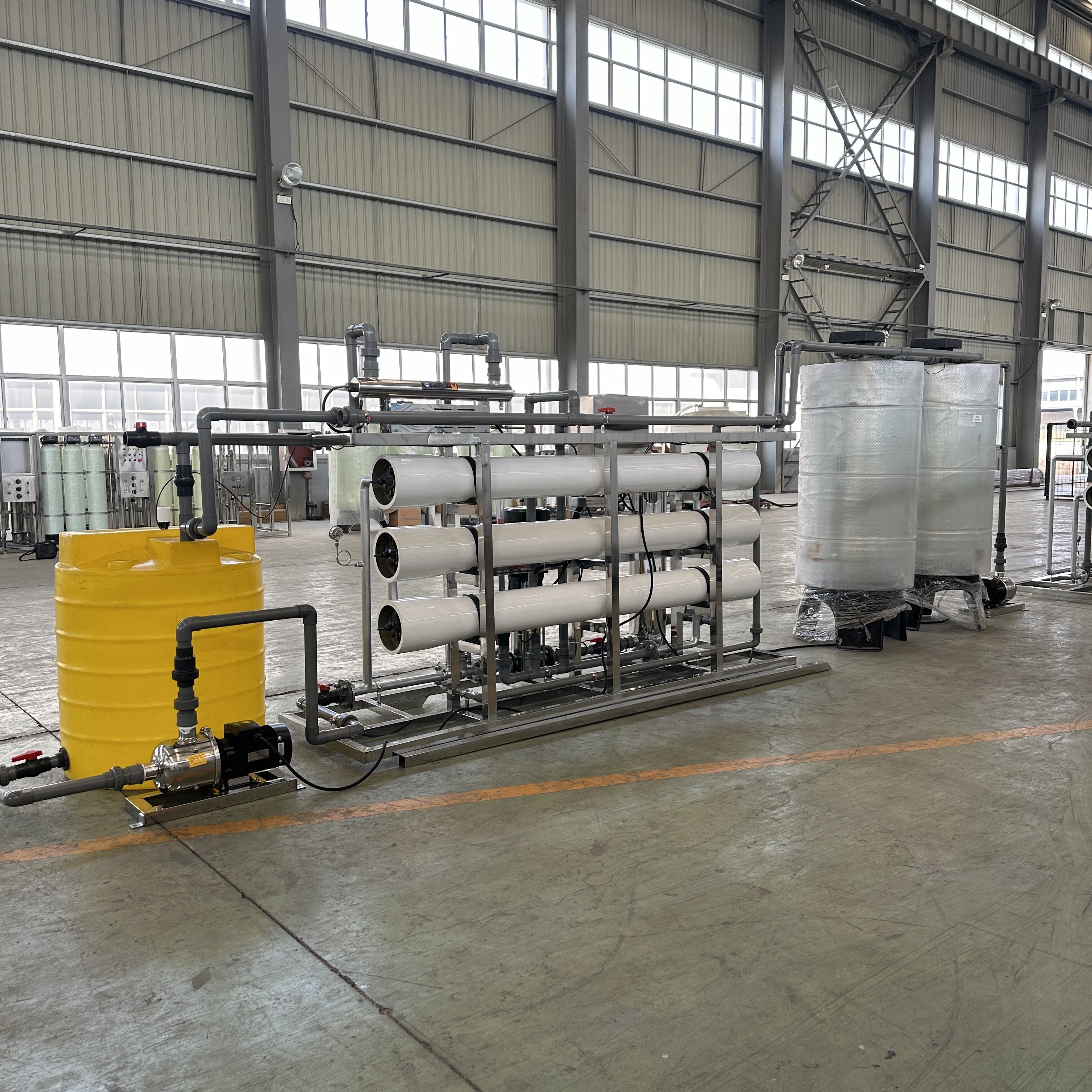
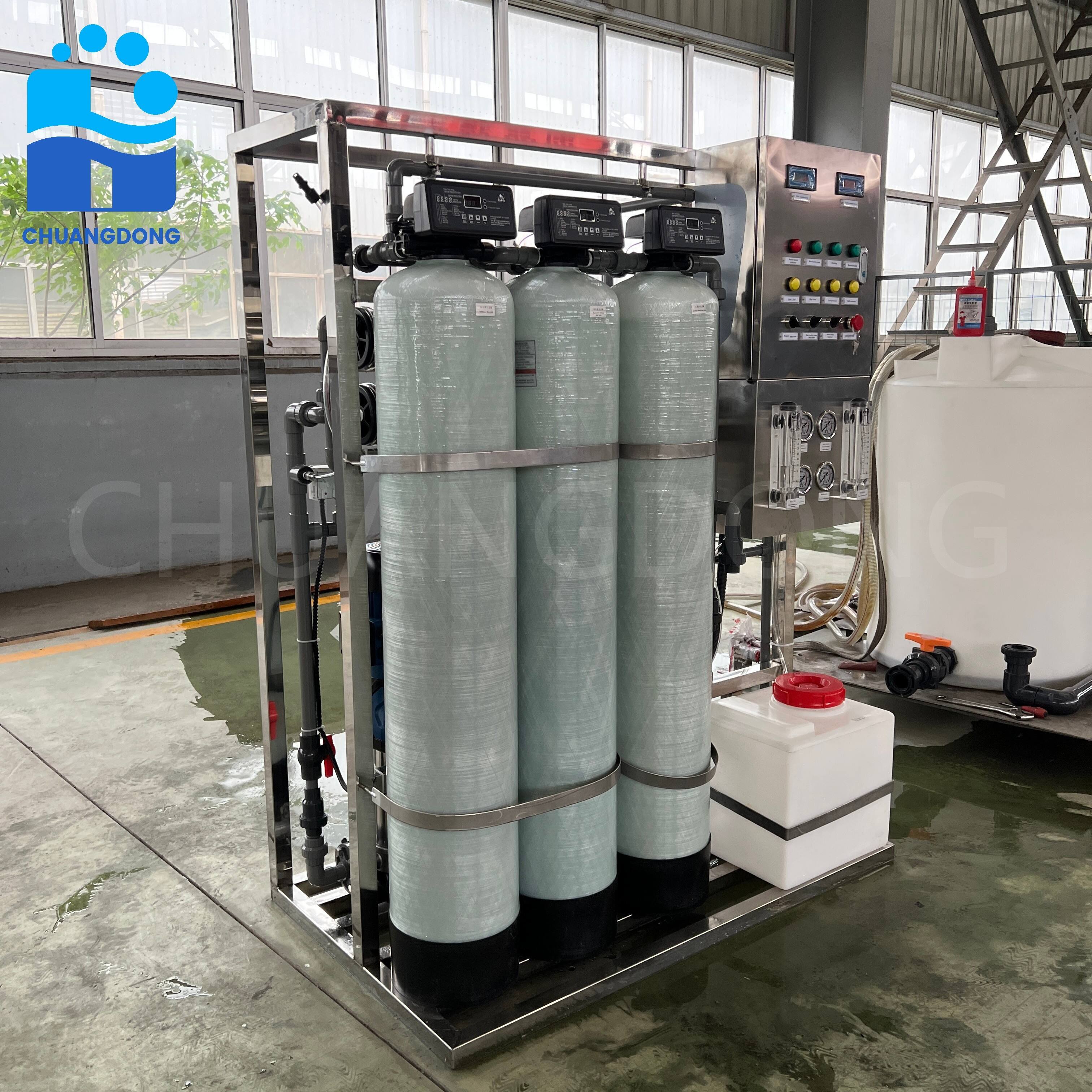
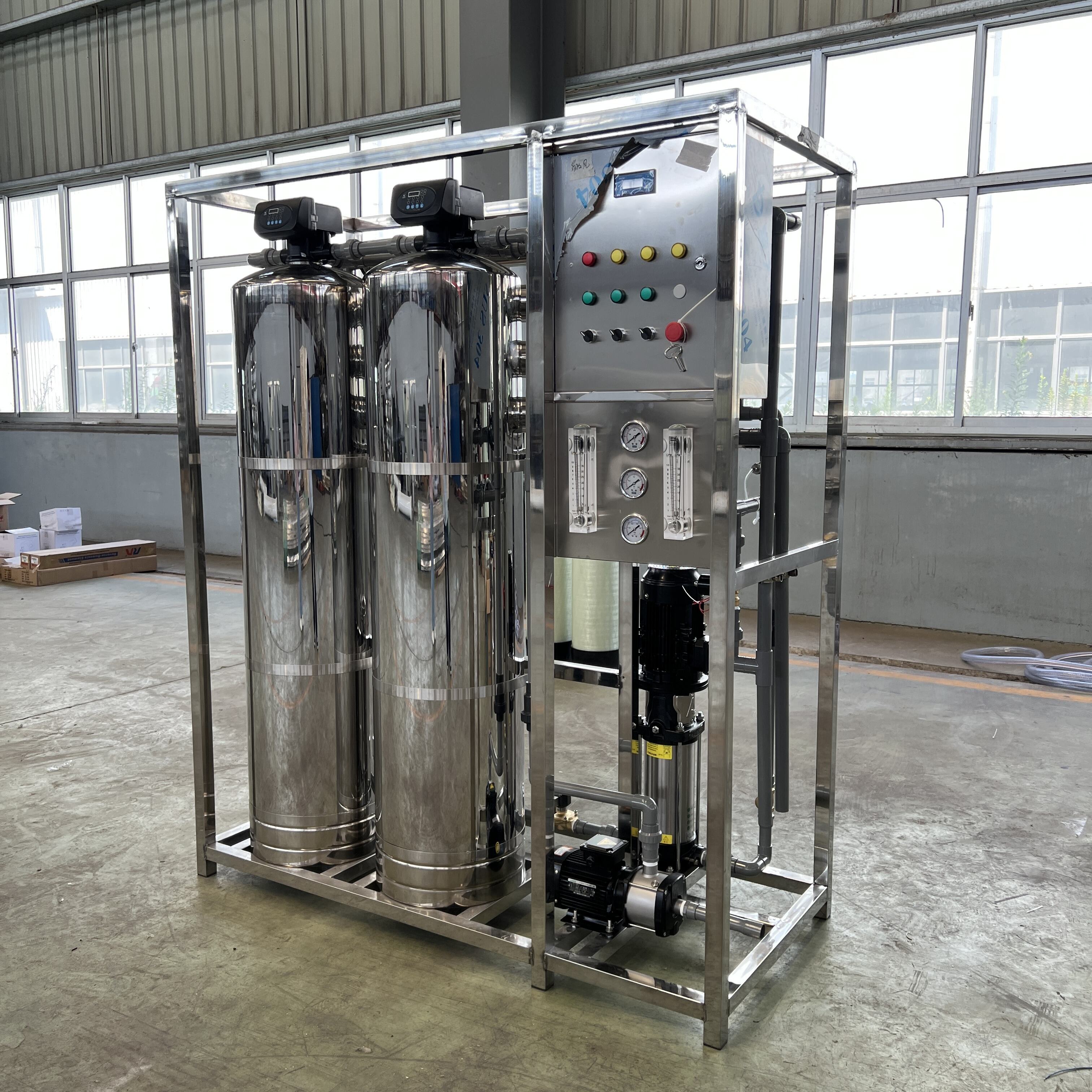
Ultrapure water purification is an advanced treatment process designed to remove virtually all contaminants from water, producing the highest quality water possible for critical applications. This sophisticated system eliminates ions, particles, organic compounds, dissolved gases, and microorganisms to achieve resistivity levels of 18.2 megohm-cm at 25 degrees Celsius. The main functions of ultrapure water purification include comprehensive removal of ionic contaminants through deionization, elimination of particulate matter via advanced filtration, reduction of total organic carbon through oxidation and adsorption, and removal of bacteria and pyrogens using specialized membranes. The technological features incorporate multiple purification stages including reverse osmosis, electrodeionization, ultraviolet sterilization, ultrafiltration, and mixed-bed ion exchange resins. These integrated technologies work synergistically to deliver consistent water quality that meets stringent industry standards. Modern ultrapure water purification systems feature real-time monitoring capabilities, automated regeneration cycles, and compact designs that optimize space utilization. Applications span across pharmaceutical manufacturing for injection preparation, semiconductor fabrication requiring particle-free water, laboratory research demanding reproducible results, power generation needing boiler feedwater, and medical facilities producing dialysis water. The precision engineering behind ultrapure water purification ensures that industries relying on water quality can maintain production standards, protect sensitive equipment, and guarantee product integrity throughout their manufacturing processes.
 EN
EN