Containerized High Purity Water Systems - Advanced Mobile Water Treatment Solutions

Get a Free Quote

Our representative will contact you soon.
Email
Name
Company Name
Message
0/1000

containerized high purity water system

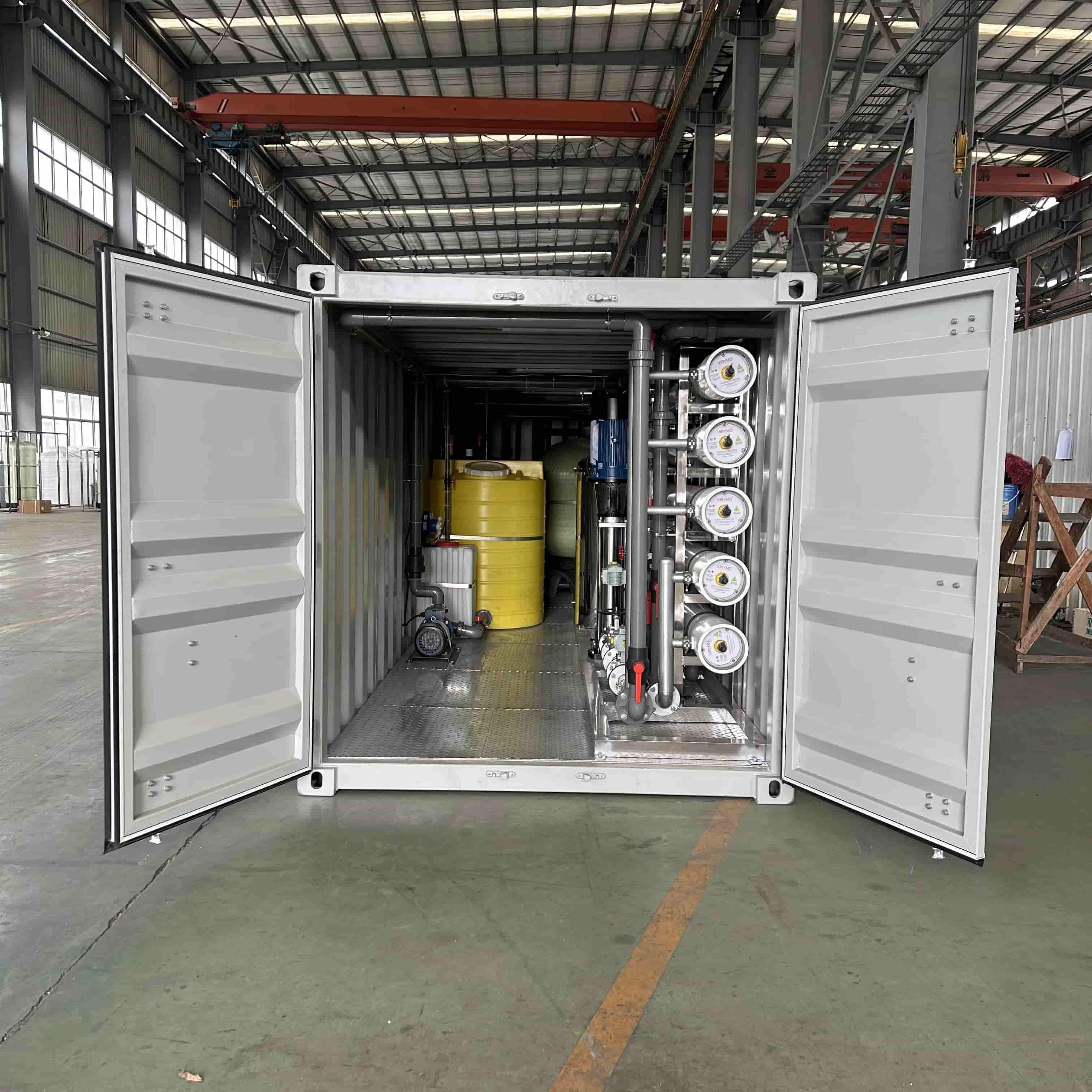
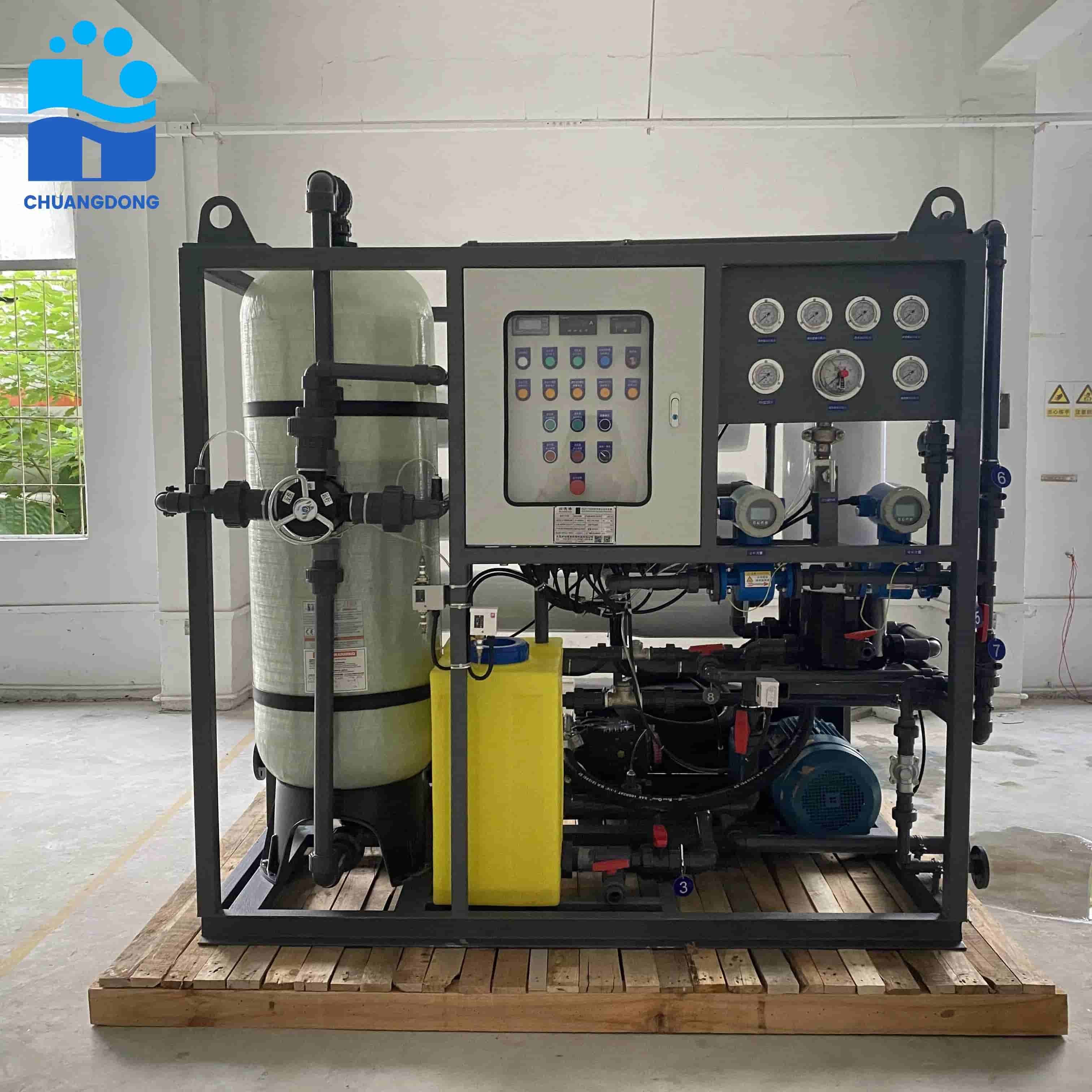
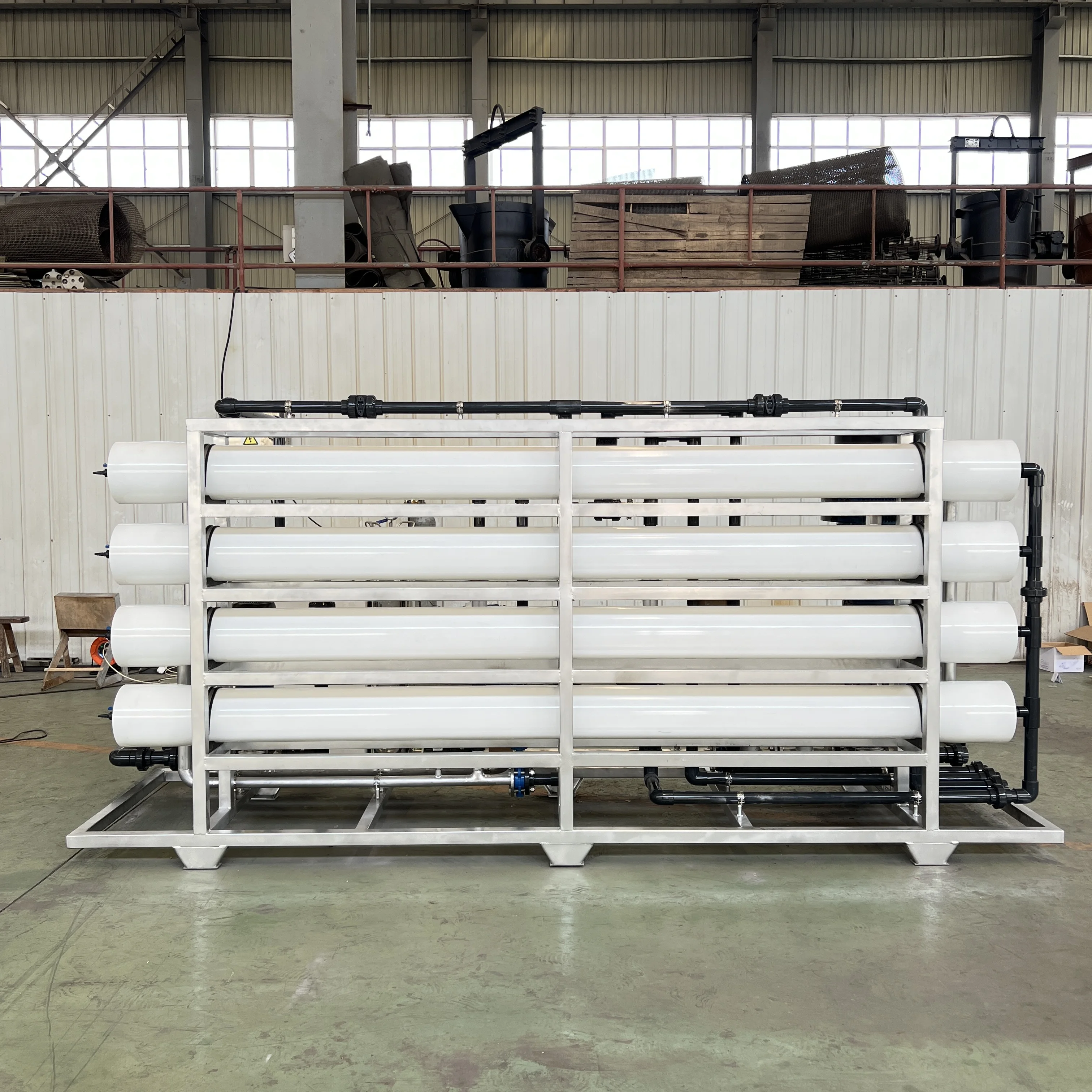
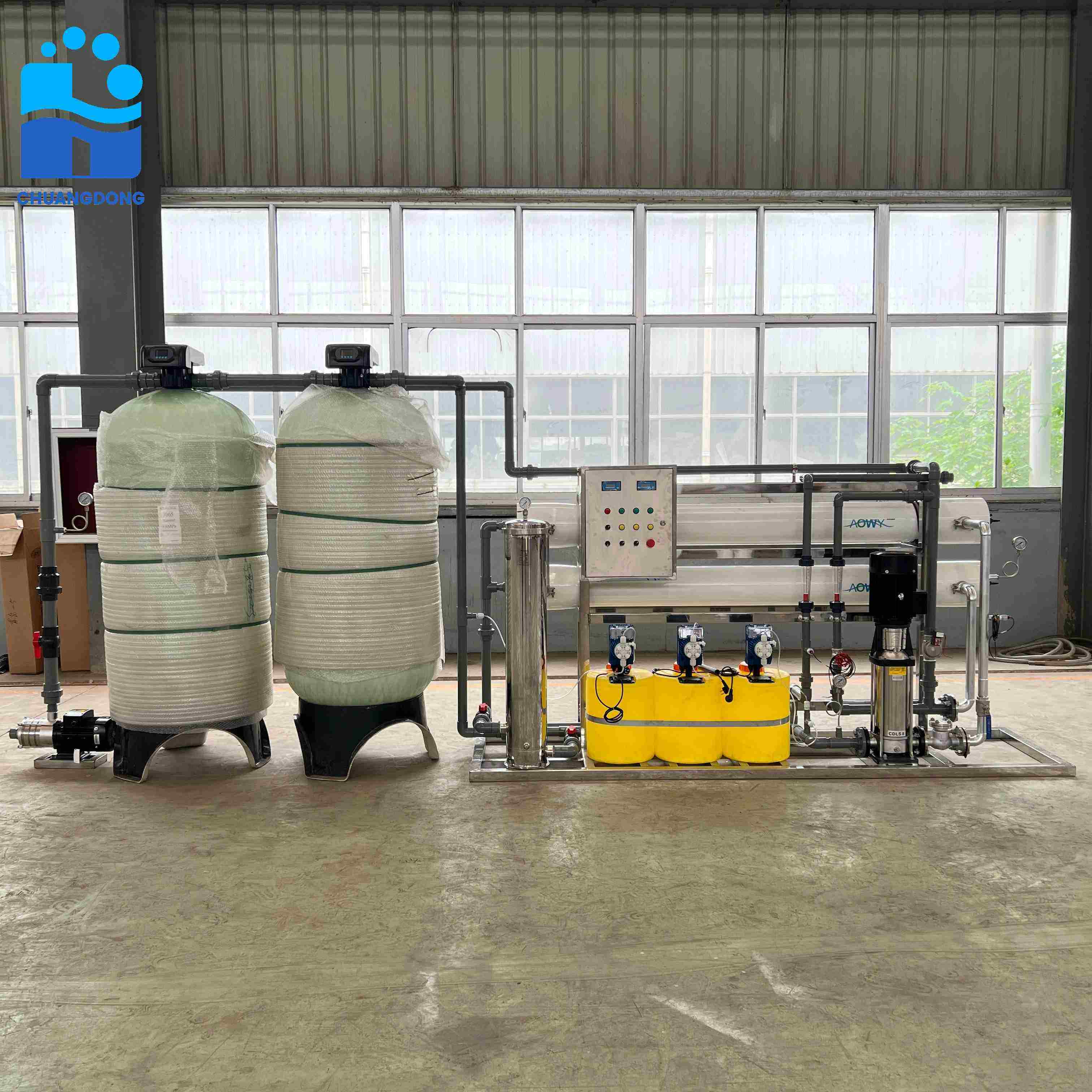
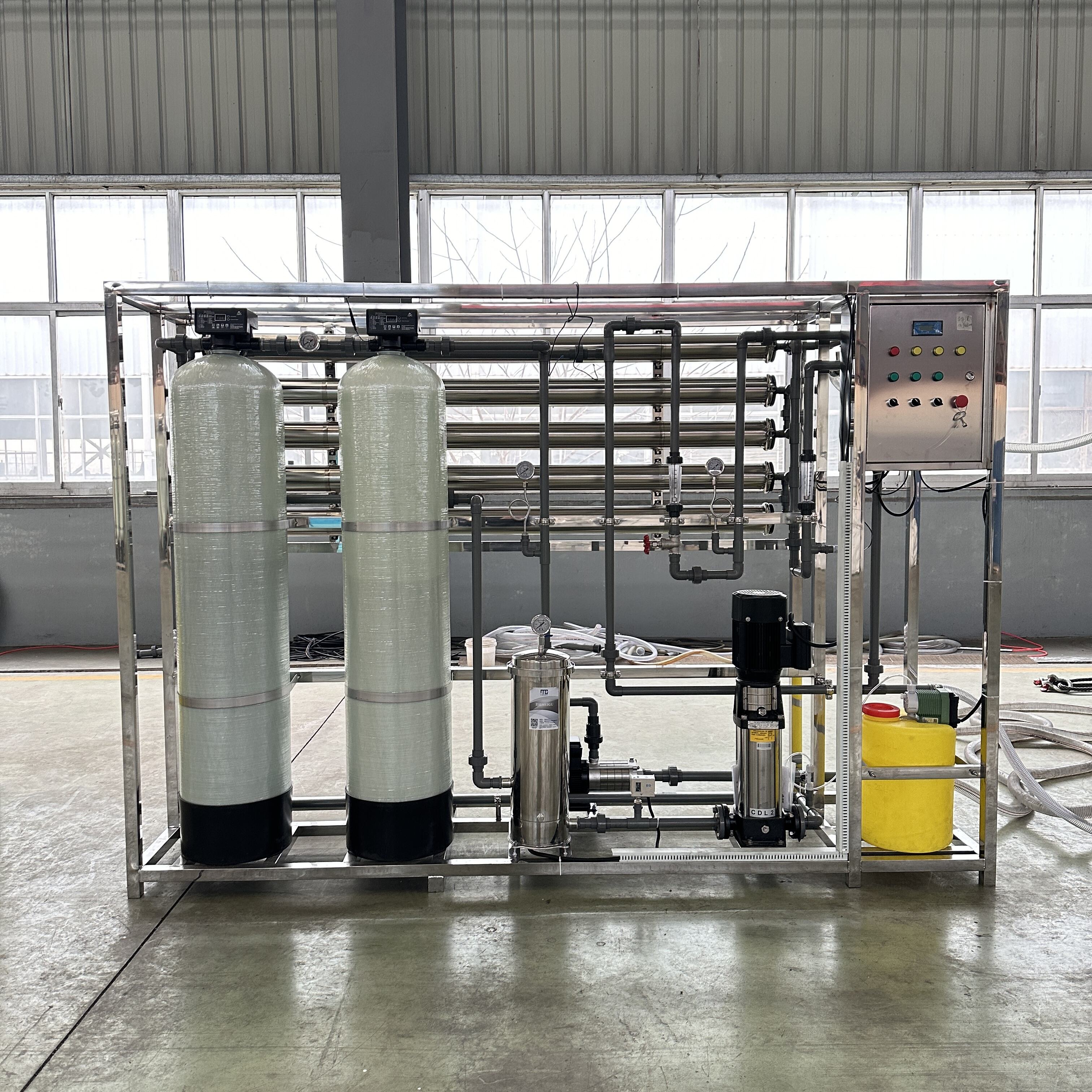
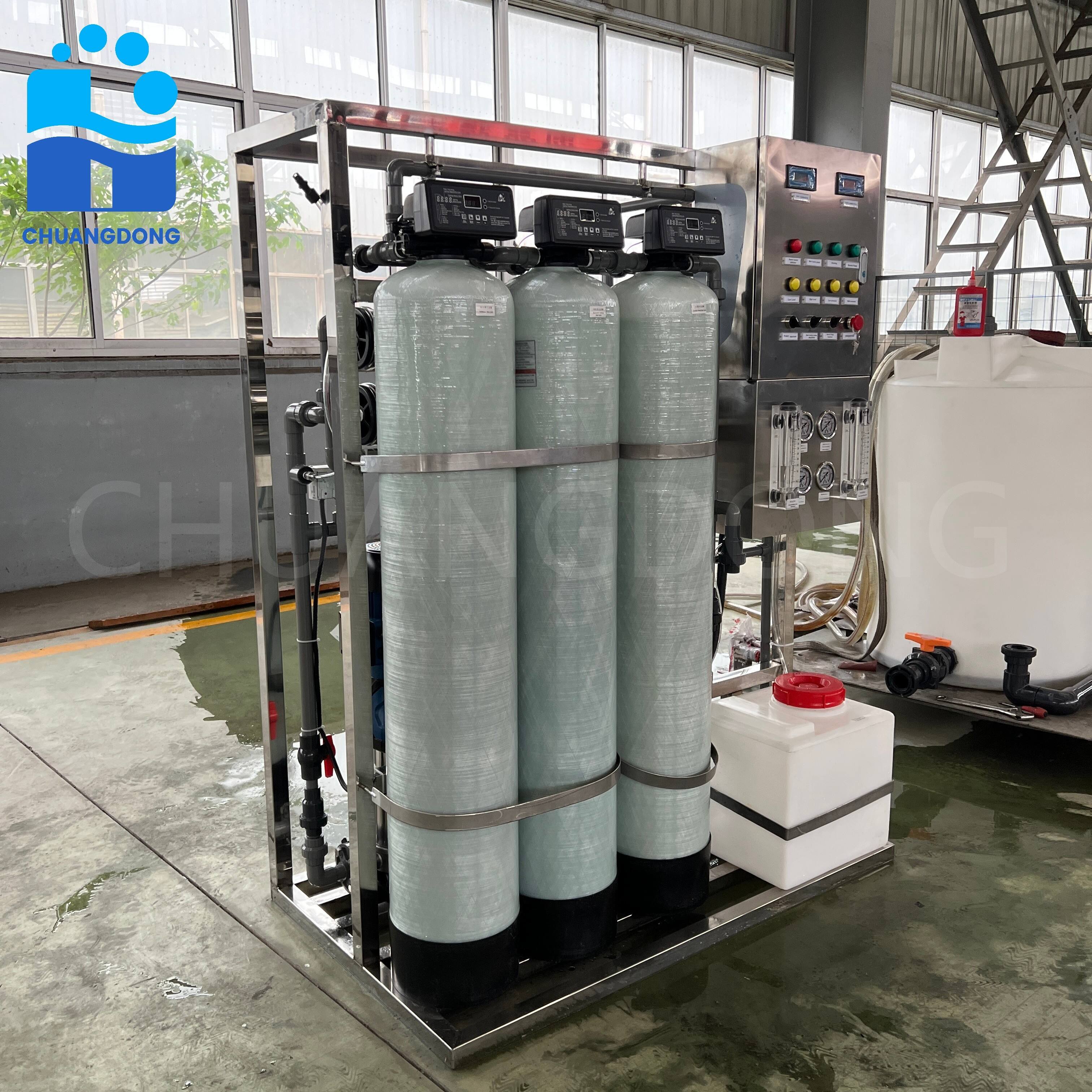
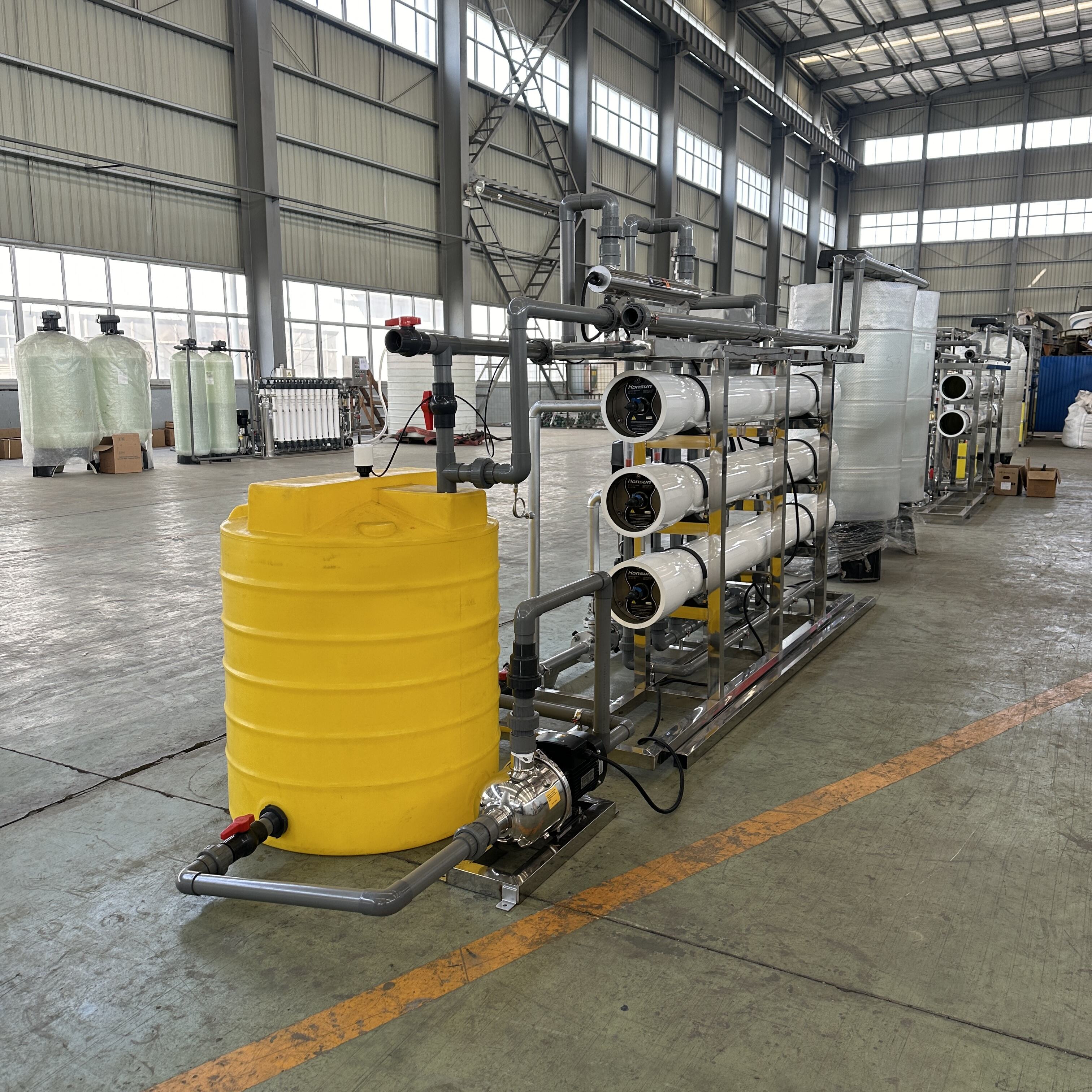
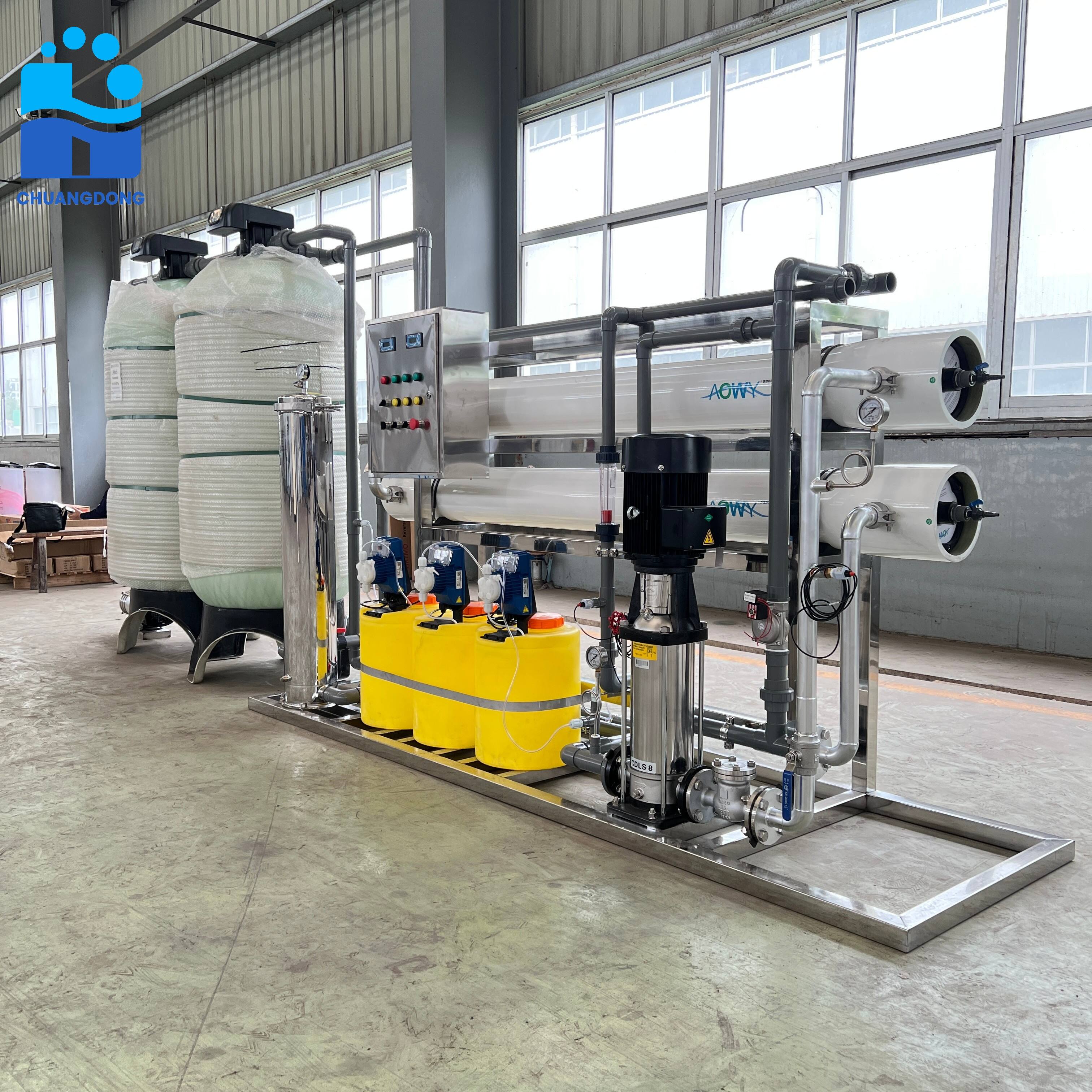
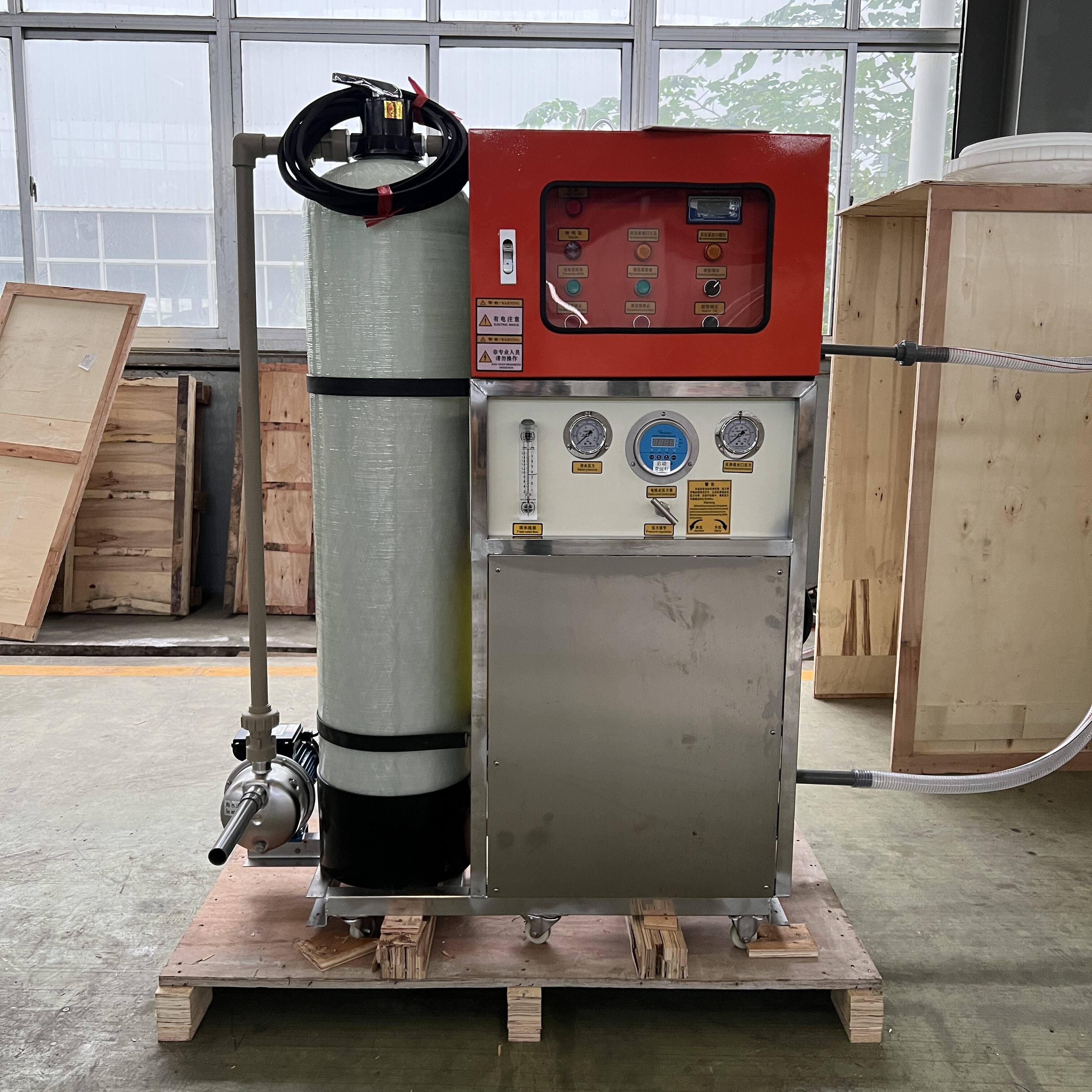
A containerized high purity water system represents a revolutionary approach to water treatment technology, combining advanced purification processes within a self-contained, portable unit. This comprehensive solution integrates multiple water treatment stages including pre-filtration, reverse osmosis, electrodeionization, and ultraviolet sterilization to produce water meeting the strictest industry standards. The containerized high purity water system features sophisticated monitoring and control systems that continuously track water quality parameters such as conductivity, total organic carbon, and bacterial contamination levels. These systems typically operate with automated cleaning cycles and real-time diagnostics to maintain optimal performance while minimizing manual intervention. The modular design allows for customization based on specific flow rate requirements, ranging from laboratory-scale applications to large industrial installations. Advanced materials including stainless steel construction and specialized membrane technologies ensure long-term reliability and consistent water quality output. The containerized high purity water system incorporates redundant safety features including pressure monitoring, leak detection, and emergency shutdown protocols to protect both equipment and operators. Temperature control systems maintain optimal operating conditions for all treatment components, while integrated storage tanks provide buffer capacity for continuous supply during maintenance periods. The system's compact footprint makes it ideal for facilities with limited space constraints, while weather-resistant enclosures enable outdoor installation in various environmental conditions. Remote monitoring capabilities allow operators to track system performance and receive alerts regarding maintenance requirements or potential issues. The containerized high purity water system delivers consistent results across diverse applications, from pharmaceutical manufacturing to semiconductor production, where water purity directly impacts product quality and process reliability.

New Product Recommendations

The containerized high purity water system offers significant cost savings compared to traditional fixed installations through reduced construction and installation expenses. Companies can avoid expensive building modifications and lengthy approval processes typically associated with permanent water treatment facilities. This system arrives pre-assembled and tested, enabling rapid deployment within days rather than months required for conventional installations. The portability aspect provides exceptional flexibility for businesses experiencing changing operational requirements or temporary project needs. Organizations can relocate the containerized high purity water system between facilities or lease units for short-term applications without major capital investments. Maintenance costs remain predictable through standardized components and streamlined service procedures that minimize downtime and operational disruptions. The system delivers consistent water quality regardless of location, ensuring reliable performance across different facility environments and input water conditions. Energy efficiency features including variable speed pumps and optimized process flows reduce operational costs while maintaining superior purification performance. The containerized design enables parallel operation of multiple units to meet increased demand or provide redundancy for critical applications. Quality assurance benefits include factory testing and validation prior to delivery, eliminating on-site commissioning uncertainties that often plague custom installations. Operators benefit from simplified training requirements due to standardized interfaces and automated control systems that reduce the likelihood of human error. Environmental advantages include reduced waste generation through efficient regeneration cycles and minimal chemical consumption compared to alternative treatment methods. The system's scalable architecture allows businesses to start with basic capacity and expand as requirements grow without replacing existing equipment. Compliance with regulatory standards becomes straightforward through pre-validated designs and comprehensive documentation packages that streamline approval processes. Risk mitigation features include built-in redundancy, automated monitoring, and rapid response capabilities that protect against water quality excursions or equipment failures that could compromise production processes or product integrity.

Latest News

What Intake and Outfall Designs Minimize Environmental Impact of a Desalination Plant?

01

Mar

What Intake and Outfall Designs Minimize Environmental Impact of a Desalination Plant?

Environmental considerations have become paramount in the design and operation of modern desalination facilities worldwide. As water scarcity continues to challenge communities across the globe, the demand for sustainable desalination plant solutions...
View More
What Corrosion-Resistant Materials Are Used in Desalination Plant Construction?

06

Mar

What Corrosion-Resistant Materials Are Used in Desalination Plant Construction?

Desalination plants operate in some of the harshest environments imaginable, where saltwater constantly threatens the integrity of critical infrastructure. The selection of appropriate corrosion-resistant materials becomes paramount to ensuring long-...
View More
How Does a Water Purification System with Ion Exchange Soften Hard Water Effectively?

15

Mar

How Does a Water Purification System with Ion Exchange Soften Hard Water Effectively?

Hard water poses significant challenges for both residential and commercial applications, containing high concentrations of calcium and magnesium ions that cause scale buildup, reduce equipment efficiency, and affect water quality. A water purificati...
View More
Why Should Pharmaceutical QC Labs Use Ultrapure Water for HPLC and Mass Spectrometry?

18

Mar

Why Should Pharmaceutical QC Labs Use Ultrapure Water for HPLC and Mass Spectrometry?

Pharmaceutical quality control laboratories face increasingly stringent requirements for analytical accuracy and regulatory compliance. The foundation of reliable analytical results lies in the quality of water used throughout testing procedures. Ult...
View More

Get a Free Quote

Our representative will contact you soon.
Email
Name
Company Name
Message
0/1000

containerized high purity water system

Rapid Deployment and Installation Flexibility

Rapid Deployment and Installation Flexibility

The containerized high purity water system revolutionizes project timelines by delivering fully operational water treatment capability within an unprecedented timeframe. Unlike traditional installations that require extensive site preparation, concrete foundations, and complex piping networks, this system arrives as a complete turnkey solution ready for immediate connection to existing utilities. The pre-engineered design eliminates months of design work, permitting processes, and construction activities that typically delay conventional projects. Site preparation requirements are minimal, often requiring only level ground and basic utility connections for power, feed water, and waste discharge. This rapid deployment capability proves invaluable for emergency situations, temporary operations, or facilities requiring immediate water treatment upgrades to meet regulatory compliance deadlines. The system's mobility enables strategic positioning for optimal integration with existing processes while maintaining flexibility for future relocations based on changing operational needs. Installation teams can complete connections and commissioning within days, immediately restoring or enhancing water treatment capabilities without extended production interruptions. The containerized high purity water system's standardized configuration reduces installation variables and potential complications that frequently arise with custom-built systems. Quality control benefits from factory assembly and testing under controlled conditions, ensuring all components function properly before delivery to the customer site. This approach eliminates the uncertainties and potential delays associated with field construction where weather conditions, material availability, and coordination challenges can significantly impact project schedules. The system's plug-and-play design philosophy extends to expansion scenarios where additional capacity requirements can be met by simply adding parallel units rather than redesigning and reconstructing existing infrastructure. Maintenance access remains uncompromised despite the compact design, with strategically positioned service points and removable panels that facilitate routine inspections and component replacement without major disassembly requirements.
Advanced Automation and Remote Monitoring Capabilities

Advanced Automation and Remote Monitoring Capabilities

The containerized high purity water system incorporates state-of-the-art automation technology that transforms water treatment from a labor-intensive operation into a largely autonomous process requiring minimal operator intervention. Sophisticated programmable logic controllers continuously monitor dozens of process parameters including flow rates, pressures, temperatures, conductivity levels, and chemical concentrations to maintain optimal performance across all treatment stages. Machine learning algorithms analyze historical performance data to predict maintenance requirements and optimize operating parameters for maximum efficiency and water quality consistency. Remote monitoring capabilities enable operators to access real-time system status information from any location using secure internet connections, providing unprecedented visibility into system performance and early warning of potential issues. Automated alert systems notify designated personnel immediately when parameters exceed predetermined thresholds, enabling proactive responses that prevent water quality excursions or equipment damage. The system's intelligent control architecture adapts to varying input water conditions and demand fluctuations without manual adjustments, maintaining consistent output quality regardless of external variables. Predictive maintenance algorithms track component performance trends and recommend service intervals based on actual operating conditions rather than arbitrary time schedules, optimizing maintenance costs while preventing unexpected failures. Data logging capabilities create comprehensive operational records that support regulatory compliance requirements and provide valuable insights for process optimization initiatives. The containerized high purity water system's user interface features intuitive touchscreen displays that present complex technical information in easily understood formats, reducing training requirements and minimizing the potential for operator errors. Integration capabilities allow seamless communication with existing facility management systems, enabling centralized monitoring and control of multiple systems from a single location. Advanced diagnostics features perform continuous self-testing of critical components and automatically initiate corrective actions when minor issues are detected, often resolving problems before operators become aware of them. This level of automation not only reduces operational costs but also improves safety by minimizing personnel exposure to chemicals and high-pressure equipment during routine operations.
Modular Design and Scalable Architecture

Modular Design and Scalable Architecture

The containerized high purity water system employs a modular design philosophy that delivers unprecedented flexibility in meeting diverse capacity requirements while providing clear pathways for future expansion without major infrastructure investments. Each module contains specific treatment functions that can be combined in various configurations to address unique application requirements ranging from small laboratory installations to large-scale industrial operations. This approach enables precise matching of system capacity to actual demand, avoiding the oversizing common with traditional fixed installations that results in higher capital and operating costs. The modular architecture facilitates phased implementation strategies where organizations can start with basic capacity and add modules as requirements grow, spreading capital investments over time while maintaining operational continuity throughout expansion phases. Component standardization across modules simplifies maintenance procedures and reduces spare parts inventory requirements, as identical pumps, controllers, and treatment elements are used throughout the system. The containerized high purity water system's modular approach enables rapid troubleshooting and repair by isolating specific treatment stages without affecting overall system operation, minimizing downtime and maintaining production continuity during maintenance activities. Quality benefits from modular design include the ability to dedicate specific modules to different purity levels or applications, preventing cross-contamination between processes with varying cleanliness requirements. Performance optimization becomes straightforward through selective module upgrades or reconfiguration without replacing entire systems, protecting existing capital investments while incorporating new technologies. The standardized interfaces between modules ensure compatibility and seamless integration regardless of when different components are installed or upgraded. Redundancy options include parallel module operation for critical applications where continuous water supply cannot be interrupted, providing built-in backup capacity that activates automatically when primary modules require service. Transportation and installation logistics benefit from modular construction as individual containers can navigate space-constrained sites where larger integrated systems cannot be positioned effectively. This flexibility proves particularly valuable for retrofit applications in existing facilities where space limitations or structural constraints would otherwise prevent system installation or expansion.

Get a Free Quote

Our representative will contact you soon.
Email
Name
Company Name
Message
0/1000