Advanced Ultrapure Water Treatment Systems - High-Quality Water Purification Solutions

Get a Free Quote

Our representative will contact you soon.
Email
Name
Company Name
Message
0/1000

ultrapure water treatment system

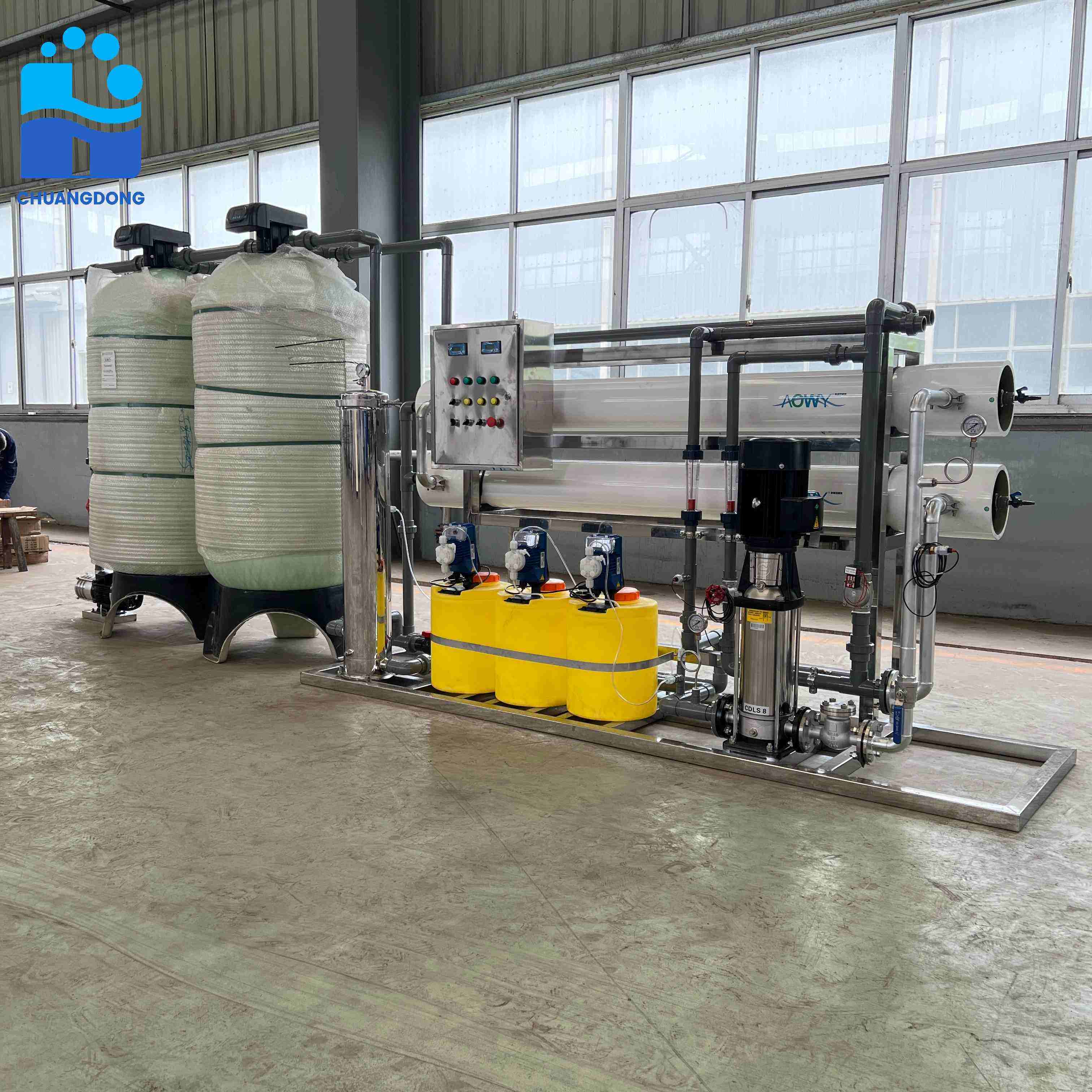
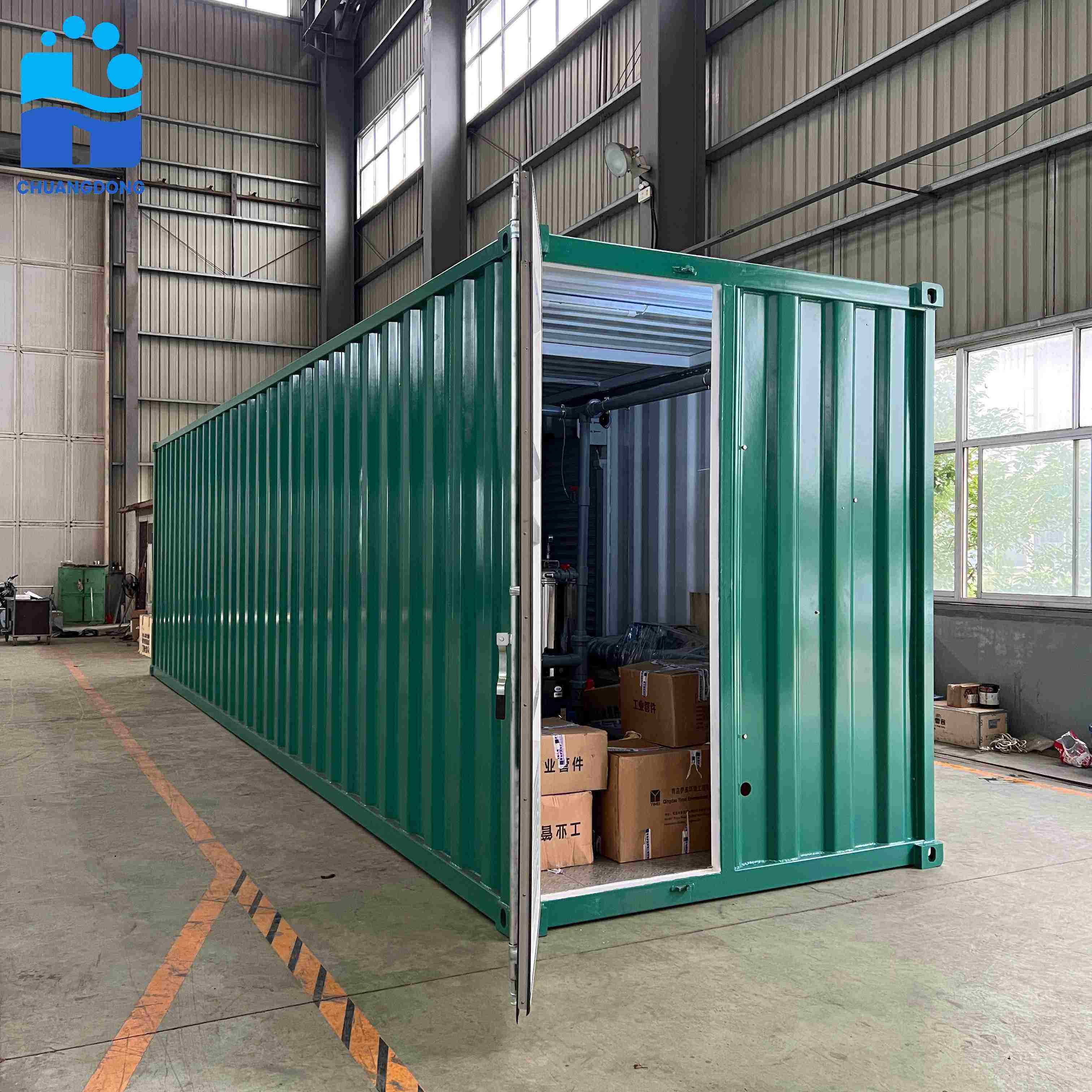
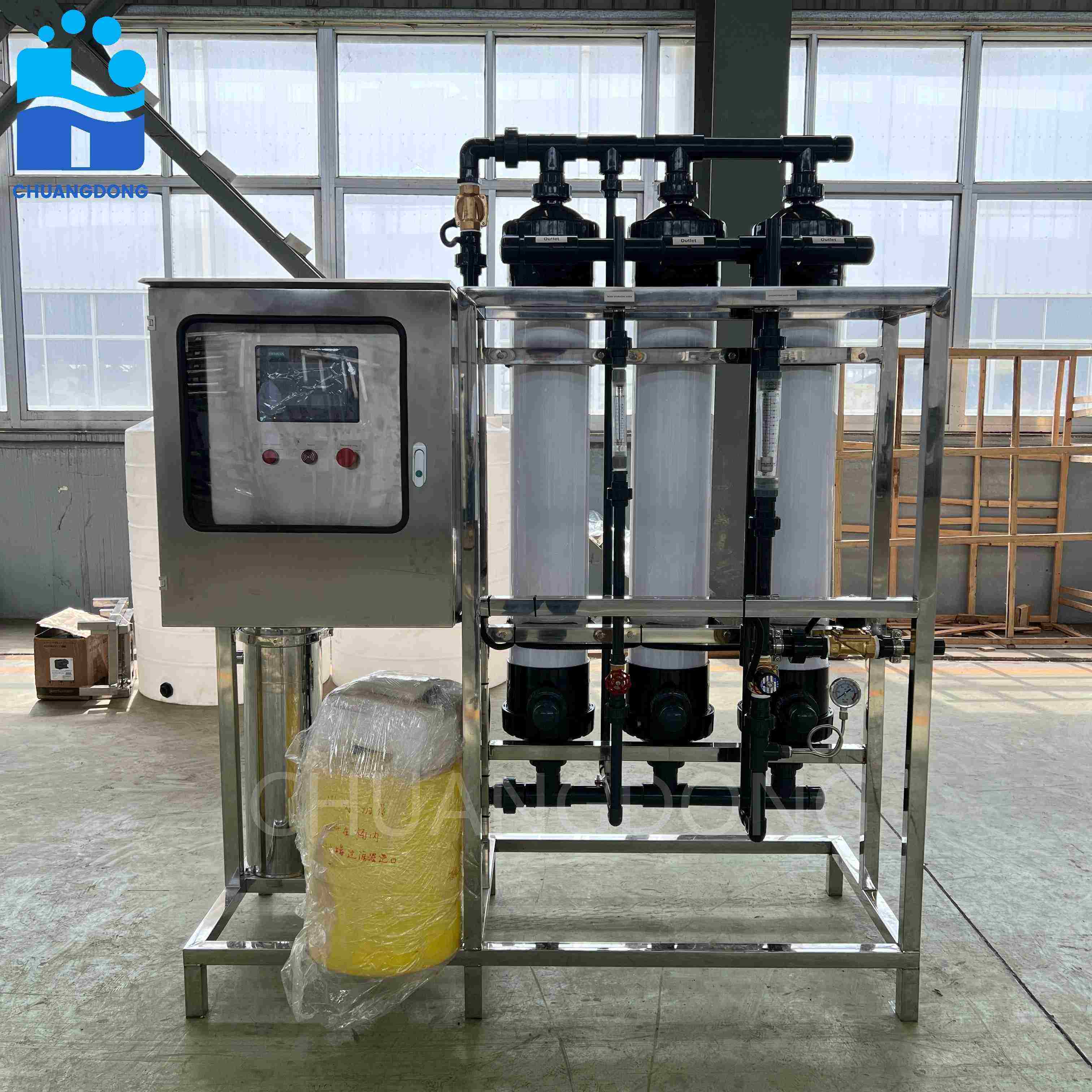
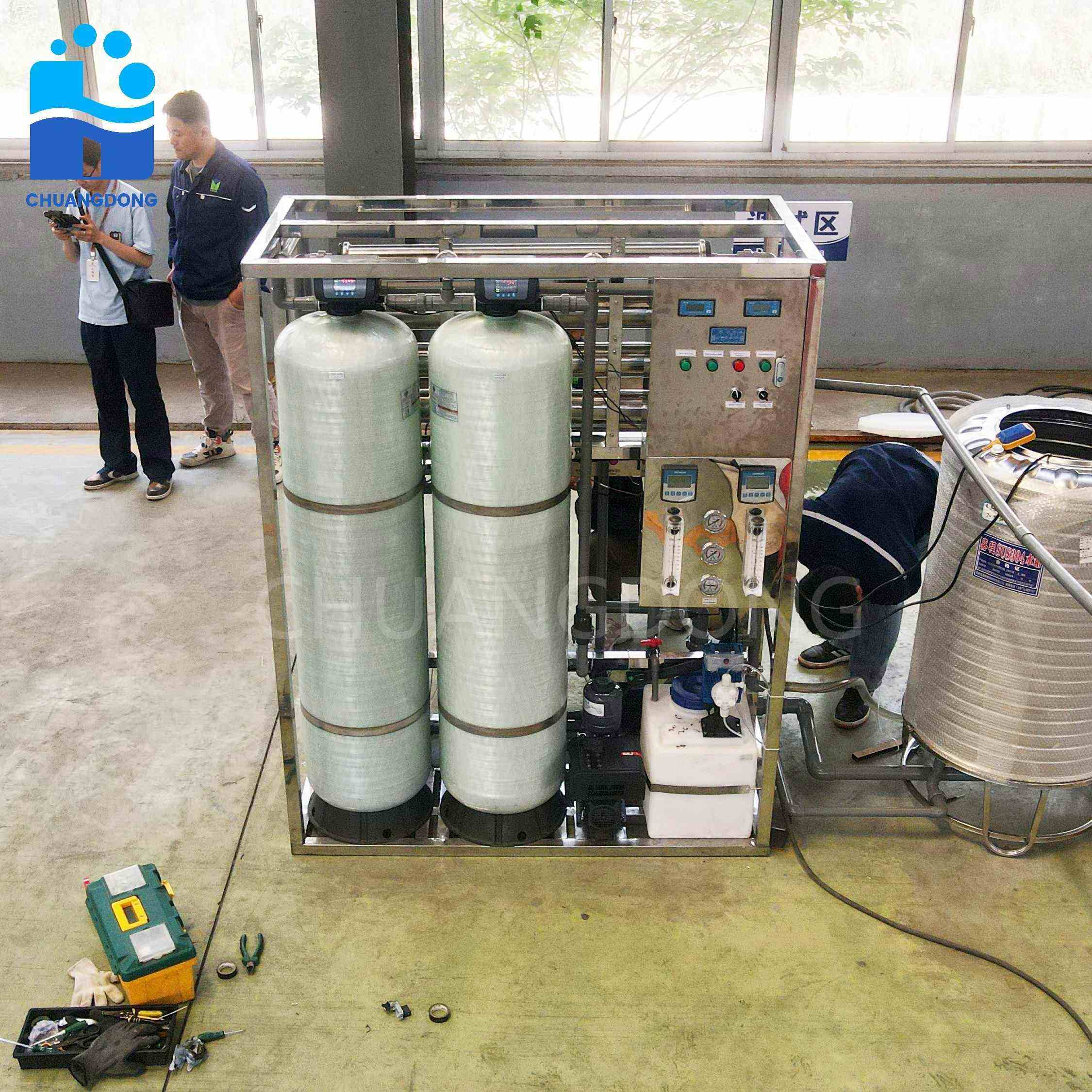
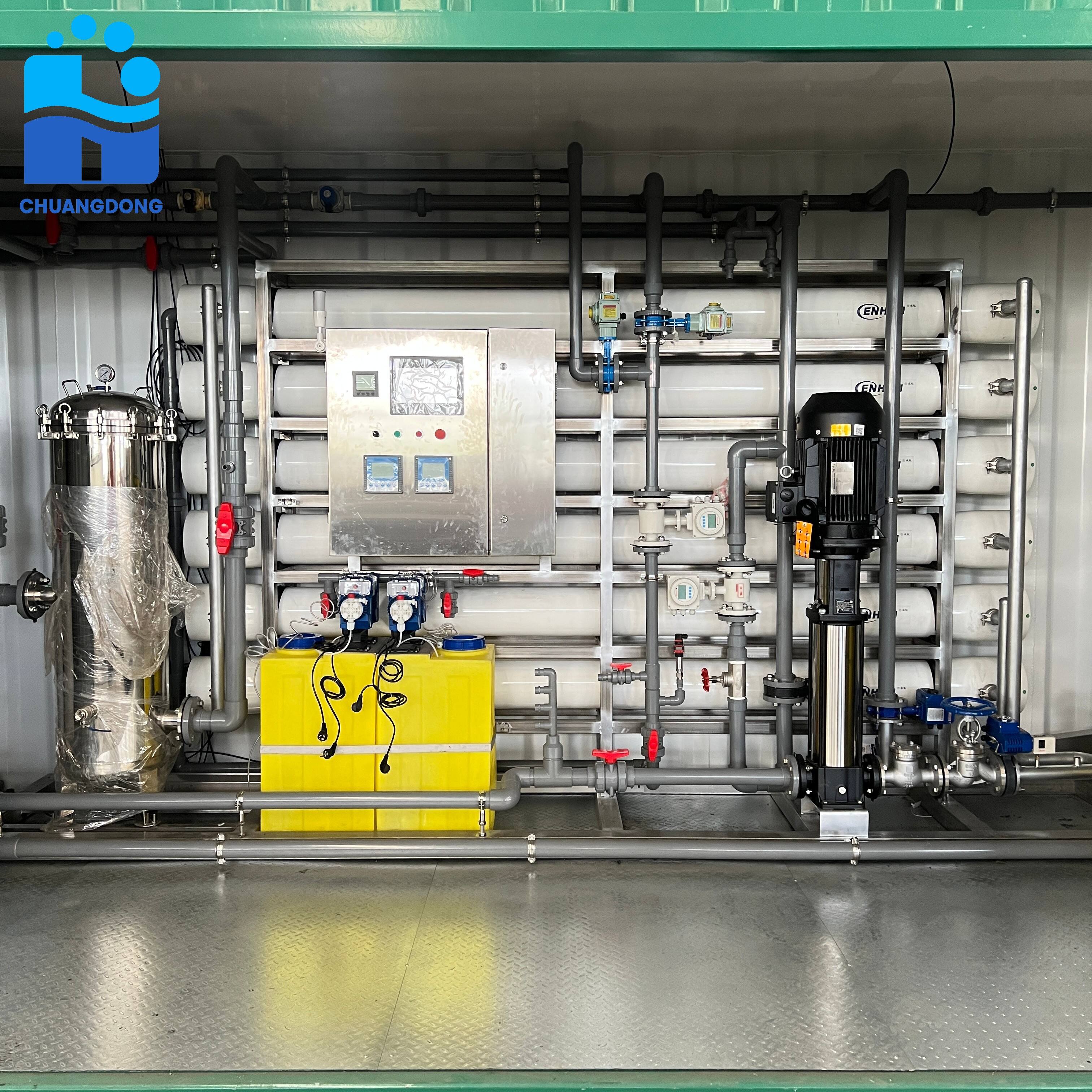
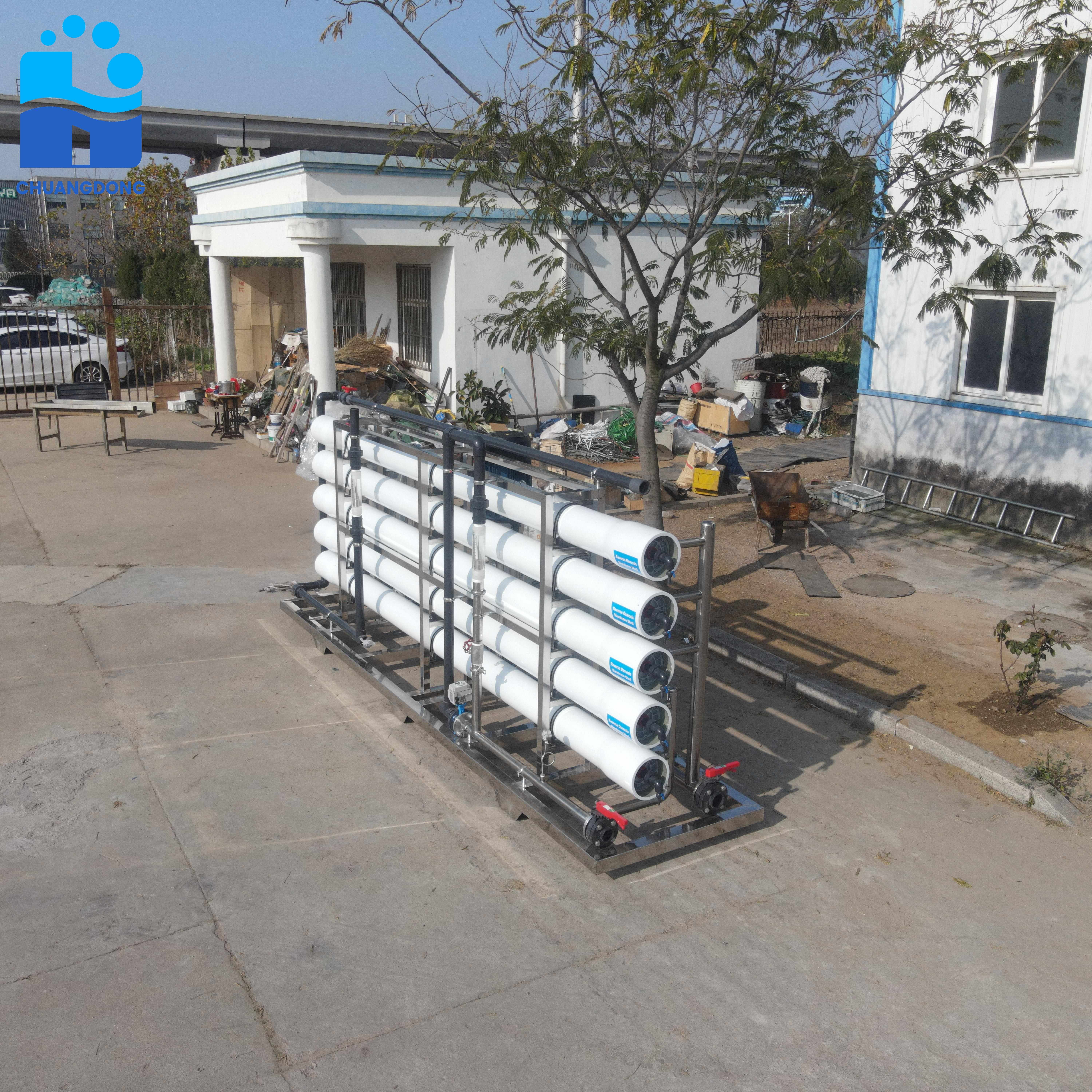
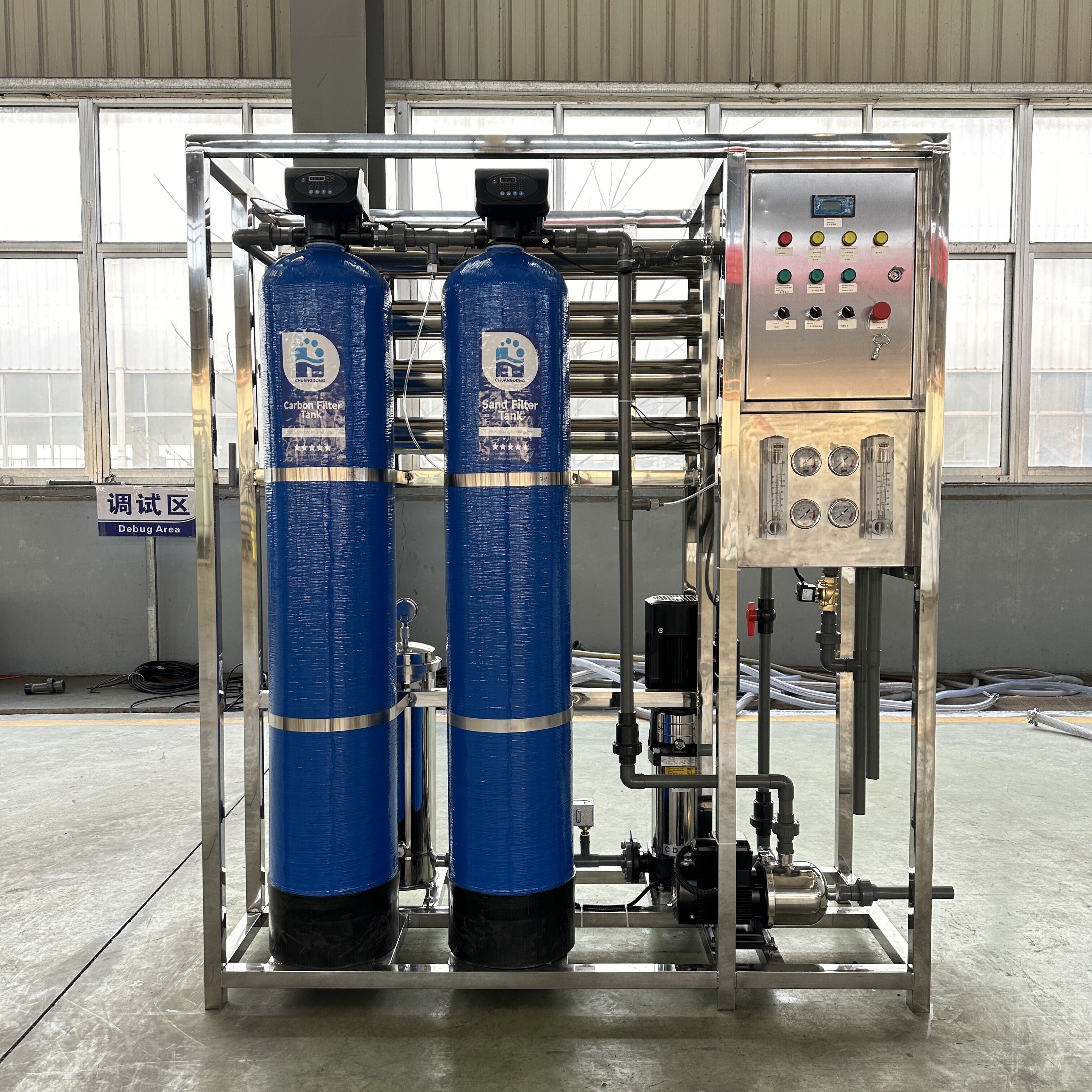
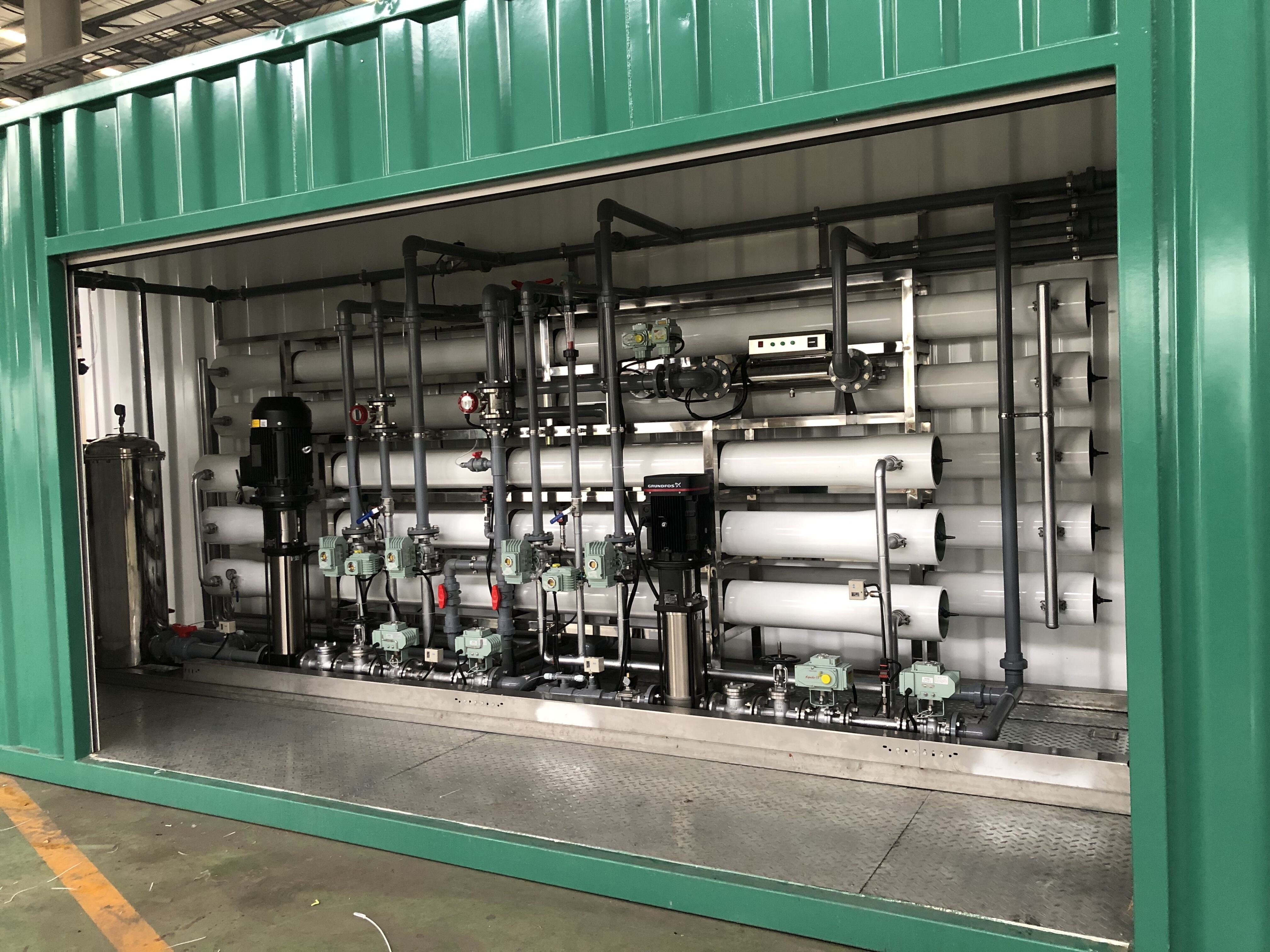
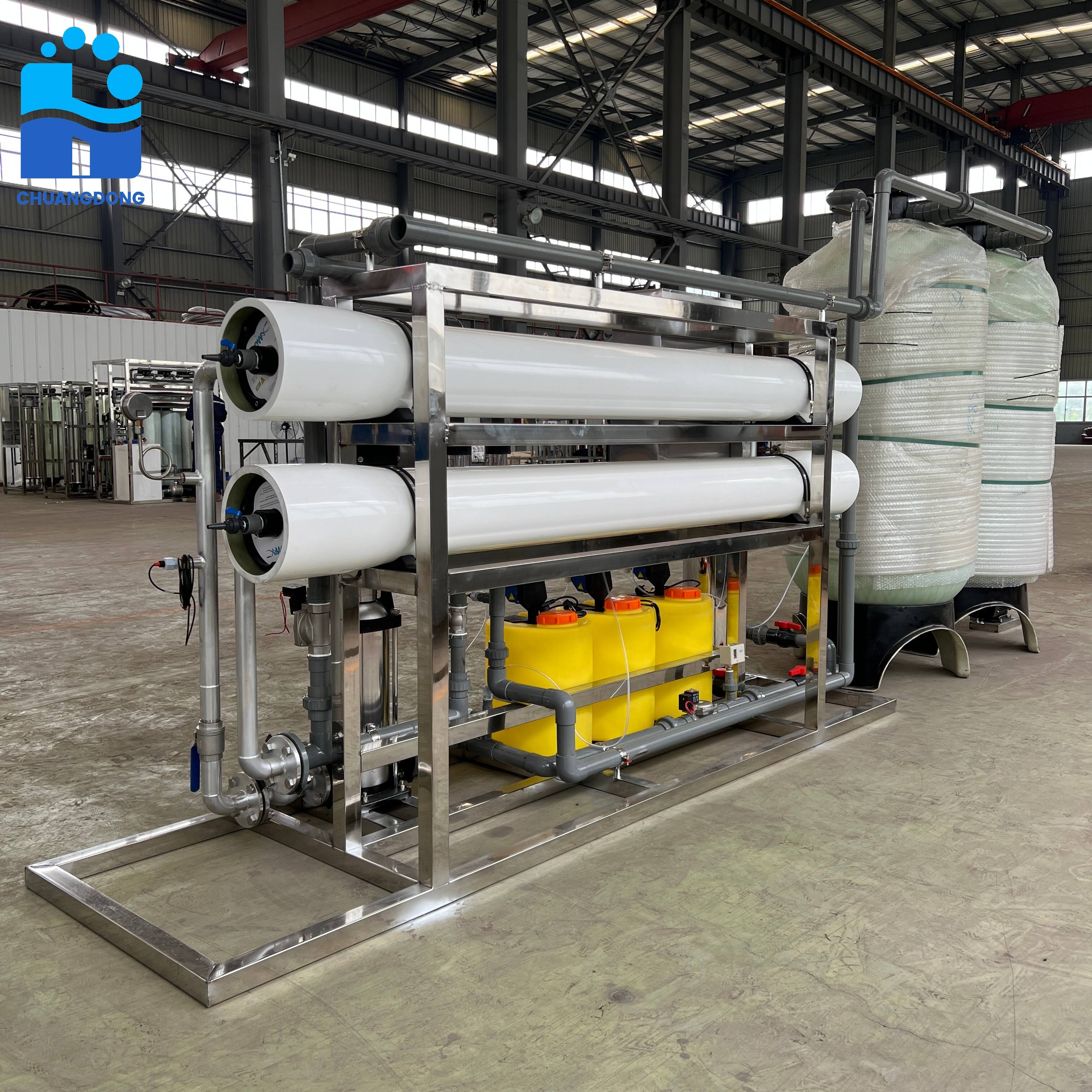
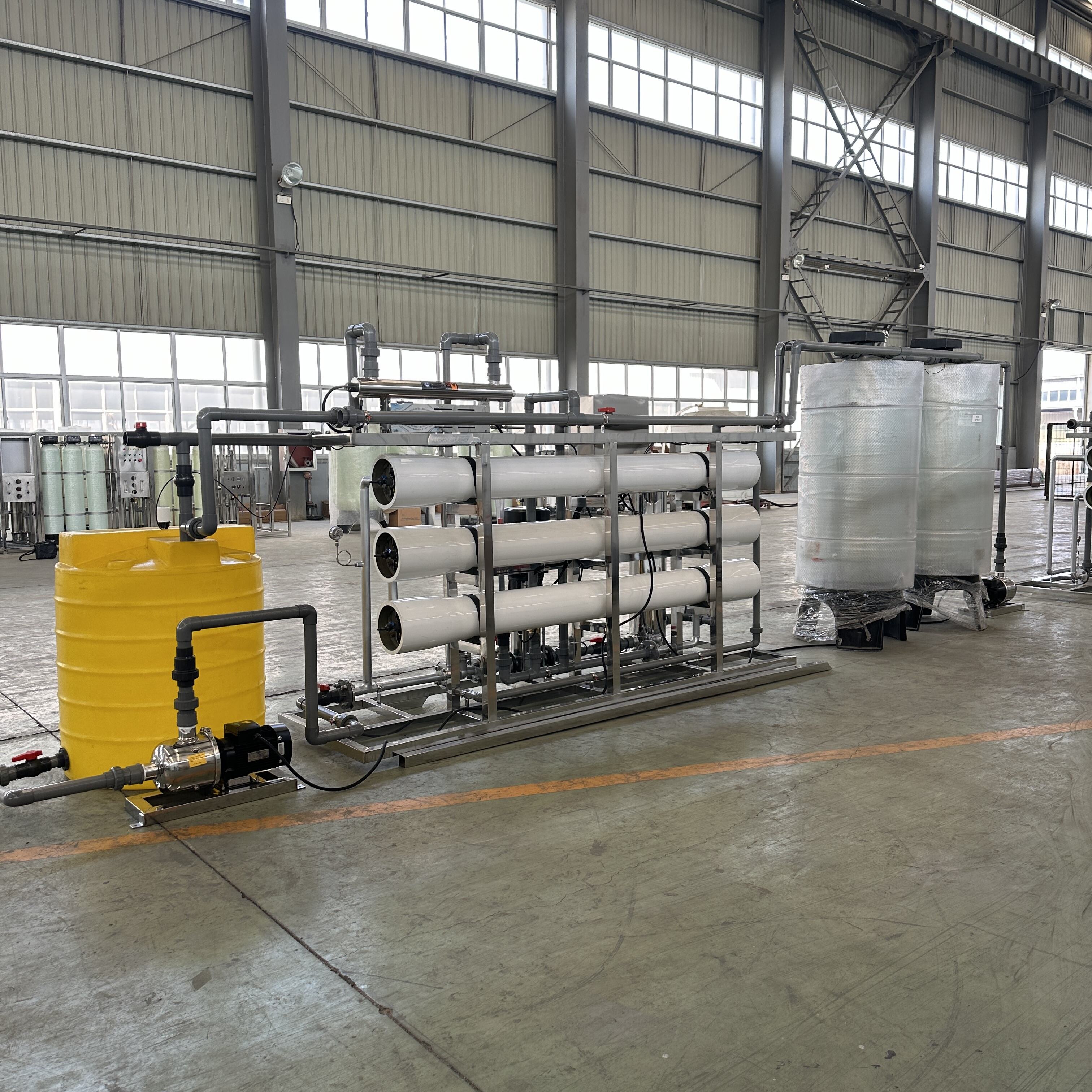
The ultrapure water treatment system represents a sophisticated technological solution designed to produce water with exceptional purity levels, meeting the stringent requirements of various industries. This advanced water purification system combines multiple treatment stages to remove virtually all impurities, contaminants, and dissolved substances from source water, achieving resistivity levels exceeding 18.2 megohm-cm. The primary function of an ultrapure water treatment system centers on eliminating particles, organic compounds, bacteria, viruses, dissolved gases, and ionic substances through a comprehensive multi-barrier approach. The technological framework typically incorporates pretreatment processes, reverse osmosis filtration, electrodeionization, ultraviolet sterilization, and ultrafiltration membranes. These components work synergistically to ensure consistent water quality that meets or exceeds industry standards. The pretreatment stage removes larger particles and chlorine, protecting downstream components from damage and fouling. Reverse osmosis technology eliminates dissolved salts and organic molecules, while electrodeionization provides continuous ion removal without chemical regeneration. UV sterilization destroys microorganisms, and ultrafiltration captures any remaining particles or bacteria. Modern ultrapure water treatment systems feature automated monitoring and control capabilities, enabling real-time quality assessment and system optimization. Applications span across semiconductor manufacturing, pharmaceutical production, biotechnology research, power generation, laboratory operations, and medical device manufacturing. In semiconductor fabrication, ultrapure water serves as a critical input for wafer cleaning and chemical dilution processes. Pharmaceutical companies rely on these systems for injection water preparation and equipment cleaning. Research laboratories require ultrapure water for analytical procedures and sample preparation. The system's modular design allows for scalability and customization based on specific production requirements and quality specifications, making it adaptable to diverse operational environments and capacity demands.

Popular Products

Implementing an ultrapure water treatment system delivers substantial operational benefits that directly impact business performance and product quality. The most significant advantage lies in achieving consistent, predictable water quality that eliminates variability in manufacturing processes. This reliability translates to reduced product defects, lower rejection rates, and improved yield in sensitive production environments. Companies experience immediate cost savings through decreased raw material waste and reduced rework expenses. The system's automated operation minimizes manual intervention, reducing labor costs while ensuring round-the-clock production capability. Energy efficiency represents another key benefit, as modern ultrapure water treatment systems incorporate advanced technologies that optimize power consumption while maintaining peak performance levels. The electrodeionization process eliminates the need for chemical regeneration, reducing ongoing operational expenses and environmental impact. Maintenance requirements remain minimal due to the system's robust design and self-monitoring capabilities, further reducing operational overhead. Water quality consistency enables manufacturers to maintain strict quality control standards, supporting regulatory compliance and customer satisfaction. The system's modular architecture provides flexibility for capacity expansion without major infrastructure modifications, allowing businesses to scale operations efficiently. Environmental benefits include reduced chemical usage, lower wastewater generation, and decreased carbon footprint compared to traditional ion exchange systems. The ultrapure water treatment system also enhances workplace safety by eliminating hazardous chemical handling and storage requirements. Real-time monitoring capabilities provide immediate alerts for any parameter deviations, enabling proactive maintenance and preventing costly production interruptions. Long-term reliability ensures stable operation over extended periods, maximizing return on investment. The system's compact footprint optimizes facility space utilization while delivering high-capacity output. Integration capabilities allow seamless connection with existing production equipment and building management systems. Quality documentation features support validation requirements and audit processes, streamlining regulatory compliance efforts. These comprehensive advantages position the ultrapure water treatment system as an essential infrastructure component for quality-focused organizations seeking operational excellence and sustainable growth.

Practical Tips

What Intake and Outfall Designs Minimize Environmental Impact of a Desalination Plant?

01

Mar

What Intake and Outfall Designs Minimize Environmental Impact of a Desalination Plant?

Environmental considerations have become paramount in the design and operation of modern desalination facilities worldwide. As water scarcity continues to challenge communities across the globe, the demand for sustainable desalination plant solutions...
View More
What Corrosion-Resistant Materials Are Used in Desalination Plant Construction?

06

Mar

What Corrosion-Resistant Materials Are Used in Desalination Plant Construction?

Desalination plants operate in some of the harshest environments imaginable, where saltwater constantly threatens the integrity of critical infrastructure. The selection of appropriate corrosion-resistant materials becomes paramount to ensuring long-...
View More
How Does a Water Purification System with Ion Exchange Soften Hard Water Effectively?

15

Mar

How Does a Water Purification System with Ion Exchange Soften Hard Water Effectively?

Hard water poses significant challenges for both residential and commercial applications, containing high concentrations of calcium and magnesium ions that cause scale buildup, reduce equipment efficiency, and affect water quality. A water purificati...
View More
Why Should Pharmaceutical QC Labs Use Ultrapure Water for HPLC and Mass Spectrometry?

18

Mar

Why Should Pharmaceutical QC Labs Use Ultrapure Water for HPLC and Mass Spectrometry?

Pharmaceutical quality control laboratories face increasingly stringent requirements for analytical accuracy and regulatory compliance. The foundation of reliable analytical results lies in the quality of water used throughout testing procedures. Ult...
View More

Get a Free Quote

Our representative will contact you soon.
Email
Name
Company Name
Message
0/1000

ultrapure water treatment system

Advanced Multi-Stage Purification Technology

Advanced Multi-Stage Purification Technology

The ultrapure water treatment system employs cutting-edge multi-stage purification technology that sets it apart from conventional water treatment solutions. This sophisticated approach combines complementary treatment methods to achieve unparalleled water purity levels consistently. The system integrates reverse osmosis membranes, electrodeionization modules, ultraviolet sterilization, and ultrafiltration components in a carefully engineered sequence that maximizes contaminant removal efficiency. Each stage targets specific impurities, creating a comprehensive barrier against particles, dissolved ions, organic compounds, bacteria, viruses, and pyrogens. The reverse osmosis stage removes up to 99.9% of dissolved salts and larger organic molecules, while the electrodeionization process continuously eliminates remaining ionic species without requiring chemical regeneration. UV sterilization provides reliable microorganism destruction, ensuring biological stability throughout the distribution system. Ultrafiltration membranes capture any residual particles or bacterial fragments that might have passed through earlier stages. This multi-barrier approach delivers exceptional redundancy and reliability, ensuring consistent product quality even when individual components experience minor performance variations. The technology's inherent flexibility allows for customization based on source water characteristics and end-use requirements. Advanced control systems monitor each stage independently, optimizing performance parameters and alerting operators to any deviations. The integrated design minimizes pressure losses and energy consumption while maximizing treatment efficiency. Regular monitoring and documentation capabilities support validation protocols and regulatory compliance requirements. This comprehensive technological approach ensures that the ultrapure water treatment system consistently delivers water quality that meets the most stringent industry standards, providing customers with confidence in their production processes and final product quality.
Intelligent Automation and Monitoring Systems

Intelligent Automation and Monitoring Systems

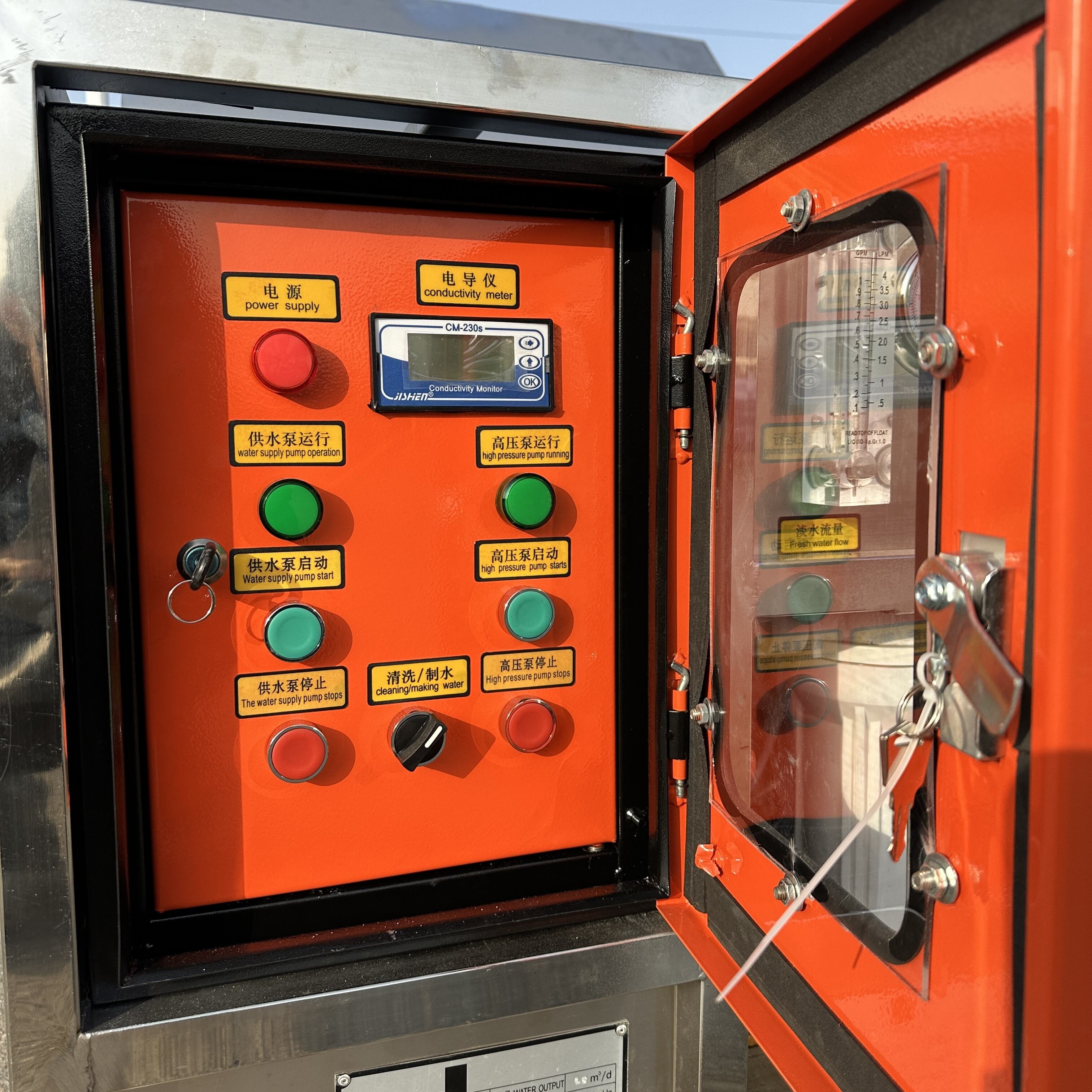
The ultrapure water treatment system incorporates state-of-the-art automation and monitoring technologies that revolutionize water treatment operations through intelligent process control and predictive maintenance capabilities. The integrated control system continuously monitors critical parameters including conductivity, total organic carbon, particle counts, flow rates, pressure differentials, and temperature across all treatment stages. Real-time data collection and analysis enable immediate response to any parameter deviations, preventing quality excursions and maintaining consistent output specifications. The intelligent automation system optimizes operational parameters automatically, adjusting flow rates, pressure settings, and cleaning cycles based on actual system performance and water quality trends. Predictive maintenance algorithms analyze performance data to identify potential issues before they impact system operation, scheduling maintenance activities during planned downtime periods. Remote monitoring capabilities allow operators to access system status, historical data, and alarm information from any location, supporting efficient facility management and rapid response to operational needs. The human-machine interface provides intuitive control and monitoring capabilities, displaying real-time system status, trend data, and diagnostic information in user-friendly formats. Automated documentation features generate comprehensive reports for regulatory compliance and quality assurance purposes, reducing administrative burden while ensuring complete traceability. Data logging capabilities maintain detailed historical records for trend analysis and system optimization. The intelligent system learns from operational patterns and adjusts control strategies to maximize efficiency and minimize resource consumption. Integration with building management systems enables coordinated operation with other facility infrastructure, optimizing overall energy usage and operational efficiency. Advanced security features protect against unauthorized access while ensuring data integrity and system reliability. This intelligent automation transforms the ultrapure water treatment system from a passive filtration device into an active, self-optimizing production asset that consistently delivers superior performance while minimizing operational requirements.
Sustainable and Cost-Effective Operation

Sustainable and Cost-Effective Operation

The ultrapure water treatment system delivers exceptional sustainability and cost-effectiveness through innovative design features that minimize environmental impact while maximizing operational efficiency. Unlike traditional ion exchange systems that require frequent chemical regeneration, the electrodeionization technology eliminates the need for acid and caustic chemicals, reducing operational costs and environmental discharge concerns. This chemical-free operation significantly reduces hazardous material handling, storage, and disposal requirements, enhancing workplace safety while lowering compliance costs. The system's high recovery rate minimizes source water consumption, reducing utility costs and environmental footprint. Energy-efficient components and optimized process design minimize electrical consumption while maintaining peak performance levels. The modular architecture enables precise capacity matching, eliminating over-sizing penalties and optimizing capital utilization. Automated operation reduces labor requirements, allowing skilled personnel to focus on value-added activities rather than routine maintenance tasks. The system's robust construction and high-quality components ensure extended service life, maximizing return on investment and minimizing replacement costs. Predictive maintenance capabilities optimize component replacement schedules, reducing both planned and unplanned maintenance expenses. The compact footprint minimizes facility space requirements, reducing building and infrastructure costs. Water quality consistency reduces product defects and rework costs, improving overall manufacturing efficiency. The system's ability to operate continuously without performance degradation ensures stable production capacity and predictable operational costs. Environmental benefits include reduced chemical usage, lower wastewater generation, and decreased carbon footprint compared to conventional treatment methods. The elimination of chemical storage and handling reduces insurance costs and regulatory compliance burden. Long-term operational stability minimizes the risk of production disruptions and associated revenue losses. These sustainability and cost-effectiveness features make the ultrapure water treatment system an intelligent investment that delivers both immediate operational benefits and long-term value creation for forward-thinking organizations committed to responsible manufacturing practices.

Get a Free Quote

Our representative will contact you soon.
Email
Name
Company Name
Message
0/1000