Advanced Ultrapure Water Treatment Systems - Superior Purification Technology

Get a Free Quote

Our representative will contact you soon.
Email
Name
Company Name
Message
0/1000

ultrapure water treatment

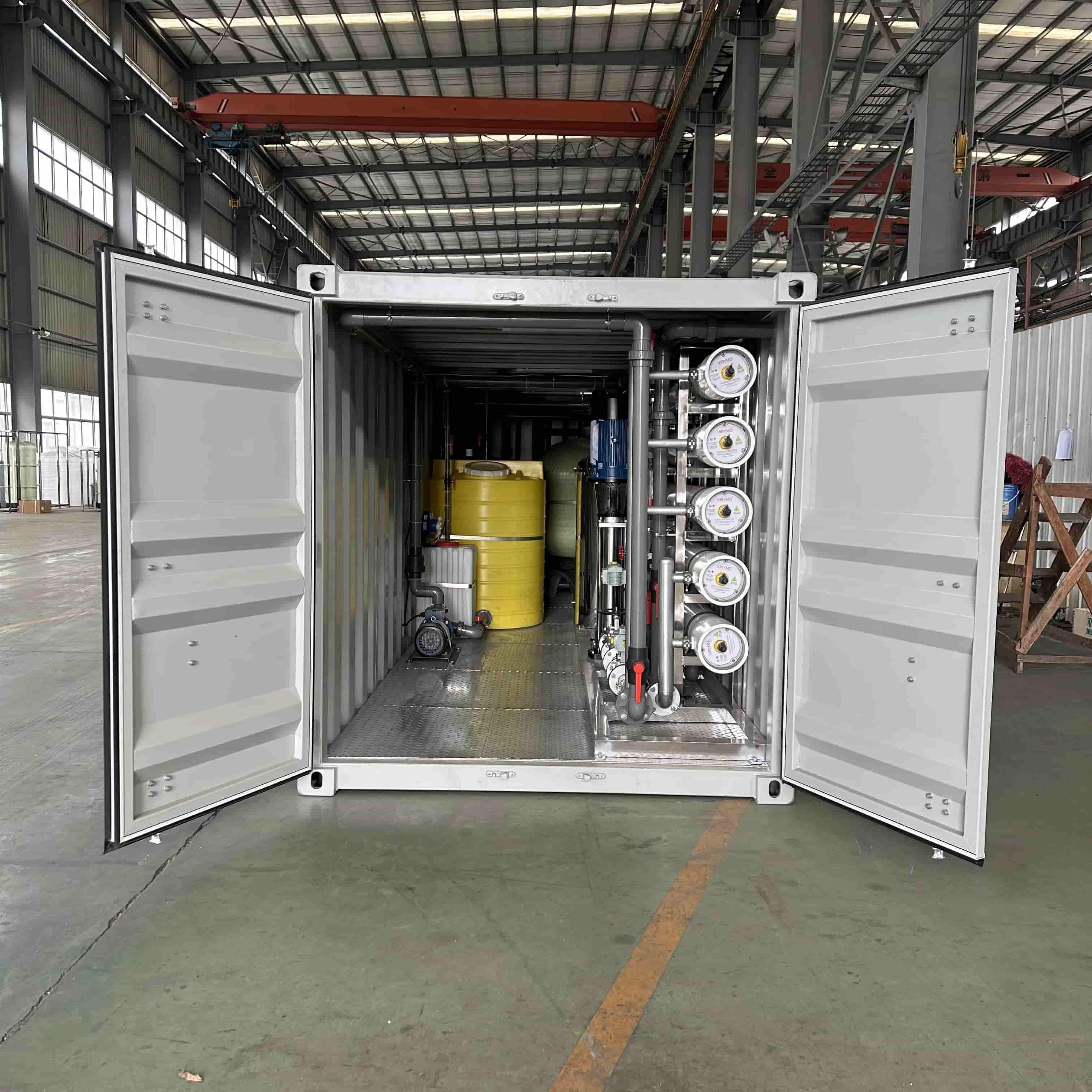
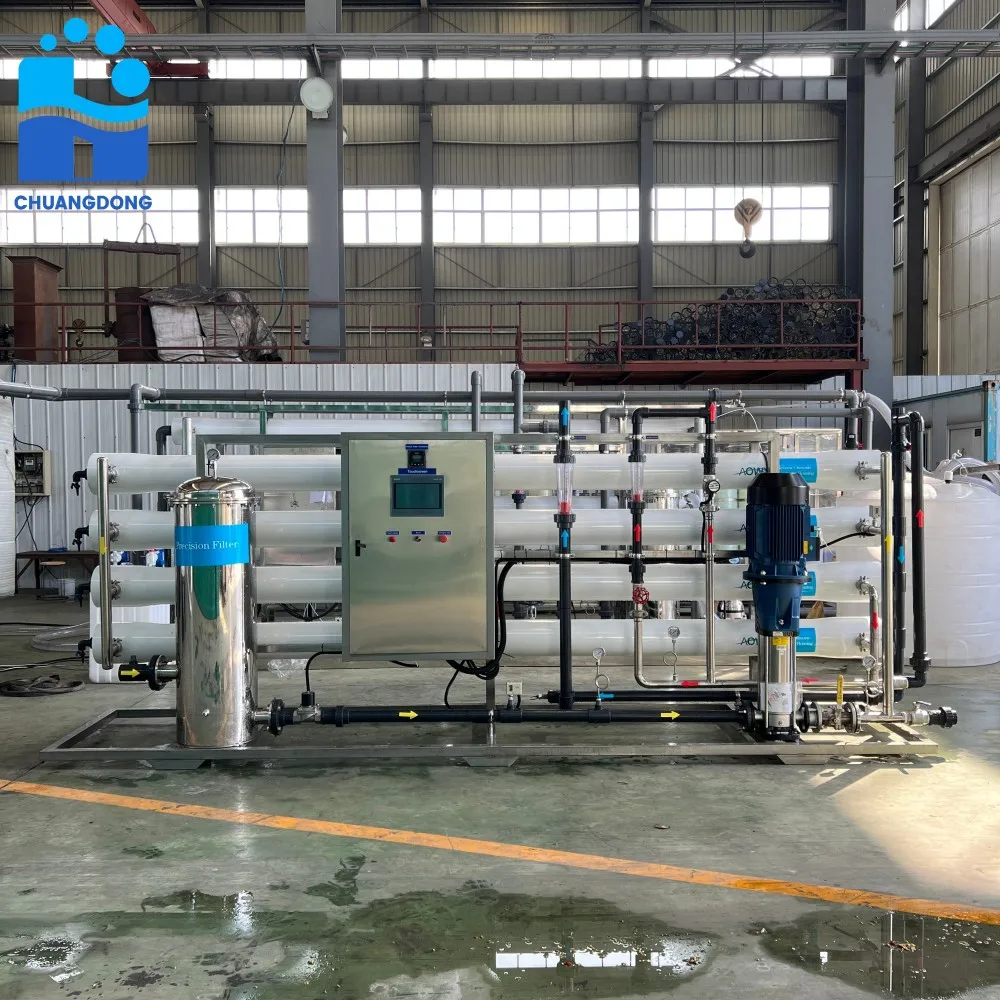
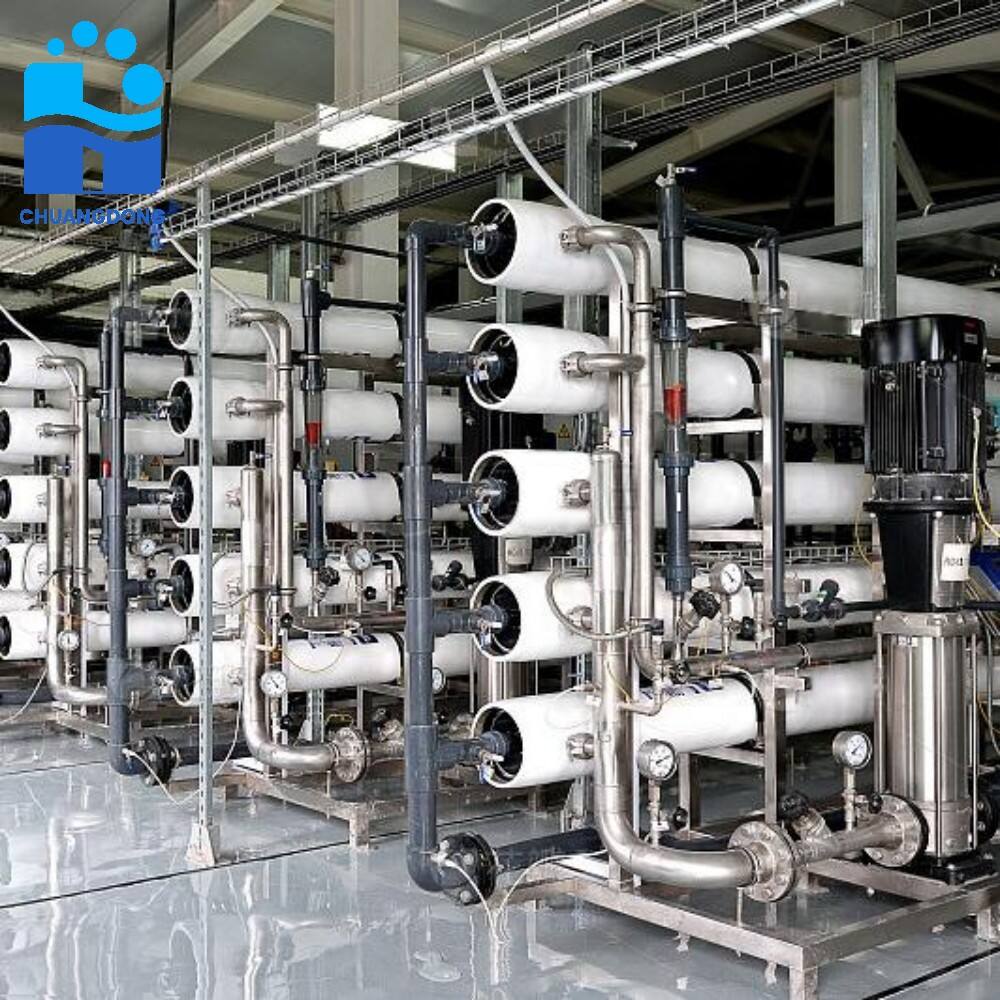
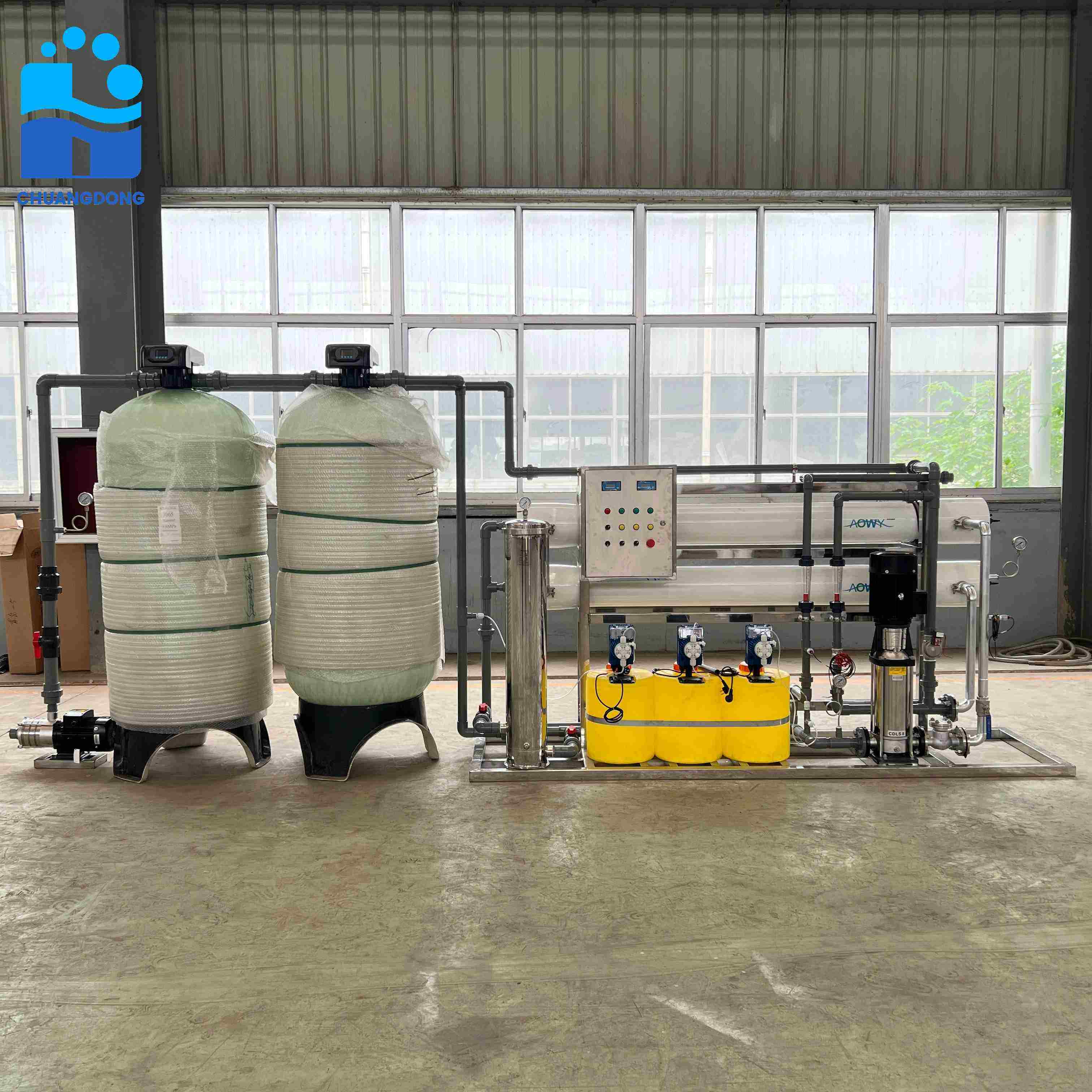
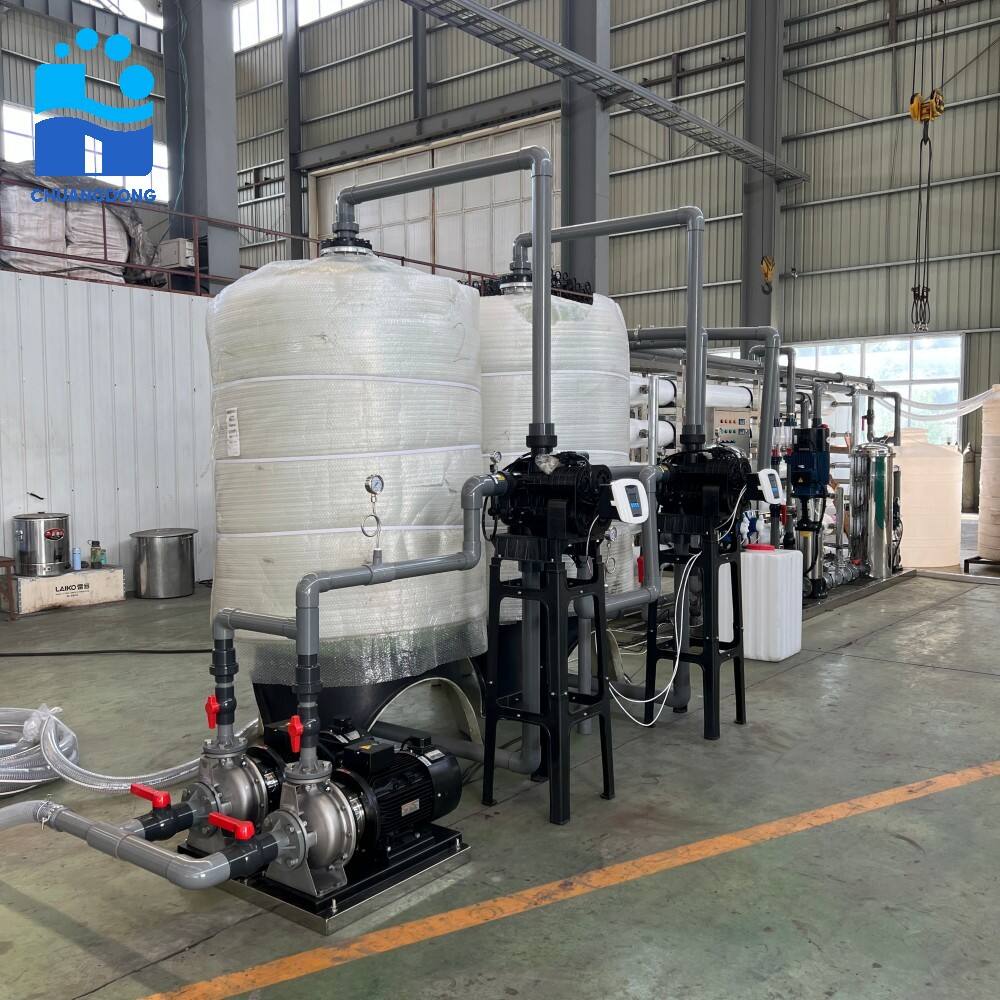
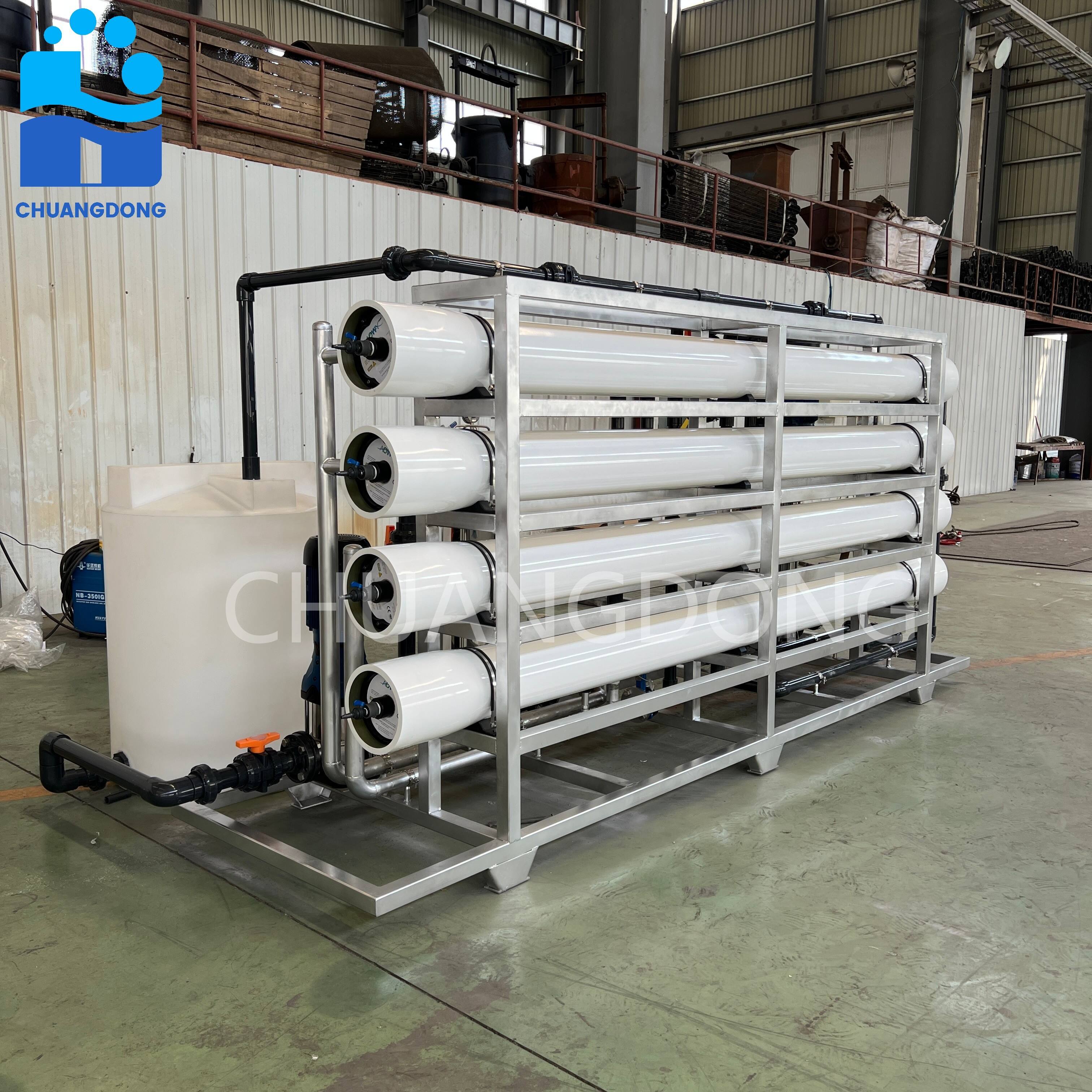
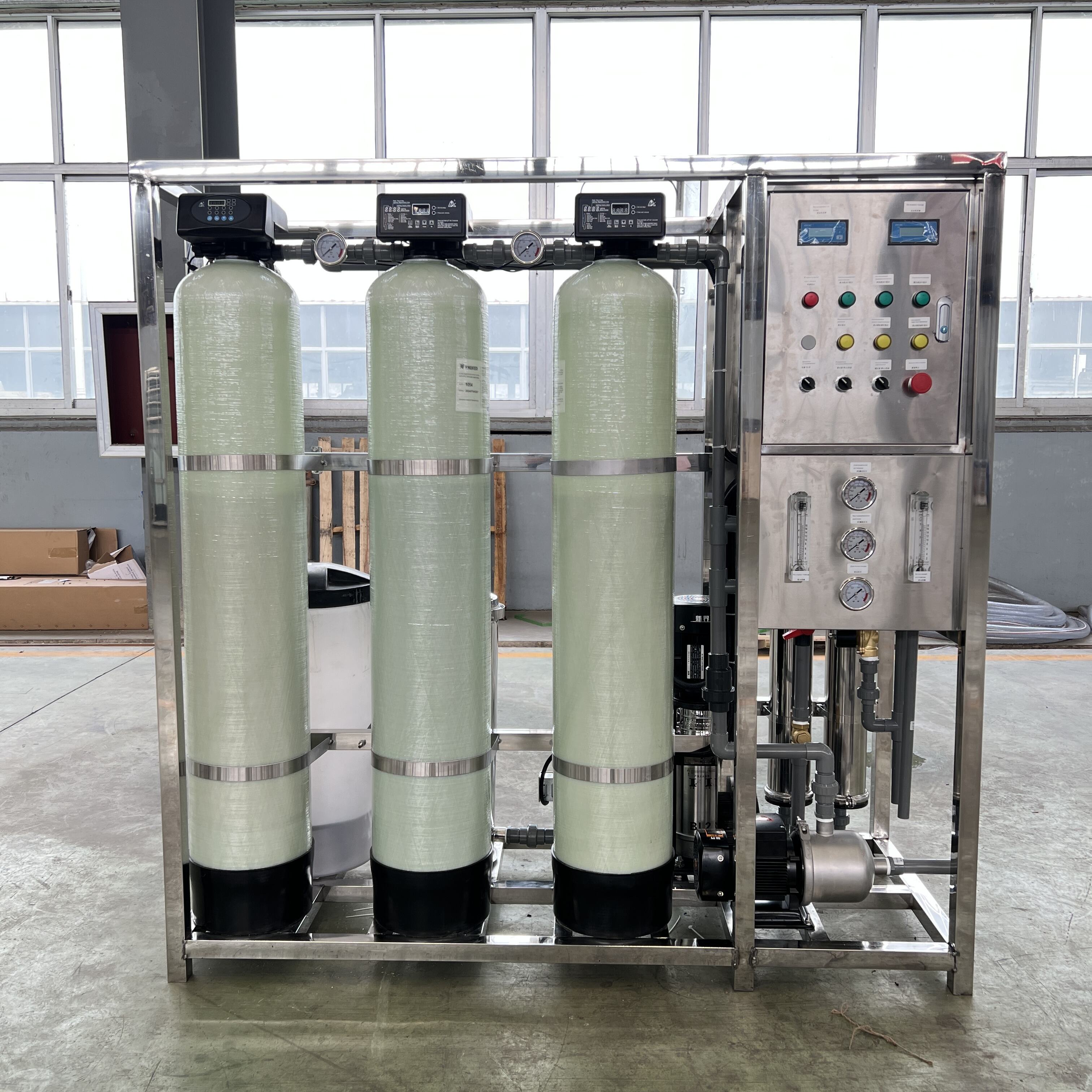
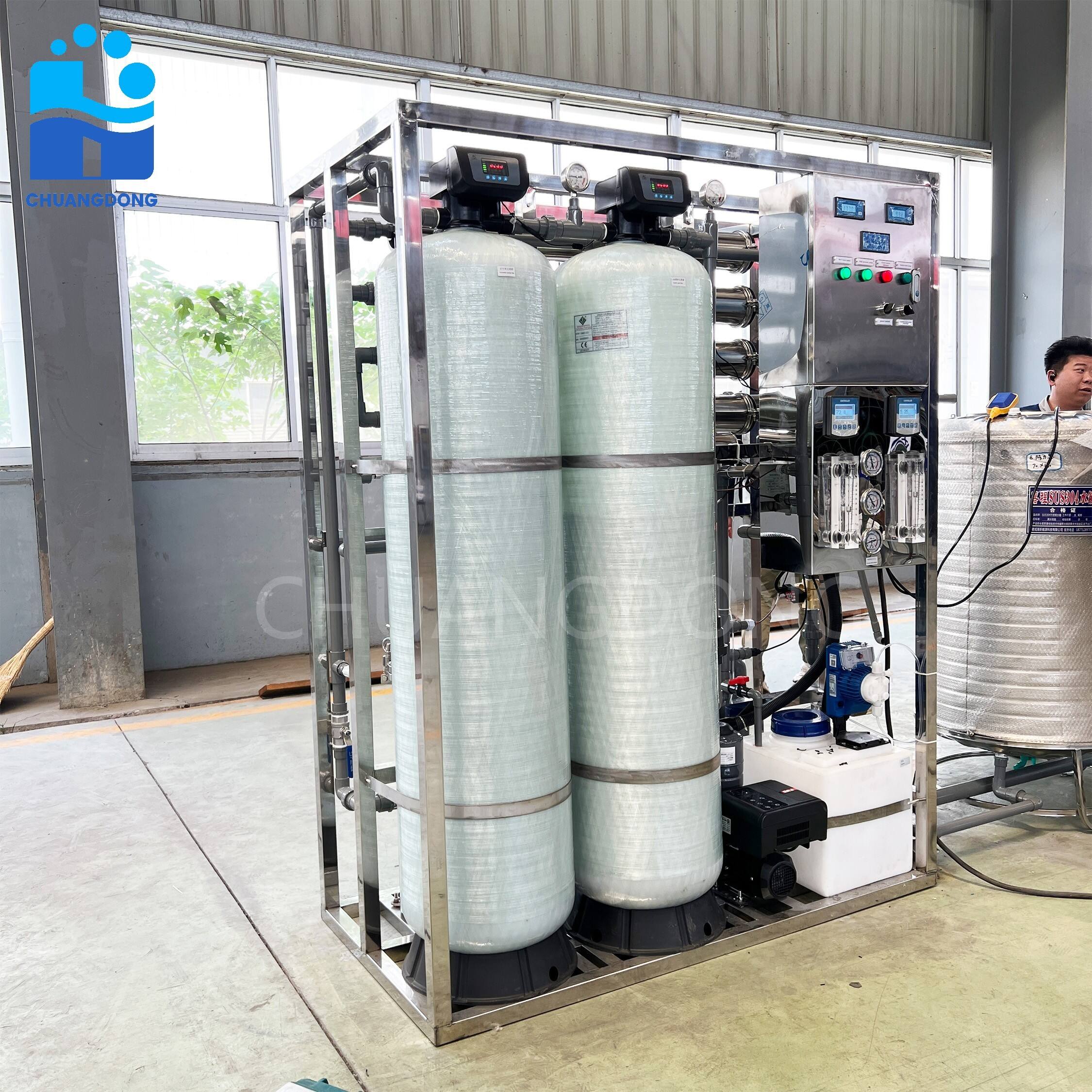
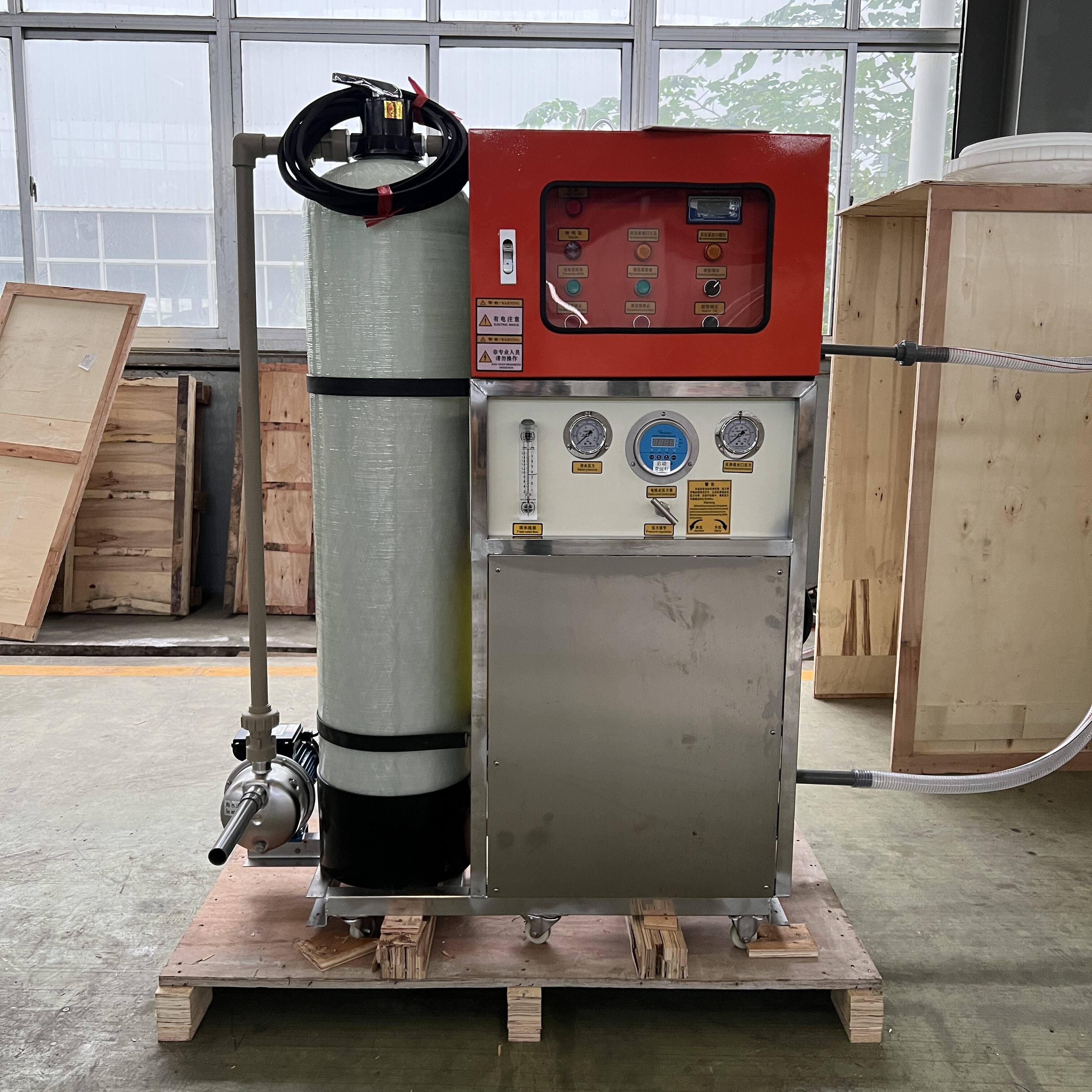
Ultrapure water treatment represents a sophisticated purification technology that removes virtually all contaminants from water, producing exceptionally clean water with resistivity levels exceeding 18 megohm-cm. This advanced process combines multiple purification stages including reverse osmosis, electrodeionization, ultraviolet sterilization, and ultrafiltration to eliminate particles, bacteria, organic compounds, and dissolved ions. The ultrapure water treatment system operates through a carefully orchestrated sequence of filtration and purification steps that progressively reduce contamination levels to parts-per-billion or even parts-per-trillion. Modern ultrapure water treatment facilities incorporate real-time monitoring systems that continuously track water quality parameters such as total organic carbon, bacterial counts, particle concentration, and conductivity measurements. These monitoring capabilities ensure consistent output quality and enable immediate adjustments when contamination levels fluctuate. The technological architecture of ultrapure water treatment systems features modular designs that allow customization based on specific industry requirements and production volumes. Primary applications span across semiconductor manufacturing where even microscopic impurities can damage delicate electronic components, pharmaceutical production requiring sterile conditions for drug formulation, power generation facilities preventing corrosion in steam turbines, and laboratory research demanding precise experimental conditions. Biotechnology companies rely on ultrapure water treatment for cell culture preparation and protein purification processes. The automotive industry utilizes these systems for paint booth operations and final rinse applications. Food and beverage manufacturers implement ultrapure water treatment to maintain product consistency and safety standards. Medical device production requires ultrapure water to prevent contamination during manufacturing and cleaning procedures. The versatility of ultrapure water treatment technology makes it indispensable across industries where water purity directly impacts product quality, operational efficiency, and regulatory compliance.

New Product Releases

The primary advantage of ultrapure water treatment lies in its exceptional contamination removal efficiency, achieving purity levels that exceed 99.9999 percent across all measured parameters. This remarkable performance translates into significant cost savings for businesses by reducing product defects, equipment maintenance requirements, and operational downtime. Companies implementing ultrapure water treatment systems experience dramatic improvements in product quality consistency, as the elimination of trace contaminants prevents unpredictable manufacturing variations that can compromise final products. The technology delivers substantial long-term economic benefits through reduced equipment corrosion and scaling, extending machinery lifespan and decreasing replacement costs. Ultrapure water treatment systems operate with impressive energy efficiency compared to alternative purification methods, utilizing advanced recovery systems that recycle process water and minimize waste generation. The automated operation capabilities reduce labor costs while ensuring consistent performance around the clock without human intervention. Regulatory compliance becomes significantly easier with ultrapure water treatment, as these systems consistently meet or exceed stringent industry standards for water quality in pharmaceutical, semiconductor, and food production sectors. The scalability of ultrapure water treatment allows businesses to expand production capacity without compromising water quality, supporting growth initiatives while maintaining operational excellence. Environmental benefits include reduced chemical usage compared to traditional water treatment methods, lower waste water discharge volumes, and decreased carbon footprint through optimized energy consumption. The reliability of ultrapure water treatment systems minimizes production interruptions, ensuring continuous manufacturing operations and meeting delivery commitments to customers. Quality assurance becomes more predictable with real-time monitoring capabilities that provide instant feedback on water quality parameters, allowing immediate corrective actions when needed. The versatility of ultrapure water treatment enables customization for specific industry requirements, from ultra-low organic carbon levels for semiconductor applications to pyrogen-free water for pharmaceutical production. Investment returns typically occur within two to three years through reduced operational costs, improved product yields, and decreased quality control expenses. The technology future-proofs operations against increasingly strict environmental regulations while supporting corporate sustainability initiatives through responsible water management practices.

Latest News

What Intake and Outfall Designs Minimize Environmental Impact of a Desalination Plant?

01

Mar

What Intake and Outfall Designs Minimize Environmental Impact of a Desalination Plant?

Environmental considerations have become paramount in the design and operation of modern desalination facilities worldwide. As water scarcity continues to challenge communities across the globe, the demand for sustainable desalination plant solutions...
View More
What Corrosion-Resistant Materials Are Used in Desalination Plant Construction?

06

Mar

What Corrosion-Resistant Materials Are Used in Desalination Plant Construction?

Desalination plants operate in some of the harshest environments imaginable, where saltwater constantly threatens the integrity of critical infrastructure. The selection of appropriate corrosion-resistant materials becomes paramount to ensuring long-...
View More
How Does a Water Purification System with Ion Exchange Soften Hard Water Effectively?

15

Mar

How Does a Water Purification System with Ion Exchange Soften Hard Water Effectively?

Hard water poses significant challenges for both residential and commercial applications, containing high concentrations of calcium and magnesium ions that cause scale buildup, reduce equipment efficiency, and affect water quality. A water purificati...
View More
How Does an RO Water Filter with a UV Sterilizer Provide Additional Protection Against Bacteria?

10

Mar

How Does an RO Water Filter with a UV Sterilizer Provide Additional Protection Against Bacteria?

Water contamination remains one of the most pressing concerns for homeowners and businesses seeking reliable water purification solutions. While traditional filtration methods offer basic protection, modern water treatment technology has evolved to p...
View More

Get a Free Quote

Our representative will contact you soon.
Email
Name
Company Name
Message
0/1000

ultrapure water treatment

Advanced Multi-Stage Purification Technology

Advanced Multi-Stage Purification Technology

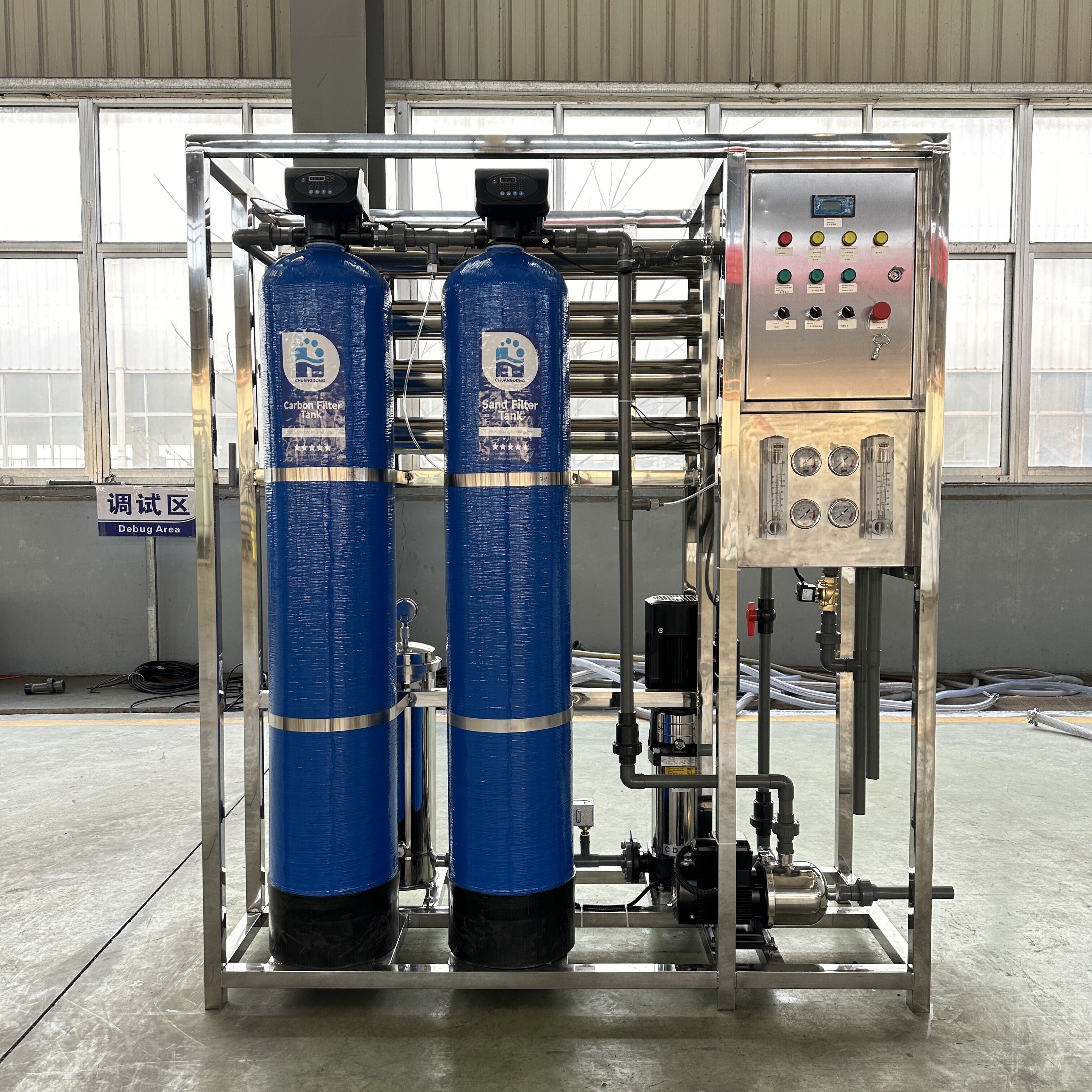
The cornerstone of effective ultrapure water treatment lies in its sophisticated multi-stage purification technology that systematically eliminates contaminants through a carefully engineered sequence of treatment processes. This comprehensive approach begins with pre-treatment systems that remove larger particles and chlorine, followed by reverse osmosis membranes that eliminate dissolved salts and organic compounds. The process continues with electrodeionization units that capture remaining ionic contaminants using electrical fields and ion-exchange resins, achieving conductivity levels below 0.1 microsiemens per centimeter. Ultraviolet sterilization stages destroy bacteria, viruses, and organic molecules through high-intensity UV radiation, while ultrafiltration membranes provide final particle removal down to 0.01 microns. The synergistic effect of these combined technologies creates an ultrapure water treatment system capable of producing water that meets the most demanding industrial specifications. Advanced control systems monitor each purification stage independently, allowing operators to optimize performance and identify potential issues before they impact water quality. The modular design of modern ultrapure water treatment systems enables selective activation of treatment stages based on feed water conditions and output requirements, maximizing efficiency while minimizing operational costs. Redundant treatment pathways ensure continuous operation even during maintenance periods, preventing production disruptions that could cost businesses thousands of dollars per hour. The progressive purification approach means that each stage operates under optimal conditions, extending component lifespan and reducing replacement frequency. Real-time quality monitoring at multiple points throughout the ultrapure water treatment process provides comprehensive visibility into system performance, enabling predictive maintenance scheduling and preventing unexpected failures. This technological sophistication translates into measurable benefits for users, including consistent product quality, reduced manufacturing defects, and compliance with increasingly stringent regulatory standards across multiple industries.
Real-Time Quality Monitoring and Control Systems

Real-Time Quality Monitoring and Control Systems

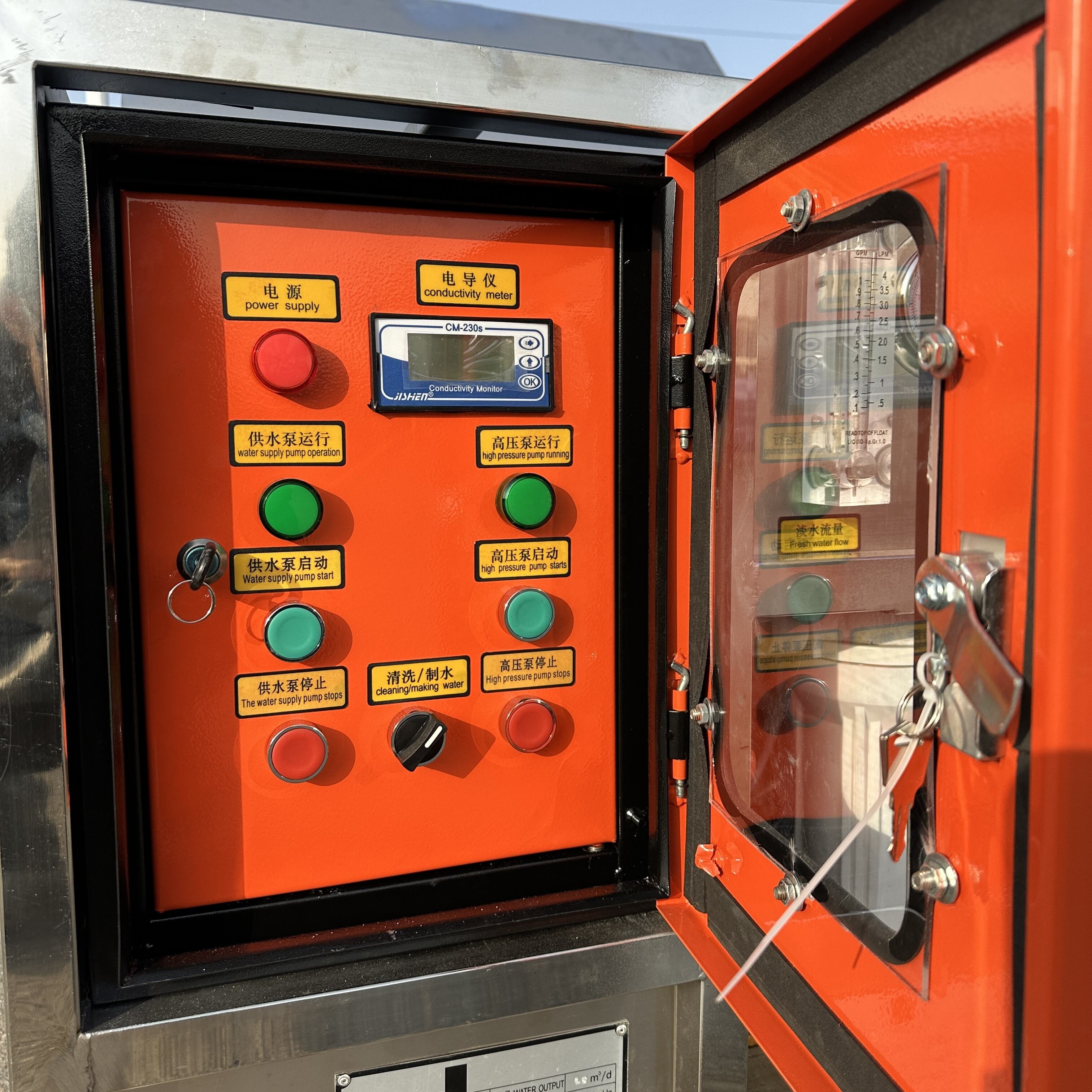
Modern ultrapure water treatment systems incorporate sophisticated real-time monitoring and control capabilities that provide unprecedented visibility into water quality parameters and system performance. These advanced monitoring systems continuously track critical measurements including conductivity, total organic carbon, particle counts, bacterial levels, and dissolved oxygen concentrations using state-of-the-art analytical instruments. The integration of multiple monitoring points throughout the ultrapure water treatment process creates a comprehensive quality profile that enables immediate detection of contamination events or system deviations. Automated control algorithms respond instantly to quality variations by adjusting treatment parameters, activating backup systems, or initiating corrective procedures without human intervention. This proactive approach prevents contaminated water from reaching production processes, protecting valuable products and maintaining operational continuity. Data logging capabilities capture historical performance trends, enabling predictive analytics that identify potential issues before they impact water quality or system reliability. The user-friendly interface displays real-time status information, alarm notifications, and performance metrics through intuitive dashboards accessible from local control panels or remote monitoring stations. Advanced ultrapure water treatment systems feature communication protocols that integrate seamlessly with existing facility management systems, enabling centralized monitoring of multiple treatment systems across different locations. Customizable alarm thresholds allow operators to set quality limits specific to their applications, ensuring that ultrapure water treatment systems maintain the exact specifications required for each manufacturing process. The monitoring systems generate comprehensive reports documenting water quality compliance for regulatory audits and quality assurance programs. Trend analysis capabilities help optimize system performance by identifying patterns in feed water quality, treatment efficiency, and component degradation. Remote diagnostic capabilities enable expert technical support teams to assess system performance and provide troubleshooting assistance without on-site visits, reducing maintenance costs and minimizing downtime. The combination of real-time monitoring, automated control, and predictive analytics transforms ultrapure water treatment from a reactive maintenance approach to a proactive optimization strategy that maximizes reliability while minimizing operational costs.
Exceptional Contamination Removal Efficiency

Exceptional Contamination Removal Efficiency

The exceptional contamination removal efficiency of ultrapure water treatment systems sets them apart from conventional water purification technologies, achieving removal rates exceeding 99.9999 percent for particles, dissolved ions, organic compounds, and microorganisms. This extraordinary performance stems from the synergistic combination of multiple purification technologies working in concert to address different contamination categories simultaneously. Reverse osmosis membranes remove dissolved salts, organic molecules, and particles larger than 0.0001 microns, while electrodeionization systems capture remaining ionic contaminants using electrical fields that drive ions into specialized resin chambers. Ultraviolet sterilization destroys bacteria, viruses, and organic compounds through photochemical reactions that break molecular bonds, while activated carbon filters eliminate chlorine and trace organics that could interfere with downstream processes. The cumulative effect of these technologies in ultrapure water treatment systems produces water with total dissolved solids below 1 part per billion and bacterial counts undetectable by standard analytical methods. This level of purity translates directly into measurable benefits for industrial applications, including reduced product defects in semiconductor manufacturing, extended equipment life in power generation facilities, and improved consistency in pharmaceutical production. The efficiency of ultrapure water treatment systems remains stable over extended operating periods due to advanced regeneration and cleaning protocols that maintain component performance without compromising water quality. Continuous monitoring ensures that removal efficiency stays within specified parameters, with automatic adjustments maintaining optimal performance as feed water conditions change throughout daily and seasonal cycles. The high removal efficiency extends to emerging contaminants such as endocrine disruptors, pharmaceutical residues, and industrial chemicals that conventional treatment methods struggle to eliminate effectively. This comprehensive contamination removal capability makes ultrapure water treatment systems ideal for critical applications where even trace levels of impurities can cause significant problems. The technology consistently meets or exceeds international standards for ultrapure water quality, including ASTM, SEMI, and pharmacopeial requirements across diverse industries. Quality validation protocols demonstrate removal efficiency through rigorous testing programs that verify system performance under various operating conditions and contamination scenarios.

Get a Free Quote

Our representative will contact you soon.
Email
Name
Company Name
Message
0/1000