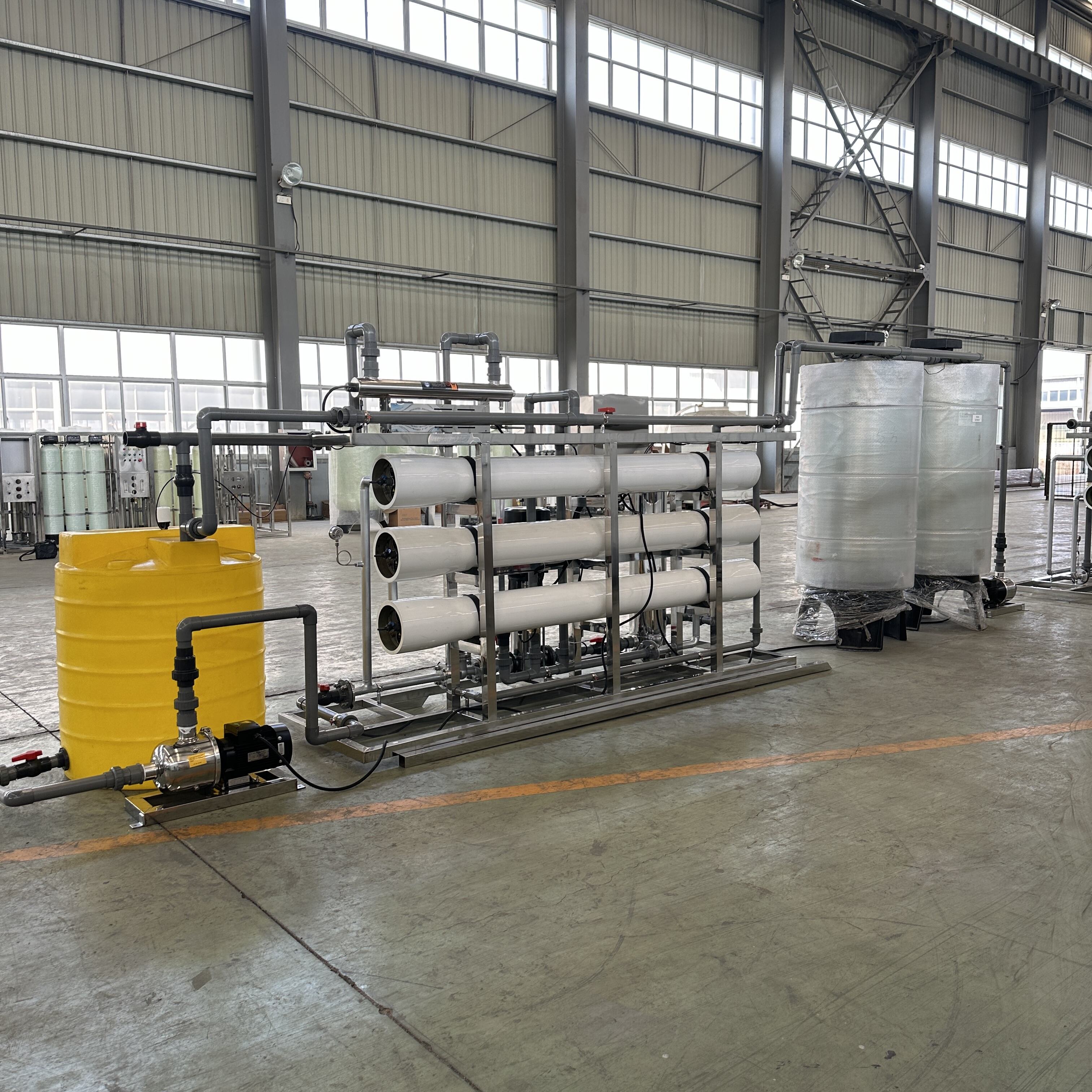
Advanced Ultrapure Water Systems - High-Performance Purification Technology

Get a Free Quote

Our representative will contact you soon.
Email
Name
Company Name
Message
0/1000

ultrapure systems

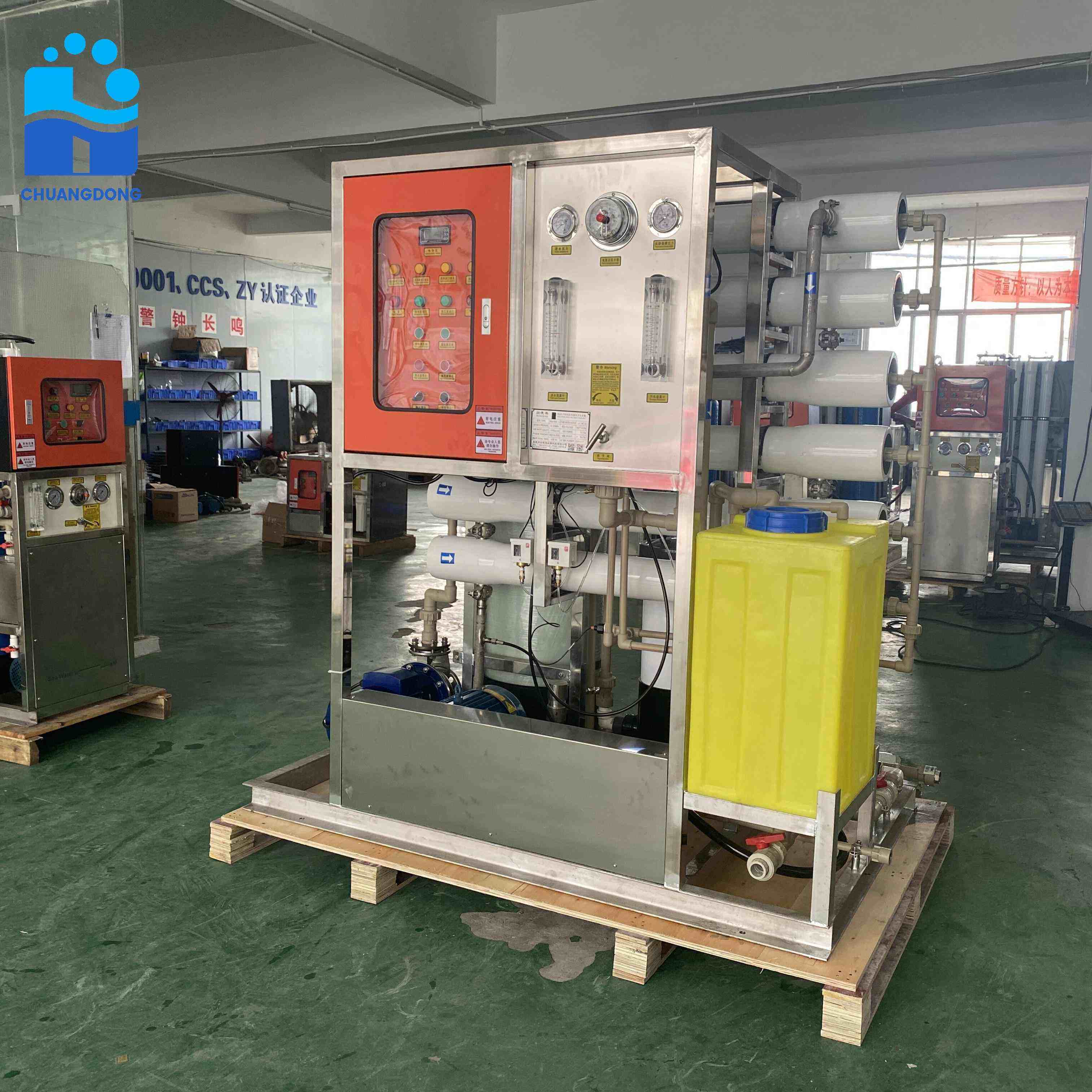
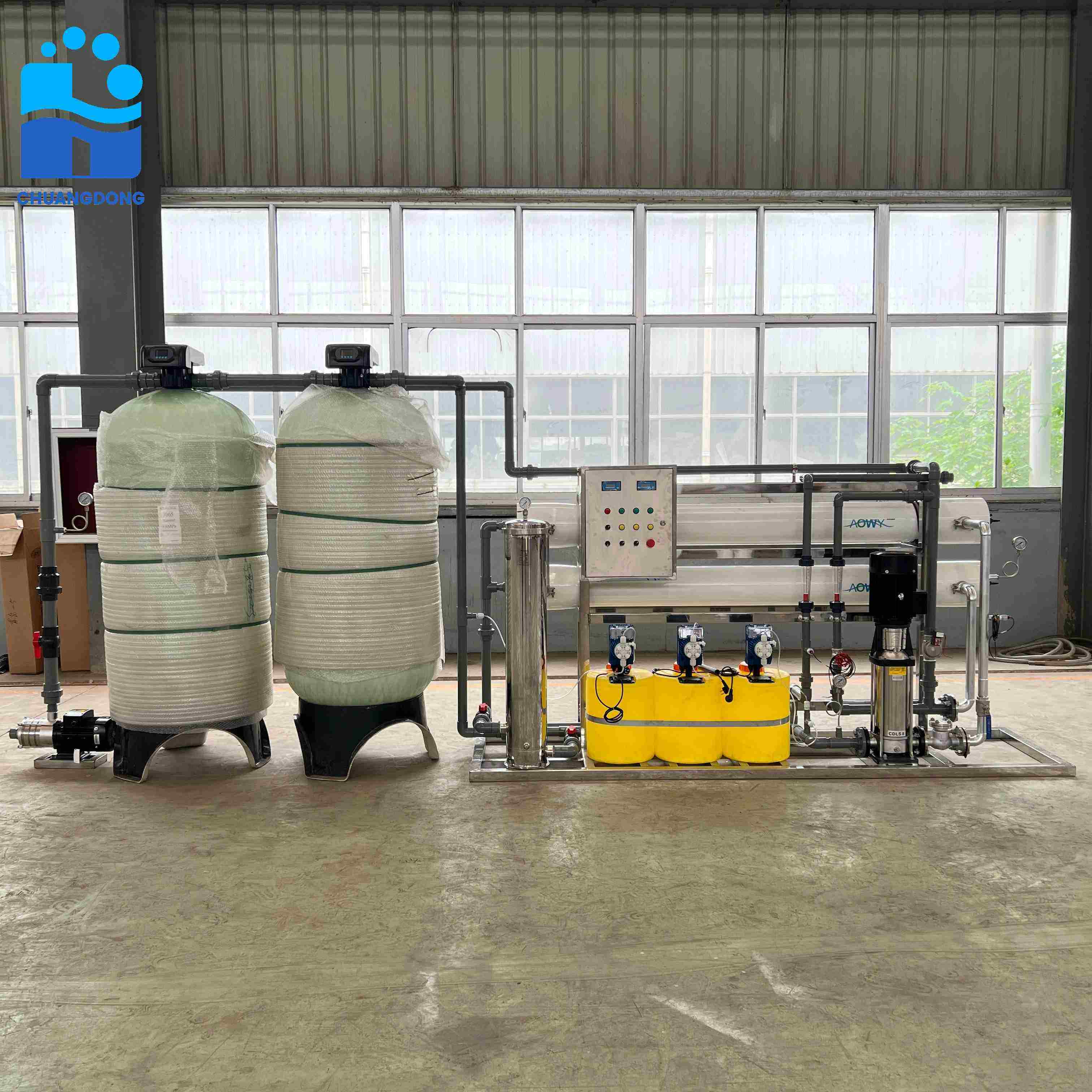
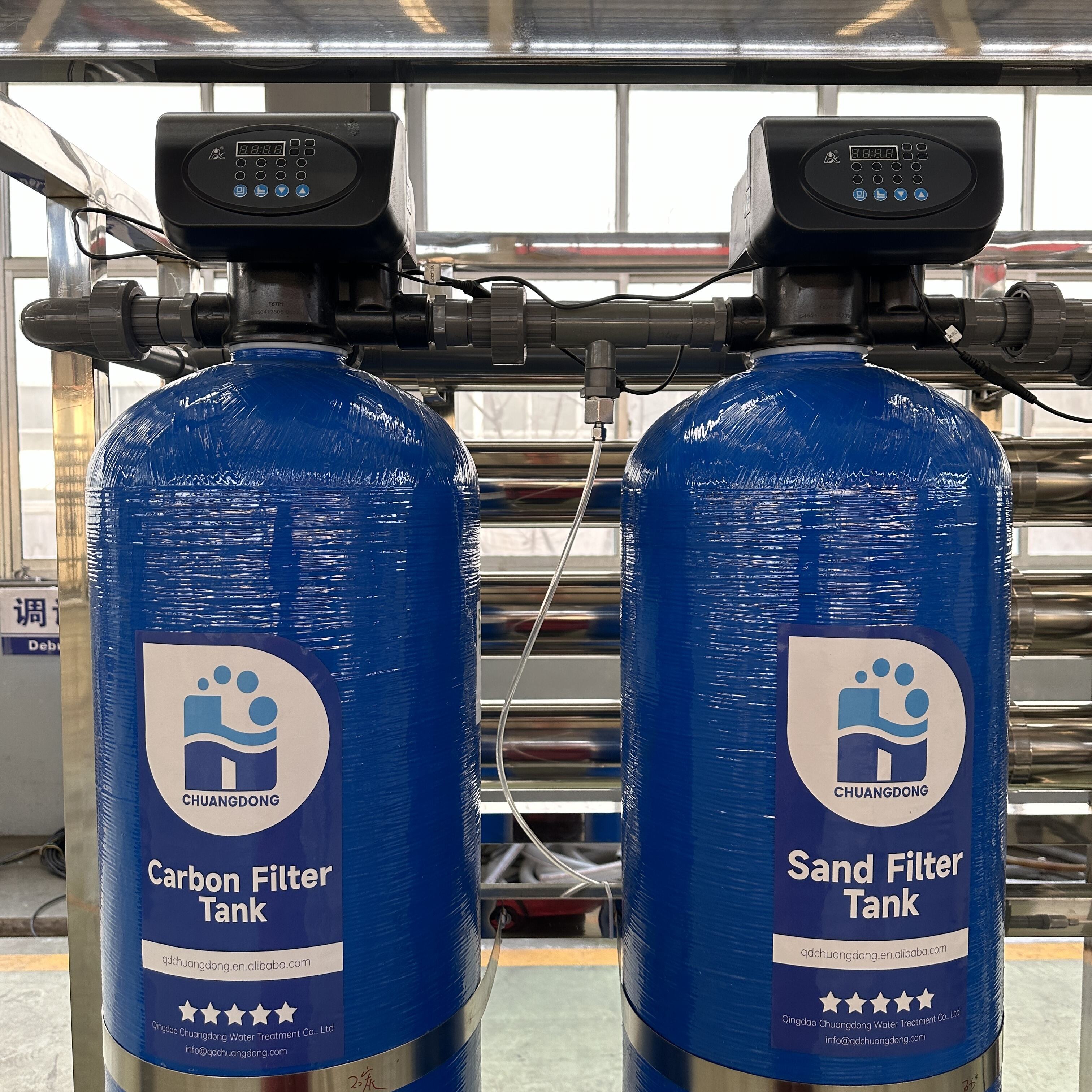
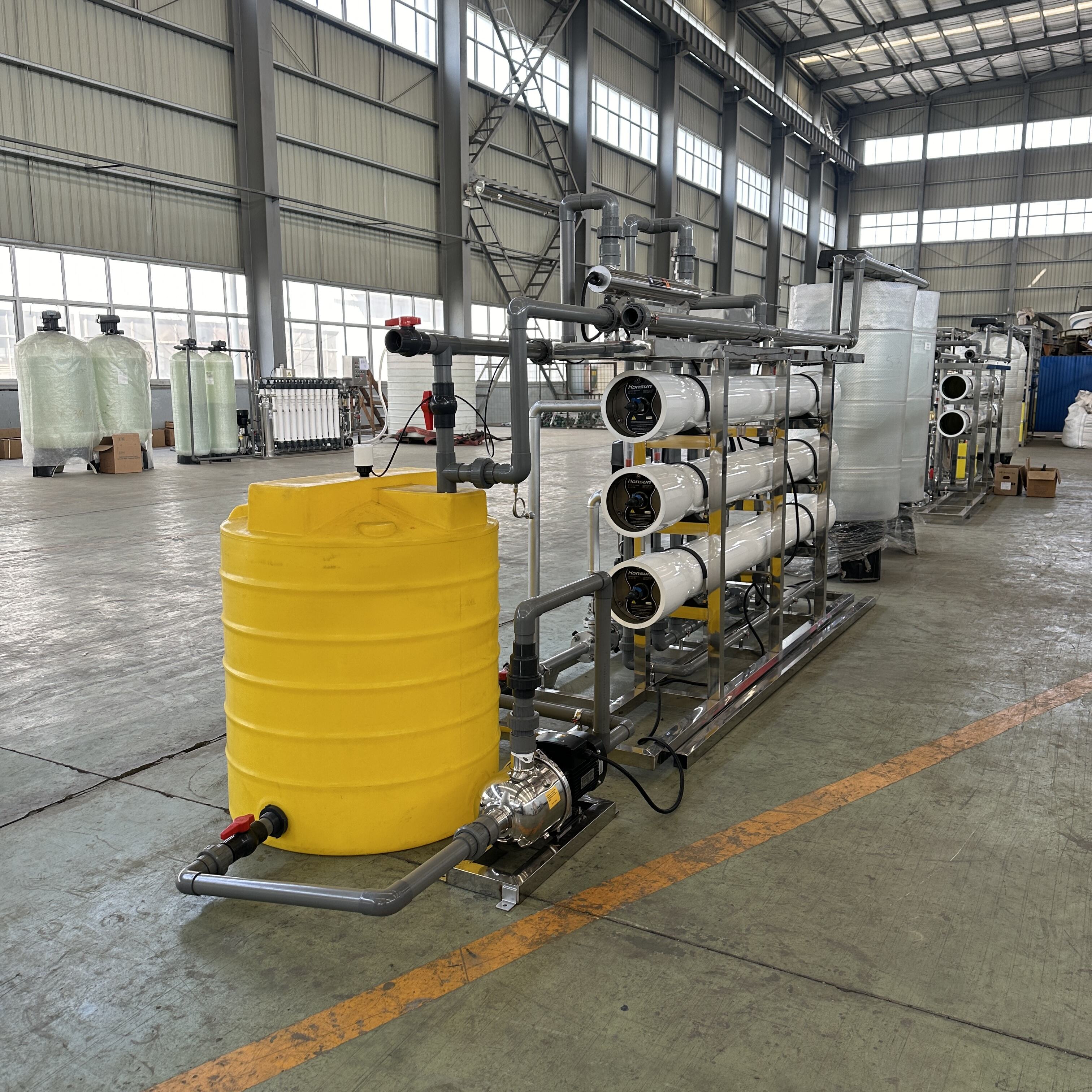
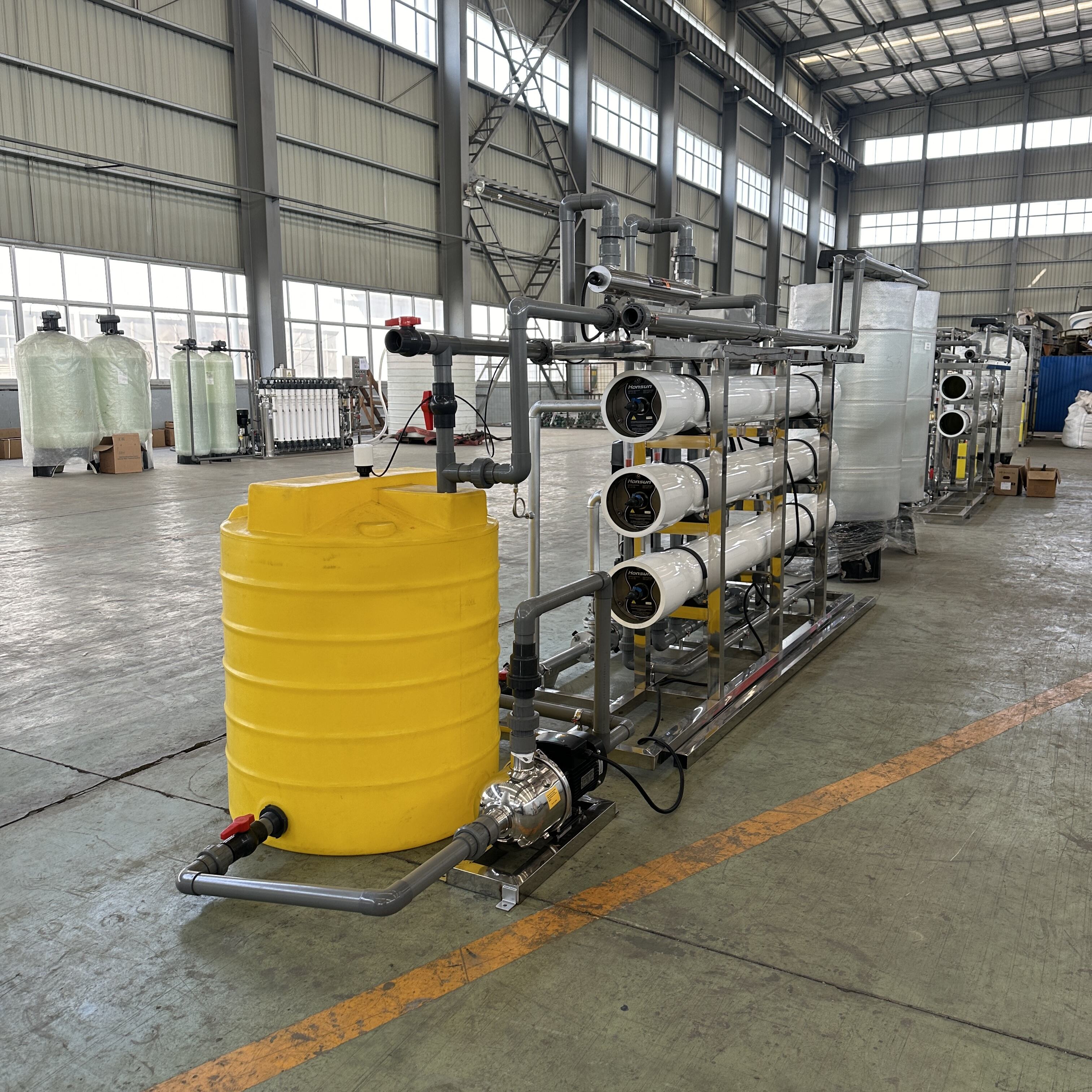
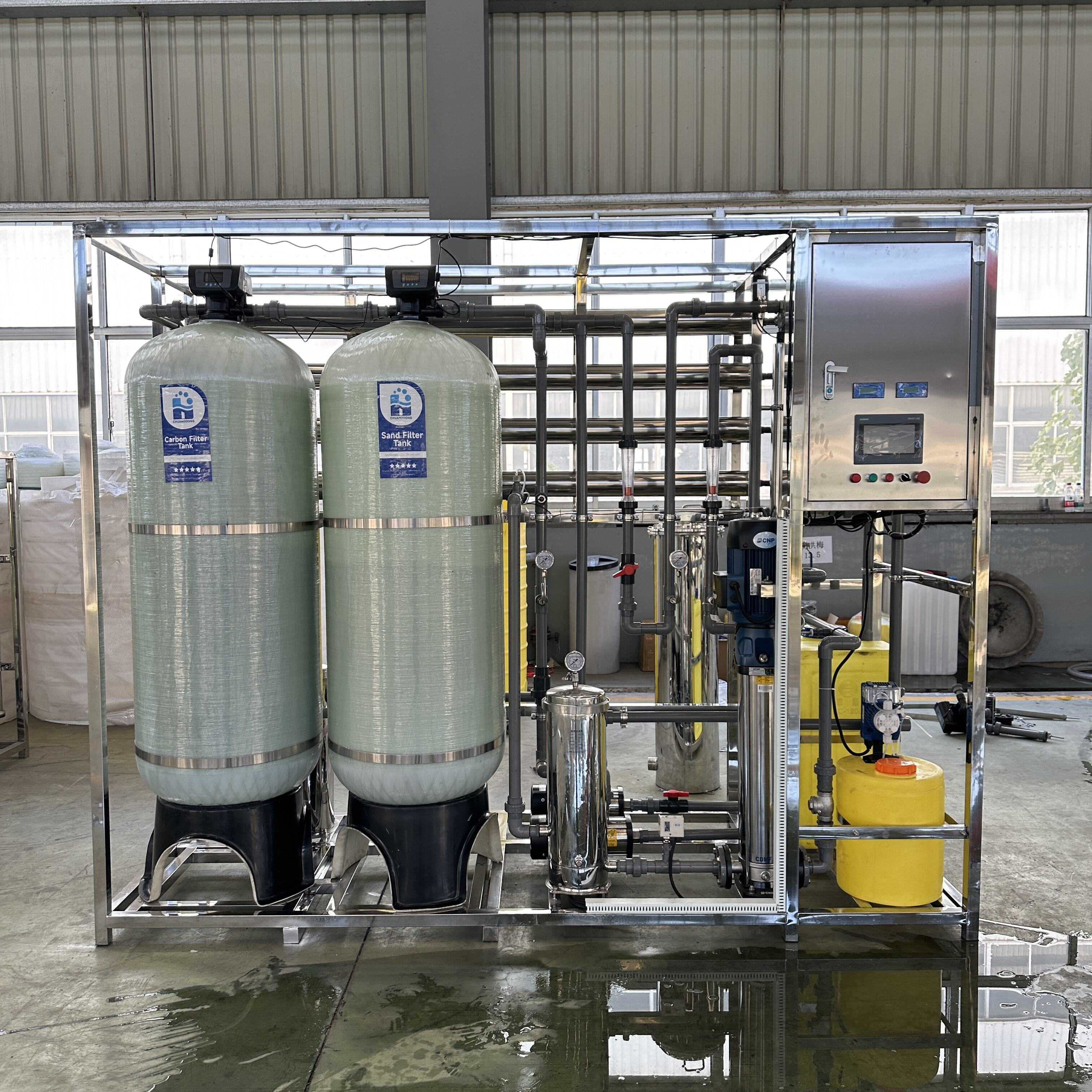
Ultrapure systems represent cutting-edge water purification technology designed to produce exceptionally clean water with contaminant levels measured in parts per billion or lower. These sophisticated systems combine multiple purification stages to eliminate virtually all impurities, including dissolved salts, organic compounds, bacteria, viruses, and particulate matter. The primary function of ultrapure systems involves removing contaminants through a sequential process that typically includes pre-filtration, reverse osmosis, electrodeionization, and ultraviolet sterilization. Modern ultrapure systems feature advanced monitoring capabilities that continuously track water quality parameters such as resistivity, total organic carbon, and microbial content. These systems maintain consistent output quality through automated feedback loops that adjust operational parameters in real-time. The technological foundation of ultrapure systems relies on proven purification methods enhanced by digital controls and predictive maintenance features. Pre-treatment stages remove larger particles and chlorine, while reverse osmosis membranes eliminate dissolved solids with rejection rates exceeding 99 percent. Electrodeionization modules polish the water further by removing trace ionic contaminants without requiring chemical regeneration. Final polishing steps include activated carbon filtration and UV irradiation to eliminate remaining organic compounds and microorganisms. Applications for ultrapure systems span numerous industries where water quality directly impacts product performance and safety. Pharmaceutical manufacturing requires ultrapure water for drug formulation and equipment cleaning to meet strict regulatory standards. Electronics fabrication facilities use these systems to produce semiconductor-grade water that prevents defects in microchips and circuit boards. Laboratory environments depend on ultrapure systems for analytical testing, research applications, and instrument operation where trace contaminants could compromise results. Medical device manufacturing utilizes these systems to ensure sterile processing conditions and product safety. Power generation facilities employ ultrapure systems for boiler feedwater treatment to prevent corrosion and scaling in steam turbines.

New Product Releases

Ultrapure systems deliver substantial operational benefits that directly impact productivity and cost-effectiveness across various applications. These systems produce consistently high-quality water that meets or exceeds industry standards, eliminating the variability often associated with traditional purification methods. Users experience significant cost savings through reduced chemical consumption, as modern ultrapure systems minimize or eliminate the need for expensive regeneration chemicals. The automated operation of these systems reduces labor requirements while maintaining optimal performance, allowing staff to focus on core business activities rather than water system maintenance. Energy efficiency represents another major advantage, as contemporary ultrapure systems incorporate design improvements that reduce power consumption compared to older technologies. The modular design of these systems enables easy expansion or reconfiguration as business needs evolve, protecting initial investments while accommodating growth. Maintenance requirements are streamlined through predictive monitoring systems that alert operators to potential issues before they impact performance, preventing costly unplanned downtime. The compact footprint of modern ultrapure systems maximizes available floor space, particularly important in facilities where real estate costs are significant. Environmental benefits include reduced wastewater generation and lower chemical discharge, helping organizations meet sustainability goals while reducing disposal costs. Product quality improvements result from consistent water purity, reducing defect rates and rework costs in manufacturing applications. Regulatory compliance becomes more manageable with documented water quality records and validation protocols built into these systems. The reliability of ultrapure systems ensures continuous production capabilities, eliminating disruptions caused by water quality issues. Remote monitoring capabilities allow facility managers to track system performance and receive alerts from any location, improving response times and operational efficiency. Long-term durability and component reliability reduce total ownership costs while maintaining consistent performance over extended operational periods. Integration capabilities with existing facility systems simplify installation and operation while providing comprehensive process control.

Practical Tips

What Intake and Outfall Designs Minimize Environmental Impact of a Desalination Plant?

01

Mar

What Intake and Outfall Designs Minimize Environmental Impact of a Desalination Plant?

Environmental considerations have become paramount in the design and operation of modern desalination facilities worldwide. As water scarcity continues to challenge communities across the globe, the demand for sustainable desalination plant solutions...
View More
What Corrosion-Resistant Materials Are Used in Desalination Plant Construction?

06

Mar

What Corrosion-Resistant Materials Are Used in Desalination Plant Construction?

Desalination plants operate in some of the harshest environments imaginable, where saltwater constantly threatens the integrity of critical infrastructure. The selection of appropriate corrosion-resistant materials becomes paramount to ensuring long-...
View More
How Does a Water Purification System with Ion Exchange Soften Hard Water Effectively?

15

Mar

How Does a Water Purification System with Ion Exchange Soften Hard Water Effectively?

Hard water poses significant challenges for both residential and commercial applications, containing high concentrations of calcium and magnesium ions that cause scale buildup, reduce equipment efficiency, and affect water quality. A water purificati...
View More
Why Should Pharmaceutical QC Labs Use Ultrapure Water for HPLC and Mass Spectrometry?

18

Mar

Why Should Pharmaceutical QC Labs Use Ultrapure Water for HPLC and Mass Spectrometry?

Pharmaceutical quality control laboratories face increasingly stringent requirements for analytical accuracy and regulatory compliance. The foundation of reliable analytical results lies in the quality of water used throughout testing procedures. Ult...
View More

Get a Free Quote

Our representative will contact you soon.
Email
Name
Company Name
Message
0/1000

ultrapure systems

Advanced Multi-Stage Purification Technology

Advanced Multi-Stage Purification Technology

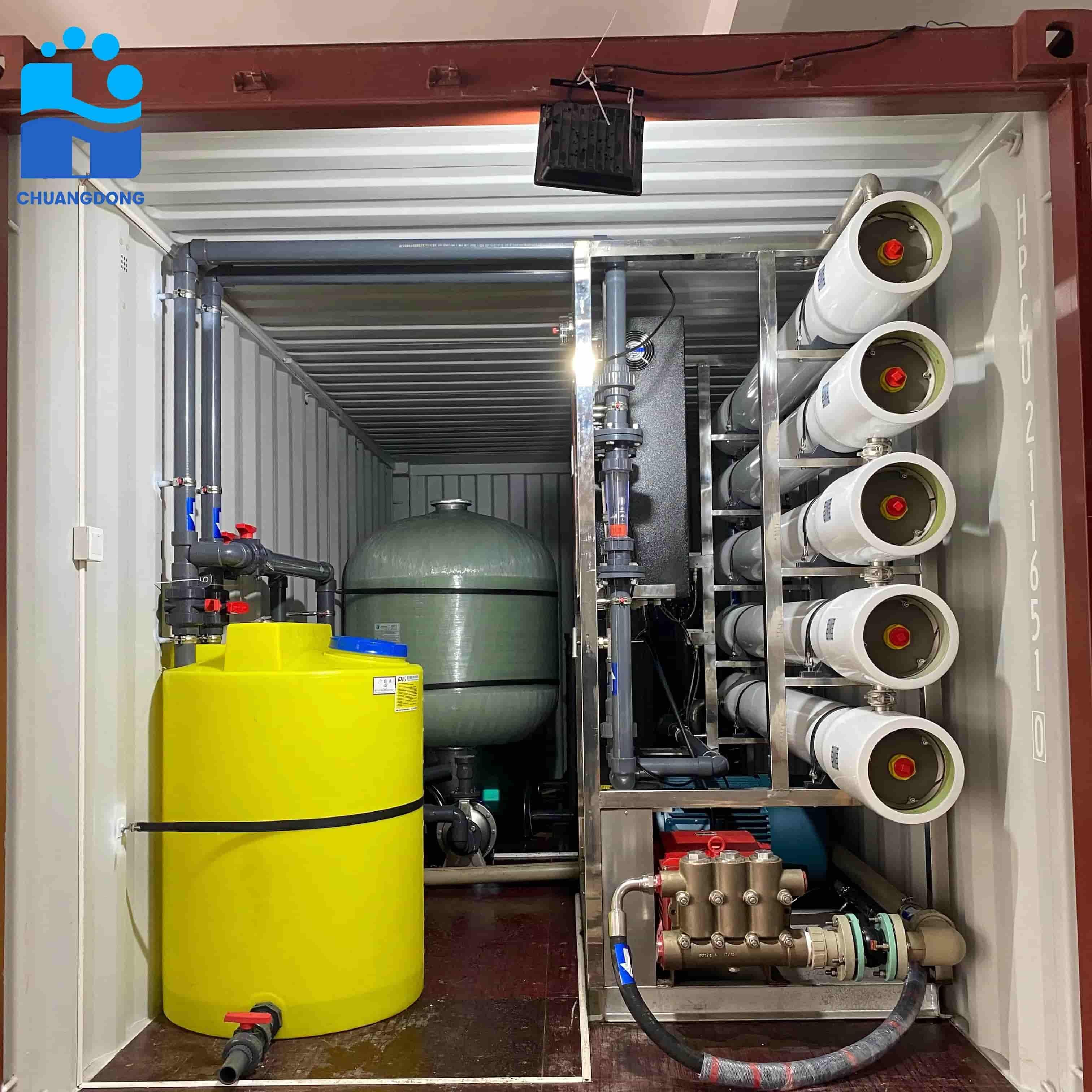
The cornerstone of ultrapure systems lies in their sophisticated multi-stage purification approach that systematically removes contaminants at the molecular level. This comprehensive process begins with pre-filtration stages that eliminate suspended particles, sediment, and chlorine that could damage downstream components. The heart of the system features high-performance reverse osmosis membranes engineered to reject over 99 percent of dissolved solids, including salts, metals, and organic compounds. These membranes operate under precisely controlled pressure conditions to maximize efficiency while extending service life. Following reverse osmosis, electrodeionization technology provides final polish by removing trace ionic contaminants without requiring chemical regeneration, making the process more environmentally sustainable and cost-effective. Advanced monitoring systems continuously measure key parameters including resistivity, conductivity, total organic carbon, and microbial content to ensure consistent output quality. Real-time data collection enables automated adjustments to maintain optimal performance while providing complete documentation for regulatory compliance. The integration of ultraviolet sterilization provides an additional barrier against microorganisms, ensuring the final product meets the most stringent purity requirements. This multi-barrier approach creates redundancy that protects against individual component failures while maintaining system reliability. The sequential purification stages are designed to complement each other, with each stage optimized to handle specific contaminant categories most effectively. Temperature control systems maintain optimal operating conditions throughout the purification train, ensuring consistent performance regardless of seasonal variations. The modular design allows individual stages to be serviced or upgraded without disrupting the entire system, minimizing maintenance downtime and operational costs.
Intelligent Automation and Remote Monitoring

Intelligent Automation and Remote Monitoring

Modern ultrapure systems incorporate cutting-edge automation technology that transforms water treatment from a manual operation into a self-optimizing process. Intelligent control systems continuously monitor dozens of operational parameters and automatically adjust system settings to maintain optimal performance without human intervention. This automation extends to predictive maintenance capabilities that analyze equipment performance trends and component wear patterns to schedule maintenance before failures occur. Remote monitoring capabilities enable facility managers and service technicians to access real-time system data from anywhere in the world, providing immediate notification of any operational issues or maintenance requirements. The user-friendly interface displays critical information in an intuitive format that allows operators to quickly assess system status and make informed decisions. Automated data logging creates comprehensive records of system performance, water quality parameters, and maintenance activities that support regulatory compliance and quality assurance programs. The system learns from operational patterns and environmental conditions to optimize performance automatically, reducing energy consumption and extending component life. Advanced diagnostics identify potential issues early in their development, often before they impact water quality or system reliability. Integration with facility management systems provides centralized monitoring and control capabilities that streamline operations across multiple systems or locations. Customizable alarm settings ensure that operators receive immediate notification of any conditions requiring attention while minimizing false alarms that could lead to operator fatigue. The automation system includes fail-safe mechanisms that protect equipment and maintain safe operating conditions even if primary control systems experience failures. Historical data analysis capabilities help identify optimization opportunities and support continuous improvement initiatives that enhance system efficiency and reduce operating costs.
Superior Cost-Effectiveness and Environmental Benefits

Superior Cost-Effectiveness and Environmental Benefits

Ultrapure systems deliver exceptional value through reduced operating costs and environmental benefits that compound over time. The elimination of chemical regeneration requirements significantly reduces ongoing consumable costs while eliminating the need for hazardous chemical storage and handling procedures. Energy-efficient design incorporates variable frequency drives, optimized pump configurations, and heat recovery systems that minimize power consumption compared to traditional water treatment approaches. The high recovery rates achieved by these systems reduce raw water consumption and wastewater generation, lowering utility costs and environmental impact simultaneously. Preventive maintenance programs based on actual equipment condition rather than arbitrary time intervals extend component life and reduce replacement costs. The modular design approach allows selective upgrades or capacity expansions without replacing entire systems, protecting initial investments while accommodating changing requirements. Automated operation reduces labor costs by eliminating the need for continuous operator attention while improving consistency and reliability. The superior water quality produced by these systems reduces downstream equipment maintenance costs by preventing scale formation, corrosion, and fouling that plague systems using lower-quality water. Product quality improvements result in reduced waste, rework, and rejection rates that directly impact profitability in manufacturing applications. Compliance with environmental regulations becomes simpler through reduced chemical usage, lower wastewater generation, and comprehensive documentation of system performance. The long service life of system components, often exceeding ten years for major elements, provides excellent return on investment while maintaining consistent performance. Financing options and leasing programs make these systems accessible to organizations with limited capital budgets while providing immediate operational benefits. The reputation enhancement that comes from using environmentally responsible technology can support marketing initiatives and corporate sustainability goals that provide indirect financial benefits.

Get a Free Quote

Our representative will contact you soon.
Email
Name
Company Name
Message
0/1000