ultrapure water filtration system
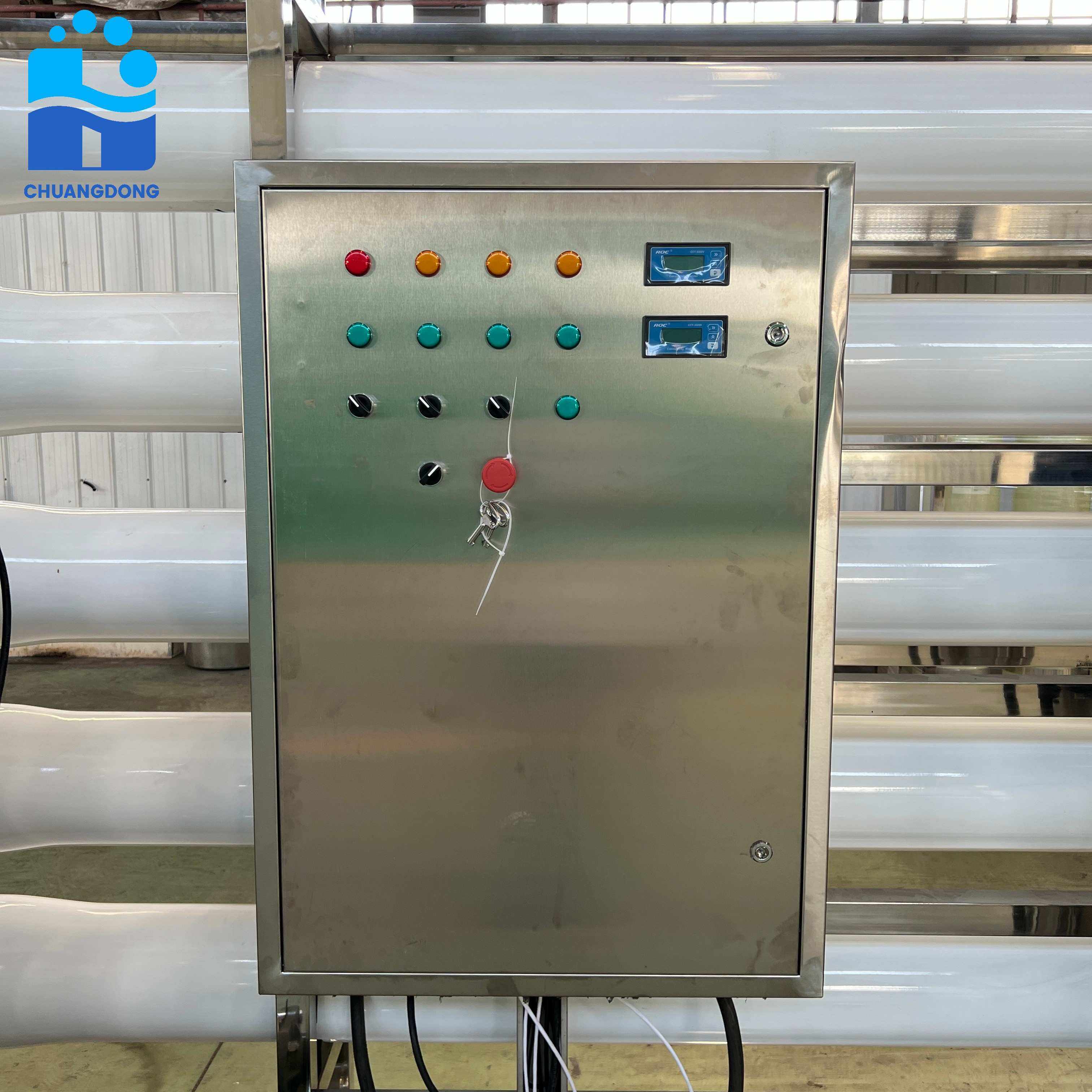
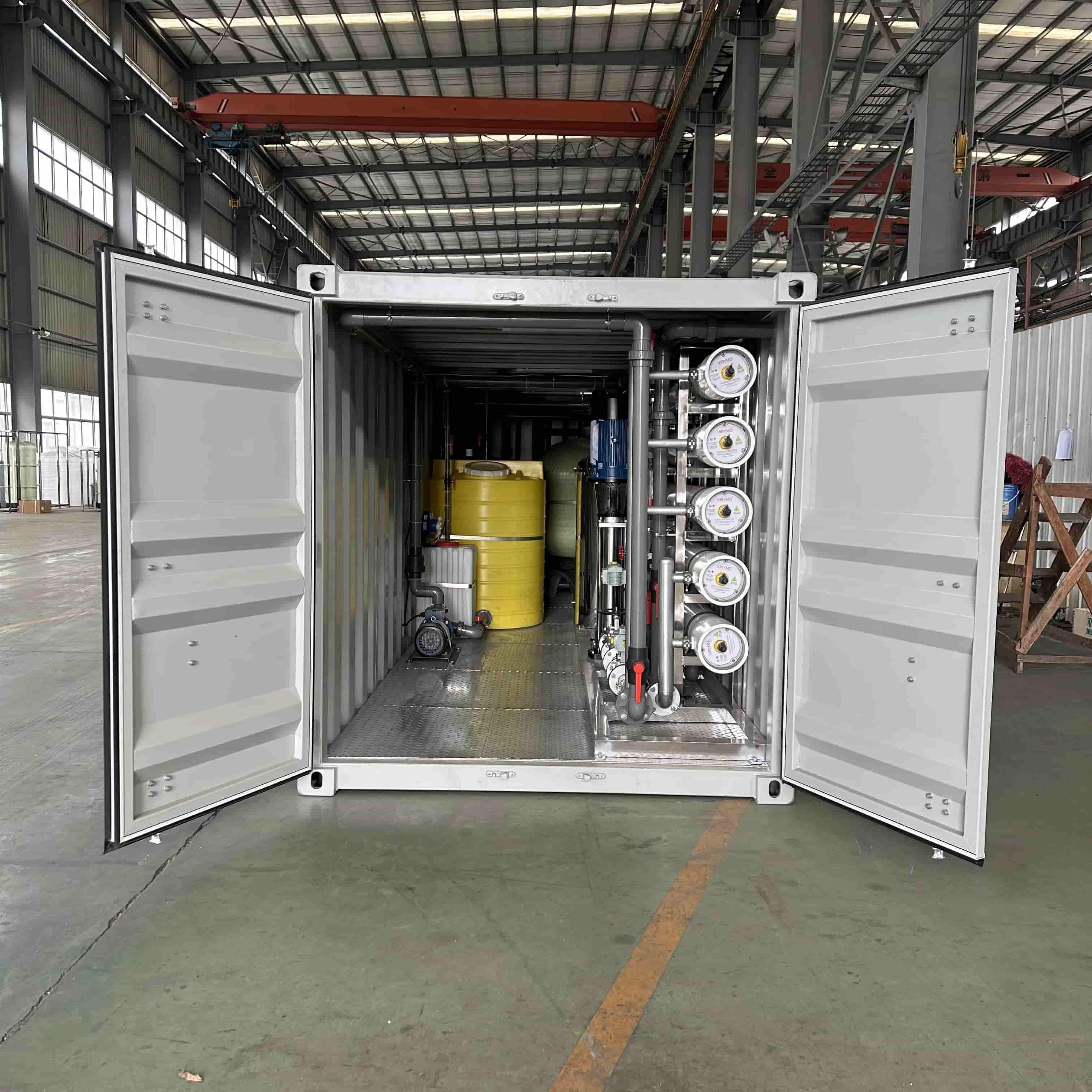
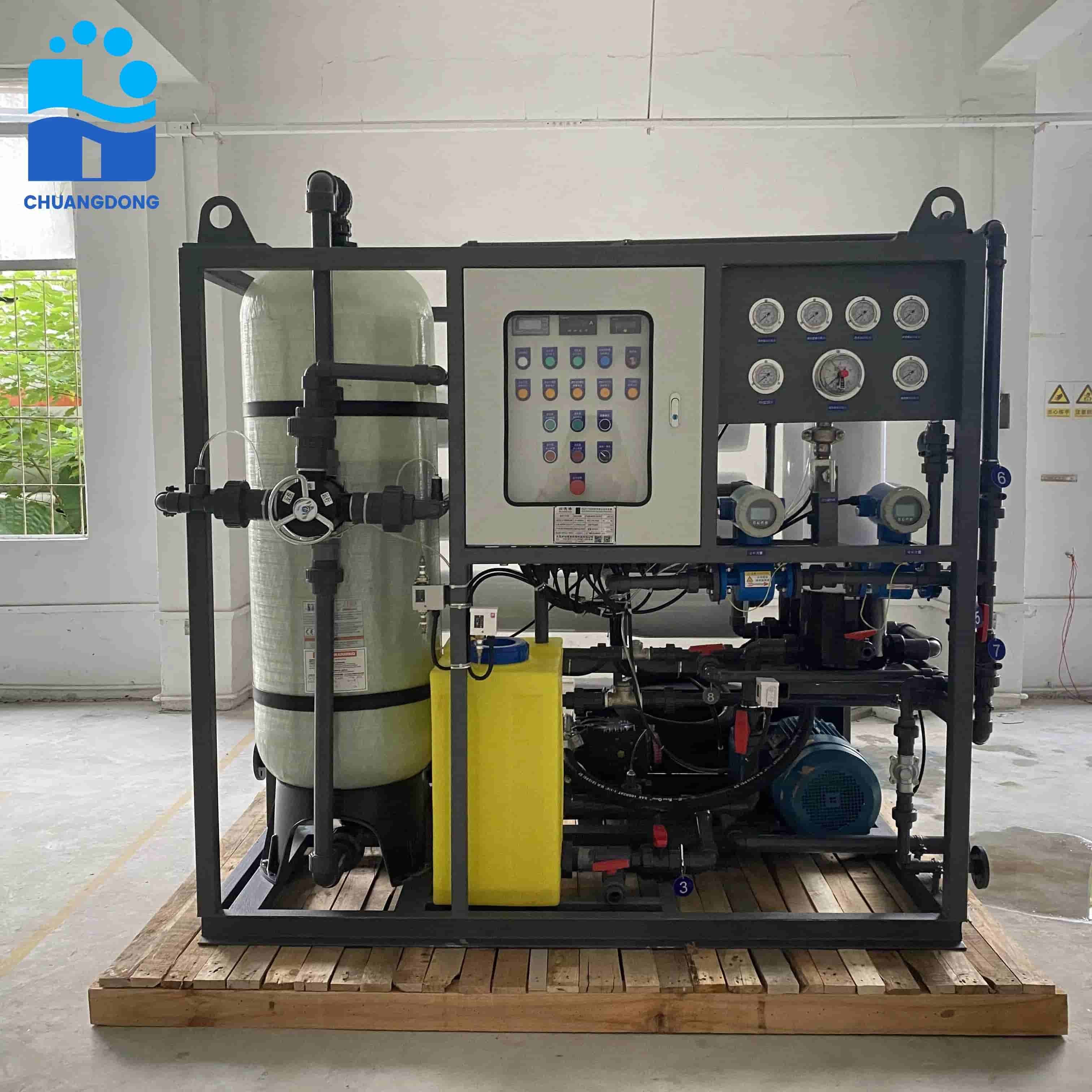
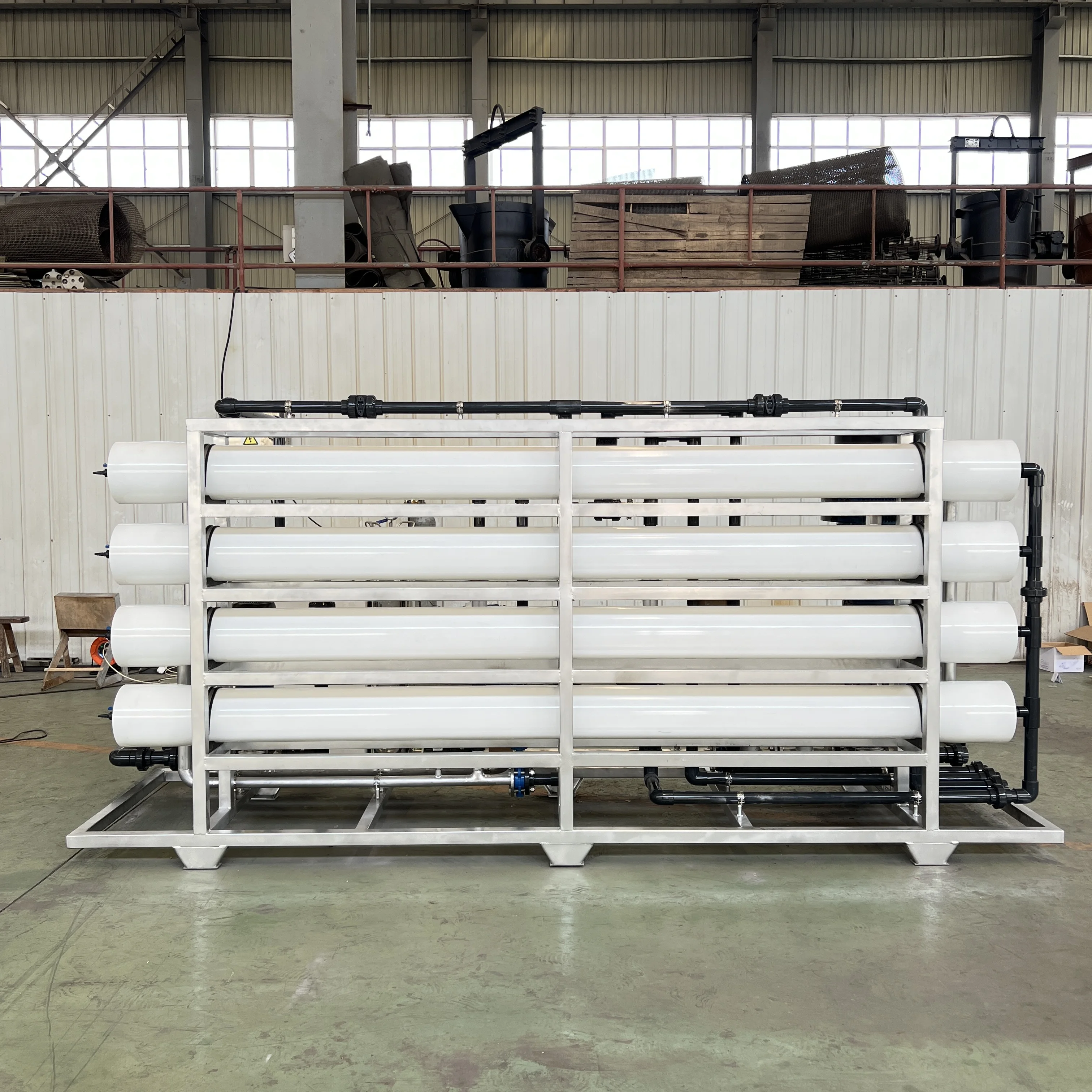
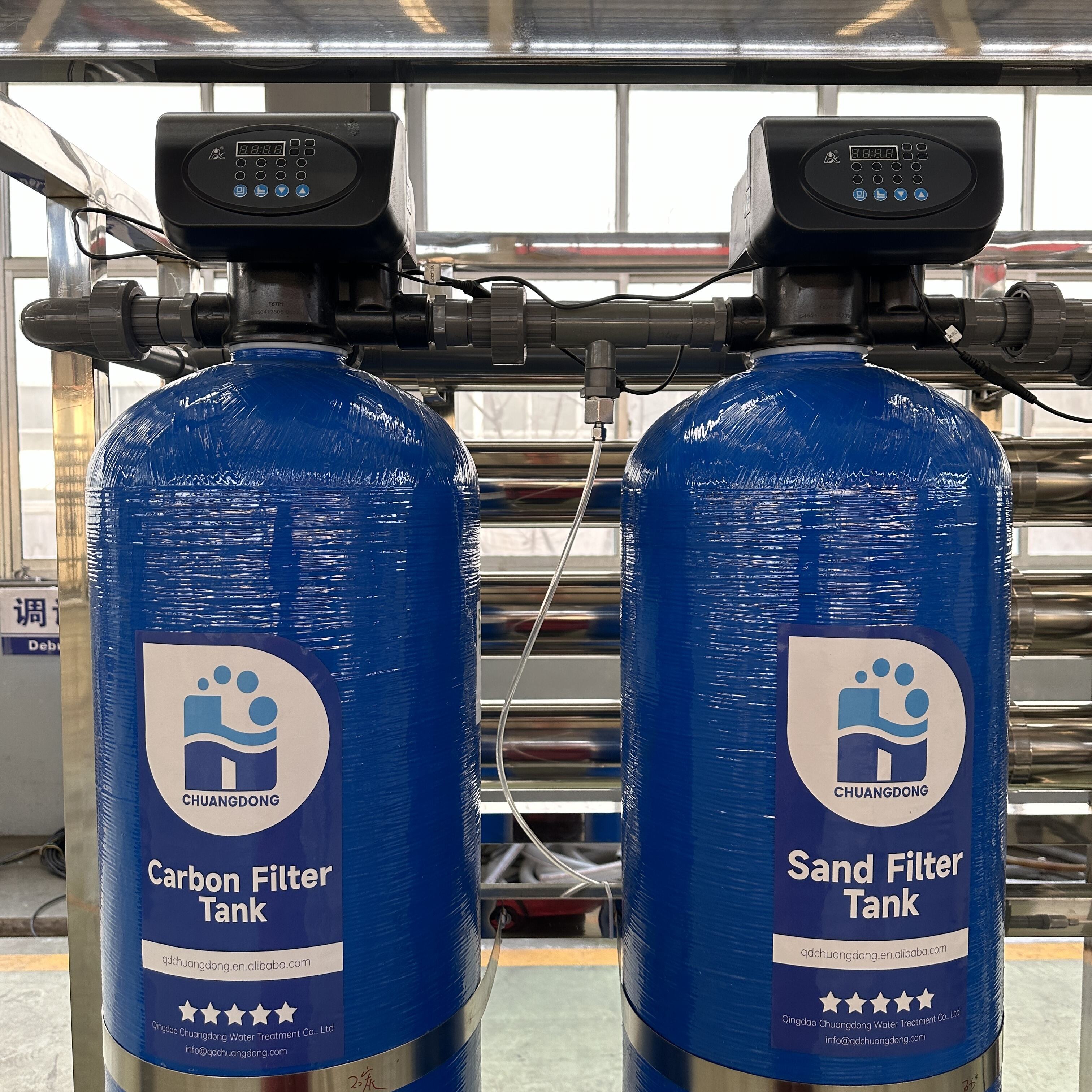
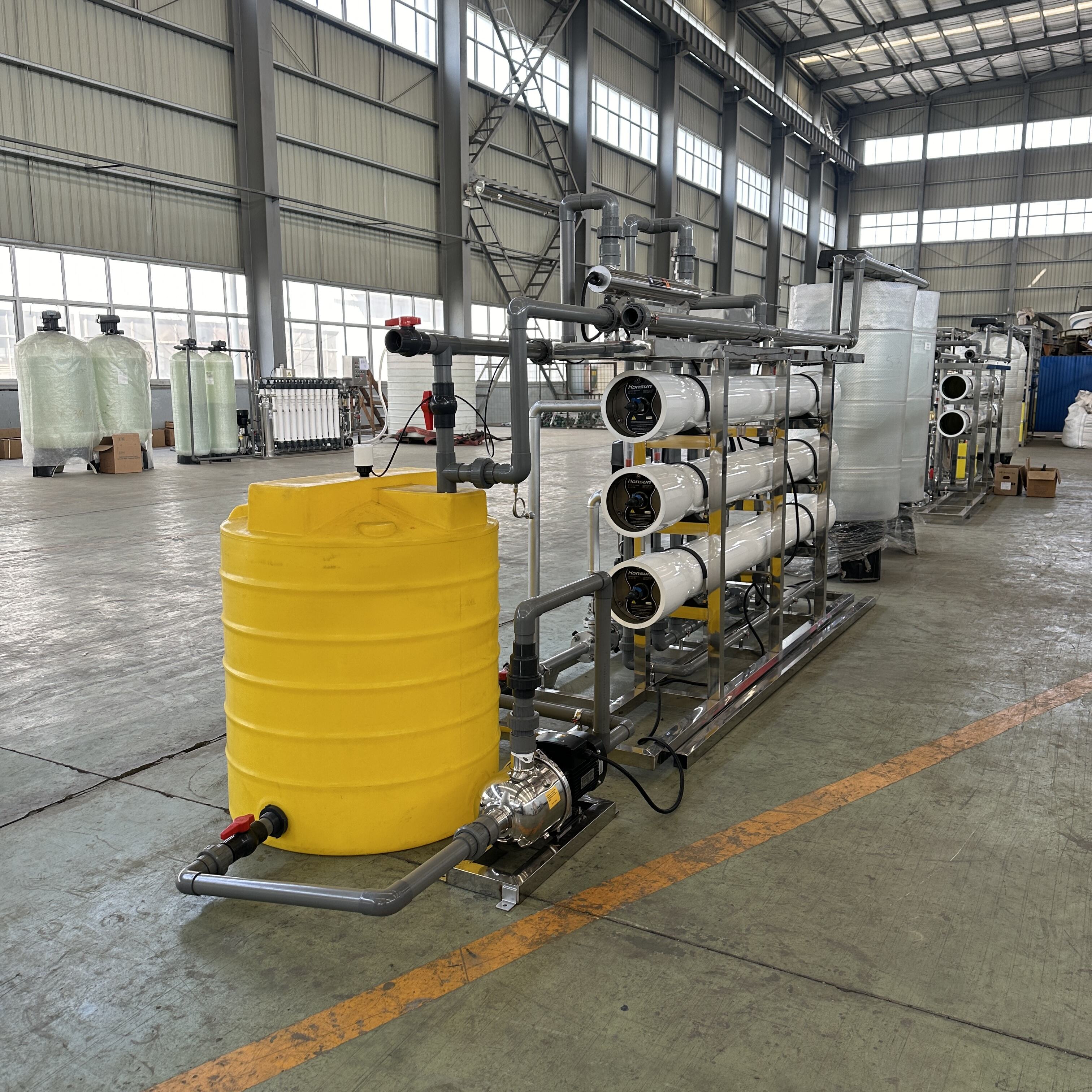
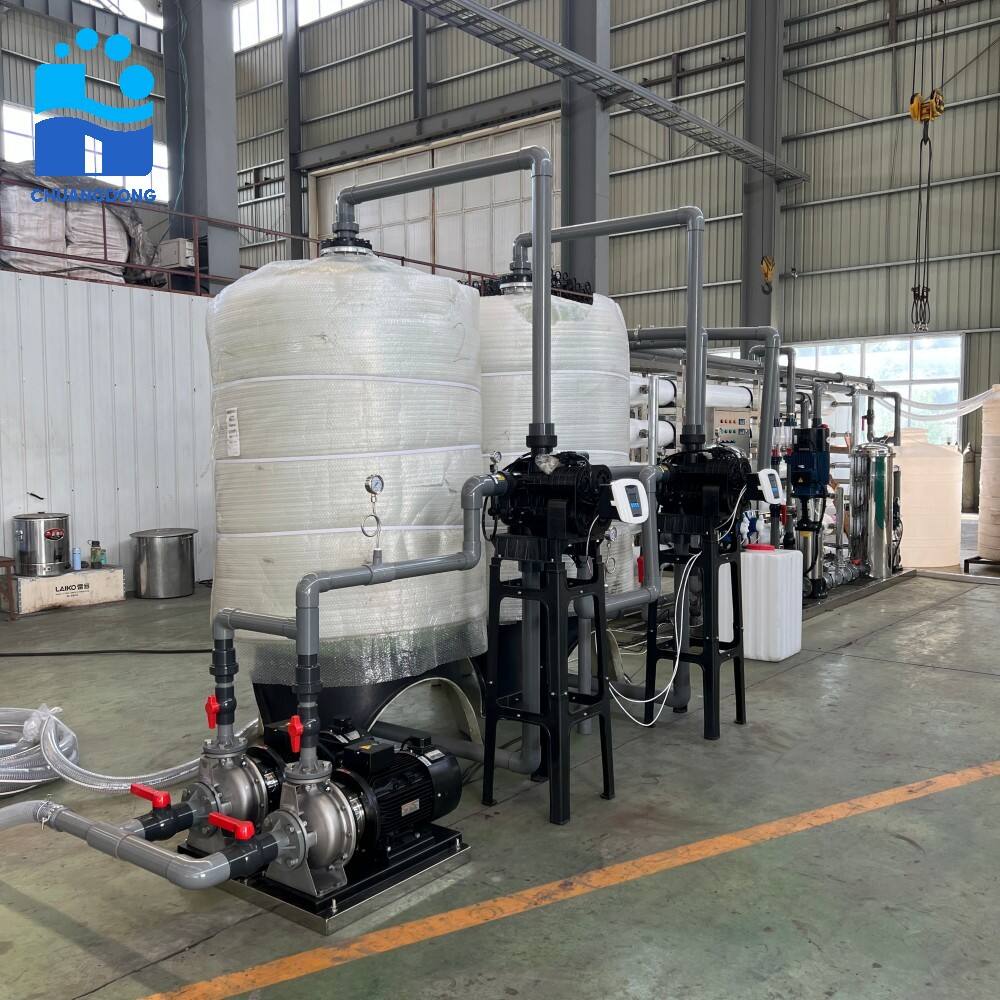
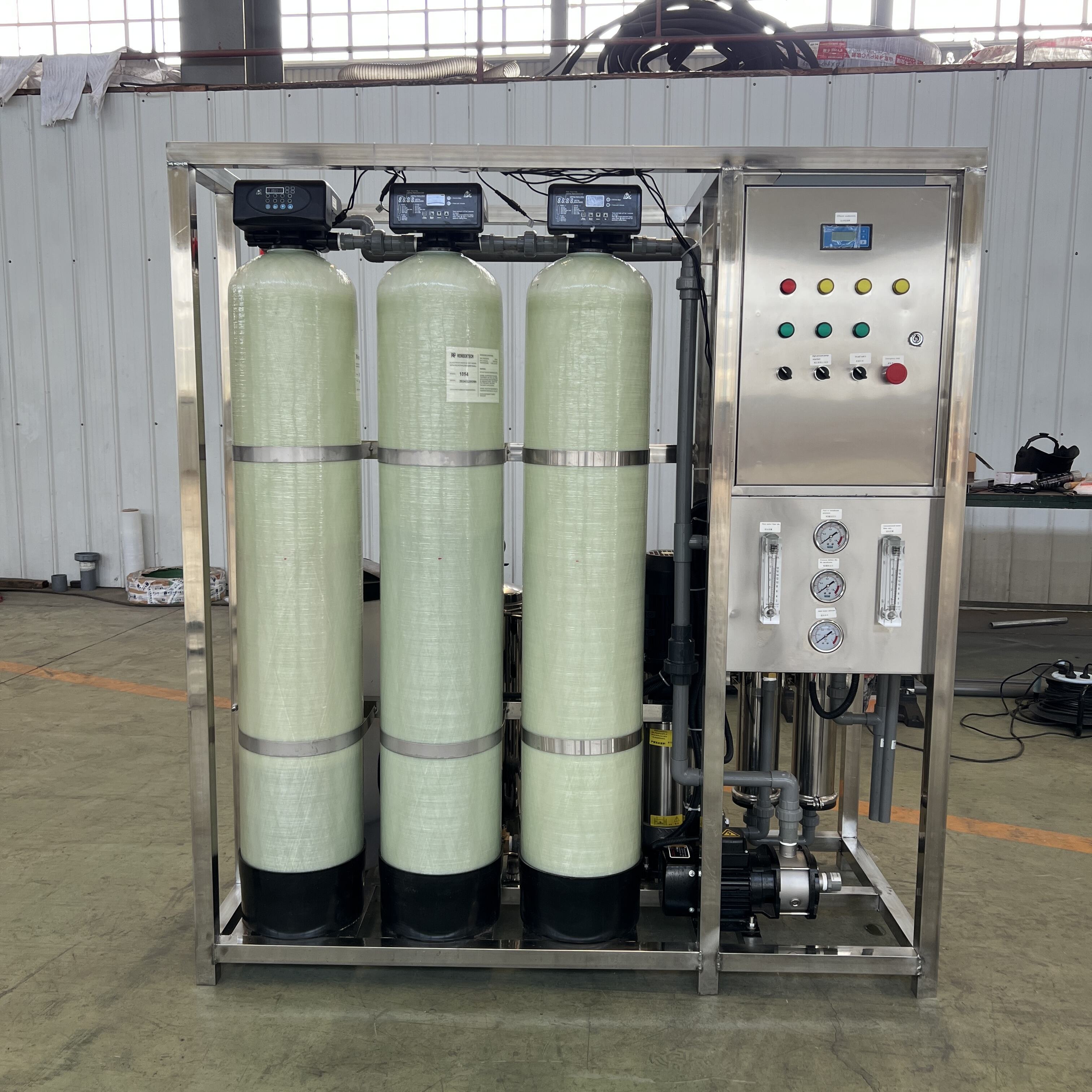
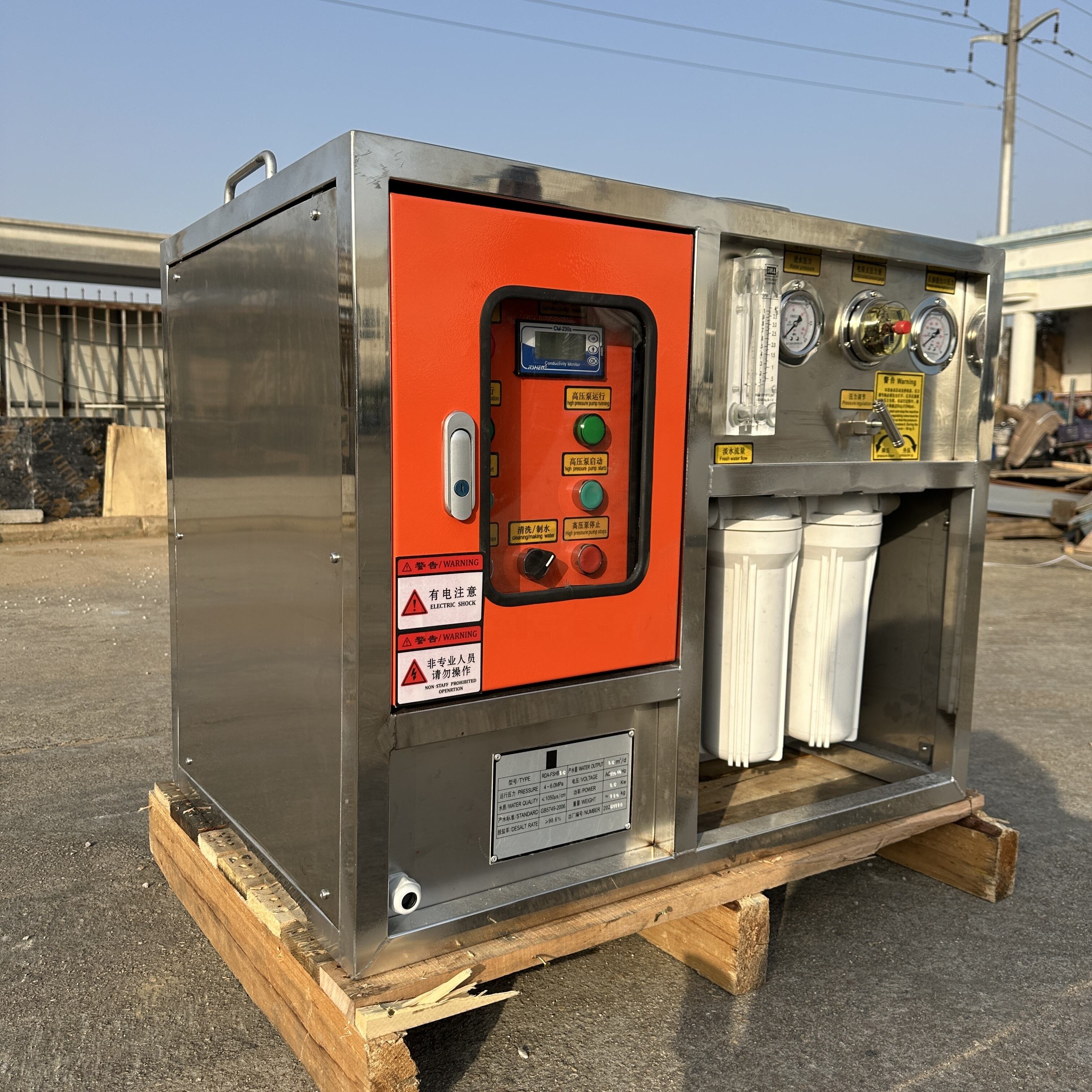
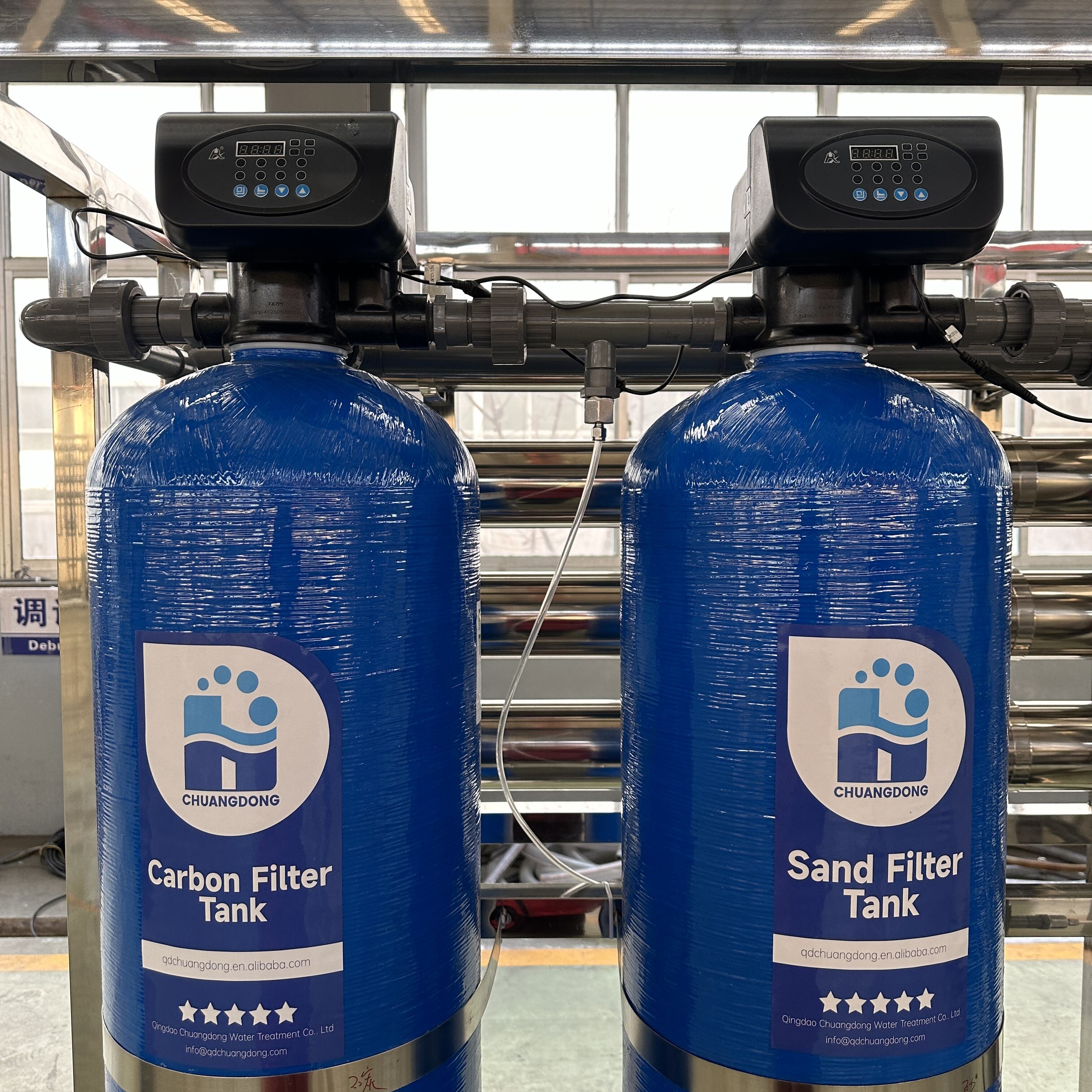
An ultrapure water filtration system is an advanced water treatment solution designed to remove virtually all contaminants, particles, ions, and organic compounds from water to achieve the highest possible purity levels. This sophisticated system combines multiple filtration stages including reverse osmosis, deionization, ultraviolet sterilization, and ultrafiltration to produce water with resistivity levels reaching 18.2 megohm-cm. The ultrapure water filtration system serves critical applications where even trace impurities can compromise processes or results. Its main functions include removing dissolved solids, eliminating bacteria and microorganisms, extracting organic matter, and reducing particle counts to near-zero levels. The technological features of an ultrapure water filtration system incorporate real-time monitoring sensors, automated regeneration cycles, and precision control systems that maintain consistent water quality. These systems utilize membrane technologies with pore sizes down to 0.001 microns, ensuring removal of submicron particles and colloids. The ultrapure water filtration system finds essential applications across pharmaceutical manufacturing, semiconductor fabrication, laboratory research, medical device production, and power generation facilities. In pharmaceutical settings, it ensures compliance with United States Pharmacopeia standards for water quality. Semiconductor manufacturers rely on these systems to prevent defects caused by ionic contamination during chip production. Research laboratories depend on ultrapure water for accurate analytical results and sensitive experiments. The system's modular design allows customization based on specific industry requirements and water quality objectives.
 EN
EN