Ultrapure Water Systems - Advanced Purification Technology for Industrial Applications

Get a Free Quote

Our representative will contact you soon.
Email
Name
Company Name
Message
0/1000

ultrapure water systems

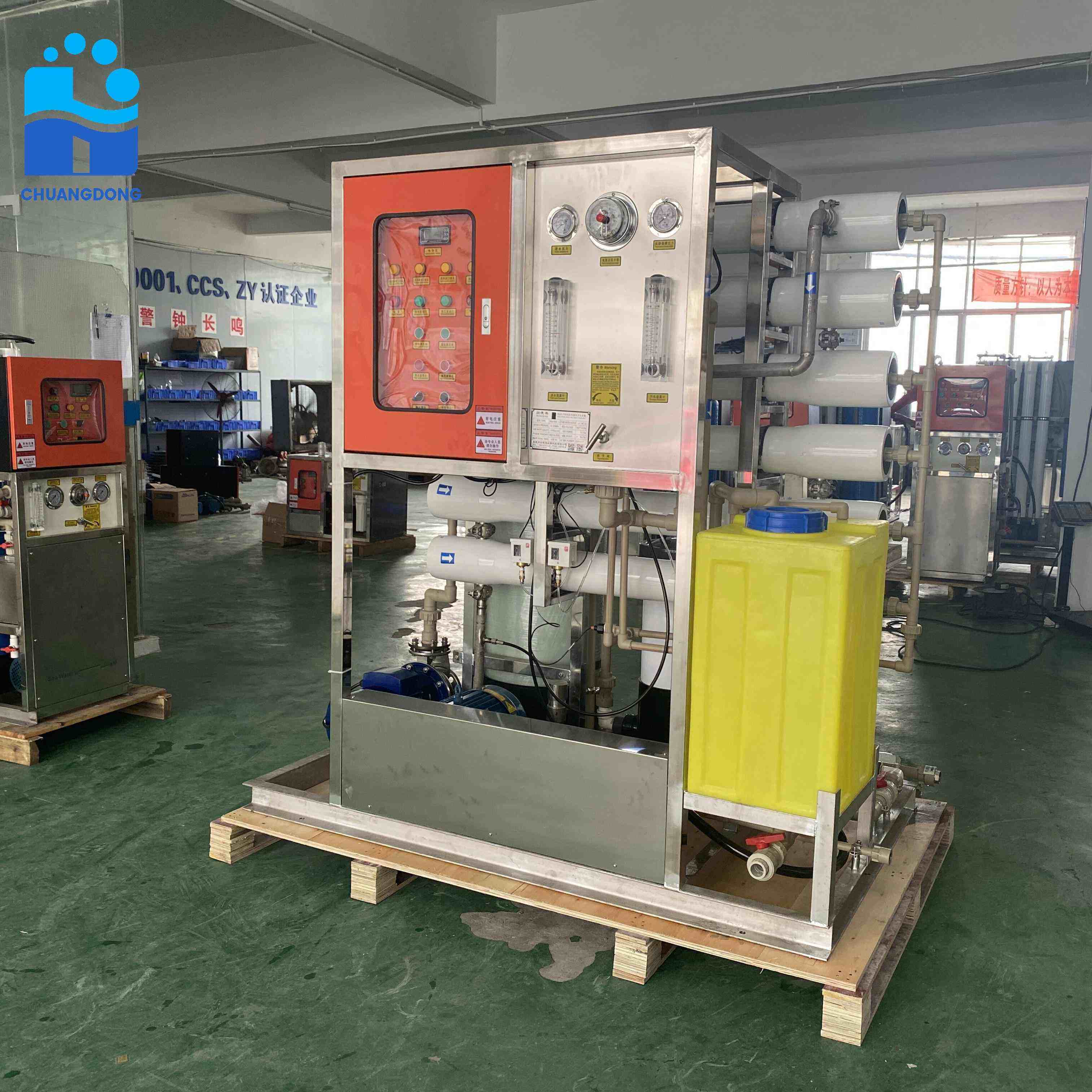
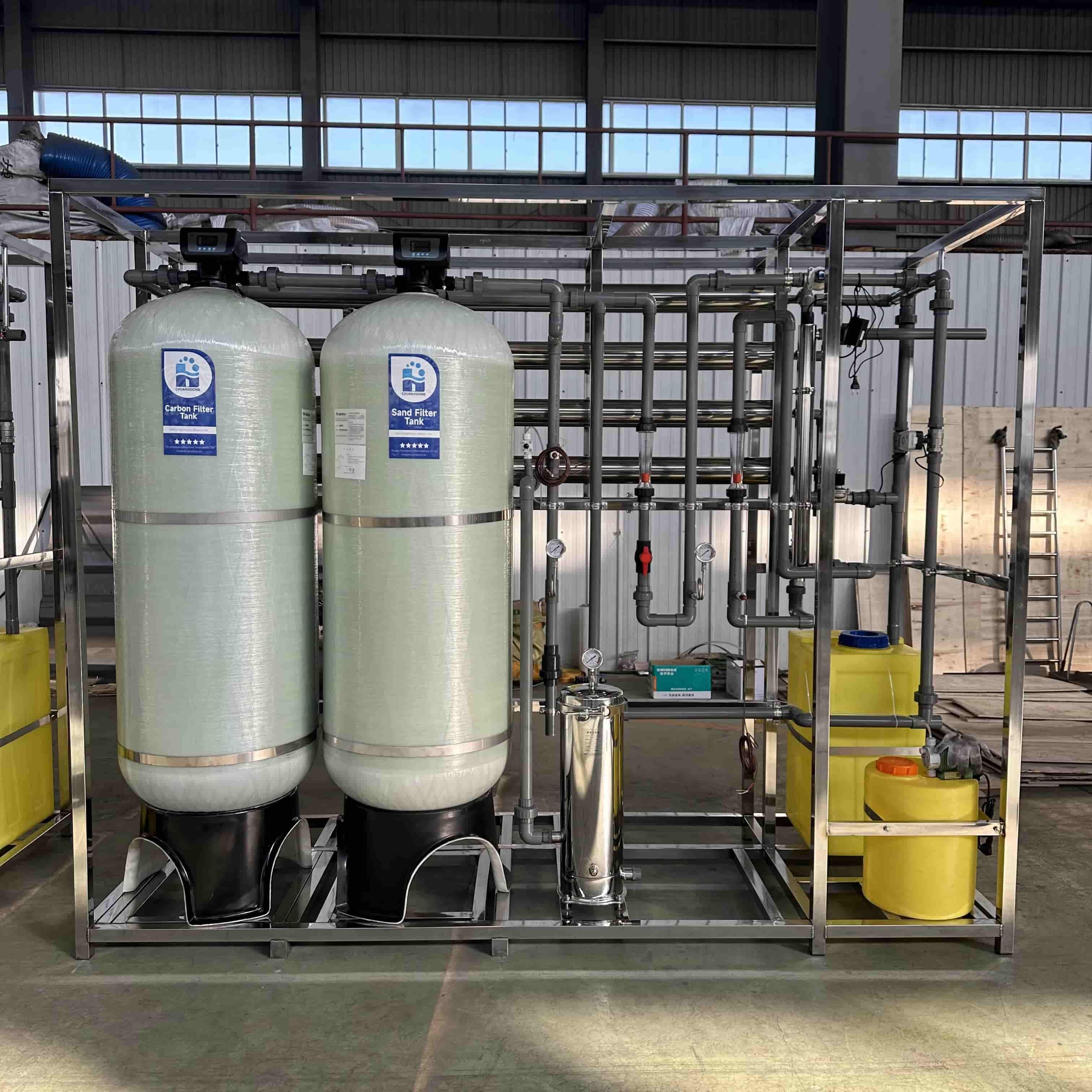
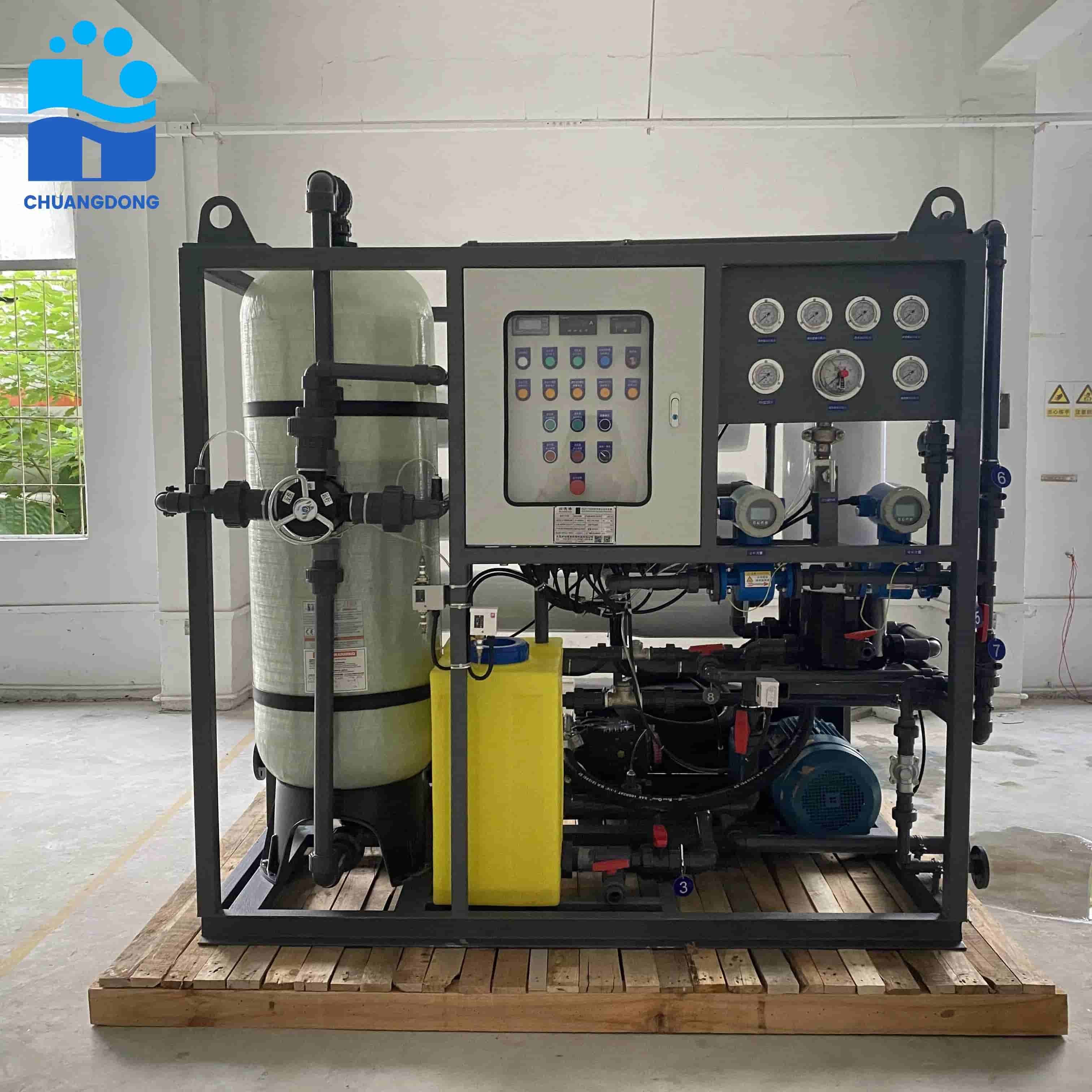
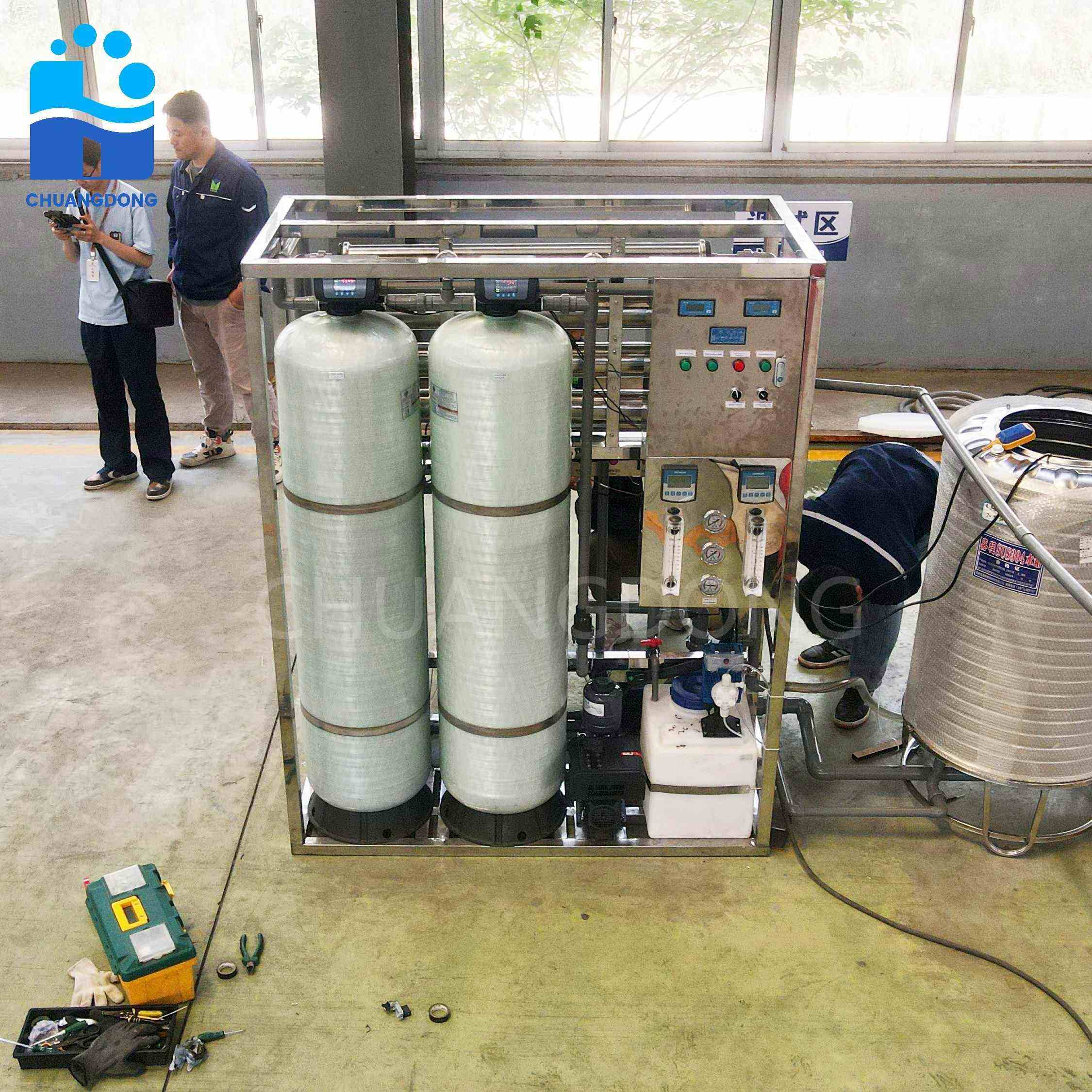
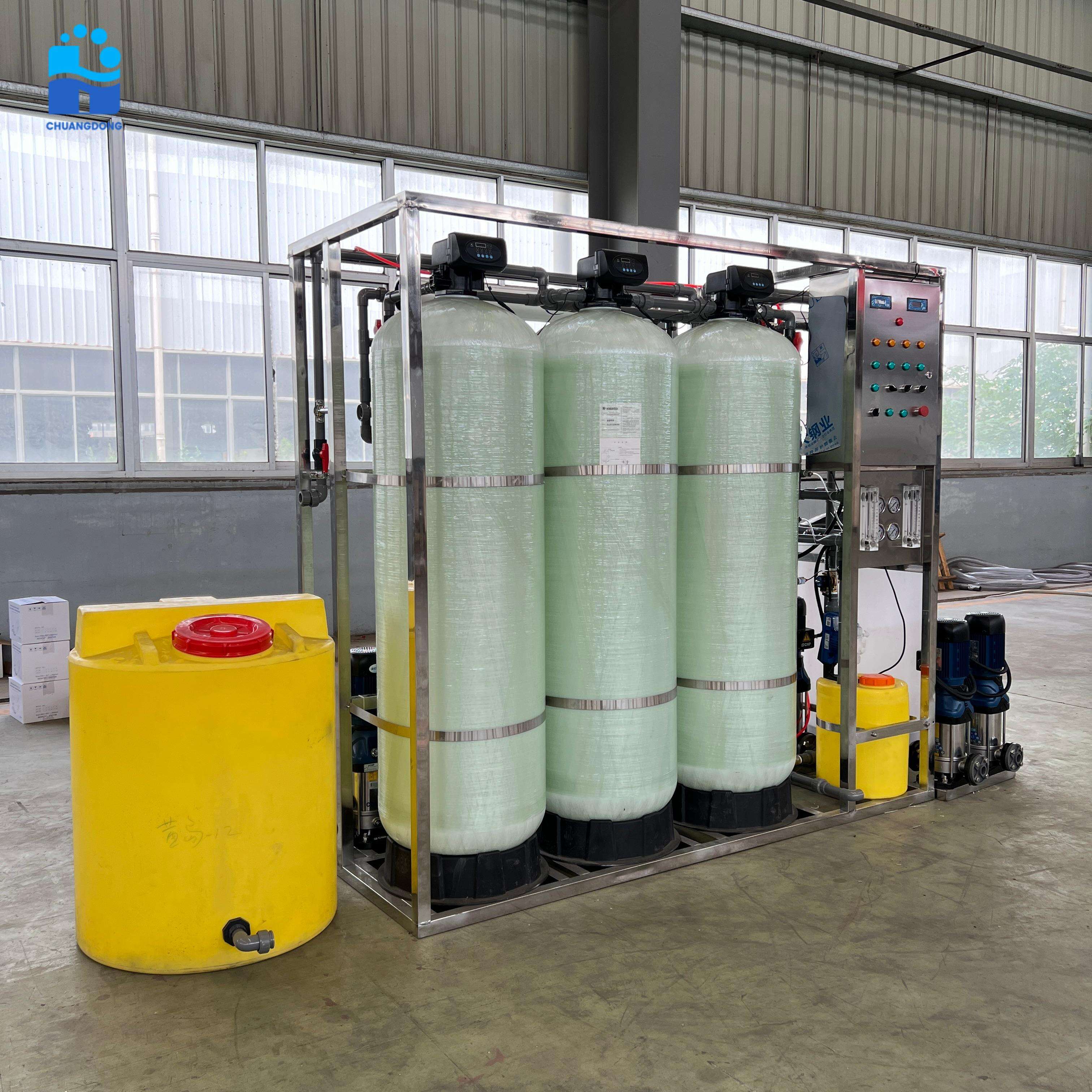
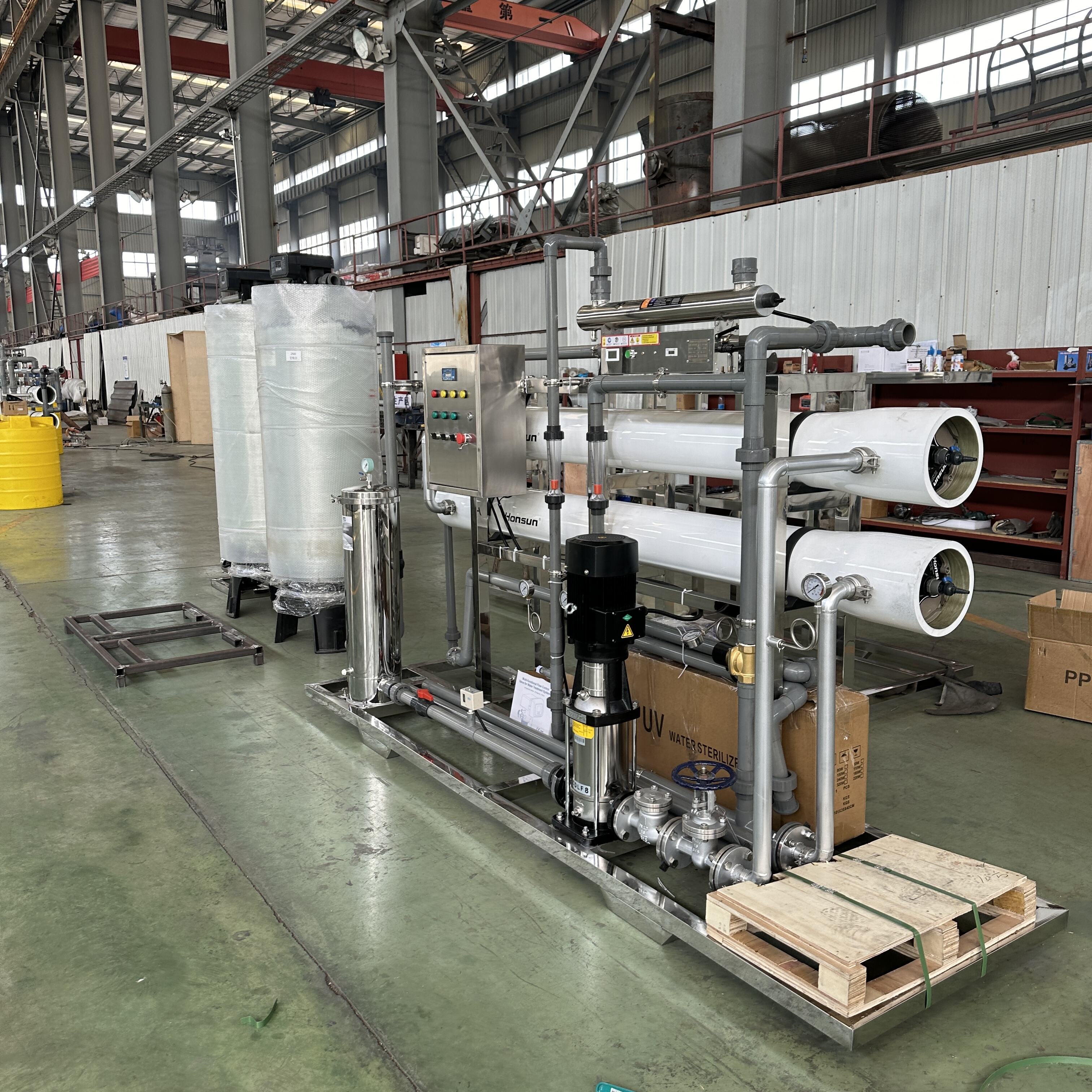
Ultrapure water systems represent the pinnacle of water purification technology, designed to produce water with exceptionally low levels of contaminants and impurities. These sophisticated systems combine multiple purification stages to achieve water quality that exceeds standard laboratory-grade requirements. The main functions of ultrapure water systems include removing dissolved minerals, organic compounds, bacteria, viruses, particles, and gases to produce water with resistivity levels reaching 18.2 megohm-cm or higher. The technological features of these systems incorporate reverse osmosis membranes, electrodeionization modules, ultraviolet sterilization, and advanced filtration components. These systems utilize multi-step processes beginning with pre-treatment stages that eliminate larger particles and chlorine, followed by reverse osmosis to remove dissolved salts and minerals. Subsequent stages include mixed-bed ion exchange resins, continuous electrodeionization for final ionic removal, and UV oxidation for organic compound destruction. Temperature control mechanisms maintain optimal operating conditions while monitoring systems track water quality parameters in real-time. Applications for ultrapure water systems span numerous industries requiring exceptional water purity. Pharmaceutical manufacturing relies on these systems for drug production, injection preparation, and equipment cleaning. Semiconductor fabrication facilities use ultrapure water for wafer cleaning and processing steps where even minimal contamination can destroy expensive components. Laboratory environments utilize these systems for analytical testing, sample preparation, and instrument operations. Power generation facilities employ ultrapure water systems for boiler feed water to prevent corrosion and scaling. Research institutions depend on these systems for critical experiments where water quality directly impacts results. Medical device manufacturing requires ultrapure water for sterilization processes and product cleaning. The biotechnology sector uses these systems for cell culture media preparation and protein purification procedures. Each application demands specific water quality standards that ultrapure water systems consistently deliver through precise technological control and continuous monitoring capabilities.

New Product Releases

Ultrapure water systems deliver exceptional cost savings through reduced operational expenses and improved process efficiency. These systems eliminate the need for frequent equipment maintenance caused by mineral buildup and corrosion, saving thousands of dollars annually in repair costs. Companies experience increased productivity because ultrapure water systems provide consistent water quality that prevents production delays and product rejections. The technology reduces raw material waste by ensuring processes run smoothly without contamination-related failures. Energy efficiency stands as another major advantage, with modern ultrapure water systems consuming significantly less power than traditional purification methods. Advanced monitoring capabilities allow operators to optimize system performance and identify potential issues before they cause expensive downtime. The automated operation of these systems reduces labor costs by minimizing manual intervention requirements. Quality control becomes more reliable with ultrapure water systems because they produce consistent results that meet strict regulatory standards. This consistency reduces testing frequencies and associated laboratory costs while ensuring compliance with industry regulations. Environmental benefits include reduced chemical usage and waste generation compared to conventional water treatment methods. The systems generate minimal reject water, making them environmentally responsible choices for sustainability-focused organizations. Scalability allows businesses to expand their ultrapure water production capacity without replacing entire systems, providing excellent return on investment. The compact design of modern ultrapure water systems requires minimal floor space, maximizing facility utilization. Remote monitoring capabilities enable operators to manage multiple systems from centralized locations, improving operational efficiency. Maintenance requirements are minimal due to advanced component design and automated cleaning cycles that extend equipment lifespan. The systems provide rapid payback periods through combined savings in maintenance, energy, chemicals, and labor costs. Water quality consistency eliminates the variability that can compromise sensitive processes, ensuring reliable outcomes for critical applications. These advantages make ultrapure water systems essential investments for organizations prioritizing operational excellence, cost control, and environmental responsibility. The technology continues evolving to deliver even greater efficiency and performance benefits for diverse industrial applications.

Latest News

What Corrosion-Resistant Materials Are Used in Desalination Plant Construction?

06

Mar

What Corrosion-Resistant Materials Are Used in Desalination Plant Construction?

Desalination plants operate in some of the harshest environments imaginable, where saltwater constantly threatens the integrity of critical infrastructure. The selection of appropriate corrosion-resistant materials becomes paramount to ensuring long-...
View More
How Does a Water Purification System with Ion Exchange Soften Hard Water Effectively?

15

Mar

How Does a Water Purification System with Ion Exchange Soften Hard Water Effectively?

Hard water poses significant challenges for both residential and commercial applications, containing high concentrations of calcium and magnesium ions that cause scale buildup, reduce equipment efficiency, and affect water quality. A water purificati...
View More
How Does an RO Water Filter with a UV Sterilizer Provide Additional Protection Against Bacteria?

10

Mar

How Does an RO Water Filter with a UV Sterilizer Provide Additional Protection Against Bacteria?

Water contamination remains one of the most pressing concerns for homeowners and businesses seeking reliable water purification solutions. While traditional filtration methods offer basic protection, modern water treatment technology has evolved to p...
View More
Why Should Pharmaceutical QC Labs Use Ultrapure Water for HPLC and Mass Spectrometry?

18

Mar

Why Should Pharmaceutical QC Labs Use Ultrapure Water for HPLC and Mass Spectrometry?

Pharmaceutical quality control laboratories face increasingly stringent requirements for analytical accuracy and regulatory compliance. The foundation of reliable analytical results lies in the quality of water used throughout testing procedures. Ult...
View More

Get a Free Quote

Our representative will contact you soon.
Email
Name
Company Name
Message
0/1000

ultrapure water systems

Advanced Multi-Stage Purification Technology

Advanced Multi-Stage Purification Technology

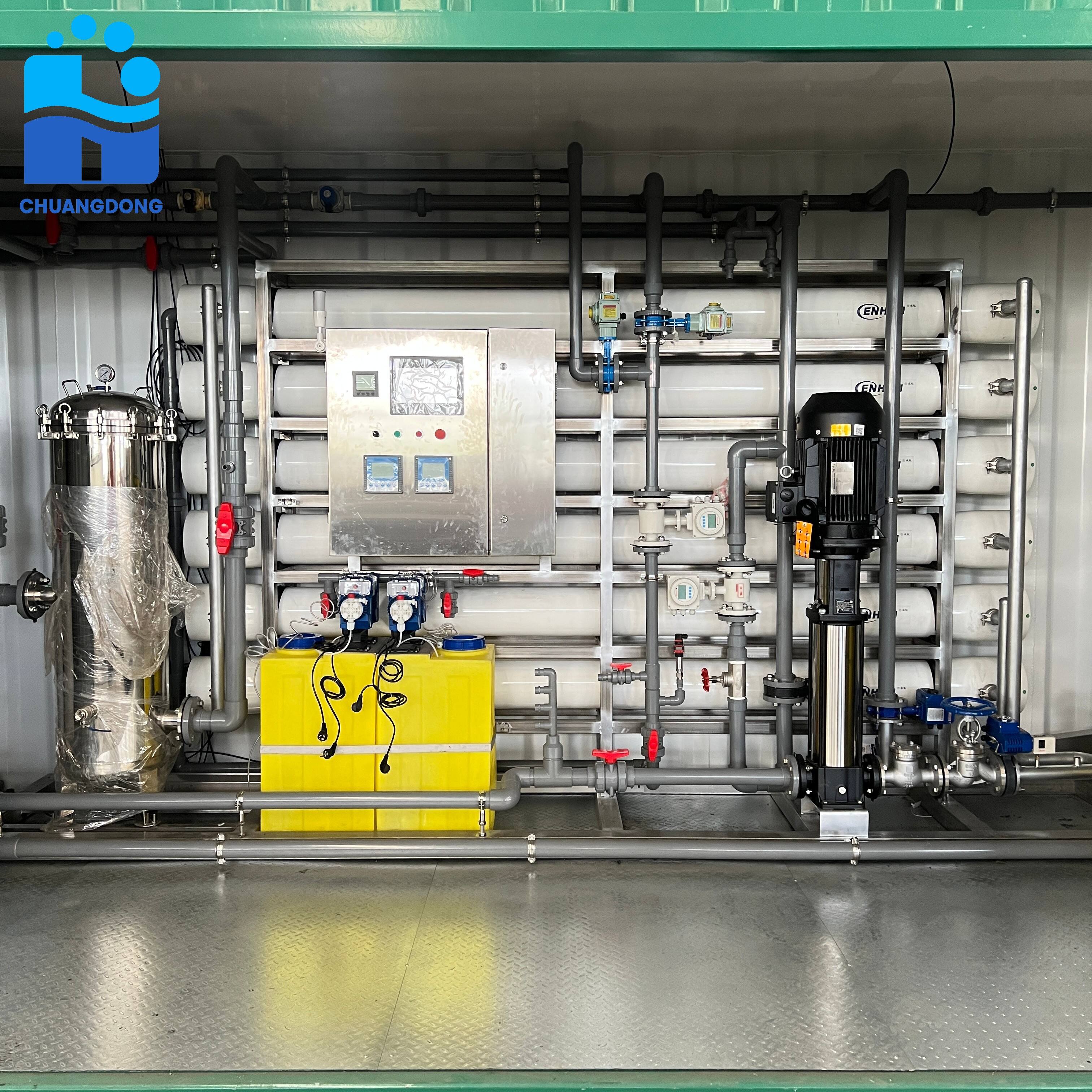
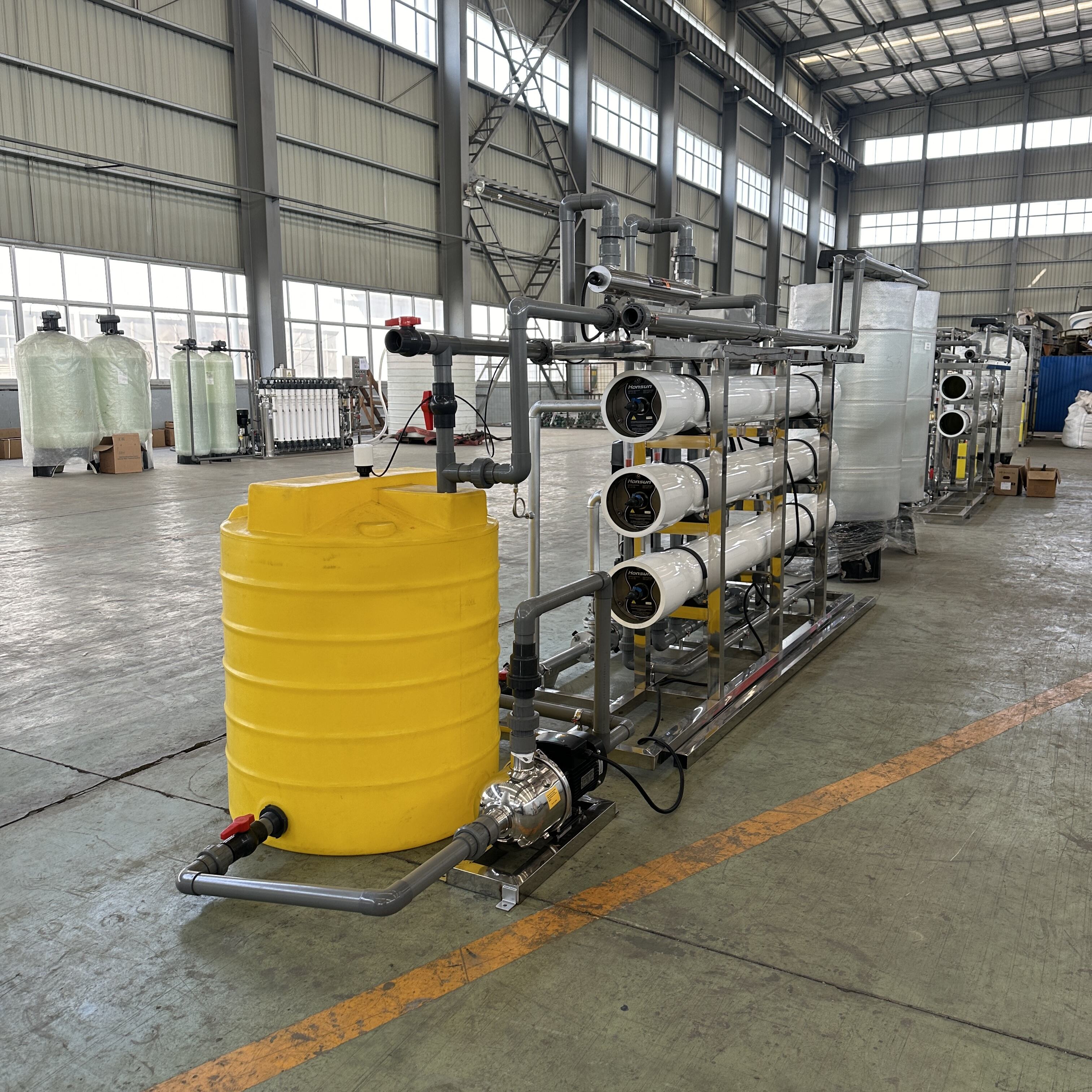
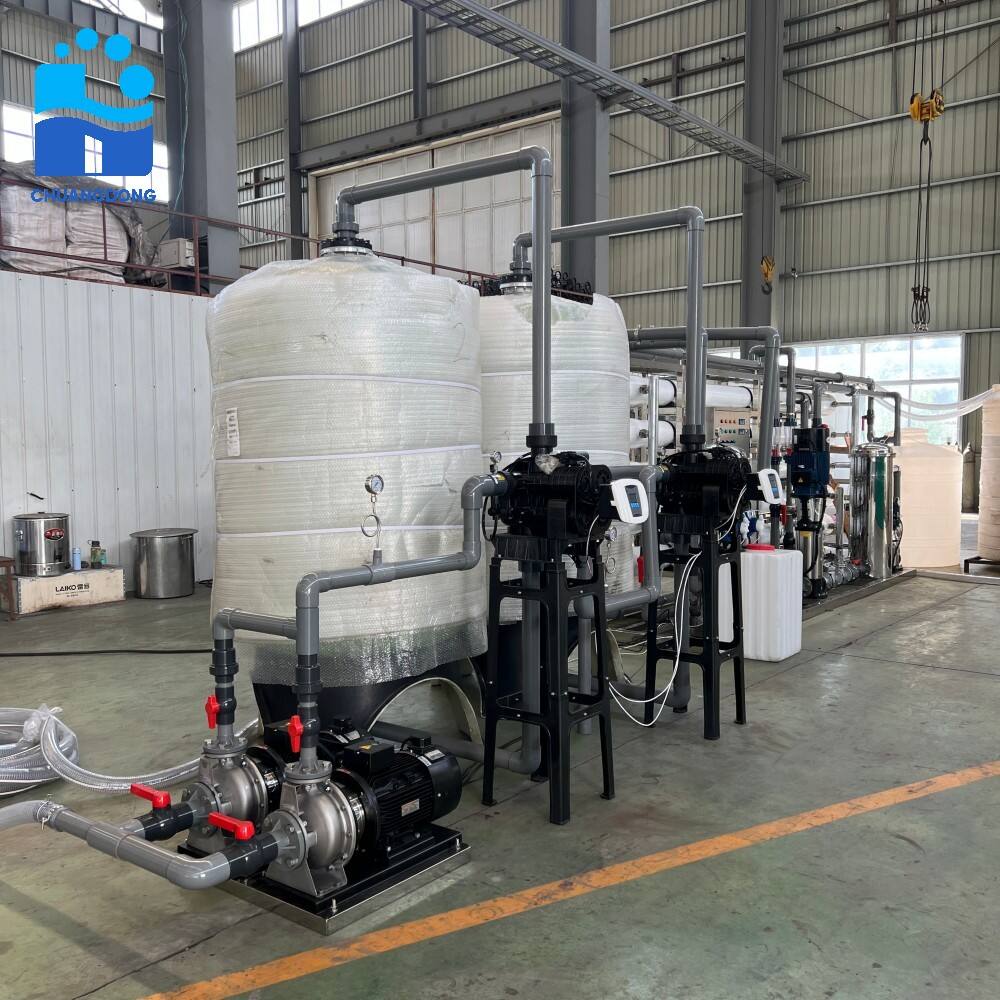
The revolutionary multi-stage purification technology in ultrapure water systems represents a breakthrough in water treatment engineering that delivers unmatched purity levels for critical applications. This sophisticated approach combines multiple complementary technologies in a carefully orchestrated sequence to systematically remove every category of contaminant from source water. The process begins with advanced pre-filtration stages that eliminate suspended solids, sediments, and chlorine compounds that could damage downstream components. High-performance reverse osmosis membranes follow, removing up to 99.9% of dissolved salts, minerals, and larger organic molecules through semi-permeable membrane technology. The system then employs continuous electrodeionization modules that use electrical fields to extract remaining ionic contaminants without requiring chemical regeneration. Mixed-bed ion exchange resins provide additional polishing to capture trace ionic impurities that might escape earlier stages. Ultraviolet oxidation chambers destroy organic compounds and neutralize microorganisms using precisely controlled UV wavelengths. Final polishing steps include ultrafiltration membranes that remove submicron particles and pyrogens to achieve pharmaceutical-grade purity. This comprehensive approach ensures that ultrapure water systems consistently produce water with resistivity levels exceeding 18.2 megohm-cm and total organic carbon levels below 10 parts per billion. The multi-stage design provides redundancy that maintains water quality even if individual components experience temporary performance variations. Advanced process control systems monitor each stage continuously, automatically adjusting operating parameters to optimize performance and extend component lifespan. This technology eliminates the limitations of single-stage purification methods that cannot achieve the extreme purity levels required for semiconductor manufacturing, pharmaceutical production, and critical laboratory applications. The systematic removal of contaminants through multiple complementary mechanisms ensures that no single type of impurity can compromise the final water quality, providing customers with absolute confidence in their ultrapure water supply.
Real-Time Quality Monitoring and Control

Real-Time Quality Monitoring and Control

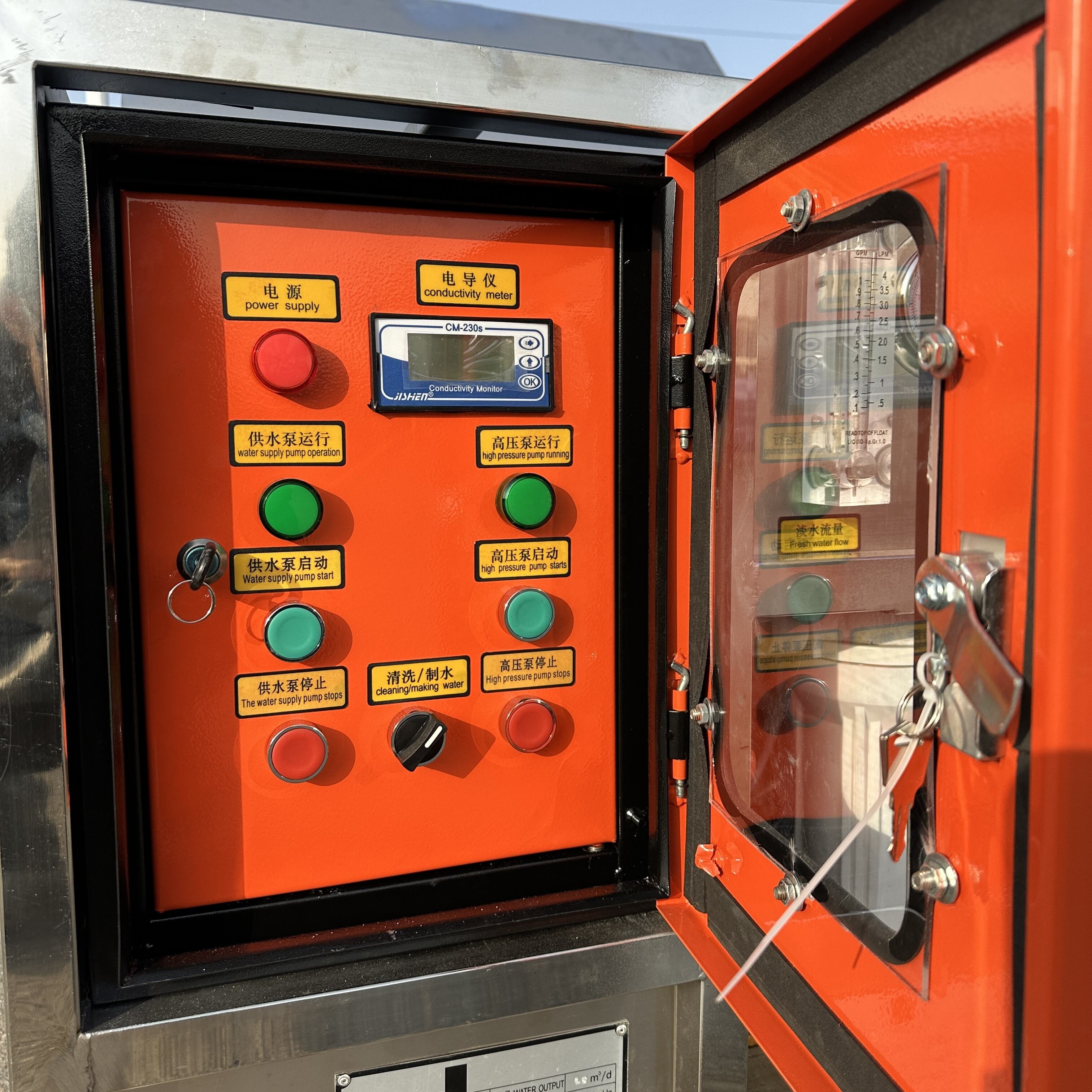
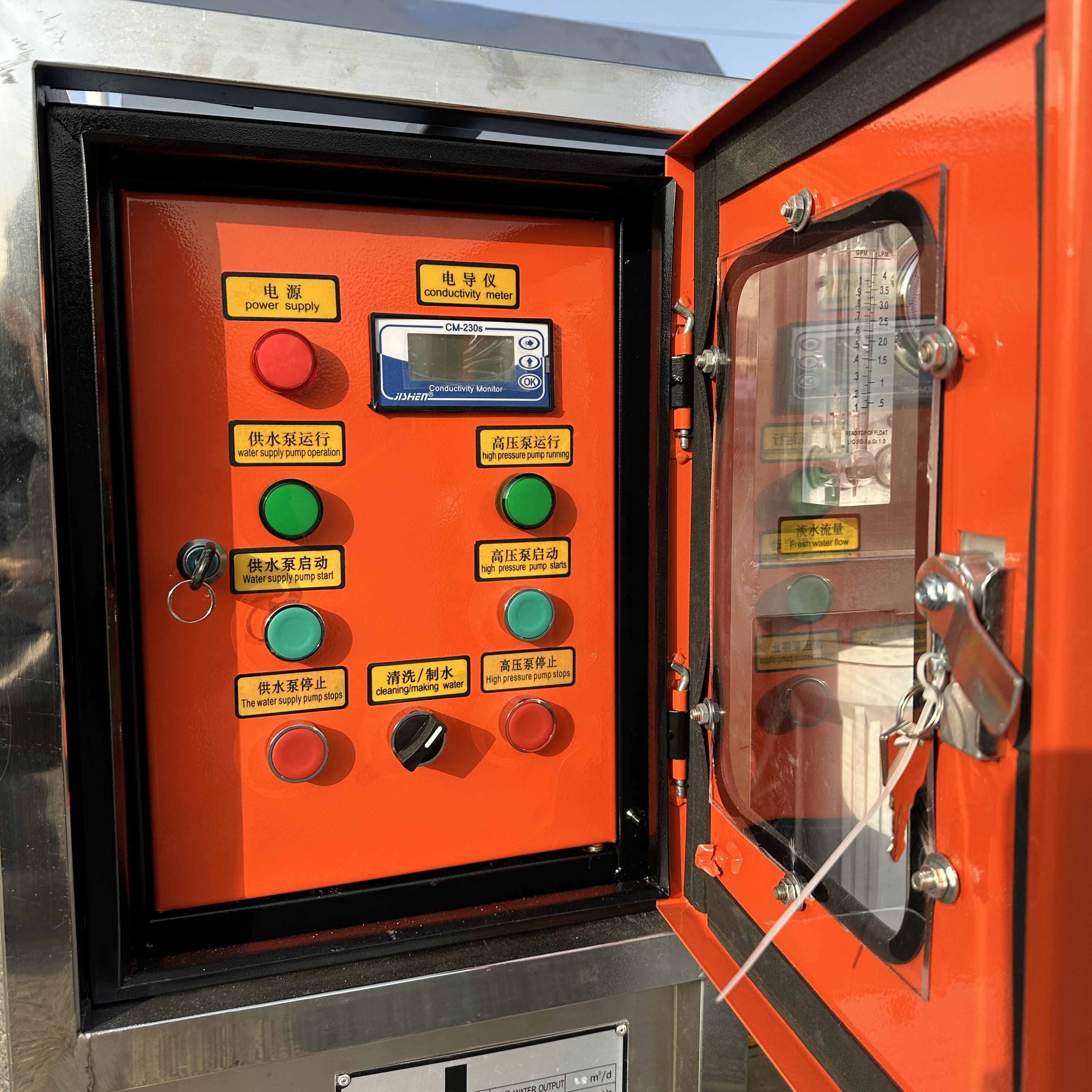
The integrated real-time quality monitoring and control system in ultrapure water systems provides unprecedented visibility and control over water purity parameters, ensuring consistent quality and optimal system performance. This advanced monitoring capability employs multiple analytical instruments and sensors strategically positioned throughout the purification process to continuously track key water quality indicators. Conductivity meters measure ionic contamination levels with precision down to nanogram levels, providing immediate feedback on the effectiveness of deionization processes. Total organic carbon analyzers continuously monitor organic compound concentrations, detecting even trace levels of contamination that could compromise sensitive applications. Particle counters track suspended matter concentrations across multiple size ranges, ensuring ultrafiltration systems maintain optimal performance. pH and temperature sensors provide critical process control data that enables automatic optimization of system operating conditions. The monitoring system generates comprehensive data logs that support regulatory compliance requirements and process validation protocols essential for pharmaceutical and semiconductor applications. Automated alarm systems immediately alert operators to any parameter excursions, enabling rapid corrective action before water quality is compromised. The control system can automatically adjust flow rates, pressure settings, and regeneration cycles based on real-time water quality measurements, optimizing system performance without human intervention. Trend analysis capabilities identify gradual changes in system performance that indicate maintenance needs before component failures occur. Remote monitoring capabilities allow facility managers to oversee multiple ultrapure water systems from centralized control rooms, improving operational efficiency and reducing staffing requirements. The system maintains detailed historical records that support quality audits and process improvement initiatives. Predictive maintenance algorithms analyze performance trends to schedule component replacements and maintenance activities at optimal intervals, minimizing downtime and extending equipment lifespan. This comprehensive monitoring approach provides customers with complete confidence in their water quality while reducing operational costs through optimized system performance and predictive maintenance capabilities.
Energy Efficient and Environmentally Sustainable Design

Energy Efficient and Environmentally Sustainable Design

The energy-efficient and environmentally sustainable design of modern ultrapure water systems represents a significant advancement in green technology that reduces operational costs while minimizing environmental impact. These systems incorporate cutting-edge energy recovery technologies that capture and reuse energy that would otherwise be wasted during the purification process. High-efficiency pumps and motors utilize variable frequency drives that automatically adjust power consumption based on actual system demand, reducing energy usage by up to 40% compared to conventional fixed-speed equipment. Advanced heat recovery systems capture thermal energy from process streams and redirect it to reduce heating requirements in other system components. The electrodeionization process eliminates the need for chemical regeneration of ion exchange resins, reducing chemical consumption and eliminating hazardous waste streams associated with traditional mixed-bed systems. Water recovery rates exceeding 85% minimize waste water generation while reducing source water consumption, supporting corporate sustainability goals and reducing utility costs. The systems employ advanced membrane technologies that operate at lower pressures while maintaining superior contaminant removal efficiency, further reducing energy requirements. Smart control algorithms optimize system operation by scheduling energy-intensive processes during off-peak utility rate periods, reducing electricity costs significantly. The compact modular design reduces the physical footprint required for installation, minimizing building space requirements and associated construction costs. Long-lasting components designed for extended service life reduce waste generation from component replacements and minimize system lifecycle environmental impact. The elimination of chemical storage and handling requirements improves workplace safety while reducing environmental compliance obligations. Carbon footprint reduction achieved through efficient operation and reduced chemical usage supports corporate environmental responsibility initiatives and regulatory compliance. These sustainable design features provide customers with lower total cost of ownership through reduced energy, water, and chemical expenses while supporting their environmental stewardship objectives. The technology continues advancing toward even greater efficiency and sustainability, positioning ultrapure water systems as essential components of responsible manufacturing operations focused on environmental protection and operational excellence.

Get a Free Quote

Our representative will contact you soon.
Email
Name
Company Name
Message
0/1000