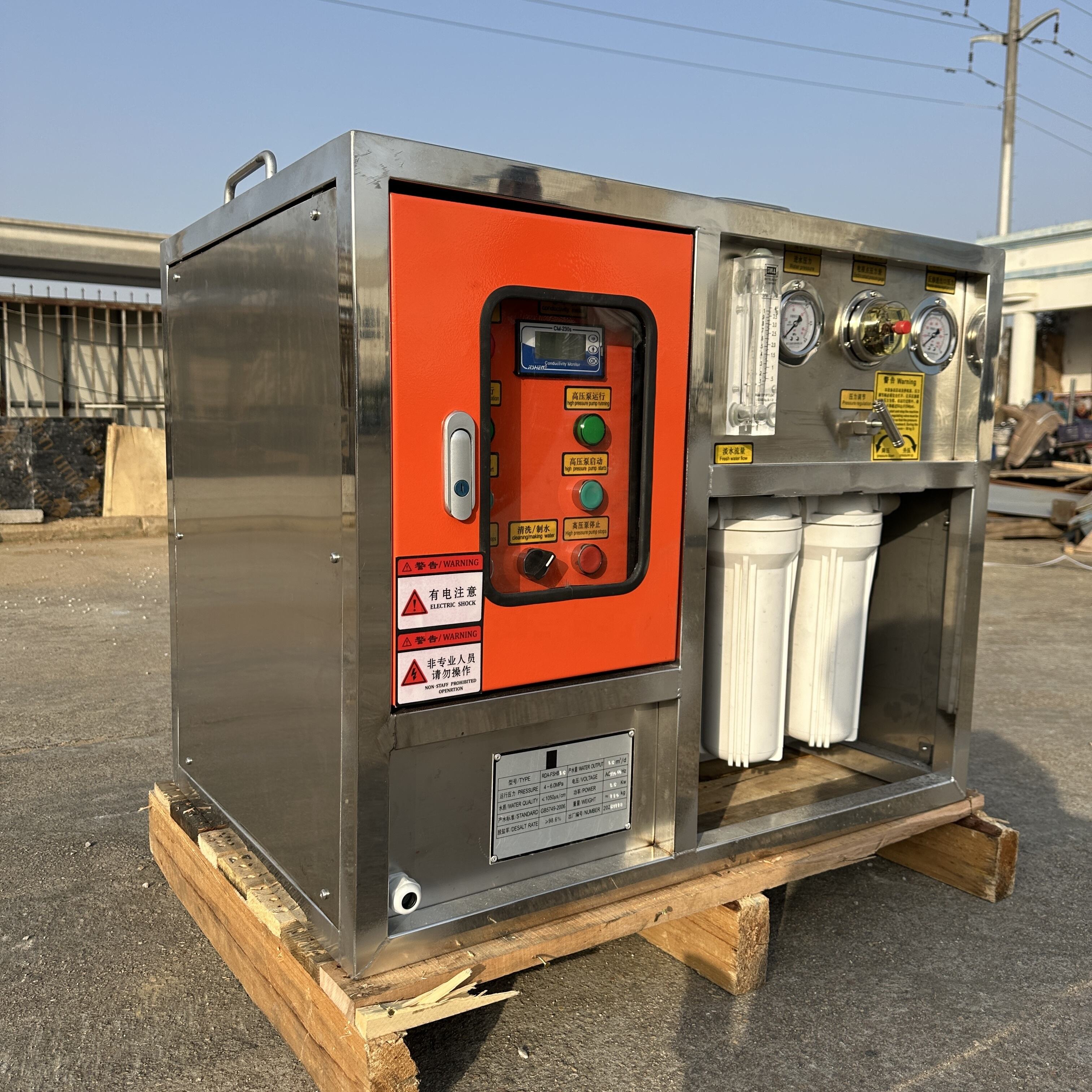
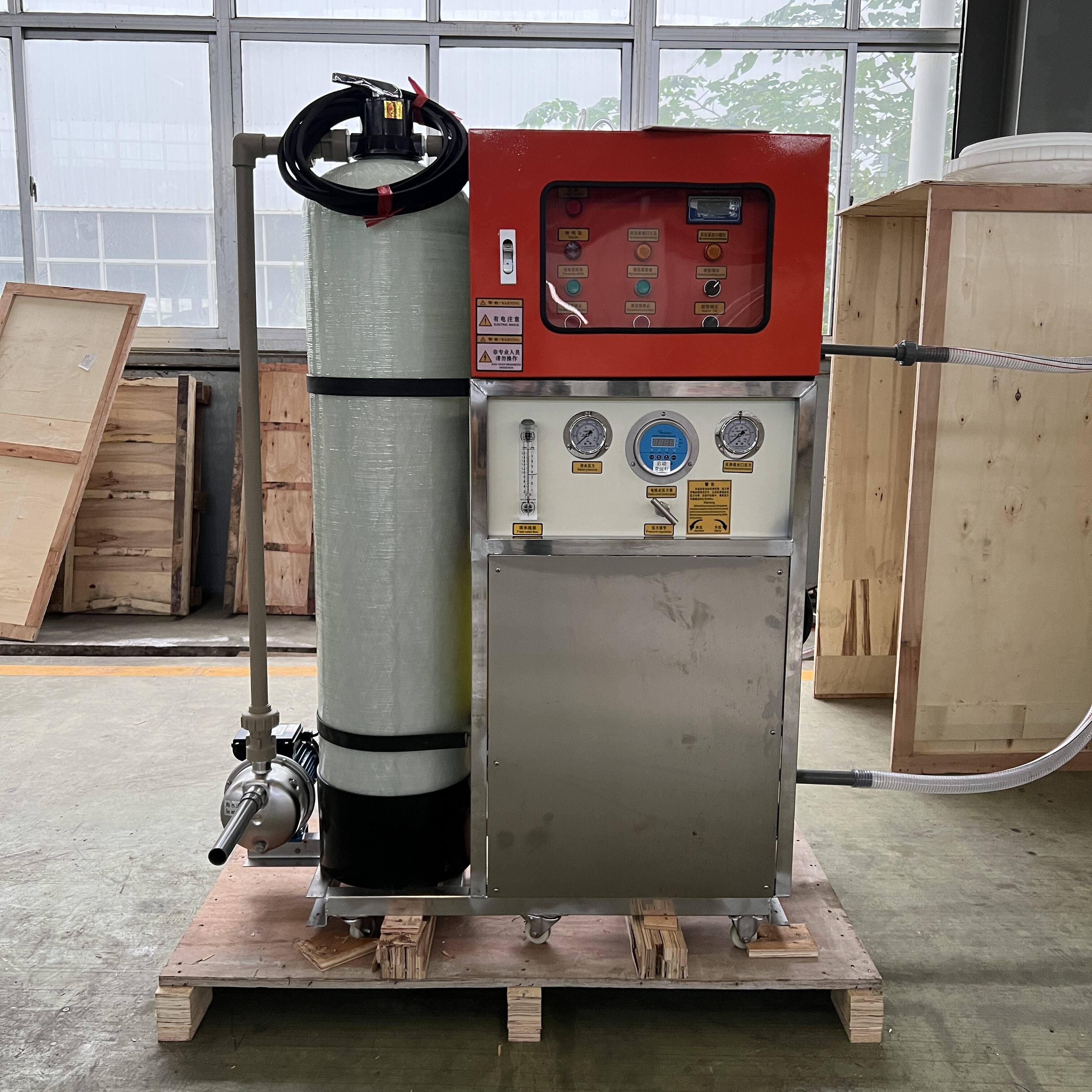
Advanced Seawater Desalination Systems - Reliable Fresh Water Solutions for Every Need

Get a Free Quote

Our representative will contact you soon.
Email
Name
Company Name
Message
0/1000

seawater desalination systems

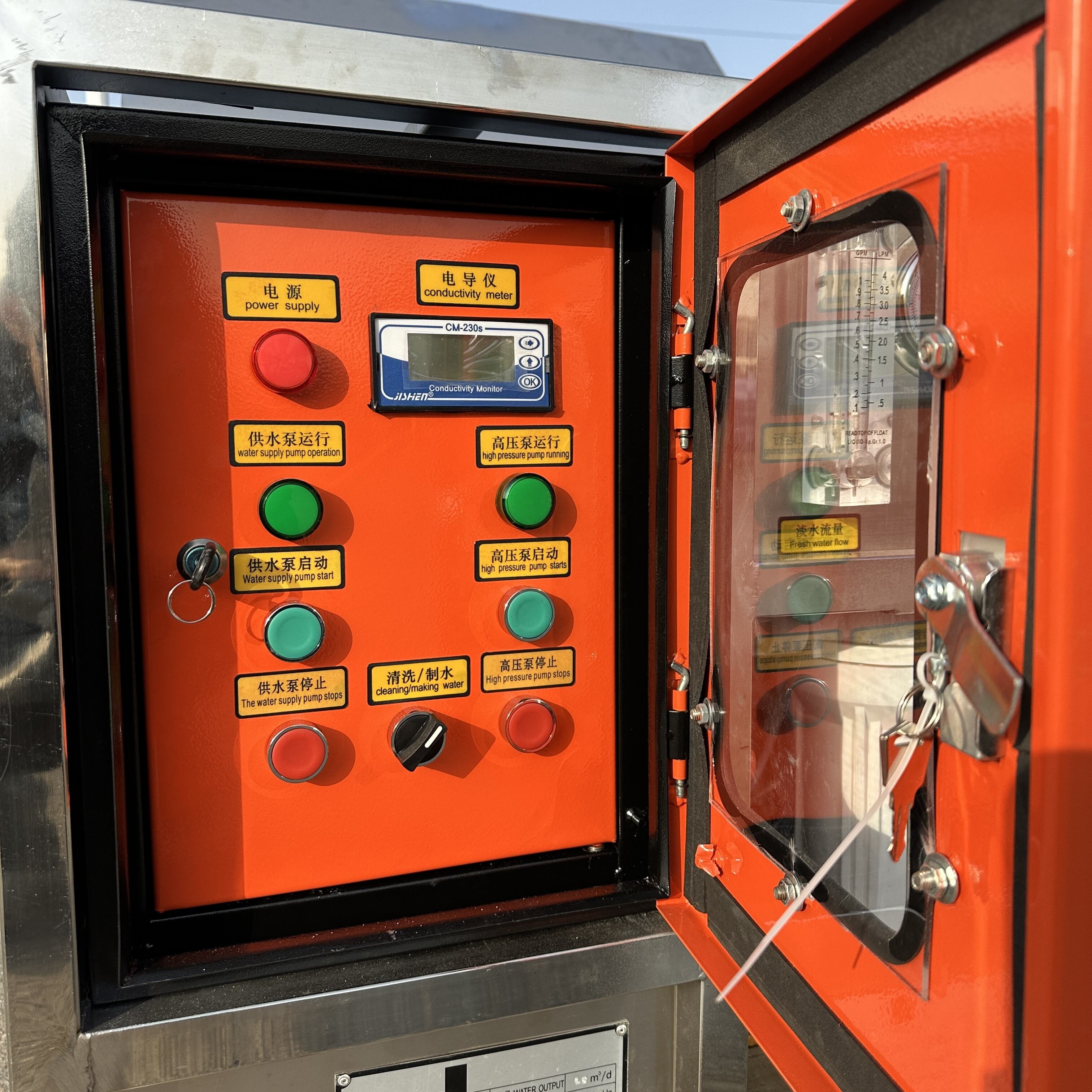
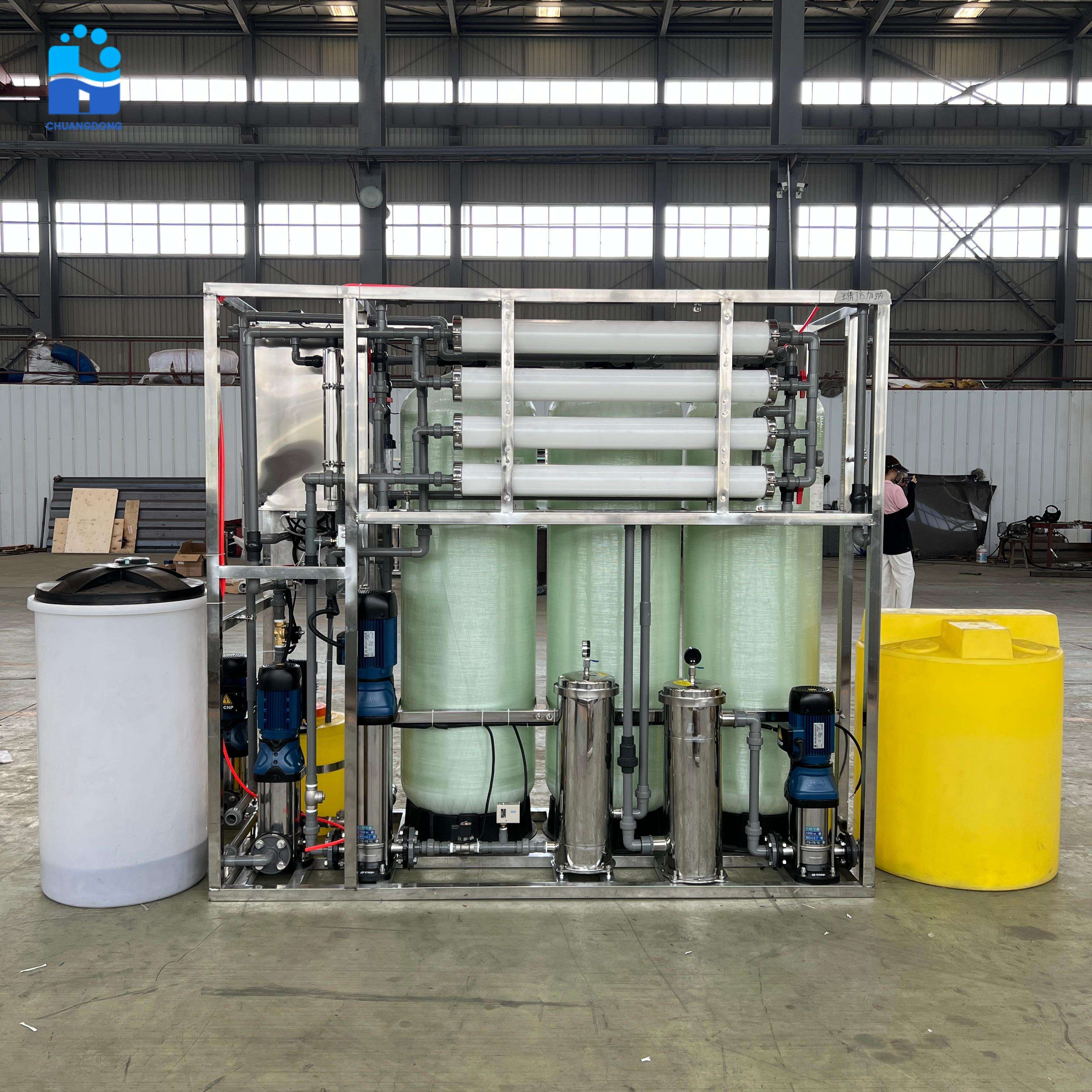
Seawater desalination systems represent cutting-edge technology designed to transform ocean water into clean, potable water for various applications. These sophisticated systems remove salt and other impurities from seawater through advanced filtration and purification processes, making them essential infrastructure for water-scarce regions worldwide. The primary function of seawater desalination systems involves extracting dissolved salts, minerals, and contaminants from ocean water to produce fresh water suitable for drinking, irrigation, and industrial purposes. Modern seawater desalination systems utilize multiple technological approaches, with reverse osmosis being the most prevalent method. This process forces seawater through semi-permeable membranes under high pressure, effectively separating water molecules from salt and other dissolved substances. Alternative technologies include multi-stage flash distillation, multi-effect distillation, and emerging methods like forward osmosis and solar desalination. Key technological features of contemporary seawater desalination systems include energy recovery devices that capture and reuse pressure energy, reducing operational costs significantly. Advanced pretreatment systems protect downstream equipment from fouling and scaling, ensuring consistent performance and extended membrane life. Automated control systems monitor water quality parameters continuously, adjusting operational parameters to maintain optimal efficiency and output quality. These seawater desalination systems find applications across diverse sectors including municipal water supply, industrial manufacturing, agriculture, hospitality, and emergency response situations. Coastal cities worldwide rely on seawater desalination systems to supplement traditional water sources, while industries requiring high-quality process water utilize these systems for their operations. Remote locations, islands, and offshore facilities depend on seawater desalination systems for reliable water independence, eliminating dependence on costly water transportation or unreliable natural water sources.

New Products

Seawater desalination systems deliver remarkable benefits that transform water accessibility and security for communities and businesses worldwide. These systems provide unlimited water supply potential since oceans contain virtually inexhaustible water resources, ensuring long-term water security regardless of drought conditions or climate variations. Unlike traditional water sources that fluctuate seasonally, seawater desalination systems operate consistently year-round, delivering reliable water production that meets growing population demands and industrial requirements. The technology produces exceptionally high-quality water that often exceeds municipal drinking water standards, removing not only salt but also bacteria, viruses, and chemical contaminants that may exist in alternative water sources. This superior water quality makes seawater desalination systems ideal for sensitive applications requiring pure water, including pharmaceutical manufacturing, food processing, and electronics production. Modern seawater desalination systems operate with impressive energy efficiency thanks to technological advances in membrane technology and energy recovery systems. These improvements have dramatically reduced operational costs, making desalinated water economically competitive with traditional water sources in many regions. The systems require minimal land area compared to other water treatment facilities, making them suitable for densely populated coastal areas where space is premium. Seawater desalination systems offer complete water independence, eliminating reliance on rainfall, groundwater depletion, or water imports from distant sources. This independence proves invaluable during emergency situations, natural disasters, or geopolitical conflicts that might disrupt conventional water supplies. The technology scales efficiently from small residential units serving individual households to massive industrial installations producing millions of gallons daily, accommodating diverse water needs across different applications. Environmental benefits include reduced pressure on freshwater aquifers and surface water bodies, helping preserve natural ecosystems while meeting human water demands. Seawater desalination systems contribute to sustainable development by providing clean water access in arid regions, supporting economic growth, and improving quality of life for millions of people worldwide.

Tips And Tricks

What Intake and Outfall Designs Minimize Environmental Impact of a Desalination Plant?

01

Mar

What Intake and Outfall Designs Minimize Environmental Impact of a Desalination Plant?

Environmental considerations have become paramount in the design and operation of modern desalination facilities worldwide. As water scarcity continues to challenge communities across the globe, the demand for sustainable desalination plant solutions...
View More
How Does a Water Purification System with Ion Exchange Soften Hard Water Effectively?

15

Mar

How Does a Water Purification System with Ion Exchange Soften Hard Water Effectively?

Hard water poses significant challenges for both residential and commercial applications, containing high concentrations of calcium and magnesium ions that cause scale buildup, reduce equipment efficiency, and affect water quality. A water purificati...
View More
How Does an RO Water Filter with a UV Sterilizer Provide Additional Protection Against Bacteria?

10

Mar

How Does an RO Water Filter with a UV Sterilizer Provide Additional Protection Against Bacteria?

Water contamination remains one of the most pressing concerns for homeowners and businesses seeking reliable water purification solutions. While traditional filtration methods offer basic protection, modern water treatment technology has evolved to p...
View More
Why Should Pharmaceutical QC Labs Use Ultrapure Water for HPLC and Mass Spectrometry?

18

Mar

Why Should Pharmaceutical QC Labs Use Ultrapure Water for HPLC and Mass Spectrometry?

Pharmaceutical quality control laboratories face increasingly stringent requirements for analytical accuracy and regulatory compliance. The foundation of reliable analytical results lies in the quality of water used throughout testing procedures. Ult...
View More

Get a Free Quote

Our representative will contact you soon.
Email
Name
Company Name
Message
0/1000

seawater desalination systems

Advanced Reverse Osmosis Technology with Energy Recovery

Advanced Reverse Osmosis Technology with Energy Recovery

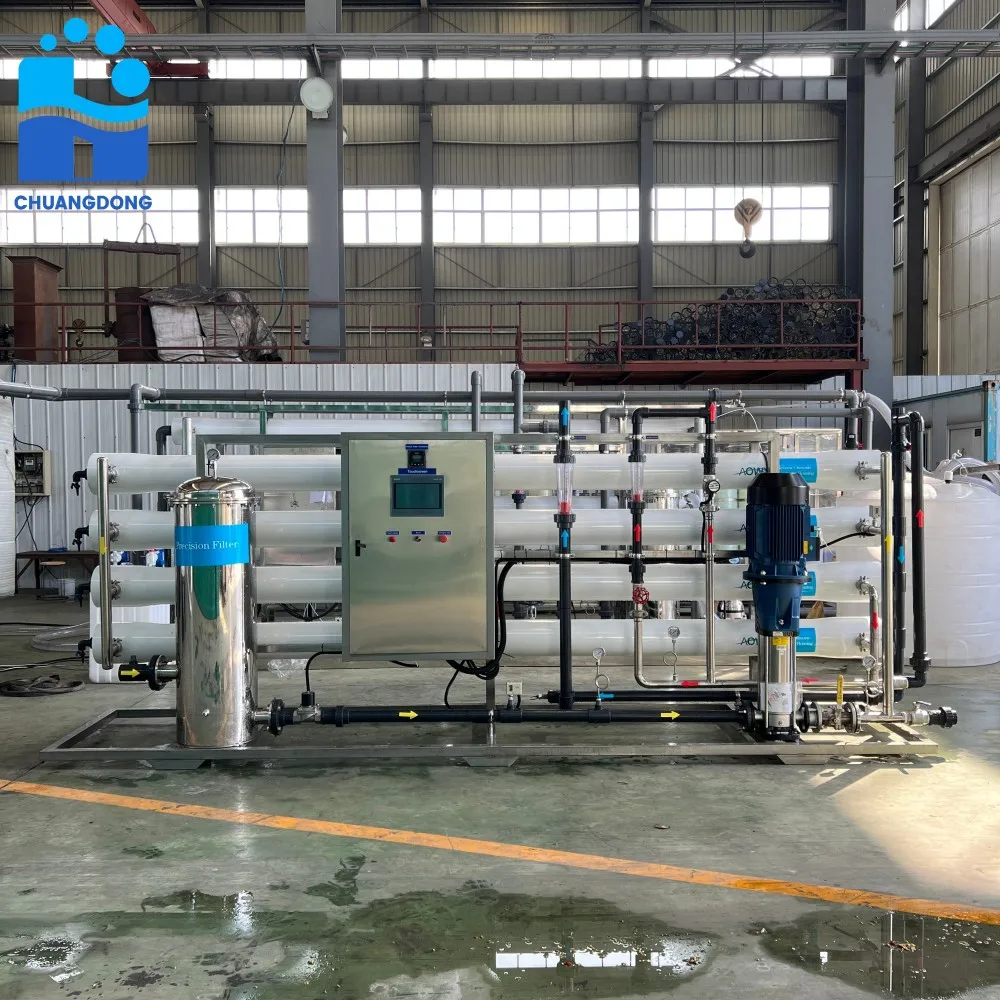
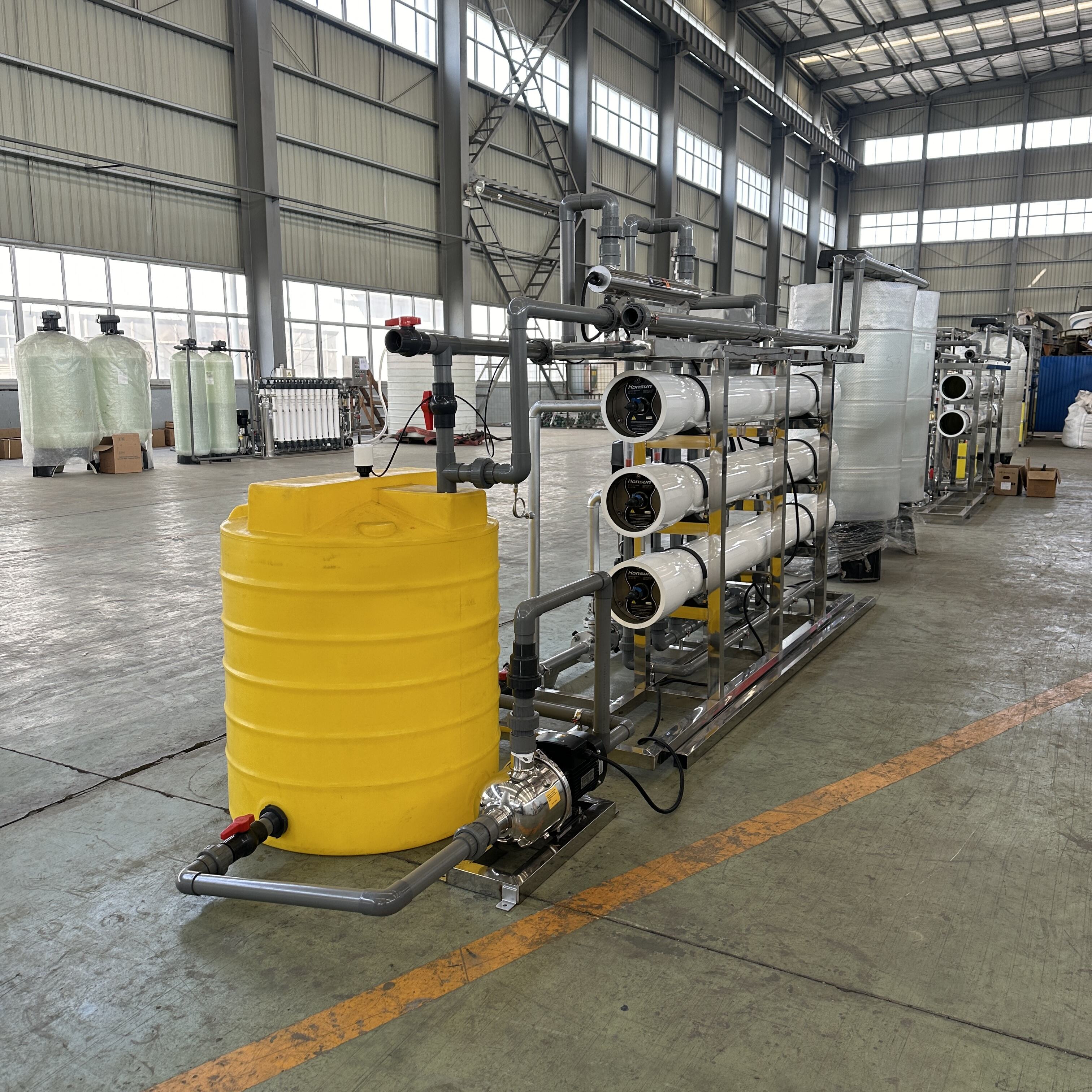
The cornerstone of modern seawater desalination systems lies in their advanced reverse osmosis technology coupled with sophisticated energy recovery mechanisms. This innovative combination transforms the desalination process into a highly efficient, cost-effective solution for producing fresh water from seawater. The reverse osmosis process forces seawater through specially designed semi-permeable membranes under extreme pressure, typically ranging from 800 to 1,200 pounds per square inch. These membranes feature microscopic pores that allow water molecules to pass through while blocking salt ions and other contaminants, achieving salt rejection rates exceeding 99.5 percent. What sets premium seawater desalination systems apart is their integration of energy recovery devices that capture the high-pressure energy from the concentrated brine stream and transfer it back to the incoming seawater feed. This energy recovery process reduces overall energy consumption by up to 60 percent compared to systems without this technology. The energy recovery devices, including pressure exchangers and turbochargers, work by utilizing the pressure differential between the high-pressure brine discharge and the incoming seawater feed. Modern seawater desalination systems incorporate multiple membrane stages arranged in series to maximize water recovery while maintaining optimal pressure conditions throughout the system. Advanced membrane materials, including thin-film composite membranes with enhanced chlorine tolerance and fouling resistance, ensure consistent performance and extended operational life. Automated cleaning systems prevent membrane fouling through precisely timed backwashing and chemical cleaning cycles, maintaining peak efficiency and reducing maintenance requirements. The combination of these technological elements results in seawater desalination systems that produce high-quality fresh water at competitive costs while minimizing environmental impact through reduced energy consumption and optimized chemical usage.
Comprehensive Water Quality Assurance and Monitoring

Comprehensive Water Quality Assurance and Monitoring

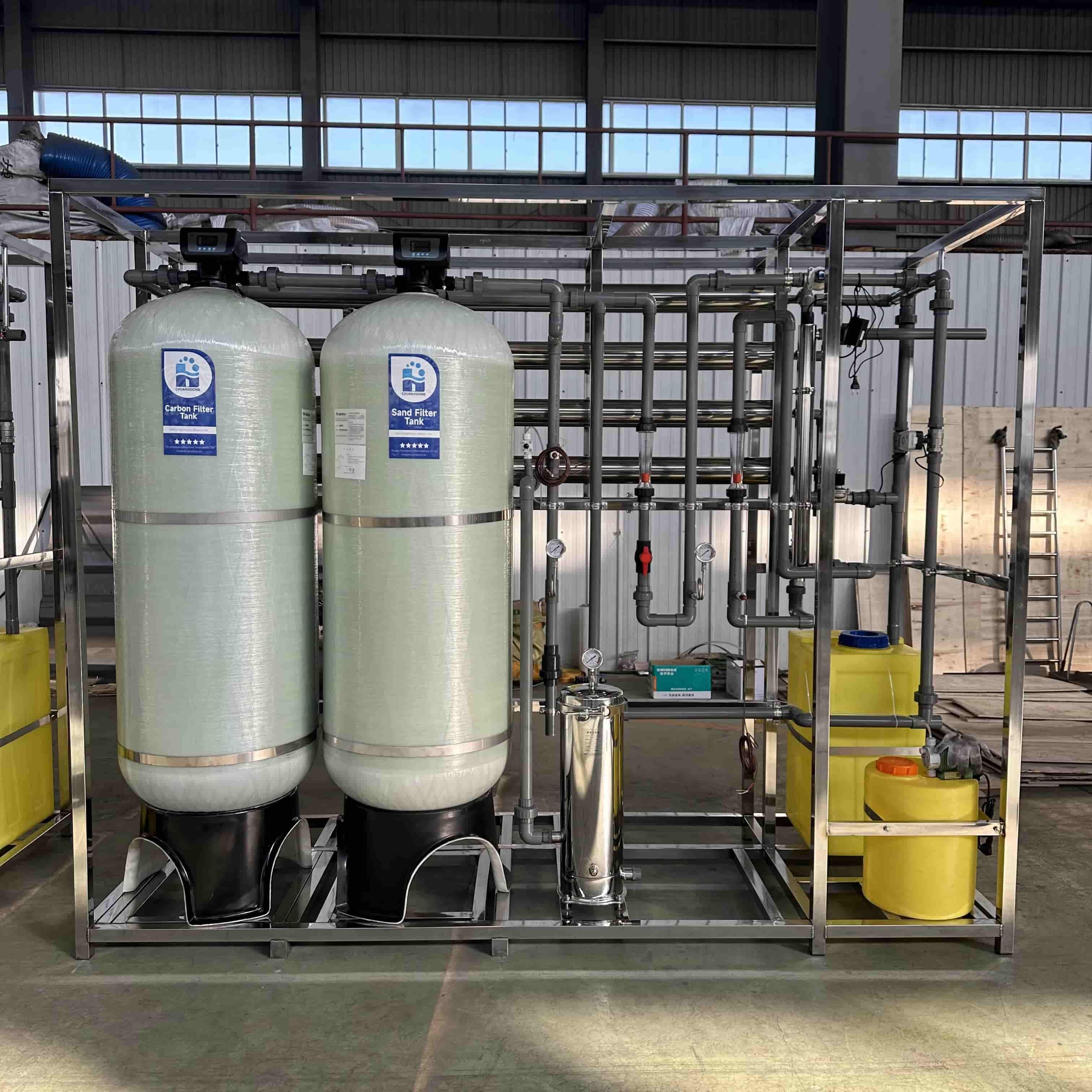
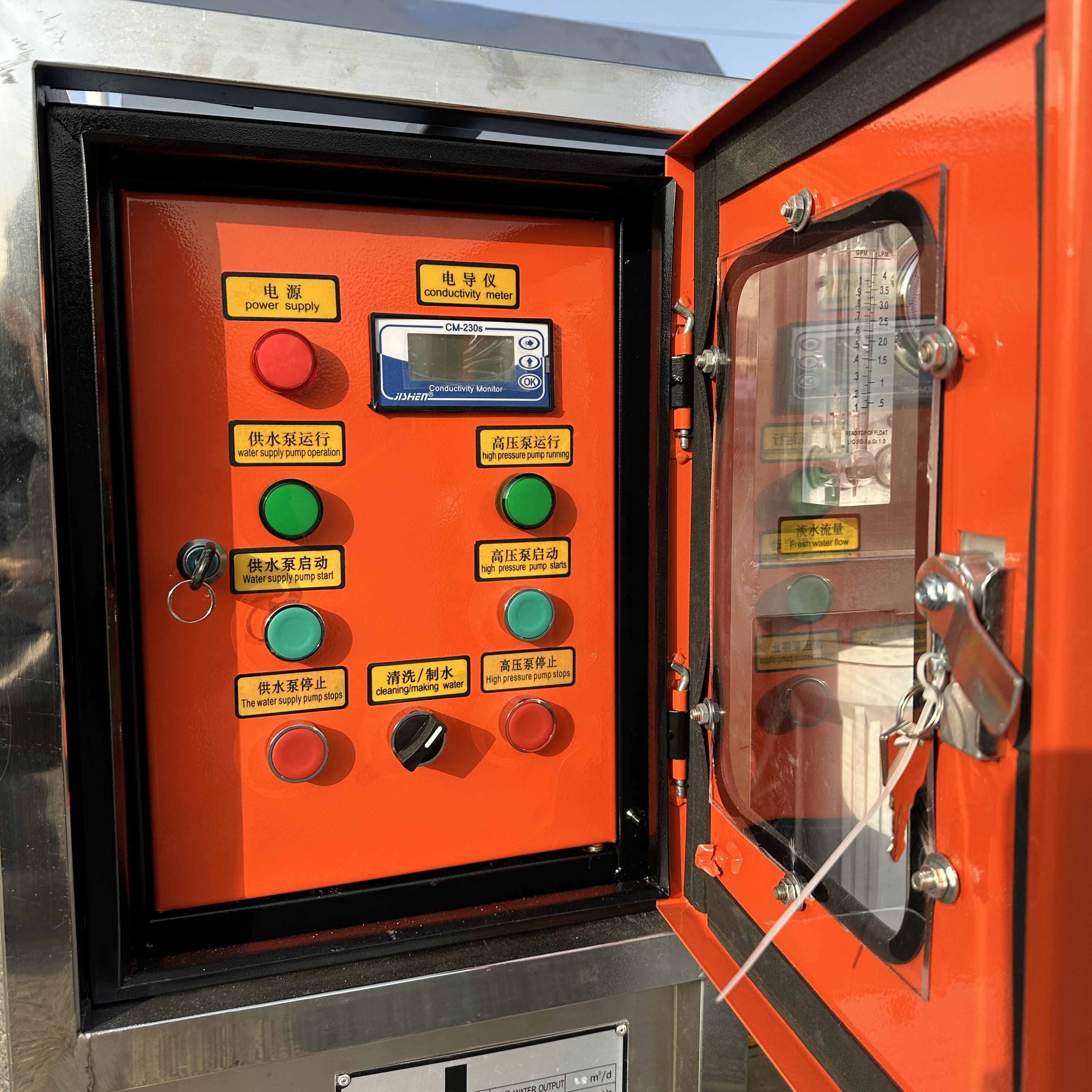
Seawater desalination systems incorporate sophisticated water quality assurance and monitoring capabilities that guarantee consistently pure, safe drinking water output. These systems feature multi-barrier treatment approaches that address every potential contaminant found in seawater, including dissolved salts, organic compounds, microorganisms, and trace metals. Advanced pretreatment processes prepare the seawater feed by removing suspended solids, algae, and other particulates that could damage downstream equipment or compromise water quality. Chlorination and pH adjustment systems optimize water chemistry for optimal membrane performance and disinfection effectiveness. Real-time monitoring systems continuously track critical water quality parameters including total dissolved solids, conductivity, pH, turbidity, and chlorine residual throughout the treatment process. These monitoring systems utilize precision sensors and analytical instruments that provide instant feedback on system performance, enabling immediate adjustments to maintain optimal water quality. Automated sampling and testing protocols verify compliance with international drinking water standards, including World Health Organization guidelines and local regulatory requirements. The water quality assurance protocols extend beyond basic desalination to include advanced oxidation processes for organic contaminant removal, ultraviolet disinfection for pathogen inactivation, and specialized filtration for trace metal removal. Post-treatment conditioning systems adjust mineral content and pH to produce aesthetically pleasing, corrosion-resistant water suitable for distribution systems. Quality control laboratories equipped with sophisticated analytical equipment perform comprehensive testing of finished water, including microbiological analysis, chemical composition verification, and taste and odor evaluation. Documentation and reporting systems maintain detailed records of all water quality data, enabling regulatory compliance demonstration and performance trending analysis. This comprehensive approach to water quality assurance ensures that seawater desalination systems consistently deliver water that not only meets but often exceeds municipal drinking water standards, providing confidence and peace of mind for consumers and regulatory authorities alike.
Modular Design and Scalable Configuration Options

Modular Design and Scalable Configuration Options

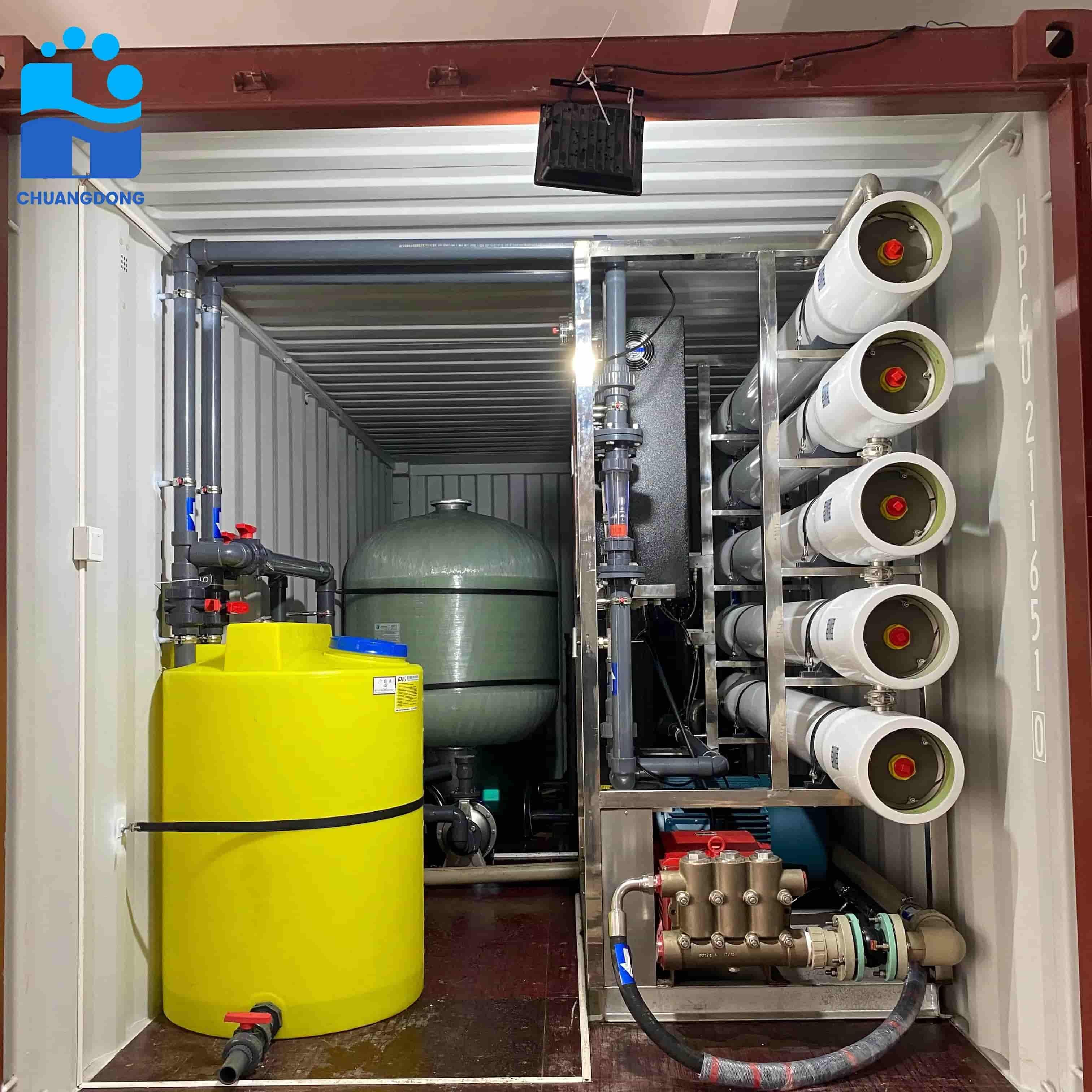
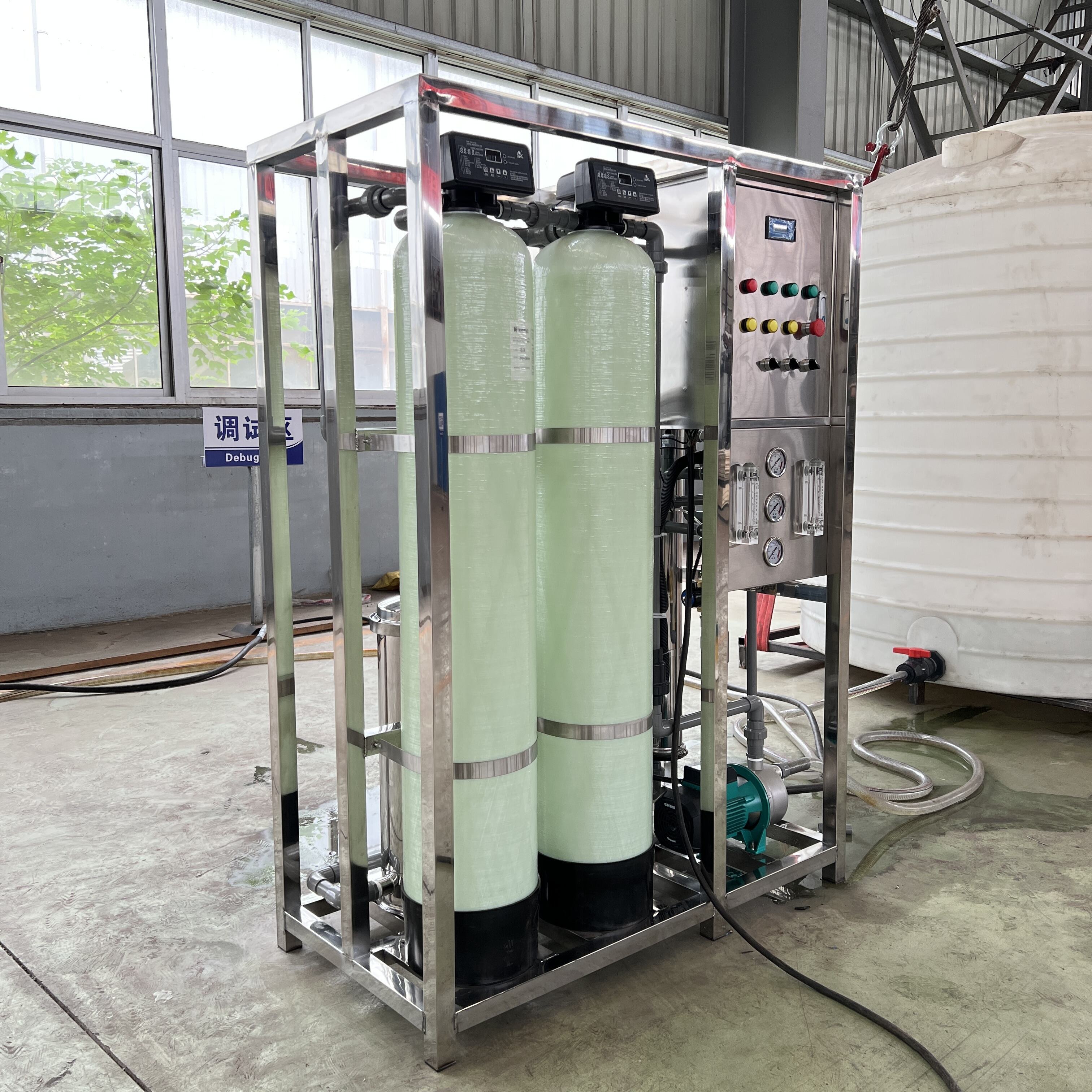
The modular design philosophy behind contemporary seawater desalination systems represents a revolutionary approach to water treatment infrastructure, offering unparalleled flexibility, scalability, and economic efficiency for diverse applications. These systems utilize standardized component modules that can be combined and configured to meet specific capacity requirements, from small-scale residential units producing hundreds of gallons per day to massive industrial installations generating millions of gallons daily. The modular approach allows for incremental capacity expansion as water demand grows, eliminating the need for oversized initial investments or complete system replacement when requirements change. Each module within seawater desalination systems operates as an independent treatment train, incorporating all necessary components including high-pressure pumps, membrane vessels, control systems, and monitoring equipment. This redundancy ensures continuous water production even when individual modules require maintenance or encounter operational issues, providing exceptional reliability and minimizing downtime. The standardized design facilitates rapid deployment, with prefabricated modules manufactured in controlled factory environments and shipped ready for installation, significantly reducing construction time and costs compared to custom-built facilities. Maintenance and service operations benefit tremendously from the modular configuration, as individual components can be isolated, serviced, or replaced without shutting down the entire system. Spare parts inventory requirements are minimized through component standardization, while technical training and operational procedures are simplified across multiple installations. The modular design enables seawater desalination systems to adapt to varying feed water conditions, seasonal demand fluctuations, and changing quality requirements through selective module operation and configuration adjustments. Transportation and installation advantages include the ability to ship complete modules to remote locations, including islands and offshore platforms where conventional construction methods would be prohibitively expensive or logistically challenging. Future technology upgrades and improvements can be incorporated by replacing individual modules rather than entire systems, ensuring that seawater desalination systems remain current with evolving treatment technologies and efficiency standards throughout their operational lifetime.

Get a Free Quote

Our representative will contact you soon.
Email
Name
Company Name
Message
0/1000