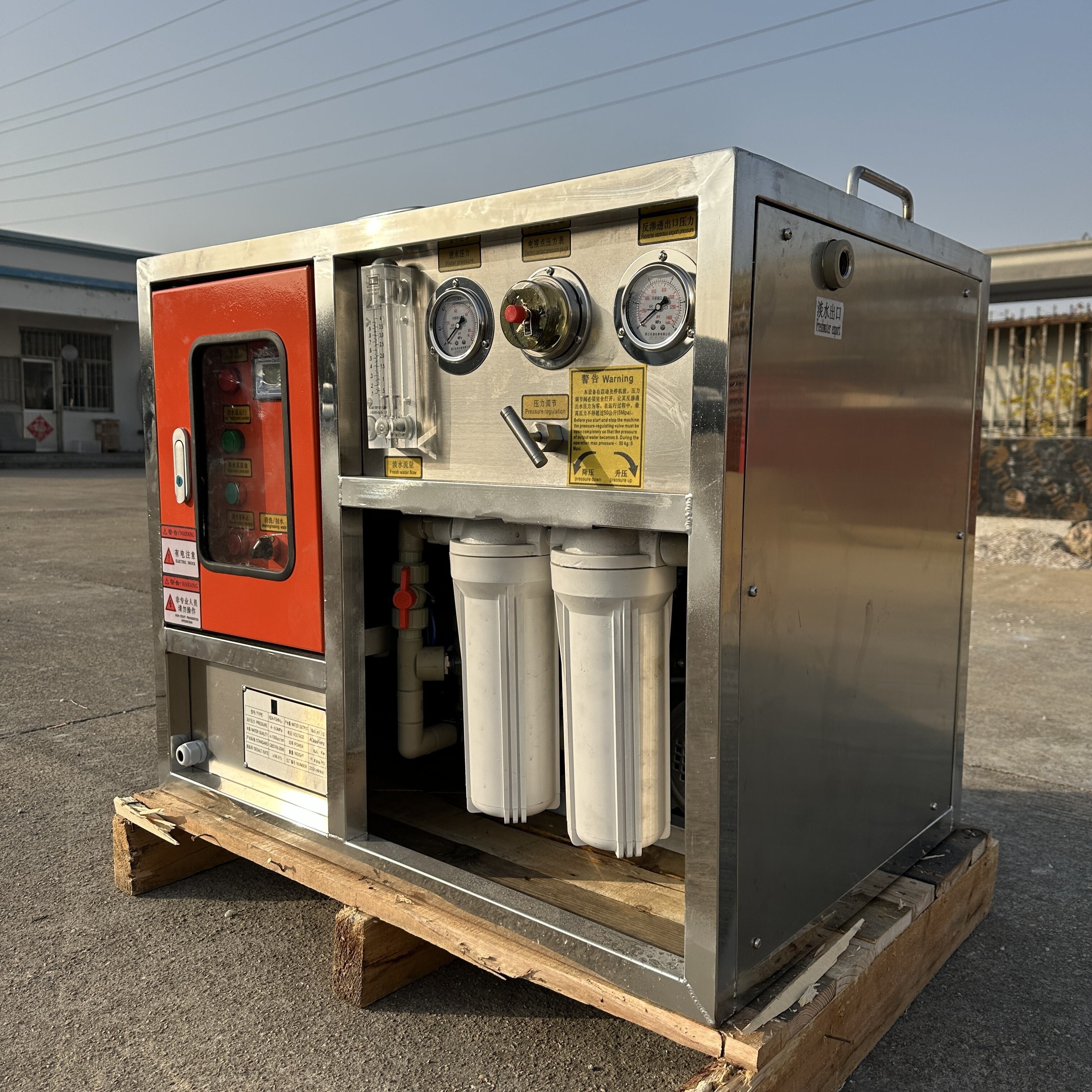
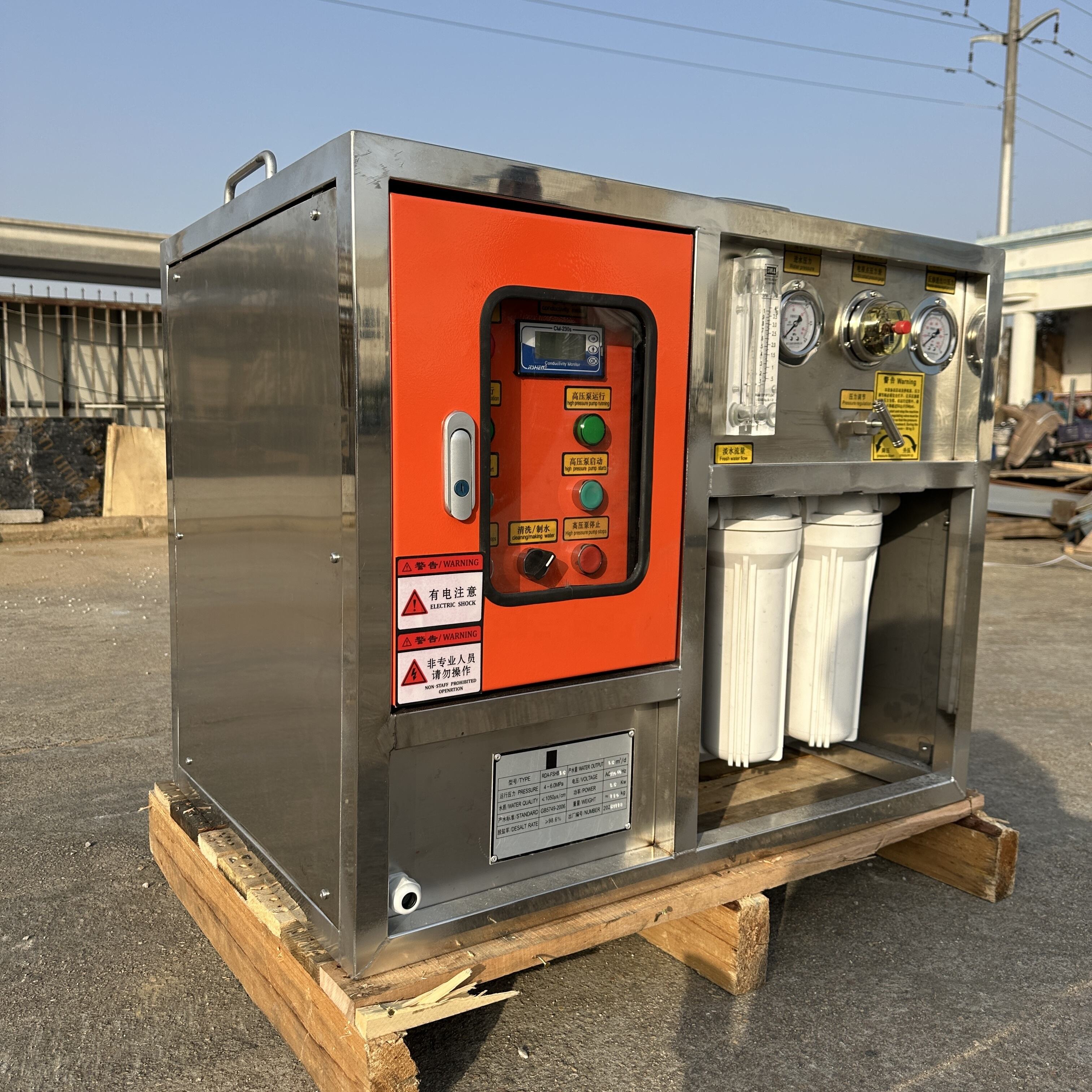
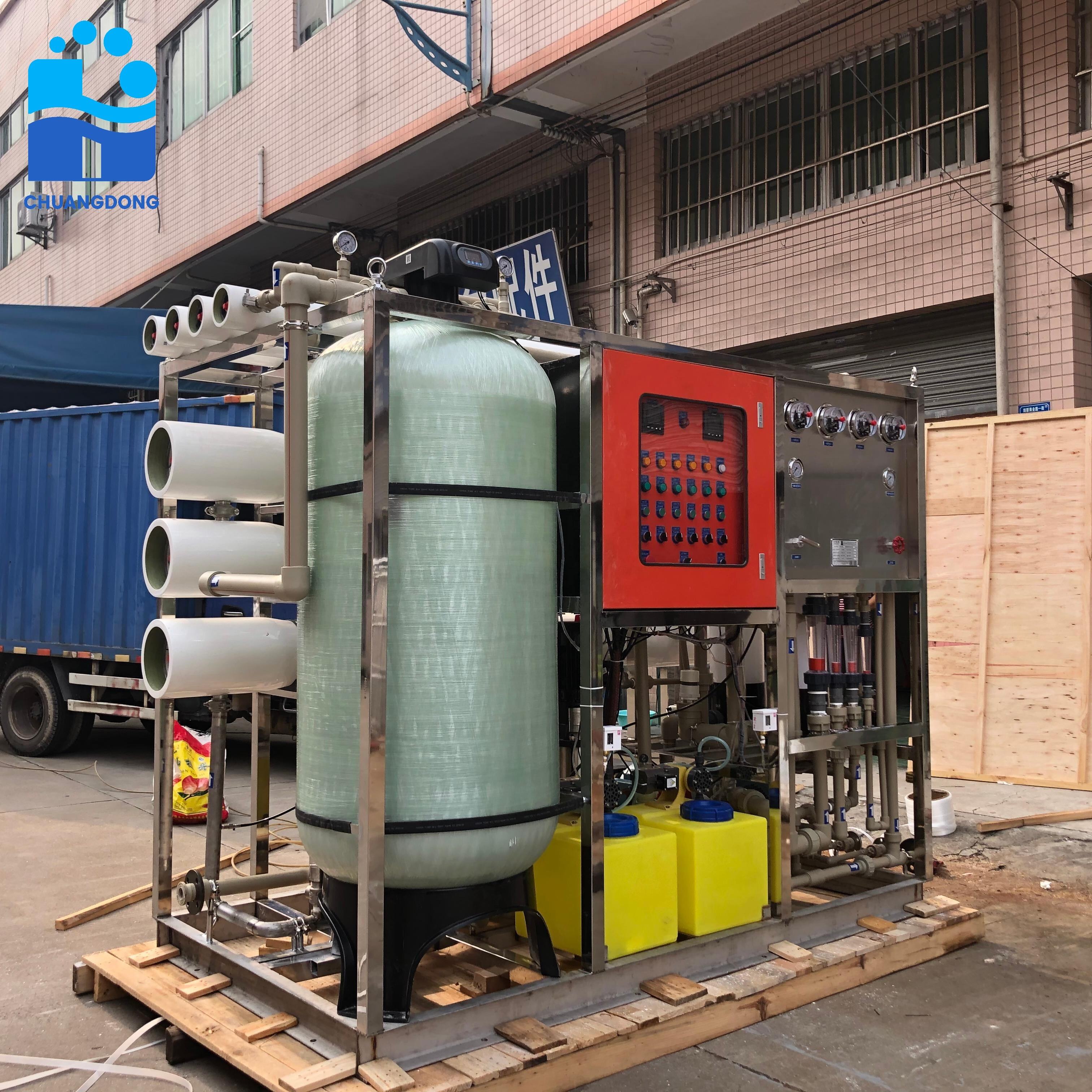
sea water desalination plant
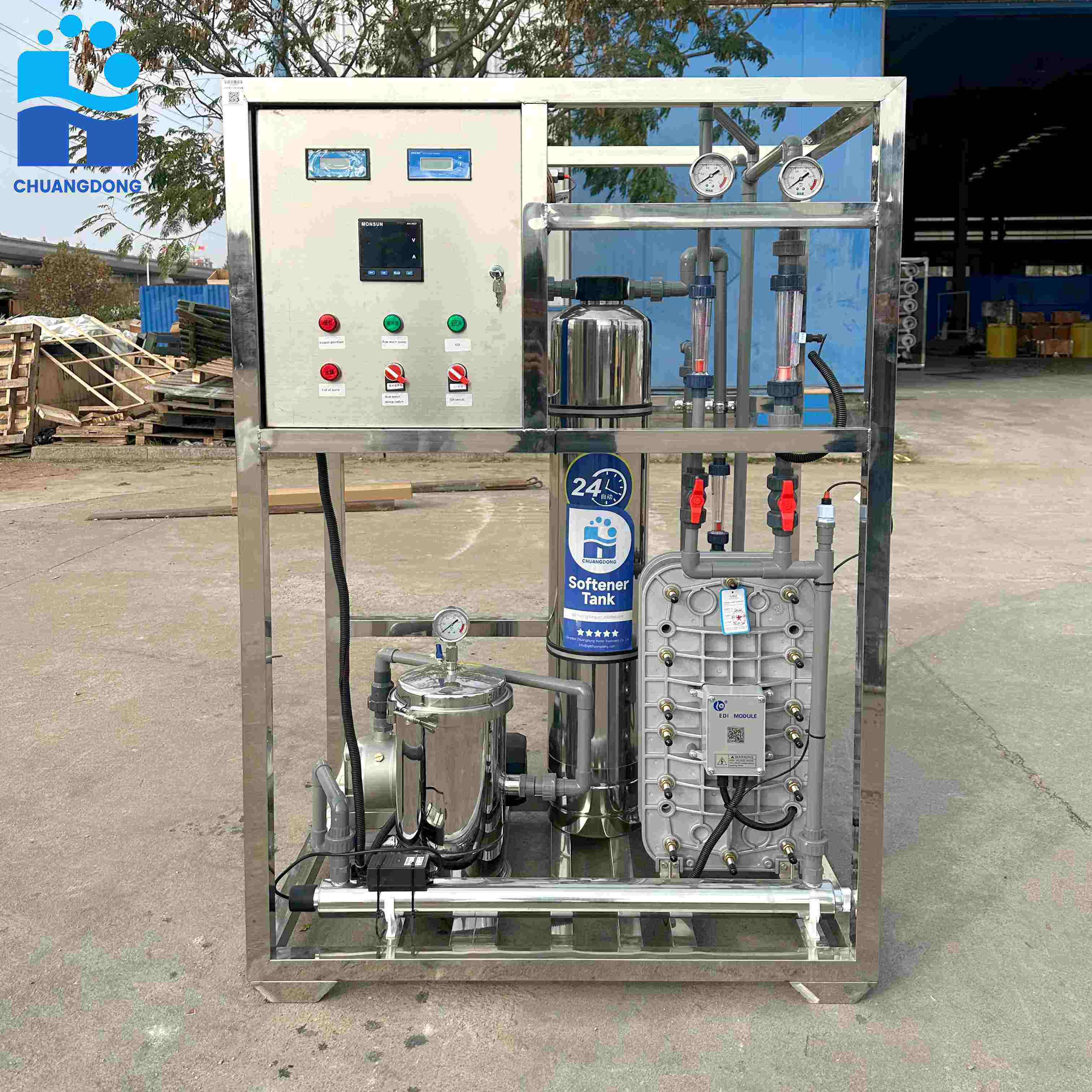
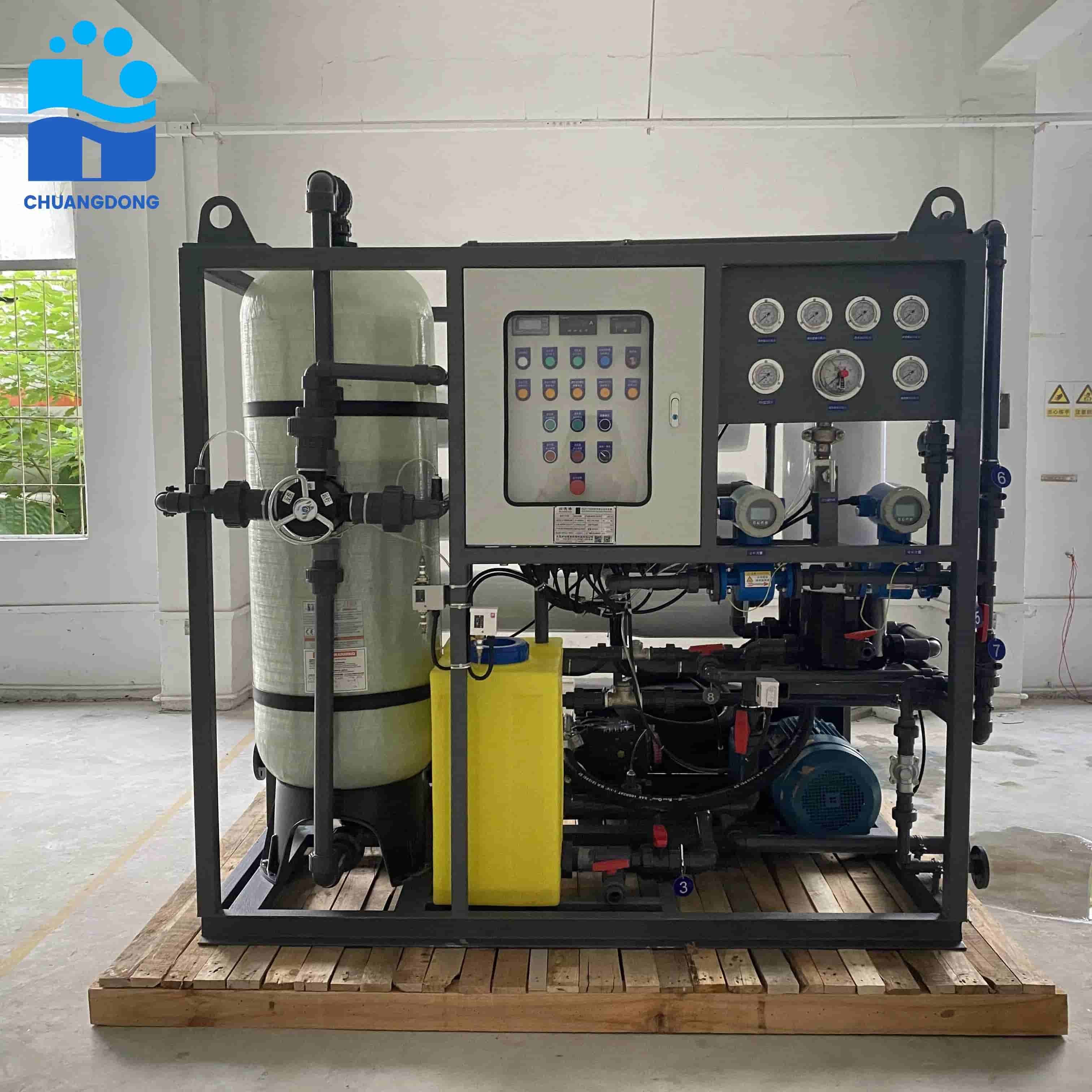
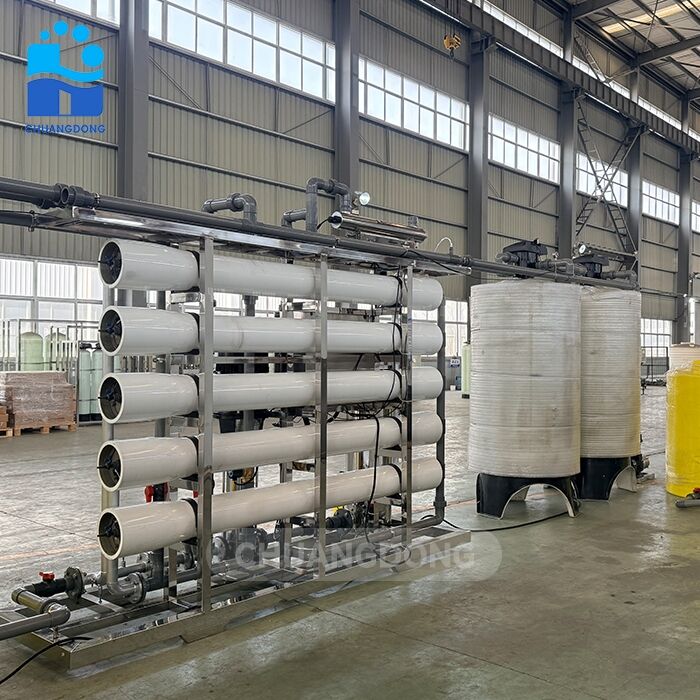
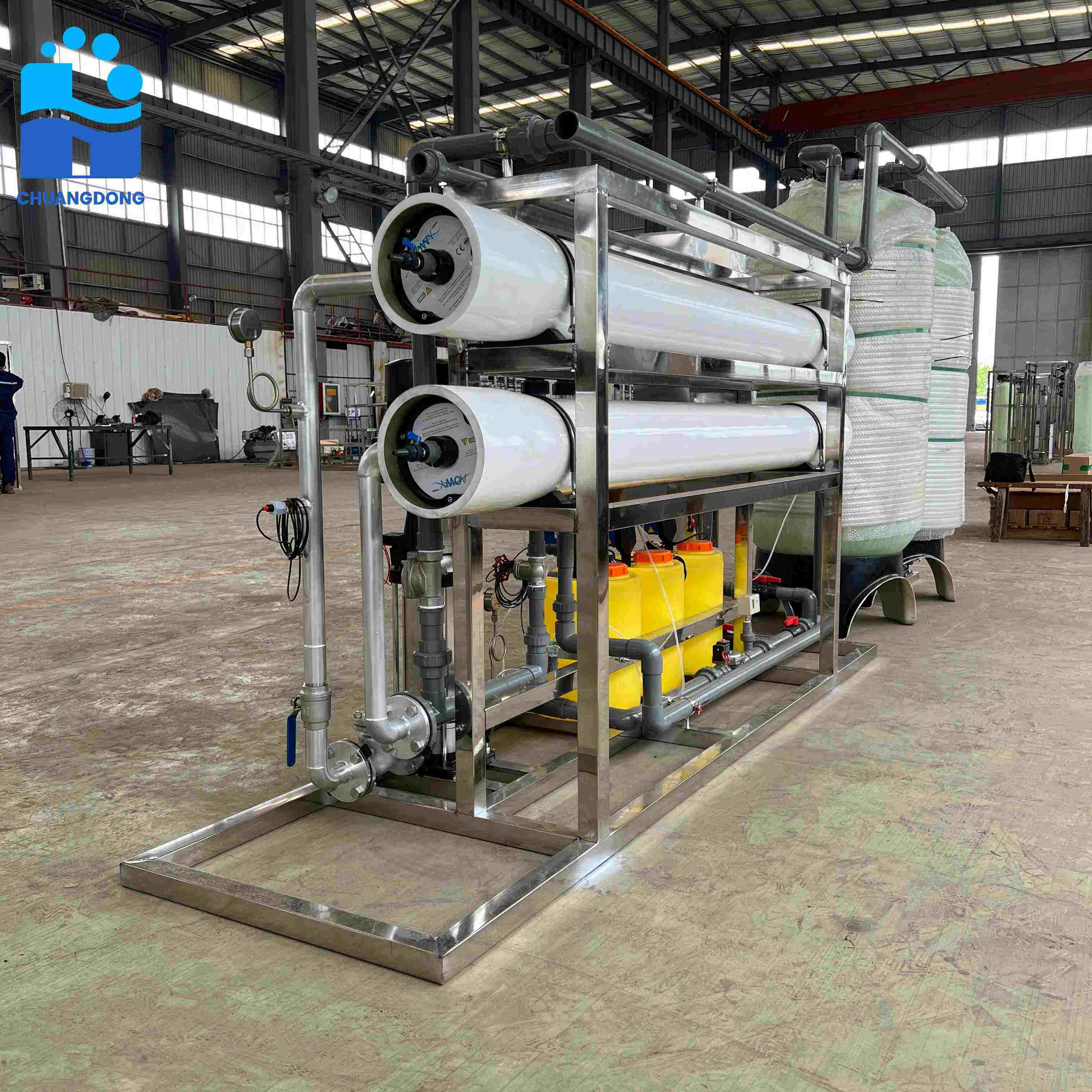
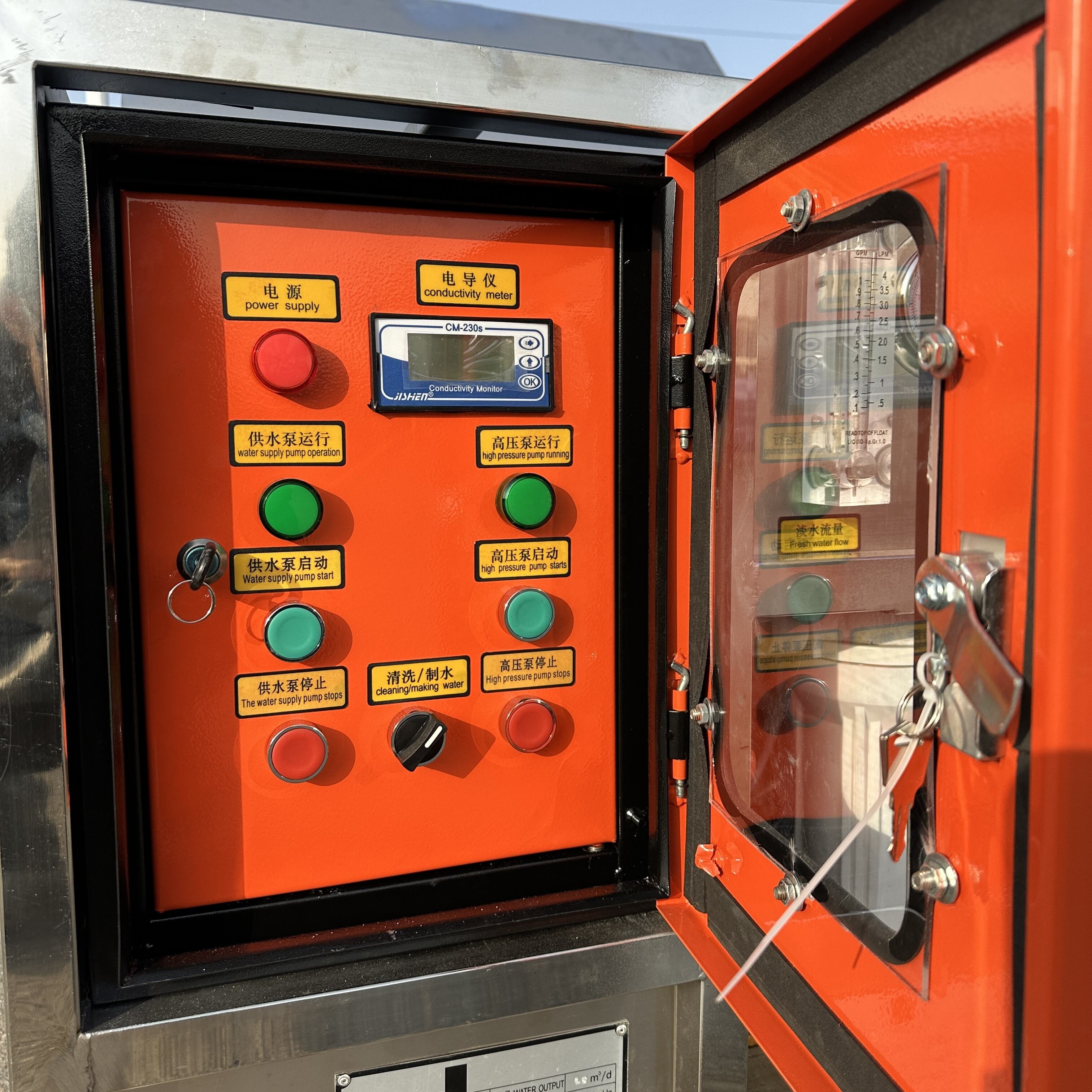
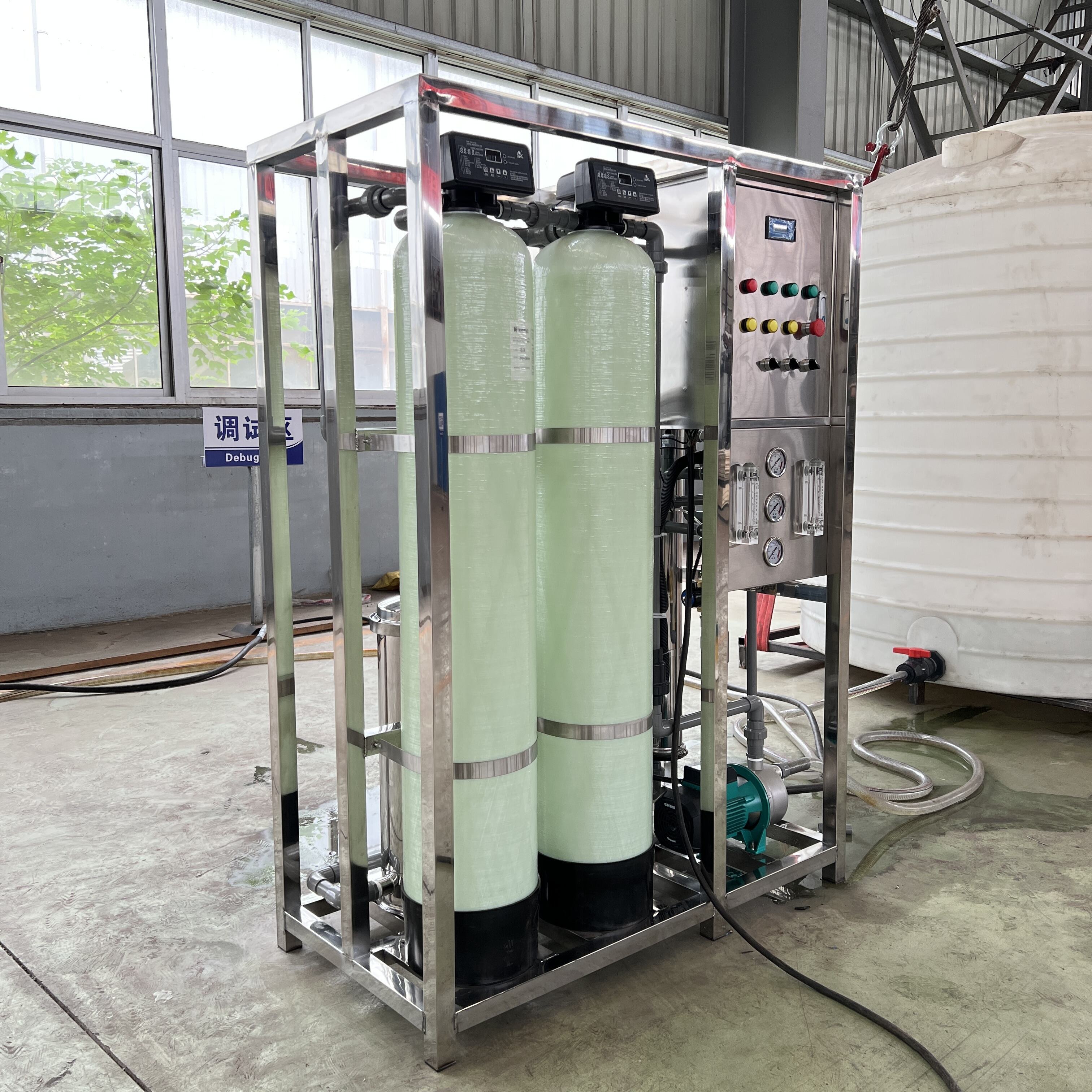
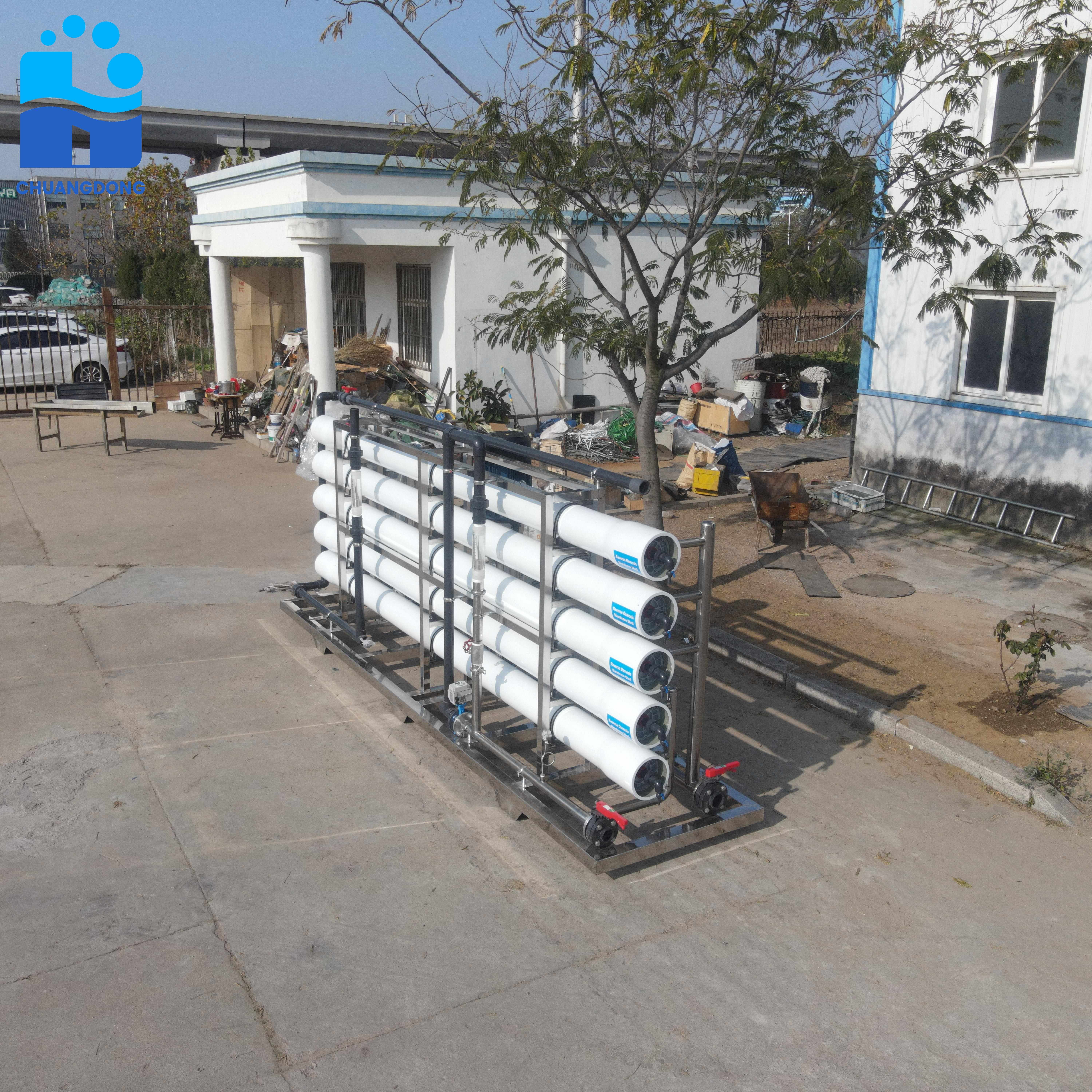
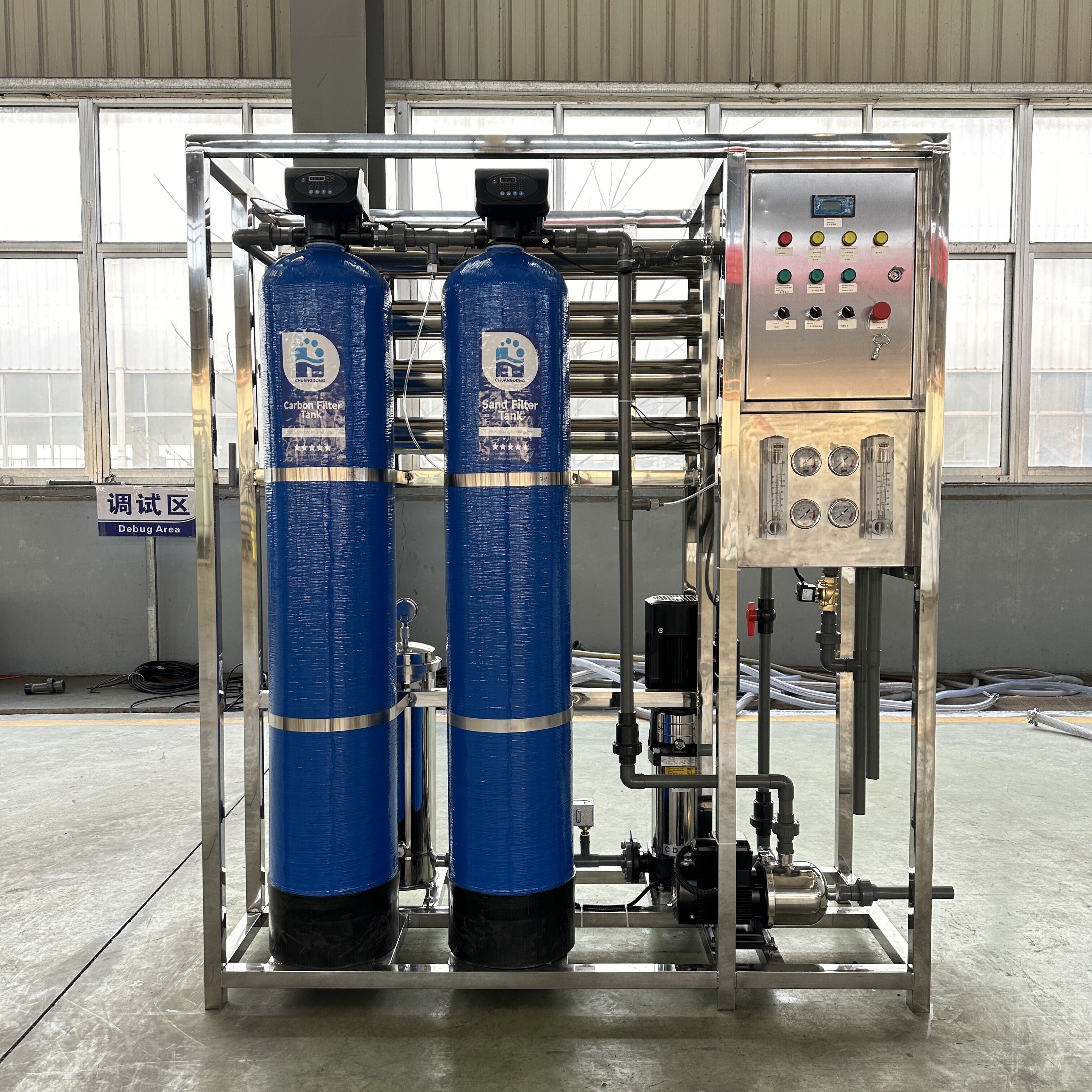
A sea water desalination plant is an advanced facility designed to convert saline ocean water into fresh, potable water suitable for human consumption, agricultural irrigation, and industrial applications. This sophisticated system addresses the growing global challenge of freshwater scarcity by utilizing cutting-edge technologies to remove dissolved salts, minerals, and impurities from seawater. The primary function of a sea water desalination plant involves processing large volumes of ocean water through specialized treatment methods, typically employing reverse osmosis or thermal distillation techniques. Modern sea water desalination plant installations incorporate multi-stage filtration systems, high-pressure pumps, semi-permeable membranes, and energy recovery devices to maximize efficiency and minimize operational costs. The technological features include automated control systems, real-time water quality monitoring, corrosion-resistant materials, and environmentally conscious brine disposal methods. These plants can be customized to various scales, from small community installations producing thousands of gallons daily to massive industrial sea water desalination plant complexes generating millions of gallons per day. Applications span coastal municipalities requiring reliable drinking water supplies, island communities with limited freshwater resources, industrial facilities needing process water, agricultural operations in arid regions, and emergency response situations. The sea water desalination plant represents a sustainable solution for water security, offering independence from traditional freshwater sources while supporting population growth and economic development in water-stressed regions worldwide.
 EN
EN