Large Desalination Plants: Advanced Water Treatment Solutions for Municipal and Industrial Applications

Get a Free Quote

Our representative will contact you soon.
Email
Name
Company Name
Message
0/1000

large desalination plants

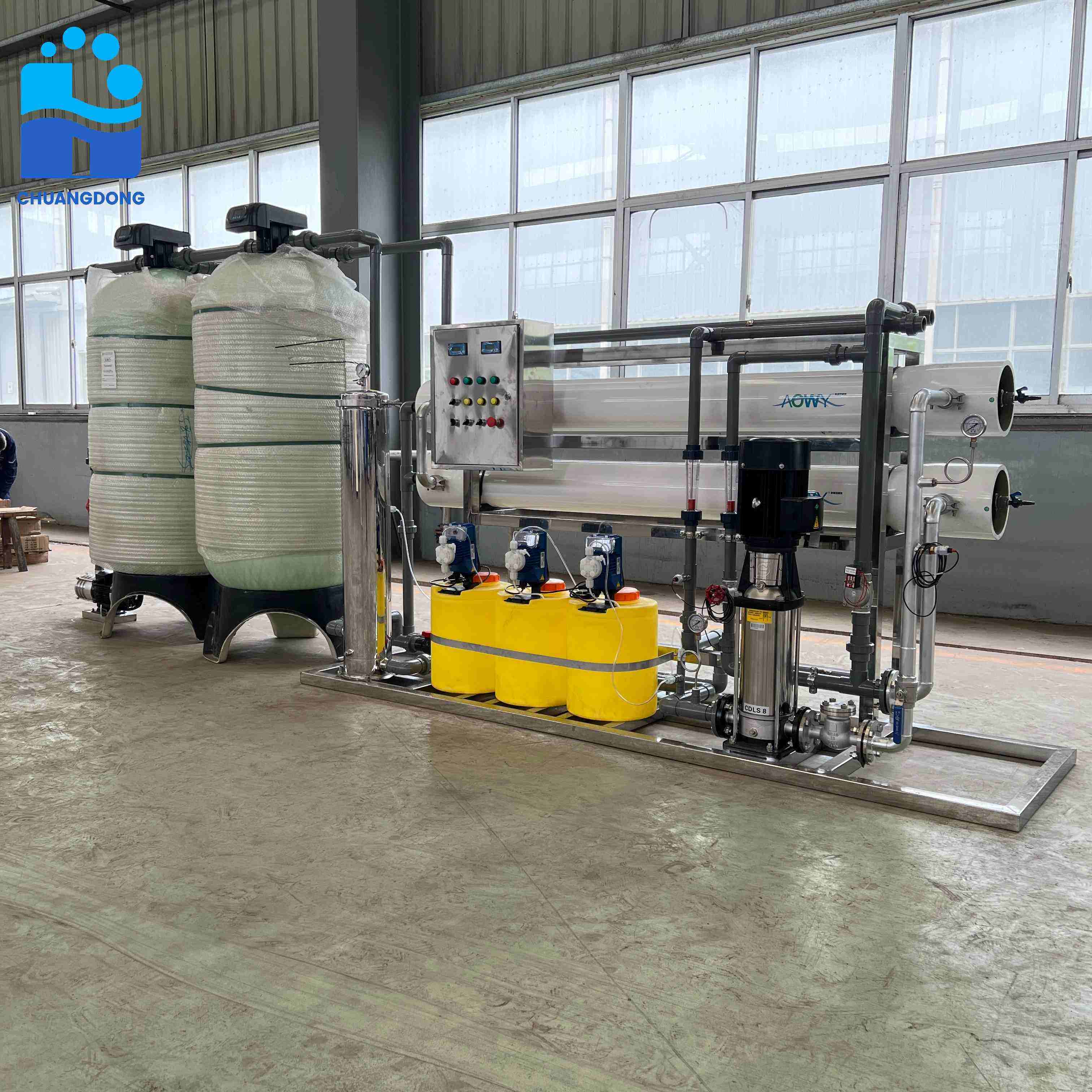
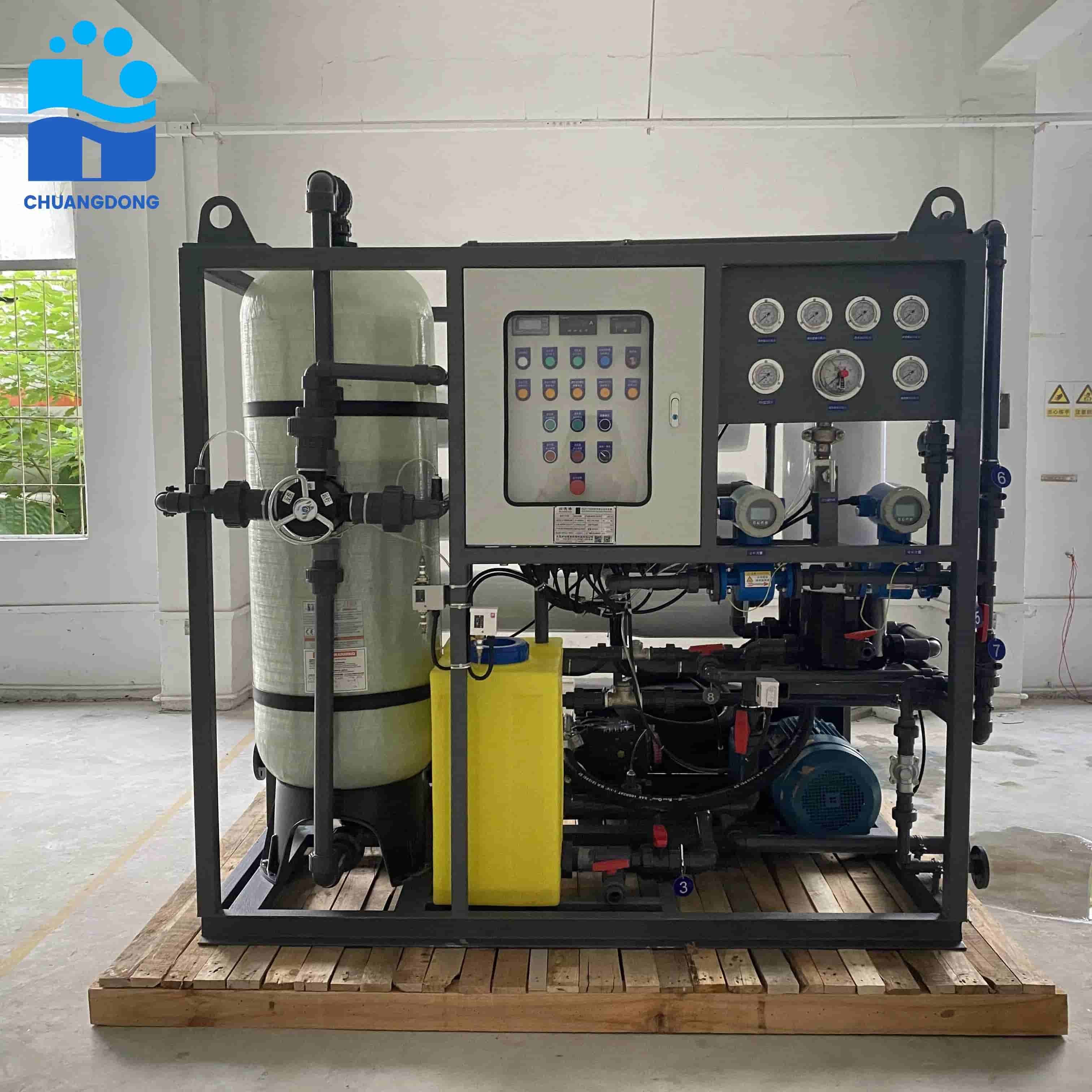
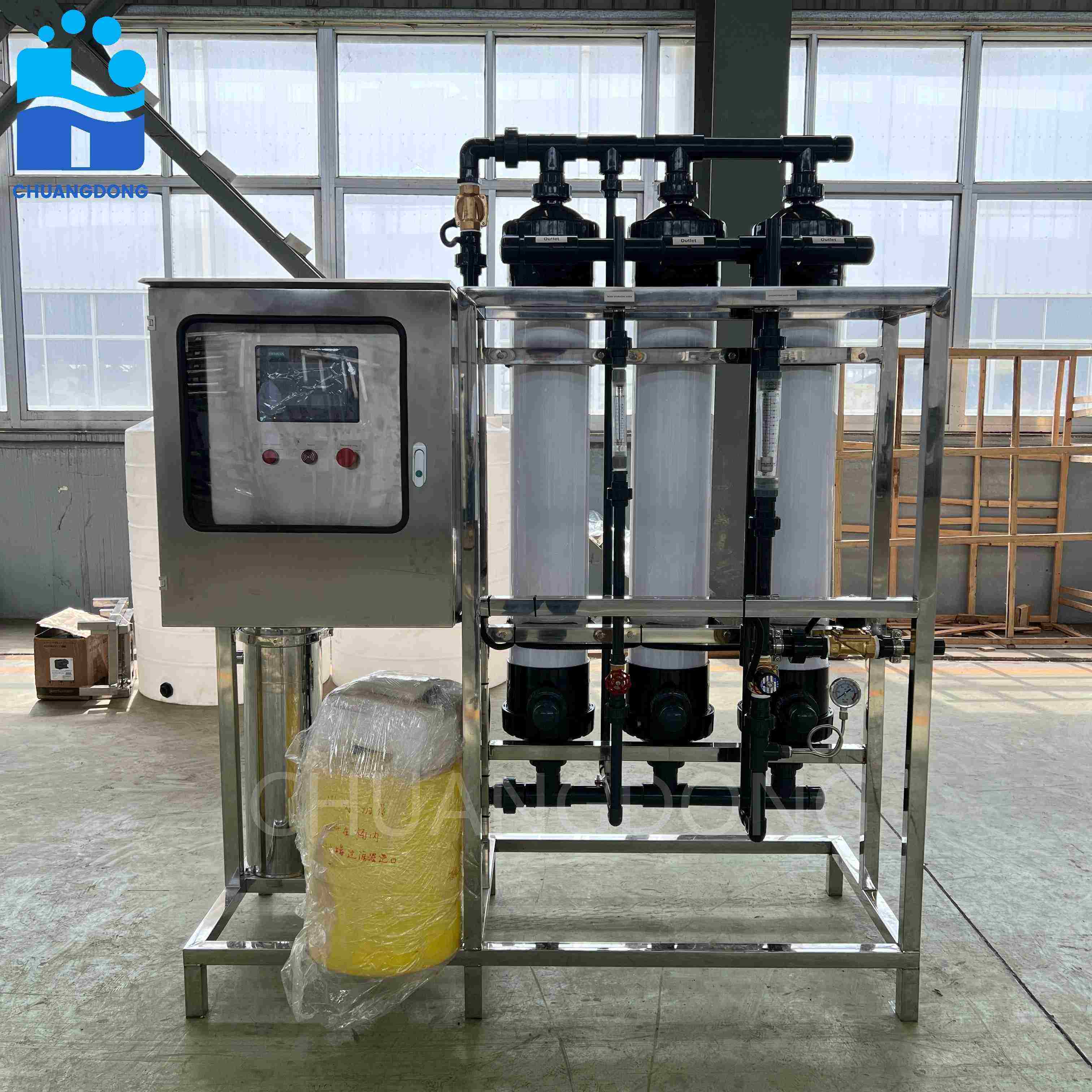
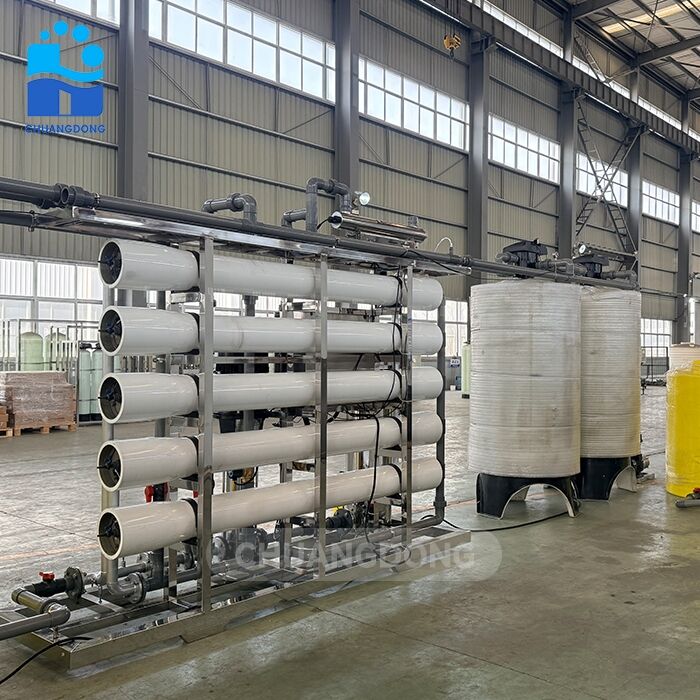
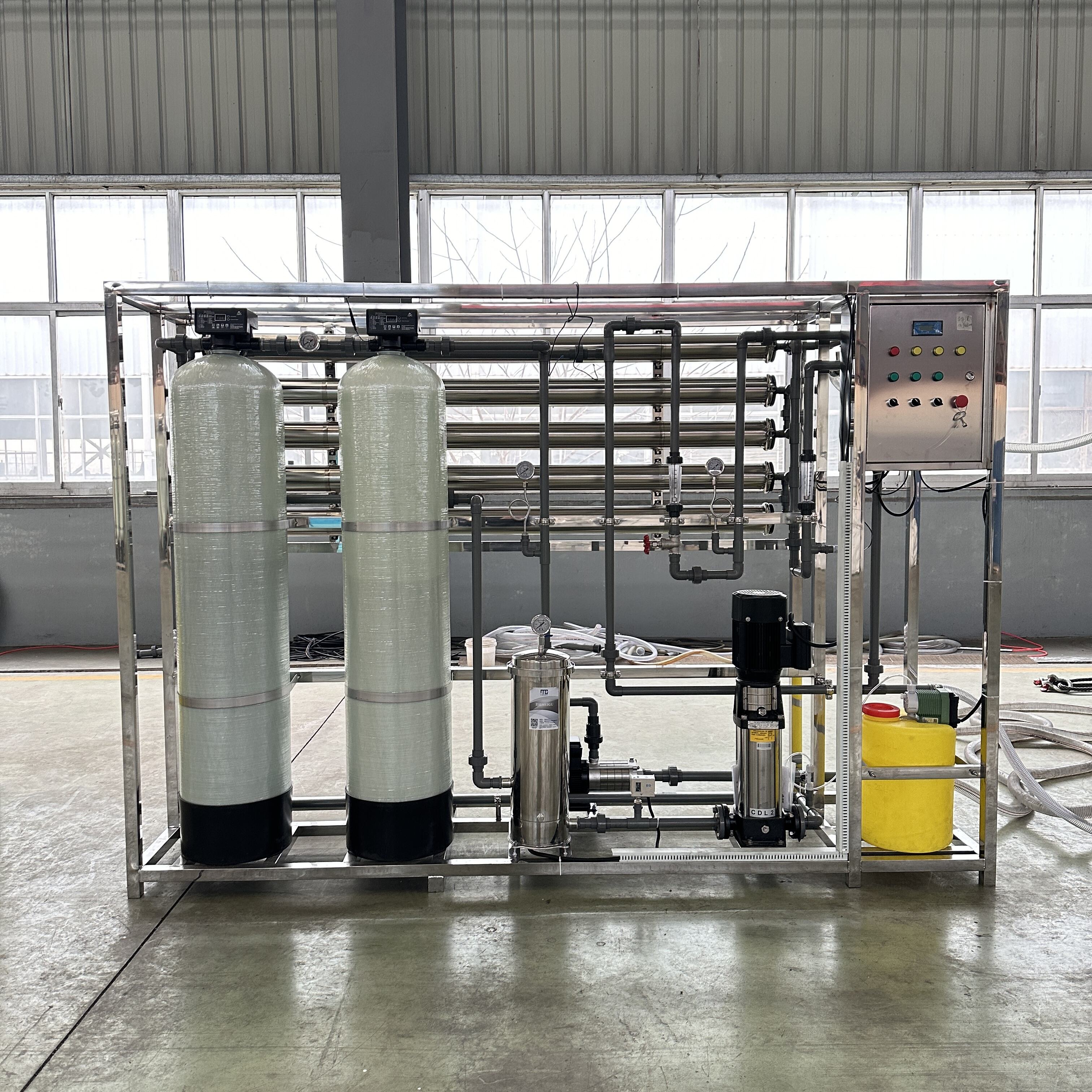
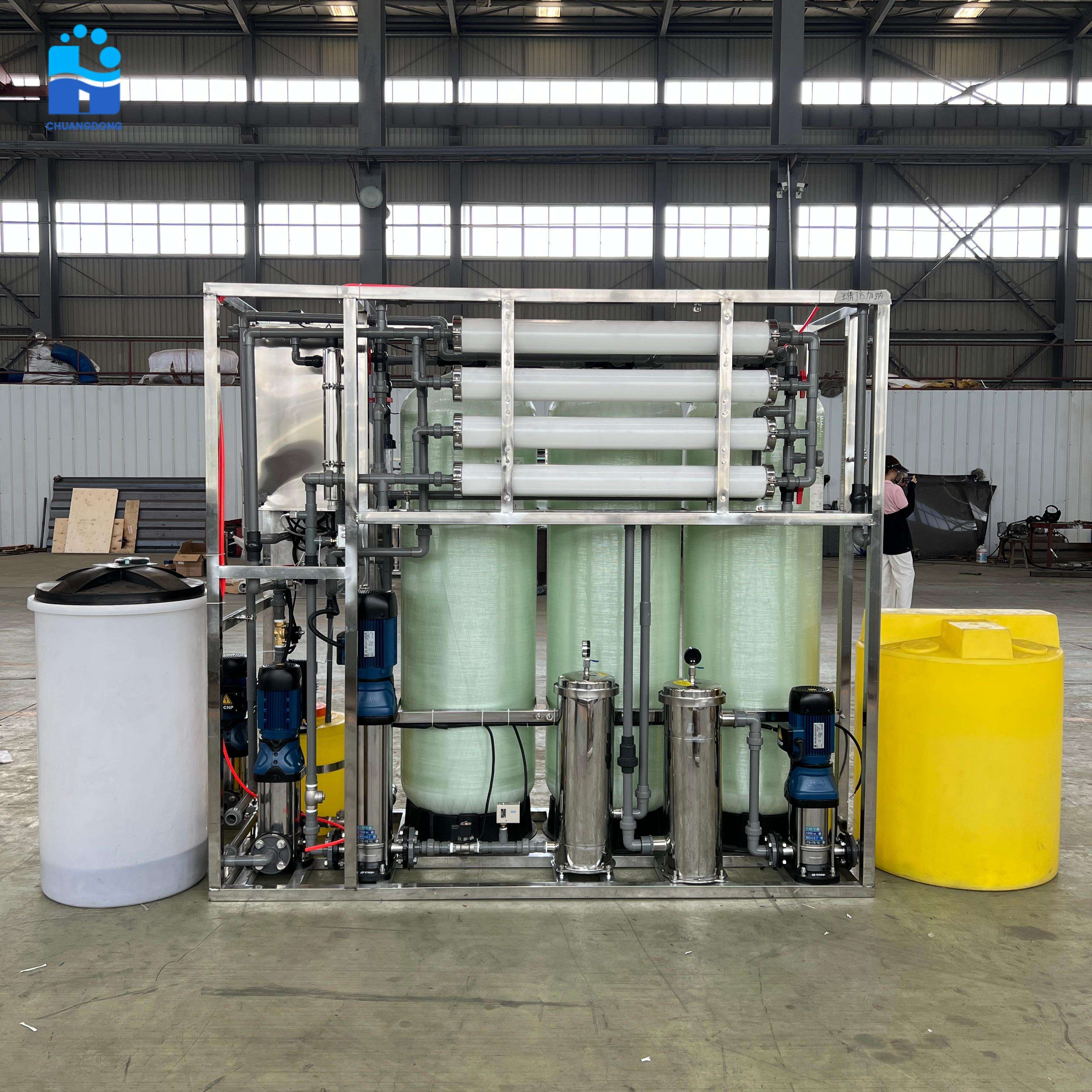
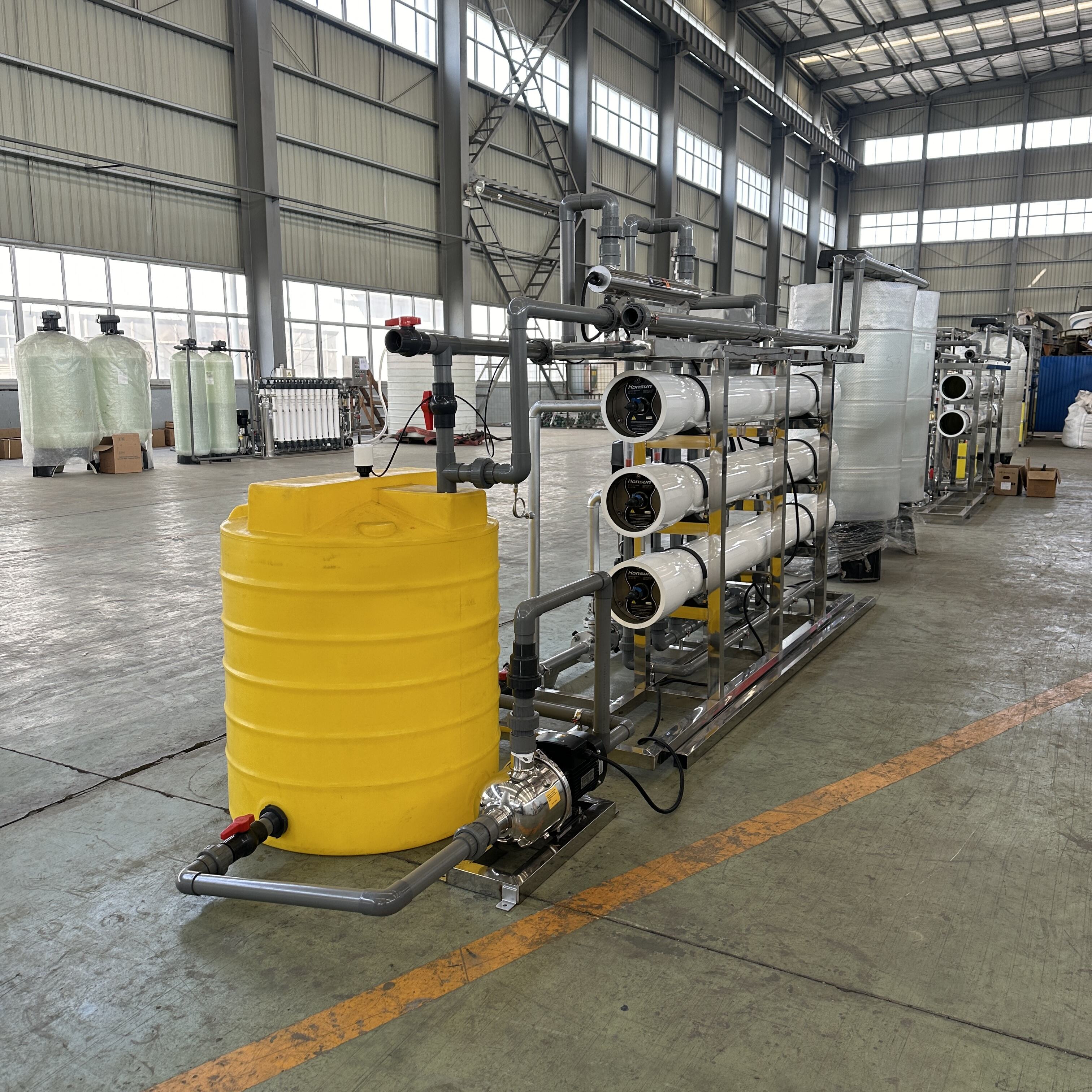
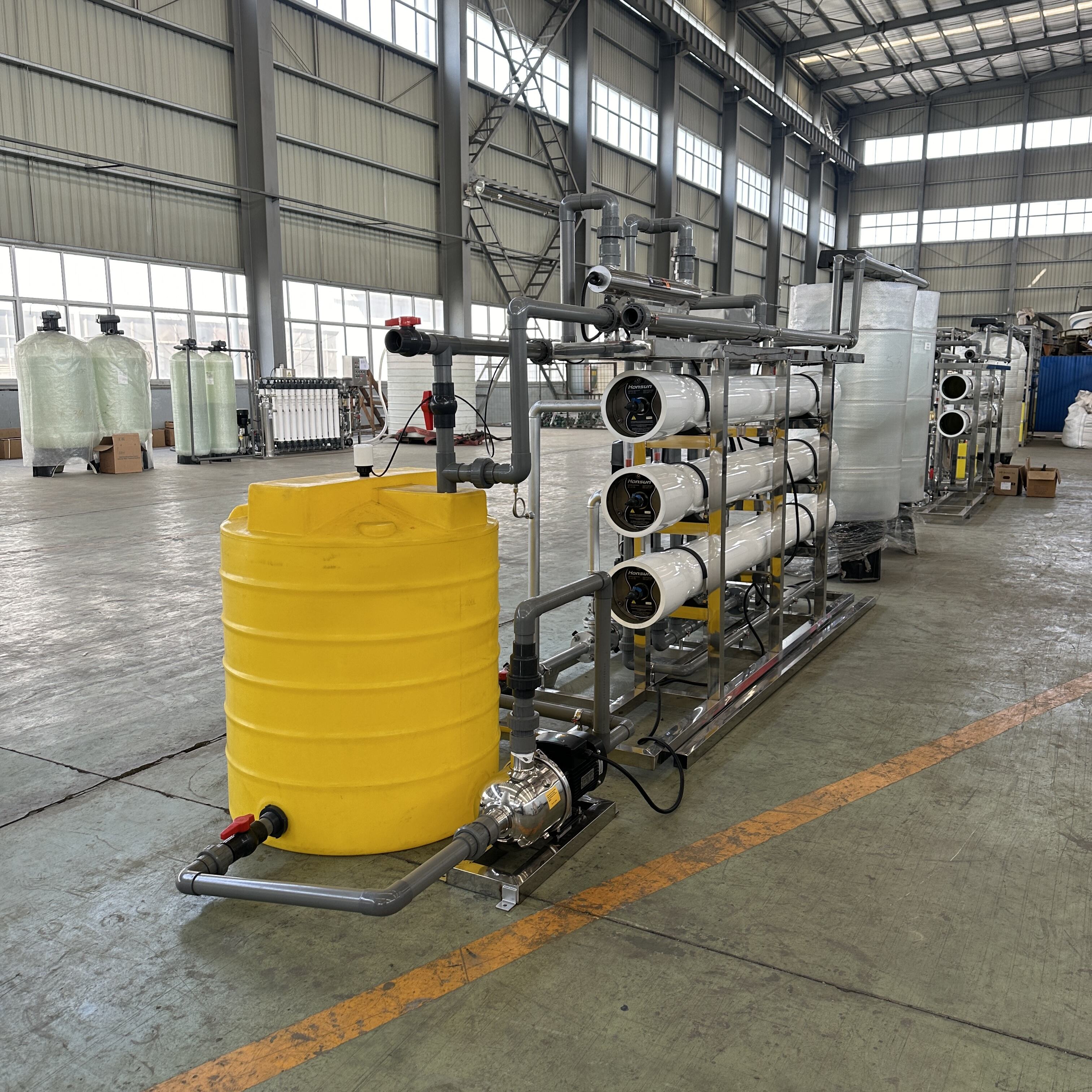
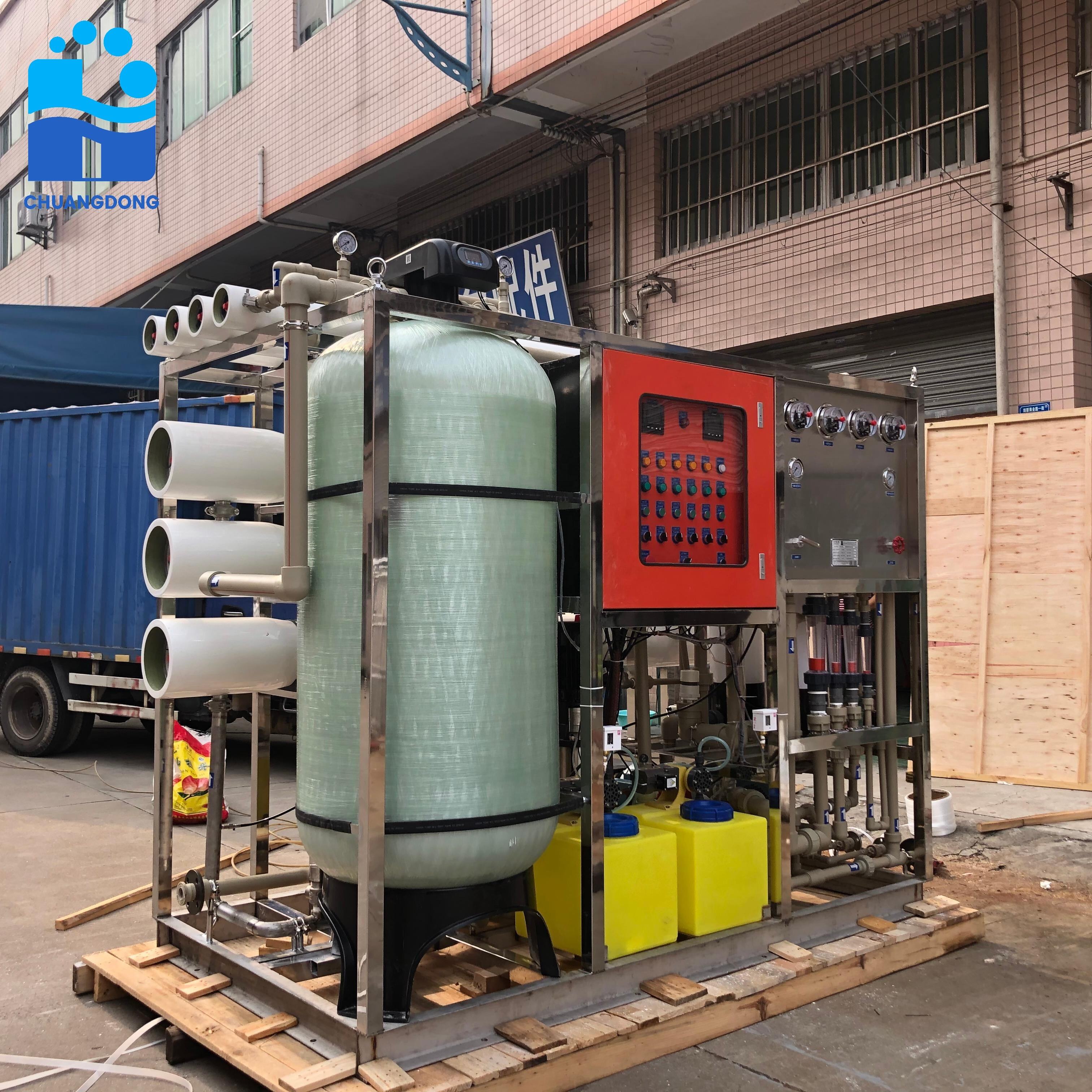
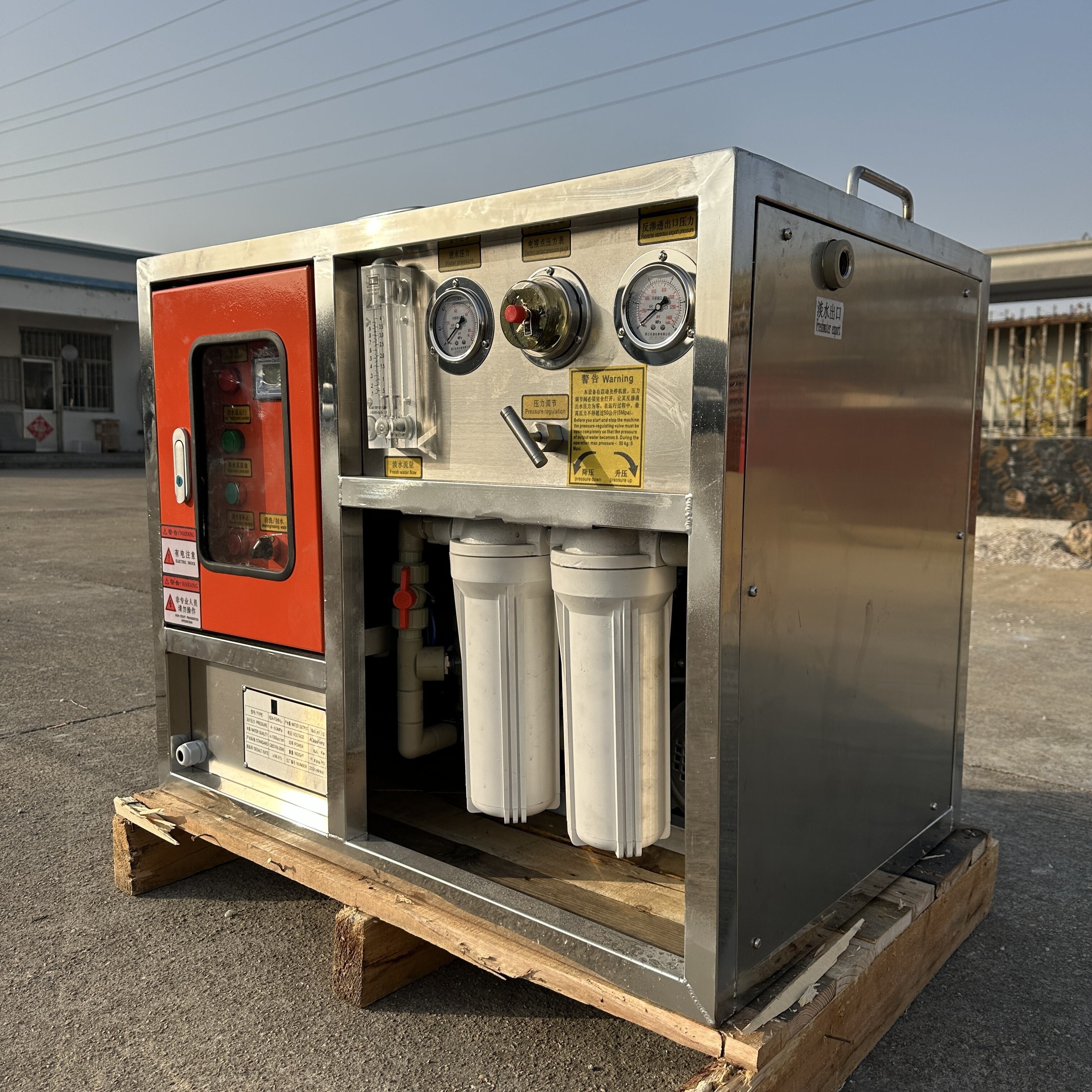
Large desalination plants represent cutting-edge water treatment facilities designed to convert seawater and brackish water into high-quality freshwater for municipal, industrial, and agricultural applications. These sophisticated installations utilize advanced membrane technologies, primarily reverse osmosis systems, to remove salt and other contaminants from source water. The main functions of large desalination plants encompass water intake, pre-treatment processes, membrane filtration, post-treatment conditioning, and brine management. These facilities typically process millions of gallons daily, serving entire metropolitan areas and industrial complexes. The technological features of modern large desalination plants include high-pressure pumps, energy recovery devices, automated control systems, and comprehensive monitoring equipment. Advanced pre-treatment systems remove suspended solids, organic matter, and biological contaminants before water reaches the membrane modules. The reverse osmosis process operates under significant pressure, forcing water molecules through semi-permeable membranes while rejecting dissolved salts. Post-treatment systems adjust pH levels, add essential minerals, and ensure water quality meets regulatory standards. Energy recovery systems capture hydraulic energy from the brine stream, reducing overall power consumption by up to 60 percent. Large desalination plants find applications across diverse sectors including municipal water supply, power generation cooling, petrochemical processing, food and beverage production, and agricultural irrigation. Coastal cities worldwide increasingly rely on these facilities to supplement traditional water sources during droughts or population growth periods. Industrial applications include electronics manufacturing, pharmaceutical production, and steam generation for power plants. The modular design of modern large desalination plants allows for phased construction and capacity expansion as demand increases, making them adaptable solutions for growing communities and evolving industrial requirements.

New Products

Large desalination plants offer numerous compelling advantages that make them indispensable solutions for water-scarce regions and growing populations. These facilities provide reliable water independence by creating a drought-resistant supply source that operates regardless of rainfall patterns or seasonal variations. Communities and industries can reduce their dependence on traditional water sources, ensuring consistent access to high-quality freshwater even during extended dry periods. The water quality produced by large desalination plants consistently exceeds drinking water standards, removing harmful contaminants, bacteria, and dissolved minerals that may be present in conventional water sources. This superior quality makes desalinated water ideal for sensitive applications including pharmaceutical manufacturing, electronics production, and food processing where purity is paramount. Modern large desalination plants incorporate sophisticated energy recovery systems that dramatically reduce operating costs compared to older technologies. These systems can achieve energy consumption rates as low as 2.5 kilowatt-hours per thousand gallons, making desalination increasingly cost-competitive with traditional water treatment methods. The scalability of large desalination plants allows operators to expand capacity incrementally as demand grows, protecting initial investments while accommodating future needs. This flexibility proves particularly valuable for developing regions experiencing rapid population growth or industrial expansion. Environmental benefits include reduced pressure on freshwater aquifers and surface water sources, helping preserve natural ecosystems and preventing over-extraction of groundwater resources. Advanced brine management systems in modern large desalination plants minimize environmental impact through proper discharge treatment and beneficial reuse applications. The automation capabilities of contemporary large desalination plants reduce labor requirements and human error while ensuring consistent performance. Sophisticated monitoring systems provide real-time data on water quality, system performance, and maintenance needs, enabling predictive maintenance strategies that minimize downtime and extend equipment life. These plants also offer economic development opportunities by attracting water-intensive industries to regions that previously lacked adequate water infrastructure, stimulating job creation and investment in local communities.

Latest News

What Intake and Outfall Designs Minimize Environmental Impact of a Desalination Plant?

01

Mar

What Intake and Outfall Designs Minimize Environmental Impact of a Desalination Plant?

Environmental considerations have become paramount in the design and operation of modern desalination facilities worldwide. As water scarcity continues to challenge communities across the globe, the demand for sustainable desalination plant solutions...
View More
What Corrosion-Resistant Materials Are Used in Desalination Plant Construction?

06

Mar

What Corrosion-Resistant Materials Are Used in Desalination Plant Construction?

Desalination plants operate in some of the harshest environments imaginable, where saltwater constantly threatens the integrity of critical infrastructure. The selection of appropriate corrosion-resistant materials becomes paramount to ensuring long-...
View More
How Does an RO Water Filter with a UV Sterilizer Provide Additional Protection Against Bacteria?

10

Mar

How Does an RO Water Filter with a UV Sterilizer Provide Additional Protection Against Bacteria?

Water contamination remains one of the most pressing concerns for homeowners and businesses seeking reliable water purification solutions. While traditional filtration methods offer basic protection, modern water treatment technology has evolved to p...
View More
Why Should Pharmaceutical QC Labs Use Ultrapure Water for HPLC and Mass Spectrometry?

18

Mar

Why Should Pharmaceutical QC Labs Use Ultrapure Water for HPLC and Mass Spectrometry?

Pharmaceutical quality control laboratories face increasingly stringent requirements for analytical accuracy and regulatory compliance. The foundation of reliable analytical results lies in the quality of water used throughout testing procedures. Ult...
View More

Get a Free Quote

Our representative will contact you soon.
Email
Name
Company Name
Message
0/1000

large desalination plants

Advanced Energy Recovery Technology

Advanced Energy Recovery Technology

The integration of advanced energy recovery technology represents one of the most significant innovations in modern large desalination plants, fundamentally transforming the economics and sustainability of seawater treatment. These sophisticated systems capture and reuse the hydraulic energy contained in the high-pressure brine stream that exits the reverse osmosis membranes, dramatically reducing the overall energy consumption of the desalination process. Traditional large desalination plants without energy recovery systems typically consumed 6-8 kilowatt-hours per thousand gallons of water produced, making operation costs prohibitively expensive for many applications. However, contemporary energy recovery devices, including pressure exchangers and turbochargers, can reduce energy consumption to as low as 2.5-3.5 kilowatt-hours per thousand gallons, representing energy savings of up to 60 percent. This remarkable efficiency improvement directly translates to substantial cost savings for operators and end users, making desalinated water competitive with traditional water sources in many markets. The pressure exchanger technology works by transferring hydraulic energy from the high-pressure brine stream to the incoming seawater, effectively recycling energy that would otherwise be wasted. These devices operate with efficiency rates exceeding 96 percent, ensuring maximum energy recovery while maintaining system reliability. For large desalination plants producing 50 million gallons daily, energy recovery systems can save millions of dollars annually in electricity costs. The environmental benefits are equally impressive, as reduced energy consumption corresponds to lower carbon emissions and decreased environmental impact. The reliability and longevity of modern energy recovery systems ensure consistent performance over decades of operation, with minimal maintenance requirements and exceptional durability in harsh marine environments. This technology advancement has made large desalination plants viable solutions for regions with limited energy resources, enabling water security without compromising economic sustainability or environmental responsibility.
Modular Scalability and Expansion Flexibility

Modular Scalability and Expansion Flexibility

The modular design philosophy incorporated into modern large desalination plants provides unparalleled scalability and expansion flexibility, allowing operators to optimize their investment strategy while accommodating changing water demand patterns over time. This innovative approach enables the construction of desalination facilities in phases, starting with initial capacity requirements and expanding systematically as population growth, industrial development, or changing water availability conditions dictate increased production needs. The modular architecture of large desalination plants consists of standardized treatment units, each capable of independent operation while contributing to the overall facility output. This design strategy offers multiple compelling advantages for project developers and water authorities. Initial capital investment requirements are significantly reduced compared to constructing full-capacity plants immediately, allowing communities and organizations to implement desalination solutions within existing budget constraints while planning for future expansion. Each module typically processes 5-25 million gallons daily, providing substantial flexibility in capacity planning and financial management. The standardization inherent in modular large desalination plants streamlines procurement, construction, and maintenance processes, reducing project timelines and costs while ensuring consistent quality across all system components. Manufacturers can achieve economies of scale in production while operators benefit from standardized spare parts inventories and maintenance procedures. This approach also facilitates technology upgrades, as individual modules can be enhanced or replaced without disrupting the entire facility operation. Risk mitigation represents another crucial advantage of modular large desalination plants, as operators can validate system performance and optimize operations with initial modules before committing to full-scale expansion. This phased approach allows for operational learning, staff training, and process refinement that improves overall facility performance and reliability. The redundancy provided by multiple modules ensures continued water production even during maintenance activities or unexpected equipment issues, enhancing system reliability and customer confidence in the water supply security.
Comprehensive Water Quality Assurance and Treatment Reliability

Comprehensive Water Quality Assurance and Treatment Reliability

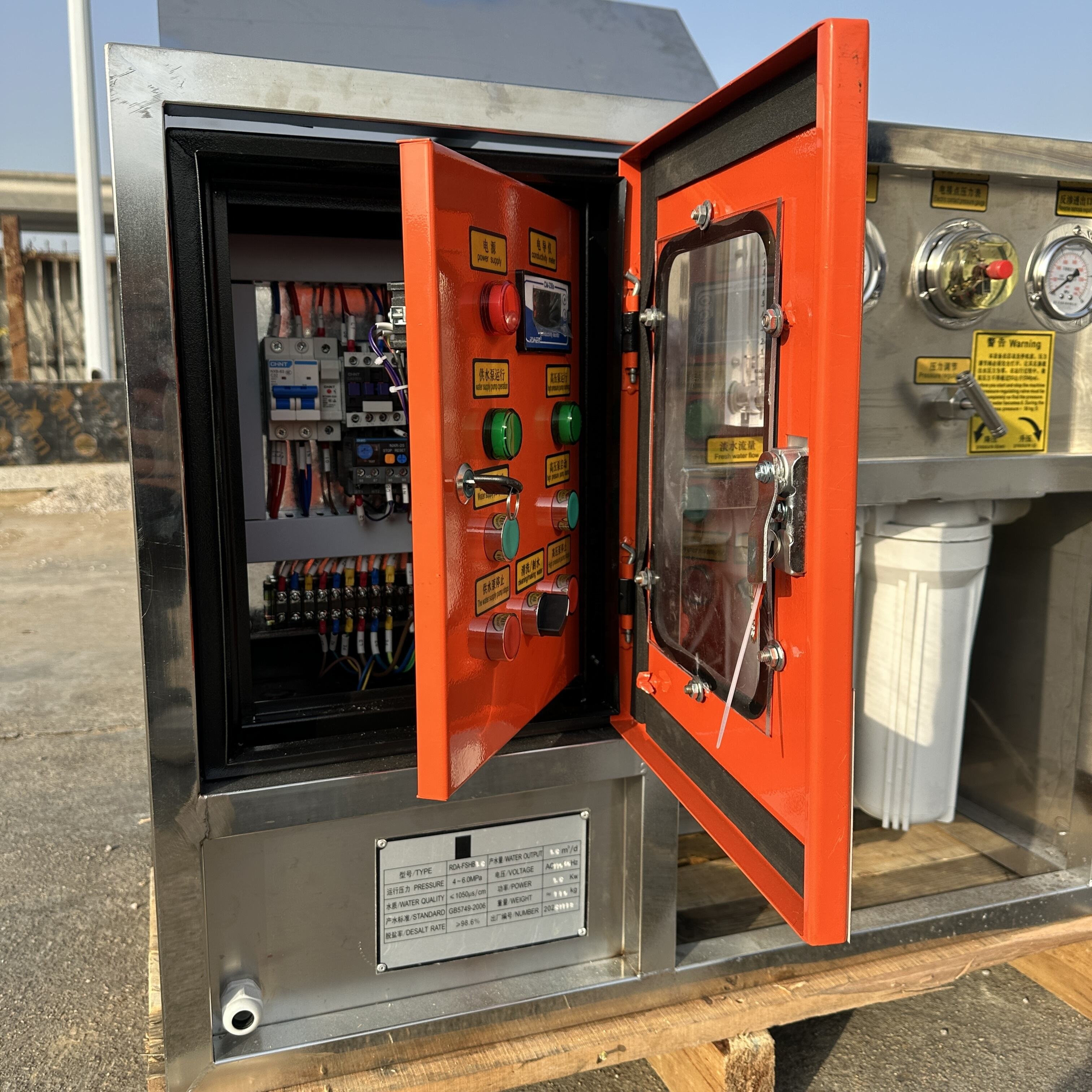
Comprehensive water quality assurance systems integrated into large desalination plants provide unprecedented treatment reliability and consistent production of high-purity water that exceeds regulatory standards for municipal and industrial applications. These sophisticated quality control mechanisms encompass multiple stages of monitoring, testing, and treatment verification to ensure every drop of water produced meets or surpasses established safety and quality criteria. The multi-barrier approach employed by modern large desalination plants includes advanced pre-treatment systems that remove suspended solids, organic compounds, and biological contaminants before water reaches the primary reverse osmosis membranes. This comprehensive treatment strategy ensures optimal membrane performance while protecting downstream equipment from fouling and contamination. Real-time monitoring systems continuously track water quality parameters including salinity, pH levels, turbidity, chlorine residuals, and microbial indicators throughout the treatment process. Automated control systems respond instantly to any deviations from established parameters, adjusting treatment processes or activating backup systems to maintain consistent water quality. Laboratory-grade analytical equipment provides detailed water quality analysis at multiple points in the treatment process, generating comprehensive data records that demonstrate compliance with regulatory requirements and customer specifications. Large desalination plants incorporate multiple redundant treatment stages to ensure reliability even during equipment maintenance or unexpected system interruptions. Post-treatment processes carefully adjust mineral content and pH levels to optimize water characteristics for specific applications, whether municipal distribution, industrial processes, or specialized uses requiring ultrapure water. The reliability of water quality from large desalination plants eliminates concerns about seasonal variations, contamination events, or supply interruptions that can affect traditional water sources. This consistency proves particularly valuable for industries requiring precise water specifications, such as pharmaceutical manufacturing, electronics production, and power generation where water quality directly impacts product quality and operational efficiency. Advanced disinfection systems ensure microbiological safety while minimizing chemical residuals, producing water that is both safe and palatable for all intended uses.

Get a Free Quote

Our representative will contact you soon.
Email
Name
Company Name
Message
0/1000