 EN
EN



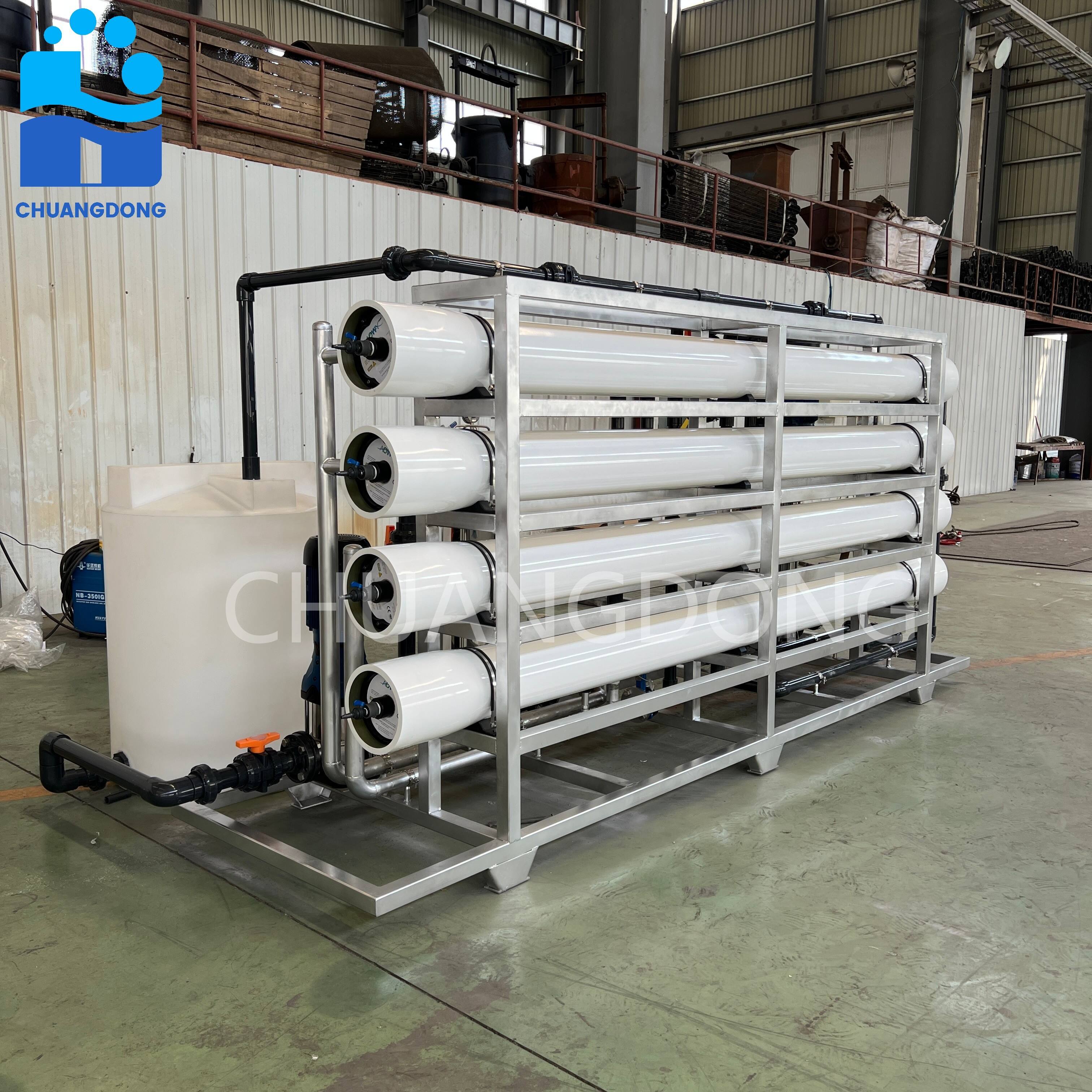
Owning a seasonal coastal home equipped with a private desalination plant brings incredible freedom — clean, fresh water drawn directly from the sea, independent of municipal supply. But when the season ends and the property sits vacant through winter months, that same system becomes vulnerable to a range of damaging conditions if it is not properly shut down and protected. Freezing temperatures, stagnant brine, membrane degradation, and corrosive salt buildup can silently destroy components that cost thousands of dollars to replace. Understanding how to winterize a desalination plant is not just routine maintenance — it is a critical process that protects your investment and ensures the system is fully operational when the warmer season returns.
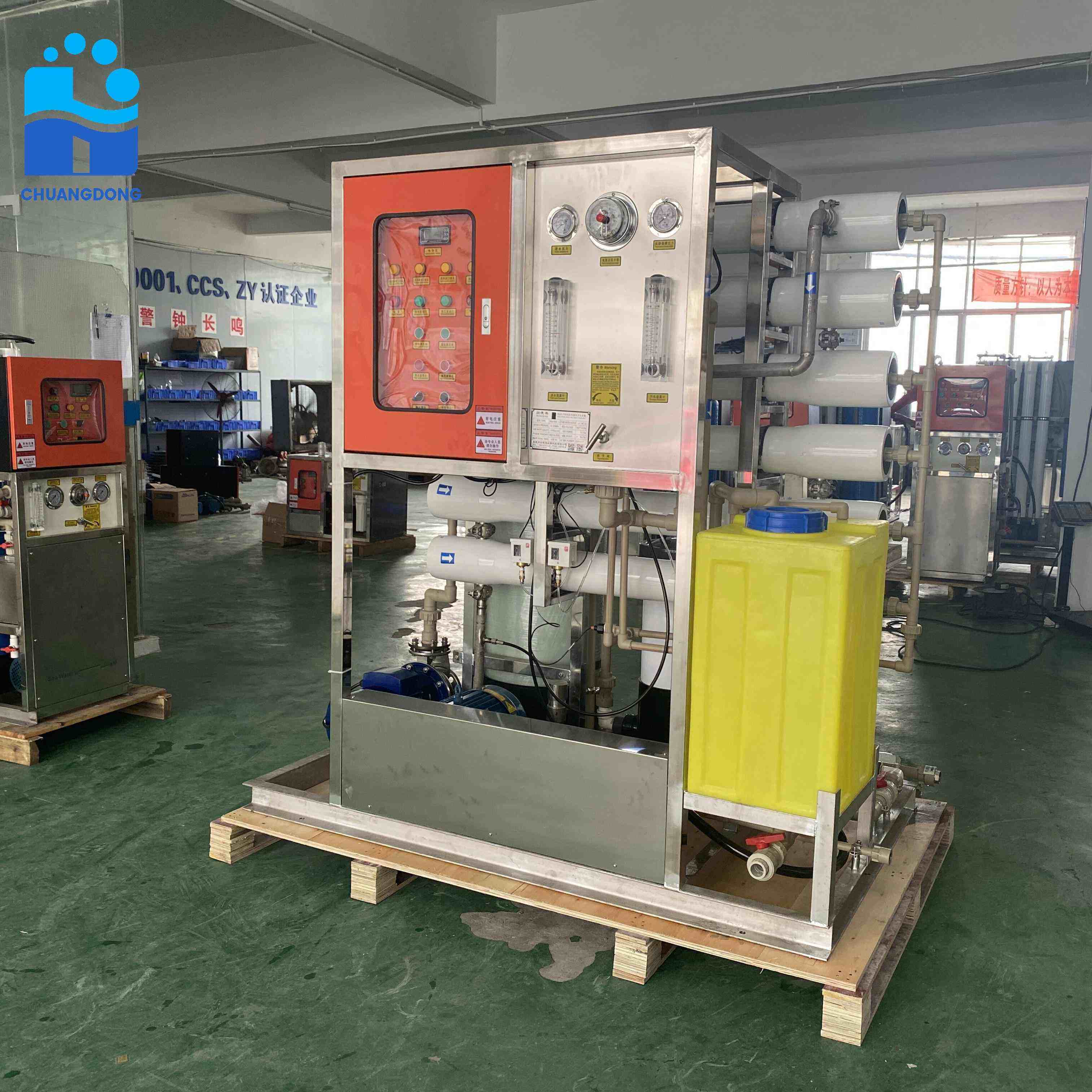
The winterization process for a residential or small-scale desalination plant differs significantly from simply turning off a pump or closing a valve. It involves a structured sequence of flushing, chemical preservation, physical protection, and documentation. Every component — from the high-pressure pump and reverse osmosis membranes to the pre-filters and electrical controls — requires specific attention. This guide walks through the complete winterization workflow so that coastal homeowners and property managers can approach the process with confidence, minimize damage risk, and extend the operational life of their desalination plant for many seasons to come.
Understanding Why Winterization Matters for a Seasonal Desalination Plant
The Specific Threats Winter Poses to Desalination Equipment
A desalination plant operating in a coastal environment is already exposed to one of the harshest chemical environments on earth — salt-laden air, corrosive seawater, and biologically active marine intake water. When the system is shut down without proper winterization, these threats compound dramatically. Stagnant saltwater left inside membranes, pipes, and housings creates an ideal breeding ground for bacteria, algae, and biofilm, which can permanently foul reverse osmosis membranes within weeks.
Freezing temperatures introduce an entirely different category of risk. Water expands as it freezes, and any residual water in pipes, membrane housings, or pump casings can crack components through hydrostatic pressure alone. Even in coastal areas where temperatures rarely drop below freezing, sustained cold can cause elastomer seals and O-rings to become brittle, leading to leaks when the system is restarted in spring. A properly winterized desalination plant eliminates these risks before they materialize.
Salt crystallization is another concern that is often overlooked. When seawater evaporates slowly inside an idle system, the dissolved salts it carried begin to crystallize on membrane surfaces, valve seats, and sensor components. These salt crystals are abrasive and hygroscopic, attracting additional moisture and accelerating corrosion. A thorough flush and protective treatment routine prevents this from occurring inside your desalination plant.
How Seasonal Usage Patterns Create Unique Vulnerabilities
Seasonal coastal homes typically use their desalination plant intensively during summer and then leave the system dormant for six months or more. This dormancy period is far longer than what standard operating protocols are designed to handle. Most residential reverse osmosis systems are engineered for continuous or near-continuous operation, and extended shutdown without preservation treatment accelerates membrane aging, gasket degradation, and metallic corrosion across the system.
In a home that is occupied year-round, the desalination plant benefits from regular use that naturally flushes the system and keeps components lubricated and active. Seasonal systems lose this advantage entirely. The winterization process must artificially replicate the protective benefits of regular operation through chemical preservation, physical drainage, and strategic insulation. Doing so correctly means the system can realistically serve a coastal household for a decade or more without major component replacement.
Step-by-Step Winterization Process for a Residential Desalination Plant
Pre-Shutdown Flushing and System Cleaning
The first and most critical step in winterizing a desalination plant is a thorough flush of the entire system with clean, low-salinity water. This flush removes residual seawater, brine concentrate, and suspended solids from the membranes, pipes, and all internal flow paths. Begin by switching the system to its cleaning or rinse mode if available, or manually divert clean freshwater through the system for a minimum of twenty to thirty minutes at normal operating pressure.
During this flushing phase, pay close attention to the pre-filtration cartridges. Sediment filters and carbon pre-filters should be removed, inspected, and replaced if they show signs of fouling, discoloration, or biological growth. Leaving spent filter media in place over winter creates a nutrient-rich environment for microbial growth that can contaminate the entire downstream system. Fresh cartridges installed before winterization ensure the desalination plant is ready for immediate use at startup in spring.
For systems equipped with antiscalant dosing pumps, the chemical feed lines should also be flushed with clean water and then purged of all antiscalant solution. Concentrated antiscalant left in dosing lines over winter can crystallize and block the metering orifices, causing dosing failures that lead to membrane scaling at startup. This pre-shutdown cleaning phase lays the foundation for everything that follows in the winterization sequence of your desalination plant.
Membrane Preservation and Chemical Treatment
After flushing, the reverse osmosis membranes require chemical preservation to survive a long dormancy period without biological fouling or physical degradation. The industry standard approach involves filling the membrane housings with a preservation solution — typically a diluted sodium bisulfite solution at a concentration of approximately 1% by weight, sometimes combined with a low-level biocide approved for RO membrane use. This solution displaces any residual water, prevents microbial growth, and inhibits oxidation of the membrane polymer.
To apply preservation solution to the membranes of your desalination plant, prepare the solution in a clean container and connect it to the system's inlet or cleaning port. Allow the solution to fill all membrane housings slowly, ensuring no air pockets remain trapped inside. Once the housings are filled, close all outlet valves to keep the solution in contact with the membrane surfaces for the duration of winter storage. Label all valves and ports clearly so the preservation solution is not inadvertently discharged at startup without first completing the startup flush sequence.
It is equally important to treat the high-pressure pump and other wetted metal components with a corrosion inhibitor spray or solution if they will not remain submerged in preservation liquid. The high-pressure pump is one of the most expensive components in any desalination plant, and its internal stainless steel or duplex steel components can develop pitting corrosion if exposed to residual saltwater in a stagnant state over a long winter. Follow the pump manufacturer's specific storage instructions, as some units require a light oil coating or glycol flush for extended storage.
Protecting Physical Components and Infrastructure During Winter
Pipe Drainage and Freeze Protection Strategies
All external and exposed piping connected to the desalination plant must be fully drained of water before temperatures drop. Begin at the seawater intake — close the seawater intake valve, then disconnect or open drain points along the feed water piping to allow gravity drainage. For above-ground or partially exposed piping runs, use compressed air to blow out any water that resists gravity drainage, particularly in low points and horizontal runs where water tends to pool.
In climates where freezing is a real possibility, consider wrapping any residual piping that cannot be fully drained with foam pipe insulation and electrical heat tape set to a low frost-prevention temperature. This is particularly relevant for the seawater intake pipe section near the beach or dock, which may be difficult to fully drain due to its depth or configuration. Protecting this section prevents a costly pipe crack that could allow sand and debris to enter the desalination plant's intake system.
Pressure gauges, flow meters, and other instrumentation lines should also be drained and checked for moisture ingress. Diaphragm-type pressure gauges are particularly susceptible to freeze damage because the small internal chambers trap water that can crack the Bourdon tube when frozen. Replacing damaged gauges is a preventable expense when proper drainage is carried out as part of the winterization routine for your desalination plant.
Electrical System Protection and Storage Conditions
The electrical and control systems of a modern desalination plant require specific attention during winter shutdown. Begin by powering down the system in the correct sequence — shut off the high-pressure pump, then the feed pump, then the control panel, and finally the main power supply. Do not simply cut power at the breaker without following the proper shutdown sequence, as some control systems have capacitors or memory modules that can be damaged by abrupt power loss.
Once the system is powered down, inspect all electrical enclosures for signs of moisture intrusion or condensation. Coastal environments are highly corrosive to electrical terminals, and any moisture present inside control panels over winter can cause oxidation of terminal strips, corrosion of relay contacts, and degradation of wiring insulation. Apply dielectric grease to exposed electrical terminals, and if the desalination plant is housed in an outdoor enclosure, consider placing moisture-absorbing desiccant packs inside the control panel to manage humidity during the off-season.
For solar-powered or hybrid-powered desalination plant installations — such as the type of desalination plant designed with integrated solar and containerized RO systems — the photovoltaic panels and battery storage units also require specific winterization attention. Solar panels should be cleaned of salt deposits and inspected for micro-cracks. Battery banks should be charged to their manufacturer-recommended storage charge level, and any battery management system should be placed in its designated storage or hibernate mode to prevent deep discharge over winter.
Spring Startup Procedures After Winter Preservation
System Inspection and Restoration Before First Use
The work done during winterization pays off at spring startup, but only if the recommissioning process is equally careful. Before restarting a winterized desalination plant, conduct a full visual inspection of all visible components — check for any physical damage caused by freezing, storm impact, or wildlife activity. Look for cracked pipe fittings, dislodged connections, damaged membrane housing caps, and any signs of corrosion on pump flanges or valve bodies. Document any findings before attempting to restart the system.
Flush the preservation solution completely out of the membrane housings before starting the high-pressure pump. Sodium bisulfite preservation solution will damage membranes if the system is operated under pressure without first flushing it away. Run clean freshwater through the membranes for a minimum of thirty minutes, then test the permeate water for residual bisulfite using a simple test strip before declaring the system ready for normal operation. This step is non-negotiable for any desalination plant that was chemically preserved over winter.
Reinstall fresh pre-filter cartridges if they were removed during winterization, prime the feed pump, and slowly bring the system up to operating pressure over several minutes rather than switching to full pressure immediately. A gradual pressure increase allows O-rings and seals that may have stiffened during cold storage to re-seat and conform to their housings without being blown out by a sudden pressure surge. Monitor for any leaks at fittings, end caps, and valve connections during this initial pressurization of your desalination plant.
Performance Testing and Water Quality Verification
After the first successful pressurization, monitor the desalination plant's performance metrics carefully during the initial hours of operation. Record feed pressure, permeate flow rate, concentrate flow rate, and system recovery ratio, then compare these values against the baseline performance recorded at the end of the previous season. A significant drop in permeate flow rate or an increase in salt passage (measured as elevated TDS in the product water) may indicate membrane fouling or damage that occurred over winter despite preservation efforts.
Conduct a full water quality test on the product water within the first 24 hours of operation, testing for TDS, pH, hardness, bacteria, and any other parameters relevant to your intended use of the desalinated water. If the results fall outside acceptable ranges, consider a controlled cleaning-in-place procedure using approved RO membrane cleaning chemicals before returning the desalination plant to service for household use. Spring performance testing closes the loop on the entire winterization cycle and confirms that your system has survived the off-season in good health.
Long-Term Best Practices to Simplify Future Winterization
Record-Keeping and Maintenance Scheduling
Homeowners who maintain detailed records of each winterization and startup cycle find the process becomes significantly easier and more reliable over time. Keep a dedicated maintenance log for your desalination plant that records the date and details of each seasonal shutdown, including which preservation chemicals were used, what filter cartridges were replaced, what pre-shutdown performance readings were recorded, and any anomalies observed. This log becomes an invaluable reference document when troubleshooting problems in future seasons.
Schedule professional servicing of the desalination plant every two to three years, ideally as part of the spring startup inspection. A qualified water treatment technician can conduct a detailed membrane integrity test, calibrate sensors, inspect the high-pressure pump for wear, and identify components approaching end of service life before they fail unexpectedly. Proactive servicing based on your maintenance log is far more cost-effective than reactive repair after a seasonal failure has been discovered.
System Design Choices That Facilitate Easy Winterization
If you are planning to install a new desalination plant in a seasonal coastal home, consider design features that make annual winterization easier and more reliable. Systems built with strategically placed drain valves, cleaning ports, and pressure relief points significantly reduce the labor and time required for seasonal shutdown. A containerized or skid-mounted desalination plant with all components pre-plumbed and accessible from a single enclosure is particularly well-suited to seasonal use because the entire system can be inspected, flushed, and preserved in a logical, organized sequence without requiring the homeowner to navigate complex custom piping layouts.
Choosing a system that supports remote monitoring is another practical investment for seasonal property owners. A desalination plant equipped with remote telemetry can alert the homeowner or property manager to any unexpected pressure changes, temperature anomalies, or alarm conditions during the winter, allowing for prompt intervention before a minor issue becomes a major failure. When combined with a thorough annual winterization routine, these design features ensure that a coastal home's desalination plant remains a long-term asset rather than a recurring maintenance burden.
FAQ
How long can a desalination plant safely stay idle during winter without damage?
With proper winterization — including a thorough freshwater flush, chemical preservation of the RO membranes with sodium bisulfite solution, and drainage of all external piping — a desalination plant can safely remain idle for six to twelve months without significant damage. Without preservation treatment, biological fouling of membranes can begin within days to weeks of shutdown, particularly in warm coastal environments where microbial activity remains high.
Do reverse osmosis membranes need to be removed from the system for winter storage?
In most cases, removing the membranes from the housings is not necessary if proper in-situ preservation with an approved chemical solution is carried out. Leaving membranes in place within sealed housings filled with preservation solution is actually preferred, as handling and reinstalling membranes introduces a risk of physical damage and incorrect seating. Only remove membranes if the housing itself needs repair or if the manufacturer's guidelines specifically recommend removal for storage periods exceeding twelve months for that particular desalination plant model.
Can I use antifreeze solutions in the desalination plant's piping to prevent freeze damage?
Propylene glycol-based antifreeze solutions are sometimes used in external piping sections of a desalination plant, particularly in the feed water piping before the pre-filter stage. However, antifreeze must never be introduced into the membrane housings or the product water piping, as contamination of the membranes with glycol can cause irreversible damage and render the product water unsafe. The preferred approach is to physically drain all piping rather than relying on chemical antifreeze, reserving glycol solutions only for heat exchanger loops or isolated non-product-contact sections where the manufacturer explicitly approves their use.
How do I know if my desalination plant was damaged over winter even if it appears to start normally?
A desalination plant that starts up and produces water does not necessarily mean all components are undamaged. Subtle membrane damage from freeze-thaw cycles or biological fouling may only manifest as a gradual decline in permeate flow rate or a slight increase in salt passage over the first few weeks of operation. Always conduct a full water quality test and compare operating pressures against pre-winterization baseline readings. A TDS reading significantly higher than the system's historical average is one of the clearest indicators that the membranes of your desalination plant may have been compromised during winter dormancy.
Table of Contents
- Understanding Why Winterization Matters for a Seasonal Desalination Plant
- Step-by-Step Winterization Process for a Residential Desalination Plant
- Protecting Physical Components and Infrastructure During Winter
- Spring Startup Procedures After Winter Preservation
- Long-Term Best Practices to Simplify Future Winterization
-
FAQ
- How long can a desalination plant safely stay idle during winter without damage?
- Do reverse osmosis membranes need to be removed from the system for winter storage?
- Can I use antifreeze solutions in the desalination plant's piping to prevent freeze damage?
- How do I know if my desalination plant was damaged over winter even if it appears to start normally?