sea water desalination system
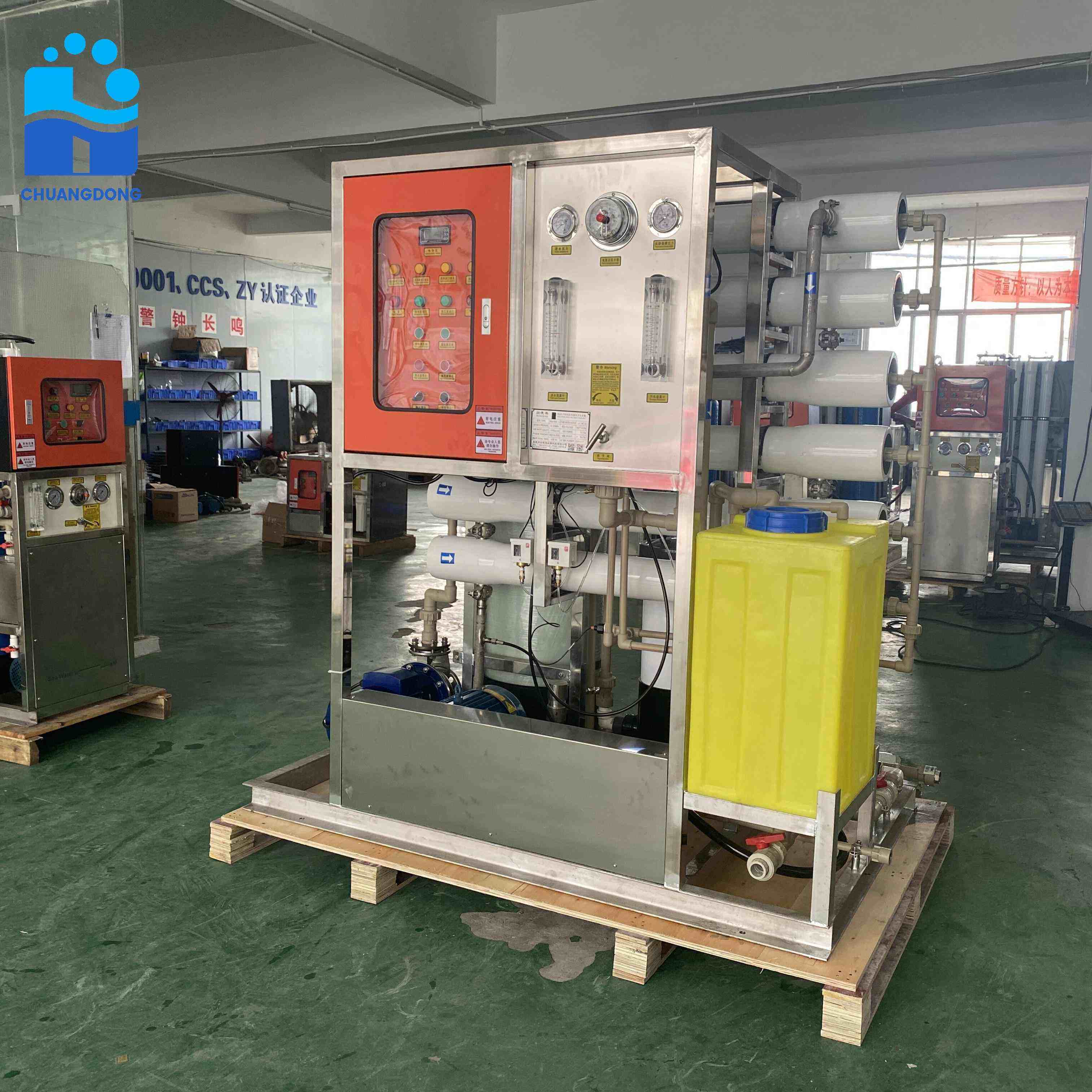
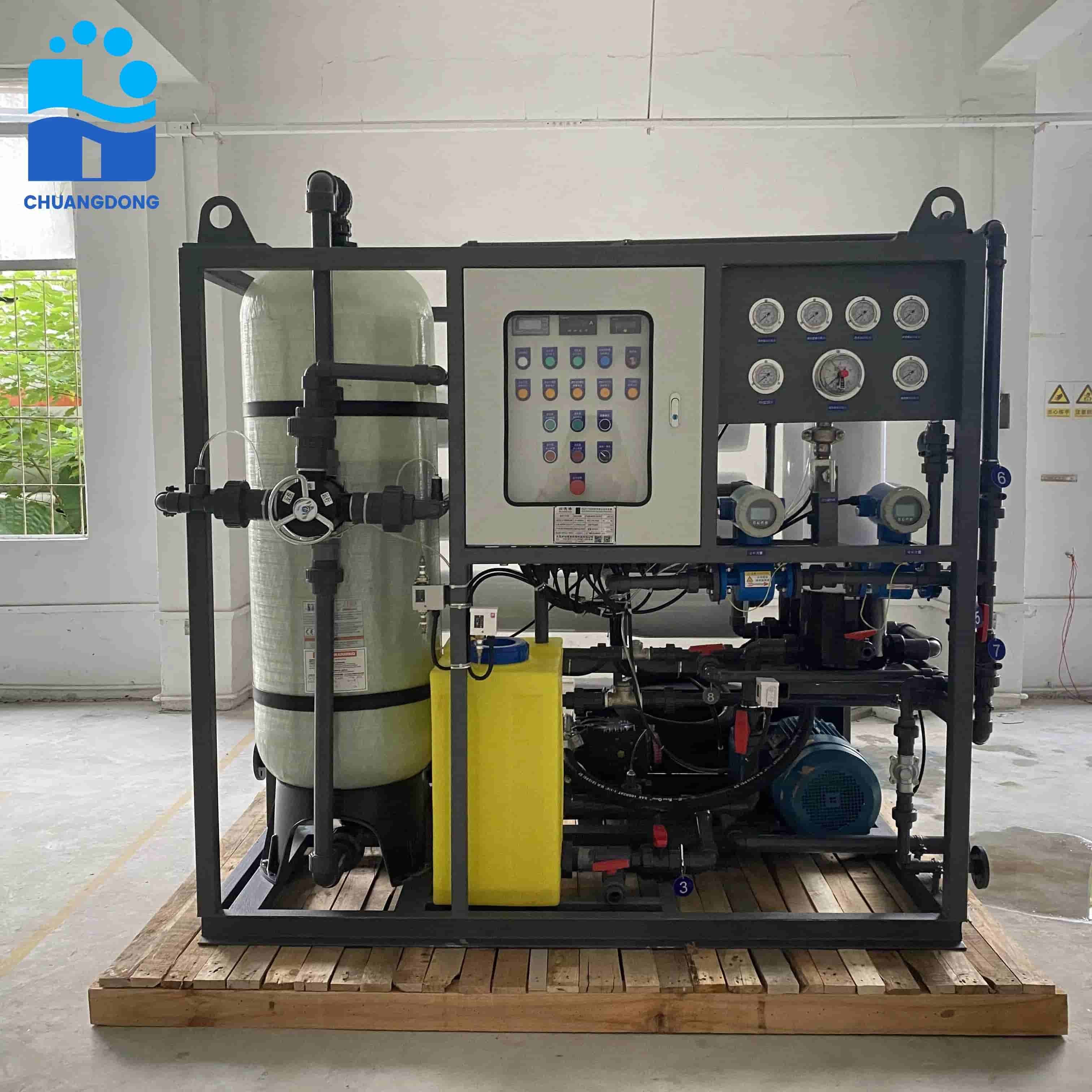
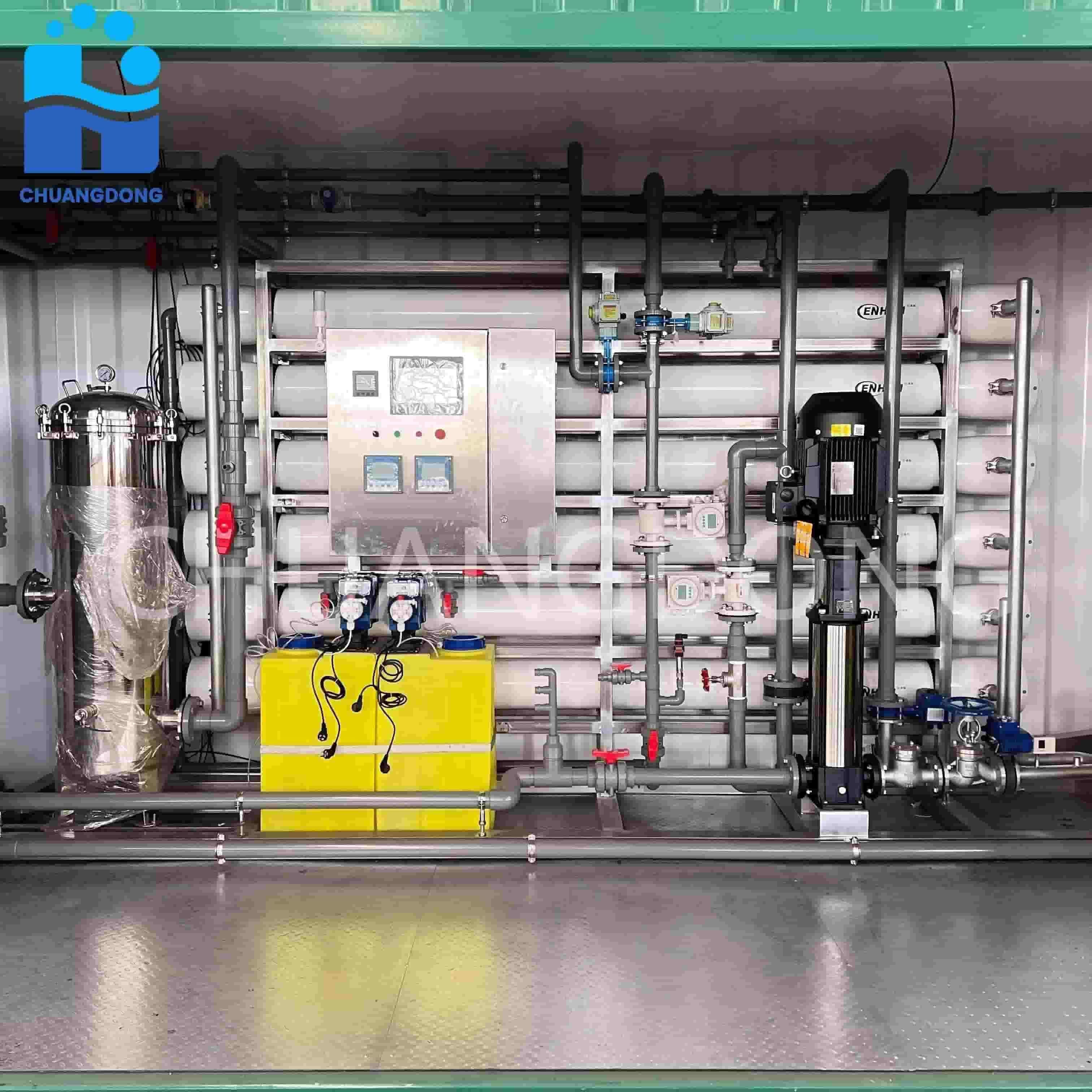
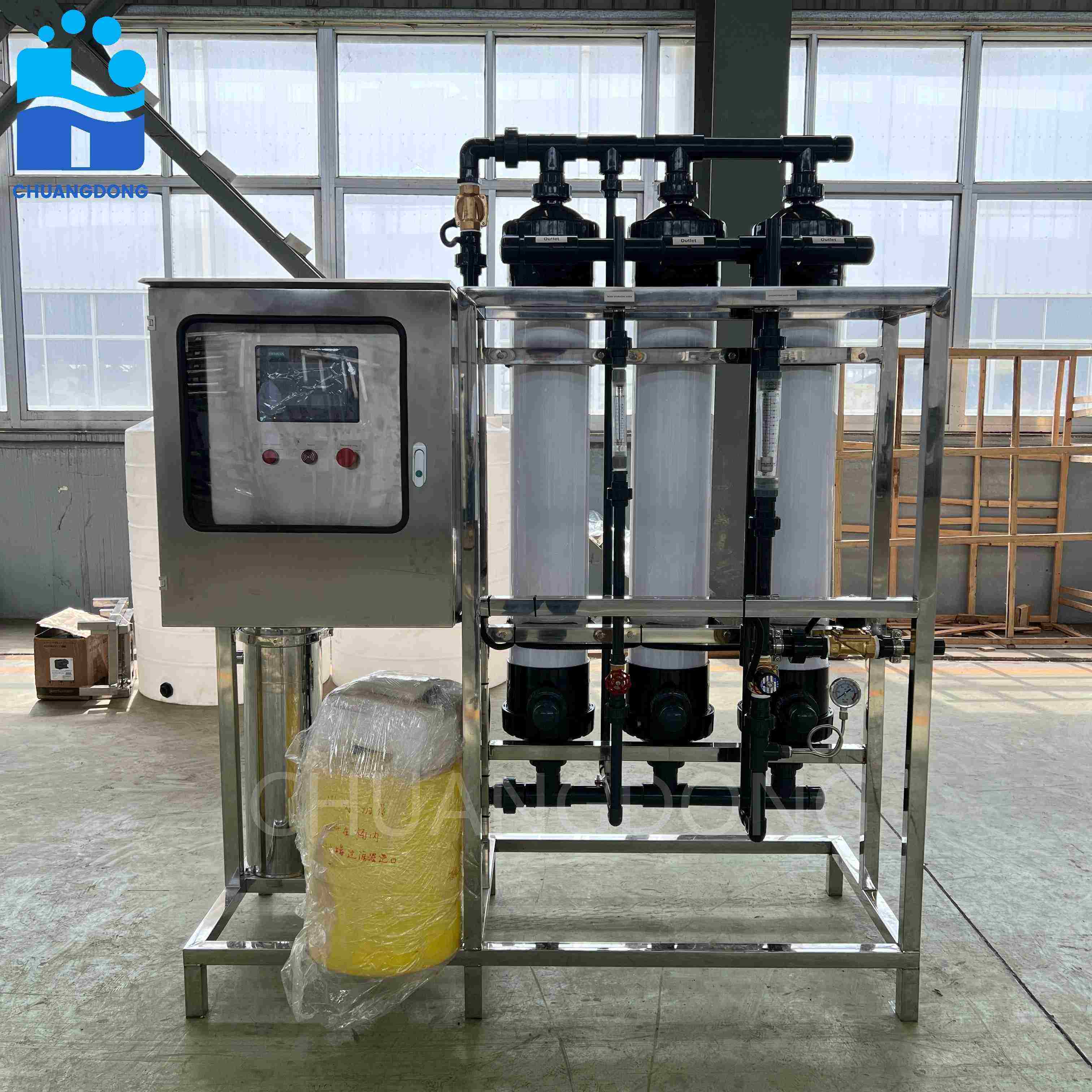
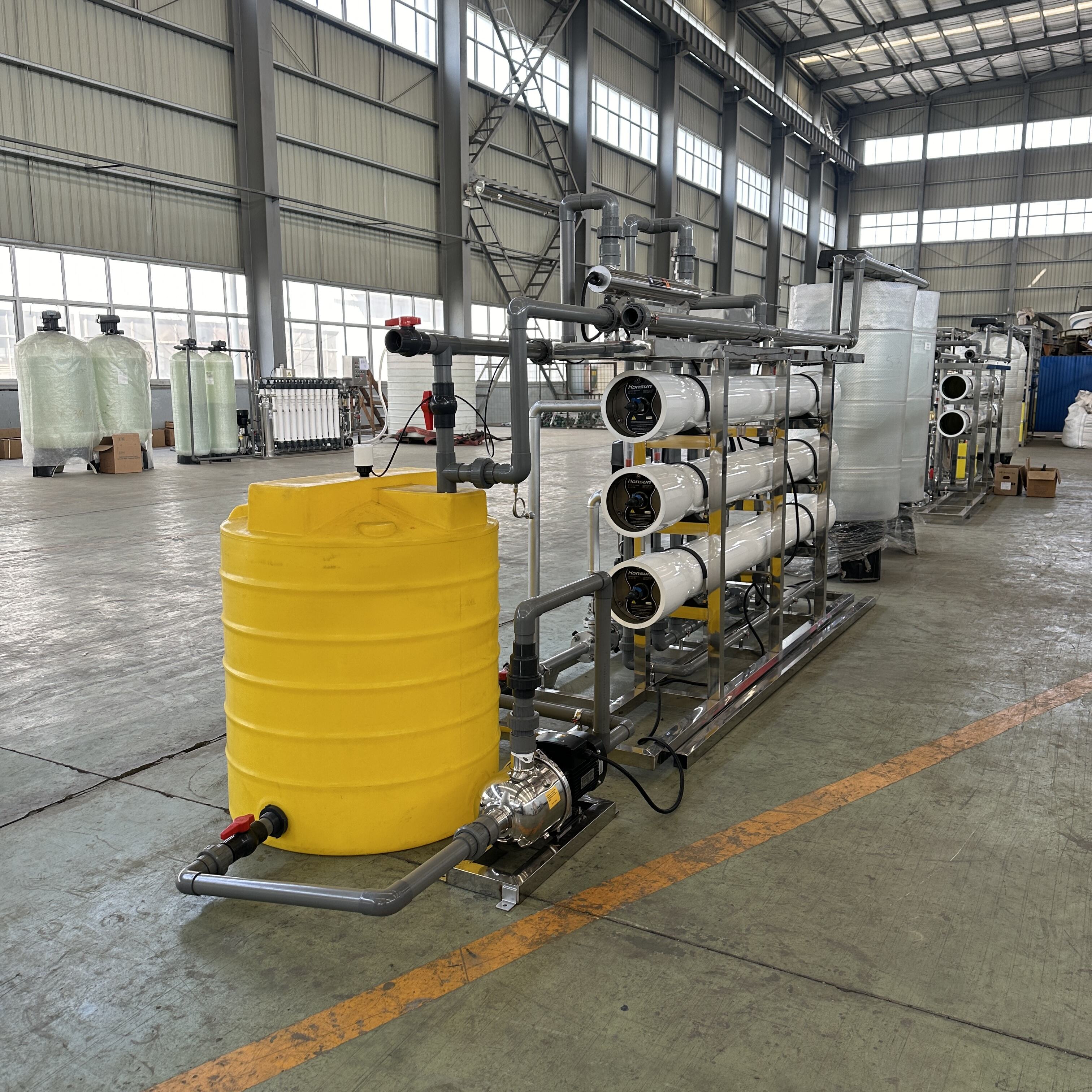
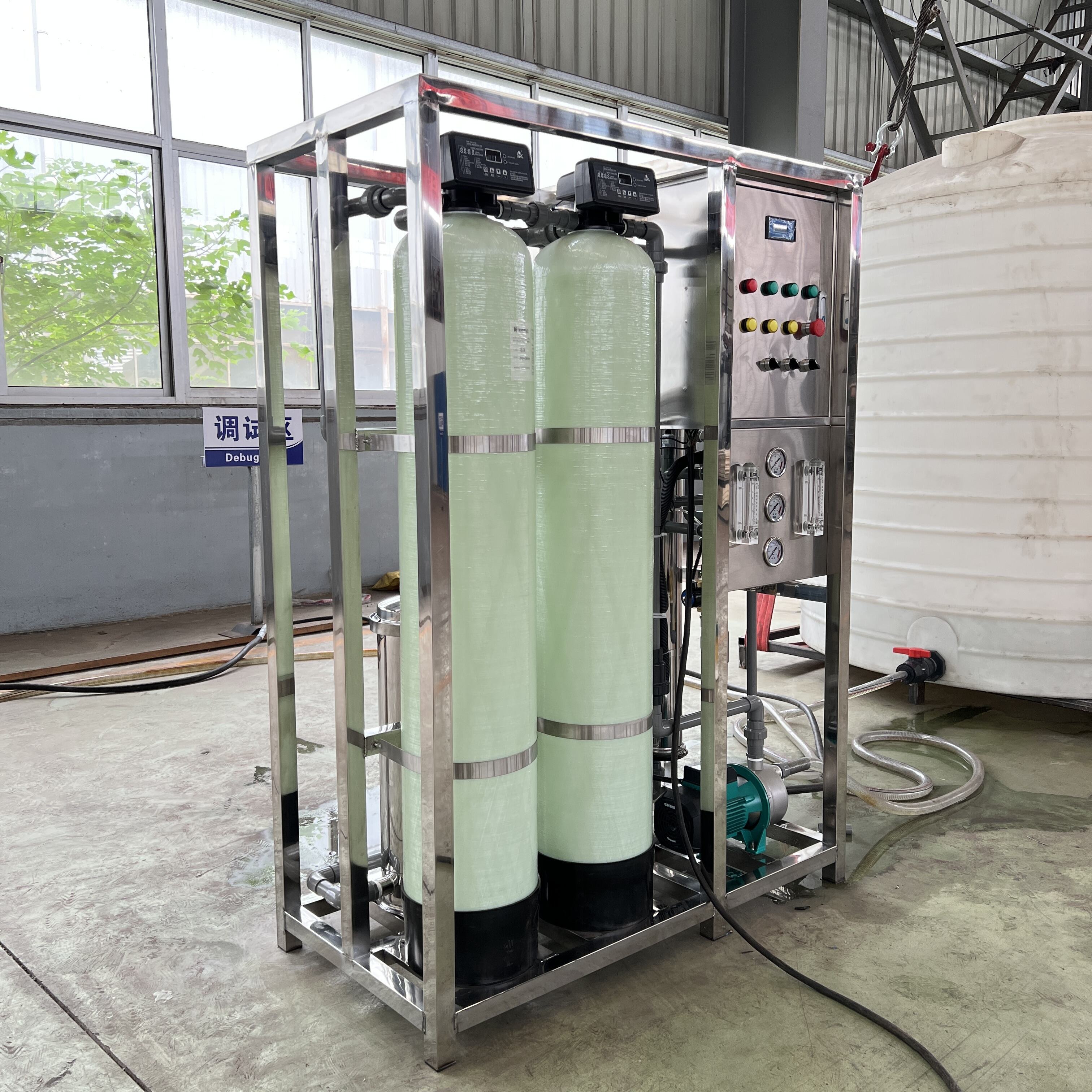
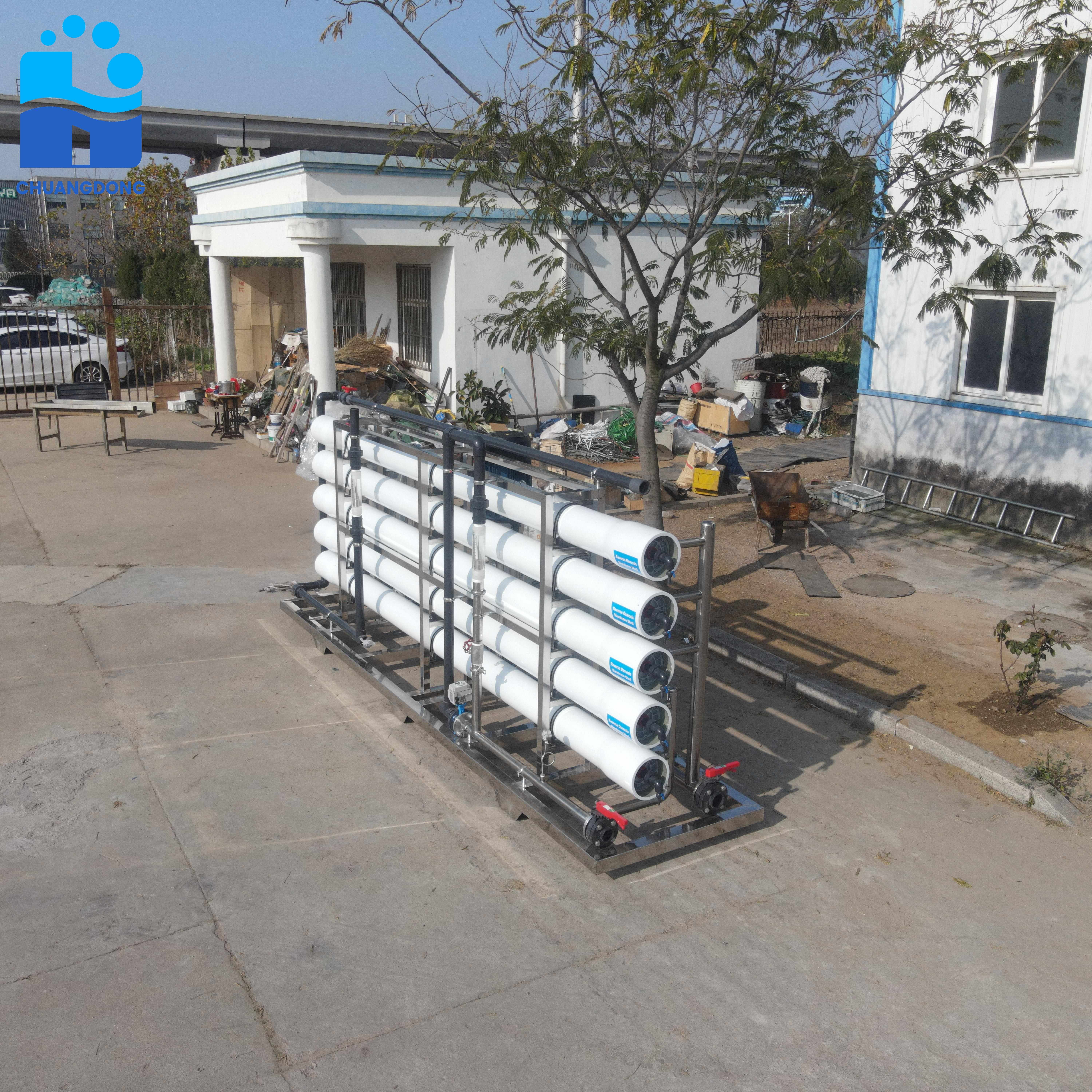
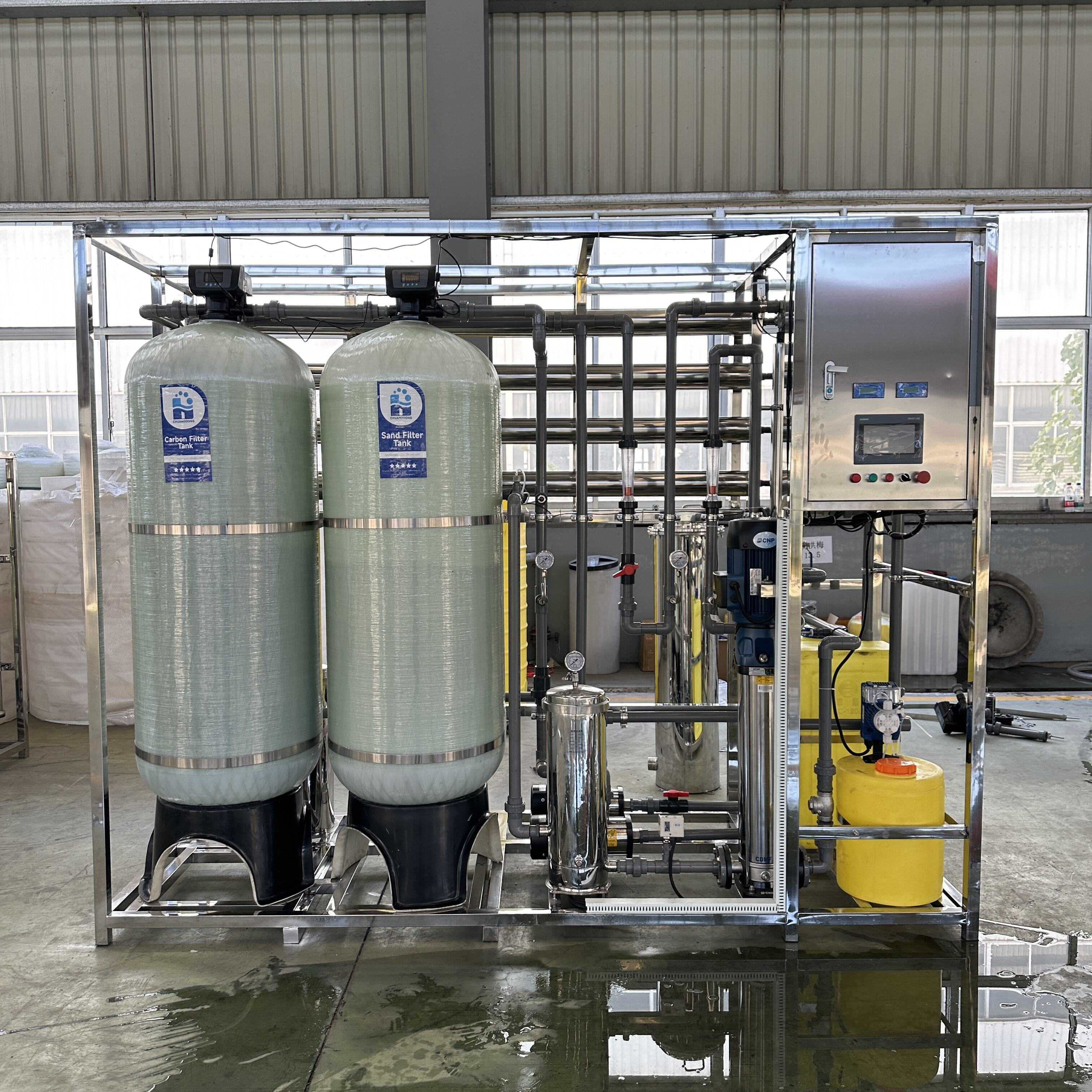
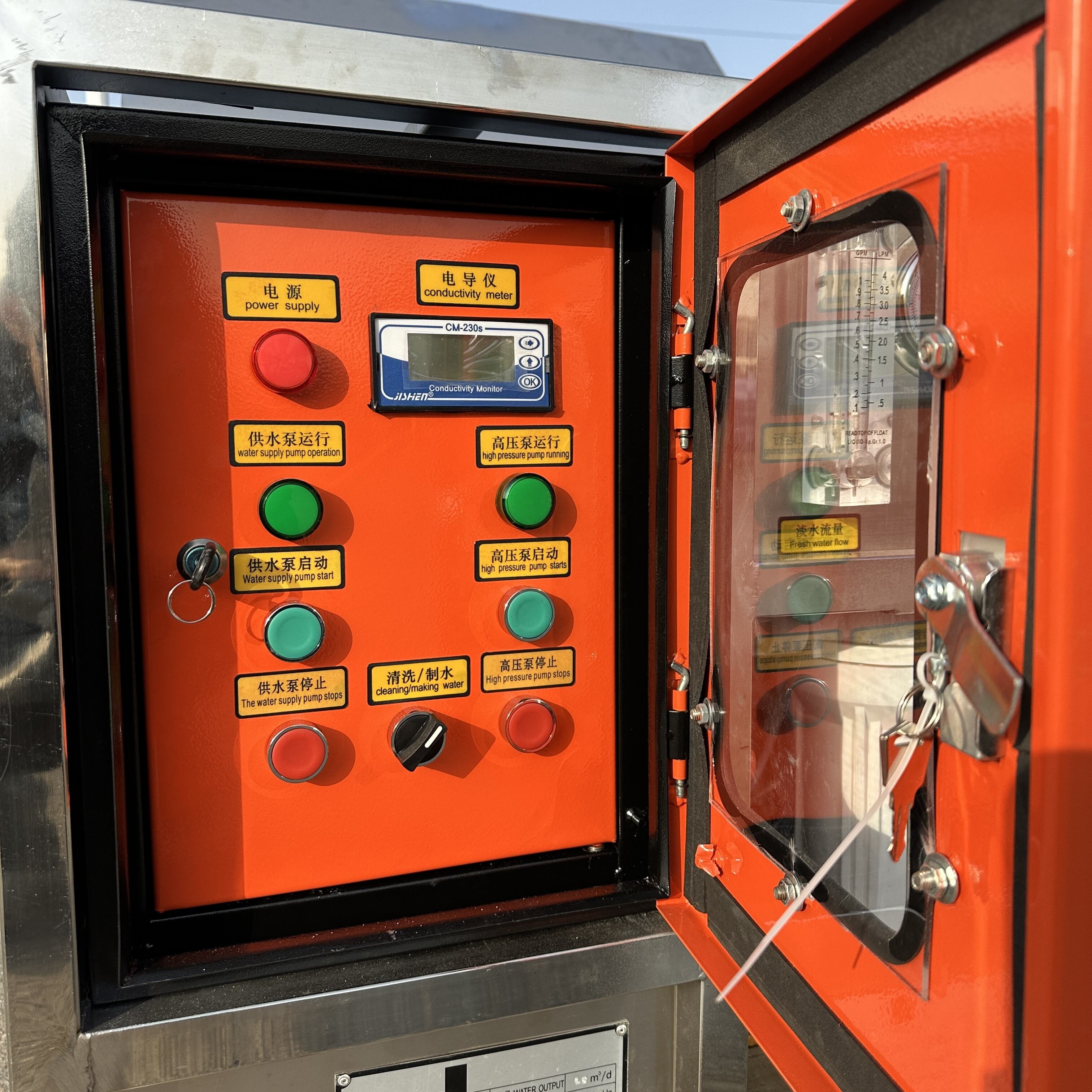
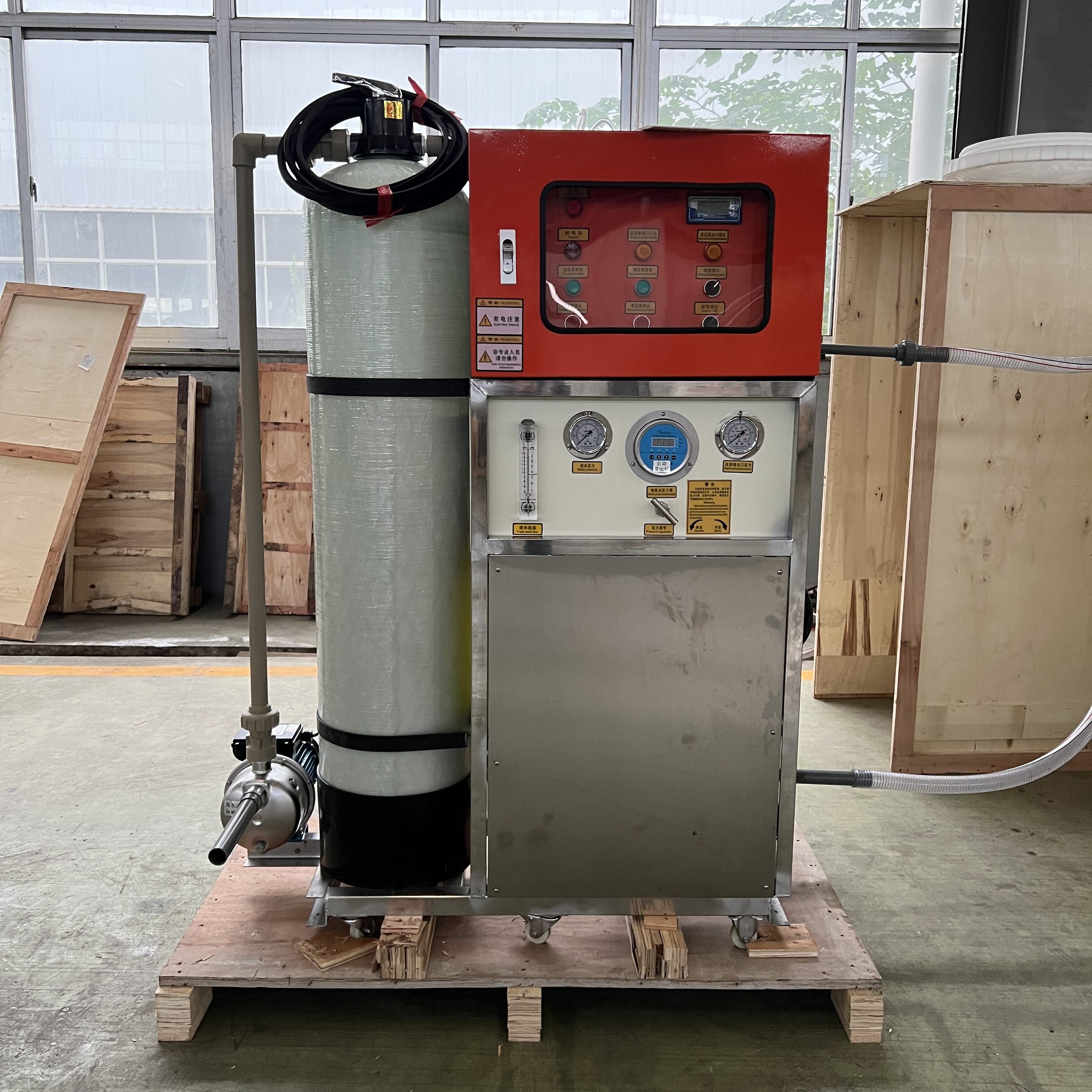
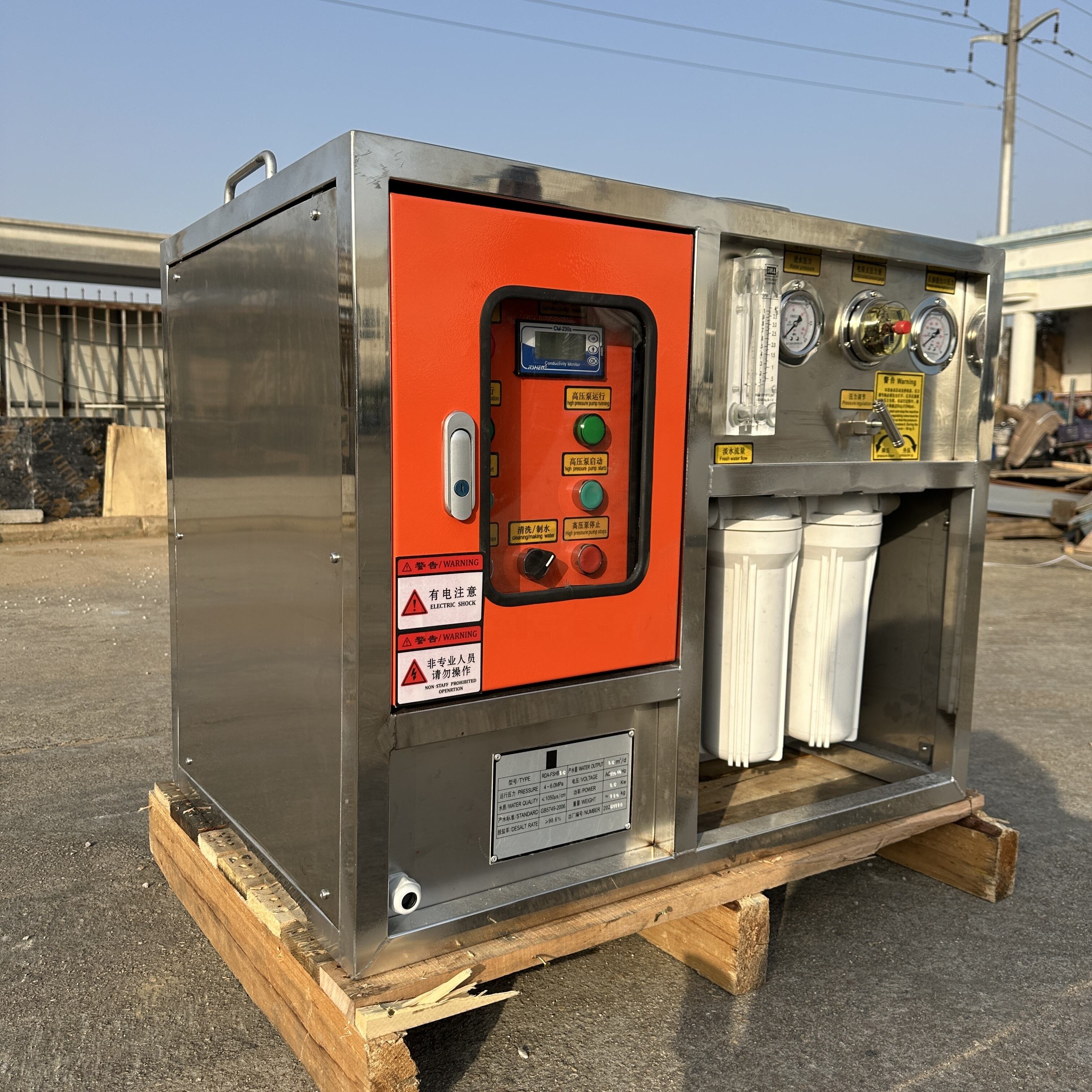
A sea water desalination system is an advanced technological solution designed to convert saline ocean water into fresh, potable water suitable for drinking, agricultural, and industrial purposes. This sophisticated infrastructure addresses critical water scarcity challenges faced by coastal communities, arid regions, and island nations worldwide. The system operates through specialized processes that remove dissolved salts, minerals, and impurities from seawater, producing high-quality freshwater that meets international safety standards. Modern sea water desalination system technology primarily employs two main methodologies: reverse osmosis, which forces water through semi-permeable membranes under high pressure, and thermal distillation, which heats seawater to create vapor that condenses into pure water. These systems integrate multiple components including intake facilities, pre-treatment units, desalination cores, post-treatment stages, and energy recovery devices. The technological features encompass automated monitoring systems, corrosion-resistant materials, efficient energy management, and waste brine disposal mechanisms. Applications span municipal water supply for cities and towns, resort and hospitality industry operations, offshore platform requirements, emergency relief situations, and agricultural irrigation projects. The sea water desalination system represents a sustainable answer to growing freshwater demands, particularly in regions where conventional water sources are limited or unavailable. With continuous technological advancements, these systems have become increasingly efficient, environmentally responsible, and economically viable, making them essential infrastructure for water security in the twenty-first century.
 EN
EN