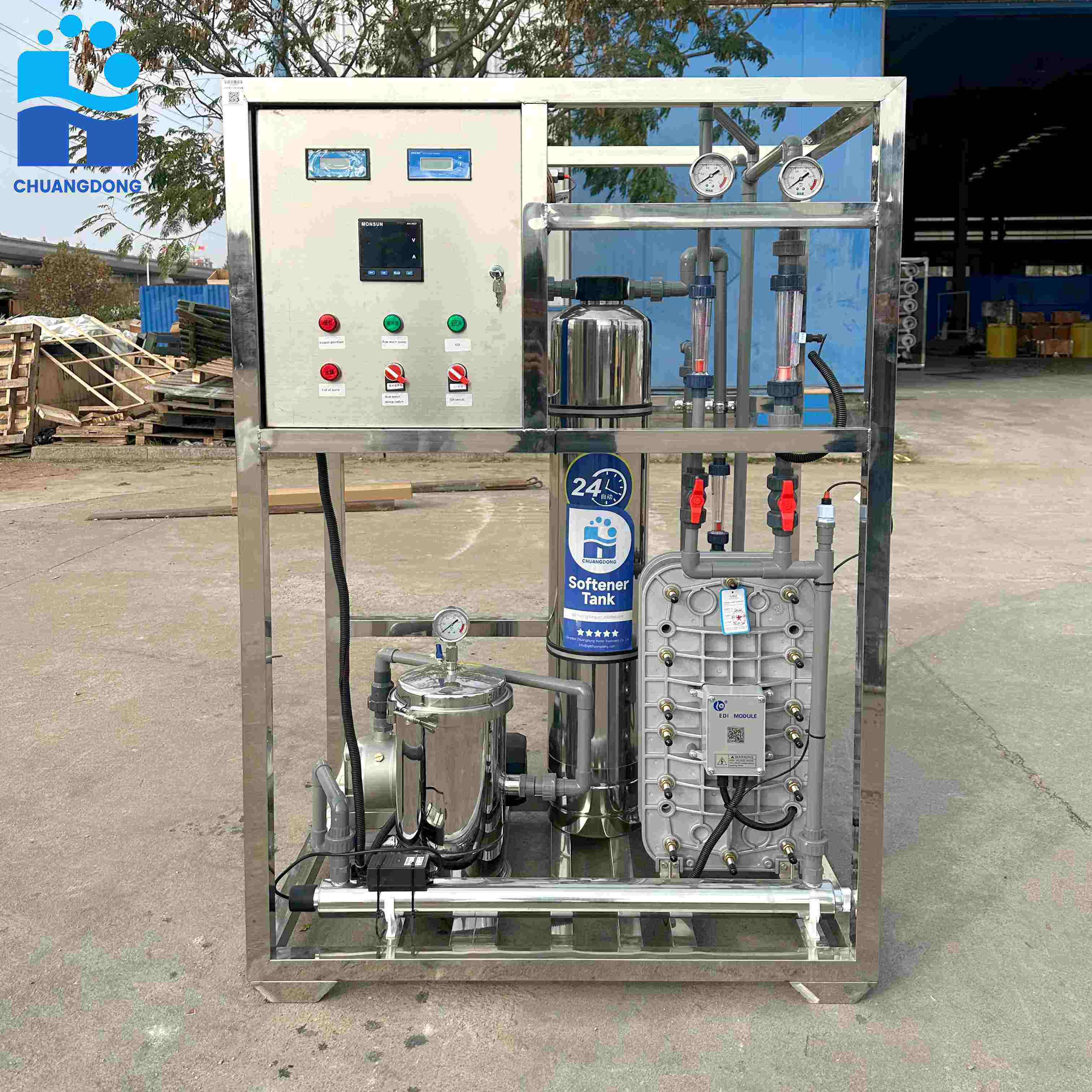
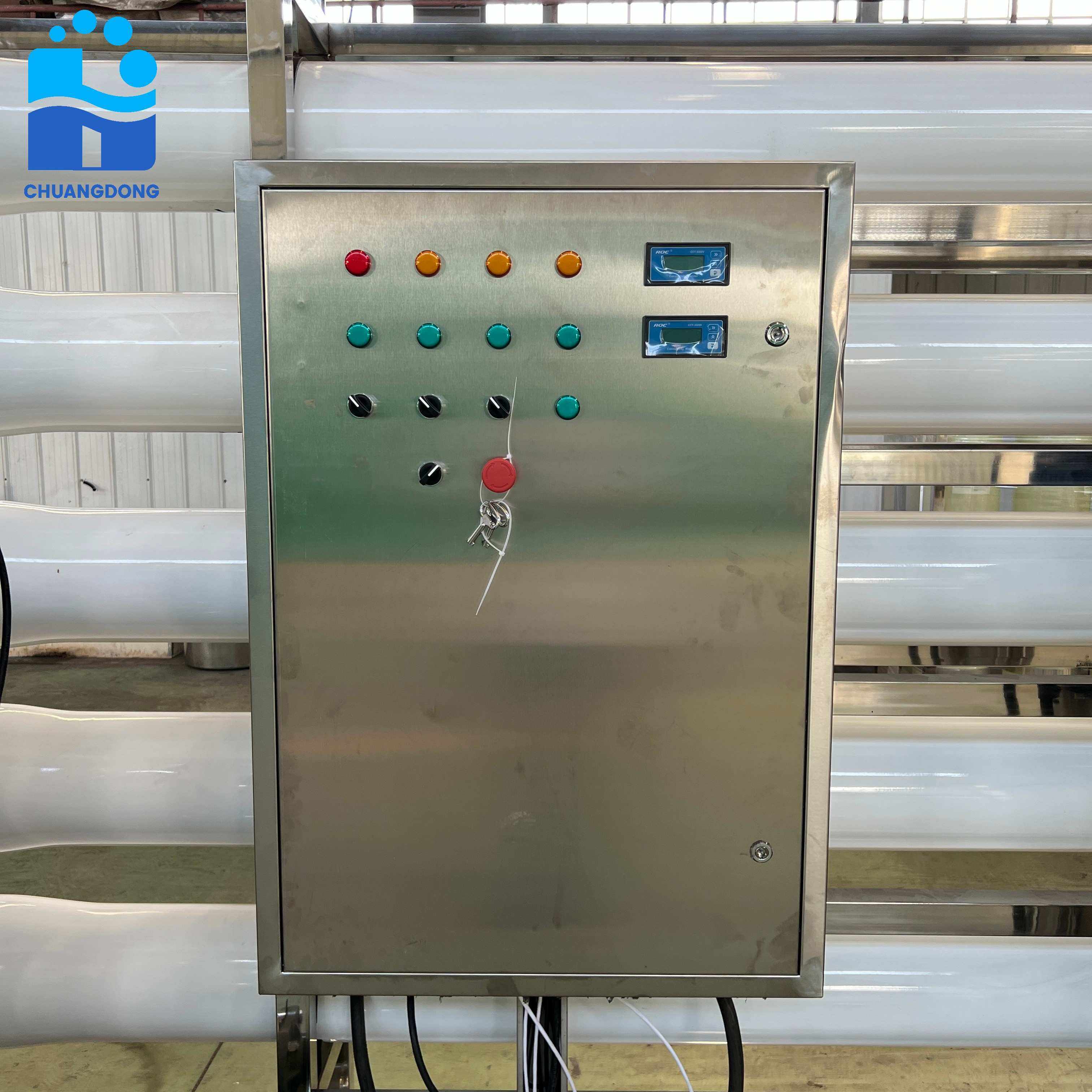
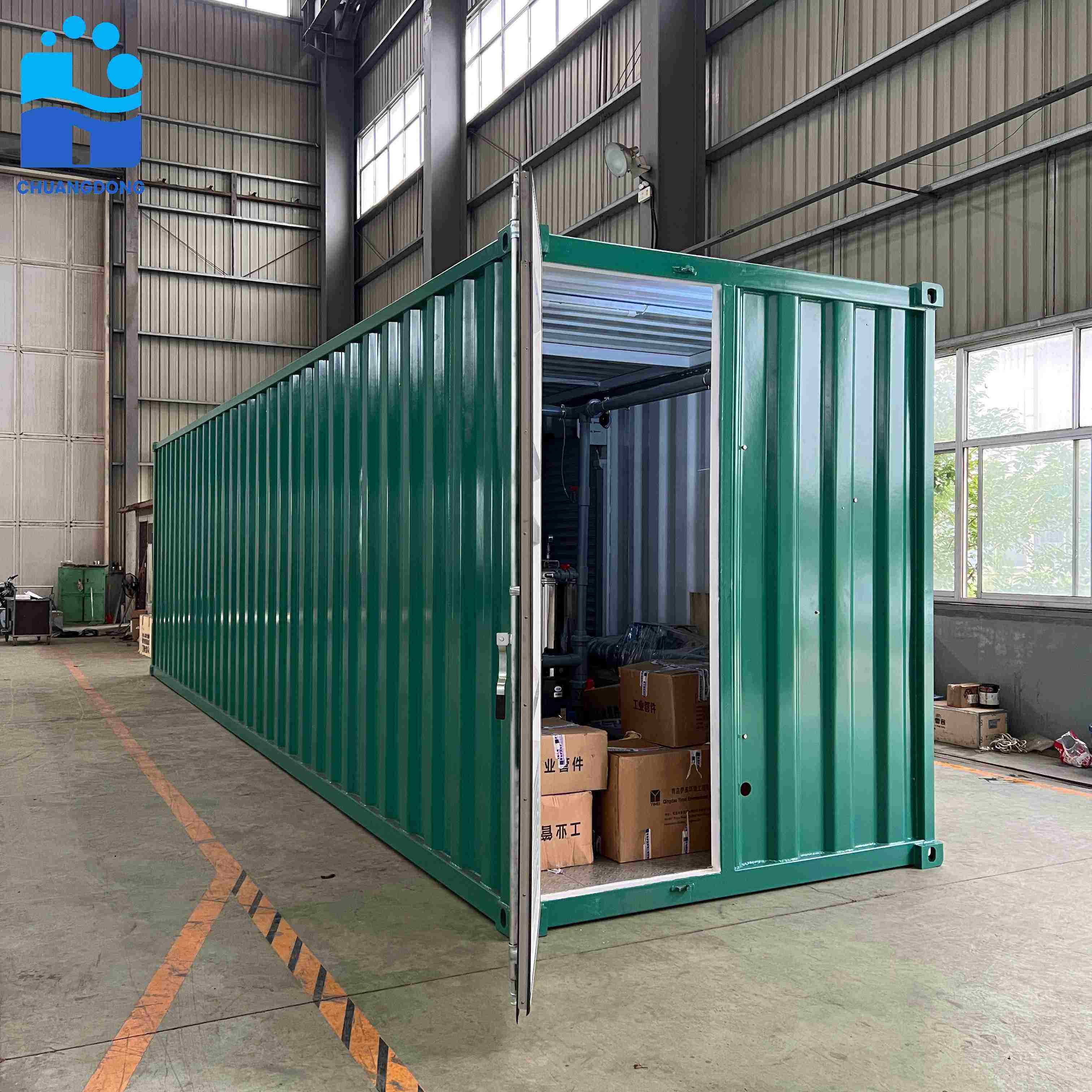
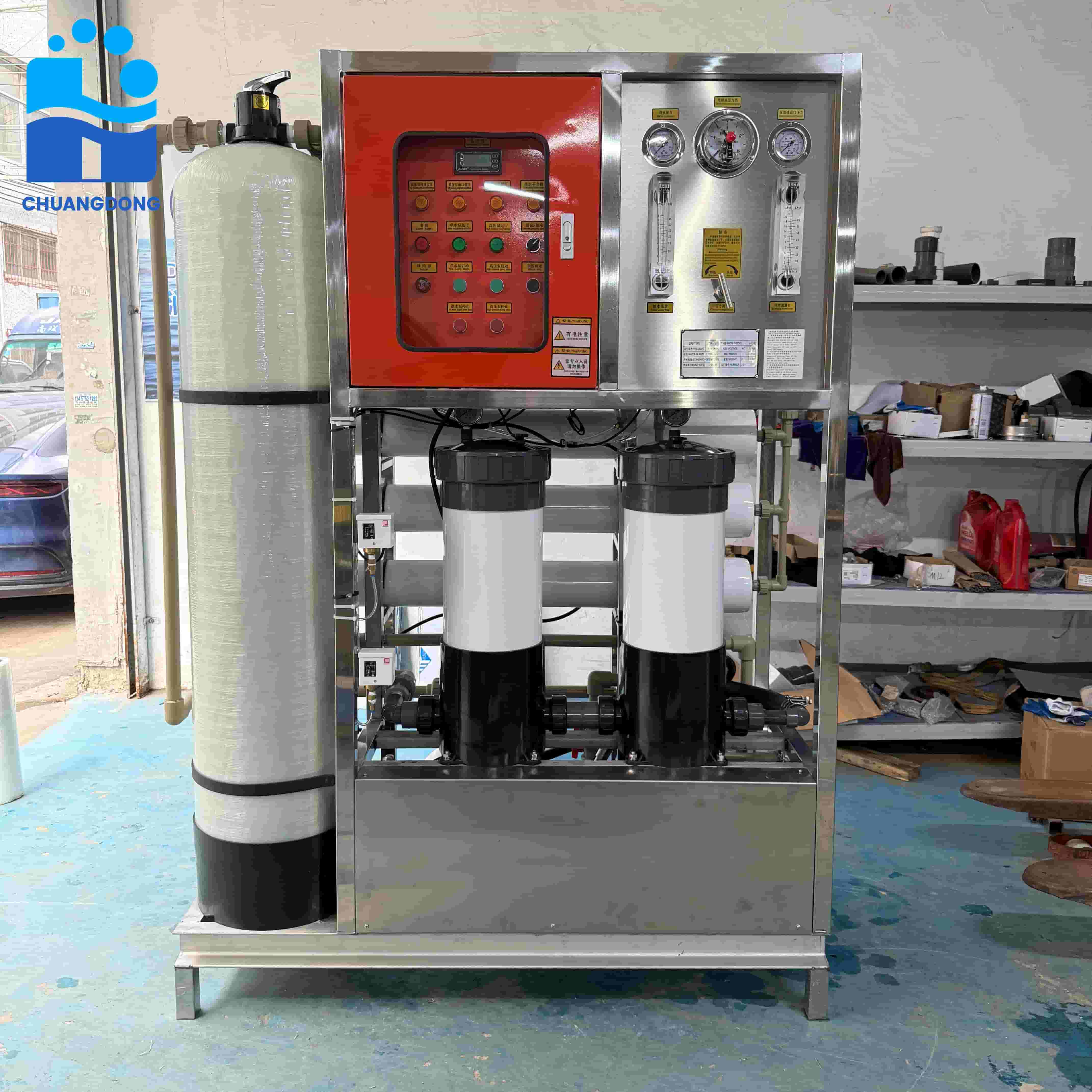
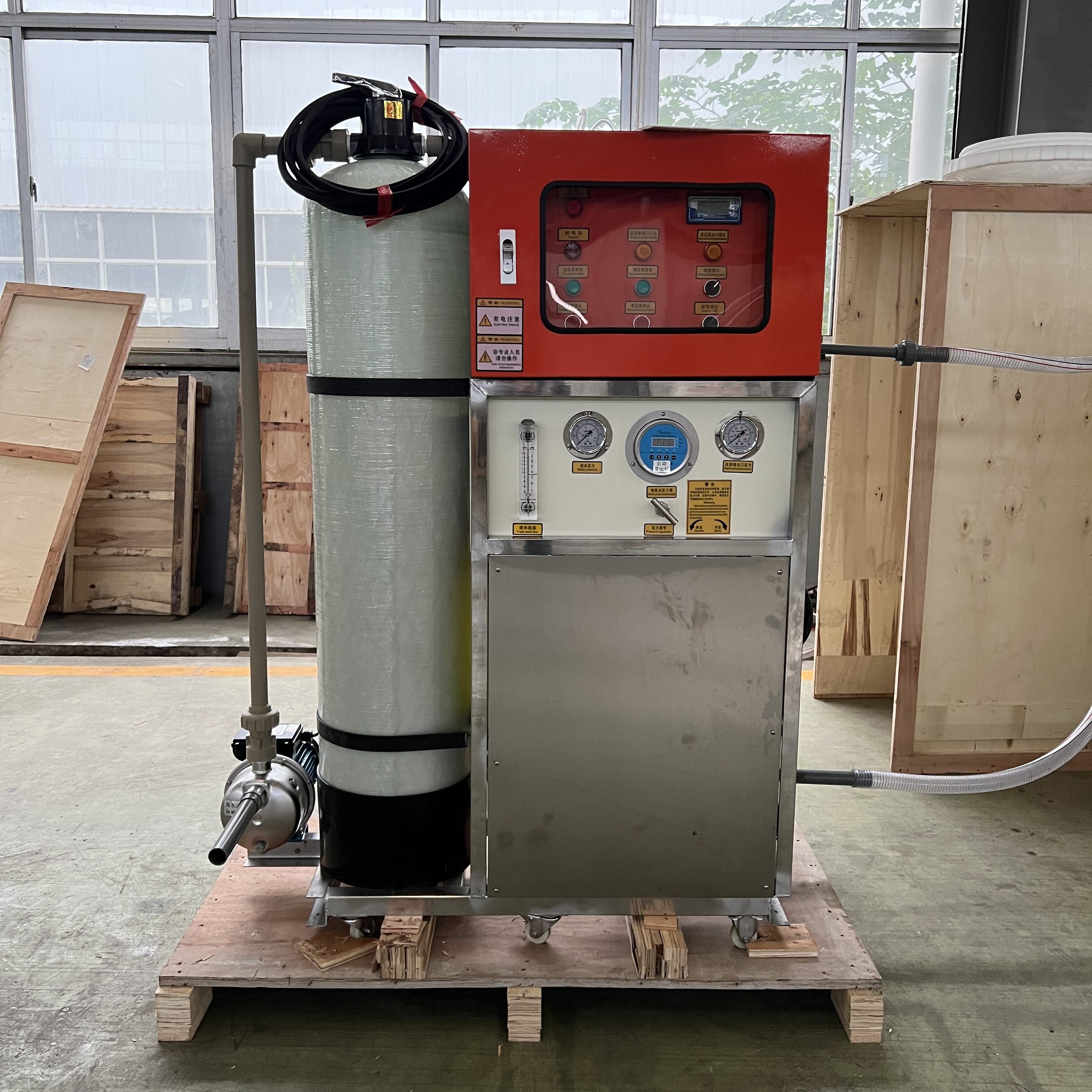
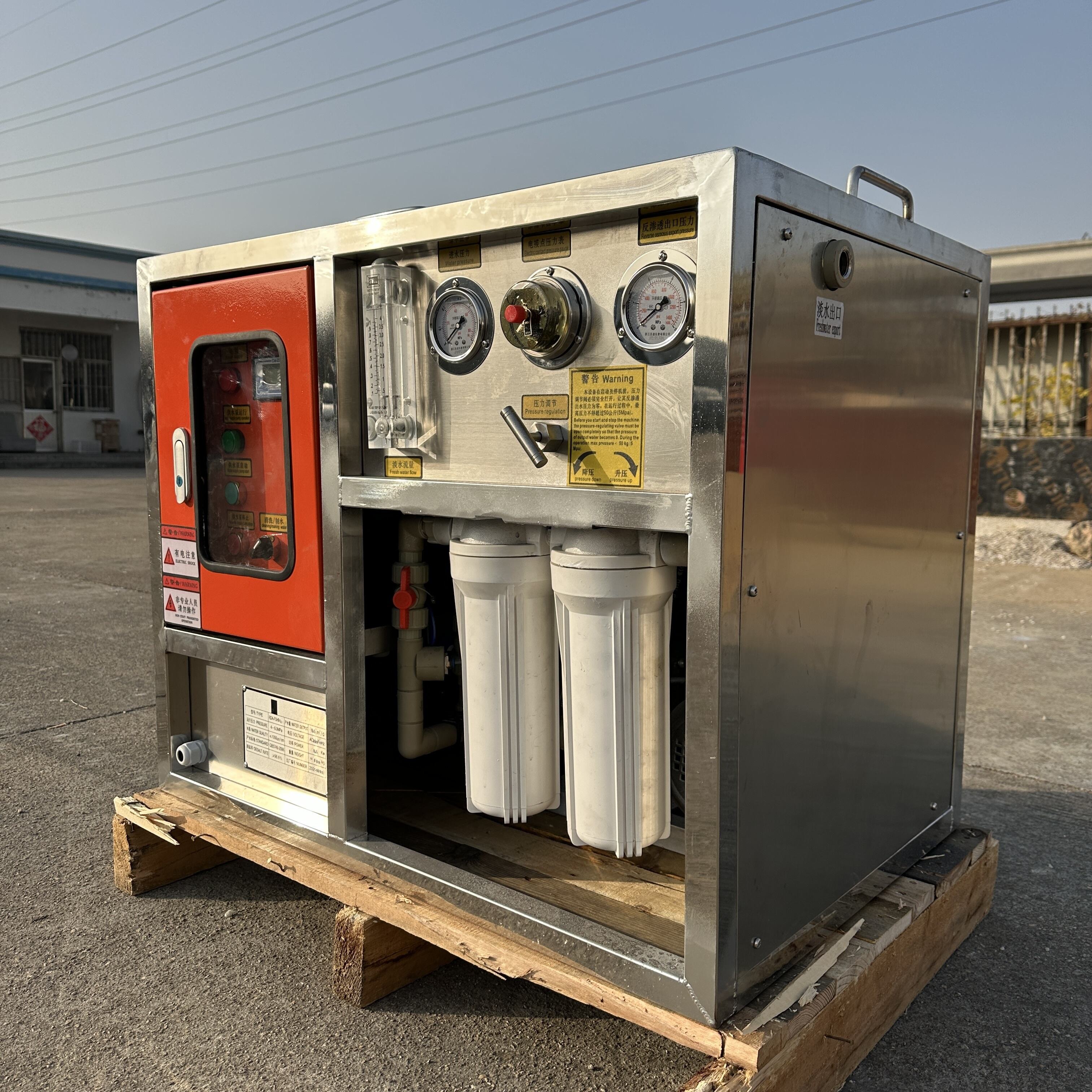
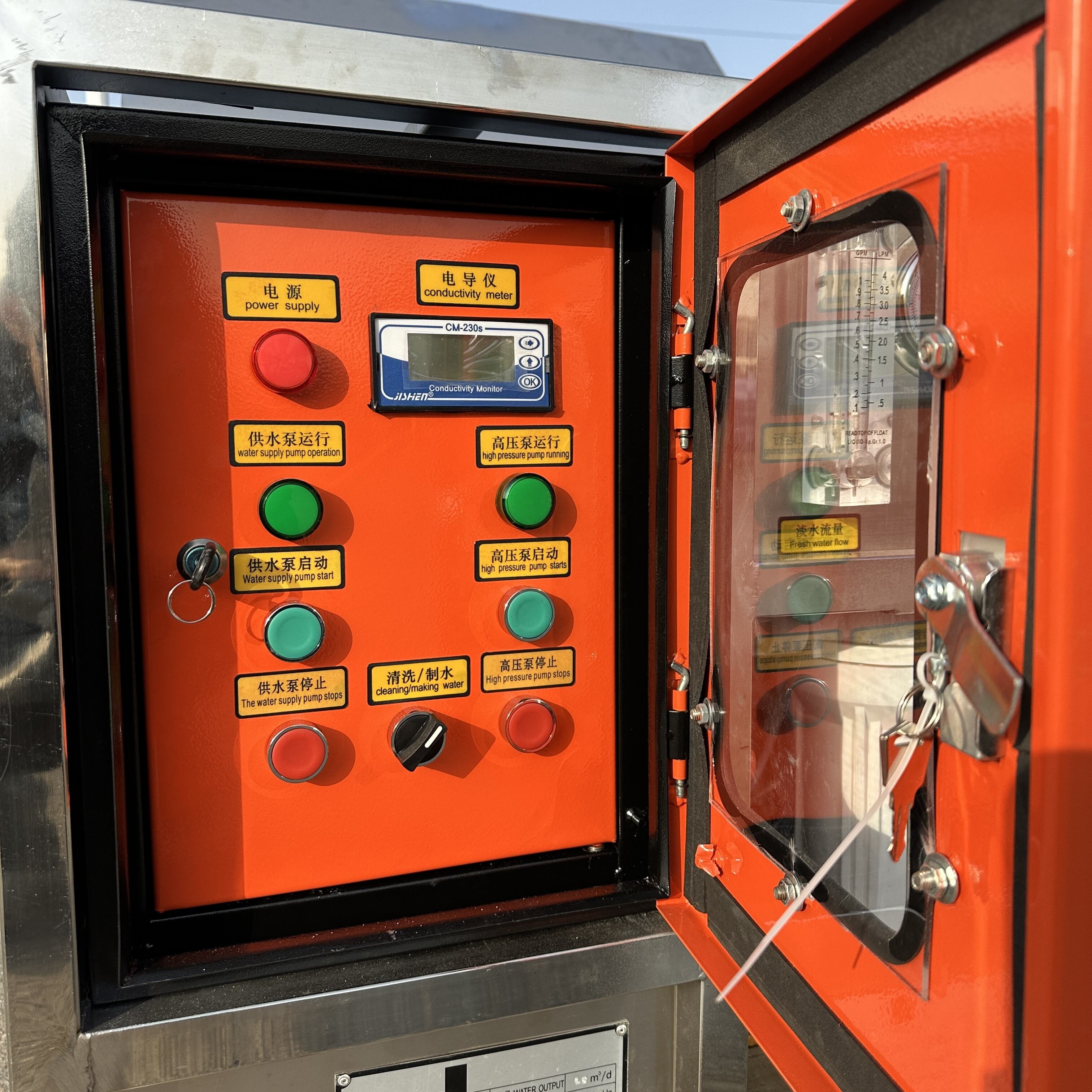
עיצוב מודולרי קומפקטי לאפשרויות התקנה מגוונות
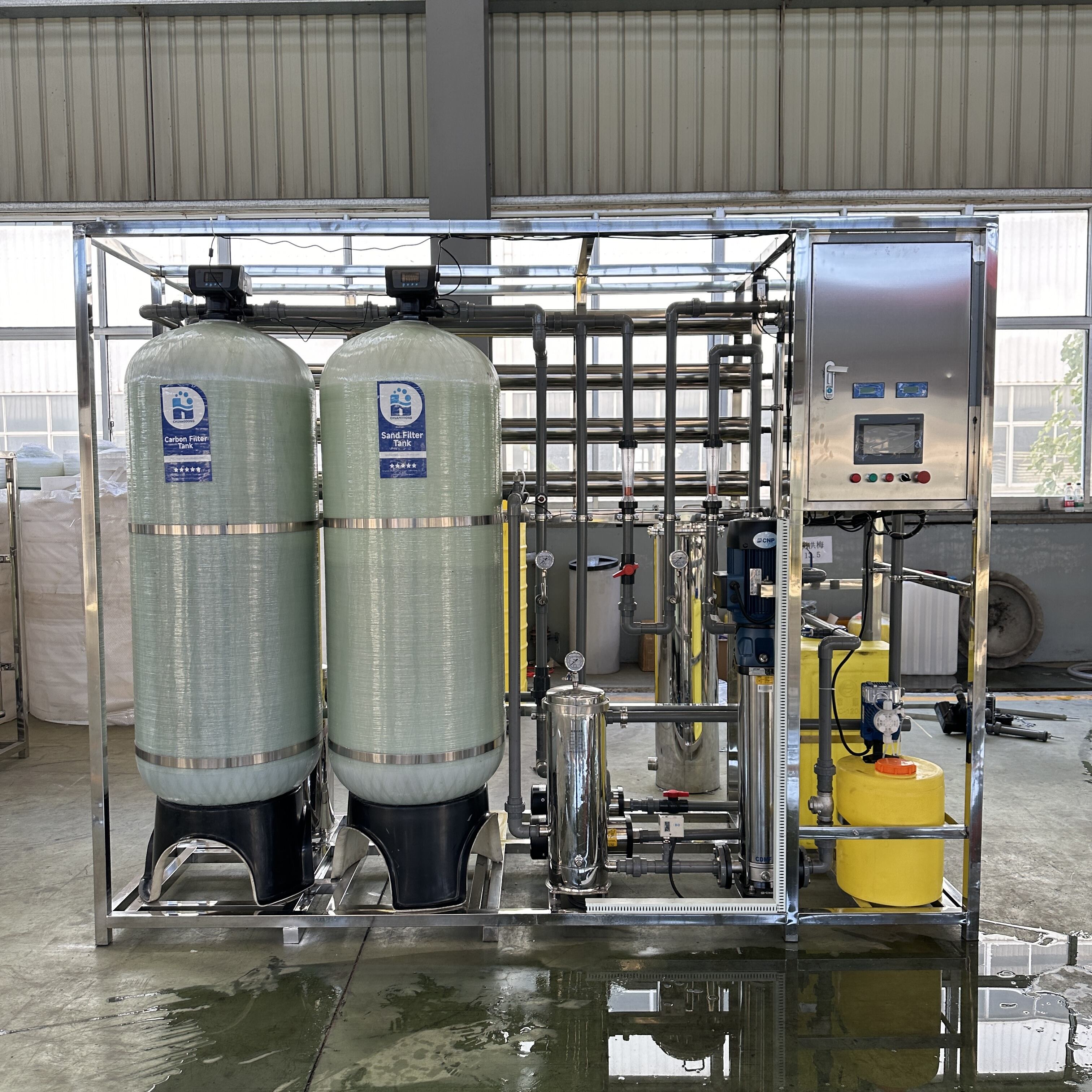
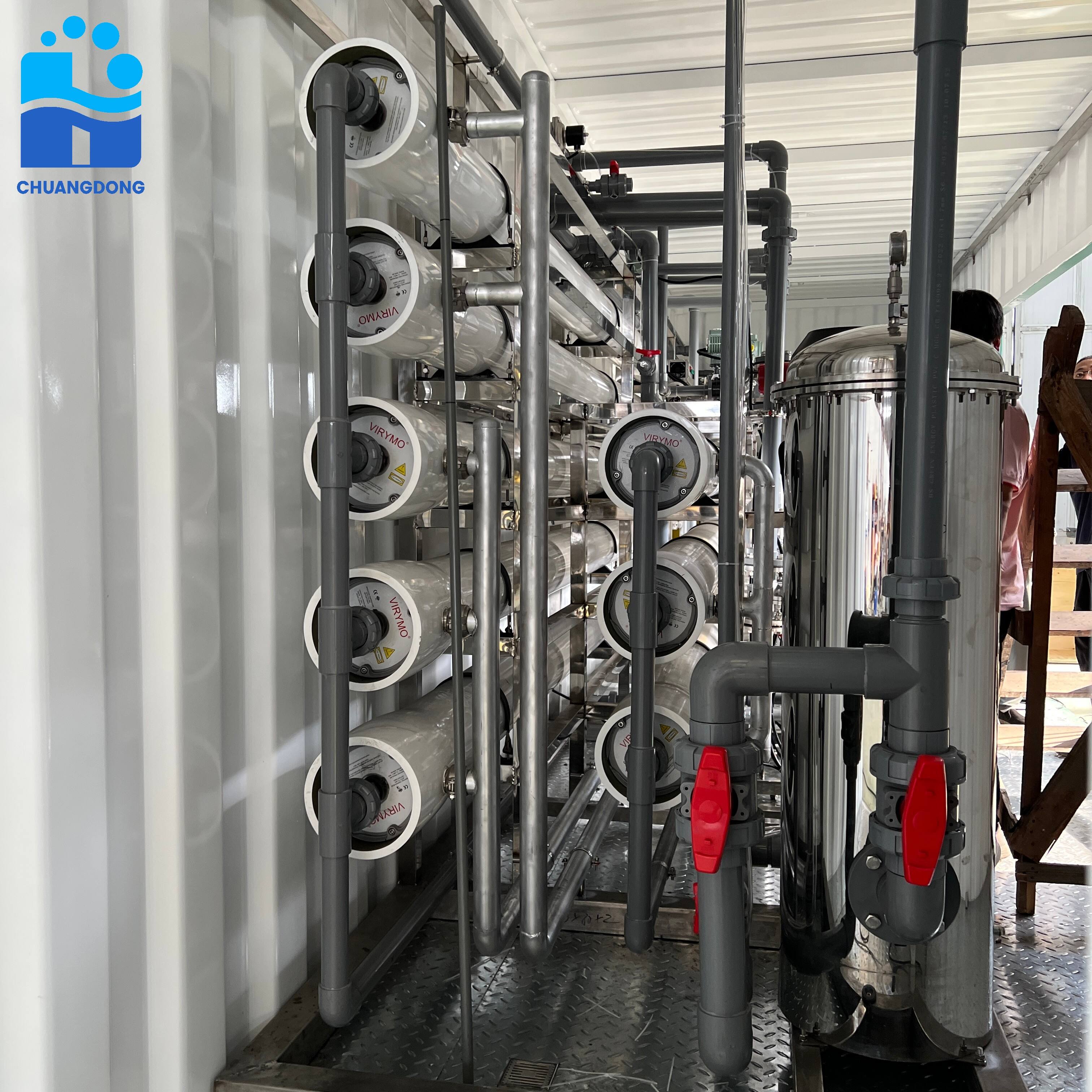
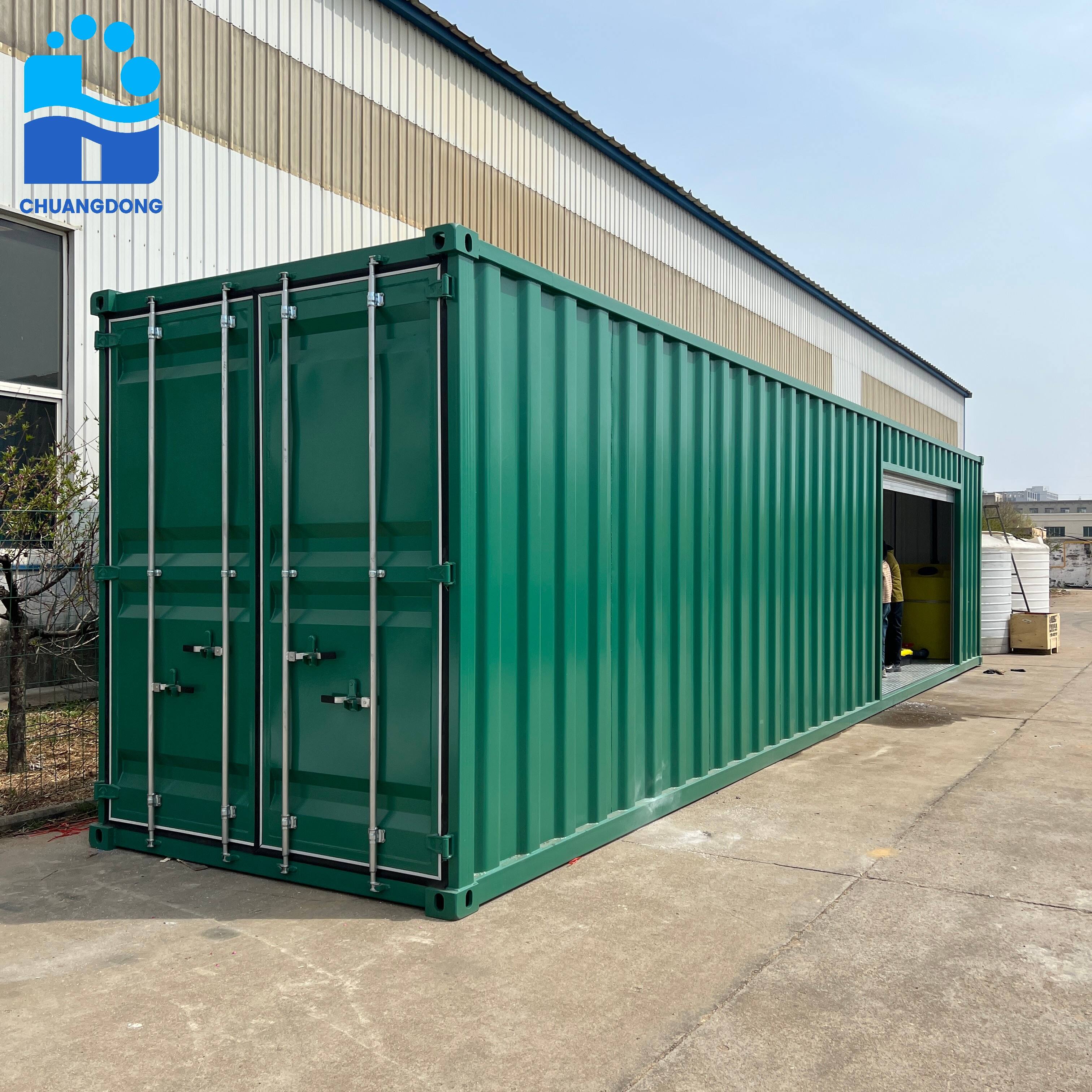
מערכת השמירה למים ימיים מציעה עיצוב מודולרי מרוכז חדשני שמשנה את הגמישות בהתקנה תוך מקסימיזציה של יעילות השימוש במרחב במגוון יישומים וסביבות. תצורה מזורזת זו מאפשרת התקנה במיקומים עם חוסר בשטח, שבהם מערכות טיהור מים מסורתיות אינן פועלות כראוי, כולל פלטפורמות ימיות, קהילות אייות, מתקנים תעשייתיים וסביבה עירונית עם זמינות מוגבלת של נדל"ן. האדריכלות המודולרית מאפשרת הרחבת קיבולת הניתנת להגבהה באמצעות התקנת יחידות במקביל, מה שמאפשר למנהלים להגביר את ייצור המים באופן הדרגתי ככל שמתגבר הביקוש, ללא צורך להחליף ציוד קיים או להפריע לפעולת המערכת הנוכחית. ממשקים סטנדרטיים להתחברות מקלים על montaj מהיר והפעלה, ומצמצמים את זמן ההתקנה משבועות לימים, תוך הפחתת עלויות עבודה והפרעה לבנייה. מערכת השמירה למים הימיים כוללת מעטפות עמידות לאוורור שתוכננו כדי לעמוד בסביבות ימיות קשות, כולל ריסוק מלח, לחות גבוהה, קיצוניות בטמפרטורות ופעילות סיסמית הנפוצה בהתקנות חופיות. מערכות הרכבה על סקיד משולבות מאפשרות triểnת מהירה באמצעות שיטות תחבורה סטנדרטיות, כולל מכולות, משאיות שטוחות או העברה באלי-콥טר למיקומים מרוחקים. צינורות ומתחברים חשמליים מוקדמים מתוכננים מראש, מה שמאלץ את הצורך בבניה שדה, מפחית שגיאות בהתקנה ומבטיח ביצועים עקביים של המערכת בכל התקנה. שטח הכבישה הקטן דורש בדרך כלל 70% פחות מקום מאשר מתקני שמירה קונבנציונליים בעלי קיבולת זהה, מה שהופך אותו למתאים במיוחד ליישומים של שדרוג במתקנים קיימים או פרויקטים חדשים של בנייה עם מגבלות שטח. תכונות גישה לתיקון כוללות נקודות שירות ממוקמות בצורה אסטרטגית, לוחות ניתנים להסרה וסידור רכיבים שמאפשרים תיקון יעיל ללא ציוד מיוחד או עצירת פעילות ממושכת. פилוסופיית העיצוב המודולרי משתרעת גם על רכיבי המערכת הבודדים, מה שמאפשר שדרוג או החלפה סלקטיבית של רכיבים כדי לשפר את הביצועים ללא צורך להחליף את כל המערכת. תצורות ניידות מאפשרות התקנה זמנית עבור תגובות חירום, אתרי בנייה או פעולות עונתיות, שבהן התקנה קבועה אינה אפשרית. חומרים לבלימת רעש ומערכות לבלימת רעידות מבטיחות פעילות שקטה המתאימה לאזורי מגורים ולסביבות רגישות לרעש. מערכת השמירה למים הימיים תומכת באפשרויות שונות לאספקת חשמל, כולל מתח חד-פאזי, מתח תלת-פאזי ומקורות אנרגיה מתחדשת, ומתאימה את עצמה למבנה החשמל המקומי ללא צורך בשדרוג יקר של רשת התעבורה או בהתקנת שנאים.
 EN
EN