Commercial Water Treatment Systems: Advanced Solutions for Business Water Purification

Get a Free Quote

Our representative will contact you soon.
Email
Name
Company Name
Message
0/1000

commercial water treatment

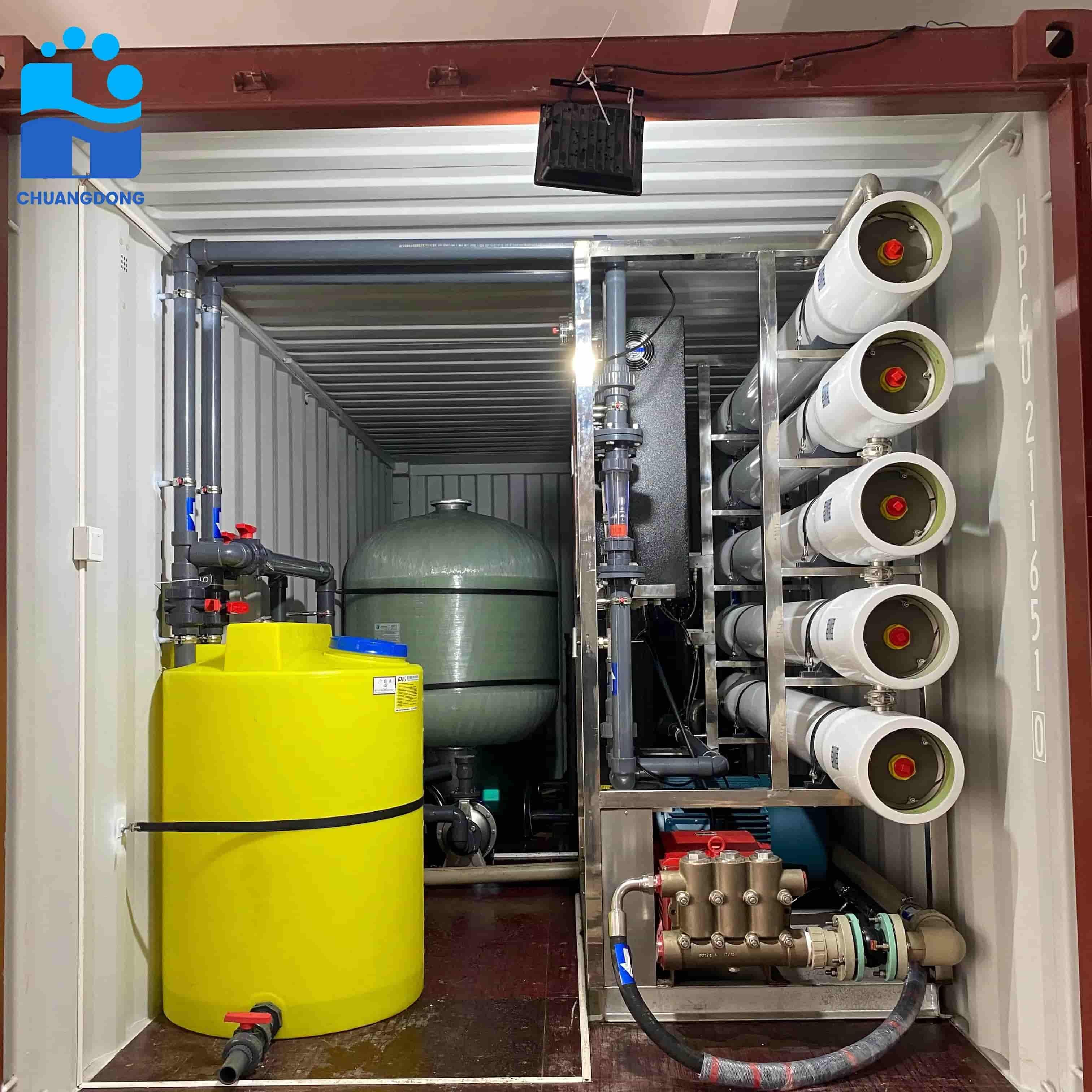
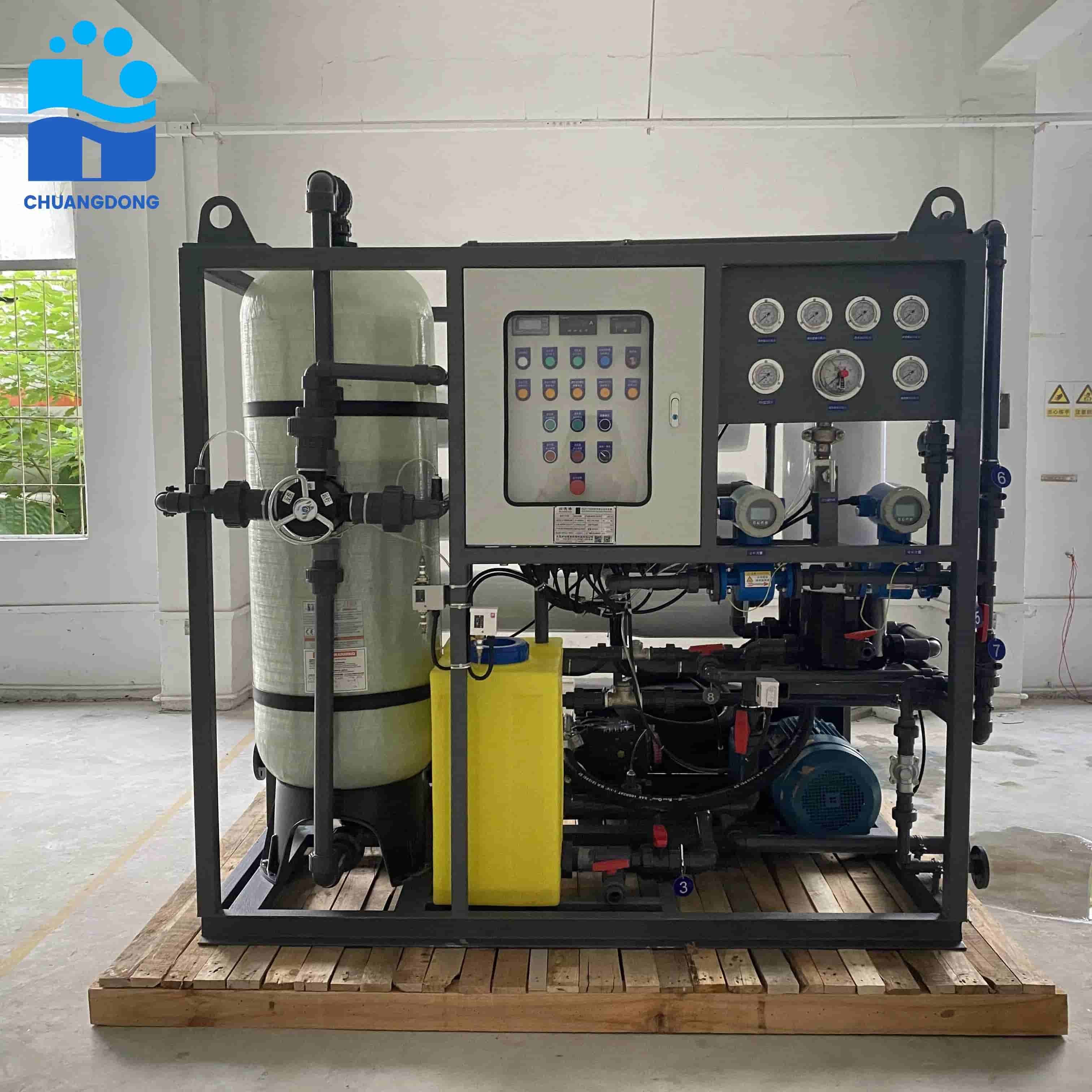
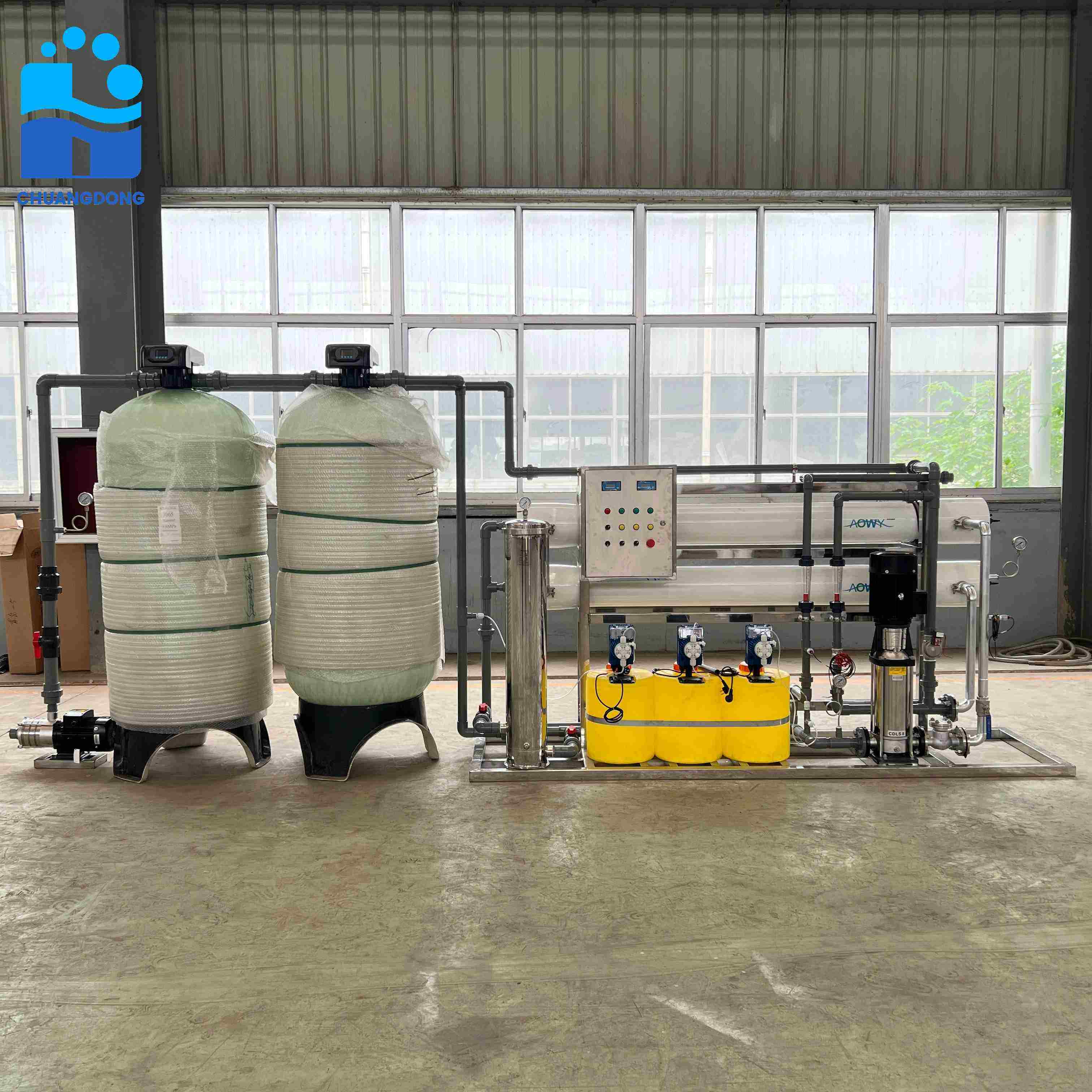
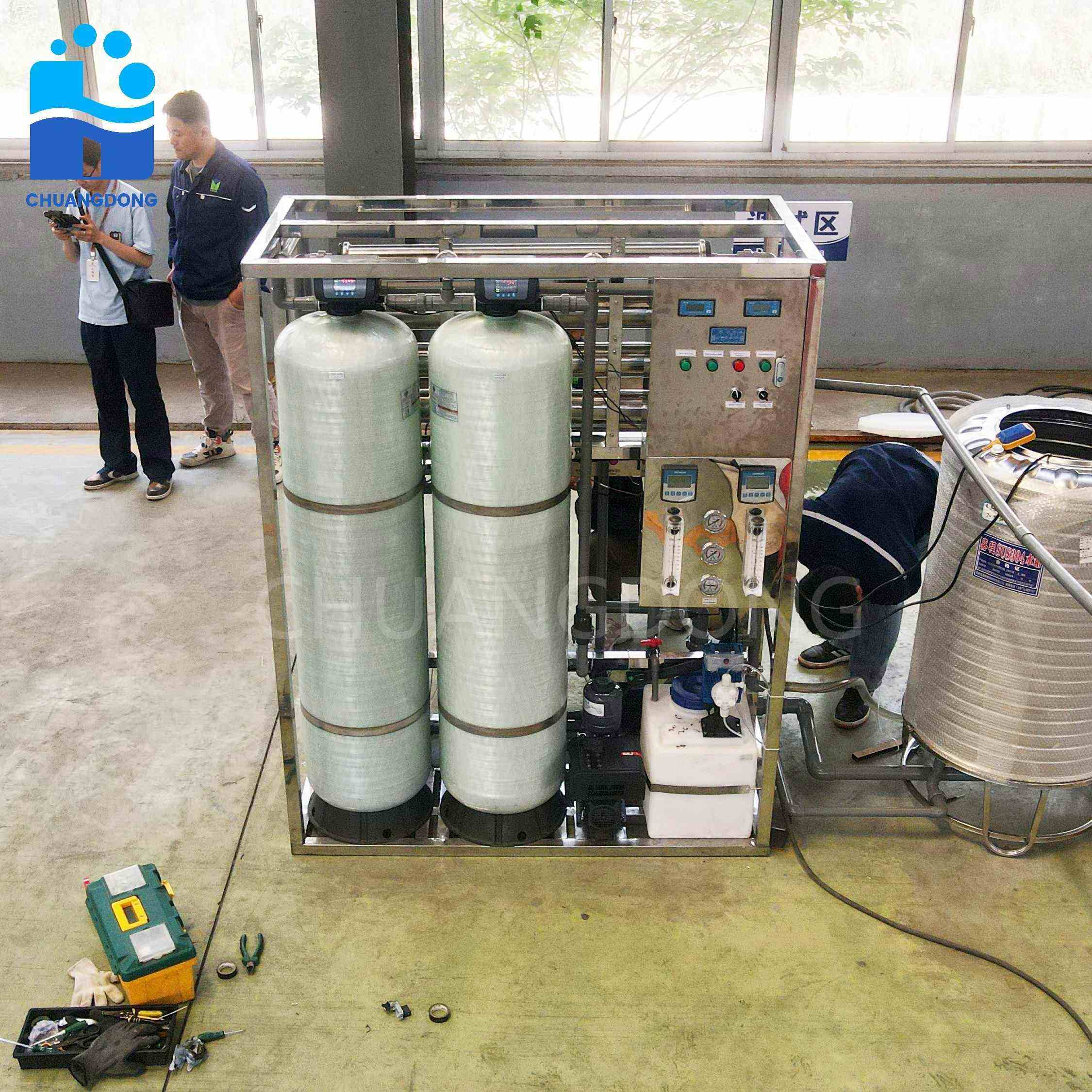
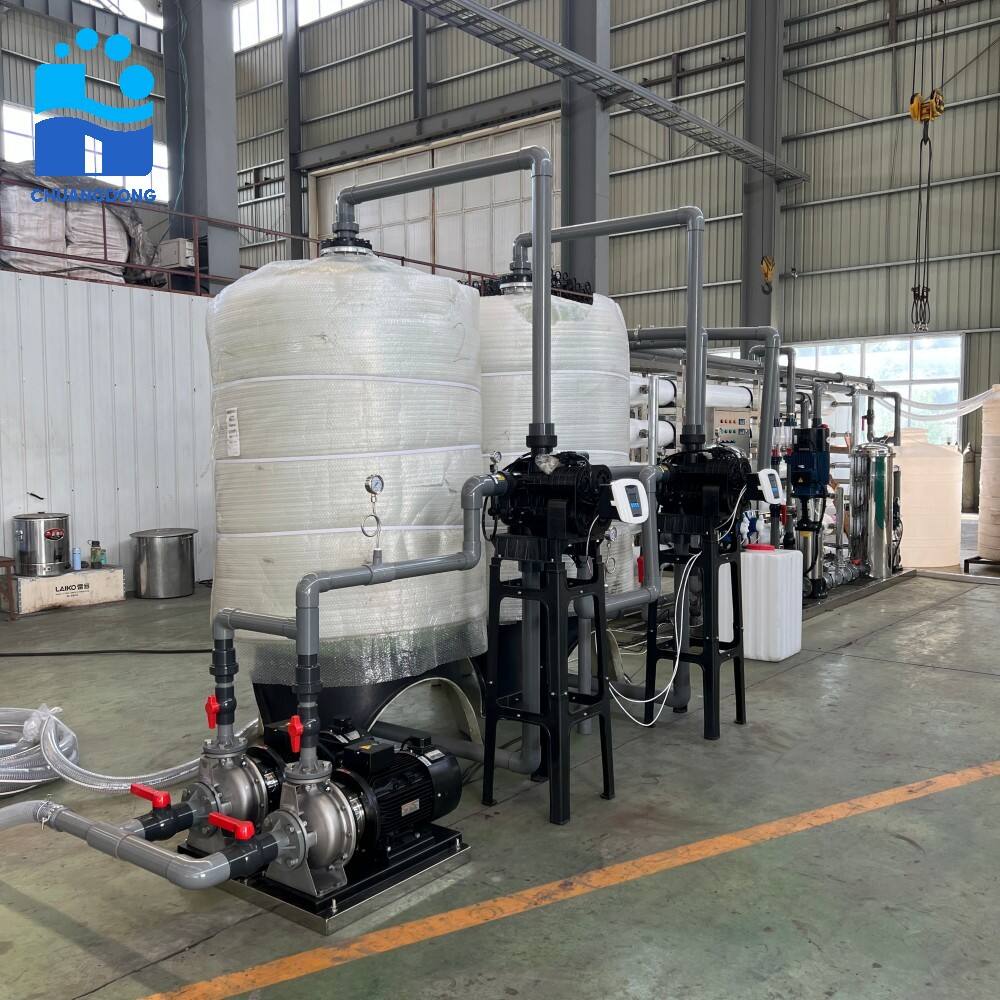
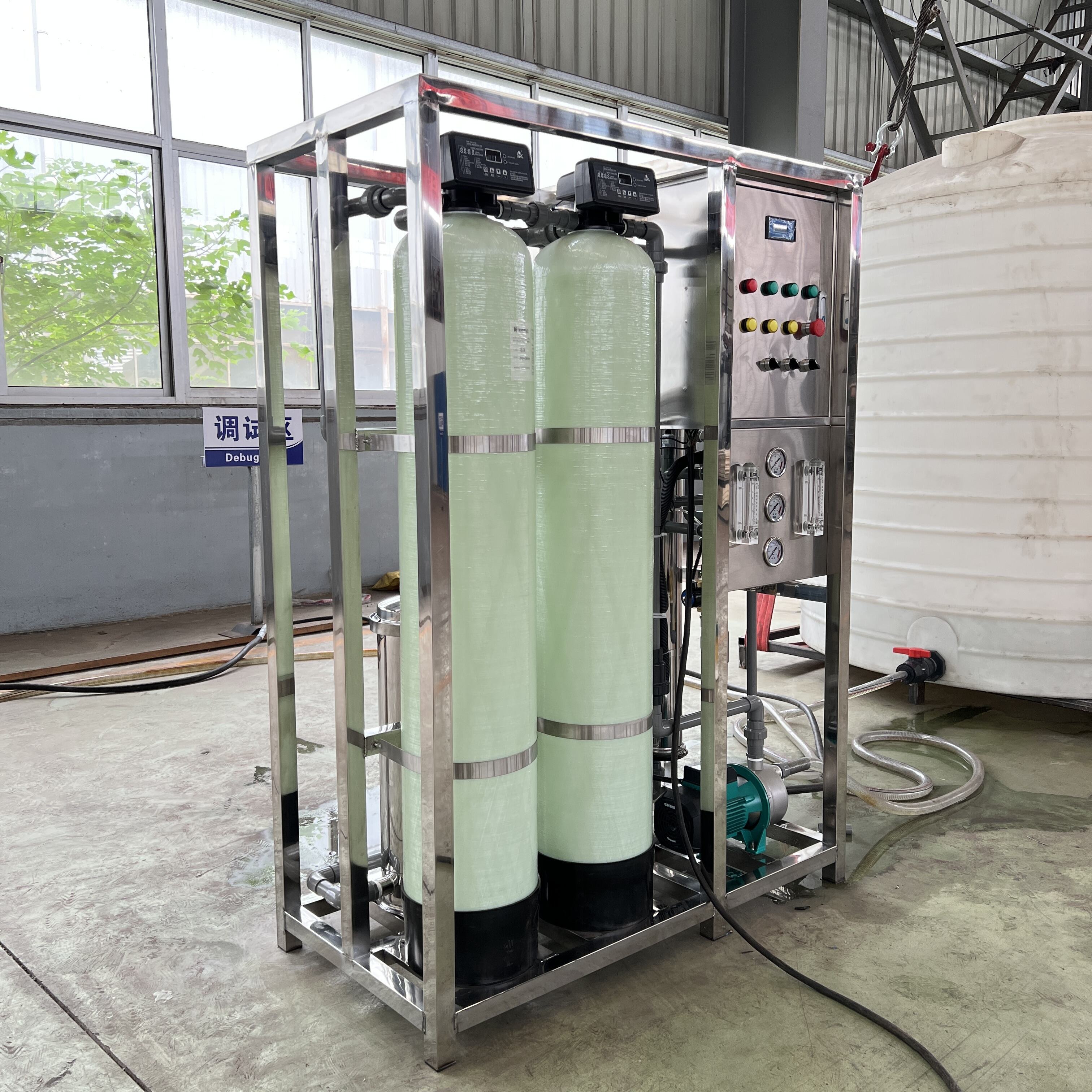
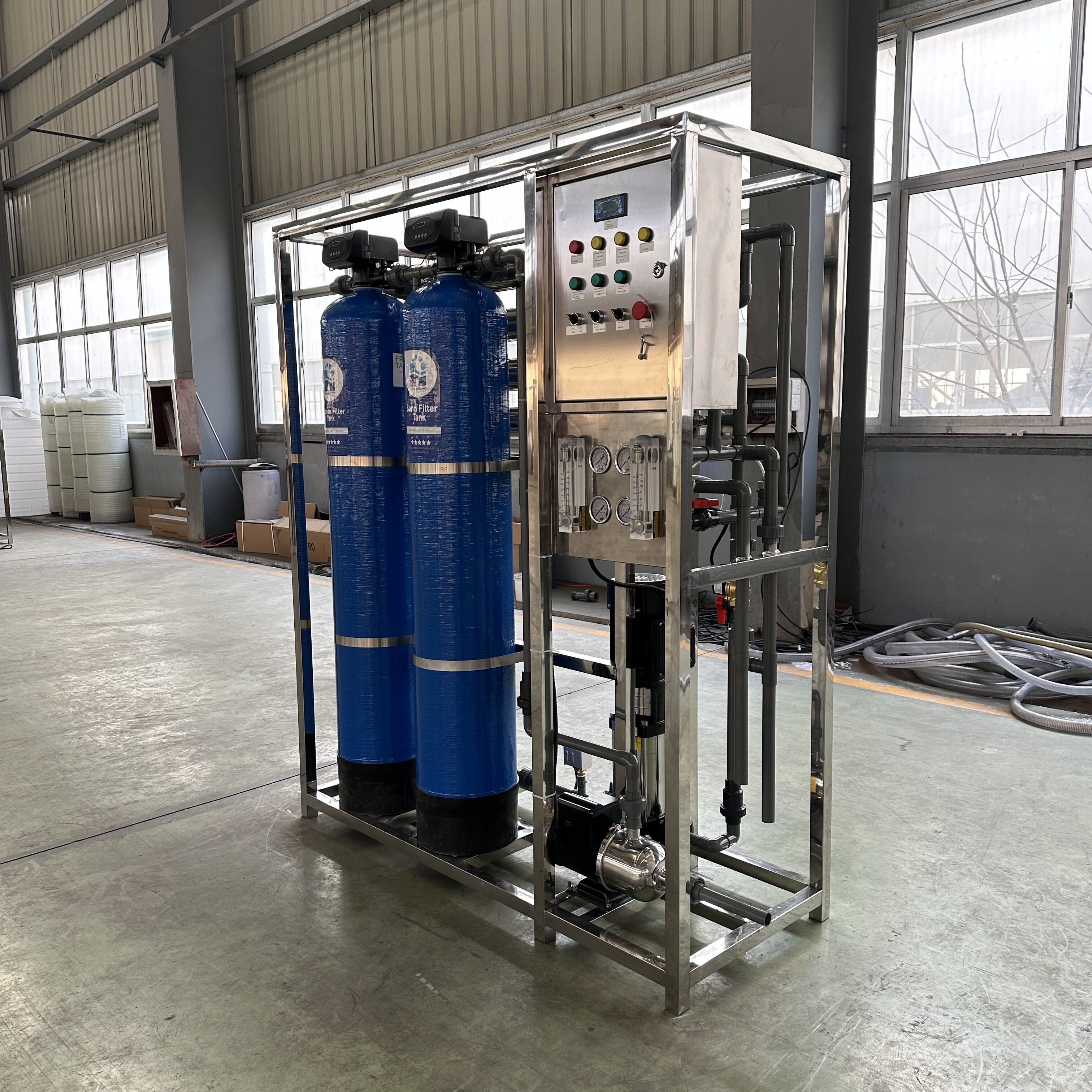
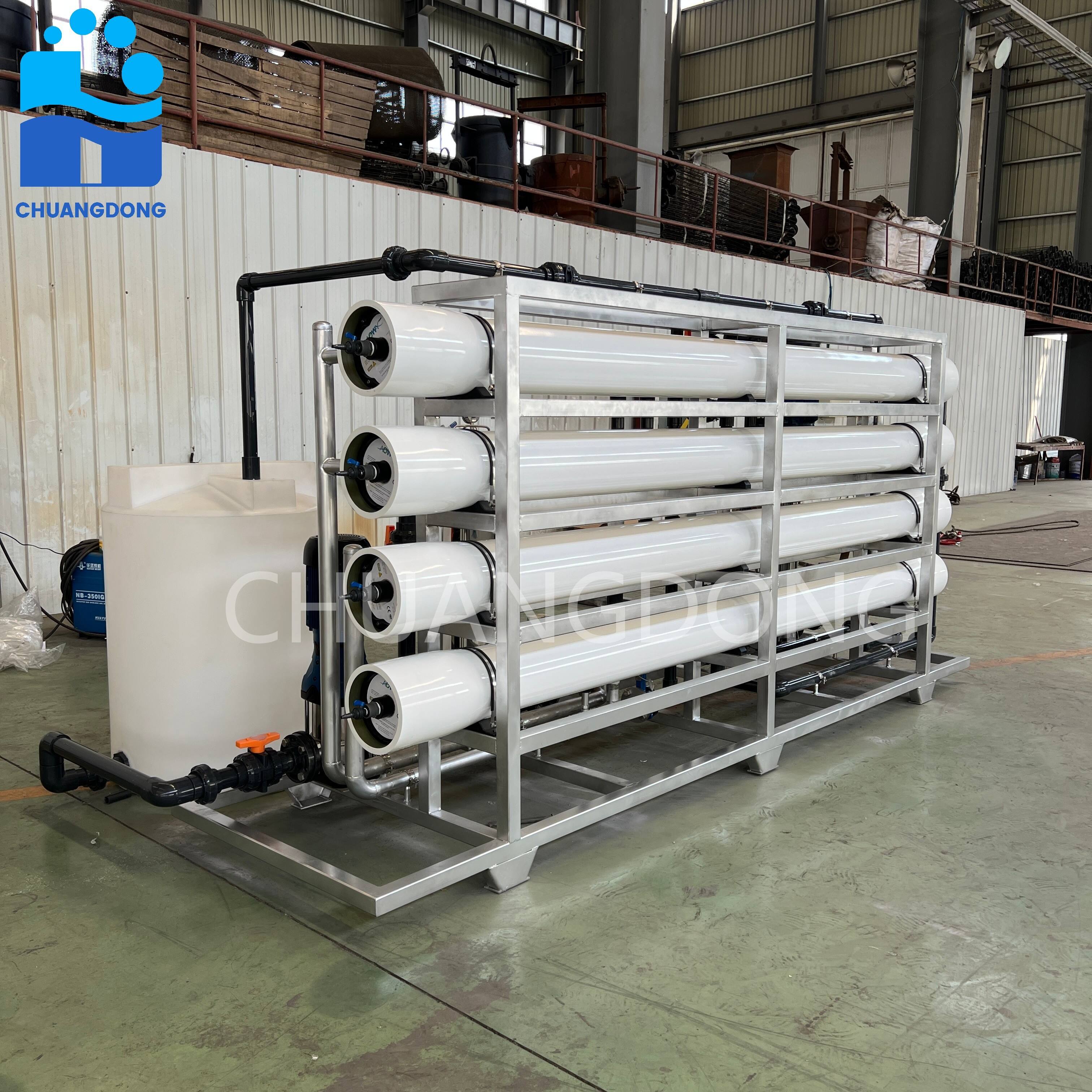
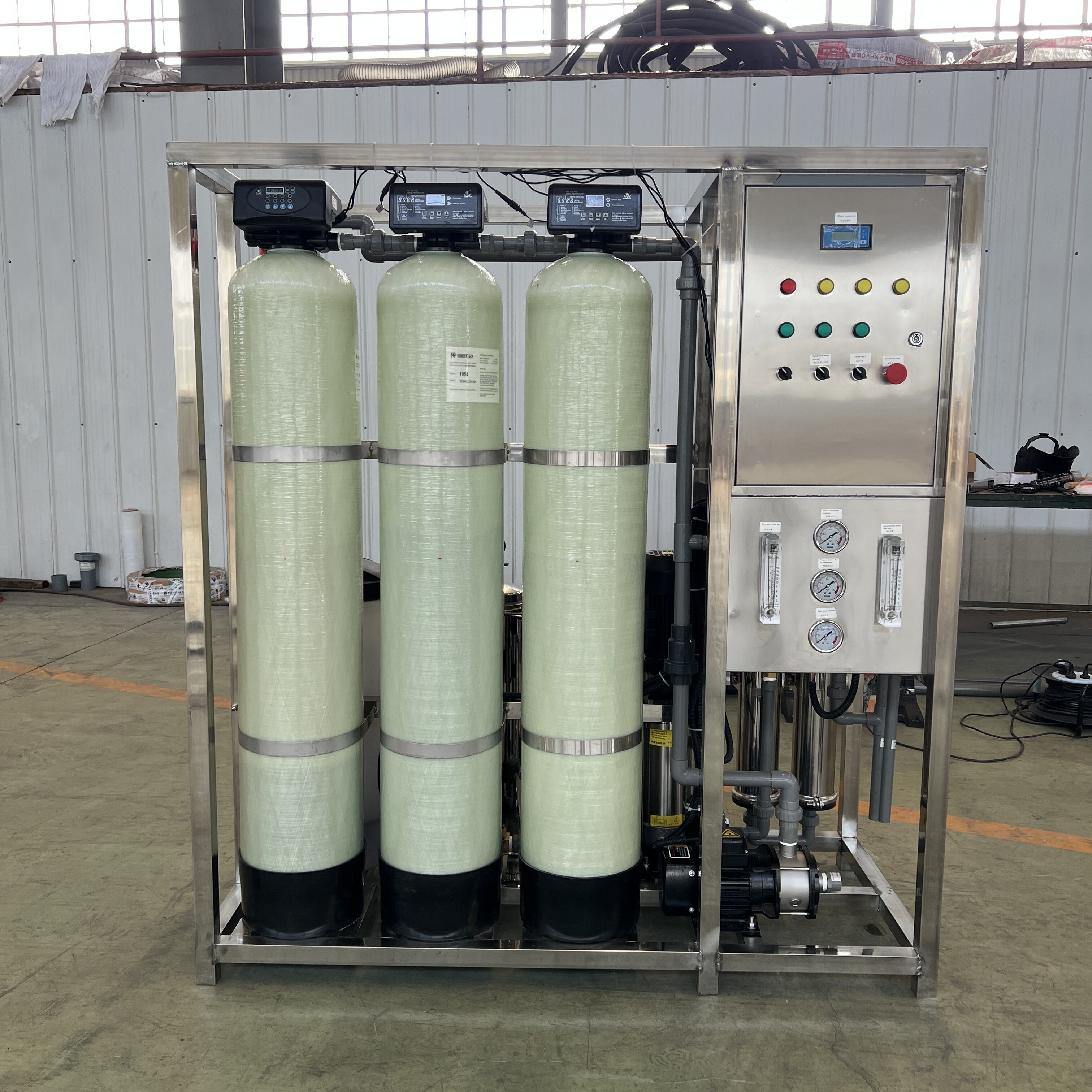
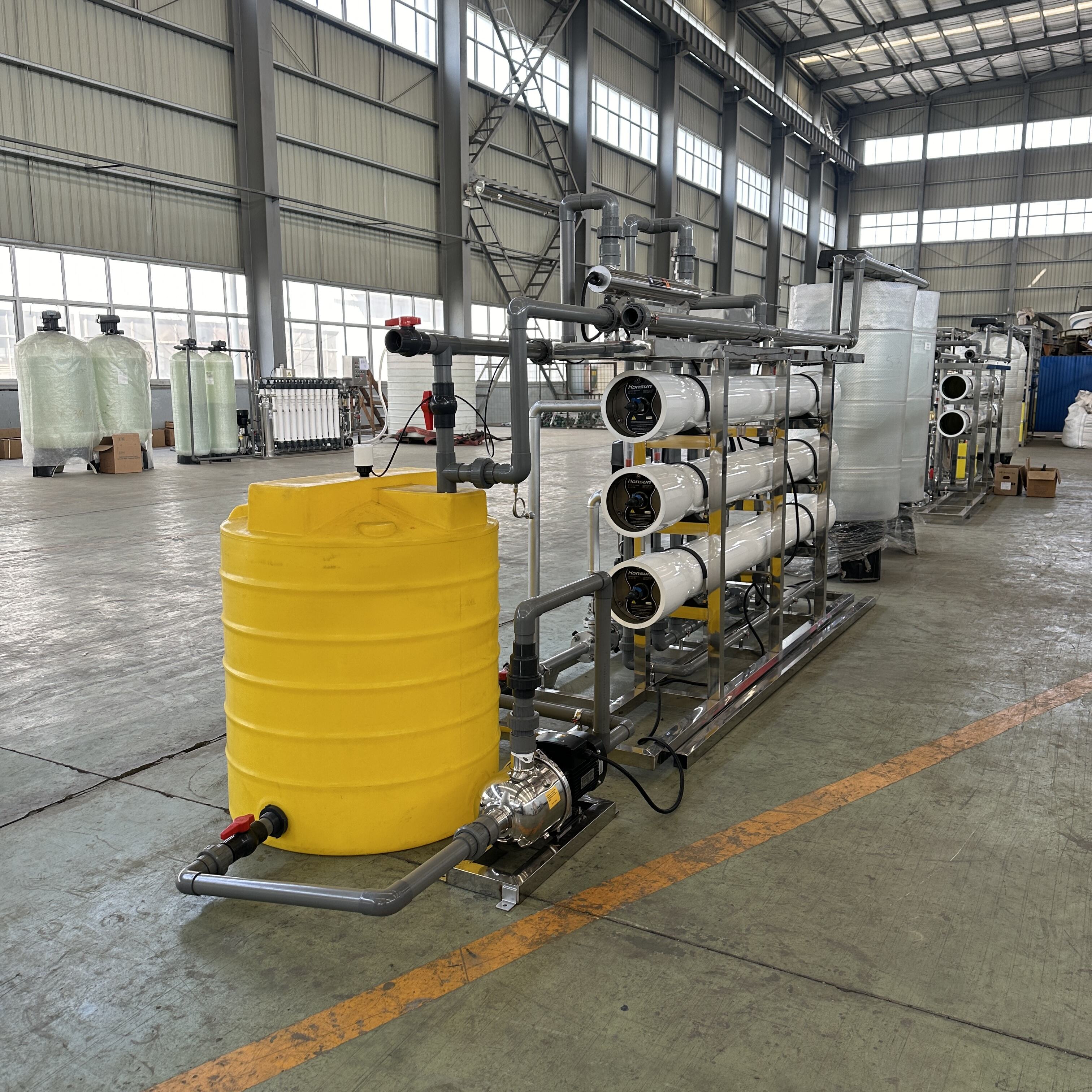
Commercial water treatment represents a comprehensive suite of technologies and processes designed to purify, filter, and condition water for business, industrial, and institutional applications. This essential infrastructure ensures that organizations across diverse sectors receive consistent, high-quality water that meets specific operational requirements and regulatory standards. The primary functions of commercial water treatment encompass contaminant removal, pH balancing, mineral adjustment, and disinfection processes that transform raw water sources into suitable supplies for manufacturing, food service, healthcare facilities, hospitality venues, and office buildings. Modern commercial water treatment systems integrate multiple purification stages, including pre-filtration, reverse osmosis, ion exchange, ultraviolet sterilization, and chemical dosing mechanisms. These technological features work synergistically to eliminate suspended solids, dissolved minerals, organic compounds, bacteria, viruses, and other harmful substances that could compromise product quality or pose health risks. Advanced monitoring systems continuously track water quality parameters, ensuring optimal performance and immediate detection of any deviations from established standards. Applications for commercial water treatment extend across numerous industries, from pharmaceutical manufacturing requiring ultra-pure water to restaurants needing safe drinking water and ice production. Food processing facilities rely on specialized treatment protocols to maintain product integrity, while hotels and office complexes utilize these systems to provide clean water for guests and employees. The scalability of commercial water treatment solutions allows customization based on flow rates, specific contaminants present in local water supplies, and particular industry requirements. Energy-efficient designs incorporate smart controls that optimize consumption while maintaining consistent output quality. Regular maintenance protocols and automated cleaning cycles ensure long-term reliability and cost-effectiveness, making commercial water treatment an indispensable component of modern business operations across virtually every sector requiring dependable water quality management.

New Product Recommendations

Commercial water treatment delivers substantial cost savings by eliminating the need for bottled water purchases and reducing equipment maintenance expenses caused by hard water damage. Businesses that implement comprehensive treatment systems typically recover their initial investment within two years through decreased operational costs and improved equipment longevity. The reliability factor cannot be overstated, as these systems provide consistent water quality regardless of municipal supply fluctuations or seasonal variations. This dependability ensures uninterrupted operations and protects against production delays that could result from water-related issues. Health and safety benefits represent another compelling advantage, as properly treated water eliminates harmful contaminants that could affect employee wellness or customer satisfaction. Restaurants experience improved food taste and consistency, while healthcare facilities maintain strict hygiene standards required for patient care. The environmental impact reduction makes commercial water treatment an attractive option for organizations committed to sustainability goals. By reducing plastic waste from bottled water consumption and optimizing chemical usage through precise dosing systems, businesses significantly decrease their ecological footprint. Productivity improvements emerge from enhanced equipment performance, as treated water prevents scale buildup in boilers, cooling systems, and manufacturing equipment. This protection extends machinery lifespan and reduces unexpected breakdowns that disrupt business operations. Quality control becomes more manageable with automated monitoring systems that provide real-time data and instant alerts for any irregularities. Staff can focus on core business activities rather than constantly checking water quality manually. Regulatory compliance becomes straightforward with documented treatment processes and consistent quality records that satisfy health department requirements and industry standards. The flexibility of modern systems allows businesses to adjust treatment parameters based on changing needs or water source variations. Scalability ensures that growing companies can expand their treatment capacity without complete system replacement. Customer satisfaction increases when businesses provide consistently high-quality water for drinking, food preparation, or manufacturing processes. The professional image enhancement from reliable water quality demonstrates commitment to excellence and attention to detail that customers and partners appreciate.

Tips And Tricks

What Intake and Outfall Designs Minimize Environmental Impact of a Desalination Plant?

01

Mar

What Intake and Outfall Designs Minimize Environmental Impact of a Desalination Plant?

Environmental considerations have become paramount in the design and operation of modern desalination facilities worldwide. As water scarcity continues to challenge communities across the globe, the demand for sustainable desalination plant solutions...
View More
What Corrosion-Resistant Materials Are Used in Desalination Plant Construction?

06

Mar

What Corrosion-Resistant Materials Are Used in Desalination Plant Construction?

Desalination plants operate in some of the harshest environments imaginable, where saltwater constantly threatens the integrity of critical infrastructure. The selection of appropriate corrosion-resistant materials becomes paramount to ensuring long-...
View More
How Does a Water Purification System with Ion Exchange Soften Hard Water Effectively?

15

Mar

How Does a Water Purification System with Ion Exchange Soften Hard Water Effectively?

Hard water poses significant challenges for both residential and commercial applications, containing high concentrations of calcium and magnesium ions that cause scale buildup, reduce equipment efficiency, and affect water quality. A water purificati...
View More
How Does an RO Water Filter with a UV Sterilizer Provide Additional Protection Against Bacteria?

10

Mar

How Does an RO Water Filter with a UV Sterilizer Provide Additional Protection Against Bacteria?

Water contamination remains one of the most pressing concerns for homeowners and businesses seeking reliable water purification solutions. While traditional filtration methods offer basic protection, modern water treatment technology has evolved to p...
View More

Get a Free Quote

Our representative will contact you soon.
Email
Name
Company Name
Message
0/1000

commercial water treatment

Advanced Multi-Stage Filtration Technology

Advanced Multi-Stage Filtration Technology

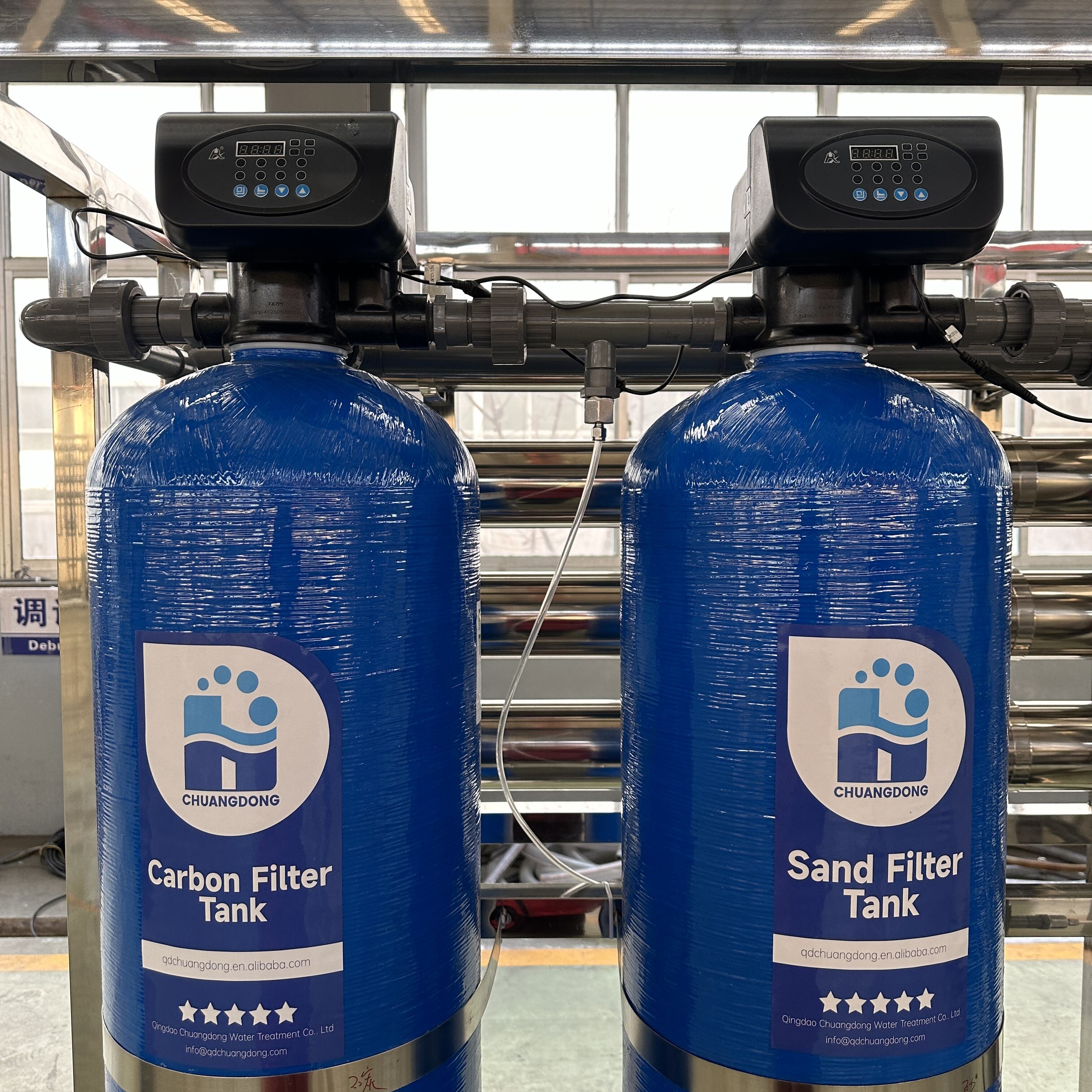
The cornerstone of effective commercial water treatment lies in sophisticated multi-stage filtration technology that addresses diverse contaminants through sequential purification processes. This comprehensive approach begins with pre-filtration systems that remove large particles, sediment, and debris, protecting downstream components from damage and ensuring optimal performance throughout the treatment cycle. The second stage typically incorporates activated carbon filtration, which excels at removing chlorine, organic compounds, and taste-affecting substances that could impact product quality or customer satisfaction. Advanced commercial water treatment systems then employ reverse osmosis technology, utilizing semi-permeable membranes that eliminate dissolved minerals, heavy metals, and microscopic contaminants with remarkable precision. This process achieves purification levels exceeding 99 percent for most dissolved solids, delivering water quality that surpasses bottled water standards. Ion exchange resins further refine the treatment process by selectively removing specific minerals while adding beneficial ones, allowing precise control over water hardness and alkalinity levels. UV sterilization represents the final stage in many commercial water treatment configurations, providing chemical-free disinfection that destroys bacteria, viruses, and other microorganisms without introducing harmful byproducts. The integration of these technologies creates synergistic effects where each stage enhances the effectiveness of subsequent processes. Smart control systems monitor performance across all filtration stages, automatically adjusting parameters to maintain optimal efficiency and water quality. This technological sophistication ensures that commercial water treatment systems deliver consistent results regardless of input water quality variations or seasonal changes in municipal supplies. Regular automated backwashing and cleaning cycles maintain membrane integrity and carbon bed effectiveness, maximizing system lifespan while minimizing maintenance requirements. The modular design of advanced filtration systems allows businesses to customize their configuration based on specific contaminants present in their water supply, ensuring targeted treatment that addresses actual rather than theoretical concerns.
Real-Time Quality Monitoring and Control Systems

Real-Time Quality Monitoring and Control Systems

Modern commercial water treatment systems incorporate sophisticated monitoring and control technology that provides unprecedented visibility into water quality parameters and system performance. These intelligent systems continuously measure critical indicators including pH levels, dissolved oxygen content, turbidity, conductivity, and specific contaminant concentrations, generating comprehensive data that enables proactive management and immediate response to quality variations. The real-time nature of this monitoring eliminates guesswork and provides objective evidence of treatment effectiveness, ensuring that businesses maintain consistent water quality standards without constant manual testing. Advanced sensors strategically positioned throughout the treatment process collect data at multiple points, creating a detailed picture of how water quality evolves through each purification stage. This information proves invaluable for optimizing system performance, identifying potential issues before they impact operations, and demonstrating regulatory compliance through documented quality records. Automated alert systems immediately notify operators when parameters exceed predetermined thresholds, enabling rapid corrective action that prevents quality compromises or system damage. The control systems also manage chemical dosing with precision, automatically adjusting treatment chemical quantities based on real-time water quality measurements rather than relying on fixed dosing schedules that may over-treat or under-treat water depending on source variations. This intelligent chemical management reduces costs while ensuring optimal treatment effectiveness and minimizing environmental impact through reduced chemical consumption. Remote monitoring capabilities allow facility managers to track system performance from any location, receiving updates on water quality trends and system status through mobile applications or web-based dashboards. Historical data analysis reveals patterns and trends that inform maintenance scheduling and system optimization efforts, enabling predictive maintenance approaches that prevent unexpected failures. The integration of artificial intelligence in advanced commercial water treatment monitoring systems can identify subtle changes in performance patterns that might indicate developing issues, allowing proactive interventions that maintain optimal system performance and extend equipment lifespan while ensuring consistent water quality delivery.
Customizable Solutions for Diverse Industry Requirements

Customizable Solutions for Diverse Industry Requirements

The adaptability of commercial water treatment systems represents a significant advantage for businesses across various industries, each with unique water quality requirements and operational constraints. This customization capability ensures that organizations receive treatment solutions precisely matched to their specific needs rather than generic systems that may over-engineer or under-deliver on critical requirements. Food service establishments require treatment systems that eliminate chlorine taste while maintaining mineral content that enhances food flavor, whereas pharmaceutical manufacturers need ultra-pure water with virtually all dissolved solids removed. Manufacturing facilities often need specialized treatment for process water that removes specific contaminants affecting product quality while maintaining cost-effectiveness for high-volume applications. The modular design philosophy underlying modern commercial water treatment systems enables flexible configurations that can grow and evolve with changing business needs. Companies experiencing expansion can add treatment modules incrementally rather than replacing entire systems, protecting their initial investment while scaling capacity to match increased demand. Seasonal businesses benefit from systems designed to handle variable flow rates efficiently, automatically adjusting treatment intensity based on actual water usage rather than maintaining constant high-capacity operation during low-demand periods. Geographic considerations also influence system customization, as water sources vary significantly in mineral content, pH levels, and contaminant profiles across different regions. Commercial water treatment specialists conduct comprehensive water analysis to identify specific local challenges and design treatment protocols that address actual rather than assumed contaminant issues. This targeted approach ensures optimal performance while avoiding unnecessary treatment steps that increase costs without providing benefits. Industry-specific certifications and compliance requirements further drive customization needs, with healthcare facilities requiring systems that meet strict regulatory standards while hospitality venues focus on taste and appearance factors that influence customer satisfaction. The expertise of commercial water treatment professionals proves invaluable in navigating these diverse requirements, ensuring that each installation delivers maximum value through precise alignment with operational needs, regulatory requirements, and budget constraints while providing reliable long-term performance that supports business success.

Get a Free Quote

Our representative will contact you soon.
Email
Name
Company Name
Message
0/1000