Best Water Treatment Systems: Advanced Multi-Stage Filtration Technology for Pure, Safe Water

Get a Free Quote

Our representative will contact you soon.
Email
Name
Company Name
Message
0/1000

best water treatment systems

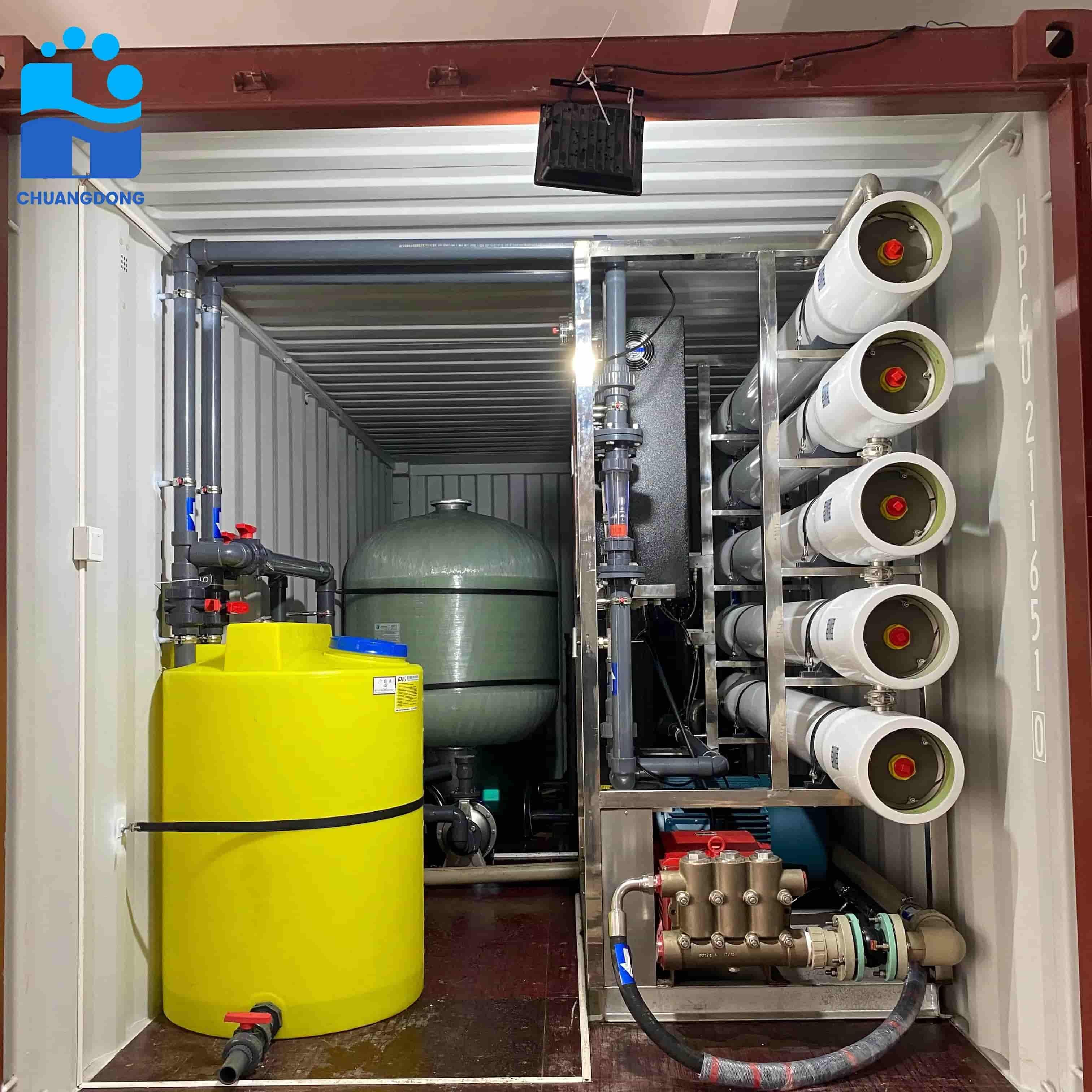
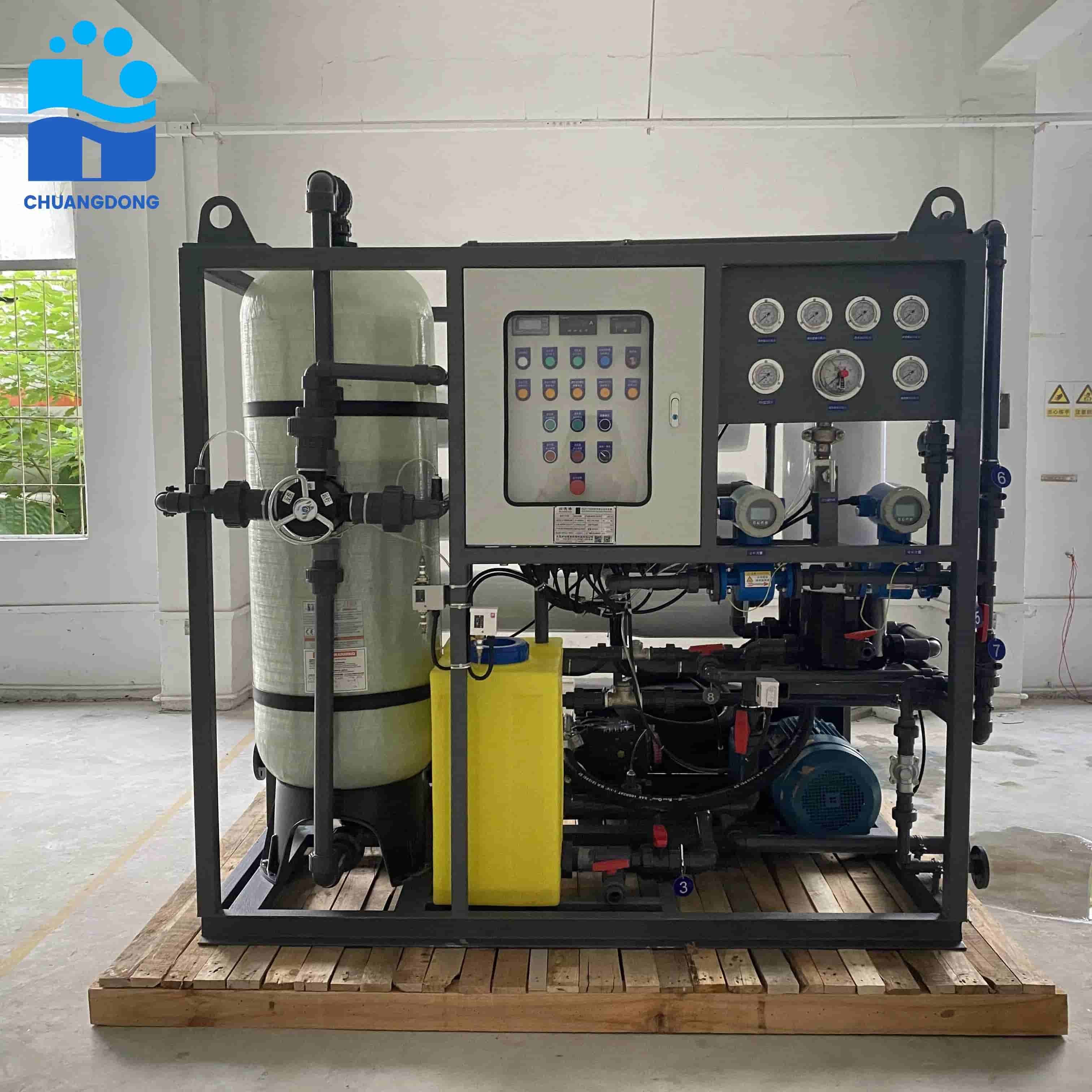
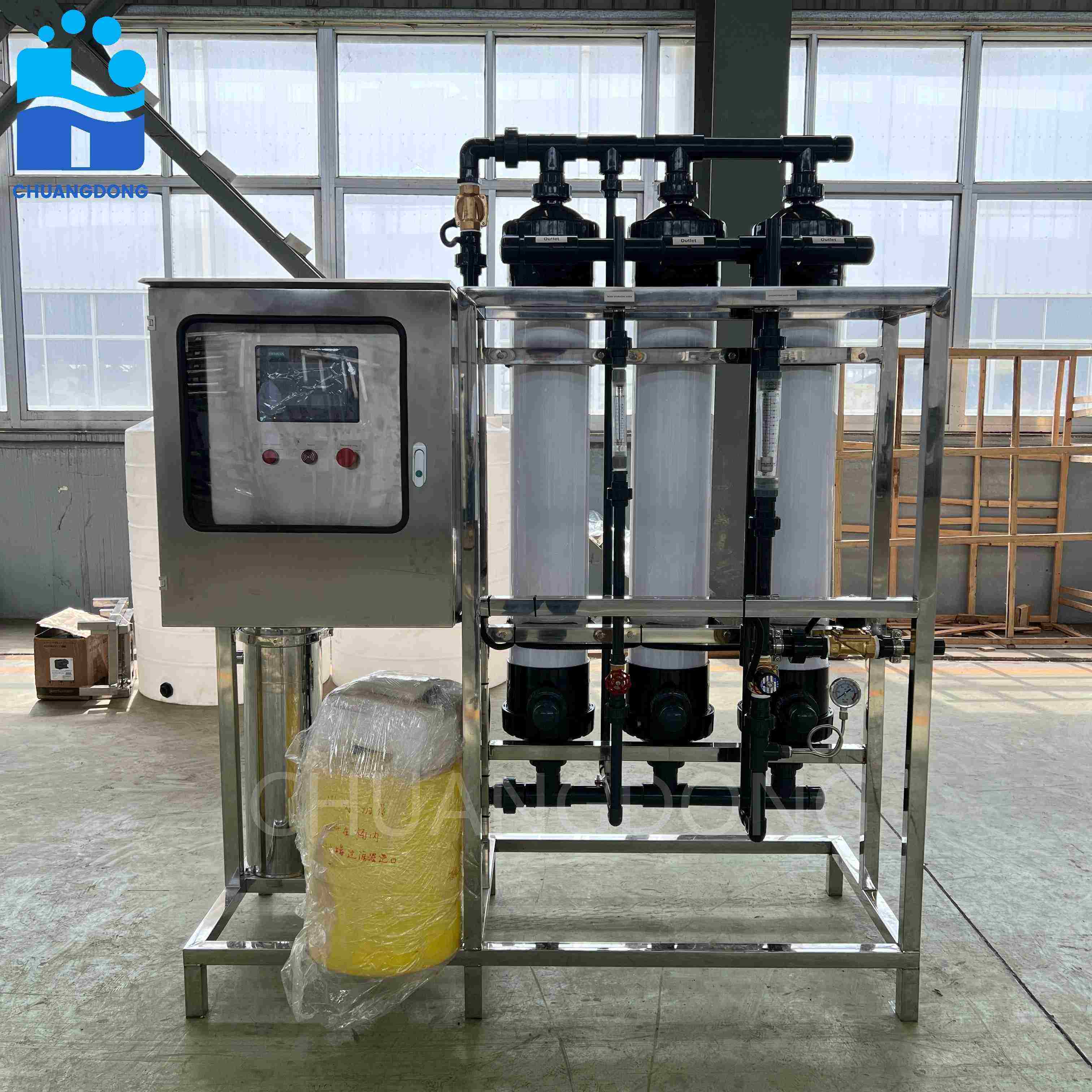
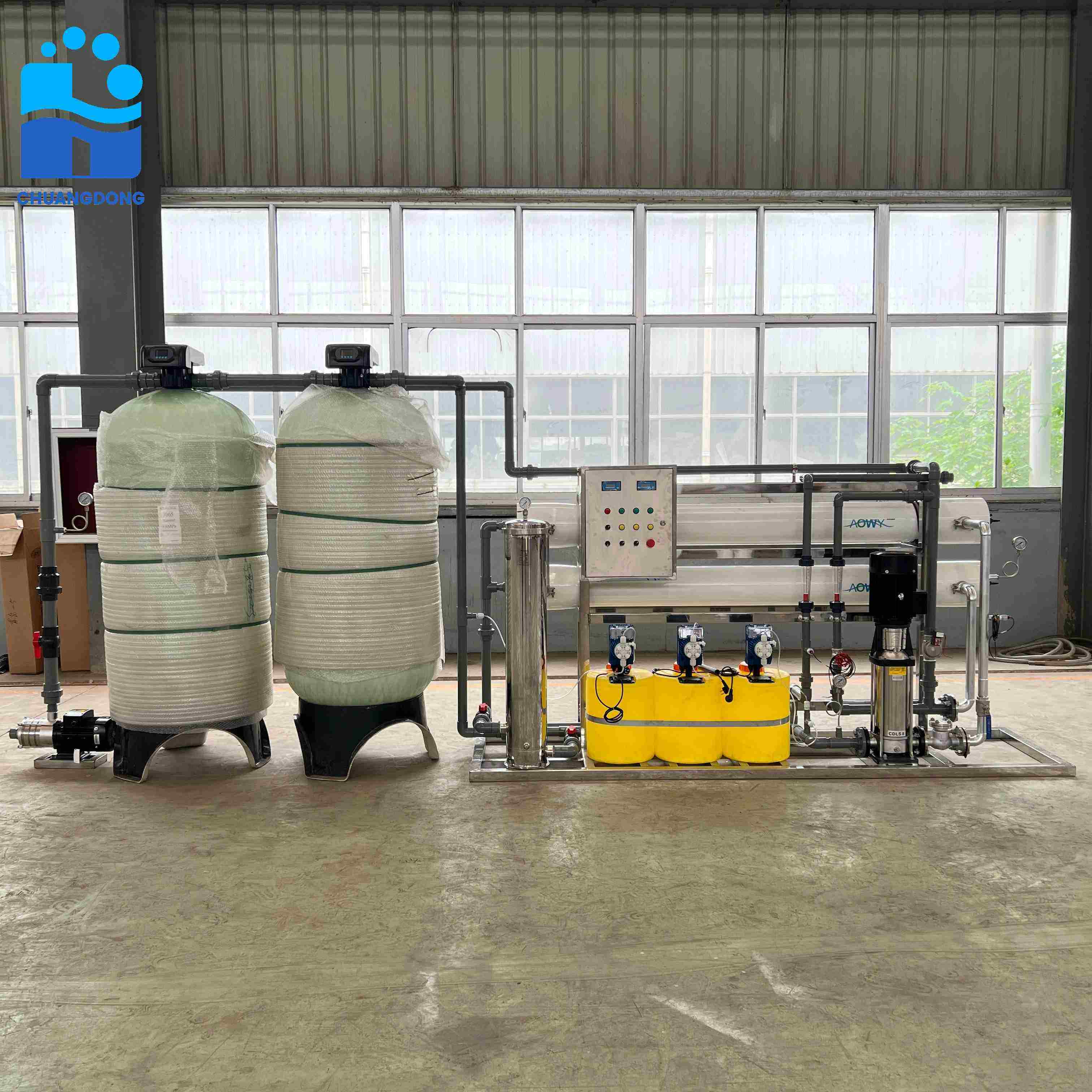
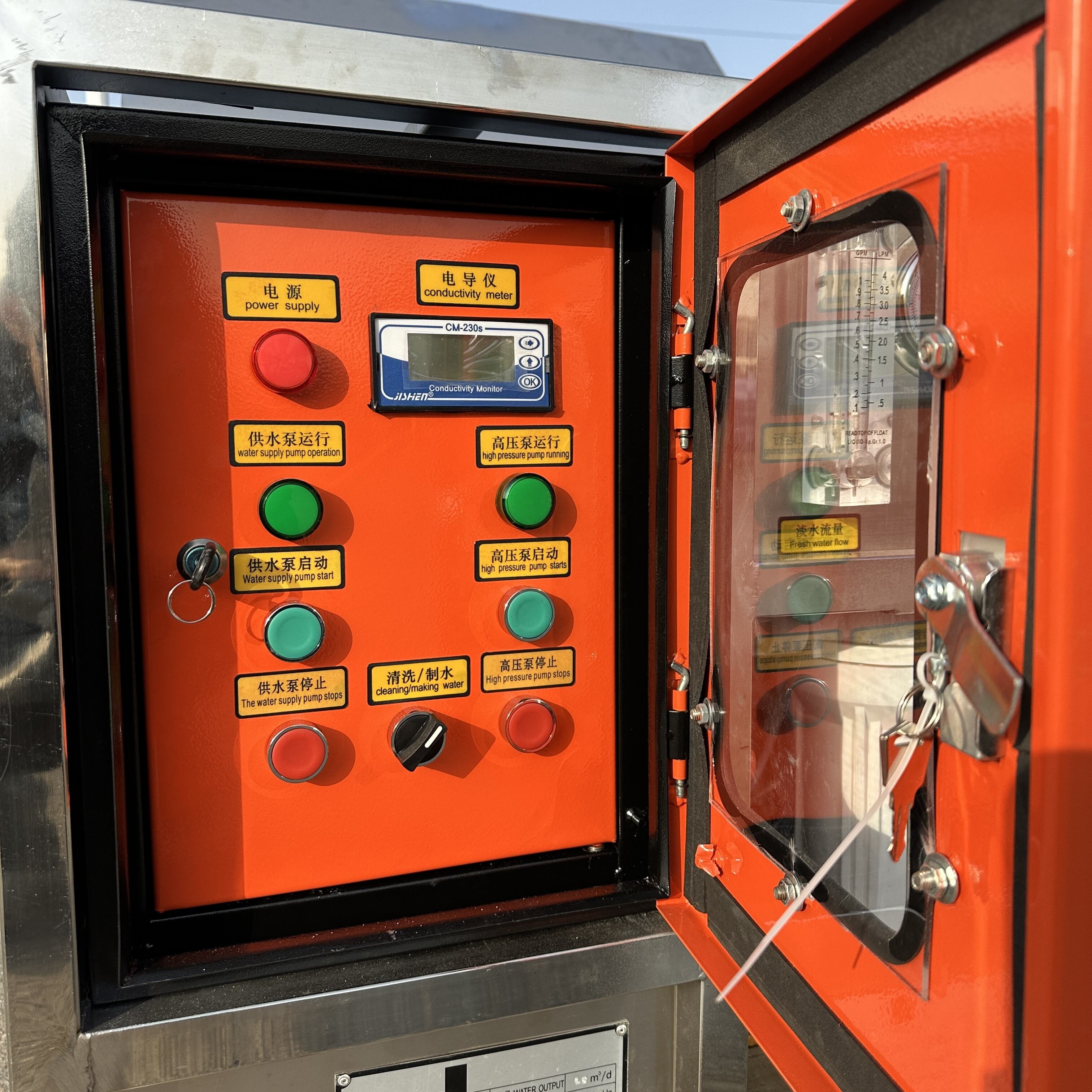
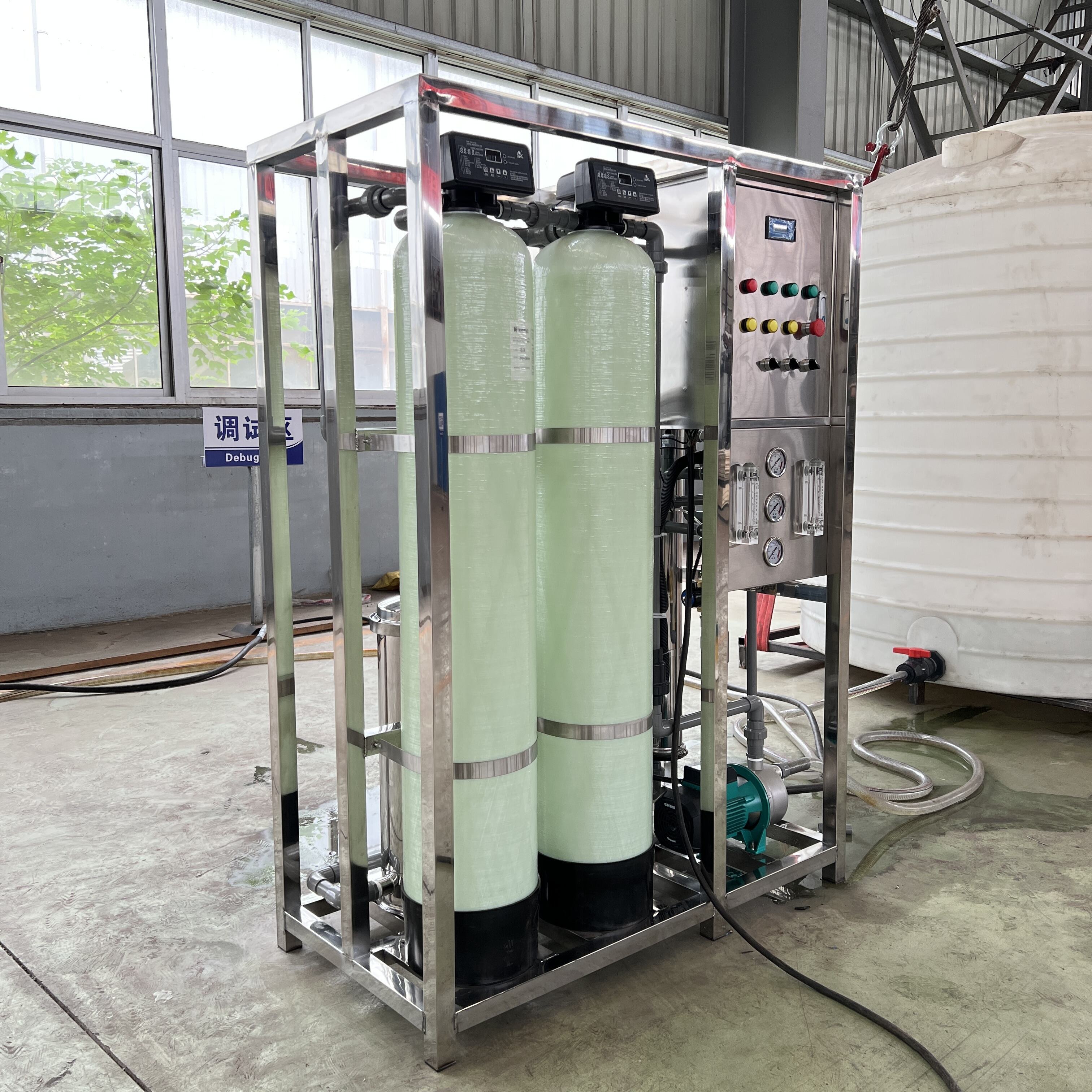
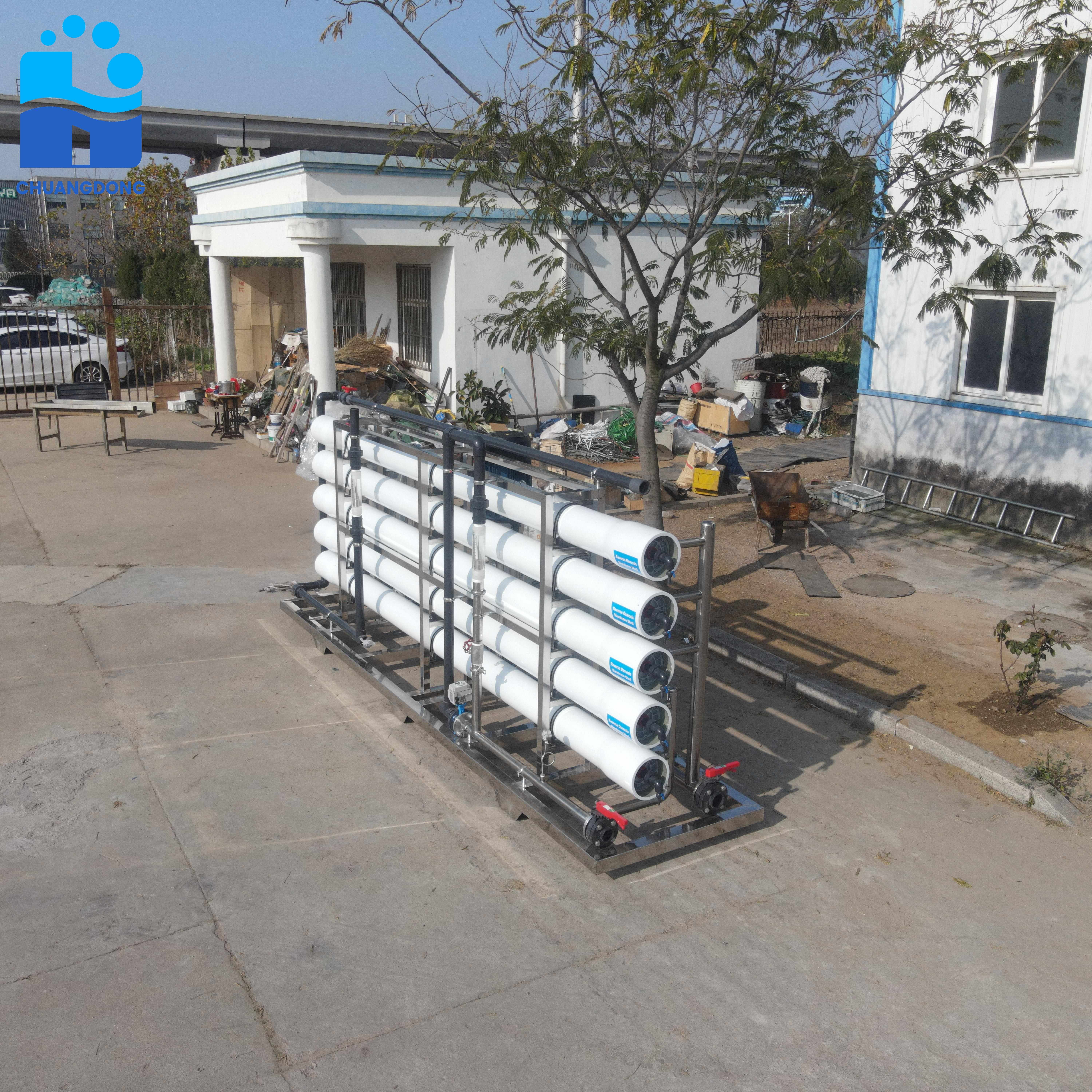
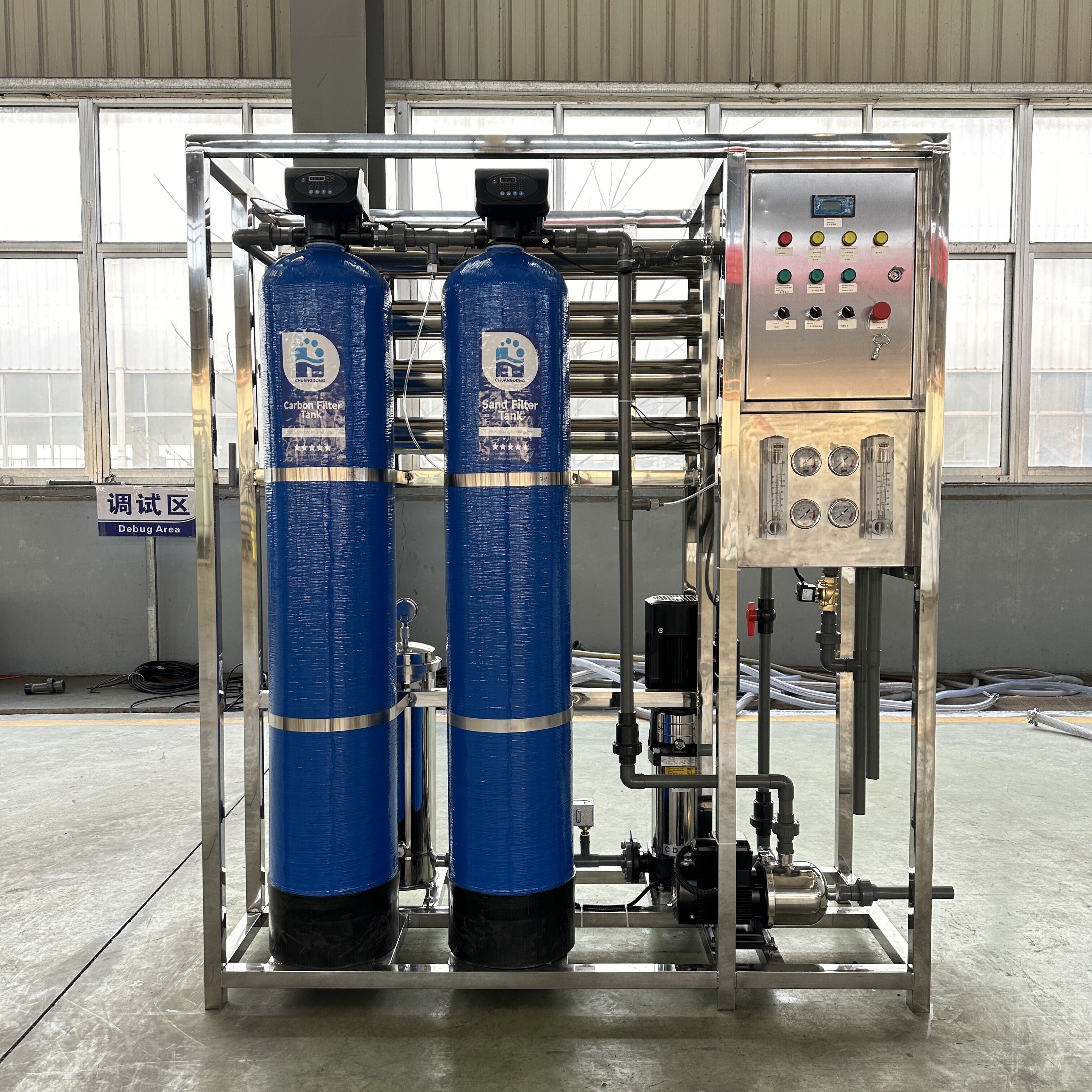
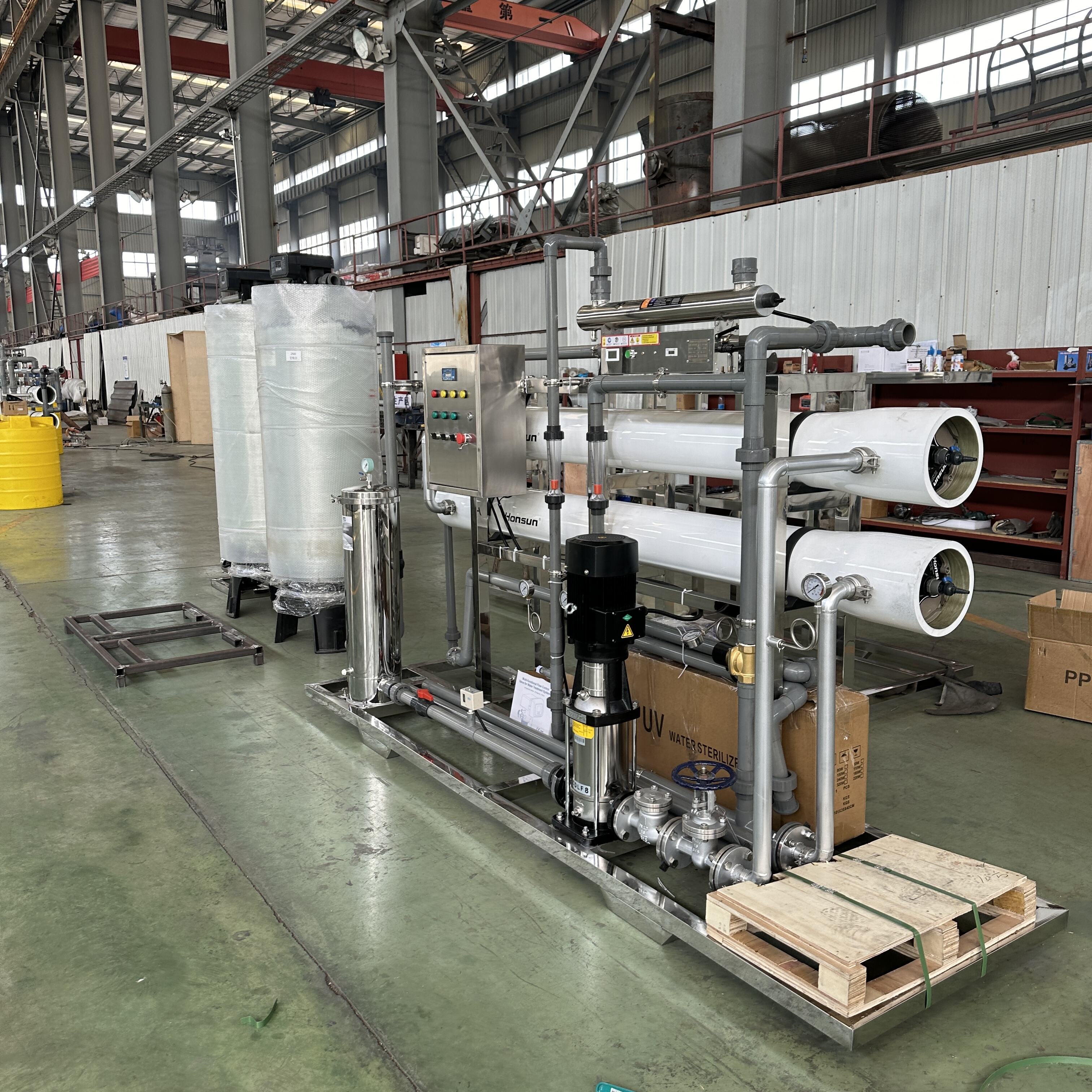
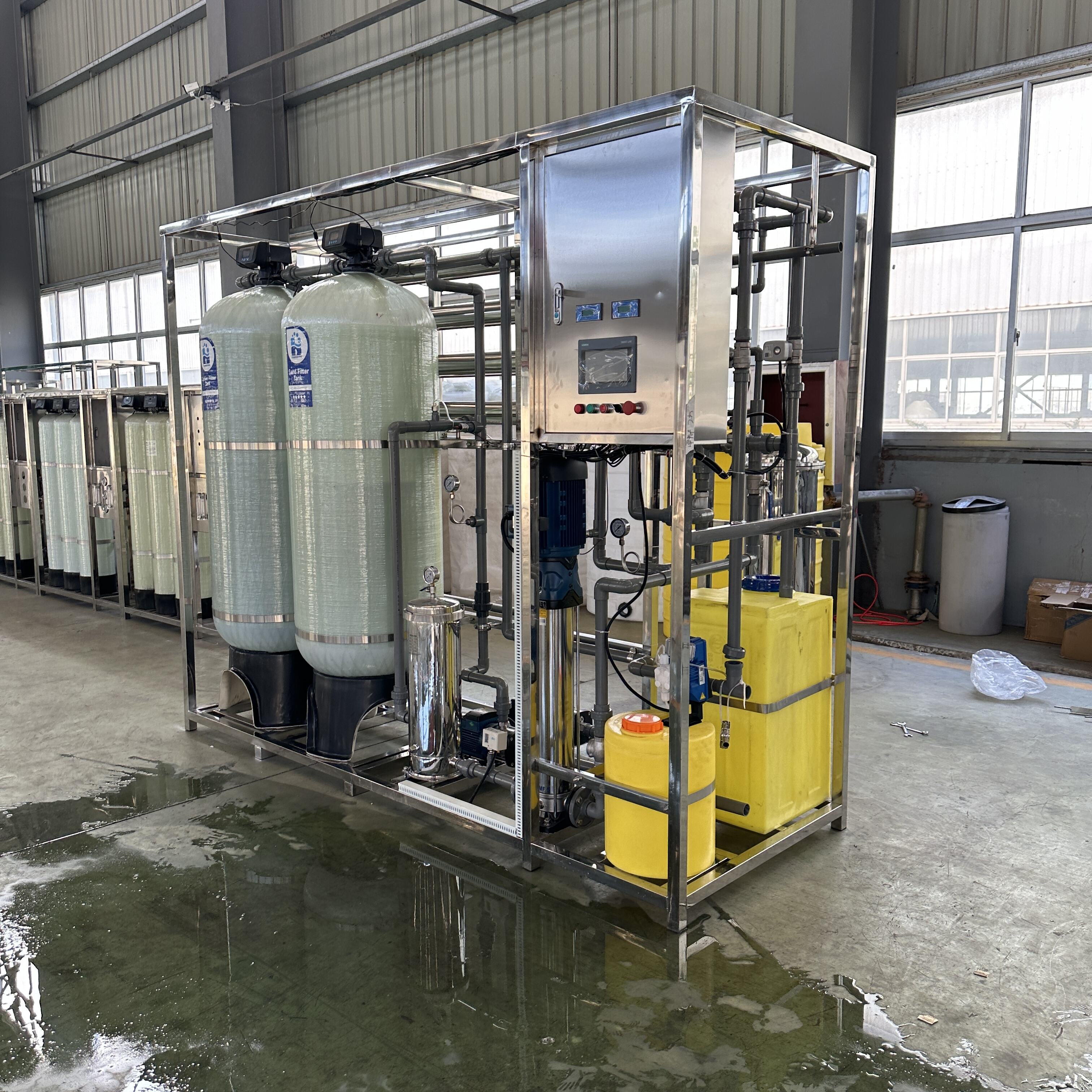
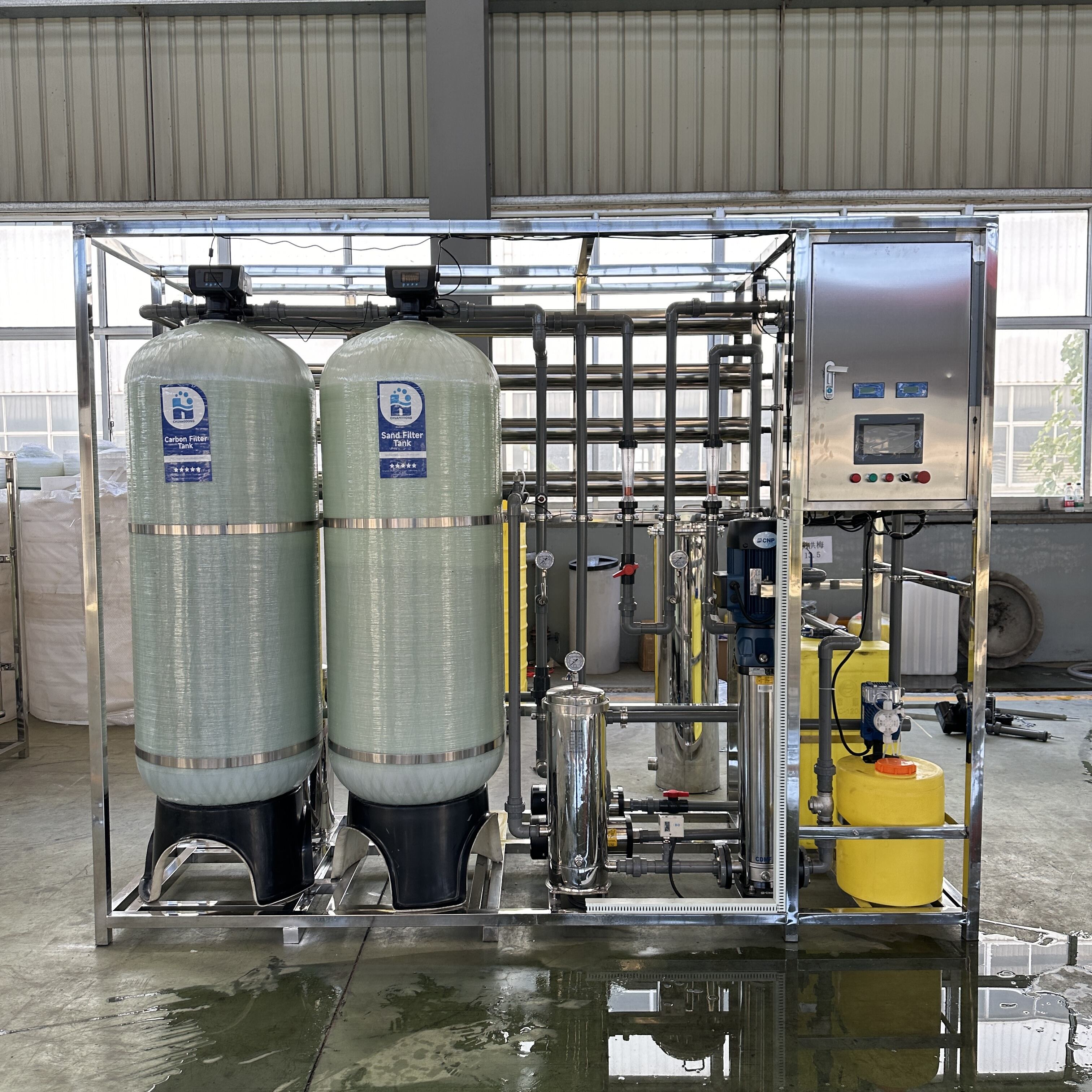
The best water treatment systems represent cutting-edge technology designed to deliver pure, safe, and great-tasting water for residential, commercial, and industrial applications. These sophisticated systems combine multiple purification methods to address various water quality issues, including sediment, chemicals, bacteria, viruses, heavy metals, and other contaminants that can affect health and taste. Modern water treatment systems utilize advanced filtration technologies such as reverse osmosis, activated carbon filtration, ultraviolet sterilization, and ion exchange processes to ensure comprehensive water purification. The best water treatment systems feature multi-stage filtration processes that systematically remove different types of contaminants through specialized filter media. These systems typically include pre-filtration stages that capture larger particles and sediments, followed by advanced filtration layers that target dissolved chemicals, chlorine, pesticides, and pharmaceutical residues. Many premium systems incorporate smart monitoring technology that tracks filter life, water quality parameters, and system performance in real-time. The technological features of top-tier water treatment systems include automatic flushing mechanisms that maintain filter efficiency, pressure gauges for system monitoring, and user-friendly control panels that display operational status. These systems often feature modular designs that allow for customization based on specific water quality needs and household requirements. Advanced models include smartphone connectivity for remote monitoring and maintenance alerts. The applications of the best water treatment systems span across various sectors, from residential homes seeking healthier drinking water to restaurants requiring consistent water quality for food preparation. Industrial facilities rely on these systems for manufacturing processes, while healthcare institutions depend on them for medical equipment and patient care. Educational facilities, hotels, and office buildings increasingly install comprehensive water treatment systems to provide safe, clean water for occupants and visitors.

New Products

The best water treatment systems offer numerous practical advantages that directly benefit users in their daily lives. These systems eliminate harmful contaminants including bacteria, viruses, heavy metals, chlorine, and chemical pollutants, providing peace of mind about water safety for families and employees. Users experience immediate improvements in water taste and odor, as advanced filtration removes chlorine and other chemicals that create unpleasant flavors and smells. This enhancement makes drinking water more enjoyable and encourages increased water consumption, supporting better hydration and health. Cost savings represent a significant advantage of installing the best water treatment systems. Households and businesses reduce expenses on bottled water purchases while eliminating the environmental impact of plastic waste. Long-term savings accumulate substantially, as treated tap water costs significantly less than purchasing bottled alternatives. These systems also protect appliances and plumbing fixtures by removing minerals and chemicals that cause buildup and corrosion, extending equipment lifespan and reducing repair costs. Health benefits from the best water treatment systems extend beyond contaminant removal. Families report improved skin and hair condition due to softer, cleaner water that reduces dryness and irritation. Children and adults with sensitive skin conditions often experience relief when using properly treated water for bathing and washing. The removal of chlorine and other harsh chemicals creates a gentler water environment that supports overall wellness. Convenience represents another major advantage, as these systems provide unlimited access to clean water directly from existing taps. Users avoid the hassle of purchasing, storing, and disposing of bottled water while enjoying consistent water quality regardless of municipal supply fluctuations. Advanced systems require minimal maintenance, with automated features that monitor filter life and system performance. Smart technology integration allows users to track water usage, filter status, and maintenance schedules through mobile applications, making system management effortless. The best water treatment systems also increase property values, as potential buyers recognize the long-term benefits and cost savings associated with installed water purification infrastructure.

Practical Tips

What Corrosion-Resistant Materials Are Used in Desalination Plant Construction?

06

Mar

What Corrosion-Resistant Materials Are Used in Desalination Plant Construction?

Desalination plants operate in some of the harshest environments imaginable, where saltwater constantly threatens the integrity of critical infrastructure. The selection of appropriate corrosion-resistant materials becomes paramount to ensuring long-...
View More
How Does a Water Purification System with Ion Exchange Soften Hard Water Effectively?

15

Mar

How Does a Water Purification System with Ion Exchange Soften Hard Water Effectively?

Hard water poses significant challenges for both residential and commercial applications, containing high concentrations of calcium and magnesium ions that cause scale buildup, reduce equipment efficiency, and affect water quality. A water purificati...
View More
How Does an RO Water Filter with a UV Sterilizer Provide Additional Protection Against Bacteria?

10

Mar

How Does an RO Water Filter with a UV Sterilizer Provide Additional Protection Against Bacteria?

Water contamination remains one of the most pressing concerns for homeowners and businesses seeking reliable water purification solutions. While traditional filtration methods offer basic protection, modern water treatment technology has evolved to p...
View More
Why Should Pharmaceutical QC Labs Use Ultrapure Water for HPLC and Mass Spectrometry?

18

Mar

Why Should Pharmaceutical QC Labs Use Ultrapure Water for HPLC and Mass Spectrometry?

Pharmaceutical quality control laboratories face increasingly stringent requirements for analytical accuracy and regulatory compliance. The foundation of reliable analytical results lies in the quality of water used throughout testing procedures. Ult...
View More

Get a Free Quote

Our representative will contact you soon.
Email
Name
Company Name
Message
0/1000

best water treatment systems

Advanced Multi-Stage Filtration Technology

Advanced Multi-Stage Filtration Technology

The cornerstone of the best water treatment systems lies in their sophisticated multi-stage filtration technology that addresses every aspect of water purification through carefully engineered processes. This comprehensive approach combines multiple filtration methods in a sequential arrangement, ensuring that each stage targets specific contaminant categories for maximum effectiveness. The initial pre-filtration stage captures sediment, rust particles, and larger debris that could damage downstream components while protecting the system's more delicate filtration elements. Activated carbon filtration follows, utilizing specially treated carbon media that attracts and absorbs chlorine, volatile organic compounds, pesticides, herbicides, and other chemical contaminants that affect taste and odor. The reverse osmosis membrane stage represents the heart of premium systems, featuring semi-permeable membranes with microscopic pores that block dissolved salts, heavy metals, bacteria, viruses, and pharmaceutical residues while allowing pure water molecules to pass through. Advanced systems incorporate additional specialty filters such as alkaline remineralization stages that restore beneficial minerals removed during purification, creating balanced, healthy water that supports optimal hydration. Ultraviolet sterilization components provide final pathogen destruction, using UV-C light wavelengths that deactivate bacteria, viruses, and other microorganisms without adding chemicals to the water. Smart monitoring technology integrated throughout these stages continuously assesses filtration performance, tracking flow rates, pressure differentials, and contaminant removal efficiency. Automated flushing cycles maintain membrane integrity and prevent biofilm formation, while predictive maintenance algorithms alert users before filter replacement becomes necessary. This technological sophistication ensures consistent water quality regardless of source water variations, seasonal changes, or municipal treatment fluctuations, providing reliable protection for families and businesses seeking the highest standards of water purity and safety.
Comprehensive Contaminant Removal Capabilities

Comprehensive Contaminant Removal Capabilities

The best water treatment systems excel in their ability to remove an extensive range of contaminants that threaten water quality and human health, utilizing scientifically proven methods to address both visible and invisible pollutants. These systems target physical contaminants such as sediment, rust, and particulates that cause cloudiness and affect water appearance, while simultaneously addressing dissolved chemicals including chlorine, chloramines, volatile organic compounds, and industrial pollutants that create unpleasant tastes and odors. Heavy metal removal capabilities protect against lead, mercury, cadmium, arsenic, and other toxic elements that can accumulate in the body over time, causing serious health complications. Biological contaminant elimination addresses bacteria, viruses, parasites, and cysts that pose immediate health risks, particularly for immune-compromised individuals, children, and elderly family members. Advanced systems remove pharmaceutical residues including antibiotics, hormones, and pain relievers that increasingly appear in municipal water supplies due to incomplete treatment processes. Pesticide and herbicide filtration protects against agricultural runoff contamination that affects many water sources, while fluoride removal options address concerns about excessive fluoride intake. The comprehensive approach extends to addressing emerging contaminants such as microplastics, PFAS chemicals, and endocrine disruptors that traditional treatment methods often miss. Specialized filter media combinations ensure broad-spectrum protection, with each component designed to target specific molecular sizes and chemical properties. Regular third-party testing and certification verify removal rates for hundreds of potential contaminants, providing documented proof of system effectiveness. This comprehensive protection creates confidence in water safety for all household uses, from drinking and cooking to bathing and cleaning, ensuring that every drop meets the highest purity standards for optimal health and wellness.
Smart Technology Integration and User-Friendly Operation

Smart Technology Integration and User-Friendly Operation

Modern best water treatment systems incorporate cutting-edge smart technology that revolutionizes user experience through intuitive operation, automated maintenance, and comprehensive monitoring capabilities. Intelligent control systems continuously monitor water quality parameters, flow rates, filter performance, and system efficiency, providing real-time data that ensures optimal operation without requiring technical expertise from users. Smartphone applications connect wirelessly to system controllers, allowing remote monitoring of filter life, maintenance schedules, water usage patterns, and quality metrics from anywhere. Push notifications alert users to filter replacement needs, system maintenance requirements, or performance issues before they affect water quality, preventing interruptions and maintaining consistent purification effectiveness. Automated flushing cycles optimize filter performance by removing accumulated contaminants and preventing membrane fouling, extending component life and maintaining peak efficiency without user intervention. Digital displays show system status, water quality indicators, and operational parameters in easy-to-understand formats, eliminating guesswork about system performance. Smart leak detection sensors monitor for potential issues and automatically shut off water flow to prevent damage, providing peace of mind for homeowners and business operators. Advanced systems learn usage patterns and adapt operation schedules to optimize efficiency and minimize waste, reducing environmental impact while maintaining performance. Integration with home automation systems allows coordination with other smart devices, creating seamless operation within modern connected environments. User-friendly interface design makes system operation accessible to all family members, with simple controls for adjusting settings or accessing information. Remote diagnostic capabilities enable technical support teams to troubleshoot issues without requiring on-site visits, reducing service costs and minimizing downtime. This technological integration transforms water treatment from a passive utility into an active, intelligent system that adapts to user needs while providing superior performance and convenience.

Get a Free Quote

Our representative will contact you soon.
Email
Name
Company Name
Message
0/1000