 EN
EN



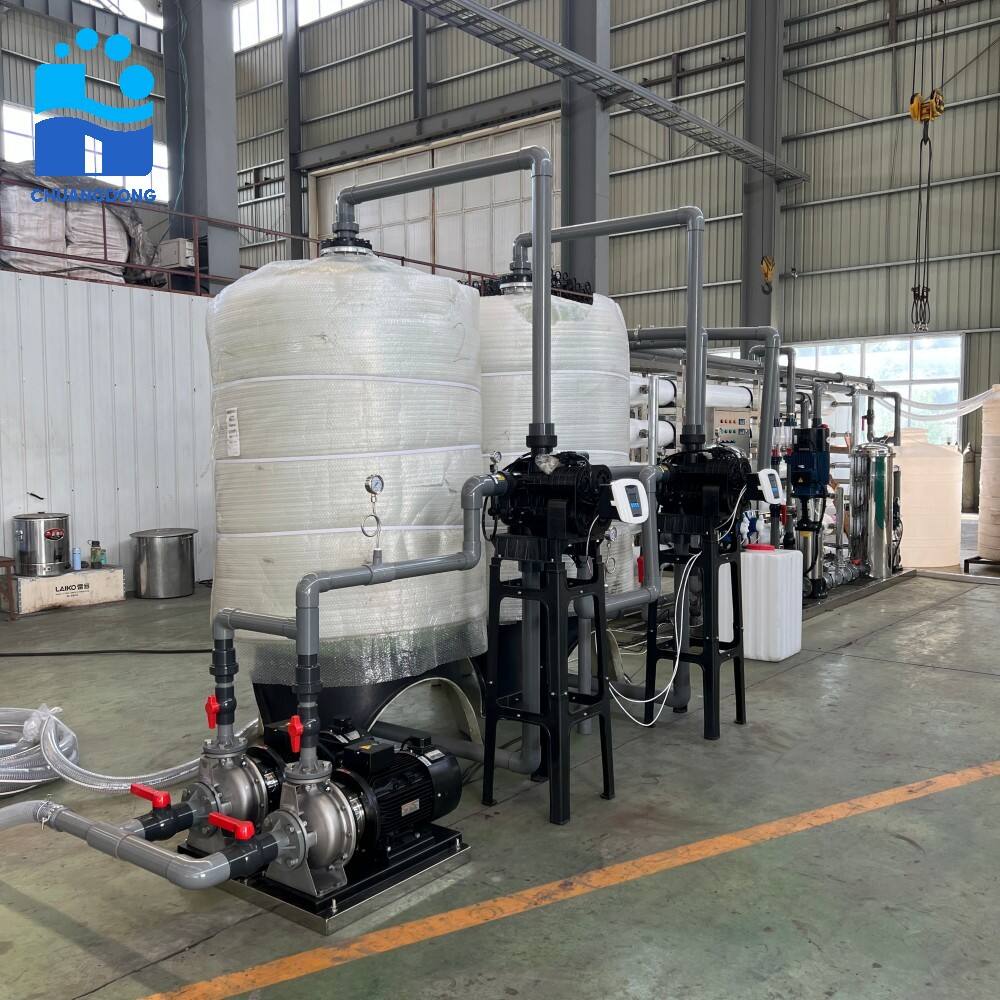
Water quality concerns extend beyond visible contaminants and microbiological safety to include sensory characteristics that directly affect consumer acceptance and satisfaction. Even when water meets regulatory standards for chemical and biological purity, unpleasant taste and odor can render it unpalatable for drinking, cooking, and various commercial applications. A water treatment system with activated carbon addresses these sensory issues through sophisticated physical and chemical mechanisms that target the molecular compounds responsible for unwanted flavors and smells. Understanding how these systems work reveals why activated carbon has become an indispensable component in modern water purification infrastructure across residential, commercial, and industrial settings.
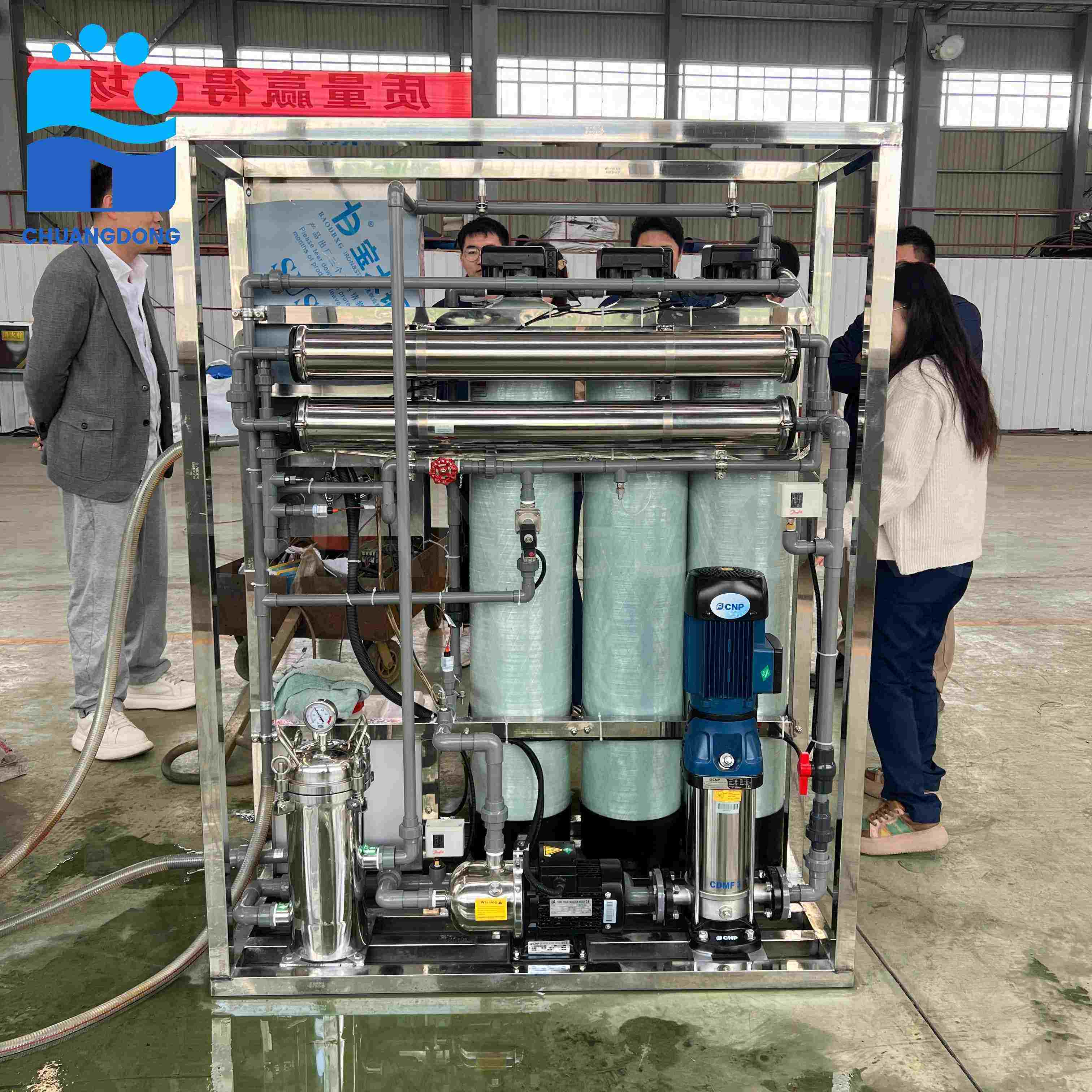
The effectiveness of activated carbon in removing taste and odor compounds stems from its unique porous structure and surface chemistry, which enable it to trap and retain organic molecules that conventional filtration methods cannot eliminate. This article explores the specific mechanisms by which a water treatment system with activated carbon transforms problematic water into clean, pleasant-tasting drinking water, examining the adsorption process, the types of contaminants removed, system design considerations, and the practical benefits for various water treatment applications. By examining these technical aspects alongside real-world performance factors, water system operators and decision-makers can better understand how to leverage activated carbon technology for optimal taste and odor control.
The Scientific Foundation of Activated Carbon Adsorption
Understanding the Unique Structure of Activated Carbon
Activated carbon possesses an extraordinarily high surface area concentrated within a relatively small volume, typically ranging from 500 to 1500 square meters per gram depending on the activation process and raw material source. This immense internal surface area results from a complex network of microscopic pores categorized into macropores, mesopores, and micropores, each serving distinct functions in the adsorption process. The activation process, whether through thermal or chemical treatment, creates this porous structure by removing volatile compounds from carbon-rich materials like coconut shells, coal, or wood, leaving behind a highly porous carbon matrix with millions of internal cavities and channels.
The pore size distribution within activated carbon determines which contaminant molecules can be effectively captured. Micropores with diameters less than 2 nanometers provide the majority of adsorptive surface area and are particularly effective at capturing small organic molecules responsible for taste and odor issues. Mesopores ranging from 2 to 50 nanometers facilitate the transport of molecules into the carbon structure, while macropores larger than 50 nanometers serve primarily as highways allowing contaminants to access the interior pore network. A water treatment system with activated carbon leverages this hierarchical pore structure to maximize contact between water and adsorptive surfaces.
The Adsorption Mechanism for Taste and Odor Compounds
Adsorption differs fundamentally from absorption in that contaminant molecules adhere to the surface of the activated carbon rather than being absorbed into its bulk structure. This process occurs through physical adsorption driven by van der Waals forces, where weak molecular attractions draw organic compounds from the water phase onto the carbon surface. The effectiveness of this process depends on several factors including the molecular size and structure of the contaminant, water temperature, pH levels, and the presence of competing compounds that might occupy adsorption sites.
Organic compounds that cause taste and odor problems typically possess characteristics that make them highly adsorbable by activated carbon, including low solubility in water, non-polar or weakly polar molecular structures, and molecular weights between 50 and 3000 Daltons. Common taste and odor compounds like geosmin, 2-methylisoborneol, chlorophenols, and various volatile organic compounds fall within this ideal range for adsorption. When water flows through a water treatment system with activated carbon, these molecules migrate from the bulk water phase into the carbon pores where they become trapped on the extensive internal surface area, effectively removing them from the treated water stream.
Chemical Surface Properties Enhancing Removal Efficiency
Beyond its physical structure, the chemical nature of activated carbon surfaces contributes significantly to taste and odor removal capabilities. The carbon surface contains various functional groups including carboxyls, carbonyls, phenols, and lactones that can interact with contaminant molecules through specific chemical mechanisms. These surface oxide groups influence the carbon's affinity for different types of organic compounds and affect the overall adsorption capacity under varying water chemistry conditions.
The surface chemistry of activated carbon can be modified during manufacturing or through post-activation treatments to enhance removal of specific contaminant classes. Acidic surface groups tend to repel negatively charged molecules while attracting positively charged species, whereas basic surface treatments create opposite effects. For taste and odor control applications, manufacturers often optimize activated carbon to have surface characteristics that maximize adsorption of the most problematic organic compounds encountered in drinking water sources. This customization allows a water treatment system with activated carbon to be tailored for specific water quality challenges encountered in different geographical regions or industrial applications.
Specific Taste and Odor Contaminants Removed by Activated Carbon
Natural Organic Compounds from Biological Activity
Many taste and odor problems in water supplies originate from metabolic byproducts of algae, bacteria, and actinomycetes that proliferate in surface water sources during certain seasonal conditions. Geosmin and 2-methylisoborneol represent the most notorious of these compounds, producing earthy and musty odors detectable by human senses at concentrations as low as 10 nanograms per liter. These secondary metabolites released by microorganisms can persist in water even after the organisms themselves have been removed through conventional filtration and disinfection processes.
A water treatment system with activated carbon demonstrates exceptional effectiveness in removing these biologically-generated taste and odor compounds due to their molecular characteristics and low water solubility. The compact molecular structures of geosmin and 2-methylisoborneol allow them to penetrate deep into the micropore network of activated carbon where they become firmly adsorbed. Field studies consistently show that properly designed activated carbon contactors can reduce these compounds from problematic concentrations to levels below sensory detection thresholds, even when conventional treatment processes have proven ineffective.
Chlorination Byproducts and Disinfection-Related Issues
While chlorine serves as an essential disinfectant for ensuring microbiological safety, it frequently contributes to taste and odor complaints through several mechanisms. Free chlorine itself imparts a characteristic medicinal or swimming pool taste at concentrations above 0.3 milligrams per liter, well below levels commonly maintained in distribution systems for residual disinfection protection. More problematic are chlorophenolic compounds formed when chlorine reacts with naturally occurring phenolic substances in source water, creating intensely unpleasant tastes detectable at parts per trillion concentrations.
Activated carbon excels at removing both free chlorine and chlorinated organic compounds through catalytic reduction and adsorption mechanisms. The carbon surface acts as a catalyst facilitating the breakdown of chlorine molecules, while the porous structure simultaneously captures chlorophenols and other chlorinated taste compounds. A water treatment system with activated carbon positioned as a final polishing step can eliminate residual chlorine and its reaction products just before water reaches the point of use, ensuring that consumers receive water free from disinfection-related taste and odor issues while maintaining microbiological safety throughout the distribution system.
Industrial and Agricultural Contaminants Affecting Sensory Quality
Anthropogenic sources contribute numerous organic compounds that compromise water taste and odor, including petroleum derivatives, solvents, pesticides, and industrial chemical residues. These contaminants may enter water supplies through agricultural runoff, industrial discharges, fuel spills, or leaching from contaminated soils. Many synthetic organic chemicals possess low odor thresholds meaning they create noticeable taste or smell problems at concentrations far below levels that pose health concerns, making their removal important for consumer acceptance even when water meets safety standards.
The diverse molecular structures of industrial contaminants require comprehensive treatment approaches, and activated carbon provides broad-spectrum removal capabilities for most organic compounds encountered in contaminated water sources. Volatile organic compounds like benzene, toluene, and trichloroethylene adsorb effectively onto activated carbon surfaces, as do semi-volatile pesticides and herbicides commonly used in agricultural operations. A water treatment system with activated carbon offers particular advantages in areas where water sources are vulnerable to multiple contamination pathways, providing a reliable barrier against various taste and odor producing chemicals regardless of their specific origin or chemical classification.
System Design Factors Influencing Taste and Odor Removal Performance
Contact Time and Flow Rate Considerations
The effectiveness of activated carbon in removing taste and odor compounds depends critically on sufficient contact time between contaminated water and the carbon media. This relationship follows principles of mass transfer kinetics, where contaminant molecules require time to diffuse from the bulk water phase through the boundary layer surrounding carbon particles and into the internal pore structure. Insufficient contact time results in incomplete adsorption as water passes through the system before equilibrium can be established between dissolved contaminants and available adsorption sites.
Design engineers specify empty bed contact time, typically measured in minutes, as a key parameter when sizing activated carbon contactors for taste and odor control applications. Minimum contact times generally range from five to fifteen minutes depending on the specific contaminants being targeted and the desired removal efficiency. A water treatment system with activated carbon must balance flow rate requirements against contact time needs, often using multiple contactors in parallel to achieve necessary treatment capacity while maintaining adequate residence time. Proper hydraulic design ensures uniform flow distribution through the carbon bed, preventing channeling or short-circuiting that would reduce effective contact and compromise removal performance.
Carbon Type Selection and Media Characteristics
Different activated carbon products exhibit varying performance characteristics based on their raw material source, activation method, and physical properties. Granular activated carbon derived from coconut shells typically offers higher hardness and micropore volume compared to coal-based products, making it particularly effective for removing small molecular weight taste and odor compounds. Coal-based activated carbons provide broader pore size distributions with more mesopore volume, which can be advantageous when treating water containing larger organic molecules or when rapid adsorption kinetics are required.
Particle size distribution affects both hydraulic and adsorption performance in a water treatment system with activated carbon. Smaller particles provide more external surface area and shorter diffusion paths, accelerating adsorption kinetics but also increasing pressure drop and the risk of fine carbon particles escaping into treated water. Standard mesh sizes for granular activated carbon in drinking water applications typically range from 8x30 to 12x40, representing a compromise between adsorption efficiency and hydraulic practicality. Manufacturers also produce catalytic activated carbons with enhanced surface properties for specific applications like chloramine removal, expanding the range of taste and odor issues that can be effectively addressed.
Pre-treatment Requirements and Water Quality Impacts
The performance and longevity of activated carbon systems depend significantly on the quality of water entering the carbon contactors. Suspended solids, turbidity, and biological matter can coat carbon particles, blocking pore openings and reducing available surface area for adsorption of taste and odor compounds. Iron and manganese, common in groundwater sources, can precipitate within the carbon bed creating fouling that diminishes capacity and increases pressure drop. Biological growth within carbon beds can consume adsorbed organic matter and potentially create new taste and odor problems if not properly controlled.
Effective pre-treatment protects activated carbon investment and ensures consistent taste and odor removal over extended service periods. Upstream filtration removes particulate matter that would otherwise accumulate in carbon beds, while oxidation processes precipitate dissolved metals before they can foul the carbon media. Some water treatment system with activated carbon configurations incorporate biological activated carbon operation where controlled microbial activity on the carbon surface enhances removal of biodegradable organics, though this approach requires careful monitoring to prevent excessive biological growth that could compromise water quality. Understanding the interaction between source water characteristics and activated carbon performance allows system designers to implement appropriate pre-treatment steps that maximize both removal efficiency and carbon service life.
Operational Considerations for Sustained Taste and Odor Control
Monitoring Carbon Bed Performance and Breakthrough Detection
Activated carbon beds progressively lose capacity as adsorption sites become occupied by contaminant molecules, eventually reaching a point where taste and odor compounds begin passing through the system without adequate removal. This phenomenon, termed breakthrough, represents a critical operational concern requiring systematic monitoring to detect before treated water quality becomes unacceptable. The timing of breakthrough depends on influent contaminant concentrations, carbon quality, bed depth, flow rate, and the presence of competing organic compounds that may occupy adsorption sites.
Establishing an effective monitoring program for a water treatment system with activated carbon involves both analytical testing and sensory evaluation. Laboratory analysis can quantify specific compounds like geosmin or chloroform, providing objective data on removal efficiency trends over time. However, sensory assessment through odor threshold testing often provides the most relevant information for taste and odor control applications, as human sensory perception represents the ultimate measure of treatment success. Operators typically implement tiered monitoring approaches with frequent sensory checks supplemented by periodic analytical testing of key indicator compounds, allowing early detection of declining performance before customer complaints occur.
Carbon Replacement Strategies and Economic Optimization
Determining the optimal timing for activated carbon replacement or regeneration requires balancing water quality objectives against operational costs. Operating carbon beds to complete exhaustion maximizes utilization efficiency but risks taste and odor breakthrough events that can damage consumer confidence. Conversely, replacing carbon too frequently ensures consistent removal performance but unnecessarily increases treatment costs. The most economical approach depends on specific site conditions including influent water quality variability, the consequences of breakthrough events, carbon pricing, and the availability of regeneration services.
Many large-scale facilities employ performance-based replacement strategies where carbon change-out timing is determined by measured removal efficiency declining below predetermined thresholds rather than fixed time intervals. This approach requires robust monitoring data but optimizes carbon utilization while maintaining quality assurance. A water treatment system with activated carbon may also incorporate parallel contactors operated in lead-lag configuration, where the lead unit provides primary treatment while the lag unit serves as a safety backup, with units rotated periodically to maximize carbon use efficiency. Some operations utilize virgin carbon in the lag position and transfer it to lead position after the exhausted lead unit is recharged with fresh media, extracting maximum value from each carbon charge.
Regeneration Options and Sustainability Considerations
Spent activated carbon represents both a waste management challenge and a potential resource recovery opportunity depending on site-specific circumstances. Off-site thermal regeneration services can restore 80-90 percent of original adsorption capacity by heating exhausted carbon to temperatures exceeding 800 degrees Celsius, volatilizing adsorbed organic compounds and partially restoring the pore structure. This approach reduces the environmental impact of activated carbon use and can provide cost savings compared to virgin carbon replacement, particularly for large facilities consuming significant carbon quantities annually.
The economic viability of regeneration depends on transportation distances to regeneration facilities, minimum shipment quantities, and the degree of carbon fouling from non-regenerable contaminants like metals or inorganic matter. Some specialized applications may preclude regeneration due to the nature of adsorbed contaminants or regulatory restrictions on reusing carbon that has contacted certain compounds. For facilities where regeneration proves impractical, spent activated carbon may find beneficial reuse in applications like soil amendment, industrial odor control, or wastewater treatment where the remaining adsorption capacity provides value despite being insufficient for drinking water applications. Sustainable management practices for a water treatment system with activated carbon consider the full lifecycle of the carbon media from raw material sourcing through end-of-life disposition.
Practical Benefits and Application Scenarios
Municipal Drinking Water Treatment Applications
Municipal water utilities face increasing challenges maintaining consistent taste and odor quality as source water conditions fluctuate with seasonal changes, weather events, and long-term environmental trends. Algal blooms triggered by nutrient enrichment create periodic spikes in geosmin and 2-methylisoborneol concentrations that overwhelm conventional treatment processes. Drought conditions concentrate organic matter and increase the formation of taste-causing disinfection byproducts. A water treatment system with activated carbon provides utilities with a reliable defense against these diverse challenges, capable of removing a broad spectrum of taste and odor compounds regardless of their specific chemical nature or seasonal occurrence patterns.
Implementation approaches vary based on utility size, source water characteristics, and infrastructure constraints. Large treatment plants typically incorporate granular activated carbon contactors as dedicated process units positioned after conventional filtration and disinfection, allowing optimization of carbon contact time and systematic media replacement. Smaller systems may utilize activated carbon in dual-media filters that combine carbon with sand or anthracite for simultaneous particle removal and taste and odor control. Point-of-entry treatment systems for small communities or individual buildings often employ pressurized carbon vessels that can be installed with minimal infrastructure modifications, bringing the benefits of activated carbon treatment to settings where large-scale process units are impractical.
Commercial and Industrial Water Quality Enhancement
Businesses whose operations depend on high-quality water for product manufacturing, food service, or customer satisfaction applications often require taste and odor control beyond what municipal treatment provides. Restaurants and coffee shops recognize that subtle off-flavors in water affect beverage quality and customer perception, making point-of-use treatment with activated carbon a standard best practice in the hospitality industry. Pharmaceutical and electronics manufacturers require ultrapure water free from organic contaminants that could interfere with sensitive production processes, relying on multi-stage treatment trains that incorporate activated carbon as an essential purification step.
Commercial facilities benefit from the compact footprint and modular scalability that modern activated carbon systems offer. A water treatment system with activated carbon can be sized precisely to match specific flow requirements and contaminant removal objectives, with standard equipment available for capacities ranging from several gallons per minute to hundreds of gallons per minute. Turnkey systems integrate pre-filtration, activated carbon contactors, and post-treatment components in skid-mounted configurations that simplify installation and operation. For businesses operating multiple locations, standardized activated carbon treatment ensures consistent water quality across all sites, supporting brand reputation and operational consistency regardless of local source water variations.
Residential Point-of-Use and Point-of-Entry Systems
Homeowners increasingly seek solutions for taste and odor issues that conventional municipal treatment does not fully address, driving growing adoption of residential activated carbon filtration. Point-of-use systems installed at individual faucets or refrigerator water lines provide localized treatment for drinking and cooking water, while whole-house point-of-entry systems treat all water entering the residence including supplies for bathing and laundry. The choice between approaches depends on the scope of water quality concerns, budget considerations, and whether taste and odor issues affect only consumption or extend to other household uses.
Residential water treatment system with activated carbon products range from simple pitcher filters and faucet-mounted units to sophisticated multi-stage systems incorporating sediment pre-filtration, activated carbon blocks or granular beds, and post-filters for final polishing. Carbon block filters featuring compressed activated carbon powder offer enhanced contaminant removal and longer service life compared to loose granular media in small form factors. Regular maintenance including timely filter replacement remains essential for consistent performance, as exhausted carbon loses effectiveness and may harbor bacterial growth. Consumer education about proper system selection, installation, and maintenance helps homeowners realize the full benefits of activated carbon technology for taste and odor improvement.
FAQ
How long does activated carbon remain effective in removing taste and odor compounds?
The service life of activated carbon in taste and odor removal applications varies widely based on influent water quality, contaminant concentrations, flow rate, and carbon bed design. Under typical municipal water treatment conditions with moderate organic loading, granular activated carbon beds may provide effective taste and odor control for six months to two years before requiring replacement or regeneration. Systems treating water with high organic content or elevated concentrations of specific taste compounds may exhaust carbon capacity in weeks or months, while applications with very clean source water could extend service intervals beyond two years. Regular monitoring of treated water quality provides the most reliable indication of when carbon replacement is needed, as performance degradation typically occurs gradually before reaching breakthrough. Residential point-of-use filters generally require replacement every two to six months depending on water usage and quality, with specific guidance provided by equipment manufacturers.
Can a water treatment system with activated carbon remove all types of taste and odor problems?
Activated carbon demonstrates exceptional effectiveness against organic compounds responsible for the vast majority of taste and odor complaints in drinking water, including earthy and musty odors from algae byproducts, chlorine taste from disinfection, and various industrial contaminants. However, certain taste and odor issues fall outside the removal capabilities of activated carbon technology. Inorganic compounds like hydrogen sulfide, which creates a rotten egg odor, require oxidation or specialized chemical treatment rather than adsorption. Some taste issues stem from excessive mineral content, particularly dissolved solids, hardness, or specific ions that are not effectively removed by activated carbon. Temperature-related taste perception changes and metallic tastes from plumbing materials may persist despite carbon treatment. Understanding the specific cause of taste and odor problems through water testing helps determine whether activated carbon alone will solve the issue or if complementary treatment processes are needed.
Does activated carbon treatment affect beneficial minerals in drinking water?
A water treatment system with activated carbon selectively removes organic compounds and certain inorganic contaminants through adsorption mechanisms that have minimal impact on dissolved minerals naturally present in drinking water. Calcium, magnesium, sodium, potassium, and other essential minerals remain largely unaffected by passage through activated carbon beds because these ionic species exist as dissolved salts with chemical characteristics that do not favor adsorption onto carbon surfaces. This selective removal pattern allows activated carbon to eliminate taste and odor causing compounds while preserving the mineral content that contributes to water taste, potential health benefits, and corrosion control in distribution systems. In contrast to reverse osmosis or distillation processes that remove both organic contaminants and beneficial minerals, activated carbon provides targeted treatment that addresses sensory quality issues without demineralizing water or requiring remineralization as a post-treatment step.
What maintenance requirements are necessary to ensure continued taste and odor removal performance?
Maintaining optimal performance from a water treatment system with activated carbon requires attention to several operational factors beyond periodic media replacement. Regular backwashing of granular activated carbon beds removes accumulated particulate matter, prevents excessive pressure buildup, and maintains uniform flow distribution through the carbon media. Monitoring and recording operational parameters including flow rates, pressure differential across the carbon bed, and treated water quality helps identify developing performance issues before they compromise taste and odor removal. For systems with biological activity potential, periodic disinfection may be necessary to control microbial growth that could create new taste and odor problems or reduce carbon effectiveness. Pre-filter elements protecting activated carbon units require inspection and replacement according to manufacturer specifications to prevent fouling of the downstream carbon media. Keeping detailed maintenance records and establishing standard operating procedures ensures consistent system performance and helps optimize carbon replacement timing for economic efficiency while maintaining water quality objectives.
Table of Contents
- The Scientific Foundation of Activated Carbon Adsorption
- Specific Taste and Odor Contaminants Removed by Activated Carbon
- System Design Factors Influencing Taste and Odor Removal Performance
- Operational Considerations for Sustained Taste and Odor Control
- Practical Benefits and Application Scenarios
-
FAQ
- How long does activated carbon remain effective in removing taste and odor compounds?
- Can a water treatment system with activated carbon remove all types of taste and odor problems?
- Does activated carbon treatment affect beneficial minerals in drinking water?
- What maintenance requirements are necessary to ensure continued taste and odor removal performance?