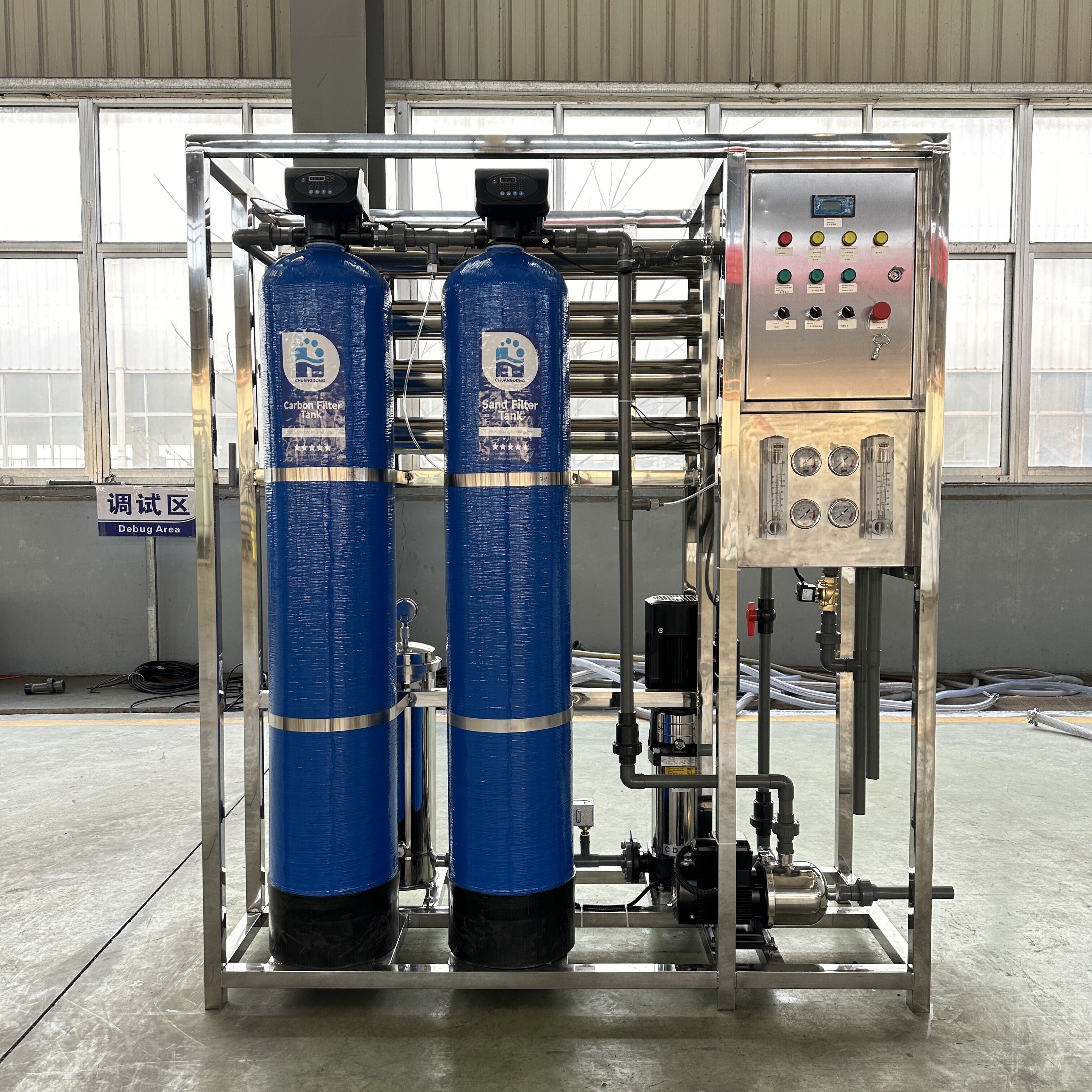
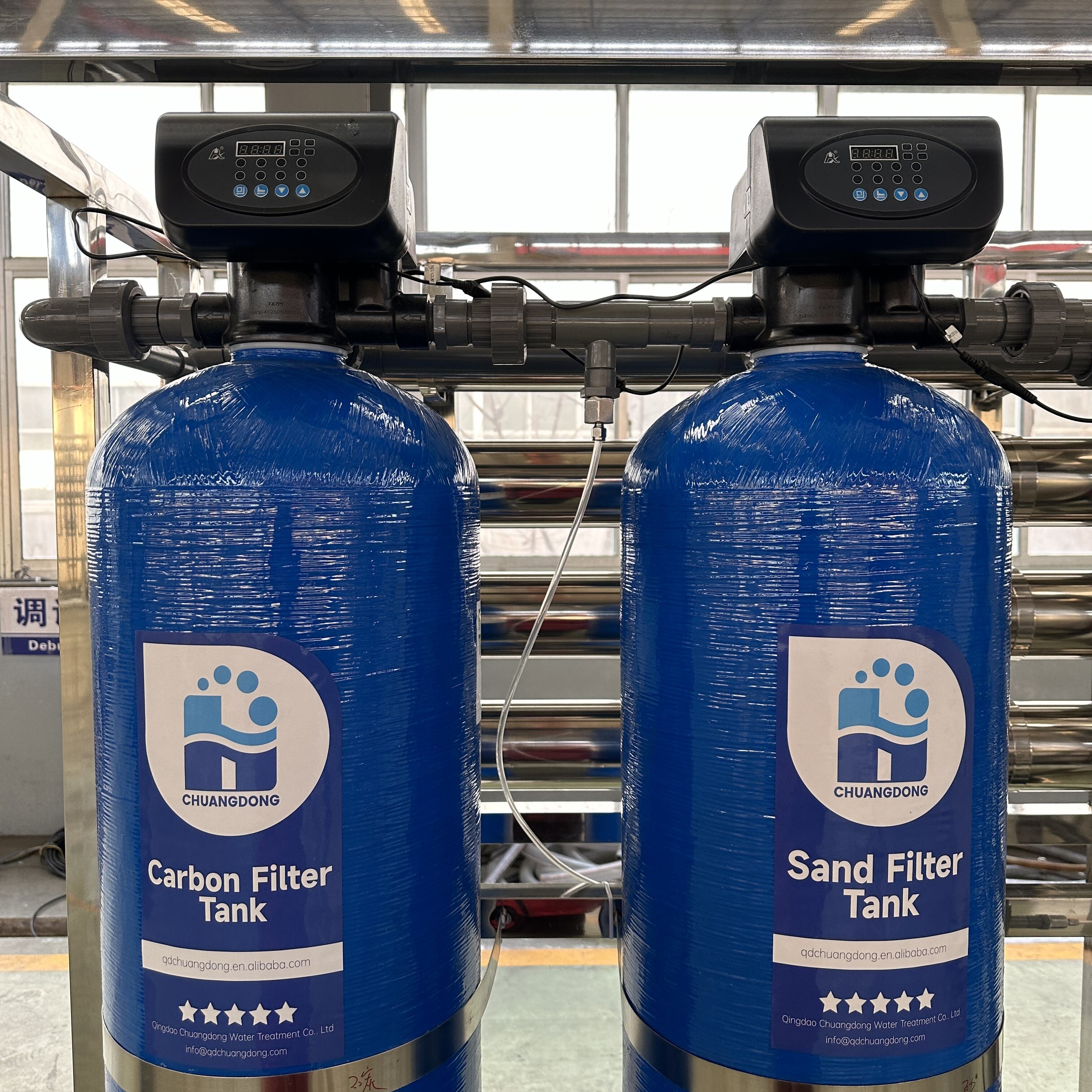
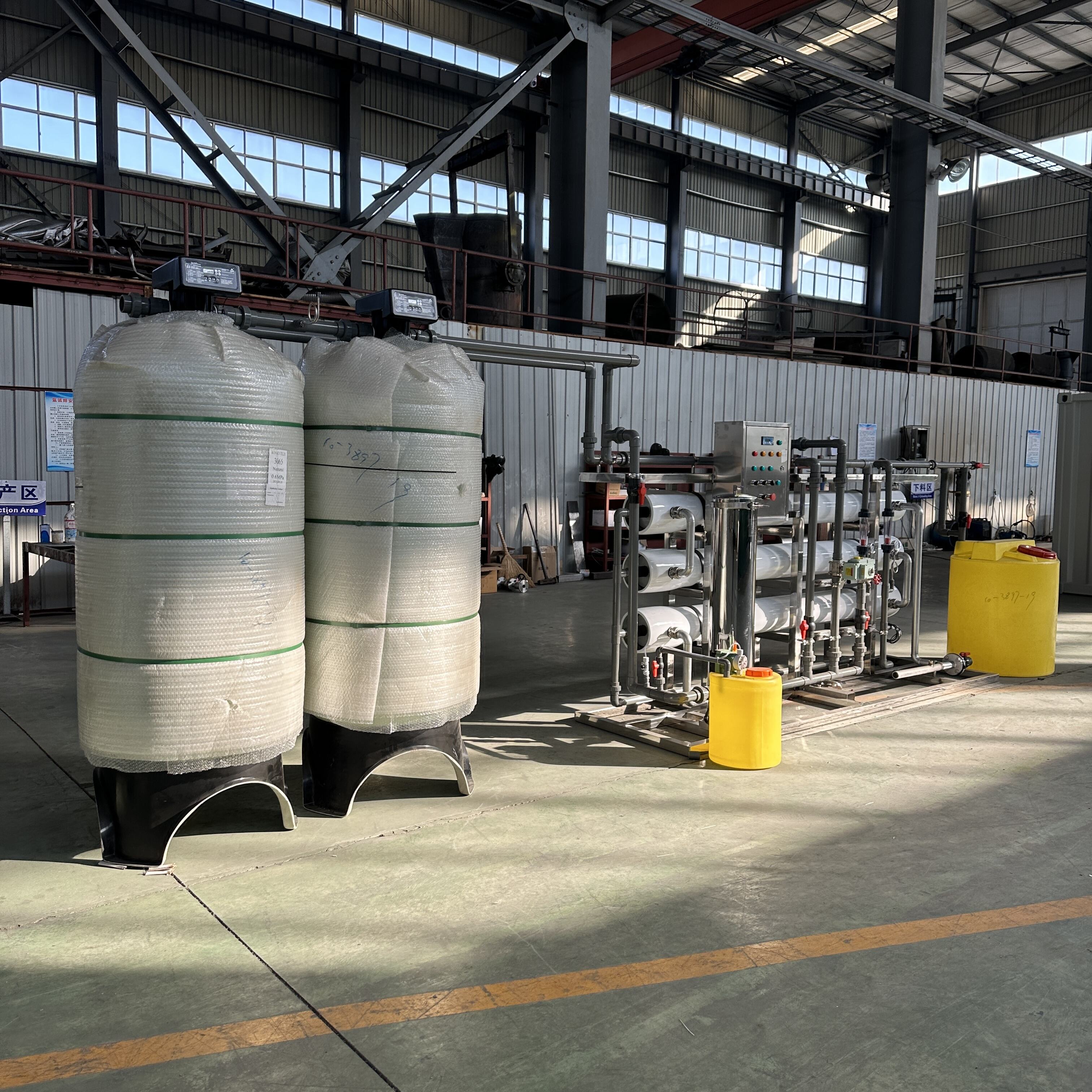
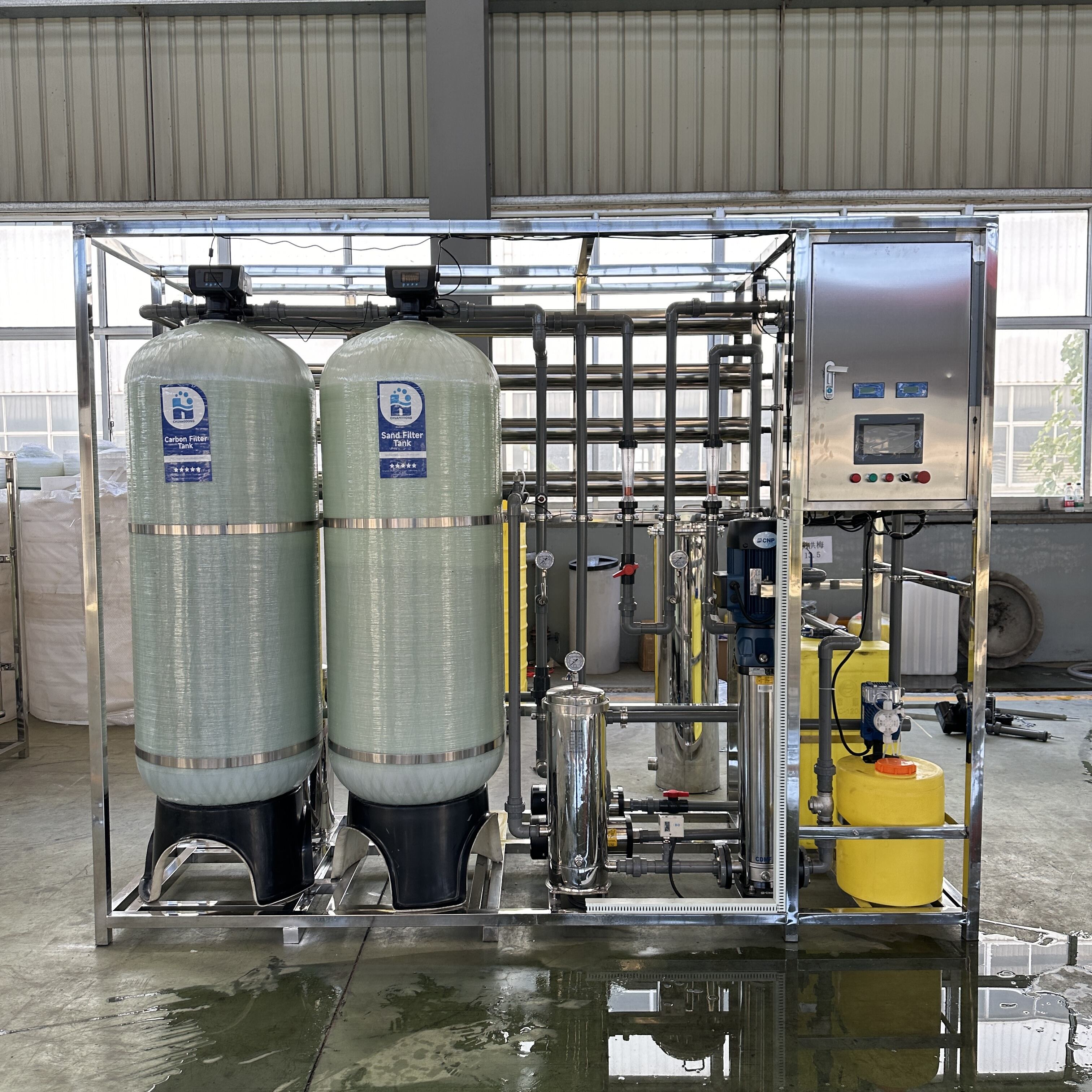
Premium Water Treatment Machine Solutions - Advanced Filtration Technology for Clean, Safe Water

Get a Free Quote

Our representative will contact you soon.
Email
Name
Company Name
Message
0/1000

water treatment machine

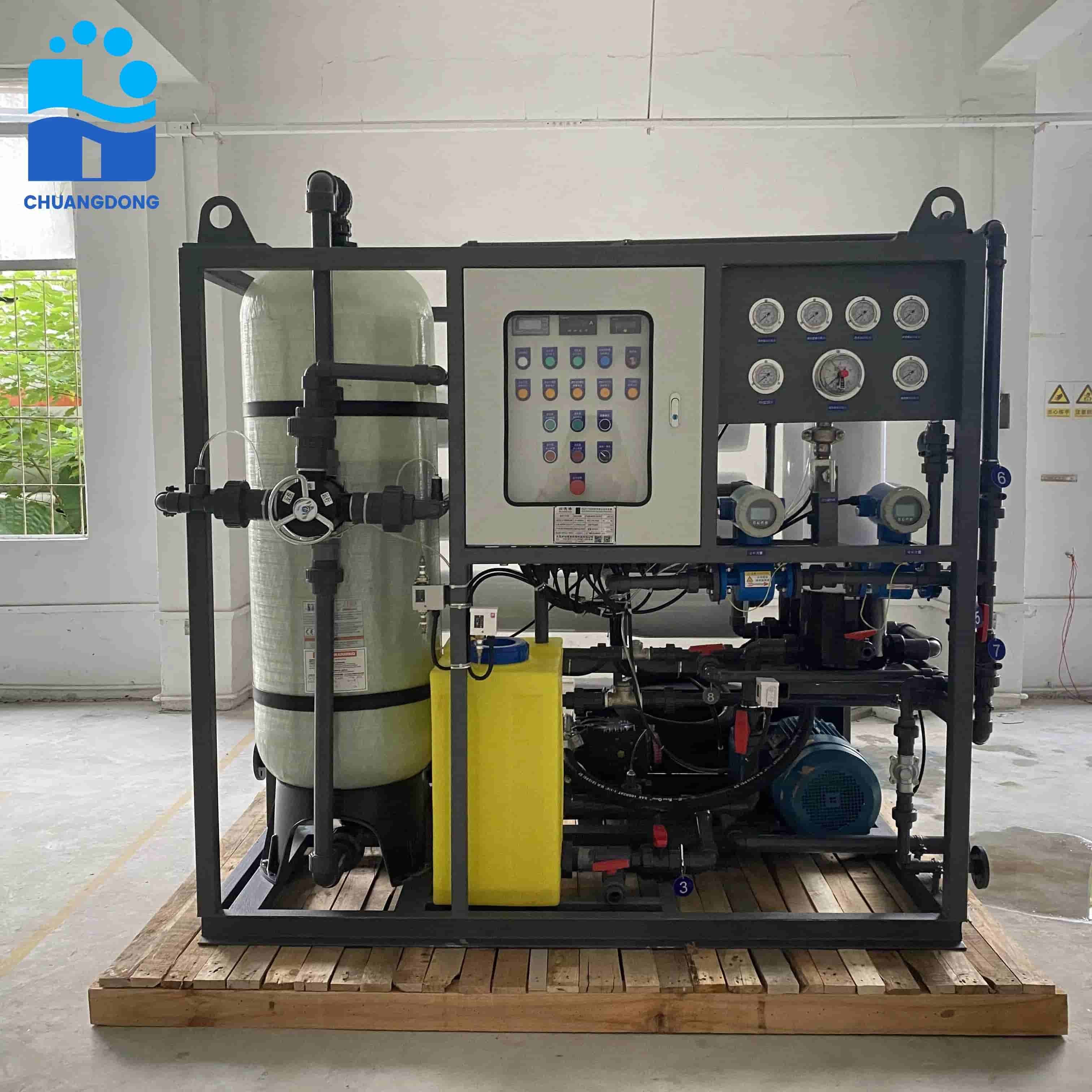
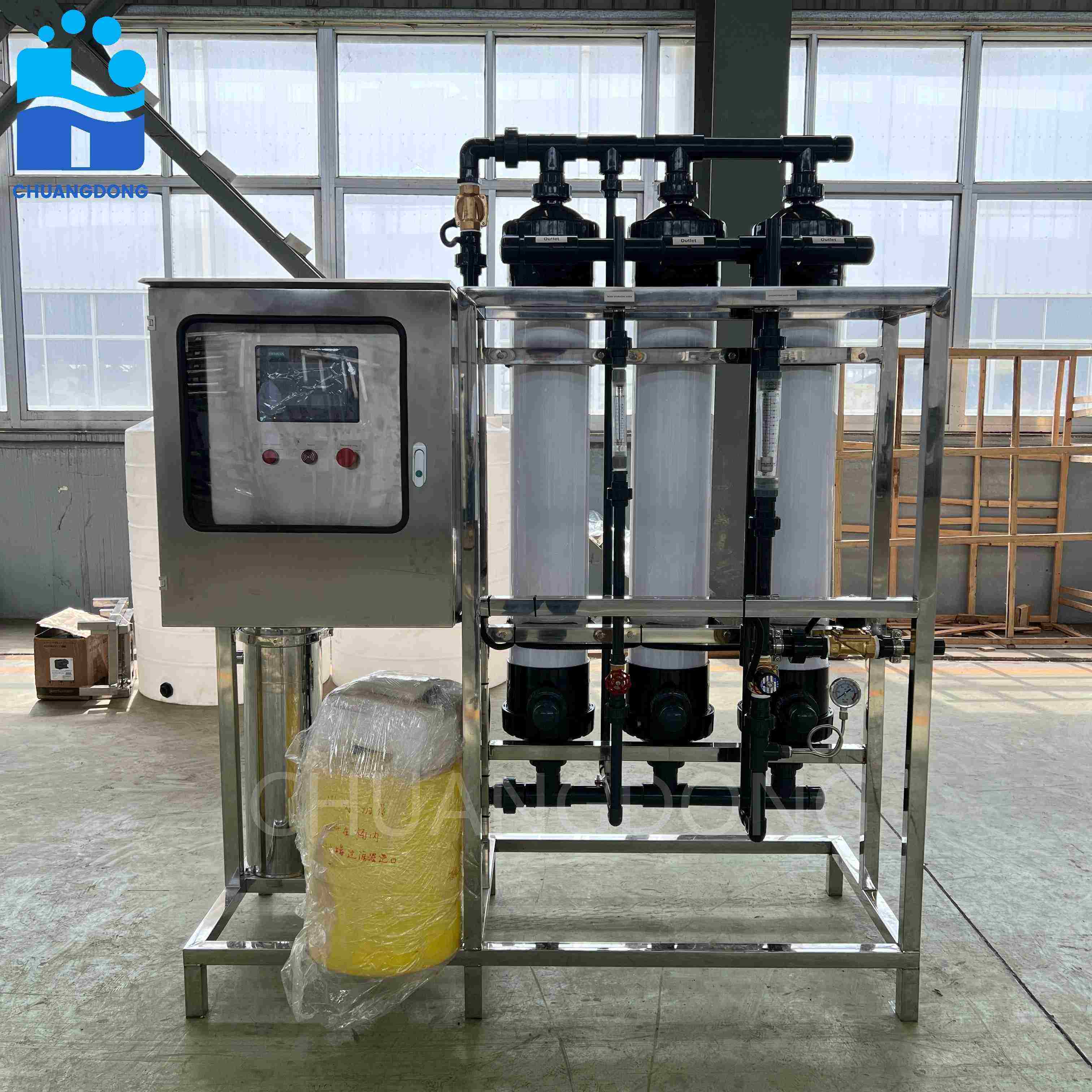
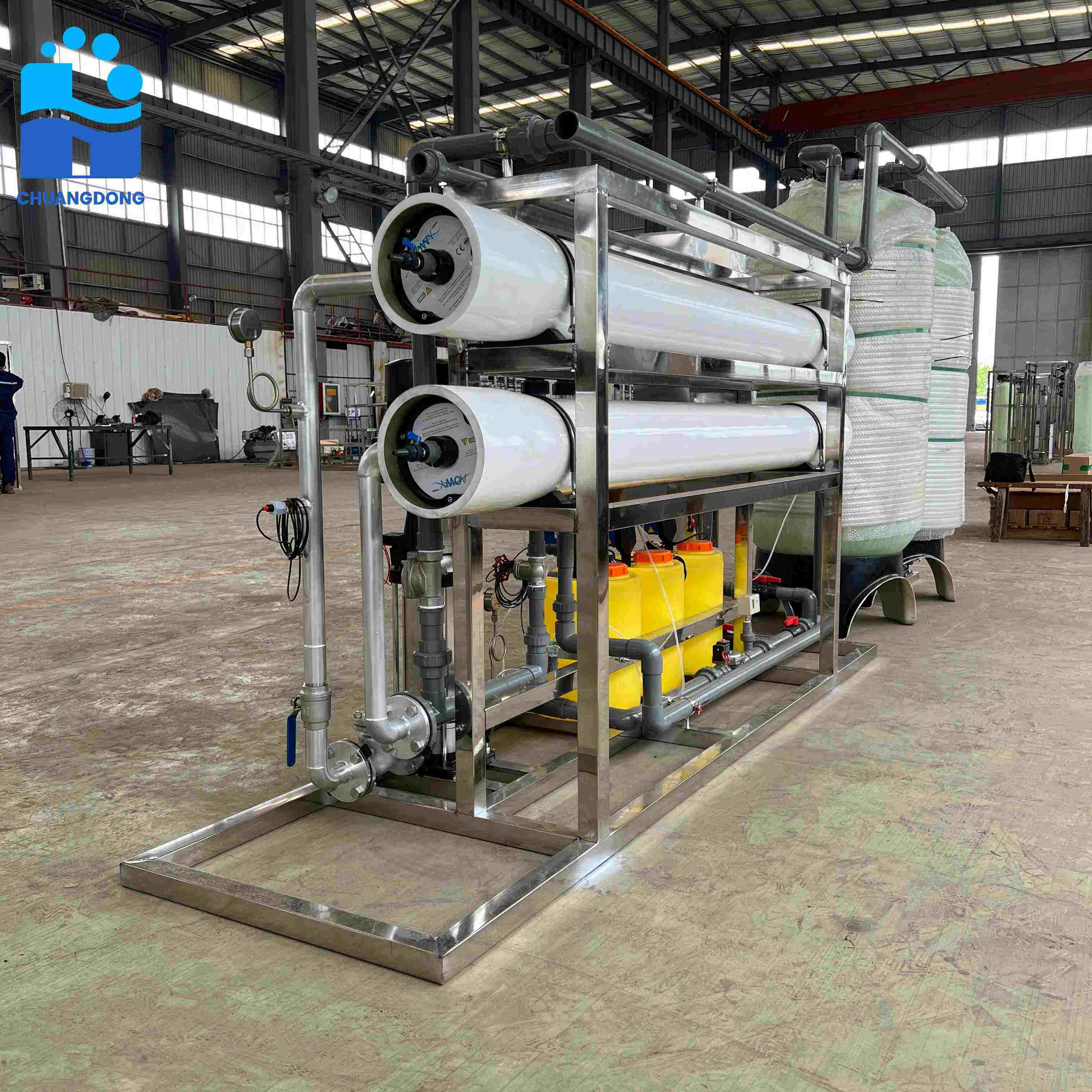
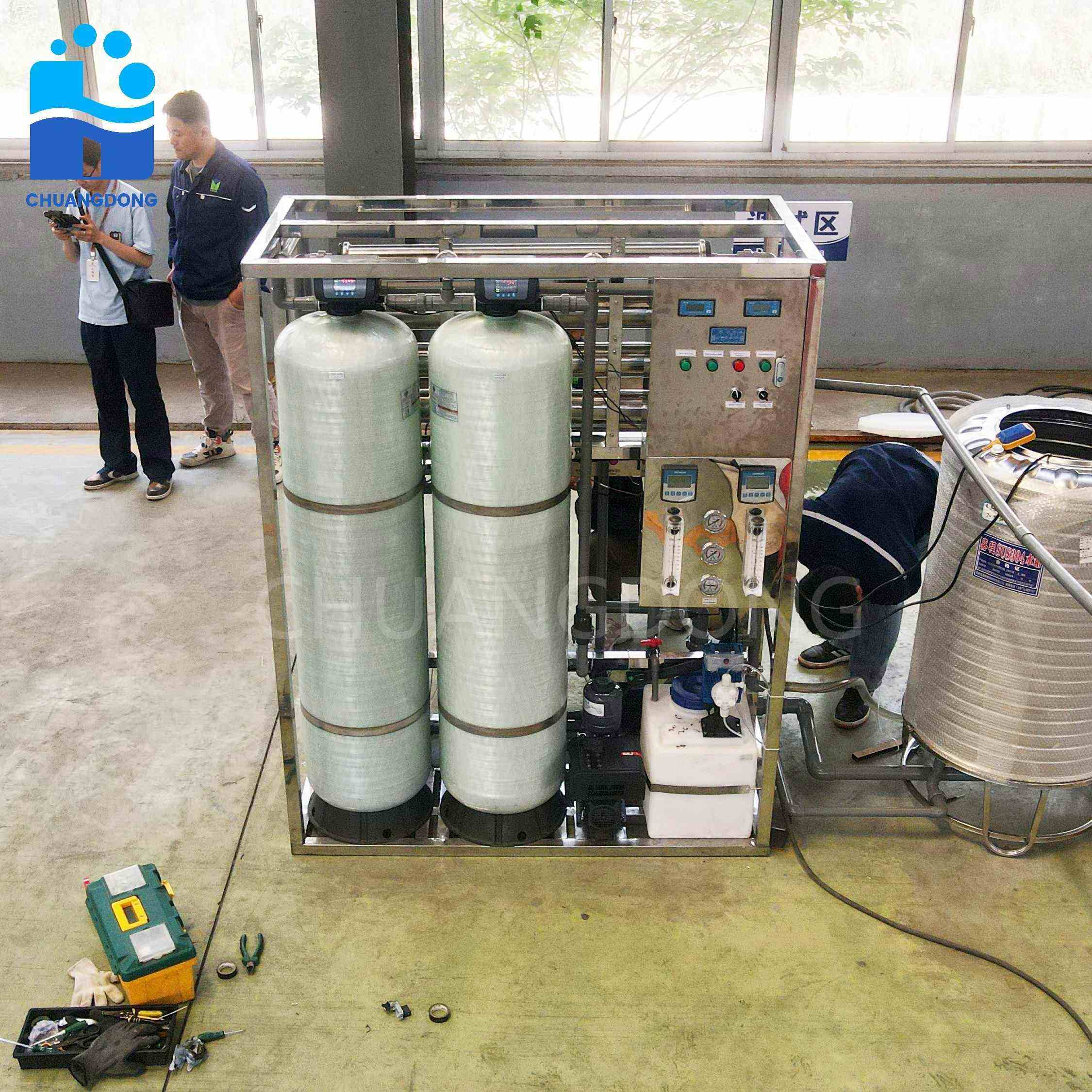
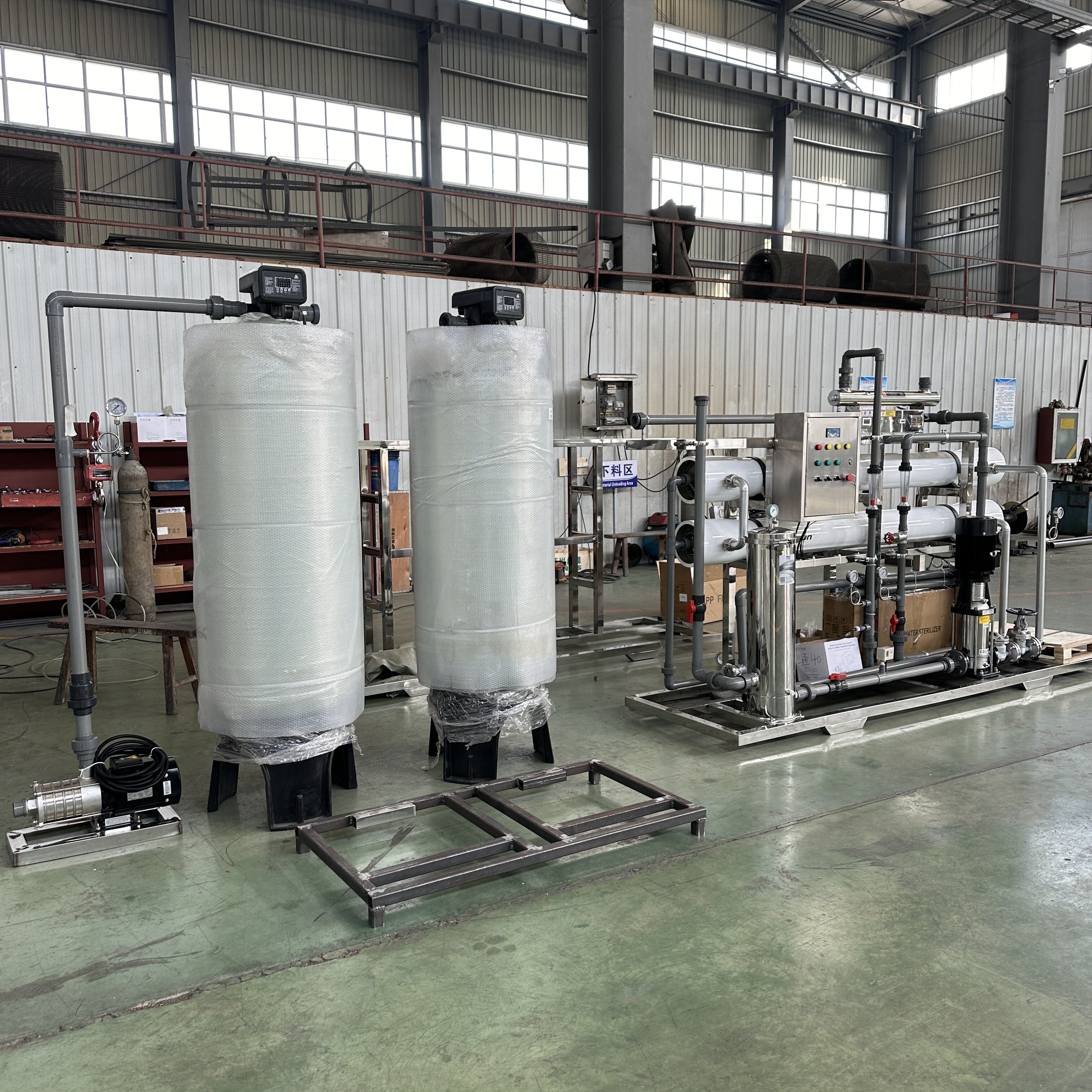
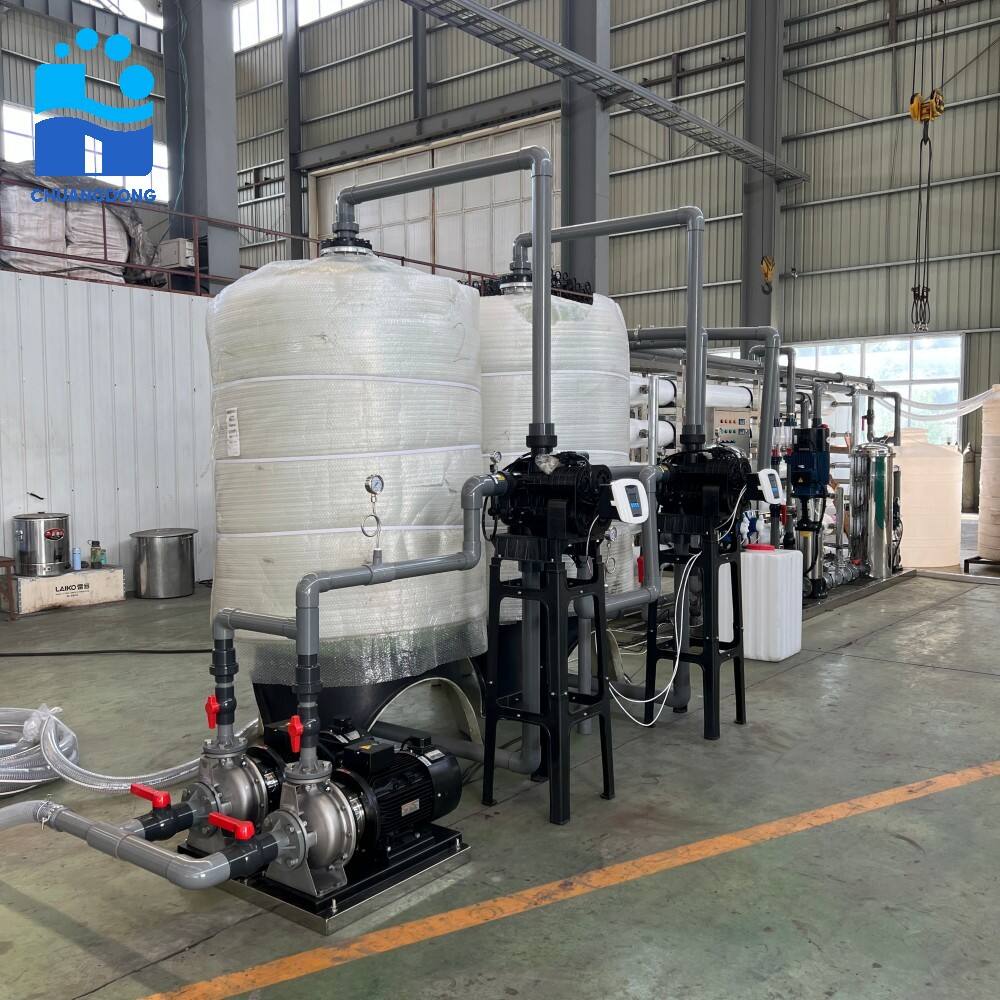
A water treatment machine represents an essential solution for addressing water quality challenges across residential, commercial, and industrial environments. These sophisticated systems utilize multiple purification technologies to remove contaminants, improve taste, and ensure safe drinking water. Modern water treatment machines incorporate advanced filtration mechanisms including sediment removal, carbon absorption, reverse osmosis, ultraviolet sterilization, and ion exchange processes. The primary function of these devices involves eliminating harmful substances such as bacteria, viruses, heavy metals, chlorine, pesticides, and dissolved organic compounds that commonly contaminate municipal water supplies. Contemporary water treatment machines feature intelligent monitoring systems that track filter performance, water quality parameters, and maintenance schedules through digital displays and smart connectivity options. These units typically include multi-stage filtration chambers, each designed to target specific contaminant categories while preserving beneficial minerals essential for human health. The technological architecture encompasses precise flow control mechanisms, pressure regulation systems, and automated backwashing capabilities that maintain optimal performance without manual intervention. Applications span diverse sectors including households seeking premium drinking water, restaurants requiring consistent water quality for food preparation, hospitals demanding sterile water for medical procedures, and manufacturing facilities needing purified water for production processes. Industrial-grade water treatment machines often incorporate customizable configurations to address specific contamination profiles and volume requirements. The compact design of residential units allows seamless integration into kitchen spaces, while larger commercial systems accommodate high-volume demands through robust construction and enhanced processing capacity. Energy-efficient operation minimizes environmental impact while delivering consistent results. These machines effectively transform questionable water sources into clean, safe, and great-tasting water that meets or exceeds regulatory standards for human consumption and specialized applications.

New Product Recommendations

Water treatment machines deliver numerous practical benefits that directly impact daily life and operational efficiency. These systems provide immediate access to clean drinking water without relying on bottled water purchases, resulting in significant cost savings over time. Families typically save hundreds of dollars annually by eliminating bottled water expenses while enjoying unlimited access to purified water. The convenience factor proves invaluable as users no longer need to transport heavy water containers or worry about running out of clean water during emergencies. Health benefits represent another compelling advantage, as these machines remove disease-causing microorganisms, toxic chemicals, and harmful pollutants that standard filtration cannot eliminate. Users experience improved taste and odor elimination, making water more enjoyable to drink and encouraging increased hydration. Environmental sustainability becomes achievable through reduced plastic waste generation, as households eliminate thousands of disposable bottles annually. Water treatment machines maintain consistent quality regardless of seasonal variations or municipal supply fluctuations that often affect taste and safety. The technology ensures reliable performance during water system emergencies or infrastructure failures that temporarily compromise public water quality. Maintenance requirements remain minimal with most systems requiring only periodic filter replacements and basic cleaning procedures that homeowners can easily perform. Smart monitoring features alert users when maintenance becomes necessary, preventing system degradation and ensuring optimal performance. Commercial establishments benefit from consistent water quality for food and beverage preparation, improving product taste and customer satisfaction. These machines eliminate the need for water delivery services, reducing dependency on external suppliers and associated scheduling constraints. Space efficiency allows installation in various locations without major modifications to existing plumbing systems. The technology provides peace of mind knowing that water meets stringent quality standards regardless of source variations. Long-term reliability and durability ensure years of dependable service with proper maintenance. Investment returns become evident through reduced medical expenses related to waterborne illnesses and improved overall health outcomes for families and employees.

Tips And Tricks

What Intake and Outfall Designs Minimize Environmental Impact of a Desalination Plant?

01

Mar

What Intake and Outfall Designs Minimize Environmental Impact of a Desalination Plant?

Environmental considerations have become paramount in the design and operation of modern desalination facilities worldwide. As water scarcity continues to challenge communities across the globe, the demand for sustainable desalination plant solutions...
View More
What Corrosion-Resistant Materials Are Used in Desalination Plant Construction?

06

Mar

What Corrosion-Resistant Materials Are Used in Desalination Plant Construction?

Desalination plants operate in some of the harshest environments imaginable, where saltwater constantly threatens the integrity of critical infrastructure. The selection of appropriate corrosion-resistant materials becomes paramount to ensuring long-...
View More
How Does a Water Purification System with Ion Exchange Soften Hard Water Effectively?

15

Mar

How Does a Water Purification System with Ion Exchange Soften Hard Water Effectively?

Hard water poses significant challenges for both residential and commercial applications, containing high concentrations of calcium and magnesium ions that cause scale buildup, reduce equipment efficiency, and affect water quality. A water purificati...
View More
How Does an RO Water Filter with a UV Sterilizer Provide Additional Protection Against Bacteria?

10

Mar

How Does an RO Water Filter with a UV Sterilizer Provide Additional Protection Against Bacteria?

Water contamination remains one of the most pressing concerns for homeowners and businesses seeking reliable water purification solutions. While traditional filtration methods offer basic protection, modern water treatment technology has evolved to p...
View More

Get a Free Quote

Our representative will contact you soon.
Email
Name
Company Name
Message
0/1000

water treatment machine

Advanced Multi-Stage Filtration Technology

Advanced Multi-Stage Filtration Technology

The cornerstone of modern water treatment machines lies in their sophisticated multi-stage filtration systems that address comprehensive water purification needs. This advanced technology combines multiple purification methods within a single unit, ensuring thorough contaminant removal while maintaining beneficial mineral content. The first stage typically involves sediment filtration that removes visible particles, rust, and debris through precision-engineered filters that capture contaminants as small as five microns. The second stage incorporates activated carbon filtration, which excels at removing chlorine, volatile organic compounds, and chemical contaminants that affect taste and odor. This carbon stage utilizes specially treated materials that provide maximum surface area for contaminant absorption, ensuring effective removal of industrial pollutants and agricultural runoff residues. The third stage often features reverse osmosis technology, employing semi-permeable membranes that eliminate dissolved salts, heavy metals, and microscopic contaminants that previous stages cannot capture. This process removes up to 99.9% of dissolved impurities while maintaining water flow rates suitable for daily consumption needs. Advanced systems incorporate a fourth stage featuring ultraviolet sterilization that destroys bacteria, viruses, and other microorganisms without adding chemicals to the water. The UV technology provides continuous sterilization that ensures microbiological safety without affecting water taste or mineral content. Some premium models include a fifth stage with alkaline remineralization that restores essential minerals removed during reverse osmosis while adjusting pH levels for optimal health benefits. The multi-stage approach ensures comprehensive protection against diverse contamination sources while providing flexibility to customize treatment based on specific water quality challenges. This technology represents years of research and development focused on creating efficient, reliable, and cost-effective water purification solutions that meet stringent quality standards while remaining accessible to residential and commercial users.
Smart Monitoring and Maintenance Systems

Smart Monitoring and Maintenance Systems

Contemporary water treatment machines incorporate intelligent monitoring systems that revolutionize maintenance management and performance optimization. These smart features utilize advanced sensors and microprocessor technology to continuously monitor system performance, water quality parameters, and component condition in real-time. The monitoring system tracks key indicators including filter life remaining, water pressure levels, flow rates, and total dissolved solids measurements that indicate filtration effectiveness. Digital displays provide intuitive interfaces that present this information in user-friendly formats, allowing users to understand system status without technical expertise. Smart connectivity features enable remote monitoring through smartphone applications that send notifications about maintenance schedules, filter replacement needs, and system performance alerts. This connectivity ensures users never miss critical maintenance windows that could compromise water quality or system longevity. The technology includes predictive maintenance capabilities that analyze usage patterns and water quality trends to forecast when components require attention before performance degradation occurs. Automated diagnostic systems identify potential issues early, preventing costly repairs and ensuring consistent water quality delivery. Filter life indicators eliminate guesswork about replacement timing by tracking actual usage and contamination exposure rather than relying on arbitrary time schedules. The system logs maintenance history and performance data that helps technicians quickly identify issues during service calls and ensures optimal system configuration for specific water conditions. Quality monitoring alerts users when input water conditions change, allowing proactive adjustments to maintain consistent output quality. Energy consumption tracking helps users optimize operation schedules and identify opportunities for efficiency improvements. The smart systems provide detailed usage reports that help commercial users manage costs and plan capacity requirements based on actual consumption patterns. Installation and setup procedures are simplified through guided calibration processes that ensure optimal performance from the first use. These intelligent features transform water treatment from a passive appliance into an active partner that ensures consistent quality while minimizing maintenance burden and maximizing system lifespan through proactive care and optimization.
Versatile Applications and Customization Options

Versatile Applications and Customization Options

Water treatment machines offer remarkable versatility through customizable configurations that address diverse application requirements across residential, commercial, and industrial sectors. This adaptability ensures optimal performance regardless of specific water quality challenges, usage volumes, or installation constraints. Residential applications benefit from compact designs that integrate seamlessly into existing kitchen spaces while providing whole-house solutions that treat water at the point of entry. These systems accommodate varying household sizes through scalable capacity options that ensure adequate water supply for families of different compositions without compromising performance. Commercial applications span restaurants, hotels, healthcare facilities, and office buildings where consistent water quality directly impacts operations and customer satisfaction. Food service establishments particularly benefit from customizable configurations that address specific culinary requirements, ensuring optimal taste profiles for beverages, cooking, and food preparation processes. Healthcare facilities require specialized configurations that meet stringent sterility standards for medical procedures, patient care, and pharmaceutical applications. Industrial applications encompass manufacturing processes, laboratory operations, and specialized production requirements that demand precise water quality specifications. The customization options include variable filtration stages that can be configured to address specific contaminant profiles identified through water quality testing. Flow rate adjustments accommodate different usage patterns, from low-demand residential applications to high-volume commercial requirements that need continuous supply capabilities. Temperature management features ensure optimal performance across diverse climate conditions and seasonal variations that affect system efficiency. Space-efficient designs provide installation flexibility in locations with limited space or specific aesthetic requirements. Mobile configurations serve temporary installations, emergency response situations, and remote locations where permanent infrastructure is unavailable. The systems accommodate various water sources including municipal supplies, well water, and surface water sources that present different contamination challenges. Specialized modules address specific contaminants such as iron, sulfur, nitrates, or industrial chemicals that require targeted treatment approaches. This versatility extends to maintenance schedules that can be customized based on usage patterns, water quality conditions, and operational requirements that vary significantly across different applications and environments.

Get a Free Quote

Our representative will contact you soon.
Email
Name
Company Name
Message
0/1000