Industrial Water Filtration Systems: Advanced Solutions for Manufacturing Excellence

Get a Free Quote

Our representative will contact you soon.
Email
Name
Company Name
Message
0/1000

industrial water filtration system

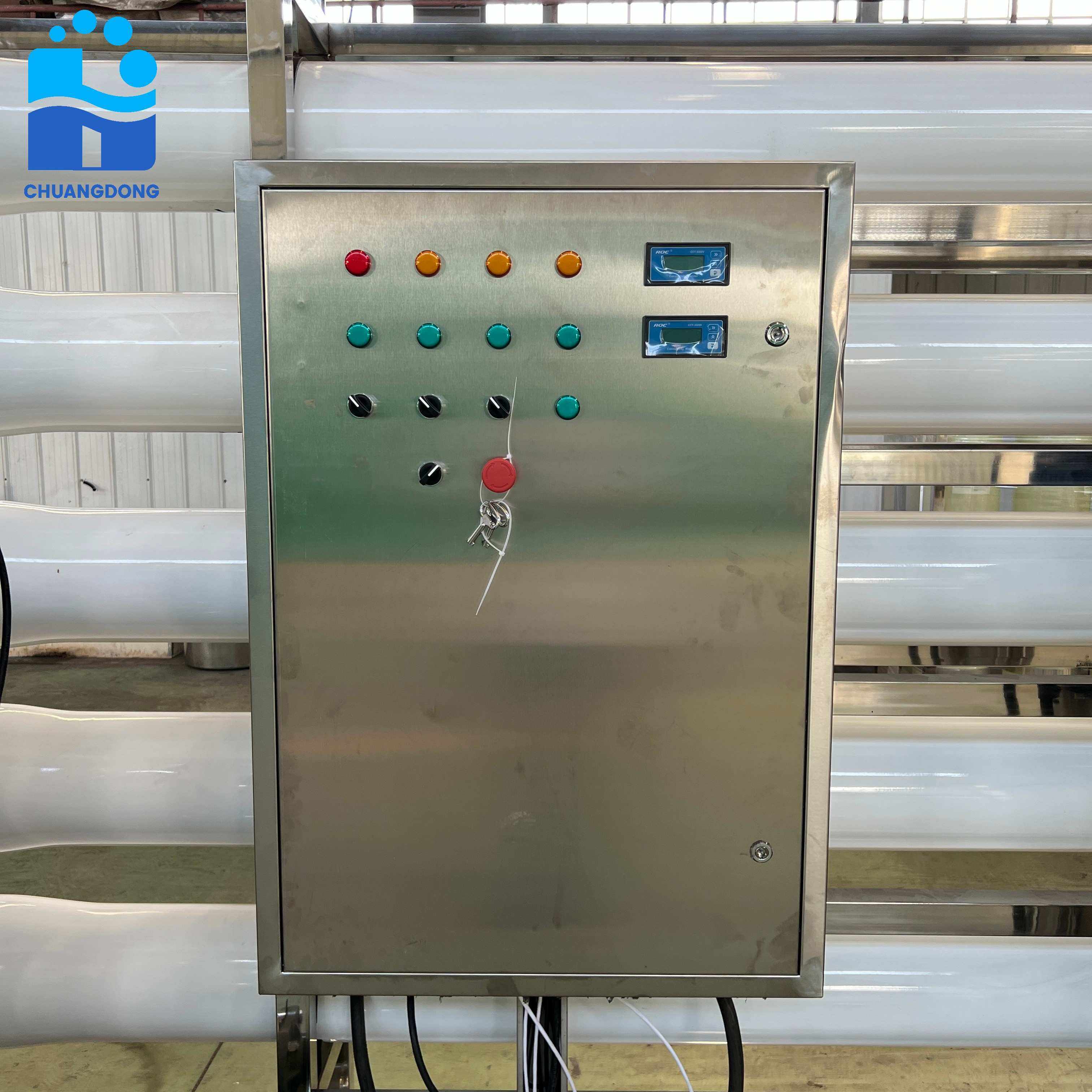
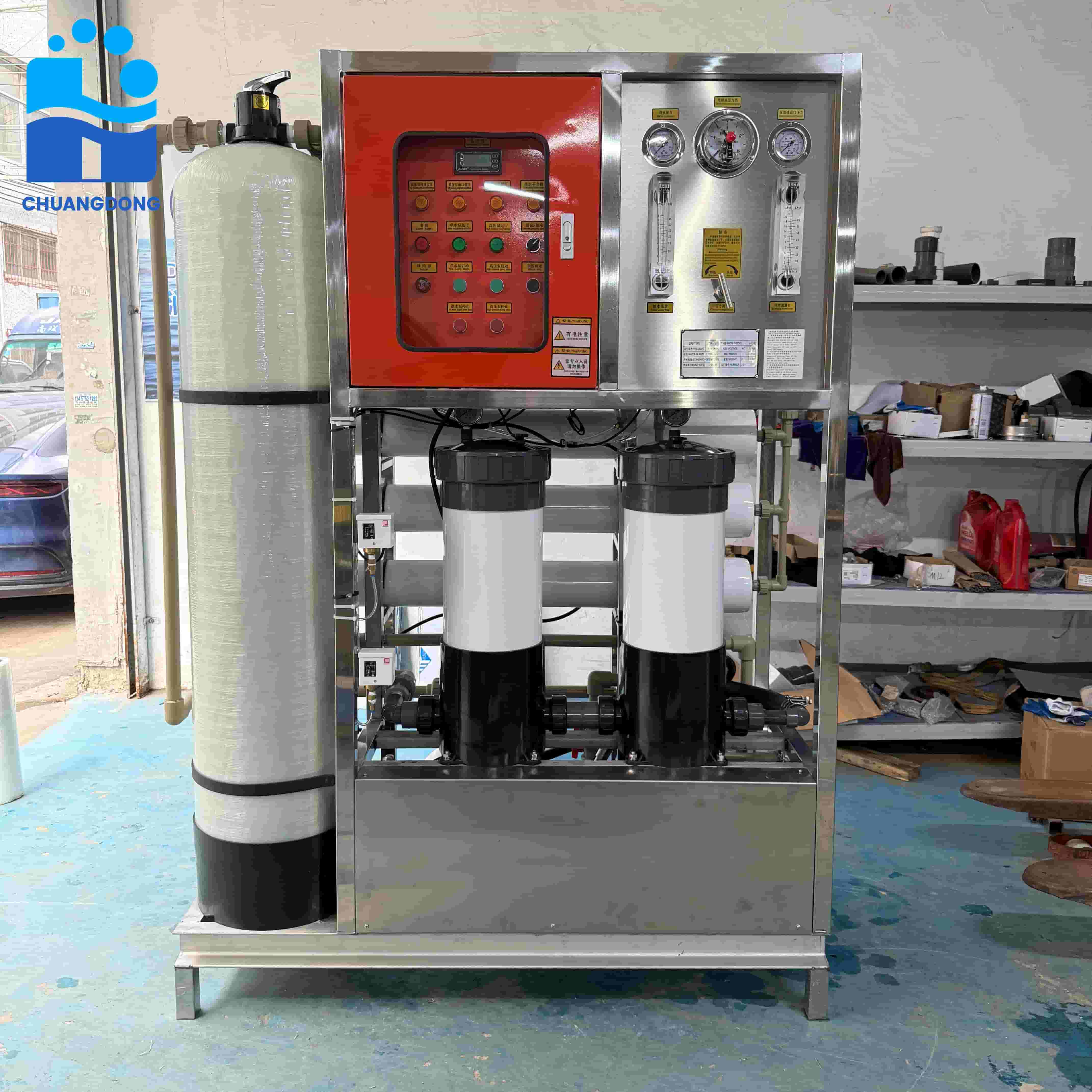
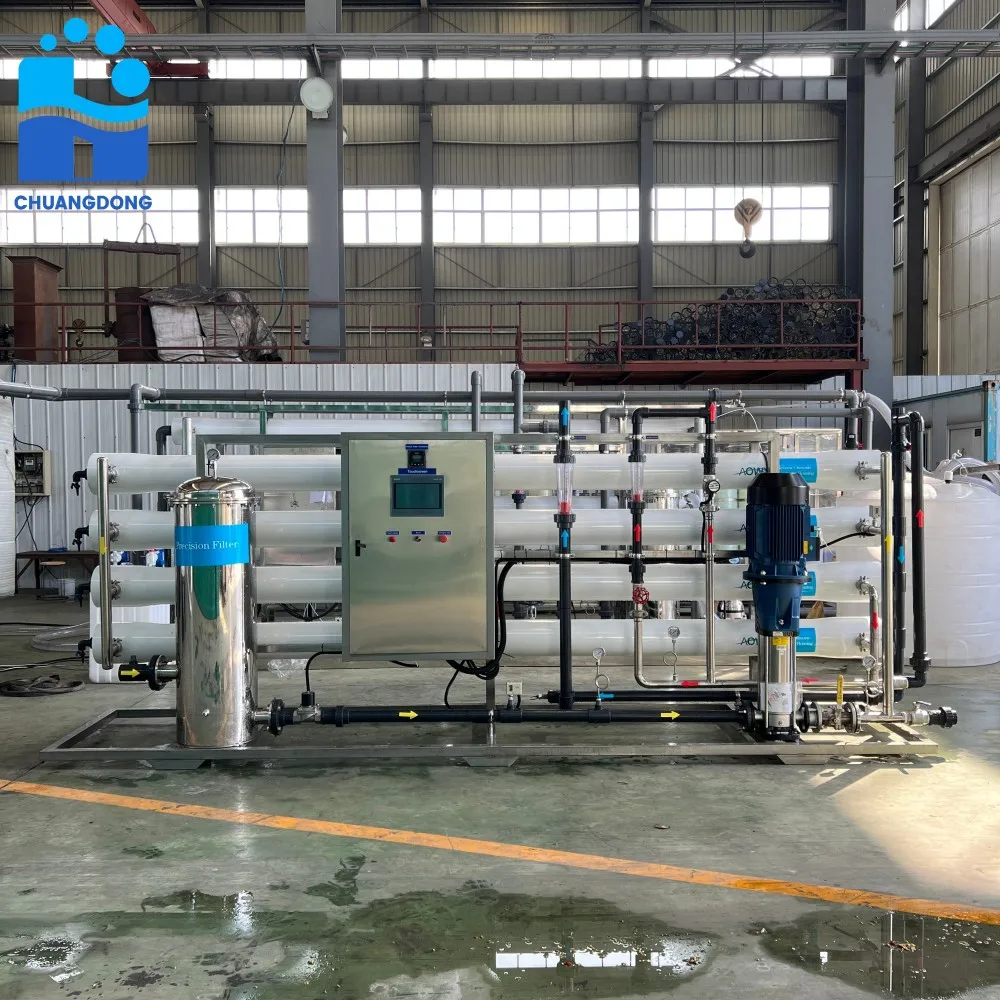
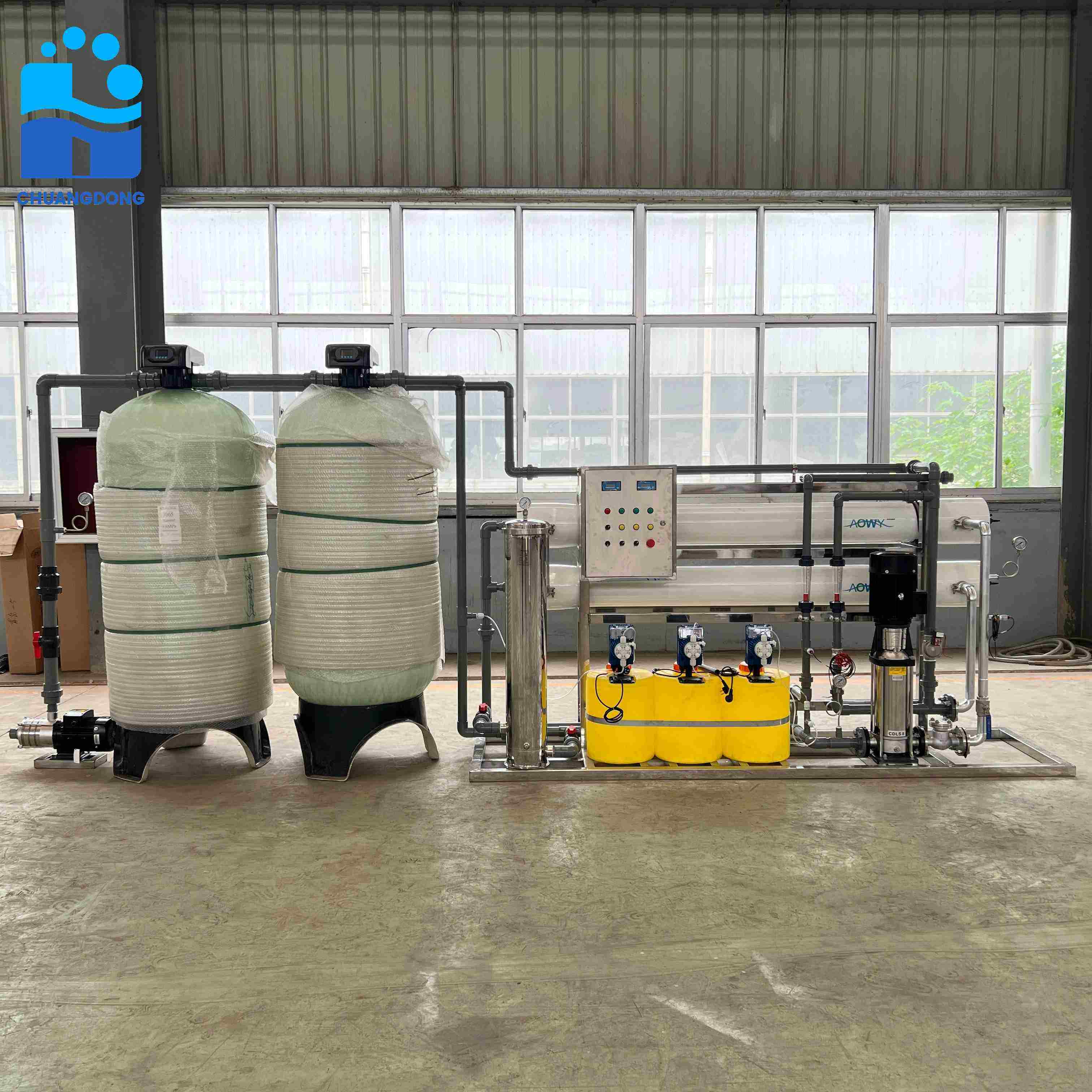
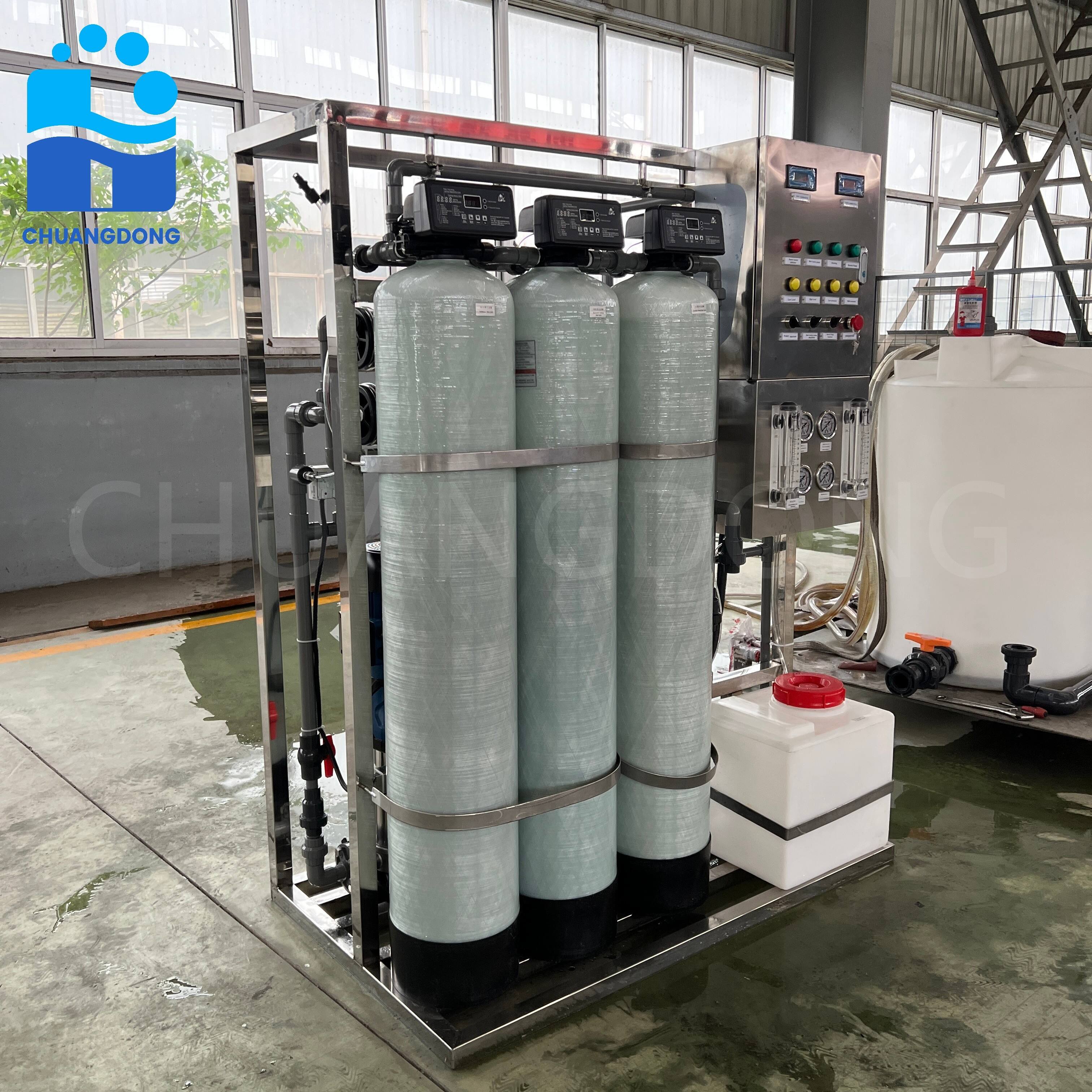
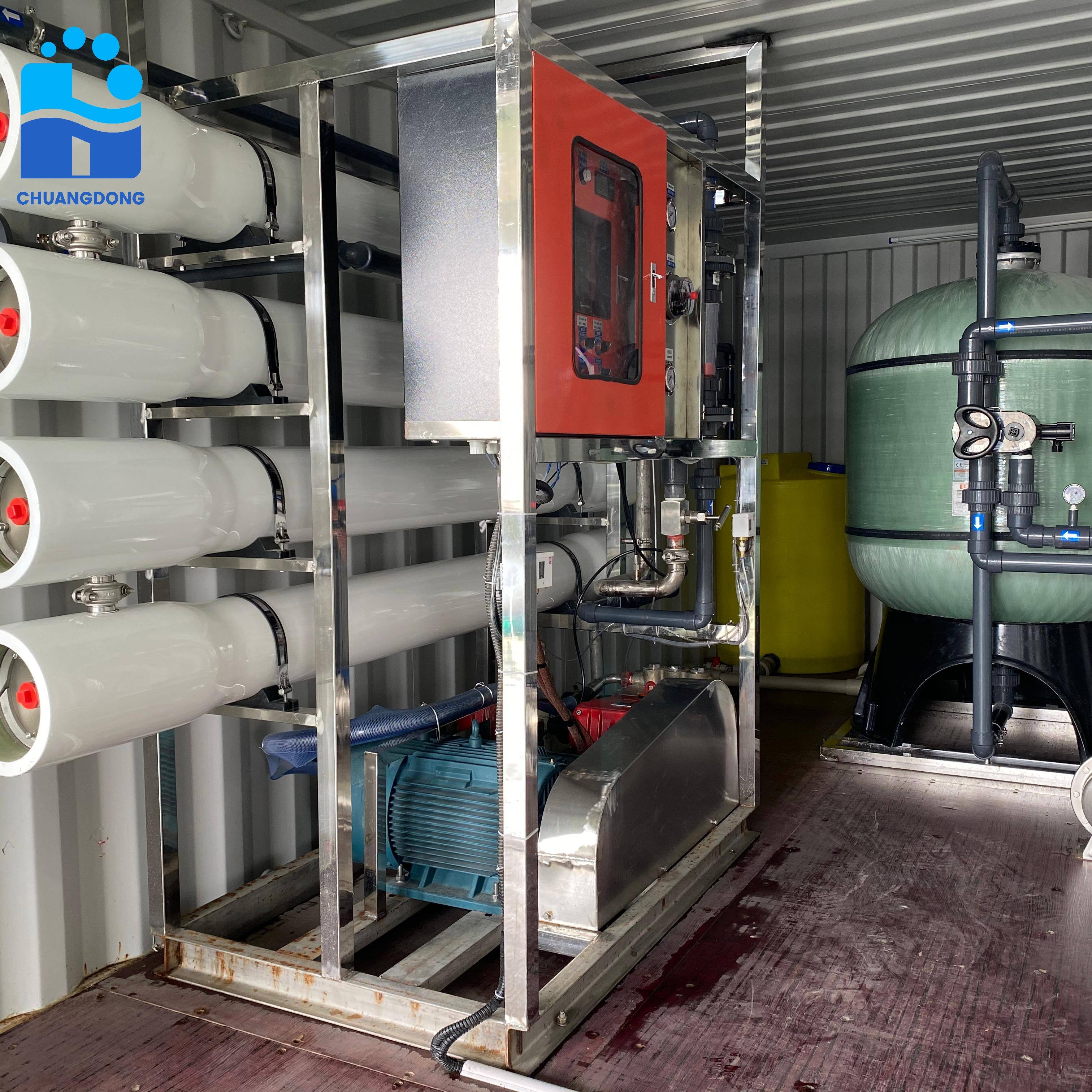
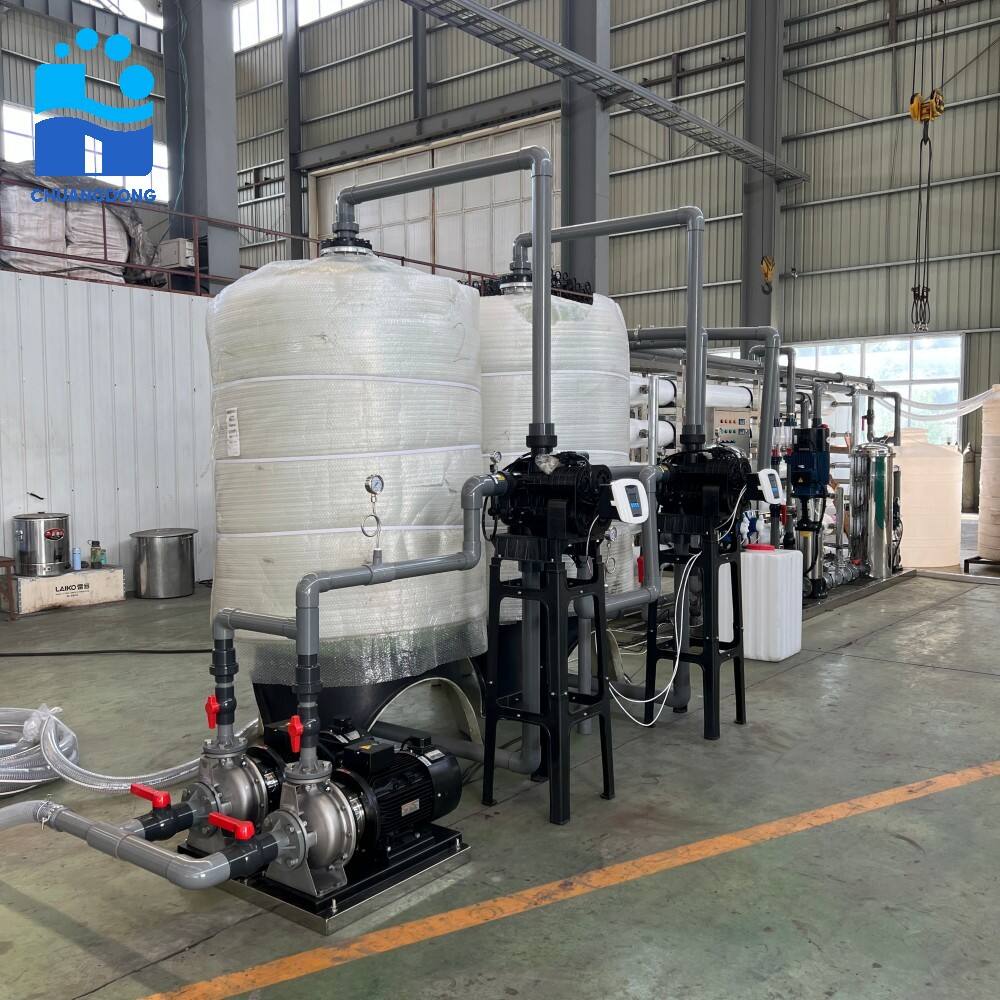
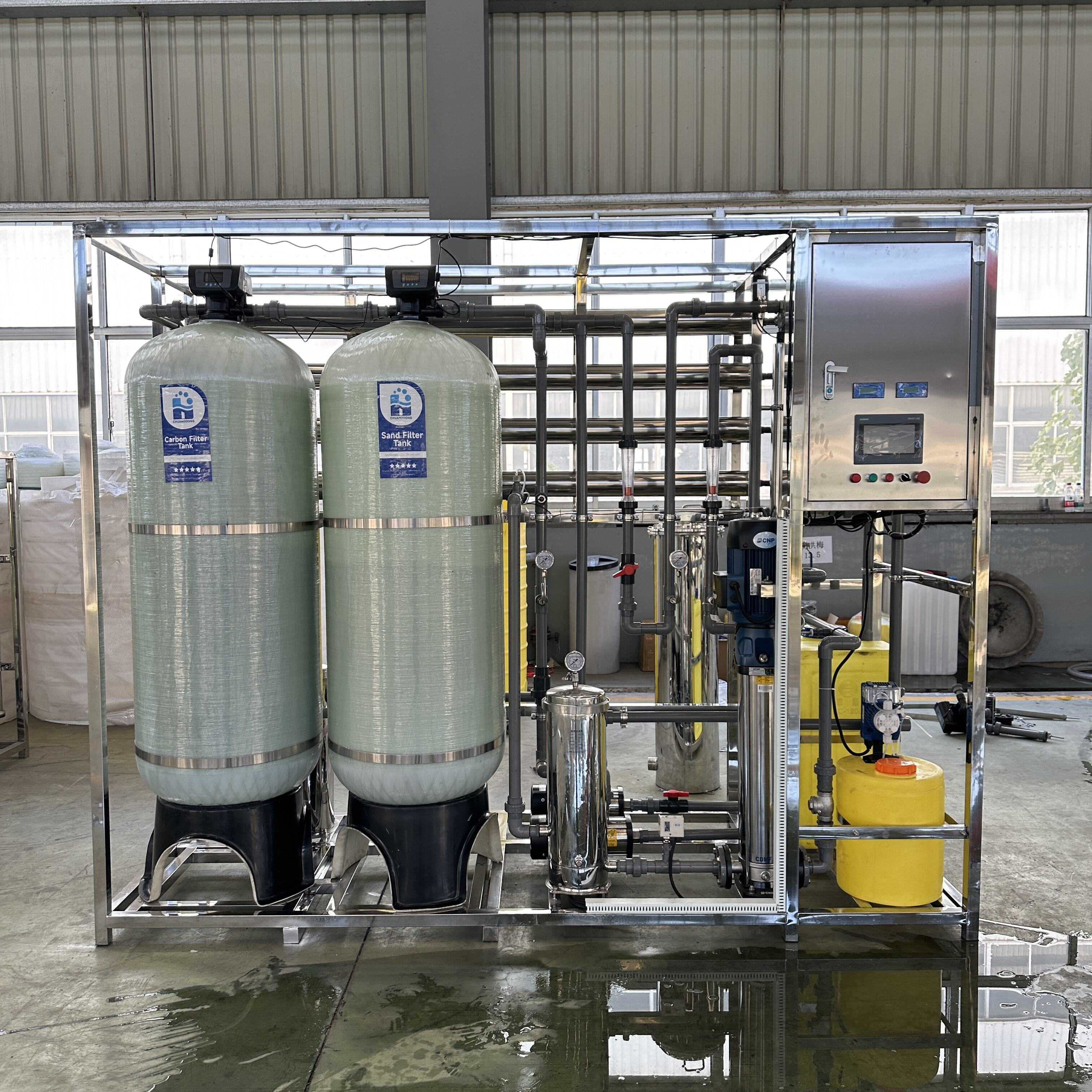
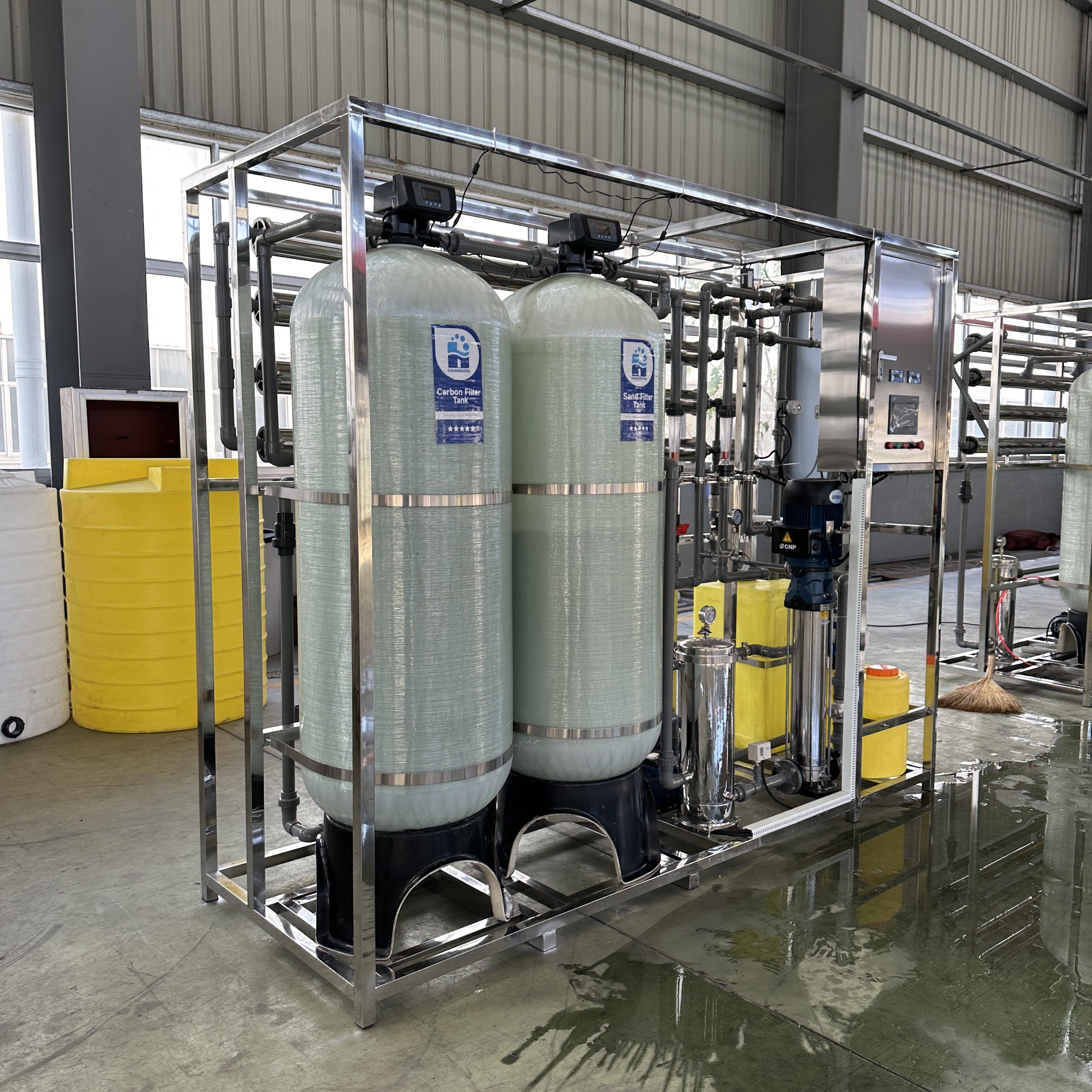
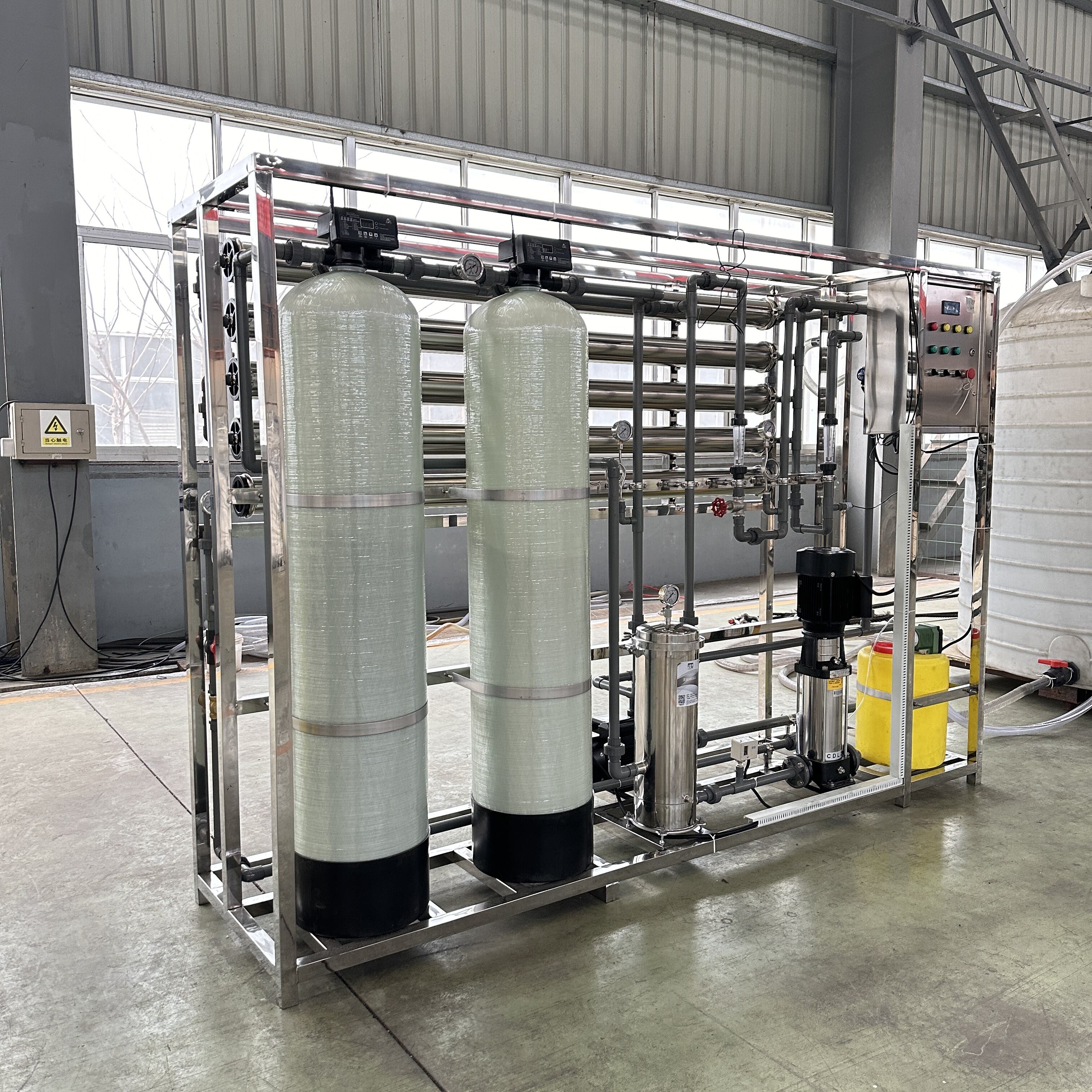
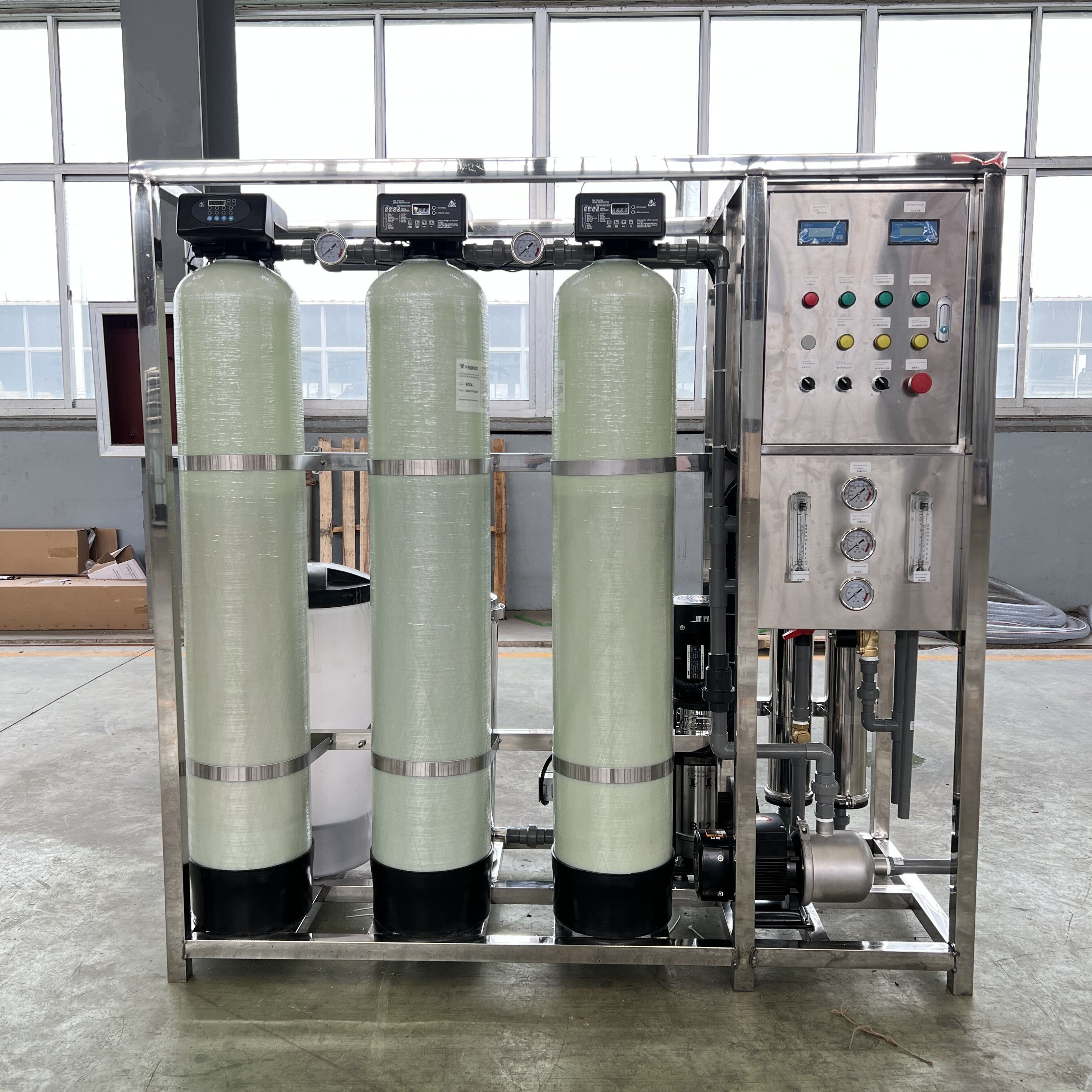
Industrial water filtration systems represent sophisticated engineering solutions designed to purify and treat water for various manufacturing and commercial applications. These comprehensive systems remove contaminants, suspended particles, chemicals, and biological matter from water sources to meet specific quality standards required by different industries. The primary function of an industrial water filtration system involves multi-stage treatment processes that can include pre-filtration, reverse osmosis, activated carbon filtration, UV sterilization, and chemical dosing. These systems effectively handle large volumes of water while maintaining consistent quality output. Technological features include automated monitoring systems that track water quality parameters in real-time, programmable logic controllers for system optimization, and integrated backup mechanisms ensuring continuous operation. Advanced sensors monitor pressure differentials, flow rates, and contaminant levels, triggering maintenance alerts when necessary. Modern industrial water filtration systems incorporate smart technology for remote monitoring and control capabilities. Applications span across pharmaceutical manufacturing, food and beverage production, electronics manufacturing, power generation, chemical processing, and automotive industries. Each sector requires specific water quality standards that these systems can accommodate through customizable configurations. The filtration technology adapts to varying input water conditions and output requirements. Energy-efficient designs minimize operational costs while maximizing treatment effectiveness. Modular construction allows for scalable solutions that grow with business needs. Stainless steel construction ensures durability and compliance with hygiene standards. These systems integrate seamlessly into existing infrastructure while providing reliable, consistent water quality that meets regulatory compliance requirements across multiple industries.

New Product Recommendations

Industrial water filtration systems deliver substantial cost savings by reducing dependency on external water suppliers and minimizing waste disposal fees. Companies achieve significant financial benefits through improved operational efficiency and reduced downtime caused by water-related equipment failures. These systems protect valuable manufacturing equipment from scaling, corrosion, and contamination that leads to costly repairs and replacements. Businesses experience enhanced product quality as consistent water purity eliminates variables that affect final product specifications. The filtration technology ensures compliance with stringent environmental regulations, avoiding potential fines and legal complications. Organizations gain competitive advantages through sustainable practices that appeal to environmentally conscious consumers and partners. Automated operation reduces labor costs associated with manual water treatment processes while improving workplace safety by eliminating exposure to hazardous chemicals. Real-time monitoring capabilities prevent production disruptions by identifying potential issues before they impact operations. Customizable configurations allow businesses to optimize systems for specific applications, maximizing return on investment. Energy-efficient designs significantly reduce utility costs compared to traditional treatment methods. The technology provides reliable water supply independence, protecting businesses from supply chain disruptions and price fluctuations. Improved water quality enhances employee health and safety in facilities where water contact occurs during production processes. Long-term durability minimizes replacement costs and ensures consistent performance over extended periods. Scalable solutions accommodate business growth without requiring complete system overhauls. Remote monitoring capabilities reduce maintenance costs through predictive servicing and efficient troubleshooting. Environmental benefits include reduced chemical usage and minimized wastewater generation. Enhanced operational control allows precise adjustment of treatment parameters to match changing requirements. Quick payback periods make these systems attractive investments that deliver measurable returns through reduced operational expenses and improved productivity.

Tips And Tricks

What Intake and Outfall Designs Minimize Environmental Impact of a Desalination Plant?

01

Mar

What Intake and Outfall Designs Minimize Environmental Impact of a Desalination Plant?

Environmental considerations have become paramount in the design and operation of modern desalination facilities worldwide. As water scarcity continues to challenge communities across the globe, the demand for sustainable desalination plant solutions...
View More
How Does a Water Purification System with Ion Exchange Soften Hard Water Effectively?

15

Mar

How Does a Water Purification System with Ion Exchange Soften Hard Water Effectively?

Hard water poses significant challenges for both residential and commercial applications, containing high concentrations of calcium and magnesium ions that cause scale buildup, reduce equipment efficiency, and affect water quality. A water purificati...
View More
How Does an RO Water Filter with a UV Sterilizer Provide Additional Protection Against Bacteria?

10

Mar

How Does an RO Water Filter with a UV Sterilizer Provide Additional Protection Against Bacteria?

Water contamination remains one of the most pressing concerns for homeowners and businesses seeking reliable water purification solutions. While traditional filtration methods offer basic protection, modern water treatment technology has evolved to p...
View More
Why Should Pharmaceutical QC Labs Use Ultrapure Water for HPLC and Mass Spectrometry?

18

Mar

Why Should Pharmaceutical QC Labs Use Ultrapure Water for HPLC and Mass Spectrometry?

Pharmaceutical quality control laboratories face increasingly stringent requirements for analytical accuracy and regulatory compliance. The foundation of reliable analytical results lies in the quality of water used throughout testing procedures. Ult...
View More

Get a Free Quote

Our representative will contact you soon.
Email
Name
Company Name
Message
0/1000

industrial water filtration system

Advanced Multi-Stage Purification Technology

Advanced Multi-Stage Purification Technology

The cornerstone of every effective industrial water filtration system lies in its sophisticated multi-stage purification technology that addresses diverse contamination challenges through sequential treatment processes. This comprehensive approach begins with mechanical pre-filtration that removes large particles and sediments, protecting downstream components from damage and clogging. Following pre-treatment, reverse osmosis membranes eliminate dissolved solids, bacteria, viruses, and chemical contaminants down to molecular levels. Activated carbon stages target chlorine, organic compounds, and taste-affecting substances that could impact product quality. UV sterilization provides final pathogen elimination without introducing chemicals into the treated water. Each stage operates synergistically to achieve superior purification results that single-stage systems cannot match. Advanced membrane technology incorporates thin-film composite materials that resist fouling while maintaining high rejection rates for contaminants. Precision-engineered flow paths optimize contact time between water and treatment media, maximizing purification efficiency. Automated backwashing cycles maintain system performance by removing accumulated contaminants from filter media. Variable frequency drives adjust pump speeds to maintain optimal pressure conditions across all treatment stages. Smart sensors continuously monitor water quality parameters at multiple points throughout the treatment train, ensuring consistent output quality. Redundant treatment pathways provide backup purification capacity during maintenance periods. Modular design allows for easy expansion or modification of treatment stages to accommodate changing water quality requirements. Temperature compensation systems adjust treatment parameters based on seasonal variations in input water conditions. Chemical dosing systems precisely add necessary treatment chemicals at optimal injection points. This integrated approach delivers water quality that consistently exceeds industry standards while maintaining operational reliability and cost-effectiveness that justifies the initial investment through superior long-term performance.
Intelligent Automation and Monitoring Systems

Intelligent Automation and Monitoring Systems

Modern industrial water filtration systems incorporate cutting-edge automation and monitoring technology that transforms water treatment from reactive maintenance to proactive optimization. Sophisticated programmable logic controllers orchestrate all system functions, from pump sequencing to valve operations, ensuring optimal performance under varying operating conditions. Real-time data acquisition systems collect thousands of data points hourly, including flow rates, pressure differentials, conductivity levels, pH values, and turbidity measurements. Advanced algorithms analyze this data to predict maintenance needs, optimize energy consumption, and prevent system failures before they occur. Human-machine interfaces provide intuitive touchscreen controls that allow operators to monitor system status, adjust parameters, and access historical performance data. Remote connectivity enables facility managers to oversee multiple installations from centralized locations, reducing staffing requirements while improving response times. Automatic alarm systems immediately notify personnel of any deviations from normal operating parameters, preventing minor issues from escalating into costly failures. Predictive maintenance algorithms analyze equipment performance trends to schedule component replacements during planned downtime rather than emergency situations. Energy optimization routines adjust pump speeds, treatment chemical dosing, and regeneration cycles based on actual demand patterns rather than fixed schedules. Data logging capabilities maintain comprehensive records for regulatory compliance and quality assurance documentation. Integration with enterprise resource planning systems enables seamless coordination between water treatment operations and production schedules. Mobile applications allow technicians to monitor system performance and receive maintenance alerts while away from the facility. Cybersecurity protocols protect sensitive operational data and prevent unauthorized access to critical system controls. Machine learning algorithms continuously improve system performance by identifying optimization opportunities based on historical operating data. Cloud-based analytics provide insights into long-term performance trends and benchmark comparisons with similar installations.
Customizable Solutions for Diverse Industrial Applications

Customizable Solutions for Diverse Industrial Applications

The versatility of industrial water filtration systems shines through their ability to adapt to unique requirements across different manufacturing sectors and operational environments. Pharmaceutical facilities require ultra-pure water that meets stringent USP standards, necessitating specialized treatment trains with multiple reverse osmosis stages, electrodeionization, and comprehensive sanitization protocols. Food and beverage manufacturers need systems that eliminate pathogens and chemical contaminants while preserving essential minerals that affect taste profiles. Electronics manufacturing demands ultra-low conductivity water to prevent component damage during production processes. Power generation facilities require systems that handle high-volume treatment for boiler feedwater and cooling tower makeup. Chemical processing plants need robust filtration that withstands aggressive chemicals and extreme operating conditions. Each application receives tailored solutions through modular system design that combines appropriate treatment technologies in optimal configurations. Custom pre-treatment systems address specific input water challenges, from high iron content to seasonal algae blooms. Specialized materials of construction ensure compatibility with harsh operating environments and corrosive substances. Flow rate customization accommodates facilities ranging from small laboratories to large manufacturing complexes. Temperature adaptation allows systems to operate effectively in extreme climates and varying seasonal conditions. Pressure optimization ensures efficient operation regardless of elevation or existing infrastructure limitations. Space constraints receive attention through compact designs that maximize treatment capacity within available footprint restrictions. Automated cleaning cycles adjust frequency and intensity based on specific contamination patterns and operational schedules. Quality monitoring systems calibrate to detect contaminants relevant to particular applications rather than generic parameters. Integration capabilities ensure seamless connection with existing facility control systems and data networks. Compliance features address industry-specific regulations and certification requirements. Expansion provisions allow future capacity increases without major system modifications. Training programs educate facility personnel on system operation and maintenance specific to their application requirements.

Get a Free Quote

Our representative will contact you soon.
Email
Name
Company Name
Message
0/1000